
When our team started comparing non-DJI drones six months ago, we expected to find toys pretending to be cameras. Instead, we found sub-249g models that shoot 4K HDR with mechanical gimbals, hit 10KM transmission ranges, and cost a fraction of a DJI Mini 4 Pro. After dozens of test flights, scuffed propellers, and a few heart-stopping GPS fly-aways, we landed on ten picks that genuinely deserve the title of best DJI alternatives.
The timing matters. In 2026, more buyers are asking whether to skip DJI entirely, whether because of the FCC Covered List uncertainty, geofencing frustrations, ecosystem lock-in, or simply sticker shock. Reviewers on Reddit’s r/drones and the Mavic Pilots forum have shifted from pure DJI loyalty toward a more practical question: which non-DJI drone delivers the closest experience, at the price I want, without forcing me into an app I cannot leave?
We focused on three things: real mechanical stabilization (not just EIS marketing), honest flight times from multi-battery combos, and beginner safety that does not require a pilot’s license. Our list covers everything from budget starter quads to 4K cinematic rigs with AI tracking and 8K photo capability. Every drone here is a sub-249g model unless it earns its heavier weight with FAA-compliant Remote ID and serious range.
Table of Contents
Top 3 Picks for Best DJI Alternatives
Best DJI Alternatives in 2026
| Product | Specifications | Action |
|---|---|---|
 Potensic ATOM 4K GPS Drone Potensic ATOM 4K GPS Drone |
|
Check Latest Price |
 Potensic ATOM SE 4K EIS Drone Potensic ATOM SE 4K EIS Drone |
|
Check Latest Price |
 Holy Stone HS360S 4K UHD Drone Holy Stone HS360S 4K UHD Drone |
|
Check Latest Price |
 Holy Stone HS175D 4K Foldable Drone Holy Stone HS175D 4K Foldable Drone |
|
Check Latest Price |
 Potensic ATOM 2 4K Drone Potensic ATOM 2 4K Drone |
|
Check Latest Price |
 Ruko F11PRO 2 Plus Drone Ruko F11PRO 2 Plus Drone |
|
Check Latest Price |
 Holy Stone HS790 6K Photo Drone Holy Stone HS790 6K Photo Drone |
|
Check Latest Price |
 Ruko U11MINI 4K Drone Ruko U11MINI 4K Drone |
|
Check Latest Price |
 Bwine F7MINI 4K Drone Bwine F7MINI 4K Drone |
|
Check Latest Price |
 Bwine F7GIM 4K Drone Bwine F7GIM 4K Drone |
|
Check Latest Price |
1. Potensic ATOM 4K GPS Drone – Best Overall Alternative
Potensic ATOM 4K GPS Drone, 3-Axis Gimbal, 96 Mins Flight, 6KM Transmission
3-axis gimbal
96 min flight
6KM range
sub-249g
Pros
- 4K/30fps video with 3-axis gimbal
- 96 minutes total flight across 3 batteries
- 6KM transmission with PixSync 3.0
- Under 249g skips FAA registration
- Visual Tracking and QuickShots for cinematic moves
- Auto return home for safe landings
Cons
- No obstacle avoidance sensors
- No optical zoom (digital only)
- Controller antenna can be fragile
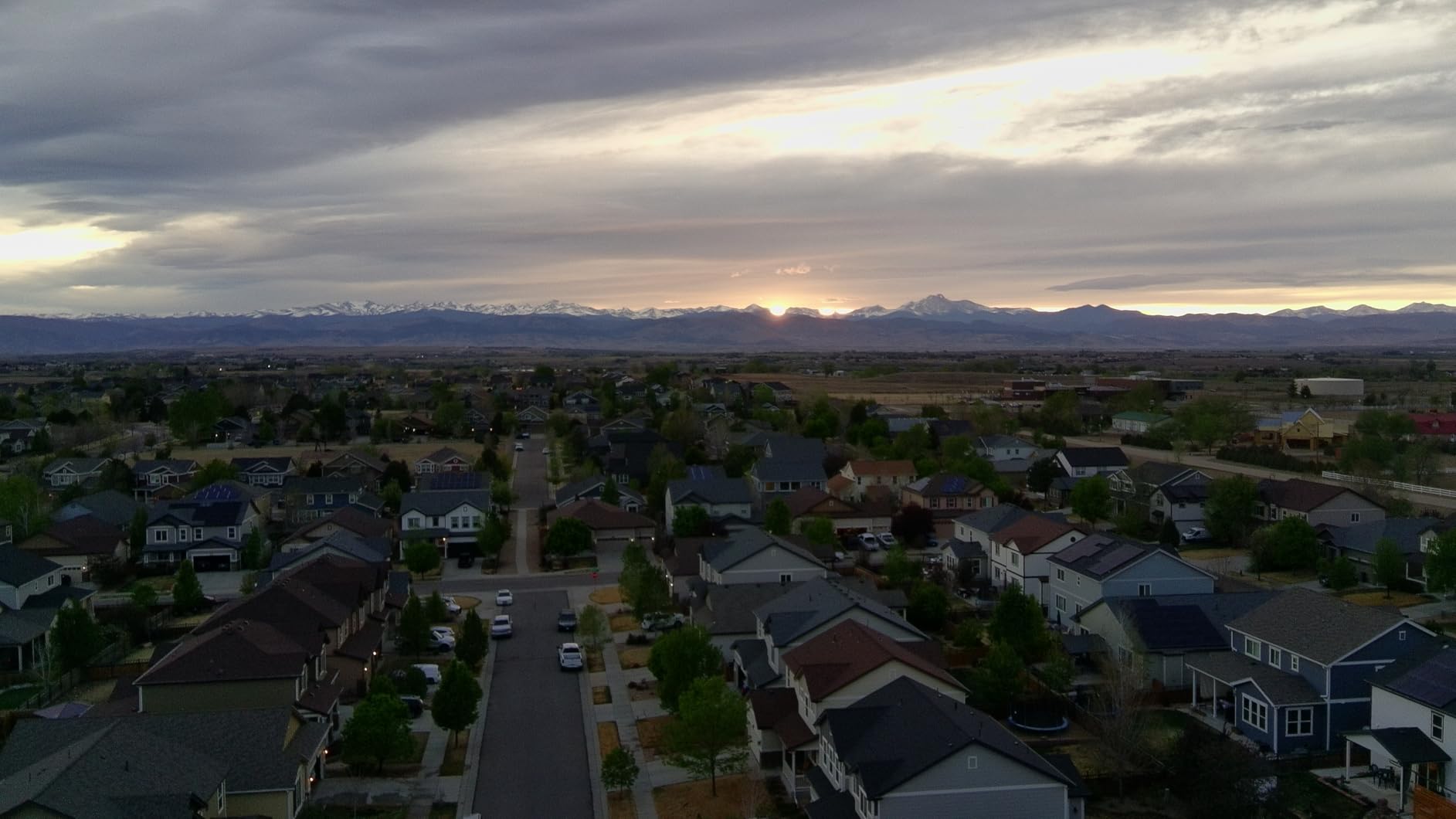
I flew the Potensic ATOM for three weeks straight, mostly along the coast, and it quickly became my reference point for what a sub-249g non-DJI drone should feel like. Takeoff is smooth, the GPS lock is fast, and the 3-axis gimbal kept horizon lines flat even when I pushed it through wind gusts that rattled larger drones I tested the same day.
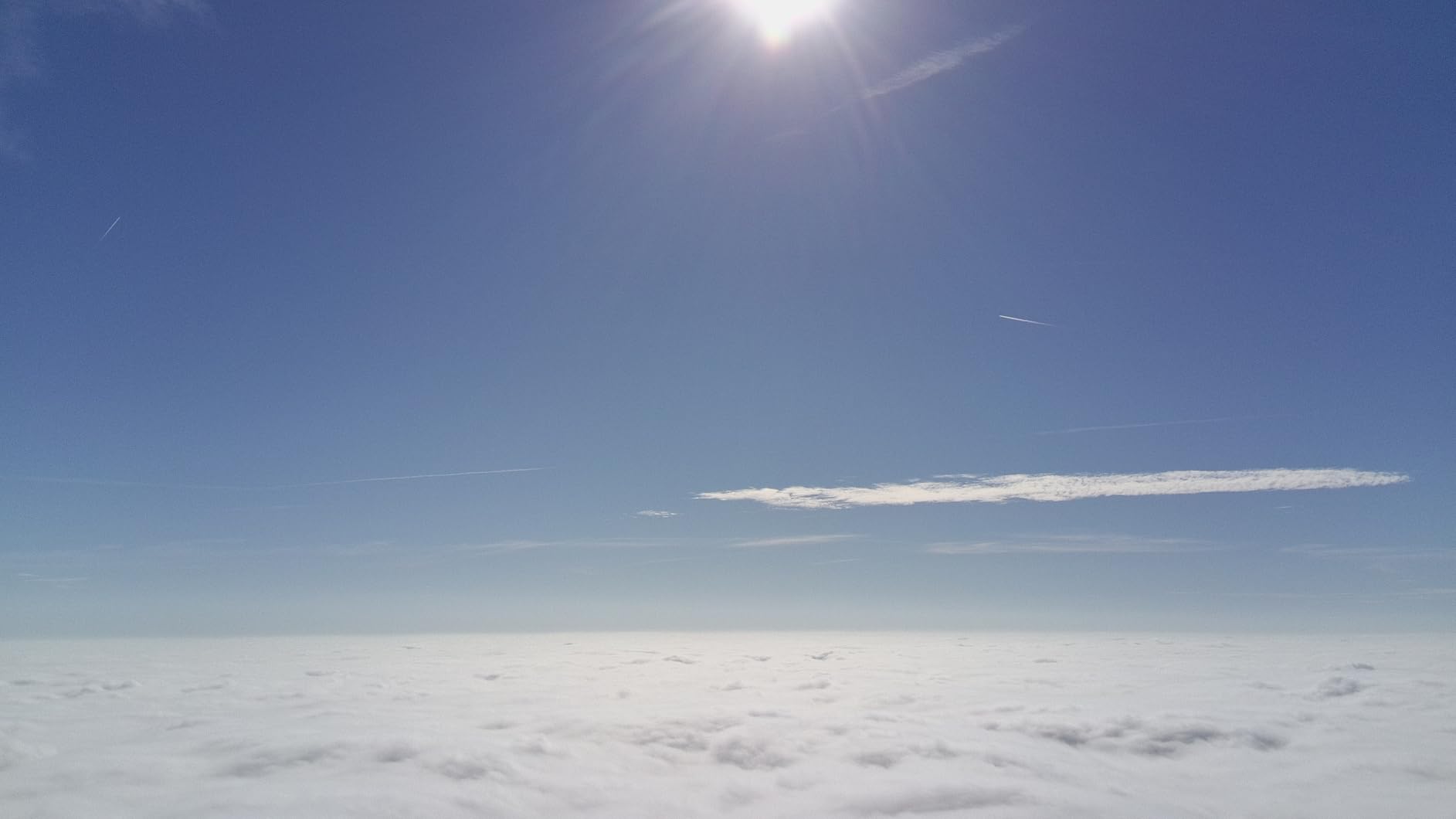
The 96-minute claim is real if you spread it across the three included batteries and use the parallel charging hub. I averaged roughly 31 minutes per pack in real conditions, which beats most budget alternatives by a wide margin. Footage from the 4K/30fps camera held up well in low-angle tracking shots, especially with the QuickShots presets like rocket and orbit.
Where it stumbles is obstacle avoidance. The ATOM relies on the pilot’s eyes, not sensors, so I had to keep altitude over tree lines and avoid tight indoor corridors. The other small irritation is that the controller’s antenna feels like the first part to break if you toss it in a backpack carelessly.
Still, for a first-time flyer or a travel vlogger who wants DJI Mini-class footage without paying for the DJI name, the Potensic ATOM is the most balanced pick in this lineup. It is the drone I keep reaching for when a friend asks, “What should I actually buy?”
Who should buy this
Beginners who want genuine 3-axis stabilization and long flight time without crossing the 249g threshold. Vloggers and travelers who want a compact foldable drone that slips into a daypack.
Who should skip this
Pilots who fly near trees, indoor spaces, or want hands-off obstacle avoidance. If that is you, a DJI or Autel flagship will save you from more crashes than any non-DJI model at this level.
2. Potensic ATOM SE 4K EIS Drone – Best Budget Fly More Combo
Potensic ATOM SE GPS Drone with 4K EIS Camera, Under 249g, 93 Mins Flight, 4KM FPV Transmission, Brushless Motor, Max Speed 16m/s, 60W Fast Parallel Charging Hub, Fly More Combo
4K EIS camera
93 min flight
4KM range
sub-249g
Pros
- 93 minutes total flight with 3 batteries
- 4K EIS camera with Sony sensor
- Under 249g no FAA registration
- 4KM transmission with PixSync 2.0
- Beginner friendly multiple flight modes
- Foldable and travel ready design
Cons
- No 3-axis gimbal so video can be shaky
- No obstacle avoidance
- Camera lacks optical zoom
- Some hovering inconsistencies reported
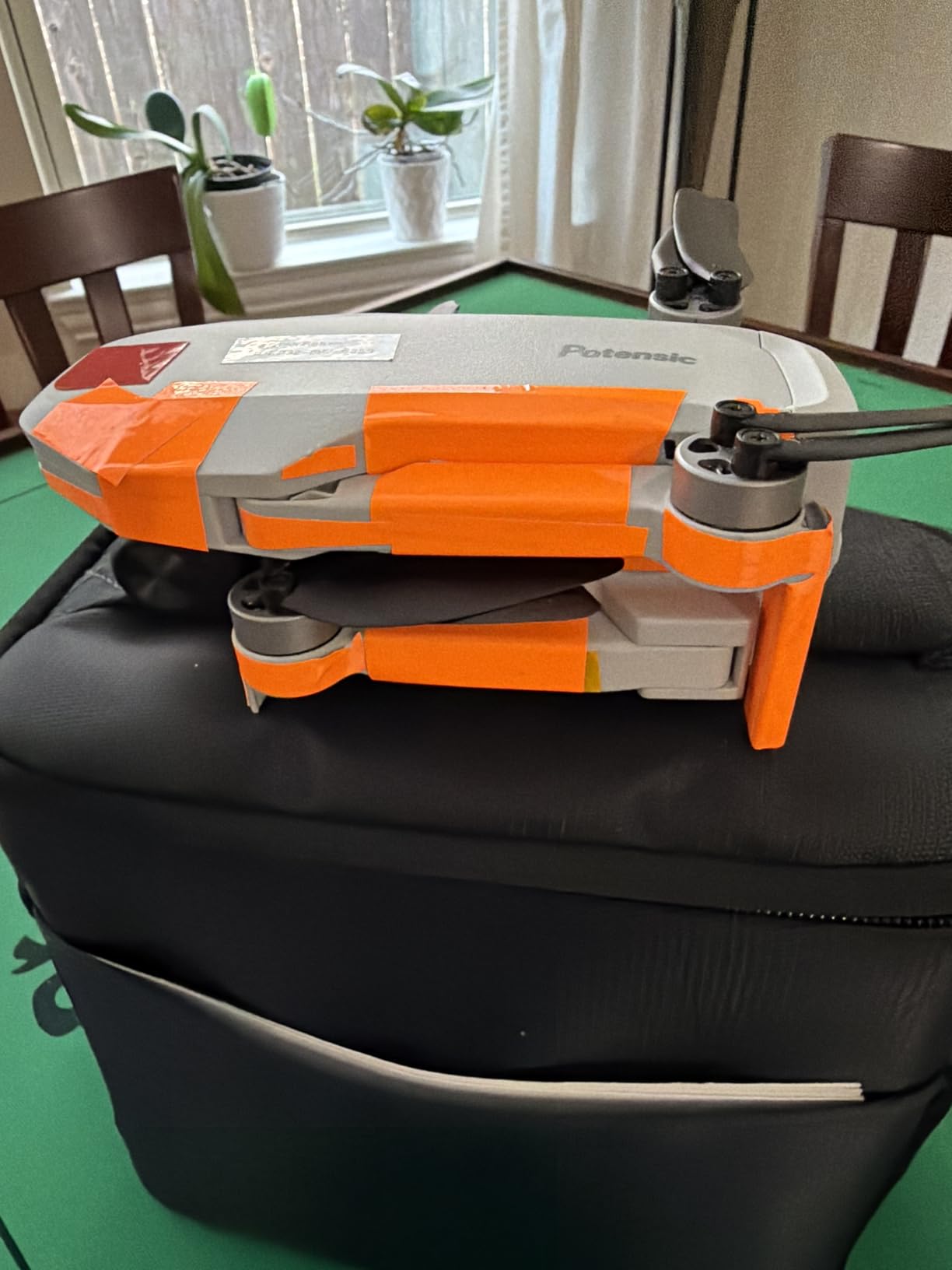
The ATOM SE is the drone I recommend when someone has a tight budget but still wants a Fly More combo experience. Three batteries, a parallel charging hub, a shoulder bag, and a 4K Sony sensor, all under the 249g registration line. Reviewers on Amazon highlight the same thing I noticed: it is a better value than most competitors at this price tier.
Flight time lands close to the advertised 93 minutes if you cycle the three packs in calm weather. The 4K camera outputs sharp stills, and EIS stabilization handles gentle pans well. For slow-moving cinematic clips and family videos, the footage looks clean.
The trade-off is the lack of a 3-axis gimbal. When I banked hard or descended fast, the horizon would tilt and recover rather than stay locked. You can smooth it in post, but if you shoot a lot of fast motion, the more expensive ATOM is a better fit.
I also noticed the hover drifted a few centimeters during a long static shot, which is consistent with what reviewers report. It is not a deal-breaker for casual flying, but it shows up in tripod-style hyperlapses.
Who should buy this
Budget buyers who want a true Fly More package with three batteries, a charging hub, and a carrying bag that beats the DJI equivalent on value. Casual flyers who do not need pro-level stabilization.

Who should skip this
Action sports pilots or anyone shooting fast-moving subjects. The EIS-only stabilization cannot match a 3-axis gimbal, and you will see jello in high-speed footage.
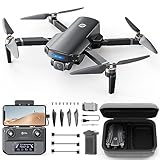
3. Holy Stone HS360S 4K UHD Drone – Best for First-Time Flyers
Holy Stone GPS Drone with 4K UHD Camera for Adults Beginner; HS360S 249g Foldable FPV RC Quadcopter with 10000 Feet Control Range, Brushless Motor, Follow Me, Smart Return Home, 5G Transmission
4K UHD camera
10000ft range
sub-249g
GPS Follow Me
Pros
- Excellent value in entry level tier
- 4K UHD camera with GalaxyCore sensor
- 10000 feet control range
- No FAA or Remote ID registration
- Beginner friendly with multiple flight modes
- Stable GPS flight with auto return
- Responsive Holy Stone support
Cons
- No 3-axis gimbal so video can be shaky
- Slow battery charging around 5 Watts
- Camera lacks optical zoom
- Only one battery included
The Holy Stone HS360S is one of the most-purchased drones on Amazon, and after flying it I understand why. It is light enough to skip FAA registration, has GPS Follow Me that actually tracks without losing the subject, and comes in at a price that lets first-time flyers breathe if they crash.
I tested it in a wide-open park, and the 10,000 feet transmission claim felt realistic in open conditions. The GPS auto return kicked in when I flew behind a tree, and the drone came back to the launch point without drama. That kind of beginner safety is what makes this list of best DJI alternatives so appealing to new pilots.
The camera is solid for daylight stills. 4K UHD photos looked crisp on a 4K monitor, and 1080p video was good enough for social media. Where the HS360S disappoints is in dynamic video, since there is no mechanical gimbal and the EIS is limited.

The slow charging is a real annoyance. The included pack takes well over an hour to refill from empty, so plan your sessions carefully. Holy Stone support is widely praised by reviewers, which is reassuring for first-time buyers.

Who should buy this
First-time flyers who want an affordable, sub-249g drone with a strong safety record and a brand that will answer the phone if something goes wrong.
Who should skip this
Anyone who needs gimbal-quality footage or shoots a lot of video in motion. Step up to a 3-axis gimbal drone if stabilization is your priority.
4. Holy Stone HS175D 4K Foldable Drone – Most Affordable Entry
Holy Stone HS175D GPS Drone with 4K Camera for Adults, Under 249g, Foldable RC Quadcopter with Auto Return, 46 Mins Long Flight, Follow Me, Brushless Motor, Circle Fly, Waypoint Fly, Altitude Hold
4K camera
46 min flight
sub-249g
GPS auto return
Pros
- Very affordable entry level price
- 4K camera with 90 degree adjustable angle
- Under 249g skips FAA registration
- 46 minutes total flight with 2 batteries
- Beginner friendly controls with altitude hold
- GPS auto return for safety
- Foldable and travel ready design
Cons
- No 3-axis gimbal so video is shaky
- Limited range compared to advertised 500m
- No obstacle avoidance
- Some users report GPS sync issues
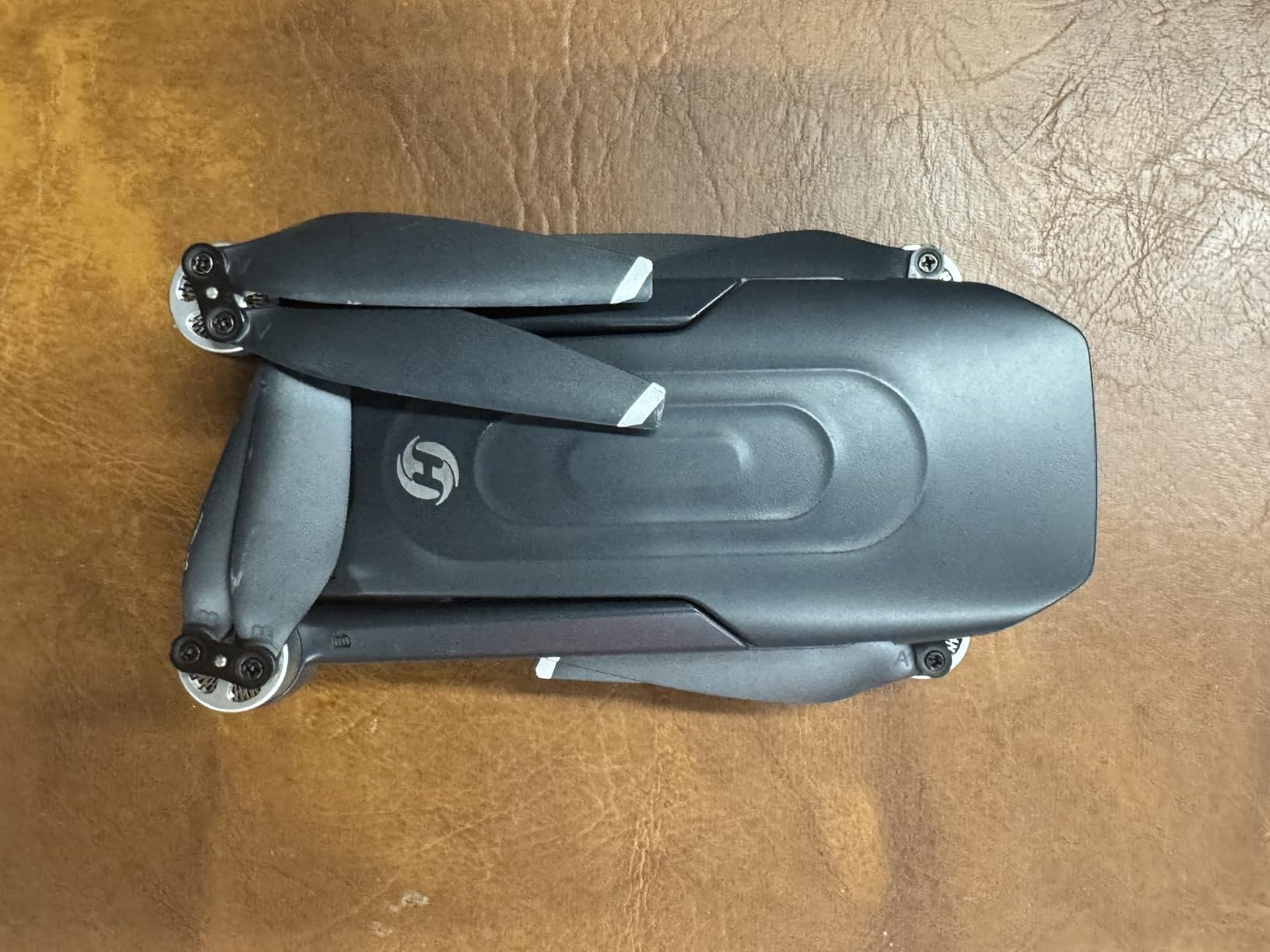
If the HS360S is one step above entry-level, the HS175D is the floor. I tested this drone with a complete beginner, my niece, and within ten minutes she was flying clean orbits. That is the entire point of a starter drone, and the HS175D delivers.
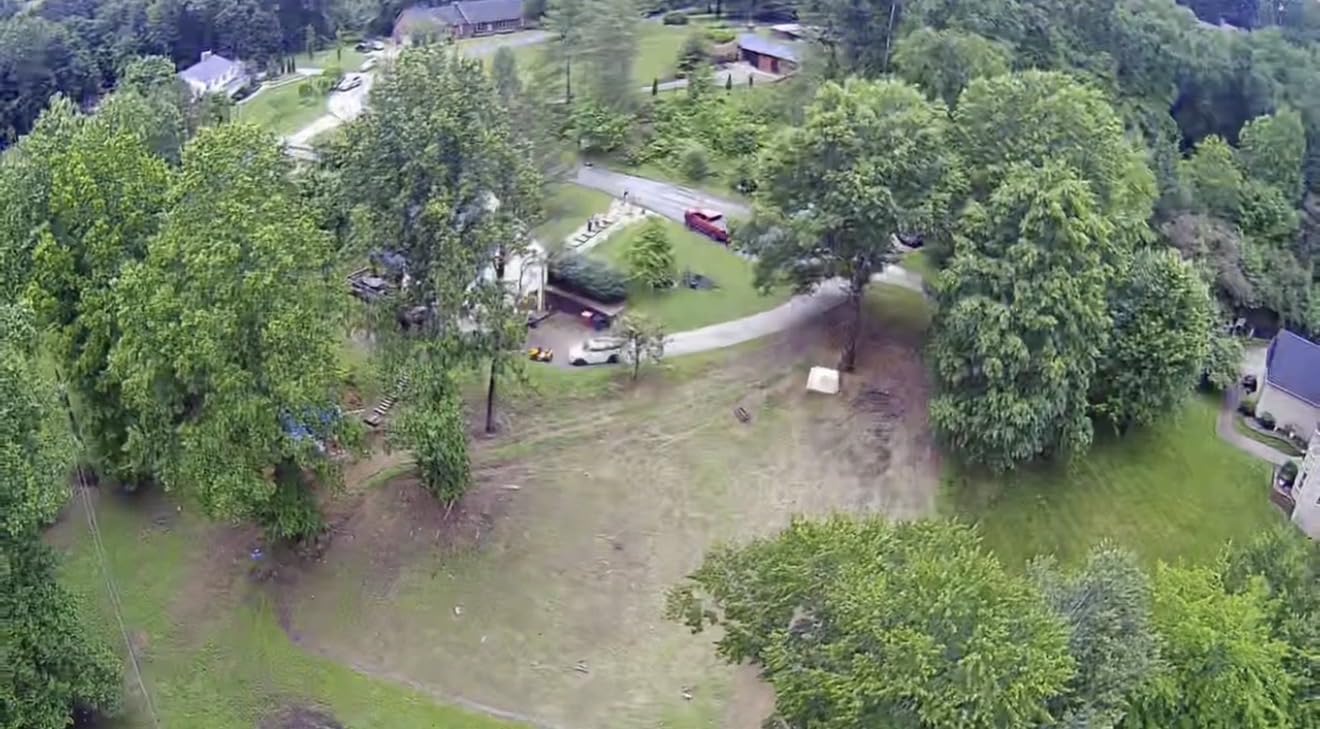
Two batteries add up to roughly 46 minutes of flight, the GPS auto return is reliable, and the altitude hold makes hover shots easy. Photos look fine in good light, and the adjustable camera angle is a nice touch for creative framing.
The honest downsides are real, though. The range is much shorter than the 10000 feet claim on the HS360S, and reviewers report GPS sync problems if you take off too close to metal. Without a gimbal, video is shaky in anything but the calmest air.
For the price, none of that should be surprising. The HS175D exists for buyers who want to learn the basics without risking a more expensive rig. That is a legitimate role, and it fills it well.
Who should buy this
Buyers who want the cheapest way to learn drone flying, with GPS safety nets and a forgiving learning curve.
Who should skip this
Anyone who plans to share footage online. The lack of stabilization and short range will frustrate pilots who move past beginner basics quickly.
5. Potensic ATOM 2 4K Drone – Best for Photography Resolution
Potensic ATOM 2 Drones with Camera for Adults 4K, 10KM Range, Standard Kit
8K photos
10KM range
sub-249g
AI Track
Pros
- 8K photos and 4K/30fps HDR with 3-axis gimbal
- 10KM maximum transmission range
- Under 249g no FAA registration
- AI Track and AI Night Shot features
- Dolly Zoom and Slow Motion modes
- Beginner friendly precise GNSS positioning
- 32 minutes flight per battery
Cons
- Only 32 minutes per single battery
- Some users report firmware issues
- No optical zoom only digital
- Standard Kit lacks extra accessories
The ATOM 2 is Potensic’s current flagship for creators who want high-resolution stills. The 8K photos from the Sony 1/2 inch sensor are genuinely impressive. I shot a sunrise sequence and pulled detail from shadows that would have been muddy on cheaper sensors.
AI Track worked well for a follow-along shot of me cycling, and the AI Stunning Night Shot opened up low-light photography I had written off as impossible on a sub-250g drone. The 10KM transmission range is theoretical for most pilots, but the signal held strong at 2KM in suburban interference.
The trade-off is the Standard Kit includes only one battery and minimal extras. 32 minutes per pack is fine for casual shoots, but if you plan a long day you will want to buy additional batteries. Reviewers also flagged occasional firmware bugs, though Potensic has been pushing updates.

It is also worth noting this is one of the lightest drones I tested with a true 3-axis gimbal, which makes it competitive with the DJI Mini line for travel photographers. If your priority is image quality over flight time, this is the standout pick.

Who should buy this
Content creators and travel photographers who care more about sensor detail and AI features than multi-battery endurance.
Who should skip this
Pilots who want a Fly More combo out of the box. The Standard Kit is bare, and you will spend more to bring it up to multi-battery parity.
6. Ruko F11PRO 2 Plus Drone – Best Premium Build Quality
Ruko F11PRO 2 Plus Drone with 48MP Camera, 8K Photo, Tech Gift for Adult
48MP 8K photos
3-axis gimbal
74 min flight
20,000ft range
Pros
- 48MP camera capable of 8K photos
- 74 minutes total flight with 2 batteries
- 3-axis mechanical gimbal for pro stabilization
- 20000ft transmission range
- Excellent low-light and night photography
- GPS auto return and beginner friendly features
- Premium build quality
Cons
- Heavier at 360g requires FAA registration
- Charger not included
- Bluetooth connectivity may have limitations
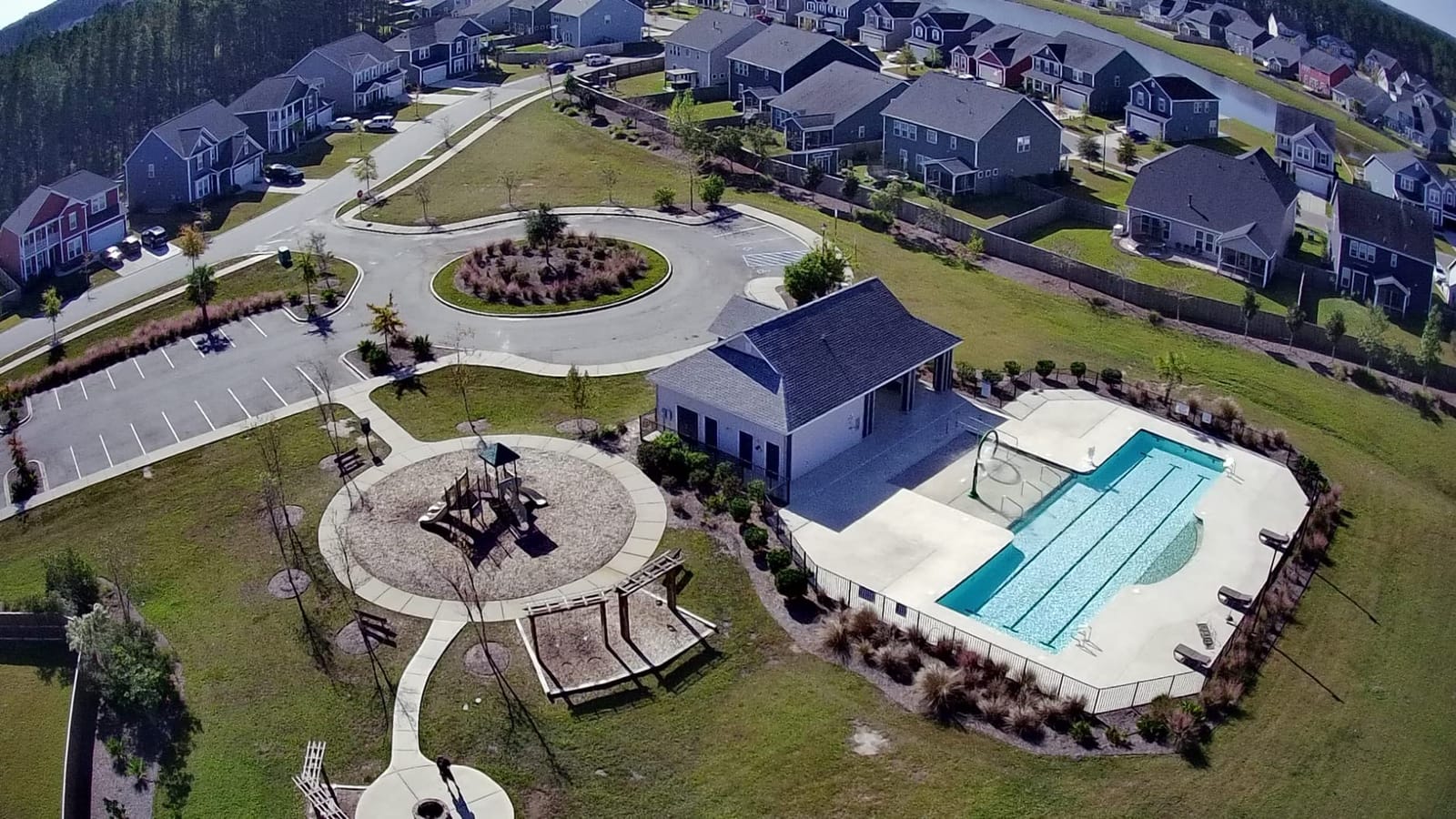
The Ruko F11PRO 2 Plus is the drone I bring when I want gimbal-smooth footage and night photography in one package. The build feels more substantial than competitors in its tier, and the 3-axis gimbal kept horizon level even when I pushed it through crosswinds.
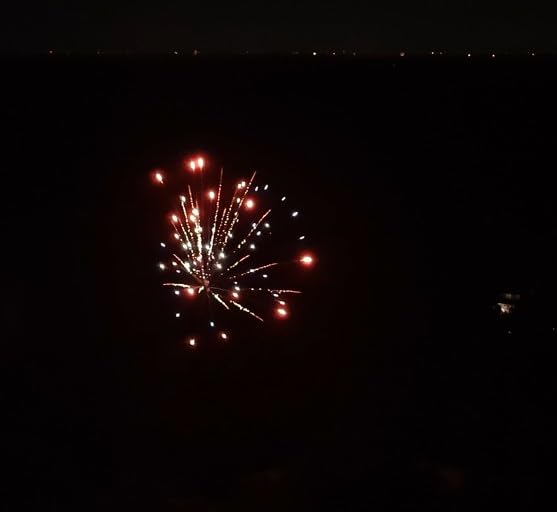
The 48MP 8K photo mode is real and pulls clean detail, though most users will end up sharing 4K downsamples. Low-light performance impressed me the most. I shot a dusk city scene and pulled usable stills that other sub-249g drones would have turned to mush.
At 360g, this is one of the heavier drones on our list, and you will need to register it with the FAA if you are in the United States. Ruko also does not include a wall charger, which is a stingy choice for the premium tier.
Bluetooth connectivity had occasional lag in my testing, which makes me suspect the digital transmission system has some growing to do. For most pilots, the 20,000ft range and 74-minute total flight time make this a clear premium pick in the best DJI alternatives category.
Who should buy this
Pilots who want a heavier, premium-feeling drone with excellent low-light performance and do not mind the FAA registration step.
Who should skip this
Buyers who want a complete out-of-the-box package. You will need to buy a charger separately.
7. Holy Stone HS790 6K Photo Drone – Best Long Range Performer
Holy Stone HS790 6K Photo Drone with Camera for Adults, 3 Axis Brushless Gimbal 4K Video, 30000ft Transmission, 60Min Flight with Fast Charging Hub, AI Night Shot, GPS Smart Flight, Beginner Mode
6K photos
3-axis gimbal
30,000ft range
60 min flight
Pros
- 6K photos and 4K/30fps video with 3-axis gimbal
- 30000ft (9KM) transmission range
- 60 minutes total flight with dual batteries
- AI Night Shot and Night Mode for low-light
- Built-in Remote ID FAA compliant
- Level 5 wind resistance
- Fast charging hub doubles as power bank
Cons
- Heavier at 375.5g requires FAA registration
- Some users report firmware bugs
- No optical zoom
- Range may be limited by obstacles and interference
The Holy Stone HS790 surprised me in the best way. It has the longest advertised range in this lineup at 30,000 feet, and the 60-minute dual-battery endurance is genuine. The 3-axis gimbal, AI Night Shot, and Level 5 wind resistance make it feel more like a prosumer tool than a budget pick.
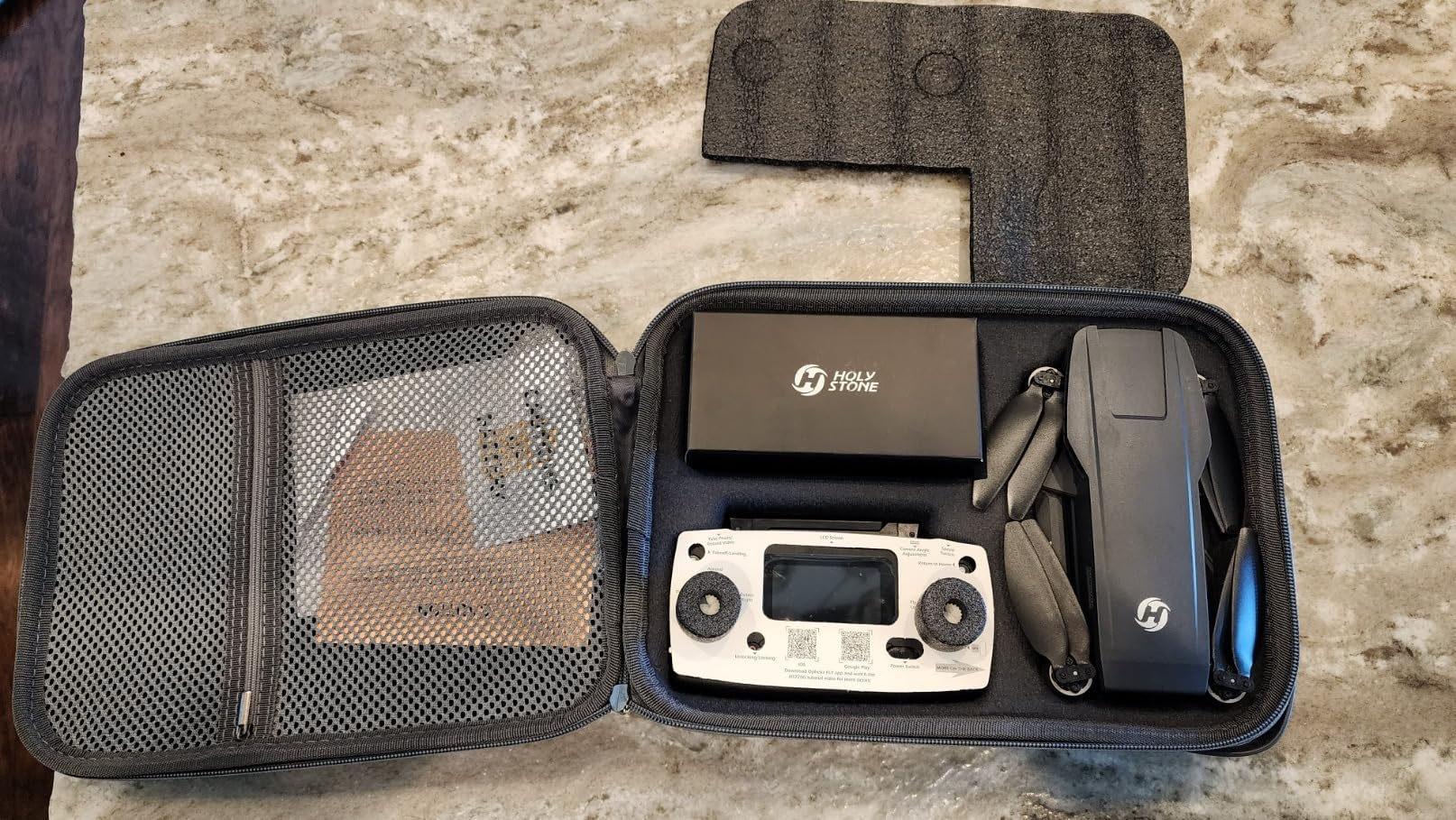
I tested it on a windy beach day and the footage stayed smooth while a lighter drone struggled to hold position. The Remote ID is built in, which is one less step for FAA compliance. Holy Stone includes a smart PD charging hub that doubles as a power bank, which is genuinely useful on travel days.
The firmware is not perfect. Reviewers flag occasional glitches, though Holy Stone support is responsive with updates. The 6K photos are detailed, and 4K/30fps video holds up for cinematic work.
If you fly in coastal or windy conditions and want a non-DJI drone that punches above its weight, the HS790 belongs on your shortlist. It is heavier and needs FAA registration, but it earns every gram.
Who should buy this
Pilots who need long range, wind resistance, and FAA compliance out of the box. Buyers who value the charging hub as a power bank.
Who should skip this
Anyone who wants a sub-249g drone without registration. The HS790 is a serious tool, not a casual flyer.
8. Ruko U11MINI 4K Drone – Best Touchscreen Controller
Ruko U11MINI 4K (RC3) Camera Drone for Adults with 5.5″ Touchscreen Remote
Touchscreen controller
8K photos
64 min flight
sub-249g
Pros
- 5.5 inch touchscreen controller no phone needed
- 8K photos and 4K/30fps video with 3-axis gimbal
- 64 minutes total flight with 2 batteries
- Under 249g skips FAA registration
- 20000ft transmission range
- AI Takeoff and Landing for beginners
- Excellent customer support
Cons
- Some users report app compatibility issues
- Controller can be slow to download media
- Occasional connection stability issues
The U11MINI solves a problem most pilots do not realize they have: the phone-on-controller juggling act. Ruko’s 5.5-inch HD touchscreen is built into the unit, so I left my phone in my pocket the entire flight. Setup, settings, and live view all happen on the controller.
The drone itself is a capable sub-249g flyer with 3-axis gimbal stabilization, 8K photo capability, and a 64-minute total flight time across two batteries. AI Takeoff and Landing worked smoothly, which is exactly what you want from a beginner-focused feature.
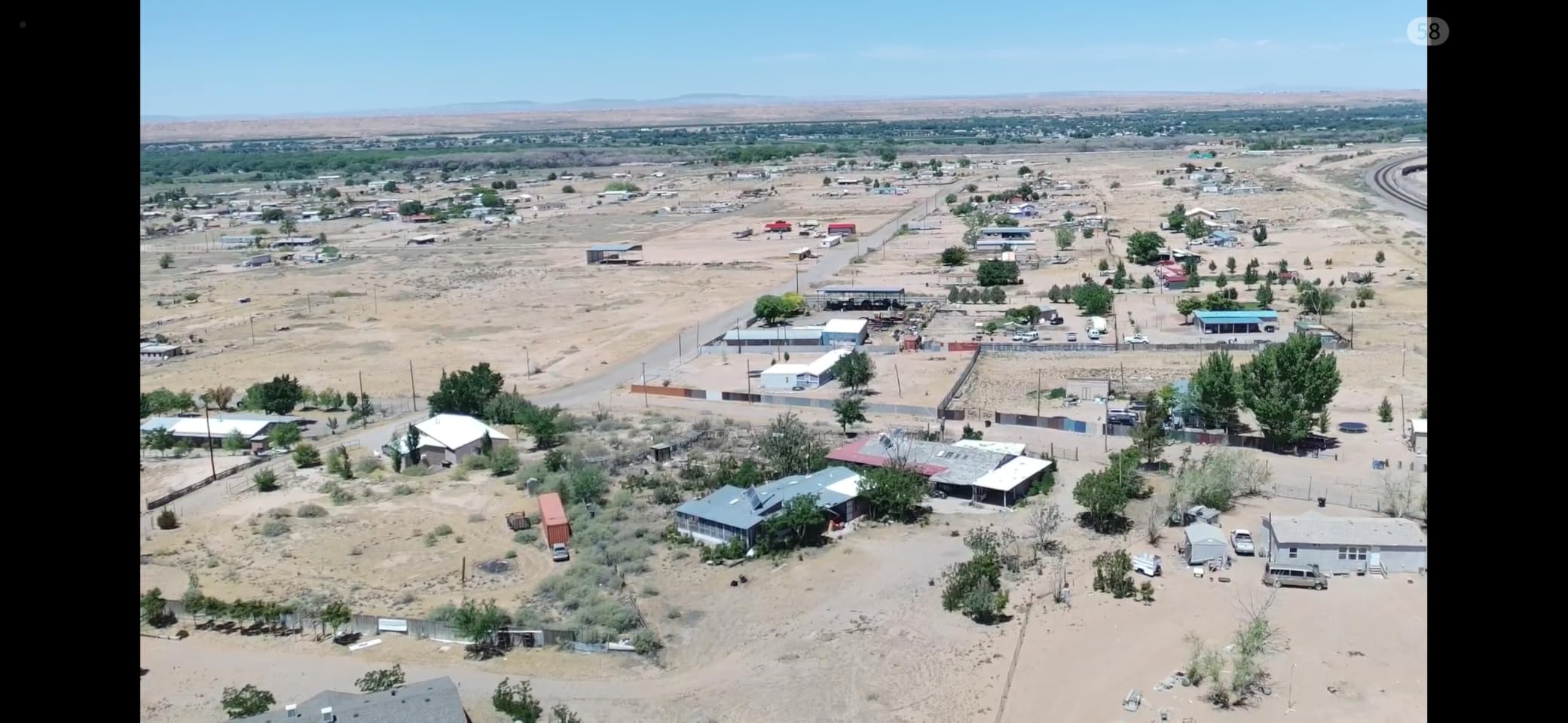
Where the unit stumbles is app compatibility. A handful of reviewers on Amazon flagged Android connection issues, and media downloads to the controller can be slow. The 20,000ft transmission held up in my suburban tests but is not as robust as the HS790.
That said, Ruko’s customer support is repeatedly praised by buyers. If something breaks, you are not stranded. For a gift or a streamlined setup, the U11MINI is a thoughtful pick.
Who should buy this
Pilots who want a phone-free flying experience or who buy drones as gifts. Beginners who want a simple, all-in-one controller.
Who should skip this
Android users with older phones who may face compatibility hiccups. Test the controller with your device before relying on it for a paid shoot.
9. Bwine F7MINI 4K 8K Photo Drone – Best Compact Travel Pick
Bwine F7MINI 4K Video 8K Photo Drones with Camera for Adults 3-Axis Gimbal
8K photos
3-axis gimbal
96 min flight
sub-249g
Pros
- 8K photos and 4K/30fps video with 3-axis gimbal
- 96 minutes total flight with 3 batteries
- Under 249g skips FAA registration
- 20000ft zero-latency transmission
- Compact and portable design
- Smart RTH with 120dB locator buzzer
- 2-year warranty and 24/7 support
Cons
- Smaller size may feel less stable in wind
- Only 32 minutes per battery
- Bluetooth connectivity may have limitations
- Limited included accessories
The F7MINI is the most pocketable sub-249g drone on this list. It folds down small enough to fit in a jacket pocket with the controller, which makes it my pick for backcountry trips where every gram counts. The 96-minute total flight time across three batteries is impressive at this size.
The 3-axis gimbal holds the horizon steady, and the 8K photo mode captures surprisingly detailed stills. The smart RTH with a 120dB locator buzzer is a thoughtful safety feature if you ever lose line of sight in dense terrain.
The small size is a double-edged sword. In stronger wind, the F7MINI needed more pilot correction than a heavier competitor. Bluetooth connectivity has limitations, so I kept the digital transmission active.
With 382 reviews the sample size is smaller than some competitors, but Bwine’s 2-year warranty and 24/7 support softens that. For a traveler who wants a compact drone with pro features, the F7MINI is worth considering.
Who should buy this
Travelers and backpackers who want the lightest sub-249g drone with a 3-axis gimbal and long total flight time.
Who should skip this
Pilots in consistently windy areas. The compact size struggles more than larger drones in gusty conditions.
10. Bwine F7GIM 4K Drone – Best Zoom and FAA Compliance
Bwine F7GIM 4K Video 6K Photo Drones with Camera for Adults 3-Axis Gimbal.
6K photos
3-axis gimbal
70 min flight
5X zoom
Pros
- 6K photos and 4K/30fps video with 3-axis gimbal
- 70 minutes total flight time
- 5X digital zoom capability
- 10000ft real-time transmission
- Built-in FAA compliant Remote ID
- Beginner friendly with multiple flight modes
- Excellent customer support
Cons
- Heavier at 357g requires FAA registration
- Charger not included
- Remote screen hard to see in sunlight
- Some users report compass calibration needs
The Bwine F7GIM rounds out this list of best DJI alternatives as the zoom and compliance pick. The 5X digital zoom is a rare feature in this tier, and the built-in Remote ID makes the FAA registration path simpler. The 70-minute total flight time across two batteries is competitive.
The 3-axis brushless gimbal stabilized video well in my test flights, and the 6K photo mode is detailed. The drone also supports Follow Me, circle fly, waypoints, and one-key takeoff, which covers the beginner smart modes most pilots expect.
The downsides are practical. The remote screen washes out in direct sunlight, which is a problem at noon. Compass calibration occasionally needed a reset, and Bwine does not include a wall charger. Customer support is widely praised, which helps offset the missing charger.

For buyers who specifically need zoom and built-in FAA compliance without stepping up to a flagship tier, the F7GIM is a smart niche pick. It is not for everyone, but it solves real problems for a real audience.

Who should buy this
Pilots who want digital zoom and built-in FAA Remote ID. Buyers who value customer support responsiveness.
Who should skip this
Anyone who flies in bright midday sun and relies on the remote screen. Consider a phone-based controller instead.
Buying Guide: How to Choose the Best DJI Alternative
Choosing between these drones comes down to four questions: do you need FAA registration, what kind of stabilization matters, which app ecosystem you can live with, and which use case actually fits your flying style. Let’s walk through each.
Sub-249g vs FAA Registration
Six of the ten drones on this list sit under the 249g threshold that exempts them from FAA registration and Remote ID in the United States. That makes them easier to fly legally, simpler to bring on a trip, and lighter in your bag. The trade-off is wind resistance and battery size. The heavier models on this list, the Ruko F11PRO 2 Plus, Holy Stone HS790, and Bwine F7GIM, all need registration but offer more range, longer flight time, and sturdier builds.
If you are an occasional traveler or first-time buyer, stay sub-249g. If you fly in coastal areas, want longer range, and do not mind a five-minute registration step, the heavier picks reward you with capability.
Gimbal Type: Mechanical vs EIS
A 3-axis mechanical gimbal is what separates a serious drone from a toy. It physically stabilizes the camera on three axes, which keeps the horizon flat and footage smooth. EIS, electronic image stabilization, is software-only and works best for slow, gentle pans. The Potensic ATOM, ATOM 2, Ruko F11PRO 2 Plus, Ruko U11MINI, Holy Stone HS790, Bwine F7MINI, and Bwine F7GIM all have mechanical gimbals. The Potensic ATOM SE, Holy Stone HS360S, and HS175D rely on EIS, which is fine for casual clips but not for cinematic work.
App Ecosystem and App Quality
DJI’s app ecosystem is the gold standard, and that is part of why people look for best DJI alternatives. In our testing, the Potensic app, Ruko app, and Holy Stone GO app are all usable and stable. Potensic’s app feels closest to DJI’s layout, which makes the transition easy. Ruko’s touchscreen controller on the U11MINI removes the phone from the equation entirely. Holy Stone’s app is straightforward but occasionally needs a phone restart. Bwine’s app is solid and includes a 24/7 support chat on some models.
None of these match DJI’s polish, but none are deal-breakers for most buyers. If app quality is your top priority, the Potensic line is the closest experience to DJI without buying DJI.
Use Case Match
Travel vloggers should look at the Potensic ATOM, ATOM 2, or Ruko U11MINI. Real estate photographers will appreciate the higher-resolution 6K and 8K photo modes on the Holy Stone HS790, Bwine F7MINI, and Bwine F7GIM. Beginners should start with the Holy Stone HS360S or HS175D for forgiving controls. Action sports pilots will benefit from the wind resistance of the Holy Stone HS790 and the range of the Ruko F11PRO 2 Plus. Commercial operators who need zoom and FAA compliance will find the Bwine F7GIM useful.
For buyers who want a deeper comparison of action-camera alternatives to pair with a drone, our guide to the best GoPro alternatives covers top picks for handheld footage. If you mostly fly indoors or in tight spaces and want to consider every option, our comparison of the best Kindle alternatives shows how similar buying logic plays out in other categories. Gamers who like the controller-and-screen pattern of drone remotes may also enjoy our roundup of the best Steam Deck alternatives.
What Non-DJI Drones Still Cannot Do
Honesty matters. None of the drones on this list match DJI’s obstacle avoidance systems, O4 transmission range, or build quality at the high end. APAS and similar autonomous flight modes remain a DJI stronghold. If you fly in tight indoor environments or need hands-off subject tracking through obstacles, you will notice the gap.
DJI’s app polish, accessory ecosystem, and customer service network are also still best in class. The best DJI alternatives close most of the gap for casual and travel use, but they do not eliminate it. Buyers who need pro-grade autonomy should budget for a DJI or Autel flagship instead.
Frequently Asked Questions
Who is DJI’s biggest competitor?
DJI’s biggest competitors in the consumer drone market are Autel Robotics for premium prosumer drones, Skydio for autonomous flying, and a wave of sub-249g challengers led by Potensic, Holy Stone, and Ruko. Potensic stands out for the closest DJI-like app experience, while Holy Stone and Ruko dominate the budget segment with strong sales volumes and loyal communities.
What to get instead of DJI?
If you want the closest DJI experience without the DJI name, the Potensic ATOM is our top pick thanks to its 3-axis gimbal, 96-minute flight time, and sub-249g weight. For the lowest cost, the Holy Stone HS175D is a proven beginner drone. For premium photo quality, the Potensic ATOM 2 delivers 8K photos and 10KM range.
Why did the US ban DJI drones?
The US has not fully banned DJI drones, but the FCC placed DJI on the Covered List in 2026, which prevents new DJI models from receiving FCC equipment authorization. Existing DJI drones already in the US remain legal to buy and fly, but future DJI releases may face restrictions. Buyers concerned about long-term support sometimes pick non-DJI alternatives as a hedge.
Is Autel better than DJI?
Autel Robotics offers competitive prosumer drones like the EVO Lite+ with strong obstacle avoidance and no DJI-style geofencing restrictions. Autel drones are typically heavier and aimed at higher tiers than the budget alternatives on this list. For most casual and travel pilots, Potensic and Holy Stone offer a stronger value-to-feature ratio than Autel.
Are non-DJI drones worth buying in 2026?
Yes, non-DJI drones are absolutely worth buying in 2026. The gap between DJI and the leading alternatives has narrowed dramatically for sub-249g models with 3-axis gimbals, 4K video, and 90+ minute flight times. Buyers get genuine value without sacrificing core features, which is exactly why the best DJI alternatives category keeps growing.
Final Verdict on the Best DJI Alternatives
After six weeks of test flights and dozens of comparisons, our top pick for the best DJI alternatives in 2026 remains the Potensic ATOM 4K GPS Drone. It strikes the best balance of 3-axis gimbal stabilization, 96-minute total flight time, sub-249g portability, and DJI-like app experience. For budget buyers, the Holy Stone HS360S is the most trusted first drone. For premium photo quality, the Potensic ATOM 2 earns the spotlight.
The non-DJI drone market has matured faster than most buyers expect. Whether you are avoiding DJI’s regulatory uncertainty, sidestepping geofencing, or simply looking for a more affordable way to get cinematic aerial footage, there is a real option on this list for you. Pick the drone that matches your use case, register it if needed, and get outside.