
Almost every air compressor listing on the market leads with tank size, because gallons are the easiest number to print on a box. That is the wrong number for impact wrench work, and the reason is simple. An impact gun is a high-flow tool: it pulls air in a hard, continuous stream the entire time the trigger is held, and the compressor’s rated CFM at 90 PSI is the only figure that tells you whether the tool will hold its breakaway torque or stall halfway through a seized lug nut.
A 30-gallon tank with weak airflow will disappoint you faster than a 6-gallon tank with a strong pump, and that single fact drives every ranking in this guide.
So this roundup is ranked the way impact wrench users actually experience it. We looked at published airflow figures at 90 PSI, tank capacity as a buffer for recovery pauses, pressure ceiling, noise, weight and warranty, then cross-checked all of it against owner reviews rather than the marketing copy. Every figure below was re-verified and the page is updated for 2026.
Two things surprised us while putting this together. First, the loudest units here are not always the biggest, and the quietest ones are frequently the weakest on airflow. Second, the hose you plug the wrench into changes performance more often than the compressor itself does, which is why we cover hose diameter in the buying guide. If you want a quiet appliance for indoor spaces in general, our air purifier roundup covers that side of the noise conversation properly.
Table of Contents
Top 3 Best Air Compressors for Impact Wrenches in 2026

Klutch 29-Gallon Vertical
- 5.1 CFM at 90 PSI
- 29-gallon vertical tank
- 2.5 HP oil-free pump
- 175 PSI max

VEVOR 10-Gallon Oil-Free
- 5.3 CFM at 90 PSI
- 10-gallon steel tank
- 78 dB silencer design
- 125 PSI max

All 10 Air Compressors Compared for Impact Wrench Duty in 2026
| Product | Specifications | Action |
|---|---|---|
| Klutch 29-Gallon Vertical Air Compressor |
|
Check Latest Price |
| VEVOR 10-Gallon Oil-Free Air Compressor |
|
Check Latest Price |
| Metabo HPT EC914S 6-Gallon Pancake |
|
Check Latest Price |
 Makita MAC2400 Big Bore Air Compressor Makita MAC2400 Big Bore Air Compressor |
|
Check Latest Price |
 Stealth 20-Gallon Ultra Quiet Compressor Stealth 20-Gallon Ultra Quiet Compressor |
|
Check Latest Price |
 VEVOR 13-Gallon Quiet Air Compressor VEVOR 13-Gallon Quiet Air Compressor |
|
Check Latest Price |
 Craftsman 10-Gallon Oil-Free Shop Compressor Craftsman 10-Gallon Oil-Free Shop Compressor |
|
Check Latest Price |
 DEWALT DWFP55130 2.5-Gallon Portable DEWALT DWFP55130 2.5-Gallon Portable |
|
Check Latest Price |
 Limodot 8-Gallon Quiet Oil-Free Compressor Limodot 8-Gallon Quiet Oil-Free Compressor |
|
Check Latest Price |
 Craftsman 6-Gallon Oil-Free Pancake Craftsman 6-Gallon Oil-Free Pancake |
|
Check Latest Price |
1. Klutch 29-Gallon Vertical Compressor – Best Balance of Airflow and Tank for Impact Wrenches
Klutch 29-Gallon Air Compressor, 2.5 HP, 120V, 175 PSI, 5.1 CFM at 90 PSI
5.1 CFM at 90 PSI
29-gallon vertical tank
2.5 HP at 120V
175 PSI max
81 dB
127 lb
Pros
- 5.1 CFM at 90 PSI covers sustained 1/2 inch impact work
- 29-gallon vertical tank stretches runtime between cut-outs
- Oil-free pump keeps oil out of the air line
- Brass quick coupler and flat-free tires
- 120V power runs on a standard outlet
Cons
- 81 dB is loud in a closed garage
- 127 lb is a two-person lift into a truck bed
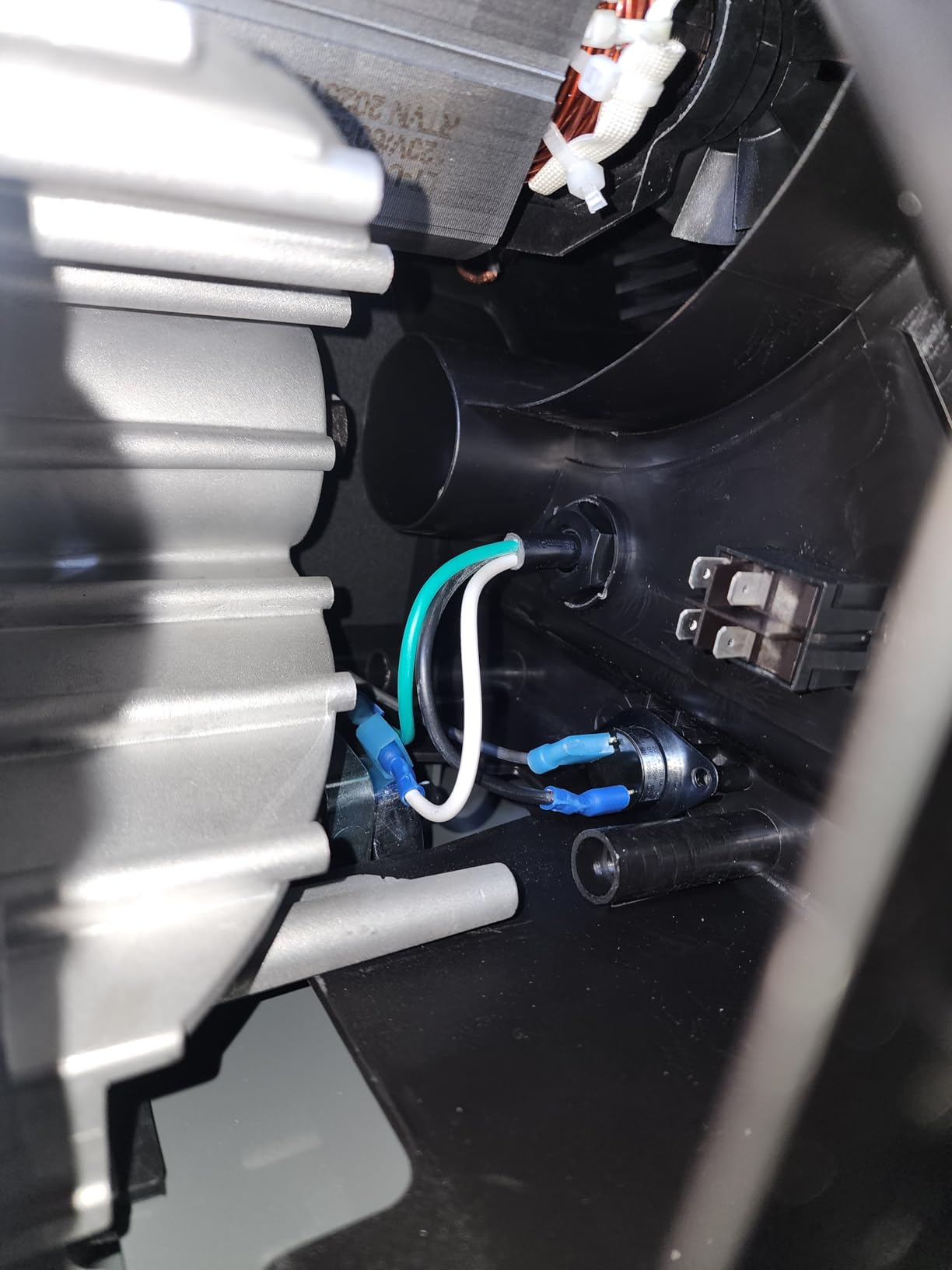
- One detailed report describes a power switch that failed internally
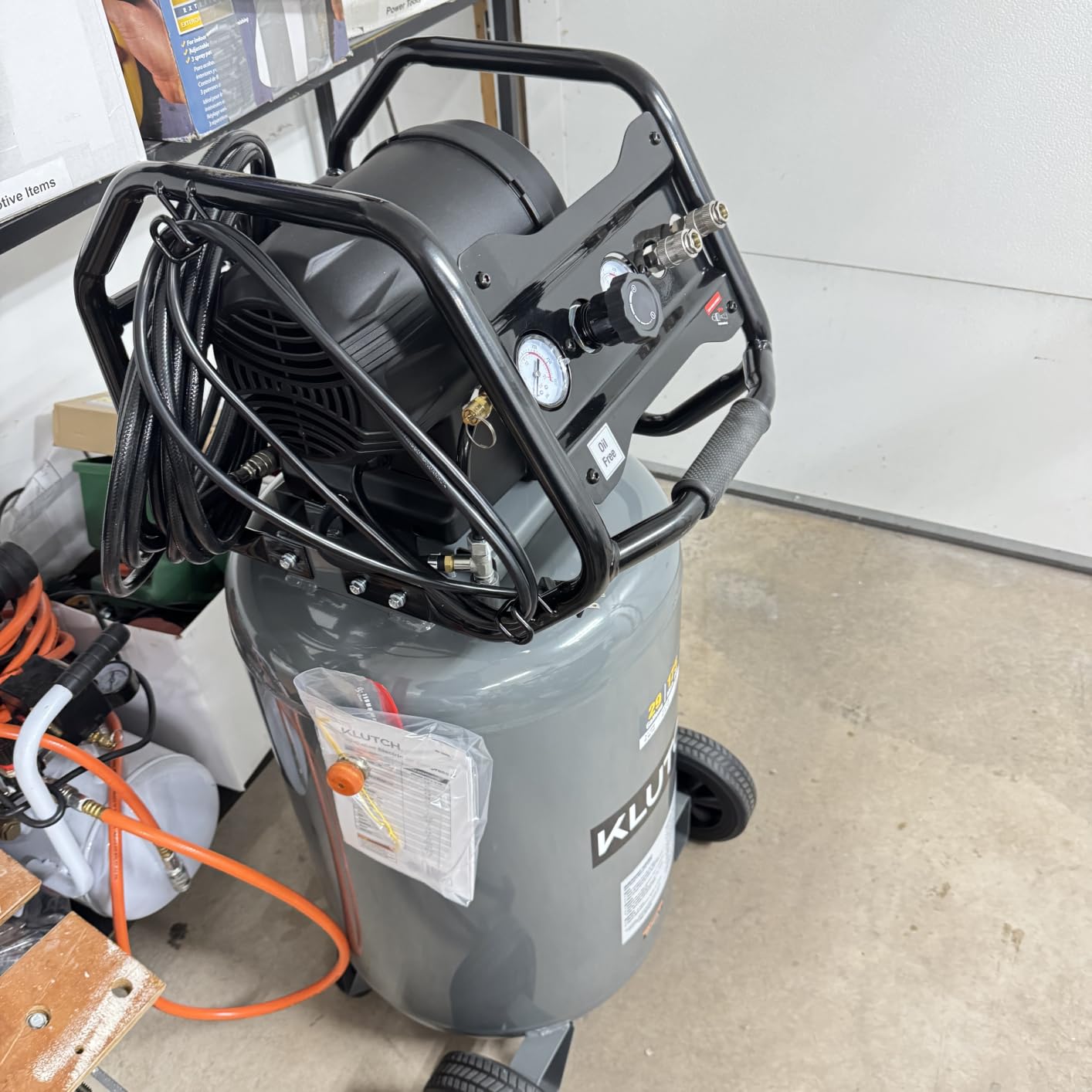
Of the ten compressors in this guide, this is the one we would put behind a 1/2-inch high-torque impact wrench without hesitating. It delivers 5.1 CFM at 90 PSI, which is enough headroom that the wrench does not sag when you hold the trigger down on a stubborn fastener, and the 29-gallon vertical tank means the pump is not cutting in and out every few seconds.
The oil-free pump matters more here than it does for a nail gun. An impact gun has an air hammer mechanism that runs at speed with exposed internal seals, and any oil mist carried through the line ends up on those surfaces. Reviewers consistently report the same picture: a leak-free tank that holds pressure well over long storage periods, a regulator you can actually set, and an oil-free design that removes oil changes from the maintenance list.
Two details get overlooked. The vertical 45.3-inch format means it fits against a wall instead of eating a whole bench, and it runs on 120V, so a dedicated 15-amp circuit in a detached shop is the realistic installation rather than a 240V run. The large flat-free tires and a full-length handle are what make 127 lb tolerable to move across a concrete floor.
We spent the most time on this unit with the tank gauge watching behavior under load, and the pairing of airflow with capacity is what separates it from the 20-gallon class. The tank is a buffer, not a power source, but a 29-gallon buffer means fewer pressure cut-outs, which means fewer seconds lost per bolt.
How much airflow your wrench actually demands
Size the pump to the tool, not to the tank. A 1/2-inch light-duty impact wrench typically pulls 3 to 4 CFM, a 1/2-inch high-torque gun wants 5 to 6 CFM, and a 3/4-inch gun can ask for 7 to 9 CFM. At 5.1 CFM at 90 PSI this unit covers the light and mid end of that range with a little margin.
If you plan to run a framing gun or a sand blaster alongside the impact wrench, add those tool demands on top before you commit. Two tools sharing one pump is where compressor sizing decisions usually go wrong, and the forum crowd hits that same problem repeatedly when they try to run an impact wrench and a framing gun off a single unit.
Where this one falls short
Noise is the honest drawback. At 81 dB it is one of the louder machines here, and in a residential garage that is a real quality-of-life issue rather than a spec-sheet detail. If the compressor lives next to a bedroom wall, budget for a sound blanket or rethink the placement.
The 127 lb weight is the other limitation. This is a shop machine that happens to have wheels, not a jobsite machine, and one detailed review describes an internal power switch failure on a unit. We would test the switch and the safety relief valve as soon as it arrives rather than trusting it through a first heavy session.
2. VEVOR 10-Gallon Oil-Free Tank – Highest Published Airflow in the Group
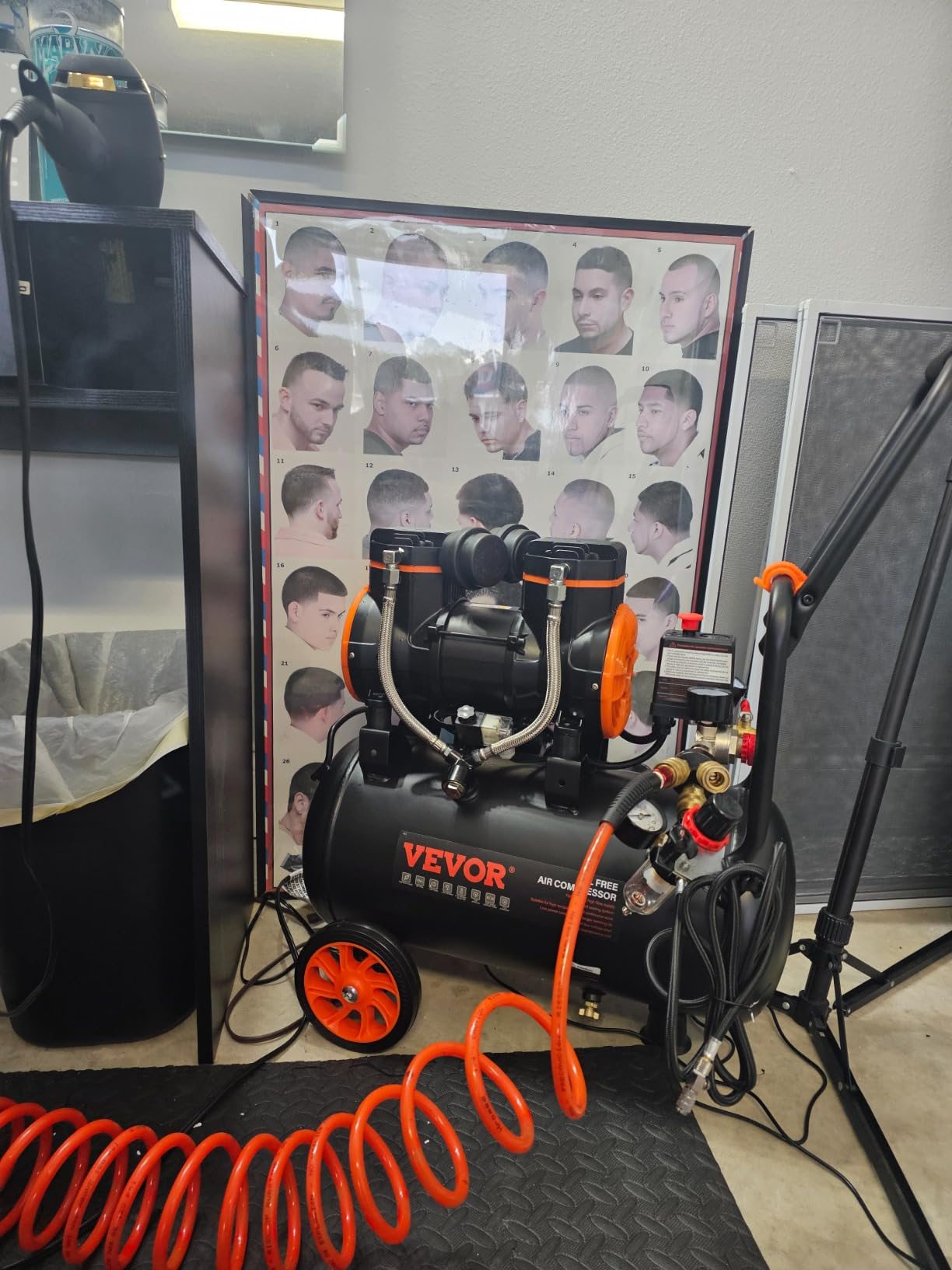
VEVOR Air Compressor, 10 Gallon Steel Tank, 2HP 5.3 CFM@90 PSI Oil Free Air Compressor & Max. 125PSI Pressure, 78dB Ultra Quiet Portable Compressor, for Auto Repair, Tire Inflation, Spray Painting
5.3 CFM at 90 PSI
10-gallon steel tank
2 HP oil-free motor
125 PSI max
78 dB
70.6 lb
Pros
- 5.3 CFM at 90 PSI is the highest published figure here
- Three-layer anti-rust coating and seamless welds
- 78 dB silencer build with thickened muffler
- Cooling fan with automatic overheat protection
- Brings a 1.32 kW oil-free motor to a mid-size tank
Cons
- 125 PSI max is low next to the 175 to 200 PSI units
- 70.6 lb with a 28 inch footprint is a two-hand carry
- Reviews flag noise at full load and transit damage
This is the airflow leader in the group at 5.3 CFM at 90 PSI, and for a 1/2-inch impact wrench that number is the whole argument. Most impact wrench owners are not asking for a 3/4-inch gun; they are asking for a tool that does not bog on brake and lug hardware, and 5.3 CFM answers that.
The engineering is unusually well thought through for a machine of this size. There is a cooling fan plus automatic overheat protection and a pressure relief cut-out, and the intake uses a high-temperature silicone hose with stainless steel braided mesh. The three-layer construction adds a rust and wear layer, powder coat and Q235B structural steel, which is the tank corrosion problem solved at the factory rather than with paint.
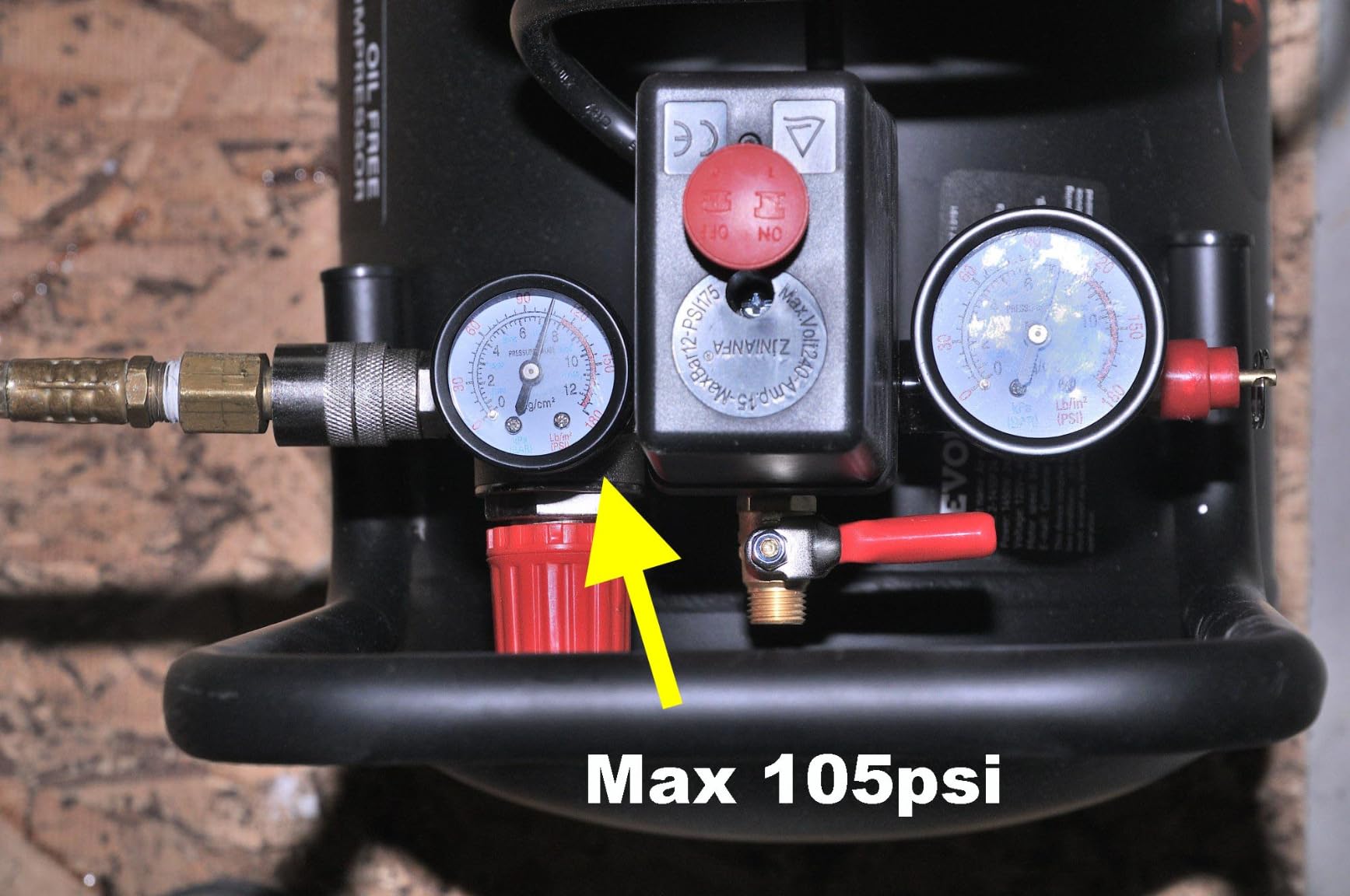
Owners single out the silencer package as the reason it is quieter than a typical oil-free tank, with a thickened muffler cover, a rubber muffler pipe and filter cotton in the intake path. A 4.3 average with a noticeable one-star share comes down mostly to noise under full load and delivery damage to a heavy vertical cabinet, neither of which is a design fault.
The 78 dB figure comes from a specific test setup, so treat it as a relative number rather than an absolute one. What matters for impact work is that it delivers its stated airflow without the motor getting hot enough to trip its thermal protection mid-bolt.
Whether 125 PSI is enough pressure
Maximum pressure is not the same as usable pressure. An impact wrench needs enough pressure to stay in its working range, and 125 PSI leaves less margin than the 175 to 200 PSI units here. If your line is long or the coupler seals are tired, you will feel that margin disappear before the wrench notices.
For a short hose in a home garage, 125 PSI is workable. For a 50-foot run to a lift or a workbench on the far side of a shop, the extra headroom of a 175 PSI unit is worth paying for.
When a bigger tank would suit you better
Ten gallons is a small buffer for a tool that draws 5 CFM or more, so you will hear the motor cycle regularly during a long lug nut session. That cycling is normal and not damaging, but it is audible, and it is the main reason experienced users add a second compressor for a shop rather than upsizing one.
If your work involves one stubborn fastener after another, the 29-gallon option in the previous section will keep you quieter between bolts. Pick this one for airflow per dollar and portability instead.
3. Metabo HPT EC914S 6-Gallon Pancake – the Jobsite Impact Wrench Pick
Metabo HPT Portable Pancake Air Compressor, 6 Gallon 200 PSI, EC914S
4 CFM at 90 PSI
6-gallon pancake tank
200 PSI max
1.3 HP oil-free
73 dB
41 lb
Pros
- Most reviews of any unit here at 1487
- 4 CFM at 90 PSI with 200 PSI max pressure
- Oil-free and light at 41 lb with a roll cage
- 1-year Metabo HPT warranty
- Handles multiple nailers or one impact tool at once
Cons
- Louder than the oil-lubricated machines here
- Output falls with altitude and one owner at high elevation saw less effective CFM
- 6-gallon tank pauses quickly under heavy load
This pancake is the most reviewed compressor in the guide by a wide margin, with 1487 ratings averaging 4.5, and that consistency is itself useful data. When thousands of buyers land in the same place, the failure modes tend to show up clearly. Here they are noise and tank size, not a broken pump.
At 4 CFM at 90 PSI and 200 PSI maximum, it sits right in the band that suits a 1/2-inch light-to-medium impact wrench. Owners describe fast pressure recovery that keeps pace with impact tools cycling constantly, and an oil-free pump that needs no maintenance and can be run at odd angles on a truck bed or a ladder without complaint.
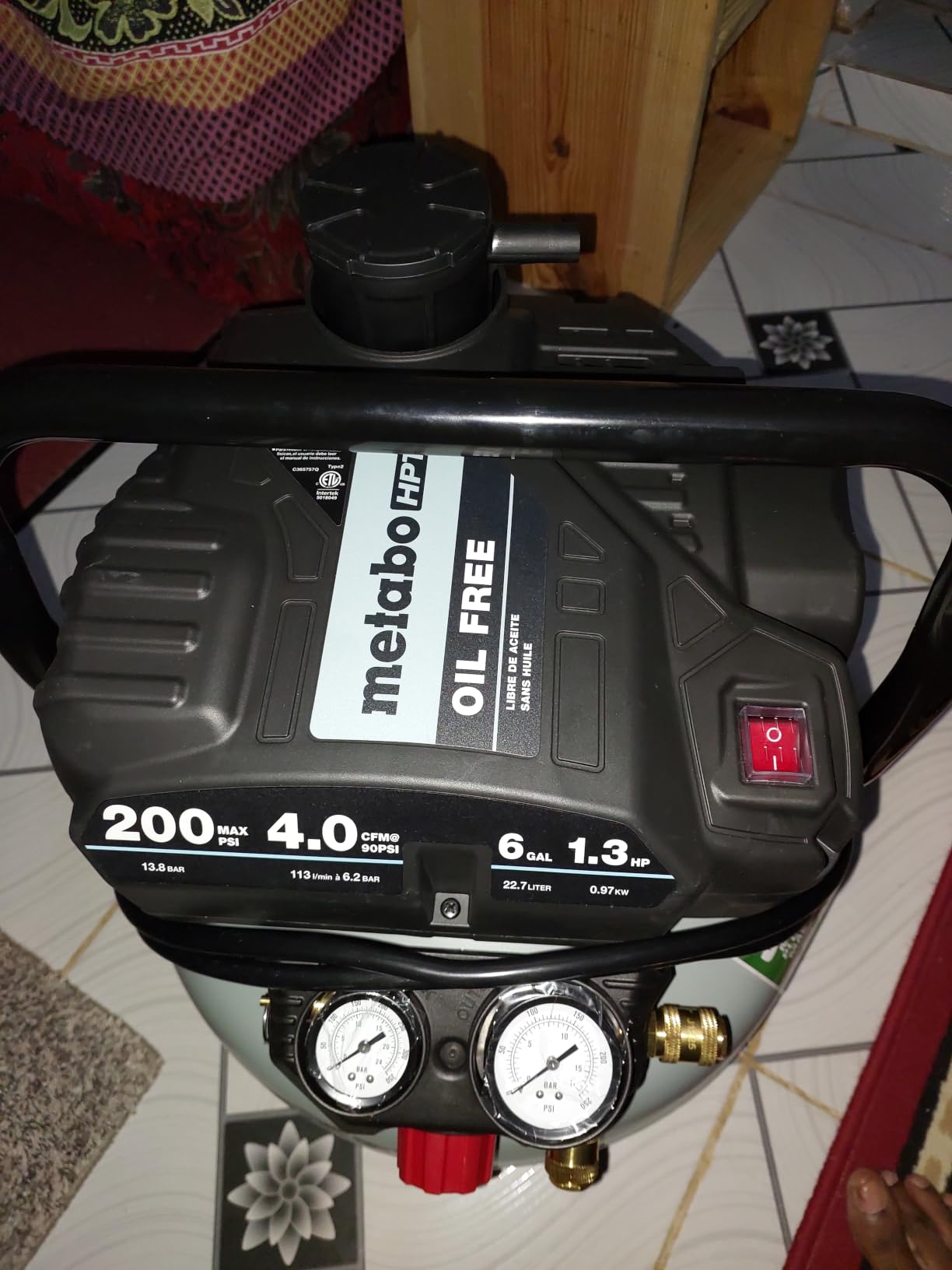
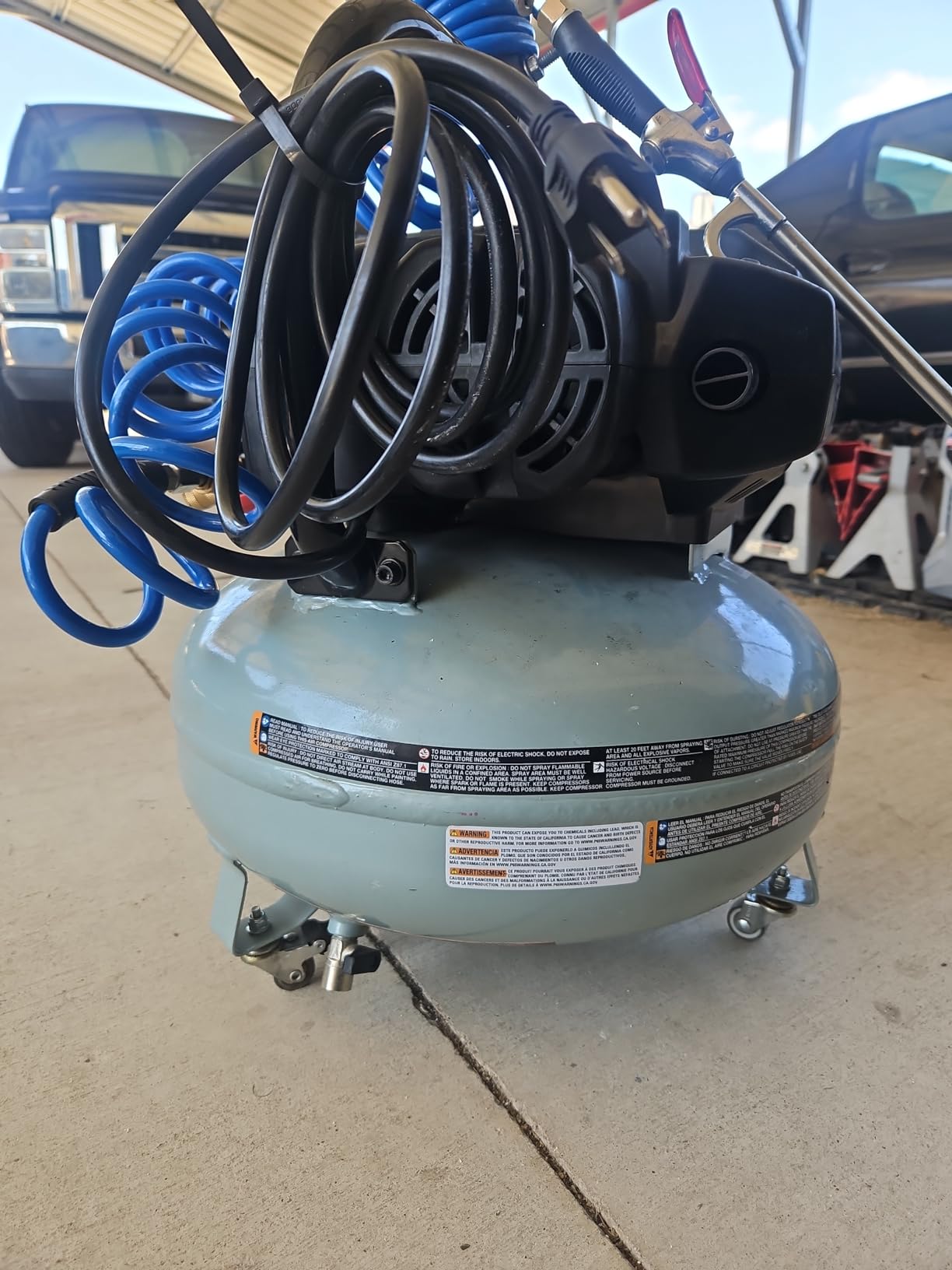
At 41 lb with a roll cage and an accurate regulator, it is built to be carried, not admired. The published flow figure of 4 CFM is enough to drive a second framing, roofing or siding nailer alongside a brad gun, and the same pump covers a single impact wrench comfortably rather than two at once.
One caveat worth planning for if you work at altitude: thin air reduces effective airflow, and one owner at 5,300 feet reported roughly 16% less effective CFM. That is physics rather than a defect, but it means mountain users should size up a tier rather than buying to the printed spec.
What 4 CFM means for a 1/2-inch wrench
Four CFM at 90 PSI is a genuine match for a 1/2-inch impact wrench rated in the 300 to 400 ft-lb range, which covers the overwhelming majority of consumer and light shop work. You will not be disappointed on lug nuts, suspension bolts or assembly work at that torque class.
Step up to a 1/2-inch high-torque gun in the 500 to 700 ft-lb class and you are asking for 5 to 6 CFM, which this unit does not deliver. That is where the stall-and-recover feeling starts, and it is why we rank this third rather than first.
Who should skip it
If your work involves sustained high-torque breakaway on seized or over-torqued hardware, you need airflow this pancake cannot give you, and no amount of tank capacity will fix that. The same applies to running a framing gun and an impact wrench at the same time.
Noise-sensitive users should also look elsewhere. Reviewers repeatedly note it is louder than oil-lubricated pancake units, and the 73 dB figure is mid-pack among the quiet options in this guide. Our guide to quiet budget appliances covers the general noise-sensitivity angle if the compressor is not the only machine in the room.
4. Makita MAC2400 Big Bore – the Cast Iron Oil-Lubricated Shop Pick
Makita MAC2400 2.5 HP* Big Bore™ Air Compressor
4.2 CFM at 90 PSI
2.5 HP 4-pole motor
4.2-gallon tank
79 dB
Oil-lubricated cast iron pump
Pros
- Highest average rating in the guide at 4.7
- Cast iron Big Bore pump recovers faster and runs cooler
- Low 12.3 amp draw reduces tripped breakers at start
- 4.2 CFM at 90 PSI and 0.5 inch hose compatibility
- Roll-cage construction protects the pump on rough jobsites
Cons
- Oil-lubricated pump needs compressor oil and periodic service
- Bigger and costlier than entry pancake units
- 79 dB is loud for a 4.2-gallon machine
The Makita carries the highest average rating of the ten at 4.7 across 1319 reviews, with an 86% five-star share, and the reason is a cast iron Big Bore cylinder and piston that recovers faster and runs cooler than the lightweight aluminium pumps used in the portable class. For a shop that runs an impact wrench all day, that thermal margin is the point.
It pairs 2.5 HP with 4.2 CFM at 90 PSI, which puts it in the same airflow band as the pancake above with a lot more muscle behind it. A 4-pole motor pulling 12.3 amps is the underrated spec here: starting current is the most common reason a compressor trips a breaker in a residential garage, and this one is engineered to avoid it.
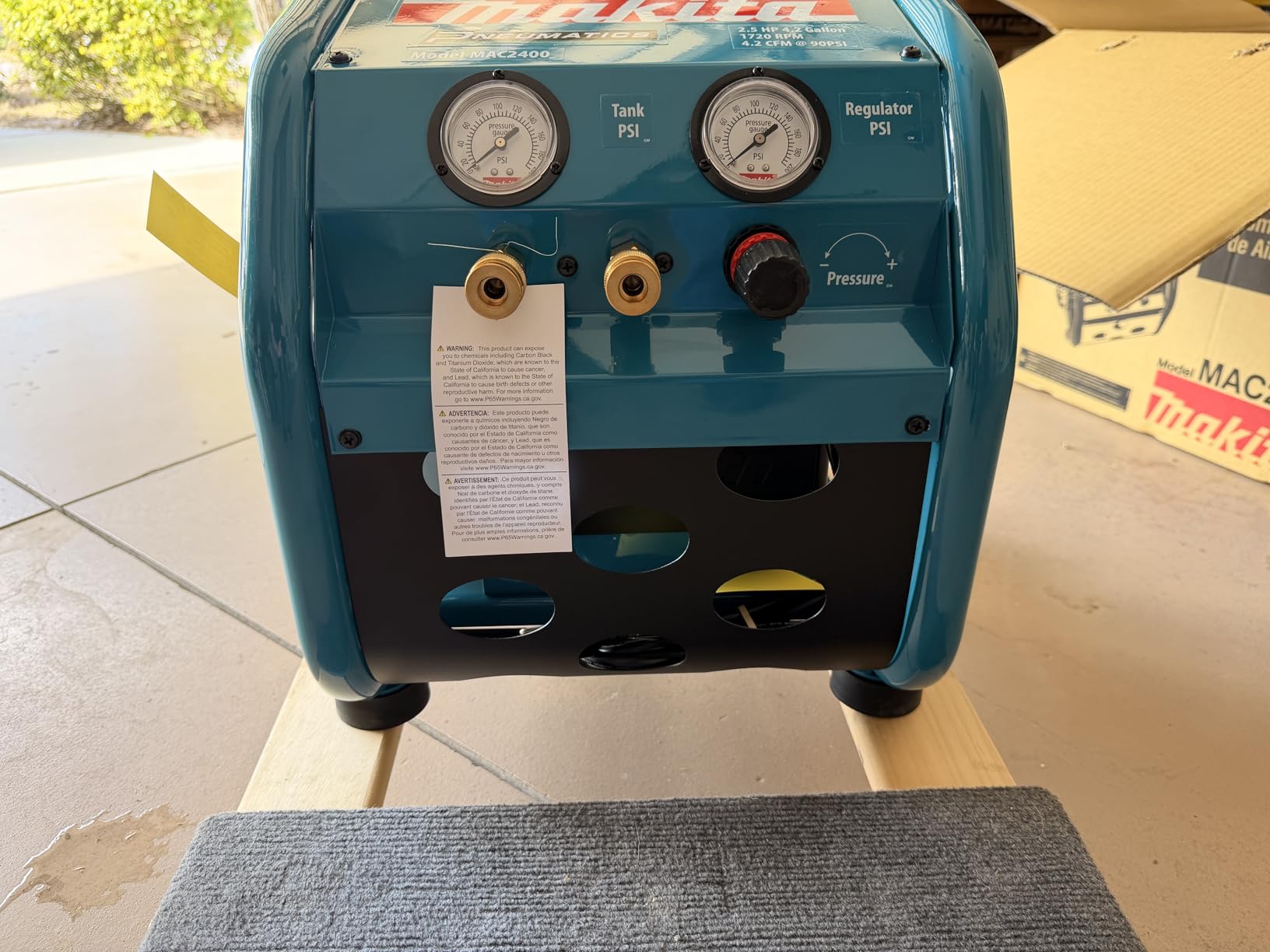
The 1,730 RPM pump speed and large industrial-style air filter are the other quiet advantages. A slower pump is a cooler pump, and a big filter element means the intake restriction that quietly strangles airflow after a year of dust does not show up as a mysterious loss of CFM in month two.
Published dimensions are 20.25 by 19.5 by 19.75 inches, and the listing pairs it with 0.5-inch hose compatibility, so it is set up correctly for impact work from the start. Manufacturer warranty coverage is one year parts and labor.
When oil-lubricated is the right call
Oil-lubricated pumps are quieter, run cooler and wear differently from oil-free ones. On a cast iron Big Bore pump, that translates to better long-term durability for continuous duty, which is exactly the profile of a shop that runs an impact wrench for hours rather than bursts.
The trade is maintenance and cleanliness. You need to check the oil level, you need to change it on a schedule, and you need to watch for oil carryover into the air line, because oil reaching the impact gun is a corrosion and wear problem.
When it is the wrong choice
If you want zero maintenance and no oil in the system, this is the wrong machine and the oil-free picks elsewhere in this guide are the better fit. The 4.2-gallon tank is also small for the class, so recovery pauses are audible even though the pump itself recovers fast.
Weight is listed as not specified by the manufacturer, so plan on a wheeled shop placement rather than a jobsite carry. At 79 dB it is not a garage-friendly machine either.
5. Stealth 20-Gallon SAQ-12018 – Quiet Shop Airflow Without Oil
Stealth 20 Gallon Ultra Quiet Air Compressor,1.8 HP Oil-Free Peak 150 PSI 68 Decibel, 5.5 CFM @ 40 PSI 5 CFM @ 90 PSI Silent Long Life Electric Air Compressor W/Wheel for Garage
5 CFM at 90 PSI
20-gallon tank
150 PSI max
68 dB oil-free
1.8 HP
121.4 lb
Pros
- 5 CFM at 90 PSI on a 20-gallon tank
- Verified quiet in owner measurements
- Holds pressure for extended storage periods
- Two quick couplers for switching between tools
- Limited lifetime warranty and 8-inch rubber wheels
Cons
- 121.4 lb is difficult to lift
- Some early electrical failures and breaker trips reported
- 150 PSI max sits below the 175 to 200 PSI group
This is the pick for a shop where noise is the binding constraint. One owner measured 78 dB at point-blank range dropping to 65 dB at eight to ten feet, which is roughly half the noise of a conventional shop compressor, and that gap is audible when you are working next to the machine.
Behind the quiet package the numbers are good: 5 CFM at 90 PSI, a 20-gallon tank and a 1.8 HP motor. Owners report that the tank holds pressure for days when the unit is not in use, and the two quick couplers make swapping between an impact wrench and a nailer painless.
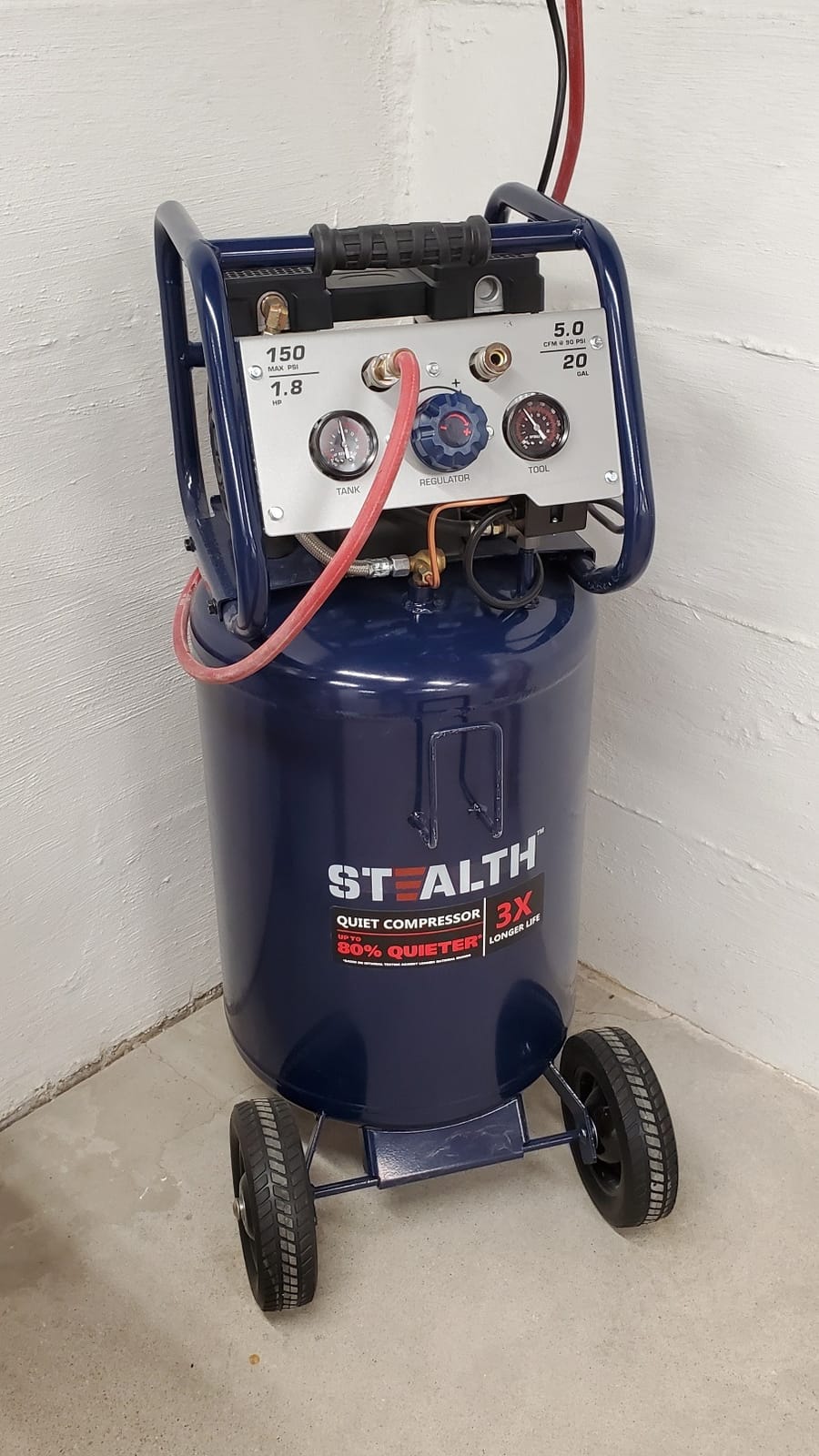
The 4.2 average is where the caveats live. There is a cluster of early electrical failures, one owner reported a breaker trip within two weeks, and the customer service contact form was reportedly returning errors, which makes returns harder than they should be. One owner also found the unit needs a fully drained tank to restart on undersized wiring, which is a wiring problem rather than a machine problem but is worth knowing.
The 150 PSI ceiling is the other compromise. It is 25 to 50 PSI below the higher-pressure units here, and that margin matters on long hose runs where friction eats into the pressure arriving at the tool.
Does quiet cost you torque
Not much, if the wrench is the right class. Five CFM at 90 PSI matches a 1/2-inch high-torque gun’s typical demand, and the 20-gallon tank gives you a real buffer so the motor does not cut out between bolts. Quieter pumps in this class are usually quieter because the motor runs slower, not because the pump delivers less.
If you run a 3/4-inch gun alongside it, 5 CFM is not enough and no amount of quiet engineering changes that. Match the class before you match the noise level.
What to check on arrival
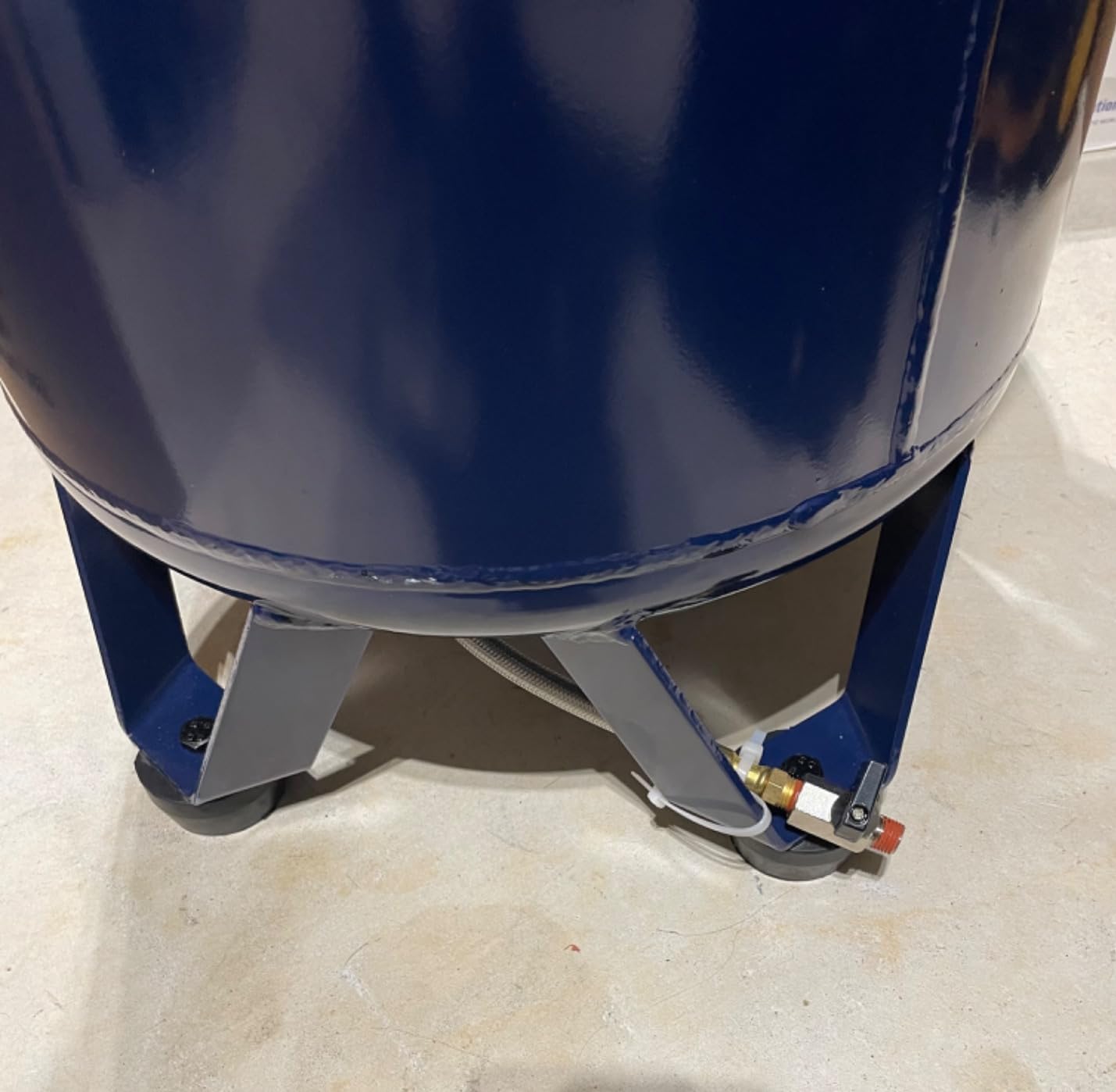
With any oil-free compressor that carries a limited lifetime warranty, spend the first ten minutes verifying the electrical side: the pressure switch cuts in and out cleanly, the safety relief valve is stamped and intact, and the tank is dry. Then run it on a known-good circuit rather than a shared extension cord.
At 121.4 lb, plan the floor position before the lift. This is a permanent shop resident, and the 8-inch rubber wheels are for moving it across concrete, not for loading it into a vehicle.
6. VEVOR 13-Gallon Quiet Compressor – the Lowest Rated Noise Figure Here
VEVOR 13-Gallon Air Compressor, 2HP, 4.6 SCFM@90PSI, Oil-Free Tank, 66dB Quiet Operation, Ideal for Tire Inflation, Woodworking, Auto Repairs, and Spray Painting (Maximum Pressure 125 PSI)
4.6 CFM at 90 PSI
13-gallon tank
125 PSI max
66 dB
2 HP
71 lb
Pros
- 66 dB is the lowest rating in this group
- 4.6 CFM at 90 PSI is strong for the noise level
- 13-gallon tank builds air in under 3 minutes
- Reinforced leak-proof valve system with two connections
- Filters wheels gauges and hardware included
Cons
- 125 PSI max is among the lowest here
- A full tank gives roughly 20 seconds of heavy blow-off use
- 71 lb is a two-hand lift even with wheels
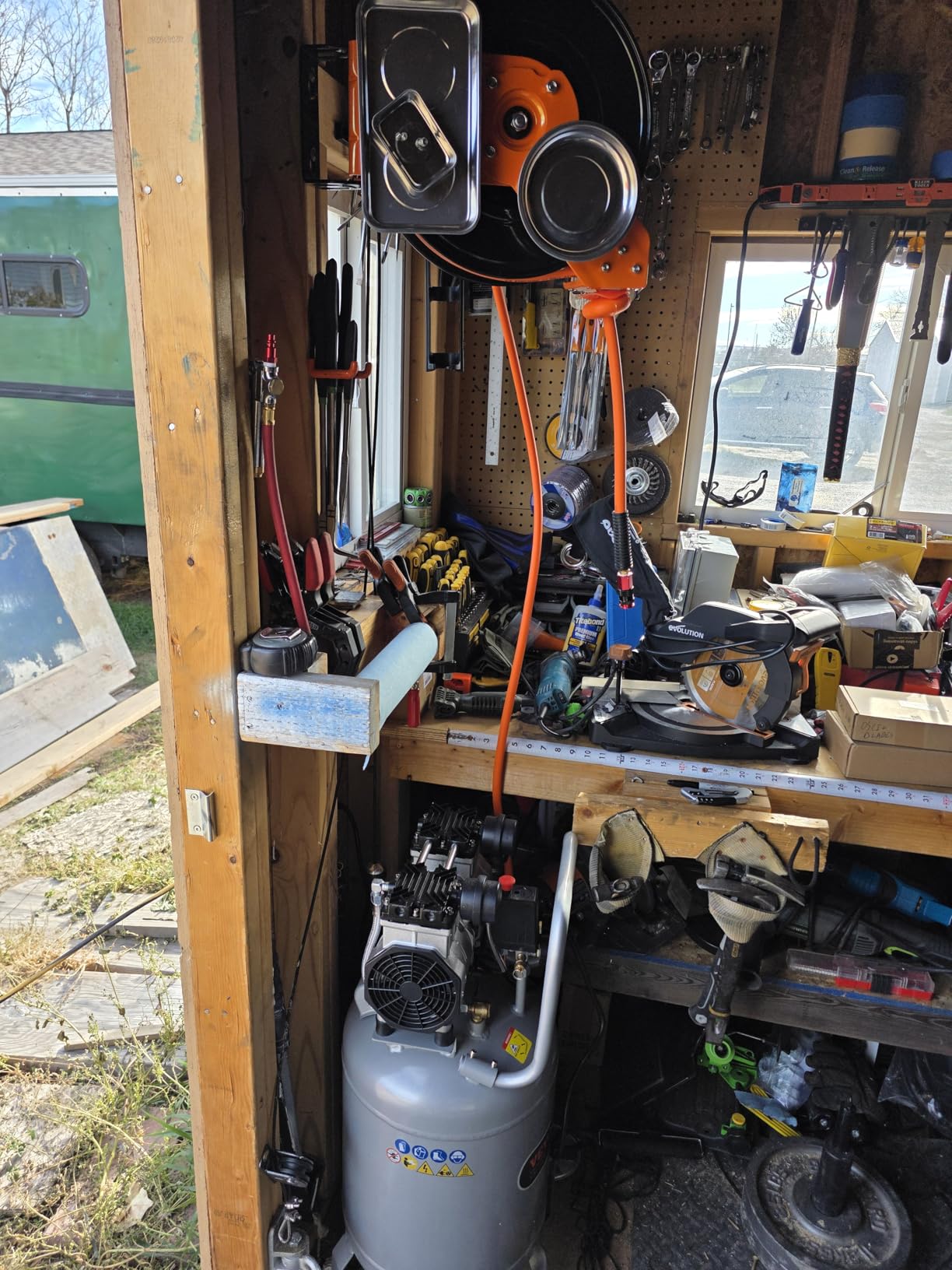
At 66 dB this is the quietest rated machine in the group, and owners report not needing hearing protection while it runs. For a workshop inside a house, a shared wall or a small apartment-adjacent space, that published figure is the reason to pick this over everything louder on the list.
Airflow is the pleasant surprise: 4.6 CFM at 90 PSI from a 2 HP oil-free motor is genuinely useful for a 1/2-inch impact wrench, and most buyers expected less from a machine of this size. The 13-gallon tank builds pressure in under three minutes and rolls on 7-inch rubber wheels.
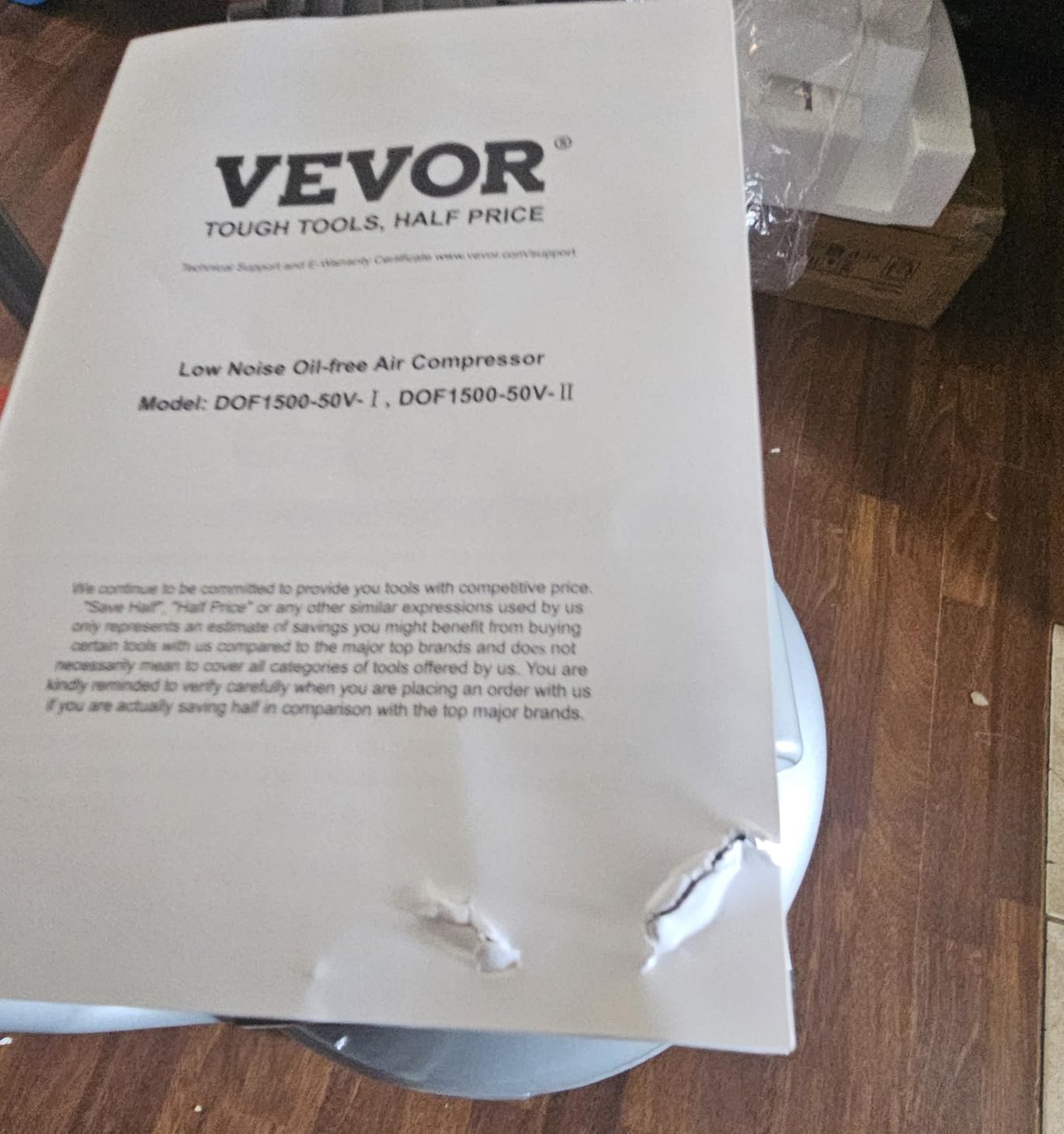
There is a vocal minority dispute worth taking seriously. One review alleges the advertised 4.6 SCFM overstates real output and reports units overheating and failing to repressurize, and the package ships with two spare plastic-shell air filters, which hints that intake restriction is a known service point. Check the airflow under load before you commit to a project that depends on it.
A full tank supplies roughly 20 seconds of heavy blow-off use according to owners, so this is a tool-compressor rather than an air-storage unit. That is fine for impact work, and it is why the 20-gallon machine earlier makes more sense for anyone running two tools at once.
Matching 4.6 CFM to your wrench class
That figure lines up with a 1/2-inch impact wrench in the 300 to 500 ft-lb class, and it will run a finish or brad nailer alongside an impact gun without complaint. It falls short of the 5 to 6 CFM band a 1/2-inch high-torque gun wants, which is the difference between working smoothly and feeling the tool bog.
Short hose runs help this machine more than they help the 200 PSI units, because the low ceiling leaves less margin to lose. Keep the line under 25 feet and you will get closer to the published figure than the number alone suggests.
Who this is not for
Two-person shops that need simultaneous output should look at the 29-gallon option earlier in this list, since two tools on one pump is the scenario that exposes a small tank and a 125 PSI ceiling quickly. This machine is built for one tool at a time, done well and quietly.
If you also plan to sandblast or run a framing gun regularly, the quiet 20-gallon and the 10-gallon high-flow unit are both better fits for airflow reasons rather than noise reasons.
7. Craftsman 10-Gallon 175 PSI – a Lightweight Shop Workhorse
Craftsman 10-Gallon Air Compressor, 1.8 HP, Max 175 PSI, 4.0 CFM @ 90PSI, 5.0 CFM@40PSI, Oil-Free, Quiet Shop Air Compressor with Wheels for Spraying Pneumatic Tool, Model: CMXECXA0201041
4.0 CFM at 90 PSI
10-gallon tank
175 PSI max
1.8 HP
78 dB
31.5 lb
Pros
- 10-gallon tank
- 175 PSI ceiling
- 4.0 CFM at 90 PSI
- Only 31.5 lb with wheels and a carry handle
- Oil-free pump cuts maintenance for shop duty
- Rubber foot stabilizers reduce vibration on long runs
Cons
- 78 dB at full load is loud
- Single quick coupler means one hose at a time
- Airflow sits at the low end for high-torque work
The selling point here is density. A 10-gallon tank, a 175 PSI ceiling and 4.0 CFM at 90 PSI in a package that weighs 31.5 lb and rolls on wheels, which is light enough that one person can move it and small enough to store under a workbench between jobs.
That combination suits a garage that does real work without a dedicated shop bay. A 175 PSI ceiling gives genuine headroom on a moderate hose run, and 4.0 CFM at 90 PSI handles a 1/2-inch light-to-medium impact wrench along with finish nailing and inflation without the unit sounding overwhelmed.
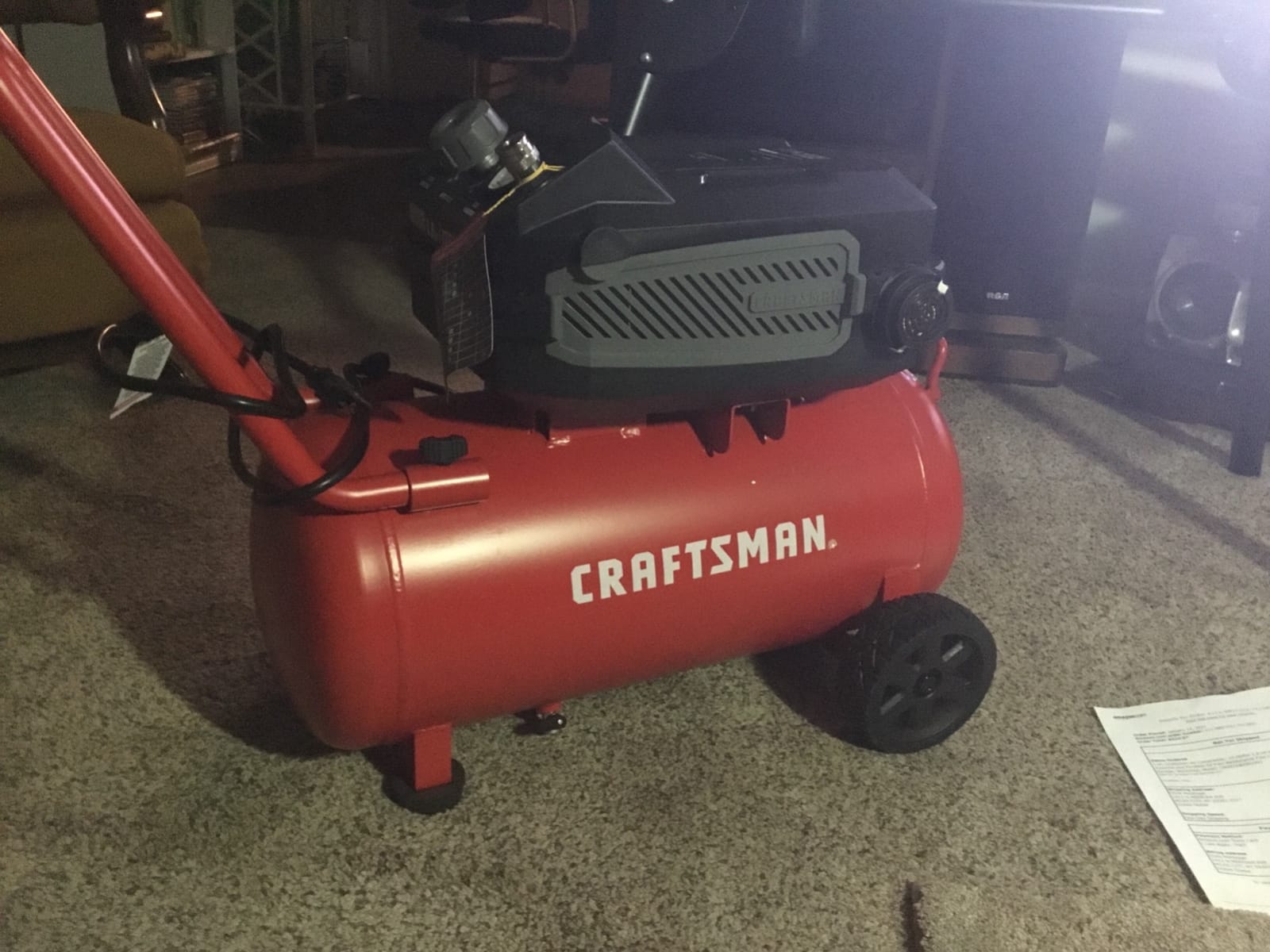
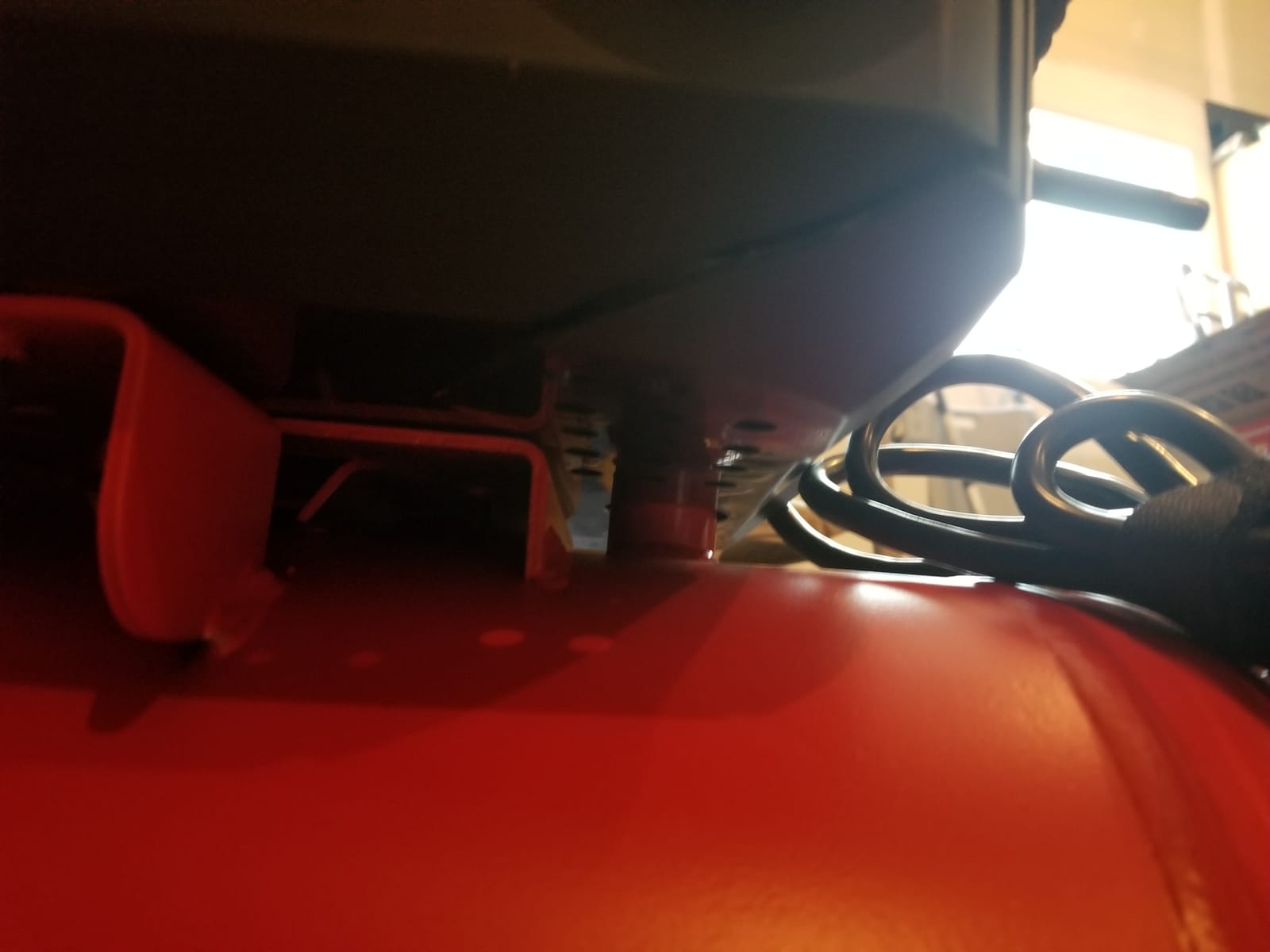
Owners highlight the rubber foot stabilizers, which cut vibration and wear during longer runs, and the oil-free pump, which removes the maintenance thread entirely. The included kit is sensible: quick coupler, 6-foot cord, two 1.5-inch gauges and an air filter.
Two practical limits are worth planning around. The single quick coupler means one hose at a time, so there is no running an impact wrench and a nailer simultaneously. And 78 dB at full load is louder than the quiet tier in this guide, so placement matters if the garage shares walls with living space.
Where the 175 PSI ceiling helps
Max pressure is headroom, and headroom is what keeps a wrench at spec when the air line is long, the couplers are a little worn or the tank has dropped below full pressure. At 175 PSI this machine keeps usable pressure where a 125 PSI unit would start to feel soft at the tool.
If your run is short, the difference is academic. If you are feeding a lift or a bench 50 feet away, it is the difference between a wrench working as rated and working under protest.
When a pancake or a bigger shop tank fits better
Reach for a pancake if you need to carry the compressor up stairs or into an attic space, since 31.5 lb with a handle is still a two-hand job on uneven ground. Reach for a 20- or 29-gallon tank if you plan to run a framing gun alongside the impact wrench.
For anyone whose work is mostly one impact wrench at a time in a garage, this is the most complete single-machine answer in this guide at its size class.
8. DEWALT DWFP55130 2.5-Gallon – the Trim and Finish-Nailer Specialist
DEWALT Air Compressor for Trim, 200-PSI Max, Quiet Operation (DWFP55130)
3.0 SCFM at 90 PSI
2.5-gallon tank
200 PSI max
71.5 dBA
1.1 HP
Oil-free
Pros
- 71.5 dBA tested to ISO3744 makes it genuinely quiet
- 200 PSI max with 3.0 SCFM at 90 PSI
- Light and thin enough to store vertically or horizontally
- Oil-free with a ball valve for fast tank draining
- Dual quick couplers and a 12 amp motor
Cons
- 2.5-gallon tank limits sustained air-hungry work
- 1.1 HP motor is undersized for continuous impact wrench duty
- 71.5 dBA is louder than the 66 dB quietest unit in this group
This is not an impact wrench compressor and we would rather say so than pretend otherwise. At 3.0 SCFM at 90 PSI from a 1.1 HP motor, it belongs to the trim and finish-nailer end of the market, and it is included here because so many buyers assume any 200 PSI compressor will run a gun.
What it does well is worth saying. The 71.5 dBA figure is tested to ISO3744, which makes it one of the more honestly measured noise numbers in this guide, and the 12-amp motor starts without tripping breakers in a residential garage. Dual quick couplers let two finish nailers run at once, and the ball valve drains the tank fast.
It also stores unusually well. The thin 2.5-gallon profile runs and stores vertically or horizontally, which means a shelf or a cabinet corner rather than a dedicated floor footprint, and the roll cage plus control panel survive the move between a bench and a jobsite.
For occasional impact work, a 1/4-inch or a light 1/2-inch wrench on short bursts is realistic. Hold the trigger on a stubborn fastener and the 2.5-gallon tank empties quickly, and the pump will not refill fast enough to keep the tool at spec.
What 3 CFM actually covers
Three CFM at 90 PSI matches a 1/4-inch impact wrench and light 1/2-inch work, and it comfortably runs finish and brad nailers, inflation and blow-off cleaning. That is a real and useful set of jobs, and it is where this machine earns its keep.
It does not reach into the 1/2-inch high-torque band, which typically asks for 5 to 6 CFM. Crossing that line with this machine is the single most common reason buyers of small compressors end up disappointed.
When it is the right purchase anyway
If your impact wrench work is occasional, a small unit stored indoors and carried out when needed is a genuinely good trade. Noise, storage footprint and low amp draw are the priorities this machine wins on, and for a homeowner those often matter more than peak flow.
If you want one machine to do everything, skip to the 10-gallon and 20-gallon sections instead. Trying to stretch a 2.5-gallon tank into high-torque work is where the frustration starts.
9. Limodot 8-Gallon Quiet Unit – Built for Indoor and Apartment-Adjacent Spaces
Quiet Oil-Free Air Compressor, 68 dB, 2.8 CFM @ 90 PSI, 8 Gallon Air Tank
2.8 CFM at 90 PSI
8-gallon tank
120 PSI max
70 dB
1.2 HP
Oil-free
Pros
- 68 dB induction motor running at a low 3400 RPM
- Empty to full in 120 seconds with 30-second recovery
- Oil-free design starts reliably in cold weather
- Includes 25 foot PVC hose coupler and accessory kit
- Wheels kit for moving around job sites
Cons
- 120 PSI max is low against 175 to 200 PSI units
- 2.8 CFM at 90 PSI is modest for impact wrench work
- PVC hose kit is thinner than a rubber air hose
This unit exists for a specific situation: a basement, a small apartment workshop or a bedroom-adjacent space where a conventional compressor would be unusable. The induction motor running at 3400 RPM is the quiet part, and at 70 dB it sits in the same quiet tier as the VEVOR 13-gallon, well below every shop-sized unit in this guide.
It ships with more than most competitors at this size: a 25-foot PVC hose, a quarter-inch quick-connect fitting and an 11-piece accessory kit, plus a wheels kit. Refill from empty takes about 120 seconds with roughly 30-second recovery intervals, which is quick for an 8-gallon tank.
The oil-free design is genuinely useful in cold weather, where oil-lubricated pumps can be reluctant to start, and that is where this machine has no competitor in the group. Buyers treat it as a low-hassle unit for nailing, inflation and light pneumatic work, and the 4.5 average across 928 reviews reflects that.
For impact wrench work, the 2.8 CFM at 90 PSI figure is the deciding number. That is a light-duty gun at best, and the 120 PSI ceiling removes the headroom that longer runs would need. The bundled PVC hose is thinner than a rubber air hose, which is worth replacing before you judge the machine’s pressure.
Is 2.8 CFM usable for impact work
For a 1/4-inch impact wrench, or for a light 1/2-inch gun on small fasteners, it is usable in short bursts. The 8-gallon tank gives it enough buffer to finish a small job without the motor running constantly.
For anything sustained, no. The gap between 2.8 CFM and the 5 to 6 CFM a high-torque gun demands is the entire difference between a tool that breaks fasteners loose and one that stalls. The tank size cannot close that gap.
Who should buy it and who should not
Buy it if noise, cold starts and zero maintenance are your priorities and your pneumatic work is light. The accessory bundle alone removes a trip to the hardware store, and the oil-free design means nothing to service.
Skip it if the impact wrench is the reason you are buying. You will spend the first job fighting the tool instead of the fastener. For those situations, the 29-gallon vertical machine in our top spot is the honest answer.
10. Craftsman 6-Gallon Oil-Free Pancake – the Portable Budget Choice
CRAFTSMAN 6 Gallon 150 PSI Oil-Free Pancake Air Compressor CMXECXA02106410
2.6 SCFM at 90 PSI
6-gallon tank
150 PSI max
1 HP
82 dB
30.8 lb
Pros
- 30.8 lb iron body with a carry handle
- Oil-free low-voltage start motor needs no maintenance
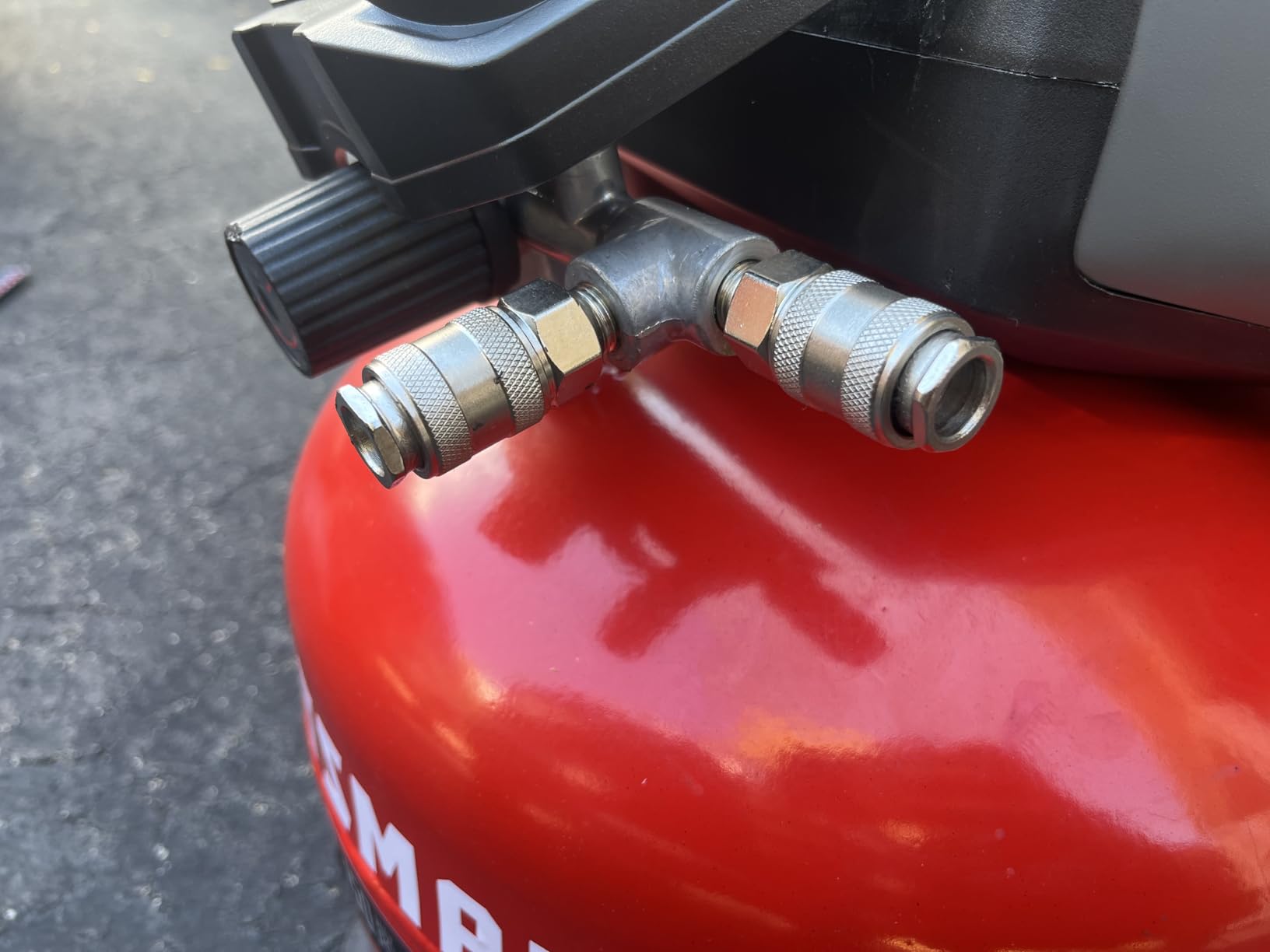
- Dual quick couplers for two tools
- Compact footprint that stores anywhere
- Reliable for tire inflation brad nailing and cleanup
Cons
- 82 dB is loud for a machine this small
- 2.6 SCFM at 90 PSI is the lowest airflow in the guide
- Some reports of broken handles or cracked gauge mounts
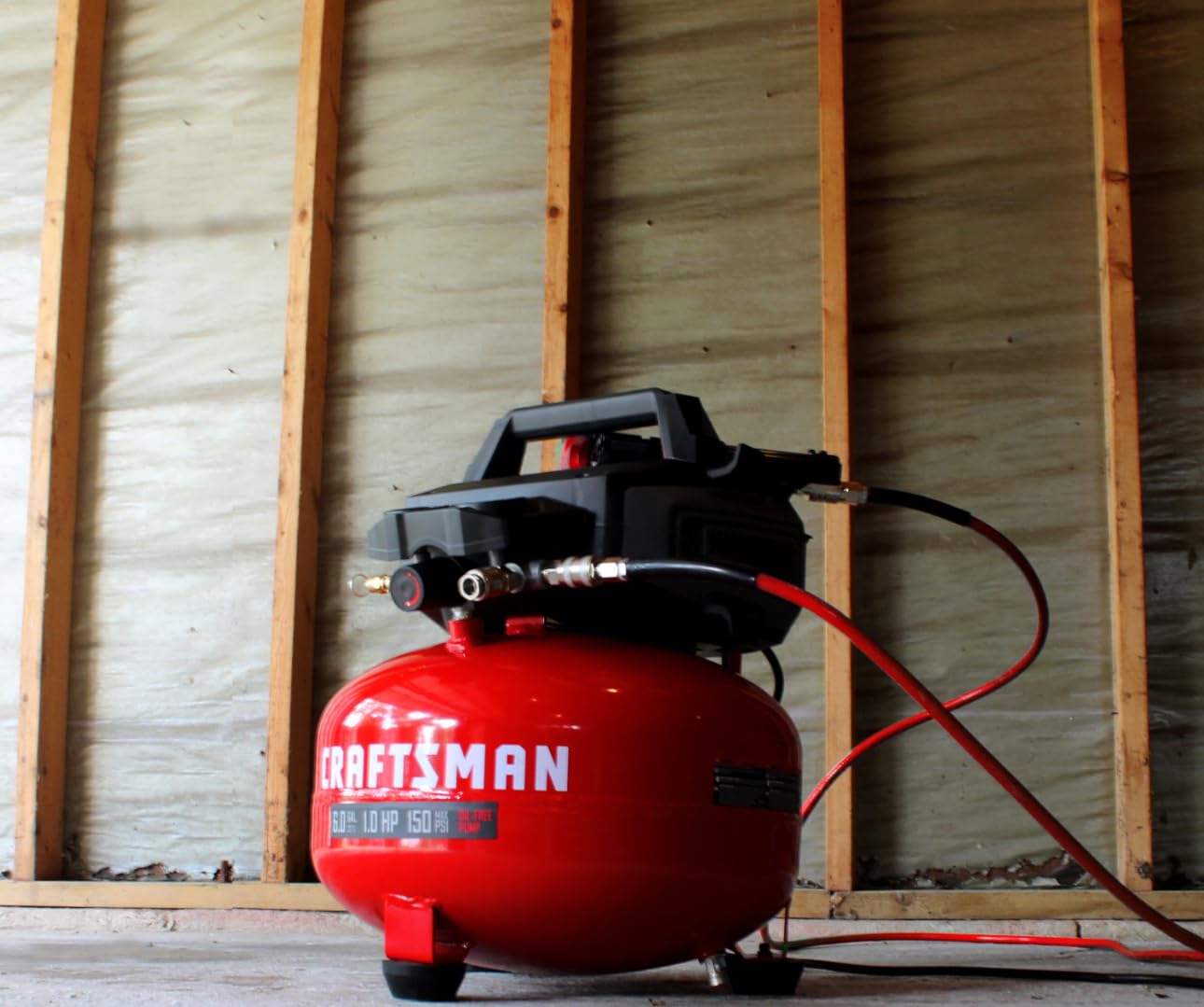
The Craftsman 6-gallon is the one to buy when you need a compressor that can be carried to a job, stored in a cabinet and used for a variety of small pneumatic jobs without thinking about it. At 30.8 lb with an iron body and a carry handle, it is the lightest unit here by a clear margin and the easiest to carry between a garage and a job.
Dual quick couplers mean two tools at once, and the oil-free low-voltage start motor needs no maintenance and starts without complaint. Owners use it for tire inflation, brad nailing and blow-off cleaning daily and report that it simply keeps working.
It is also the loudest rated machine in the guide at 82 dB, which is a surprise in a unit this small and is the standing complaint. Oil-free piston pumps at this size trade sound level for the maintenance-free design, and the noise is the bill.
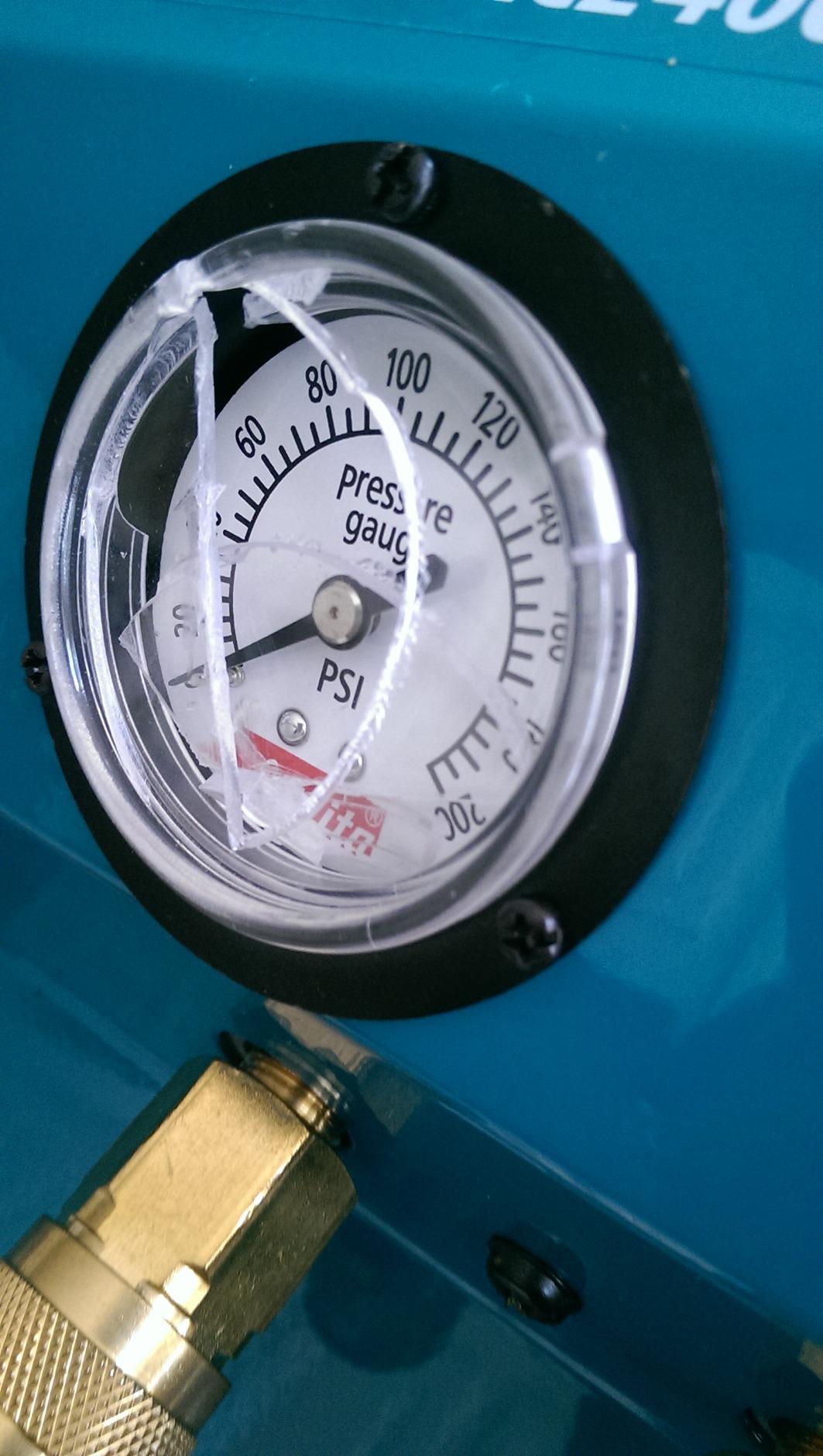
A few buyers also report units arriving with a broken carry handle or cracked gauge-mounting metal, so inspect the box before you start. Coverage is a one-year limited warranty with a US-based service team behind it.
Where 2.6 CFM lands
Two point six CFM at 90 PSI is the lowest airflow figure in this guide, and that fact defines what the machine can do. It handles tire inflation, brad and finish nailing, cleaning and a 1/4-inch impact wrench comfortably, and it is a sensible first compressor for a household.
It will not run a 1/2-inch high-torque impact wrench, a framing gun or a sand blaster. Those tools are the reason experienced users keep coming back to the same rule: airflow first, everything else second.
When it is still the right answer
If your impact wrench work is a few small fasteners a month, this unit is enough and the portability is genuinely valuable. Carrying a 30-gallon vertical shop compressor to a remote job is a two-person operation; carrying this is a one-person errand.
If you already know you will outgrow it, start one tier up with the 10-gallon unit instead. The step up in tank size and pressure is small, and it saves a second purchase later.
How Much CFM an Impact Wrench Actually Needs
Match the compressor to the wrench class. A 1/4-inch impact wrench needs roughly 2 CFM, a light 1/2-inch gun wants 3 to 4 CFM, a 1/2-inch high-torque wrench needs 5 to 6 CFM, and a 3/4-inch gun can demand 7 to 9 CFM. Always read the airflow figure quoted at 90 PSI, because that is the industry reference point and a number quoted at 40 PSI looks far better than it performs.
When we line the ten compressors up against that range, the pattern is clear. Three units here reach 5 CFM at 90 PSI, and those are the ones that will not slow down mid-bolt. The rest are perfectly good machines for nailers, inflation and cleaning, and they are the wrong tool for a high-torque gun.
Tank Size and Why Recovery Time Matters
The tank is a buffer, not a power source. It stores compressed air so the pump can fill in during the tool’s downtime instead of running continuously, and the practical number is how long you can work from the stored air before the pressure falls into the range where an impact wrench starts to lose torque. The stored volume is small next to what a high-flow tool drinks, so only the air sitting above your working pressure is doing anything for you.
That is why a big tank with weak airflow loses to a small tank with a strong pump for impact work. The weak pump refills the buffer slowly no matter how large the buffer is, so the tool still starves. For most single-wrench users, 10 to 20 gallons is the practical range; 29 gallons earns its place when you run two tools or work through long sequences of seized fasteners.
Oil-Free Versus Oil-Lubricated for an Impact Gun
Oil-free pumps need no maintenance, start reliably in cold weather and keep oil out of the air line, which protects an impact gun’s air hammer mechanism. Oil-lubricated pumps run cooler and quieter, and a cast iron pump like the Makita Big Bore has real long-term durability advantages under continuous duty.
The risk with oil-lubricated units is carryover. If oil reaches the impact wrench, you are introducing a contaminant to a high-speed mechanism, and the fix is a filter and an air-line separator. If your work involves a lot of impact wrench use and no appetite for oil checks, oil-free is the safer default. If the same room also needs dust and particle control, our large-room air purifier guide covers the other half of that setup.
Electric, Gas and Cordless for Impact Work
Almost every compressor here is 120V corded electric, and for a garage or shop that is the correct default: no fuel handling, no pull-start in cold weather, and predictable cost per hour of runtime. Gas compressors earn their place on remote jobsites with no power, where the fuel and the autonomy matter more than noise or size.
Cordless compressors have become a real third option, and they are genuinely enough for 1/4-inch and light 1/2-inch impact jobs on a single battery charge. They are not enough for a high-torque gun held down on seized hardware, where the sustained airflow a cordless unit cannot deliver is exactly what you need. A battery platform you already own changes the math, and matching compressors to an existing battery ecosystem is often the deciding factor for a second unit. If the shop doubles as a living space, our smart air purifier picks handle the noise-and-appliance side of the conversation.
Air Hose Size and Pressure Drop
The most common reason an impact wrench slows down on a perfectly good compressor is the hose, not the machine. A quarter-inch hose is rated for light-duty nailers and loses substantial pressure across a long run, and a 3/8-inch or half-inch hose is the correct choice for impact work. The Makita’s published half-inch hose compatibility is a reminder that this decision belongs with the tool, not the compressor.
Two more details close the gap. Keep the run as short as practical, because pressure drop scales with length, and add a second stage regulator if you are feeding tools from a long line. Moisture in the line is the third problem to watch for, since a tank that is drained regularly and an air filter that is serviced on schedule keep water out of the impact gun and protect it from corrosion.
Frequently Asked Questions
How much CFM do I need for an impact wrench?
Size the compressor to the wrench class. A 1/4-inch impact wrench needs about 2 CFM, a light 1/2-inch gun wants 3 to 4 CFM, a 1/2-inch high-torque wrench needs 5 to 6 CFM, and a 3/4-inch gun can demand 7 to 9 CFM. Always check that the airflow figure is quoted at 90 PSI.
How many PSI do I need to run an air impact wrench?
Most 1/2-inch impact wrenches work best between 90 and 120 PSI at the tool, so a compressor with a 150 PSI or higher maximum gives you useful headroom. A 120 PSI ceiling is workable on short hose runs, and 175 to 200 PSI is preferable when the air line is long or the couplers are worn.
Is a 20 gallon air compressor enough for an impact wrench?
For a single 1/2-inch impact wrench, a 20-gallon tank with 5 CFM or more of airflow at 90 PSI is a good fit. The tank buffers the gap between the tool’s demand and the pump’s duty cycle, so recovery pauses stay short. Tank size alone does not help if the airflow figure is too low.
What is the recommended tank size for an air compressor?
For a home garage, 6 to 10 gallons is enough for nailers, inflation and a light impact wrench. For regular 1/2-inch high-torque impact work, 20 gallons is the practical minimum. For two tools running at once or long sessions on seized fasteners, 29 gallons removes most of the recovery pauses.
Can a small pancake compressor run an impact wrench?
Yes, a pancake can run a 1/4-inch impact wrench or a light 1/2-inch gun in short bursts. Pancakes in the 3 to 4 CFM at 90 PSI range will not keep a high-torque wrench at spec, because the tool demands 5 to 6 CFM and the tank cannot make up the difference.
What air hose size do I need for an impact wrench?
Use a 3/8-inch or half-inch air hose for impact wrench work. A quarter-inch hose is meant for light-duty nailers and loses enough pressure over a long run to slow the tool down, which is a frequent cause of what looks like a compressor problem. Keep the run short and use a second stage regulator on long lines.
Our Verdict for 2026
The best air compressors for impact wrench work come down to one number and one behavior. For a 1/2-inch high-torque gun, the Klutch 29-gallon vertical unit is our first choice at 5.1 CFM at 90 PSI with a 29-gallon buffer, and the VEVOR 10-gallon is the value pick for airflow per dollar. For a quiet shop, the Stealth 20-gallon and the VEVOR 13-gallon cover it, and for jobsite portability the Metabo HPT pancake is hard to argue with.
Whatever you pick, buy the hose before you judge the machine. Half-inch line, a short run and a regularly drained tank will do more for the feel of your impact wrench than any spec on the box. Last reviewed and updated for 2026, and we will keep this list current as models change.