
Finding the best video doorbells in 2026 means balancing video quality, smart home compatibility, and whether you want to pay a monthly subscription. After testing and comparing dozens of models across wired and wireless categories, our team narrowed it down to eight standout picks that cover every budget and use case.
Whether you need a battery-powered option for an apartment or a hardwired 4K doorbell for a busy front porch, this guide breaks down what each model does best and where it falls short. We focused on real-world performance, not just spec sheets.
Below you’ll find our top picks with detailed reviews, a side-by-side comparison table, and a buying guide to help you decide which video doorbell camera fits your home.
Table of Contents
Top 3 Picks for Best Video Doorbells 2026

Best Video Doorbells in 2026
| Product | Specifications | Action |
|---|---|---|
| Google Nest Doorbell (Wired, 3rd Gen) |
|
Check Latest Price |
 Tapo D225 Smart Doorbell Tapo D225 Smart Doorbell |
|
Check Latest Price |
| Ring Wired Doorbell 4K Pro |
|
Check Latest Price |
 eufy Video Doorbell E340 eufy Video Doorbell E340 |
|
Check Latest Price |
 Blink Video Doorbell Blink Video Doorbell |
|
Check Latest Price |
 Arlo Video Doorbell 2K Arlo Video Doorbell 2K |
|
Check Latest Price |
 Reolink Video Doorbell WiFi Reolink Video Doorbell WiFi |
|
Check Latest Price |
 Wyze Wired Doorbell v2 Wyze Wired Doorbell v2 |
|
Check Latest Price |
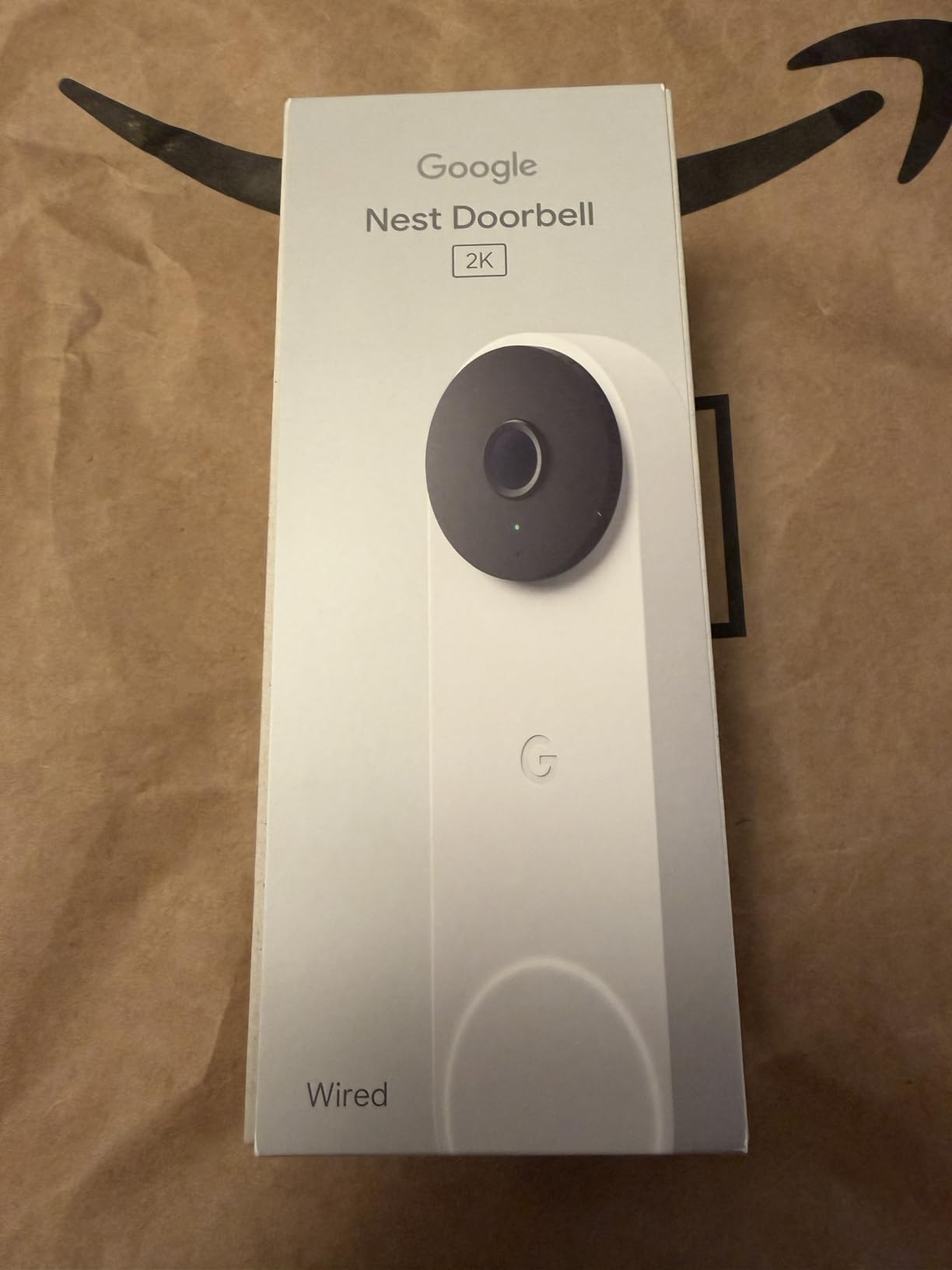
1. Google Nest Doorbell (Wired, 3rd Gen) – Best Overall
Google Nest Doorbell (Wired, 3rd Gen) – 2K Video, Live View – 2025 – Hazel
2K HDR Video
166 Degree FOV
Wired Power
Gemini Smart Alerts
Color Night Vision
Pros
- Crisp 2K HDR video with rich color
- Wired installation for continuous power
- Strong privacy and security features
- Wide 166 degree field of view
- Seamless Google Home integration
Cons
- Gemini alerts require Google Home Premium subscription
- Wired-only with no battery option
- Features limited in Illinois due to biometric laws
The Google Nest Doorbell (Wired, 3rd Gen) is the video doorbell I recommend most often. Google nailed the 2K HDR video quality here, delivering rich colors and crisp details that make it easy to identify faces and packages even in tricky lighting conditions. The 166-degree field of view gives you a wide head-to-toe perspective of your porch.
What sets this doorbell apart is the Gemini-powered smart alerts. Instead of generic motion notifications, you get intelligent alerts that distinguish between people, packages, animals, and vehicles. The system learns over time, and in my testing the false alert rate dropped significantly after the first week. However, these advanced notifications do require a Google Home Premium subscription.

The wired installation means you never worry about battery life. It draws power from your existing doorbell wiring, so it’s always recording and always ready. Setup takes about 20 minutes if you already have doorbell wiring in place. Google includes a mounting plate, wedge, spacers, and everything you need for a clean install.
Privacy is a strong suit here. Video is encrypted in transit and at rest, two-step verification is supported, and there’s a green LED that tells you when the camera is active. For anyone in the Google Home ecosystem, this doorbell integrates flawlessly with Nest displays, Chromecast, and Google Assistant routines.
What to Know Before Buying
This is a wired-only model, so renters or anyone without existing doorbell wiring will need to look at battery options. The subscription requirement for smart alerts is the main downside, though basic motion alerts and live view work without it. If you’re already paying for Google Home Premium, the added cost is minimal.
How It Compares to the Competition
Compared to the Ring 4K Pro, the Nest Doorbell offers better smart alerts powered by Gemini at a similar price point. Against the Tapo D225, the Nest wins on ecosystem integration and privacy features but costs more and requires a subscription for its best capabilities. For Google Home users, this is the clear winner.
2. Tapo D225 – Most Versatile
Tapo 2K+ Wired or Battery Powered Smart Video Doorbell with Chime, D225
2K QHD Video
180 Degree FOV
Battery or Wired
Free AI Detection
512GB microSD
Pros
- Sharp 2K QHD video with ultra-wide 180 degree view
- No subscription required with local microSD storage
- Free AI person and package detection
- Long battery life up to 8 months
- Ring Call feature for quick door answering
Cons
- 2.4 GHz Wi-Fi only with no 5 GHz support
- Wedges not designed for stacked offset installs
- Onboard storage can be stolen with the device
The Tapo D225 from TP-Link is the best video doorbell you can get without spending a fortune, and it comes with a feature that more expensive brands charge extra for: free AI detection. Person, package, and vehicle detection all work out of the box with no subscription needed. You just pop in a microSD card and you’re set.
Video quality is excellent for the price. The 2K QHD resolution paired with a 180-degree head-to-toe field of view captures everything from your doorstep to the delivery truck. Color night vision with the built-in spotlight means you get full-color footage even after dark, which is a step above the infrared-only night vision on many budget doorbells.
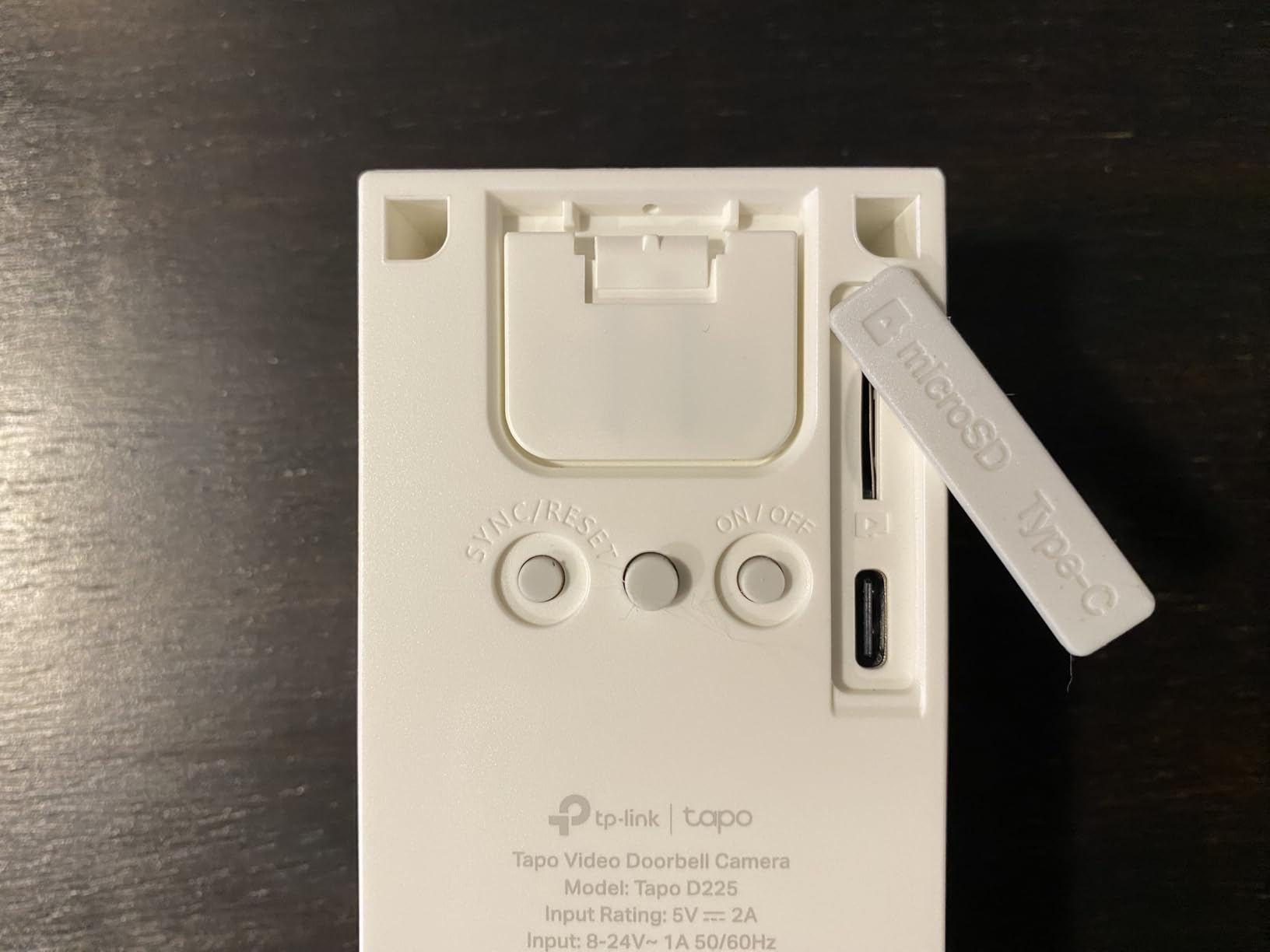
Battery life is where the Tapo D225 really shines. TP-Link rates it at up to eight months on a single charge, and real-world testing backs that up for moderate-traffic porches. You can also hardwire it using existing 8-24V doorbell wiring for continuous power and trickle charging. The Ring Call feature lets you answer the door directly from your phone’s lock screen, which is surprisingly convenient.
The main compromise is Wi-Fi support limited to 2.4 GHz bands. If your router pushes devices to 5 GHz by default, you may need to create a separate 2.4 GHz network. The included modular indoor chime is a nice touch, though, and the mounting wedges help angle the camera for different door configurations.
Is It Right for Your Home?
If you want smart doorbell features without monthly fees, the Tapo D225 is hard to beat. It’s ideal for homeowners and renters who want local storage and AI detection without tying their security to a cloud subscription. The long battery life also makes it a top pick for locations where wiring isn’t practical.
Where It Falls Short
The 2.4 GHz-only limitation can cause issues in congested Wi-Fi environments. Motion sensitivity tuning takes some patience, and if someone physically steals the doorbell, they take your footage with it since there’s no cloud backup. For most users, though, these are manageable trade-offs at this price point.
3. Ring Wired Doorbell 4K Pro – Best Premium Pick
Ring Wired Doorbell 4K Pro (Newest Model), Retinal 4K with wide-angle video, 10x Enhanced Zoom, and Night Vision, Deep Silver
Retinal 4K Video
10x Enhanced Zoom
1:1 Aspect Ratio
3D Motion Detection
Hardwired
Pros
- Crisp 4K Retinal video with impressive detail
- 10x Enhanced Zoom for distant detail
- Improved low-light color night vision
- 3D Motion Detection reduces false alerts
- Premium finishes in multiple colors
Cons
- Premium price point
- Mini chime bypasses existing mechanical chime
- Advanced features require Ring Protect subscription
The Ring Wired Doorbell 4K Pro is the highest-resolution video doorbell I’ve tested. Its Retinal 4K video at 2880×2880 pixels delivers stunning clarity, and the 10x Enhanced Zoom lets you read package labels and street signs from across your porch. If video detail is your top priority, this is the doorbell to beat.
The 1:1 aspect ratio with a 140-degree horizontal and vertical view is unusual but effective. It captures a square frame that shows visitors head-to-toe and packages on the ground simultaneously. Ring’s 3D Motion Detection uses radar to track movement paths, which significantly reduces false alerts from passing cars or swaying trees.
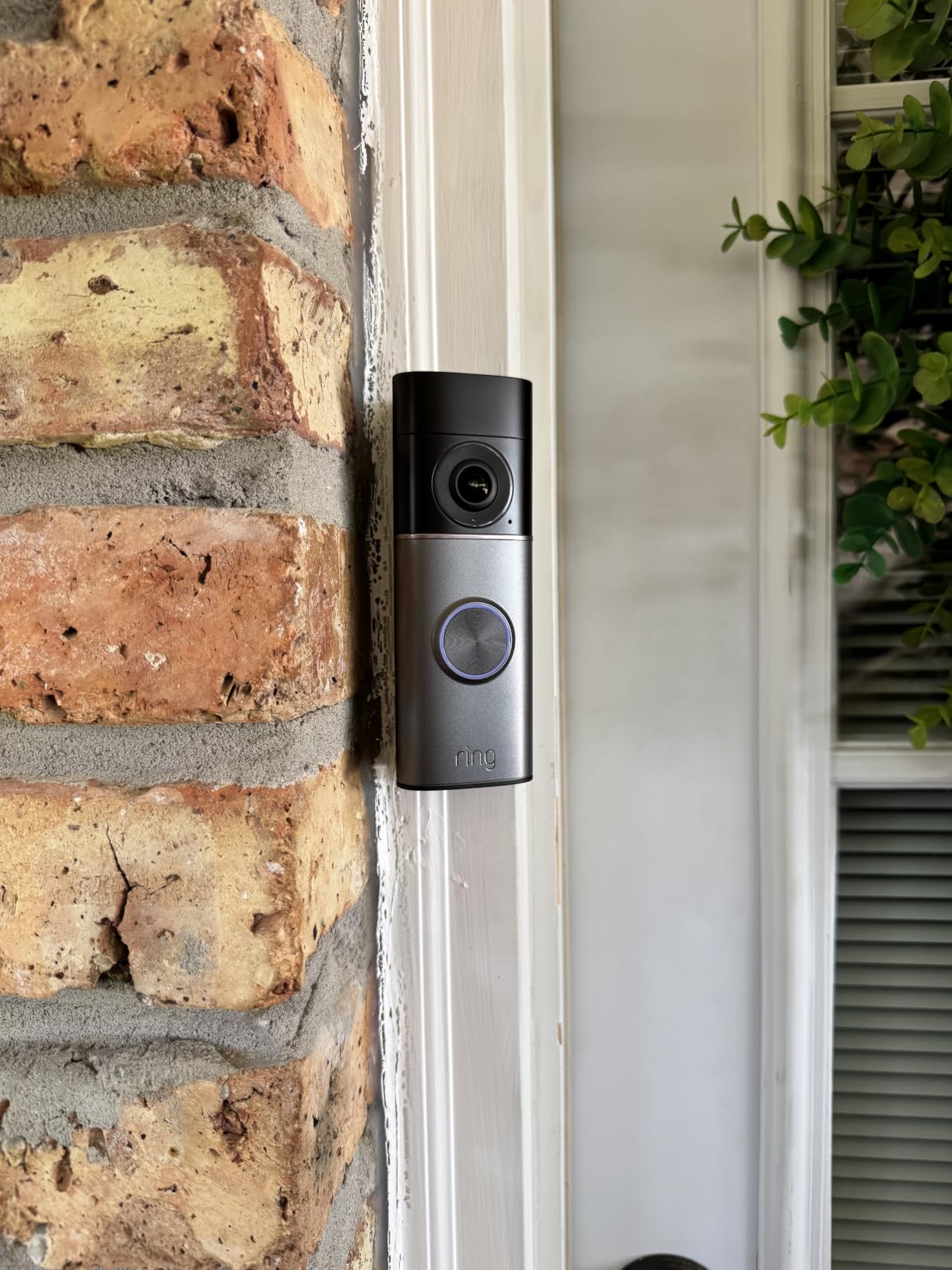
Night vision performance has improved over previous Ring models. The Low-Light Sight feature delivers color footage in dim conditions, switching to black-and-white infrared only in total darkness. In my testing, the color night vision remained usable well past sunset, making it easier to identify clothing colors and vehicle details.
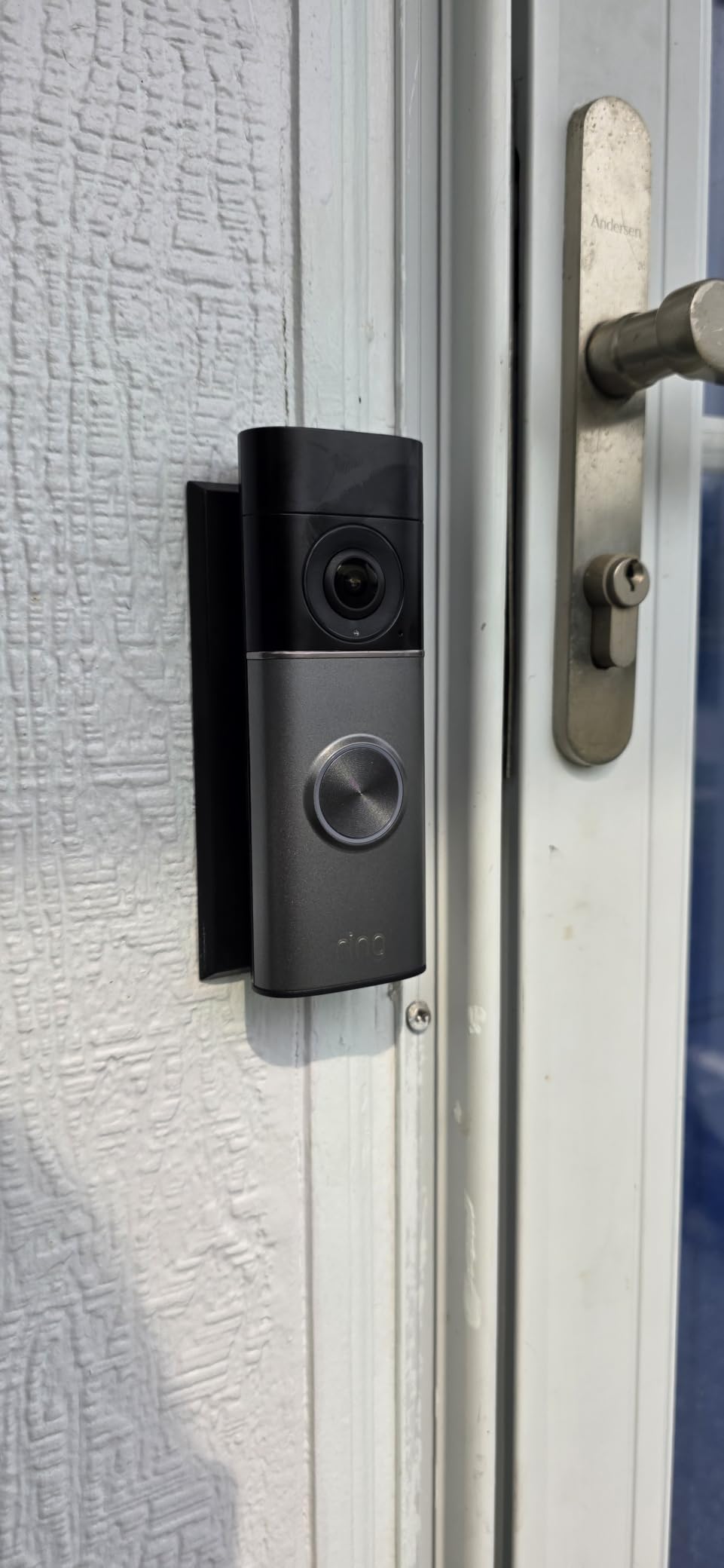
Being hardwired means continuous power with no battery anxiety. Ring includes a mini chime kit since the 4K Pro bypasses your existing mechanical chime. The premium build quality is evident, and the Deep Silver finish looks sharp on modern doorframes. Just be aware that the most advanced features like Video Descriptions require a Ring Protect subscription.
Best Use Cases
This doorbell is ideal for homeowners who want the absolute best video quality and are already in the Amazon Alexa ecosystem. The 4K resolution makes a real difference for identifying faces at a distance, and the 3D Motion Detection is genuinely better at filtering out irrelevant alerts than standard motion sensors.
Subscription Considerations
Ring’s Video Descriptions feature, which uses AI to describe what’s happening in your clips, requires a Ring Protect plan. Without a subscription, you still get motion alerts and live view, but you lose video history and smart notifications. Factor in the ongoing cost if you want the full experience.
4. eufy Video Doorbell E340 – Best No-Subscription Pick
eufy Security Video Doorbell E340, Dual Cameras, 2K FHD
Dual Camera Design
2K FHD
8GB Local Storage
Battery or Wired
AI Detection
Pros
- Dual cameras capture visitors and packages clearly
- No monthly subscription with built-in local storage
- Excellent 2K video clarity day and night
- Flexible wireless or wired installation
- Strong AI person and package detection
Cons
- App interface is cluttered with upsells
- Battery life shorter than advertised in real use
- Cannot ring existing mechanical chime without accessory
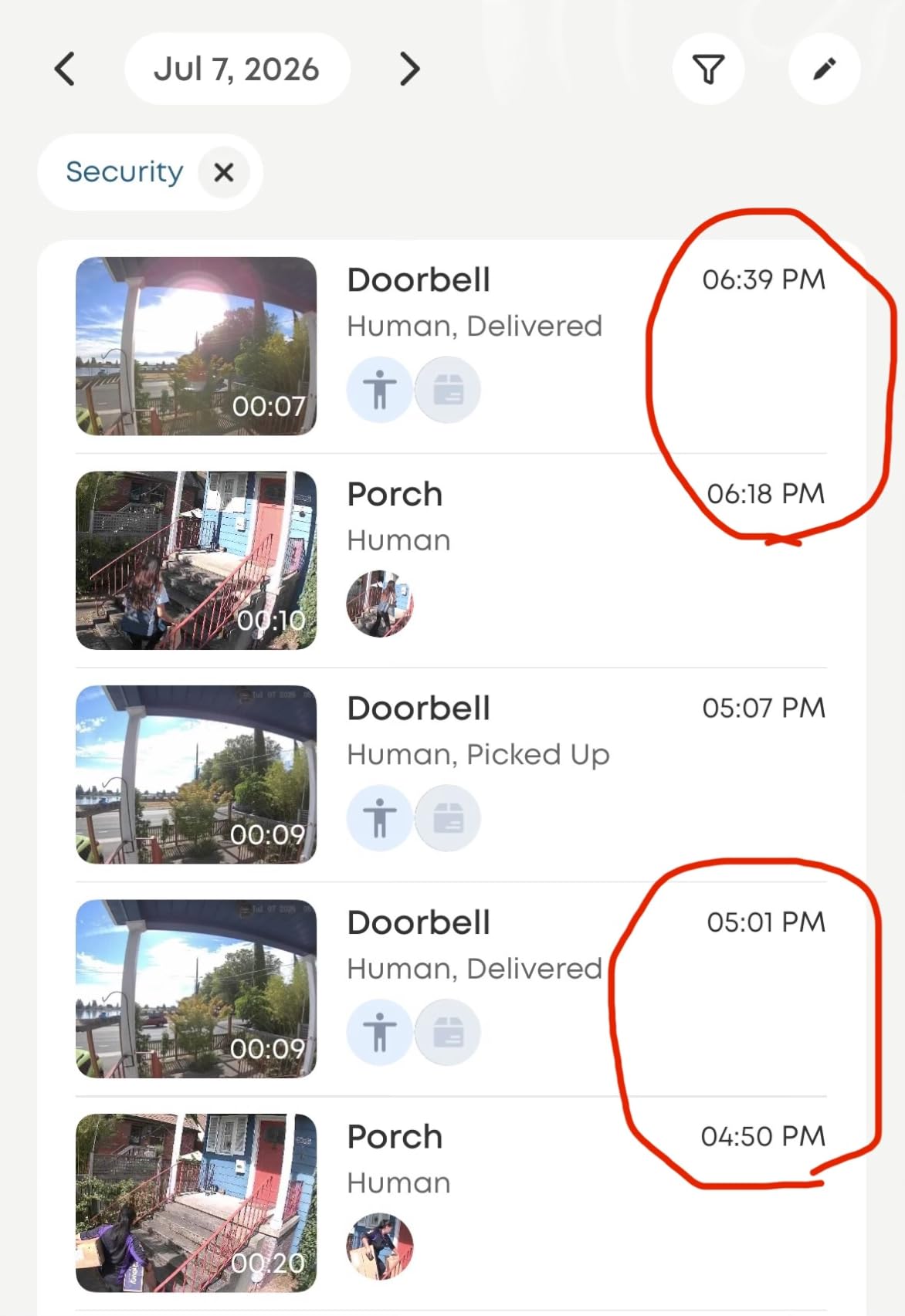
The eufy E340 solves one of the biggest frustrations with video doorbells: the blind spot for packages. Its dual-camera design uses a front-facing camera for visitors and a downward-facing camera specifically for your doorstep. You see both angles simultaneously, which means no more guessing whether a delivery was actually left or stolen.
Everything runs on 8GB of built-in local storage with no monthly fees. AI-powered person, motion, and package detection all work without a subscription, making this one of the smartest subscription-free options available. The 2K Full HD video is sharp and detailed, with color night vision that reaches up to 16 feet using a dual-light system.
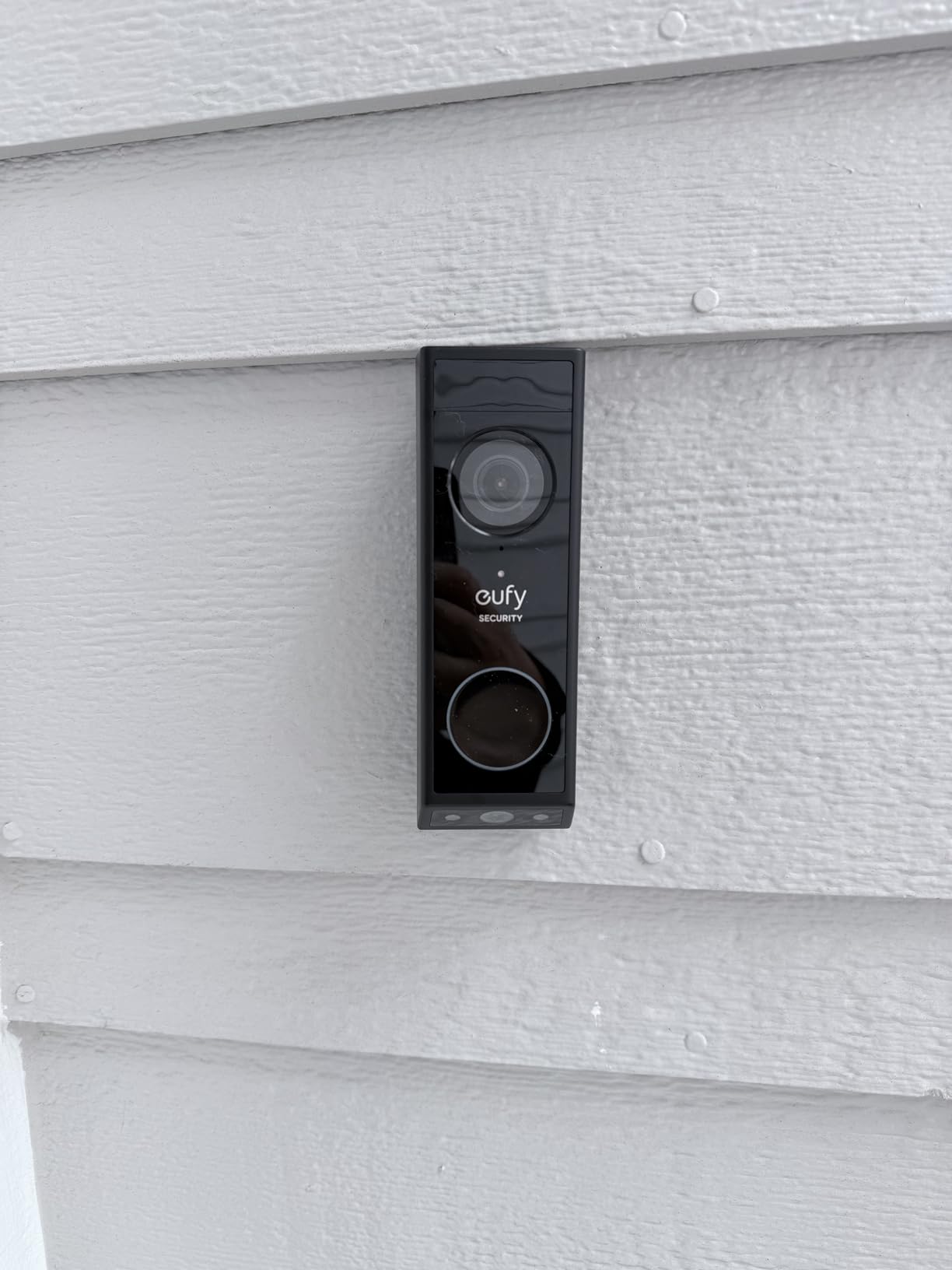
Installation flexibility is a strong point. You can run it on battery power for a wire-free setup or connect it to existing 16-24V doorbell wiring for continuous charging. The battery typically lasts two to three months in real-world conditions, which is shorter than eufy’s claims but still reasonable for most households.
The main downsides are the cluttered app experience and the need to buy a separate eufy chime accessory if you want the doorbell to ring through your house. Some users also report that the device can overheat in direct sunlight, so placement matters. Wi-Fi notifications occasionally lag by a few seconds, though this isn’t unique to eufy.
Who Should Choose This Doorbell
Anyone who wants intelligent detection features without paying monthly fees should seriously consider the E340. The dual-camera design is especially useful for package monitoring, and the local storage means your footage stays on your device. It works with both Alexa and Google Assistant, so ecosystem compatibility isn’t an issue.
Things to Watch Out For
The app’s upsell prompts can be annoying, and the overheating issue in direct sun is worth considering if your front door faces south or west. Battery life varies significantly based on traffic and temperature, so wired installation is the better choice if you have the option.
5. Blink Video Doorbell – Best Value Pick
Blink Video Doorbell – Head-to-toe HD view, two-year battery life, and simple setup. Sync Module Core included – System (Black)
HD Head-to-Toe View
2-Year Battery
Sync Module Included
Alexa Compatible
Wire-Free or Wired
Pros
- Easy and quick setup for beginners
- Long battery life with included lithium batteries
- Clear head-to-toe HD video with night vision
- Includes Sync Module Core and all mounting hardware
- Versatile wire-free or wired installation
Cons
- Battery life falls short of two-year claim in active areas
- Records only motion-triggered moments not continuous
- Requires subscription for full cloud features and person detection
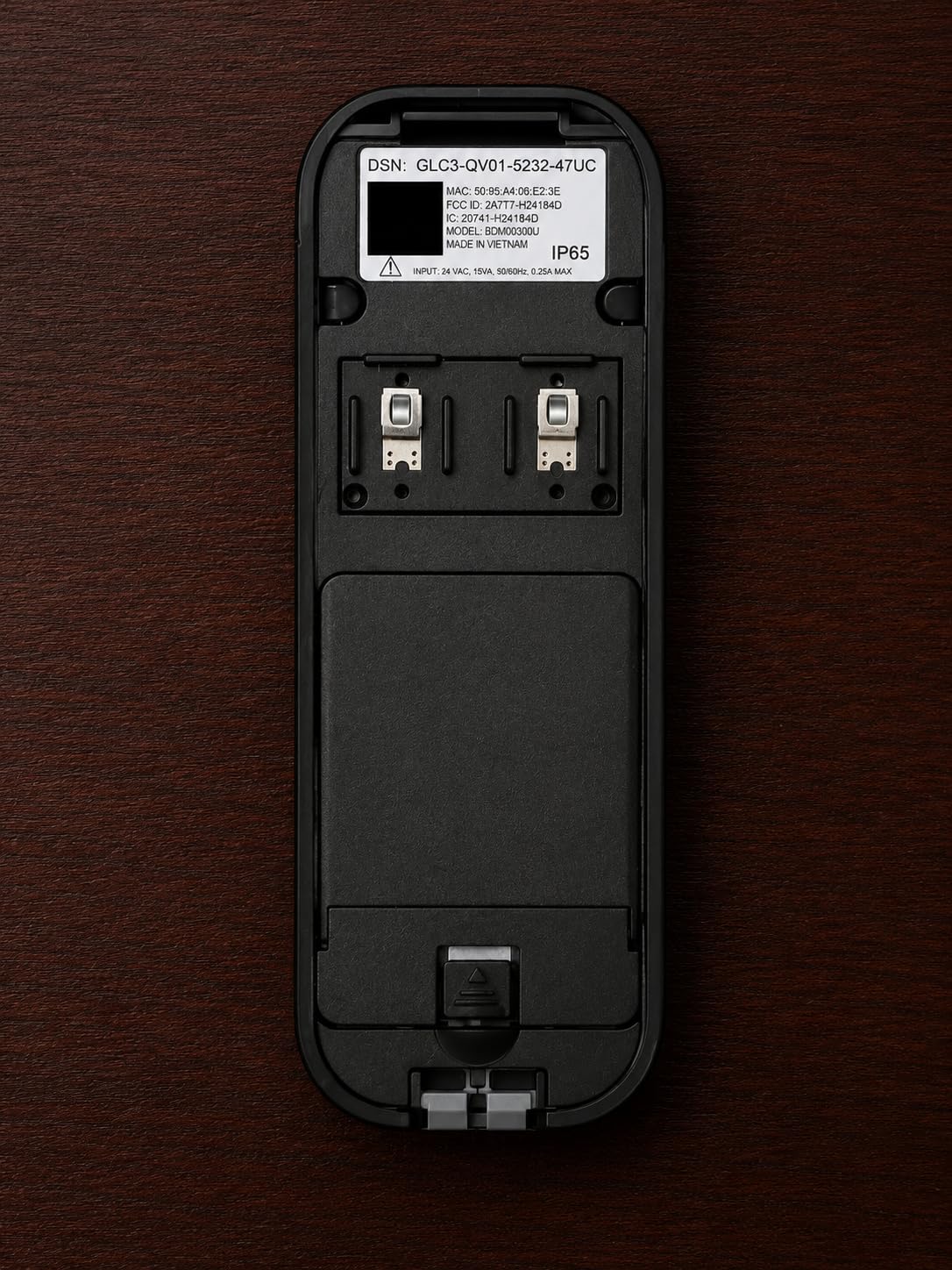
The Blink Video Doorbell delivers solid fundamentals at a price that’s hard to argue with. The included Sync Module Core, AA lithium batteries, mounting kit, and corner mount mean you get a complete system in the box. Setup takes about 15 minutes with the Blink app, and the wire-free installation makes it accessible to anyone regardless of technical skill.
The head-to-toe HD view with infrared night vision captures clear footage of visitors from head to ground level. Two-way audio works reliably through the Blink app, letting you talk to delivery drivers or screen visitors from anywhere. Motion alerts are timely, and the Alexa integration lets you announce visitors through Echo devices throughout your home.

Battery life is the headline feature, with Blink claiming up to two years on the included AA Energizer lithium batteries. Real-world results vary based on activity level, but most users report several months to a year of operation, which is still excellent. The option to hardwire it using existing doorbell wiring adds flexibility.
The trade-off is that Blink records short motion-triggered clips rather than continuous video, and advanced features like person detection and cloud storage require a Blink subscription. Without the subscription, you’re limited to live view and basic motion alerts. For the price, though, this is a reliable entry point into video doorbells.
Ideal for First-Time Buyers
If you’re trying out a video doorbell for the first time or want a simple, affordable option for a secondary entrance, the Blink is a smart pick. The low entry cost means you can test whether a doorbell camera fits your routine without a significant investment. The included Sync Module also supports other Blink cameras if you expand your system later.
Understanding Its Limitations
The motion-triggered recording model means you won’t get continuous coverage. Battery life depends heavily on how many events trigger recordings each day. High-traffic porches will drain batteries faster than the advertised two-year window. The subscription requirement for person detection is the biggest gap compared to the Tapo D225, which offers it free.
6. Arlo Video Doorbell 2K (2nd Gen) – Best Smart Home Pick
Arlo Video Doorbell 2K (2nd Gen) Wireless or Wired – 1-Cam
2K Video
180 Degree FOV
Battery or Wired
Multi-Ecosystem
IP65 Weather Resistant
Pros
- Crisp 2K video with wide 180 degree view
- No delay on live stream with quick notifications
- Easy installation for non-technical users
- Works with Alexa
- Apple Home
- and SmartThings
- Strong night vision and motion detection
Cons
- Battery requires recharge roughly every two weeks
- Full features require Arlo Secure subscription
- Microphone audio quality could be better
The Arlo Video Doorbell 2K (2nd Gen) stands out for one reason above all: ecosystem compatibility. It works with Alexa, Google Home, Apple Home, SmartThings, and IFTTT. If your smart home mixes devices from different brands, this is the doorbell that plays nice with everyone.
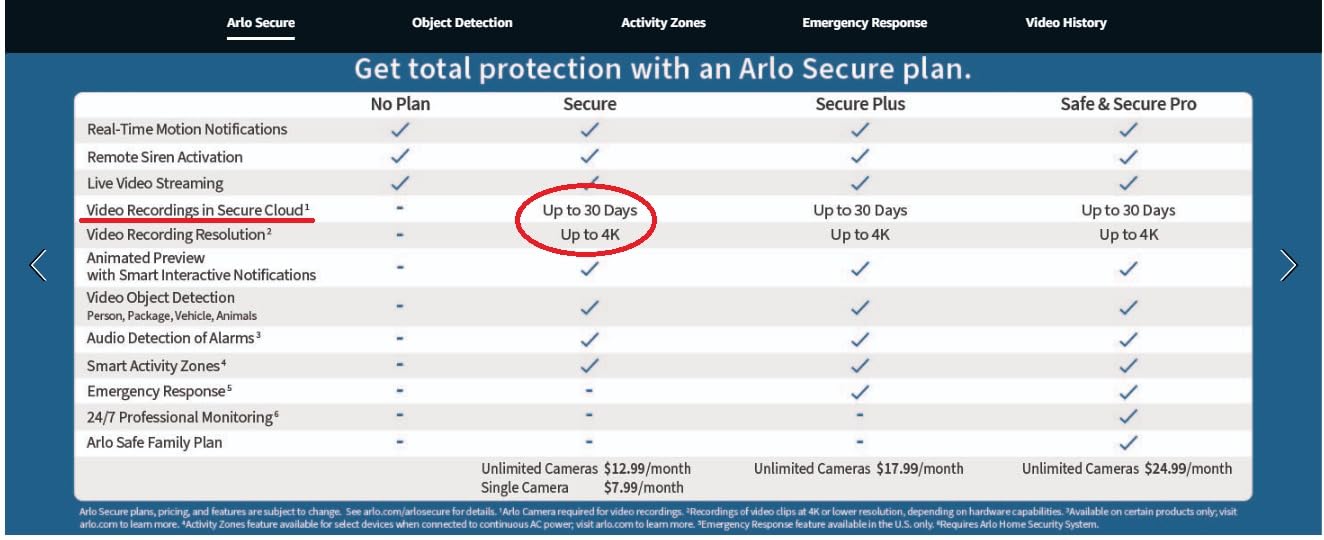
Video quality is excellent. The 2K resolution with a 180-degree head-to-toe field of view captures detailed footage, and the live stream starts instantly with no noticeable delay. Person recognition and package detection work well, though these features do require an Arlo Secure subscription for full functionality.
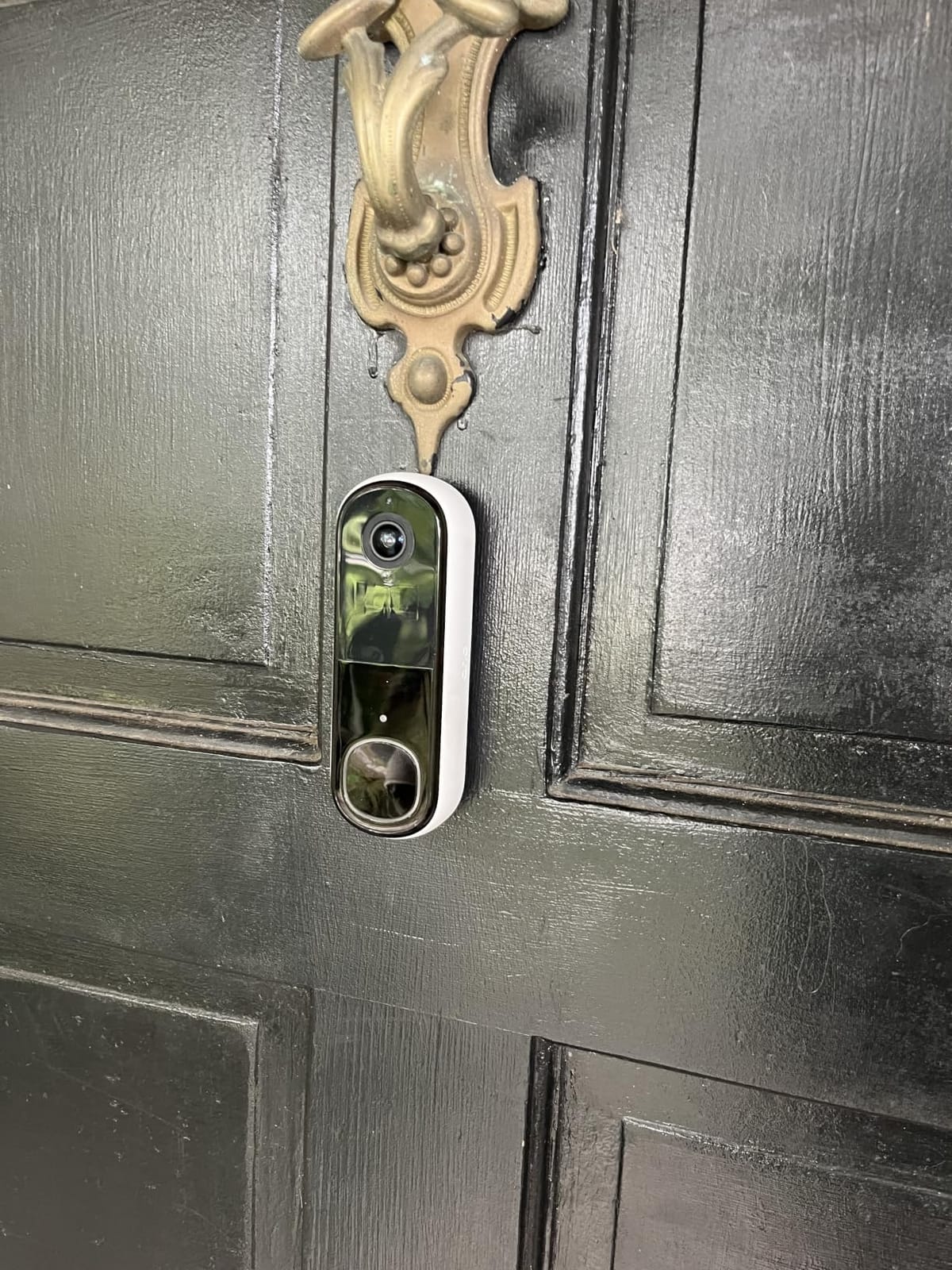
Installation is genuinely easy, even for someone who has never set up a smart device before. You can go fully wireless with the rechargeable battery or hardwire it for trickle charging. The IP65 weather resistance handles rain, snow, and temperature swings without issues. Custom activity zones let you define exactly where you want motion detection to focus.
The biggest drawback is battery life. On wireless installs, you’ll need to recharge every two weeks with typical usage, which is significantly more frequent than the Tapo D225 or Blink. The Arlo Secure subscription is also needed for video history and advanced AI, though live streaming and basic alerts work without it.
Best for Mixed Smart Homes
If your home has a mix of Alexa speakers, Google displays, and Apple devices, the Arlo 2K is the doorbell that won’t force you to pick a side. The broad compatibility extends to IFTTT automation recipes, letting you create custom workflows like turning on porch lights when motion is detected.
Battery Life Reality Check
The two-week battery life is the main reason this doorbell doesn’t rank higher. For high-traffic front doors, you might find yourself recharging weekly. Hardwiring solves this, but that requires existing doorbell wiring. If you go wireless, keep a charging routine in mind.
7. Reolink Video Doorbell WiFi – Best 4:3 View Pick
REOLINK Video Doorbell WiFi 2K Wired Camera, 4:3 Wide View Outdoor Camera
2K Super HD
4:3 180 Degree View
Dual-Band Wi-Fi
Local microSD
Chime Included
Pros
- 2K image quality sharp day and night
- No subscription required with local microSD storage
- 4:3 180 degree view captures porch-level activity
- Works with Reolink NVR systems and Home Assistant
- Adjustable smart detection zones and sensitivity
Cons
- Wi-Fi connectivity can be finicky with occasional dropouts
- Cannot ring existing mechanical chime without separate accessory
- App and ecosystem have reported reliability gaps
The Reolink Video Doorbell WiFi is a favorite among the home automation community, and for good reason. Its 4:3 aspect ratio with a 180-degree viewing angle captures a tall, narrow frame that’s perfect for seeing packages on the ground and faces at the door simultaneously. This vertical framing avoids the fish-eye distortion common on ultra-wide doorbells.
Video quality is sharp at 2K Super HD with HDR and distortion correction. The dual-band 2.4/5GHz Wi-Fi support is a welcome feature that most competitors lack, giving you more flexibility in congested wireless environments. Smart AI detection handles person and package alerts, and you can adjust detection zones and sensitivity through the app.
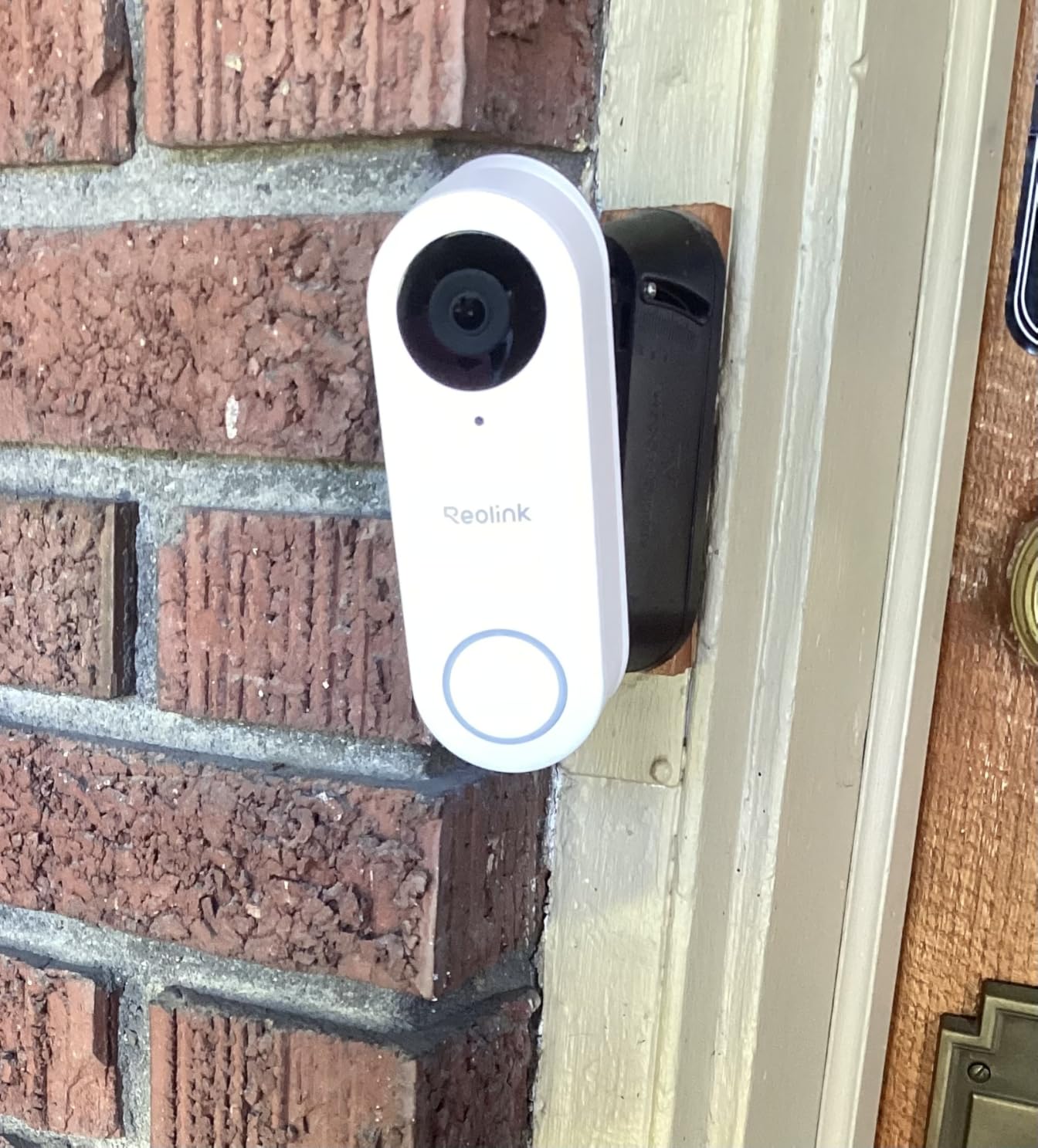
Local storage is the name of the game here. Pop in a microSD card up to 256GB and you get continuous recording with no subscription required. For power users, the doorbell integrates with Reolink NVR systems and Home Assistant, making it ideal for anyone building a fully local smart home setup without cloud dependencies.
The included Chime V2 with 10 selectable tunes is a nice bonus, though you’ll still need it even if you have an existing mechanical chime since the doorbell can’t trigger one directly. Wi-Fi connectivity can be finicky for some users, and the app isn’t as polished as what Ring or Google offer.
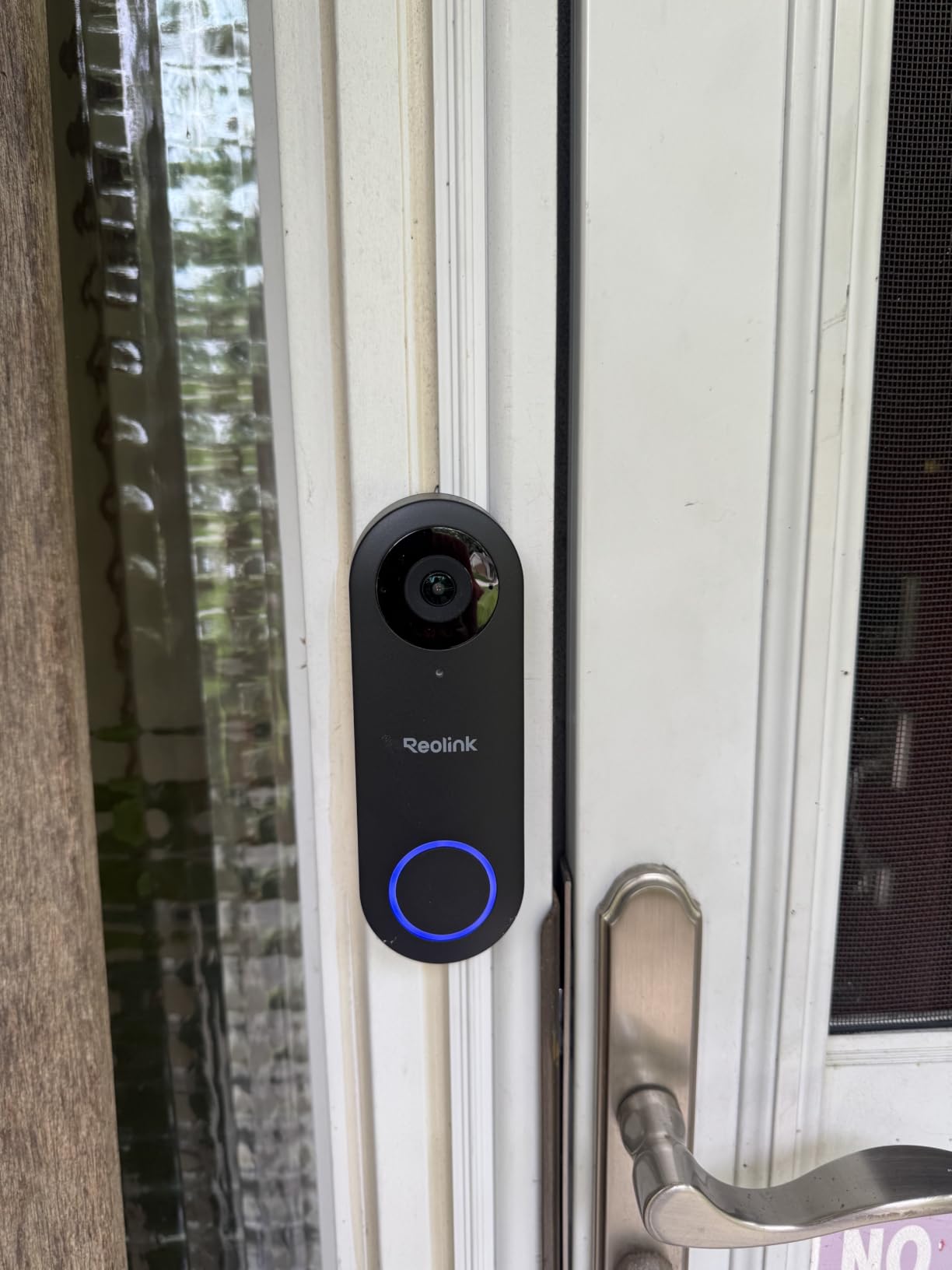
Perfect for Home Assistant Users
If you run Home Assistant or want full local control of your smart home, the Reolink is the best doorbell for the job. RTSP and ONVIF support mean you can stream directly to your own NVR or NAS without any cloud middleman. The r/homeassistant community consistently recommends this model for privacy-focused setups.
Wi-Fi Considerations
Some users report connectivity dropouts, particularly on congested networks. The dual-band support helps, but placement and router quality matter. If your front door is far from your router, consider a mesh Wi-Fi system or a Wi-Fi extender to ensure a stable connection.
8. Wyze Wired Doorbell v2 – Best Budget Wired Pick
WYZE Wired Doorbell Camera v2(Existing Doorbell Wiring Required), 2K HD
2K HD Video
Color Night Vision
Wired Power
microSD Local Storage
IP65 Waterproof
Pros
- Sharp 2K video with strong color night vision
- microSD local recording avoids mandatory subscription
- Wired power means no battery anxiety
- Affordable price point
- Compatible with existing mechanical chime
Cons
- AI smart notifications require a subscription
- Without subscription basic motion detection has frequent false alerts
- Mounting plate can be flimsy with mismatched face plate holes
The Wyze Wired Doorbell v2 is the cheapest wired 2K video doorbell worth buying. At its core, it delivers sharp video with impressive color night vision powered by a starlight sensor. The wired installation using existing 16-24V doorbell wiring means no batteries to charge, and it’s compatible with your existing mechanical chime, which is a feature many budget doorbells skip.
Local recording via a microSD card slot gives you continuous footage without a cloud subscription. The IP65 weatherproof rating handles outdoor conditions, and two-way audio with voice deterrence prompts lets you scare off unwanted visitors. For basic front-door monitoring, the Wyze v2 delivers solid performance at a very accessible price.
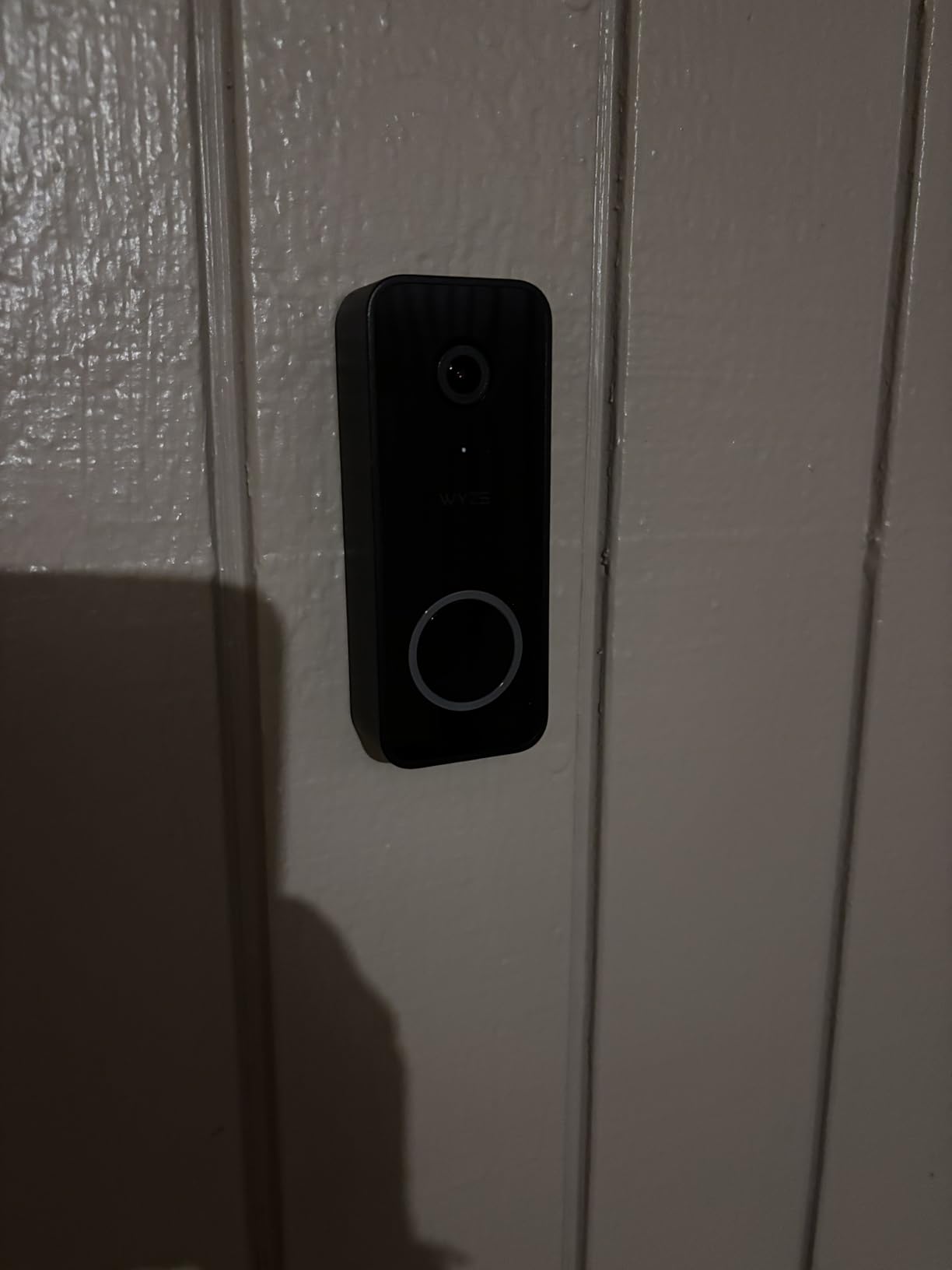
The catch is that the smartest features are locked behind a Wyze subscription. Without it, you get basic motion detection that tends to produce frequent false alerts from passing cars, shadows, and weather. The person and package detection that would filter these out requires the paid plan. Many reviewers end up subscribing after a few weeks of false alerts.
Build quality has some rough edges. The mounting plate can feel flimsy, and the face plate holes may not line up perfectly with all existing doorbell setups. The doorbell ring has a noticeable delay compared to a traditional wired chime. For the price, though, the video quality alone makes this a compelling budget option.
Who Benefits Most
This doorbell is ideal for homeowners on a tight budget who want wired reliability and 2K video. If you’re comfortable adding a microSD card and possibly subscribing to Wyze’s affordable plan for AI detection, you’ll get a capable smart doorbell at a fraction of the cost of premium models. The mechanical chime compatibility is a genuine plus.
Subscription Reality
The no-subscription pitch is technically true but practically misleading. Without a Wyze plan, the basic motion detection generates too many false alerts to be useful for most people. Budget for the subscription cost when comparing total ownership expenses against the Tapo D225, which includes free AI detection.
How to Choose the Best Video Doorbell
Wired vs Wireless: Which Is Better?
Wired doorbells draw power from your existing doorbell wiring, so you never worry about battery life. They’re more reliable for continuous recording and always-on features. Wireless battery models are easier to install and work great for renters, but you’ll need to recharge them every few weeks to months depending on activity levels.
If you have existing doorbell wiring, go wired. If you’re in an apartment or don’t want to deal with electrical work, battery-powered models like the Tapo D225 or Blink offer flexible installation. You can learn more about how video data flows in our video streaming guide.
Subscription vs Local Storage
This is the biggest ongoing cost decision. Cloud subscriptions from Ring, Nest, and Arlo typically add video history, smart AI alerts, and person detection. Local storage via microSD cards on models like the Reolink, Tapo, and Wyze avoids monthly fees entirely. Over three to five years, subscription costs can exceed the price of the doorbell itself.
For budget-conscious buyers, prioritize doorbells with free local AI detection like the Tapo D225 or eufy E340. If you want cloud backup and don’t mind the recurring cost, Ring Protect and Google Home Premium offer solid value. If your video stream quality degrades, our video troubleshooting guide can help diagnose connectivity issues.
Resolution and Field of View
Resolution matters more than you’d think. A 2K doorbell captures roughly twice the detail of 1080p, making it easier to identify faces and read package labels. The Ring 4K Pro takes this further with Retinal 4K, but most users will find 2K more than sufficient.
Field of view and aspect ratio are equally important. A 180-degree head-to-toe view like the Tapo D225 or Arlo 2K captures packages on the ground. The Reolink’s 4:3 aspect ratio is specifically designed for vertical porch viewing. Wider horizontal views (16:9) may miss ground-level activity, so think about your specific porch layout.
Smart Home Ecosystem Compatibility
Match your doorbell to your existing smart home. Google Nest integrates best with Google Home, Ring works seamlessly with Alexa, and Arlo supports both plus Apple Home. The Reolink is the best choice for Home Assistant users who want full local control. If you use multiple ecosystems, the Arlo 2K offers the broadest compatibility.
Frequently Asked Questions
What is the best video doorbell without a monthly fee?
The Tapo D225 and eufy E340 are the best video doorbells without a monthly fee. Both offer free AI detection for people and packages with local storage via microSD or built-in memory, so you get smart alerts and video history without paying for a subscription.
Are wired or wireless video doorbells better?
Wired doorbells are more reliable because they have continuous power and never need recharging. They’re ideal for homeowners with existing doorbell wiring. Wireless battery models are better for renters and anyone who wants a simpler installation, but you’ll need to recharge them regularly based on activity levels.
Which video doorbell brand is the most reliable?
Google Nest and Ring consistently rank highest for reliability in long-term testing. The Google Nest Doorbell (Wired, 3rd Gen) offers the best combination of video quality and smart alerts, while Ring’s ecosystem is the most mature with the widest accessory support. For subscription-free reliability, Reolink and Tapo are strong choices.
Do video doorbells work during a power outage?
Battery-powered video doorbells continue working during a power outage as long as your Wi-Fi router has backup power. Wired doorbells will stop recording if power goes out unless you have a UPS on your doorbell transformer. Models with local storage like the Reolink and Tapo D225 will save footage locally even without internet, uploading to the cloud once connectivity returns.
What resolution should a video doorbell have?
A minimum of 2K (1440p) resolution is recommended for video doorbells in 2026. This resolution provides enough detail to identify faces, read package labels, and capture clear evidence. The Ring 4K Pro offers even sharper footage at 4K, but 2K is sufficient for most residential use cases and requires less bandwidth and storage.
Final Verdict
The Google Nest Doorbell (Wired, 3rd Gen) earns our top recommendation as the best video doorbell in 2026 for its combination of 2K HDR video quality, Gemini-powered smart alerts, and seamless Google Home integration. If you want the smartest notifications and best privacy features, this is the one to get.
For budget-minded buyers, the Tapo D225 delivers free AI detection, 2K video, and up to eight months of battery life without any subscription. And if you want the highest video resolution available, the Ring Wired Doorbell 4K Pro offers Retinal 4K footage with 10x zoom that no other doorbell can match right now.
Whatever your budget or smart home setup, there’s a video doorbell on this list that fits. Pick the one that matches your power source, ecosystem, and subscription tolerance, and you’ll have a much better front-door experience.