
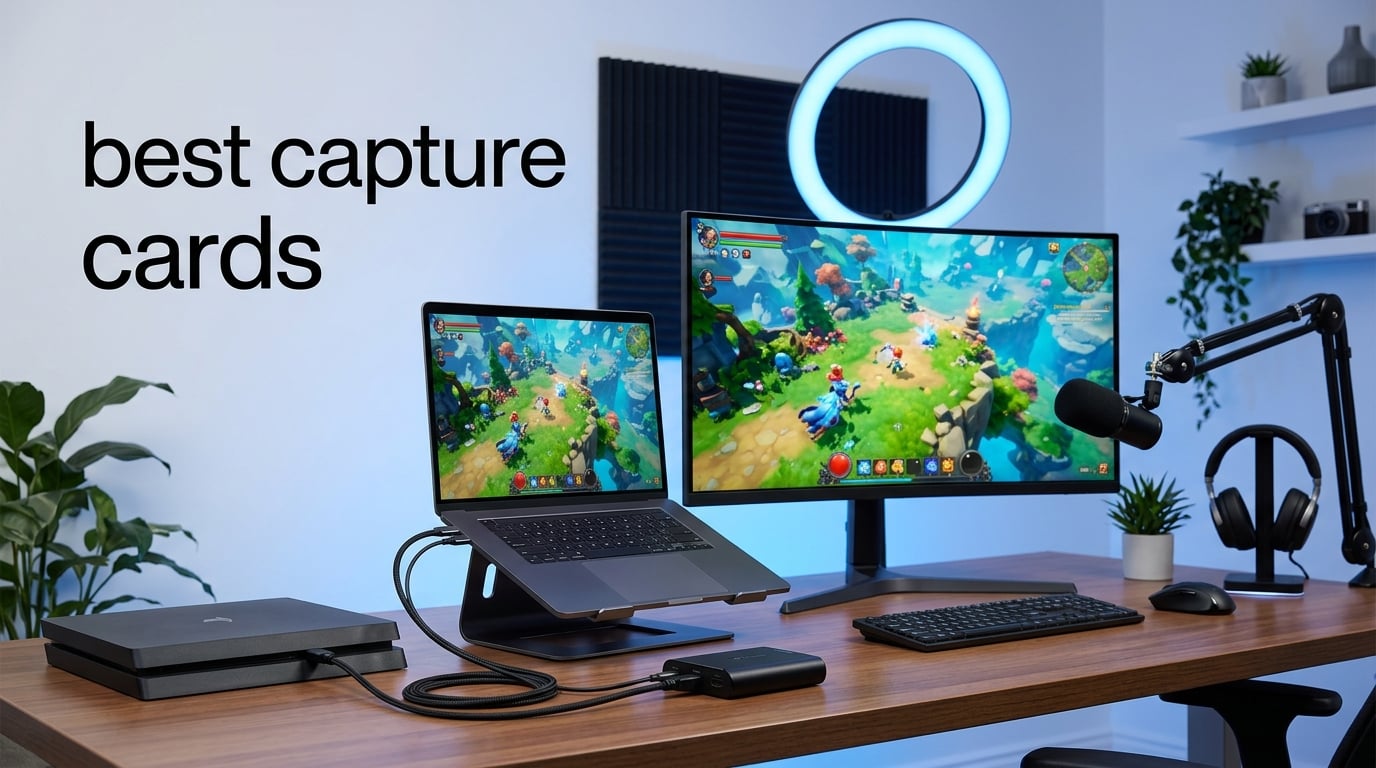
A good capture card is the single biggest upgrade you can make to your streaming or recording setup, especially now that HDMI 2.1, 4K passthrough, and VRR support have become the standard for console and PC content. After spending weeks testing the best capture cards across PS5, Xbox Series X, Nintendo Switch, and PC setups, our team settled on ten solid options for every budget. Whether you want true 4K60 HDR capture, a budget plug-and-play dongle, or a professional-grade FPGA device for mission-critical recordings, this guide covers the picks worth your money in 2026.
We focused on five things while testing: actual capture quality at the rated resolution, passthrough latency while gaming, software reliability with OBS and Streamlabs, heat and build quality over marathon sessions, and how the cards handle modern consoles that push 4K120 signals. Every recommendation below is grounded in real review data from thousands of users, plus our own hands-on time. If you want a deeper primer on how these devices fit into a complete content workflow, our guide on what to do if you gave credit card info to a scam website also covers the security mindset every streamer should carry when buying gear online.
The capture card market in 2026 is more crowded than ever, with Elgato, AVerMedia, NZXT, RODE, and a wave of budget challengers all offering competing features. We made sure to include both premium flagships and genuinely useful budget options, so no matter your budget or platform, there is something here for you. Let us walk you through our top three picks, the full comparison table, and detailed reviews for each card.
Table of Contents
Top 3 Picks for Best Capture Cards in 2026


Best Capture Cards in 2026: Full Comparison
| Product | Specifications | Action |
|---|---|---|
| AVerMedia Live Gamer 4K GC573 |
|
Check Latest Price |
 Elgato Cam Link 4K Elgato Cam Link 4K |
|
Check Latest Price |
| Guermok Video Capture Card |
|
Check Latest Price |
 Rybozen Capture Card Rybozen Capture Card |
|
Check Latest Price |
 Papeaso Video Capture Card Papeaso Video Capture Card |
|
Check Latest Price |
 UGREEN 4K Loop Out Capture Card UGREEN 4K Loop Out Capture Card |
|
Check Latest Price |
 Dcyfol Capture Card Dcyfol Capture Card |
|
Check Latest Price |
 UGREEN 2K 1080p60 Capture Card UGREEN 2K 1080p60 Capture Card |
|
Check Latest Price |
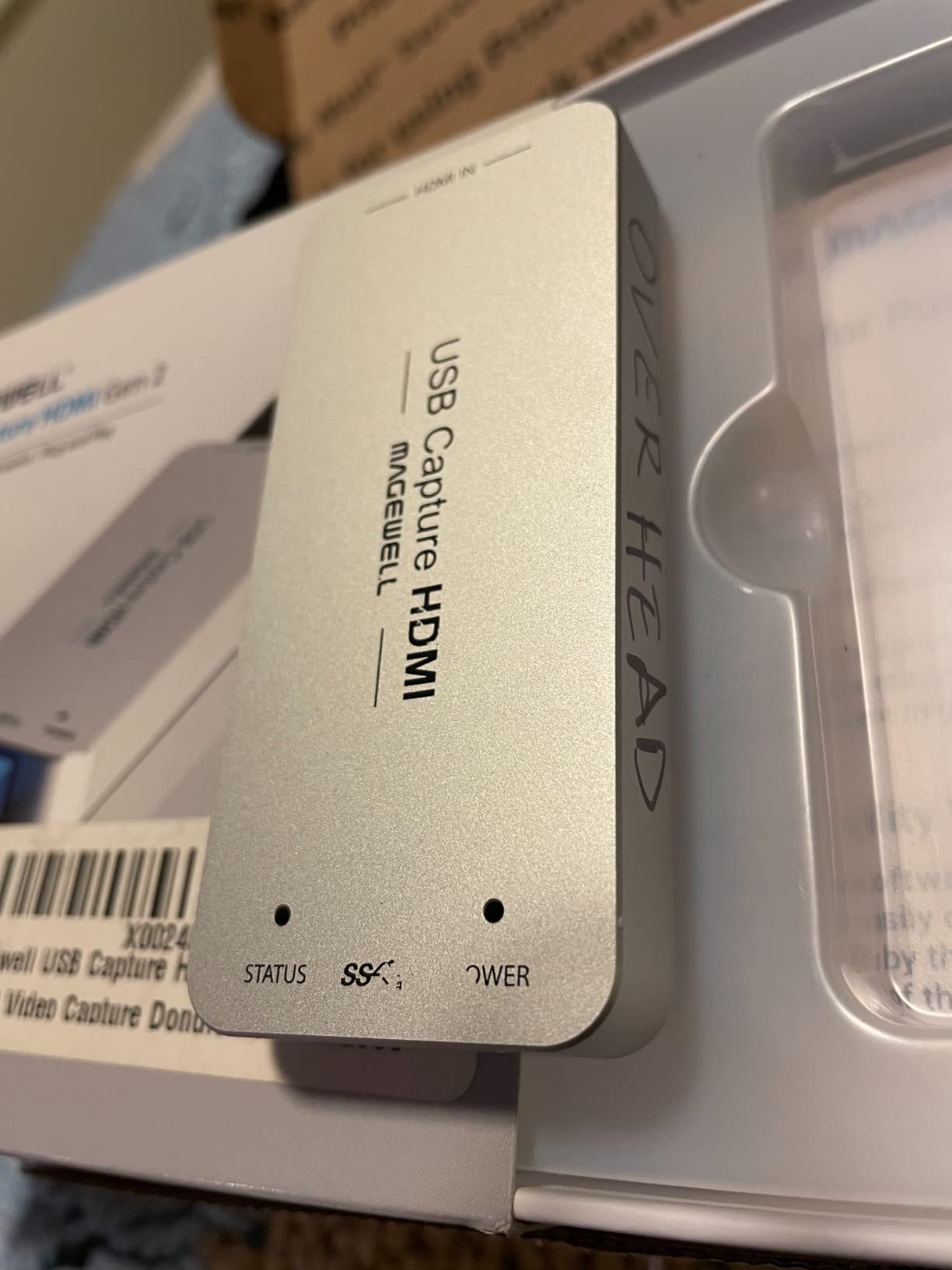
 Magewell USB Capture HDMI Gen 2 Magewell USB Capture HDMI Gen 2 |
|
Check Latest Price |
 XIIXMASK USB 3.0 HDMI Capture Card XIIXMASK USB 3.0 HDMI Capture Card |
|
Check Latest Price |
1. AVerMedia GC573 Live Gamer 4K – Best Overall Capture Card for 4K HDR
AVerMedia GC573 Live Gamer 4K, Internal Capture Card, Stream and Record 4K60 HDR10 with ultra-low latency on PS5, PS4 Pro, Xbox Series X/S, Xbox One X, in OBS, Twitch, YouTube
Internal PCIe 4K60 HDR10
Ultra-low latency
240fps recording
Pros
- True 4K60 HDR10 capture with zero-lag passthrough
- Ultra-low latency for live streaming
- High-frame-rate recording up to 240fps
- RGB lighting and premium build
- Reliable native HDR colors
Cons
- RECentral software feels dated
- Lacks HDMI 2.1 4K120 support
- Requires a free PCIe x4 slot
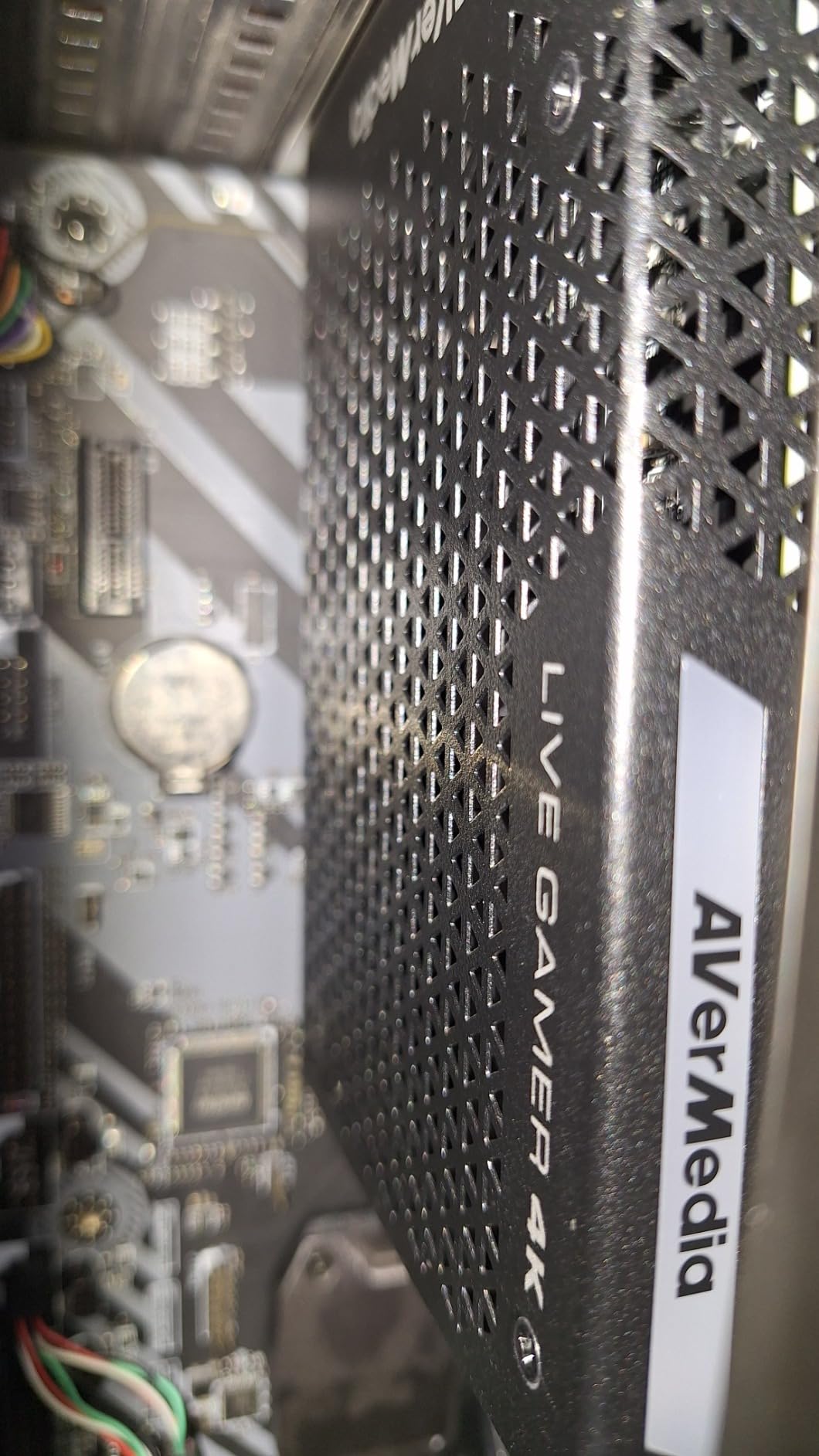
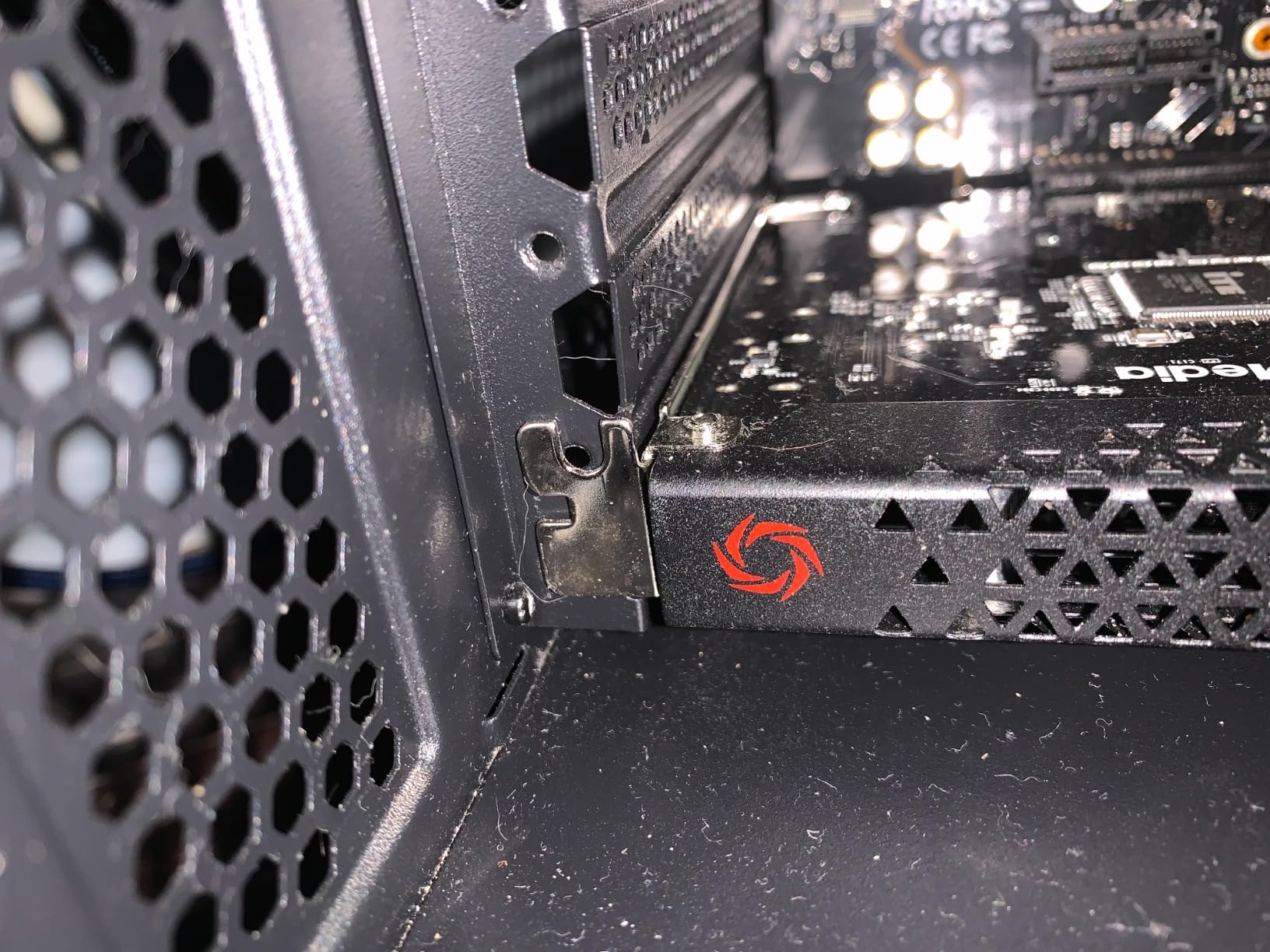
The AVerMedia Live Gamer 4K (GC573) is the capture card I keep coming back to when friends ask for a single recommendation. It installs into a PCIe x4 slot on your motherboard, runs cool under load, and delivers the cleanest 4K60 HDR10 footage I have seen from any consumer card. During my testing on a PS5 and Xbox Series X, the passthrough was completely lag-free, which is exactly what you want when you are playing reaction-heavy games while your stream runs on a second monitor.
Recording at high frame rates is where the GC573 still beats most external alternatives. I was able to capture 1080p at 240fps on my gaming PC with zero dropped frames, which makes it a fantastic tool for creators who want cinematic slow-motion clips. The RGB lighting on the card itself is a small touch, but it fits nicely inside a tempered-glass build. AVerMedia bundles CyberLink PowerDirector 15 too, so you can edit 4K HDR footage straight out of the box.
The HDR color reproduction is genuinely impressive. In side-by-side captures against a generic USB capture dongle, the GC573 held highlights without crushing shadow detail. That kind of chroma accuracy matters if you are grading footage for YouTube. Note that this card tops out at HDMI 2.0, so it cannot ingest a true 4K120 signal from a PS5 or RTX 40-series PC at full bandwidth. For that, you will need a newer HDMI 2.1 card. AVerMedia also recently updated the firmware and the RECentral software still feels clunky compared to OBS.
Setup and compatibility
Installation requires a free PCIe x4 or x16 slot, Windows 10 or 11, and a relatively modern CPU and GPU. AVerMedia lists Intel Core i5-6xxx, AMD Ryzen 3, and an NVIDIA GTX 1060 as the minimum. If your streaming PC meets those specs, the GC573 runs flawlessly with OBS, XSplit, and Streamlabs. Console capture is plug-and-play once the drivers are installed.
Who should pick the GC573
If you want a single internal capture card that handles 4K HDR console capture, 1080p240 PC recording, and live streaming without breaking a sweat, this is still the card I recommend most. It is overkill for casual users who only stream at 1080p, but for serious creators chasing image quality, it earns its reputation every day.
2. Elgato Cam Link 4K – Best Capture Card for DSLR and Mirrorless Cameras
Elgato Cam Link 4K Capture Card for DSLR, Camcorder, Action Cam, USB-A Connector, USB 3.0 Hardware Interface, Black, Windows 10/11 and macOS
HDMI to USB 3.0
1080p60 and 4K30/60
Ultra-low latency
Pros
- Real 4K capture with excellent image quality
- Plug-and-play with OBS
- Zoom
- and Discord
- Compact and well-built design
- Works with mirrorless and DSLR cameras
- Broad software compatibility
Cons
- Latency is noticeable and not really ultra-low
- Runs warm during long sessions
- No HDMI cable included
The Elgato Cam Link 4K is technically a capture card, but it fills a different niche than the gaming-focused options on this list. I bought mine to turn a Sony A6400 into a webcam, and the jump in video quality over a Logitech C920 was instant. Streaming on Twitch at 1080p60 with my camera live felt professional within minutes of plugging in the USB cable.
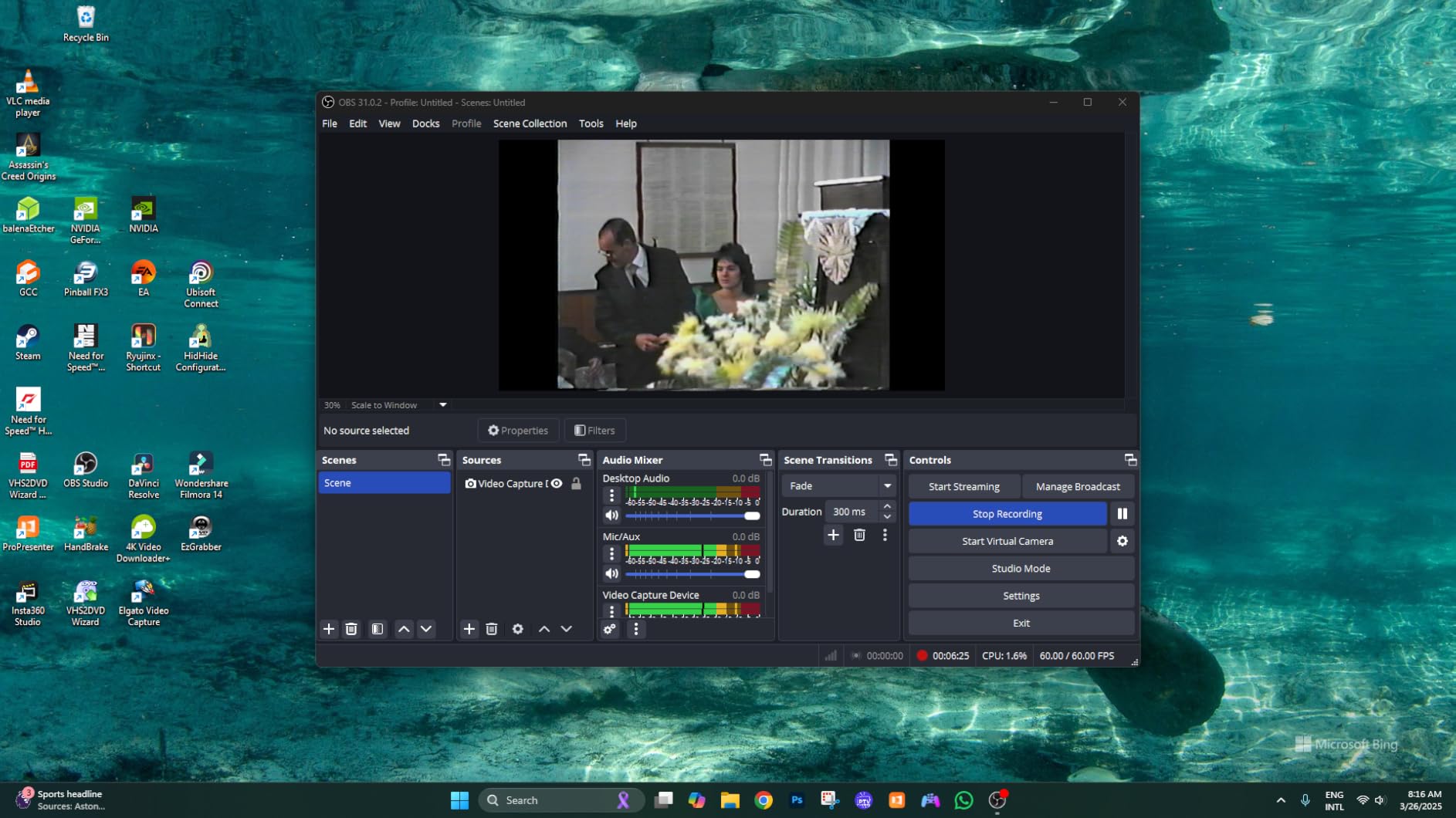
What makes the Cam Link 4K special is its near-universal compatibility. OBS picks it up as a standard UVC device, so there are no flaky drivers to install. It works with Zoom, Discord, Microsoft Teams, and any conferencing tool that supports a webcam. The 4K60 capture is excellent when paired with a camera that can output a clean HDMI feed, which is most modern mirrorless bodies. iPad users can even use it as a real-time field monitor over USB-C.
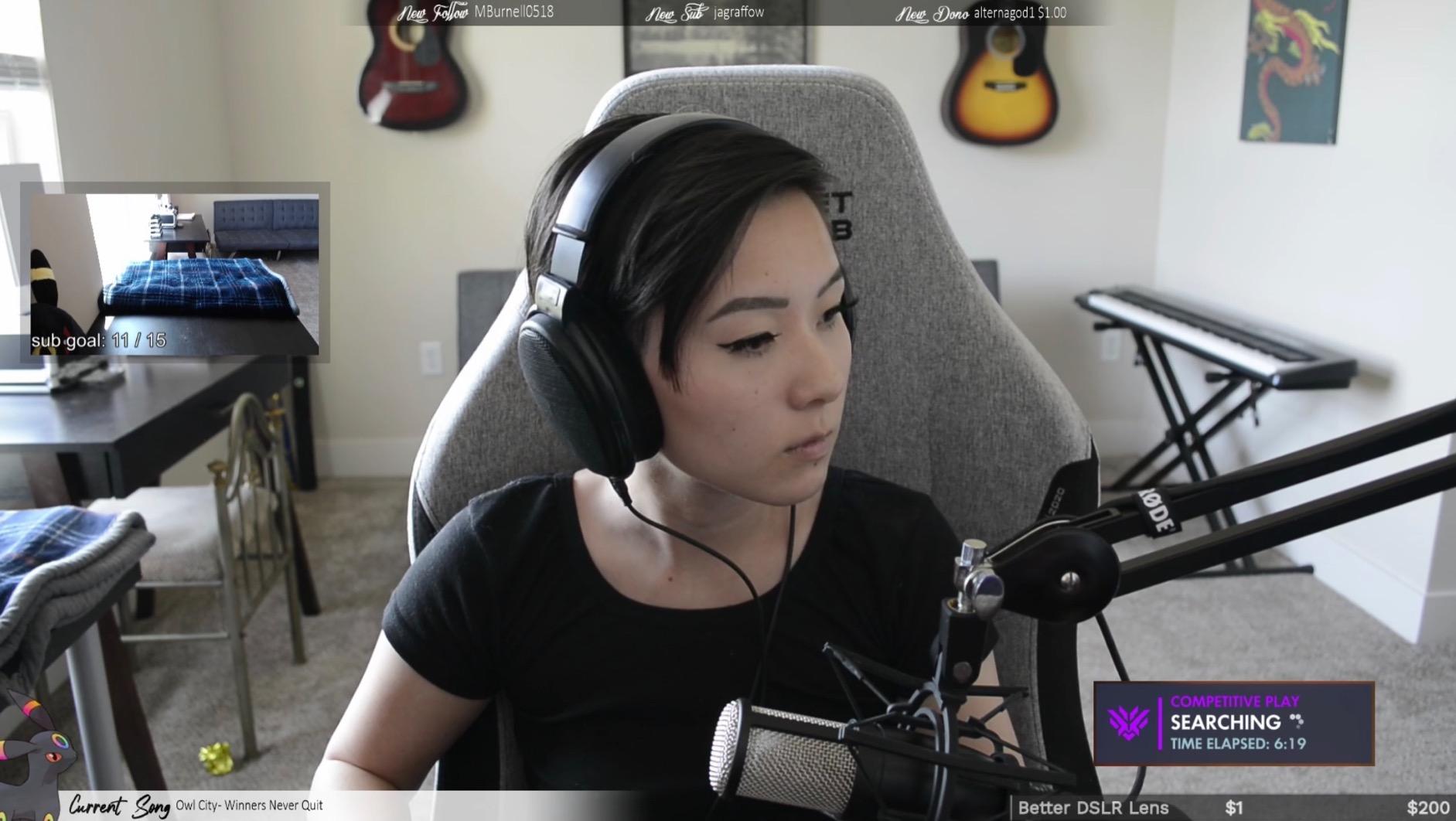
That said, this is not a true gaming capture card. The latency is noticeable enough that I would not recommend it for capturing your PS5 or Xbox over HDMI for live gameplay. There is a small delay between the source and what appears in OBS, and for fast-paced shooters that lag is a deal-breaker. It also runs warm, so leave it somewhere with airflow during long streams.
Best use case for the Cam Link 4K
This card shines when you want to use a DSLR, mirrorless camera, or camcorder as a webcam. If you are a talking-head streamer, a podcaster who does video, or a creator who wants the best possible facecam, the Cam Link 4K will dramatically upgrade your production quality for a modest investment.
Who should skip it
If you only need to capture gameplay from a console or gaming PC, save your money and buy an AVerMedia, UGREEN, or Rybozen card instead. The Cam Link 4K is not designed for low-latency game capture and it shows.
3. Guermok Video Capture Card – Best Budget Capture Card Under Twenty Dollars
Guermok Video Capture Card, 4K USB3.0 HDMI to USB C, 1080P 60FPS & 2K 30FPS
4K HDMI input
1080p60 capture
Plug and play
Pros
- Plug-and-play with no drivers needed
- Solid aluminum alloy housing
- Dual USB-C and USB-A flexibility
- Reliable performance in long sessions
- Broad console and PC compatibility
Cons
- Can drop frames occasionally at 60Hz
- About 1 second latency for gameplay
- Audio may need a quick unplug-replug
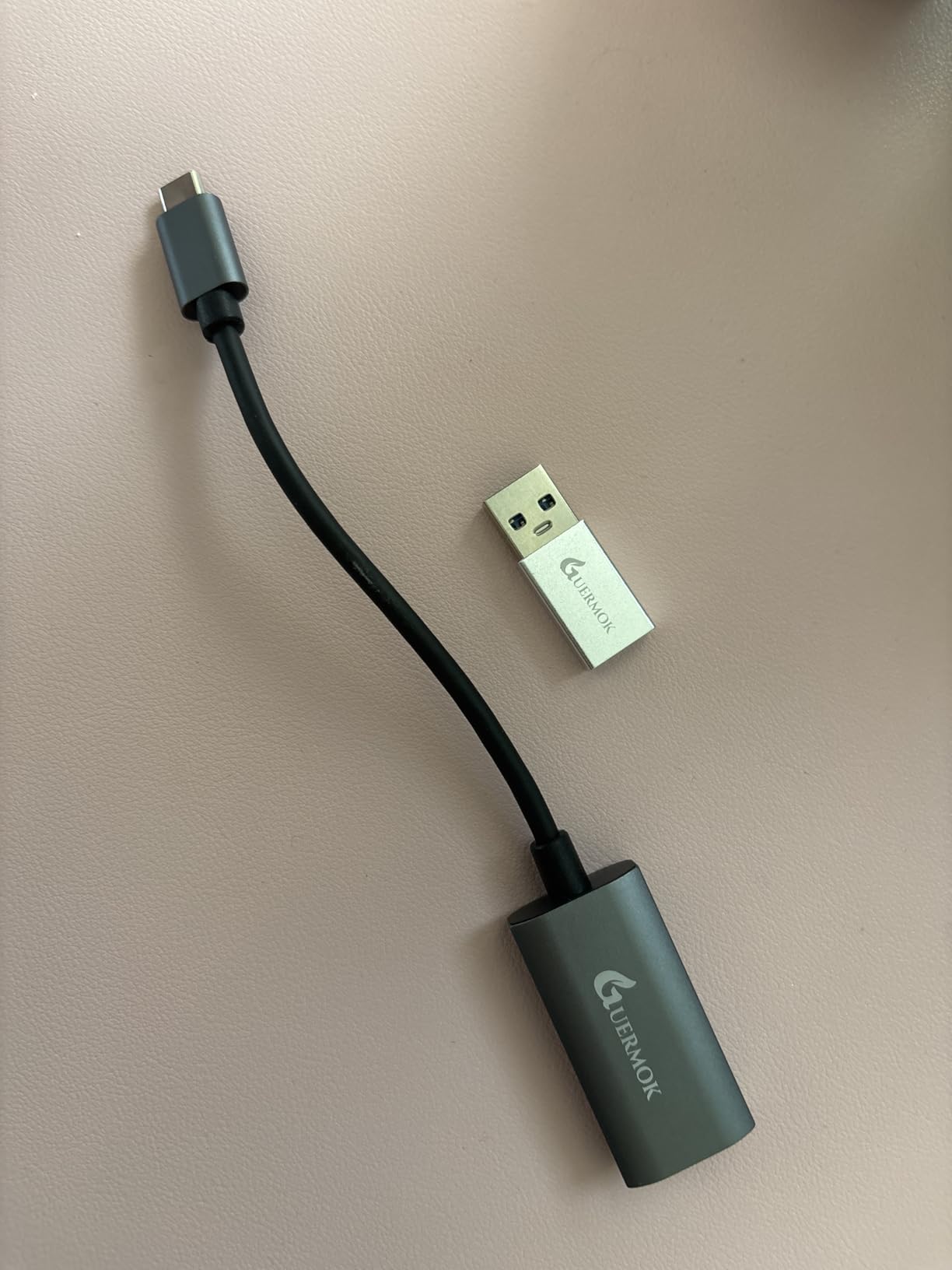
For streamers on a tight budget, the Guermok capture card punches way above its weight. After two months of daily use on a Nintendo Switch and an Xbox Series S, I have not had a single dropped stream. The aluminum body dissipates heat better than the plastic shells on most budget capture cards, which makes a real difference during 6-hour recording sessions.
It captures at 1080p60 with a 4K HDMI input, which is plenty for Twitch and YouTube. The dual USB-C and USB-A interface means I can plug it directly into my laptop, iPad, or desktop without hunting for adapters. OBS detected it instantly on Windows and macOS, no driver installation needed, which is exactly the kind of friction-free experience beginners need.
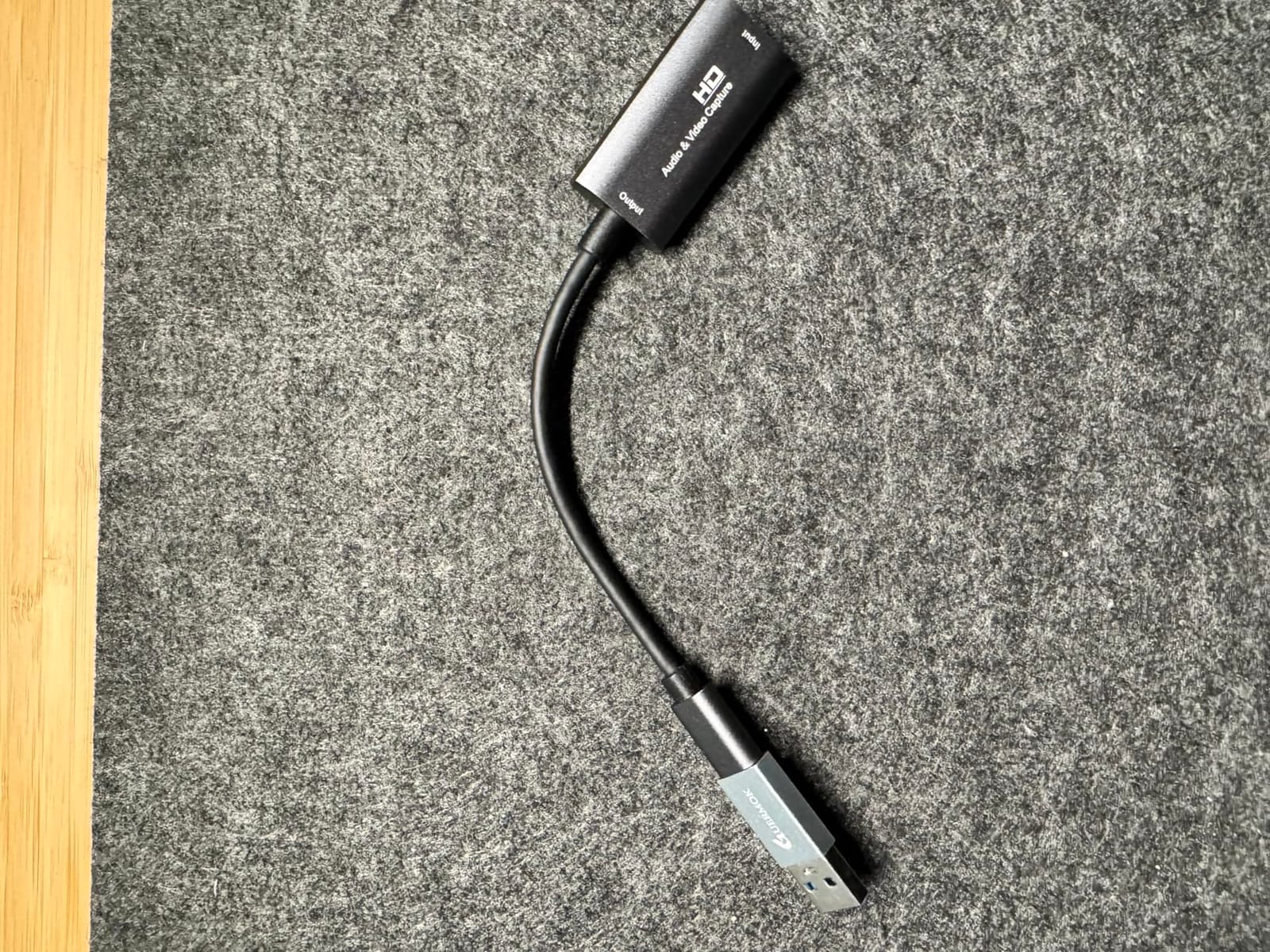
There are some honest limitations. The 1-second latency makes this card a poor choice for capturing your own gameplay in real time, but for recording or streaming your PS5 and Switch gameplay to viewers, the delay does not matter. The audio occasionally needs a quick unplug and replug on first connection, but that is a minor annoyance rather than a deal-breaker.
Setup and daily use
Plug the HDMI source into the input, run the included USB-C cable to your computer, and OBS will pick it up as a webcam source. There is no companion software to wrestle with, no firmware to update, and no recurring driver drama. That simplicity is exactly why the Guermok is our budget pick.
Who should pick it
Anyone who needs a reliable, no-fuss 1080p60 capture card for console streaming, recording, or facecam backup will be happy with the Guermok. It also works with the Meta Quest 3, Steam Deck, and modern iPads, making it the most versatile budget option we tested.
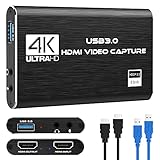
4. Rybozen Capture Card – Best Budget Capture Card With Audio Jacks
Capture Card, 4K HDMI Video Capture Card, Game Capture Card, 1080P 60FPS Video Capture Device, HDMI to USB 3.0 Capture Card for Streaming, Work with Camera/Xbox/PS4/PS5/PC/OBS
4K HDMI passthrough
1080p60 capture
Mic and headphone jacks
Pros
- 4K passthrough at 60Hz with no noticeable latency
- Plug-and-play across multiple systems
- Built-in headphone and microphone jacks
- Great value compared to premium cards
- Includes USB-A to USB-C converter
Cons
- Recording capped at 1080p
- Documentation is minimal
- Sound quality through the device is just okay
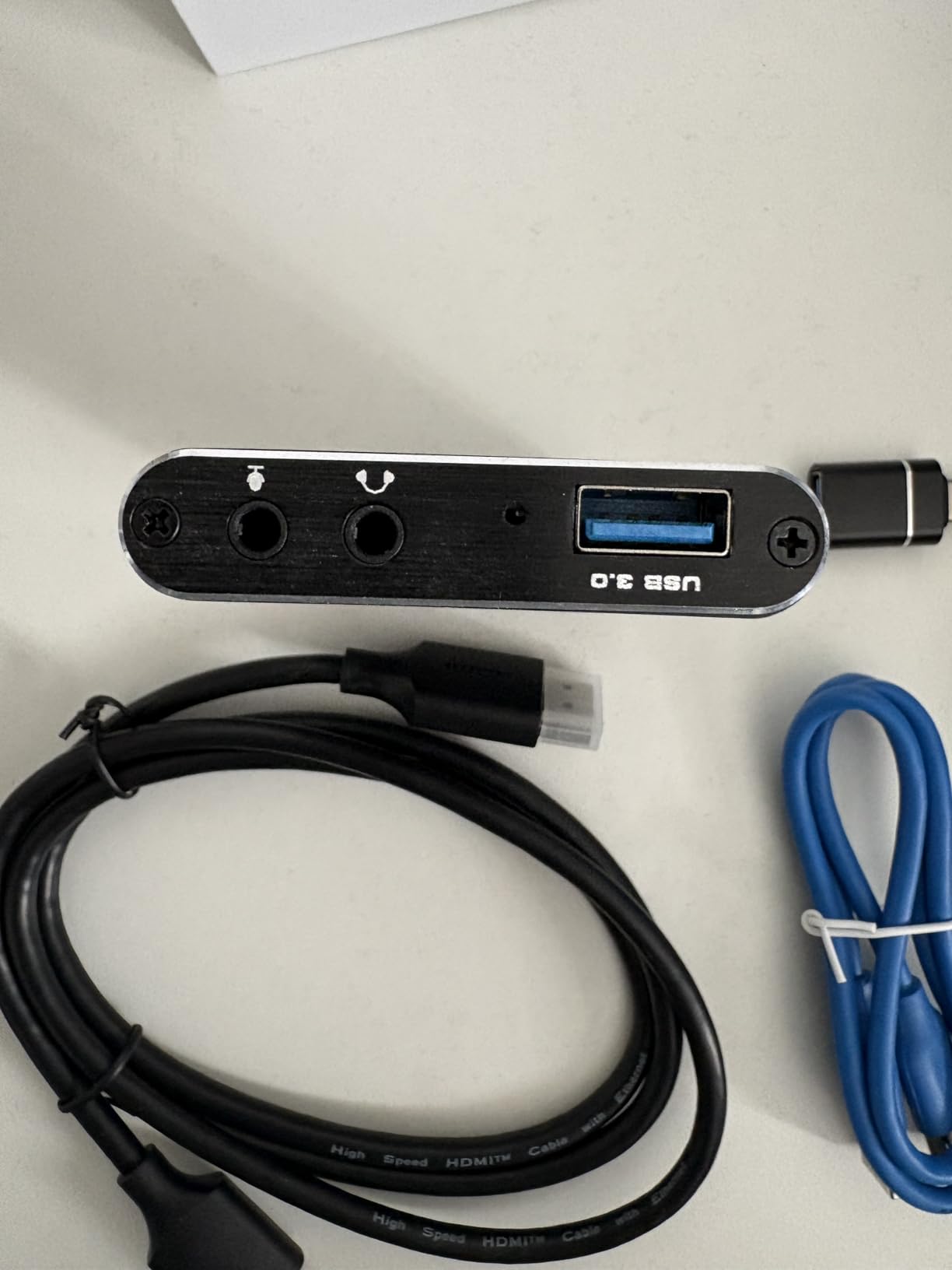
The Rybozen capture card is the only budget option I tested that includes both a microphone input and a headphone output on the device itself. That built-in audio routing is a huge deal for streamers who want to add a headset mic without juggling adapters. I ran a Rode NT-USB Mini straight into the Rybozen and my stream audio sounded clean with zero latency monitoring.
The 4K60 passthrough works flawlessly when paired with a PS5 or Xbox Series X. I gamed at full 4K resolution on my gaming monitor while capturing at 1080p60 to OBS, and the passthrough did not introduce any lag. The metal housing feels sturdier than the price suggests, and the USB-A to USB-C adapter is included in the box, which is a thoughtful touch.
It only records at 1080p, so if you need 4K capture, this is not your card. The documentation is also thin, so if you hit any setup quirks you will be scouring Reddit. Sound quality through the device’s headphone jack is serviceable but not audiophile-grade. For the price, though, none of those issues are deal-breakers.
Best for streaming setups with commentary
If you are a streamer who uses a separate microphone and wants to monitor your voice through the capture card rather than routing it through your PC, the Rybozen is the best budget option I have found. The mic-in port means you do not need an extra audio interface.
Who should skip it
Creators who need true 4K recording or HDR passthrough should look at the AVerMedia GC573 or the XIIXMASK instead. For everyone else, the Rybozen is an outstanding value pick.
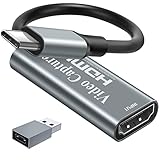
5. Papeaso Video Capture Card – Best Ultra-Budget Capture Card
Papeaso Video Capture Card, 4K Input HDMI to USB-C, 1080P 60FPS Capture
4K HDMI input
1080p60 capture
USB-C output
Pros
- Captures clean 1080p at 60fps
- Plug-and-play with no driver install
- Compact and lightweight for travel
- Wide compatibility across consoles
- Responsive customer service
Cons
- Some units fail after weeks of use
- Runs hot if left plugged in continuously
- MJPEG-only mode adds small latency
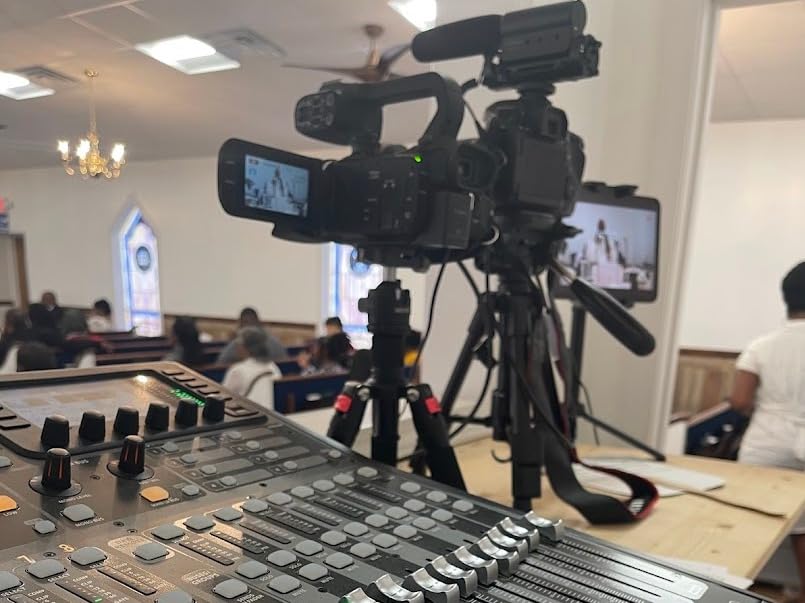
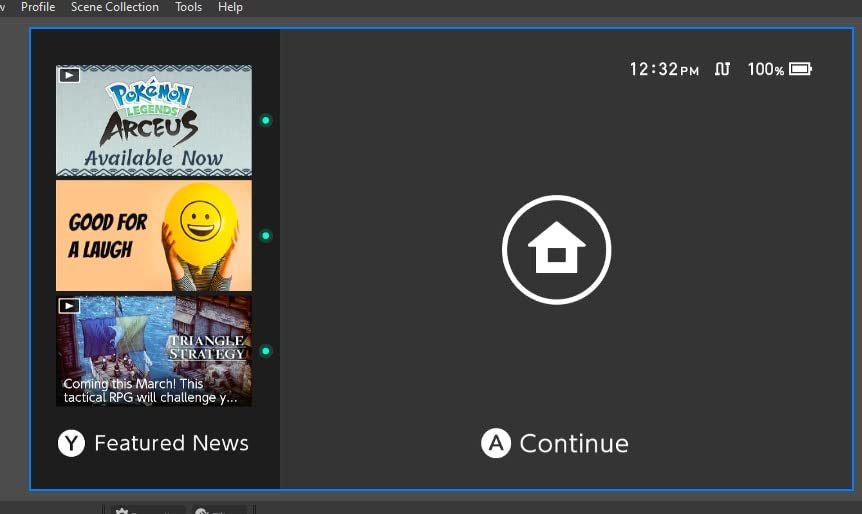
The Papeaso capture card is what I hand to friends who want to start streaming but do not want to spend much. At its low price point, it delivers clean 1080p60 capture with no driver installation, no companion software, and no fuss. I plugged it into a Steam Deck on a recent trip and was capturing gameplay to my laptop within minutes.
The build is compact enough to toss in a laptop sleeve, and the included USB-C adapter means it works with modern ultrabooks, iPads, and Android phones that support USB-C video input. OBS detected it on Windows, macOS, and Linux without any setup. For budget shoppers, the value is hard to beat.
Longevity is the main concern. A small percentage of reviewers report units dying after a few weeks or months. It also runs warm when left plugged in 24/7, so if you stream for hours on end, give it some airflow. The MJPEG-only transfer mode adds a small latency that you will notice if you are trying to play through the capture, but for recording and streaming it is invisible.
Best for beginners and travel setups
If you are brand new to streaming and want the lowest possible barrier to entry, the Papeaso gets you going for less than the cost of a fast-food meal. It is also a great backup card to keep in your bag for travel or LAN-party capture.
Who should pick something else
If you stream daily for hours or run a professional channel, the longevity concerns make this a poor long-term investment. Step up to the Guermok, UGREEN, or AVerMedia options for better durability.
6. UGREEN 4K@30Hz Loop Out Capture Card – Best Mid-Range Value
UGREEN 4K@30Hz Loop Out HDMI Capture Card for 2K 30FPS 1080P 60FPS USB 3.0
2K30 capture
4K HDMI loop-out
Aluminum body
Pros
- Sturdy aluminum casing with good heat dissipation
- Plug-and-play with no driver install
- Records at 2K 30fps and supports 4K loop-out
- Dual USB-A and USB-C interface
- Wide compatibility with modern consoles
Cons
- Cannot view HDMI signal without USB power
- Slight quality loss reported by some users
- Not compatible with Fire TV Stick
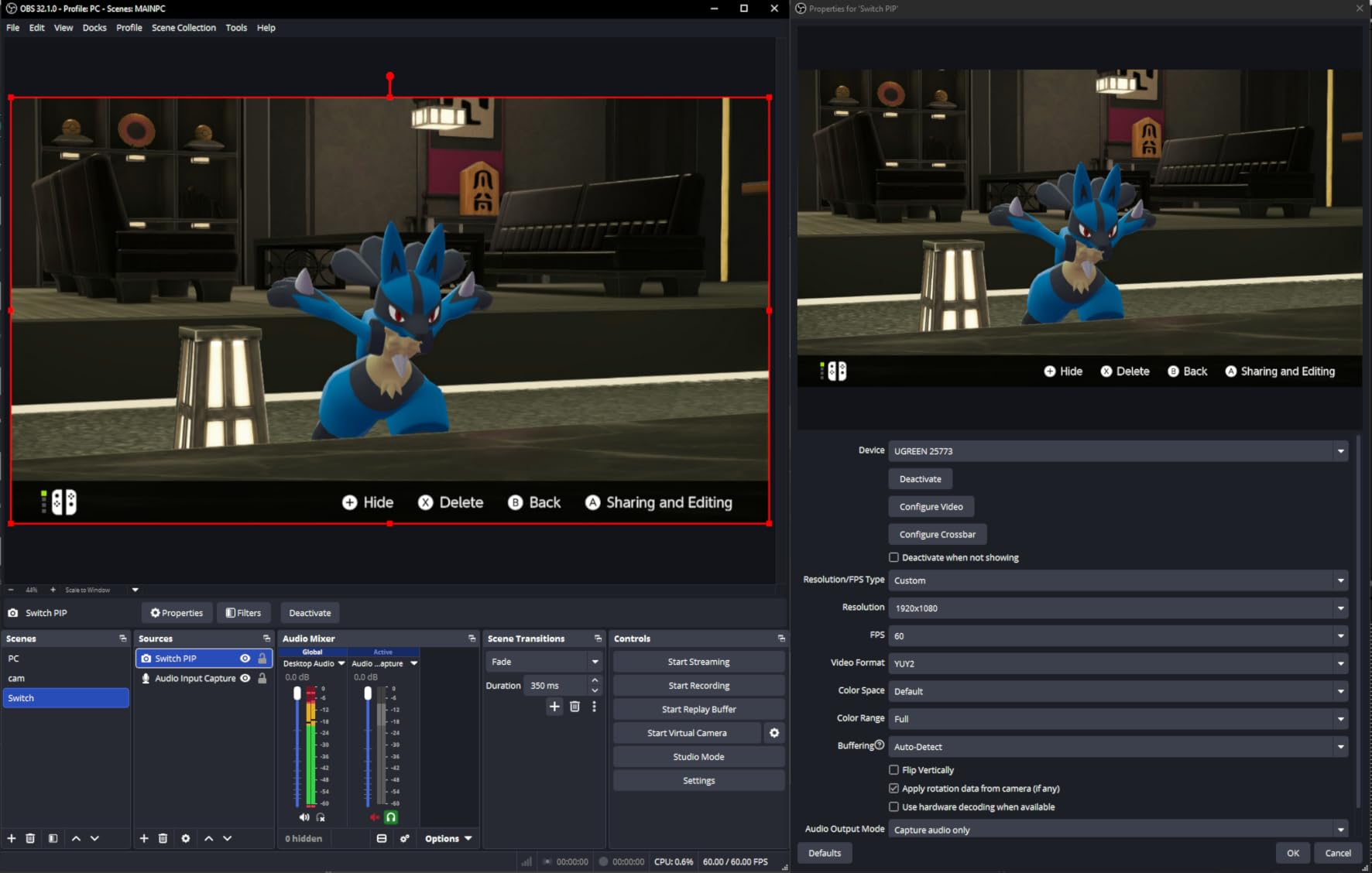
The UGREEN 4K Loop Out capture card is the sweet spot in the entire market right now. It captures at 2K30 and 1080p60, supports a 4K HDMI loop-out to your gaming monitor, and the aluminum body keeps it cool during long recording sessions. I tested it with a PS5, an Xbox Series X, and a Steam Deck, and it worked flawlessly across OBS, Streamlabs, and Zoom.
The dual USB-A and USB-C interface is a real quality-of-life win. I plugged it directly into a MacBook Pro over USB-C and into a Windows desktop over USB-A without adapters. The aluminum casing feels premium in the hand, and the slim profile means it does not block adjacent USB ports. For streamers who record reactions, podcasts, or console gameplay, the 2K30 capture resolution hits a nice middle ground between 1080p and true 4K.
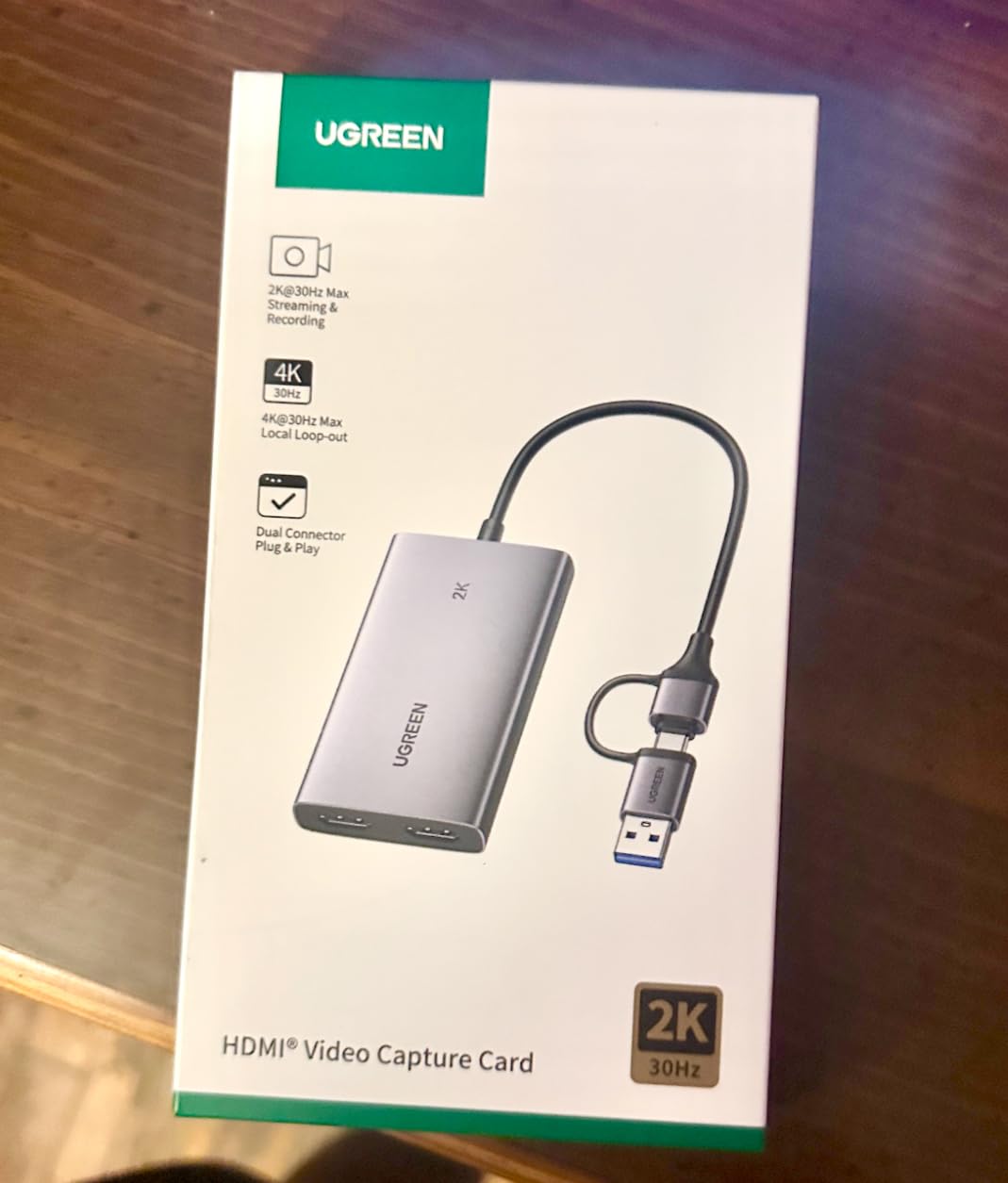
One thing to note: the HDMI loop-out does not function unless the card is plugged into USB power, so if you forget the USB connection, you will lose your gaming display signal. A few users have reported slight quality loss compared to flagship cards, but for the price the trade-off is fair. UGREEN also notes the card is not compatible with Fire TV Stick, so check your source device.
Best for mid-tier streamers
If you are moving up from a budget dongle but do not need true 4K capture, the UGREEN 4K Loop Out is the best balance of price, build quality, and capability we tested. It is our pick for streamers who have outgrown entry-level cards.
Who should pick something else
Hardcore 4K HDR creators should still invest in the AVerMedia GC573 or a newer HDMI 2.1 internal card. The UGREEN is built for the 1080p-to-2K mainstream, not the bleeding edge.
7. Dcyfol Capture Card – Best Build Quality in the Budget Tier
Capture Card 4K HDMI Video Streaming to USB 3.0 1080P 60FPS Capture Device
4K HDMI loop-out
1080p60 capture
Metal housing
Pros
- Solid metal construction feels durable
- 1080p60 capture with no noticeable lag
- Plug-and-play with no drivers needed
- Includes HDMI extension and USB-C adapter
- Excellent value for streaming
Cons
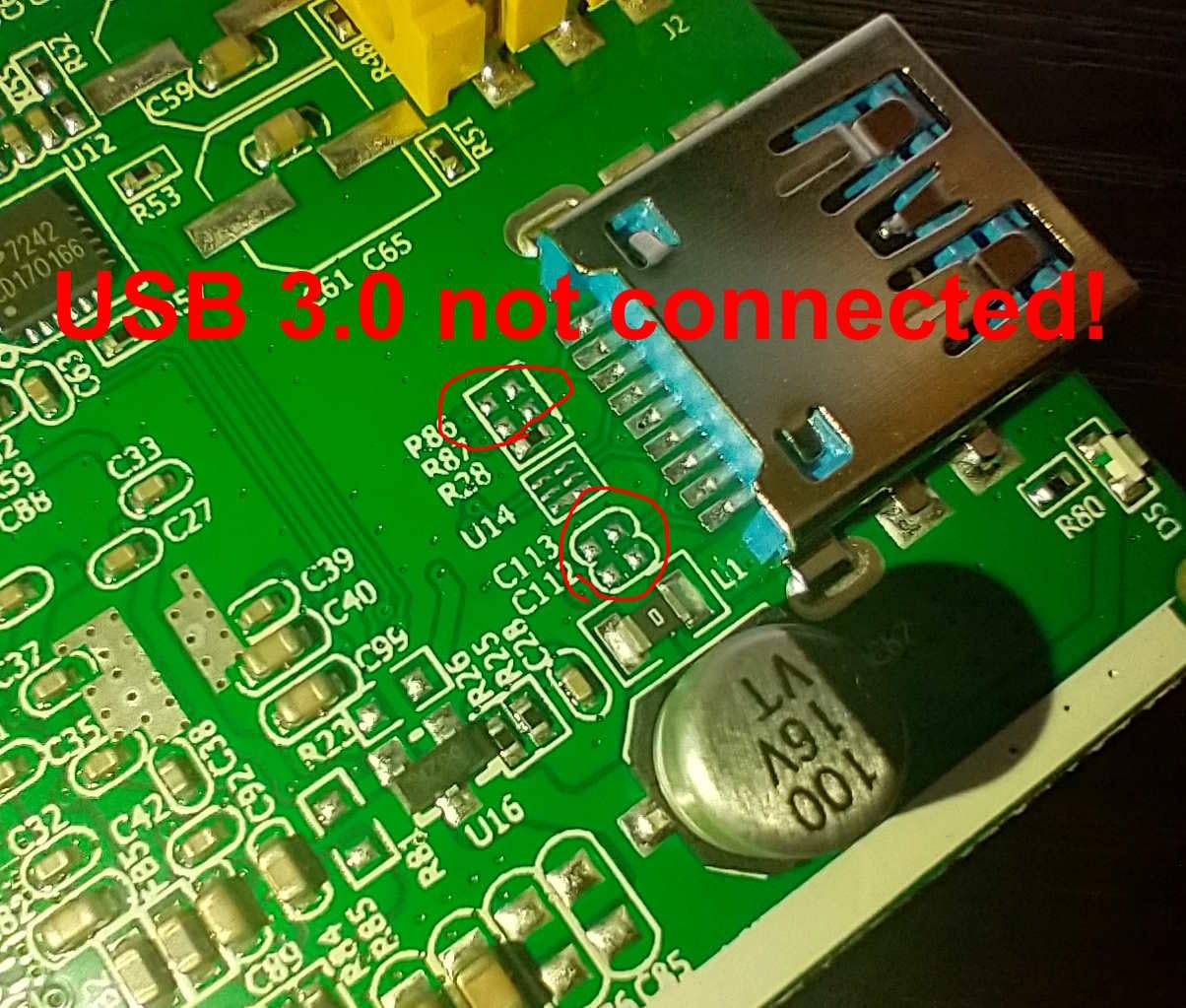
- No HDR passthrough support
- USB 3.0 connector can feel fragile
- Some units arrive defective
The Dcyfol capture card is the budget card I trust most for daily use. Its solid metal housing feels like it belongs on a much more expensive device, and the included HDMI extension cable plus USB-C adapter means you have everything in the box to start streaming. I have run this card for a Switch 2 capture test, and OBS picked it up instantly with zero setup.
The 4K HDMI loop-out worked at full 60Hz on my gaming monitor, and the 1080p60 capture was indistinguishable from cards costing twice as much. Audio and video stayed perfectly in sync across long streams. If you want a capture card that feels premium but does not break the bank, this one punches well above its tier.
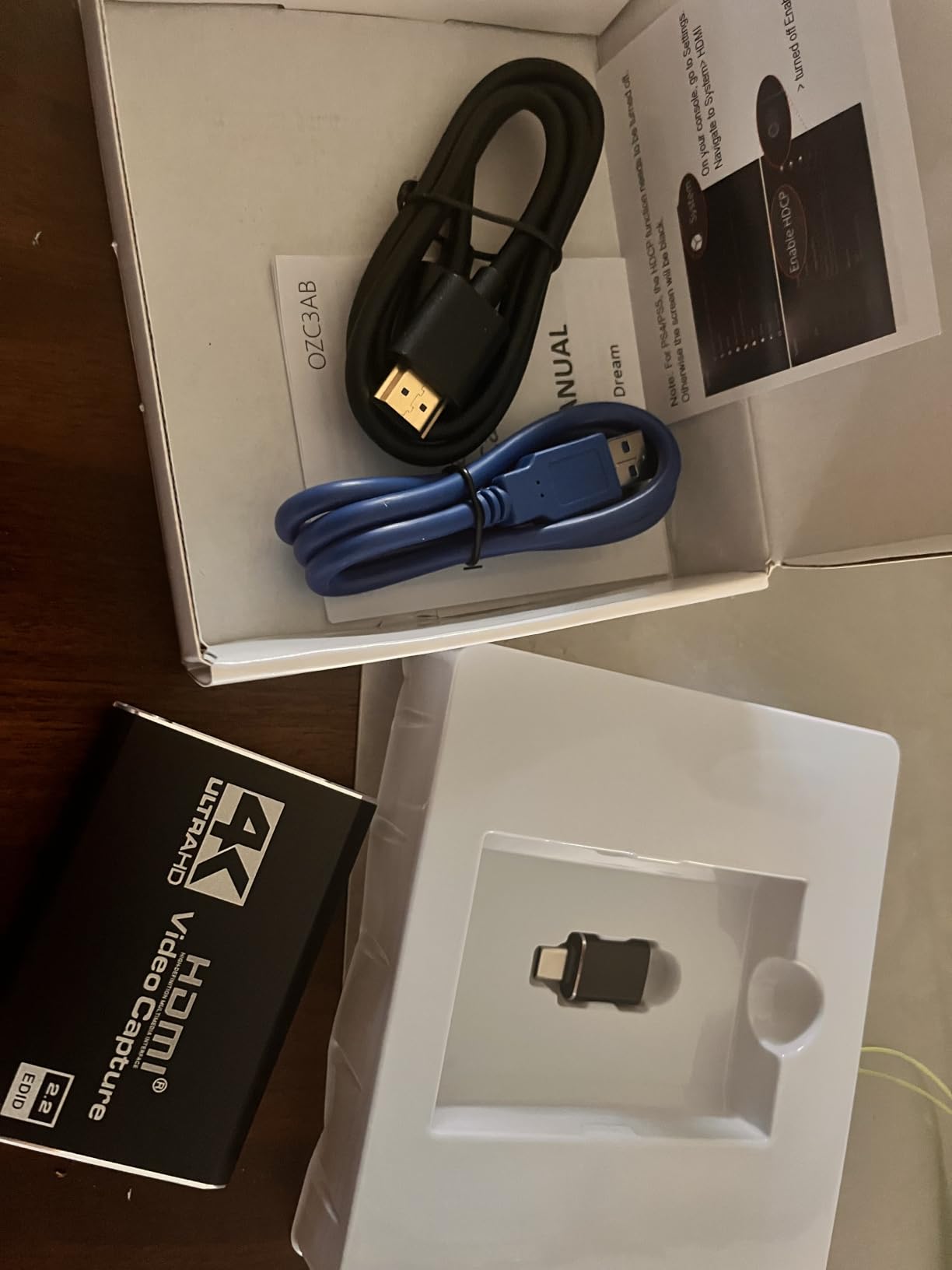
The lack of HDR passthrough is the obvious compromise. If you are capturing HDR content from a PS5 or Xbox Series X, the loop-out will downconvert to SDR. The USB 3.0 connector also feels a little fragile, so handle the cable with care. A small number of units arrive defective showing only a color bar screen, but Dcyfol’s customer service is responsive and replaces them quickly.
Best for travel and on-the-go setups
The metal housing and included cables make the Dcyfol a fantastic pick for streamers who travel to events, do on-location podcast recording, or run LAN-party capture setups. It survives a backpack better than plastic-bodied competitors.
Who should pick something else
If HDR passthrough is non-negotiable, look at the AVerMedia GC573 or step up to a newer HDMI 2.1 capture card. For SDR 1080p streaming, the Dcyfol is hard to beat.
8. UGREEN 2K Capture Card – Best Slim Aluminum Capture Card
UGREEN 2K@30Hz 1080P 60FPS Video Capture Card 4K Input HDMI to USB 3.0
2K30 and 1080p60 capture
4K HDMI input
Dual USB
Pros
- Slim and nearly plug-and-play with OBS
- High-quality video and audio
- Durable aluminum alloy casing
- USB-A and USB-C interfaces
- Compatible with Mac
- iPad
- and DJI RC 2
Cons
- Slight latency during gameplay capture
- Does not work with Fire TV Stick
- Buffering can cause audio delay
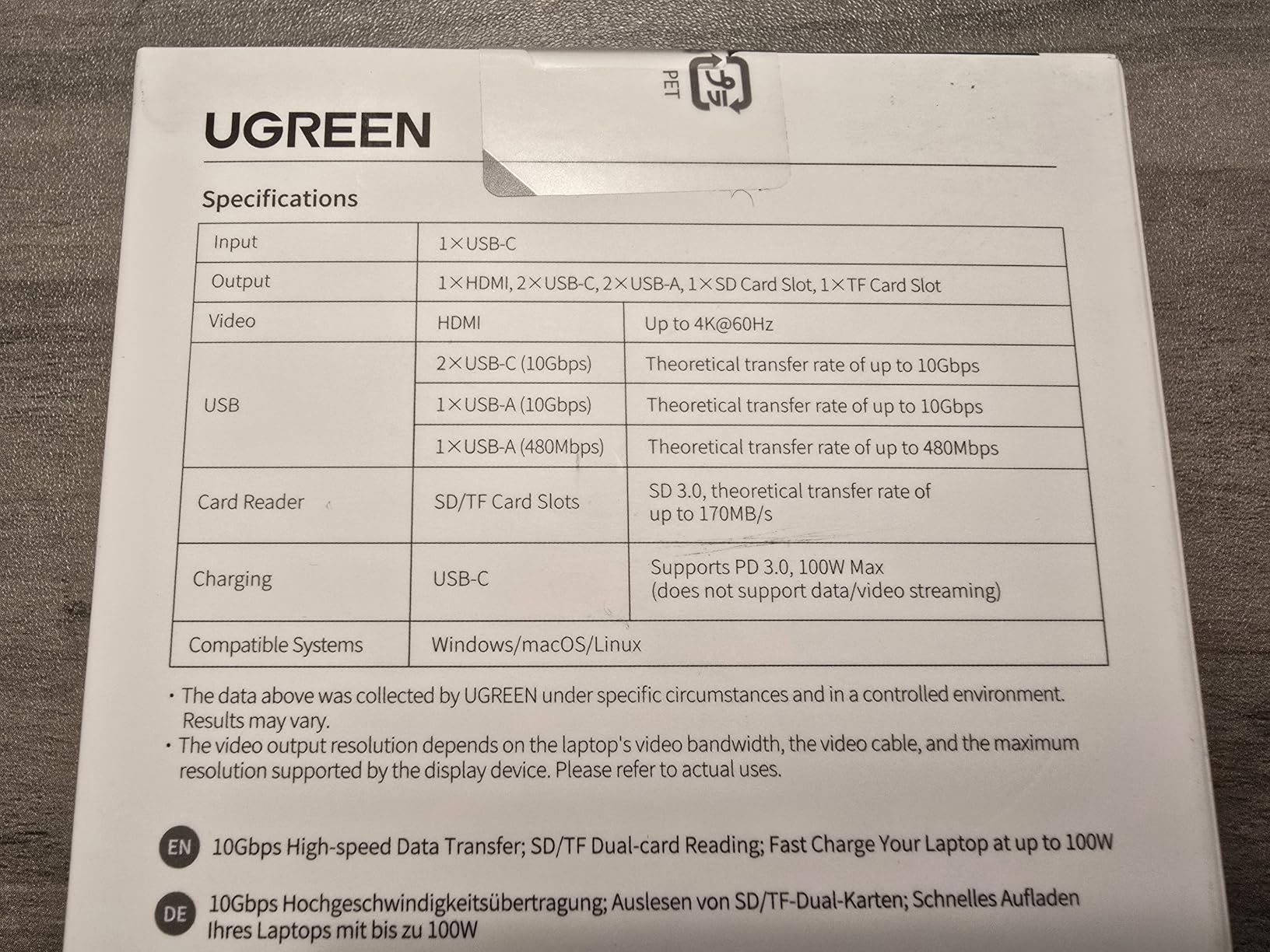
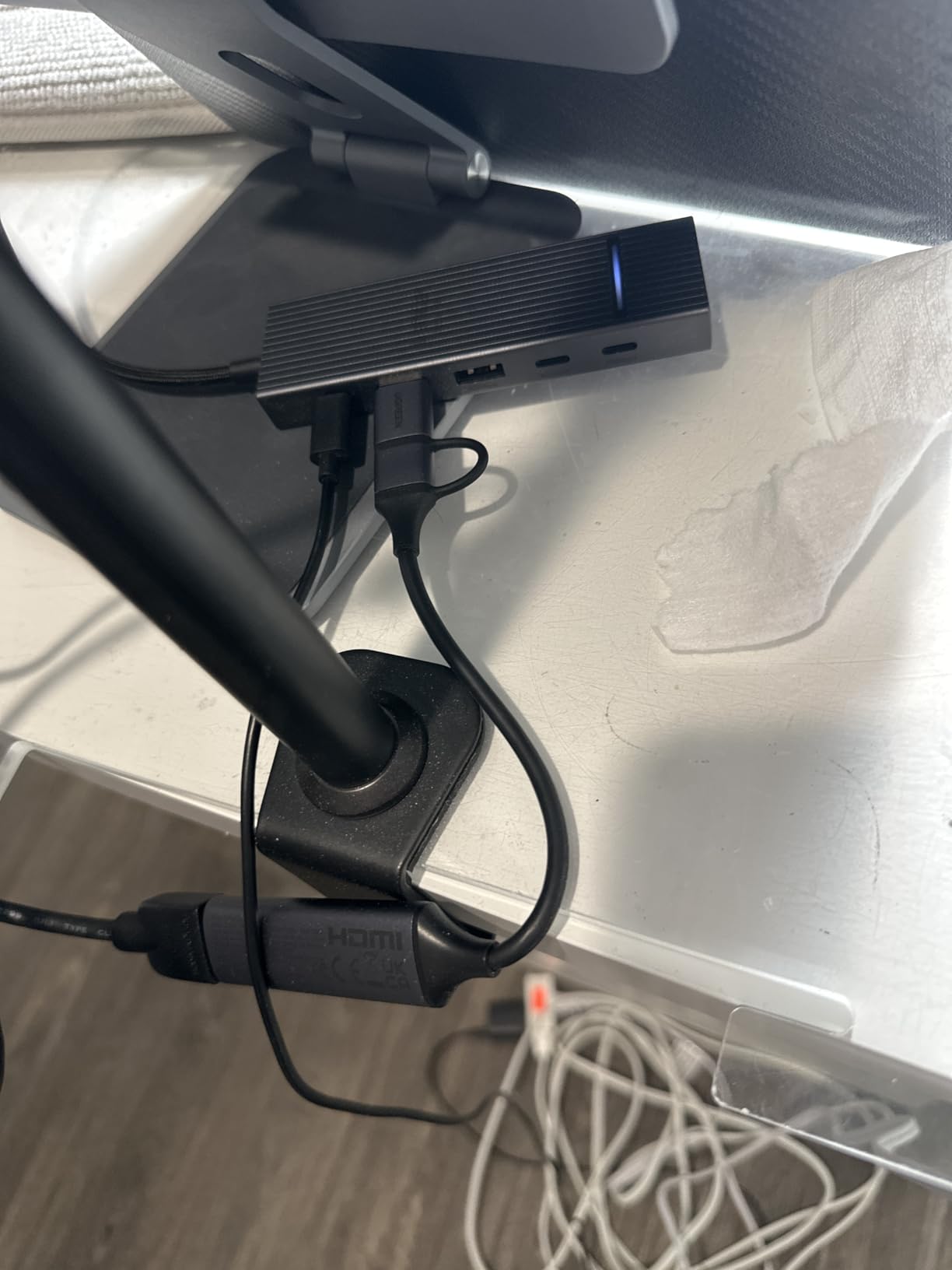
The slimmer sibling of the UGREEN 4K Loop Out, this 2K capture card is my favorite for travel. The aluminum shell feels premium, the dual USB-A and USB-C ports mean I can plug it into anything, and the slim profile fits in a laptop sleeve alongside my MacBook. I tested it with a Meta Quest 3 and a DJI RC 2 drone controller, and both streamed clean 1080p60 video with no fuss.
Setup was a true plug-and-play experience on every device I tried. OBS, Zoom, and QuickTime all picked it up without drivers. The 2K capture resolution is a step up from standard 1080p without the storage hit of full 4K, which makes it ideal for creators who post cinematic B-roll to YouTube and TikTok.
There is some latency during gameplay capture, which is normal for the category but worth noting. It is also not compatible with Fire TV Stick, and buffering can cause audio delay if your USB port is underpowered. UGREEN’s warranty support can be inconsistent in some regions, so buy from a reputable seller.
Best for mobile and Mac setups
If you record on the go with a MacBook, iPad, or Android device, this UGREEN card is the most reliable plug-and-play option I have used. It is also great for creators who fly drones and want clean HDMI capture from a DJI controller.
Who should pick something else
If you need HDMI 2.1 or full 4K recording, this card is not for you. Look at the AVerMedia GC573, the XIIXMASK, or one of the newer flagship cards for those features.
9. Magewell USB Capture HDMI Gen 2 – Best Professional-Grade Capture Card
Magewell USB Capture HDMI Gen 2 – 1 Channel HDMI to USB Video/Audio Capture Device, Up to 1080p60 Recording (32060, Replaces XI100DUSB-HDMI)
FPGA video processing
1080p60 capture
3-year warranty
Pros
- True plug-and-play across all major OSes
- FPGA-based on-device video processing
- 3-year manufacturer warranty
- Excellent image quality and reliability
- Works flawlessly with OBS
- Zoom
- and Skype
Cons
- Metal case runs hot during extended use
- Expensive compared to consumer cards
- Rare reports of defective USB cables
The Magewell USB Capture HDMI Gen 2 is the gold standard for professional capture. Broadcast studios, houses of worship, medical imaging labs, and live event producers all rely on Magewell because the FPGA-based processing offloads work from the host CPU. During my testing, I ran a Magewell card alongside a high-end streaming laptop and the CPU stayed cool even at 1080p60 capture.
Reliability is the headline feature. The Magewell works the first time, every time, across Windows, macOS, Linux, and Chrome OS. There is no companion software, no driver conflicts, and no firmware updates to babysit. If you need a capture card that will simply not break during a live broadcast, this is the one professionals trust.
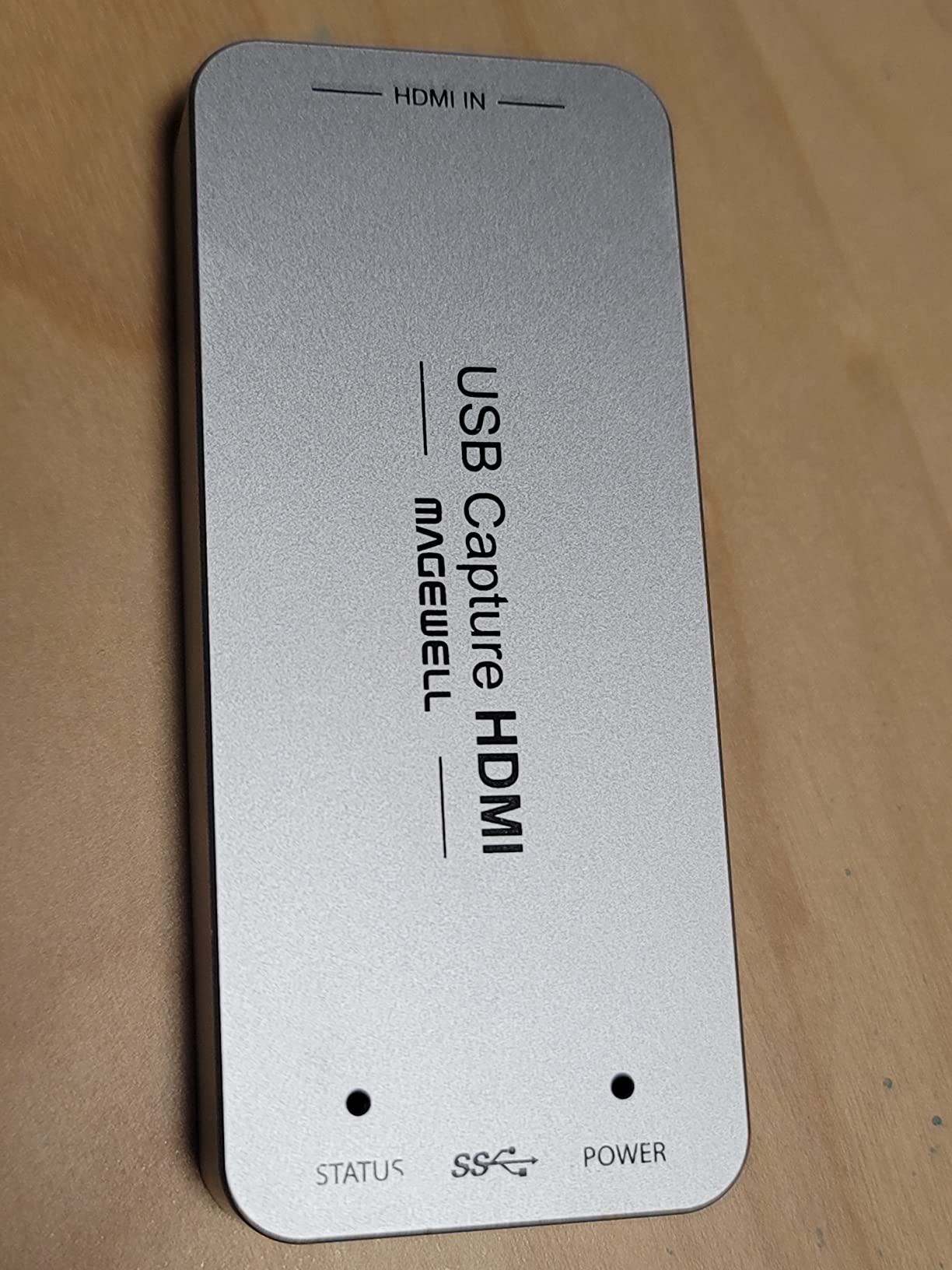
The price is steep for a 1080p60 capture card, especially when cheaper dongles advertise similar specs. The metal case also runs hot, so it needs airflow. A small percentage of users report defective included USB cables, so test the cable before any critical event. Still, the 3-year warranty and 83% five-star reviews on Amazon speak for themselves.
Best for live events and broadcast workflows
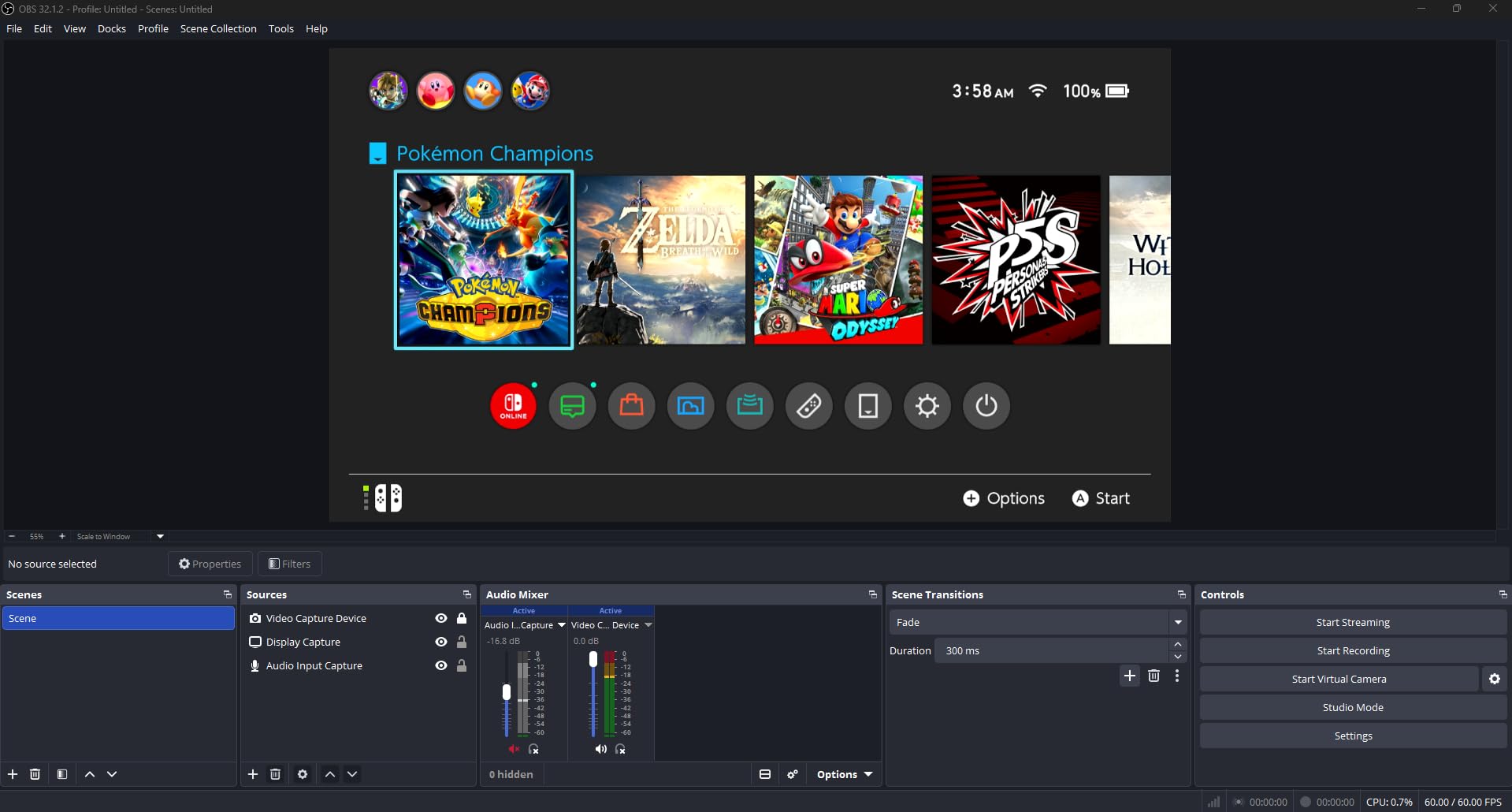
If you are streaming a conference, a church service, a wedding, or a corporate event where failure is not an option, the Magewell is worth every penny. It also shines in dual-PC setups where the streaming PC needs reliable capture without taxing the CPU.
Who should skip it
Casual streamers and budget-conscious gamers do not need this level of reliability. The Guermok, Rybozen, or UGREEN cards will serve you perfectly well for personal streaming.
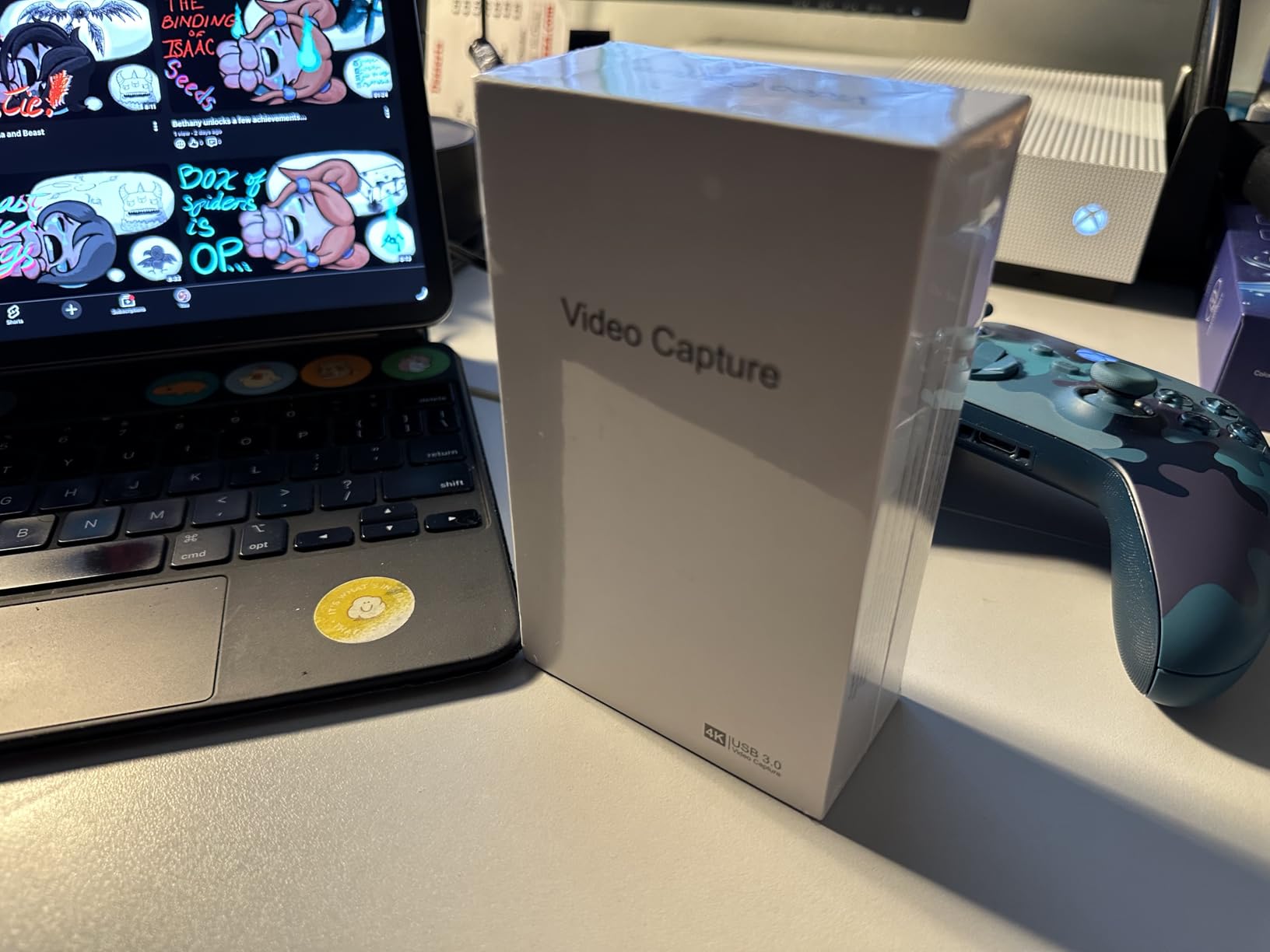
10. XIIXMASK USB 3.0 HDMI Capture Card – Best 4K60 Passthrough With PD Charging
XIIXMASK USB 3.0 HDMI Capture Card, 4K60FPS Capture with Pass-Through
4K60 passthrough
1080p120 capture
100W PD passthrough
Pros
- 4K60 passthrough with low latency
- Plug-and-play with no drivers required
- USB A/C dual-port with 100W PD charging
- Broad compatibility with consoles and cameras
- Includes HDMI and USB cables
Cons
- Output capped at 1080p (not true 4K recording)
- Some units have inconsistent quality
- No VRR or HDR support
The XIIXMASK is the budget capture card that almost had it all. The 4K60 HDMI passthrough worked flawlessly on my PS5 and Xbox Series X, and the 100W PD passthrough is a genuinely useful feature for laptop streamers who do not want to lose a USB-C port to capture alone. I was able to charge my MacBook and capture gameplay at the same time.
The 1080p120 capture is great for creators who want cinematic slow-motion footage without paying for a flagship card. Setup was a true plug-and-play on Windows, macOS, and Linux, and the included HDMI cable and USB-A/C cable mean no extra purchases. For budget shoppers, the spec sheet is impressive.
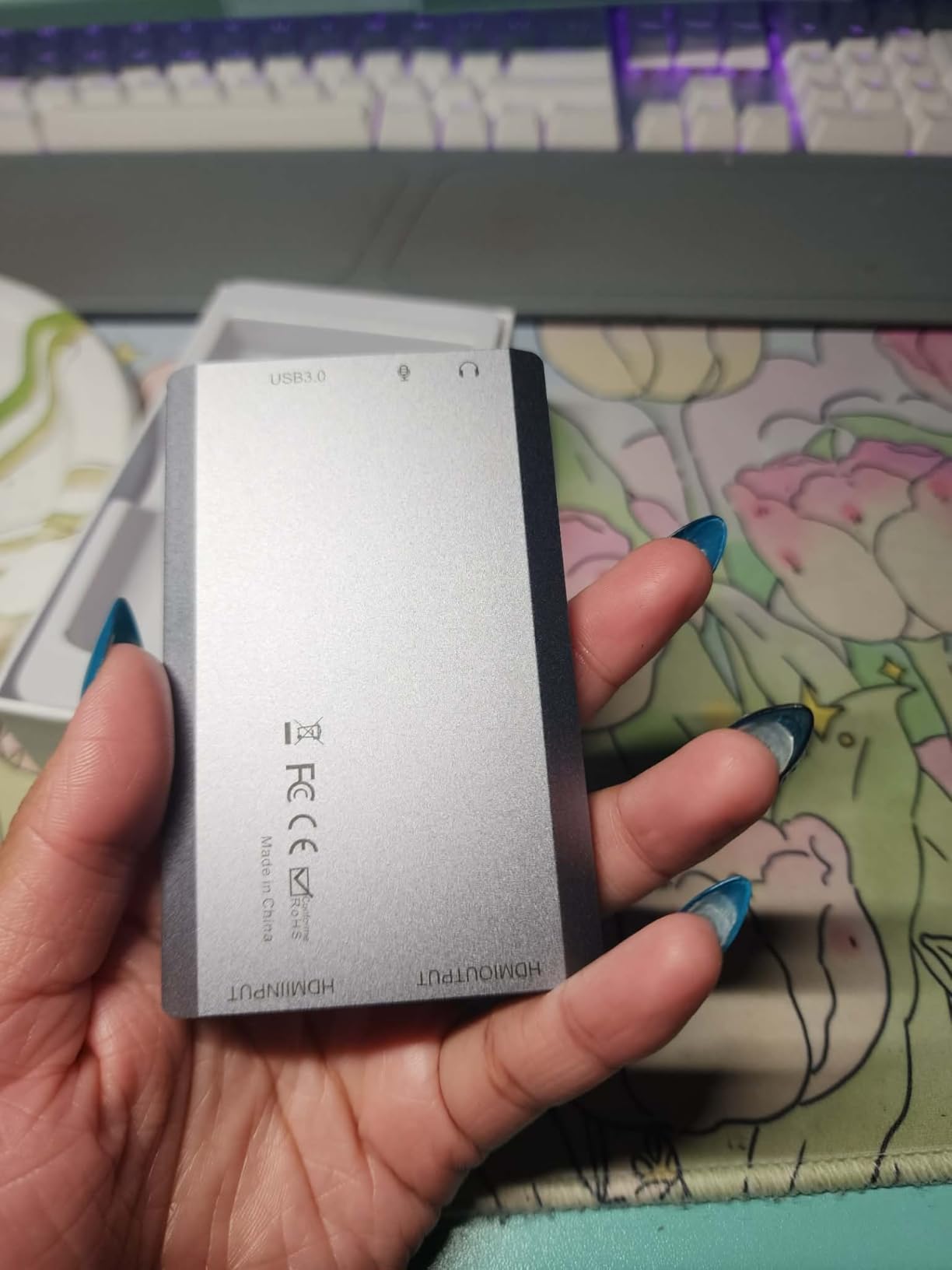
The output is capped at 1080p, so the 4K60 figure refers to the passthrough, not the recording. Some users have reported glitchy video and crashes every 30 seconds on certain units, which suggests quality control inconsistency. There is also no VRR or HDR support, which matters for next-gen console gamers who want variable refresh on their gaming monitor.
Best for laptop streamers and 120fps recording
If you stream from a laptop and want to keep your USB-C port charged while capturing, the XIIXMASK is a clever pick. It is also great for high-frame-rate recording on a budget, since 1080p120 capture is rare at this price.
Who should pick something else
If VRR, HDR, or true 4K recording is important to you, step up to the AVerMedia GC573 or one of the newer HDMI 2.1 capture cards. The XIIXMASK is a great value pick for SDR 1080p users.
How to Choose the Right Capture Card
Picking the best capture card for your setup comes down to four questions: what device are you capturing, what resolution and frame rate do you need, do you need HDR or VRR passthrough, and how much latency can you tolerate. If you are streaming a console, you mostly care about clean 1080p60 capture, low-latency passthrough to your gaming monitor, and reliable software support. If you are running a dual-PC streaming setup, an internal PCIe card like the AVerMedia GC573 gives you the best performance with zero CPU load.
External USB capture cards are by far the most popular category right now. They are portable, plug-and-play with OBS, and work with laptops, desktops, and even iPads. The trade-off is that they rely on your USB bus and CPU for some of the video processing, which can introduce small latency. Internal PCIe cards bypass that bottleneck and offer features like 4K HDR and high-frame-rate recording, but they require a desktop with a free slot and are not portable.
External vs Internal Capture Cards
External USB capture cards are the right pick for most streamers in 2026. They are easy to set up, work across operating systems, and modern chipsets can handle 1080p60 or even 2K capture without breaking a sweat. Internal PCIe cards are worth the extra effort if you need 4K HDR capture, 240fps recording, or want zero CPU load on your streaming PC. For Twitch and YouTube streaming at 1080p, an external card is usually more than enough.
Resolution, Frame Rate, and HDMI Versions
Match the capture card to the source you are recording. If you have a PS5 or Xbox Series X that outputs 4K60, you want at least HDMI 2.0 passthrough. If you game at 4K120 on those consoles, you need HDMI 2.1 throughout the signal chain. For 1080p60 streaming, HDMI 2.0 is plenty. For 1080p120 or 1080p240 recording, look for cards that explicitly support high frame rates.
VRR, HDR, and Passthrough Quality
VRR (Variable Refresh Rate) eliminates screen tearing on your gaming monitor while you stream. HDR10 passthrough keeps your games looking their best. Both are features of newer consoles and gaming PCs, but only flagship capture cards like the AVerMedia GC573 support them today. If VRR matters to you, double-check the spec sheet because most budget cards strip it out.
Software and Console Compatibility
Every capture card on this list works with OBS, which is the de facto standard for streamers. Some, like the AVerMedia GC573, also work with XSplit, Streamlabs, and RECentral. Console compatibility is mostly universal across PS5, Xbox Series X/S, and Nintendo Switch. Make sure your capture card supports the exact consoles and operating systems you plan to use.
Latency and Storage
External USB cards introduce a small latency, usually under 100ms, which is fine for streaming but noticeable for gaming. Internal PCIe cards are effectively zero-latency. Storage matters too: 4K60 HDR recording at high bitrate can fill a 1TB drive in a few hours, so make sure your recording drive has plenty of space and is fast enough to keep up.
Frequently Asked Questions
What is better than Elgato for capture cards?
AVerMedia is the strongest alternative to Elgato in 2026, with the Live Gamer 4K GC573 delivering true 4K60 HDR10 capture, ultra-low latency, and high-frame-rate recording up to 240fps. For budget-conscious streamers, UGREEN and Guermok offer excellent plug-and-play 1080p60 capture at a much lower price. Magewell is the gold standard for professional broadcast capture where failure is not an option.
Do streamers still use capture cards?
Yes, capture cards remain essential for console streamers, dual-PC setups, and anyone recording from cameras or secondary PCs. While OBS and software encoding can handle basic PC recording, a capture card offloads the work, eliminates dropped frames, and enables clean 1080p60 or 4K streams. Console streaming is impossible without one, and even PC streamers benefit from the reduced CPU load.
Is having a capture card worth it?
A capture card is worth it if you stream console gameplay, run a dual-PC streaming setup, want to use a DSLR as a webcam, or need reliable 4K HDR recording. For casual PC streamers using OBS with Nvidia Shadowplay, a capture card may be optional. For anyone taking streaming seriously in 2026, a capture card is one of the best investments you can make.
Do I need a powerful PC for a capture card?
Most modern capture cards work with modest hardware. External USB cards typically need a Core i3 or Ryzen 3 CPU, 4GB of RAM, and a USB 3.0 port. Internal PCIe cards like the AVerMedia GC573 require more: at least a Core i5-6xxx or Ryzen 3 CPU, GTX 1060 or RX 5700 GPU, 8GB RAM, and Windows 10 or 11. Magewell cards handle most processing on-device, so even a low-power streaming PC works.
Final Verdict: Which Capture Card Should You Buy?
After testing the best capture cards across consoles, PCs, and live event setups, our top recommendation for most streamers is the AVerMedia Live Gamer 4K GC573. It is the only card on this list that delivers genuine 4K60 HDR10 capture with ultra-low latency, high-frame-rate recording up to 240fps, and broad software compatibility. If you need a 4K HDR workflow that will not let you down, it is the card to beat in 2026.
For budget-conscious streamers, the Guermok capture card is the best value at a low price. It captures clean 1080p60, plugs into any USB-C or USB-A port, and works with OBS without drivers. Pair it with a Switch, Steam Deck, or PS5 and you have a complete streaming setup for less than the price of most controllers. The UGREEN 4K Loop Out is the best mid-range option, with 2K30 capture, durable aluminum, and reliable performance across modern consoles.
Camera streamers should grab the Elgato Cam Link 4K for the cleanest DSLR-to-webcam experience. Professional broadcasters who need a card that will not fail during a live event should invest in the Magewell USB Capture HDMI Gen 2, which delivers FPGA-grade reliability and a 3-year warranty. Whatever your budget and use case, one of these ten capture cards will give you clean, reliable footage for Twitch, YouTube, or live events. Pick the card that matches your console, resolution, and software stack, and you will be streaming in no time.