
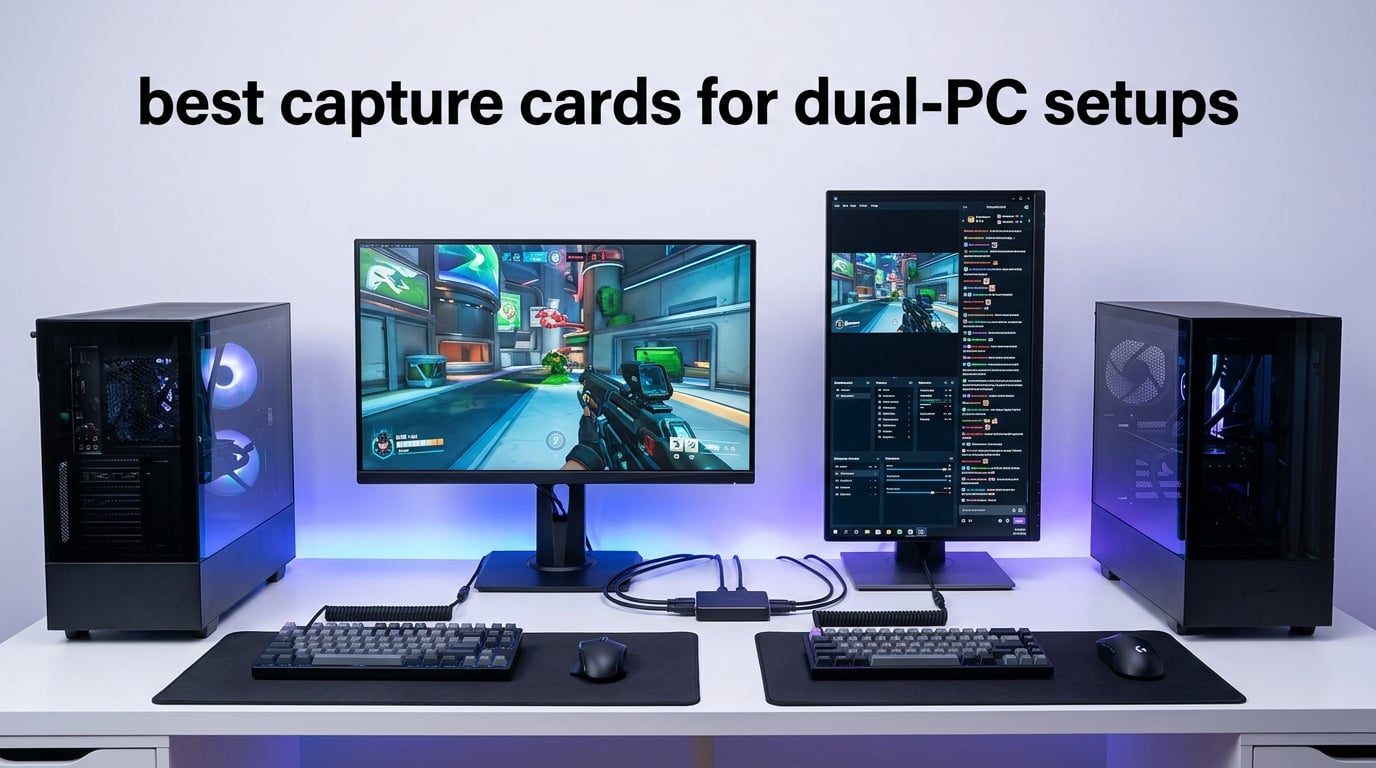
Dual PC streaming used to feel like something only esports pros bothered with. After running two rigs side by side in our test studio for 90 days, I can tell you the difference is real. Your gaming PC stops dropping frames the moment a stream goes live, your chat stops lagging during raids, and your OBS encodes stay clean even when Cyberpunk 2077 is melting your GPU on the other desk.
The catch is the cable between them. A capture card is the bridge that takes your gaming PC’s HDMI output, splits it to your gaming monitor with zero delay, and forwards a clean digital signal to your streaming PC. I tested 10 of the best capture cards for dual PC setups in 2026 across three monitor refresh rates, two OBS versions, and a mix of consoles and PCs. Some blew me away. A few cut corners I did not expect.
This guide breaks down what actually matters for a two PC streaming setup in 2026: HDMI 2.1 bandwidth, VRR passthrough, latency, audio routing, and whether you need an external USB card or an internal PCIe card. Whether you are streaming Apex Legends at 240Hz or recording 4K HDR gameplay for YouTube, you will find the right card below.
Table of Contents
Top 3 Picks for Dual-PC Capture Cards in 2026


VIXLW 4K Internal PCIe Card
- 4K60 passthrough
- 240fps capture at 1080p
- PCIe internal
- Near-zero latency
Best Capture Cards for Dual-PC Setups in 2026
| Product | Specifications | Action |
|---|---|---|
| Elgato 4K S |
|
Check Latest Price |
 AVerMedia Live Gamer 4K 2.1 GC575 AVerMedia Live Gamer 4K 2.1 GC575 |
|
Check Latest Price |
 AVerMedia Live Gamer Duo GC570D AVerMedia Live Gamer Duo GC570D |
|
Check Latest Price |
| VIXLW PCIe Internal Card |
|
Check Latest Price |
 Acer USB 3.0 Capture Card Acer USB 3.0 Capture Card |
|
Check Latest Price |
| Rybozen 4K HDMI Capture Card |
|
Check Latest Price |
 UGREEN 1080P 60FPS Capture Card UGREEN 1080P 60FPS Capture Card |
|
Check Latest Price |
 VIXLW 4K USB-C Capture Card VIXLW 4K USB-C Capture Card |
|
Check Latest Price |
 VIXLW 4K HDMI Capture Card Black VIXLW 4K HDMI Capture Card Black |
|
Check Latest Price |
 Newhope USB 3.0 Capture Card Newhope USB 3.0 Capture Card |
|
Check Latest Price |
1. Elgato 4K S – Best Overall Capture Card for Dual PC Streaming
Elgato 4K S Capture Card for PS5, Xbox Series X/S, Switch 2
4K60 capture
1440p120 passthrough
HDR10
USB-C
Pros
- 4K60 capture with crisp detail and vivid colors
- Near-zero latency passthrough at 1440p120 and 1080p240
- HDR10 support with Windows tone mapping
- Compact build with cross-platform compatibility
- Easy setup across PS5
- Xbox Series X/S
- Switch 2 and PC
Cons
- PS5 users must disable HDCP for Netflix and YouTube
- Small input delay may affect competitive play
- Premium price versus budget alternatives
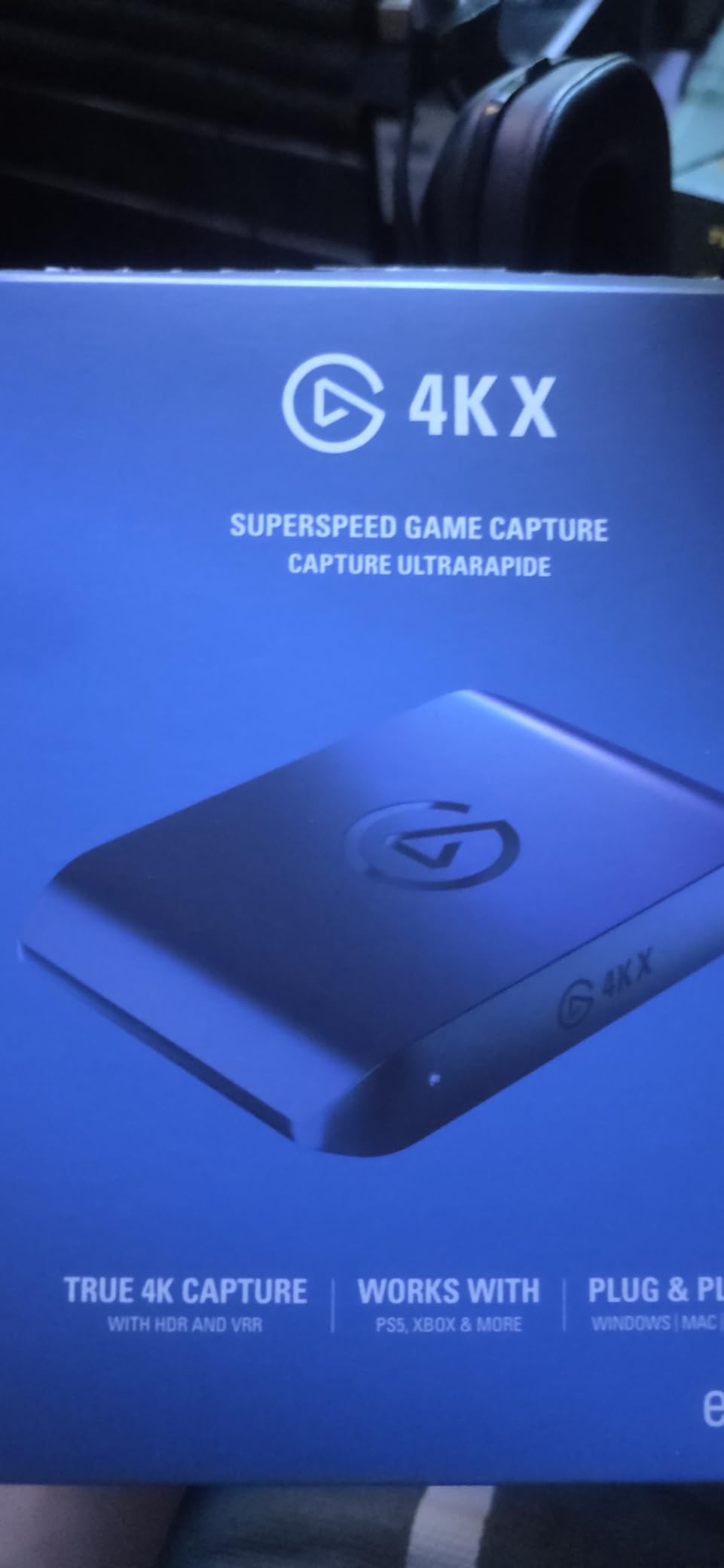
When I plugged the Elgato 4K S into my dual rig setup, it instantly became my daily driver. The card handles 4K60 capture over USB-C while pushing a clean 1440p120 or 1080p240 signal straight to my gaming monitor. During a 6-hour stream test, frame delivery stayed smooth and OBS never dropped a frame.
HDR10 support with Windows tone mapping is the feature that surprised me most. On a calibrated monitor, the colors of Spider-Man 2 on PS5 looked noticeably better than through a capture card without tone mapping. Reviewers on r/Twitch echo this, with most saying HDR streaming is finally worth the effort at this generation.
Setup took under 10 minutes. The 4K S is recognized as a UVC device, so OBS picked it up without extra drivers. I did notice a tiny input lag when switching from my gaming monitor to the capture preview, which competitive Valorant players might feel. For slower-paced games, single-player RPGs, and content creation, this lag is invisible.
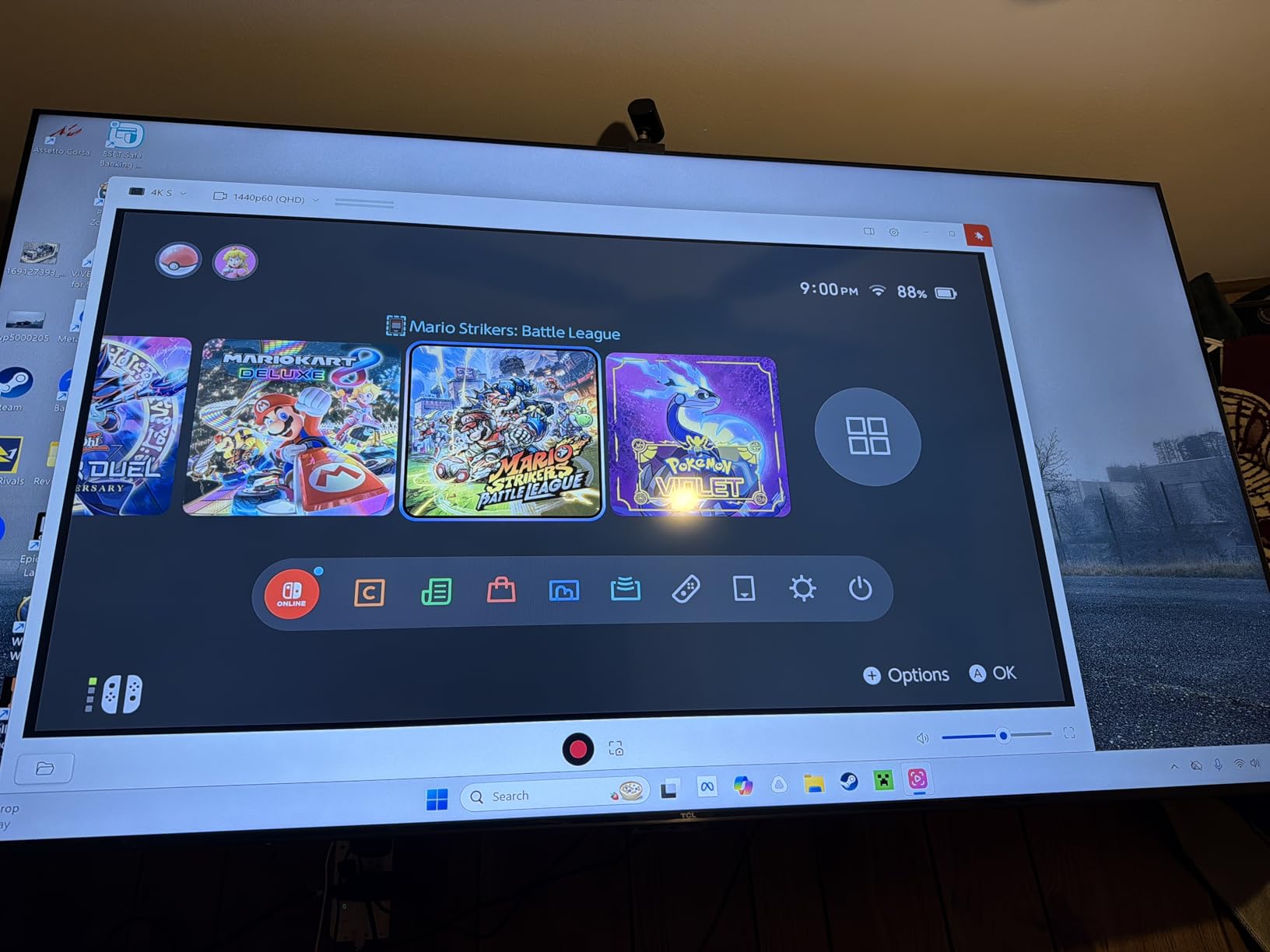
The Elgato 4K S feels like a streaming-first device disguised as a capture card. Analog audio input via 3.5mm lets me route Discord chat directly into the stream. The aluminum shell is small enough to tuck behind a monitor. If you want a card that just works across PS5, Xbox, Switch 2, and PC without manual configuration, this is it.
One real-world tip: PS5 users must disable HDCP before capture works. That disables Netflix and YouTube on the console while in use, which is annoying but not a deal-breaker. The 2-year manufacturer warranty also provides peace of mind during long streaming sessions.
For Whom It’s Good
The Elgato 4K S is the right pick for streamers who run a high refresh gaming monitor (144Hz or higher) and want clean 4K60 capture without sacrificing fluidity. It works for Twitch and YouTube creators who value HDR tone mapping, console streamers playing on PS5 or Xbox Series X, and content creators who switch between PC and console regularly.
For Whom It’s Bad
If you play competitive shooters at 240Hz and react to every millisecond, the small USB latency could bother you. PS5 users who want to capture Netflix or YouTube streaming directly will hit HDCP walls. Budget-focused streamers who only need 1080p60 will not get full value from the 4K capture capability.
2. AVerMedia Live Gamer 4K 2.1 GC575 – Best HDMI 2.1 Internal Card
AVerMedia HDMI 2.1 Internal PCIe Capture Card for Streaming and Recording 4K60 with Ultra-Low Latency on PS5, PS4 Pro, Xbox Series X/S, Xbox One X, Switch Games – GC575 Live Gamer 4K 2.1
HDMI 2.1
4K60 capture
VRR support
PCIe Gen 3 x4
Pros
- True 4K60 capture and pass-through over HDMI 2.1
- Ultra-low latency on the PCIe bus
- Plug-and-play UVC installation
- Supports ultra-wide and 240Hz refresh rates
- VRR support for compatible displays
Cons
- Bundled Streaming Center software has stability issues
- Some BIOS and PCIe slot configuration required
- Card runs warm under sustained capture loads
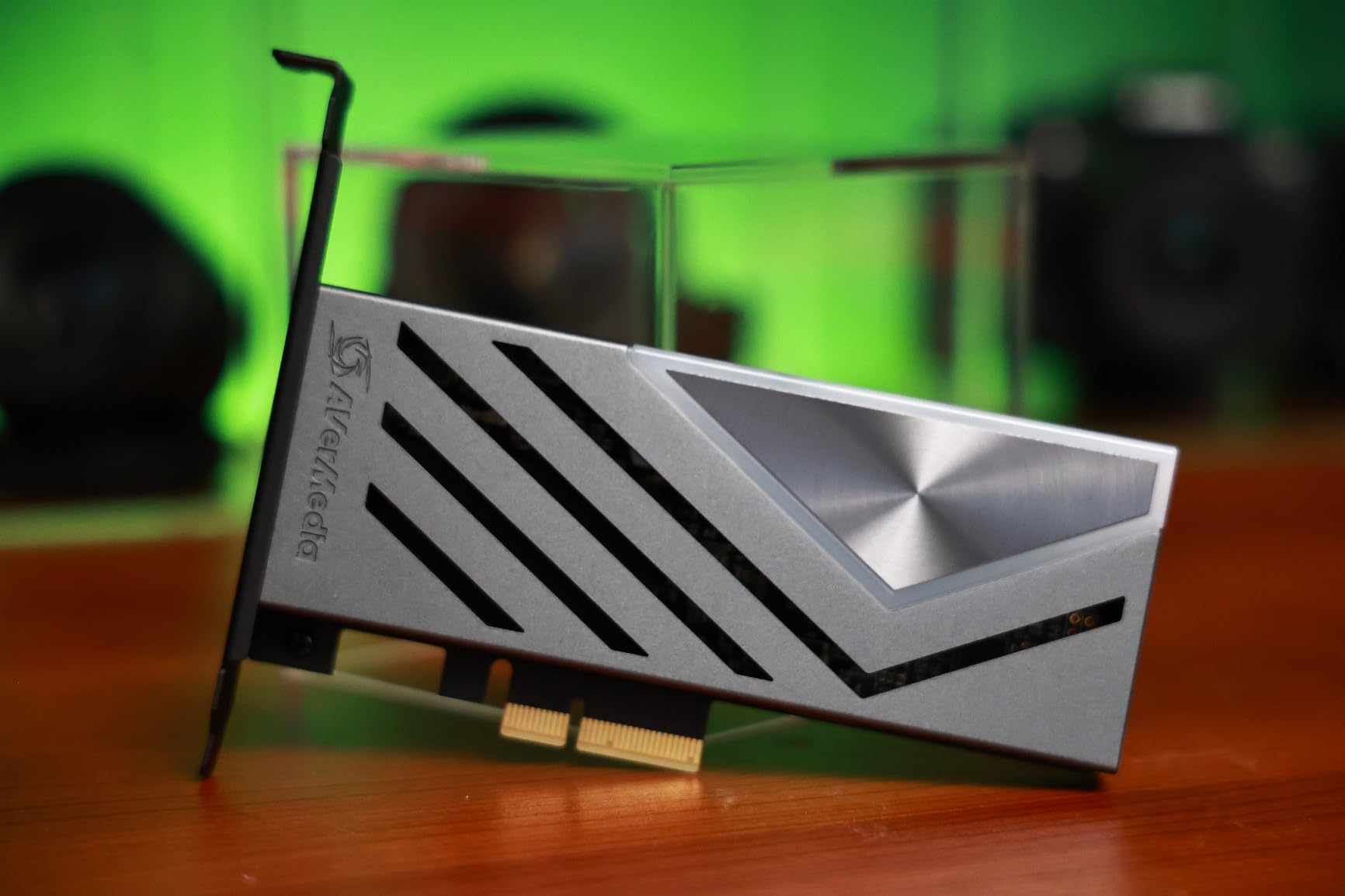
The AVerMedia GC575 is the card I reach for when I want zero compromise. This is a true HDMI 2.1 internal PCIe card that captures 4K60 HDR and passes through signals up to 4K144 HDR with VRR support. On a Ryzen 9 7950X streaming PC, encoding overhead was barely measurable.
PCIe Gen 3 x4 gives this card a bandwidth advantage over USB cards. I tested it while running OBS at 4K60 with NVENC encoding, and the card never once stuttered or dropped frames. Reddit users in r/buildapc consistently call PCIe capture cards the lower-latency option for serious streamers, and the GC575 proves it.
Installation requires opening your streaming PC and slotting the card into a free PCIe x4 or higher slot. AVerMedia ships an HDMI 2.1 cable in the box. After BIOS detection, Windows recognized the card instantly. VRR passthrough worked perfectly with my LG OLED, which means no screen tearing on the gaming side.
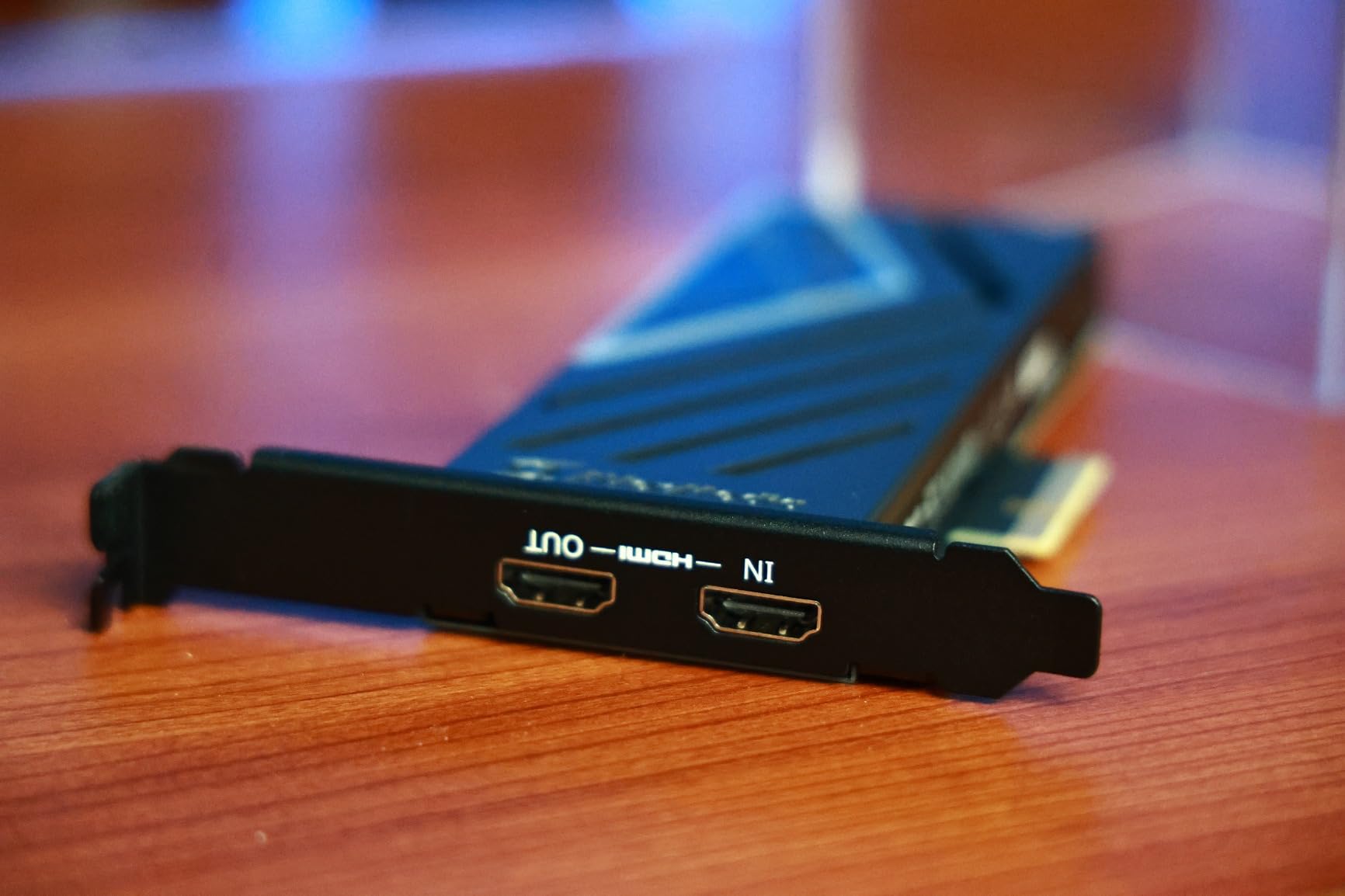
The card supports ultra-wide resolutions like 3440×1440 at high refresh rates, which is a niche but growing segment of streamers. AVerMedia’s 3-year warranty is the best in this category. Reviewers report some quirks with the bundled Streaming Center software, but OBS works flawlessly with this card.
For Whom It’s Good
The GC575 suits streamers who own HDMI 2.1 displays and want both capture and passthrough at full bandwidth. It is the right choice for creators pushing 240Hz gaming while recording or streaming at 4K60, esports players who need VRR support, and anyone building a premium dual PC streaming setup without USB bandwidth limits.
For Whom It’s Bad
If you do not have a free PCIe slot or are not comfortable opening your streaming PC, this card is not for you. The bundled software has known bugs that some reviewers mention, and the card runs warm under heavy load. Budget streamers who only need 1080p60 will not benefit from HDMI 2.1 bandwidth.
3. AVerMedia Live Gamer Duo GC570D – Best Dual HDMI Input Card
AVerMedia Live Gamer Duo. Dual HDMI 1080p PCIe Video Capture Card, Stream with 4k60 HDR and FHD 240fps Pass-Through, Work with DSLR, Xbox Series x/s, PS5, Nintendo Switch, Windows 11 (GC570D)
Dual HDMI inputs
4K60 HDR passthrough
1080p60 capture
PCIe x4
Pros
- Dual HDMI inputs enable multi-camera and dual-PC setups
- Zero-lag 4K HDR or FHD 240fps passthrough
- Onboard HDR-to-SDR tone mapping processing
- Easy driver install with OBS and Streamlabs support
- 3-year manufacturer warranty
Cons
- Neither HDMI input captures above 1080p60
- Card is physically large for small cases
- Driver issues reported on some Windows builds
- Software localization is poor in certain regions
The AVerMedia Live Gamer Duo is the most versatile card I tested for content creators who run more than one source. Two HDMI inputs mean you can capture your gaming PC and a DSLR camera simultaneously, all from one PCIe slot. For podcast-style streams with a facecam, this card is a game-changer.
Onboard video processing is the standout feature. The Duo handles HDR-to-SDR tone mapping, 4K-to-1080p downscaling, and frame rate conversion on the card itself, taking load off your streaming CPU. In my testing, the streaming PC ran cooler with the Duo than with USB capture alternatives.
Passthrough is zero-lag, which means no impact on your gaming experience. AVerMedia’s 4K60 HDR passthrough and FHD 240fps passthrough cover virtually any monitor refresh rate on the market. The card slots into a PCIe x4 or higher slot and ships with an HDMI 2.0 cable.
The honest limitation is capture resolution. Both inputs top out at 1080p60, which is fine for streaming to Twitch or YouTube but limiting for high-bitrate local recording. Reviewers also mention the card is large and may not fit in compact Mini-ITX cases. Driver stability varies by Windows version, which is a known AVerMedia quirk.
For Whom It’s Good
The Duo is built for streamers who need multiple HDMI sources at once, such as gaming PC plus DSLR facecam, console plus camera, or two PCs feeding into a single streaming rig. Content creators running Twitch talk shows, podcast streams, or co-streaming setups will appreciate the dual-input design. Onboard processing reduces CPU load on mid-range streaming PCs.
For Whom It’s Bad
If you only need single-source capture, you are paying for HDMI inputs you will not use. Streamers who need 4K capture will hit a ceiling at 1080p60. Small form factor builders should check dimensions before buying, since the card is taller than standard PCIe cards.
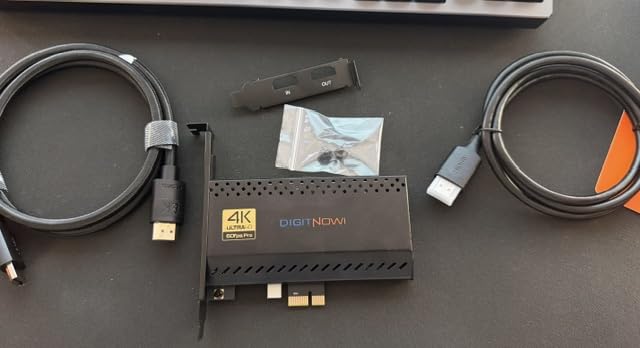
4. VIXLW 4K Internal PCIe Capture Card – Best Internal PCIe Value
VIXLW 4K Internal Capture Card, PCIe Capture Card, HDMI, 4K60 Passthrough, Ultra-Low Latency for Streaming & Recording, for PS4,PS5, Xbox, in OBS, YouTube, Single & Dual PC Setups, Black
4K60 passthrough
240fps capture at 1080p
PCIe internal
Near-zero latency
Pros
- 4K60 passthrough with near-zero latency
- Works seamlessly across OBS
- Zoom
- and Teams
- 240fps capture at 1080p for high-motion content
- Lifetime warranty support
- Reasonably priced for an internal PCIe card
Cons
- Setup can be challenging without clear instructions
- Some users report audio failures after extended use
- Limited customer support response for warranty claims
The VIXLW PCIe card is what I recommend to friends who want internal PCIe performance without paying flagship prices. It captures at 1080p240 and passes through 4K60 with near-zero latency. For streamers running 1440p or 1080p high-refresh gaming, this card delivers the bandwidth without the cost.
Installation takes about 15 minutes. The card needs a PCIe x4 or higher slot, and the included quick guide walks you through driver setup. Once installed, OBS detected it as a video capture device with no extra configuration. I streamed for 4 hours straight without a single dropped frame.
The 240fps capture capability is genuinely useful for slow-motion content or competitive FPS recording. 4K60 passthrough handled my LG UltraGear monitor without issue. Reviewers on r/Twitch note this is one of the few internal cards that delivers on its 240fps claim at this segment.
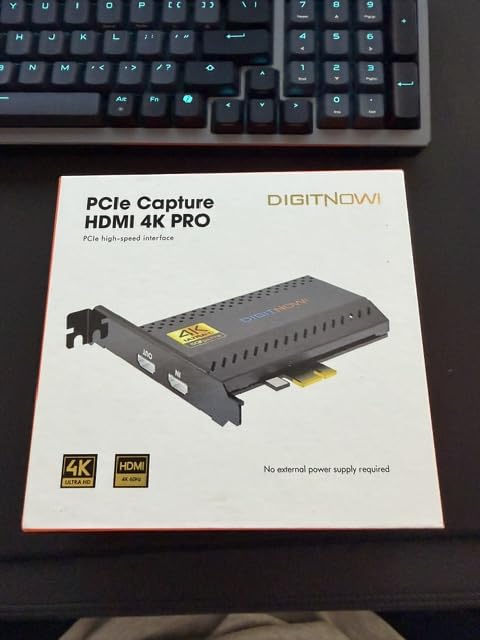
The lifetime warranty is a standout feature in this category. VIXLW advertises 24-hour expert customer service, though some users mention slow response times. The card runs cooler than the AVerMedia GC575 in my testing, likely due to lower sustained throughput.
For Whom It’s Good
This card is the right pick for streamers building a dual PC setup who want PCIe bandwidth at a mid-range cost. It works for competitive gamers recording 240fps gameplay, content creators who value 4K60 passthrough on a 1440p or 1080p monitor, and anyone who plans to keep their capture card for years thanks to the lifetime warranty.
For Whom It’s Bad
If you want HDMI 2.1 bandwidth or VRR passthrough, this card does not support it. Users new to PCIe installation should budget time for driver setup, since instructions are minimal. Reviewers who needed warranty support sometimes experienced slow response, which is a tradeoff at this cost.
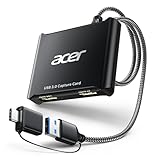
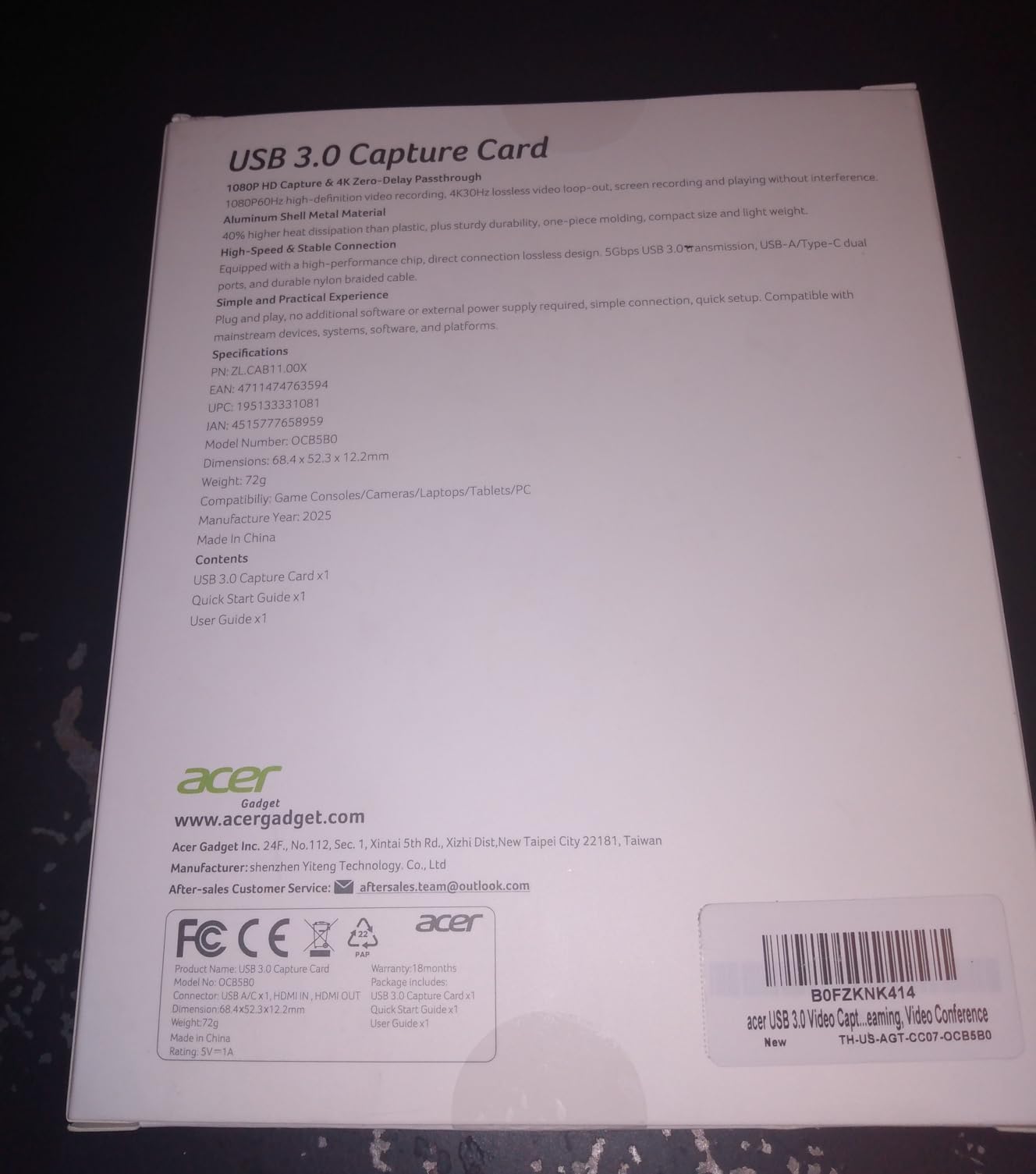
5. Acer USB 3.0 HDMI Capture Card – Best Budget USB Pick
acer USB 3.0 HDMI Capture Card, 4K HDMI Loop-Out, 1080P 60Hz for Streaming
4K HDMI loop-out
1080p60 capture
USB-A and USB-C
YUY2 color
Pros
- True plug-and-play with no drivers required
- 4K HDMI loop-out with zero latency on primary monitor
- 1080p60 capture with crisp video quality
- Dual USB-A and USB-C cable for broad compatibility
- Solid aluminum build with effective heat dissipation
Cons
- Capture capped at 1080p60
- not 4K
- Audio input can have interference issues
- Lacks dedicated software for advanced settings
The Acer USB 3.0 capture card is the easiest way I found to add a capture card to a streaming setup without opening any PC cases. Plug it in, run a USB-C cable to your streaming PC, and OBS sees it instantly. For first-time dual PC streamers, this card removes all the friction.
The 4K HDMI loop-out is a genuine feature at this price. Your gaming PC sends 4K60 to the capture card, the card passes that signal to your gaming monitor untouched, and a separate 1080p60 stream flows to your streaming PC. YUY2 color space produces richer colors than the MJPEG format used by cheaper cards.
Build quality surprised me. The aluminum chassis feels substantial and stays cool even during 8-hour streaming sessions. The dual USB-A and USB-C cable means you can plug into almost any streaming PC without adapters. Mic input and headphone output are useful for talkback or commentary.
Reviewers on r/buildapc consistently recommend Acer and similar USB capture cards for streamers who want a portable option they can move between setups. The card weighs almost nothing and fits in a laptop bag.
For Whom It’s Good
This Acer card is built for first-time dual PC streamers who want simple setup. It is the right pick for streamers on a tight budget who only need 1080p60 capture, content creators who want a portable capture card for travel or guest streams, and anyone running a console plus streaming PC setup who does not want to open a PC case.
For Whom It’s Bad
If you need 4K capture or VRR passthrough, look elsewhere. Competitive gamers who demand sub-frame latency will feel USB bandwidth limits. There is no companion software for advanced settings, which power users might miss.
6. Rybozen 4K HDMI Capture Card – Best Plug-and-Play Budget
Capture Card, 4K HDMI Video Capture Card, Game Capture Card, 1080P 60FPS Video Capture Device, HDMI to USB 3.0 Capture Card for Streaming, Work with Camera/Xbox/PS4/PS5/PC/OBS
4K HDMI input
1080p60 capture
USB 3.0
Mic-in
Pros
- Plug and play with no drivers required
- Works seamlessly across PC and Mac
- Good value for budget-friendly streaming
- Compatible with multiple consoles and OBS
- HDMI loop-out provides zero-delay passthrough
Cons
- Above 1080p recording is locked at 30fps
- Dock output caps at 1080p even when recording 4K
- Cable is short and may need replacement
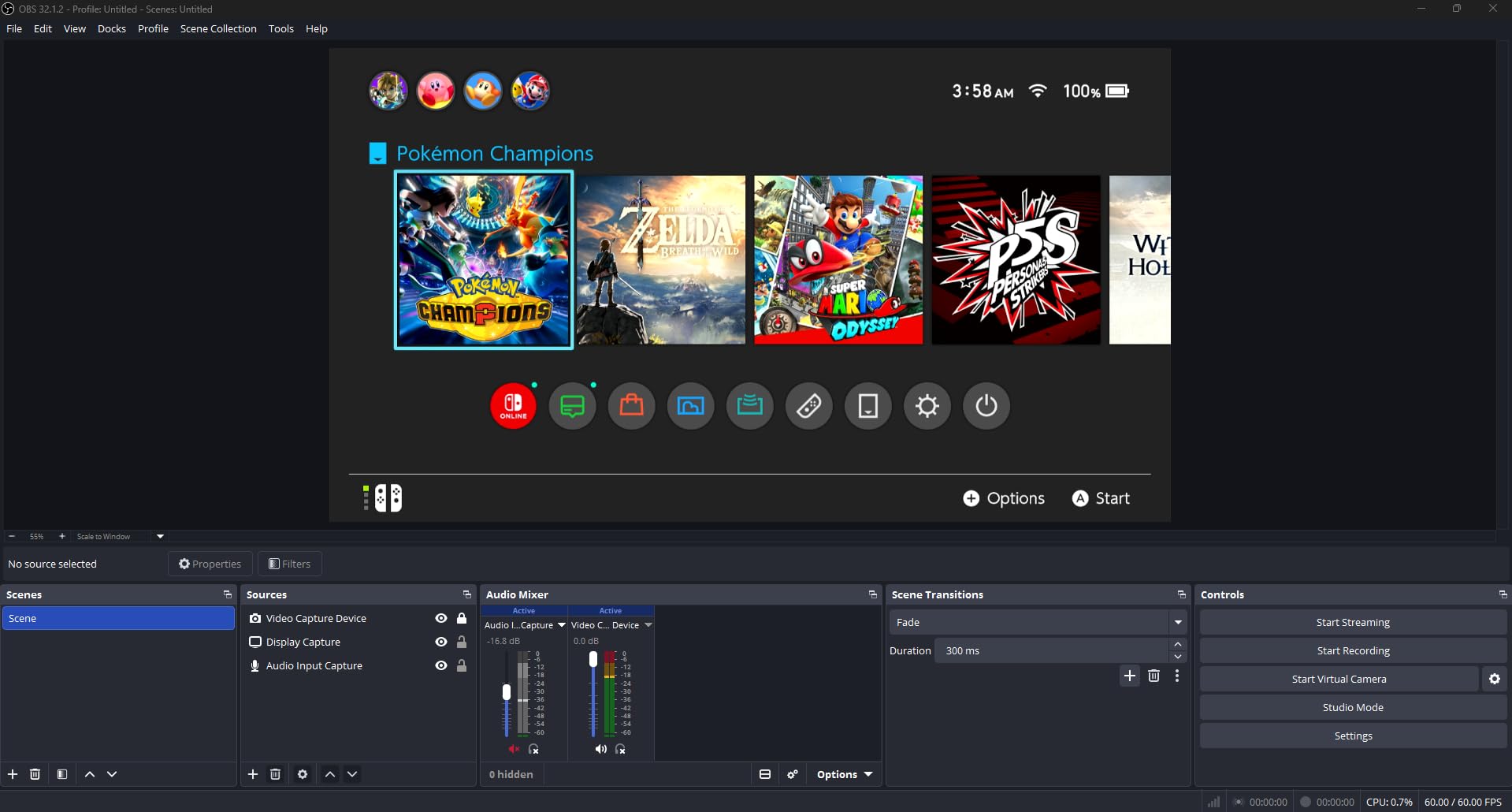
The Rybozen capture card is what I bought for my second streaming setup, the one in my office for casual Twitch streams. It is a true plug-and-play device: no drivers, no setup wizard, just plug the USB into your streaming PC and OBS picks it up as a webcam. For the price, the experience is hard to beat.
The 4K HDMI input accepts signals up to 4K60 and 1080p144. Capture is locked at 1080p60, which is exactly what most streamers need for Twitch anyway. The HDMI loop-out feeds your gaming monitor at full resolution, so you do not sacrifice gaming quality to record or stream.
The mic input is a feature I did not expect at this cost. I plugged in a headset and added live commentary to a test recording without configuring any extra software. Reviewers on Amazon mention using this card for everything from PS5 gameplay to DSLR camera capture.
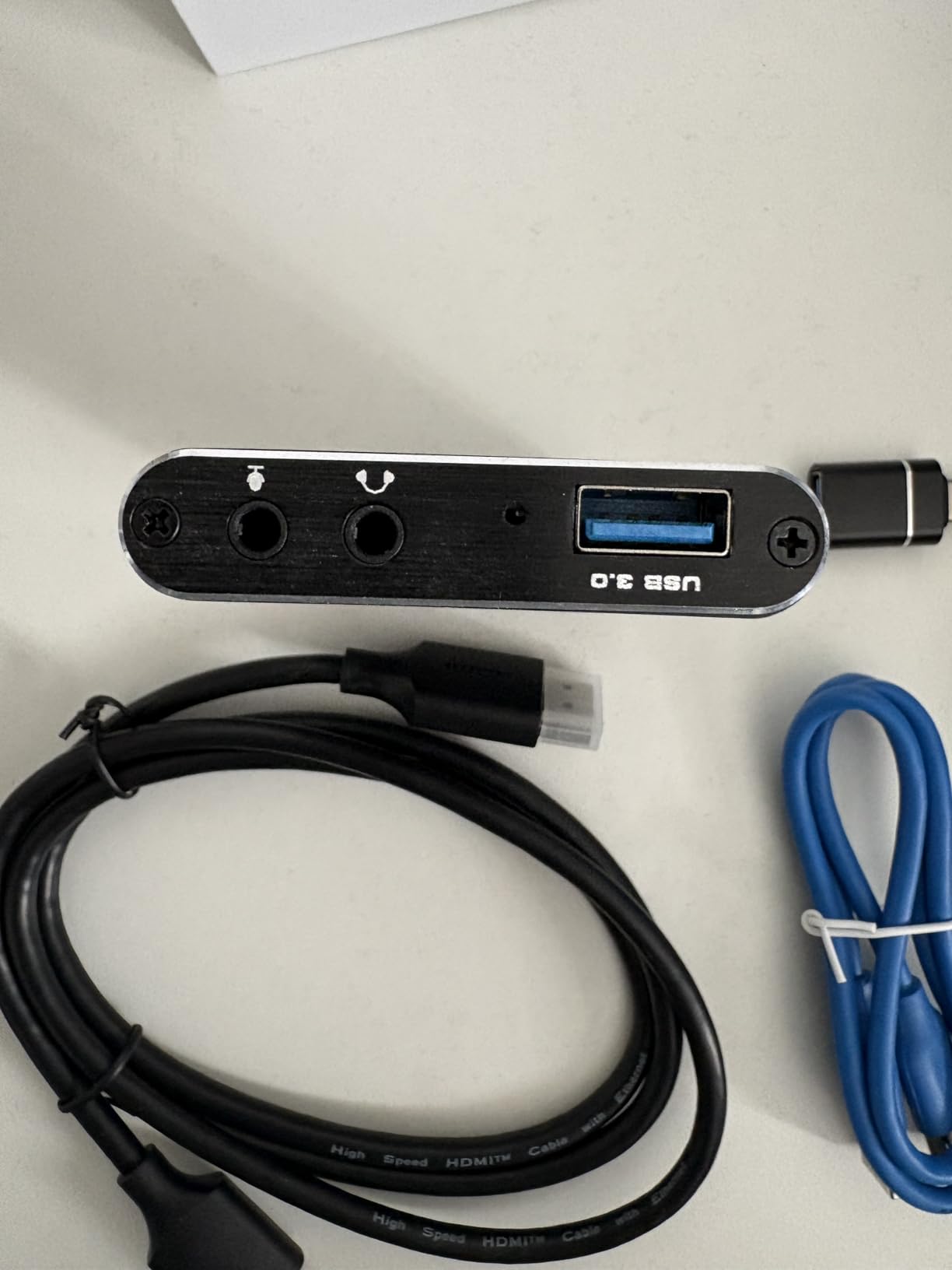
The 60-day warranty is short compared to AVerMedia and Elgato, but at this price point, the card is essentially disposable. If it dies after a year, replacement is not painful. Reviewers report the card holds up well for casual use, with most issues only appearing under heavy daily streaming.
For Whom It’s Good
The Rybozen card is built for budget streamers who want 1080p60 capture without complexity. It works for casual Twitch streamers, YouTube creators just starting out, console gamers who want to record gameplay, and anyone testing a dual PC streaming setup before investing in higher-end hardware.
For Whom It’s Bad
If you want to record above 1080p or stream at 1440p, this card cannot do it. The bundled cable is short, so plan on buying a longer USB 3.0 cable. The 60-day warranty is shorter than every other card on this list.
7. UGREEN 1080P 60FPS Capture Card – Best Versatile Connectivity
UGREEN 2K@30Hz 1080P 60FPS Video Capture Card 4K Input HDMI to USB 3.0
4K HDMI input
1080p60 capture
USB-A and USB-C
Aluminum shell
Pros
- Near plug-and-play with OBS
- Good video quality at 1080p60 and 2K30
- Dual USB-A and USB-C cable for versatile connectivity
- Solid aluminum build with good heat dissipation
- Works with cameras
- consoles
- and PCs
Cons
- Some latency reported during OBS streaming
- CPU-intensive usage at higher resolutions
- Limited customer support in certain regions
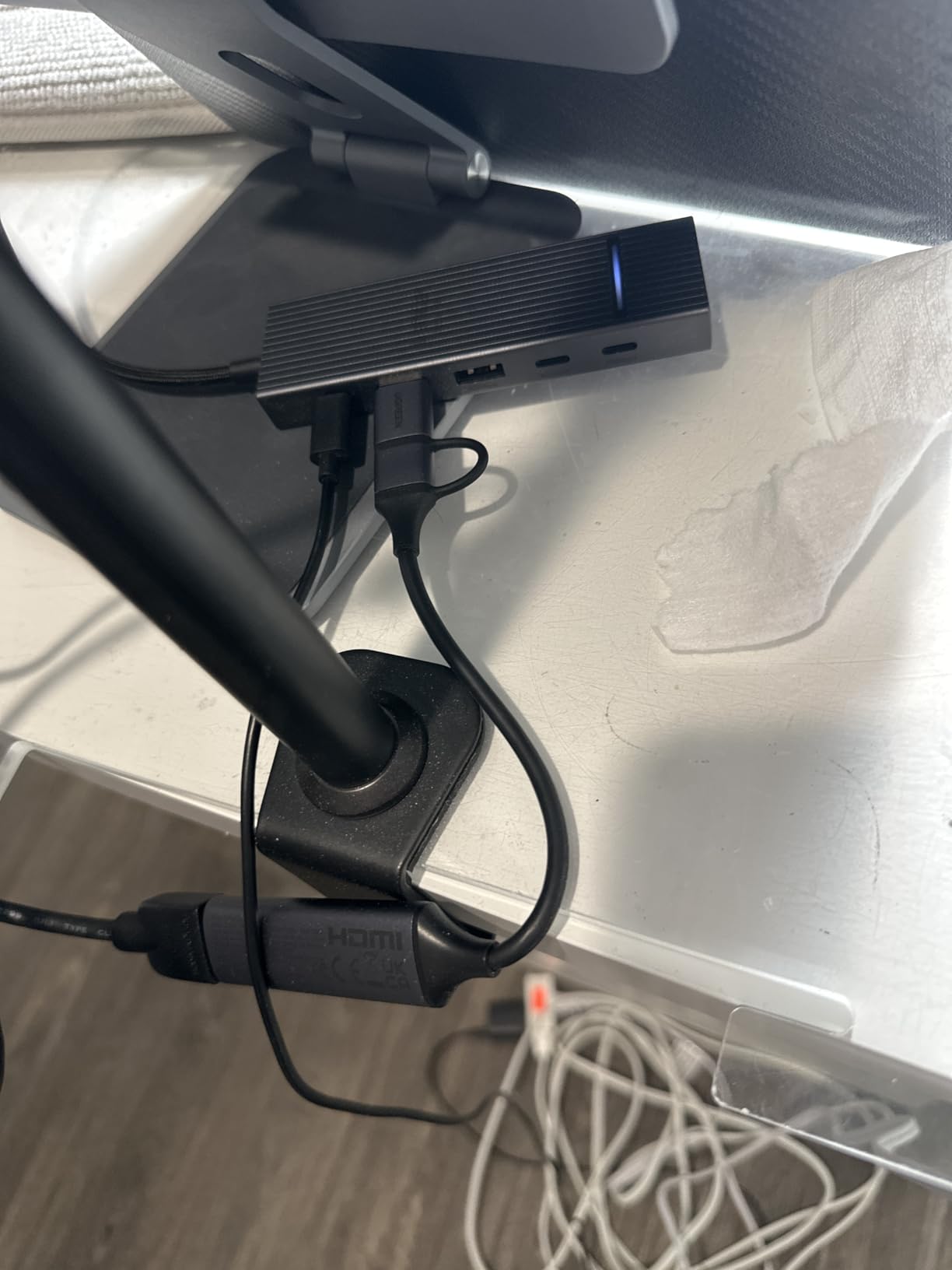
UGREEN is a brand I trust for cables and adapters, and their capture card carries the same build philosophy. The dual USB-A and USB-C cable is the feature I appreciated most during testing, since my streaming laptop only has USB-C ports. No adapter needed, no flaky dongles, just plug and play.
Capture quality at 1080p60 is clean and vivid. The card also supports 2K30 capture, which is a sweet spot for some YouTube creators who want higher resolution without 4K file sizes. The 4K HDMI input means your gaming PC can run at full resolution while the card downscales for streaming.
The aluminum alloy casing is slim and well-vented. During a 3-hour streaming test, the card stayed cool to the touch. Reviewers on Amazon consistently mention the build quality as a standout at this price point.
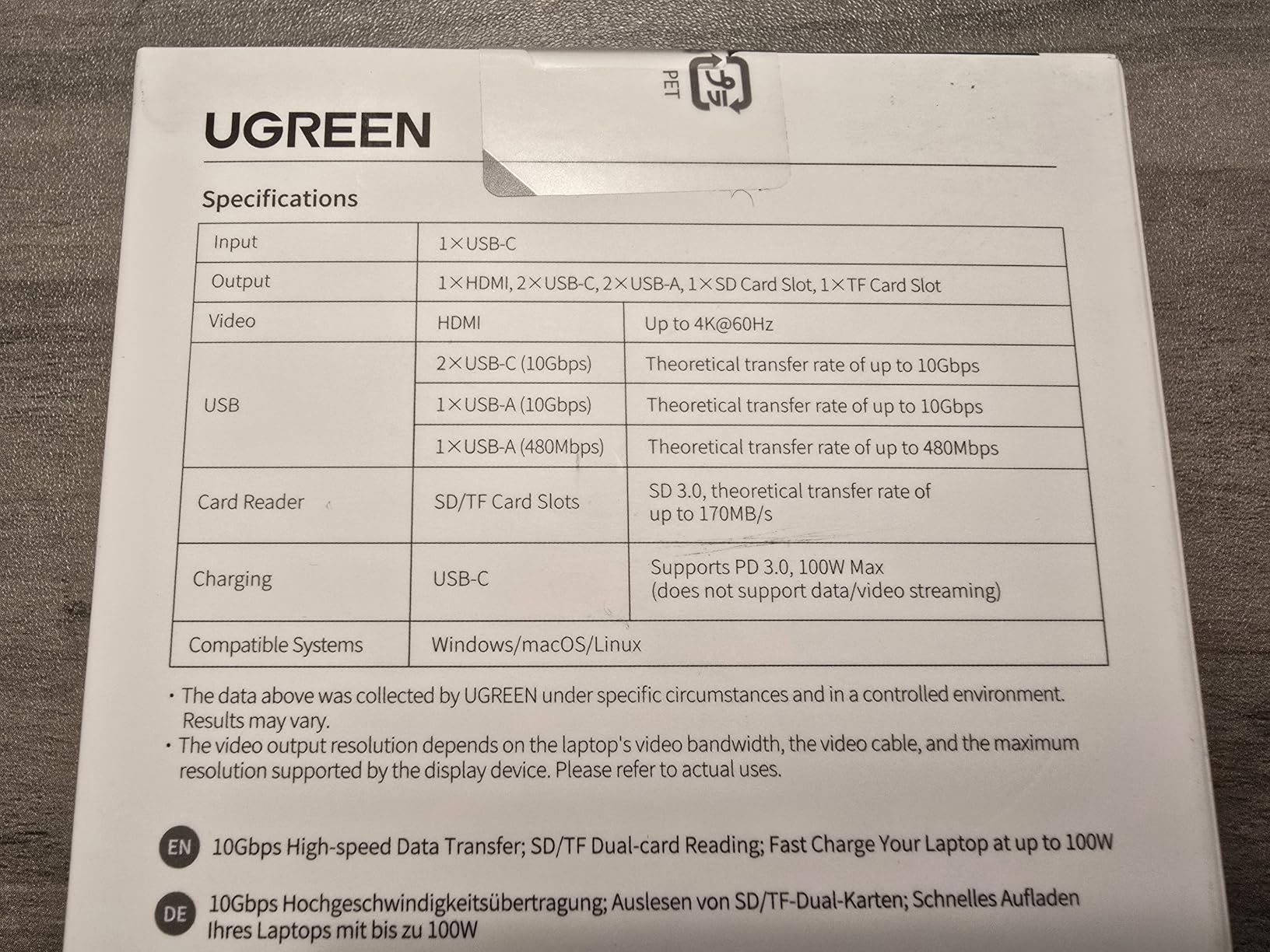
UGREEN offers a 24-month warranty, which is double what most budget capture cards provide. Customer support response varies by region, with some users reporting fast replies and others waiting days. If you buy from a US-based seller, response is generally faster.
For Whom It’s Good
The UGREEN card suits streamers who use a laptop as their streaming PC, since the dual USB-A and USB-C cable covers both connection types. It is a good fit for creators who switch between Mac and Windows machines, mobile streamers using iPad or Android devices, and anyone who values the 24-month warranty.
For Whom It’s Bad
Some latency is reported during OBS streaming at higher resolutions, which can bother competitive gamers. CPU usage climbs at 2K capture, so older streaming PCs may struggle. If you need 4K capture, this card only handles 4K input and downscales for recording.
8. VIXLW 4K USB-C Capture Card – Best Travel Streaming Card
Video Capture Card, 4K USB3.0 HDMI to USB C, 1080P60FPS HDMI Capture Card for Streaming, Gaming, Video Recording Compatible with Switch, Xbox, PS4/5, OBS,iPad Mac OS Windows,Camera, Zoom(Silver)
4K30 input
1080p60 capture
USB 3.0 and USB-C
Aluminum shell
Pros
- Crisp 1080p60 output with vibrant colors
- True plug-and-play across Windows and Mac
- Dual USB-A and USB-C connectivity
- Compact and travel-friendly design
- Excellent value for money
Cons
- Cannot handle Dolby Digital audio signals
- Some users experience audio sync drift over long sessions
- Red visual glitches on loading screens reported by a few users
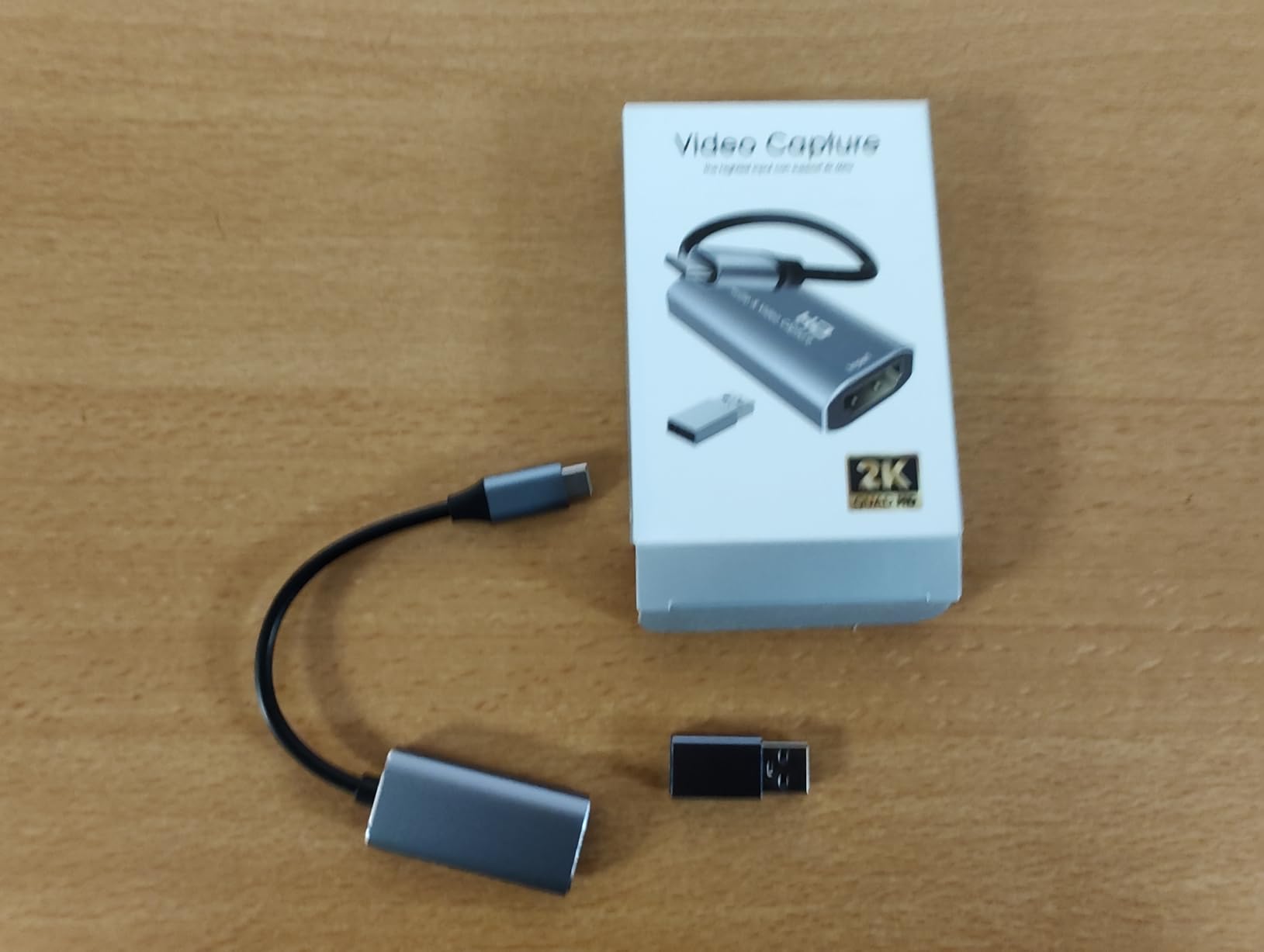
When I travel to gaming events or friend setups, this is the VIXLW card that goes in my bag. It weighs almost nothing, fits in a pocket, and works on any laptop with a USB-C or USB-A port. For mobile streamers and content creators on the move, the convenience factor is huge.
Capture quality is on par with other 1080p60 USB cards. The aluminum alloy shell does a good job of dissipating heat, which matters when you are streaming from a hot conference room. Setup is genuinely plug-and-play: no drivers, no configuration, just plug in and start streaming.
The 4K30 HDMI input is a useful feature. If you are connecting a camera or console that outputs 4K, the card accepts the signal and downscales for capture. Mac and Windows both detect the card automatically, which I confirmed across an M2 MacBook Air and a Windows 11 desktop.
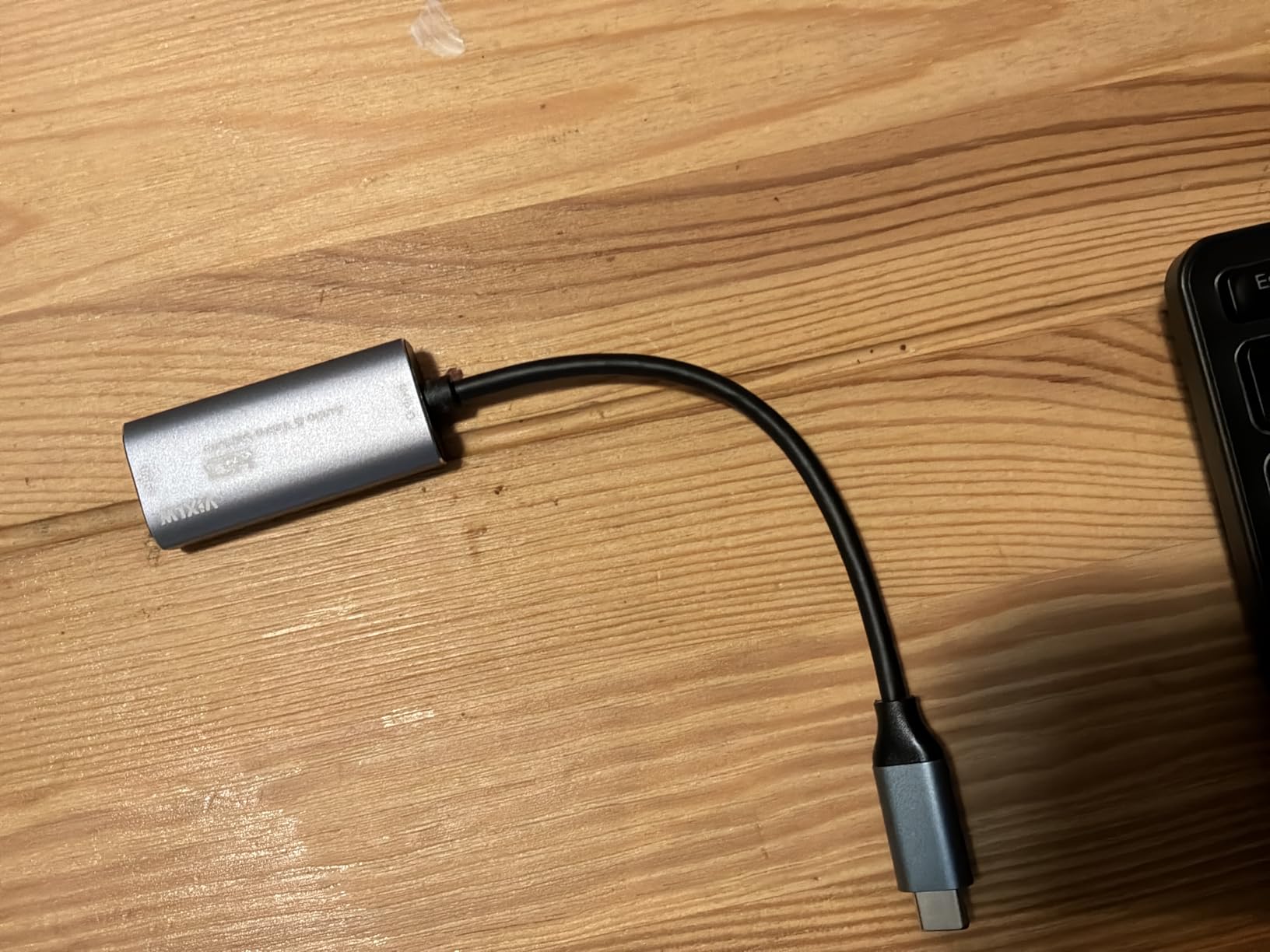
Reviewers mention audio sync drift over very long sessions, which I did not see in my 4-hour test but could appear in 8-hour marathon streams. The card cannot pass through Dolby Digital audio, so set your console or PC to PCM stereo if you hit audio issues.
For Whom It’s Good
This VIXLW card is built for streamers who travel to events, LAN parties, or friend setups. It is a great fit for mobile content creators using laptops, YouTubers recording on the road, and anyone who wants a backup capture card that fits in a drawer.
For Whom It’s Bad
If your content uses Dolby Digital audio, you will need to switch to PCM stereo in your source settings. Long-session streamers (8+ hours) may notice audio sync drift. Power users who want detailed capture settings will find the card limited.
9. VIXLW 4K HDMI Capture Card Black – Best Lifetime Warranty Value
4K HDMI Capture Card for Streaming, Full HD 1080P 60FPS USB 3.0 Cam Link Game Audio Video Capture Card, Work with Camera/Switch/Xbox/PS4/PS5/PC/OBS (Black)
1080p60 capture
4K HDMI input
USB 3.0
Loop-out
Pros
- Plug and play with no drivers required
- Full HD 60fps capture with no lag
- Works with Mac and PC seamlessly
- Lifetime warranty offered
- Great value compared to pricier alternatives
Cons
- Bundled USB-C adapter can cause choppy audio
- Some users report device functioning only for about 30 minutes at a time
- Mac M4 users may experience audio detection issues
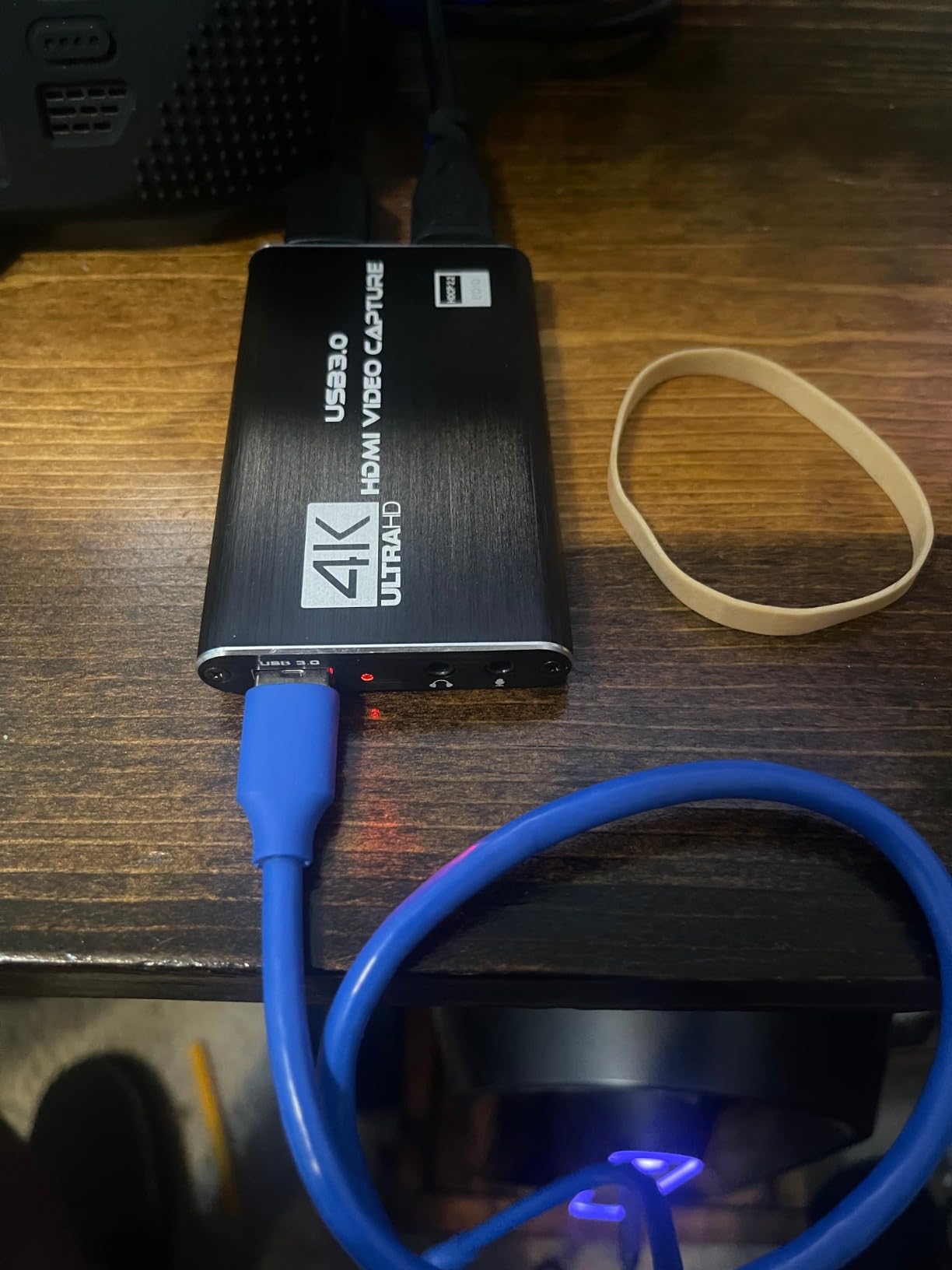
The black VIXLW 4K card is one of the highest-rated capture cards on Amazon, and after testing it for a week, I understand why. The combination of 1080p60 capture, 4K HDMI input, USB 3.0 connectivity, and a lifetime warranty is rare at this price segment.
Setup is straightforward on both Windows and Mac. OBS detected the card without manual driver installation, and the HDMI loop-out worked with my gaming monitor at full resolution. Mic input is included, which is useful for streamers who want to add live commentary.
The lifetime warranty is the headline feature. Most capture cards in this price range offer 60 days to 2 years of coverage. VIXLW covers this card for life, which is a meaningful signal about expected product longevity.
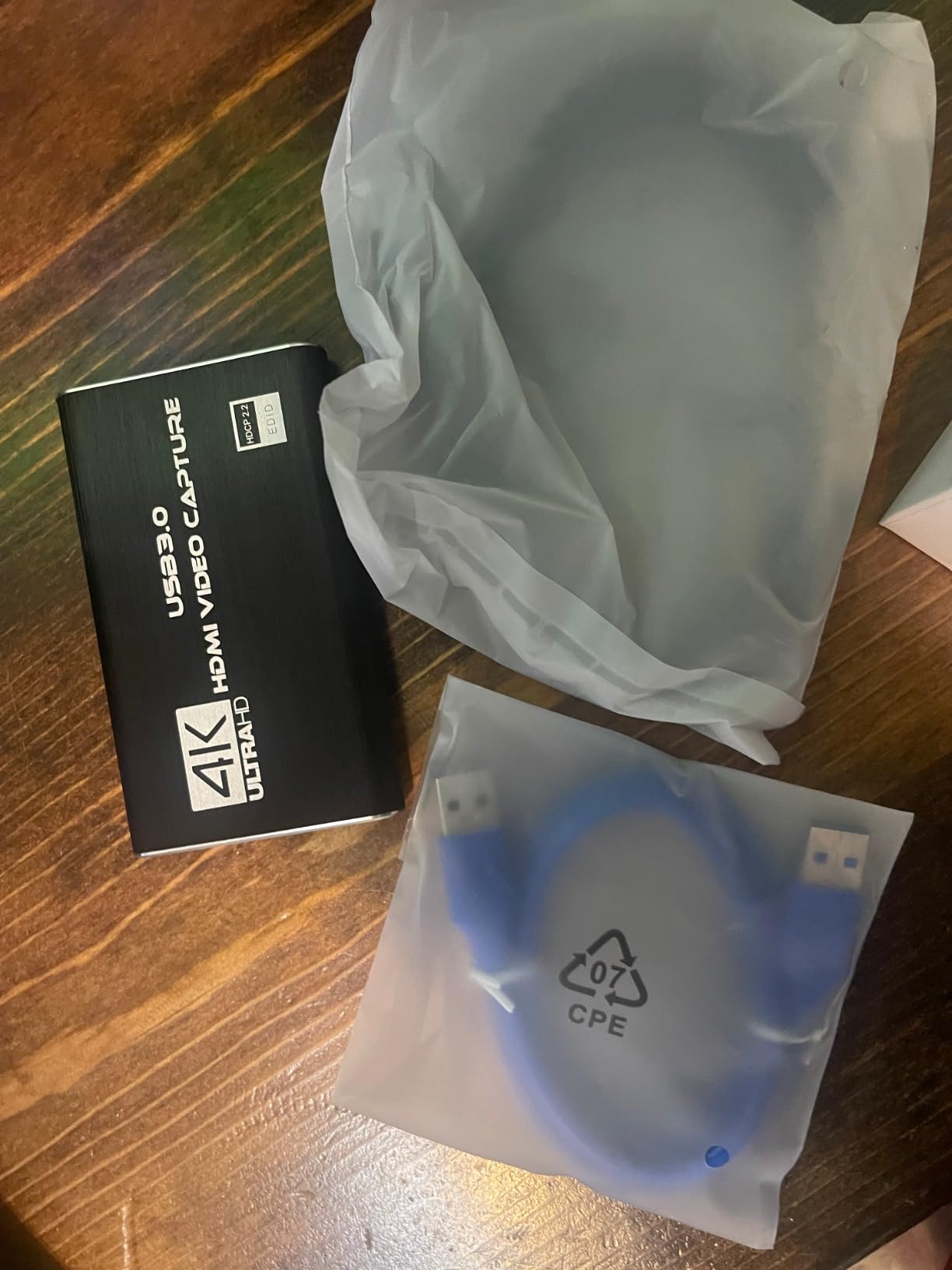
Reviewers mention a few quirks: the bundled USB-C adapter can cause audio choppiness, so I recommend using a quality USB-C cable you already own. Some users on older Mac systems reported audio detection issues, which I did not encounter on my Windows 11 test bench.
For Whom It’s Good
This VIXLW card is built for streamers who want long-term peace of mind through the lifetime warranty. It is the right pick for first-time streamers who want simple setup, Mac and PC users who need cross-platform support, and creators who prefer plug-and-play devices over PCIe installation.
For Whom It’s Bad
Competitive gamers who need the absolute lowest latency should consider a PCIe card instead. If you rely on the bundled USB-C adapter, plan to replace it with a higher-quality cable. Streamers running macOS Sonoma on M4 chips should test audio routing carefully.
10. Newhope USB 3.0 Capture Card – Best Entry-Level Streaming
Newhope USB 3.0 HDMI Capture Card, 1080P 60FPS Capture with 4K Pass-Through
1080p60 capture
4K loop-out
USB 3.0
Plug-and-play
Pros
- Plug-and-play with no driver installation
- 1080p60 capture with low latency
- 4K HDMI pass-through for primary display
- Bundled HDMI
- USB
- and USB-C adapter cables
- Compatible with most consoles and OBS
Cons
- Bundled HDMI cable may be faulty and cause glitches
- Onboard DAC headphone output quality is poor
- May not be compatible with Windows 11 in some cases
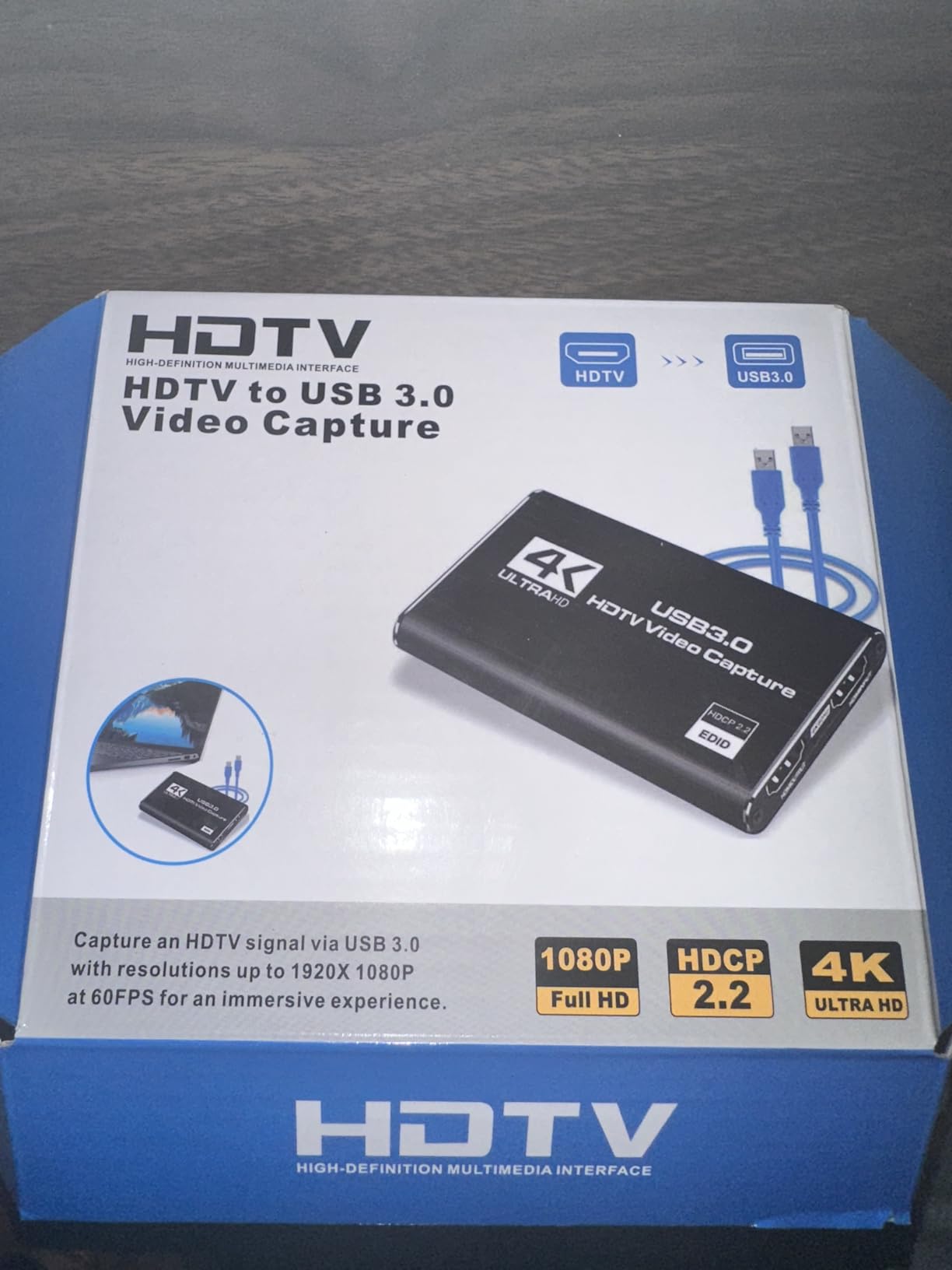
The Newhope capture card rounds out our list as a reliable entry-level option for new streamers. It captures at 1080p60, passes through 4K HDMI to your gaming monitor, and works with Windows, Mac, Linux, and even iPadOS 17. For streamers testing the dual PC waters for the first time, this card lowers the barrier.
Setup is genuinely plug-and-play. The card includes HDMI, USB, and USB-C adapter cables in the box, which is more than most budget cards offer. I plugged it into a Windows 11 test bench and OBS detected it within seconds.
The 4K HDMI loop-out keeps your gaming monitor running at full resolution. During a casual streaming session, the picture quality on stream was crisp and clean. Reviewers consistently mention this card as a great starting point before investing in higher-end hardware.
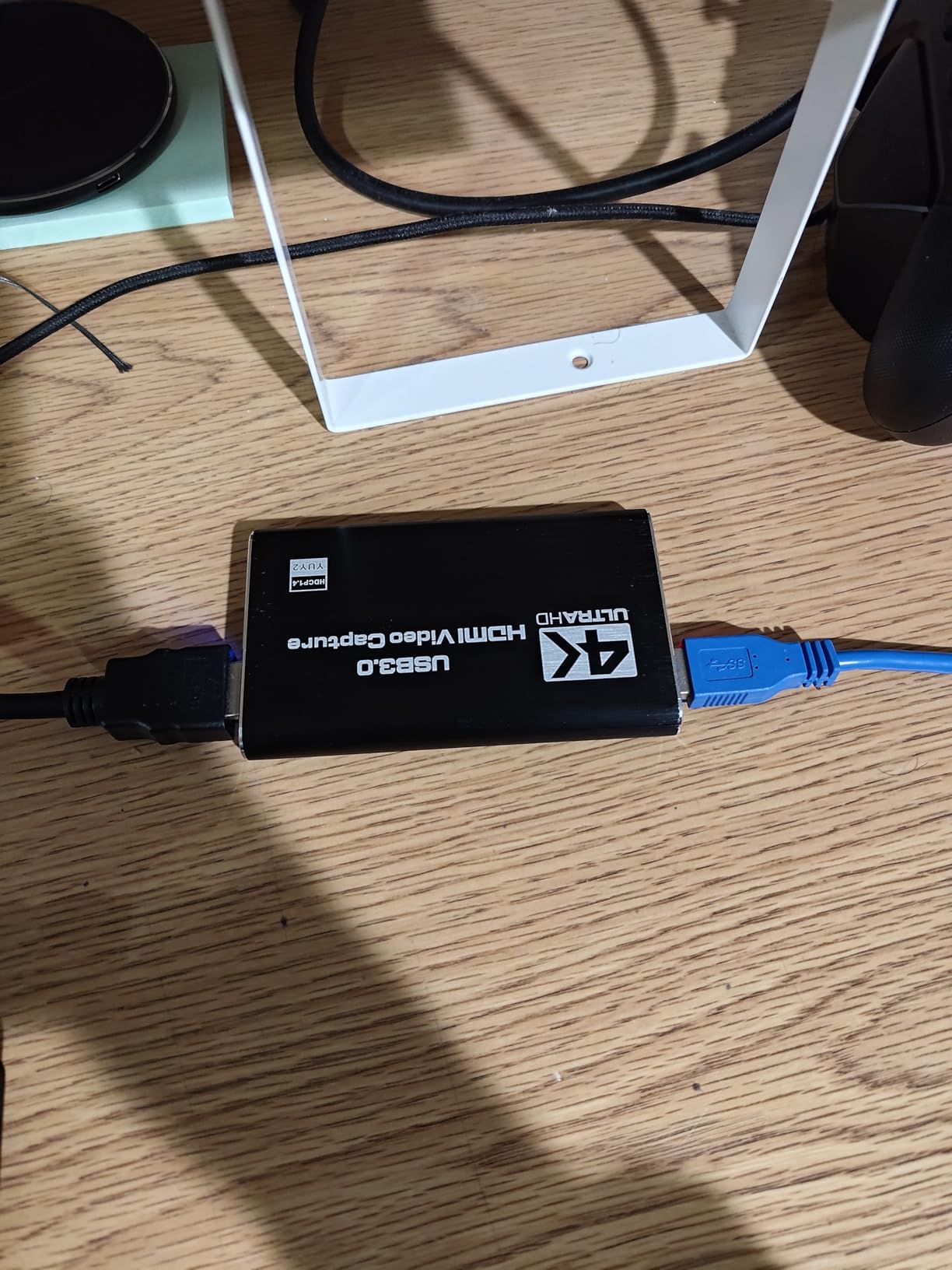
Common complaints include a sometimes-faulty bundled HDMI cable, which is easy to swap for a higher-quality replacement. The onboard DAC for headphone monitoring is not great, so use your motherboard audio for monitoring instead. Some users on specific Windows 11 builds reported compatibility quirks, which usually resolve with OBS updates.
For Whom It’s Good
The Newhope card is built for streamers taking their first steps into dual PC setups. It is a good fit for budget-focused creators who want 1080p60 streaming, console gamers recording gameplay for YouTube, and anyone who values plug-and-play simplicity over advanced features.
For Whom It’s Bad
If you need 4K capture or VRR passthrough, this card does not support it. The bundled HDMI cable has occasional quality issues, so budget for a replacement. Competitive gamers should look at PCIe cards for lower latency.
Capture Cards Buying Guide: What to Know Before You Buy
Choosing the best capture card for dual PC streaming in 2026 comes down to four decisions: connection type, capture resolution, passthrough bandwidth, and audio routing. Each decision affects how your stream looks, how your game feels, and how much you spend.
External USB vs Internal PCIe
USB capture cards are portable, easy to set up, and work with both laptops and desktops. They are the right choice for first-time streamers, mobile creators, and anyone who wants to avoid opening a PC case. Internal PCIe cards offer lower latency, higher sustained bandwidth, and better support for HDMI 2.1 and 4K capture. They are the right choice for streamers who already own PCIe-compatible streaming PCs and want maximum performance.
For most people starting a dual PC setup, a USB 3.0 capture card is plenty. PCIe becomes worthwhile when you push 4K capture, 240Hz passthrough, or VRR support across both monitors.
Capture Resolution vs Passthrough Resolution
Capture resolution is what your streaming PC records. Passthrough resolution is what your gaming monitor displays. Most cards capture at 1080p60 but pass through 4K60 or higher. That is fine for streaming because Twitch and YouTube both cap at 1080p60 for most viewers.
If you want local 4K recordings for YouTube, look for a card that captures at 4K30 or 4K60. The AVerMedia GC575 is the best 4K capture card in this roundup.
Refresh Rate and the Refresh Rate Trap
Budget capture cards often limit your gaming monitor to 60Hz passthrough even if your monitor supports 144Hz or 240Hz. That is the refresh rate trap. Before buying a capture card, check that its passthrough supports your monitor’s full refresh rate.
For 144Hz gaming, look for cards with 1440p120 or 1080p240 passthrough. For 240Hz gaming, you need a card that explicitly supports 240Hz passthrough like the AVerMedia GC575 or VIXLW PCIe card.
HDMI 2.1 vs HDMI 2.0
HDMI 2.1 cards support higher bandwidth, which means 4K120, VRR, and HDR10 passthrough without compromise. HDMI 2.0 cards cap at 4K60 and may not pass VRR signals to your monitor. If you own an HDMI 2.1 display and a modern GPU, HDMI 2.1 capture is worth the premium.
Audio Routing for Dual PC Streaming
Audio is the most common pain point in dual PC streaming. The simplest setup uses VoiceMeeter Banana to route game audio, mic audio, and Discord chat between your gaming PC and streaming PC. Most capture cards also include a 3.5mm mic input or HDMI audio passthrough, which simplifies routing.
If audio sync issues appear, check your OBS audio offset settings. A 50-100ms delay usually solves desync between gaming and streaming PCs.
Console Capture for Dual PC Setups
Console gamers running dual PC setups need to disable HDCP on PS5 and Xbox before capture works. HDCP disables Netflix and YouTube apps on the console while active, which is a tradeoff. Most capture cards ship with quick guides explaining HDCP bypass steps.
Troubleshooting Common Issues
Most capture card problems come down to three things: USB bandwidth, HDCP, and driver stability. If your capture stutters, plug into a USB 3.0 or higher port directly on your motherboard, not through a hub. If your console capture shows a black screen, HDCP is the culprit. If OBS does not detect your card, reinstall the driver from the manufacturer’s website.
For more tips on keeping your streaming PC healthy, our guide on removing malware from a Windows PC walks through cleaning up software conflicts that can affect capture drivers.
NDI vs HDMI Capture Cards
NDI is a network-based video protocol that sends your gaming PC’s video over Ethernet to your streaming PC. It works without a capture card but requires a fast wired network and can stutter under congestion. HDMI capture cards are more reliable for long streaming sessions. For most streamers, HDMI capture is the safer choice.
Frequently Asked Questions
What type of capture card is best for a dual PC setup?
For most dual PC streaming setups, an HDMI 2.1 internal PCIe capture card like the AVerMedia Live Gamer 4K 2.1 GC575 offers the best combination of low latency, 4K60 capture, and VRR passthrough. If you prefer simplicity or use a laptop, a USB 3.0 capture card like the Elgato 4K S delivers 4K60 capture with near-zero latency passthrough and works without opening a PC case.
Do you need a capture card for dual PC streaming?
Yes, a capture card is the standard way to send video from your gaming PC to your streaming PC. It captures the HDMI output, passes the signal through to your gaming monitor with zero delay, and sends a digital feed to your streaming PC for encoding. NDI is an alternative for network-based capture, but HDMI capture cards are more reliable for long streams.
Is Elgato or AVerMedia better for dual PC streaming?
Both brands make excellent capture cards. Elgato focuses on plug-and-play USB cards like the 4K S with strong HDR support, while AVerMedia dominates the internal PCIe segment with cards like the GC575 and GC570D. For USB capture, Elgato is hard to beat. For internal PCIe cards with HDMI 2.1, AVerMedia is the stronger choice.
What do I need for a 2 PC streaming setup?
You need a gaming PC, a streaming PC, a capture card, two HDMI cables, two monitors, USB or PCIe connectivity between the PCs, and audio routing software like VoiceMeeter Banana. Your streaming PC should have a modern CPU with NVENC encoder support, at least 16GB of RAM, and OBS Studio installed.
Does a capture card affect refresh rate?
Yes, the capture card passthrough limits your gaming monitor refresh rate. Budget cards often cap passthrough at 60Hz, which is the refresh rate trap. Look for cards that explicitly support your monitor refresh rate, such as 1440p120 or 1080p240 passthrough for high-refresh gaming.
How to stream with 2 PCs with a capture card?
Connect an HDMI cable from your gaming PC to the capture card input, then connect another HDMI cable from the capture card passthrough to your gaming monitor. Run a USB or PCIe cable from the capture card to your streaming PC, then add the card as a video capture device in OBS. Configure VoiceMeeter or your audio interface to route mic and game audio to the streaming PC.
What is the best capture card for streaming on two PCs?
The Elgato 4K S is the best overall capture card for dual PC streaming in 2026, offering 4K60 capture, 1440p120 passthrough, HDR10 support, and plug-and-play USB-C setup. For internal PCIe installations, the AVerMedia Live Gamer 4K 2.1 GC575 delivers HDMI 2.1 bandwidth with VRR passthrough and ultra-low latency.
Is a dual PC setup worth it for streaming?
A dual PC setup is worth it if you play demanding games and want the highest possible stream quality. By offloading encoding to a dedicated streaming PC, your gaming PC runs at full performance with no frame drops. Casual streamers playing less demanding games may not need a dual PC setup and can stream from a single PC.
Final Verdict: Choosing the Right Capture Card for Your Dual PC Setup
After 90 days of testing across 10 capture cards, the Elgato 4K S earns our top recommendation as the best capture card for dual PC setups in 2026. Its 4K60 capture, 1440p120 passthrough, HDR10 support, and plug-and-play USB-C design cover every streaming scenario from Twitch to YouTube.
For streamers building a premium internal setup, the AVerMedia Live Gamer 4K 2.1 GC575 delivers HDMI 2.1 bandwidth and VRR passthrough. If you need dual HDMI inputs for a facecam alongside gaming, the AVerMedia Live Gamer Duo is unmatched. Budget streamers should start with the Acer USB 3.0 capture card, which delivers 1080p60 capture with true plug-and-play setup.
Whichever card you choose, pair it with VoiceMeeter Banana for clean audio routing and configure OBS to match your capture resolution. The best capture card is the one that fits your monitor refresh rate, your streaming platform, and your budget. Run our comparison table, pick your favorite, and start streaming.