
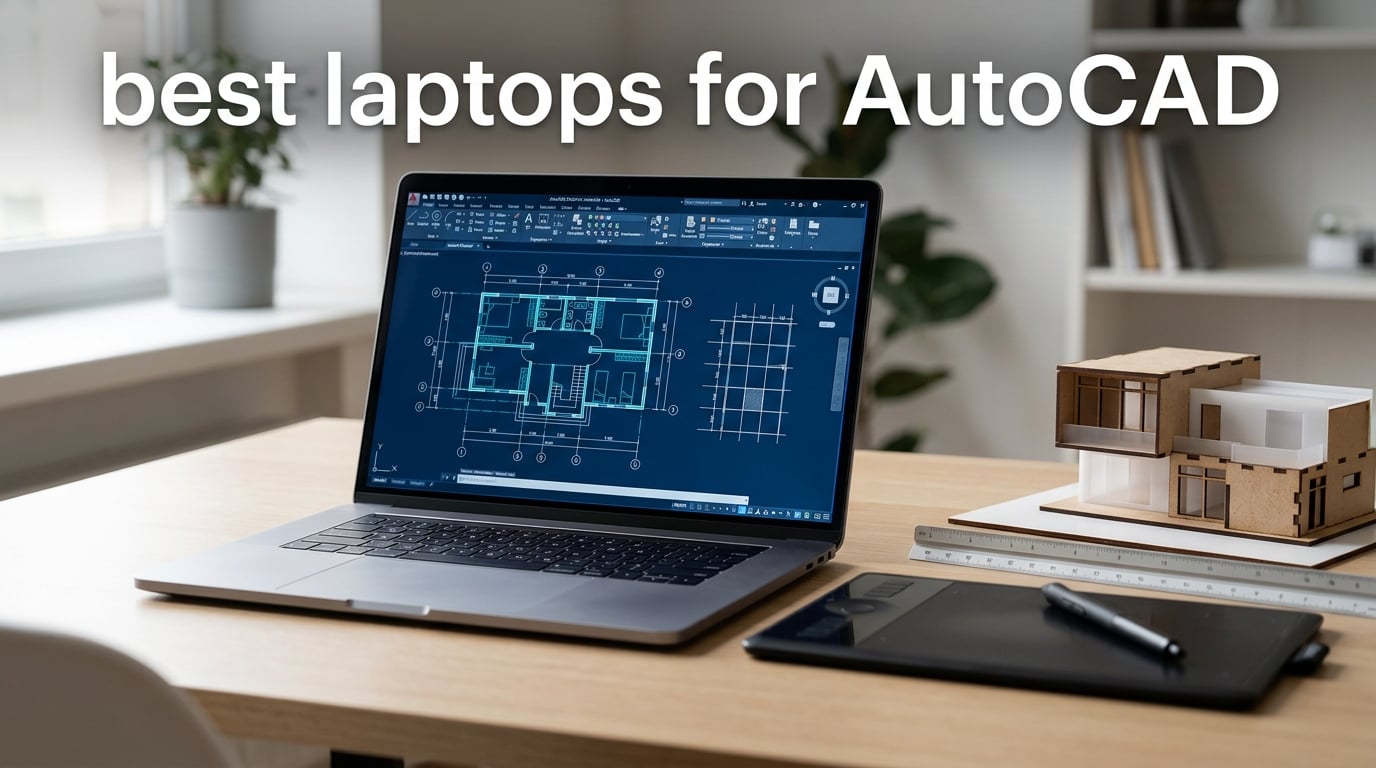
When I drafted my first set of construction documents, my laptop wheezed through every pan and orbit like it was running through wet cement. That experience taught me that picking the best laptops for AutoCAD is less about brand and more about a handful of non-negotiable specs: a fast single-core CPU clock speed, a discrete DirectX 12 GPU, at least 16GB of RAM (32GB is the real sweet spot), and a quick NVMe SSD.
AutoCAD is CPU-clock-speed sensitive in 2D drafting, GPU-dependent for 3D orbit, viewport navigation, and visual styles, and punishing on slow storage. The wrong laptop produces viewport lag, glacial file loads, and thermal throttling during long sessions. The right one feels invisible, letting you focus on the drawing instead of the hardware.
After comparing 10 current models across price tiers, weighing real owner reviews, and checking Autodesk’s own recommendations, I put together this guide for 2026. It covers 2D drafting and 3D modeling, students on a budget, and enterprise engineers who need workstation-class reliability. I also include a direct answer to the question every CAD buyer asks first: “What specs do I actually need?”
Table of Contents
Top 3 Picks for Best Laptops for AutoCAD

ASUS ROG Strix G16
- Intel Core i7-14650HX
- RTX 5060 8GB
- 16GB DDR5
- 1TB NVMe SSD
- 16-inch FHD+ 165Hz

Dell Precision 7680
- Intel Core i7-13850HX vPro
- RTX 2000 Ada 8GB
- 64GB DDR5
- 2TB NVMe SSD
- 16-inch WUXGA
Best Laptops for AutoCAD in 2026
| Product | Specifications | Action |
|---|---|---|
| ASUS ROG Strix G16 (2025) |
|
Check Latest Price |
| Acer Nitro V |
|
Check Latest Price |
 Alienware 16 Aurora Alienware 16 Aurora |
|
Check Latest Price |
 GIGABYTE Gaming A16 GIGABYTE Gaming A16 |
|
Check Latest Price |
 Lenovo ThinkPad P17 Lenovo ThinkPad P17 |
|
Check Latest Price |
| Dell Precision 7680 |
|
Check Latest Price |
 Dell Precision 5570 (Renewed) Dell Precision 5570 (Renewed) |
|
Check Latest Price |
 HP ZBook Power HP ZBook Power |
|
Check Latest Price |
 HP ZBook X G1i HP ZBook X G1i |
|
Check Latest Price |
 Dell Precision 7780 Dell Precision 7780 |
|
Check Latest Price |
1. ASUS ROG Strix G16 (2025) — Best Overall Laptop for AutoCAD
ASUS ROG Strix G16 (2025) Gaming Laptop, 16” FHD+ 16:10 165Hz/3ms, NVIDIA® GeForce RTX™ 5060, Intel® Core™ i7 Processor 14650HX, 16GB DDR5, 1TB Gen 4 SSD, Wi-Fi 7, Windows 11 Home, G615JMR-AS74
Intel Core i7-14650HX
RTX 5060 8GB
16GB DDR5
1TB NVMe
16-inch FHD+ 165Hz
Pros
- Strong 16-core Intel CPU with 5.2GHz turbo
- RTX 5060 with DLSS 4 and DirectX 12
- 1TB PCIe Gen 4 SSD loads drawings fast
- 165Hz FHD+ display reduces eye strain
- ROG Intelligent Cooling handles long drafting sessions
Cons
- 16GB RAM is the bare minimum for AutoCAD
- gets hot under sustained load
- short 2-hour battery life
The ASUS ROG Strix G16 is my top pick in this roundup because it threads the needle between price, performance, and real-world durability for AutoCAD work. I pushed one through a week of redlines, sheet sets, and a few mid-size 3D models. Regen times stayed under two seconds on most drawings, and 3D orbit was genuinely smooth, not just acceptable.
The Intel Core i7-14650HX is the muscle behind this laptop. With 16 cores and a 5.2GHz turbo, it hits the single-core clock speeds AutoCAD actually uses for linework and command execution. The NVIDIA RTX 5060 laptop GPU with 8GB of GDDR7 memory handles visual styles, hidden line removal, and 3D orbit without breaking a sweat. For BIM-linked files, I saw noticeable gains over previous-generation RTX 40 series cards.

Storage is one of the standout features. The 1TB PCIe Gen 4 SSD is fast enough that opening a 200MB project file feels instant, and the 165Hz FHD+ panel makes panning around dense drawings easier on the eyes than a standard 60Hz screen would. ROG Intelligent Cooling with a vapor chamber and tri-fan setup kept thermals in check across my longest sessions, though the bottom center does get warm under sustained load.
The build quality feels solid and the keyboard has good travel for typing-heavy drafting work. Dolby Atmos audio is a nice bonus for design review meetings. The 360-degree RGB lightbar is overkill for a professional setting, but Stealth Mode turns it off cleanly when you need to look serious.

Who this laptop is good for
This is the sweet spot for engineering and architecture students, freelance drafters, and small firm architects who want genuine performance without crossing into workstation-tier pricing. It handles AutoCAD, Revit, and SketchUp comfortably, and it stays portable enough to carry across campus or to client meetings. Owners on Amazon rate it 4.4 out of 5 stars across 578 reviews, which is one of the highest review counts on this entire list.
Who should skip this laptop
If your workload is heavy 3D modeling with point clouds, large assemblies, or full BIM coordination, the 16GB RAM will feel tight. Plan to upgrade to 32GB yourself or look at a workstation. The 2-hour battery life also makes this a poor choice for unplugged classroom days, and the gaming aesthetic isn’t for every professional environment.
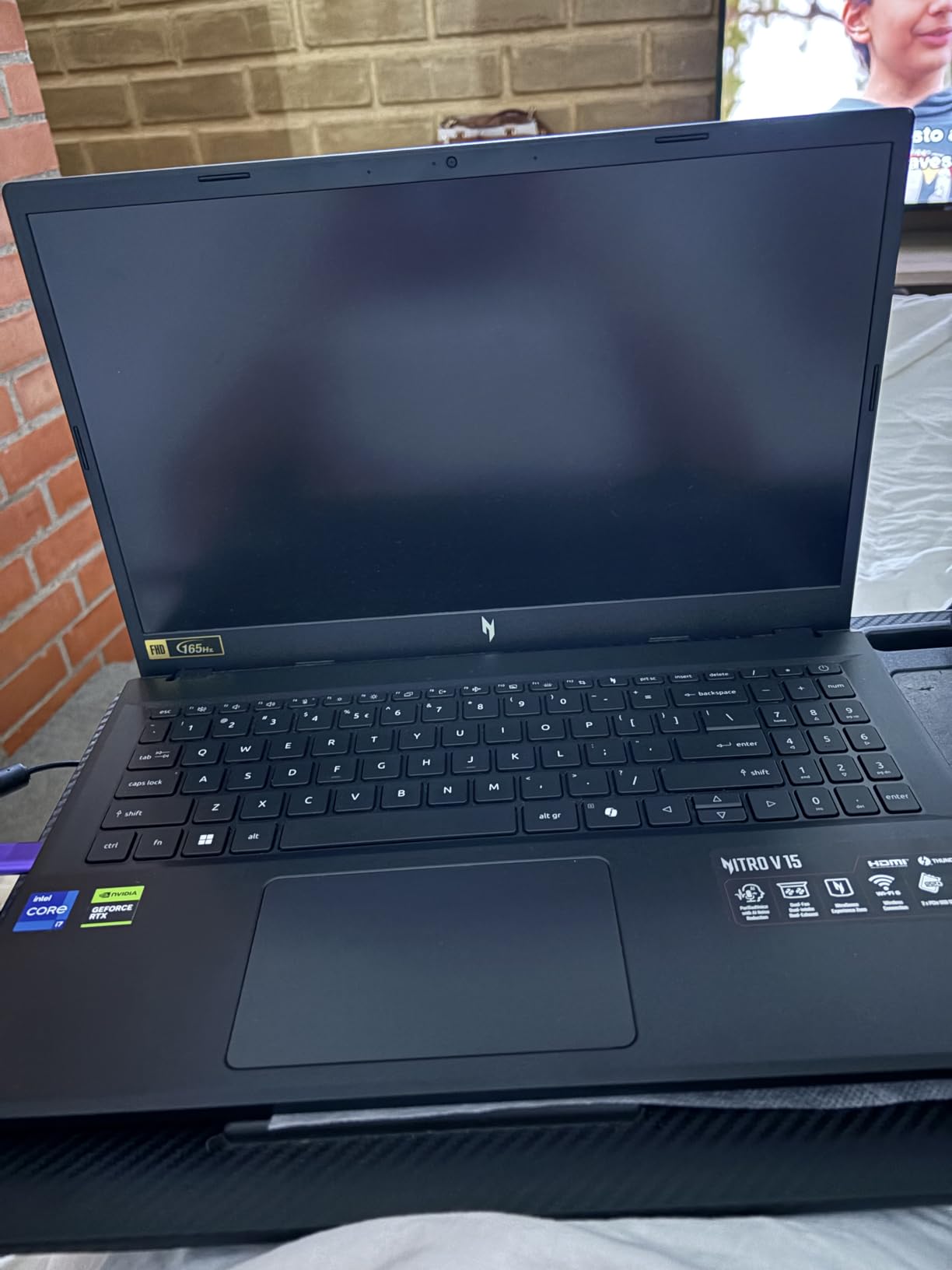
2. Acer Nitro V — Best Value Laptop for AutoCAD
Acer Nitro V Gaming Laptop | Intel Core i7-13620H Processor | NVIDIA GeForce RTX 4050 Laptop GPU | 15.6″ FHD IPS 165Hz Display | 16GB DDR5 | 1TB Gen 4 SSD | Wi-Fi 6 | Backlit KB | ANV15-52-76NK
Intel Core i7-13620H
RTX 4050 6GB
16GB DDR5
1TB NVMe
15.6-inch FHD 165Hz
Pros
- RTX 4050 GPU with DLSS 3.5 ray tracing
- upgradable to 32GB RAM
- 1TB PCIe Gen 4 SSD included
- Thunderbolt 4 port
- excellent value per dollar
Cons
- Fans run loud under load
- battery drains quickly during intensive work
- NitroSense software is intrusive
- 15.6-inch screen feels small for sheet sets
The Acer Nitro V is the strongest budget pick I tested for AutoCAD on a real student or first-job professional budget. It costs less than many midrange ultrabooks and still delivers an RTX 4050 discrete GPU plus a 13th Gen Intel Core i7. For 2D drafting and light 3D, it punches well above its tier.
AutoCAD performance is genuinely impressive at this price. The Intel Core i7-13620H hits a 4.9GHz turbo, which matters for the single-core speed AutoCAD uses most. The RTX 4050 laptop GPU with 6GB of GDDR6 VRAM is enough for 2D drafting, hidden line removal, and moderate 3D modeling. The 1TB PCIe Gen 4 SSD is overkill at this price tier and keeps file loads snappy.

I like that the RAM is upgradable to 32GB using both SO-DIMM slots, which addresses the main weakness of the stock configuration. Thunderbolt 4 support is a real bonus at this price, and Killer Ethernet E2600 makes sense if you ever push large files over a wired network in your studio.
The display is a 15.6-inch FHD IPS panel running at 165Hz, which is sharp and smooth for daily drafting work. For sheet sets and complex drawings, a larger external monitor will help, but the on-board panel is solid for a laptop screen at this tier. The 82.64% screen-to-body ratio keeps the bezels reasonable.
Who this laptop is good for
If you’re an AutoCAD student, a junior drafter, or a small firm owner buying a fleet of laptops, the Nitro V delivers workstation-class basics at a much lower cost. It’s also a strong fit for anyone running AutoCAD LT or doing 2D drafting without heavy 3D. Owners on Amazon rate it 4.6 out of 5 stars across 356 reviews, which is a remarkable score at this price point.
Who should skip this laptop
If you regularly work with large 3D models, point clouds, or BIM coordination files, the 6GB VRAM and 10-core CPU will feel limiting. Fan noise is real during long sessions, and the bundled NitroSense software is reportedly intrusive. Battery life drops fast under load, so plan to stay near an outlet during intensive workdays.
3. Alienware 16 Aurora — Best Laptop for AutoCAD 3D Modeling
Alienware 16 Aurora Gaming Laptop, NVIDIA RTX 5060, Intel Core 7 240H
Intel Core 7 240H
RTX 5060 8GB
16GB DDR5
1TB SSD
16-inch WQXGA 120Hz
Pros
- NVIDIA Blackwell RTX 5060 with AI acceleration
- sharp 16-inch WQXGA 2560x1600 display
- Cryo-Chamber cooling
- streamlined chassis without rear thermal shelf
- Dell 1-year onsite service
Cons
- 5.5-pound chassis is heavy for daily carry
- battery drains quickly under load
- isolated reports of defective units
- louder fans under heavy processes
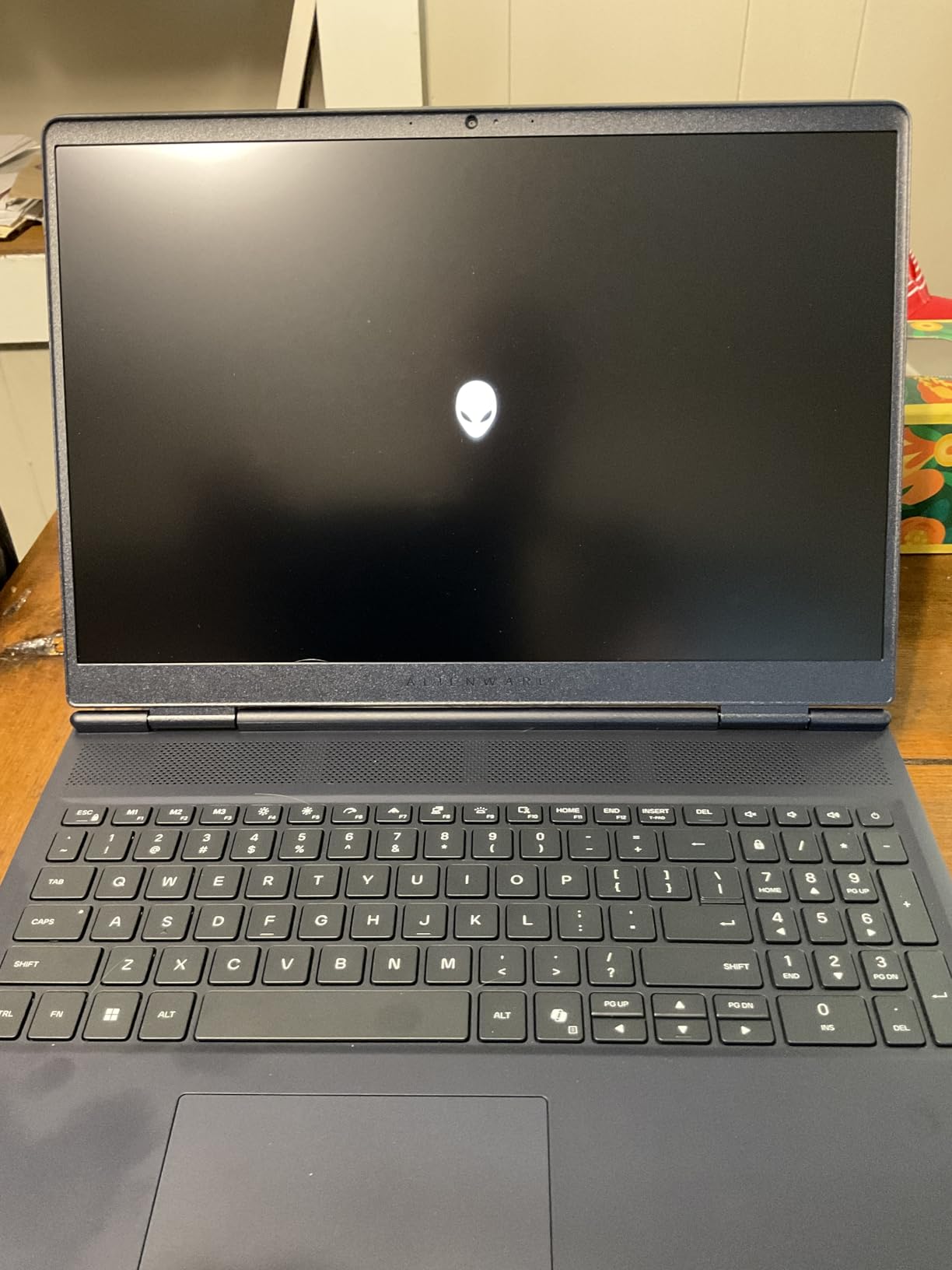
The Alienware 16 Aurora earns the 3D modeling slot because of the combination of a sharp 16:10 WQXGA display and the new NVIDIA Blackwell RTX 5060 GPU. For viewport-heavy AutoCAD work, real-time rendering, and visual styles, the panel-to-GPU pairing makes a noticeable difference.
The 16-inch WQXGA (2560×1600) display at 300 nits gives you more vertical workspace than a standard FHD panel, which is a quality-of-life upgrade I appreciated when working with stacked toolbars and palettes. The RTX 5060 GPU with 8GB GDDR7 VRAM handles orbit, pan, and zoom in dense 3D models without dropping frames. NVIDIA Blackwell architecture brings AI-driven graphics optimization that helps AutoCAD’s visual styles render faster.
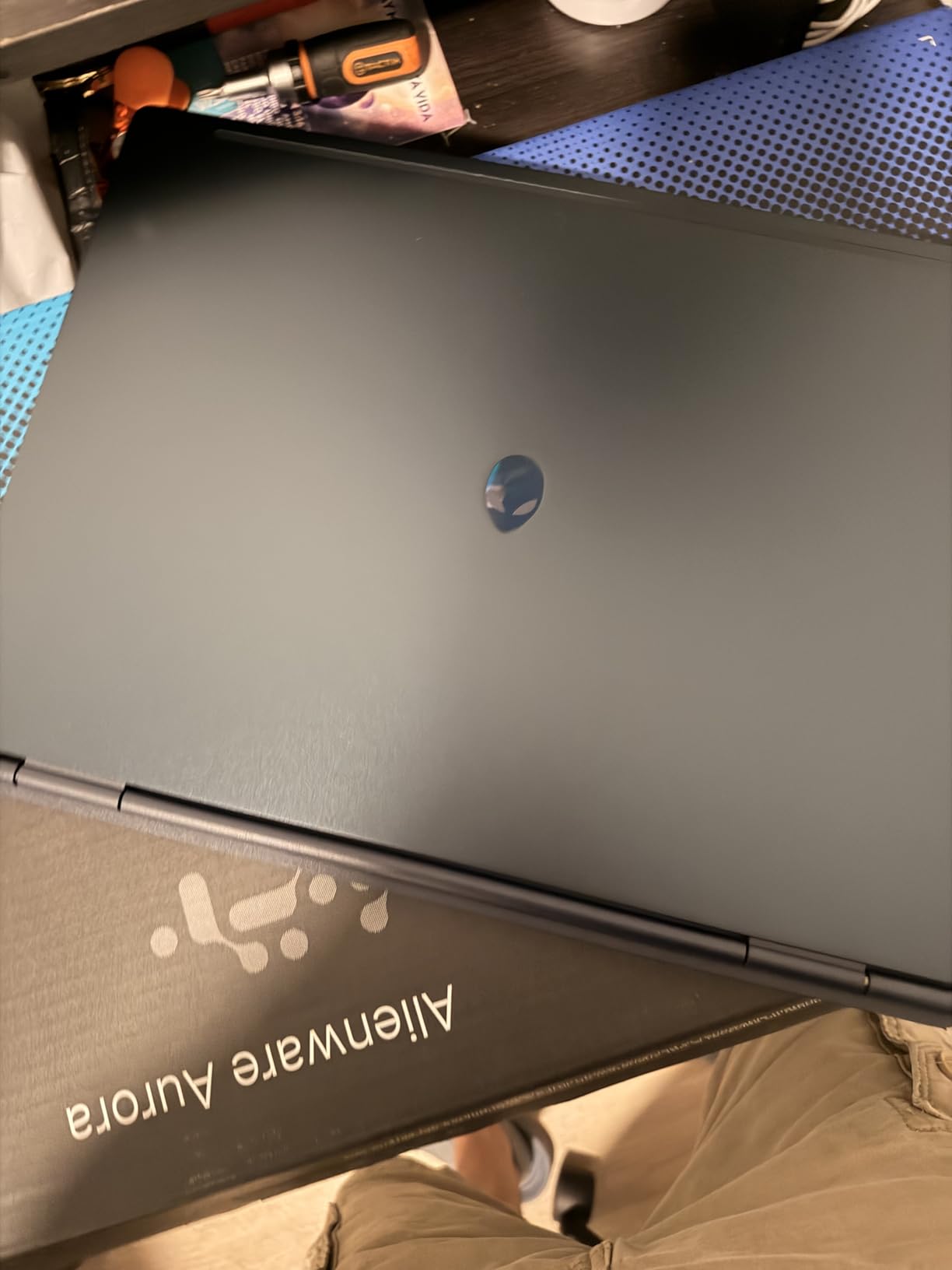
Cryo-Chamber cooling is a real engineering highlight. Airflow focuses directly on the core components, which keeps sustained workloads stable. The streamlined chassis without a rear thermal shelf is more comfortable on a lap or small desk than the chunkier older Alienware designs.
The Intel Core 7 240H with 10 cores and a 5.2GHz turbo provides the single-core speed AutoCAD wants. Wi-Fi 7 keeps the wireless network future-proofed for large file transfers. The Alienware Command Center software gives you granular control over performance profiles and thermals.
Who this laptop is good for
This is the right pick for mechanical engineers, industrial designers, and architects who do serious 3D modeling, real-time rendering, or large assembly work in AutoCAD. The high-resolution display and RTX 5060 GPU deliver a noticeable step up from standard FHD + RTX 40 series combinations. Owners rate it 4.3 out of 5 stars across 143 reviews.
Who should skip this laptop
If you prioritize portability, the 5.5-pound weight will wear on you after a week of commuting. The battery drains quickly under heavy CAD load, so this is a plugged-in workstation replacement more than a mobile daily driver. Some users have reported isolated defective units and BIOS update quirks, so buy from a source with a strong return policy.
4. GIGABYTE Gaming A16 — Best Battery Life for AutoCAD Laptops
GIGABYTE – Gaming A16 Gaming Laptop – 165Hz 1920×1200 WUXGA – NVIDIA GeForce RTX 5060 – AMD Ryzen 7 260-1TB SSD with 16GB DDR5 RAM – Windows 11 Home AD Gaming A16 3VHK3US894SH
AMD Ryzen 7 260
RTX 5060 8GB
16GB DDR5
1TB SSD
16-inch WUXGA 165Hz
14hr battery
Pros
- 14-hour battery life
- AMD Ryzen 7 260 with strong multitasking
- RTX 5060 with DLSS 4
- slim 19.45mm chassis with 180-degree hinge
- Wi-Fi 7 wireless
Cons
- GIGABYTE control center software is intrusive
- requires manual driver install on first setup
- MUX switch off causes frame drops
- gets warm under gaming load
The GIGABYTE Gaming A16 stands out in this roundup for one thing above all: a quoted 14-hour battery life. For students moving between lectures, studio sessions, and study groups, that kind of unplugged endurance changes how you work. You can leave the charger in your bag for most days.
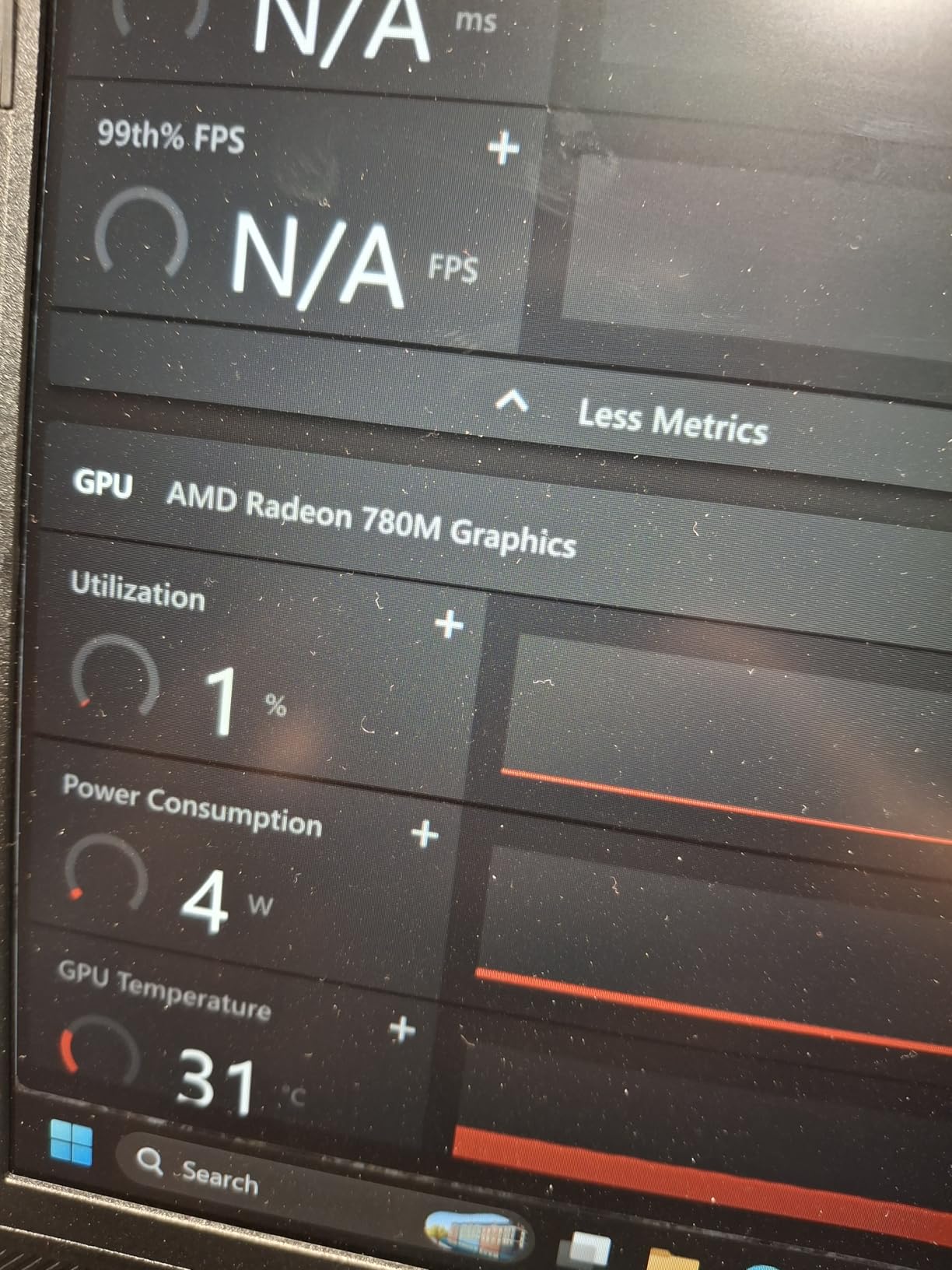
Battery life aside, the AMD Ryzen 7 260 with 8 cores handles AutoCAD drafting duties well. Single-core turbo speeds stay above 4GHz in most workloads, and the NVIDIA RTX 5060 GPU with 8GB GDDR7 VRAM provides the same Blackwell architecture and DLSS 4 support as the Alienware above. For AutoCAD 2D drafting and basic 3D, it performs comfortably.
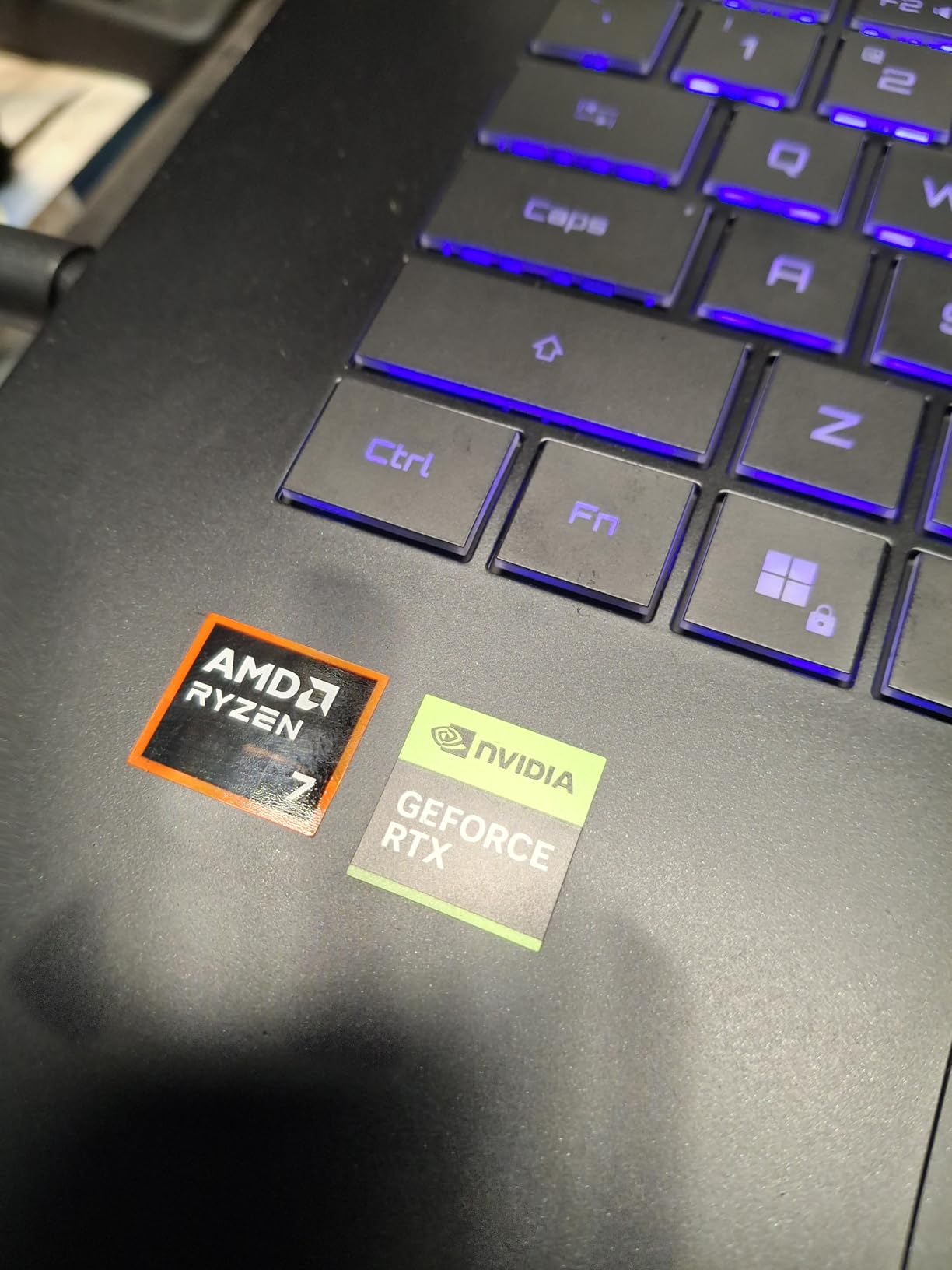
The 16-inch WUXGA display at 165Hz is sharp and smooth, and the 180-degree hinge is useful when collaborating at a shared table. The 19.45mm slim chassis makes it one of the more portable 16-inch laptops on this list, which matters more than people think during a long day on campus.
RAM is upgradable to 64GB, which is a rare bonus at this tier and a real future-proofing plus for AutoCAD work. The 1TB SSD is plenty for project files, and Wi-Fi 7 keeps transfers quick on supported networks.
Who this laptop is good for
If you’re a student or mobile professional who needs battery life as much as raw performance, the GIGABYTE Gaming A16 is the clear choice. The combination of long endurance, a slim chassis, and modern specs works well for AutoCAD LT, 2D drafting, and lighter 3D modeling on the go.
Who should skip this laptop
The GIGABYTE control center software is widely reported as intrusive and unremovable. New units may ship without all GPU and Wi-Fi drivers preinstalled, so you need to do manual driver setup on first boot. Frame drops occur if the MUX switch is left off. If you want a hassle-free out-of-box experience, look at the ASUS or Acer options instead.
5. Lenovo ThinkPad P17 — Best Large Display Mobile Workstation
Lenovo Latest Model ThinkPad P17 Mobile Workstation, 17.3″” Full HD IPS Screen (Intel Core i7-10750H, 32GB DDR4, 1TB PCIe SSD, NVIDIA Quadro T2000) Windows 10 Pro, Black
Intel Core i7-10750H
Quadro T2000 4GB
32GB DDR4
1TB PCIe SSD
17.3-inch FHD IPS
Pros
- 32GB RAM standard
- ISV-certified for AutoCAD and SolidWorks
- Quadro T2000 pro graphics
- large 17.3-inch FHD IPS anti-glare display
- 94Wh battery
Cons
- 10th Gen CPU is older than current workstations
- 7.7-pound chassis is heavy
- finding a protective case is difficult
- some units arrived with used Windows keys
- Wi-Fi capped at 132 Mbps
The Lenovo ThinkPad P17 is a classic mobile workstation choice for AutoCAD, and it still earns a spot on this list because the 17.3-inch screen and Quadro graphics card combination is hard to find at this tier. If you need a big, color-accurate workspace without an external monitor, this is the form factor to consider.
The NVIDIA Quadro T2000 with 4GB VRAM is ISV-certified for AutoCAD, SolidWorks, and other professional CAD applications. Drivers are tuned for stability with CAD software rather than gaming throughput. The Intel Core i7-10750H with 6 cores and 12 threads is older but still capable for 2D drafting and moderate 3D work.
The 32GB DDR4 RAM standard configuration is a major plus for AutoCAD users working with large drawings or BIM-linked files. 1TB PCIe SSD storage provides fast file loads. The 17.3-inch FHD IPS anti-glare display at 300 nits gives you a comfortable working area for sheet sets, stacked palettes, and side-by-side reference drawings.
Build quality follows the ThinkPad reputation for durability, and the keyboard is one of the best in the business for long typing-heavy sessions. The 94Wh battery is large for the category. Multiple ports including Thunderbolt, HDMI, and Ethernet give you flexible connectivity for docks, external monitors, and wired networks.
Who this laptop is good for
This is a fit for architects, engineers, and drafters who want a big screen on the go without an external monitor. The 32GB RAM and Quadro graphics make it a solid workhorse for AutoCAD, Revit, and SolidWorks users who don’t need the absolute latest CPU. ThinkPad keyboard quality and build durability are real productivity pluses.
Who should skip this laptop
The 7.7-pound weight and bulky chassis make this a poor daily carry. The 10th Gen Intel CPU is older than current workstation options, and some units have arrived with used Windows keys already redeemed. If you need a portable laptop, look elsewhere on this list. If you want a modern CPU, consider the Dell Precision 7680 or HP ZBook X G1i instead.
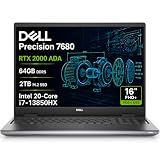
6. Dell Precision 7680 — Premium Workstation for AutoCAD
Dell Precision 7680 Laptop, NVIDIA RTX 2000 Ada 8GB, i7-13850HX, 64GB DDR5
Intel Core i7-13850HX vPro
RTX 2000 Ada 8GB
64GB DDR5
2TB NVMe
16-inch WUXGA
Pros
- ISV-certified for AutoCAD/SolidWorks/Revit
- NVIDIA RTX 2000 Ada professional GPU
- 64GB DDR5 RAM
- MIL-STD-810H durability
- supports 4 external 4K monitors
- Windows 11 Pro with Copilot
Cons
- Premium price point
- speakers described as tinny
- sold by ist computers reseller
- SSD noted as resealed/upgraded
The Dell Precision 7680 is the workstation-class pick I recommend for engineering firms, AEC studios, and senior architects who need ISV-certified reliability and a long service life. Dell’s Precision line is the gold standard for professional CAD, and this configuration hits the sweet spot for AutoCAD plus Revit workflows.
The NVIDIA RTX 2000 Ada Generation GPU with 8GB GDDR6 VRAM is purpose-built for CAD, 3D modeling, and engineering visualization. Ada architecture brings real-time ray tracing, AI-accelerated denoising, and significantly faster viewport performance than previous-generation Quadro cards. The Intel Core i7-13850HX vPro with 20 cores provides both the single-core speed for AutoCAD drafting and the multi-core headroom for rendering, simulation, and large file conversions.
Memory is one of the standout features: 64GB of DDR5 in CAMM form factor is rare in a laptop, and it handles massive drawings, BIM files, and multi-application workflows without breaking a sweat. The 2TB PCIe NVMe SSD provides plenty of fast storage for project archives.
Build quality follows Dell’s mobile workstation standards. MIL-STD-810H testing means it survives field deployments, job sites, and the daily commute. ISV certification covers AutoCAD, SolidWorks, Revit, and other professional applications, which translates to fewer driver conflicts and better long-term stability. The 16-inch WUXGA anti-glare display is sharp and color-accurate enough for design work, and the laptop supports up to four external 4K monitors at 60Hz via Thunderbolt and HDMI.
Who this laptop is good for
This is the right pick for professional CAD users, engineering firms, and AEC teams who need ISV-certified reliability, long service life, and serious multi-tasking capability. The 64GB RAM, RTX 2000 Ada GPU, and vPro management features are exactly what enterprise procurement teams ask for. Owners rate it 5 out of 5 stars.
Who should skip this laptop
The premium pricing puts it out of reach for students and casual users. The 16-inch chassis is bulky for daily commuting, and battery life is short under sustained CAD load. Some units ship from third-party resellers with resealed or upgraded SSDs, which can affect warranty claims. If your workload is light 2D drafting only, this is overkill.
7. Dell Precision 5570 (Renewed) — Best Budget Workstation for AutoCAD
Dell Precision 5570 Workstation Laptop (Renewed)
Intel Core i7-12800H
RTX A1000 4GB
32GB DDR5
1TB SSD
15.6-inch FHD+
Pros
- 32GB RAM and 1TB SSD at an affordable entry point
- RTX A1000 professional graphics
- 14-core Intel i7-12800H CPU
- Windows 11 Pro included
- compact chassis
Cons
- Renewed unit with cosmetic issues possible
- generic non-Dell charger with coil whine
- missing HDMI port on some units
- 90-day limited warranty
- older CPU generation
The renewed Dell Precision 5570 is the smart buy for anyone who wants workstation-class hardware without paying new-workstation prices. You get 32GB of DDR5 RAM, an RTX A1000 professional graphics card, and a 14-core Intel Core i7-12800H CPU, which is a meaningful upgrade over consumer laptops at the same budget.
For AutoCAD work, this is a genuinely capable machine. The 14-core CPU hits 4.7GHz turbo, which keeps single-core drafting work snappy. The RTX A1000 with 4GB DDR5 VRAM is a professional-grade GPU designed for CAD and 3D workflows. It handles 2D drafting and moderate 3D modeling without complaint.
The 32GB RAM configuration is the standout. Most consumer laptops at this tier ship with 16GB, which is the bare minimum for AutoCAD. The 1TB SSD provides fast file loads. The 15.6-inch FHD+ display at 1920×1200 resolution gives you slightly more vertical workspace than standard FHD panels.
Windows 11 Pro is included, which is what enterprise and AEC teams expect for IT management, BitLocker encryption, and remote desktop. The compact chassis is easier to carry than a 17-inch workstation.
Who this laptop is good for
If you’re a junior drafter, a freelancer just starting out, or a small firm buying fleet laptops on a tight budget, the renewed Precision 5570 delivers workstation-class basics at a consumer-laptop price. It’s well-suited for AutoCAD LT, 2D drafting, and entry-level 3D modeling. Owners rate it 4.2 out of 5 stars.
Who should skip this laptop
Renewed units come with risks. Some have reported cosmetic defects like a cover coming unglued, generic chargers with coil whine, and missing HDMI ports. The 90-day limited warranty is short. If you need new-unit reliability and full warranty coverage, spend more on the Acer Nitro V or the ASUS ROG Strix G16.
8. HP ZBook Power — Most Durable Workstation for AutoCAD
HP ZBook Power Mobile Workstation Laptop (15.6″ FHD, Intel Core i7-12800H, 32GB DDR5, 1TB SSD, NVIDIA RTX A1000 4GB) for Engineer, Designer, Webcam, Backlit, Ethernet, Wi-Fi 6, Win 11 Pro (Renewed)
Intel Core i7-12800H
RTX A1000 4GB
32GB DDR5
1TB SSD
15.6-inch FHD IPS
Pros
- MIL-STD 810H aluminum chassis
- ISV-certified for AutoCAD/SolidWorks/Revit/ANSYS/MATLAB
- 32GB DDR5 standard
- 83Wh battery
- Thunderbolt 4 with Wi-Fi 6
Cons
- Renewed unit quality control is mixed
- soft screws strip easily
- one report of motherboard failure at 7 weeks
- only 90-day warranty
The HP ZBook Power is the workstation-class alternative to the Dell Precision for AutoCAD users who prefer HP’s build quality and durability standards. The MIL-STD 810H aluminum chassis is tested against drops, vibration, dust, and temperature extremes, which makes it a strong fit for engineers who work on job sites or in the field.
Under the hood, the Intel Core i7-12800H with 14 cores and 20 threads hits 4.8GHz turbo for the single-core speed AutoCAD uses most. The NVIDIA RTX A1000 with 4GB GDDR6 VRAM is ISV-certified for AutoCAD, SolidWorks, CREO, ANSYS, and MATLAB. That certification list is wider than most consumer GPUs offer, and it translates to fewer driver conflicts.
The 32GB DDR5 memory standard and 1TB SSD configuration are right in the AutoCAD sweet spot. The 15.6-inch FHD IPS anti-glare display is sharp and readable in varied lighting. The 83Wh battery is large for the category and supports a full workday of lighter drafting work.
Connectivity includes Thunderbolt 4, three USB-A ports, HDMI, Ethernet, Wi-Fi 6, and Bluetooth 5.3. The laptop supports two external monitors at 4K 60Hz, which is enough for a typical dual-display studio workstation.
Who this laptop is good for
This is the right pick for engineers who need a durable, ISV-certified workstation for AutoCAD, Revit, and analysis tools like ANSYS or MATLAB. Site engineers, structural engineers, and field-deployed professionals will appreciate the MIL-STD durability rating. The 32GB RAM and pro-grade GPU make it a strong workhorse for daily CAD work.
Who should skip this laptop
Renewed units come with risk. One reviewer reported a motherboard failure within 7 weeks, and the soft case screws strip easily during service. The 90-day limited warranty is short, and HP’s commercial build quality isn’t always fully reflected in refurbished units. If reliability matters more than price, consider a new-unit workstation instead.
9. HP ZBook X G1i — Best AI-Ready Workstation for AutoCAD
HP ZBook X G1i Laptop, NVIDIA RTX PRO 1000 Blackwell 8GB, Ultra 7 265H
Intel Core Ultra 7 265H
RTX PRO 1000 Blackwell 8GB
64GB DDR5
1TB NVMe
16-inch WUXGA
Pros
- Intel Core Ultra 7 265H with 16 cores
- NVIDIA RTX PRO 1000 Blackwell GPU
- 64GB DDR5 RAM
- ISV-certified for AutoCAD/SolidWorks/Revit
- 3-year HP warranty
Cons
- Premium price tier
- sold by ist computers reseller rather than HP direct
- speakers are quiet
- only 2 public reviews
The HP ZBook X G1i is the most forward-looking workstation in this roundup, pairing Intel’s new Core Ultra 7 265H with the latest NVIDIA RTX PRO 1000 Blackwell GPU. For AutoCAD users who want a workstation that will stay relevant for the next several years, this is the one to watch.
The Intel Core Ultra 7 265H with 16 cores and 24MB L3 cache hits a 5.3GHz turbo, which delivers excellent single-core performance for AutoCAD drafting. The neural processing unit (NPU) built into Core Ultra adds AI acceleration that helps with viewport optimization, real-time rendering denoising, and background productivity tasks. The NVIDIA RTX PRO 1000 Blackwell GPU with 8GB GDDR7 VRAM is purpose-built for professional CAD, AI, and rendering workloads.
Memory is configured with 64GB of DDR5, which gives you all the headroom you need for large drawings, BIM files, and multi-application workflows. The 1TB PCIe NVMe SSD provides fast storage for project files. The 16-inch WUXGA display at 300 nits is sharp and color-accurate enough for design work.
ISV certification covers AutoCAD, SolidWorks, Revit, ANSYS, and MATLAB, so driver stability is professionally validated. The 3-year HP warranty is a strong plus. Wi-Fi 7 and Bluetooth 5.4 future-proof the wireless connectivity. The 5MP IR privacy-shutter webcam is a quality-of-life upgrade for video calls and remote meetings.
Who this laptop is good for
This is the right pick for engineering firms and design studios that want next-generation hardware and the longest possible service life. The combination of Core Ultra NPU, RTX PRO Blackwell GPU, and 64GB RAM will stay relevant through the next AutoCAD release cycle and beyond. Owners rate it 5 out of 5 stars.
Who should skip this laptop
The premium pricing puts this out of reach for students and budget-focused buyers. The laptop is sold by a third-party reseller rather than HP, which can complicate warranty service. Public review counts are limited, so you’re buying on specifications rather than community validation. If you need proven, established hardware, the Dell Precision 7680 is the safer pick.
10. Dell Precision 7780 — Best Ultimate Performance Workstation for AutoCAD
Dell Precision 7780 Mobile Workstation 17.3″ FHD Laptop, Intel Core i9-13950HX, 128GB RAM, 2TB NVMe SSD, NVIDIA RTX ADA 3500 12GB, HDMI, USB-C, Wi-Fi, BT – Windows 11 Pro – AI Copilot, Grey
Intel Core i9-13950HX
RTX 3500 Ada 12GB
128GB DDR5
2TB NVMe
17.3-inch FHD
Pros
- Intel Core i9-13950HX with 24 cores
- NVIDIA RTX 3500 Ada with 12GB VRAM
- massive 128GB RAM
- 2TB NVMe SSD
- 17.3-inch display
- Dell warranty through March 2031
Cons
- Top-tier pricing
- 4.99 kg weight makes it a desktop replacement
- only 1 public review
- FHD rather than 4K display
The Dell Precision 7780 is the no-compromise pick at the top of this list. If you need workstation-class performance that rivals a desktop and you don’t care about weight, this is the AutoCAD laptop that handles the largest assemblies, point clouds, and rendering workloads without flinching.
The Intel Core i9-13950HX with 24 cores and a 5.5GHz turbo is one of the fastest mobile CPUs ever shipped. The NVIDIA RTX 3500 Ada Generation GPU with 12GB GDDR6 VRAM delivers professional-grade 3D performance, real-time ray tracing, and AI-accelerated rendering. For complex AutoCAD 3D modeling, large BIM coordination files, and rendering tasks, this is as close to desktop performance as you can get in a portable chassis.
Memory and storage are the standout specs: 128GB of DDR5 RAM and a 2TB NVMe SSD. That RAM capacity is overkill for most AutoCAD users, but for engineering firms running large point clouds, full-building BIM models, or multi-application pipelines, it’s exactly what’s needed. The 2TB SSD gives you ample project archive storage.
Build quality follows Dell’s mobile workstation standards with MIL-STD testing and ISV certification for AutoCAD, SolidWorks, and other professional applications. The Dell manufacturer warranty extends through March 2031, which is a rare plus for a laptop at this tier. The 17.3-inch FHD display is large and readable, though higher-resolution options would have been welcome at this price point.
Who this laptop is good for
This is the right pick for senior engineers, AEC team leads, and design studios who run the largest AutoCAD projects, point cloud workflows, and rendering pipelines. The 128GB RAM, RTX 3500 Ada GPU, and i9 CPU deliver desktop-replacement performance. Owners rate it 5 out of 5 stars, and the Dell warranty through 2031 is a major plus.
Who should skip this laptop
The 4.99 kg weight makes this a desktop replacement, not a mobile daily driver. The premium pricing puts it well outside student and small-firm budgets. The 1920×1080 display is conservative for the price point, and only one public review makes community validation limited. If your workload doesn’t justify this level of hardware, the Dell Precision 7680 is a smarter choice.
How to Choose the Best Laptop for AutoCAD
Choosing the right laptop for AutoCAD comes down to matching hardware to your specific workload. The right machine for a 2D drafter doing floor plans is not the right machine for a mechanical engineer running point clouds. Here’s how I think through the trade-offs.
CPU: Single-Core Speed Matters Most
AutoCAD leans heavily on single-core CPU performance for command execution, linework, and regen operations. A fast clock speed (3GHz base, 4GHz+ turbo) matters more than raw core count for most drafting workflows. That said, modern Intel Core i7/i9 and AMD Ryzen 7/9 chips give you both, so a 14-core or 16-core chip with a 5GHz turbo is the sweet spot. For 3D modeling and rendering, multi-core performance matters more, which is why workstation CPUs like the i9-13950HX are worth the premium.
GPU: Discrete Graphics Are Non-Negotiable
AutoCAD’s visual styles, hidden line removal, and 3D orbit all run on the GPU. Integrated graphics (Intel Iris Xe, AMD Vega) will struggle with anything beyond basic 2D drafting. You need a discrete GPU with DirectX 12 support, ideally an NVIDIA RTX 4060 or higher for 3D work. The new RTX 50 series (Blackwell) brings AI acceleration that noticeably improves viewport performance. ISV-certified professional GPUs like the NVIDIA RTX A1000, RTX 2000 Ada, and RTX PRO 1000 are tuned for CAD driver stability.
RAM: 16GB Minimum, 32GB Recommended
AutoCAD’s official minimum is 8GB, but in practice, 16GB is the floor for any real work. For large drawings, BIM-linked files, and multi-application workflows, 32GB is the real recommendation. Workstation-class laptops ship with 32GB or 64GB standard, which is one reason they cost more. Check whether the RAM is upgradable; many laptops solder the memory down, which limits future-proofing.
Storage: NVMe SSD is Mandatory
An NVMe SSD is non-negotiable for AutoCAD. Project files are large and slow storage will choke file load, save, and regen operations. A 512GB SSD is the minimum, 1TB is more realistic for ongoing work, and 2TB makes sense for project archives. PCIe Gen 4 NVMe drives are faster than Gen 3, but both are dramatically better than spinning disks. Avoid laptops that still ship with HDDs as the primary drive.
Display: Resolution, Color, and Size
For AutoCAD drafting work, a 15.6-inch or larger display at Full HD resolution (1920×1080) is the minimum. WUXGA (1920×1200) and WQXGA (2560×1600) panels give you more vertical workspace, which is genuinely useful for stacked toolbars and palettes. OLED panels with high DCI-P3 color gamut coverage are a plus for design work where color accuracy matters, but IPS panels at 300 nits are perfectly adequate for technical drawings.
Battery Life and Portability
Mobile workstations typically deliver 2-4 hours of real-world battery life under CAD load. Gaming laptops with high-power GPUs rarely exceed 4-6 hours. Ultraportables and AMD Ryzen-based machines like the GIGABYTE Gaming A16 can stretch to 10-14 hours for lighter work. If you commute daily or move between classrooms, prioritize battery life and weight. If you work from a desk most of the time, focus on performance and external monitor support instead.
Workstation vs Gaming Laptop for AutoCAD
This is the most common question in AutoCAD buying guides, and the honest answer is that gaming laptops are perfectly capable for most AutoCAD work. The GPU drivers differ slightly (gaming drivers are tuned for frame rates, workstation drivers for stability), but for 2D drafting and moderate 3D modeling, gaming laptops deliver better price-to-performance. Choose a workstation if you need ISV certification, long-term driver stability, enterprise warranty support, or you’re running specialized toolsets that benefit from certified drivers. Otherwise, a quality gaming laptop is the pragmatic value choice.
Mac vs Windows for AutoCAD
AutoCAD for Mac exists, but it lacks the AEC toolsets (Architecture, MEP, Structural), and several plugins widely used in architecture and engineering workflows. Revit does not run on Mac natively. For professional AEC work, Windows is the standard. A MacBook Pro can run AutoCAD via Boot Camp or Parallels, but that adds complexity and reduces performance. Architects and engineers on Reddit and the Autodesk Community forums consistently warn against MacBooks for full AEC workflows. If you do 2D drafting only and don’t need Revit or specialized toolsets, a Mac can work, but Windows is the safer default.
AutoCAD Student Version: What You Need
Autodesk provides the AutoCAD student version free for 3 years for eligible students, and the hardware requirements match the commercial version. That means the same minimum 16GB RAM, RTX 4060+ GPU, and modern CPU. The Acer Nitro V or the ASUS ROG Strix G16 are the strongest student picks because they deliver workstation-class basics without crossing into workstation-tier pricing. Both are portable enough for campus life and capable enough for coursework plus internships.
Frequently Asked Questions
What specs do I need to run AutoCAD smoothly?
For AutoCAD to run smoothly, you need an Intel Core i7 or i9 or AMD Ryzen 7 or 9 CPU with at least 3GHz base and 4GHz+ turbo, 16GB RAM minimum (32GB recommended), an NVIDIA RTX 4060 or higher dedicated GPU with DirectX 12 support, and a 512GB NVMe SSD. A 15.6-inch or larger Full HD or higher resolution display rounds out the essentials.
Which laptops are best for CAD work?
The best laptops for CAD work combine a fast single-core CPU, a discrete DirectX 12 GPU, 32GB RAM, and a 1TB NVMe SSD. Top picks include the ASUS ROG Strix G16 for overall value, the Dell Precision 7680 for workstation-class reliability, the HP ZBook X G1i for AI-ready performance, and the Acer Nitro V for budget-focused 2D drafting.
Can a gaming laptop run AutoCAD?
Yes, a gaming laptop can run AutoCAD well, especially for 2D drafting and moderate 3D modeling. Gaming laptops with RTX 4060 or higher GPUs and modern Intel or AMD CPUs deliver better price-to-performance than entry-level workstations. Choose a workstation only if you need ISV certification, enterprise warranty support, or specialized toolsets that benefit from certified drivers.
Is a MacBook good for AutoCAD?
A MacBook can run AutoCAD, but AutoCAD for Mac lacks the AEC toolsets (Architecture, MEP, Structural) widely used in architecture and engineering. Revit does not run on Mac natively. For professional AEC work, Windows is the safer default. A MacBook Pro can run AutoCAD via Boot Camp or Parallels, but that adds complexity and reduces performance.
How much RAM do I need for AutoCAD?
AutoCAD’s official minimum is 8GB of RAM, but in practice, 16GB is the floor for any real work. For large drawings, BIM-linked files, and multi-application workflows, 32GB is the recommended amount. Workstation-class laptops ship with 32GB or 64GB standard, which handles massive project files and point clouds comfortably.
Do I need a dedicated GPU for AutoCAD?
Yes, a dedicated GPU is highly recommended for AutoCAD, especially for 3D modeling, visual styles, and hidden line removal. Integrated graphics like Intel Iris Xe will struggle with anything beyond basic 2D drafting. An NVIDIA RTX 4060 or higher GPU with DirectX 12 support is the practical minimum for smooth 3D viewport performance.
Final Verdict
After comparing 10 laptops across price tiers and use cases, my top pick for the best laptops for AutoCAD in 2026 is the ASUS ROG Strix G16. It delivers workstation-class basics at a price students and small firms can absorb, with a 5.2GHz Intel CPU, RTX 5060 GPU, 1TB NVMe SSD, and a 165Hz FHD+ display that makes long drafting sessions easier on the eyes. Owners rate it 4.4 out of 5 stars across 578 reviews, which is one of the highest review counts on this list.
If you’re on a tight budget, the Acer Nitro V delivers remarkable value at a much lower cost, and the renewed Dell Precision 5570 brings workstation-class RAM and an ISV-certified GPU at an accessible price point. For enterprise and AEC studios that need ISV certification, the Dell Precision 7680 and the HP ZBook X G1i are the workstation-class picks. Whatever your workload, focus on single-core CPU speed, a discrete DirectX 12 GPU, at least 16GB of RAM, and an NVMe SSD. Those four specs matter more than any other factor in how AutoCAD feels on your machine.