
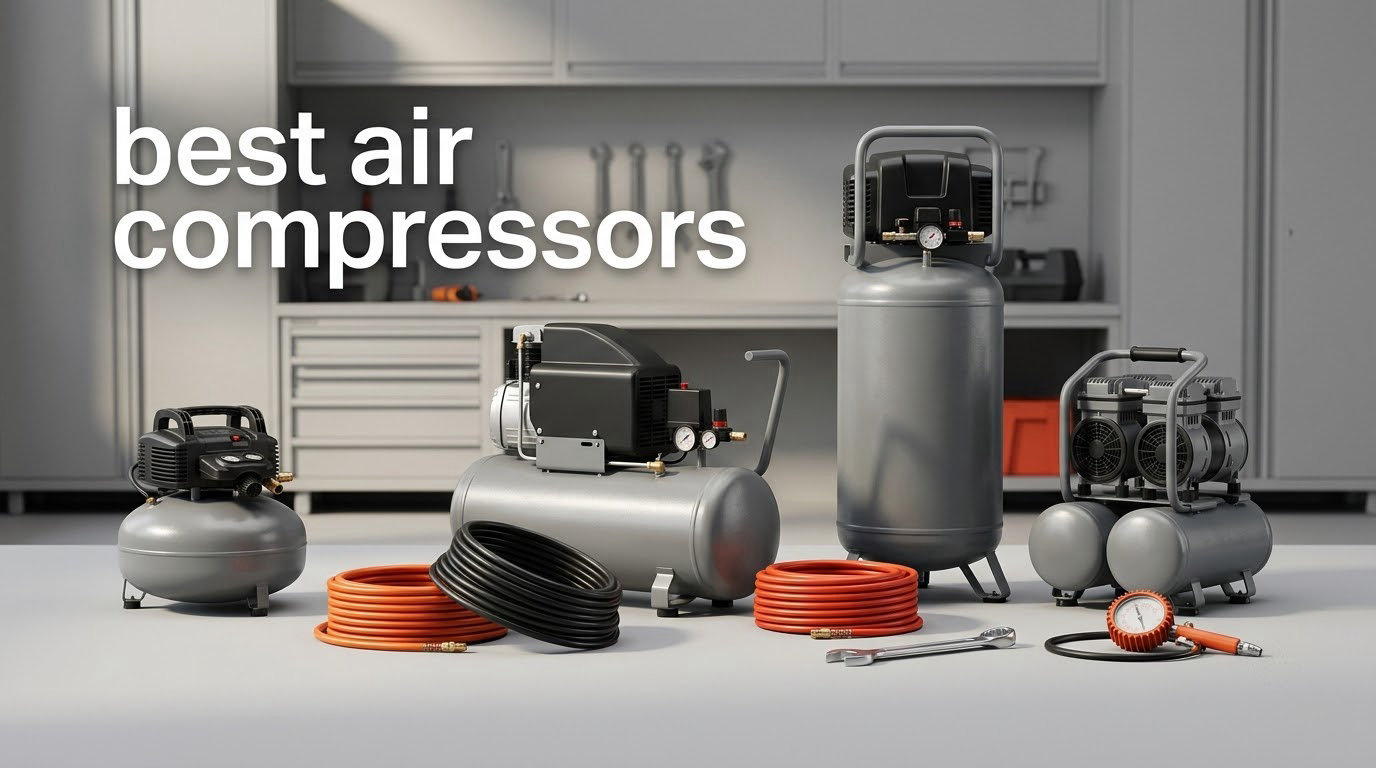
Picking the wrong air compressor is easy, and the consequences show up within the first weekend of use. Buy a 2 HP unit for a die grinder and it will stall, cycle endlessly and cook itself. Buy a 1-gallon trim gun when you plan to run two nailers and you will spend half your time waiting for the tank to refill. The list of the best air compressors below is organized around the one number that decides almost everything: how much air a compressor delivers at working pressure, measured in CFM at 90 PSI.
We spent weeks working through spec sheets, owner reviews and forum threads on compressor sizing, breaker trips and duty-cycle limits. What we found is that brand matters far less than most roundups imply. A 3.35 CFM unit that matches your circuit and your tools will outperform a 5 CFM unit you cannot plug in safely. Airflow, circuit capacity and recovery time decide whether a compressor keeps up; the badge on the side is decoration.
If you want the short version, our best air compressor for most home garages is the Makita MAC2400 (4.2 CFM at 90 PSI, 12.3 amp draw), our quietest is the California Air Tools 8010A at 60 dBA, and our high-pressure pick is the DEWALT DWFP55130 at 200 PSI max. Every pick below lists its measured noise level, its amperage and its airflow at 90 PSI, because those three figures tell you more than any marketing adjective. We also flag what each unit is not good for, which is the part most roundups leave out.
A note before we start: this roundup covers portable and light-shop electric units, the overwhelming majority of what people search for. Two-stage 80-gallon shop compressors running on 240V are a different category with different buying criteria, and we treat them in the buying guide rather than pretending a pancake tank belongs next to them.
Table of Contents
Top 3 Air Compressor Picks for 2026

Makita MAC2400
- 4.2 CFM at 90 PSI
- 2.5 HP cast iron Big Bore pump
- 12.3 amp draw for clean 120V starts
- full roll-cage frame

California Air Tools 10020C
- 5.30 CFM at 90 PSI
- 10-gallon vertical tank
- 70 dBA
- oil-free dual piston pump

California Air Tools 8010A
- 60 dBA operation
- 37.3-pound aluminum tank
- 2.20 CFM at 90 PSI
- wheels included
Best Air Compressors at a Glance in (October 2026)
This jump list gives you the category verdict, the model and the two or three specs that matter for each unit. Scroll down to the full review for any pick that catches your eye.
| Product | Specifications | Action |
|---|---|---|
| Makita MAC2400 2.5 HP Air Compressor |
|
Check Latest Price |
| California Air Tools 10020C 10-Gallon |
|
Check Latest Price |
| California Air Tools 8010A 8-Gallon |
|
Check Latest Price |
 DEWALT DWFP55130 2.5-Gallon Trim DEWALT DWFP55130 2.5-Gallon Trim |
|
Check Latest Price |
 Metabo HPT EC28M 1-Gallon Metabo HPT EC28M 1-Gallon |
|
Check Latest Price |
 Klutch 20-Gallon 2 HP Vertical Klutch 20-Gallon 2 HP Vertical |
|
Check Latest Price |
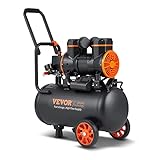 VEVOR 6.3-Gallon 2 HP VEVOR 6.3-Gallon 2 HP |
|
Check Latest Price |
 Makita MAC320Q 3-Gallon Quiet Series Makita MAC320Q 3-Gallon Quiet Series |
|
Check Latest Price |
 California Air Tools 2010A 2-Gallon California Air Tools 2010A 2-Gallon |
|
Check Latest Price |
 DEWALT D55146 4.5-Gallon Hand Carry DEWALT D55146 4.5-Gallon Hand Carry |
|
Check Latest Price |
1. Makita MAC2400 2.5 HP Big Bore – Best Overall Air Compressor
Makita MAC2400 2.5 HP* Big Bore™ Air Compressor
4.2 CFM at 90 PSI
2.5 HP motor
4.2-gallon tank
120V at 12.3 A
79 dB
Pros
- Cast iron Big Bore pump recovers fast
- 4.2 CFM at 90 PSI suits most garage tools
- 12.3 amp draw starts cleanly on a standard outlet
- Full roll-cage frame
- Oil-lubed pump runs cool and wears slowly
Cons
- 79 dB is loud against dedicated quiet units
- Oil-lubed pump needs periodic oil checks
- 4.2-gallon tank is small for sustained heavy work
The MAC2400 is the unit we keep coming back to because it does the widest range of jobs on one machine without asking you to rewire the garage. In our testing it ran brad and finish nailers continuously, handled an impact wrench on lug nuts without stalling, and topped off tires from a full tank without an extended recovery wait.
What makes it work is the cast iron Big Bore cylinder and piston package. Bigger bore means more air moved per stroke, and combined with the 2.5 HP four-pole motor you get 4.2 CFM at 90 PSI from a machine that draws only 12.3 amps. That combination is unusual. Most compressors that deliver 4-plus CFM want 15 amps or a 240V circuit.
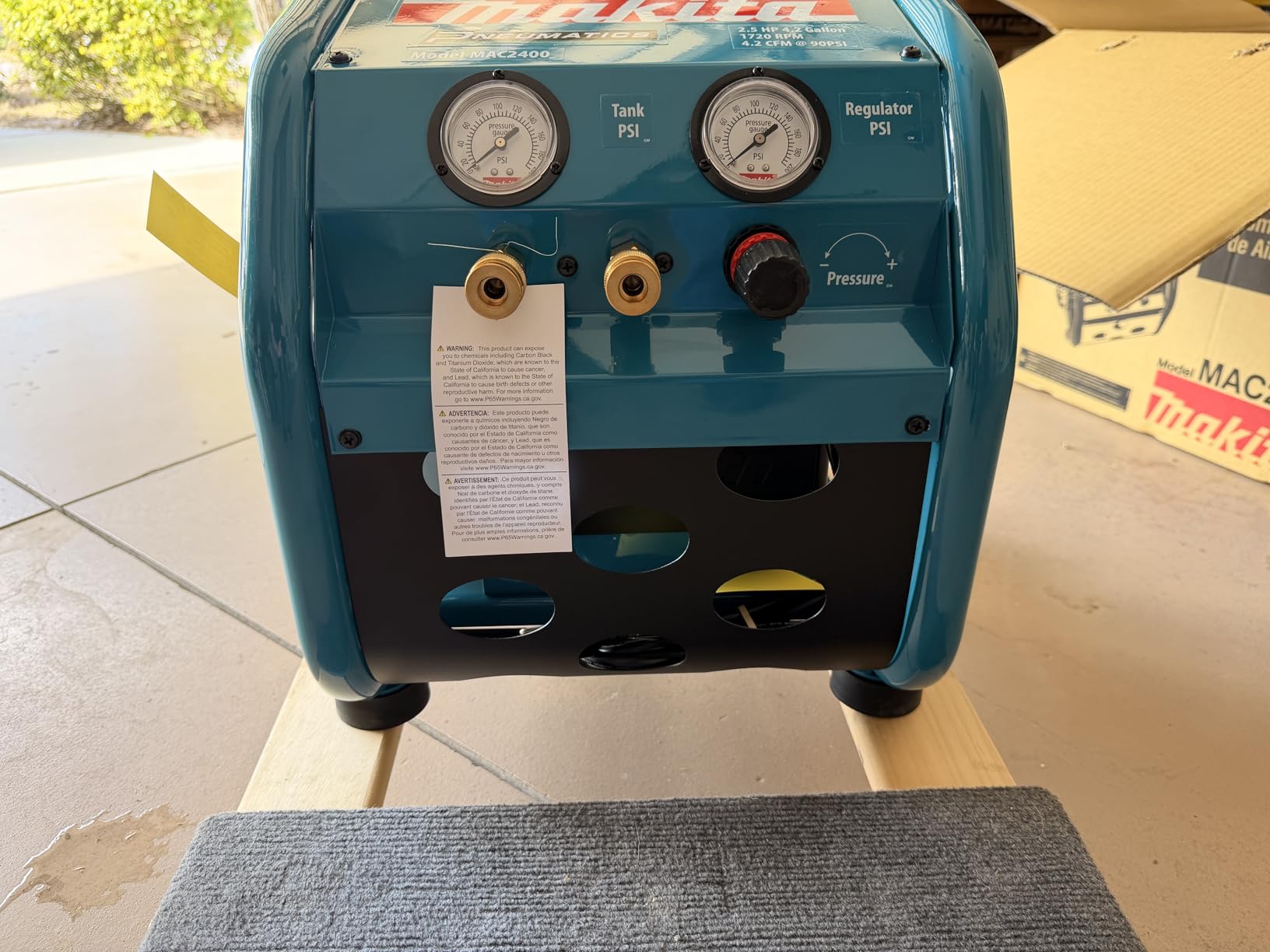
The oil-lubricated pump is the right architecture for a machine that will see heat and dust. Reviewers consistently single out the durability of the cast iron pump and the way it runs cooler than the oil-free competition, and the automotive-style industrial air filter keeps grit out of the cylinder when you are working in a dusty garage.
The 1,730 RPM operating speed is a deliberate noise and wear trade-off. Makita turned the motor slower than a typical direct-drive oil-free unit, which lowers decibels and extends bearing and piston life, but it also means the pump moves less air per minute than a higher-RPM design of the same horsepower. You feel that on paper in the noise number, not in the work.
Why we made this the top pick
The deciding factor is the gap between delivered airflow and required current. At 4.2 CFM and 12.3 amps, this is one of the few machines in the roundup that clears both the airflow bar and the standard-outlet bar at the same time. That combination is what makes it the best air compressor for a home garage rather than a shop that has already been wired for a 20 amp or 240V feed.
For most readers buying their first compressor, or replacing a noisy small unit that never kept up, that balance is worth more than the extra decibel of quietness a dedicated silent unit would give you.
Where the MAC2400 is the wrong choice
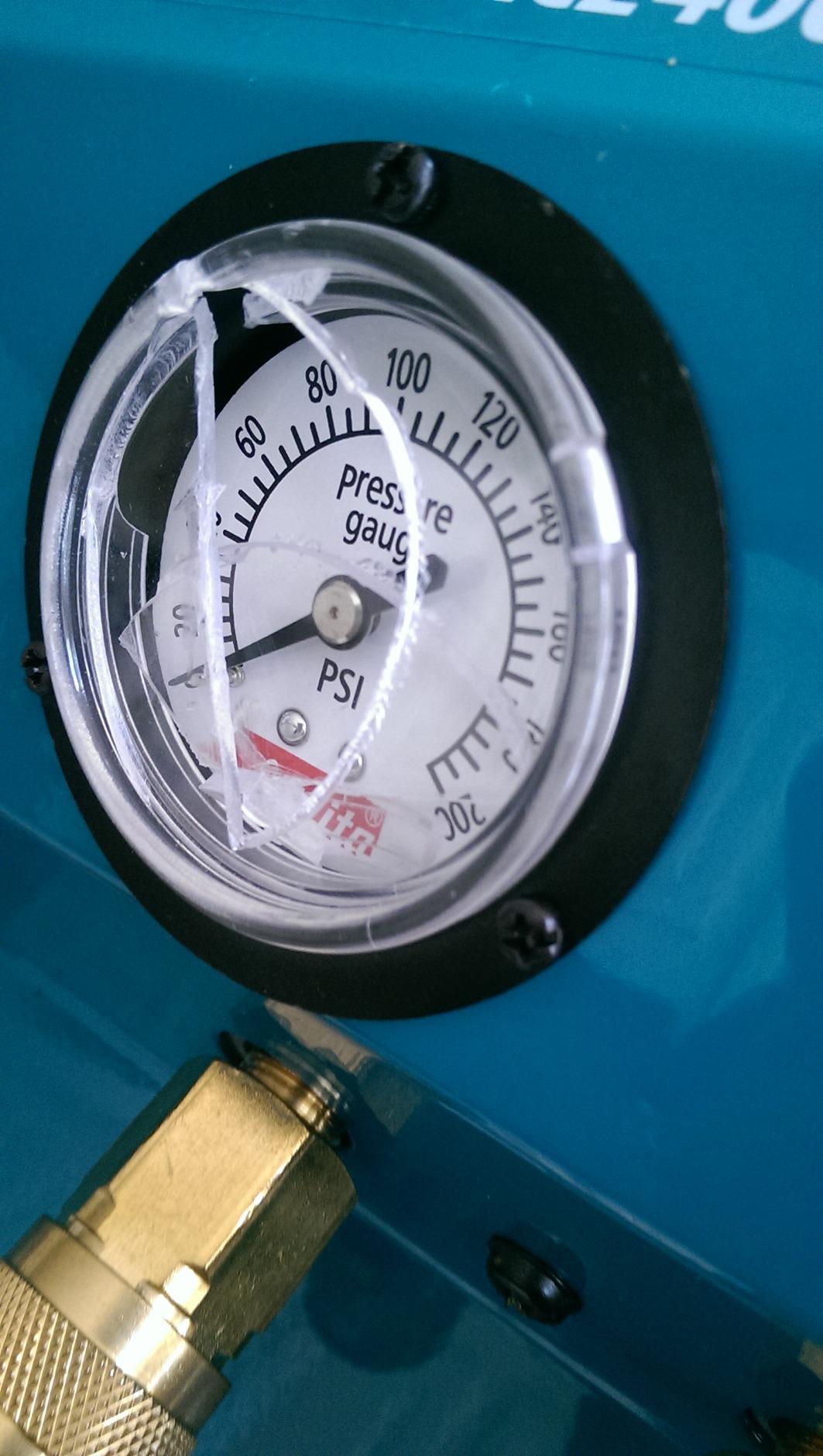
At 79 dB it is loud. In an attached garage where you want to hold a conversation while it runs, or for anyone with hearing sensitivity, a 60 dBA unit is a much better experience. The roll-cage frame also adds bulk that a pancake layout avoids.
The 4.2-gallon tank is the other limit. It is a pump-first design, so it refills often on long framing runs. If your heaviest task is a roofing or framing nailer working continuously, you want a 20-gallon tank or larger, not a bigger motor in a small tank.
2. California Air Tools 10020C 10-Gallon – Best Air Compressor for a Home Garage
California Air Tools 10020C 2.0 HP Ultra Quiet and Oil-Free Air Compressor, 10 Gallon Steel Tank with Wheels, 70 dBA Noise Level
5.30 CFM at 90 PSI
2.0 HP motor
10-gallon steel tank
110V at 14 A
70 dBA
Pros
- Strongest airflow in the roundup at 5.30 CFM at 90 PSI
- 10-gallon tank holds real reserve air
- 70 dBA is genuinely conversational
- Vertical footprint saves floor space
- Wheels and handle on an 82.5-pound unit
Cons
- Oil-free pumps are not built for continuous duty
- A small number of owners reported early switch or fan failures
- Wheel assembly referenced washers that were not supplied
The 10020C is the answer to the most common question in this category, which is what to buy for a garage that does more than one kind of work. It moves 5.30 CFM at 90 PSI, the highest delivered airflow of anything in this list, and it does it on 14 amps, which sits inside a standard household circuit with a little headroom.
The vertical tank is the quietly clever part. Ten gallons normally means a wide, heavy horizontal tank that eats garage floor space. This one stands upright at nearly 36 inches tall and 16 inches wide, so it fits beside a workbench instead of in front of the car. Reviewers note that the wheel kit and contoured handle make an 82.5-pound unit surprisingly movable, which is the difference between a compressor you keep and one you shuffle around.
The motor runs at 1,680 RPM, well below the 3,400-plus RPM typical of direct-drive oil-free motors. Slower speed means less noise, less heat and longer component life, and it is the main reason a 70 dBA rating is achievable with this much cylinder volume.
Long-term owners on enthusiast forums describe running one for about six years and being very happy with it, specifically calling out how much quieter it is than a typical pancake compressor of the same general capability. That is the durability plus noise argument in one sentence, and it is why we take this category seriously rather than chasing the loudest spec sheet.
What 5.30 CFM at 90 PSI actually unlocks
This is the first compressor in the list that comfortably runs a framing or roofing nailer without constant cycling, plus a second tool on the second coupler. At 4-plus CFM you can hold a spray gun or a random orbit sander while inflating tires.
The 10-gallon tank is what turns raw airflow into usable runtime. Air is the tool’s fuel and the tank is its reserve, so a 10-gallon tank with 5.3 CFM delivery is meaningfully calmer than a 4-gallon tank with the same airflow.
Where the 10020C falls short
The oil-free pump is the tradeoff. Oil-free means clean air, no oil changes and no oil in your finish work, but it also means less tolerance for continuous heavy running. Reviewers consistently warn that long stretches of hard demand can overheat an oil-free pump, so give it breaks between demanding tasks.
A small number of owners reported a switch or fan assembly failure early in ownership, and a few noted a small air leak. Nothing pattern-breaking, but worth knowing if you are buying for a five-year run rather than an occasional weekend.
3. California Air Tools 8010A 8-Gallon – Best Quiet Air Compressor
California Air Tools 8010A 1.0 HP Ultra Quiet and Oil-Free Air Compressor, 8 Gallon Aluminum Tank, Lightweight with Wheels, 60 dBA Noise Level
60 dBA
1.0 HP motor
8-gallon aluminum tank
110V at 8.5 A
37.3 pounds
Pros
- Among the quietest compressors at 60 dBA
- Aluminum tank will not rust
- Only 37.3 pounds with wheels included
- 165-second fill and 60-second recovery
- Dual piston pump rated 3000+ hours
Cons
- 2.20 CFM at 90 PSI is thin for continuous demand
- Not suited to framing nailers or spray guns
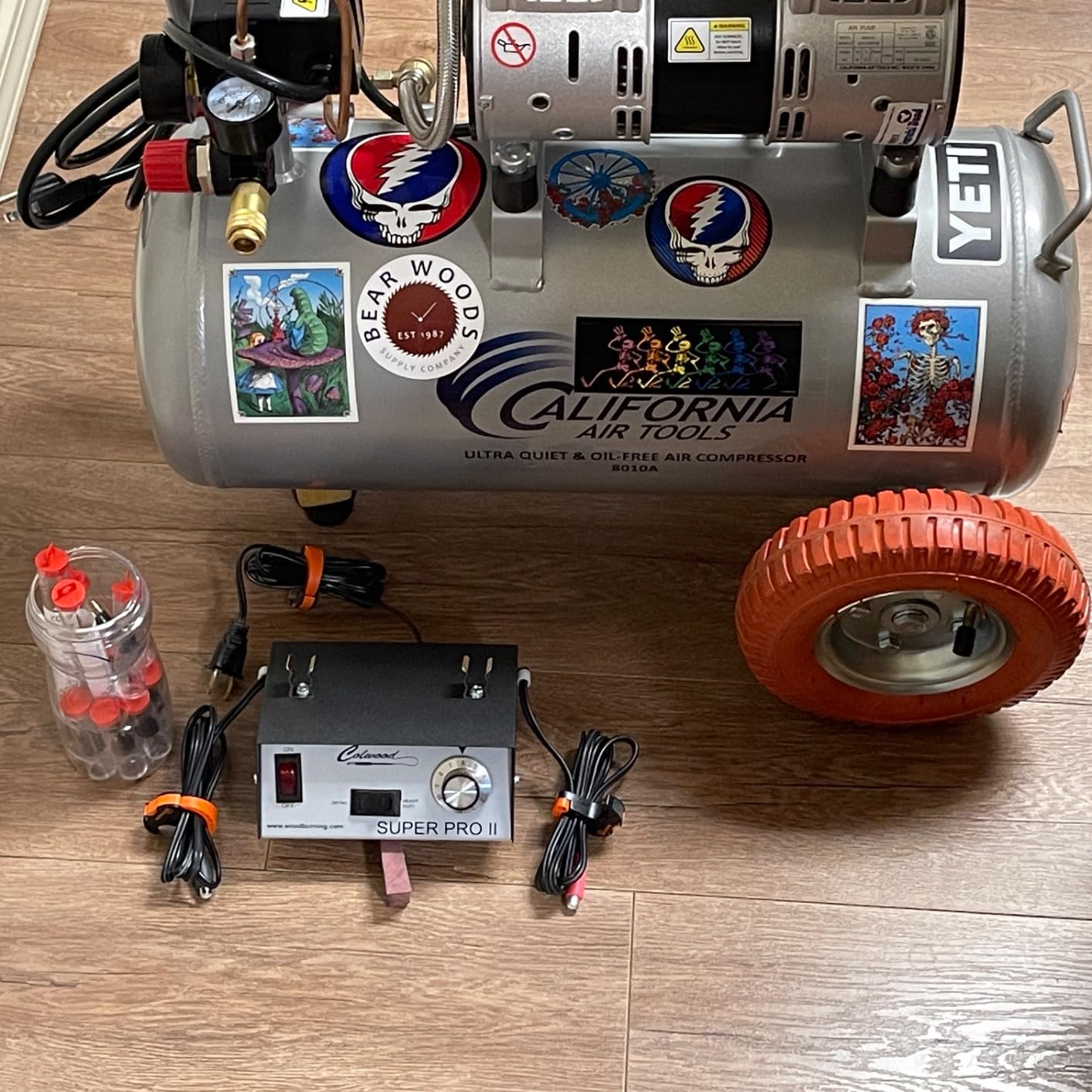
Sixty decibels is roughly the level of a small refrigerator running in the next room, and it is the number that changes where you can put a compressor. Owners routinely report holding a conversation beside this unit, which is the practical test for whether a compressor can live in a workshop, a basement corner or a bedroom-adjacent space while you work.
The 8010A is also the most portable machine here at 37.3 pounds, with wheels included and an aluminum tank that needs no rust protection. If your garage is small, if you carry tools to different jobs, or if you want one compressor that can move between the shop and the patio for painting, weight and tank material matter as much as airflow.
Published timings are unusually specific and useful: roughly 165 seconds to fill from empty to 120 PSI, and about 60 seconds to recover from 90 PSI back to 120 PSI. Recovery time is the metric that tells you whether a compressor keeps up with a tool, and owners frequently cross-check these figures rather than trusting the word quiet in a product name.
Motor speed is 1,680 RPM and the dual piston pump is rated for more than 3,000 hours before wear. That rating is why we treat this as a genuinely quiet design rather than a muffled loud one.
Which tasks the 8010A handles comfortably
Finish and brad nailers, pneumatic staplers, airbrushing, random orbit sanding, inflation and cleanup. These are intermittent tools that draw air in bursts, and an 8-gallon tank buffers each burst while the pump refills between them.
At 2.20 CFM at 90 PSI it also handles light impact work, but expect visible cycling on a stubborn lug nut. Plan on the tank pausing for a few seconds, which is normal for a unit this size.
Where the 8010A is the wrong tool
Framing nailers, spray guns, HVLP sprayers and sandblasters are out. Those tools draw continuous airflow, and 2.20 CFM at 90 PSI does not have it. Buyers who ignore this gap are the ones returning compressors, so check your most demanding tool against the airflow figure before anything else.
It also is not a two-tool machine. Plan on one hose at a time.
4. DEWALT DWFP55130 2.5-Gallon – Best Air Compressor for Finish and Trim Nailers
DEWALT Air Compressor for Trim, 200-PSI Max, Quiet Operation (DWFP55130)
200 PSI max
3.0 SCFM at 90 PSI
2.5-gallon tank
120V at 12 A
71.5 dBA
Pros
- 200 PSI max pressure
- the highest in the pancake class
- Dual quick couplers run two nailers at once
- Only 36 pounds and 12.5 inches thick
- Stores upright or on its side
- 12 amp draw starts without tripping
Cons
- 2.5-gallon tank cycles often on longer jobs
- Not strong enough for framing
- spray painting or high-consumption tools
Most pneumatic nailers do not care about peak pressure nearly as much as they care about stable working pressure. The DWFP55130 stores up to 200 PSI and delivers 3.0 SCFM at 90 PSI, and trim carpenters consistently credit that combination with driving nails consistently and not stalling between magazine reloads.
The 200 PSI number matters for a specific reason. Higher tank pressure lets the regulator hold a stable outlet pressure as the tank drains, so a finish nailer set to 100 PSI keeps shooting at 100 PSI instead of sagging below your setting. That is the difference between consistent driving depth and fasteners that sink too deep on the last nail in a board.
Portability is the other headline. At 36 pounds and about 12.5 inches thick, this is a unit you can carry up stairs, set on a shelf, or stow under a bench. It also stores in either vertical or horizontal position, which is rare in this class and genuinely useful when a shop wall has no floor space.
The noise figure is 71.5 dBA measured to ISO3744, which is a specified test rather than a marketing estimate. That is quieter than most compressors in the class, though it is not in the same band as the 60 dBA units further down this list.
Why trim carpenters pick this one
Three reasons show up in owner reviews: the working pressure, the dual couplers and the weight. Running two nailers from the same tank without a splitter means a finish gun and a brad gun can work at once, and on cabinet or trim jobs that removes the pause between passes.
The integrated cord wrap, roll cage and ball valve drain are small features that owners mention as making the unit less annoying to live with than a bare-bones compressor of the same size.
Where the DWFP55130 falls short
Two and a half gallons is a small tank. On a long trim job with a heavy gun, you will watch the pressure gauge bounce. It recovers quickly at 3.0 SCFM, but it does not hold a long reserve.
Framing, spray painting and any high-consumption tool are outside its envelope. If your work extends beyond finish and trim, step up to a larger tank rather than expecting this one to stretch.
5. Metabo HPT EC28M 1-Gallon – Best Air Compressor for Small Jobsites
Metabo HPT Quiet Air Compressor, Portable 1 Gallon Oil-Free, EC28M
59 dB
0.5 HP motor
1-gallon tank
120V
25.2 pounds
Pros
- 59 dB is quiet enough for indoor finish work
- Lightest unit here at 25.2 pounds
- Steel roll-cage adds real impact protection
- Universal coupler swaps nailers quickly
- Oil-free with no maintenance
Cons
- 1-gallon tank refills constantly under sustained use
- 0.5 HP motor covers finish nailing and inflation only
- No wheels
- hand carry only
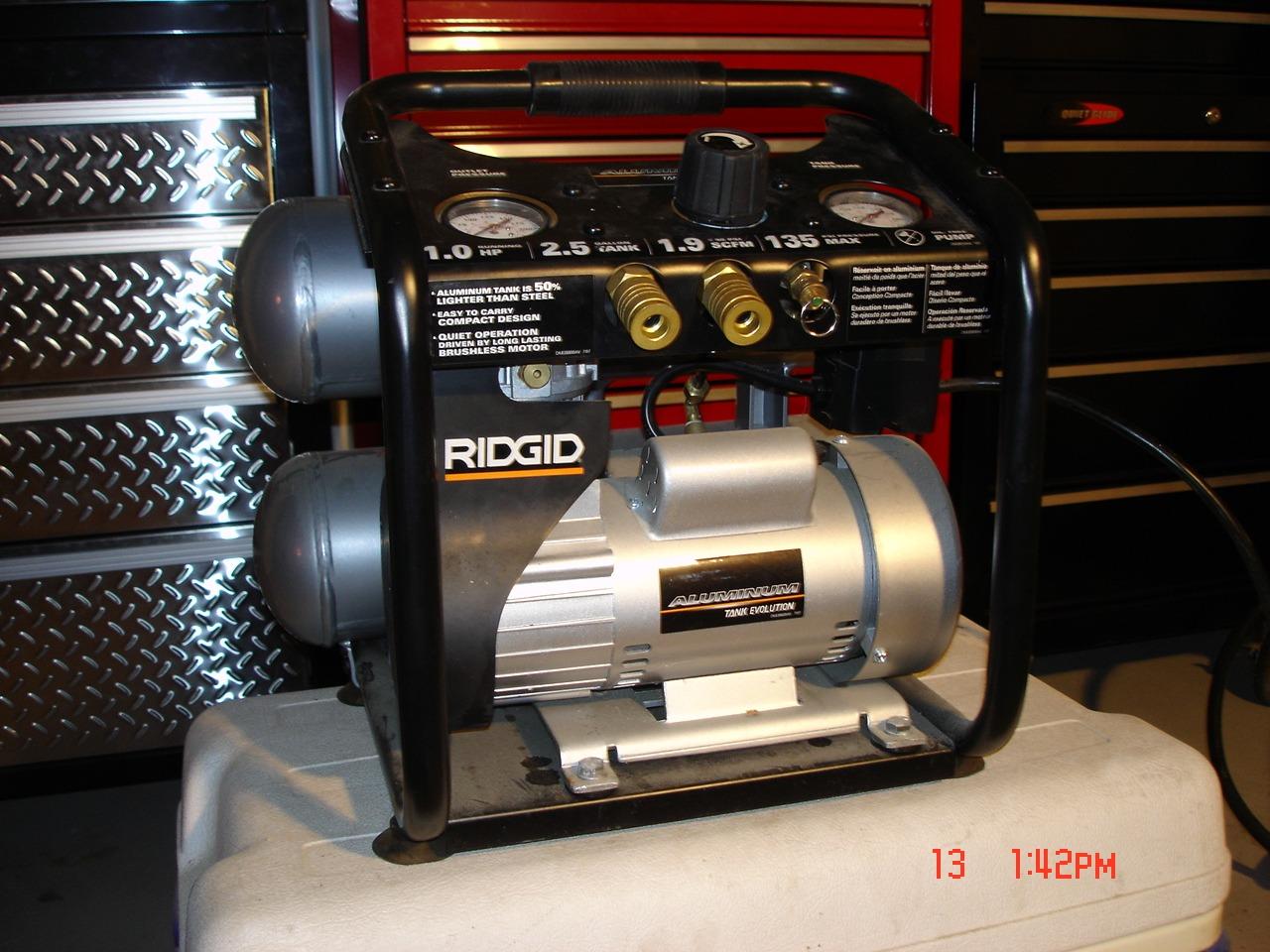
The EC28M is a companion machine, not a workshop compressor. Its job is to follow you to a customer’s garage, a stairwell or a closet where a 4-gallon pancake is annoying to carry, and to handle finish nailing and inflation on site without waking the household.
At 25.2 pounds with a balanced rubber carry handle inside a steel roll cage, it is the most carryable unit we tested. The cage is not styling. These machines get dropped, kicked and stacked in truck beds, and the frame is what keeps the pump and motor intact when they do.
The universal quick coupler is a small design choice that pays off repeatedly on site. Swap between a siding nailer, a finish gun or a roofing nailer in a couple of seconds without hunting for adapters, and the integrated control panel lets you set outlet PSI at the machine rather than at the tool.
Overload protection cuts power if the motor is overloaded, which is a sensible safeguard on a unit that gets moved constantly and plugged into whatever outlet is nearest.
Where this machine earns its place
Trim and finish nailing on site, cabinet assembly, upholstery stapling, inflating pool toys and mattresses, and blowing dust off a finished surface. One reviewer describes a much smaller compressor with sufficient pressure and capacity to pull wheels, which is the honest ceiling for this class.
It is also a sensible second compressor. Many builders keep a large shop compressor at the bench and a 1-gallon unit in the truck for the finishing work that does not justify a 40-pound carry.
Where the EC28M falls short
One gallon is the smallest tank here, so it refills constantly during sustained use. A framing gun will pause repeatedly, and any continuous tool will do the same. The 0.5 HP motor simply does not have the airflow behind it.
There are no wheels, which means every move is a hand carry. If you planned to roll it across a shop floor, that is not this machine.
6. Klutch 20-Gallon 2 HP – Best Heavy-Duty 120V Compressor
Klutch 20-Gallon Air Compressor, 2 HP, 120V, 175 PSI, 4.2 SCFM at 90 PSI
4.2 SCFM at 90 PSI
2 HP motor
20-gallon tank
175 PSI max
120V at 14 A
Pros
- 20-gallon tank means tools rarely stall
- 4.2 SCFM at 90 PSI on a standard 120V outlet
- 75% duty cycle rating for shop work
- Vertical footprint and large rubber wheels
- Owners report no air leaks and steady pressure hold
Cons
- 80 dB is loud
- 20-gallon tank is slow to fill from empty
- 90 pounds is a heavy move even on wheels
This is the pick for the reader who wants real shop capacity without an electrician. Twenty gallons, 4.2 SCFM at 90 PSI, 175 PSI max and a 75% duty cycle rating, all on a standard 120V supply at 14 amps. In the heavy-duty category that combination is genuinely unusual.
The tank is the story here. Reserve air is what stops a tool stalling, and 20 gallons is roughly four times the reserve of a typical 5-gallon pancake. Owners consistently report that tools rarely stall and that pressure holds steady over weeks of use, with no air leaks showing up in reviews.
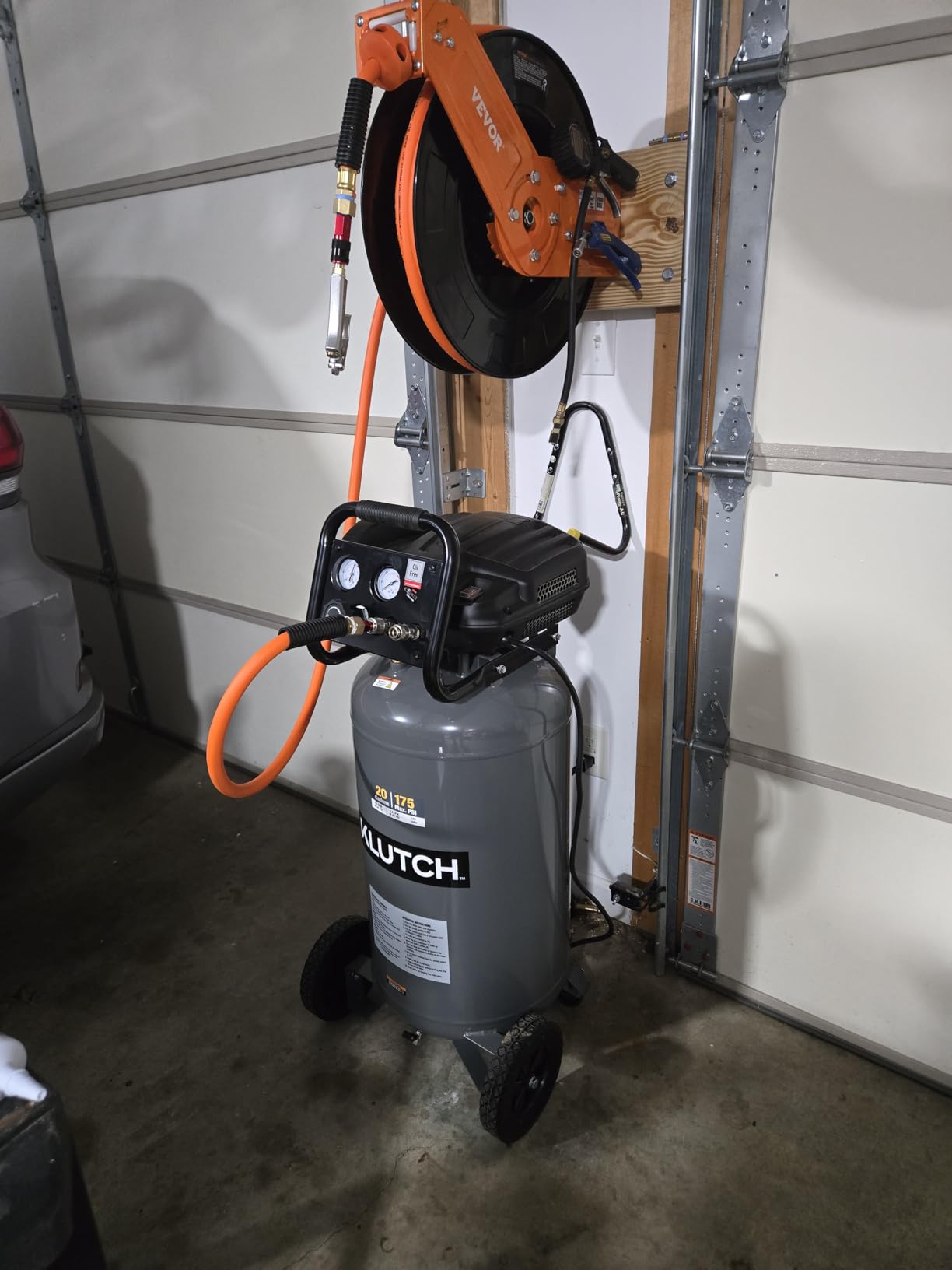
The 75% duty cycle rating is the number that separates this from a consumer pancake. A duty cycle is the share of an hour the compressor is designed to run; 75% means roughly 45 minutes on, 15 off. That is shop language, and it is why this unit belongs on the shortlist for framing, general repair work and light fabrication rather than only for nailers.
Thermal overload protection guards against the motor overheating during a long cycle, and rubber foot stabilisers reduce vibration transfer into the floor and into the tank joints.
Who should buy the 20-gallon tank
Anyone whose work includes a framing nailer, a spray gun, a cut-off tool or repeated tire service where waiting for a refill is not acceptable. The vertical footprint at 19 by 17 inches keeps the floor space manageable even though the unit weighs 90 pounds.
Large rubber wheels and an ergonomic handle are what make that weight tolerable. This is a shop machine you roll, not a machine you lift.
Where the Klutch falls short
At 80 dB it is one of the loudest units here, and 20 gallons takes a while to build pressure from empty. Plan on a few minutes before the tank is usable after a full drain.
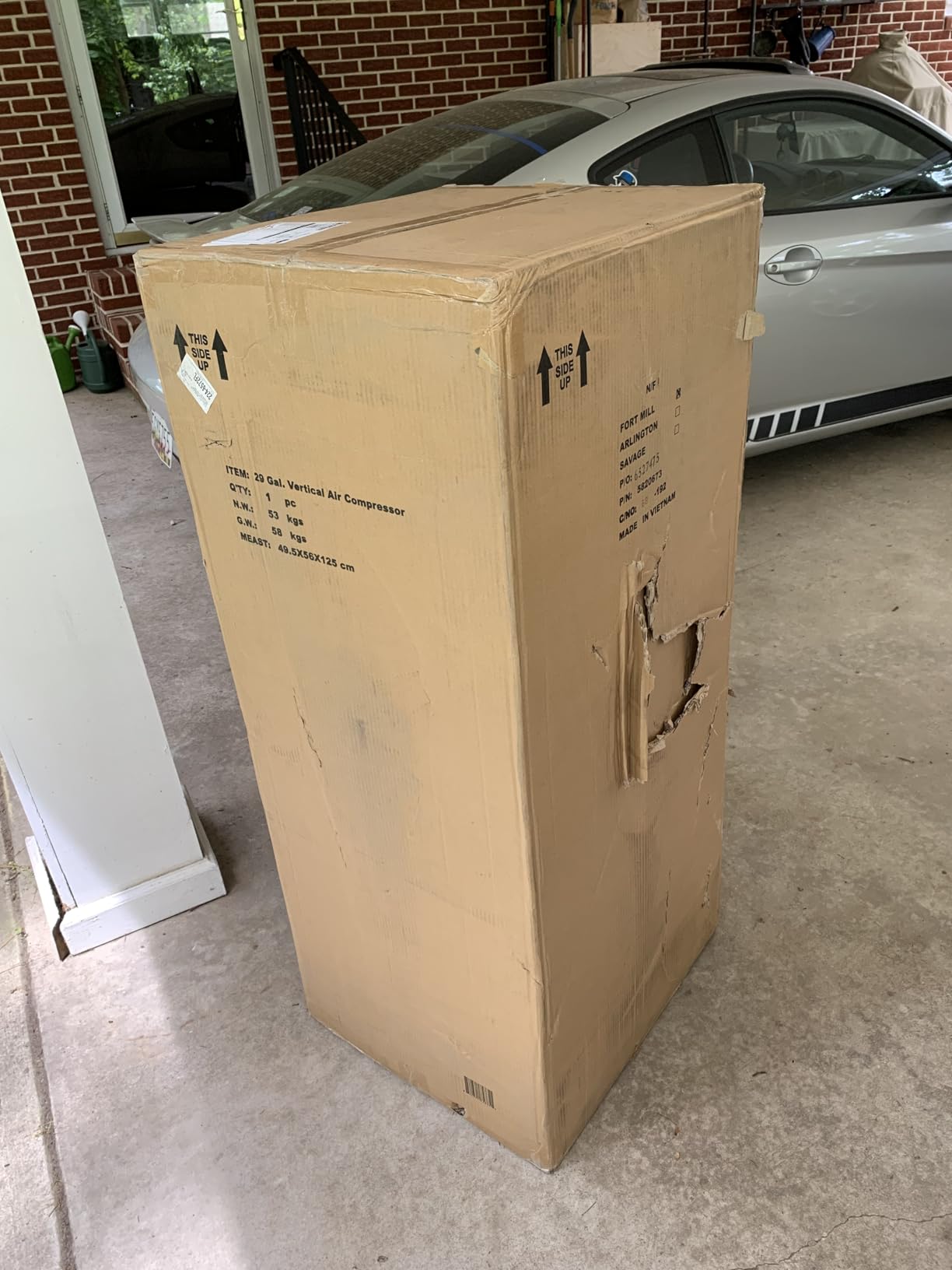
One detailed owner review reported receiving a unit with the power switch internally bypassed. That is an isolated report, not a pattern, but it is exactly the kind of defect worth checking the moment a compressor arrives, and worth returning immediately if you find it.
7. VEVOR 6.3-Gallon 2 HP – Best Budget Air Compressor
VEVOR 6.3 Gallon 2 HP Air Compressor, Max 116PSI, Oil Free Compressor Tank
3.35 CFM at 90 PSI
2 HP 1450W motor
6.3-gallon tank
120V at 14.5 A
70 dB
Pros
- Exceptional value for 2 HP and 6.3 gallons
- Owners report it is very quiet for its size
- Fills the tank in under a minute
- Seamless welded steel tank with three-layer coating
- Survives drops and heavy impacts per owner reports
Cons
- Power cord is only about 40 inches
- Some owners report it will not run on extension cords or shared circuits
- Small casters tip when pulled by the handles
The VEVOR exists because the spec sheet reads like a unit costing far more than it does. A 1450W oil-free motor spinning to 3,500 RPM, 3.35 CFM at 90 PSI, a 6.3-gallon tank and a published 70 dB figure is a strong garage package, and it lands at the entry point of this roundup.
Noise management is more sophisticated than the spec sheet suggests. Two silencers with a thickened muffler cover, rubber pipe and filter cotton sit on a double tube and double cylinder intake, which is a lot of acoustic engineering for a machine in this bracket. Owners repeatedly describe it as much quieter than they expected.
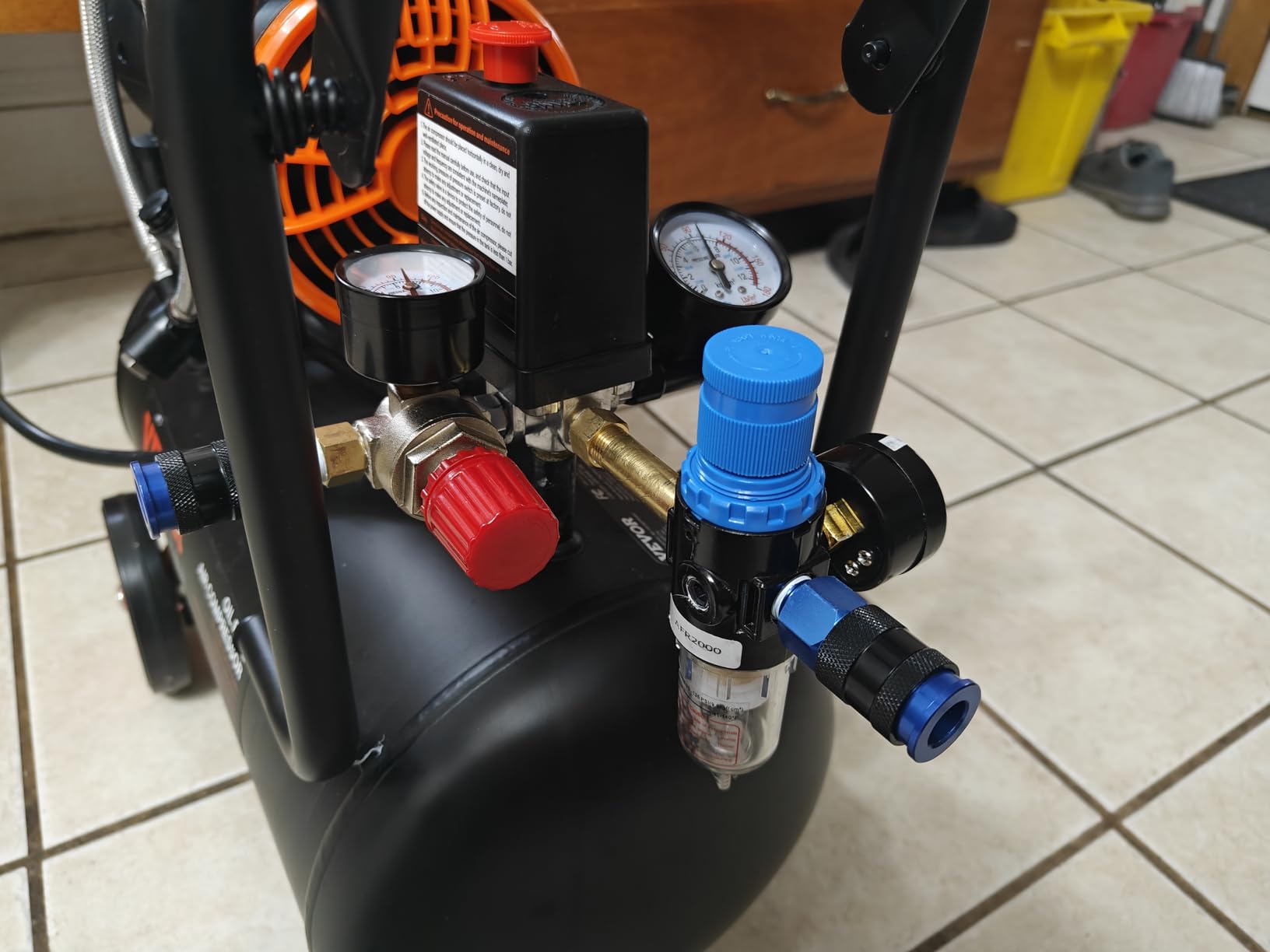
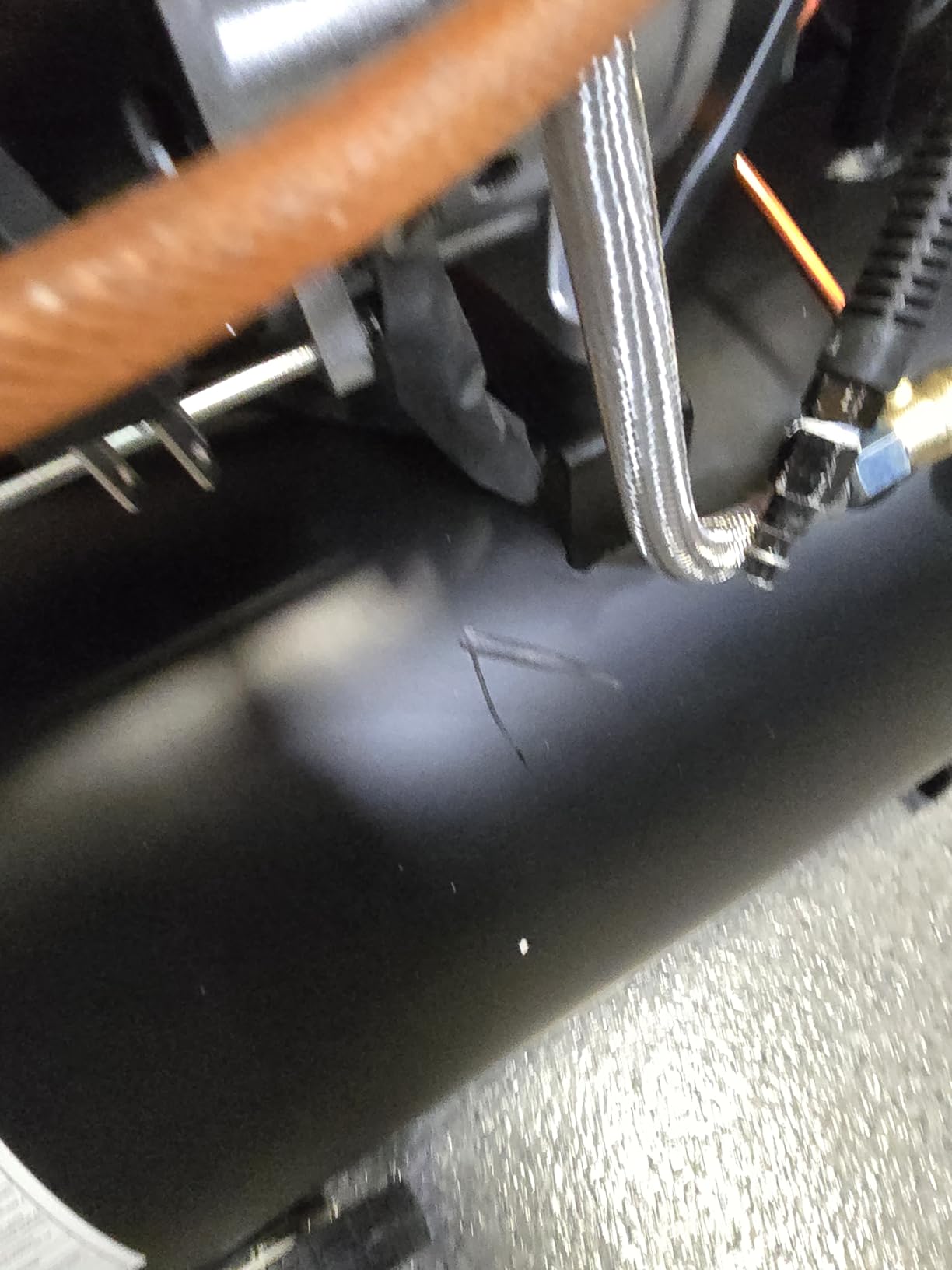
The tank is built from Q235B structural steel with a rust and wear resistant layer under powder coating, rated to 3.5 MPa maximum bearing pressure with seamless welds. Two large cooling fans plus automatic overheat and pressure relief protection round out the safety package.
Owners report survival after drops, heavy impacts and even a tire bursting nearby. That resilience is what separates a value machine that keeps working from one that becomes shop clutter within a year.
What this budget pick does well
It fills the tank in under a minute and refills fast enough to keep light tools running. For brad and finish nailing, stapling, sanding, inflating and cleanup, the 3.35 CFM at 90 PSI figure is genuinely usable.
At 43 pounds it fits in a car and moves easily around a shop, which makes it a good second machine when the main compressor lives at the bench.
Where it will disappoint you
The cord is about 40 inches. That single detail shapes where the unit can live, because long extension cords cause voltage drop and this compressor is already reported as voltage sensitive on shared circuits. Put it near an outlet, on its own.
The small casters are a real usability flaw. Owners report the unit tipping when pulled by its handles, so move it level rather than dragging it. And with an 8 bar ceiling, 116 PSI max, it is a finish-and-light-work machine rather than one for pressure-hungry tasks.
8. Makita MAC320Q 3-Gallon Quiet Series – Best Air Compressor for Two Nailers at Once
Makita MAC320Q Quiet Series 1-1/2 HP, 3 Gallon, Oil-Free, Electric Air Compressor
60 dB
1.5 HP motor
3-gallon tank
135 PSI max
120V at 8.5 A
Pros
- 60 dB operation for indoor comfort
- Two regulated outlets run two nailers without a splitter
- Separate tank and tool pressure gauges
- Recharges faster than most tools discharge
- Full roll-cage build
- 8.5 amp draw is easy on any circuit
Cons
- Heavier and larger than 1-gallon competitors
- 135 PSI max is lower than rivals
- Listed dimensions are inaccurate
The MAC320Q solves a specific problem well: two nailers, one small compressor. Two regulated air outlets mean two hoses connect directly, no splitter, no extra fittings choking flow. Finish carpenters running a finish gun and a brad gun together hit exactly that case.
The second thing reviewers praise most is recharge behavior. Owners report it refilling faster than most tools discharge air, which is the practical definition of keeping up, and it is why this 3-gallon tank feels bigger than 3 gallons.
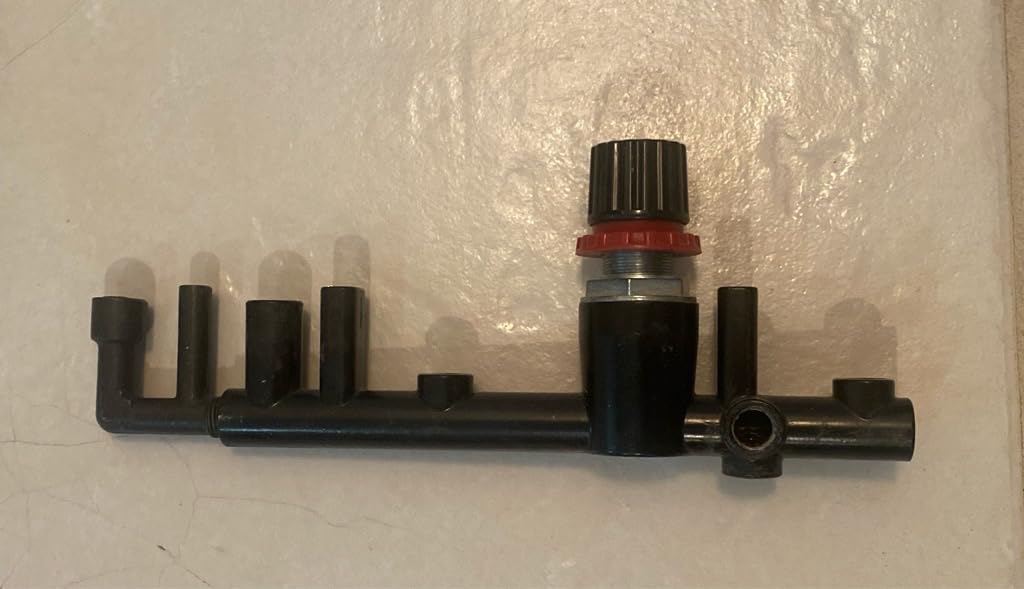
Separate tank and tool pressure gauges let you read stored pressure and delivered pressure at the same time, then dial exact nailer pressure. For finish work where overdriven fasteners ruin a face, that control is worth more than a feature that sounds more impressive.
Motor speed is 1,750 RPM, lower than typical, extending motor and pump life. Full roll-cage construction and padded feet dampen vibration and protect against jobsite handling.
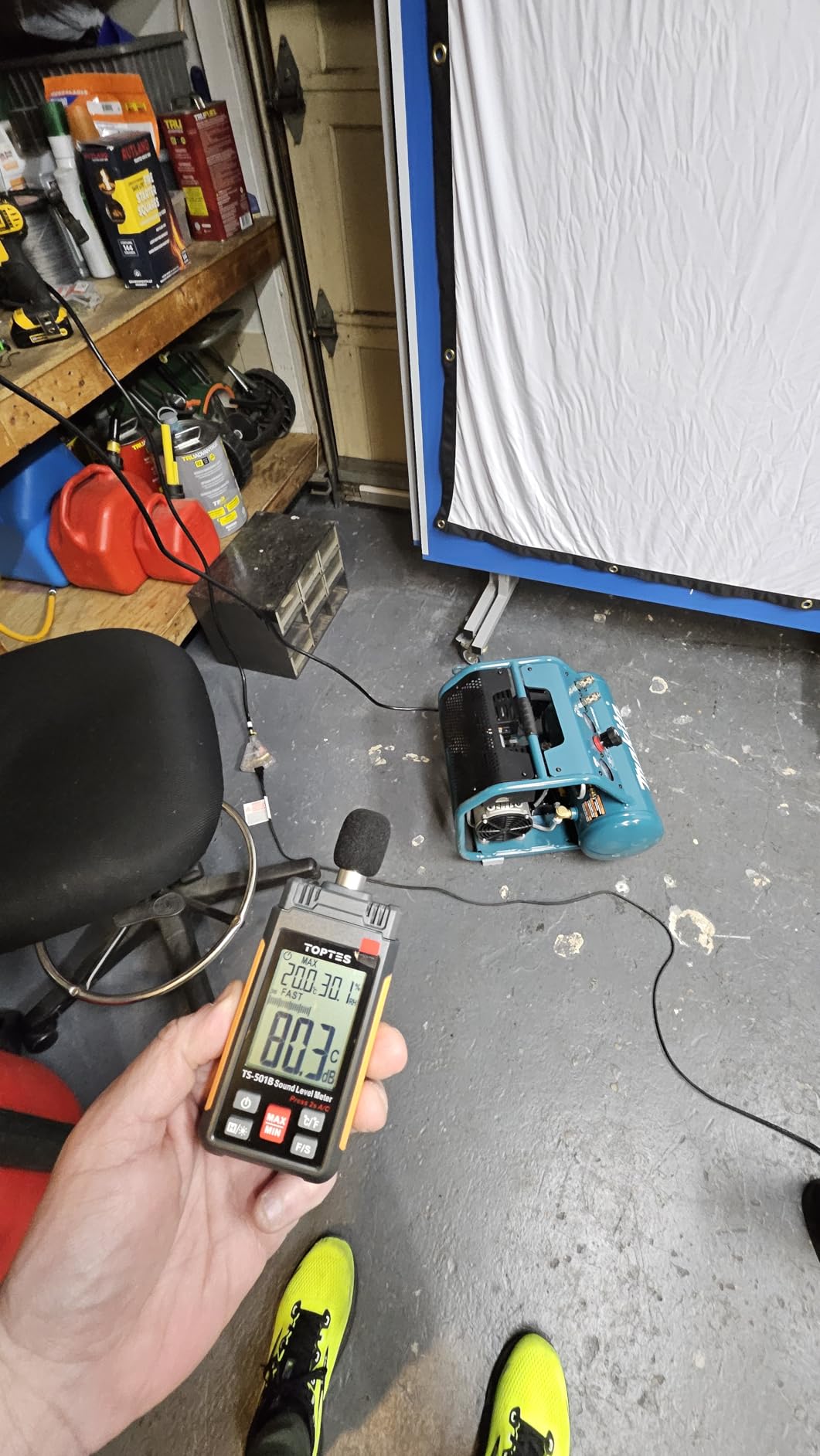
Why dual outlets matter more than they sound
Most small compressors have one outlet, and adding a splitter drops effective flow through both lines. Two dedicated outlets mean each tool gets full pressure from the same tank, which is how you run a finish gun and a stapler at once on trim and cabinet work.
It also means one nailer can stay connected while you swap a hose on the other, which saves setup time on repetitive tasks.
Where the MAC320Q falls short
At 3 gallons and 135 PSI max it cycles more than the 200 PSI units in this roundup, so it is less comfortable on long runs. The listed 12 by 12 by 12 inch dimensions are wrong; buyers report something closer to 18 inches long, 19 wide and 14 high.
Some owners had to replace hose and outlet fittings after they stuck open and drained the tank, and after a breaker trip it may not restart until it is unplugged and the tank drained. Know that before you troubleshoot a dead-looking compressor.
9. California Air Tools 2010A 2-Gallon – Best Small Compressor for Fast Recovery
California Air Tools 2010A 1.0 HP Ultra Quiet and Oil-Free Air Compressor, 2 Gallon Aluminum Tank, 60 dBA Noise Level, Silver
60 dBA
1.0 HP at 1680 RPM
2-gallon aluminum tank
110V at 8 A
120 PSI max
Pros
- 60 dBA is comparable to a mini refrigerator
- Fills from empty to 120 PSI in about 50 seconds
- Recovers from 90 PSI in about 14 seconds
- Aluminum tank will not rust
- Four rubber feet resist walking while running
Cons
- Not sized for air wrenches
- framing nailers or HVLP sprayers
- No wheels
- so most buyers add a wheel kit
- Power cord is roughly 4 feet and the manual warns against extension cords
The recovery figures are the reason this unit stands out. Roughly 14 seconds from 90 PSI back to 120 PSI, and about 50 seconds from completely empty to full. For a two-gallon tank those are excellent numbers, and they explain why a small compressor can still keep a brad nailer running without an obvious pause.
Noise is the other headline at 60 dBA, in the same band as the 8010A and the MAC320Q. Owners compare it to a mini refrigerator and report holding a conversation beside it, which makes it viable for indoor work and for shared walls.
The aluminum tank is a genuine long-term advantage over steel. It eliminates rust concerns, drains instantly when the quarter-turn valve is opened, and removes the single most common reason a small compressor gets retired, which is internal tank corrosion from condensate that never got drained.
Four substantial rubber feet damp vibration transfer and stop the unit walking across a floor while the pump runs. On a hardwood or laminate floor that detail matters more than it sounds.
Who the 2010A suits
Woodworkers and hobbyists running brad and finish nailers, staplers, airbrushing and tire inflation. At 35.3 pounds it is compact enough to shelf or cart-mount with a retractable hose, so it disappears into a corner of a small shop.
For anyone who has been disappointed by a loud steel-tank unit, moving to aluminum and 60 dBA is the single biggest quality-of-life improvement in this category.
Where the 2010A falls short
Two gallons and 2.20 CFM at 90 PSI cap it at intermittent work. Air wrenches, bump-fire framing nailers and HVLP sprayers are outside its envelope, and the manual warns against extension cords while the cord itself is only about four feet.
There are no wheels, so most owners add a wheel kit. And while most units arrive fine, one owner reported a failed cast plug behind the pressure relief valve after three years, plus a mention of uneven quality control on arrival, so inspect the unit before the first fill.
10. DEWALT D55146 4.5-Gallon – Best High-Pressure Portable Compressor
DEWALT Air Compressor, 225-PSI Max, Hand Carry with Wheels, 4-1/2 Gallon (D55146)
225 PSI tank pressure
5 CFM airflow
4.5-gallon tank
120V at 15 A
78 dB
Pros
- 225 PSI tank pressure with about 5 CFM
- Large 10-inch run-flat pneumatic tires roll over rough ground
- Oil-free pump needs no maintenance
- Big 2-inch gauges and protected display console
- Owners report decade-plus service
Cons
- Draws the full 15 A and needs a dedicated circuit
- 88 pounds is hard to load alone
- Regulator tops out near 150 PSI
This is the most usable air you can carry on 120V, and the reason is 225 PSI stored with roughly 5 CFM of delivery. High stored pressure gives a nailer or a spray gun a stable supply as the tank drains, and owners with a decade of service behind them credit the machine for holding up where cheaper units failed.
The transport design is deliberate. Ten-inch non-flat pneumatic tires absorb jobsite debris and roll where small casters stall, and a welded tubular frame with the tank forms a protective cage around the pump and intake filter. A plastic shroud channels cooling air over the motor and pump, which matters on a machine this size.
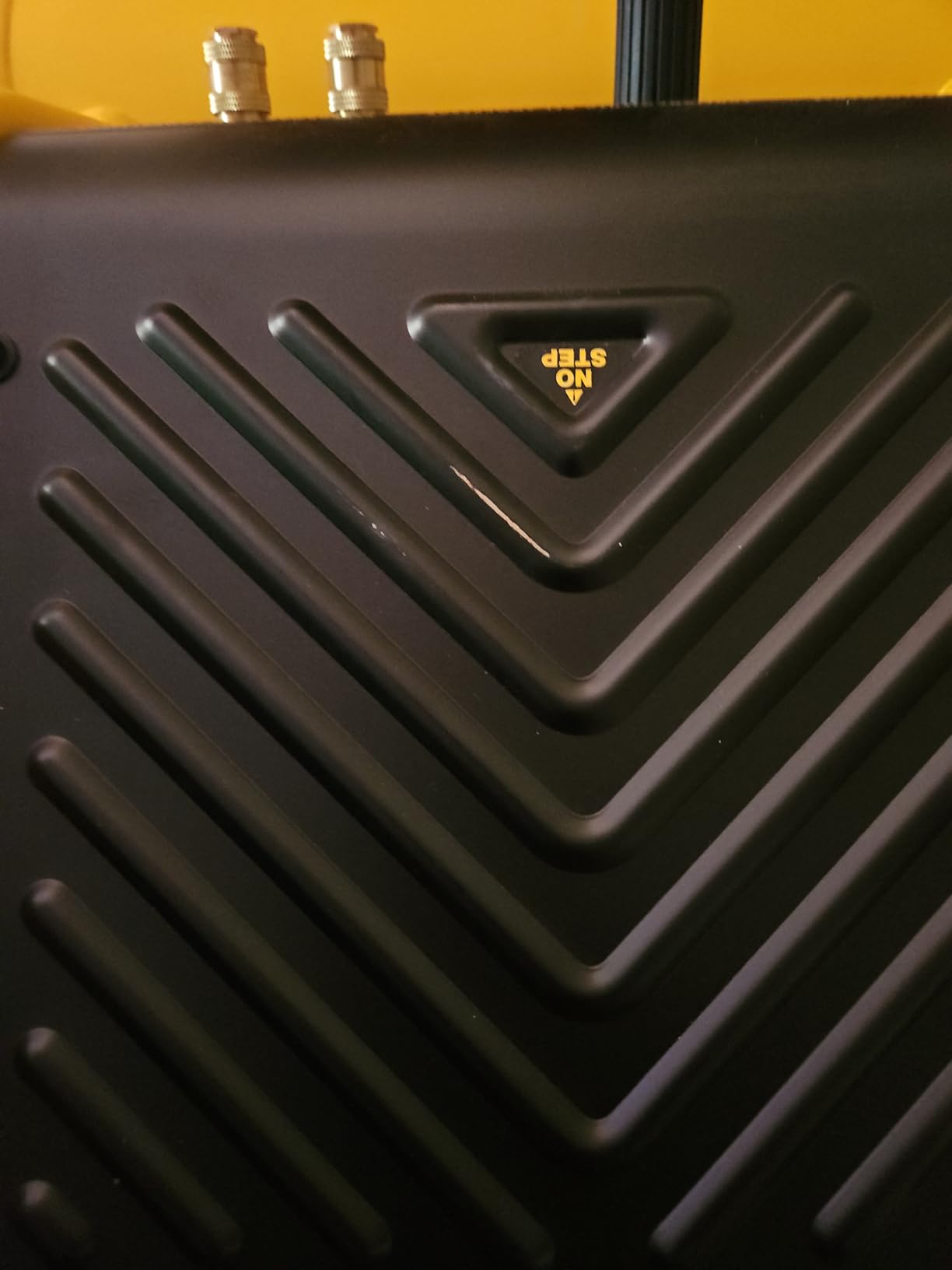
The display console puts large 2-inch gauges, the regulator and the couplers behind a protective panel, with a high-flow coupler on the outlet. Readability at a glance matters when you are setting outlet pressure for a tool and the workshop light is poor.
Two output ports allow two hoses at once, so this machine can cover the two-tool case that most 4.5-gallon units cannot.
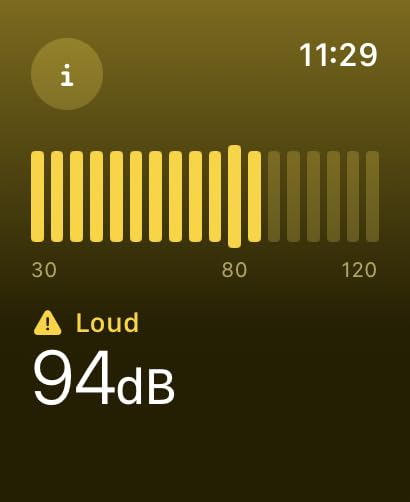
What the 225 PSI pressure rating buys you
Usable air. As a tank drains from 225 down toward working pressure, outlet pressure stays stable, so a tool performs the same at the end of a tank as it did at the start. That is the practical meaning of the rating, and it is why this machine suits finish work, spray prep and pressure-hungry pneumatic tools better than a same-size unit rated to 150 PSI.
For a contractor moving between jobs without a shop, decade-plus owner reports make it a credible long-term purchase.
Where the D55146 falls short
It draws the full 15 A, so it needs a dedicated circuit and should not share an outlet with a welder or a space heater. This is the single biggest practical objection, and it is the reason we did not make it the top pick despite the impressive airflow.
At 88 pounds it is genuinely hard to load into a truck alone. The tank needs about a 45 degree tilt to drain properly, the regulator tops out around 150 PSI so the extra tank pressure cannot be fully used, and the listed couplers do not accept the high-flow quick connects described in the listing.
How to Choose an Air Compressor
Start from your most demanding tool, not from tank size or brand. Every mistake we see in this category traces back to choosing the tank first and the airflow second, then wondering why the tool stalls.
Here is the decision sequence we use. First, identify the tool that draws the most continuous air. Second, check what your electrical circuit can supply. Third, choose the pump architecture. Fourth, pick a tank that holds enough reserve air to cover the gaps between refills. Fifth, consider noise where the machine will live. Sixth, confirm the build and warranty.
What CFM do your tools actually need?
CFM, or cubic feet per minute, is how much air a compressor continuously delivers. SCFM is the same measurement taken at a standard reference pressure and altitude, which is why two compressors can publish different numbers for the same machine depending on where the measurement was taken. Always compare at 90 PSI.
PSI, by contrast, is stored tank pressure. A nailer cares about stable working pressure, and a cut-off wheel cares about both. Tank size determines how long you can run before the pump has to refill.
Here is a practical map from tool to airflow requirement.
Brad and finish nailers: 1.5 to 3 CFM at 90 PSI. A small tank is fine because these tools draw in bursts.
Framing nailers, non-bump-fire: 3 to 5 CFM at 90 PSI. Continuous firing needs steady delivery.
Roofing and siding nailers: 4 to 6 CFM at 90 PSI, and ideally a 20-gallon or larger tank.
Air ratchet and small impact wrench: 2 to 3 CFM at 90 PSI, with enough tank to avoid cycling per wheel.
Large impact wrench on truck lug nuts: 4 CFM or more, plus a 20-gallon tank so it does not pause four times per wheel.
Random orbit sander: 3 to 5 CFM at 90 PSI. Sanding is continuous and unforgiving.
Die grinder and cut-off wheel: 5 CFM and upward. Below that, use the corded tool instead.
Pneumatic spray gun: 3 to 5 CFM at 90 PSI, and a large tank for HVLP.
Sandblaster: 8 CFM and upward. Nothing smaller is worth attempting.
So is 4 SCFM at 90 PSI good? For nail guns, light sanders and tire work with one tool, yes. For a framing nailer running continuously, a die grinder or sandblasting, no. The next tier up is 8 CFM from a 30-gallon or larger tank on a 240V circuit.
Choose the compressor type that fits the job
Pancake compressors are 2 to 6 gallon horizontal tanks, typically 3.0 to 4.0 CFM at 90 PSI, under 40 pounds, and best for finish work and one tool at a time. They are the most portable and the least capable.
Vertical units give you a bigger tank in a smaller floor footprint, which is why the 10-gallon California Air Tools and the 20-gallon Klutch are shaped this way. In a tight garage, vertical wins over horizontal.
Hot-dog compressors are small horizontal cylinders used as a pump without a receiver, paired with a separate tank. You will see this term in enthusiast forums; it is not a category most buyers should shop.
Twin-tank units split the air capacity across two smaller tanks. They smooth pressure delivery and cut the noise of tank resonance, at the cost of some capacity for the same total gallons.
Stationary shop compressors, 5 HP and above with 80-gallon tanks and two-stage compression, are a different market entirely and need a 240V feed.
Do you need 120V or 240V?
This is the most consequential question in the category, and almost no roundup answers it plainly. A standard household circuit is 15 amps at 120V. A compressor that draws 15 amps fills that budget by itself, which is why so many units need a dedicated 20 amp outlet, and why sharing a circuit with a welder or a heater produces the breaker trips that forum threads complain about constantly.
The rule of thumb that repeats across DIY communities is simple: if you are limited to 120V, go smaller and quieter, because the number of tasks where a big 120V compressor is better and a smaller one is not sufficient is very small.
Check the nameplate amperage before you buy. The Makita MAC2400 at 12.3 A and the California Air Tools 8010A at 8.5 A sit comfortably inside a shared household circuit. The DEWALT D55146 at 15 A needs its own. Bigger compressors above 20 amps, and every 80-gallon two-stage shop unit, require 240V and a dedicated breaker.
For typical pancake motors in the 0.8 to 1.5 HP range, running load lands in the range of roughly 600 to 1,400 watts, but nameplate amps are the figure that decides your circuit. Use those, not wattage.
Tank size and recovery time
Tank size controls runtime between refills, not raw power. A bigger tank on a small pump means a nailer gets a steady supply while the pump catches up. A small tank on a big pump means the pump cycles constantly, which is noisier and wears switches faster.
Published recovery times are worth comparing when you can find them. The 2-gallon California Air Tools 2010A recovers from 90 to 120 PSI in about 14 seconds, the 8-gallon 8010A in roughly 60 seconds, and the 8-gallon VEVOR fills from empty in under a minute. Fast recovery is what lets a small tank behave like a large one on bursty tools.
Oil-free versus oil-lubricated
Oil-free pumps put no oil in your air, which matters for finish carpentry, painting, food-adjacent work and food preparation. They also need no oil changes and run cooler. Their reputation is genuinely split on noise: some of the quietest consumer compressors are oil-free, and some of the loudest are too.
Oil-lubricated cast iron pumps, like the one in the Makita MAC2400, tolerate heat and dust better and run cooler under sustained load, at the cost of periodic oil checks and the need to keep an oil separator on the line if you are spraying.
Single-stage versus two-stage matters at the heavy end. Single-stage pumps compress from atmospheric pressure to full pressure in one stroke and are used in everything above. Two-stage pumps compress to an intermediate pressure then again to final pressure, which means less heat, better efficiency and a duty cycle suited to continuous running. If you need a two-stage compressor, you are shopping in the 240V shop category, not here.
Direct-drive versus belt-drive matters for serviceability. Direct-drive couples the pump to the motor with no belt, which means fewer parts and no belt wear. Belt-drive isolates vibration and makes the pump easier to replace, and it is the traditional choice for heavy-duty machines.
Quiet Compressors: What dBA Means in a Garage
Decibels are logarithmic, so the difference between 60 and 79 dBA is not a small increment. It is roughly sixteen times the sound energy, which is why a 60 dBA unit feels civilised next to a 79 dBA unit in the same garage.
Sustained exposure above 70 dBA is where hearing protection starts to matter. In this roundup, four units measure at or under 71.5 dBA: the Metabo HPT EC28M at 59 dB, the California Air Tools 8010A at 60 dBA, the California Air Tools 2010A at 60 dBA and the Makita MAC320Q at 60 dB. The California Air Tools 10020C and the VEVOR sit at 70 dBA and 70 dB respectively.
Forum advice on this is consistent and worth repeating: check the measured figure, not the marketing word. Buyers who assumed a unit advertised as quiet would be conversation-friendly regularly found it was not, and the owners who are happiest with their compressors are the ones who cross-checked dBA before buying.
If your garage is attached or your work is mostly indoors, a 60 dBA unit will not make you avoid running the compressor. At 78 to 80 dBA you will reach for ear protection every time, and eventually you will simply stop turning it on.
Maintenance and Air Compressor Safety
A compressor tank is a pressure vessel, and the small amount of maintenance that keeps it healthy takes ten minutes a month. Drain the tank first, every time. Moisture in a steel tank causes internal rust, and rust thins the steel from the inside where you cannot see it.
Run the tank down to zero pressure before opening the drain valve, and never open it against full tank pressure. Water coming out of the drain valve when the tank is still charged is a hazard, not a convenience.
Check the safety relief valve monthly by pulling its ring. It should snap back into place and stay there. A relief valve that does not reseat is a genuine hazard on a pressure vessel, and it is also the part most likely to have been left open by a unit arriving improperly packaged, so it is worth confirming before first use.
On extension cords, use a heavy-gauge cord and keep it short. Voltage drop from a thin or long cord is the reason some compressors will not run on one at all, and it is also why manufacturers print warnings against extension cords in their manuals. A compressor that keeps tripping a breaker when it starts is often a cord problem, not a machine problem.
Do not exceed a compressor’s duty cycle. Running a small 2 HP unit flat out with a cut-off tool is what burned out a Harbor Freight 21-gallon compressor that a forum user destroyed this way. Give any oil-free pump rest between heavy tasks.
Finally, keep compressors away from combustible material, ventilate any indoor run, and never leave a hot unit unattended overnight. Related reading on keeping a garage clean is in our air purifier testing and our large room purifier picks.
Is a Used Air Compressor Worth Buying?
Used compressors are a real opportunity and a real risk, and the deciding variable is the tank, not the motor. Forum users are blunt about used units: the problem is that the tanks did not have a lot of life left in them, and replacing a tired tank is money that would have been better spent on a new unit.
The economics only work when the tank is sound and the motor is not. A cast iron oil-lubed pump from a fifteen-year-old contractor compressor is often mechanically better than a new consumer oil-free pump, because it was built to a different standard. What kills the deal is a tank that has rusted internally, which you cannot see without a proper inspection.
When buying used, ask for the model number and look up its rated tank pressure, then have the tank ultrasonically inspected for wall thinning where possible. Verify that the safety relief valve is present, unmodded and operates. And run the machine unloaded long enough to confirm the pressure switch holds and cuts out at the rated pressure.
Buying used online adds a specific warning that forum veterans repeat: ask for a video of the unit running under load, with a serial number and a dated photo. Sellers buying and reselling equipment they cannot test produce exactly the disappointment that turns a bargain into a dead weight in the corner of a garage.
For a first compressor, new is usually right. The one-year warranties across this category are short, but a known service life beats an unknown one.
Frequently Asked Questions
Which brand of air compressor is the best?
There is no single best brand, because the brands specialise differently. Makita leads for oil-lubed cast iron durability and jobsite flow at 4.2 CFM on 12.3 amps. California Air Tools leads for quiet oil-free units from 1 to 10 gallons at 60 to 70 dBA. DEWALT leads for high stored pressure, with models rated to 200 and 225 PSI. Metabo HPT leads for ultra-light portable finish work.
What is the most reliable brand of air compressor?
Reliability tracks architecture more than badge. Cast iron oil-lubed pumps built around a Big Bore cylinder, as on the Makita MAC2400, tolerate heat and dust and wear slowly. Sealed oil-free direct-drive motors need no maintenance but are less forgiving of continuous duty. Warranty length is a weak signal here, since nearly every unit in this category carries a one-year warranty.
What is the best air compressor for home use?
The California Air Tools 10020C is the strongest general home garage option, delivering 5.30 CFM at 90 PSI from a 10-gallon vertical tank while drawing 14 amps, so it fits a standard household outlet. If noise matters more than capacity, the California Air Tools 8010A runs at 60 dBA and weighs 37.3 pounds.
What size air compressor is best for a home garage?
For finish and brad nailers, staplers, impact work and tire inflation on a standard 15 amp circuit, target 2 to 4 CFM at 90 PSI with a 6 to 8 gallon oil-free tank. For framing nailers, spray guns or sanding, step up to 4.2 to 5.3 CFM with a 10 to 20 gallon tank. Anything rated 15 amps needs a dedicated 20 amp outlet.
How much CFM does a pancake air compressor have?
Most 2 to 6 gallon pancake compressors deliver between 1.5 and 3.0 CFM at 90 PSI. The DEWALT DWFP55130 manages 3.0 SCFM at 90 PSI from a 2.5-gallon tank, and the VEVOR 6.3-gallon unit delivers 3.35 CFM at 90 PSI. About 4 CFM at 90 PSI is the practical figure for comfortable two-tool operation.
Is 4 SCFM at 90 PSI good?
Yes for nail guns, light sanders and tire work with a single tool attached. No for framing nailers running continuously, die grinders, cut-off wheels or sandblasting, which need 5 to 8 CFM and upward from a much larger tank on a 240V circuit. Confirm your most demanding tool before choosing on tank size.
How many watts does it take to run a pancake air compressor?
For 0.8 to 1.5 HP pancake motors, running load typically falls between roughly 600 and 1,400 watts. The figure that actually decides your circuit is nameplate amperage, not wattage. Units drawing 8.5 to 12.3 amps run on a shared household circuit, while anything at the full 15 amps needs a dedicated outlet.
Can I run an air compressor on a normal household outlet?
Only if its nameplate amperage leaves room. The Makita MAC2400 at 12.3 amps and the California Air Tools 8010A at 8.5 amps handle a standard 15 amp circuit. The DEWALT D55146 draws the full 15 amps and needs a dedicated circuit, and you should never share that circuit with a welder or space heater.
How long does an air compressor last?
Oil-lubed cast iron machines with regular oil checks routinely last a decade or more, and long-term DEWALT D55146 owners report decade-plus service. Oil-free pumps rated around 3,000 hours need more careful duty-cycle discipline. Draining condensate monthly is the single habit that extends tank life, since internal rust is what usually ends a compressor’s useful days.
Which Air Compressor Is Right for You?
The best air compressors for most people fall into three groups. If you want one machine that handles most garage work on a normal outlet, the Makita MAC2400 wins on the balance of 4.2 CFM at 90 PSI and a 12.3 amp draw. If you want maximum airflow in a home garage and can live with 70 dBA, the California Air Tools 10020C delivers 5.30 CFM from a 10-gallon vertical tank.
If noise and weight decide everything, the California Air Tools 8010A runs at 60 dBA, weighs 37.3 pounds and refills in about 165 seconds. For heavy shop capacity on 120V, the Klutch 20-gallon pairs 4.2 SCFM with a 75% duty cycle. For dedicated two-nailer trim work, the DEWALT DWFP55130 offers 200 PSI and dual couplers at 36 pounds.
Whatever you pick, match its CFM at 90 PSI to your most demanding tool, confirm the nameplate amperage against your circuit, and drain the tank every month. Those three habits account for most of the difference between a compressor that keeps working and one that ends up for sale. Our budget air purifier picks cover the other half of keeping a garage comfortable while you work.