
There is a specific kind of hiking-boot disappointment that only wide-foot owners understand. The size is right, the brand is supposed to be reliable, and yet after twenty minutes on the trail your big toe is touching the front of the toe box and your little toe is pinching against a seam. You loosen the laces, you re-lace them, and nothing changes, because the problem is not length. It is volume.
That is the whole reason this guide exists. Searching for the best hiking boots for wide feet usually returns twelve listings that all claim a wide toe box and mean something different by it. One brand labels its roomiest size 4E and still pinches at the ball of your foot. Another builds a genuinely foot-shaped last and then stops at a single wide width. A third offers real extra-wide sizing but dresses it up in a hiking boot that weighs more than your daypack.
We read every specification, fit report and review complaint across twelve boots to work out which ones deliver honest wide fit, which ones need a half size up, and which ones quietly give you a wide forefoot with a heel that lets your foot slide around. Every boot below comes with widths from 2E to 5E, wide toe box construction or an explicit wide fit, so you are not reading a marketing label and hoping.
A quick note on terminology before we start, because it saves a lot of confusion. Width codes are a measurement system: B is narrow, D is standard, 2E is wide and 4E is extra wide, with 5E and 6E pushing into genuinely hard-to-fit territory. Those codes measure girth across the ball of the foot, not length. A shoe can be a D width and still have a wide-looking toe box, or be a 4E width with a sharply tapered toe that crushes your little toe after a few hours. Both of those shoes show up in this roundup, and we flag which is which.
The other thing we kept in mind is that wide feet and heavy packs do not mix by accident. A roomy toe box gives your toes room to splay, which improves balance on uneven ground, but a loose heel or a floppy midsole under a loaded pack turns that room into rubbing. So each review below covers both fit and stability, and each one ends with the two questions that actually decide the purchase: who this boot suits, and who it will disappoint.
Everything here reflects the current 2026 product line and the fit patterns reported by owners, not just the spec sheets.
Table of Contents
Top 3 Best Hiking Boots for Wide Feet (October 2026)

Propet Ridge Walker Cap Toe Boot
- XX-Wide widths to size 16
- Removable orthotic footbed
- Waterproof leather upper

Dunham Cloud Waterproof Boot
- Widths B through 4E
- Seam-sealed waterproofing
- Removable memory foam insole

Propet Cliff Walker A5500
- Widths through 5E to size 16
- Medicare A5500 diabetic shoe
- Speed-lacing closure
The Ridge Walker takes the top slot because it combines genuinely extra-wide sizing with a removable footbed and a waterproof leather upper, which is a rare combination on this list. The Dunham Cloud earns its place as the premium pick for anyone who needs 4E widths across a full size run and does not want a hiking boot. The Cliff Walker sits third as the best value because its 5E widths reach the largest sizes of anything we looked at, which makes it the go-to for very large or swollen feet.
All 12 Wide-Fit Boots Compared in 2026
| Product | Specifications | Action |
|---|---|---|
| Propet Ridge Walker Cap Toe Hiking Boot |
|
Check Latest Price |
| Dunham Cloud Waterproof Boot |
|
Check Latest Price |
| Propet Cliff Walker A5500 |
|
Check Latest Price |
 NORTIV 8 Wide Toe Box Hiking Boots NORTIV 8 Wide Toe Box Hiking Boots |
|
Check Latest Price |
 KEEN Targhee 3 Mid Waterproof KEEN Targhee 3 Mid Waterproof |
|
Check Latest Price |
 HOBIBEAR Barefoot Wide Width Boots HOBIBEAR Barefoot Wide Width Boots |
|
Check Latest Price |
 FitVille Wide Hiking Shoes 2E and 4E FitVille Wide Hiking Shoes 2E and 4E |
|
Check Latest Price |
 NORTIV 8 Wide Toe Box Hiking Shoes NORTIV 8 Wide Toe Box Hiking Shoes |
|
Check Latest Price |
 MENYBAN Women’s Waterproof Wide Toe Box Boots MENYBAN Women’s Waterproof Wide Toe Box Boots |
|
Check Latest Price |
 Guide Gear Silvercliff II Mid Zip Guide Gear Silvercliff II Mid Zip |
|
Check Latest Price |
 FitVille Orthopedic Wide Hiking Boots FitVille Orthopedic Wide Hiking Boots |
|
Check Latest Price |
 OrthoComfoot Women’s Orthopedic Hiking Boots OrthoComfoot Women’s Orthopedic Hiking Boots |
|
Check Latest Price |
1. Propet Ridge Walker Cap Toe Boot – Editor’s Choice for True Extra-Wide Sizing
Propét Men’sRidge Walker Hiking Boot, Brown, 11 XXW US
5E widths to size 16
Removable footbed for orthotics
Waterproof leather upper
Pros
- Real extra-extra-wide sizes up to 16
- Comfortable with almost no break-in
- Holds up through mud and streams
- Removable footbed takes custom orthotics
- Durable stitching and outsole
Cons
- Widest label still runs narrower than true extra-wide
- Stiff leather that barely stretches
- Bulkier profile
The Ridge Walker is the boot we keep coming back to for one specific reason: the size run does not stop early. Owners with feet that no longer fit ordinary footwear report ordering the extra-extra-wide option in sizes up to 16 and getting a boot that fits, which is not a small thing when most hiking boot brands top out at a 4E in a men 13. Across more than 2600 reviews the recurring theme is that these boots finally accommodated a foot shape that had been squeezed into narrow hiking shoes for years.
Comfort out of the box is the other headline. Reviewers describe wearing them for full shifts on their feet and long walking days without a painful break-in phase, and several mention that the stiff leather gradually softens enough to feel familiar after a couple of weeks. Waterproofing holds up in the situations that actually matter on a trail: mud, wet grass and stream crossings.
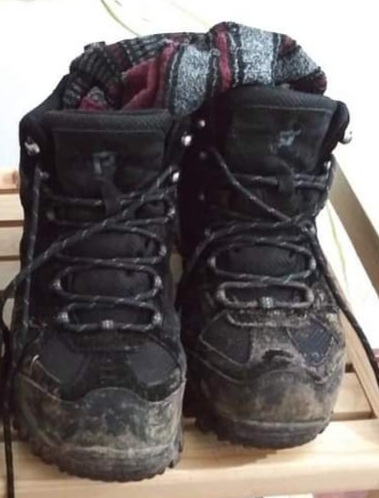
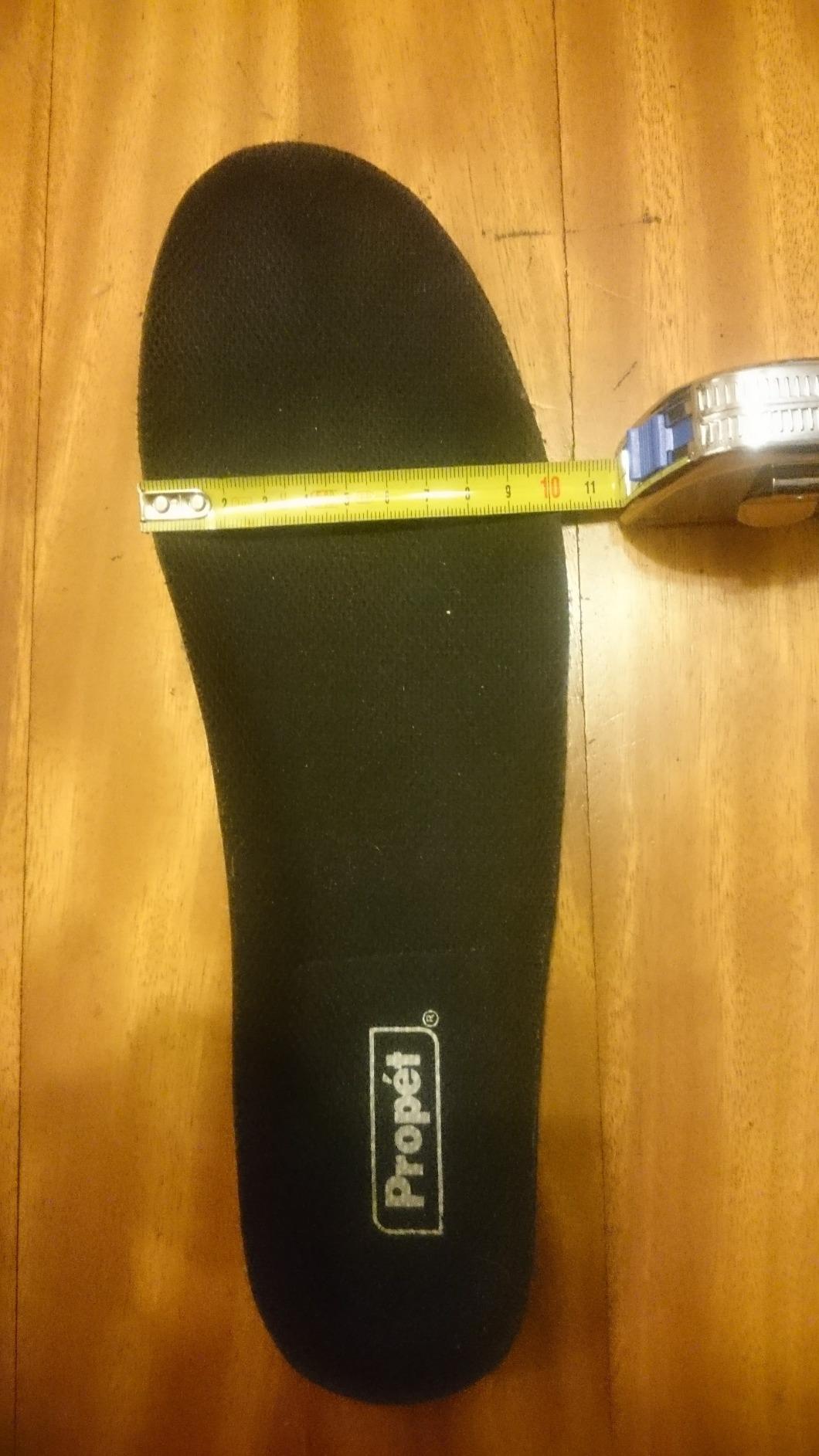
The removable footbed is a genuine advantage if you use orthotics, and the boot carries Medicare and HCPCS A5500 approval for diabetic footwear, which tells you something about how the interior is built. Wide-foot owners consistently rate it as comfortable for all-day wear, with the cap-toe silhouette looking more like a work boot than a technical hiker.
One caveat keeps this out of a flawless rating. A recurring minority complaint says the XX-Wide label runs narrower than a true extra-wide should, so if you are between widths you may want to plan on testing the fit carefully. Owners also note the leather is stiff and does not stretch much, and the profile is bulkier and more clunky than a lighter trail boot.
Who the Ridge Walker suits
This is our pick for hikers with genuinely large feet, especially anyone who needs 4E or 5E sizing or who wears a size above a 13. If you spend long days standing as part of your work and want one boot that handles both the trail and the driveway, the waterproof leather and durable stitching make a strong case.
It also suits anyone who needs a removable insole and expects to fit custom orthotics, since the roomy last gives an insert room to sit without pushing the toe box narrower.
Who should skip it
If you have a narrow or average foot, the extra-wide volume will feel loose and clunky, and the stiff leather takes longer to soften than most hikers want to wait for. Buyers who need a featherweight boot for fast day hikes will find this one heavy by comparison with the NORTIV 8 shoes in this list.
2. Dunham Cloud Waterproof Boot – Premium Pick for Full 4E Sizing
Dunham Men’s Cloud Mid Cut Waterproof Boot,Grey,13 4E
Widths B through 4E, sizes 7-16
Seam-sealed waterproof build
Removable memory foam insole
Pros
- Fits very wide feet including 4E
- Removable memory foam accepts orthotics
- Seam-sealed waterproofing
- Light enough for long days
- Works as everyday footwear
Cons
- Tread not aggressive for steep or icy ground
- Stamped metal lace hooks bend easily
- Some pairs squeak or separate after about a year
What separates the Dunham Cloud from most of the hiking boot market is the width ladder: sizes 7 through 16 in widths from narrow B all the way to extra wide 4E. That is the kind of range that lets a family with one narrow-footed and one very wide-footed member buy from the same brand without fighting the sizing chart.
Owners with 4E-plus feet describe it as the rare boot that fits a high instep and a wide forefoot while still cinching down at the heel, which solves the narrow-heel-and-wide-forefoot combination many hikers complain about. The removable memory foam insoles accept custom orthotic inserts, and the built-in arch support is a bonus for anyone who stands a lot.
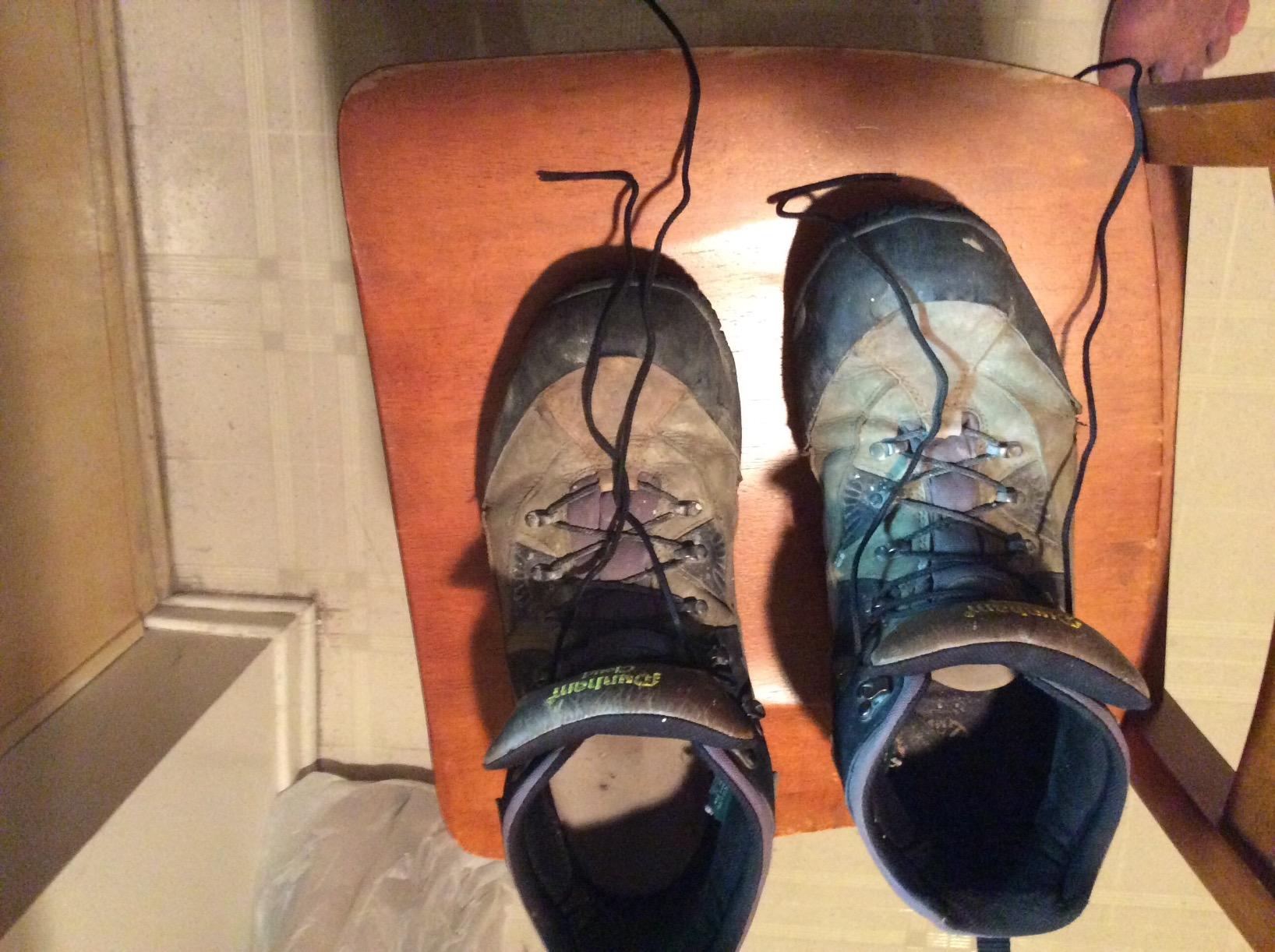
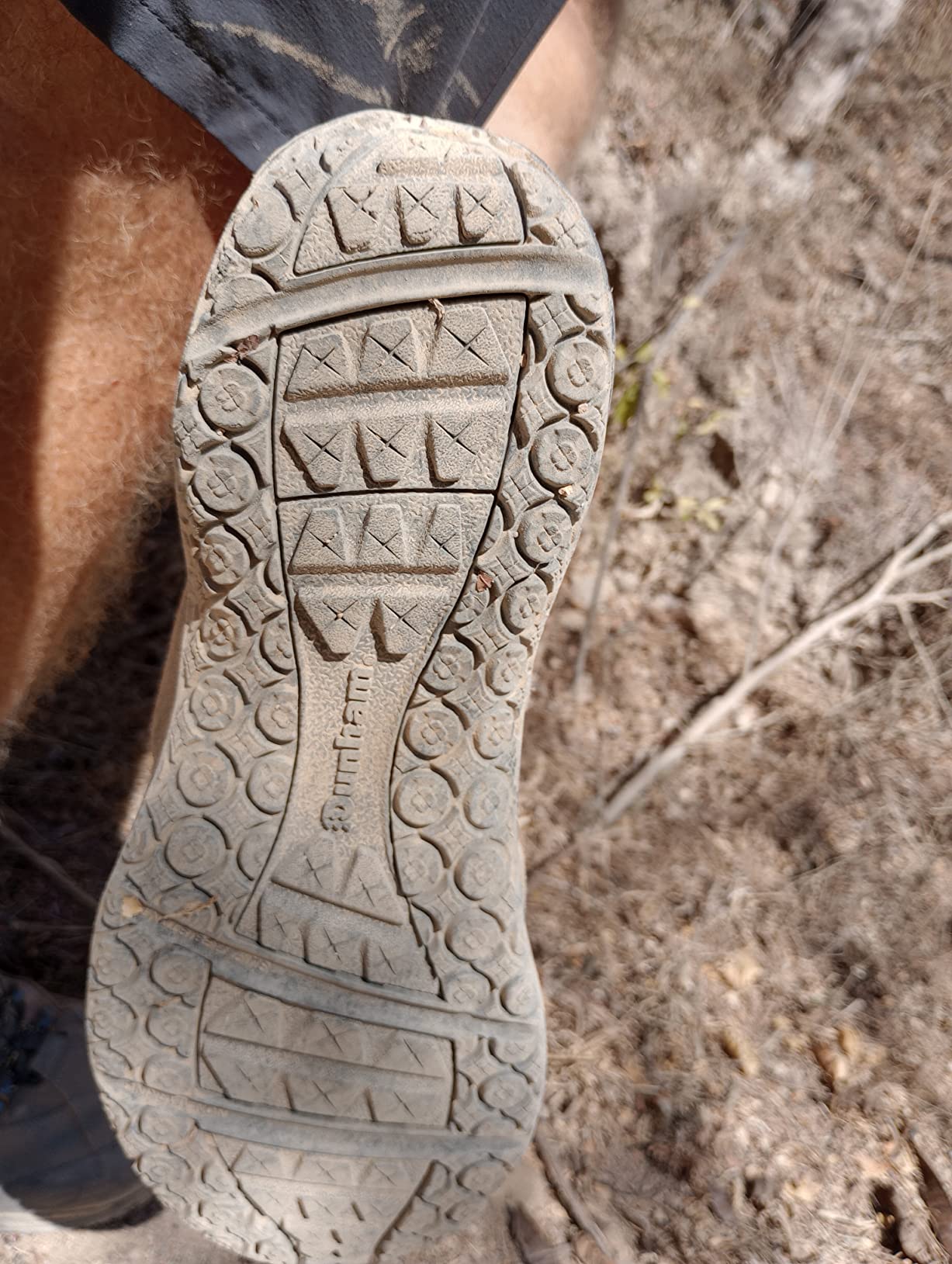
Waterproofing is seam-sealed rather than membrane-based, and reviewers say it holds in rain, snow and wet grass. The outsole is certified slip resistant under ASTM F1677 Mark II and SATRA TM144. It is also light enough for long walking days and clean-looking enough to wear to work, which is why it shows up in so many reviews from people who are not really technical hikers.
The limitation is traction on steep ground. The tread pattern is not aggressive, so grip drops off on icy, steep or deeply muddy slopes, and the stamped metal lace hooks bend with rough use. A few owners report a squeak or sole separation after about a year of constant wear, so it is not the durability champion of this group.
Who the Cloud suits
This is the boot for people who need 4E widths across a large size range and want a single pair that works for commuting, walking and moderate hiking. Reviewers with high insteps and wide forefeets rate the fit as unusually accommodating, particularly for anyone who has had to settle for narrow hiking shoes until now.
It also fits anyone who wants removable insoles for orthotic use, or who simply prefers a memory foam footbed that molds after a few walks.
Who should skip it
If your hiking involves steep, wet or icy slopes, the conservative tread pattern is a real limitation and a more aggressive outsole would serve you better. Buyers expecting a heavy leather trekking boot that lasts a decade should note the durability reports of squeaking and sole separation after sustained daily wear.
3. Propet Cliff Walker A5500 – Best Value for the Widest Size Run
Propét mens Cliff Walker Medicare/Hcpcs Code A5500 Diabetic Shoe Hiking Boot, Bronco Brown, 10.5 XX-Wide US
Widths through 5E in sizes to 16
Waterproof leather upper
Speed-lacing closure
Pros
- Widest sizing we found
- 5E widths to size 16
- Deep roomy toe box
- Little to no break-in
- Accepts orthotics in the roomy last
Cons
- Toe box tapers sharply at the tip
- Stock insoles considered inadequate
- Speed hooks bend and fray laces
- Runs slightly long
The Cliff Walker is the model we would point a very large-footed hiker toward first. It is offered in widths through 5E in sizes up to 16, which is the broadest true wide sizing we found in this roundup, and multiple reviewers say they bought it in several colours after the first pair held up over long use.
Buyers whose feet no longer fit ordinary shoes describe the deep, roomy toe box as the reason it works, and they report little to no break-in needed, which matters when the alternative is a boot that blisters you on the first long day. The speed-lacing system makes it quick to pull on and off, useful for anyone who struggles with conventional hooks or laces.
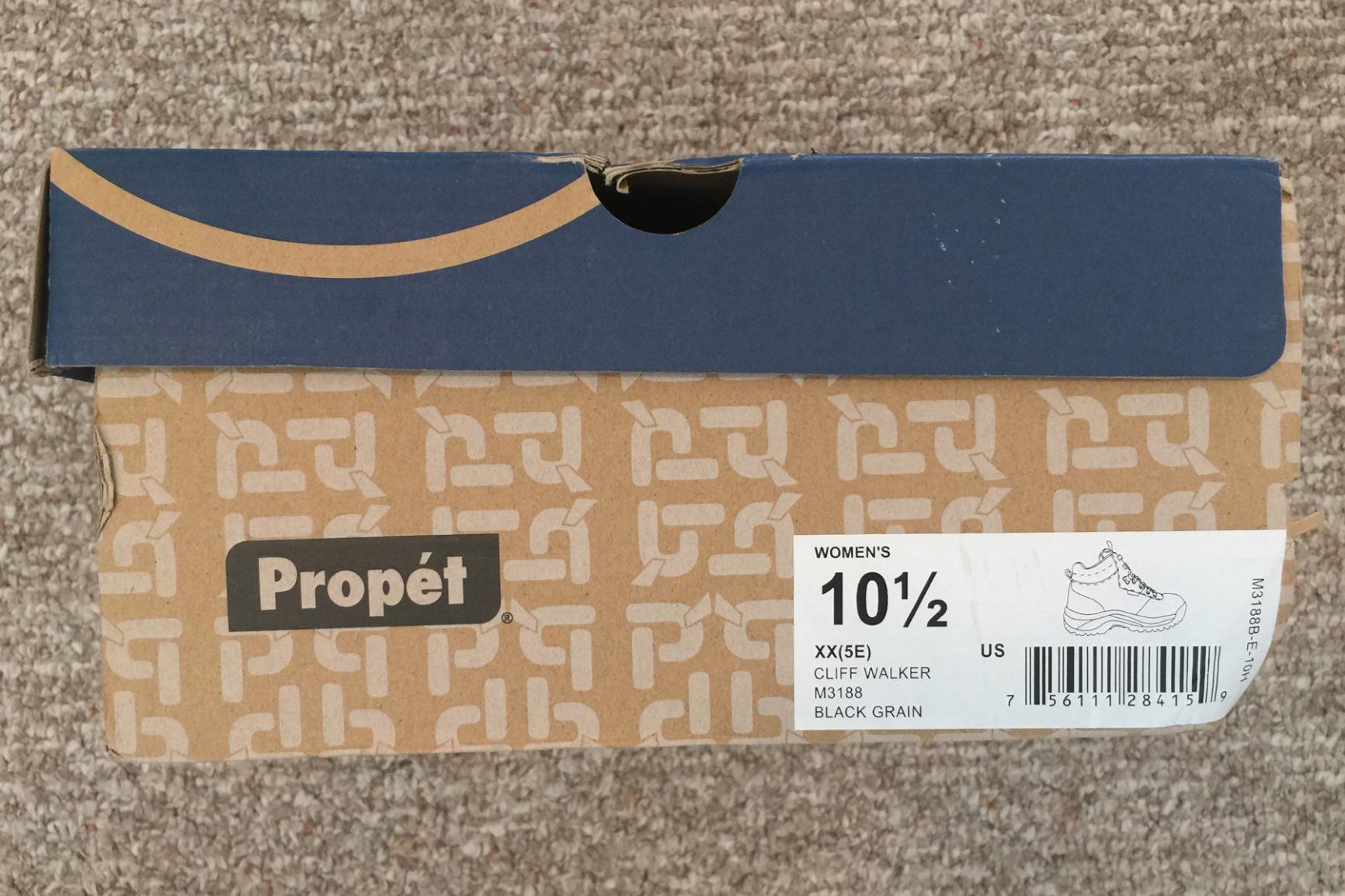
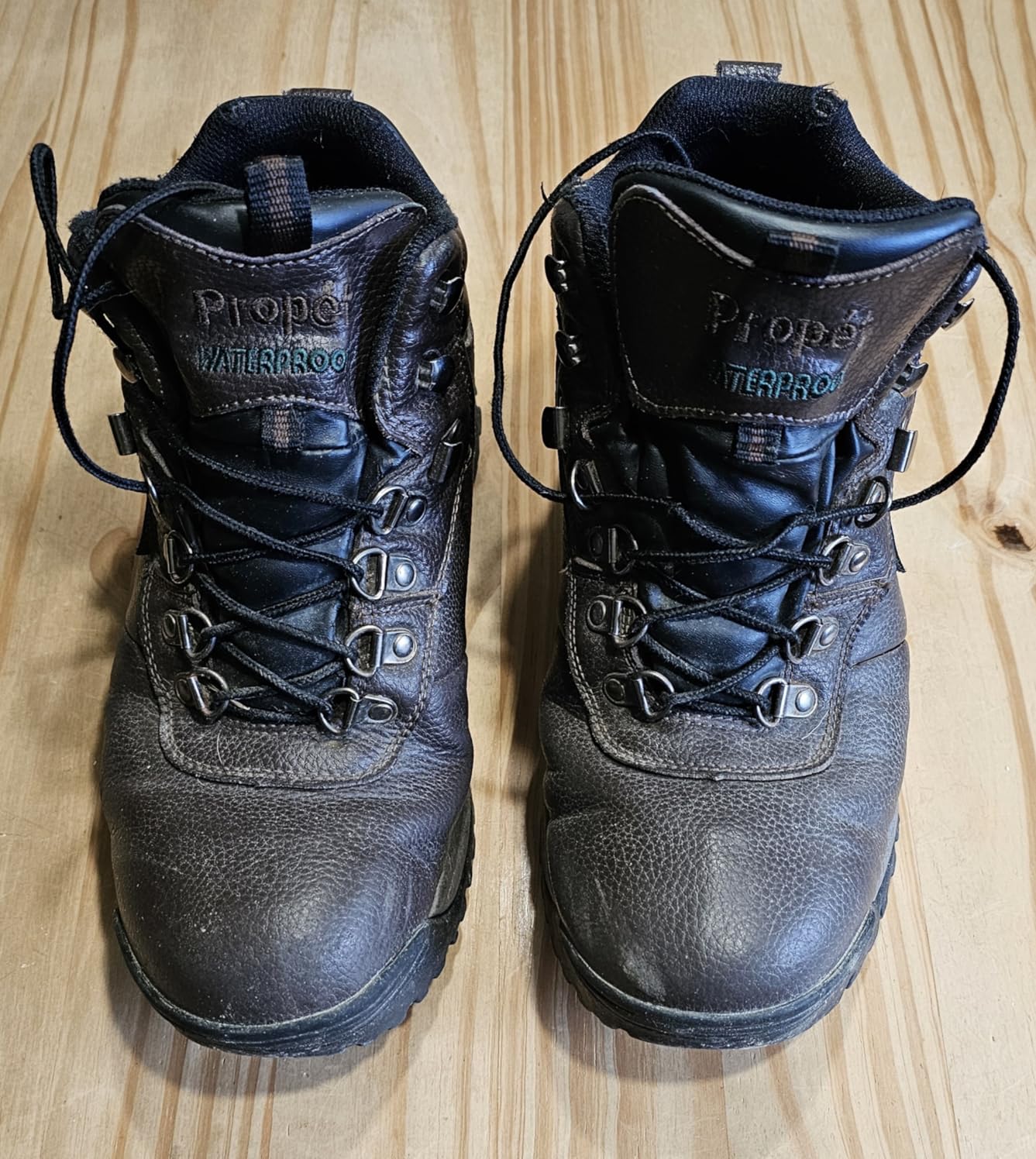
Construction is a waterproof leather upper with a nylon mesh lining, a padded collar and tongue, and hook and speed lacing. Inside there is an external and internal heel counter with a molded EVA midsole, and a rubber outsole for traction and shock absorption. The roomy last leaves space for an orthotic insert without pushing on the toes.
The most repeated complaint is about the toe box taper. Several owners say it narrows sharply toward the tip, so the ball-to-toe transition can press on the little toe after several hours, which is exactly the trap wide-fit buyers are trying to avoid. The factory insoles are widely considered inadequate, and the quick lace hooks bend and have sharp edges that fray laces.
Who the Cliff Walker suits
This is our recommendation for very wide, swollen or diabetic feet, and for anyone who needs the largest widths available in a hiking boot silhouette. Reviewers who work on their feet all day rate it as comfortable over long shifts, and the A5500 diabetic-footwear designation means it is built with that population in mind.
It also suits anyone who wants speed lacing instead of a long traditional lace job, or who wants room to drop in a custom orthotic.
Who should skip it
If your little toe is the problem area, the sharp taper at the tip is worth thinking hard about before you order. People who dislike stiff factory insoles should budget for a replacement insert, and anyone with narrow feet will find the volume excessive.
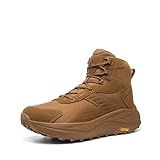
4. NORTIV 8 Wide Toe Box Hiking Boots – Top Rated Wide Toe Box Geometry
NORTIV 8 Men’s Wide Toe Box Hiking Boots,Coyote,11
Wide toe box
5mm heel-to-toe drop
Waterproof membrane
EVA midsole
Pros
- Roomy toe box for natural toe splay
- Low 5mm drop keeps foot natural
- Waterproof membrane
- Thick EVA midsole for impact
- Dependable lugged rubber outsole
Cons
- Wide fit may feel loose for standard feet
- Leather and nylon upper is lighter-duty
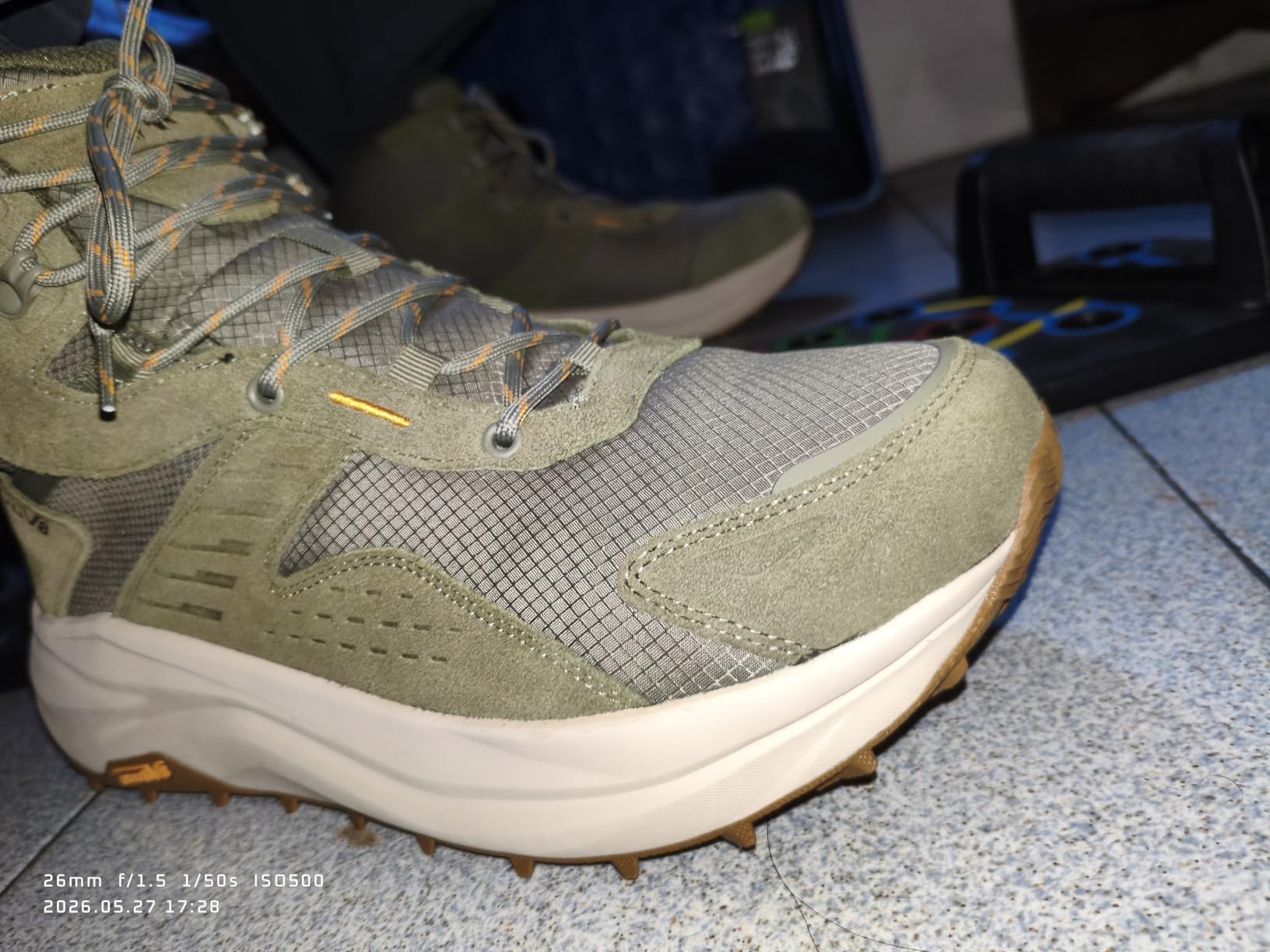
Among all twelve boots, this one has the strongest five-star share in its rating distribution, and the reason is the toe box. The wide toe box is designed to give toes space to spread naturally rather than to add length, and that is the geometry that wide-foot hikers describe as the thing they have never been able to find in a hiking boot.
The low 5mm heel-to-toe drop keeps the foot in a natural position and reduces forefoot pressure, which is the same principle behind the minimalist and zero-drop category. Reviewers pair that with the thick EVA midsole, which absorbs impact on long walks, and a lugged rubber outsole that gives dependable grip on rough terrain.
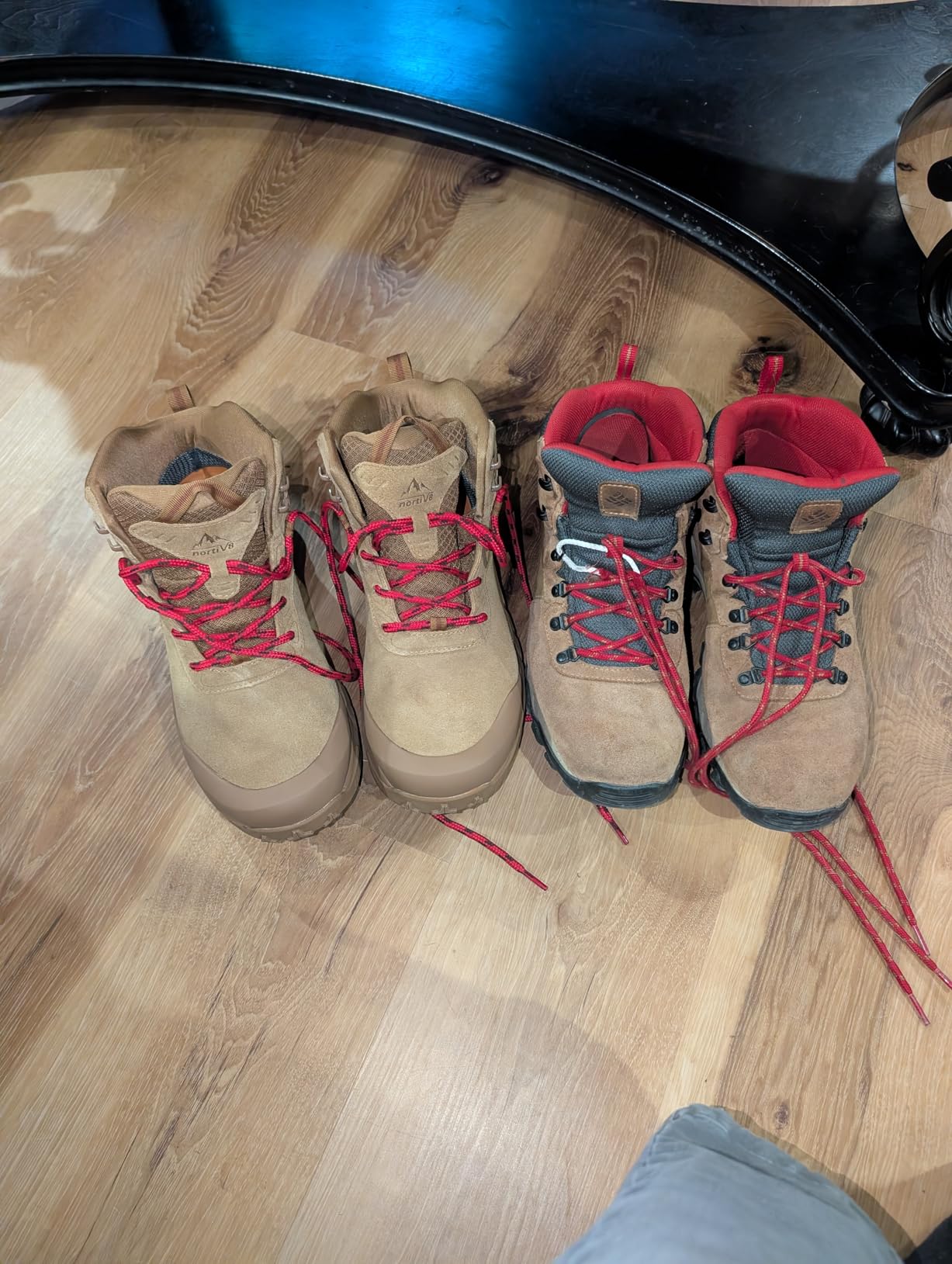
Waterproofing is built in as a membrane that passed strict waterproof testing, and the upper mixes wear-resistant leather with nylon fabric and a supportive TPU section. Several buyers describe it as strong value for everyday hiking and general work use, which is a common theme when a boot works well for both.
The trade-offs are honest but modest. The mixed leather, nylon and TPU upper is lighter-duty than a full leather hiking boot, which matters if you plan on rocky terrain or long seasonal use. And because the fit is genuinely wide, people with standard-width feet describe it as loose.
Who this NORTIV 8 boot suits
If your priority is toe splay and forefoot room rather than ankle structure, this is the pick. It suits day hikers, fastpackers and anyone who wants a low profile underfoot that still keeps feet dry, and it works well for people who have found that stiff high boots compress their forefoot.
It is also a sensible choice for people who want a boot that doubles as a work shoe without looking out of place indoors.
Who should skip it
Hikers carrying heavy packs over technical ground will want more underfoot and ankle protection than this boot gives. Anyone with average-width feet should expect to size down or choose a different model, since the roomy fit is the whole point here.
5. KEEN Targhee 3 Mid Waterproof – Best All-Around Wide-Fit Boot
KEEN Men’s Targhee 3 Mid Height Waterproof Hiking Boots
KEEN.DRY waterproof membrane
ALL-TERRAIN 4mm lug outsole
Removable arch footbed
Pros
- Wide toe box with secure narrow heel
- Comfortable with no break-in
- Strong traction on rock and mud
- Good ankle support
- Multi-year durability for many owners
Cons
- Recent batches show sole-to-upper separation
- Tongue is not fully gusseted
- Runs slightly large
- Stock insoles thin in the forefoot
With the largest review base of anything in this roundup, the Targhee 3 Mid is the one boot here where long-term durability reports are extensive. Long-term owners praise the roomy toe box, the immediate out-of-the-box comfort and leather construction that survives heavy daily use, and it is consistently described as an excellent light day-hike and camp boot rather than a heavy-load packer.
The fit works unusually well for narrow-heel and wide-forefoot combinations, which is one of the harder fit problems to solve. The wide toe box gives your forefoot room while the lacing pulls the narrower rear section securely around your heel, and KEEN Original Fit is designed specifically to let toes spread. There is an external support shank and a heel cradle for stability.
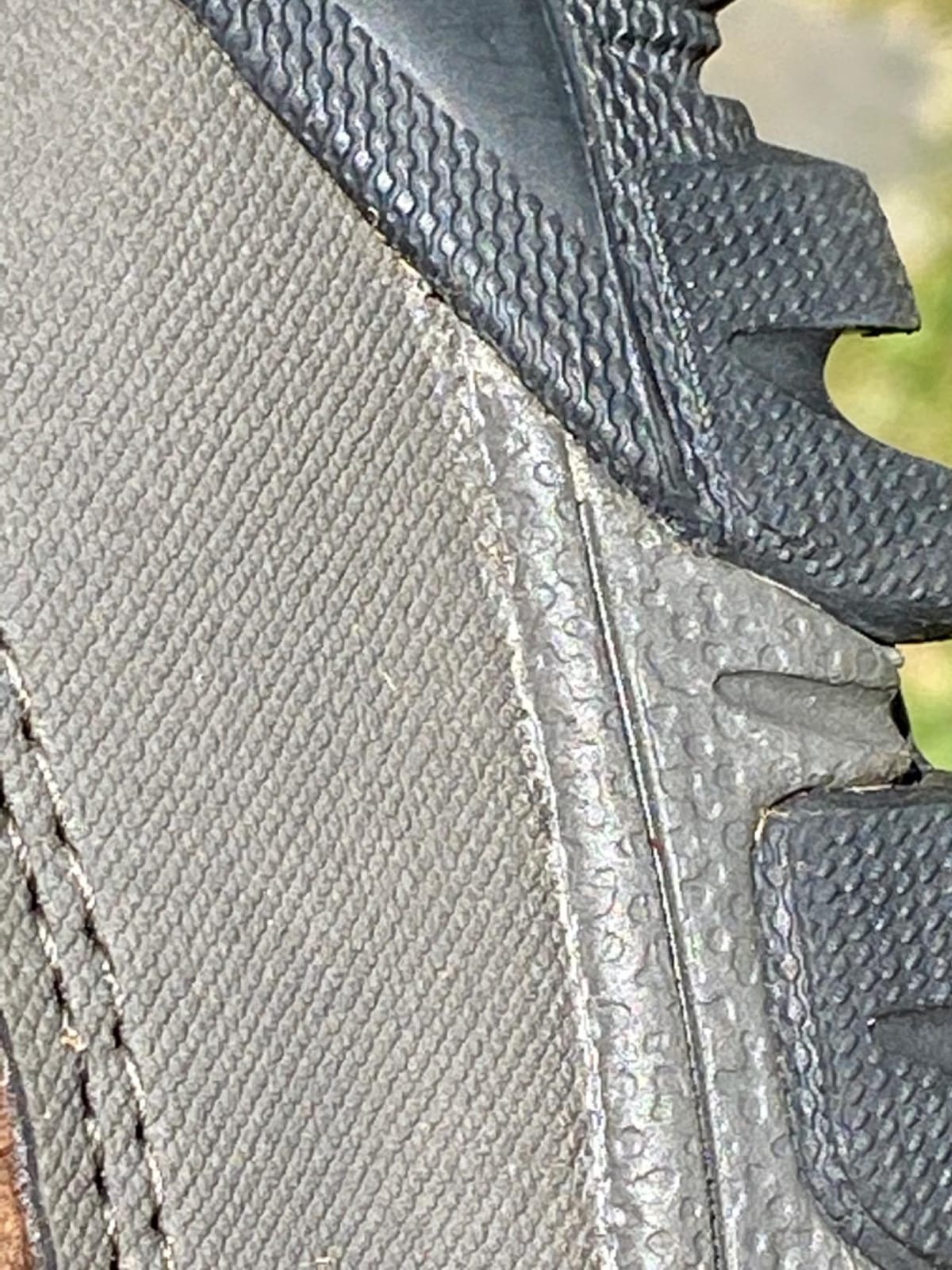
Protection is handled by a KEEN.DRY breathable waterproof membrane, a bruise plate and an abrasion rubber toe guard. Traction comes from KEEN ALL-TERRAIN rubber with 4mm multi-directional lugs, and reviewers report strong grip on rocky and muddy trails. The upper mixes durable premium leather with breathable performance mesh and a quick-dry lining.
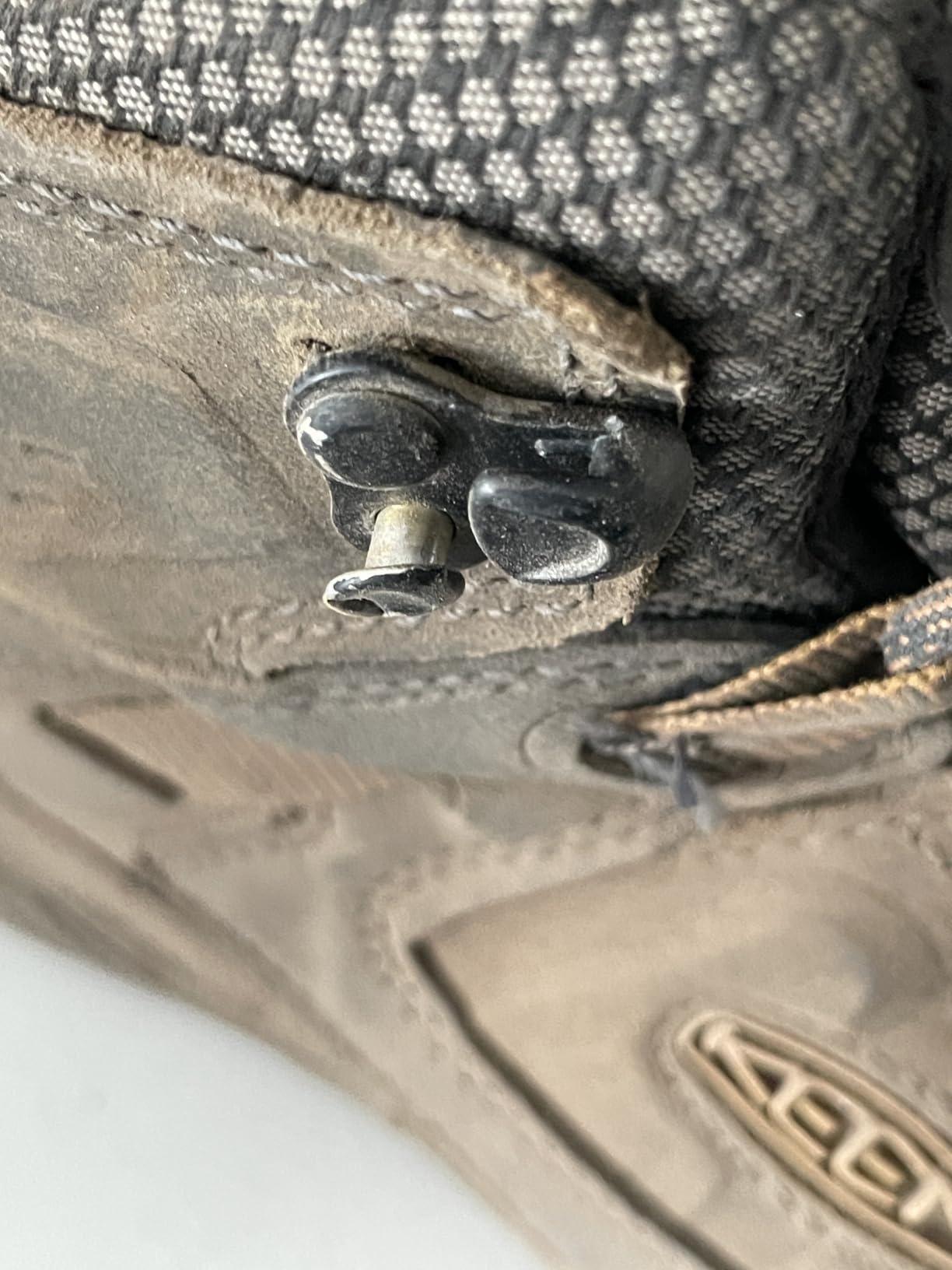
Two issues come up repeatedly. A loud recent thread reports declining build quality in newer production batches, with sole-to-upper separation within weeks for some buyers, and the tongue is not fully gusseted so debris works its way in on dusty trails. The fit also runs slightly large, and the stock footbed is thin in the forefoot even though it is removable.
Who the Targhee 3 Mid suits
This suits day hikers, campers and anyone who wants one pair of boots for hiking and everyday wear. It is a strong match for wide forefoot and narrow heel feet, and for hikers who want a removable arch-support footbed they can replace with their own insert.
Buyers who value a toe bumper and bruise plate will like how well it handles rocky and rooty trails, and the 4mm multi-directional lugs hold up in mud where gentler patterns fail.
Who should skip it
If you are planning long backpacking trips with a heavy pack, this is a light-duty boot and reviewers consistently say so. Because of the recent batch-quality reports, anyone who has had to replace a pair early should consider buying from a seller with straightforward return terms.
6. HOBIBEAR Barefoot Wide Width Boots – Best for Minimalist Zero-Drop Fit
HOBIBEAR Leather Barefoot Boots Zero-Drop Wide Width Minimalist Shoes Unisex Mid Top Walking Boots(Dark Brown Women 11,Men 10)
Zero-drop minimalist profile
Leather upper and rubber sole
Wide-width lasts
Not waterproof
Pros
- Genuinely wide-width lasts
- Flexible zero-drop sole
- Lightweight minimalist feel
- Good for walking and daily wear
Cons
- Not waterproof for wet trails
- Minimal cushioning and ankle support
The HOBIBEAR takes the minimalist end of this list, and wide feet is where minimalist design actually makes sense. Rather than adding volume to an otherwise traditional boot, the last is built wide across the board, and buyers looking for a foot-shaped fit rate the room across the forefoot as the main selling point.
The sole is flexible and zero drop, which keeps the foot in a natural position and promotes a barefoot-style stride. The upper is leather with a rubber sole and lace-up closure, and the whole boot is light enough for everyday walking as much as for trail use.
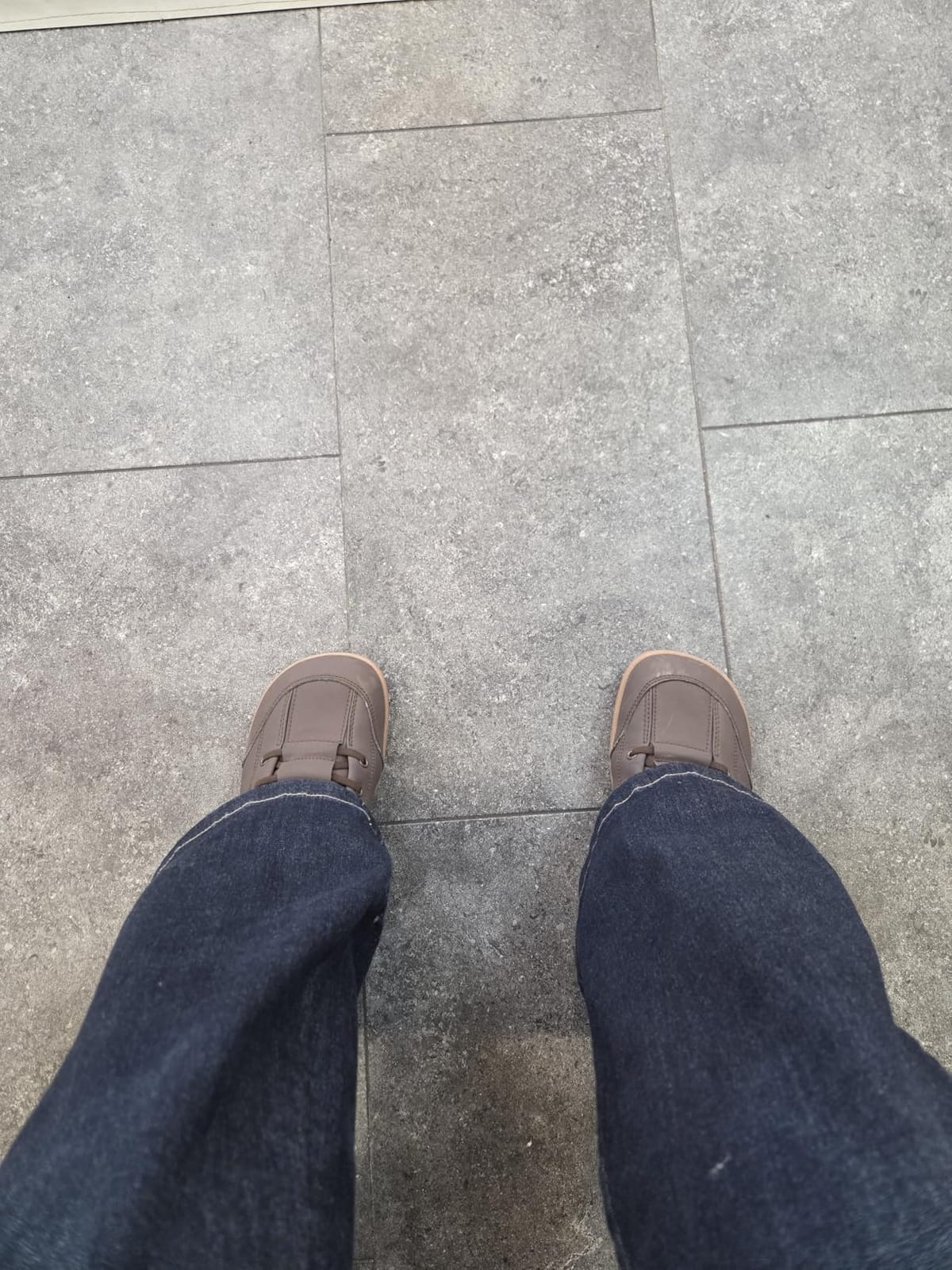
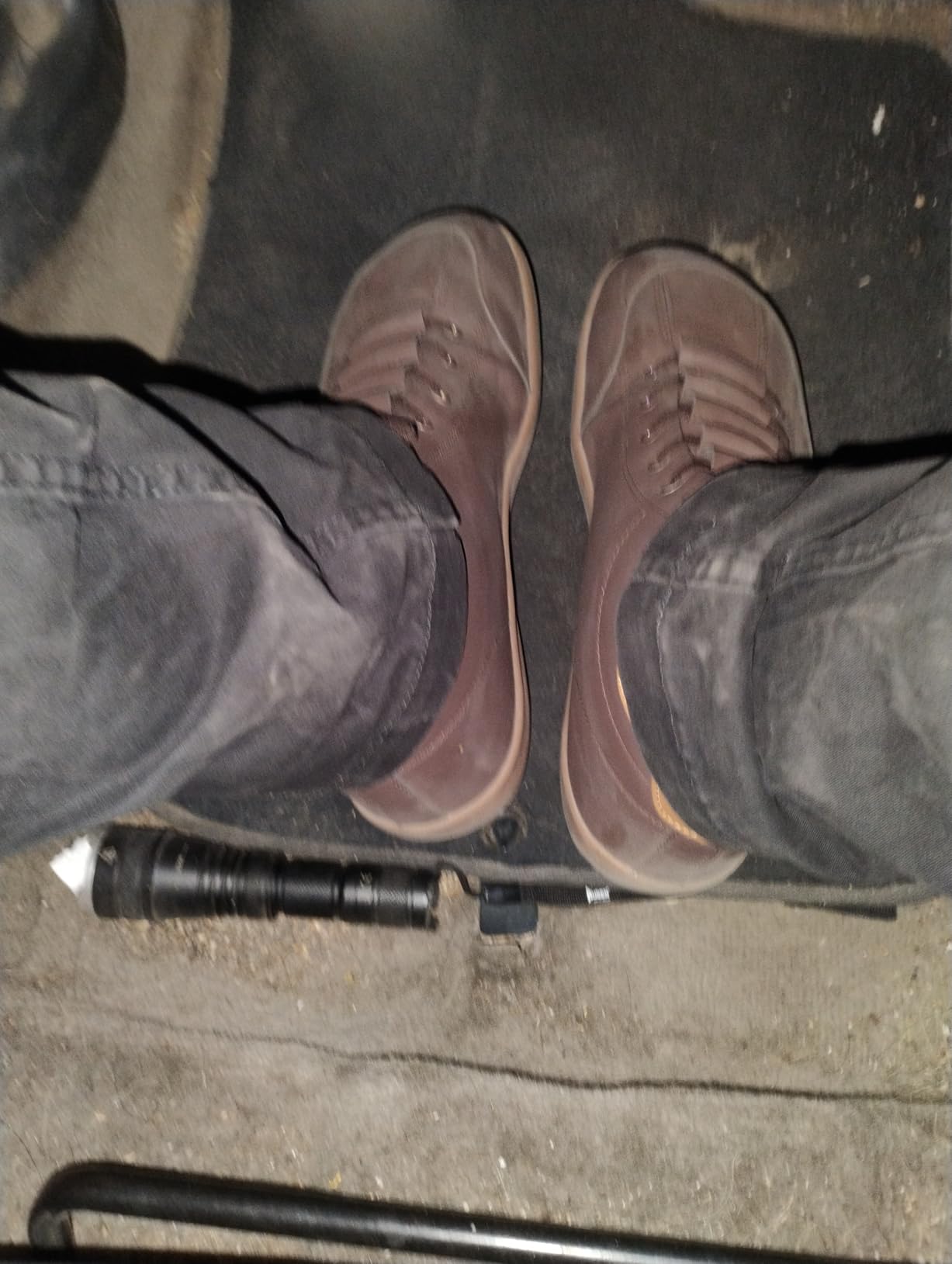
What you give up is protection, and the listing itself is direct about it: this boot is not waterproof. Reviewers looking for a wide-width minimalist walking boot are happy with it, but they consistently describe the result as a walking boot rather than a hiking boot, because there is little cushioning and little ankle support.
If your routes cross mud, streams or rain, this is not the boot. If your routes are pavement, gravel, dry trail and long days on hard surfaces, the flexibility and wide fit may be exactly what you want.
Who this boot suits
It suits hikers who prefer a barefoot or minimalist training approach, who like a very flexible sole underfoot, and who walk on maintained or dry trails rather than technical ground. People who find conventional structured boots restrictive through the forefoot tend to rate this highly.
It also works as an everyday wide-width walking shoe, and the leather upper gives it more lateral stability than a mesh sneaker despite the minimal shape.
Who should skip it
Skip it if your hikes involve water, mud or rain, because there is no waterproofing at all. Anyone carrying a heavy pack, walking on loose rock or needing ankle support will find the cushioning and structure too thin.
7. FitVille Wide Hiking Shoes 2E and 4E – Best Budget Route to a True 4E
FitVille Men’s Extra Wide Hiking Shoes Trail Trekking Sneakers
2E and 4E width options
Water-repellent mesh upper
Arch support insole with heel cup
Pros
- Exceptionally roomy toe box in 2E and 4E
- Thin flexible sole
- Water-repellent upper holds off light rain
- Accurate sizing for many buyers
- Lightweight on pavement
Cons
- Not a technical hiking boot
- Sizing can run short on some pairs
- Heel can slip on smooth ground
- Modest build quality
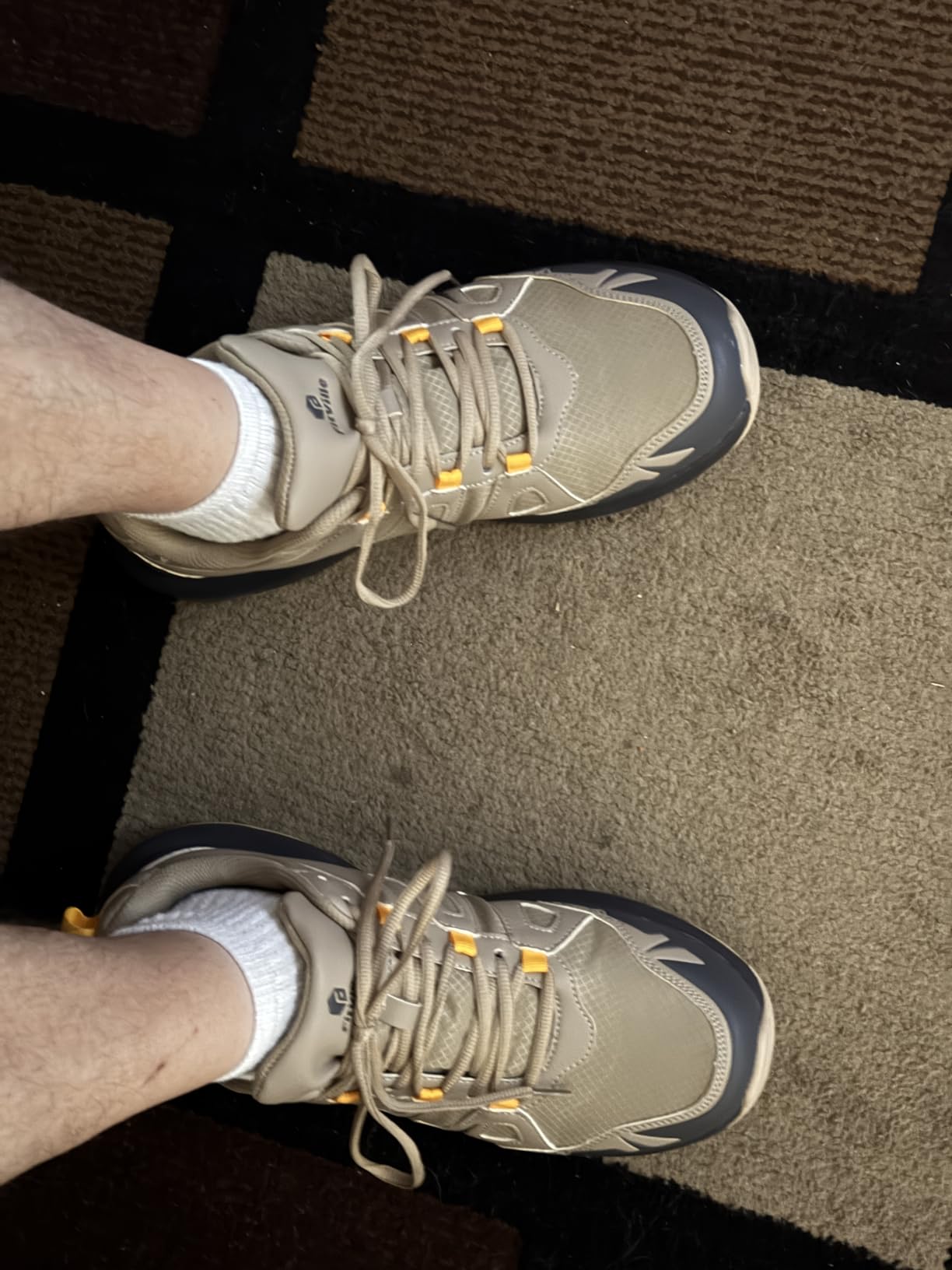
The FitVille is interesting because it offers both 2E and X-Wide 4E widths, which is rare at this end of the market. Reviewers with very wide feet say the extra-wide toe box is genuinely as described rather than a marketing label, and the stated design intent is to reduce pressure from bunions and hammertoes, which is the exact use case most wide-fit shoppers come from.
The upper is a breathable mesh that repels light rain while dispersing moisture, and owners report socks stayed only lightly damp in wet grass. The insole is a moisture-wicking footbed with a supportive heel cup and arch design, and the cushioned midsole is built for extended outdoor use.
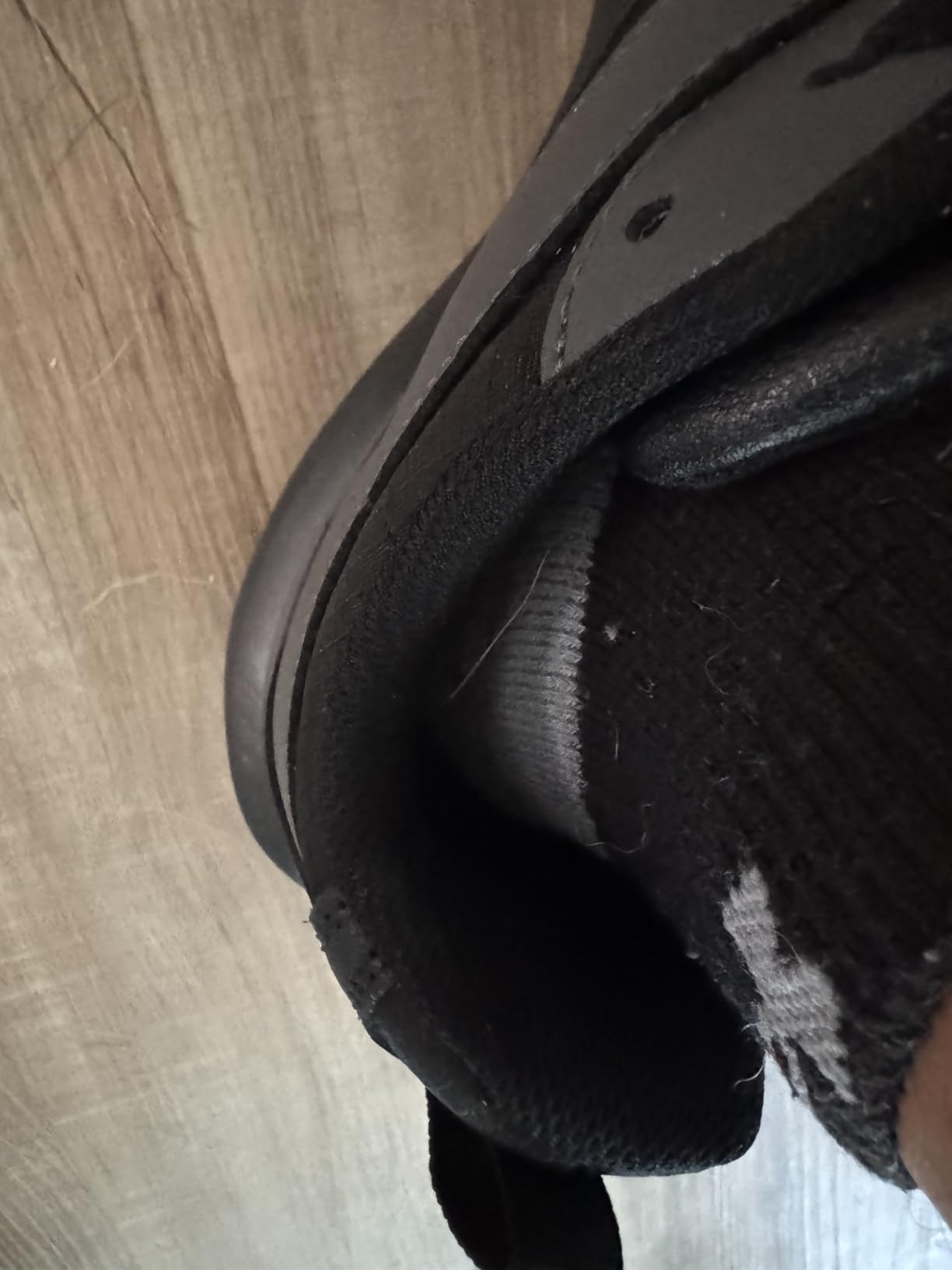
The outsole is an engineered all-traction tread aimed at grip on muddy trails and slippery slopes. Many buyers report accurate sizing and a thin, flexible sole that lets you feel uneven ground, which is appealing if you want ground feedback without a rigid rock plate.
The honest limitation is category. This is a lightweight walking and trail shoe rather than a technical hiking boot, and the cushioning underfoot is modest on rough trails. A few buyers report sizing that runs short, so toes can press against the front, and there are reports of slight heel slip on smooth surfaces plus modest build quality for the price.
Who these FitVille shoes suit
They suit anyone with bunions, hammertoes or a very wide forefoot who wants a genuine 4E width without paying for a technical boot. They are a good match for long walks on pavement and gravel, for everyday wear, and for hikers on maintained trails who value ground feel over ankle structure.
Reviewers also like them for wide feet combined with a need for arch support and a heel cup that holds the rearfoot in place.
Who should skip it
Skip it for technical terrain, heavy packs or long trips where you need real ankle support and a protective toe bumper. If you tend to run long or have long toes, read the sizing feedback carefully because some buyers say they should have gone up a size.
8. NORTIV 8 Wide Toe Box Hiking Shoes – Best Lightweight Waterproof Wide Shoe
NORTIV 8 Men’s Wide Toe Box Waterproof Hiking Shoes,Size 10.5,Black
Wide toe box
Four-hour waterproof upper
4mm lug rubber outsole
5mm low drop
Pros
- Wide toe box eases forefoot pressure
- Lightweight EVA midsole
- Four hours of waterproofing
- Breathable mesh panels
- 4mm lugs grip wet trails
Cons
- Runs slightly narrow versus other wide shoes
- Low cut gives less ankle support than a mid boot
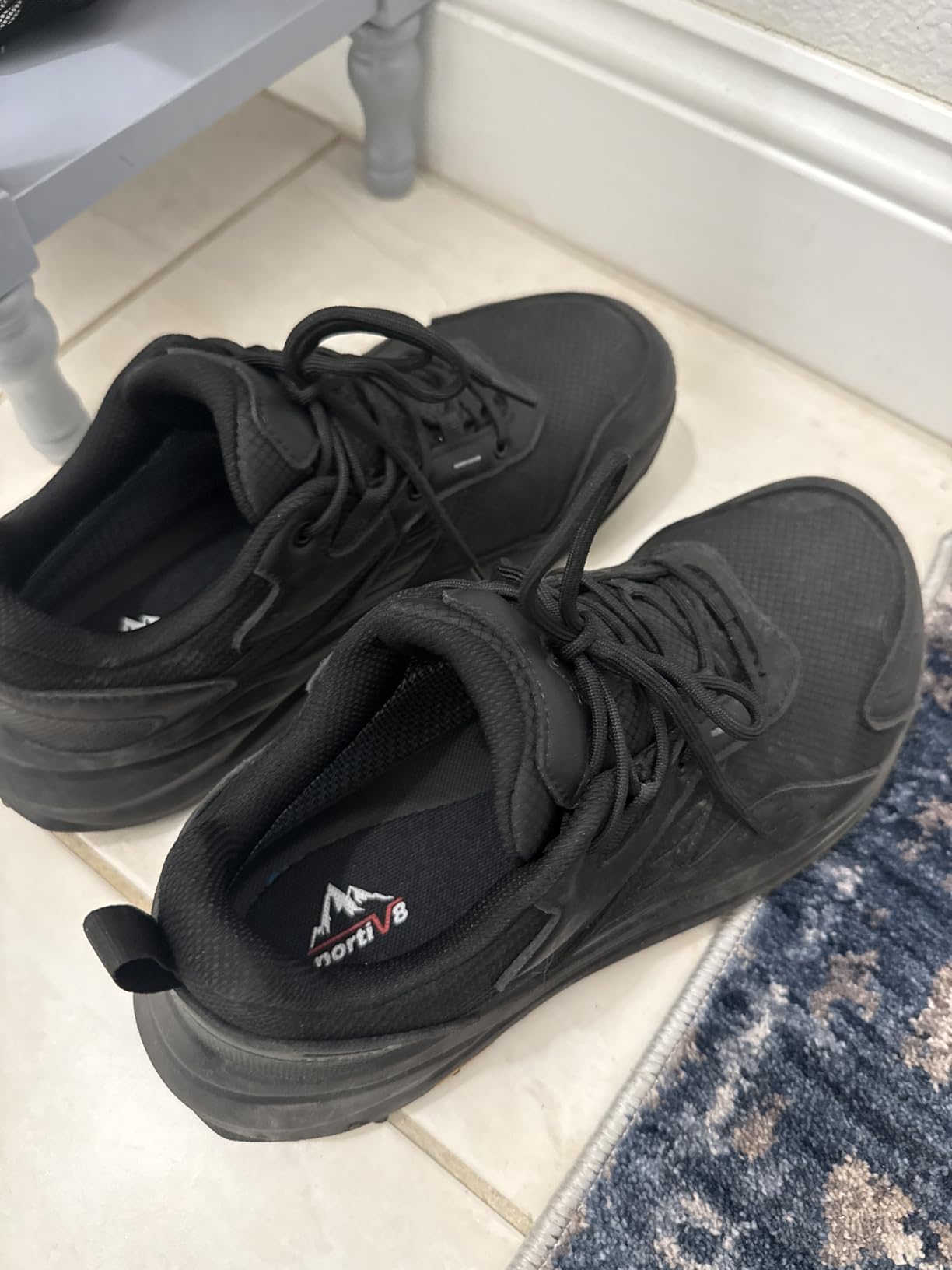
This is the shoe version of the wide toe box idea, and it works well for anyone who found the mid boot too stiff. The wide toe box keeps toes naturally aligned and spread out, which relieves pressure across the forefoot, and the lightweight EVA midsole absorbs impact without adding bulk.
Waterproofing is rated for several hours in rain, mud and wet trails, and the outsole has 4mm lugs that reviewers say grip wet trails without clumping mud, which is a small detail that matters a lot on a long wet day. The leather adds structure while breathable mesh panels promote airflow, so the shoe is less suffocating than a fully sealed boot.
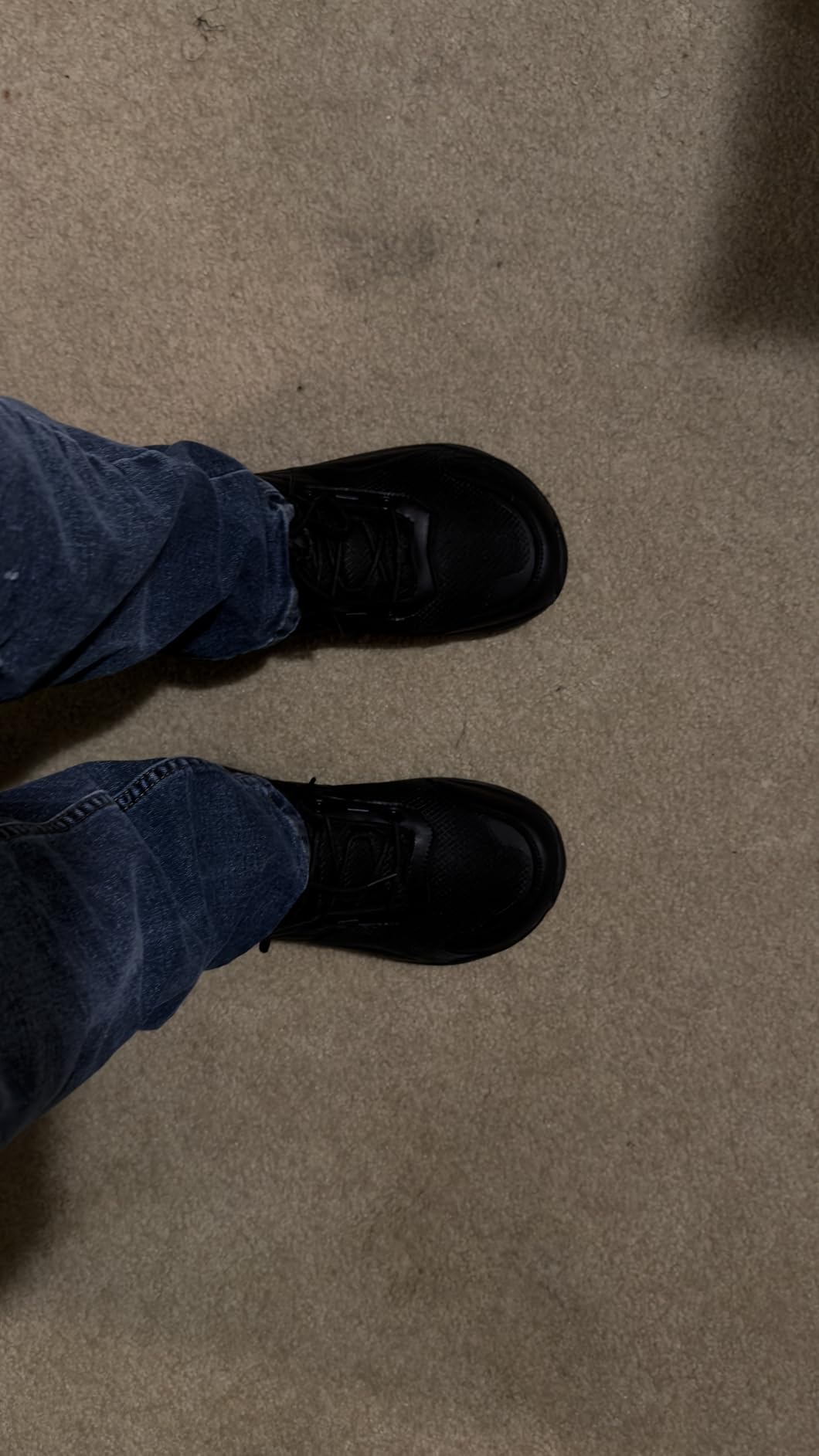
The 5mm low-drop design keeps the foot in a more natural position, and owners report good value for both trail use and daily wear. For a summer hiking shoe, or for anyone who wants waterproofing without the weight of a full boot, the package is genuinely useful.
Fit feedback is the main thing to watch. Several buyers recommend going up a half size for a truly roomy wide fit because this model runs slightly narrow compared with other wide shoes. And because it is a low-cut hiking shoe, ankle support is limited compared with a mid boot, which matters on uneven or off-trail ground.
Who this shoe suits
It suits summer hikers, fastpackers and anyone who wants waterproofing in a lighter, less structured package. It works well for wide feet who have found mid boots too rigid, and for hikers on maintained or semi-maintained trails where a low cut is an advantage.
The breathable mesh also makes it a reasonable everyday shoe for anyone who needs wide widths and spends a lot of time on their feet.
Who should skip it
Skip it if you carry a heavy pack, cross technical terrain or need real ankle support, since it is a low-cut shoe. If you want the roomiest possible toe box in a lightweight shoe, size up half a size and consider the boot version instead.
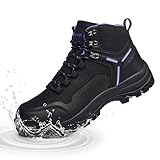
9. MENYBAN Women’s Waterproof Wide Toe Box Boots – Best Women’s Wide Fit on This List
MENYBAN Women’s Waterproof Wide Toe Box Hiking Boots,Purple,8.5W
Women's wide toe box
Waterproof construction
Sizes 5.5 to 11
Traction rubber outsole
Pros
- Wide toe box fits without cramping
- Actually waterproof in wet grass and puddles
- Comfortable from first wear
- Lightweight and slip resistant
- Sizes 5.5 to 11 in three colours
Cons
- Mesh panels let dirt through
- Can run warm in mild weather
- Light ankle support
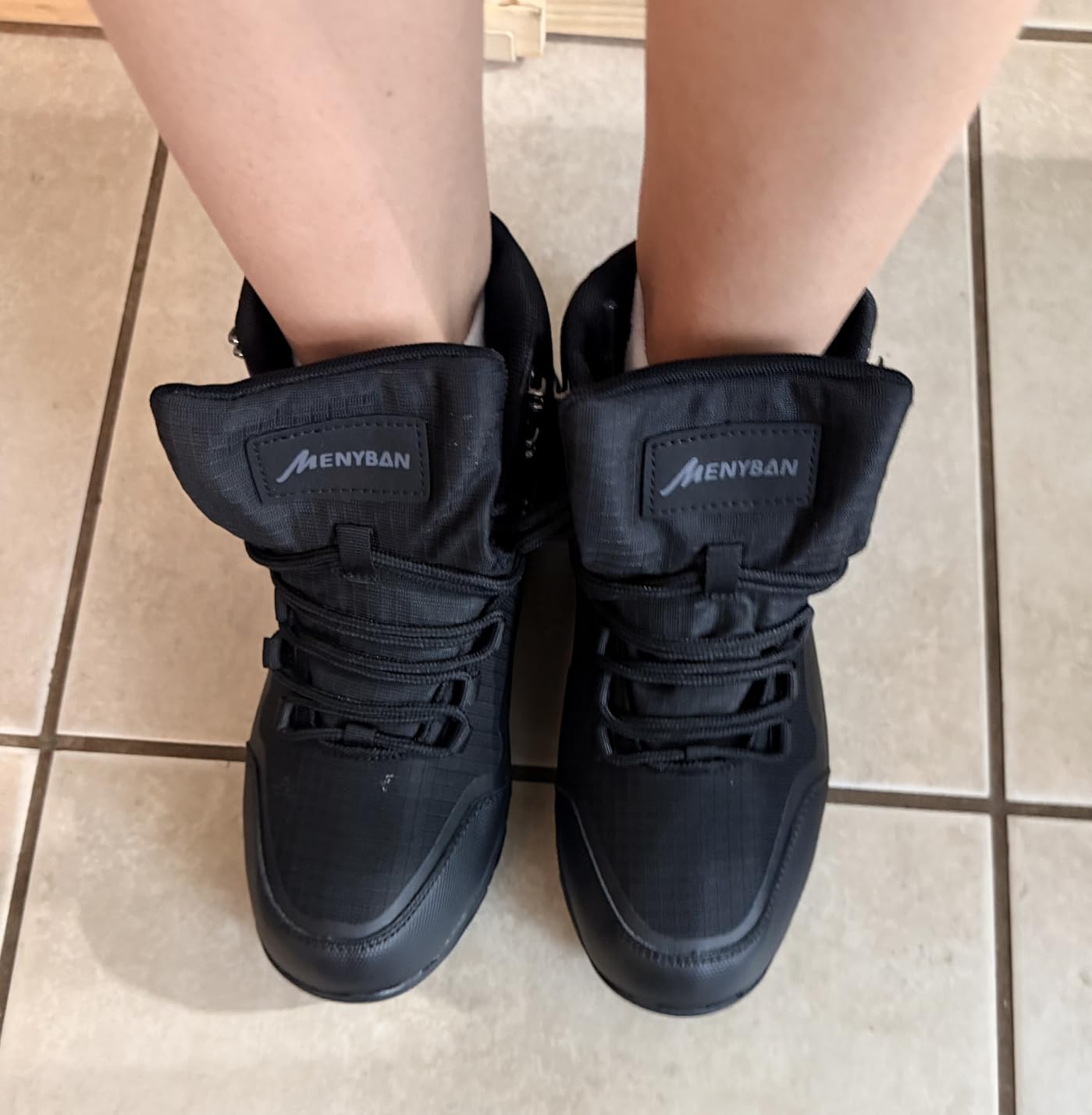
Only two boots in this roundup are made for women, and this is the one with a genuinely wide toe box as the headline feature rather than an afterthought. Women with wide feet report that the widened toe box fits without cramping and allows natural toe splay, which is a much shorter complaint list than most womens hiking boots produce.
The waterproofing is the other strong point. Buyers who are tired of leaky treated-leather hikers say this boot actually stays dry in wet grass and puddles, and it is comfortable from the first wear with no break-in period. The slip-resistant traction outsole is stable on varied terrain, and the whole thing is light enough for everyday walking.
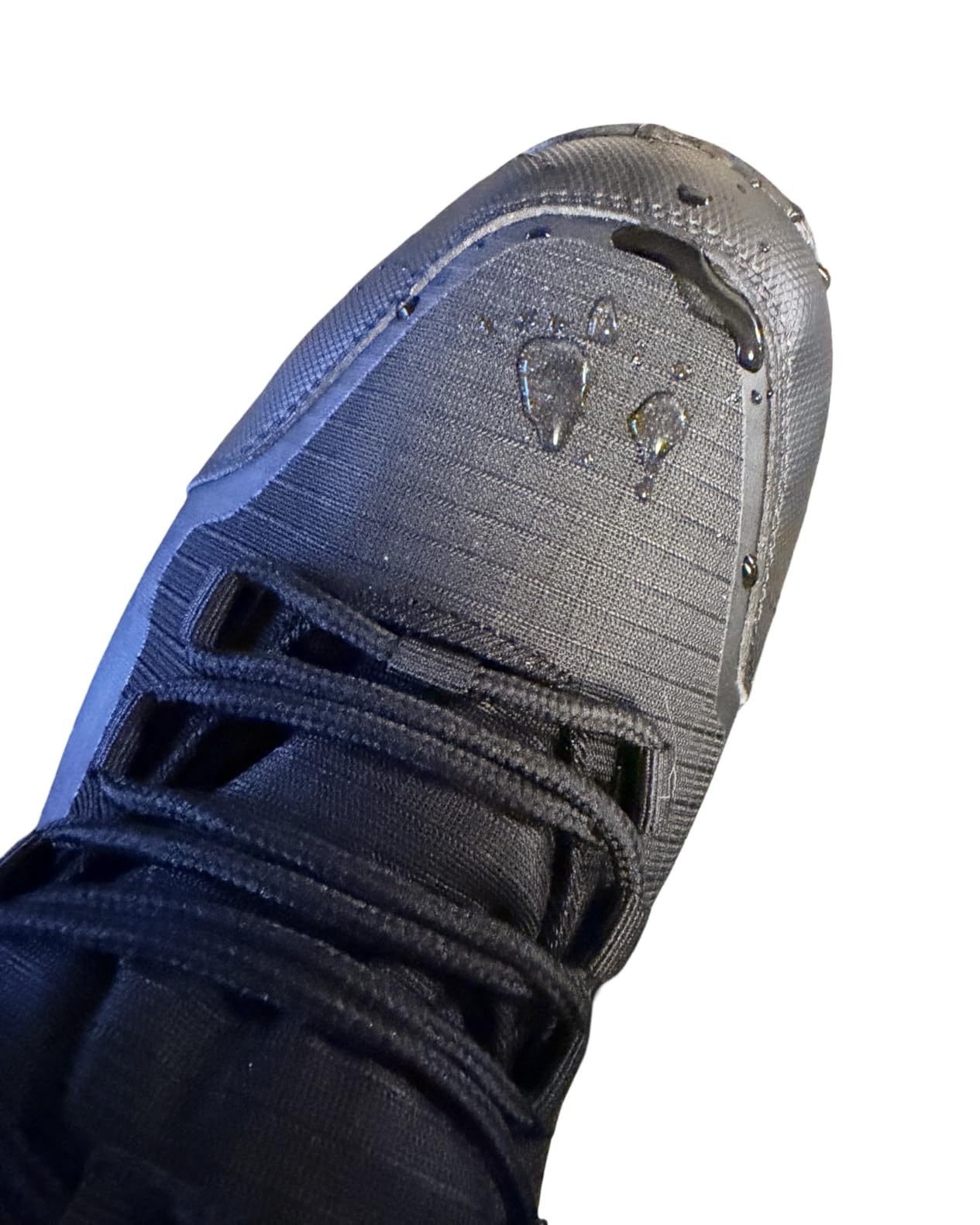
Sizing runs from 5.5 to 11 across three colour options, and extra insoles are included, which matters for anyone who needs to fine-tune volume. The styling is deliberately modern so the boots work on a trail or in town, and reviewers mention that balance directly.
The drawbacks are breathability and support. The mesh panels let dirt through quickly, so it is not ideal for muddy work use, and the boot can run warm in mild conditions. Light ankle support limits it on technical terrain, and the wide fit is the only width story here, with no ladder of 2E and 4E options to choose between.
Who this boot suits
It suits women with wide feet who want a boot that works for everyday wear and light hiking rather than a technical expedition boot. It is a good match for anyone who has given up on womens hiking footwear because of a cramped toe box, and for people who need a genuinely waterproof option in a lighter package.
Reviewers who stand or walk a lot appreciate the combination of a roomy forefoot, a slip-resistant outsole and no break-in.
Who should skip it
Skip it for technical terrain or heavy packs, because the ankle support is light. If you are on your feet in mud or dirty work conditions, the mesh panels will fill with dirt quickly, and if you run hot, the boot is warmer than a mesh shoe.
10. Guide Gear Silvercliff II Mid Zip – Best for Side-Zip Convenience
Guide Gear Men’s Silvercliff II Mid Zip Hiking Boots Waterproof Outdoor Shoes Brown 10.5 2E (Wide)
YKK mid-zip closure
Waterproof suede and nylon upper
Approx 7 inch height
TPR outsole
Pros
- Side zip for quick on and off
- Waterproof in rain and wet streets
- Wide widths in multiple colours
- Padded collar and tongue
- TPR outsole with abrasion-resistant heel
Cons
- Lighter cushioning than a full leather boot
- Suede scuffs and dries slowly
- Wide sizing limited to selected colourways
The Silvercliff II solves a specific problem: getting in and out of hiking boots quickly. The YKK mid-zip closure with pull-on loops means you do not have to lace the whole boot each time, which owners with limited hand dexterity, bad knees or a long day behind a desk genuinely appreciate.
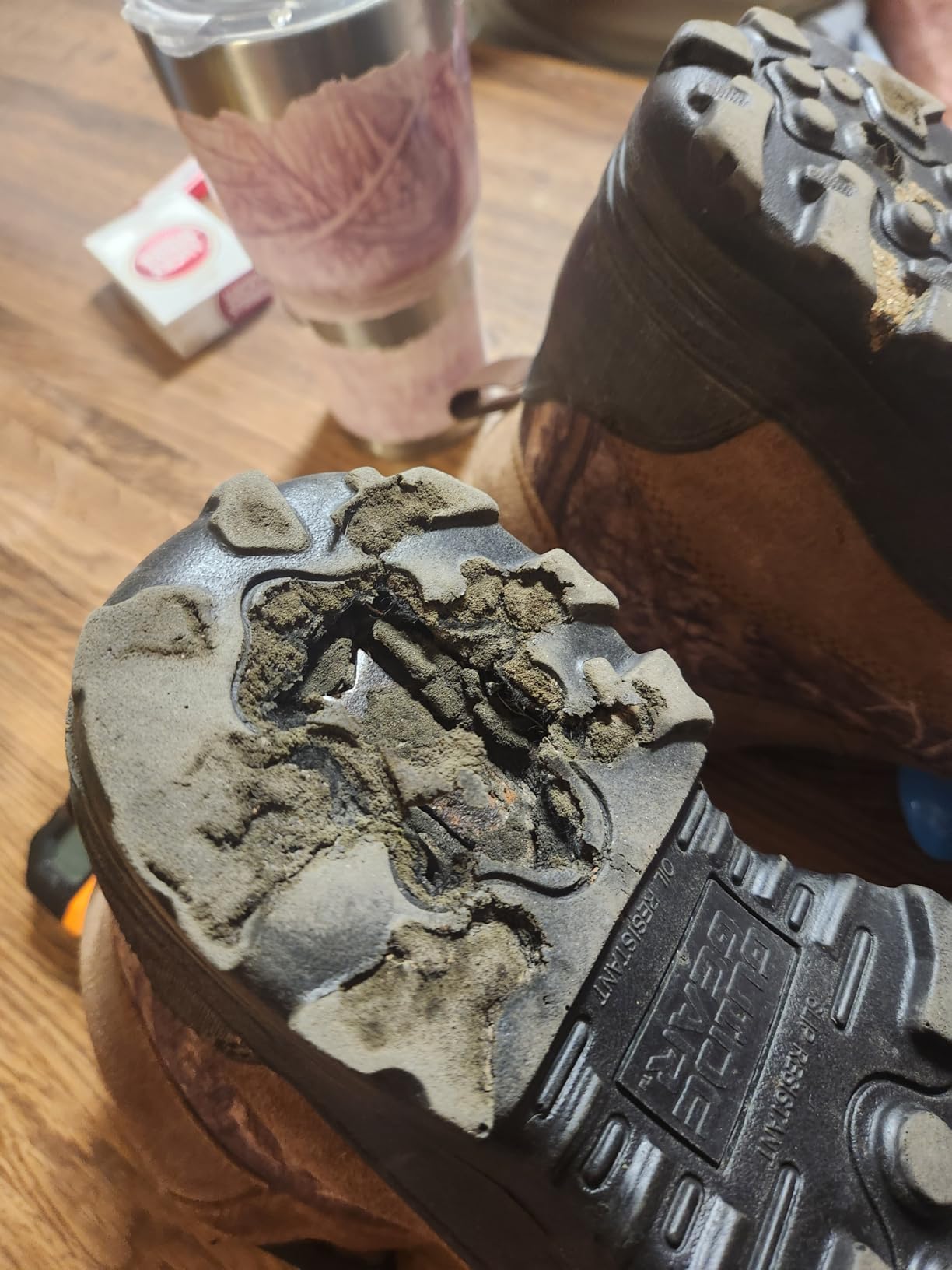
The build is a suede and nylon upper with a padded tongue and collar, standing at roughly 7 inches tall. Waterproofing is a sure-dry construction that reviewers say holds up in rain and on wet streets, and the TPR outsole has an abrasion-resistant heel and toe cap for the parts of the boot that take the most punishment.
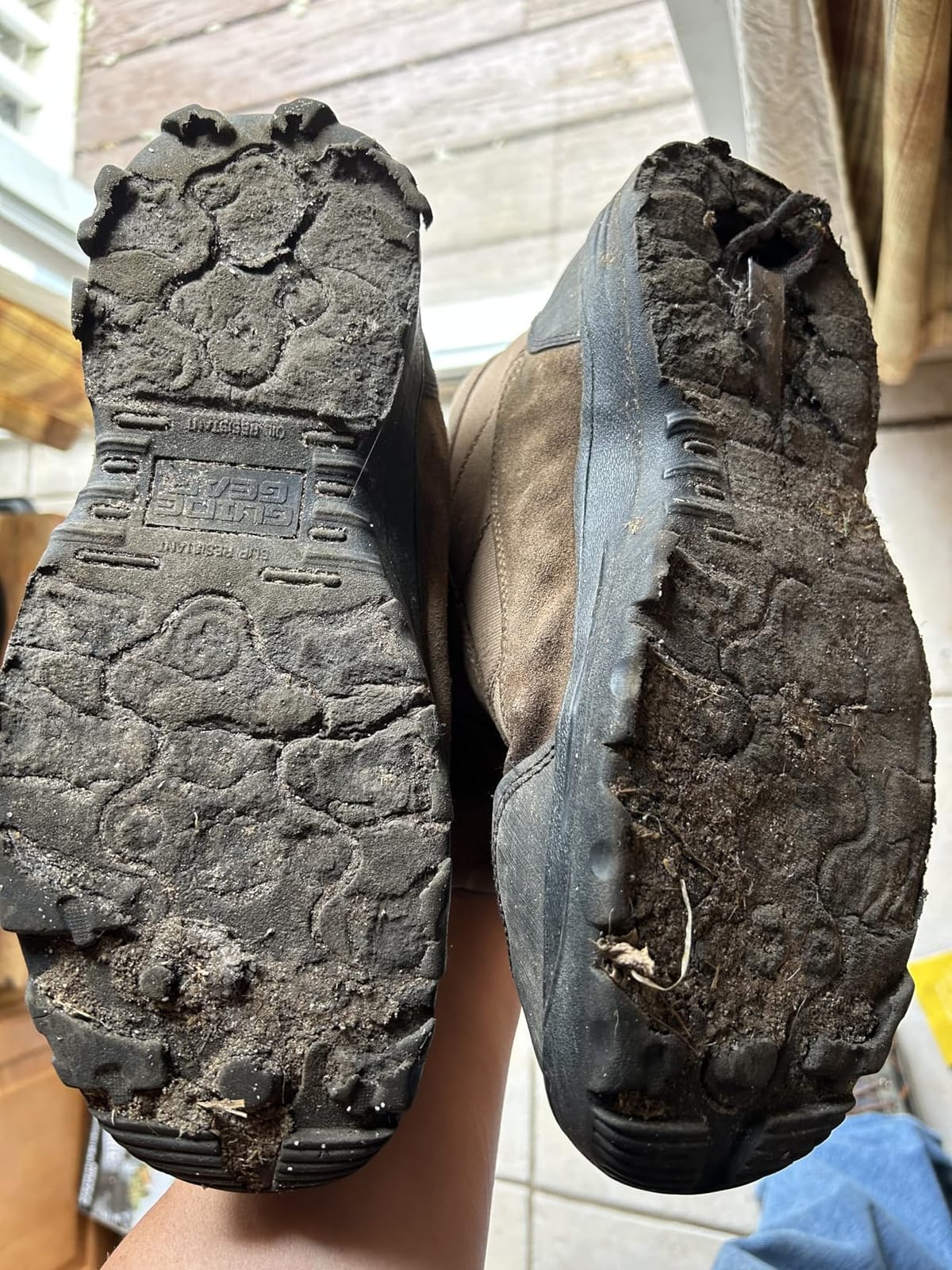
Wide widths are available across multiple colours and sizes, and the padded collar and tongue keep long walking days comfortable. It is the kind of boot that works equally well for hiking, trekking, everyday wet-weather wear and light backpacking, which is why it has built a steady review base.
It is, however, a lighter-duty boot than a premium leather hiker. Cushioning is lighter, the suede scuffs readily and takes a long time to dry out after a soaking, and the wide sizing is not offered in every colourway, so the pair you want may not exist in the width you need.
Who the Silvercliff II suits
It suits hikers who value convenience above structure, especially anyone who wants a boot they can get on and off in seconds. It works for day hiking, trekking and light backpacking, and for anyone who wants a boot that can double as wet-weather everyday footwear.
Reviewers also like the padded collar and tongue for comfort on long walks, and the wide widths give roomier options than most boots in this category.
Who should skip it
Skip it if you need a heavy-duty leather boot for backcountry terrain or long seasonal use, because the cushioning and durability are lighter. Anyone in a climate with frequent heavy rain may prefer a boot that dries faster than suede, and shoppers with a specific width need should check that their colourway carries it.
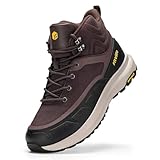
11. FitVille Orthopedic Wide Hiking Boots – Best for Swapping in Custom Orthotics
FitVille Wide Mens Boots Orthopedic Hiking Shoes with Arch Support for Men
Wide and X-Wide fit with high instep
Removable ArchCore insoles
Water-resistant membrane
Pros
- Honest wide and X-Wide sizing
- ArchCore insoles swap for custom orthotics
- Sturdy after months of hard use
- Water resistance for the money
- Comfortable for 8 hours on foot
Cons
- Very stiff out of the box
- Can run small
- Top lace holders sit close together
- Supplied insoles may need replacing
Buyers with orthopedic and wide-foot needs say the FitVille width is accurate rather than marketing, which is the highest compliment in this whole roundup. The design pairs a roomy wide toe box with high-instep construction, and the stated intent is to relieve crowding caused by bunions, hammertoes, plantar fasciitis and flat feet, which is a very specific list of wide-foot complaints.
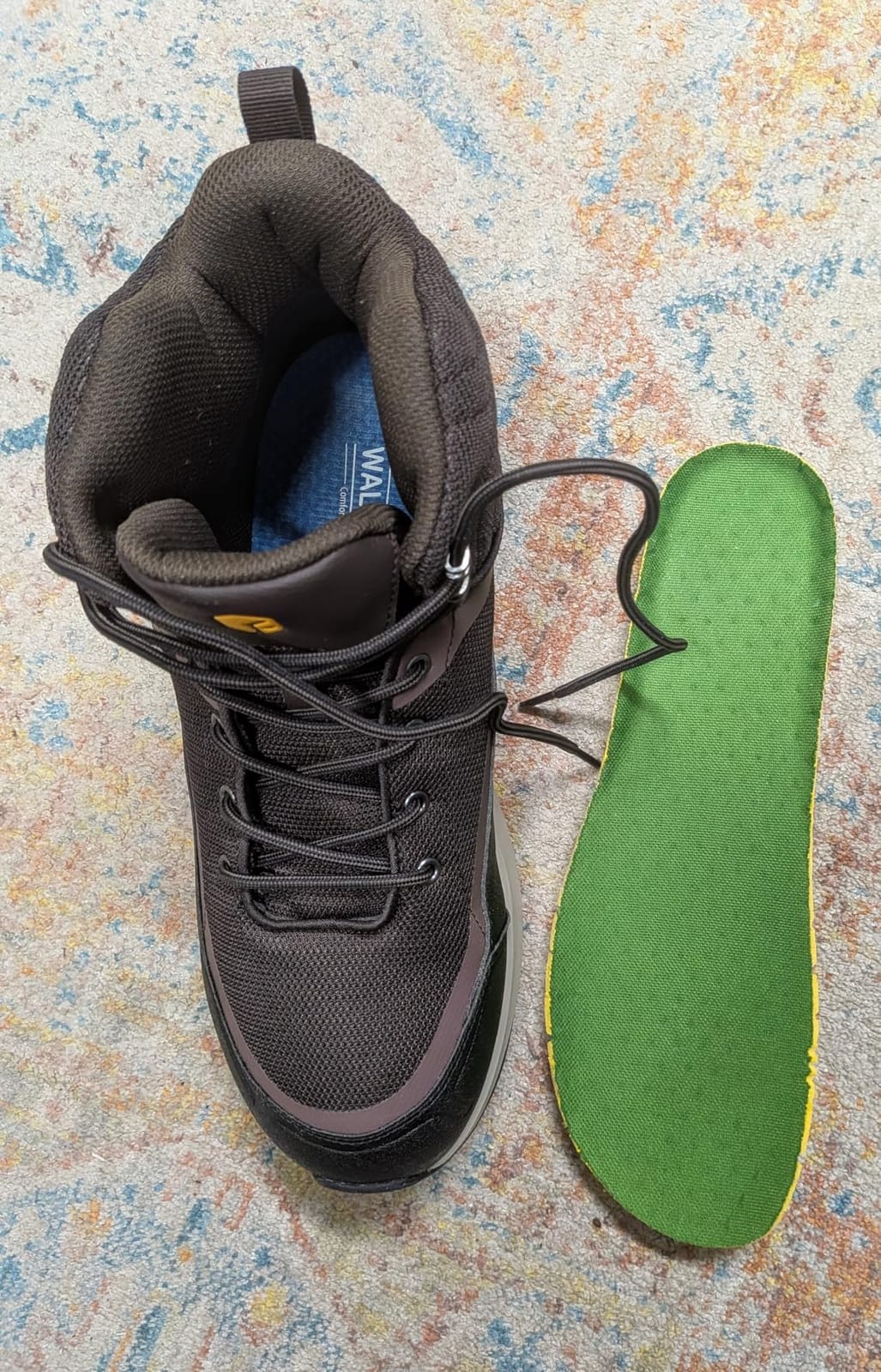
The removable ArchCore insoles are the reason many buyers are here. They have a heel cup and arch support built in, and they can be removed and replaced with custom orthotics without the boot losing its internal shape. One post-surgical reviewer reported three months of hiking with no breakdown, which is about as strong a durability signal as we saw anywhere.
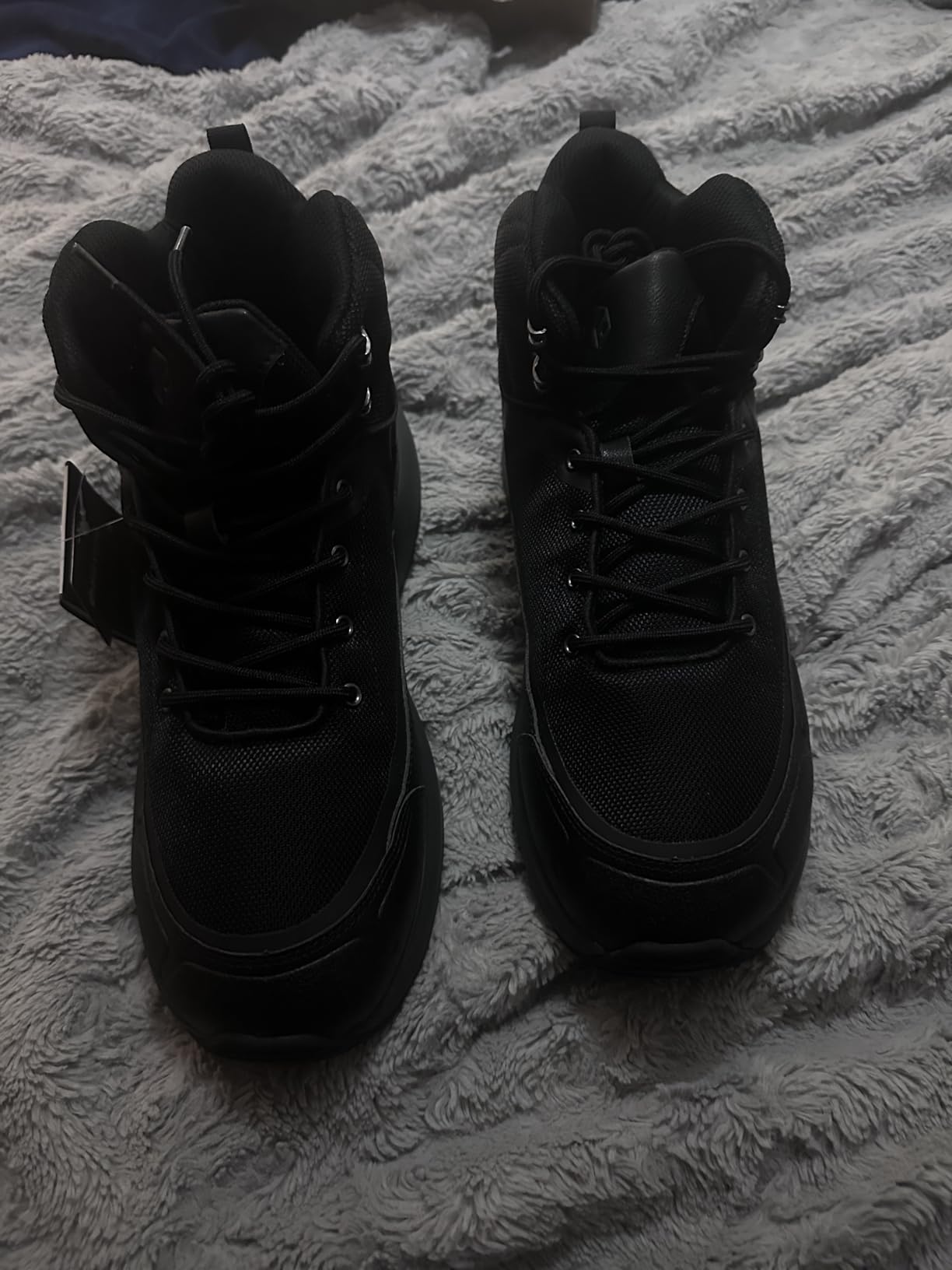
Stability comes from the mid-cut design with an external support heel collar and an EVA midsole, and the water-resistant membrane, abrasion-resistant upper and slip-resistant rugged outsole make it usable in wet conditions. Owners working construction or walking long shifts say it stays comfortable for eight hours or more.
Two things temper that. It is very stiff out of the box and slow to break in, so first-day blisters are a real risk for unpatient hikers. And because it can run small, some buyers needed a size up even when ordering a wide width, which is confusing until you know about it.
Who this boot suits
It suits anyone who wears custom orthotics and needs genuine internal volume to fit them, particularly with high insteps, flat feet or plantar fasciitis. It also suits wide feet on hard-working feet, since owners report full-day comfort and durability after months of daily use.
If you need a mid-cut boot that still holds a heel securely while giving the forefoot room, the support heel collar and wide last are built for exactly that combination.
Who should skip it
Skip it if you want a comfortable boot on the first outing, because the break-in is genuinely long. Anyone who cannot easily exchange sizes should read the runs-small feedback first, and hikers who lace tightly near the top of the boot may find the lace holders awkward.
12. OrthoComfoot Women’s Orthopedic Hiking Boots – Best for Plantar Fasciitis Relief
Women’s Orthopedic Hiking Boots: Wide Toe Box Arch Support Plantar Fasciitis Heel Spur High Instep Walking Shoes, Fit Leisure Driving Camping Ankle Pain Backpacking Boots Grey Rose Purple Size 7.5
Wide toe box for swollen feet
Molded orthotic insoles
Waterproof treated fabric
Deep lug rubber outsole
Pros
- Roomy toe box stops toe blisters
- Molded orthotics give strong arch support
- Thick cushioned sole stays stable
- Waterproof in puddles and wet trails
- Snug heel hold stops lateral shifting
Cons
- Very thick spongy platform sole
- Laces dig in during break-in
- Sizing runs a size large for some
- Colourway showed overspray
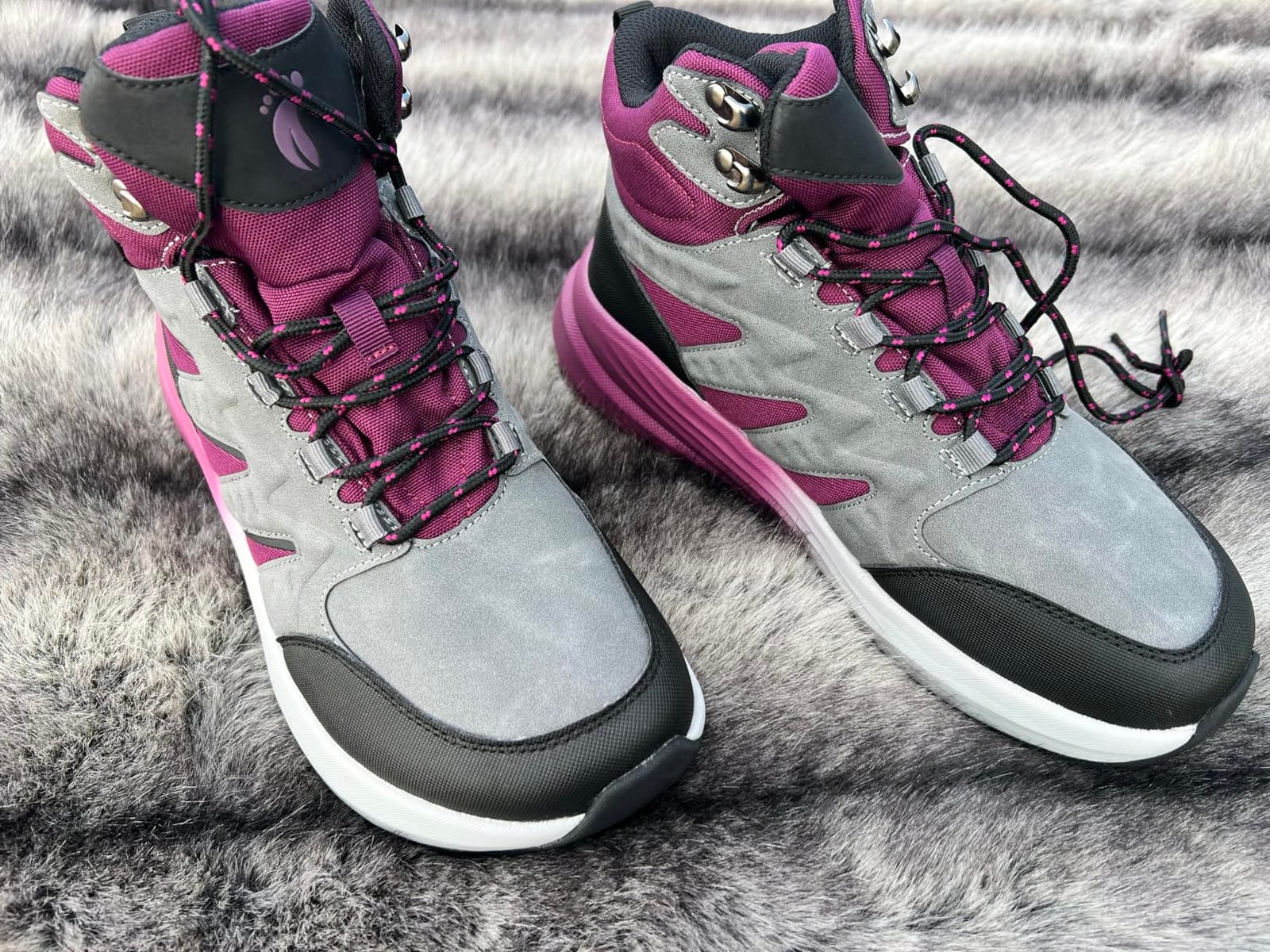
Of the twelve boots here, this is the one built explicitly around arch support and heel pain relief, and it ships with molded orthotic insoles plus spacer insoles and a hard heel cup insert. Owners with wide feet, bunions or plantar fasciitis say the extra-roomy toe box finally stops the toe blisters that used to appear in the first hour of a hike.
The molded insoles provide targeted plantar fasciitis support, and reviewers with heel pain describe the arch support as strong rather than token. The multi-layer cushioned midsole and deep lug rubber outsole stay stable on long walks, which matters more than usual when your feet are already hurting.
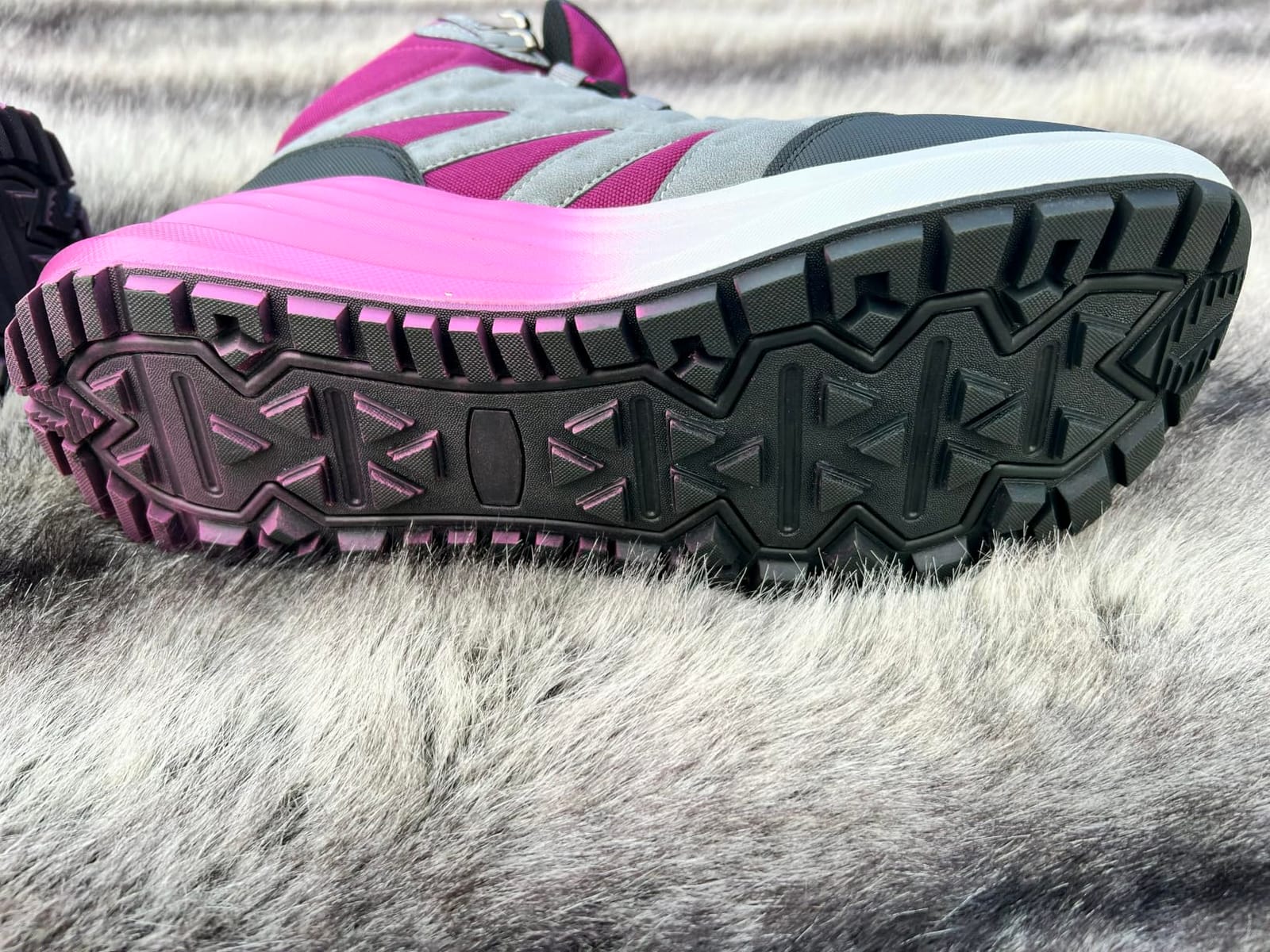
Weather handling is handled by a full waterproof treated fabric upper with a reinforced rubber toe cap, and owners report it holds up in puddles and wet trails. The mid-ankle high top has a padded ankle lining, adjustable metal laces and a moisture-wicking lining, and the snug heel hold keeps the wide forefoot from shifting laterally, which is a genuine problem in many wide boots.
The trade-off is the platform. The sole is very thick and spongy, giving a raised, less stable feel and reduced ground feel on technical rock, and the laces can dig into the top of the foot during the initial break-in. Sizing runs a size large for some buyers, and one colourway arrived with spray-paint overspray on the tread.
Who this boot suits
It suits women managing plantar fasciitis, heel pain or chronic arch discomfort who also need a wide toe box. People who stand all day for work report the cushioning as the main event, and the waterproof upper makes it usable in wet weather.
It also suits anyone who needs a boot that accepts custom orthotics and comes with the volume to hold them, since the three included insoles let you adjust the fit underfoot rather than fighting the upper.
Who should skip it
Skip it if you hike on technical rock and need ground feel and stability, because the tall spongy platform works against both. Buyers sensitive to lace pressure across the top of the foot should expect a short break-in, and anyone with very large feet should check the size chart given the reports of running a size large.
How to Choose Wide-Fit Hiking Boots in 2026
Every mistake we see in wide-fit boot buying comes down to treating width and volume as the same thing. They are not. Width is a measurement across the ball of your foot, and volume is the three-dimensional space inside the boot. You need both, and a boot can give you one without the other. The Cliff Walker is the clearest example in this roundup of a very wide measurement with a toe box that still tapers; the NORTIV 8 boots are the reverse, with a genuinely foot-shaped toe box and fewer coded widths to choose from.
Read the width code before anything else
Width codes are a measurement system, and they are the only objective number in the whole category. B is narrow, D is standard, 2E is wide, 4E is extra wide, and 5E and 6E exist for genuinely hard-to-fit feet. Sizes and widths are sold separately, so a men 10 in 4E is not the same shoe as a men 10 in D.
Check whether the width runs across the sizes you need, because brands often offer their widest width only up to a men 13. Both Propét boots here go through 5E in sizes up to 16, which is rare and genuinely useful. The Dunham Cloud runs B through 4E from size 7 to 16, which is the most complete ladder on this list.
Toe box shape matters more than the width letter
Look for the shape of the toe box rather than the letter. A roomy, rounded toe box that lets toes spread is better for balance and for long days than a technically wide measurement that tapers to a narrow tip. Search terms like wide toe box and toe splay point you toward foot-shaped lasts, and the NORTIV 8 boots, the FitVille shoes and the HOBIBEAR all describe themselves that way.
Also decide how much room you want. Reviewers on these boots repeatedly mention that some wide fits feel loose to people with standard-width feet, and that some models run slightly narrow against other wide shoes, so half-size adjustments are sometimes needed. Buy the room you need, not the room that sounds generous.
Waterproofing choices for wide feet
There are three broad approaches here and they suit different weather. Membrane boots such as the KEEN Targhee 3 Mid with KEEN.DRY and the NORTIV 8 boots keep water out but are less vented, so they run warm in summer. Seam-sealed construction like the Dunham Cloud sits in the middle. Water-repellent mesh, as on the FitVille shoes, handles light rain and wet grass but not sustained rain.
The important detail for wide feet is that waterproof boots often get wider in the forefoot and tighter over the instep at the same time, so a boot can solve your toe room while creating a new pressure point on top of the foot. If you have both wide feet and a high instep, the Dunham Cloud and the FitVille orthopedic boot are the two models on this list that were built with instep volume in mind.
Orthotic-friendly fit for wide feet
Custom orthotics need volume, and volume comes from a removable insole in a roomy last. Every boot here with a removable footbed lets you swap the stock insert, and two of them, the Dunham Cloud and the FitVille orthopedic boot, explicitly market orthotic acceptance.
FitVille goes further with the ArchCore insoles, which come with a heel cup and can be exchanged for custom inserts without the boot losing shape. OrthoComfoot ships three insoles, including spacer layers and a hard heel cup, which lets you build volume up rather than only take it away. If you use orthotics, check insole removability before you check anything else.
Break-in and sizing: what reviewers actually report
Break-in behaviour varies more than any other factor, and it is where wide-fit reviews get emotional. Boots reported as comfortable with almost no break-in include the Propet Ridge Walker, the KEEN Targhee 3 Mid and the MENYBAN womens boot. Boots reported as stiff include the Ridge Walker leather in the long run, the FitVille orthopedic boot, which owners describe as very stiff on arrival, and the OrthoComfoot, where laces dig in at the start.
Sizing guidance from owners on these specific models is worth more than any generic chart. The Propet Cliff Walker runs slightly long and reviewers suggest sizing down. The NORTIV 8 wide shoe runs slightly narrow against other wide shoes and buyers recommend going up half a size. The FitVille orthopedic boot can run small and some buyers needed a size up even in a wide width. The Dunham Cloud may run slightly short for some.
Two fitting techniques reduce risk. First, use a heel-lock lacing pattern to secure the rearfoot without tightening the forefoot, which is the standard fix for the narrow-heel and wide-forefoot combination. Second, walk a full ten minutes indoors in whatever socks you will actually hike in before you commit to long trips. Forum discussion around wide hiking boots keeps circling the same risk, and it is the simple fact that ordering wide footwear online without trying it is the part people regret most.
How to Measure Your Feet for a Wide Width
You cannot buy the right width if you do not know your width, and most people have never checked. A five-minute measurement at home tells you whether you need a 2E or a 4E, and takes the guesswork out of ordering online.
Step one: trace both feet while standing, not sitting. Sit down and your arch flattens, which understates your true length and misleads you about width.
Step two: measure the length of each trace from heel to longest toe in centimetres or inches, and use the larger of the two feet. Feet are rarely symmetrical.
Step three: measure the girth across the ball of the foot, at the widest point, with a tape held snug but not tight. That girth number is what maps to width codes. Add roughly half an inch of allowance from there for the length you are ordering, since a boot should never touch the end of your longest toe.
Step four: stand on a sheet of paper and have someone mark the widest points on each side, then measure the distance between them. If your forefoot measures noticeably wider than your heel, you are the narrow-heel and wide-forefoot case, and you should look at boots with a secure rearfoot rather than just a bigger width letter.
Step five: measure your arch height while standing by checking the gap between your arch and the floor. A low or flat arch changes which insole works, and the FitVille orthopedic and OrthoComfoot boots are the two models here built around arch support if yours is pronounced.
Two final ordering tips. Measure your feet in the evening, when swelling is highest, particularly if you stand all day or have feet that swell in heat. And keep the tape measure handy once the boots arrive, because if the ball-of-foot measurement has roughly a centimetre of slack you are in the right width, and if it is pinched you need to go up one.
Frequently Asked Questions
What are the best hiking shoes for people with wide feet?
The best hiking boots for wide feet are the ones built with an anatomically wide last rather than a wide label on a standard last. On this list the NORTIV 8 Wide Toe Box boots and the FitVille 2E and 4E shoes have the most naturally foot-shaped toe boxes, while the Propet Ridge Walker and Cliff Walker offer the widest coded sizing through 5E.
What boot brand is best for wide feet?
Brand matters less than width range. Propét offers the widest coded sizing here, reaching 5E in sizes up to 16, and the Dunham Cloud runs from B through 4E across sizes 7 to 16. KEEN is the strongest all-round option with a wide toe box that still cinches a narrow heel, and you should always check the specific width availability for your colour and size.
Which boot is best for wide feet overall?
The Propet Ridge Walker is our top pick because it combines genuine extra-extra-wide sizing up to size 16 with a removable orthotic-friendly footbed and a waterproof leather upper. If you need the widest possible fit, the Propet Cliff Walker reaches 5E and is the alternative. If you want the roomiest toe-box shape in a lighter boot, the NORTIV 8 Wide Toe Box boot is the choice.
What are some good hiking shoes with a wide width?
For shoes rather than boots, the FitVille wide hiking shoes come in both 2E and 4E widths with a water-repellent mesh upper and an arch-support insole, and the NORTIV 8 Wide Toe Box hiking shoes pair a roomy toe box with a four-hour waterproof upper and a 4mm lug outsole. Both suit day hiking and long walks on maintained trails.
Do wide hiking boots need a break-in period?
It depends on the construction. Reviewers report almost no break-in for the Propet Ridge Walker, the KEEN Targhee 3 Mid and the MENYBAN womens boot, while the FitVille orthopedic boot is described as very stiff on arrival and the OrthoComfoot laces can dig in early on. Boot width alone does not predict break-in, so read the fit reports for the specific model.
How do I stop my heel slipping in wide hiking boots?
Most heel slip in a wide-fit boot comes from a roomy forefoot combined with a loose rearfoot, not from the boot being too wide overall. Use a heel-lock lacing pattern to anchor the rearfoot without adding tension across the forefoot, and look for a boot with a heel cradle or external heel counter, as found on the KEEN Targhee 3 Mid and the FitVille orthopedic boot.
Final Verdict for Wide-Feet Hikers in 2026
If your feet are genuinely wide and you are done guessing, start with the Propet Ridge Walker. It offers real extra-extra-wide sizing up to size 16, a removable footbed that accepts orthotics and a waterproof leather upper, which makes it the most complete answer on this list for the widest range of hikers. Where you need more room than 4E, move to the Propet Cliff Walker, which reaches 5E, and check the toe taper warning before you order.
For everyone else, match the boot to the job. The Dunham Cloud covers the widest range of widths and fits narrow heels well. The KEEN Targhee 3 Mid is the most complete all-round hiking boot here. The NORTIV 8 boots give the roomiest toe-box geometry for warm-weather and fast hiking. The FitVille orthopedic and OrthoComfoot boots are the picks when arch support and plantar fasciitis management come first. And the FitVille wide shoes are the practical choice when you want a genuine 4E without a boot.
Whatever you choose, measure your foot before you click through, order the width rather than the length, and walk ten minutes indoors first. That single habit solves most of the wide-fit problems people describe online.