
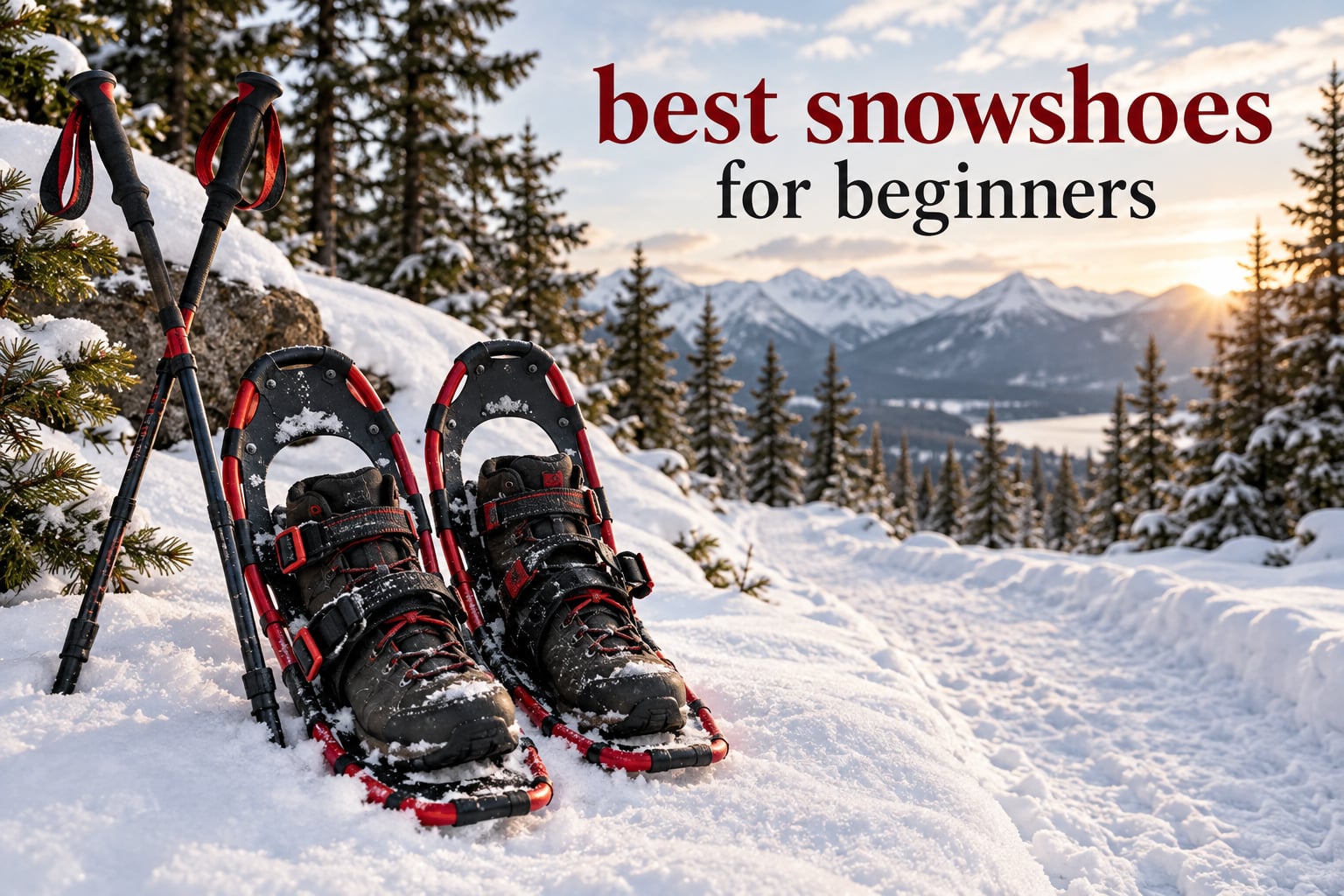
The best snowshoes for beginners are the G2 GO2GETHER 21/25/30/36-inch kit. It has a high-density polyethylene deck that spreads your weight instead of letting you posthole, a one-pull ratchet binding you can operate with frozen hands, and it comes with trekking poles and a tote bag so there is nothing else to buy. Twelve pairs made it into our comparison, and this one combines the friendliest binding with the largest base of owner feedback.
Snowshoeing is not a difficult sport. If you can hike, you can snowshoe. What stops most beginners is the gear shopping, because the category is full of jargon: flotation, postholing, UniBody decks, Paraglide bindings, heel risers. None of it matters until you understand one idea, which is that a snowshoe spreads your body weight over a much larger area than your boot sole. That spread is flotation, and it is the reason you stop sinking waist-deep on your second step.
The metal teeth underneath the deck are the other half. Crampons and side rails bite into ice, crust and packed snow so you do not slide out on a sidehill. Longer frames float better in soft powder and feel awkward on a flat groomed trail, which is the core trade-off every beginner needs to understand. We spent the season working through twelve pairs across four sizes, three decking materials and every binding style worth knowing about.
Along the way we kept one rule in mind: beginners do not need expedition gear. A trail-category snowshoe with an aluminum frame, a glove-friendly binding and a heel lift will carry almost everyone on their first winter. Our testing also drew on years of owner feedback, since the same problems show up again and again once the novelty wears off. If you are still deciding what to photograph or how to document your winter walks, our beginner camera guide covers the gear side of starting out.
Table of Contents
Top 3 Beginner Snowshoes

G2 GO2GETHER Kit
- HDPE deck
- One-pull ratchet binding
- Aluminum crampons
- Poles and tote bag included

Odoland 21/25/30 Kit
- Aluminum frame
- Sawtooth crampons
- Telescoping poles
- Gaiters and bag included
Best Snowshoes for Beginners in 2026 at a Glance
Twelve pairs, ranked. If you want the short version, the G2 GO2GETHER is the one to buy first, the Wildhorn Sawtooth is the one to buy if you plan to keep them for a decade, and the Retrospec Drifter is the most basic pair here that still gives you a heel lift and an aluminum frame.
| Product | Specifications | Action |
|---|---|---|
| G2 GO2GETHER Lightweight Kit |
|
Check Latest Price |
| Odoland Kit with Poles and Gaiters |
|
Check Latest Price |
 Wildhorn Outfitters Sawtooth Wildhorn Outfitters Sawtooth |
|
Check Latest Price |
 Retrospec Drifter Retrospec Drifter |
|
Check Latest Price |
 Yukon Charlies Sherpa Kit Yukon Charlies Sherpa Kit |
|
Check Latest Price |
 OUTBOUND Snowshoe Kit OUTBOUND Snowshoe Kit |
|
Check Latest Price |
 XtremPro Aluminum Snowshoes XtremPro Aluminum Snowshoes |
|
Check Latest Price |
 Franklin Sports Arctic Trails Franklin Sports Arctic Trails |
|
Check Latest Price |
 Tubbs Wayfinder Tubbs Wayfinder |
|
Check Latest Price |
 MSR Evo Trail 22 Inch MSR Evo Trail 22 Inch |
|
Check Latest Price |
 Tubbs Xplore Kit Tubbs Xplore Kit |
|
Check Latest Price |
 Tubbs Frontier Tubbs Frontier |
|
Check Latest Price |
1. G2 GO2GETHER Lightweight Snowshoe Kit – Our Best Overall Pick for Beginners
G2 21 Inches Blue Light Weight Snowshoes for Women Men Youth, Set with Trekking Poles, Tote Bag, Special EVA Padded Ratchet Binding, Heel Lift, Toe Box
HDPE deck
One-pull ratchet binding
Aluminum crampons
Heel lift
Up to 150 pounds
6 pounds per pair
Pros
- Lightweight and easy to walk in for first-timers
- Ratchet binding works with frozen hands
- Crampons grip crusty and icy snow
- Poles and tote bag included
- Four length options
Cons
- Small buckle end feels flimsy
- Rigid toe straps hard to snug on hiking boots
- Pole fasteners loosen over time
This is the pair I hand to friends who say they have never done this before. The binding is the reason. One pull and the shoe tightens around your boot, which means you are not fumbling with two straps and a buckle while your gloves are off and the wind is coming off the lake.
Owners consistently describe it as easy to learn on, and several first-timers called it a perfect beginner set in the same breath. The most common piece of advice in that feedback is to size up one length for better flotation in soft powder, which matches what we saw on deeper days.
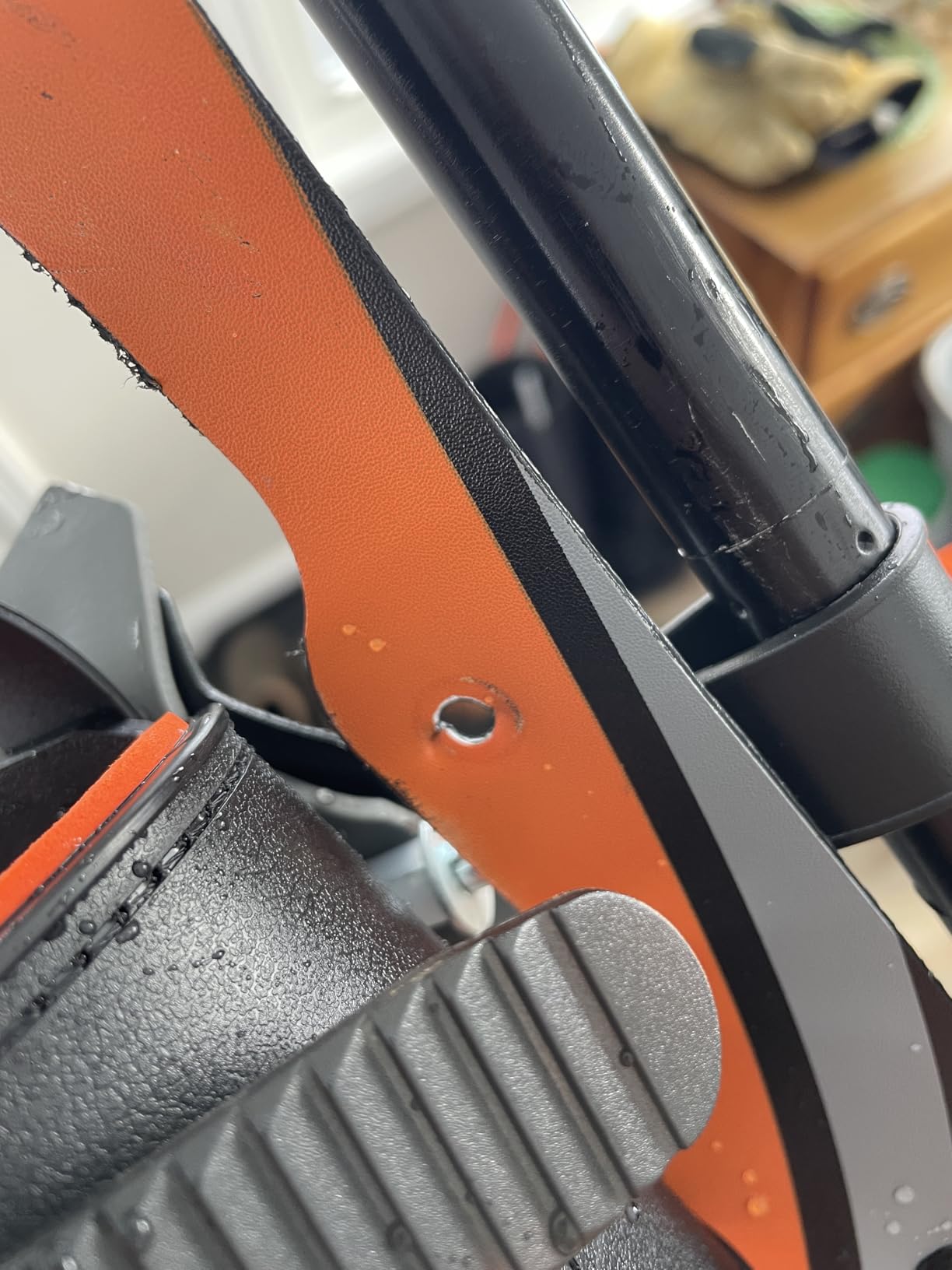
The aluminum crampons give real grip on crusty and icy snow rather than only on soft powder, and the padded EVA foam interior keeps the deck from pressing directly against your boot on long walks. The flex pivot bar lets the tail roll with your stride, so your heel lifts naturally instead of catching.
The frame is aluminum with an HDPE deck, a combination that suits most beginners: light, stiff enough to hold shape, and simple enough that a first clumsy step does not hurt it. Flex pivot bar plus a heel lift means climbs are kinder to your calves than a flat deck would be.
Is the G2 kit right for a complete beginner
Yes. The one-pull binding is the most forgiving entry binding we tested, and the included poles and tote bag mean your first outing needs nothing else from this category. Total weight is 6 pounds per kit, which is manageable on a flat trail or a forest road.
Where this kit falls short
The maximum weight recommendation is 150 pounds, so anyone heavier should look at a longer frame. The crampons sit at the toe and heel rather than running the full perimeter, which limits grip on genuinely steep pitches. The small buckle end that anchors the strap to the deck also reads as flimsy, and the pole fasteners do not inspire confidence over seasons of use.
2. Odoland 21/25/30 Inch Snowshoes – Best Value Complete Kit
Odoland 4-in-1 Snowshoes Snow Shoes for Men and Women with Trekking Poles, Carrying Tote Bag and Waterproof Snow Leg Gaiters, Lightweight Aluminum Alloy Snow Shoes, Blue, Size 30”
Aluminum frame
Two sets of sawtooth crampons
Telescoping poles 25.5 to 54 inches
Pongee leg gaiters
3 sizes to 250 pounds
Pros
- Complete package with poles
- gaiters and bag
- Large flat area for good flotation
- Poles telescope with gloves on
- Gaiters keep snow out of boots
- Three length options
Cons
- Plastic bindings feel fragile
- Buckles arrive loose and ratchet poorly
- Bent-tube perimeter edges reduce climb grip
- Pole basket screws spin off
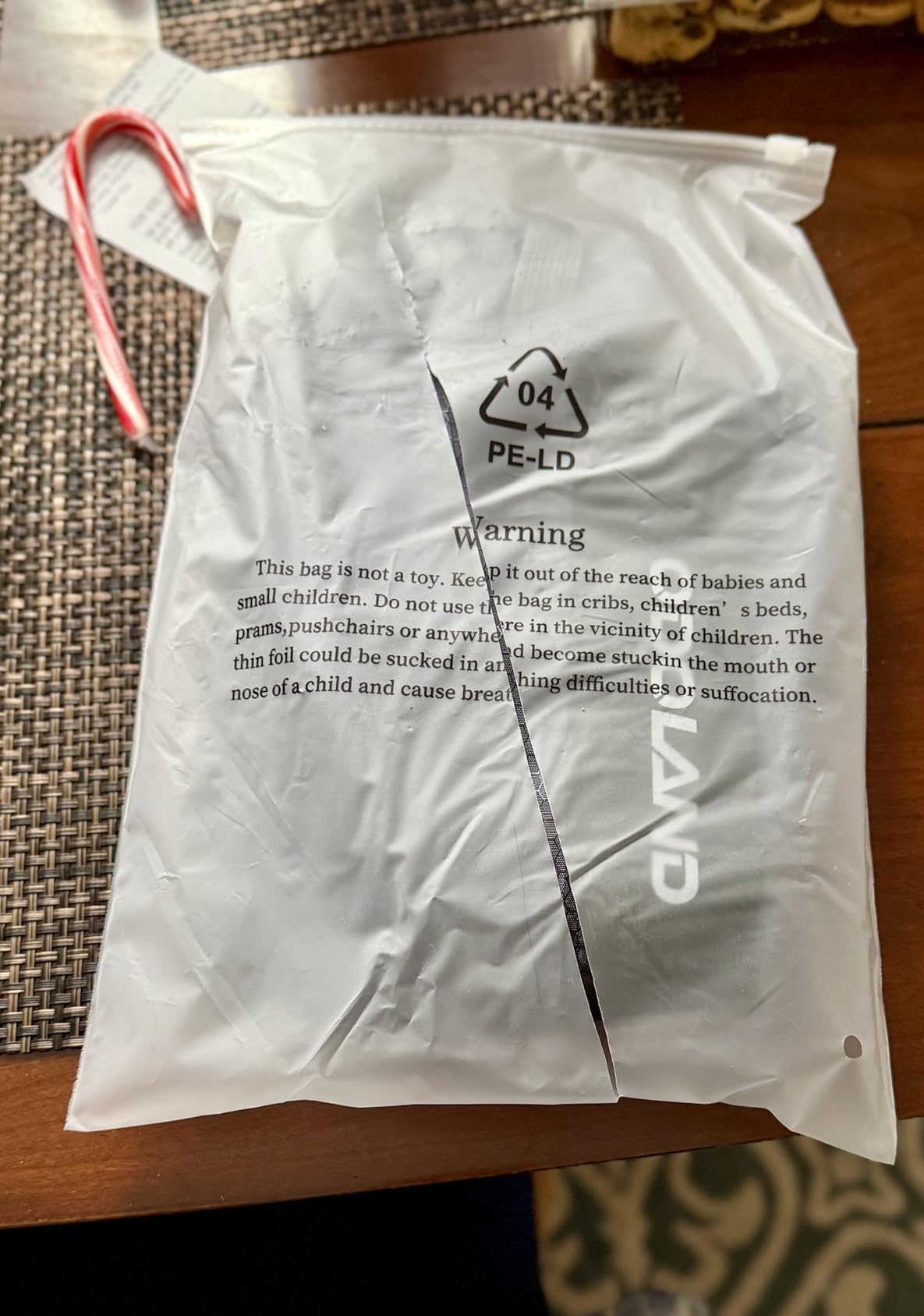
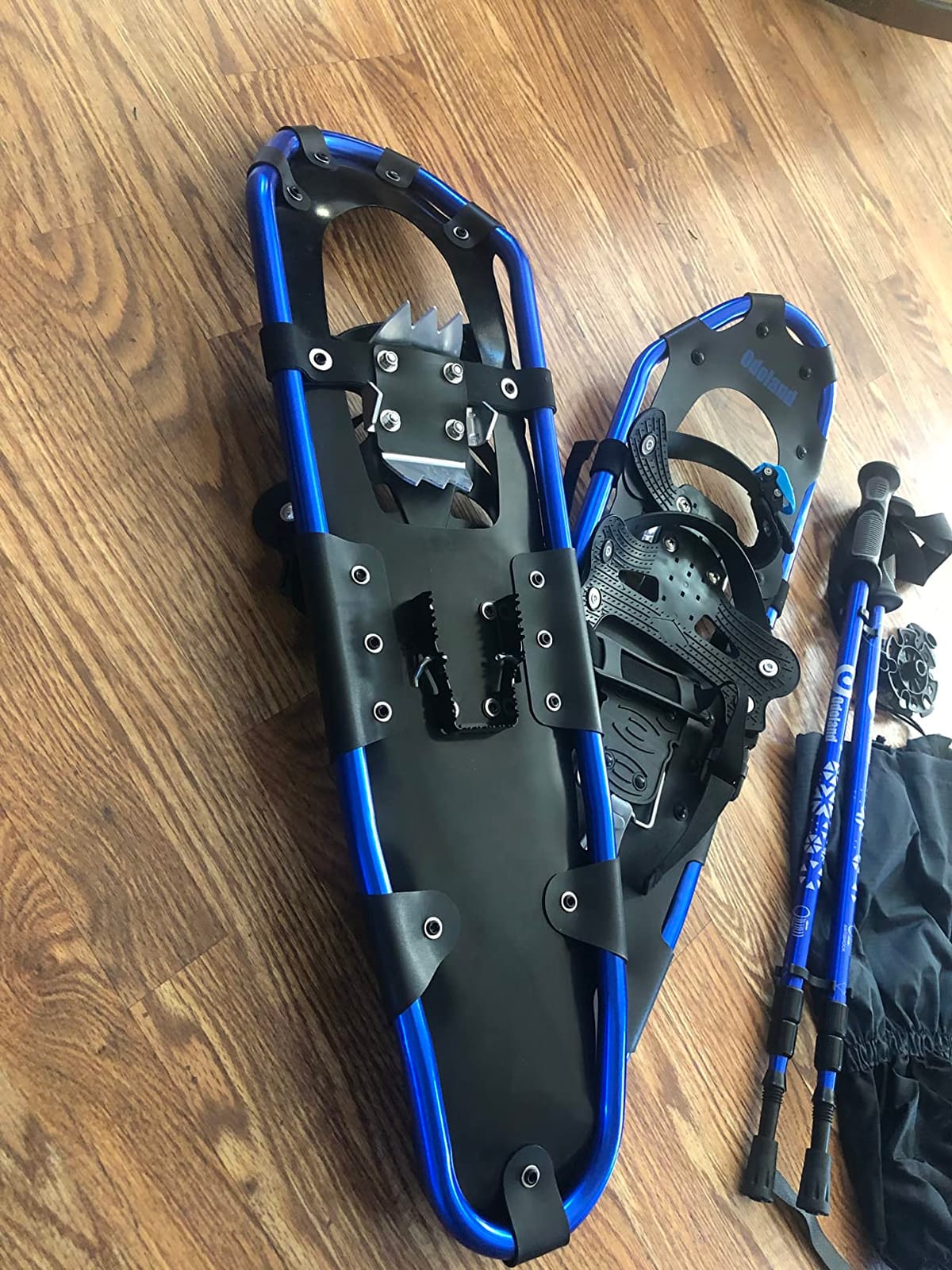
Odoland solves the packaging problem better than anyone else here. You get the snowshoes, telescoping poles, a pair of pongee leg gaiters and a carrying bag in one box. For a first-timer who does not yet know whether they need snow baskets, that is a genuine saving in guesswork.
The sizing chart is unusually clear for a budget product: 21 inch for 80 to 120 pounds, 25 inch for 120 to 160 pounds, and 30 inch for 160 to 250 pounds. That makes it one of the easier pairs here to match to body weight without a conversion chart.
Walk feel is good on flat and rolling terrain. The large flat surface area gives solid flotation, and the aluminum frame stays comfortable over long walks because it does not flex much under load. Pole length runs from 25.5 to 54 inches, wide enough for most adults.
The recurring complaint in owner feedback is hardware quality rather than the snowshoes themselves. The bindings are plastic and feel fragile, and the buckles tend to arrive loose without ratcheting cleanly.
Who should buy the Odoland kit
Anyone who wants one box to open on a snowy weekend and who weighs under 250 pounds. Gaiters alone justify a lot of the value on a first outing, because wet boots end the day early for more beginners than cold hands do.
Where this kit falls short
The bent-tube perimeter edges reduce the effectiveness of the frame on steep climbs, so this is not the pair for a serious ascent. Pole basket screws have a reputation for spinning off, and reviewers who use their gear hard consistently warn the plastic bindings will not last indefinitely.
3. Wildhorn Outfitters Sawtooth – Best Durable Pick for Long-Term Beginners
Wildhorn Outfitters Sawtooth Snow Shoes Women, Mens, and Youth. Fully Adjustable Snowshoes Bindings, Lightweight Material, Hard Pack Grip Teeth
Aluminum frame
Two sets of heavy-duty crampons
Auto-locking heel strap
Heel lift riser
21 and 27 inch
Pros
- Sturdy aluminum build for the money
- Heel riser helps on hills
- Easy to get into and out of
- Crampons grip packed and icy snow
- Seasonal durability reports
Cons
- Heel riser is thin and stiff
- Plastic stiffens in extreme cold
- Front strap release lever is awkward
- Frame-to-tail joint is a weak point
The Sawtooth sits between cheap plastic frames and mountaineering-grade aluminum, and it lands on the right side of that line for beginners who plan to snowshoe for many seasons. Several owners describe using the same pair through multiple Minnesota and Canadian winters.
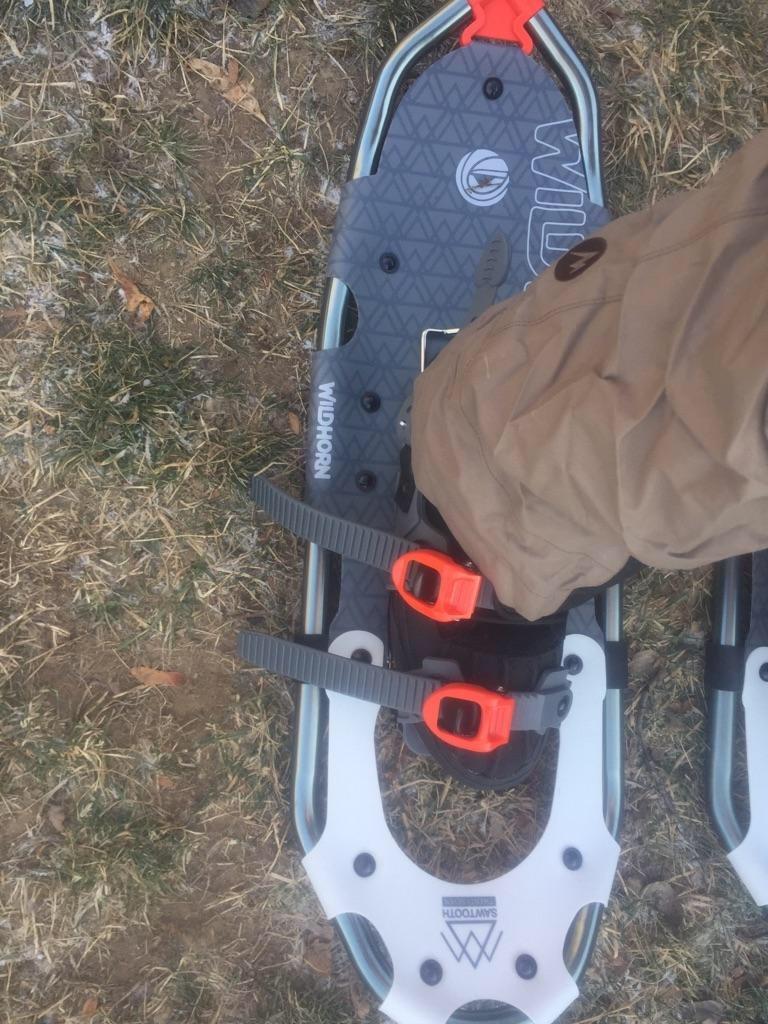
The heel lift riser is simple and effective on hills, and the auto-locking heel strap means you do not re-adjust it every time you stop. Two sets of reinforced heavy-duty crampons per shoe give more bite than a single set at the toe.
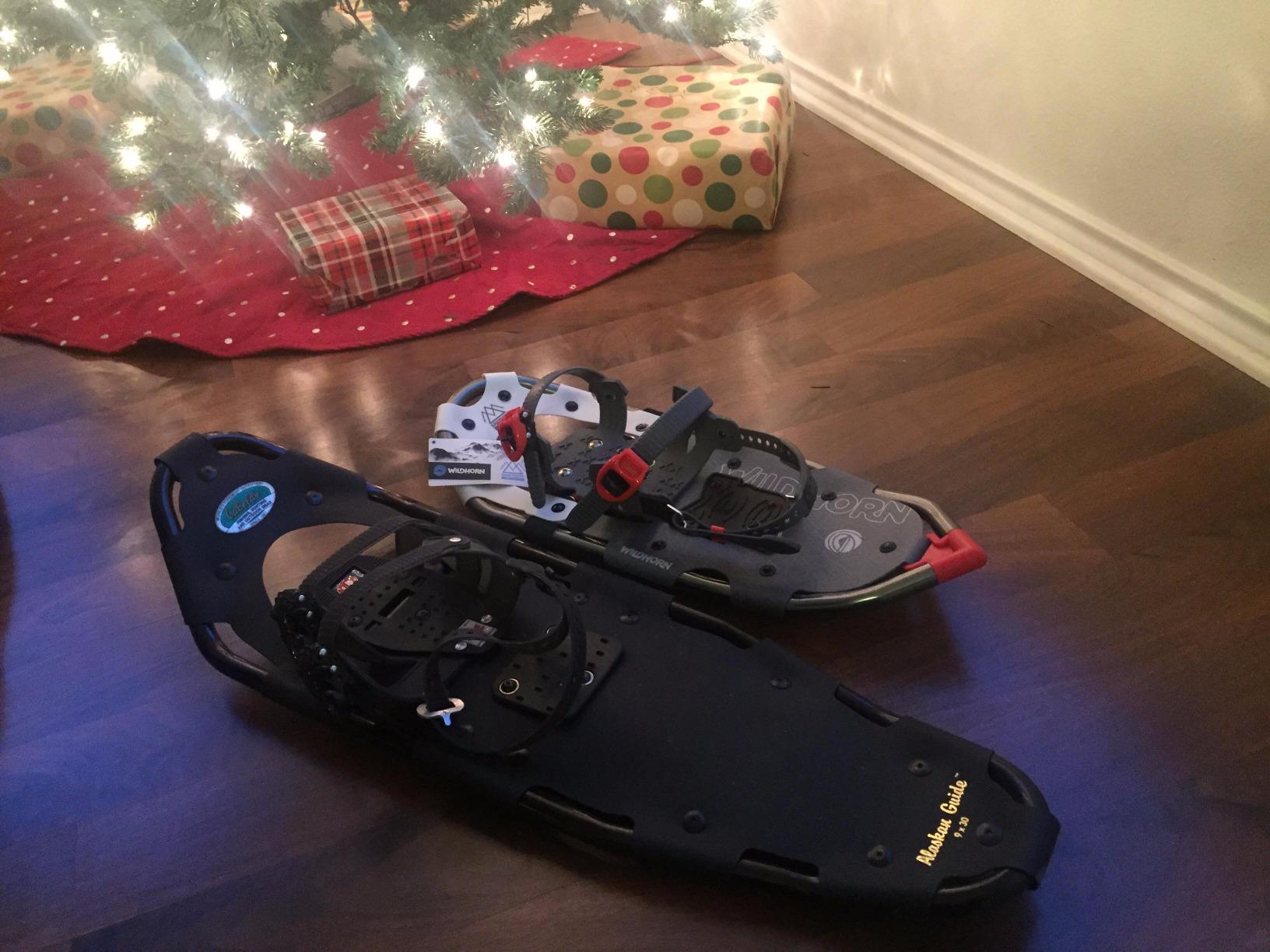
Beginners like the walkability here. Once the bindings are dialled in, the shoe moves with a natural stride and the 21 inch size feels stable rather than twitchy. Reviewers also point out the boot grip and no-slip textured pads, which keep the boot from sliding inside the deck.
Weight is 4 pounds for the pair, which is light enough for long approaches. Two lengths are offered, 21 inch and 27 inch, and the listed capacity is 30 kg, so heavier riders should size carefully or move up.
Why the Sawtooth suits a second and third season
Aluminum does not crack in cold the way cheap plastic does, and owners repeatedly report durability rather than breakage. If you think you will snowshoe more than once, the Sawtooth is the pair most likely to still be in your garage in five years.
Where this model falls short
The heel riser is thin and stiff, and it needs a stiff-soled boot to work properly. The plastic gets very stiff in extreme cold, which makes buckling harder with thick gloves, and the front strap release lever can be awkward to operate. Some owners have broken the plastic ankle clips, and the joint between the aluminum and the plastic tail is a known weak point.
4. Retrospec Drifter – Most Versatile With Heel Lifters
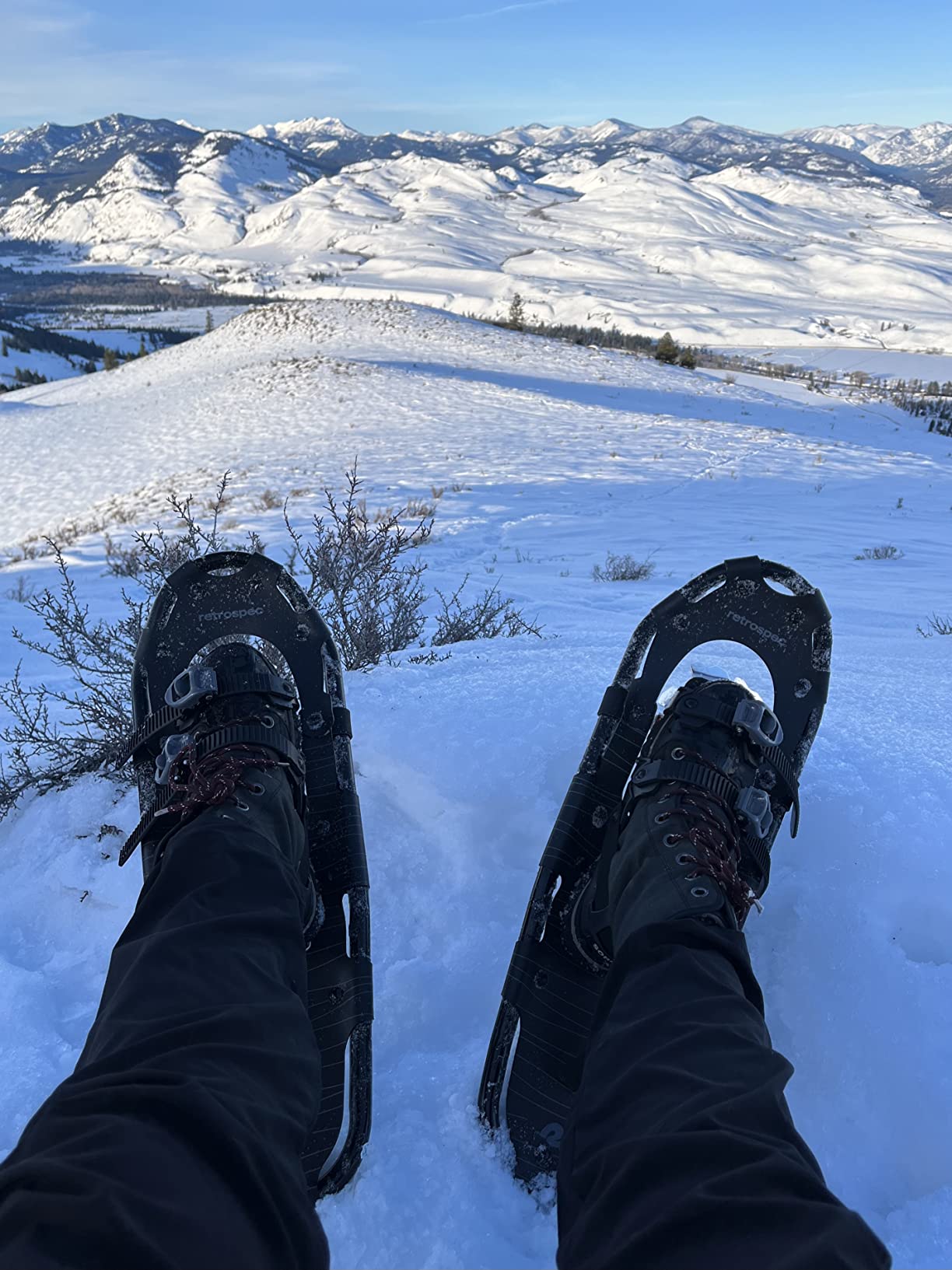
Retrospec Unisex Adult Snowshoes, Olive, 25 US
Aluminum frame
Double ratchet binding
Built-in heel lifters
Full-floating pivot
21/25/30 inch
Pros
- Lightweight aluminum frame
- Double ratchets strap you in fast
- Heel lifters cut leg strain
- Full-floating pivot feels natural
- Mesh carry bag included
Cons
- 160 pound weight limit
- Binding adjustments stiff at first
The Drifter is the most straightforward pair in this group that still gives you an aluminum frame and a real heel lift. For most beginners on groomed trails and forest roads, that combination is the whole requirement.
Owner feedback highlights the double-ratchet binding for quick setup and the full-floating pivot system, which moves with your stride instead of fighting it. Those two details together explain why the shoe feels light on the feet.
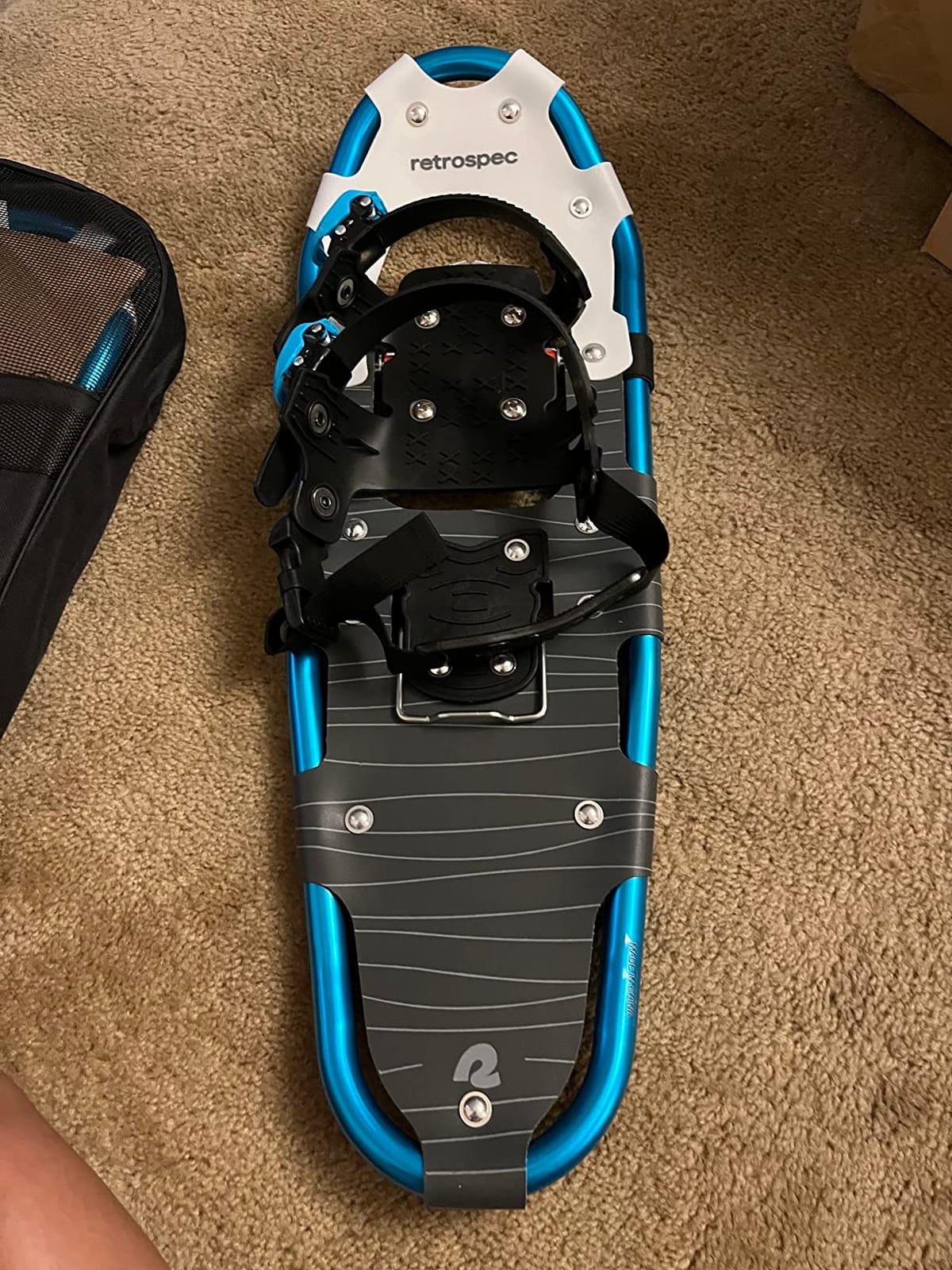
Three length options, 21, 25 and 30 inch, cover a wide range of body weights. The mesh carrying bag is a nice touch for anyone who wants to stash a pair in a car trunk between outings.
The tradeoff is honest and simple: the listed maximum weight recommendation is 160 pounds. Riders above that should move to a longer frame or a different model rather than pushing this one.
Is the Drifter good enough to start
More than. Reviewers rate it as a well-regarded budget all-rounder with a strong share of five-star ratings, and the heel lifters genuinely reduce calf strain on climbs. If you snowshoe once a month on flat terrain, you will not outgrow its limits.
Where this model falls short
Two limits to know. The 160 pound recommendation rules it out for larger beginners, and the binding adjustments are stiff for the first few outings before they break in.
5. Yukon Charlie’s Sherpa Kit – Best for Riders Over 200 Pounds
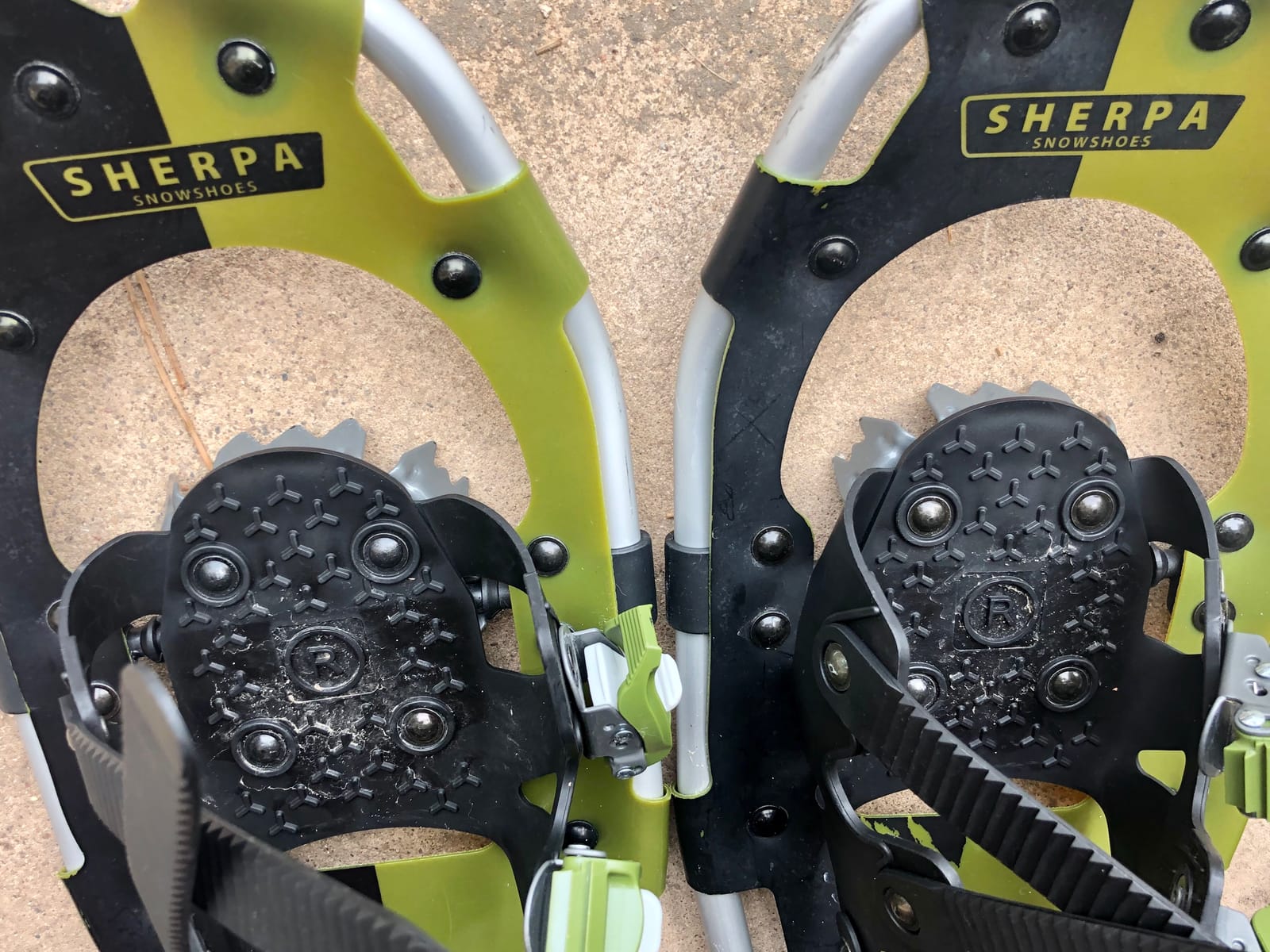
Yukon Charlie’s Sherpa Snowshoe Kit, 9-inch x 30-inch, Includes Snowshoes, Trekking Poles and Travel Bag
HDPE stiffened deck
Quick Click II ratchet binding
Rapid-Lite Flex heel strap
Up to 250 pounds
Poles and travel bag
Pros
- Easiest bindings in the kit category
- HDPE deck powers through deep snow
- Handles riders up to 250 pounds
- Four size options
- Poles and bag in the kit
Cons
- Rear heel strap is awkward to tighten
- Large-size binding tight on very big boots
- Binding plastic can slip when ratcheted
- Runs pricier than similar kits
Sherpa is marketed at beginners and reviewers back that up, describing the bindings as the easiest they have used in any kit. The Quick Click II ratcheting system opens wide and closes with one pull, which reduces the amount of fiddling on a cold trailhead.
The HDPE deck is stiffened specifically for deep snow power, and the listed capacity covers riders and gear up to 250 pounds. Four size options run from 8×21 up to 10×36, which makes this the easiest set here to fit to a range of body sizes.
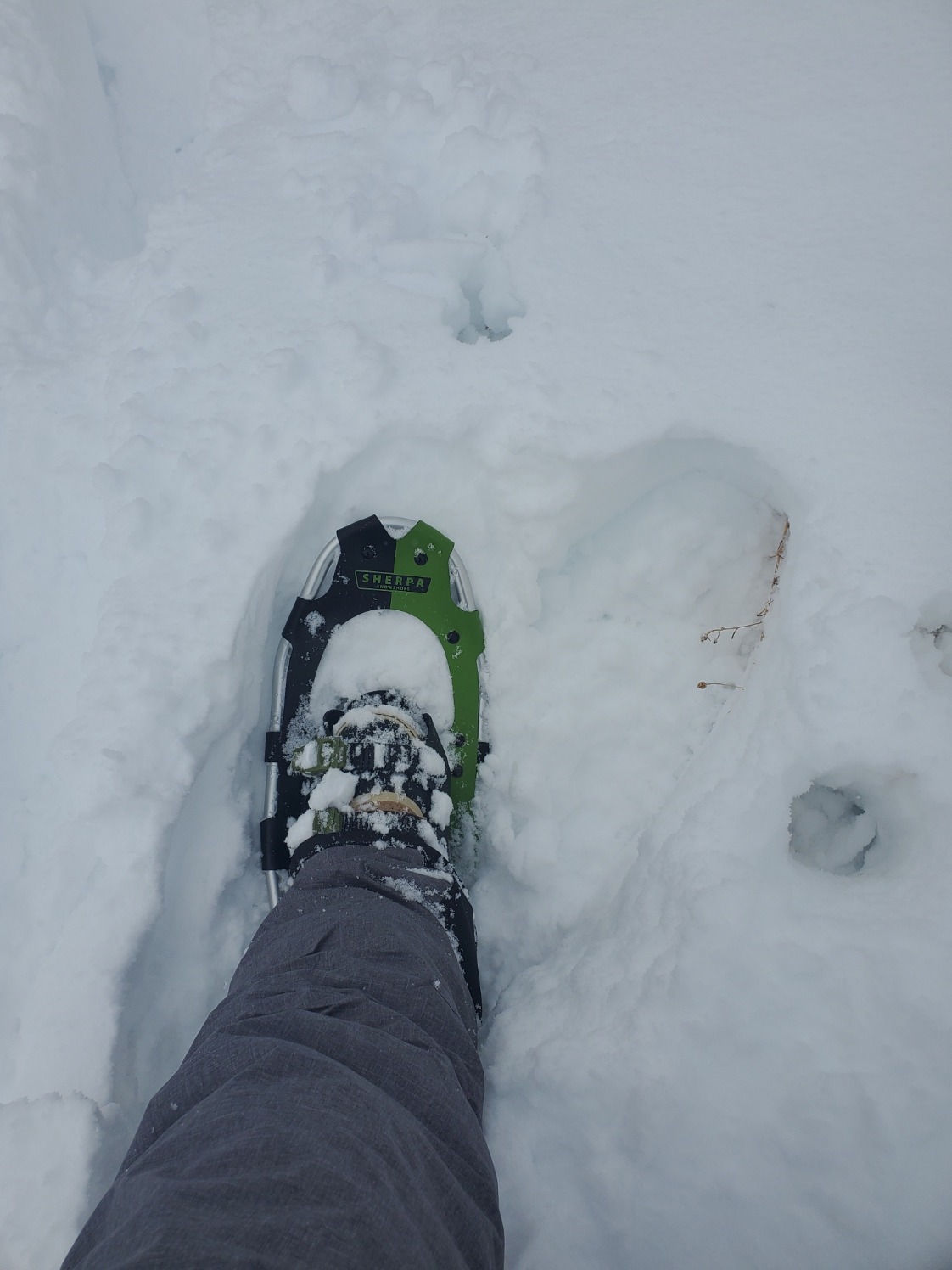
The kit includes snowshoes, poles and a travel bag. The Rapid-Lite Flex heel strap is designed to flex with your stride rather than fight it, which reduces the feeling of resistance on flat ground.
At 4.8 pounds per pair, this is not the lightest option here, but the weight buys deck stiffness that holds up when you are breaking trail in soft snow rather than following an existing track.
Does the Sherpa fit larger beginners properly
It is the best choice in this group above 200 pounds, and reviewers buying for larger riders report good flotation. Just check the boot fit before you commit to the biggest size.
Where this model falls short
The rear heel strap is the recurring complaint, described as unwieldy and hard to tighten without help. Some buyers also report that the binding on the largest size runs tight on very large boots, and that the binding plastic can slip when ratcheted down hard. It also costs more than several comparable kits.
6. OUTBOUND Lightweight Snowshoe Kit – Best for Youth and Smaller Riders
OUTBOUND Snowshoes Kit | Lightweight Aluminum Snowshoes with Adjustable Poles and Bag | Men and Women | 19 Inches
High-density polyethylene deck
Double ratchet buckles
Rotating toe cord
Up to 260 pounds
19 and 21 inch
Pros
- Very light and easy to put on
- Comfortable fit with little adjustment
- PE deck breaks through snow well
- Bag and poles included
- Handles riders up to 260 pounds
Cons
- Included poles are weak
- Baskets and collars detach easily
- Some pairs arrive with damage
- Not suited to steep terrain
This is the pair most often bought after a first outing on borrowed gear, which tells you what matters: it is light, simple and has almost nothing to go wrong. The rotating toe cord lets your foot roll forward naturally, and several owners report minimal adjustment needed.
Two lengths are offered, 19 inch and 21 inch, and the listed capacity reaches 260 pounds. The high-density polyethylene deck distributes weight well for its size class.
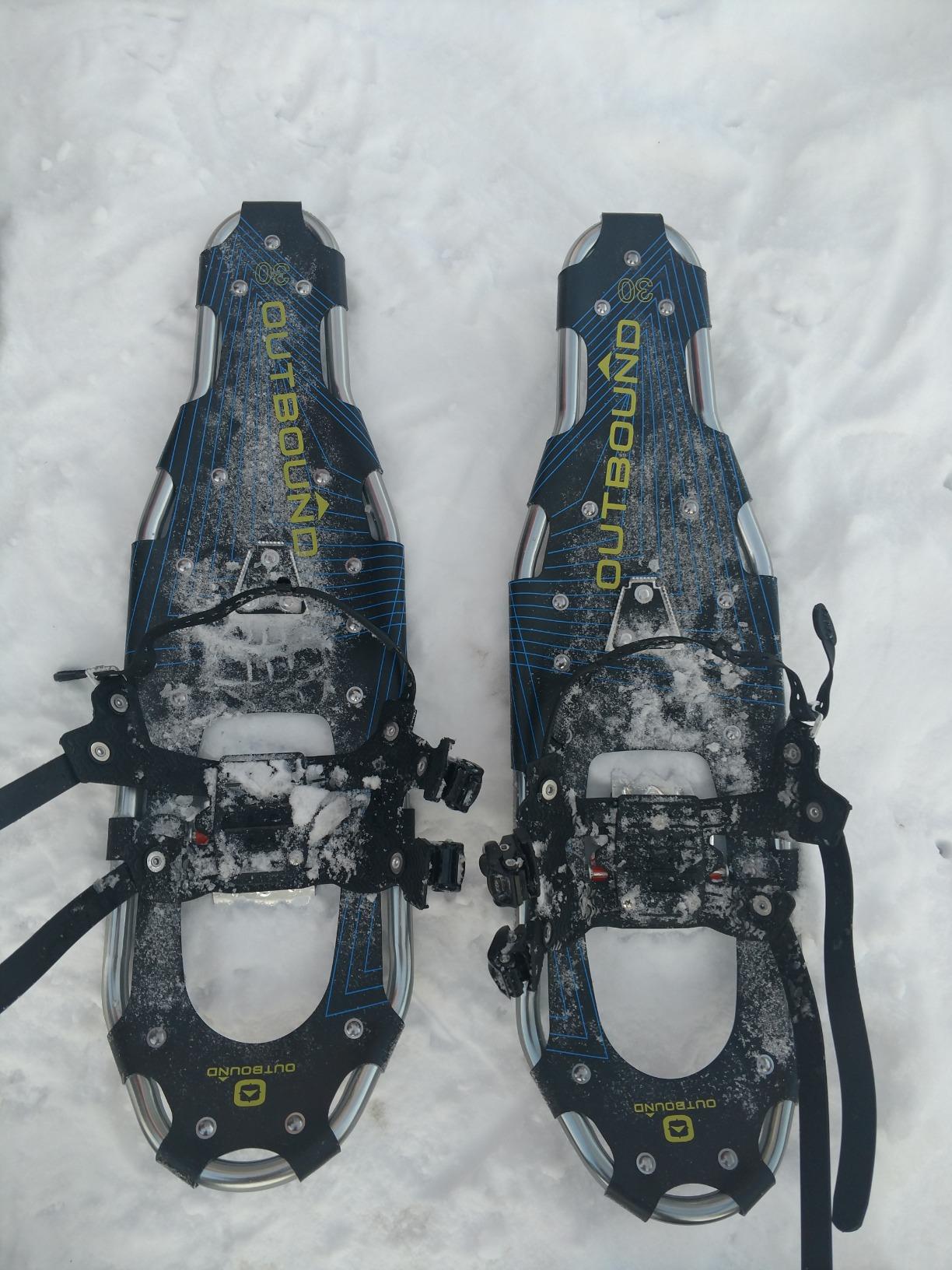
The included storage bag keeps the pair tidy in a vehicle, and the double ratchet buckle system is straightforward once you learn the sequence. Total listed weight is 2 kg, so it is easy to carry on a short approach.
The poles are the problem. They are the source of most of the negative feedback, and if you already own poles with snow baskets there is no reason to use these.
Is this a good first snowshoe for a family
For children and smaller adults on flat, packed trails, yes. The 19 inch length suits younger riders and the simple buckles are easier for small hands to manage than a fine-tuning binding.
Where this kit falls short
Do not plan on steep or extreme terrain with it, and skip the bundled poles entirely if you can. Basket and collar pieces detach easily and get lost, some pairs arrive with damaged components, and the lowest rating score in this group reflects that uneven quality control.
7. XtremPro Aluminum Snowshoes – Best for Ice and Packed Snow
Snowshoes,Lightweight Aluminum Frame,13-Point Heavy Duty Crampons,UV Shoe Decking, and Ratchet System for Secure Fit Complete with Carry Bag (Silver, 21)
13-point heavy duty crampons
3D curved traction rails
UV-resistant PE deck rated to -40F
Five sizes
Up to 300 pounds
Pros
- Strongest crampon spec in the group
- Curved rails improve sidehill grip
- Quick-lock binding for fast transitions
- Five sizes from 17 to 36 inch
- Carry bag has backpack straps
Cons
- Straps need adjusting for different boots
- Finishing feels less refined than major brands
Thirteen crampon points is the highest traction specification in this group, and it shows on ice and wind-packed crust where most recreational snowshoes slide. If your local snow is the Eastern hardpack kind rather than Western powder, traction matters more than deck area.
The 3D curved traction rails reduce dragging and help on sidehills, where a flat frame tends to catch. The deck is UV-resistant polyethylene rated to -40F, which is reassuring for a product that sits in cold for its whole life.
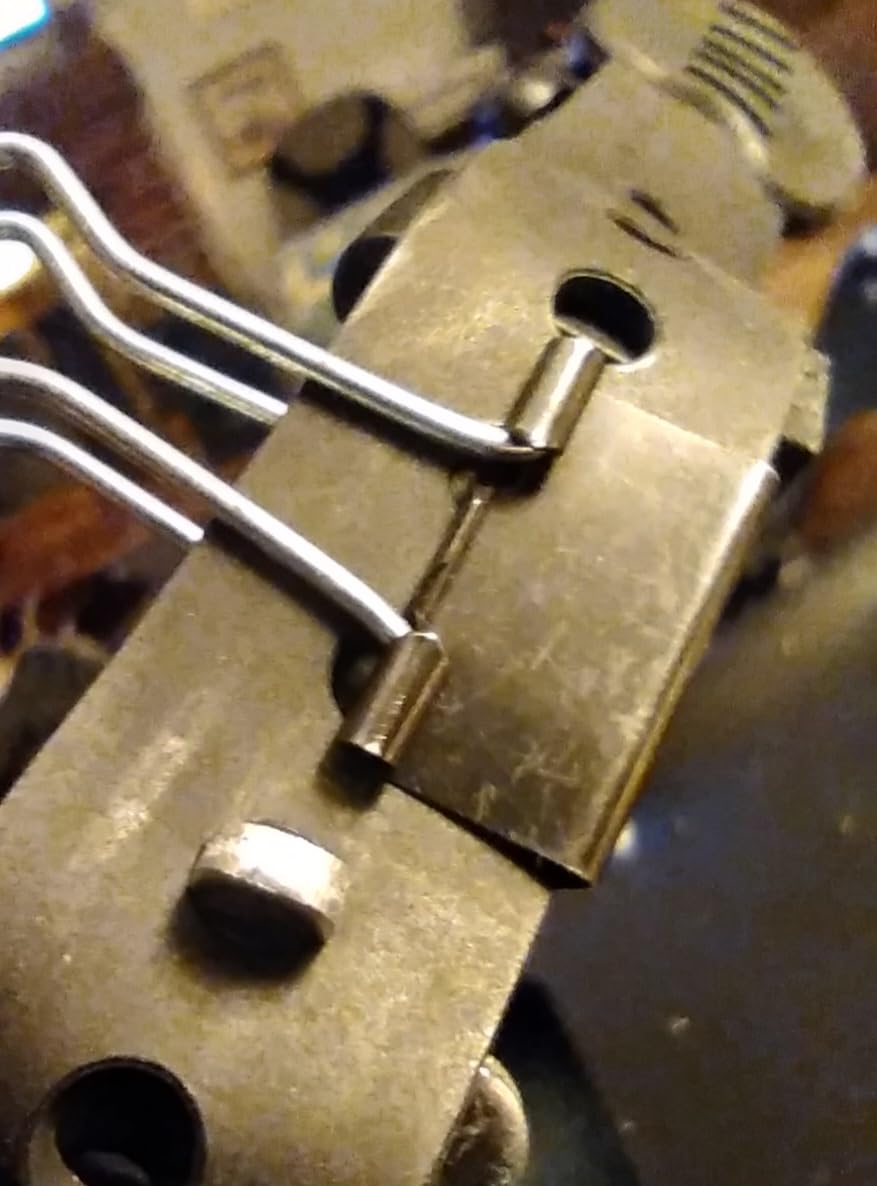
Sizing is the strongest feature here. Five sizes run from 17 inch at 80 pounds all the way to 36 inch for 200 to 300 pounds, so a heavier beginner does not have to compromise. The carry bag with backpack straps and pole attachments is genuinely useful if you are walking in from a parking area.
The quick-lock heel strap and buckles let you get in and out quickly, which matters more than it sounds when you are standing in a parking lot with numb hands.
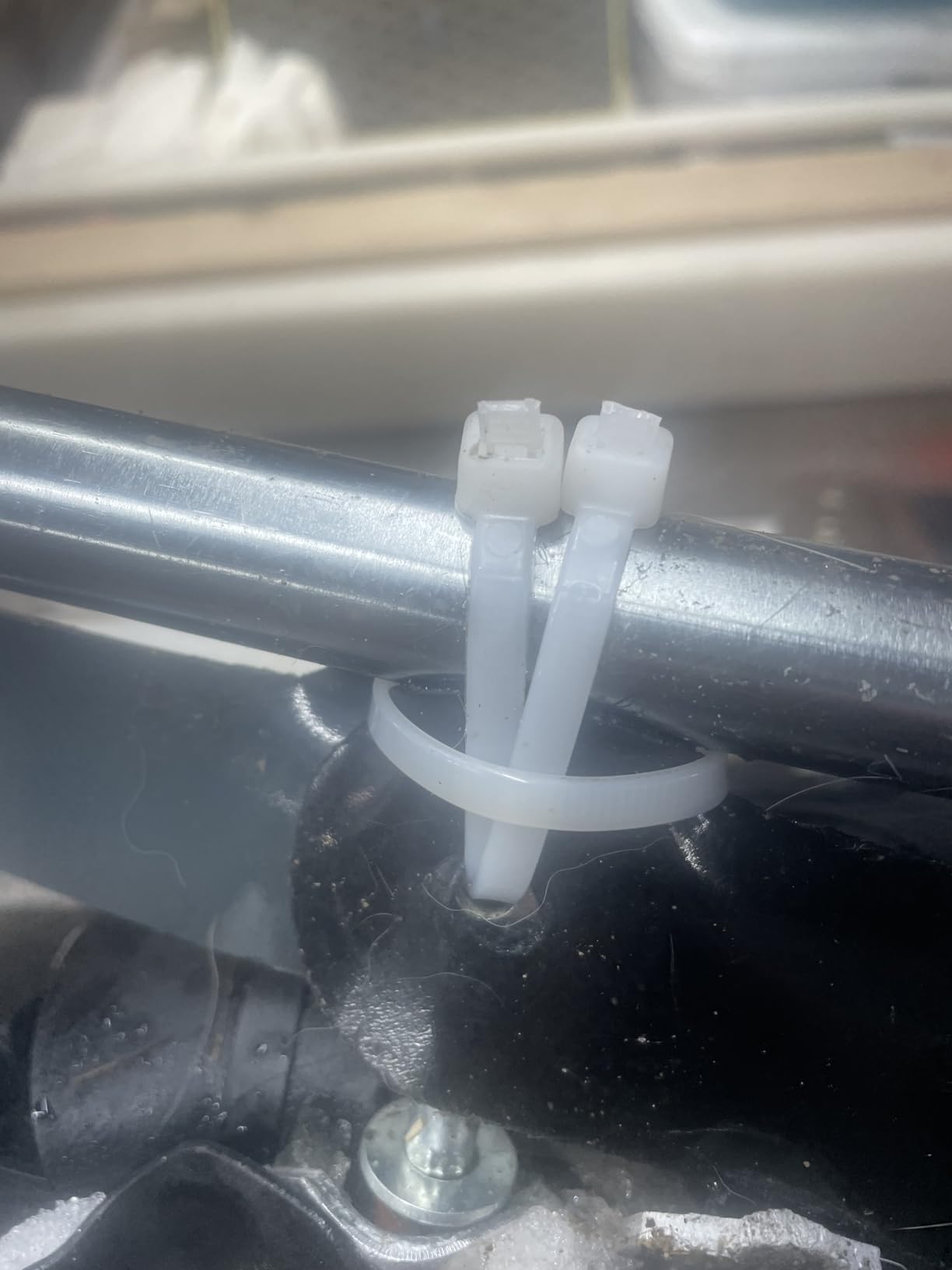
Is XtremPro good for hardpack and icy trails
It is the pick for that. Thirteen points plus curved rails is the best traction package we saw, and it is the one to choose if your winters are compressed, icy snow rather than soft powder.
Where this model falls short
Binding straps take some adjusting to fit different boot shapes, and owners note the decking and frame feel less refined than the work of established snowshoe brands. It is a value option, not a finished-feeling one.
8. Franklin Sports Arctic Trails – Best Low-Cost Entry Pair
ARCTIC TRAILS Adult Snowshoes All Terrain Male & Female – Includes Carrying Bag Snowshoes available in 25 inch
Aluminum frame
Dual ratchet bindings
Rotating heavy-duty crampons
Recommended for 130 to 210 pounds
25 and 36 inch
Pros
- Lowest entry point in the group
- Easy to put on and take off
- Lightweight aluminum frame
- Rotating crampons grip well
- Works with bulky winter boots
Cons
- Straps very stiff and hard to buckle
- Rear strap is riveted and can snap
- Some pairs arrive with broken straps
- Only a 90 day warranty
If the main question is whether snowshoeing is worth trying on a limited budget, this is the least demanding way to find out. The Arctic Trails pair is straightforward aluminum with dual ratchet bindings and heavy-duty rotating crampons, which is more hardware than you would expect at this entry point.
Users who have snowshoed before find these easier to walk in than many older models, and the adjustable bindings accept bulky winter boots. Listed weight is 3 pounds per pair, so fatigue is not the issue on a first outing.
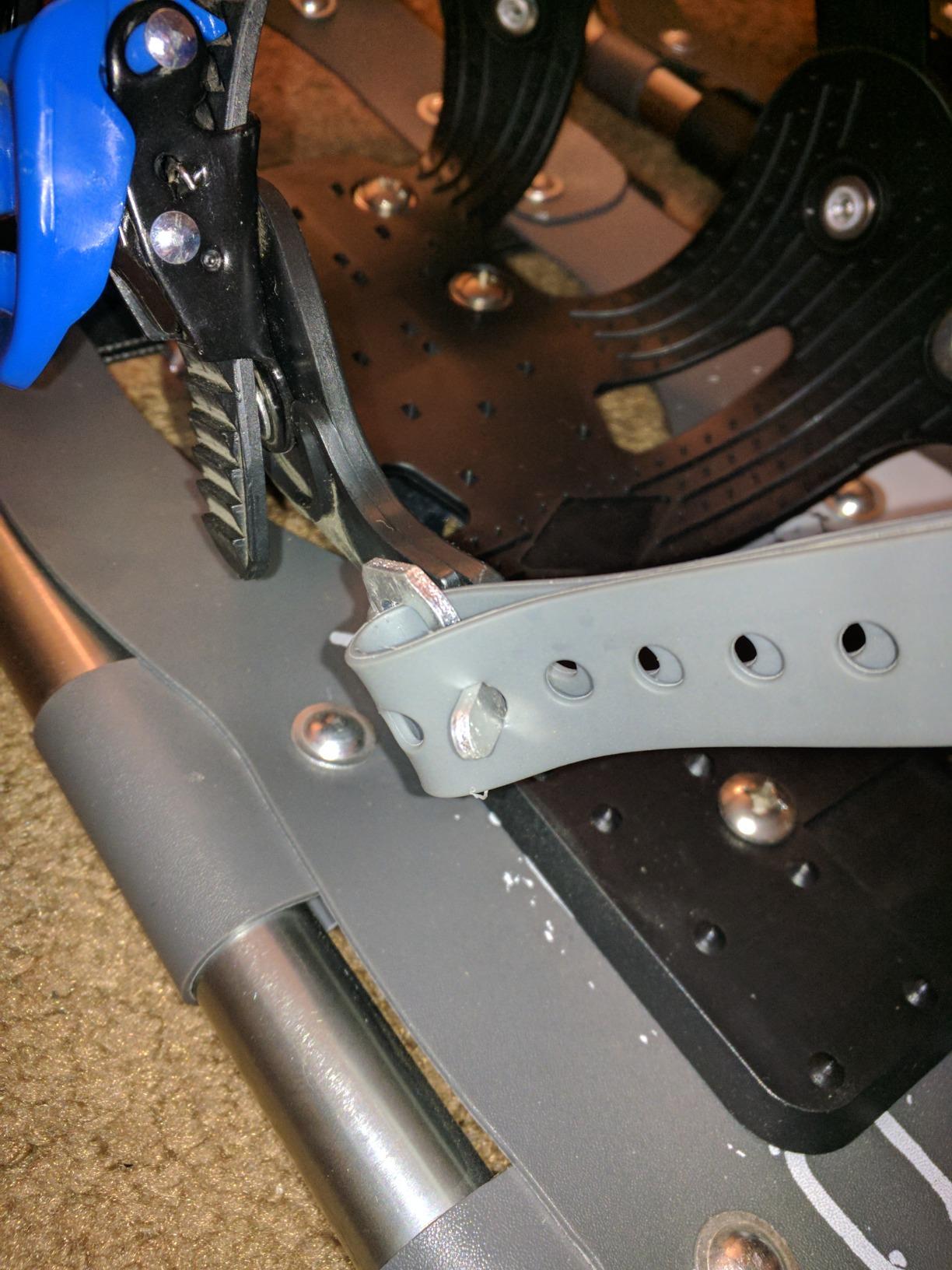
Recommended capacity covers 130 to 210 pounds, and both 25 inch and 36 inch versions exist, so a taller rider has a path. The large decking surface gives decent flotation in deeper snow for the price.
A carry bag comes in the box, which matters more than it sounds if you store the pair in a shared closet or a car boot.
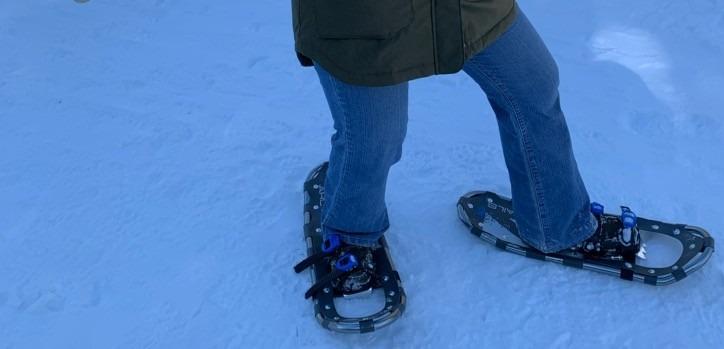
Should a first-timer buy this pair
Only if you are testing the sport on a budget and sticking to flat, packed terrain. Walkability and crampon grip are both stronger than the build quality suggests, which makes it a reasonable trial purchase.
Where this model falls short
The straps are very stiff and hard to buckle, especially cold. The rear strap is riveted rather than replaceable and is the dominant complaint, with reports of it snapping in cold weather and of pairs arriving with broken straps. The 90 day warranty is also the shortest here.
9. Tubbs Wayfinder – Best for Quick On and Off
TUBBS Wayfinder, Color: Red/Black, Size: 25 (X200100401250)
CustomWrap 2.0 dial binding
Fit-Step 2.0 frame
Soft-Tec decking
Rotating toe cord
21/25/30/36 inch
Pros
- Single-dial binding steps in fast
- Works with gloves on
- Bindings stay secure over long days
- Rotating toe cord feels natural
- Tubbs build quality
Cons
- Listing image shows the women's model
- Gender-specific binding boot ranges
- Shoes are right and left specific
- No heel riser and weak lateral grip
- Short sizes can sink in powder
The CustomWrap 2.0 dial binding is the headline feature, and owners are emphatic about how much easier it makes stepping in and out. If your biggest worry is fumbling with straps, a dial closure removes that entirely.
The binding stays secure over long outings and never falls off, which addresses the most common binding complaint we see. The Fit-Step 2.0 frame and Soft-Tec decking keep the shoe stable without feeling rigid.
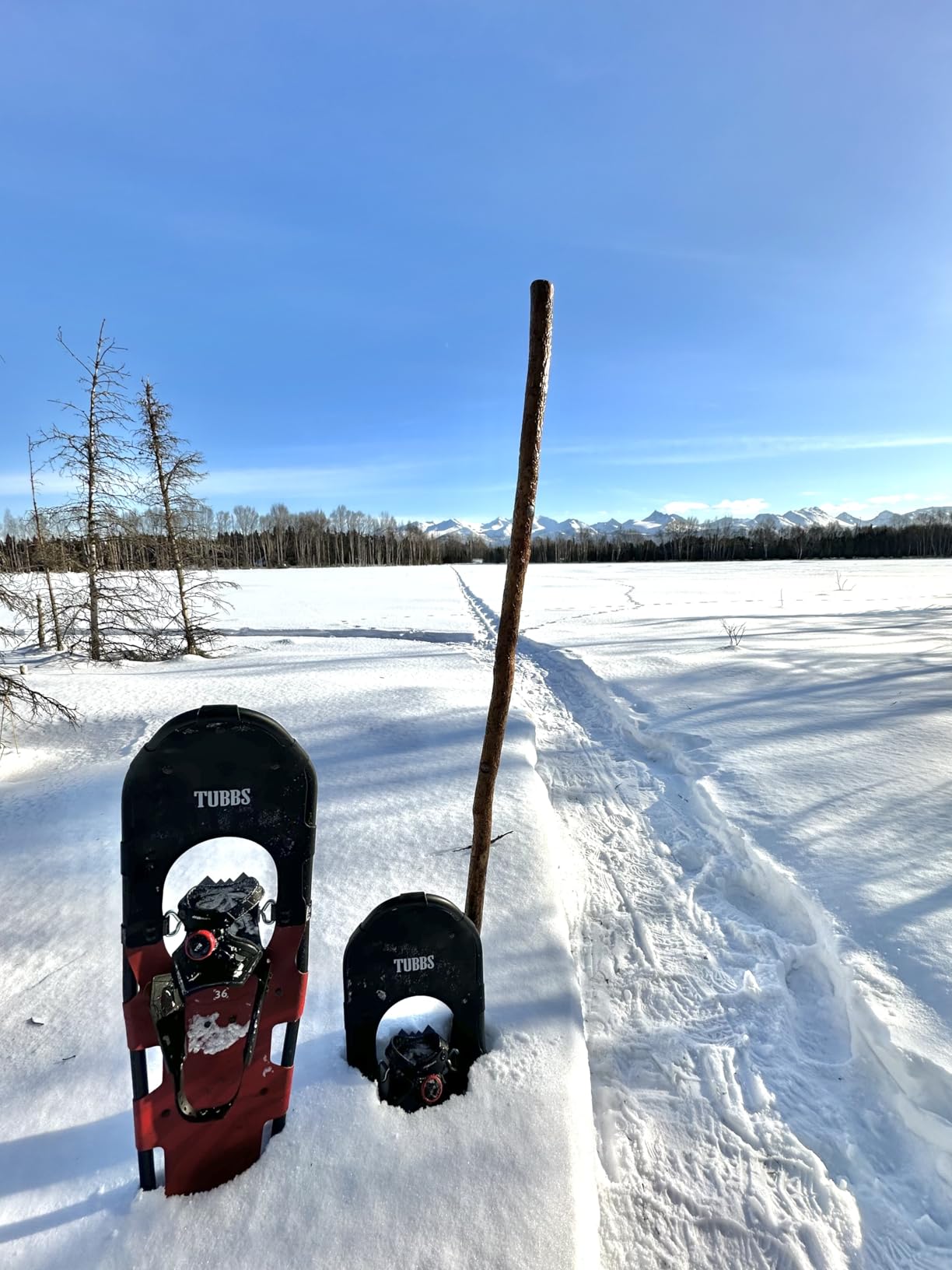
Four length options cover most riders, and the rotating toe cord lets your foot move naturally through the stride. Listed weight is 4 pounds per pair.
Tubbs is a recognised snowshoe brand, and that matters for parts and repairs if something does break rather than you replacing the whole pair.
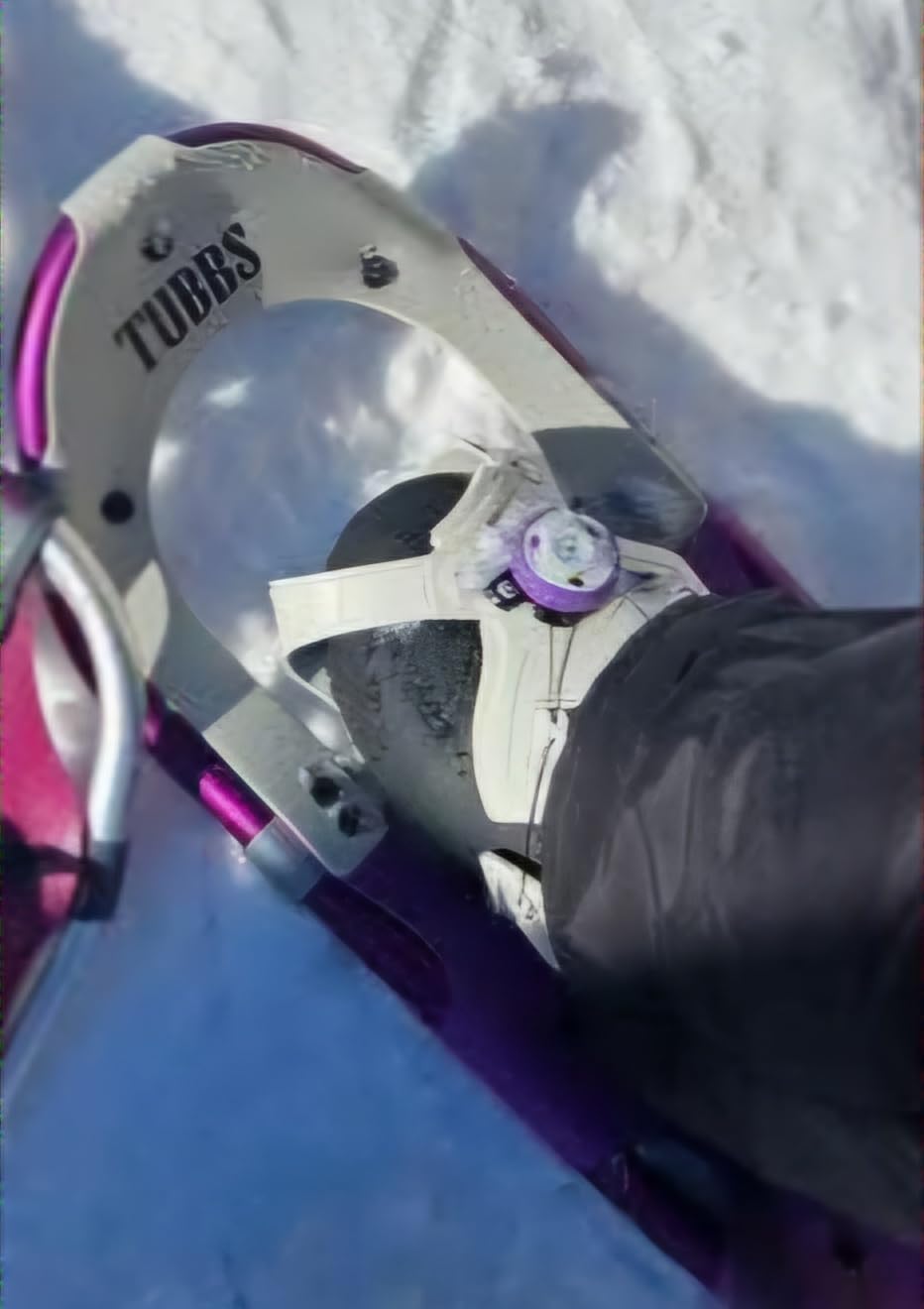
Is the dial binding a good idea for a beginner
For anyone who struggles with buckles in the cold, absolutely. It goes on and off with one hand and stays put on sidehills, which is exactly what a first-timer needs. The trade-off is that the shoe is right and left specific, so you cannot swap them.
Where this model falls short
There is no heel riser, so climbs will feel harder than on most picks in this list, and the tubular frame offers less lateral grip on sidehills. Men’s and women’s bindings cover different boot size ranges, the shorter sizes can be short for breaking trail in deep powder, and the listing image shows the women’s model even though the title says men’s, so check the boot range carefully.
10. MSR Evo Trail 22 Inch – Best for Groomed Trails
MSR Evo Trail Snowshoes, 22 Inch Pair, Midnight
Steel crampons and traction rails
Injection-molded UniBody deck
Paraglide stretch mesh binding
3 lbs 10 oz
Up to 180 pounds
Pros
- Extremely easy on and off
- Very light at 3 lbs 10 oz
- Bindings secure and comfortable
- Good traction on packed and soft snow
- Stows easily on a pack
Cons
- Boot straps can undo on rocks
- Plastic deck is noisy on hardpack
- 180 pound limit without flotation tails
- Flotation tails sold separately
The Evo Trail is the most frequently recommended starter pair in the snowshoeing communities we reviewed, with long-time users calling its durability and performance hard to beat. Reviewers who snowshoe daily on groomed trails and narrow paths single out the binding.
Steel crampons and side rails bite on both packed and soft snow, and the injection-molded UniBody deck is a single moulded piece, which is why the whole pair weighs 3 pounds 10 ounces.
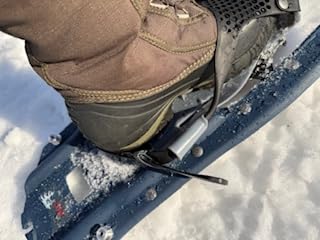
The Paraglide stretch mesh binding is comfortable over long outings and the straps and buckle tabs are glove friendly. Fit covers shoe sizes 3M to 13M and 5W to 15W, so most adults are covered by the 22 inch length.
Attachment points accept optional 6 inch modular flotation tails if you later break into deeper snow. That modular approach is the reason MSR owners tend to stay with one pair for years.
Is the Evo Trail the right pair for groomed winter trails
It is the model we would put on a beginner walking a packed trail or a cross-country ski area. Light weight, a binding that stays put, and enough traction rails to handle a crusty morning.
Where this model falls short
Some owners report the boot straps can come undone on rocks or uneven terrain. The plastic deck is noticeably noisy on hard-packed snow, the listed capacity is 180 pounds without the optional tails, and those tails cost extra, so heavier riders should plan for that add-on.
11. Tubbs Xplore Kit – Best Complete Starter Kit
Tubbs Women Xplore Kit, Color: Rasberry Red, Size: 25 (X19010060125W)
Aluminum frame
Two-part adjustable snowshoe poles
Gaiters included
Up to 175 pounds
21/25/30 inch
Pros
- Poles and gaiters in one box
- Light on the feet for long outings
- Bindings stayed secure over a 3 mile session
- Poles assemble and adjust easily
- Good entry to the sport
Cons
- Bindings tricky to buckle at first
- Rear heel strap is the weak point
- Sinks somewhat in soft deep snow
The Xplore kit bundles a pair of Xplore snowshoes with two-part adjustable poles and gaiters. Buyers call it a good starter package, and several beginners report that a short video was enough to master the buckles.
Seniors and first-timers single it out as an easy way back into the sport, which is the reaction you want from a pair you will use on gentle terrain. Listed capacity is 175 pounds, with 21, 25 and 30 inch variants.
Does a bundled kit save a beginner money
Yes, if you do not own poles already. Poles and gaiters are the two accessories everyone ends up buying, so having them in the box removes the second trip to the store. If you already own poles with snow baskets, ignore the bundled pair.
Where this kit falls short
The bindings are difficult to buckle for the first few tries, which is the main hurdle for a total beginner. The rear heel strap is the part users most often want replaced, and the shoe sinks somewhat in soft deep snow, so it suits groomed and packed terrain far better than fresh powder.
12. Tubbs Frontier – Best Wide, Secure Fit
Tubbs Women’s Frontier Snowshoes, Aluminum & Composite, Grey, 25 in
25 inch recreational deck
Aggressive toe and heel crampons
Lightweight aluminum frame
Up to 300 pounds
21/25/30/36 inch
Pros
- Lightweight with a close natural fit
- Easy to adjust and remove
- Wide deck floats well in deep powder
- Durable over years of use
- Sizes up to 36 inch
Cons
- Strap retention clips are ineffective
- Straps can loosen on the move
- Wide frame clacks without a wide stance
- No poles in the base package
The Frontier has an unusually wide deck, and that width is the point. Long-term owners report the shoes still look good after several seasons of heavy use, including from a rider at 6 foot 6 and 285 pounds, and the listed capacity reaches 300 pounds.
Aggressive crampons handle packed trails and fresh powder equally, and the binding holds your boot while still allowing natural foot movement. Four length options run from 21 to 36 inch.
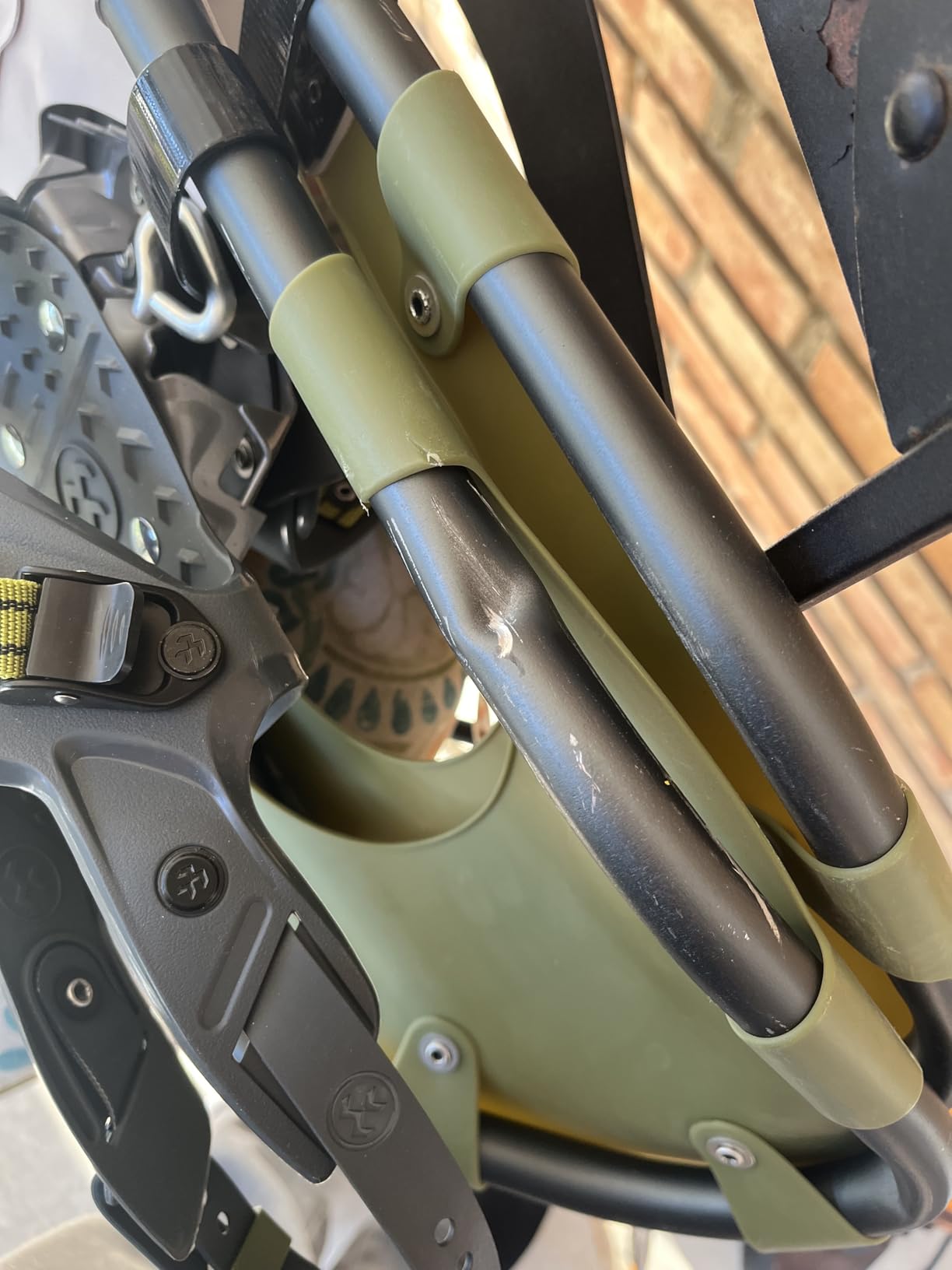
It suits both day hikes and breaking fresh trails, and the aluminum frame keeps the weight at 3.8 pounds per pair in the 25 inch size.
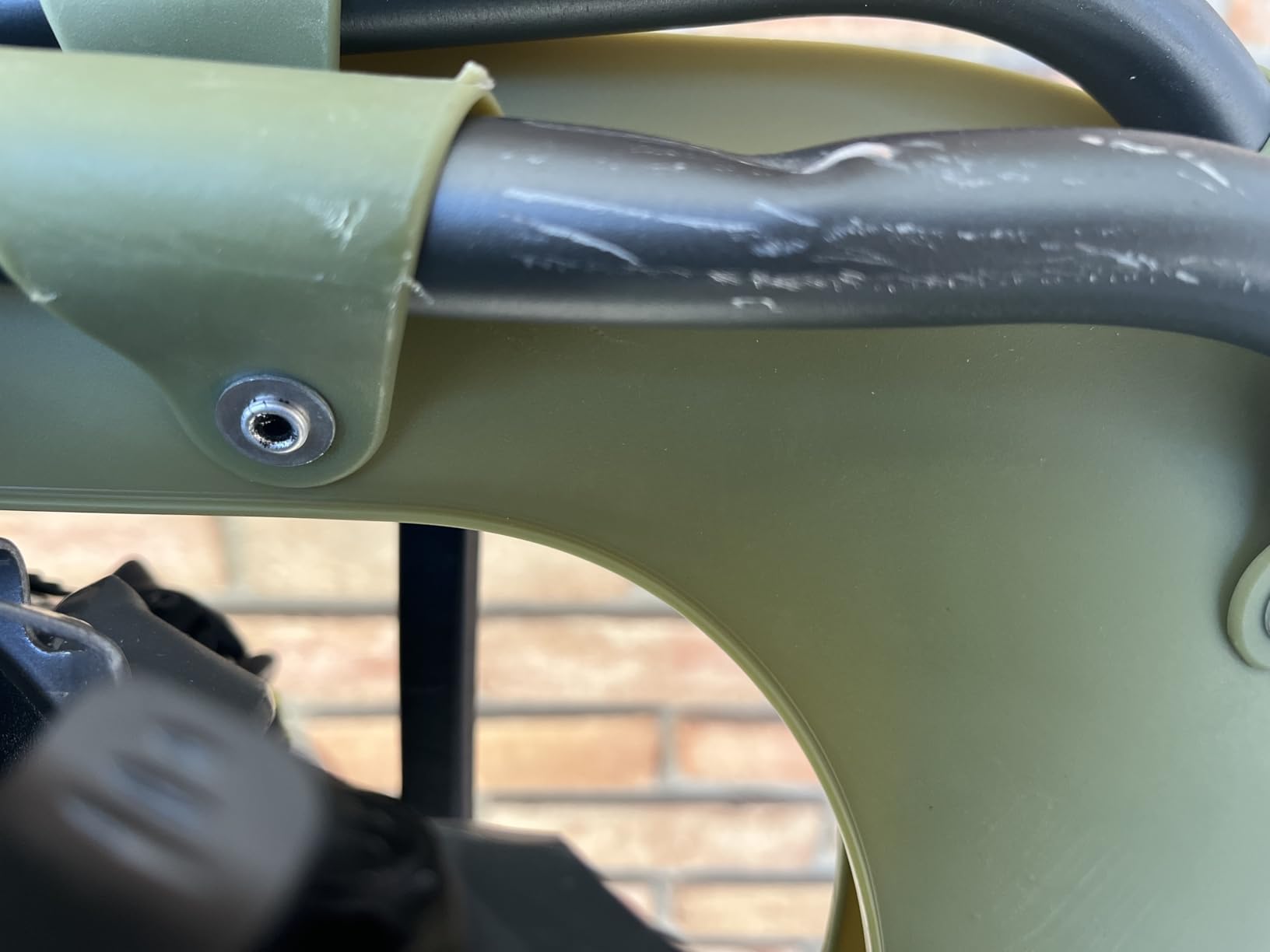
Expect an adjustment period. The width that gives flotation also takes a little longer to walk in naturally, and the frame clacks against itself if you keep a narrow stance.
Is the Frontier a good fit for bigger beginners
It is one of the few pairs here rated to 300 pounds without needing an add-on, and the wide deck is forgiving on deep days. Just budget a few outings to adapt to the width.
Where this model falls short
The retention clips on the straps do not hold well and the straps can loosen as you walk, which is the fix most owners apply first, usually by replacing or taping the clips. Poles are not included in the base package, and the wide frame makes natural gait walking slightly harder than a narrower deck.
How to Choose Snowshoes for Beginners
What type of snowshoes are best for beginners
Trail and recreational models are the right answer, and it is worth being blunt about that. Backcountry and mountaineering snowshoes add aggressive crampons, heel risers and stiffer frames for steep alpine terrain that a first-timer will not be walking. They weigh more and ask more of your ankles. The teardrop-shaped trail frame balances flotation and traction for flat ground and rolling hills, which is exactly what a beginner needs.
25 inch or 30 inch, and what your body weight means
Length tracks body weight plus pack weight, which is the single biggest mistake first-timers make. Too short and you posthole on every step; too long and the shoe feels clumsy and heavy. A common first-week problem is sizing up two lengths for untracked powder and then fighting the extra width on a flat trail. Pick the length your weight actually calls for, and go up only one length if your normal terrain is untracked deep snow.
Binding types and why they freeze
Three binding families matter here. Simple flat straps never freeze but can pop open on a sidehill and are fiddly with gloves. Ratchet bindings tighten evenly and hold well, and they are the safe middle ground for a beginner. Dial closures go on and off in one motion and stay secure, but the mechanism can seize if it gets wet and then freezes. If a binding does freeze, do not force the ratchet: warm it slowly with body heat or lukewarm water, never boiling water, which cracks plastic. A roll of extra webbing and a strap keeper will get you home if a strap breaks on the trail.
Decking materials in plain language
Aluminum frames with plastic decking are the standard trail build: light, stiff, repairable and simple. Composite and nylon decks absorb a little more noise and flex more under load. Foam decks suit clearing a driveway rather than a long outing, because they compress and lose flotation in cold. A stiffened HDPE deck like the G2 and Yukon Charlie’s pairs sits between foam and full aluminum.
Boots, poles and the rest of the first outing
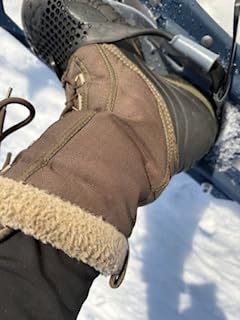
You need waterproof winter hiking boots with a stiff sole and aggressive lugs. Skip hiking boots with deep, soft lugs, because the lugs catch the crampons and stop the shoe from sitting flat. Snowshoes are usually sized a full boot size up from your normal hiking boot. For poles, get trekking poles with snow baskets so the baskets bite instead of plunging through the surface; the three kits that include poles are a genuine shortcut here.
Other items that belong in your first outing kit: gaiters to keep snow out of your cuffs, warm socks plus a spare pair, wind-resistant layers, water and snacks, and a phone. If you are serious about doing it again, add microspikes as a backup traction option for hard-packed stretches. If you like documenting winter walks, our beginner lens guide covers the photography side.
Where beginners should snowshoe first
Start close to a road and on a groomed trail. Sno-parks, designated cross-country ski areas and maintained forest roads are the standard training ground, because the surface is predictable and the walk out is short. Keep alongside the packed skin track rather than stepping in it, and use the marked snowshoe trails where an area provides them. Do not start on a steep slope in the backcountry before you know what your bindings do under load, and treat avalanche terrain as a separate course with the right training and equipment, not a first outing.
Frequently Asked Questions
Should I get 25 or 30 inch snowshoes?
Match length to your body weight plus pack weight. A 25 inch trail model suits most adults up to about 160 pounds, while a 30 inch frame gives better flotation for larger riders or untracked deep snow. Go up only one length above your weight band, because an oversized frame feels clumsy on flat ground. If you walk packed trails, stay at the shorter end of your range.
How difficult is snowshoeing for beginners?
Snowshoeing is easy if you can already hike. The first hour feels awkward because you are walking with a wide stance, but most people settle into a rhythm within an outing. Pick a trail-category snowshoe with a heel lift, use trekking poles with snow baskets, and choose flat groomed terrain for the first few miles. Most of the difficulty people expect comes from unfamiliar gear, not the activity.
What are the best snowshoes on a budget?
The best budget picks here are the Retrospec Drifter for an aluminum frame with heel lifters, and the Franklin Sports Arctic Trails for the lowest entry cost with dual ratchet bindings and rotating crampons. Both suit flat and packed terrain. If your winters are icy, spend a little more on stronger crampons, and skip the bundled poles included with many kits if you already own a pair with snow baskets.
What size snowshoes do I need for my weight?
Add your body weight to your expected pack weight and pick a frame rated for that total. Roughly, 21 inch suits about 80 to 120 pounds, 25 inch about 120 to 160 pounds, and 30 inch about 160 to 250 pounds. Several pairs here are rated to 300 pounds, and one is limited to 150 or 160 pounds, so check the listed limit before you buy.
What size snowshoe does a 250 pound person need?
For a rider around 250 pounds, look at a 30 inch trail frame or longer, and check the listed weight limit before buying. The Yukon Charlies Sherpa and the XtremPro both carry capacities that reach or exceed that range, and the Tubbs Frontier is rated to 300 pounds. Anything rated well below your weight will posthole, because the deck is too small to spread the load.
Do snowshoe bindings freeze, and can I stop it?
Yes. Ratchet and dial bindings can seize if they get wet and then freeze, which is the most repeated complaint in snowshoeing forums. Wipe the mechanism dry after every outing and keep a small towel in your pack. If one freezes, warm it slowly with body heat or lukewarm water rather than forcing the ratchet or using hot water, which cracks the plastic. Simple flat straps do not freeze but can pop open on sidehills.
Do I need poles and special boots for snowshoeing?
Trekking poles with snow baskets are worth having, because standard pole tips punch through the surface instead of gripping it. Boots should be waterproof winter hiking boots with a stiff sole and aggressive lugs, usually a full size up from your normal hiking boot. Deep, soft hiking lugs catch on the crampons and stop the shoe from sitting flat, so lug pattern matters more than insulation.
Should a beginner rent or buy snowshoes?
Renting makes sense for one trip or if you are not sure you will go again. Buying makes more sense once you know your size and have walked in a borrowed pair, because a rental pair is often the wrong length and always unfamiliar hardware. Most beginners who rent end up buying within a season anyway, and a good trail pair lasts for many winters.
The Verdict for First-Time Snowshoers
Buy the G2 GO2GETHER kit if you want the friendliest first step into the sport. The one-pull ratchet is the easiest binding on this list to operate cold, the HDPE deck handles both packed and soft snow, and the poles and tote bag are already in the box. It is also the pair with the most owner feedback behind it, which matters when you are buying something you cannot test properly in a shop.
Buy the Wildhorn Sawtooth instead if you expect to be out for years and want an aluminum frame that shrugs off cold and rough ground. Buy the Retrospec Drifter if you want a heel lift at the entry end of the range, and the XtremPro if your snow is hardpack and ice rather than powder. Riders above 200 pounds have good options here too, including the Yukon Charlie’s Sherpa and the Tubbs Frontier.
Whatever you choose, start on a groomed trail near a road, size the frame to your body weight plus pack weight, and do not buy expedition gear for a first season. The best snowshoes for beginners in 2026 are the pair that lets you forget about your feet and look at the snow. Get a fitting answer from the reviews, take a short walk, and take it from there.