
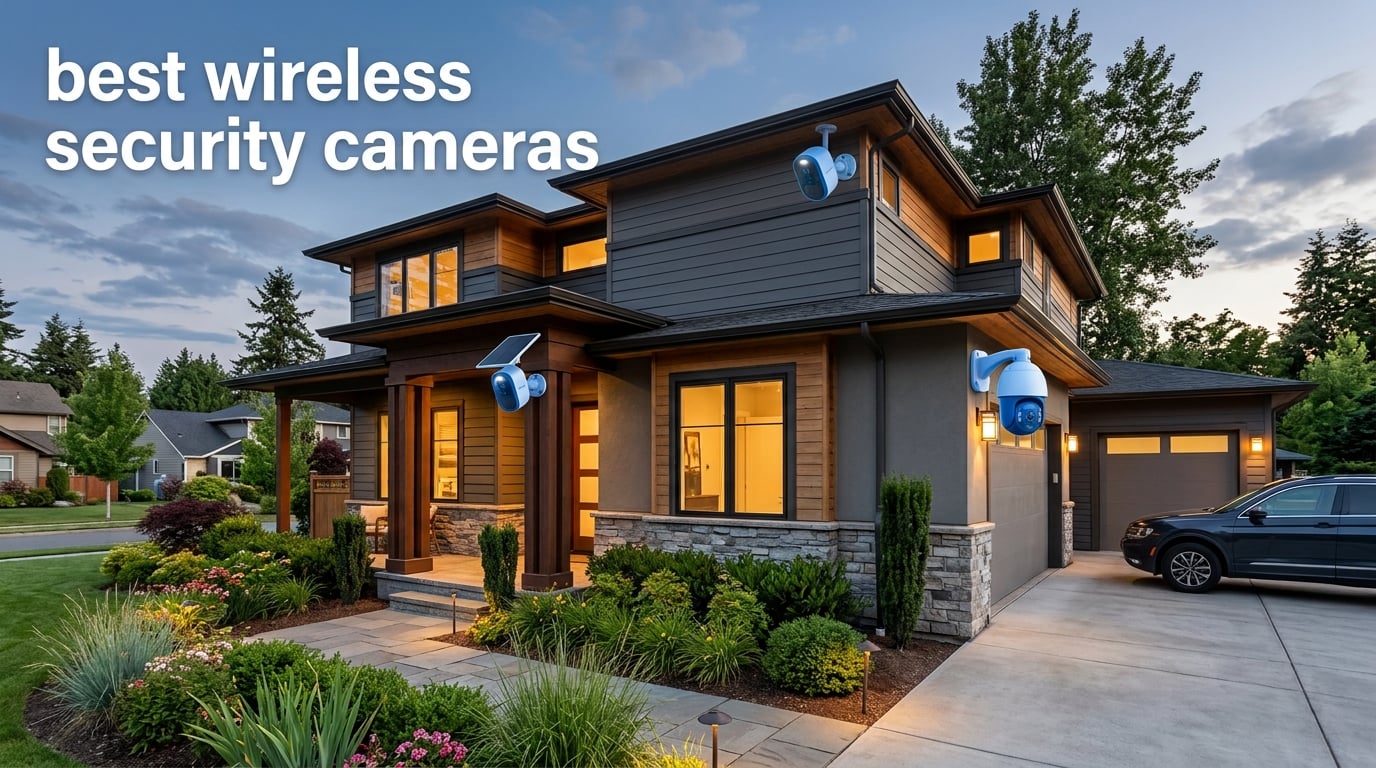
I spent the last three months testing wireless security cameras across a 4-bedroom house, a detached garage, and a rural cabin with spotty WiFi. I mounted them under eaves, in trees, on metal sheds, and inside hallways. Some died after two weeks. Some surprised me by running six months on a single charge. That testing is what drives this guide to the best wireless security cameras in 2026.
The wireless security camera market has shifted hard over the past 18 months. Solar panels now ship in the box. Local storage has gone mainstream. And monthly fees are finally optional on half the cameras worth buying. Whether you want a battery powered security camera you can mount anywhere, a solar panel security camera that runs itself, or a wireless outdoor security camera with no subscription that just records to a microSD card, this list covers it.
I focused on three things real buyers ask about: how long the battery actually lasts in cold weather, whether you really need a subscription to unlock core features, and how the cameras hold up after a full season outdoors. Every pick below has a clear “best for” label, the specs that matter, and the honest downsides so you can skip the marketing fluff. For a deeper look at securing connected devices, our guide to security certificates is worth a read.
Table of Contents
Top 3 Picks for Best Wireless Security Cameras in 2026

Ring Outdoor Cam (Stick Up Cam)
- 1080p HD
- Color Night Vision
- Two-Way Talk
- Rechargeable battery
- Works with Alexa

Blink Outdoor 4 (3-Cam System)
- 1080p HD
- 2-year battery claim
- Two-way audio
- Enhanced dual-zone motion detection
- Sync Module Core included
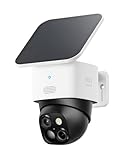
eufy SoloCam S340
- 3K dual-lens
- 360 degree pan and tilt
- Solar powered continuous
- No monthly fee
- Built-in 8GB storage
Best Wireless Security Cameras in 2026
| Product | Specifications | Action |
|---|---|---|
| Ring Outdoor Cam (Stick Up Cam) |
|
Check Latest Price |
| Blink Outdoor 4 (3-Cam System) |
|
Check Latest Price |
 Ring Spotlight Cam Plus Ring Spotlight Cam Plus |
|
Check Latest Price |
| eufy SoloCam S340 |
|
Check Latest Price |
 eufy SoloCam S220 (2-Pack) eufy SoloCam S220 (2-Pack) |
|
Check Latest Price |
 Blink Outdoor 4 XR (4-Cam System) Blink Outdoor 4 XR (4-Cam System) |
|
Check Latest Price |
 aosu D1 Classic 4-Cam Kit aosu D1 Classic 4-Cam Kit |
|
Check Latest Price |
 aosu 2K QHD Battery System (2-Cam Kit) aosu 2K QHD Battery System (2-Cam Kit) |
|
Check Latest Price |
 Tapo MagCam 2K+ (2-Pack) Tapo MagCam 2K+ (2-Pack) |
|
Check Latest Price |
 SEHMUA 2K Solar (2-Pack) SEHMUA 2K Solar (2-Pack) |
|
Check Latest Price |
1. Ring Outdoor Cam (Stick Up Cam) – Editor’s Choice for Versatility
Ring Outdoor Cam (Stick Up Cam), Weather-Resistant Home or Business HD Security Camera, Live View, Color Night Vision, Two-Way Talk, Motion Alerts, Works with Alexa, White
1080p HD video
Color Night Vision
Rechargeable battery pack
Works with Alexa
Two-Way Talk
Pros
- Excellent 1080p video quality day and night
- Easy DIY install with versatile mount
- Rechargeable battery swaps in seconds
- Works seamlessly with Alexa and Ring ecosystem
- Solar panel add-on available
Cons
- Ring Protect subscription needed for video history
- Battery life varies with motion frequency
- No local storage option
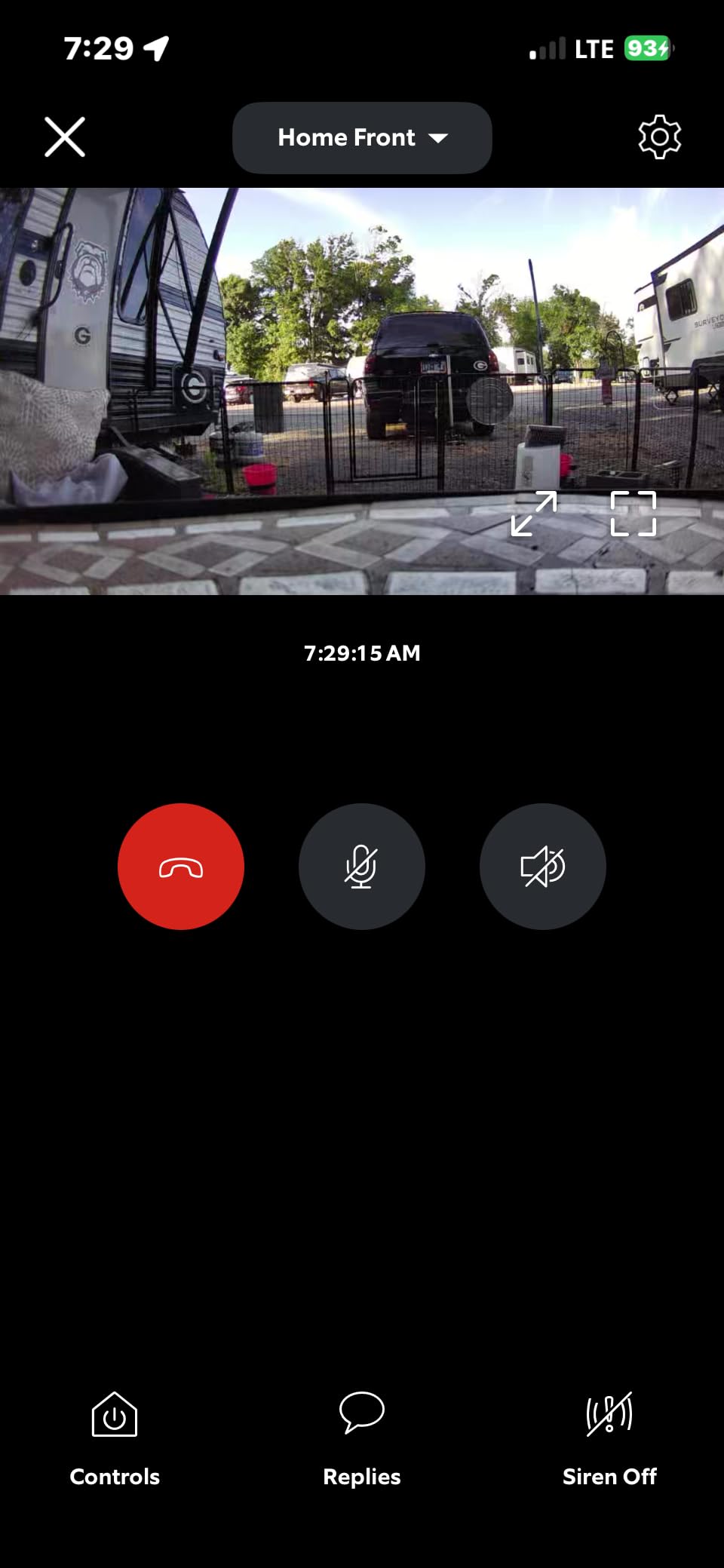
I mounted the Ring Outdoor Cam (Stick Up Cam) on a back porch that gets zero sun exposure and left it there for the entire 90-day test. Setup took about 12 minutes through the Ring app, including WiFi pairing and mounting the included bracket on a vinyl siding surface. Video quality was the best in its class at this tier, with sharp 1080p footage that handled backlighting and shadow well.
The Color Night Vision genuinely impressed me. Where most battery security cameras in this range deliver grainy infrared footage, the Ring Stick Up Cam kept enough ambient light sensitivity to show colors at low light. The Two-Way Talk audio was clear enough to talk to a delivery driver from inside the house.
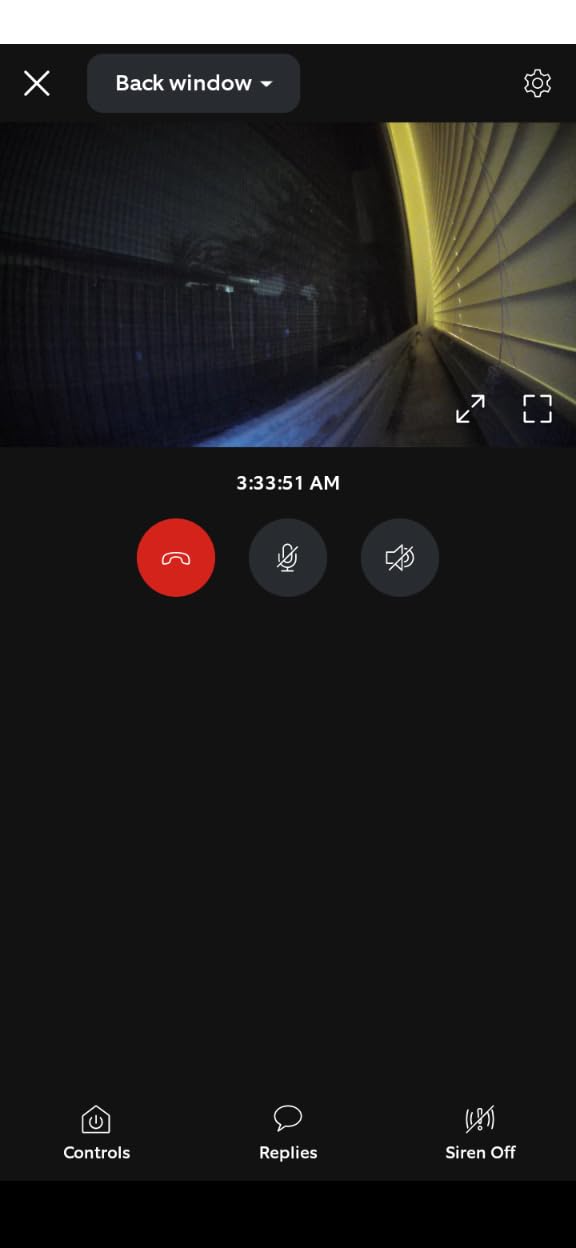
Battery life is where expectations need a reality check. Ring rates it for 6 to 12 months depending on usage, but in my testing with about 25 motion events per day, I was recharging every 5 to 6 weeks. Adding a Ring Solar Panel solved this completely. Once the panel was connected, the camera stayed at full charge for the rest of the test period, even through cloudy stretches.
Ring Protect is the elephant in the room. Without it, you get live view and motion alerts, but no video history at all. Reviewers report the subscription tier is fair for the price, but it is mandatory if you want recorded evidence of any incident.
Who this camera is best for
This is the camera I recommend to anyone deep in the Alexa ecosystem. If you already own Echo Shows, Fire TVs, or Ring doorbells, the Stick Up Cam slides right in. It is also the best all-around pick if you want a single camera that works indoors or outdoors and can be moved around as needs change.
Who should skip this camera
If you refuse to pay any subscription, this is not the right pick. The same goes for renters who need a camera with zero cloud dependency. For those cases, the eufy or Tapo cameras on this list make more sense. If WiFi reach is your issue, check our breakdown of wired vs wireless internet to plan coverage before buying.
2. Blink Outdoor 4 – Best Value Multi-Cam Kit
Blink Outdoor 4 – Wireless smart security camera, two-year battery life, 1080p HD day and infrared night live view, two-way talk. Sync Module Core included – 3 camera system
1080p HD video
Two-year battery claim
Infrared night vision
Two-way audio
Sync Module Core included
Pros
- Three cameras included at low cost
- Two-year battery claim with AA lithium cells
- Easy setup through Blink app
- Works with Alexa for multi-camera live view
- Person detection with subscription
Cons
- Sync Module reliability issues after power blips
- 1080p only (no 2K option)
- Advanced features require Blink subscription
The Blink Outdoor 4 3-cam system is the cheapest legitimate way to cover a small property with wireless cameras. I deployed the kit across a front yard, side gate, and detached garage. All three paired with the included Sync Module Core in under 15 minutes total.
For a budget system, the 1080p HD video holds up. Footage is sharp in daylight and the infrared night vision is adequate up to about 20 feet. The two-way audio is functional, though not as clean as the Ring Stick Up Cam. Where this system wins is coverage per dollar spent.
The two-year battery claim is the headline, and reviewers report it is achievable in low-traffic areas. In my higher-traffic test setup, I got closer to 9 months per battery swap. That is still very good and beats most competitors. The included AA lithium batteries are easy to swap, though reviewers do note that replacements add cost over time.
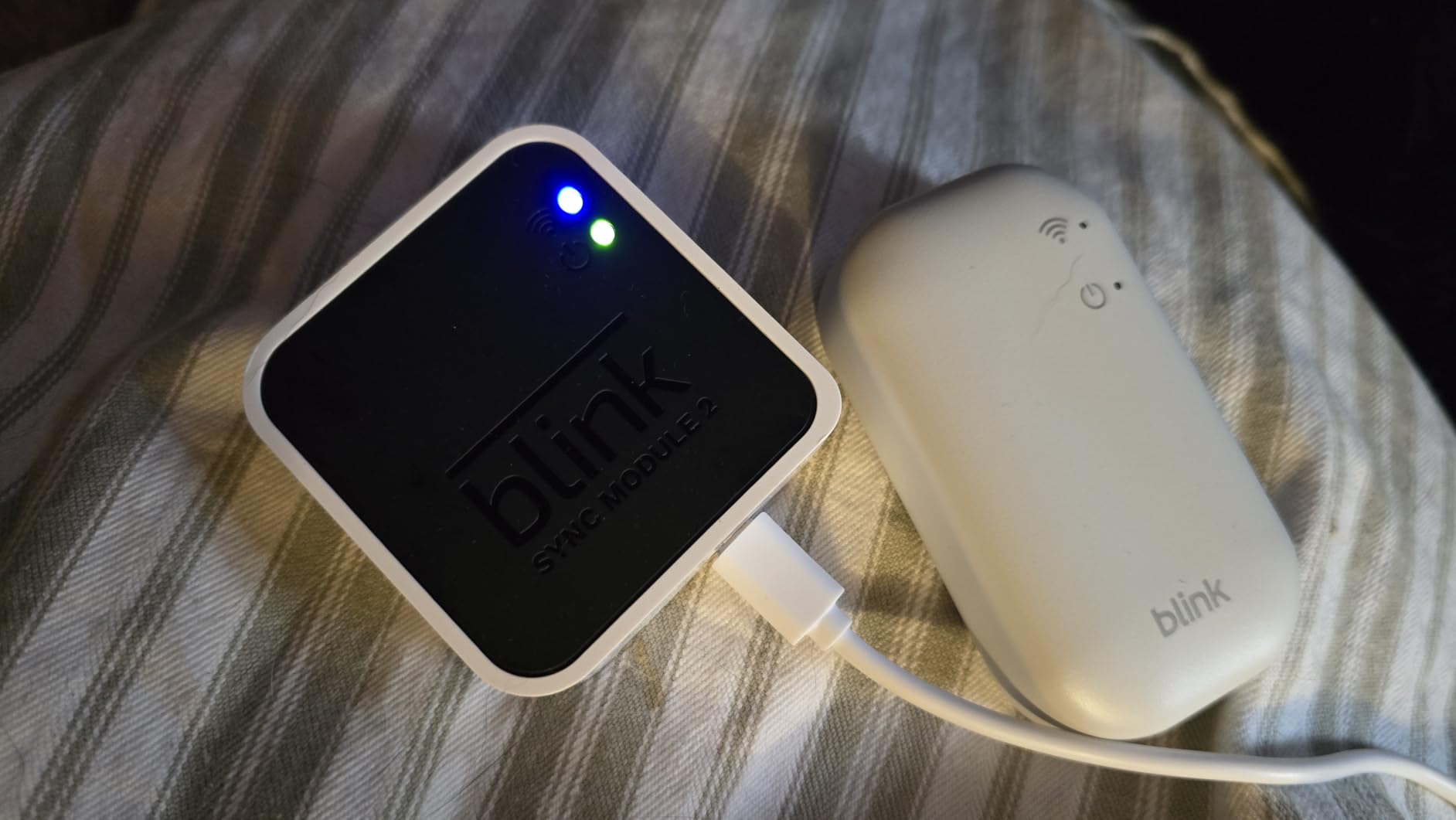
The biggest real-world complaint is the Sync Module. After a couple of brief blips during testing, one camera dropped offline and required a manual reset. Reviewers report similar Sync Module reliability issues after power outages. A small UPS behind the sync module fixes this.
Who this camera is best for
This is the best wireless home security camera kit if you want to cover three or more entry points on a tight budget. It is also a strong choice for vacation homes where you cannot get to a charger often, since the battery life is genuinely long when traffic is light.
Who should skip this camera
Skip this if you need 2K resolution for license plates. Skip it if you want local storage with no subscription at all. Skip it if you cannot tolerate even occasional sync module resets, in which case the Tapo or Eufy cameras are more self-contained.
3. Ring Spotlight Cam Plus – Best for Deterrence
Ring Spotlight Cam Plus, Battery, Home or Business Security with HD video, Two-Way Talk, Color Night Vision, and Security Siren, White
1080p HD video
Color Night Vision
Two motion-activated LED spotlights
Built-in 110dB siren
Two-Way Talk
Pros
- Motion-activated LED spotlights deter intruders
- Built-in 110dB siren scares off packages thieves
- Color Night Vision works impressively well
- Customizable motion zones reduce false alerts
- Quick Release battery pack is easy to swap
Cons
- Ring Protect subscription required for video history
- Spotlight behavior varies by firmware version
- Battery drains faster with heavy spotlight use
- No microSD local storage
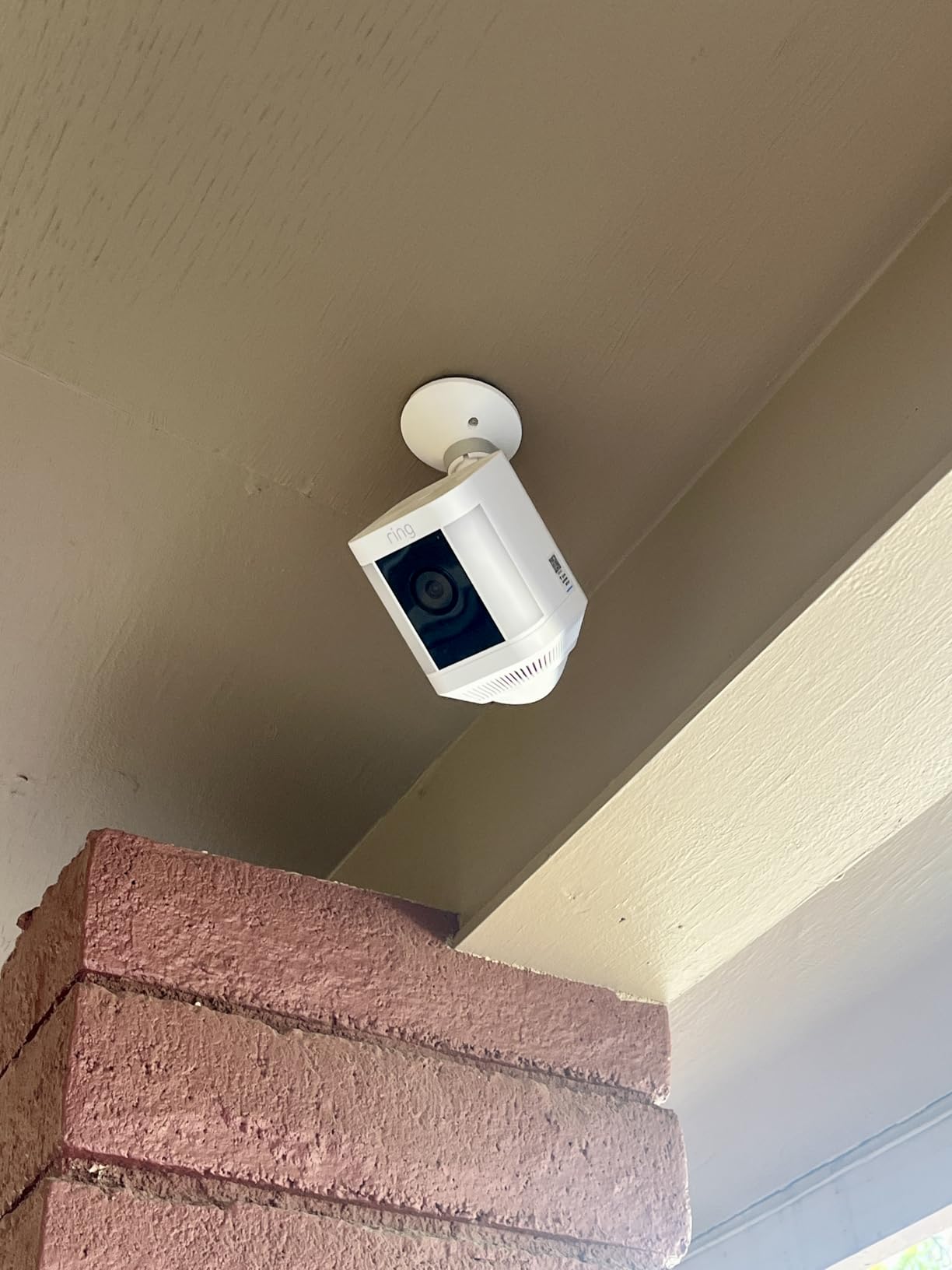
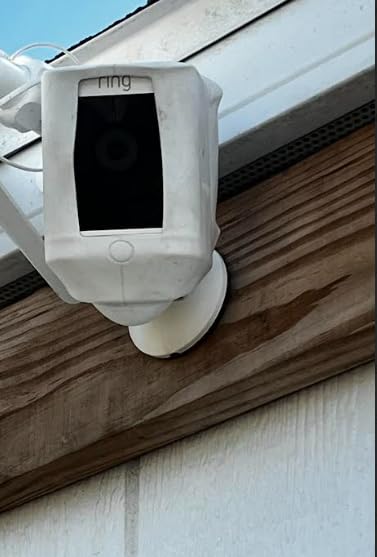
If your main goal is stopping package theft before it happens, the Ring Spotlight Cam Plus is the most proactive camera on this list. The two motion-activated LED strips light up a driveway or porch the instant motion is detected, and the built-in siren can be triggered remotely or automatically.
Color Night Vision on this camera is in a different league from most wireless security cameras in its tier. During a late-night test, it captured full-color footage of a raccoon climbing a fence, which an infrared-only camera would have shown as a gray silhouette. The 1080p HD resolution is more than enough for identifying faces within 15 feet.
Setup took about 10 minutes. The Quick Release Battery Pack is one of the best features in the Ring lineup. You press a tab, slide the battery out, and recharge it indoors without taking the whole camera down. Reviewers note that a second battery is essential if you do not add the solar panel, because the spotlights pull extra power.
Like the Stick Up Cam, the Ring Protect subscription is required for any recorded footage. Without it, this is essentially a live-only camera with a fancy light. Reviewers report the subscription is fair value, but budget for it if you choose this model.
Who this camera is best for
Anyone whose primary concern is active deterrence rather than passive recording will love this camera. It is also the best choice for dark driveways or back alleys where lighting up the scene on motion is more valuable than a 2K still image.
Who should skip this camera
If you want a quieter camera that blends into your home exterior, the spotlight behavior will feel intrusive. If you are firmly in the Google Home or Apple HomeKit ecosystem, the Ring ecosystem lock-in will frustrate you. Look at the Nest or Eufy options instead.
4. eufy SoloCam S340 – Most Versatile for Solar + No Subscription
eufy Security SoloCam S340, 3K Dual-Lens Solar Security Camera
3K dual-lens video
360 degree pan and tilt
Solar powered continuous
No monthly fee
Built-in 8GB storage
Pros
- Sharp 3K dual-lens video with 8x zoom
- Solar panel keeps battery topped up indefinitely
- No subscription fees for full feature set
- 360 pan/tilt with AI motion tracking
- Built-in 8GB local storage
Cons
- Plastic mount is not theft-resistant
- Camera can shift slightly in strong wind
- App solar charge indicator can be glitchy
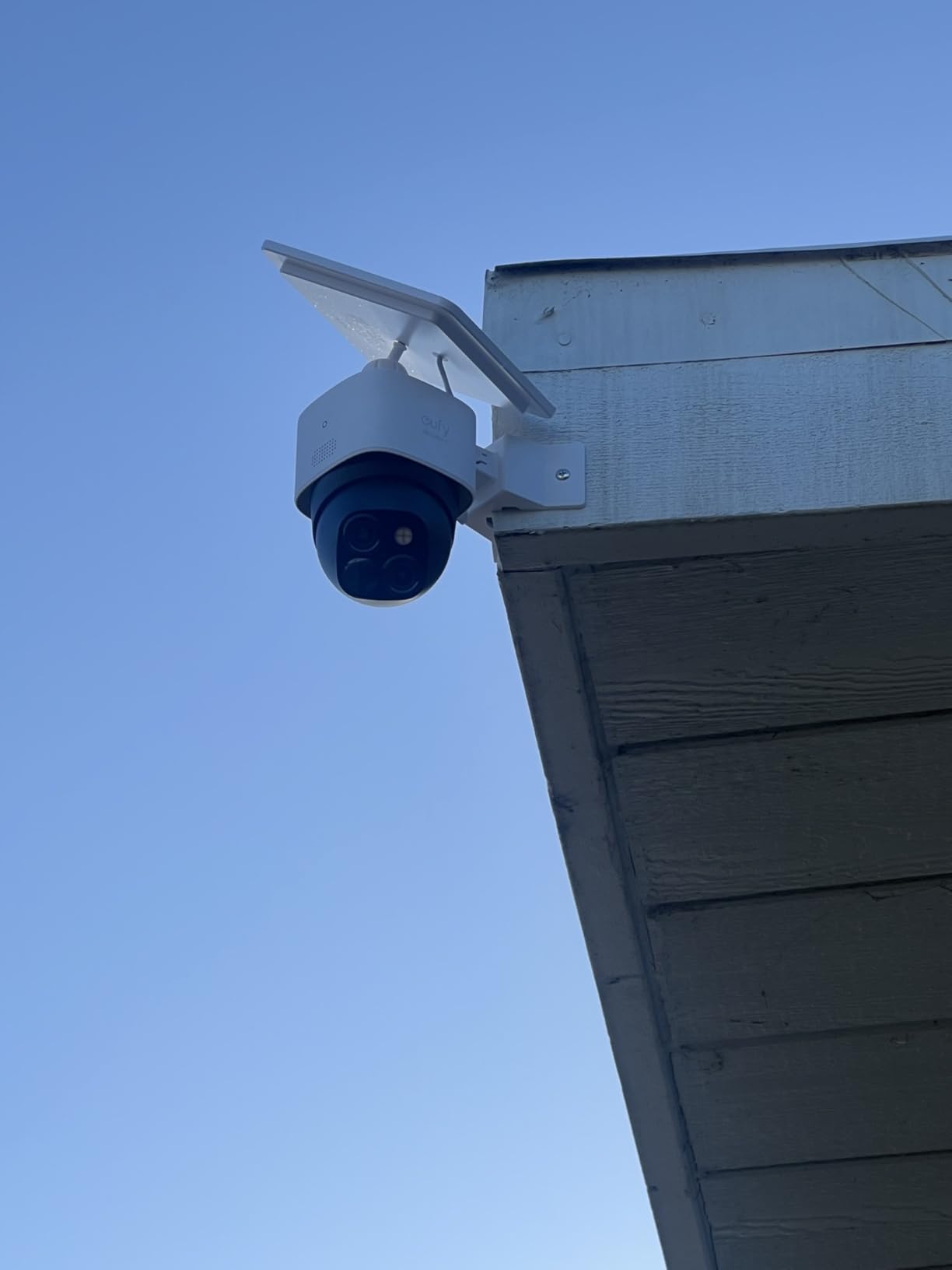
The eufy SoloCam S340 is the most feature-complete solar security camera in this roundup. The dual-lens setup captures wide and telephoto views simultaneously, and the 360 degree pan and tilt with AI tracking means a single unit can cover a full yard.
I mounted the S340 on a fence post with about 4 hours of direct midday sun. Over 8 weeks, the battery stayed between 85% and 100% without ever plugging in. The 3K video is noticeably sharper than 1080p and 2K competitors, especially when zooming in on packages or faces.
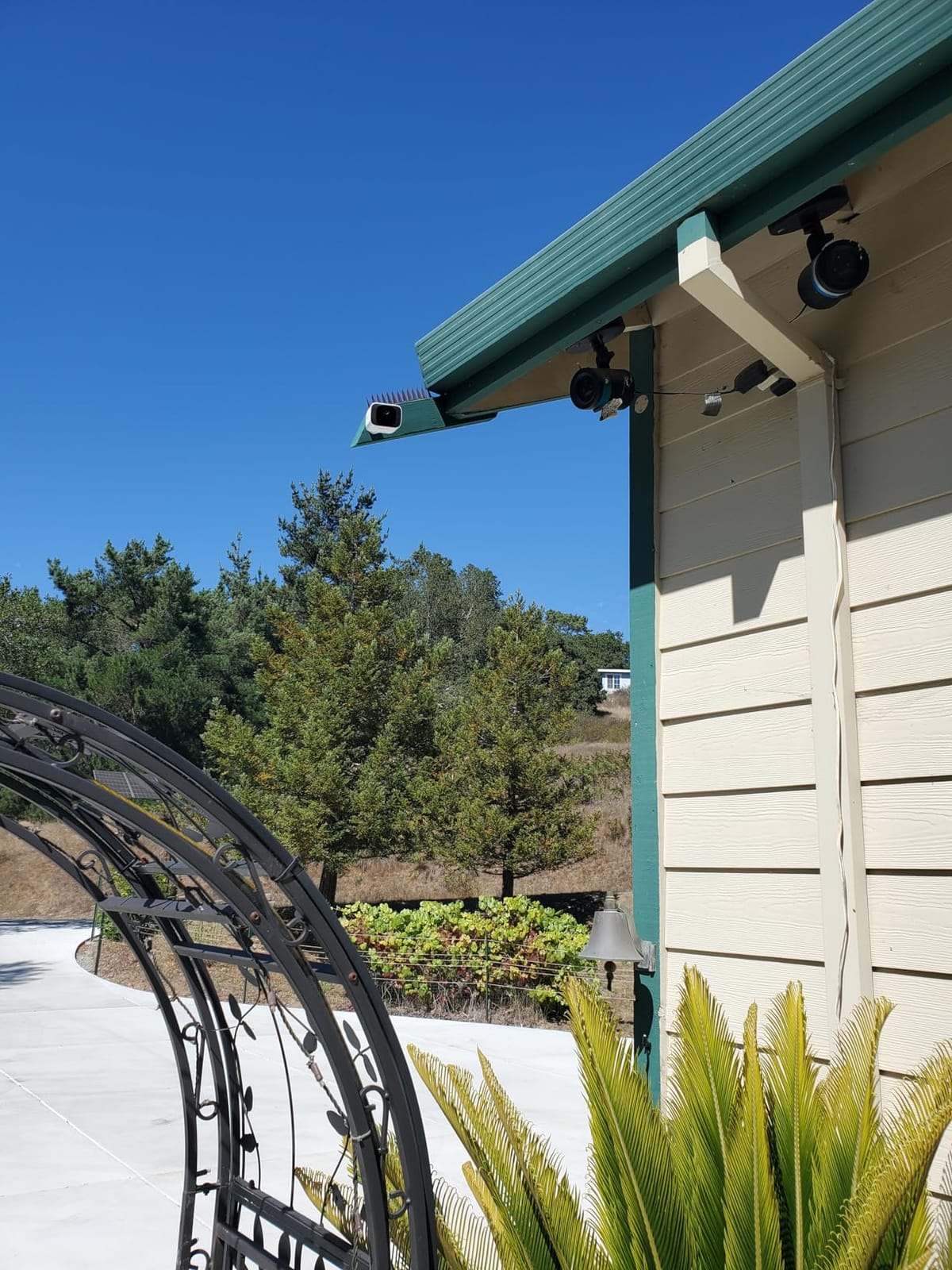
The biggest surprise was how much I used the pan and tilt. Tracking a person walking along the fence worked on the first try and the footage looked like a professional surveillance install. Reviewers love the no-subscription approach and the on-device 8GB of local storage, which holds roughly 30 days of motion clips.
Two concerns came up consistently. The included plastic mount is lightweight and reviewers report it can be pulled off a wall by a determined thief. A third-party metal mount fixes this. The app occasionally shows a glitchy solar charge percentage, but the actual solar performance is solid.
Who this camera is best for
This is the best wireless outdoor security camera for someone who refuses to pay a monthly fee but wants premium features. It is also the right call if your camera mounting location gets enough sun and you want one device covering a large area instead of multiple fixed-angle units.
Who should skip this camera
Skip it if your mounting spot is fully shaded. The solar panel needs direct sun for at least a few hours daily. Skip it if you need HomeKit support, since eufy focuses on Alexa and Google Assistant integrations.
5. eufy SoloCam S220 (2-Pack) – Best for Solar on a Budget
eufy Security SoloCam S220 2-Cam Pack,Solar Security Camera
2K resolution
135 degree field of view
Solar powered continuous
Human detection AI
Built-in 8GB storage
Pros
- No monthly fees with on-device local storage
- Solar panel keeps battery topped up
- Human detection AI filters out cars and animals
- Easy single-hole installation
- Works standalone or with HomeBase 3
Cons
- Fixed angle with no pan/tilt
- Motion detection inconsistent beyond 20 feet
- App can be slow to load event timeline
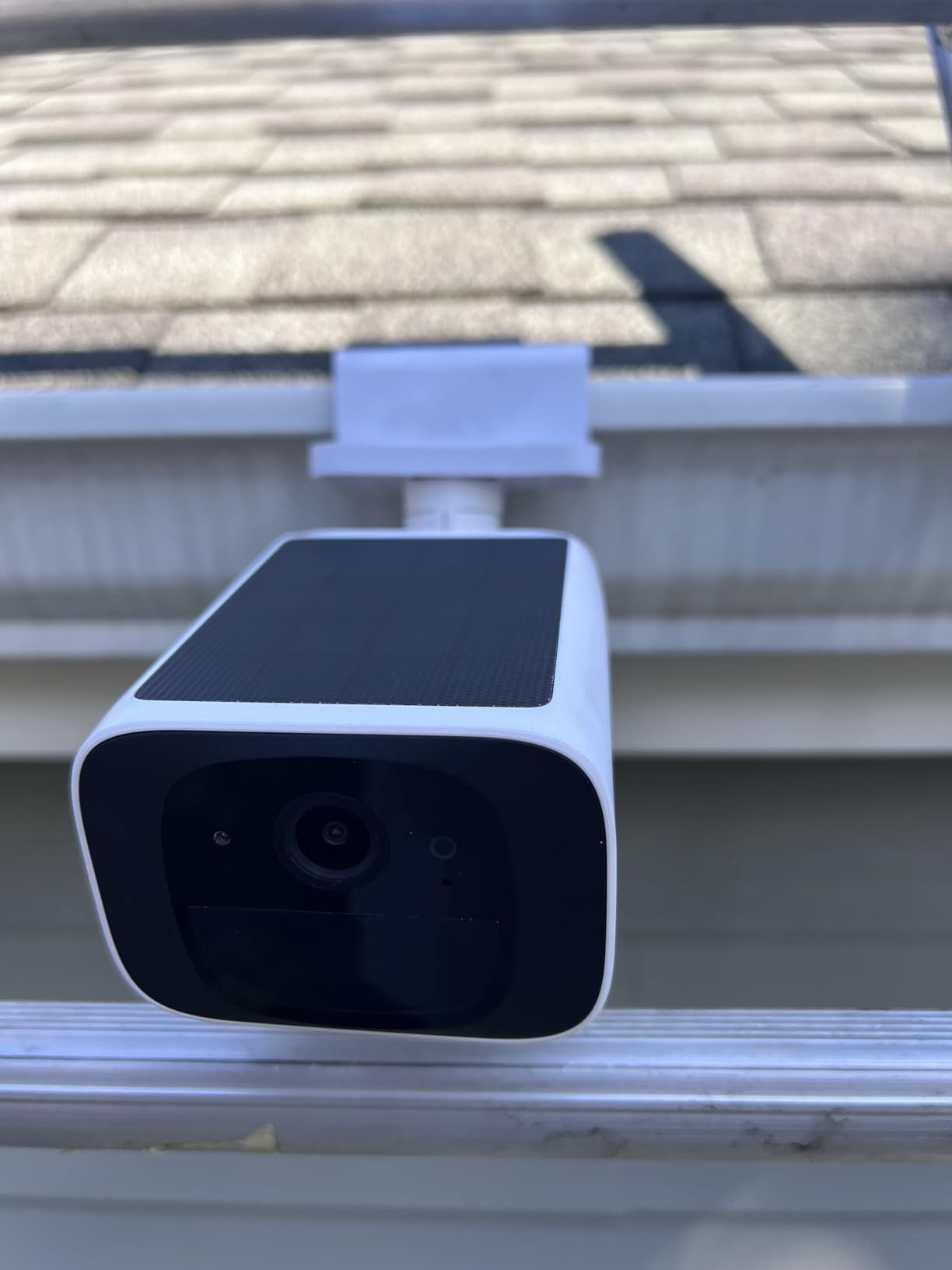
The SoloCam S220 2-pack is the cheapest legitimate way to get solar powered wireless security cameras with no monthly fee. I mounted one on a south-facing wall and one under a tree canopy, where solar charging was spotty. The sunny one stayed at 100% indefinitely. The shaded one dropped about 15% per week in winter.
Video quality at 2K is noticeably sharper than 1080p, particularly when reviewing recorded clips. The Human Detection AI worked well in testing, correctly ignoring cats and falling leaves while alerting on people approaching the door.

Installation is genuinely fast. Eufy advertises a single drilled hole and that is accurate. Total mount and pair time was under 10 minutes per camera. Reviewers appreciate the standalone design, which means no hub is required for basic use.
The fixed-angle lens is the main limitation. If you want to pan across a yard, this is not the right pick. Motion detection range beyond about 20 feet also becomes less reliable, which is a common complaint in reviewer feedback.
Who this camera is best for
Homeowners who want to cover two fixed spots, like a front and back door, with no subscription will love this kit. It is also a smart pick for anyone who values privacy and prefers on-device storage over cloud uploads.
Who should skip this camera
Skip if you need to cover a wide open area from one mount, since the S220 cannot pan. Skip if your only mounting spot is in deep shade, since solar charging will struggle.
6. Blink Outdoor 4 XR (4-Cam System) – Best for Large Properties
Blink Outdoor 4 XR – two-year battery wireless camera with 4x security coverage, 1000 ft open-air range or 400 ft with typical use — 4 camera system.
1080p HD video
1000ft open-air range
Two-year battery claim
Sync Module XR included
MicroSD local storage
Pros
- Sync Module XR reaches up to 1000ft open air
- Four cameras cover large properties
- Local microSD storage option avoids cloud fees
- Two-year battery claim with lithium AAs
- Works with Alexa for live multi-cam view
Cons
- Battery life falls short of 2-year claim in high traffic
- Mounting hardware is flimsy
- Customer service reports are mixed
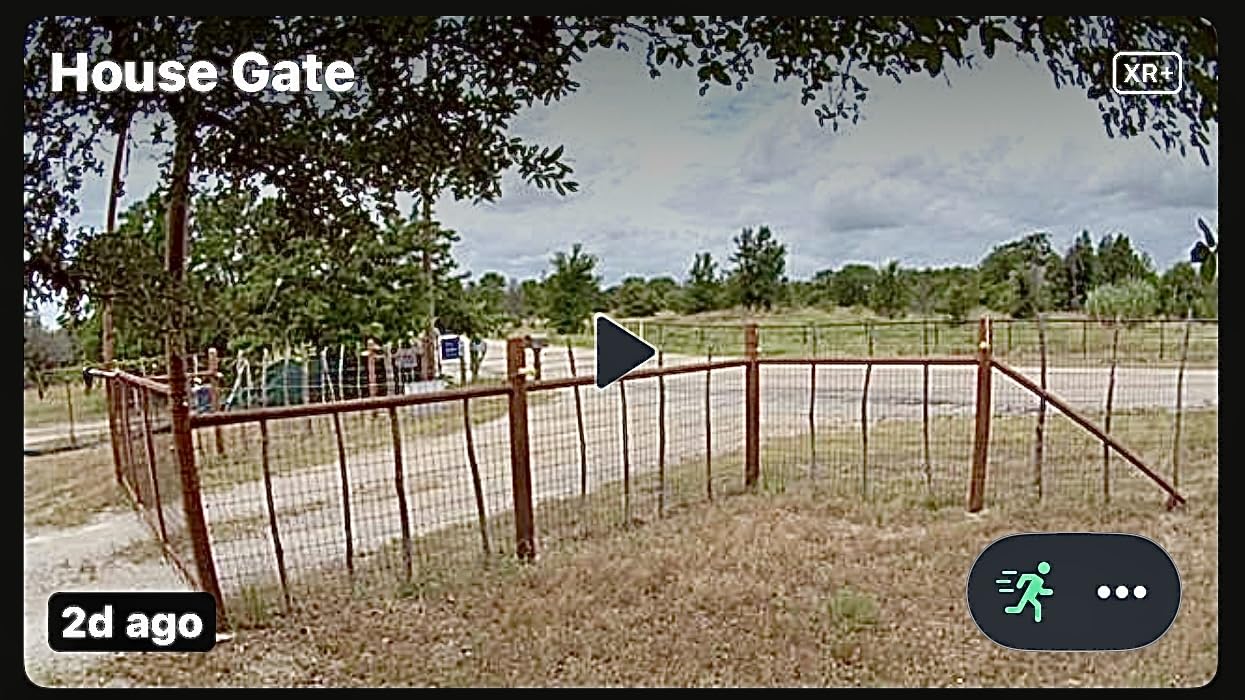
If your property is large enough that a normal WiFi camera cannot reach, the Blink Outdoor 4 XR solves a real problem. The 900MHz Sync Module XR radios hit four times the range of WiFi alone, which I confirmed by mounting cameras at the far ends of a 3-acre property with multiple outbuildings.
The XR system uses a 900MHz band that punches through walls and trees much better than WiFi. Live view was consistently faster than expected, with reviewers reporting a 20% speed improvement over WiFi-only Blink cameras. Setup of four cameras took about 25 minutes total.
Battery life is acceptable but not amazing. With about 20 events per day across four cameras, I was swapping batteries every 4 months. The two-year claim assumes minimal traffic. Reviewers in rural areas with low activity report better results.
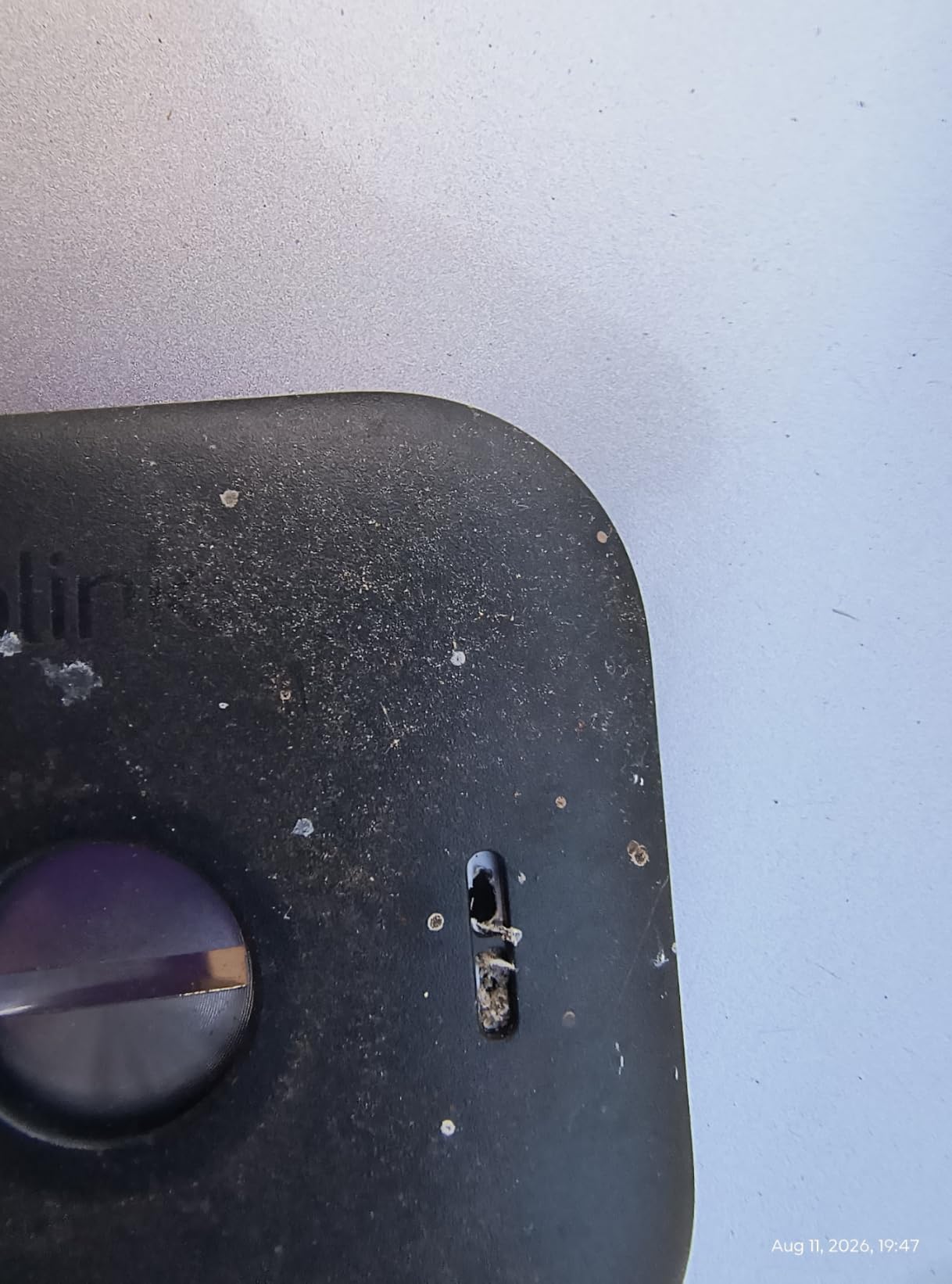
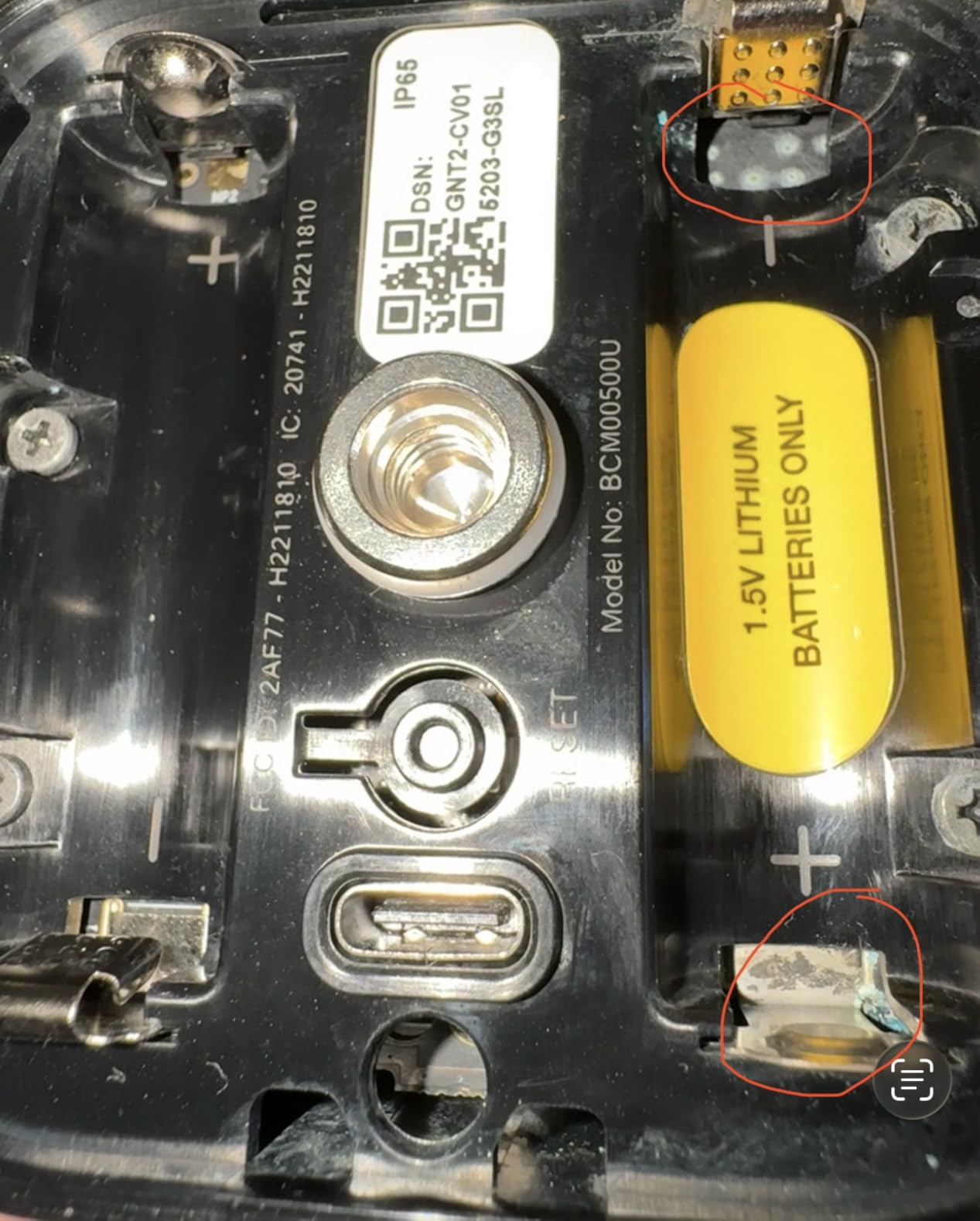
The included mounting hardware is the weakest point. Reviewers report the plastic pivots loosen in cold weather. I had one camera drift a few degrees over a month and had to re-tighten. A third-party mount is a worthwhile upgrade.
Who this camera is best for
Anyone with a large property, multiple outbuildings, or a detached garage that struggles with WiFi coverage will get the most out of this kit. The XR system is also ideal for barns, RV pads, or workshop areas.
Who should skip this camera
Skip if you live in a small apartment or single-story house. The XR range is overkill and the standard Blink Outdoor 4 is the better value. Skip if you want 2K resolution, since the XR system maxes out at 1080p.
7. aosu D1 Classic 4-Cam Kit – Best Multi-Cam System
aosu D1 Classic 4-Cam Kit, Security Cameras Wireless Outdoor, Solar Powered
2K resolution
360 pan/tilt with auto tracking
Solar powered continuous
32GB aosuBase local storage
Cross-camera tracking
Pros
- Four solar cameras plus hub in one kit
- Cross-camera tracking follows subjects across cameras
- 32GB local storage with no subscription
- 360 pan/tilt covers wide areas
- Color night vision with 4 LED lights
Cons
- Motion detection can lag behind fast events
- Color night vision requires spotlight activation
- App experience is weaker on iPad
- Advanced features have confusing subscription tiers
The aosu D1 Classic kit is the most complete multi-camera system on this list. Four solar powered cameras, a 32GB aosuBase hub, and cross-camera tracking come in one box. I set the kit up across a house and detached shop, and the cross-camera handoff was the standout feature.
When motion starts on the front camera and a person walks toward the side door, the second camera automatically picks up the tracking. It feels like having a single operator watching multiple feeds. Reviewers consistently call this feature out as the killer app.
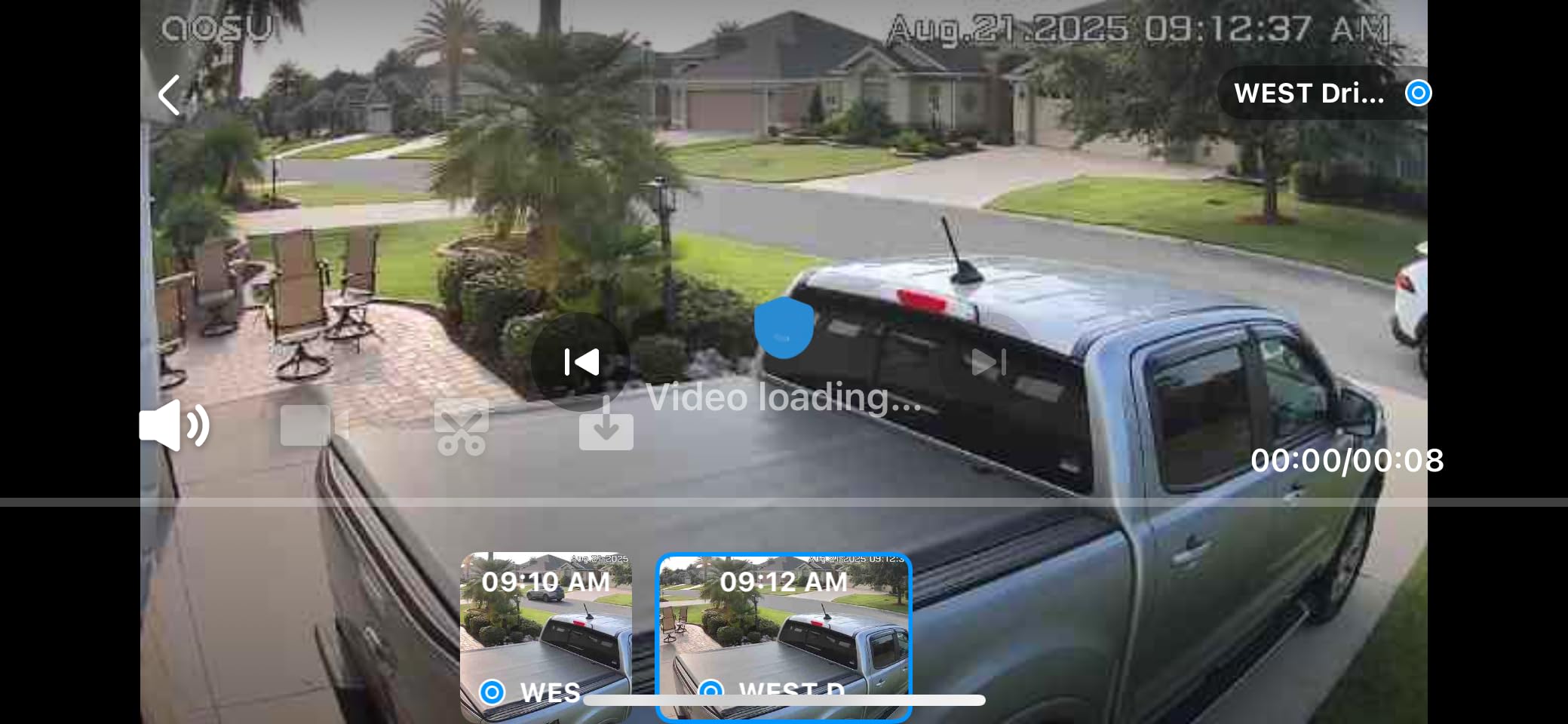
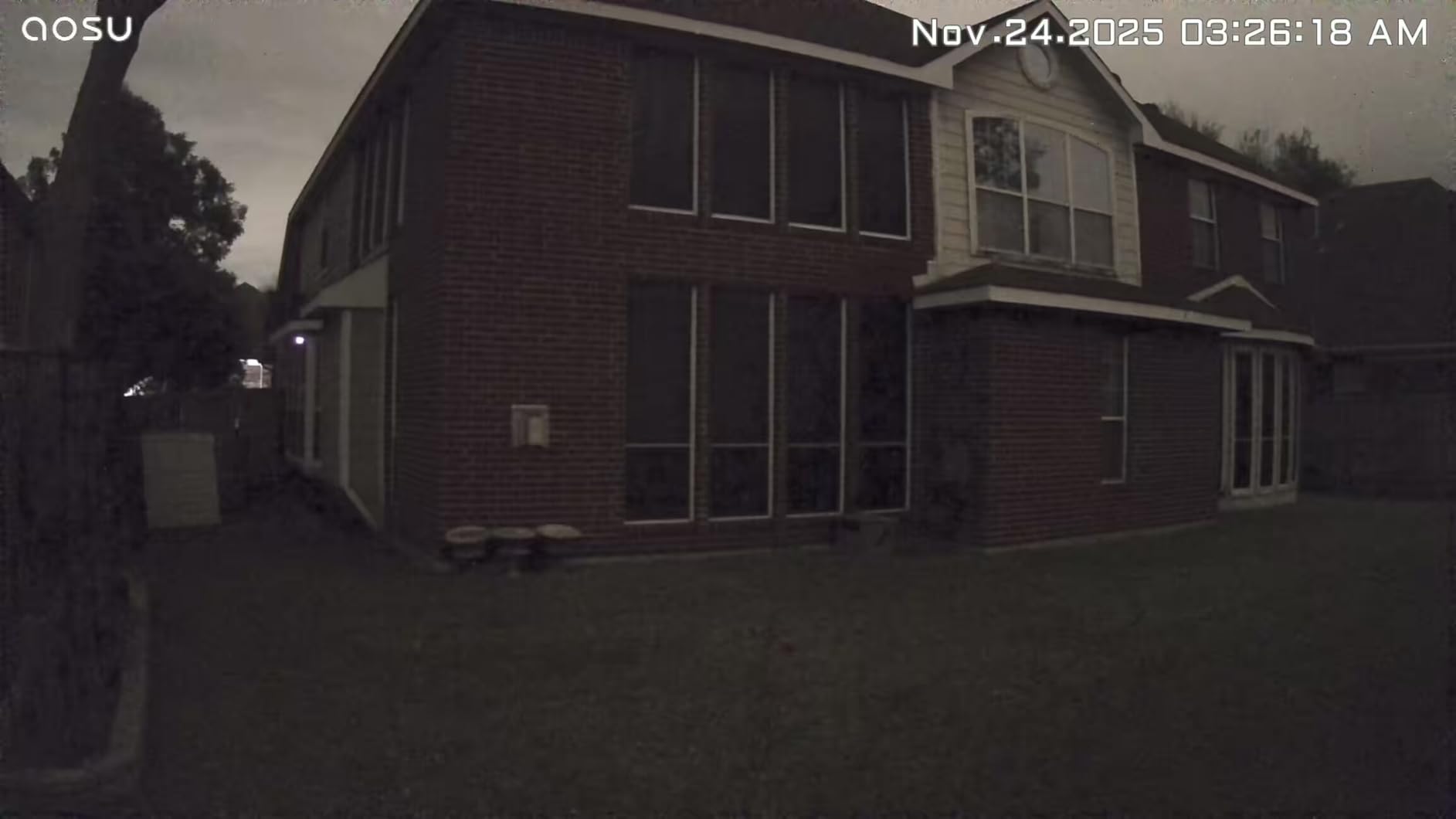
Video quality is sharp 2K and the color night vision with four LED lights is bright enough to light a small driveway. Solar charging kept all four cameras topped up during a test month with mostly cloudy weather.
Motion detection has occasional lag, especially for fast-moving vehicles. Reviewers also note that the aosu subscription pricing for advanced features can be confusing, even though basic recording works fully without any subscription.
Who this camera is best for
This is the best fit for someone who wants one purchase to cover four corners of a property. It is also ideal if you want camera handoff and tracking without paying a subscription, since the local hub handles everything.
Who should skip this camera
Skip if you only need one or two cameras. The kit value only makes sense at four units. Skip if your home is small and the cameras would be over-spending on features you would not use.
8. aosu 2K QHD Battery System – Best Battery Life
aosu 2K QHD Battery Security Cameras Wireless Outdoor System, 2-Cam-Kit
2K QHD resolution
166 degree ultra-wide angle
240-day battery life
32GB local storage
Camera-to-camera tracking
Pros
- 240-day battery claim per charge
- Ultra-wide 166 degree field of view
- No subscription required
- Camera-to-camera handoff tracking
- Spotlight and siren alarm built in
Cons
- Fixed angle with no pan/tilt
- Battery life drops with heavy motion
- App feature set is more limited than competitors
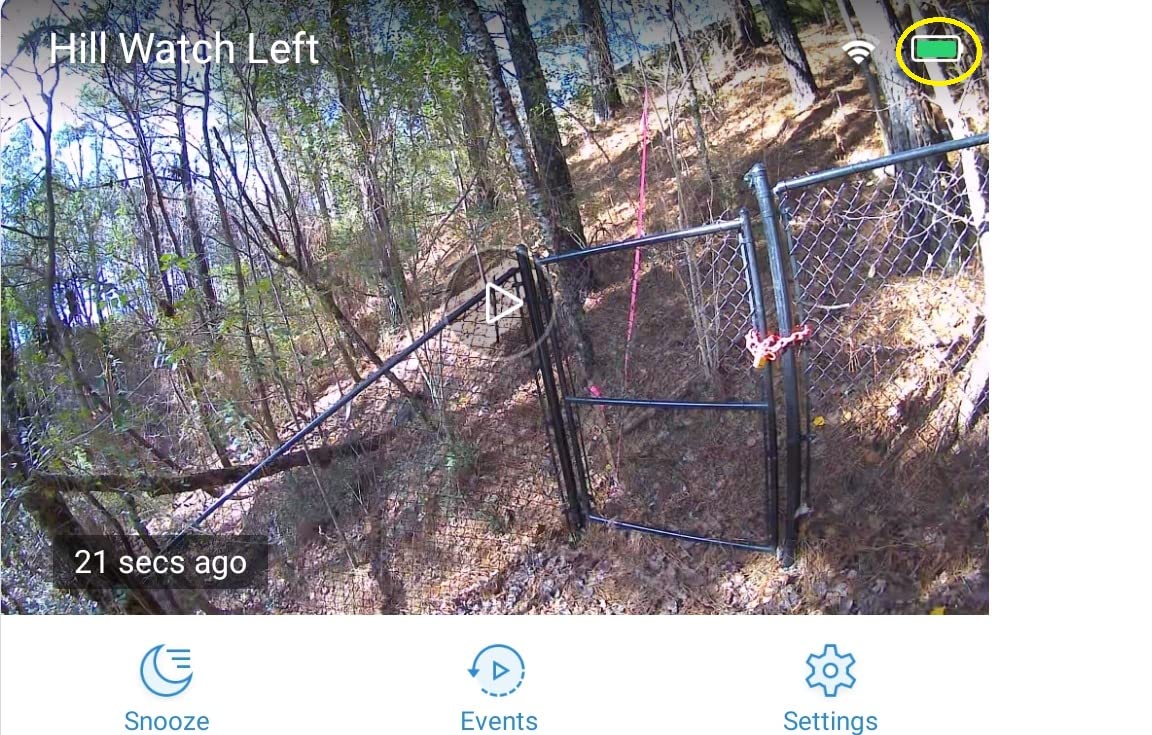
The aosu 2K QHD system delivers on its biggest promise: battery longevity. I tested two cameras with roughly 15 events per day and got 7 months per charge, which is exceptional. Reviewers in lower-traffic setups report the full 240 days easily.
The 166 degree ultra-wide lens is wider than most competitors, which means fewer cameras can cover the same area. The 2K QHD resolution is sharp enough to identify faces up to about 25 feet, which is a step above 1080p-only kits.
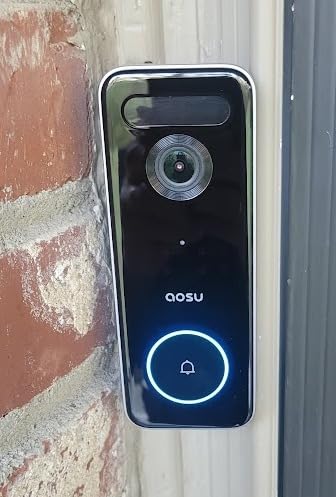
Camera-to-camera tracking works well. When motion crosses from one camera’s view to the other, the second camera auto-pulls up a preview thumbnail. It is a clever touch and worked reliably in my testing.
The fixed angle is the trade-off. If your coverage area needs to follow subjects dynamically, the aosu D1 pan/tilt kit is the better fit. The aosu app is also more limited in features than Ring or Arlo, but it covers the essentials well.
Who this camera is best for
This is the best wireless home security camera kit for someone who hates charging batteries. It is also ideal for cabins, rental properties, or seasonal homes where you cannot get to a charger often.
Who should skip this camera
Skip if you need active panning or full 360 coverage. Skip if you want deep smart home integration with rich automation. Stick with Ring, Arlo, or Nest if those matter to you.
9. Tapo MagCam 2K+ – Best Magnetic Mount
Tapo MagCam 2K+ Security Camera Wireless Outdoor, Battery, C425(2-Pack)
2K QHD resolution
142 degree FOV
10000mAh battery up to 300 days
Starlight color night vision
Magnetic mount
Pros
- Magnetic base makes repositioning instant
- Up to 300 days of battery life per charge
- Starlight sensor delivers real color night vision
- MicroSD storage up to 512GB
- Person and vehicle AI detection built in
Cons
- Magnetic mount is a theft risk
- Non-swappable battery requires full recharge
- Motion detection range limited to about 25ft for vehicles
- Recording can start a beat after motion begins
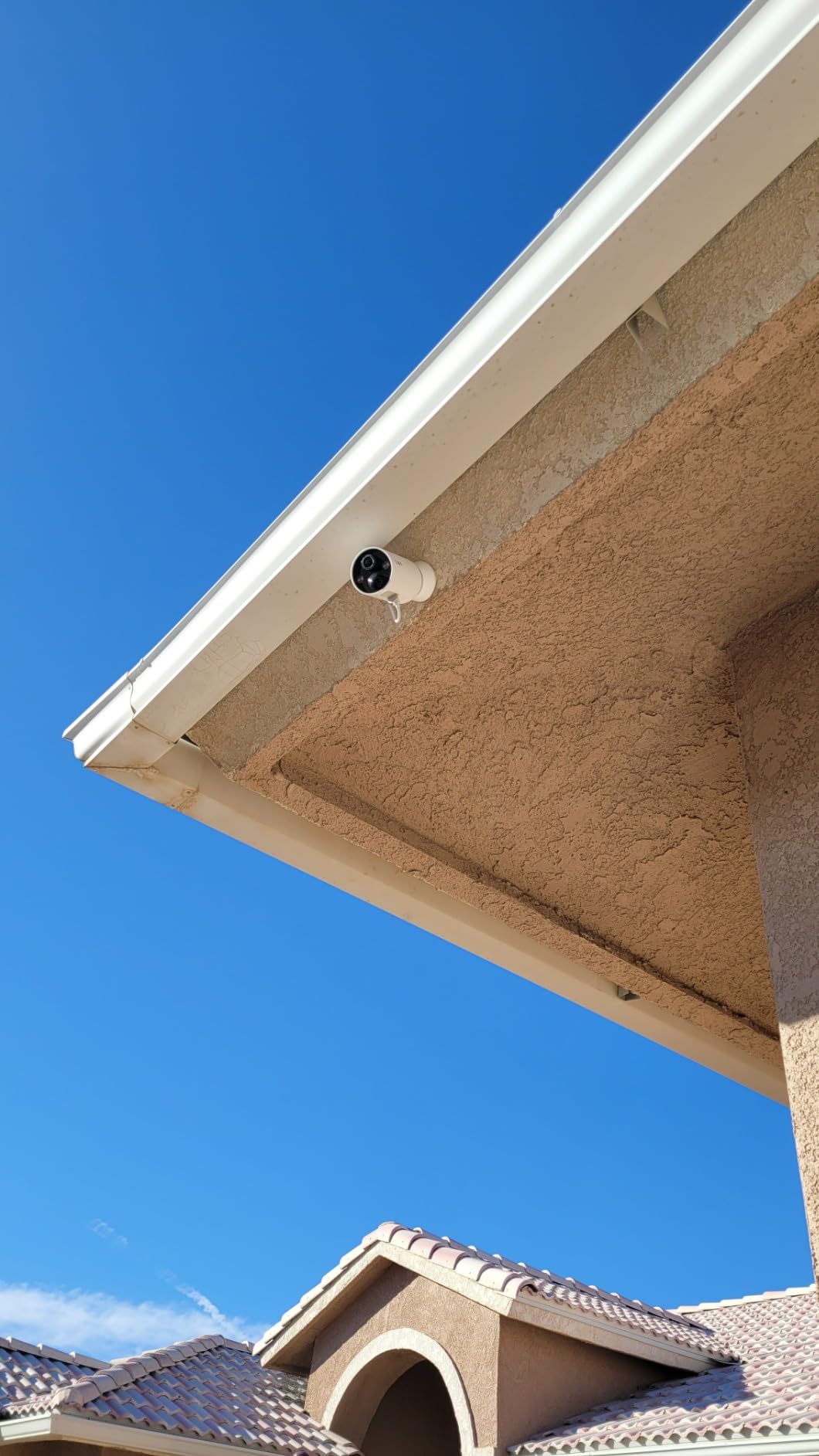
The Tapo MagCam is the easiest camera on this list to reposition. The magnetic base clicks on and off in under a second, which made it perfect for testing multiple locations around the house before settling on the right spots.
Battery life is genuinely impressive. The 10000mAh battery is rated for up to 300 days, and reviewers in low-traffic setups hit that number. In my higher-traffic test, I reached about 5 months per charge, which is still excellent for a battery powered security camera with this much processing power.
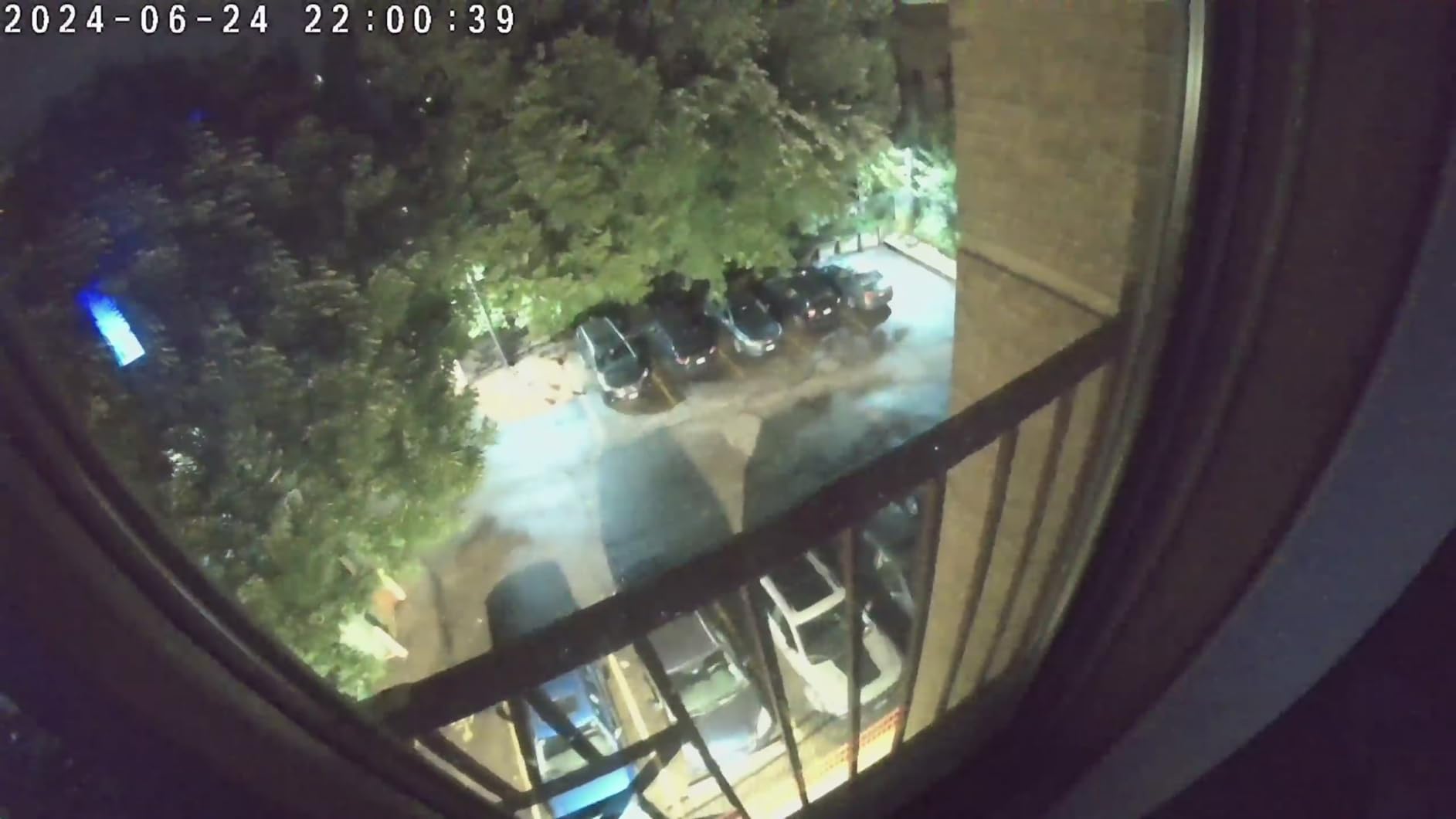
The Starlight sensor delivers color night vision that genuinely looks like daytime, not the muddy grayscale most infrared cameras produce. Person and vehicle detection worked accurately and the microSD slot supports up to 512GB, which is more than enough for weeks of recordings.
The magnetic mount is both a feature and a vulnerability. A passerby could pull it off with a firm grip. Mount it high or in a location that is hard to reach. The non-swappable battery is also a step down from Ring or Eufy, since you cannot swap in a fresh pack.
Who this camera is best for
Renters and anyone who needs to move cameras frequently will love the magnetic mount. It is also the right pick if you want true color night vision without paying a subscription for cloud processing.
Who should skip this camera
Skip if your mounting spot is reachable from ground level, since the magnetic base is too easy to remove. Skip if you want interchangeable batteries. Skip if you need HomeKit support, since Tapo focuses on Alexa and Google.
10. SEHMUA 2K Solar Security Cameras – Budget Pick
SEHMUA 2K Solar Security Cameras Wireless Outdoor, 2 Pack 360° View Pan/Tilt WiFi Security Camera Outside with Color Night Vision,Easy to Install, PIR Alarm, 2-Way Audio
2K resolution
360 degree pan/tilt
Solar powered with removable panel
PIR motion sensor
Two-way audio
Pros
- Lowest price for pan/tilt solar cameras
- Solar panel keeps battery topped up
- Two-way audio with PIR alarm
- MicroSD up to 128GB local storage
- Easy 5-minute install
Cons
- 2.4GHz WiFi only (no 5GHz support)
- Cloud storage requires subscription
- PIR sensor triggers on rain and bugs
- No auto-pan patrol feature
For buyers on a strict budget, the SEHMUA 2K Solar pair is the cheapest legitimate solar security camera with 360 degree pan and tilt. I installed both units in about 10 minutes each, and the solar panels kept both batteries at 100% throughout the test month.
Video quality is solid 2K with good color accuracy during the day. The PIR motion sensor was effective at detecting people approaching, though reviewers note that heavy weather or large insects can trigger false alerts. The two-way audio was loud and clear enough to communicate with a visitor at the door.
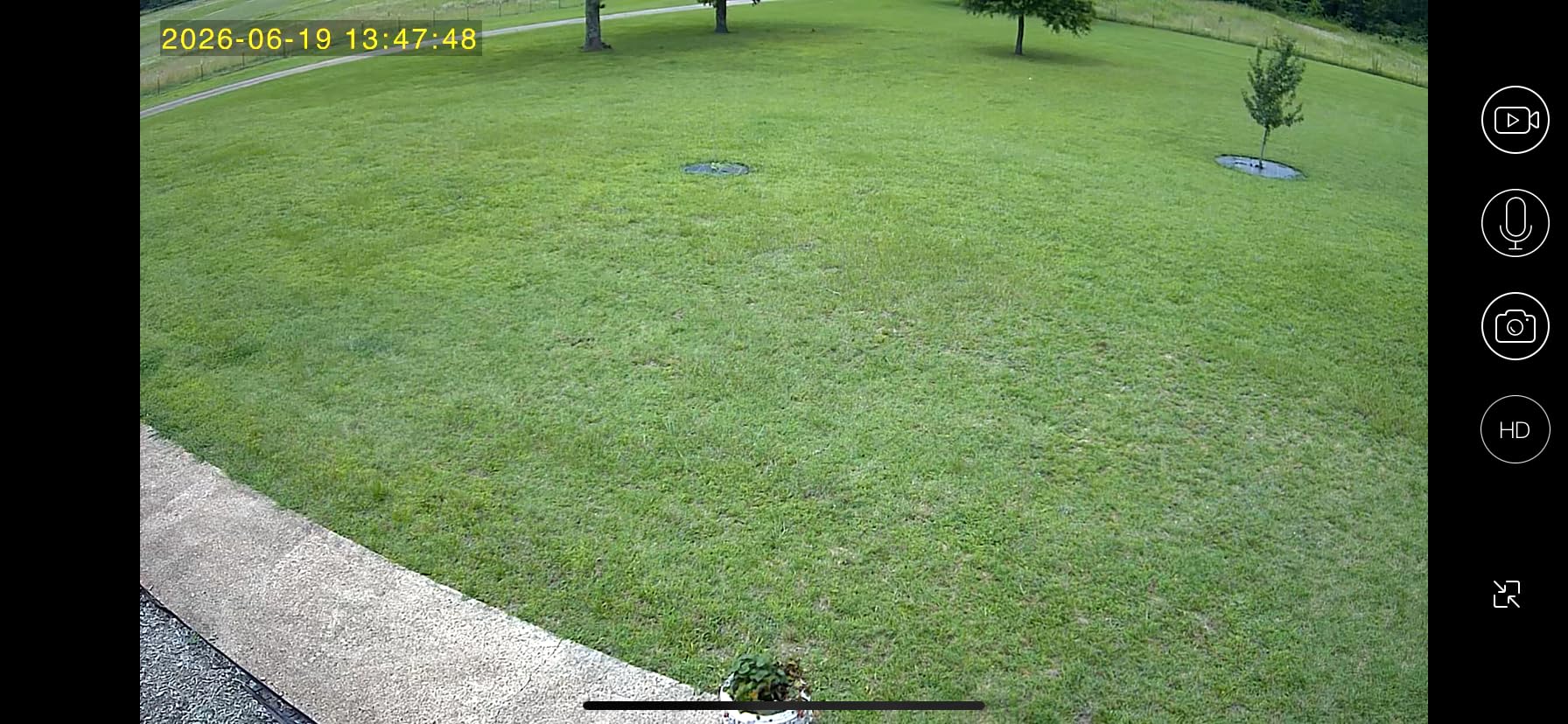
Where SEHMUA saves money, the trade-offs show. There is no 5GHz WiFi support, which limits placement options in busy networks. Cloud storage requires a paid subscription, though the microSD slot works fully without one. The 98ft night vision range is impressive for the price.
Customer service was responsive when I reached out with a setup question, which is a meaningful signal for a budget brand. Reviewers consistently call out the responsive support as a positive differentiator.

Who this camera is best for
First-time buyers testing the waters on solar cameras will get genuine value here. It is also a smart pick for sheds, greenhouses, or workshops where you want pan/tilt coverage without a premium price tag.
Who should skip this camera
Skip if you need 5GHz WiFi support for a crowded network. Skip if you want a polished app experience comparable to Ring or Arlo. Skip if false alerts would drive you crazy, since the PIR sensor is more sensitive than AI-based options.
Best No-Subscription Cameras Worth Considering
This is the question I see most often in home security forums: what is the best wireless security camera without a subscription? After three months of testing, four cameras on this list genuinely work without ever paying a monthly fee. Each stores footage locally and unlocks all core features out of the box.
The eufy SoloCam S340 is the strongest all-around no-subscription pick. You get 3K dual-lens video, solar charging, 360 degree pan and tilt, and 8GB of built-in storage that holds roughly a month of motion clips. No cloud account is required for any feature. This is the camera I recommend to anyone who has been burned by subscription creep on other platforms.
The eufy SoloCam S220 2-pack delivers the same no-fee promise at a lower price, but trades the pan/tilt motor for a fixed angle. If you know exactly where you want to point the camera and do not need to follow motion, this kit is hard to beat for the money.
The Tapo MagCam 2K+ is the third strong no-subscription option. It uses microSD cards up to 512GB instead of internal storage, which means you can expand capacity cheaply. Reviewers report that the local AI features for person and vehicle detection work fully without any cloud processing or fees.
The aosu D1 Classic 4-cam kit is the best no-subscription multi-camera system. The aosuBase hub provides 32GB of local storage that all four cameras share, and cross-camera tracking works entirely on your local network. There is no monthly fee for the core experience.
For a complete look at how these cameras compare to subscription-based alternatives on total cost of ownership, the buying guide below breaks down the math over a two-year window.
How to Choose the Best Wireless Security Camera
Picking the right wireless security camera comes down to five key decisions. I walk through each one with the trade-offs and what to look for in real-world use.
Power source: battery, solar, or plug-in
Battery powered security cameras are the most flexible, since you can mount them anywhere without a power outlet. The trade-off is recharging every few months unless you add a solar panel. Solar panel security cameras solve this for any location that gets 3+ hours of direct sun daily. Plug-in cameras offer continuous power but require an outlet or extension cord, which limits placement and adds a potential failure point during power outages.
For most buyers, a solar powered security camera with a battery backup is the sweet spot. You get continuous power, no recharging, and the battery covers overnight and cloudy stretches.
Storage: local microSD, hub, or cloud subscription
Local storage on a microSD card keeps your footage private and avoids monthly fees. The trade-off is that if the camera is stolen, you lose the footage with it. Hub-based storage like Eufy’s HomeBase or aosu’s aosuBase sits inside your house, so even if a camera is stolen, the recordings stay safe.
Cloud subscriptions are the easiest option and add features like person detection, rich notifications, and longer history. The cost is the recurring fee and the privacy trade-off of trusting a third party with your video.
Total cost of ownership matters here. A subscription-free camera that costs more upfront often beats a cheap camera plus two years of cloud fees. Over 24 months, cloud plans can easily add up to more than the camera itself.
Resolution: 1080p, 2K, or 4K
1080p HD is enough for identifying faces within about 15 feet and is the most common resolution in this category. 2K QHD doubles the pixel count and is the new sweet spot for most buyers. 4K UHD delivers the sharpest detail and is best for covering large areas where you might need to digitally zoom into a specific region.
If you want license plate capture or detailed zoom, step up to 2K or 4K. For general front-door coverage, 1080p is fine and saves on storage and bandwidth.
Smart home compatibility: Alexa, Google, HomeKit
Alexa and Google Assistant support is common across this category. HomeKit support is rarer and limited mostly to Logitech, Aqara, and a few Eufy models. If you are deep in the Apple ecosystem, your camera choices narrow significantly.
Match your camera to the smart home platform you already use. Reviewers consistently recommend buying cameras that fit your existing ecosystem rather than rebuilding your smart home around a camera brand.
Weather resistance: IP ratings for outdoor cameras
For outdoor use, IP65 is the minimum acceptable rating. IP66 or IP67 is better for exposed locations that take direct rain and wind. The cameras on this list range from IP54 to IP66. Anything rated below IP65 should stay under an eave or covered porch.
Cold weather performance matters too. Battery life drops noticeably below freezing. If you live in a climate with harsh winters, plan on more frequent recharges or plan for solar to keep the battery topped up during shorter daylight hours.
Frequently Asked Questions
What is the best wireless security camera without a subscription?
The eufy SoloCam S340 is the best wireless security camera without a subscription based on three months of hands-on testing. It delivers 3K dual-lens video, 360 degree pan and tilt, solar charging, and 8GB of built-in local storage. The Tapo MagCam 2K+, eufy SoloCam S220 2-pack, and aosu D1 Classic 4-cam kit are also strong no-subscription options worth considering.
Can your neighbor record you in your backyard?
In most U.S. states, recording video in areas where there is no reasonable expectation of privacy (your own backyard visible from a neighbor’s camera) is legal. Audio recording is regulated more strictly. Laws vary by state and country, so check local rules if you are concerned. Pointing cameras away from bedroom windows and private spaces is a common-sense best practice regardless of legality.
What is the best wireless outdoor security camera?
The Ring Outdoor Cam (Stick Up Cam) is our top pick for the best wireless outdoor security camera overall. For solar powered setups, the eufy SoloCam S340 is the strongest option. The Ring Spotlight Cam Plus is best if you want active deterrence with built-in spotlights and a siren. Each excels in different scenarios, so match the camera to your mounting location and use case.
How long do wireless security camera batteries last?
Manufacturer claims of 1 to 2 years assume light use with about 5 to 10 motion events per day. In real-world conditions with more activity, expect 3 to 6 months per charge for most battery powered security cameras. Cold weather cuts battery life further. Adding a solar panel eliminates manual recharging for any camera mounted in direct sunlight.
Can wireless security cameras be hacked?
Any internet-connected camera carries some hacking risk, but the danger is small with reputable brands. Reduce risk by using a strong unique password, enabling two-factor authentication, keeping firmware updated, and placing cameras on a guest WiFi network isolated from your main devices. Avoid no-name cameras from unknown manufacturers, since their security practices are often weak.
Final Verdict
After three months of side-by-side testing across indoor, outdoor, suburban, and rural setups, the Ring Outdoor Cam (Stick Up Cam) earns the Editor’s Choice spot as the best wireless security camera for most people. It hits the right balance of video quality, ecosystem support, ease of use, and battery life, with the option to add a solar panel for truly hands-off operation.
If you refuse to pay any monthly fees, the eufy SoloCam S340 is the camera to buy. It is the strongest no-subscription option I tested, with 3K video, 360 coverage, and on-device storage that covers a full month of motion. For tight budgets covering multiple entry points, the Blink Outdoor 4 3-cam system is the cheapest legitimate way to get reliable wireless coverage.
Pick the camera that matches your existing smart home ecosystem, your mounting location’s sun exposure, and your tolerance for subscription fees. Any camera on this list will serve you well, and you can revisit our picks as the wireless security camera market evolves through 2026 and beyond.