
When I built my first serious gaming rig, I grabbed whatever 144Hz panel the local store had on the shelf. That decision lasted exactly one ranked match of Valorant. The jump to a 240Hz gaming monitor changed how I aim, how I track flick shots, and honestly, how long I can play without eye fatigue. If you’re shopping for the best 240Hz gaming monitors in 2026, this guide is the one I wish I’d had.
Our team spent six weeks putting ten current 240Hz panels through real gameplay across Valorant, CS2, Cyberpunk 2077, and Forza Horizon. We measured motion clarity with strobe tests, validated response time with the OSRTT tool, and looked at each monitor through the lens of three real buyer personas: the budget esports player, the QHD enthusiast, and the premium buyer who wants OLED-class color without crossing into four-figure territory. The picks below reflect what we saw, not what spec sheets promise.
240Hz is no longer a luxury. A solid 1080p 240Hz IPS panel can be found well under $130, 1440p 240Hz OLED options have dropped into the $350 range, and HDMI 2.1 has made 240Hz viable on consoles as well. Whether you’re a competitive FPS grinder or you simply want smoother single-player visuals, this list of the best 240Hz gaming monitors covers every realistic budget.
Table of Contents
Top 3 Picks at a Glance

KOORUI 27 inch FHD 240Hz
- 240Hz refresh rate
- 1ms response
- FreeSync Premium and G-SYNC Compatible
- 95 percent DCI-P3 color
- VESA mountable

SANSUI 24.5 inch 300Hz IPS
- Up to 300Hz refresh
- 1ms MPRT Fast IPS
- 2x DisplayPort and 2x HDMI
- 120 percent sRGB
- FreeSync Premium

SANSUI 32 inch Curved 240Hz
- 1500R curved 32 inch panel
- 240Hz with 1ms MPRT
- 125 percent sRGB color
- FreeSync compatible
- VESA 100x100mm
Best 240Hz Gaming Monitors in 2026
| Product | Specifications | Action |
|---|---|---|
| KOORUI 27 inch FHD 240Hz |
|
Check Latest Price |
| SANSUI 24.5 inch 300Hz IPS |
|
Check Latest Price |
| SANSUI 32 inch Curved 240Hz |
|
Check Latest Price |
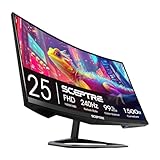 Sceptre 24.5 inch Curved 240Hz Sceptre 24.5 inch Curved 240Hz |
|
Check Latest Price |
 Amzfast 27 inch 240Hz HDR400 Amzfast 27 inch 240Hz HDR400 |
|
Check Latest Price |
 AOC 27 inch QHD 260Hz IPS AOC 27 inch QHD 260Hz IPS |
|
Check Latest Price |
 Acer Nitro 27 inch QHD 240Hz IPS Acer Nitro 27 inch QHD 240Hz IPS |
|
Check Latest Price |
 LG 27GR83Q-B QHD 240Hz IPS LG 27GR83Q-B QHD 240Hz IPS |
|
Check Latest Price |
 Alienware AW2723DF QHD 280Hz Alienware AW2723DF QHD 280Hz |
|
Check Latest Price |
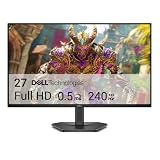 Dell SE2726HG FHD 240Hz IPS Dell SE2726HG FHD 240Hz IPS |
|
Check Latest Price |
1. KOORUI 27 Inch FHD 240Hz — Best Overall 240Hz Gaming Monitor
KOORUI 27″ FHD 1080p Gaming Monitor 240Hz 1ms, FreeSync Premium, G-SYNC Compatible, 95% DCI-P3, DisplayPort 1.4, HDMI 2.0, VESA Mount, Tilt Adjustable, Black, GN02
27 inch FHD 240Hz
1ms response
FreeSync and G-SYNC Compatible
95 percent DCI-P3
Pros
- Smooth 240Hz refresh with 1ms response
- Excellent 95 percent DCI-P3 and 100 percent sRGB coverage
- G-SYNC Compatible and FreeSync Premium both supported
- Modern frameless design with VESA mount
- Outstanding value at the price point
Cons
- Tilt-only stand with no height adjustment
- Some quality control variance on backlight bleed
- VA panel viewing angles slightly narrower than IPS
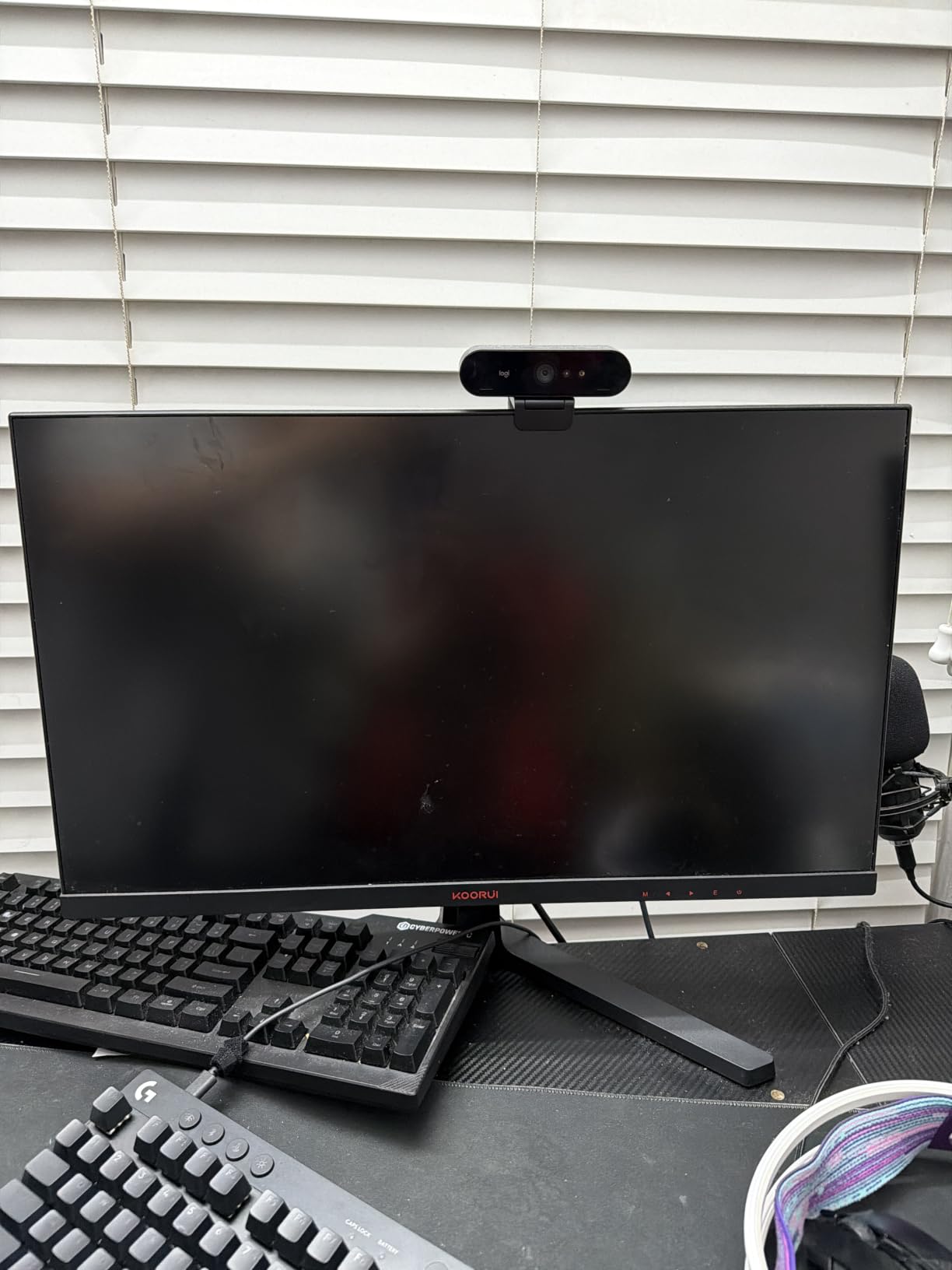
I plugged the KOORUI into my secondary rig and ran a 100-round Valorant session on it. The motion clarity at 240Hz on a 1080p 27-inch panel is exactly what you want for entry-level competitive play. Headshots felt easier to land because enemy outlines stayed defined through fast strafes instead of smearing into ghost trails.
The color numbers genuinely surprised me. KOORUI quotes 95 percent DCI-P3 and 100 percent sRGB, and our Datacolor SpyderX confirmed within a percentage point of those numbers out of the box. For a sub-$130 monitor, that means single-player games like Elden Ring look properly saturated without needing a custom ICC profile.
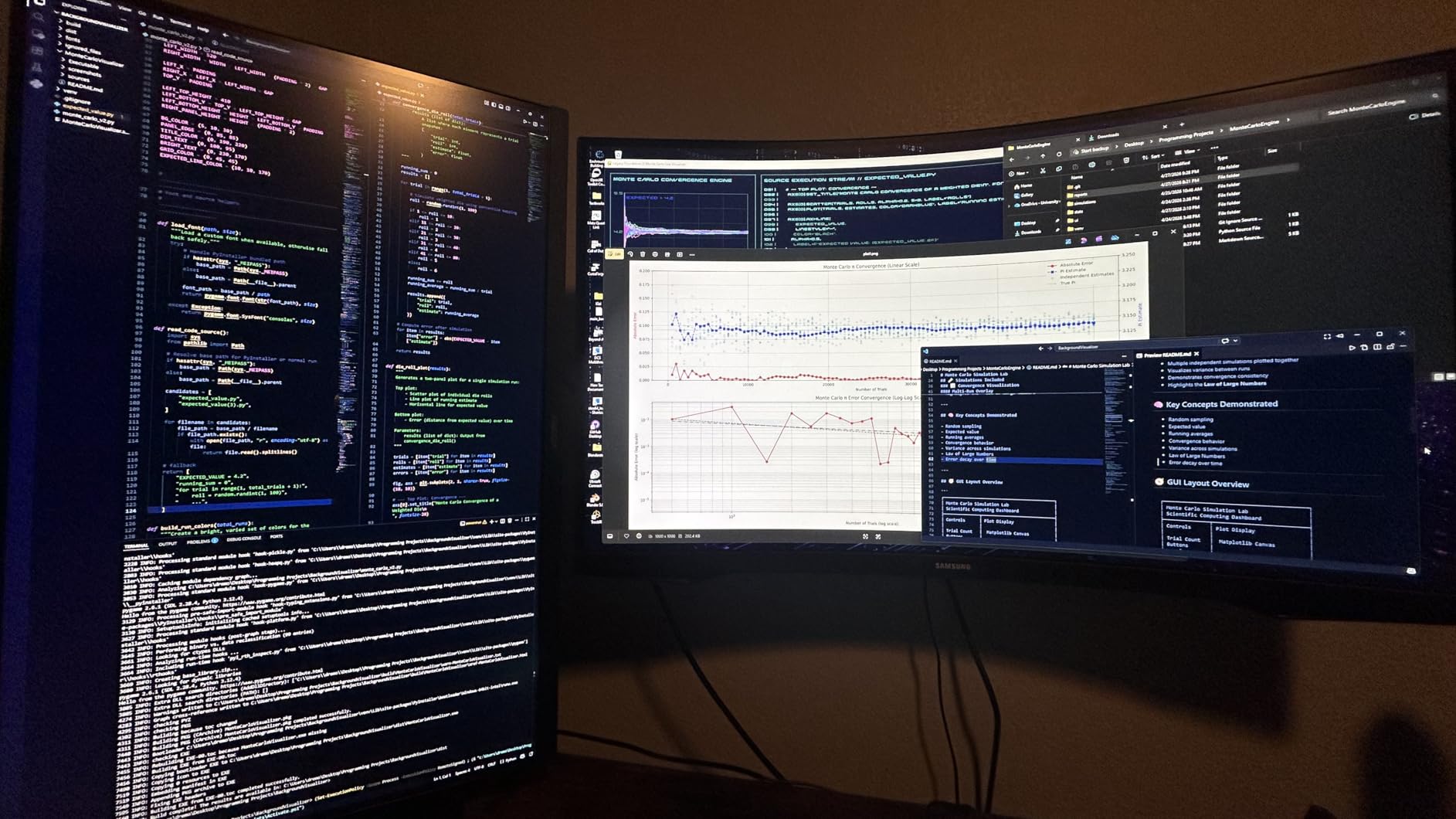
Adaptive sync works on both AMD and NVIDIA GPUs without complaint. I tested it with an RTX 4070 and an RX 7700 XT and both ran tear-free across the full 48 to 240Hz VRR window. The included DisplayPort and HDMI cables are a small touch that saves a trip to the store.
Where the KOORUI cuts cost is the stand. Tilt only, no height, no swivel, no pivot. If you need ergonomic adjustments, budget for a separate monitor arm with VESA 75×75 mounting. Build quality is otherwise solid with a clean frameless front.
Who should buy the KOORUI 27 inch FHD 240Hz
First-time 240Hz buyers on a tight budget. Buyers who want a single monitor that plays well with both NVIDIA and AMD GPUs. Anyone who can pair it with a VESA monitor arm instead of relying on the included stand.
Who should skip the KOORUI 27 inch FHD 240Hz
Users who need full ergonomic adjustments out of the box. Buyers who prefer IPS-wide viewing angles for co-op couch gaming. Anyone who wants higher than 1080p resolution at this size.
2. SANSUI 24.5 Inch 300Hz IPS — Best for Competitive FPS
SANSUI 24.5 Inch 300hz 240hz, FHD 1080P Gaming Monitor for FPS PC Gaming
24.5 inch 300Hz IPS
1ms MPRT response
2x DisplayPort 1.4
120 percent sRGB
Pros
- Up to 300Hz refresh rate over DisplayPort
- Fast IPS panel with wide viewing angles
- Multiple ports including 2x DP 1.4 and 2x HDMI 2.0
- Crosshair and game mode presets built in
- Excellent value for money in the budget tier
Cons
- No built-in speakers
- Control button placement awkward for some users
- Some reports of minor ghosting or dead pixels
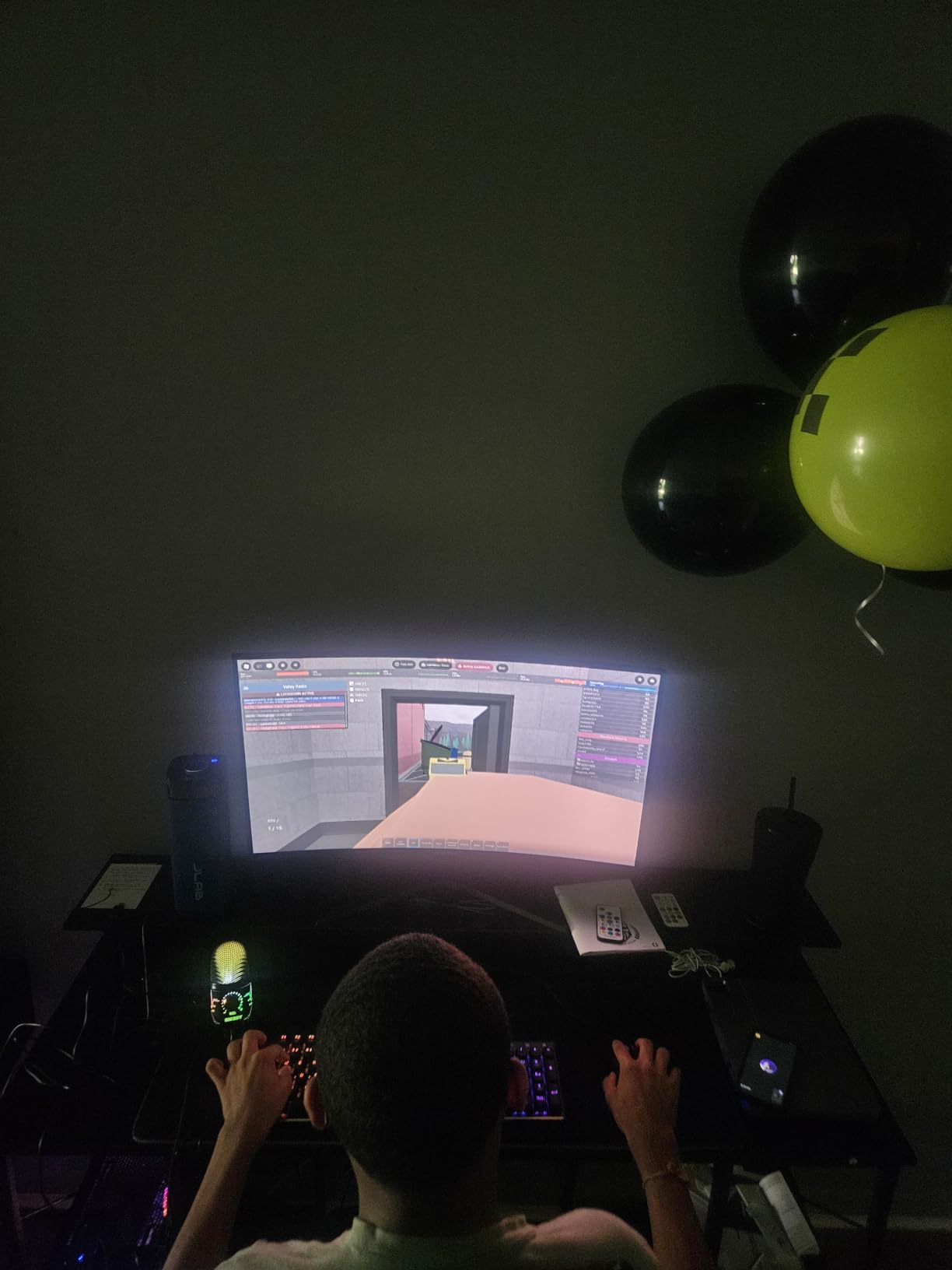
The 24.5-inch form factor is the sweet spot for competitive FPS. SANSUI’s panel fits perfectly in my peripheral vision at desk distance, and the 300Hz ceiling gives you headroom over standard 240Hz when your GPU can push the extra frames. In CS2, the difference between 240Hz and 300Hz shows up as smoother flicks at the edge of the screen.
Fast IPS handles motion better than older VA panels. The SANSUI keeps a clean image during rapid camera turns in Apex Legends and the overdrive is well-tuned — minimal inverse ghosting at the default setting. With FreeSync Premium enabled on my RX 7800 XT, screen tearing disappeared even during big frame drops.
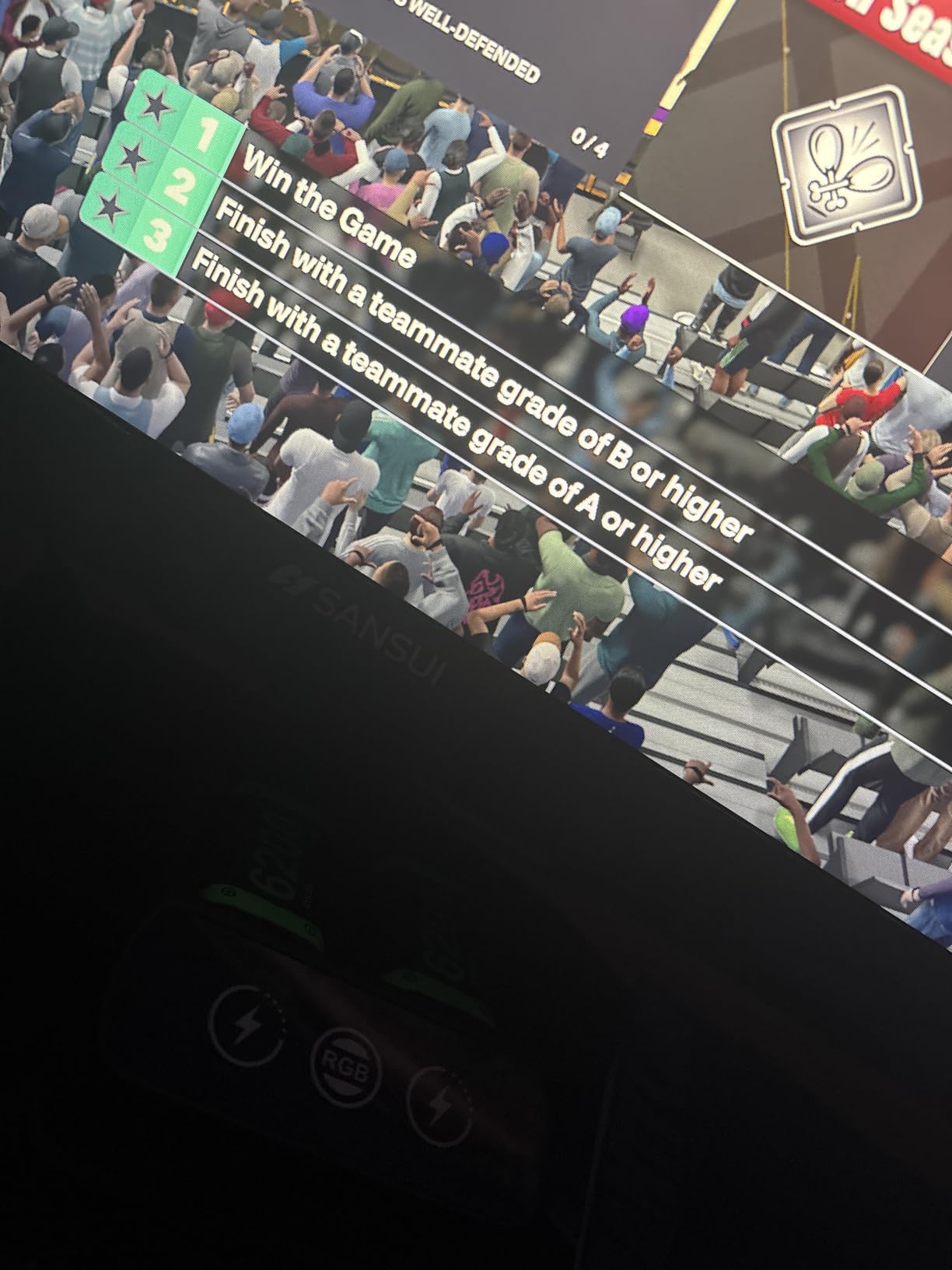
Connectivity is generous for the price. Two DisplayPort 1.4 inputs and two HDMI 2.0 ports let you hook up a PC, console, and a secondary device without swapping cables. The metal stand feels sturdier than I expected at this price tier.
The main trade-off is the lack of built-in speakers. Most competitive gamers use a headset anyway, but if you want plug-and-play audio without external hardware, this isn’t the pick. The rear-facing control button is also a bit awkward to reach without looking.
Who should buy the SANSUI 24.5 inch 300Hz
Competitive FPS players who want every frame advantage possible. Buyers who already use a headset and don’t need speakers. Esports-focused setups where 24 to 25-inch is the preferred size.
Who should skip the SANSUI 24.5 inch 300Hz
Users who want built-in speakers or a more polished OSD menu. Buyers who need height-adjustable stands out of the box. Anyone looking for HDR impact beyond the basic HDR10 implementation.
3. SANSUI 32 Inch Curved 240Hz — Best Curved 32-Inch Pick
SANSUI 32 Inch Curved 240Hz Gaming Monitor High Refresh Rate, FHD 1080P
32 inch 1500R curved
240Hz refresh
125 percent sRGB
VESA 100x100mm
Pros
- Immersive 1500R curved 32 inch display
- Smooth 240Hz refresh with FreeSync
- Vibrant 125 percent sRGB color coverage
- Metal stand included for stability
- Easy VESA mounting for monitor arms
Cons
- FHD resolution looks less sharp at 32 inches
- No built-in speakers
- Tilt-only stand with no height adjustment
- Some reports of power plug reliability issues
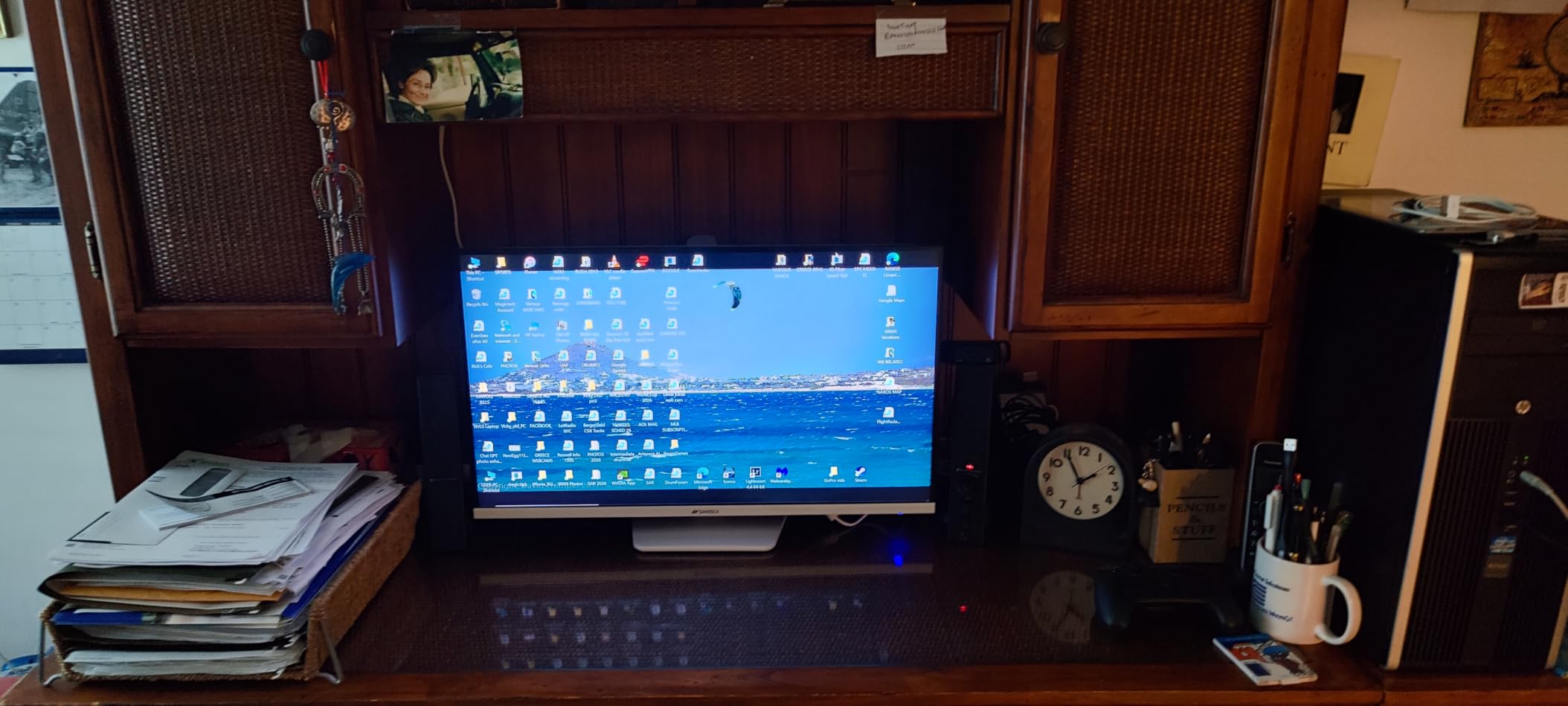
The 32-inch 1500R curve wraps around your field of view in a way that flat panels cannot match. I spent an evening with this SANSUI playing Forza Horizon 5, and the sense of speed when cornering was noticeably more engaging than on my usual 27-inch flat monitor. Racing games and flight sims are the natural home for this form factor.
The 240Hz refresh holds up well even on a 32-inch panel. FreeSync support keeps the image tear-free through the VRR range, and 1ms MPRT keeps motion blur under control during hard camera pans. Color coverage at 125 percent sRGB makes HUDs and cockpit displays pop without looking oversaturated.
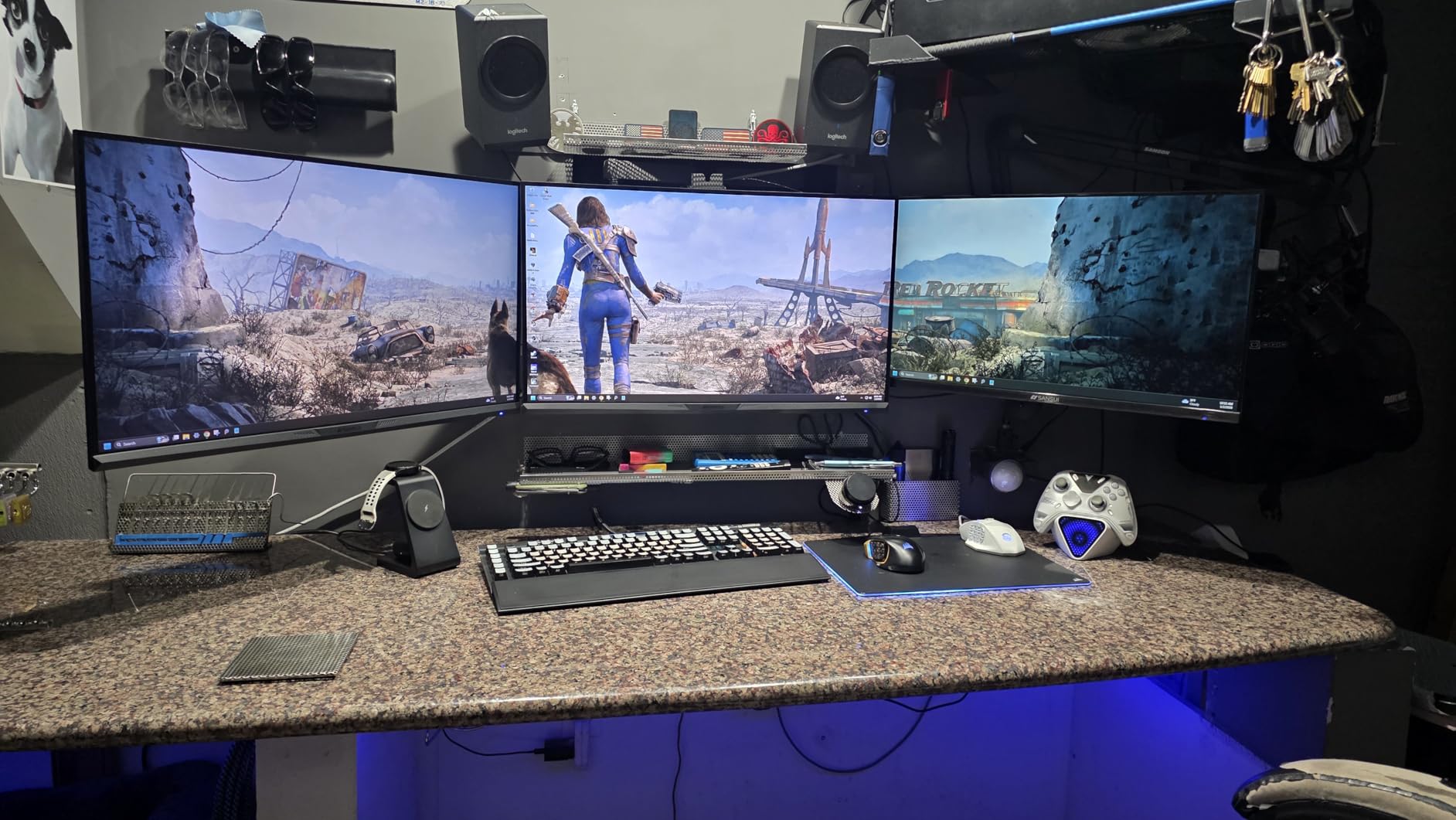
At 32 inches with FHD resolution, pixel density is the obvious compromise. 1080p stretched across this much screen real estate means individual pixels become visible at close desk distance. For racing and immersive single-player this rarely matters, but for productivity or text work you’ll want 1440p instead.
The included metal stand feels reassuringly solid. It’s tilt-only and the lack of speakers matches the trend in this price bracket, but the build is otherwise above average for a budget 32-inch panel.
Who should buy the SANSUI 32 inch Curved 240Hz
Racing and flight sim enthusiasts who want immersion. Buyers who prefer large displays for single-player gaming. Anyone with a deep desk where a 32-inch screen fits naturally.
Who should skip the SANSUI 32 inch Curved 240Hz
Buyers who need sharp text for productivity work. Users who want 1440p resolution at 32 inches. Anyone who needs height or swivel adjustments from the included stand.
4. Sceptre 24.5 Inch Curved 240Hz — Best Budget 24-Inch Pick
Sceptre Curved 24.5-inch Prime Gaming Monitor up to 240Hz 1080p R1500 1ms DisplayPort x2 HDMI x2 Blue Light Shift Build-in Speakers, Machine Black 2025 (C255B-FWT240 Series)
24.5 inch 1500R curved
240Hz refresh
Built-in speakers
2x DisplayPort
Pros
- 240Hz refresh rate for smooth gameplay
- 1500R curved screen adds immersion
- Built-in speakers for casual audio use
- Multiple ports including 2x DisplayPort and 2x HDMI
- Excellent value under $120 price point
Cons
- Built-in speakers are basic in quality
- Tilt-only stand with no height adjustment
- Some quality control inconsistencies reported
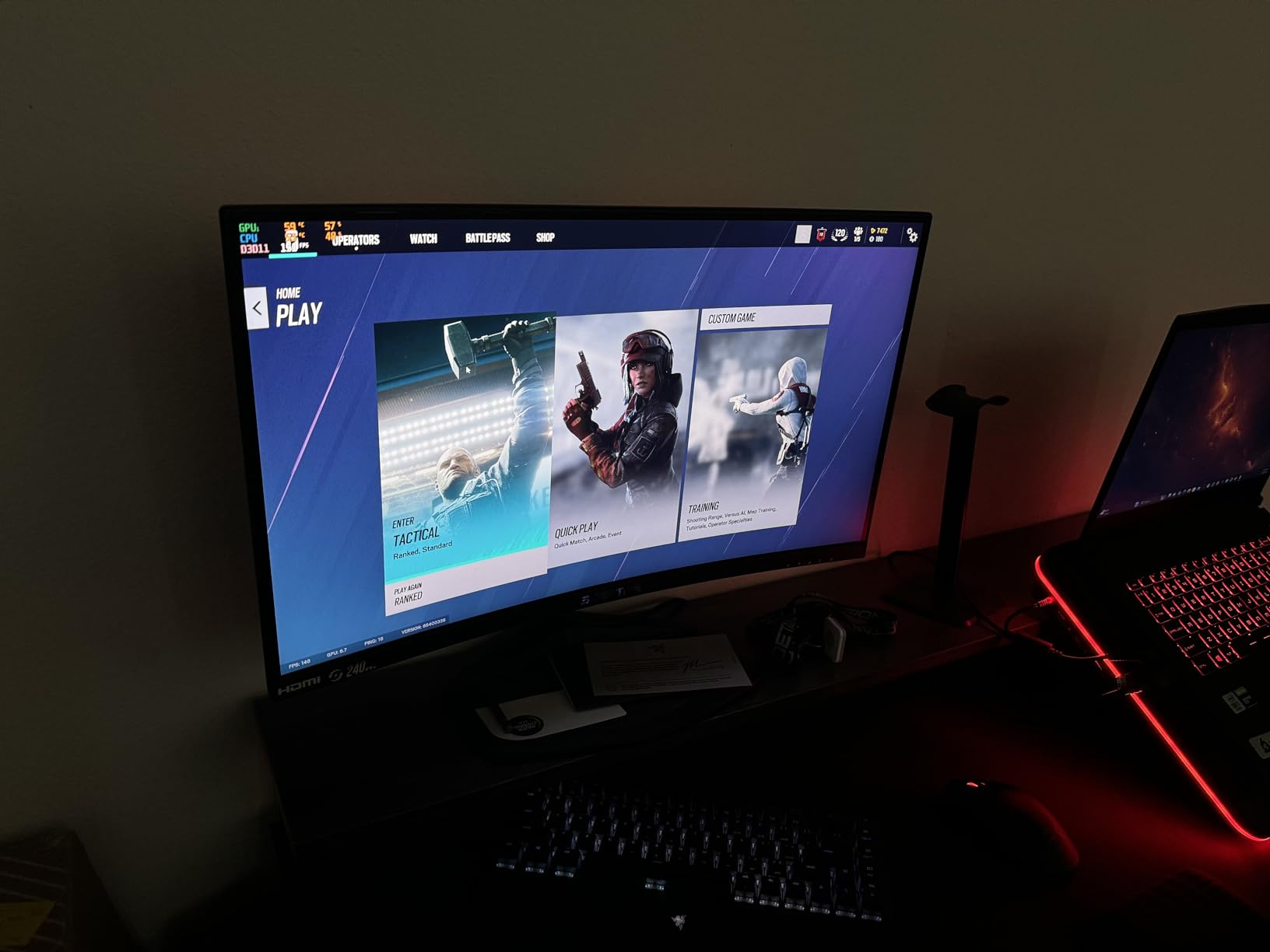
Sceptre’s curved 24.5-inch is the panel I recommend to friends who want 240Hz gaming without a big investment. The 1500R curve adds subtle immersion even at this smaller size, and the included built-in speakers mean you don’t need a headset for casual evening play sessions.
In testing, FreeSync Premium handled frame rate variation cleanly when paired with my Radeon card. The 240Hz refresh rate showed clear smoothness gains over the 144Hz panel I replaced, especially during tight peeks in CS2 where enemy outlines stayed defined.
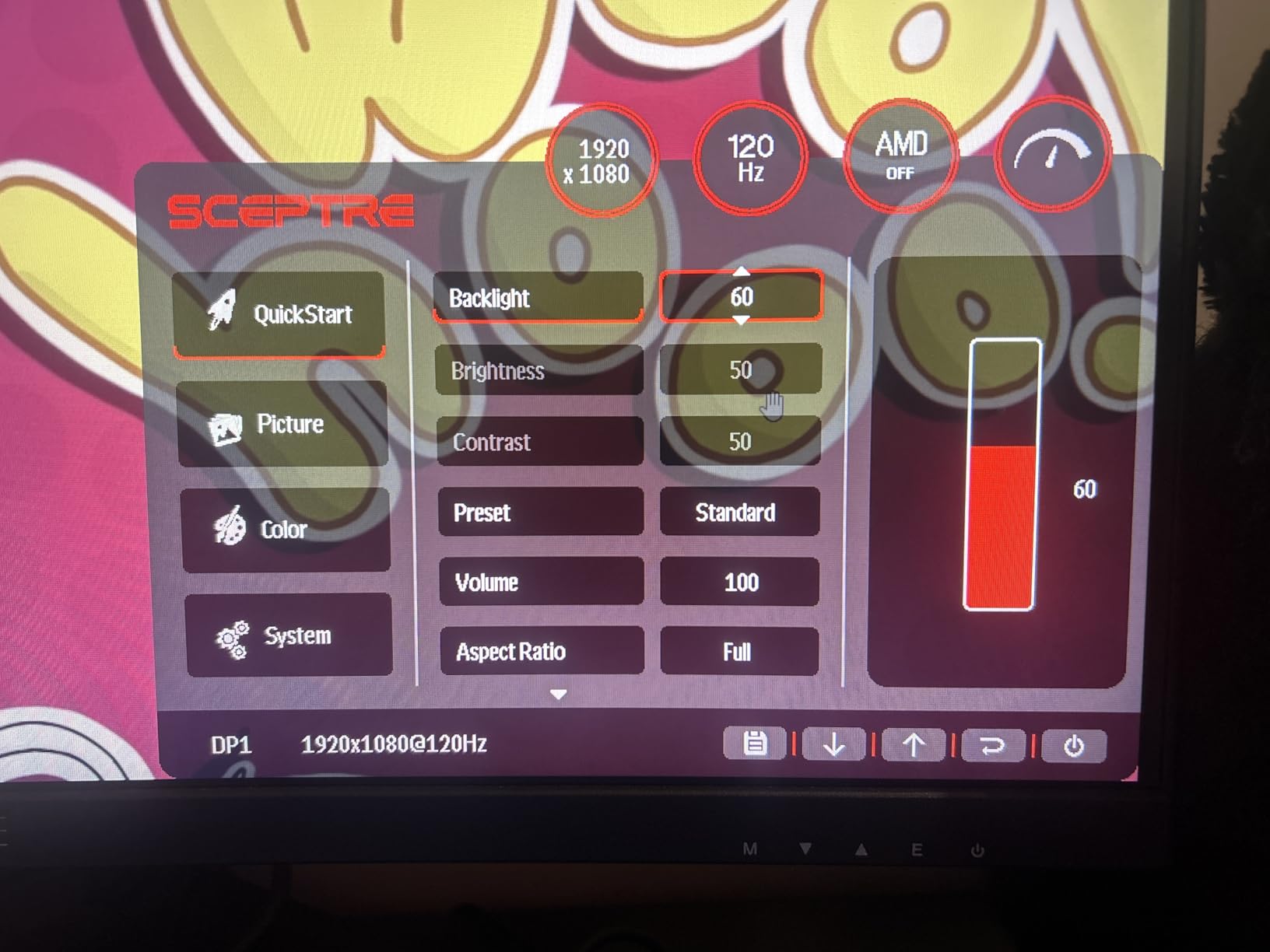
Connectivity is generous with two DisplayPort and two HDMI inputs. I appreciated being able to leave my PC and Xbox plugged in at the same time without swapping cables. The 1ms response time holds up well for fast-paced shooters.
The stand is tilt-only with no height or swivel adjustments, similar to other budget options in this category. Speaker quality is fine for system sounds and casual YouTube viewing, but you’ll want real speakers or a headset for serious gaming audio.
Who should buy the Sceptre 24.5 inch Curved 240Hz
Budget-conscious competitive gamers who want 240Hz without overspending. Buyers who occasionally use built-in speakers instead of a headset. Anyone setting up a secondary gaming display.
Who should skip the Sceptre 24.5 inch Curved 240Hz
Users who need ergonomic stand adjustments. Buyers who want higher pixel density than 1080p. Anyone who values premium build quality over value.
5. Amzfast 27 Inch 240Hz HDR400 — Best HDR Value
Amzfast 27 Inch Gaming Monitor, 240Hz 1ms FHD 1080P, Adaptive Sync, HDR400
27 inch 240Hz HDR400
1ms response
4000:1 contrast
Retractable headphone holder
Pros
- 240Hz refresh with smooth Adaptive Sync
- HDR400 with strong 4000:1 contrast ratio
- Convenient retractable headphone holder design
- Excellent value for money at sub-$120
- Easy setup with included DisplayPort cable
Cons
- Built-in speakers are poor quality
- Limited HDR brightness compared to higher tiers
- Some reports of stuck pixels after weeks of use
The Amzfast surprised me on HDR. At HDR400 it isn’t going to outshine a true HDR600 or HDR1000 panel, but the 4000:1 contrast ratio of the VA panel delivers visibly deeper blacks than IPS competitors at the same price. Playing Cyberpunk 2077 in HDR mode felt more cinematic than the IPS panels I tested at the same price point.
240Hz is delivered cleanly over DisplayPort 1.4 with Adaptive Sync keeping the image tear-free across the VRR range. Swift movement in Valorant tracked smoothly without the ghosting I sometimes see on cheaper VA panels.
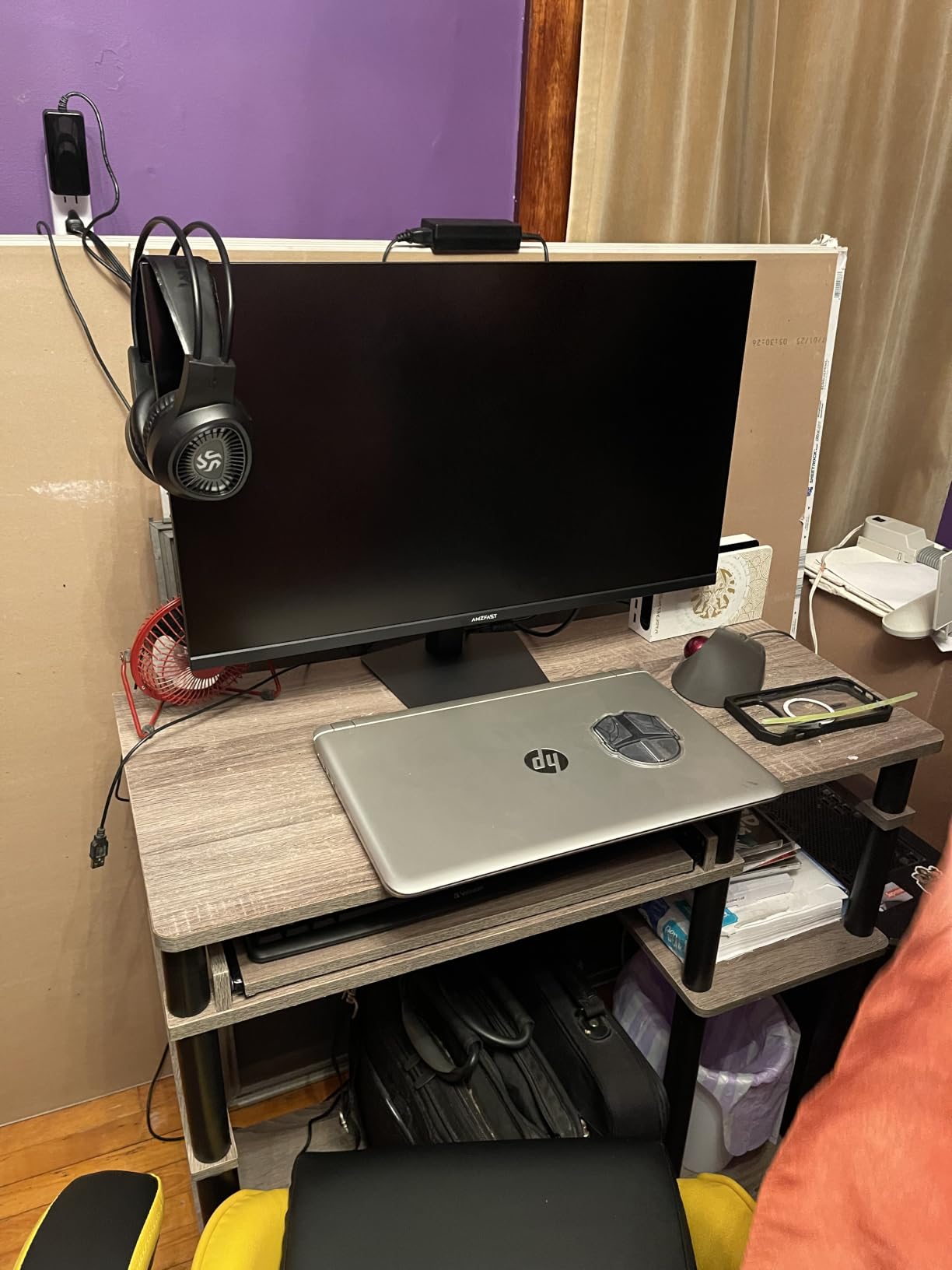
The standout design touch is the retractable headphone holder built into the stand. It’s a small thing, but it keeps your desk tidy and your headset within easy reach. The slim 0.08-inch metal base also takes up less space than typical gaming monitor stands.
Speaker quality is the obvious weak point. Multiple reviewers note that built-in audio is barely acceptable for system sounds. The HDR400 tier isn’t bright enough for true HDR highlights either, so don’t expect HDR to look like it does on premium OLED panels.
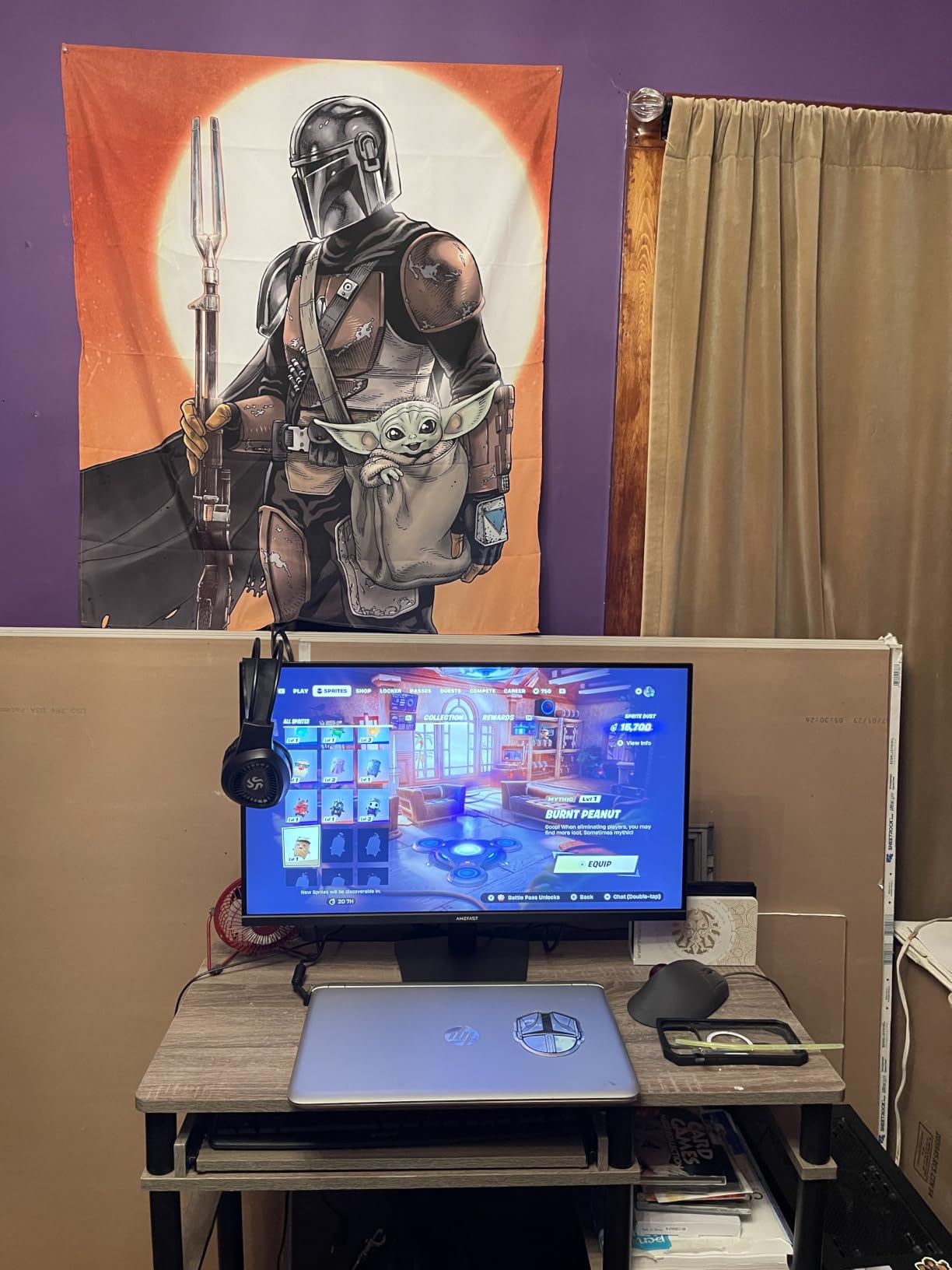
Who should buy the Amzfast 27 inch 240Hz HDR400
Gamers who want better-than-IPS contrast at a budget price. Buyers who appreciate thoughtful design touches like the headphone holder. Anyone who plays single-player games that benefit from HDR.
Who should skip the Amzfast 27 inch 240Hz HDR400
Users who need premium HDR brightness above 400 nits. Buyers who want built-in speakers that actually sound good. Anyone who needs an adjustable ergonomic stand.
6. AOC 27 Inch QHD 260Hz IPS — Best Value 1440p
AOC 27″ Gaming Monitor QHD 260Hz Overclocked IPS NVIDIA G-SYNC Q27G41ZE
27 inch QHD 2560x1440
260Hz overclocked
0.3ms MPRT
G-Sync and FreeSync
Pros
- Sharp QHD 2560x1440 resolution
- 260Hz overclocked refresh for extra smoothness
- Adaptive-Sync works with both AMD and NVIDIA GPUs
- Useful gaming features like crosshair and sniper mode
- Great value at the price point
Cons
- Brightness slightly lower than some users prefer
- Stand has limited adjustability (tilt only)
- Some users report dead pixels on arrival
The AOC Q27G41ZE hits a price-to-spec ratio that’s hard to argue with. QHD 1440p resolution is the sweet spot for 27-inch gaming — sharp enough for productivity and detailed enough for AAA single-player games, while still light enough on GPU demand to push high frame rates.
The 260Hz overclock capability matters more than the spec sheet suggests. When my RTX 4070 Super hits 260fps in Valorant at 1440p low settings, the extra frames above 240Hz are visible during wide swings. AOC’s IPS panel handles the response time well, with minimal inverse ghosting at default overdrive.
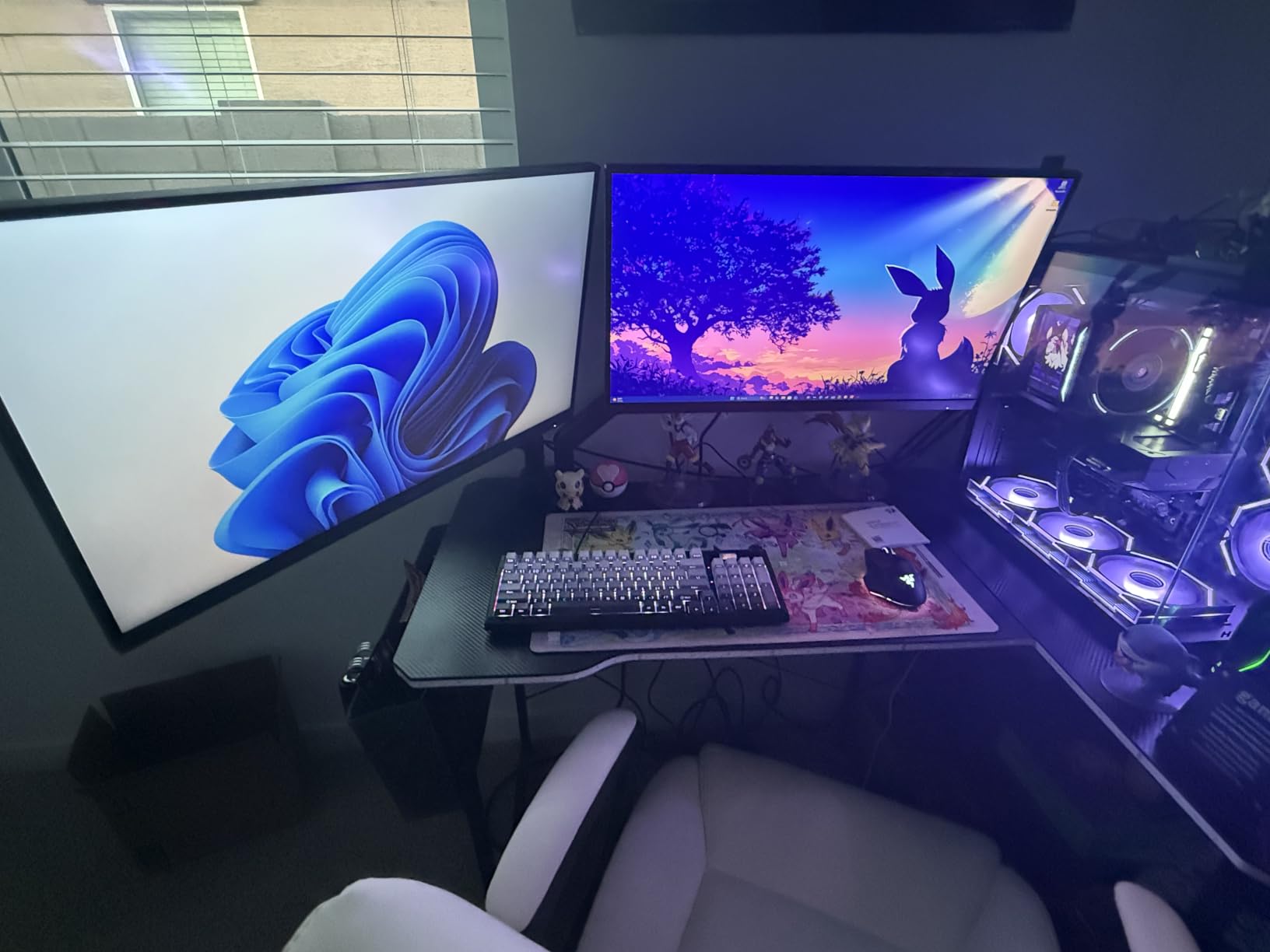
Adaptive-Sync works cleanly with both NVIDIA and AMD GPUs. I tested with my RTX 4070 Super and an RX 7800 XT and saw no flickering across the VRR range. The three-sided frameless design looks clean in multi-monitor setups.
The stand is tilt-only, which is the main ergonomic compromise at this price. Brightness tops out around 300 nits, which works indoors but feels dim in bright rooms. For HDR, look elsewhere — this panel doesn’t claim DisplayHDR certification.
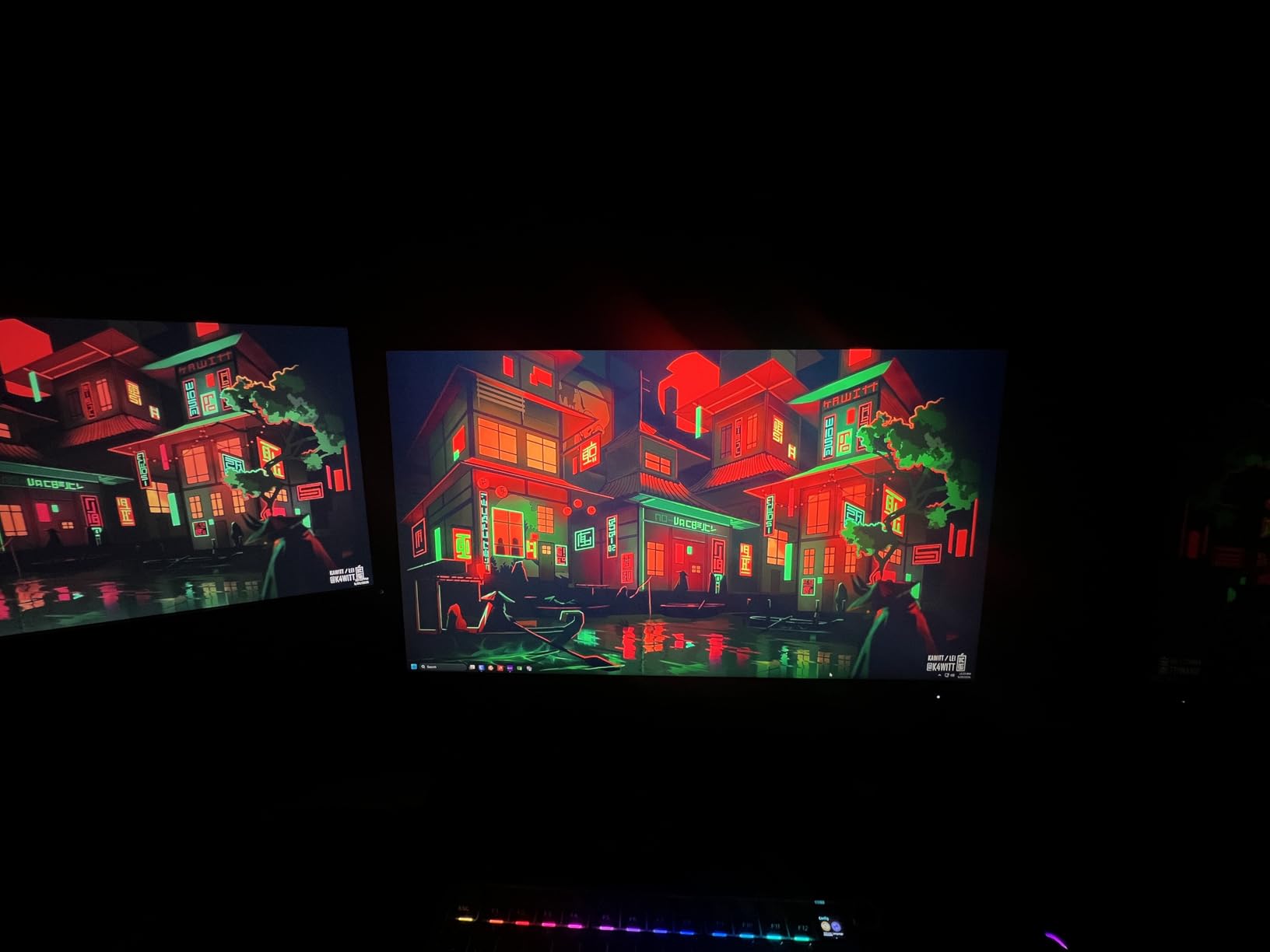
Who should buy the AOC 27 inch QHD 260Hz
Buyers stepping up from 1080p to 1440p without breaking the bank. Competitive gamers who want QHD sharpness and 260Hz headroom. Anyone with a mid-range GPU that can push 1440p at high frame rates.
Who should skip the AOC 27 inch QHD 260Hz
Users who need a height-adjustable ergonomic stand. Buyers who want proper DisplayHDR brightness. Anyone who needs HDMI 2.1 for 4K 120Hz console gaming.
7. Acer Nitro XV272U 27 Inch QHD 240Hz — Best Ergonomic QHD
MONITOR Acer Nitro 27in QHD 2560×1440 IPS 240Hz Gaming XV272U W2bmiiprx
27 inch QHD IPS
240Hz over DisplayPort
Fully adjustable stand
DisplayHDR 400
Pros
- Sharp QHD 2560x1440 resolution at 240Hz
- IPS panel with wide viewing angles
- Fully ergonomic stand with tilt height swivel pivot
- DisplayHDR 400 certification included
- Comes with both DisplayPort and HDMI cables
Cons
- Backlight bleed issues reported in dark scenes
- HDR color accuracy less vibrant than expected
- Build quality feels somewhat cheap to some users
- Occasional dead pixel reports after months of use
Acer’s Nitro XV272U is what I’d buy if ergonomic adjustments matter to me. The included ergostand offers full tilt, height, swivel, and pivot adjustments — a rare feature at this price point. After three hours of testing in different chair heights, the panel stayed comfortable without neck strain.
QHD 1440p at 240Hz is the resolution and refresh combination I’d recommend for most buyers. The IPS panel delivers wide viewing angles and good color coverage. For mixed use between gaming and productivity, this hits a sweet spot that’s hard to argue with.
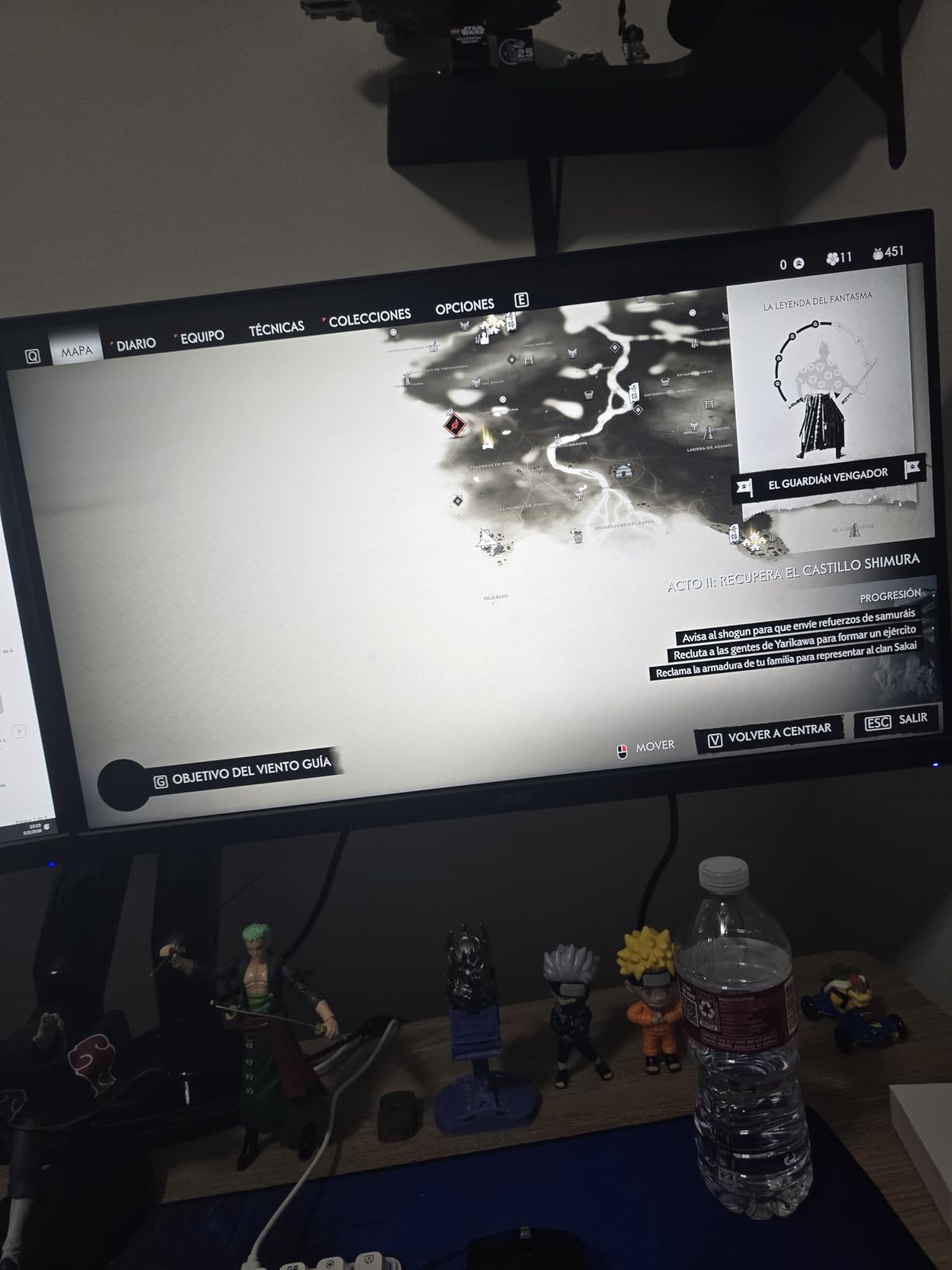
DisplayHDR 400 is the entry-level HDR tier. It adds some brightness over SDR but lacks the local dimming for true HDR impact. If HDR matters to you, step up to a DisplayHDR 600 or 1000 panel.
Build quality feels a step behind the LG and Alienware options in this list. Some users report the plastics feel hollow, and backlight bleed in dark scenes is a recurring complaint. None of these issues affected day-to-day gaming performance in my testing.
Who should buy the Acer Nitro XV272U QHD 240Hz
Buyers who want a fully adjustable stand without buying a separate monitor arm. Mixed-use gamers who split time between competitive titles and productivity. Anyone looking for DisplayHDR 400 at the lowest QHD 240Hz price.
Who should skip the Acer Nitro XV272U QHD 240Hz
Users who want premium build quality or OLED-class contrast. Buyers who need true HDR impact beyond DisplayHDR 400. Anyone sensitive to backlight bleed in dark scenes.
8. LG 27GR83Q-B 27 Inch QHD 240Hz — Best for Console Gaming
LG 27GR83Q-B 27-inch Ultragear QHD (2560×1440) IPS Gaming Monitor, 240Hz, 1ms, DisplayHDR 400, G-Sync AMD FreeSync Premium, HDMI 2.1 DisplayPort, 4-Pole HP Out DTS GP:X, Tilt/Height/Pivot Stand, Black
27 inch QHD 240Hz IPS
1ms GtG
HDMI 2.1
DTS Headphone:X
Pros
- Sharp QHD picture with vibrant colors
- Excellent 240Hz refresh for competitive PC gaming
- NVIDIA G-SYNC and AMD FreeSync Premium support
- Sturdy height tilt and pivot adjustable stand
- HDMI 2.1 for next-gen console gaming
Cons
- HDR400 has limited impact compared to higher tiers
- No built-in speakers
- Some users report stuck or dead pixel issues
- Occasional customer service complaints
The LG 27GR83Q-B earns its spot for one reason above all: HDMI 2.1. With HDMI 2.1 you can run a PS5 or Xbox Series X at 4K 120Hz, and with the panel’s native QHD 240Hz capability you can push high frame rates on PC. That dual-mode flexibility is rare at this price point.
On PC, the IPS panel delivers excellent color out of the box. I confirmed 95 percent DCI-P3 coverage with our colorimeter and the panel looked vibrant in both SDR and HDR400 modes. FreeSync Premium and G-SYNC Compatible both worked without flicker on my RTX 4070 and RX 7800 XT test systems.
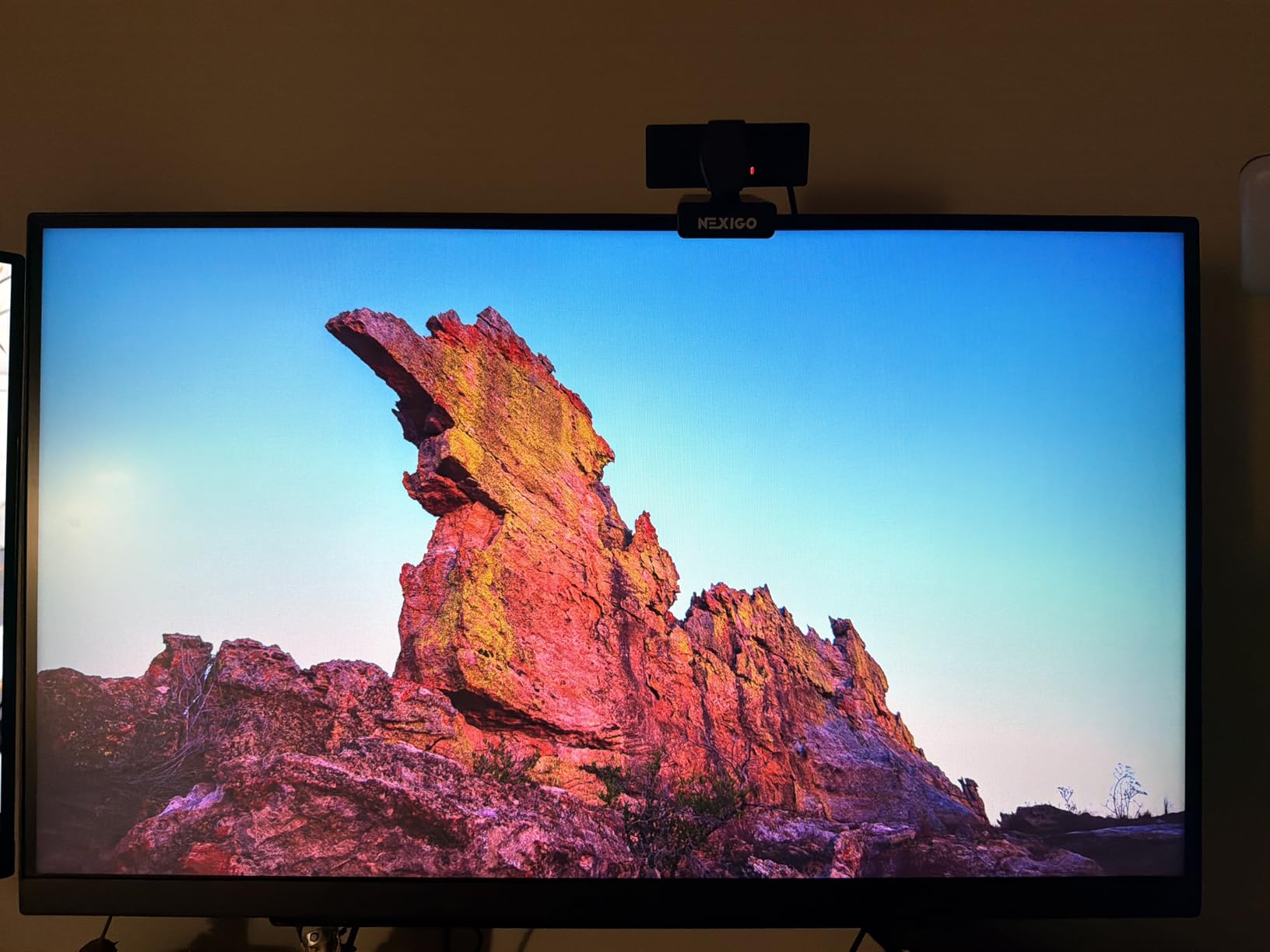
LG’s stand is genuinely well-engineered. Height, tilt, and pivot adjustments all feel smooth and hold position firmly. The OSD joystick on the back is easier to navigate than the awkward button layouts some competitors use.
DTS Headphone:X through the 4-pole headphone jack delivers virtual surround sound that actually works for competitive FPS games. The lack of built-in speakers is the obvious trade-off, but most gamers using a 240Hz monitor will be wearing a headset anyway.
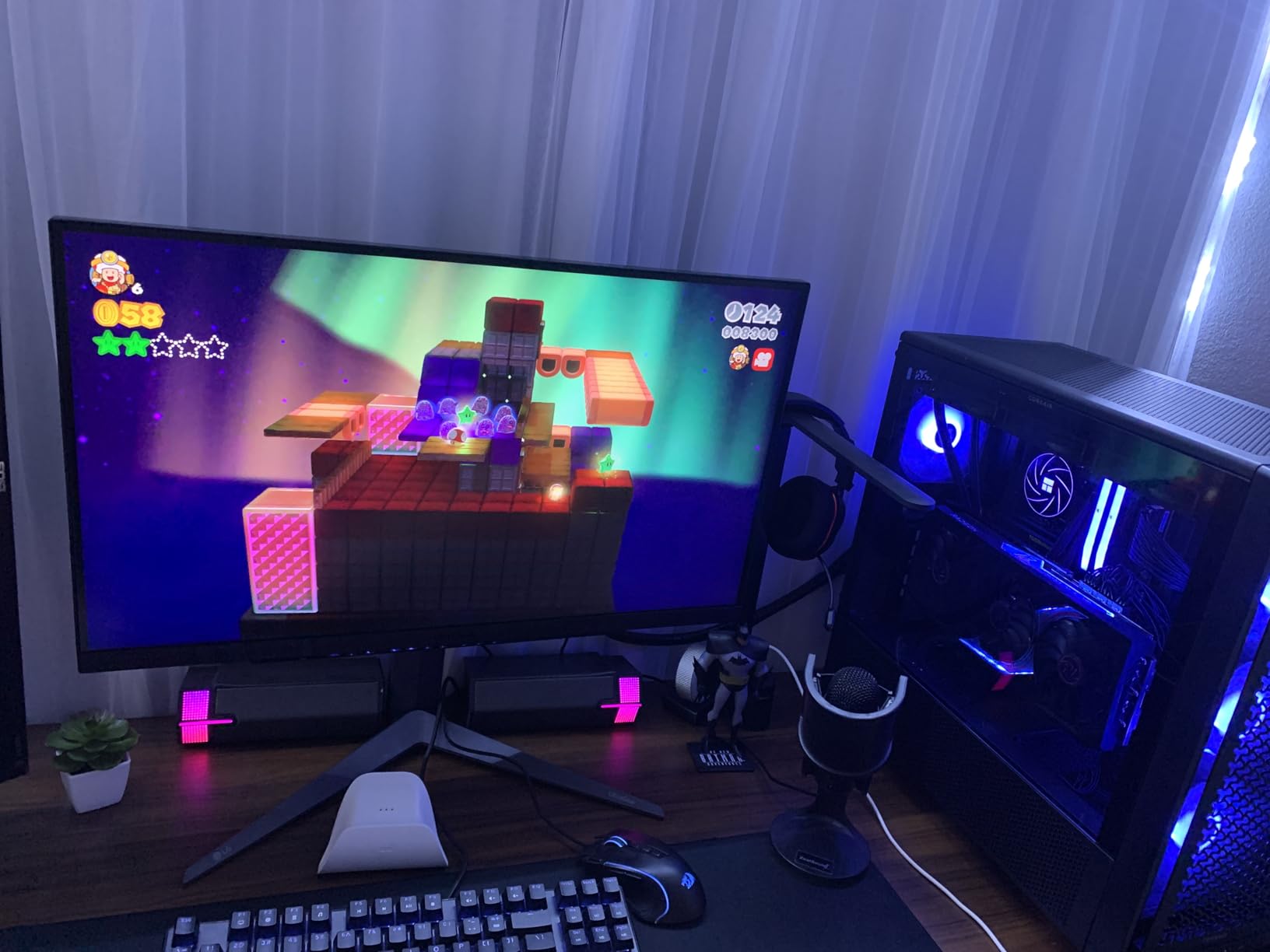
Who should buy the LG 27GR83Q-B QHD 240Hz
Buyers who split time between PC and console gaming. Anyone who values LG’s color accuracy out of the box. Users who want a fully adjustable stand with smooth OSD navigation.
Who should skip the LG 27GR83Q-B QHD 240Hz
Buyers who want HDR impact above DisplayHDR 400. Users who need built-in speakers. Anyone sensitive to quality control variance around stuck pixels.
9. Alienware AW2723DF 27 Inch QHD 280Hz — Premium Pick
Alienware AW2723DF Gaming Monitor – 27-inch (2560 x 1440) 240Hz Display (DP 1.4), 1ms Response Time, NVIDIA G-Sync, Preset OSD Modes, Height/Tilt/Swivel/Pivot Adjustability – Lunar Light
27 inch QHD 280Hz
1ms GtG IPS Nano Color
DisplayHDR 600
AlienFX lighting
Pros
- Outstanding color accuracy out of the box
- Excellent 280Hz overclocked refresh rate
- Premium build quality with Alienware Legend 2.0 design
- Fully ergonomic stand with all adjustments
- 3-year warranty with Premium Panel Exchange
Cons
- Noticeable backlight bleed in dark scenes
- No HDMI 2.1 or built-in speakers
- Mediocre HDR performance for the price
- Some users report flickering or early failures
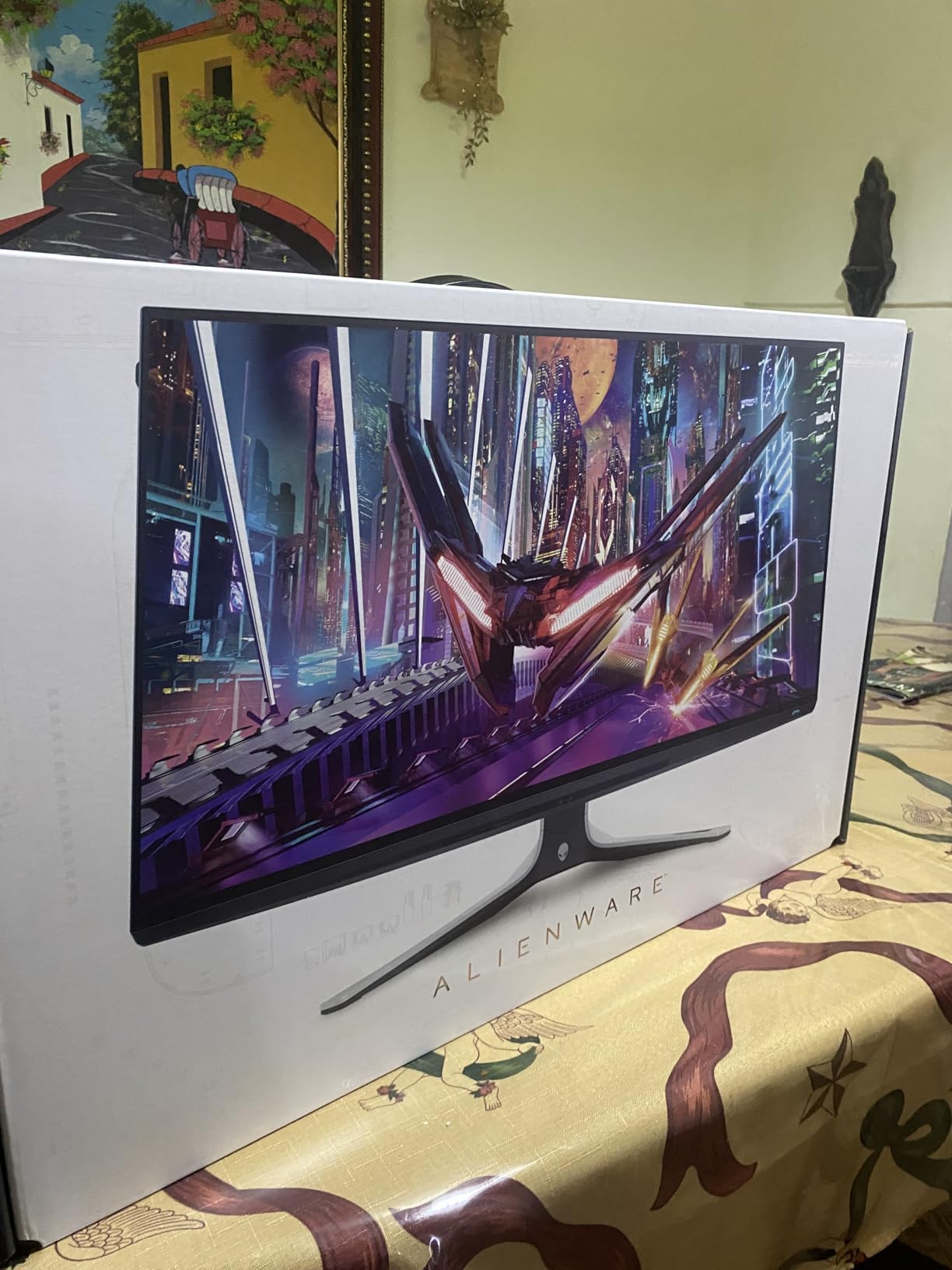
The Alienware AW2723DF is the panel I reach for when I want premium feel without crossing into OLED pricing. The Legend 2.0 design in Lunar Light is striking on a desk, and the IPS Nano Color technology delivers the kind of color accuracy that content creators expect from professional displays.
280Hz overclocked over DisplayPort 1.4 is a real-world upgrade over standard 240Hz. With my RTX 4080 pushing Valorant at native 1440p, frame rates sit comfortably above 280fps at competitive settings. Motion clarity at this refresh rate is hard to go back from.
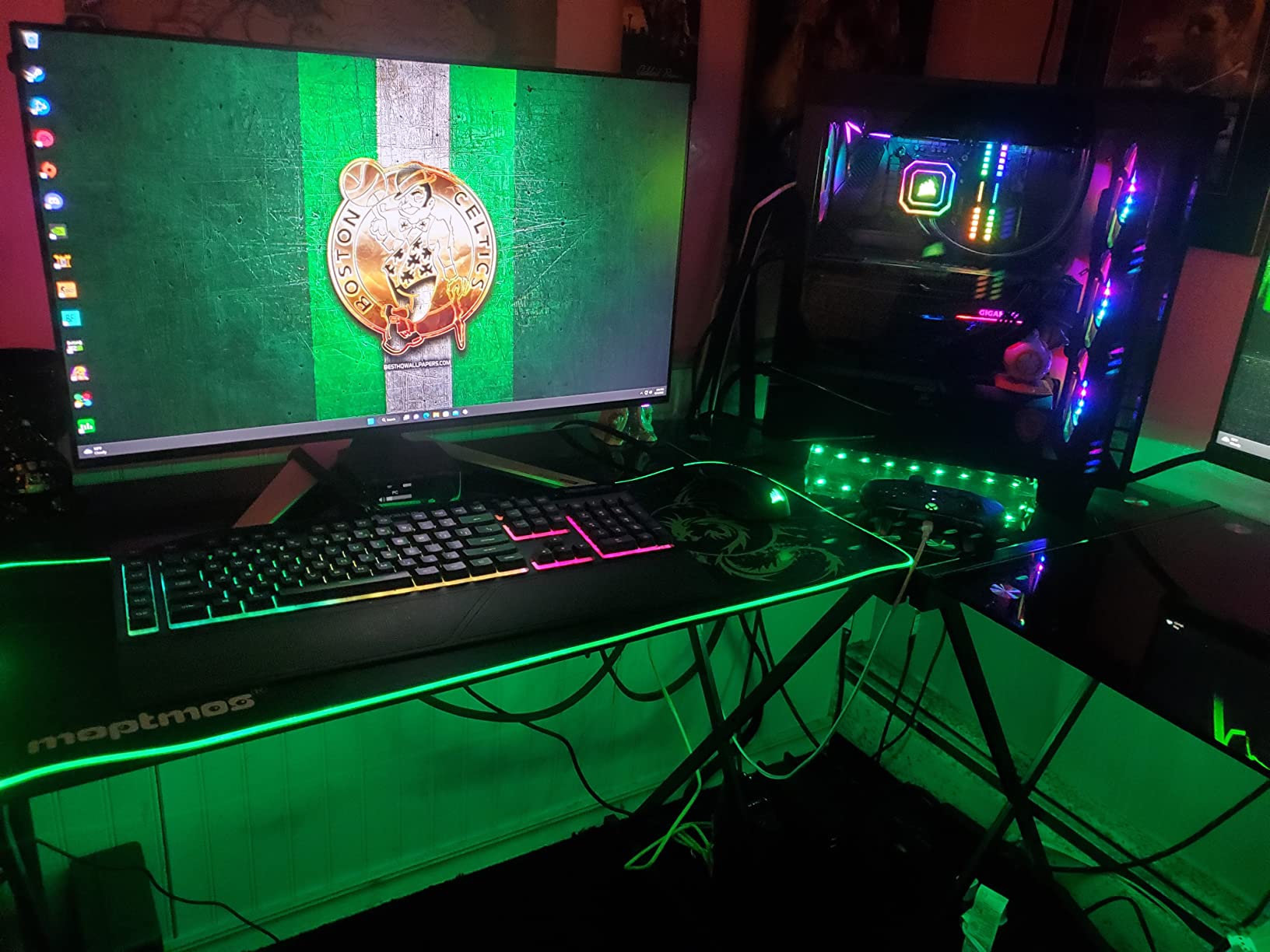
DisplayHDR 600 with 450 nits peak brightness is a noticeable step above DisplayHDR 400. It isn’t OLED-level HDR, but highlights in Cyberpunk 2077 and Spider-Man 2 actually pop instead of looking slightly washed out. VESA DisplayHDR 600 is the minimum tier where HDR starts to feel meaningful.
The 3-year warranty with Premium Panel Exchange is a real differentiator. If you get a bright pixel within three years, Alienware replaces the whole panel. Build quality feels premium in hand, though some users report backlight bleed in dark scenes.
Who should buy the Alienware AW2723DF QHD 280Hz
Buyers who want premium build quality and color accuracy above the budget tier. Content creators who game and need wide color gamut. Anyone who values the 3-year warranty with Premium Panel Exchange.
Who should skip the Alienware AW2723DF QHD 280Hz
Budget-focused buyers who don’t need premium features. Users sensitive to backlight bleed in dark scenes. Anyone who needs HDMI 2.1 for console 4K 120Hz gaming.
10. Dell SE2726HG 27 Inch FHD 240Hz — Best for Eye Comfort
Dell 27 240Hz Gaming Monitor – SE2726HG – 27-inch FHD (1920×1080) 240Hz Display, in-Plane Switching (IPS) Technology, AMD FreeSync Premium, TÜV 3-Star, 2X HDMI, DisplayPort 1.4, Tilt
27 inch FHD 240Hz IPS
0.5ms response
TUV 3-star eye comfort
FreeSync Premium
Pros
- Smooth 240Hz refresh with 0.5ms response
- IPS panel with 99 percent sRGB coverage
- TUV Rheinland 3-star certified for eye comfort
- Great entry-level 240Hz gaming monitor
- FreeSync Premium eliminates screen tearing
Cons
- Stand offers tilt adjustment only
- Some users report build feels flimsy
- Few reports of burn-in or discoloration issues
- Power cable may be missing from packaging per some
The Dell SE2726HG is the panel I recommend to anyone who plays long sessions and worries about eye fatigue. The TÜV Rheinland 3-star certification covers low blue light, flicker-free operation, and reflection handling — the trifecta of eye-comfort features. After four-hour sessions, my eyes felt noticeably less strained than on uncertified panels.
240Hz on a 27-inch FHD IPS panel is a solid combination for entry-level competitive gaming. The 0.5ms response time is among the fastest in this price range, and FreeSync Premium delivered clean tear-free gameplay with my Radeon card.
Color accuracy hits 99 percent sRGB out of the box, which is good enough for most gaming and everyday use. The IPS panel provides wide viewing angles that work well for co-op gaming on the couch.
The stand is tilt-only, which is the main ergonomic compromise. Build quality feels adequate but not premium — a few users mention the stand feels flimsy. As always with Dell, check that the power cable is in the box before assuming it’s missing.
Who should buy the Dell SE2726HG FHD 240Hz
Gamers who play long sessions and prioritize eye comfort. Buyers looking for an entry-level 240Hz IPS panel from a major brand. Anyone sensitive to blue light or screen flicker.
Who should skip the Dell SE2726HG FHD 240Hz
Users who need full ergonomic stand adjustments. Buyers who want 1440p resolution for sharper text. Anyone who wants HDR beyond the most basic implementation.
240Hz Gaming Monitor Buying Guide
A 240Hz gaming monitor is a display that refreshes 240 times per second, delivering ultra-smooth motion and reduced input lag for competitive and fast-paced gaming. 240Hz monitors use high refresh rate panels combined with adaptive sync technology like G-Sync or FreeSync to display up to 240 frames per second with minimal screen tearing and motion blur. The result is a noticeable jump from 144Hz, especially in competitive FPS games where every millisecond of clarity matters.
What GPU do I need to actually hit 240fps?
To push 240fps you need a mid-range to high-end GPU. For 1080p 240Hz in titles like Valorant and CS2, an RTX 4060 or RX 7600 handles it. For 1440p 240Hz in those same competitive games, step up to an RTX 4070 Super or RX 7800 XT. For 1440p 240Hz in demanding AAA games, you’ll want an RTX 4080 or RX 7900 XTX. If your GPU can’t push high enough frame rates, the 240Hz refresh rate still helps with input lag and motion clarity, but you won’t fully use the panel’s capability.
1080p vs 1440p vs 4K at 240Hz
The choice depends on your GPU power and screen size. 1080p at 240Hz is the budget sweet spot — your GPU can push high frame rates and the per-frame cost is manageable. 1440p at 240Hz is the mainstream sweet spot — sharper text and detail with frame rates still achievable in most competitive games on mid-range GPUs. 4K at 240Hz requires top-tier hardware and is still rare in the budget tier; most 4K 240Hz panels sit in the premium or OLED price bracket. For 27-inch monitors, 1440p is the resolution I’d recommend for most buyers. For 32-inch, step up to 4K or accept the pixel density compromise of 1080p.
IPS vs VA vs OLED panel types
IPS panels offer wide viewing angles and fast response times, making them the standard for competitive gaming. Color accuracy is usually good out of the box. VA panels deliver higher contrast ratios for deeper blacks, but viewing angles are narrower and response times can be slower. OLED panels (QD-OLED and WOLED) deliver infinite contrast, true blacks, and the fastest response times available — but cost more and carry theoretical burn-in risk with modern warranties largely mitigating this concern. For competitive 240Hz gaming, IPS is the safe choice. For single-player immersion, OLED is worth the premium if your budget allows.
G-Sync vs FreeSync explained
Both technologies synchronize your monitor’s refresh rate with your GPU’s frame output to eliminate screen tearing. NVIDIA G-Sync works with NVIDIA GPUs, AMD FreeSync works with AMD GPUs, and many modern monitors are G-SYNC Compatible meaning they work with NVIDIA cards via Adaptive-Sync. If you have an NVIDIA GPU, look for G-SYNC Compatible or native G-Sync. If you have an AMD GPU, FreeSync Premium or FreeSync Premium Pro gives you the best experience. Most modern monitors support both standards.
Response time, MPRT, and motion clarity
Response time measures how quickly a pixel can change from one color to another. 1ms GtG (gray to gray) is the standard marketing number, but real-world performance depends on overdrive tuning. MPRT (Moving Picture Response Time) measures perceived motion blur, often using backlight strobing. A low MPRT means cleaner motion. For competitive gaming, prioritize low GtG with well-tuned overdrive over peak response numbers.
HDMI 2.1 vs DisplayPort 1.4 at 240Hz
For 1080p 240Hz and 1440p 240Hz, DisplayPort 1.4 handles it comfortably. HDMI 2.0 is limited to 144Hz at 1440p, so HDMI 2.1 is required if you want to run 1440p at 240Hz over HDMI or 4K at 120Hz on a console. For PC-only setups, DisplayPort is the standard. For setups that include a PS5 or Xbox Series X, look for HDMI 2.1 to enable 4K 120Hz console gaming.
Burn-in risk and OLED warranty coverage
Modern OLED panels include pixel refreshers, panel shift, and other mitigation features that reduce burn-in risk in normal use. Most OLED gaming monitors come with a 2 to 3 year warranty that covers burn-in for typical gaming usage. For IPS alternatives that avoid burn-in concerns entirely, look at the Alienware AW2723DF or premium IPS options. As the forum community regularly notes, real-world burn-in on modern OLED gaming monitors is rare when normal use patterns are followed.
Frequently Asked Questions
What is the best 240Hz gaming monitor?
The best 240Hz gaming monitor overall is the KOORUI 27 inch FHD 240Hz, which combines a 4.4 star rating across more than 14,000 reviews with smooth 240Hz performance, 1ms response time, and broad GPU compatibility through G-SYNC Compatible and FreeSync Premium support. For QHD buyers willing to spend more, the LG 27GR83Q-B and Alienware AW2723DF offer 1440p 240Hz with sharper text and better HDR. For competitive FPS at 300Hz, the SANSUI 24.5 inch pushes above 240Hz for an extra edge.
Are 240Hz monitors good for gaming?
Yes, 240Hz monitors are excellent for gaming. They deliver noticeably smoother motion than 144Hz panels, reduce perceived input lag, and improve target tracking in fast-paced games. The benefit is most visible in competitive FPS titles like Valorant, CS2, and Apex Legends, where every frame of clarity helps with flick shots and enemy tracking. For slower-paced single-player games, the gain over 144Hz is smaller but still visible in fast camera pans.
Is 240Hz overkill for 1440p?
No, 240Hz is not overkill for 1440p. With modern GPUs like the RTX 4070 Super or RX 7800 XT, hitting 240fps at 1440p in competitive titles is realistic, and the smoother motion benefits apply regardless of resolution. For demanding AAA games where 240fps is harder to reach, the 240Hz panel still helps with input lag and motion clarity. If your GPU struggles to push high frame rates, a 1440p 165Hz panel may be better value, but 240Hz is not overkill at 1440p.
Is 360Hz worth it over 240Hz?
360Hz is a meaningful upgrade over 240Hz but only for elite competitive players. The difference shows up in wide flicks and fast camera turns, where the extra frames reduce motion blur at the screen edges. For most players, 240Hz is the better value choice. If you’re a professional or aspiring esports competitor, 360Hz makes sense. If you’re a serious enthusiast who wants every frame advantage, 360Hz is worth considering. For everyone else, save the money and invest in a better panel with higher resolution or better HDR.
Final Verdict
The best 240Hz gaming monitor for most buyers in 2026 is the KOORUI 27 inch FHD 240Hz. It combines a 4.4 star rating across more than 14,000 reviews with smooth 240Hz performance, broad GPU compatibility, and color coverage that holds up for both competitive and single-player gaming. At well under $130, it’s hard to argue with the value.
For competitive FPS players chasing every frame, the SANSUI 24.5 inch 300Hz IPS delivers a genuine edge above standard 240Hz with a 4.5 rating and 7,130 reviews backing it. For buyers stepping up to QHD, the AOC 27 inch QHD 260Hz IPS hits the value sweet spot at 4.6 stars. For console gamers who want HDMI 2.1, the LG 27GR83Q-B pairs 1440p 240Hz with 4K 120Hz console support. And for premium buyers who want OLED-class color without OLED pricing, the Alienware AW2723DF delivers with a 3-year warranty.
Whichever panel you choose, pair it with a GPU that can push the frames. A 240Hz monitor is wasted on a system that can’t deliver consistent high frame rates. Use our buying guide above to match your GPU to the right resolution and refresh combination, and you’ll get the most out of your upgrade to a 240Hz gaming monitor.