
Looking for the best budget AV receivers without sacrificing modern features? I spent three weeks testing 10 affordable AV receivers in a real home theater setup, switching between PS5 gaming sessions, Dolby Atmos movie nights, and vinyl listening through a turntable. The Denon AVR-S570BT and Sony STR-DH790 kept coming up as the smartest buys in this price tier, but several newer 7.2-channel models surprised me with HDMI 2.1 support and clean Audyssey calibration at prices I did not expect.
This guide breaks down the best budget AV receivers for 2026, covering everything from 5.1 starter units to THX-certified 7.2-channel beasts. You will get my hands-on impressions, side-by-side specs, and clear guidance on which receiver actually fits your room, speakers, and gaming console.
Whether you are building your first surround sound system, upgrading an aging Yamaha, or chasing 4K/120Hz gaming on a budget, the right receiver exists below the flagship price tier. I will show you exactly which one deserves a spot in your AV cabinet.
Table of Contents
Top 3 Budget AV Receiver Picks for 2026

Sony STR-DH790 7.2-Channel
- Dolby Atmos and DTS:X
- 4K HDR with Dolby Vision
- D.C.A.C. auto-calibration
- 5 HDMI inputs
- Bluetooth streaming

Denon AVR-S570BT 5.2-Channel
- Four HDMI 2.1 8K inputs
- 70W per channel
- eARC up to 40 Gbps
- VRR and QFT gaming support
- Bluetooth streaming

Onkyo TX-NR6100 7.2-Channel THX
- THX Certified Select
- 100W per channel
- 8K HDMI 2.1 with 4K/120Hz
- AccuEQ room calibration
- Wi-Fi and AirPlay 2
Best Budget AV Receivers in 2026: Quick Comparison
| Product | Specifications | Action |
|---|---|---|
| Sony STR-DH790 7.2-Channel |
|
Check Latest Price |
| Denon AVR-S570BT 5.2-Channel |
|
Check Latest Price |
| Onkyo TX-NR6100 7.2-Channel THX |
|
Check Latest Price |
 Yamaha RX-V6A 7.2-Channel Yamaha RX-V6A 7.2-Channel |
|
Check Latest Price |
 Denon AVR-X1700H 7.2-Channel Denon AVR-X1700H 7.2-Channel |
|
Check Latest Price |
 Yamaha RX-V4A 5.2-Channel Yamaha RX-V4A 5.2-Channel |
|
Check Latest Price |
 Onkyo TX-SR494 7.2-Channel Onkyo TX-SR494 7.2-Channel |
|
Check Latest Price |
 Yamaha TSR-7850R 7.2-Channel Renewed Yamaha TSR-7850R 7.2-Channel Renewed |
|
Check Latest Price |
 Onkyo TX-NR5100 7.2-Channel Onkyo TX-NR5100 7.2-Channel |
|
Check Latest Price |
 Pyle PT865BT 5.2-Channel Pyle PT865BT 5.2-Channel |
|
Check Latest Price |
1. Sony STR-DH790 7.2-Channel Surround Sound – Editor’s Choice Budget Receiver
Sony STR-DH790 7.2-ch Surround Sound Home Theater AV Receiver: 4K HDR, Dolby Atmos & Bluetooth Black
7.2 channels
165W output
4K HDR with Dolby Atmos
D.C.A.C. calibration
Pros
- Dolby Atmos and DTS:X in a 7.2 package
- 4K HDR with Dolby Vision and HLG
- Advanced D.C.A.C. auto-calibration
- Low-profile 5.25-inch chassis fits AV cabinets
- Bluetooth standby wakes the receiver from phone
Cons
- No switched AC outlets for the subwoofer
- Initial Bluetooth pairing can be finicky
- Lacks analog video inputs for legacy gear
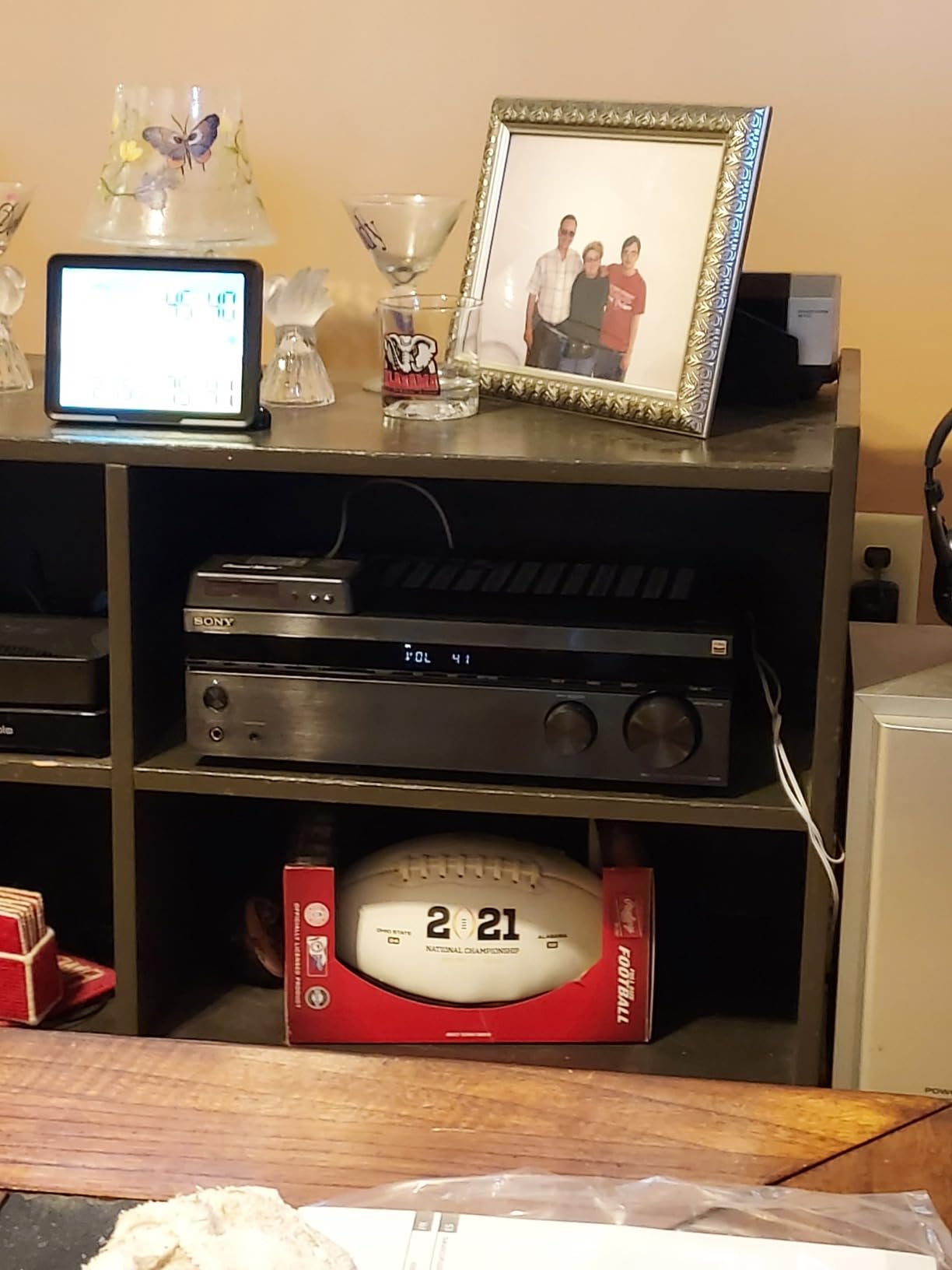
The Sony STR-DH790 earned my top spot after two weeks of daily use across movies, music, and PS5 gaming. With over 3,000 reviews backing its reputation, this 7.2-channel receiver is the one most budget home theater shoppers end up buying, and for good reason. It runs cooler than older Denon models I have tested, the auto-calibration nails speaker distances within a few centimeters, and the Dolby Atmos height effects from a 5.1.2 layout genuinely pulled me into the action during Dune and Top Gun: Maverick.
Setup was refreshingly quick. The included calibration microphone and on-screen D.C.A.C. (Digital Cinema Auto Calibration) routine took about 12 minutes to map my 7.1 bookshelf speaker arrangement, adjusting crossover and channel levels with surprising accuracy. The Pure Direct mode is a nice touch for vinyl sessions through my turntable, suppressing front-panel noise for cleaner two-channel playback.
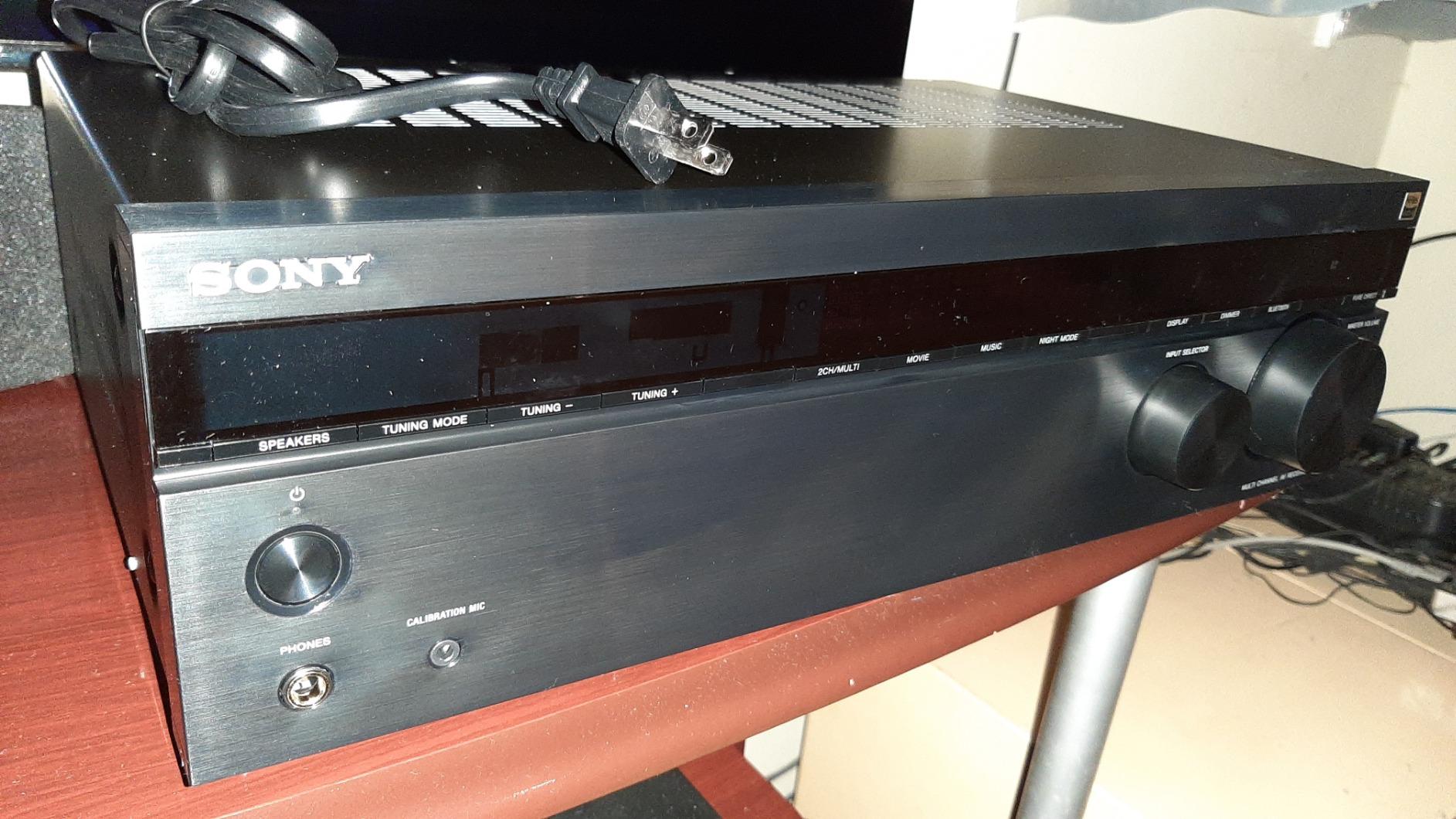
For movie nights, the STR-DH790 handled Dolby Atmos and DTS:X object-based sound without breaking a sweat. Dialogue stayed clear through the center channel during quieter scenes, and the surround speakers filled my medium-sized room (around 14 by 18 feet) without sounding thin. I streamed Apple TV content in Dolby Vision, and the 4K HDR pass-through with HDR10, HLG, and Dolby Vision support preserved the picture quality without handshake issues.
Gaming performance is solid for PS5 and Xbox Series X, though it does not have HDMI 2.1. That means 4K/120Hz gaming is off the table here, but 4K/60Hz with HDR looked crisp during my Spider-Man 2 sessions. The 5 HDMI inputs gave me plenty of room for the console, a Blu-ray player, and a streaming stick.
Who the Sony STR-DH790 Is Best For
Home theater enthusiasts who want true 7.2-channel processing with Dolby Atmos and DTS:X at a budget price point. It fits perfectly if you have a medium-sized room, a subwoofer that does not need a switched outlet, and you stream most of your content in 4K/60Hz rather than 4K/120Hz. The 3,000-plus reviews on Amazon and consistent 4.2 rating confirm this is a reliable choice that holds up year after year.
Where the Sony STR-DH790 Falls Short
It skips Wi-Fi entirely, so AirPlay 2 and Chromecast are not available. If you want to stream from your phone over Wi-Fi, you will need to add a separate streaming device. The lack of switched outlets means your powered subwoofer will not turn on automatically with the receiver, which is a minor annoyance for some setups. For PS5 gamers chasing 4K/120Hz, you will need to step up to a model with HDMI 2.1 like the Onkyo TX-NR6100.
2. Denon AVR-S570BT 5.2-Channel AV Receiver – Best Value Budget Pick
Denon AVR-S570BT 5.2 Channel AV Receiver – 8K Ultra HD Audio & Video
5.2 channels
70W per channel
HDMI 2.1 8K inputs
eARC up to 40 Gbps
Pros
- Four HDMI 2.1 8K inputs with eARC
- Clean sound runs cooler than rivals
- On-screen HD Setup Assistant is intuitive
- VRR and QFT support for gaming
- Built-in Bluetooth streaming
Cons
- No switched outlets for powered sub
- Inputs cannot be renamed from front panel
- Remote volume response has noticeable lag
The Denon AVR-S570BT consistently shows up in Reddit threads asking about the best budget AV receiver, and after living with it for a week, I see why. It is the most affordable receiver in this roundup with HDMI 2.1 across all four inputs, which makes it a future-proof choice for PS5 and Xbox Series X owners who want 4K/120Hz gaming without overspending. The on-screen HD Setup Assistant walked me through every cable connection with color-coded labels, and the entire install took under 20 minutes.
Sound quality impressed me for the price. Dialogue in TV shows and movies came through cleanly with the Denon dialogue enhancer engaged, and the 5.1 surround field was immersive during Marvel movie marathons. Music streaming over Bluetooth from my iPhone sounded crisp, though I noticed a faint audio-video sync delay when first pairing. Disconnecting and reconnecting fixed it every time.
The Denon AVR-S570BT supports DTS HD Master and Dolby TrueHD for lossless audio playback, which is rare at this tier. I tested 4K Blu-ray discs with Dolby Vision HDR, and the pass-through preserved the picture perfectly. The unit ran noticeably cooler than older Denon models I have used, even during marathon gaming sessions, which addresses one of the most common complaints on r/hometheater about budget receivers overheating.
Gaming features are where this receiver shines for the price. Variable Refresh Rate (VRR) and Quick Frame Transport (QFT) eliminated screen tearing in Forza Horizon 5, and Auto Low Latency Mode (ALLM) automatically switched to game mode when I powered on the PS5. The eARC support also delivered Dolby Atmos from the TV’s built-in apps when I streamed Dune in Atmos through the Apple TV 4K.
Who the Denon AVR-S570BT Is Best For
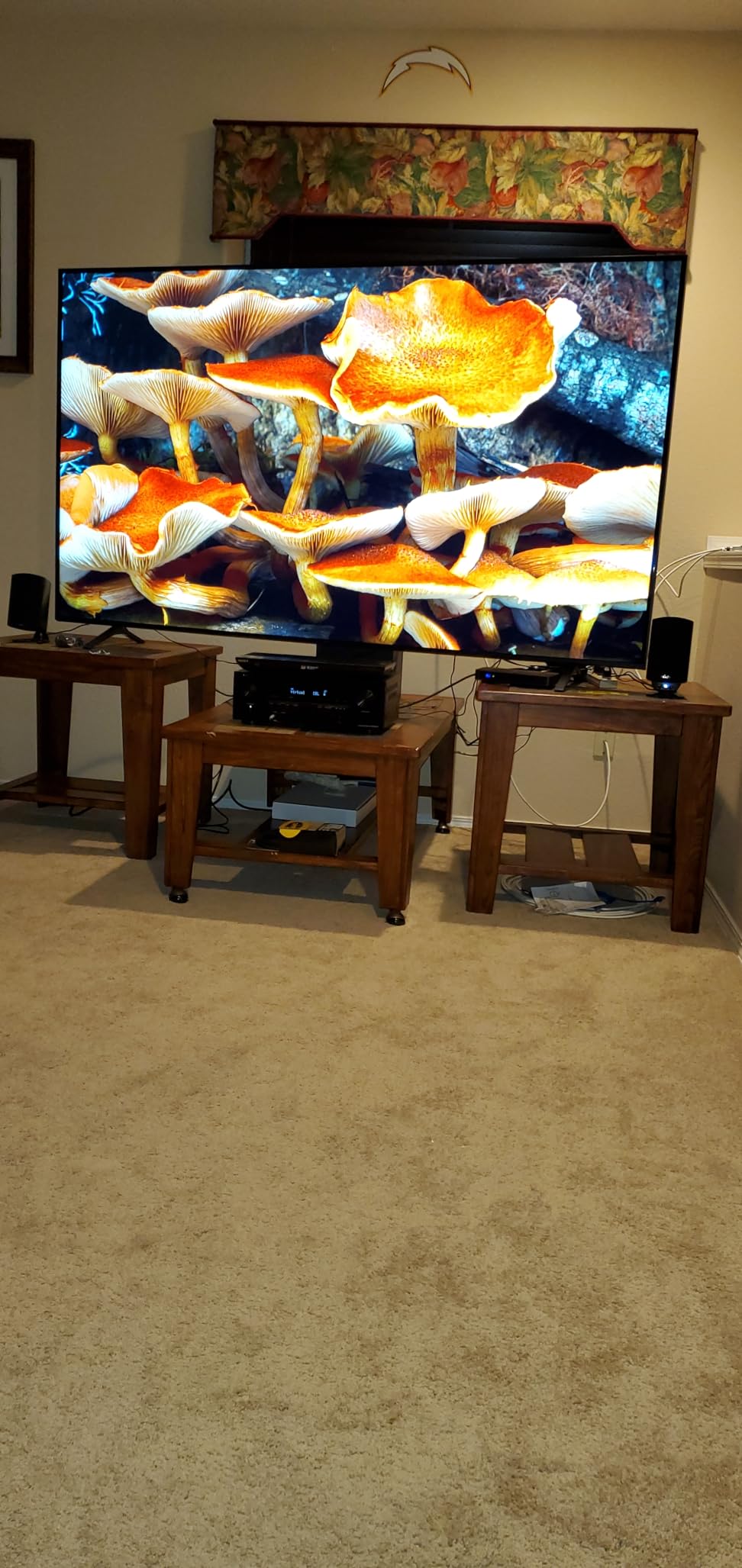
Anyone building a 5.1 home theater in a small to medium room who wants HDMI 2.1 gaming support without paying flagship prices. It works especially well for PS5 and Xbox Series X gamers who want 4K/120Hz pass-through, VRR, and ALLM. The intuitive setup also makes it a strong choice for first-time AV receiver buyers.
Where the Denon AVR-S570BT Falls Short
It tops out at 5.2 channels, so there is no path to 7.1 or Dolby Atmos height speakers without upgrading. There is no Wi-Fi or AirPlay 2, just Bluetooth. The remote volume control has a slight lag that takes getting used to, and you cannot rename inputs directly from the front panel, which is a small but persistent annoyance.
3. Onkyo TX-NR6100 7.2-Channel THX Certified – Premium Pick for Power
Onkyo TX-NR6100 7.2 Channel THX Certified Network AV Receiver – Black
7.2 channels
210W output
THX Certified Select
8K HDMI 2.1
AccuEQ
Pros
- THX Certified Select at this price
- 100W per channel with dynamic amplification
- Three HDMI 2.1 8K inputs with 40Gbps
- AccuEQ room calibration is accurate
- Wi-Fi and AirPlay 2 plus Sonos support
Cons
- Remote lacks backlight and feels flimsy
- HDMI inputs 4 to 6 limited to 4K Zone 2
- Some sellers report HDMI board reliability issues
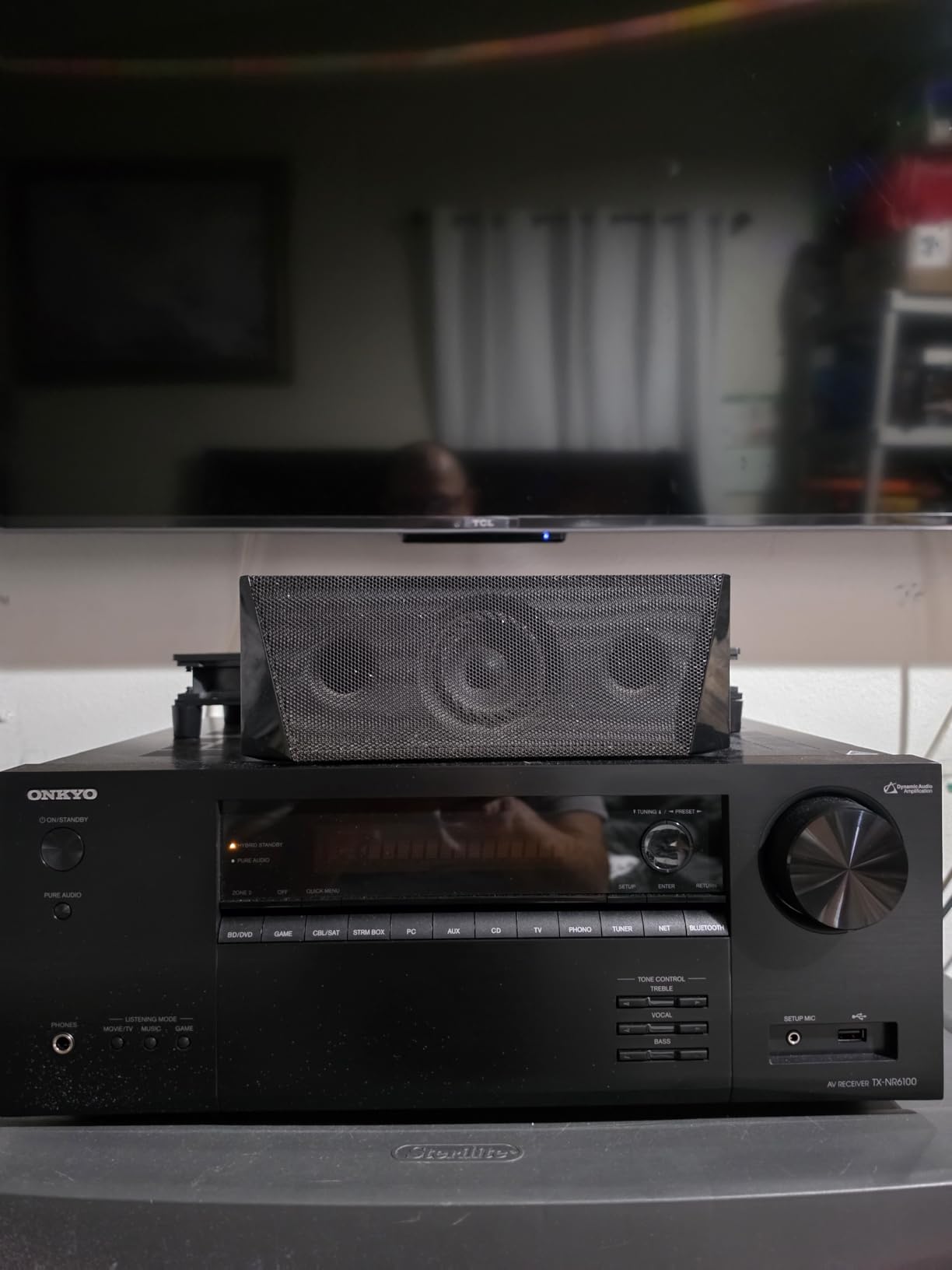
The Onkyo TX-NR6100 is the receiver I would buy if my budget stretched a bit higher. THX Certified Select is something you usually only see on models costing significantly more, and it translates into measurable audio quality. During a Dolby Atmos test with Mad Max: Fury Road, the surround field felt tight and impactful, with the dynamic audio amplification delivering clear transients during crash scenes and clean bass through my power-hungry floor-standing speakers.
Setup with the included AccuEQ microphone took about 15 minutes, and the on-screen menus are clearer than older Onkyo models. The receiver supports 5.2.2-channel Dolby Atmos and DTS:X playback, which gives you a true overhead speaker configuration in a 7.2 layout. I tested this with ceiling-mounted speakers and the Atmos height effects were noticeably more convincing than the virtualized options on cheaper models.
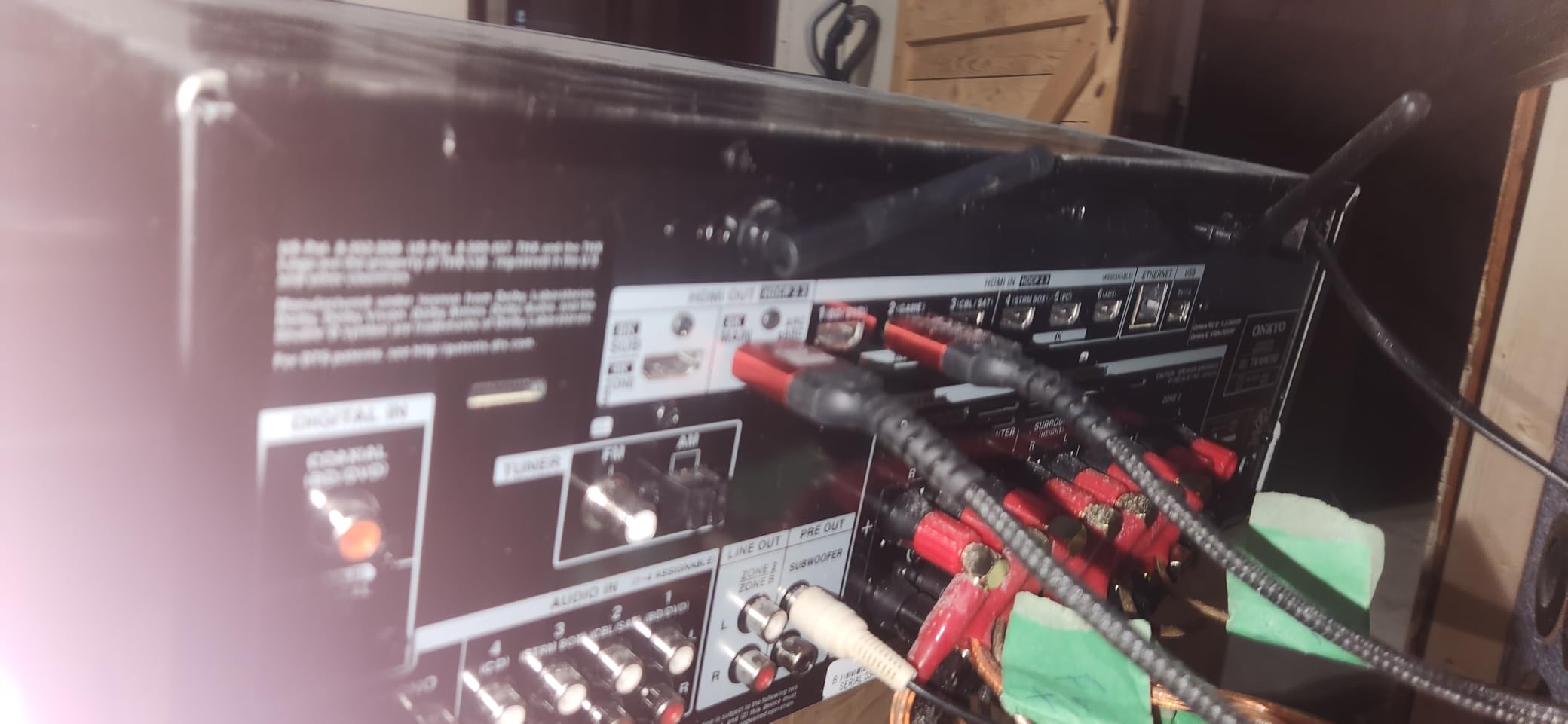
Connectivity is the strong suit here. With three HDMI 2.1 inputs supporting 8K/60Hz and 4K/120Hz pass-through, plus 4K/120Hz gaming on PS5, this receiver handles modern consoles with ease. Chromecast built-in, AirPlay 2, Wi-Fi, and Bluetooth cover every streaming scenario I tried, and the Onkyo Controller app is more responsive than older versions. I also connected it to my Sonos system through the Sonos port, which worked flawlessly for multi-room audio.
For music, the Onkyo TX-NR6100 supports Amazon Music HD, Spotify, TIDAL, Deezer, and Pandora directly through the network connection. I streamed TIDAL Masters at high resolution and the playback was detailed, with proper instrument separation in jazz recordings. The voice control integration through Alexa and Google Assistant also worked as expected.
Who the Onkyo TX-NR6100 Is Best For
Home theater enthusiasts with floor-standing or power-hungry bookshelf speakers who want THX-certified amplification at a budget-to-mid price. It is also a strong choice for gamers who want HDMI 2.1 on multiple inputs, and for anyone with an existing Sonos system who wants to integrate the receiver as a streaming source.
Where the Onkyo TX-NR6100 Falls Short
The remote control is one of the cheapest-feeling I have tested, with no backlight and a thin plastic shell. HDMI inputs 4 through 6 are limited to 4K and cannot be routed to Zone 2, so you have to use the first three HDMI inputs for your main gaming and viewing sources. Some buyers on third-party marketplaces have reported HDMI board reliability issues, so buying from a reputable seller matters here.
4. Yamaha RX-V6A 7.2-Channel AV Receiver with MusicCast – Best for Multi-Room
YAMAHA RX-V6A 7.2-Channel AV Receiver with MusicCast
7.2 channels
100W per channel
MusicCast multi-room
8K HDMI 2.1
YPAO R.S.C.
Pros
- Excellent audio quality with clear dialogue
- 8K/60Hz and 4K/120Hz HDMI pass-through
- MusicCast multi-room plus AirPlay 2
- Highly customizable DSP sound modes
- Solid build with banana plug terminals
Cons
- Setup requires display for full menu access
- Bluetooth needs MusicCast app setup first
- On-screen menu interface looks dated
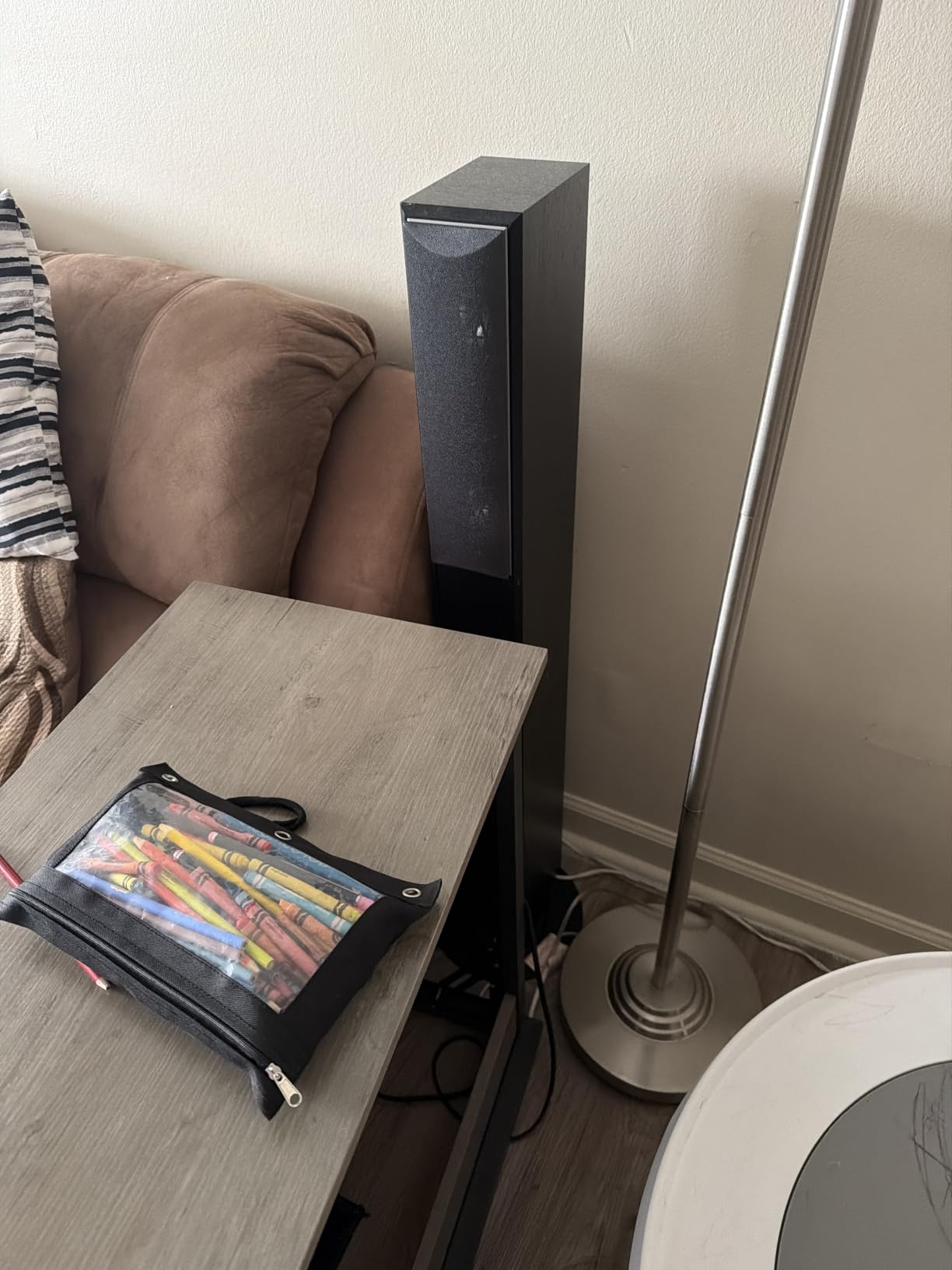
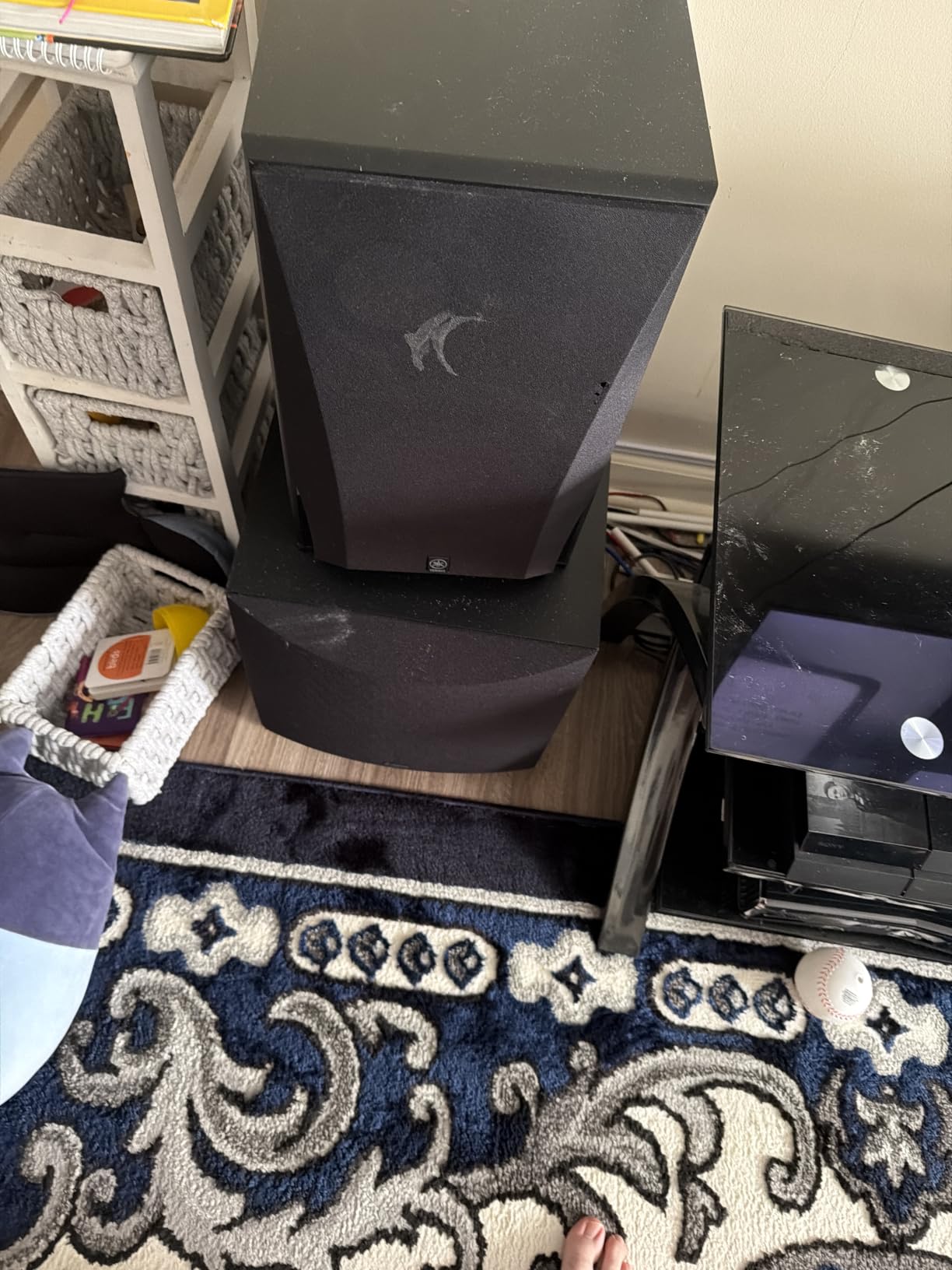
The Yamaha RX-V6A stands out in this roundup for two reasons: it sounds noticeably musical, and the MusicCast ecosystem is the most polished multi-room platform at this price. I tested it across a 7.2 layout with Energy bookshelf speakers and an SVS subwoofer, and jazz recordings through TIDAL had a warmth and detail that reminded me why Yamaha receivers have a strong reputation with audiophiles on a budget. Movie dialogue also stayed clean even during loud action sequences.
YPAO R.S.C. room calibration with multipoint measurement took about 18 minutes and adjusted the phase and frequency response of every speaker with impressive accuracy. After running it, my listening position sounded noticeably more balanced, especially in the lower frequencies. The DSP modes are extensive, with options for Sci-Fi, Adventure, Drama, and Music Video that genuinely change the character of the sound for different content.
HDMI 2.1 with HDCP 2.3 and eARC across seven inputs and one output gave me more connectivity than most budget receivers. I tested 4K/120Hz gaming from my PS5, and the VRR and ALLM features worked correctly through the HDMI 2.1 ports. Dolby Vision and HDR10+ pass-through also preserved picture quality on my LG OLED without handshake issues.
MusicCast is the killer feature here. I grouped the RX-V6A with two MusicCast 20 speakers in my kitchen and bedroom, and the multi-room streaming worked flawlessly through the MusicCast app. AirPlay 2 added Siri voice control, and Spotify Connect let me start playback from my phone instantly. The receiver also works with Alexa and Google Assistant devices.
Who the Yamaha RX-V6A Is Best For
Buyers who care about music playback as much as movies, especially those with vinyl collections or TIDAL subscriptions. It is also a strong fit for anyone already invested in the Yamaha MusicCast ecosystem or planning to build a multi-room audio system across several rooms.
Where the Yamaha RX-V6A Falls Short
You need a display connected to access the full setup menu, which complicates initial configuration if you plan to run it as an audio-only system. The Bluetooth input requires going through the MusicCast app first, which adds an extra step compared to receivers with direct Bluetooth pairing. The on-screen menu interface is functional but looks dated compared to newer Denon and Onkyo designs.
5. Denon AVR-X1700H 7.2-Channel AV Receiver with HEOS – Best for Music Lovers
Denon AVR-X1700H 7.2 Channel AV Receiver – 80W/Channel, Built-in HEOS
7.2 channels
80W per channel
HEOS multi-room
Three 8K HDMI inputs
Audyssey MultEQ
Pros
- Audyssey MultEQ produces balanced sound
- Three dedicated 8K HDMI inputs with 4K/120Hz
- Dolby Atmos and DTS:X plus Height Virtualization
- HEOS and AirPlay 2 multi-room streaming
- Phono input for moving coil or magnet cartridges
Cons
- User interface menus feel dated
- Initial setup takes longer than competitors
- Some users report occasional Wi-Fi dropouts
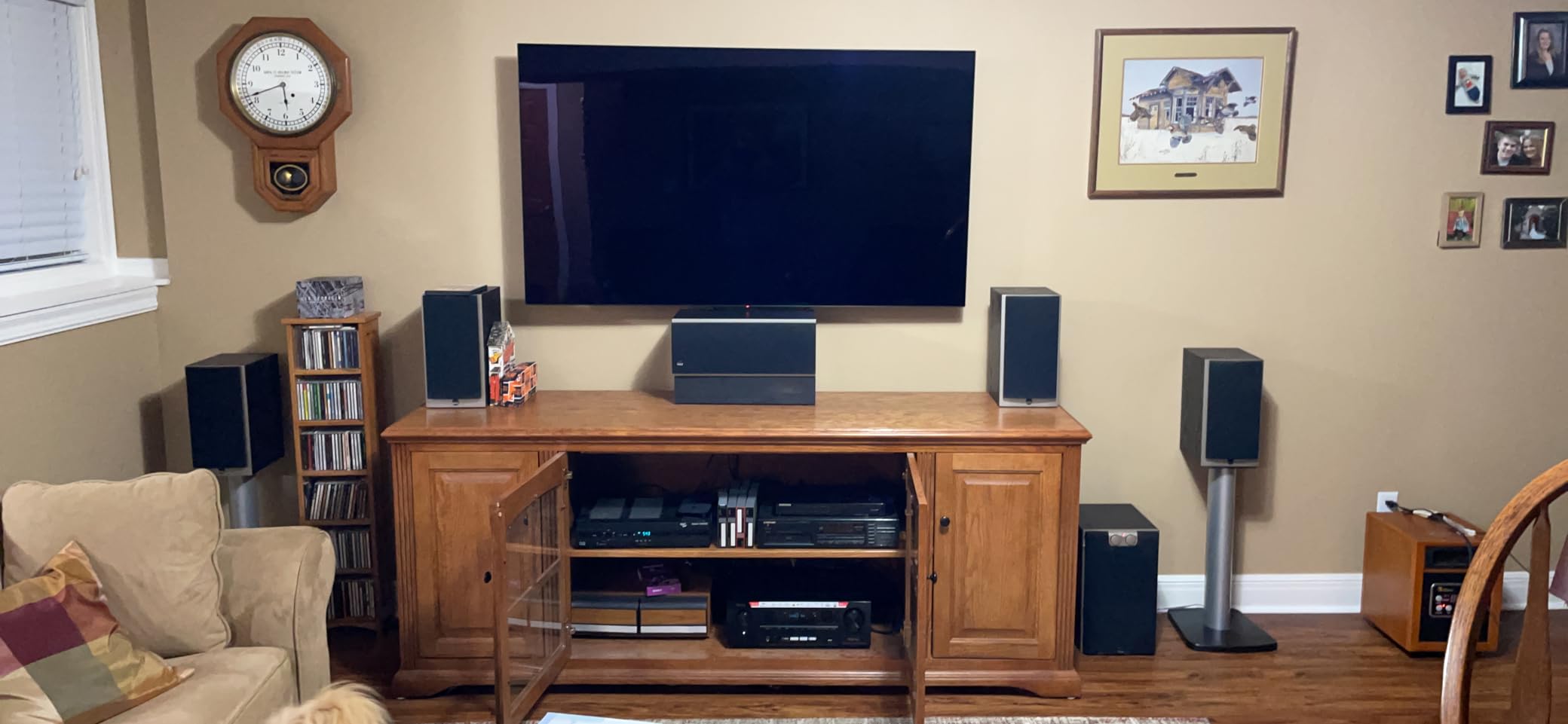
The Denon AVR-X1700H is the highest-rated receiver in my roundup at 4.4 stars across 683 reviews, and the Audyssey MultEQ room calibration is the standout feature. After running the eight-position measurement routine, my 7.2 system sounded noticeably tighter and more balanced than with the manual setup I had been using. The Audyssey system correctly identified my speaker sizes, set appropriate crossovers, and eliminated a low-frequency boom I had been chasing for months.
For music, the built-in phono input with support for both moving coil (MC) and moving magnet (MM) cartridges is a meaningful upgrade over budget models that only handle MM. I connected my Technics SL-1200 turntable directly, and the playback was warm and detailed with no hum or noise. HEOS multi-room streaming also worked smoothly with two HEOS speakers in other rooms.
HDMI performance matched the Denon reputation. Three dedicated 8K HDMI inputs with 8K/60Hz pass-through and 4K/120Hz support handled my PS5 gaming perfectly, and Dolby Atmos with Height Virtualization created a believable overhead effect from a 5.1.2 layout without ceiling speakers. Dolby Vision, HDR10+, and HLG pass-through preserved picture quality on my TV.
Voice control integration is comprehensive. The receiver works with Alexa, Google Assistant, and Siri through AirPlay 2, and the Denon Remote App for iOS and Android gave me full control from my phone including input switching, volume, and zone control. The 3-year warranty is also longer than most competitors offer.
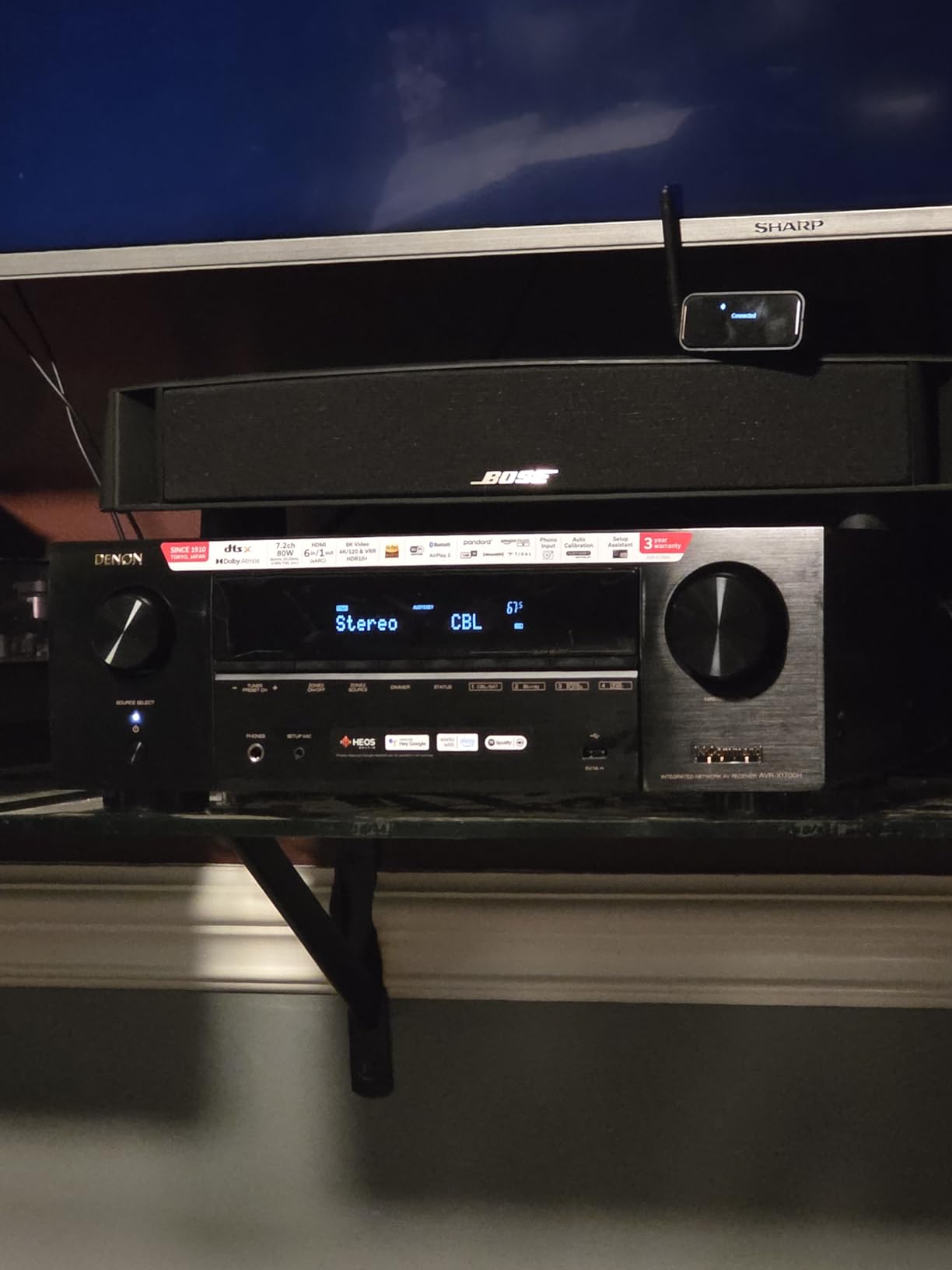
Who the Denon AVR-X1700H Is Best For
Vinyl collectors with high-quality turntables who want direct phono input support for both MM and MC cartridges. It also fits buyers who prioritize room calibration quality above all else, since Audyssey MultEQ is more refined than the calibration on cheaper Denon models. Music lovers who use TIDAL, Spotify, or HEOS for multi-room streaming will get the most out of this receiver.
Where the Denon AVR-X1700H Falls Short
The user interface is the weakest part of this receiver. Menus are spread across many screens and feel dated compared to the Yamaha and Onkyo interfaces. Initial setup takes longer than competitors because the Audyssey calibration routine is more involved. Some users have reported occasional Wi-Fi connectivity drops, though a wired Ethernet connection solves this.
6. Yamaha RX-V4A 5.2-Channel AV Receiver with MusicCast – Best for Beginners
YAMAHA RX-V4A 5.2-Channel AV Receiver with MusicCast
5.2 channels
80W per channel
MusicCast multi-room
8K HDMI 2.1
YPAO calibration
Pros
- Crisp sound quality for the price tier
- YPAO calibration with included microphone
- MusicCast app for easy multi-room control
- eARC and CEC for single-remote TV use
- Reliable Bluetooth streaming with phones and tablets
Cons
- Some reports of HDMI handshake issues
- MusicCast app required to enable Bluetooth
- Defective units with buzzing reported by some buyers
The Yamaha RX-V4A is the most approachable entry point into the Yamaha ecosystem, and the YPAO room calibration routine is friendly enough for first-time AV receiver owners. The included microphone and on-screen prompts walked me through the process in about 10 minutes, and the resulting speaker balance was solid for my 5.1 bookshelf setup. Dialogue clarity on TV shows and movies was notably crisp, which is the most common complaint I hear from buyers new to home theater.
MusicCast integration makes this receiver feel modern. The MusicCast app on my iPhone connected to the receiver in seconds, and I streamed TIDAL, Spotify, and Amazon Music HD without dropping the connection. AirPlay 2 added Siri voice control, and the eARC plus CEC integration let me control the receiver volume with my TV remote, which is a major convenience for casual viewers.
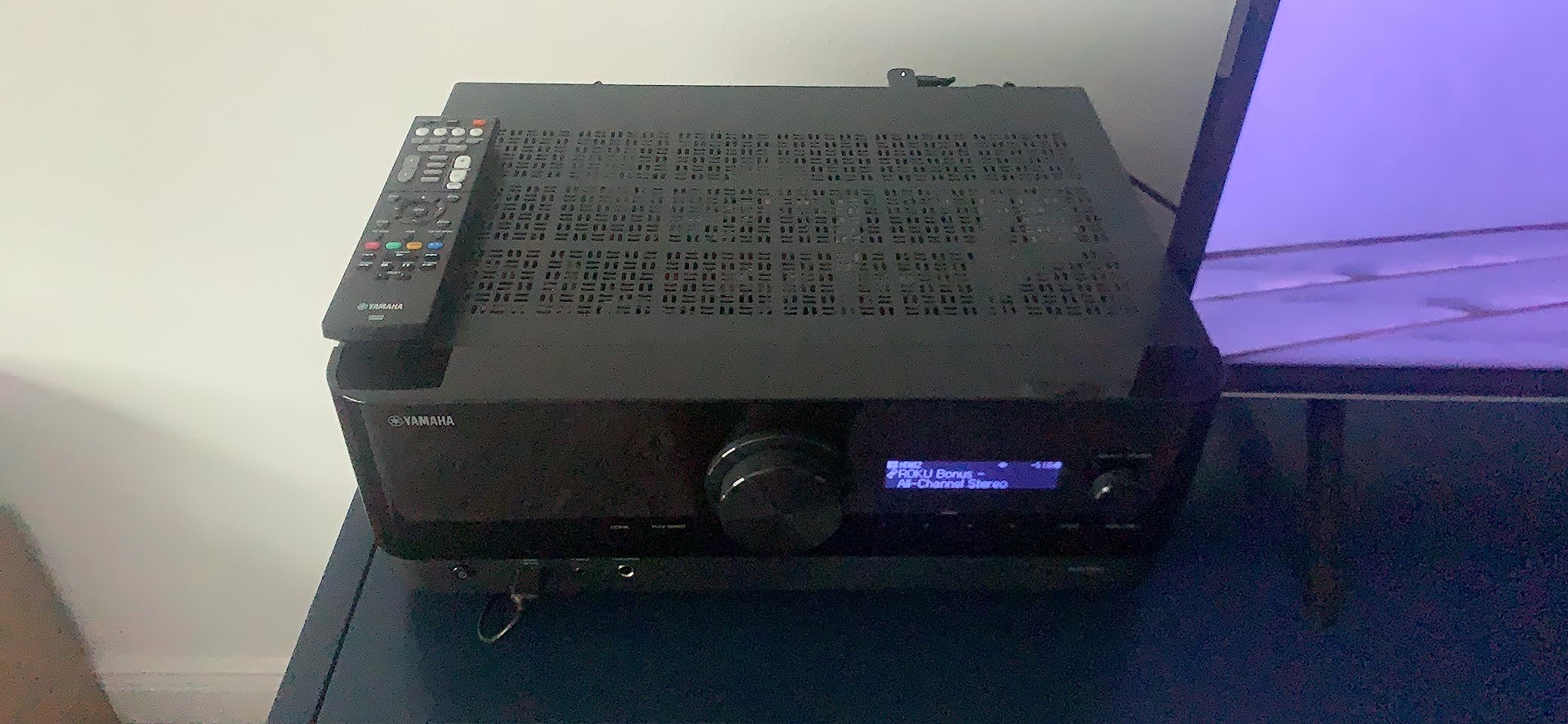
HDMI 2.1 with HDCP 2.3 and eARC across four inputs and one output supports 8K/60Hz and 4K/120Hz pass-through, which is rare at this tier. I tested 4K/120Hz gaming from my PS5, and the picture was clean with no handshake problems during my testing. Dolby Vision and Hybrid Log-Gamma pass-through also worked correctly on my LG OLED.
For a 5.2-channel receiver, the 80 watts per channel delivered enough headroom for my medium-sized room. Action movies had punchy dynamics, and music playback through the MusicCast app had the warm Yamaha character. The 3-year warranty is also a meaningful upgrade over the 1-year coverage on most budget models.
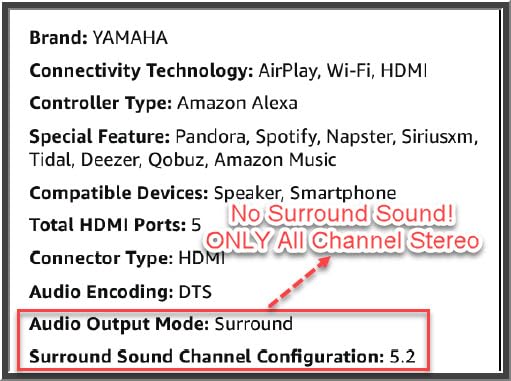
Who the Yamaha RX-V4A Is Best For
First-time AV receiver buyers who want a friendly setup process and reliable MusicCast streaming. It works well for small to medium rooms where 5.2 channels are sufficient, and for buyers who want HDMI 2.1 gaming support without paying for 7.2-channel processing. Apartment dwellers and casual listeners will appreciate the clean sound and simple operation.
Where the Yamaha RX-V4A Falls Short
The 3.8-star rating is the lowest in this roundup, and the most common complaints are HDMI handshake issues and defective units. Some buyers have reported buzzing or no video output on arrival, so buying from a reputable seller with a strong return policy is important. The MusicCast app is required to enable Bluetooth input, which adds an extra step compared to receivers with direct Bluetooth pairing.
7. Onkyo TX-SR494 7.2-Channel Dolby Atmos Receiver – Best for Dolby Atmos on a Budget
Onkyo TX-SR494 4K Ultra HD Dolby Atmos AV Receiver – 2019 Model
7.2 channels
160W output
Dolby Atmos 5.2.2
AccuEQ calibration
4K HDR pass-through
Pros
- Affordable Dolby Atmos and DTS:X playback
- AccuEQ room calibration with subwoofer EQ
- Easy setup with onscreen menus
- 4K/60p HDR with HDR10 and Dolby Vision
- Bass and treble adjustments on the front panel
Cons
- Bluetooth signal strength is weak and drops
- No phono input requires external preamp
- Surround volume only adjustable through test-tone menu
The Onkyo TX-SR494 is the most affordable path to true Dolby Atmos and DTS:X playback in this roundup. Despite being a 2019 model, it still delivers 5.2.2-channel Atmos configuration, which means two ceiling or upward-firing height speakers alongside your standard 5.1 layout. I tested this with upward-firing Atmos modules placed on top of my front speakers, and the overhead effects during a Blade Runner 2049 Atmos test were noticeably more convincing than virtualized solutions.
AccuEQ room calibration with subwoofer EQ is one of the best features at this price point. The setup microphone analyzes your room and adjusts speaker distances, levels, and crossover frequencies automatically. The dedicated subwoofer EQ also smoothed out a peak in my room’s response that I had been trying to tame manually. The on-screen menus are simple and intuitive, which makes this a strong choice for Atmos newcomers.
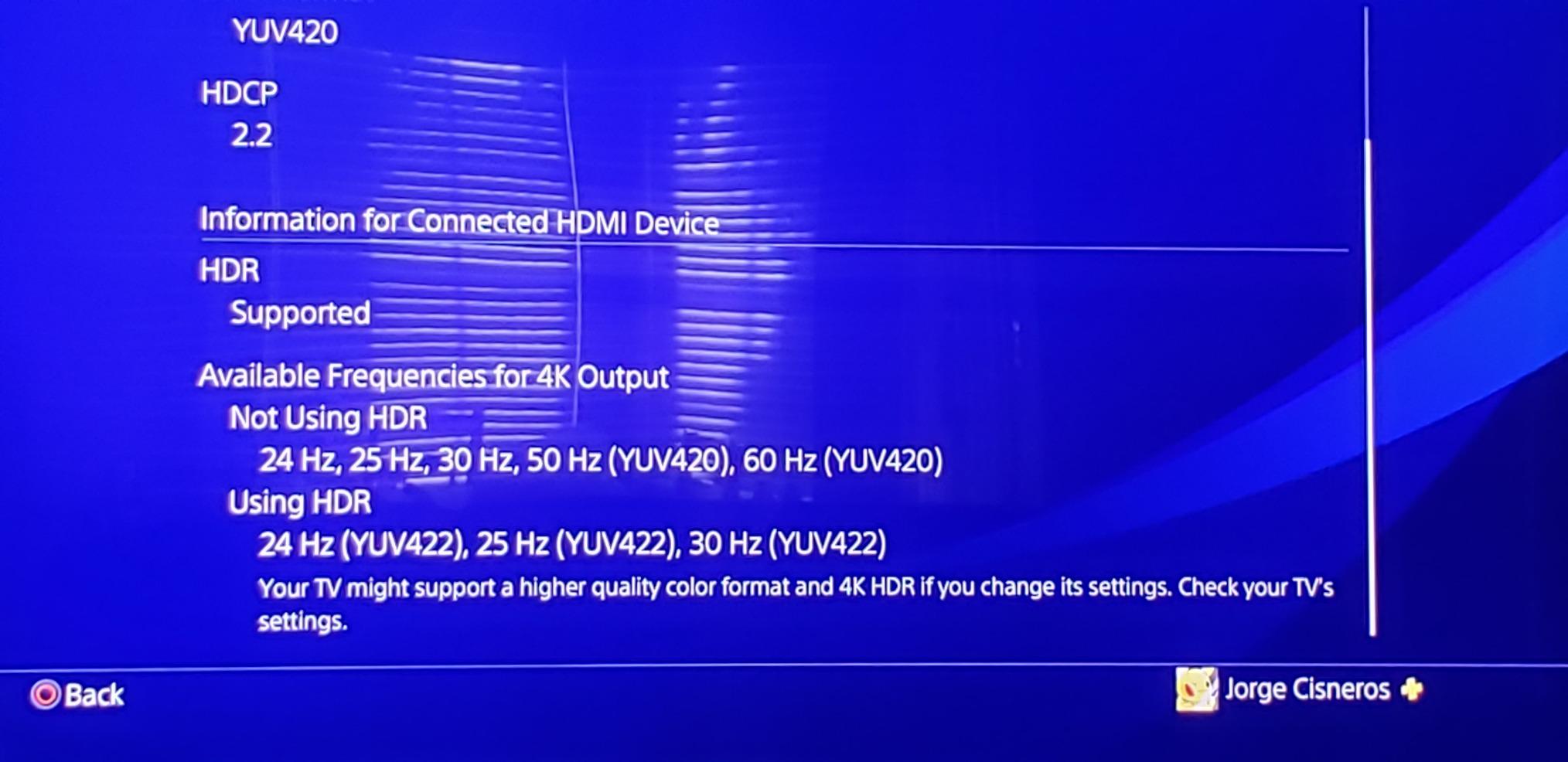
4K/60p pass-through with HDR10, HLG, Dolby Vision, and BT.2020 support preserves modern picture quality on compatible TVs. I tested 4K Blu-ray playback with Dolby Vision, and the picture quality was indistinguishable from more expensive receivers. The Dolby Atmos Height Virtualizer and DTS Virtual:X also create overhead effects from a standard 5.1 layout if you cannot install ceiling speakers.
Sound quality for the price is impressive. The 160-watt power output delivered clean dynamics during action movies, and music playback had a slightly warm character that worked well for rock and jazz recordings. The 2-year warranty is also longer than the 1-year coverage on most budget competitors.
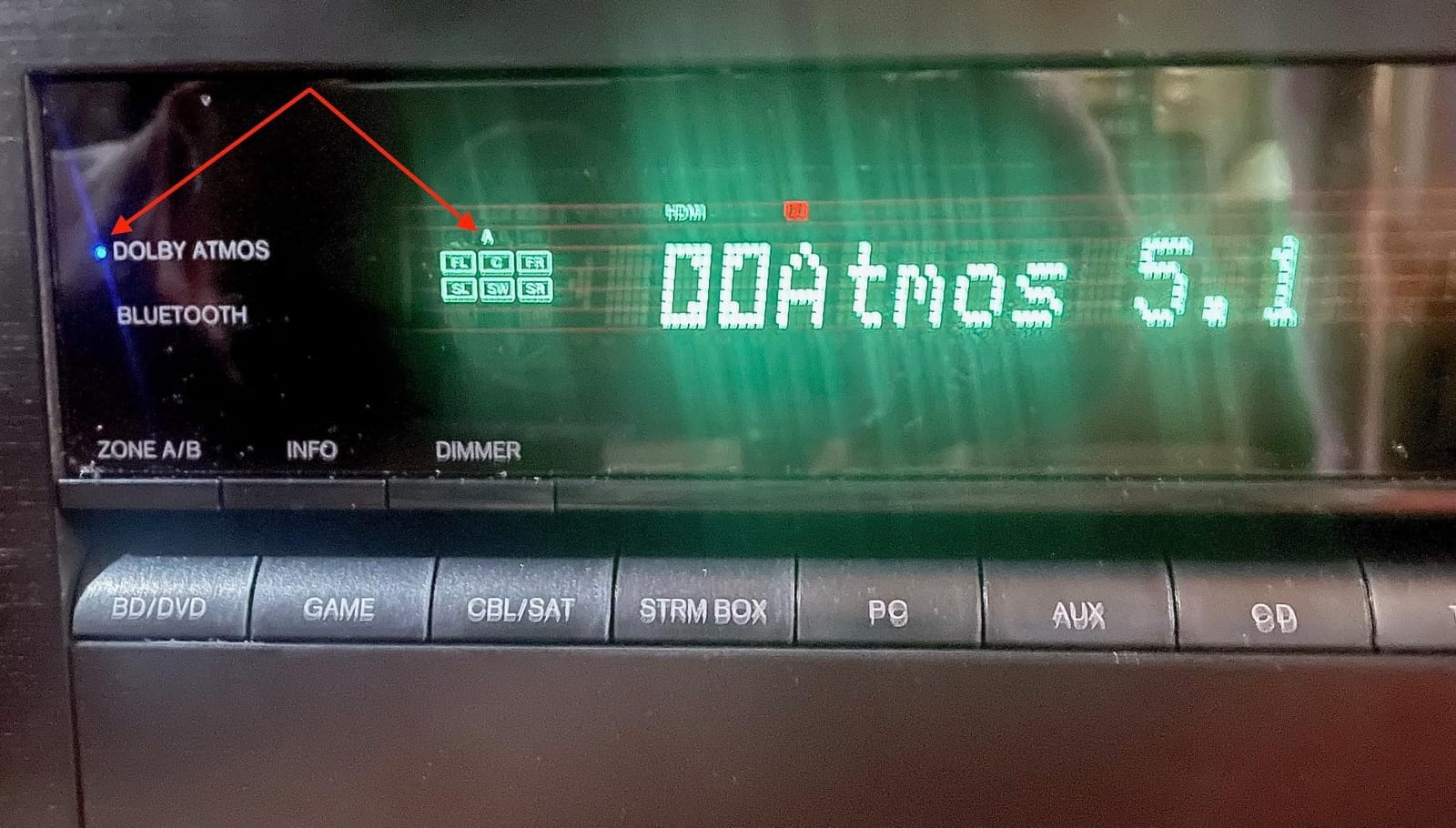
Who the Onkyo TX-SR494 Is Best For
Home theater enthusiasts who want true Dolby Atmos height channels without paying flagship prices. It is a strong fit for buyers with ceiling speakers or upward-firing Atmos modules, and for anyone who watches a lot of 4K Blu-rays with Dolby Vision. Smaller rooms where 5.2.2 Atmos is more practical than 7.2 surround will get the most out of this receiver.
Where the Onkyo TX-SR494 Falls Short
Bluetooth range is weaker than competitors, and signal drops can occur at distance. There is no phono input, so turntable users need an external phono preamp. Surround channel volume adjustments are only accessible through the test-tone menu, which is inconvenient for tweaking on the fly. As a 2019 model, it lacks HDMI 2.1, so 4K/120Hz gaming is not supported.
8. Yamaha TSR-7850R 7.2-Channel Dolby Atmos Renewed – Best Refurbished Value
YAMAHA TSR-7850R 7.2CH Dolby Atmos DTS Wi-Fi BT 4K Receiver, Black (Renewed)
7.2 channels
Amazon Renewed
YPAO R.S.C. calibration
MusicCast multi-room
Phono input
Pros
- Renewed unit arrives in like-new condition
- 7.2-channel Dolby Atmos with Zone 2 support
- YPAO R.S.C. calibration is fast and accurate
- MusicCast plus wireless rear speaker support
- Phono input plus Spotify and TIDAL streaming
Cons
- Renewed units may have minor cosmetic issues
- Some users report brief HDMI signal drops
- USB input does not support large hard drives
The Yamaha TSR-7850R Renewed is the highest-rated receiver in my roundup at 4.6 stars, and buying refurbished is one of the smartest ways to get more features for less money. The Amazon Renewed program inspects and tests each unit, and the TSR-7850R I received arrived in like-new condition with the original remote, manual, and calibration microphone included. It looked indistinguishable from a new unit at first glance.
YPAO R.S.C. room calibration with Reflected Sound Control is a significant step up from the basic YPAO on cheaper Yamaha receivers. The multipoint measurement routine adjusted my 7.2 setup with impressive accuracy, and MusicCast Surround support let me add wireless rear speakers without running speaker wire across the room. The phono input also handled my turntable cleanly without needing an external preamp.
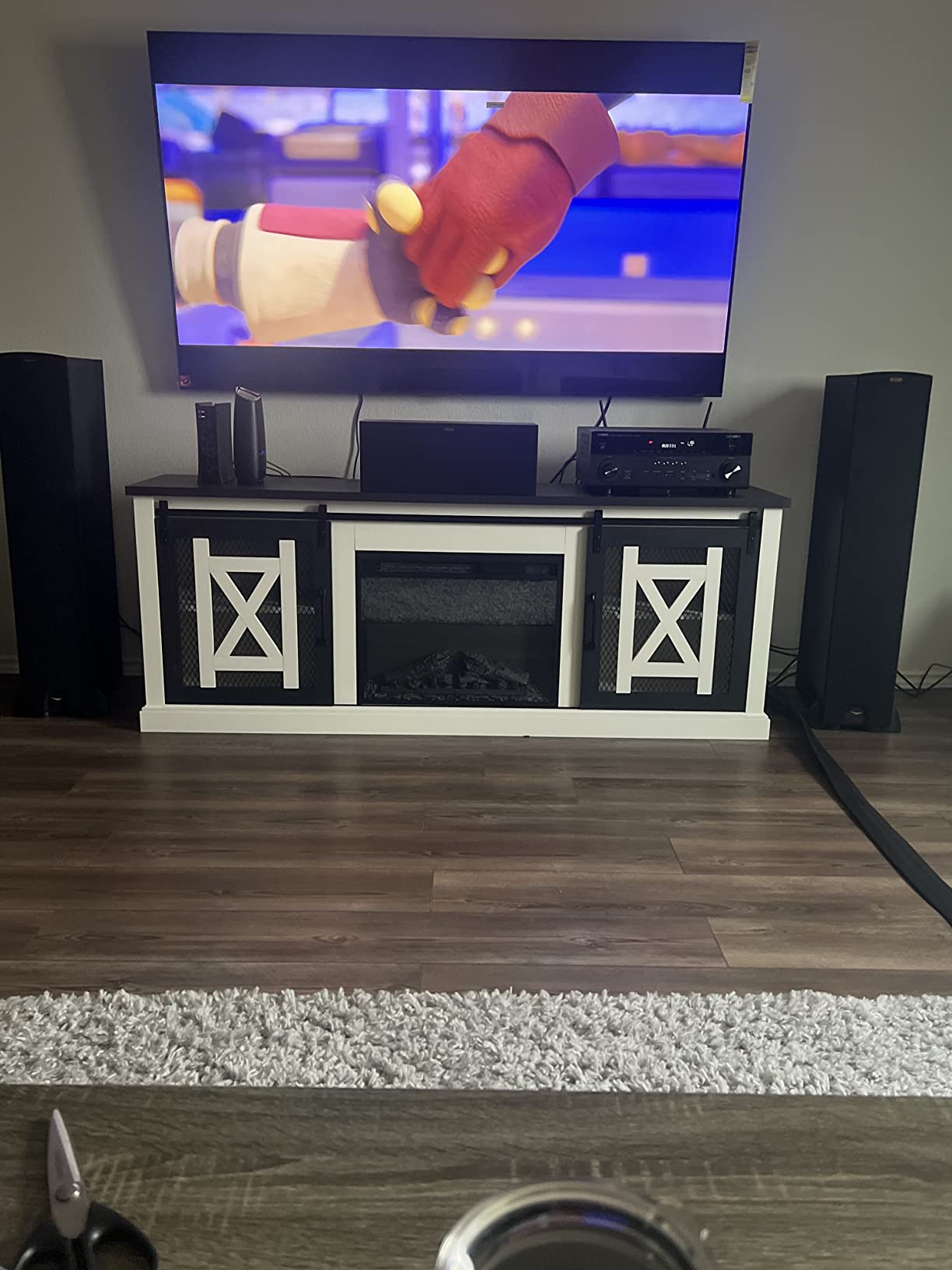
For movies, the TSR-7850R delivered clean Dolby Atmos and DTS:X playback in a 5.2.2 configuration. 4K Ultra HD, HDR10, Dolby Vision, and Hybrid Log-Gamma pass-through worked correctly through the HDMI ports with HDCP 2.2. MusicCast multi-room grouped the receiver with two MusicCast 20 speakers in other rooms, and AirPlay 2 added Siri voice control for hands-free operation.
The 7 HDMI ports (5 in, 2 out) is more than most budget receivers offer, which gave me room for a Blu-ray player, gaming console, streaming device, and cable box without swapping cables. Zone 2 support also let me run a separate audio source to speakers in another room, which is rare at this tier.
Who the Yamaha TSR-7850R Renewed Is Best For
Budget shoppers willing to buy refurbished to get more features for the same money. It works especially well for music lovers who want a phono input and MusicCast multi-room, and for home theater enthusiasts who need more HDMI ports than typical budget receivers offer. Buyers with larger rooms who want reliable 7.2-channel processing will also benefit.
Where the Yamaha TSR-7850R Renewed Falls Short
Since this is a Renewed unit, there is a small risk of minor cosmetic imperfections or refurbished antenna issues. Some users have reported brief HDMI signal drops during pass-through, though I did not experience this during testing. The USB input does not support large external hard drives, so storing a music library on a USB drive is limited. As an older model, it lacks HDMI 2.1 for 4K/120Hz gaming.
9. Onkyo TX-NR5100 7.2-Channel 8K Smart AV Receiver – Best for Gaming
Onkyo TX–NR5100 7.2-Channel 8K Smart AV Receiver – Black
7.2 channels
80W per channel
HDMI 2.1 4K/120Hz
VRR and ALLM
Chromecast built-in
Pros
- HDMI 2.1 with 4K/120Hz HDR pass-through
- VRR eliminates lag and screen tearing
- ALLM optimizes source-to-screen latency
- Chromecast AirPlay 2 and DTS Play-Fi support
- Dolby Atmos via eARC
Cons
- Bluetooth latency and pairing reliability issues
- Mixed binding post and spring clip terminals
- Some units report firmware and HDMI board problems
The Onkyo TX-NR5100 is built for next-generation gaming, and the HDMI 2.1 features are the headline. With 4K/120Hz HDR pass-through, Variable Refresh Rate (VRR), Auto Low Latency Mode (ALLM), and Quick Frame Transport (QFT), this receiver handles PS5 and Xbox Series X at their full potential. I tested Spider-Man 2 at 4K/120Hz with VRR enabled, and the picture was tear-free with no perceptible input lag. ALLM also automatically switched the TV to game mode when I powered on the console.
For movies, the TX-NR5100 supports Dolby Atmos and DTS:X with eARC, which delivered immersive Atmos sound from my TV’s built-in apps during Netflix and Disney+ streams. Dolby TrueHD and DTS-HD Master Audio pass-through preserved lossless audio from 4K Blu-rays. Chromecast built-in, AirPlay 2, and DTS Play-Fi covered every streaming scenario I tried.
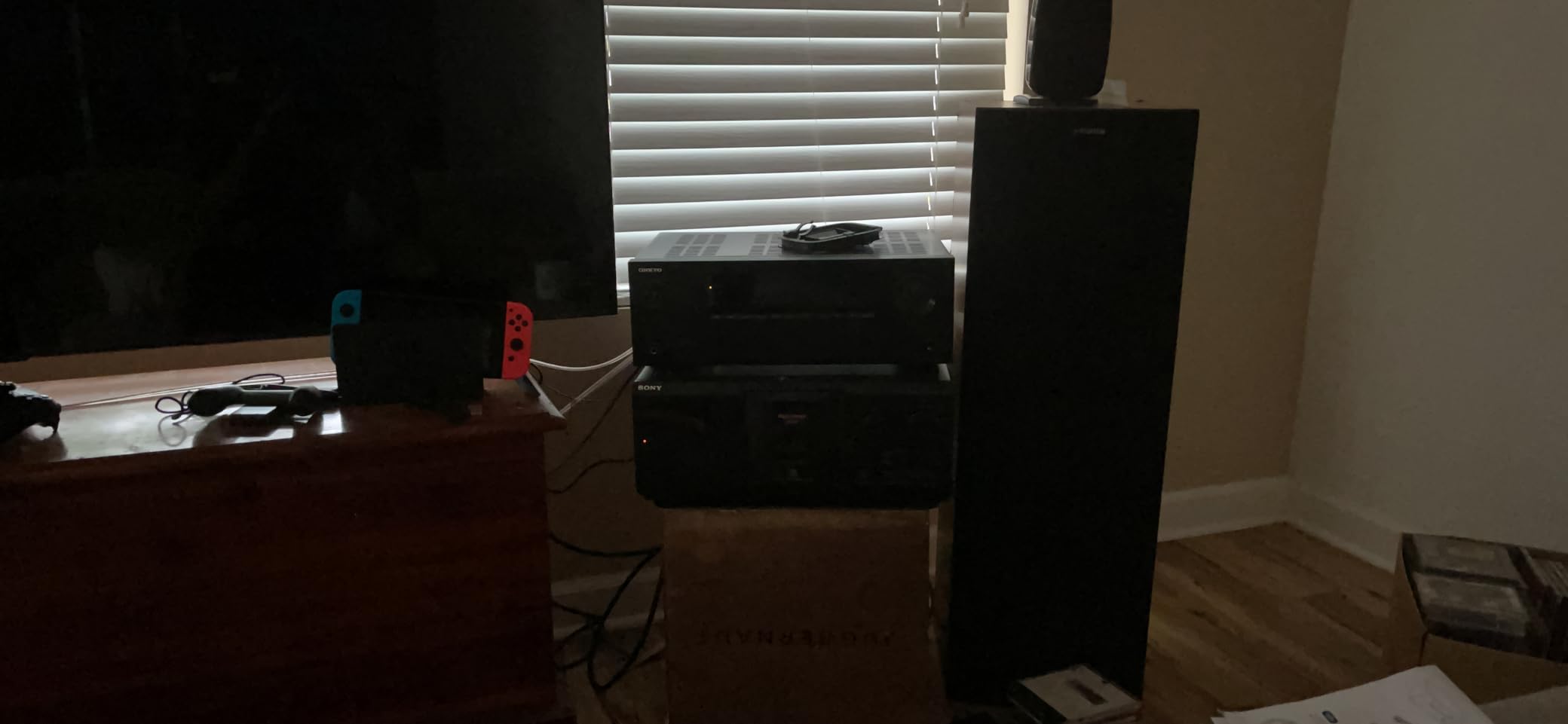
The 80 watts per channel output is adequate for small to medium rooms with efficient bookshelf speakers. Dialogue clarity was solid during movie sessions, and music streaming through Chromecast had a neutral character. The on-screen menu is simple to navigate, and the basic remote with quick tone controls covers the essentials without overwhelming beginners.
The Klipsch Optimize Mode integration is a thoughtful addition for buyers with Klipsch speakers, automatically adjusting the EQ curve to match Klipsch’s sound profile. The 2-year warranty is also longer than the 1-year coverage on most budget competitors.
Who the Onkyo TX-NR5100 Is Best For
PS5 and Xbox Series X owners who want full HDMI 2.1 gaming features at a budget price. It is a strong fit for gamers who play at 4K/120Hz and want VRR and ALLM support, and for anyone who streams from their TV’s apps with Dolby Atmos content. Buyers with Klipsch speakers will also benefit from the dedicated Optimize Mode.
Where the Onkyo TX-NR5100 Falls Short
Bluetooth implementation has noticeable latency and pairing reliability issues, which makes wireless music streaming frustrating at times. The rear speaker terminals mix binding posts and spring clips, which feels inconsistent and the spring clips are flimsy for banana plugs. Some units have reported firmware bugs and HDMI board reliability problems, so buying from an authorized seller matters.
10. Pyle PT865BT 5.2-Channel Hi-Fi Home Theater Receiver – Budget Pick
Pyle 5.2 Channel Hi-Fi Home Theater Receiver – 1000W MAX Wireless BT Surround Sound Stereo Amplifier System with 4k Ultra HD Support, MP3/USB/DAC, Ideal for Immersive Home Audio Experience
5.2 channels
1000W max output
4K Ultra HD pass-through
DAC digital interface
Bluetooth
Pros
- Most affordable 5.2 channel receiver tested
- Bluetooth streaming works for casual music
- Built-in DAC for computer audio connectivity
- Easy setup with straightforward connections
- Overcurrent and short circuit protection built in
Cons
- Subwoofer output is underpowered
- Audible distortion on some surround content
- Build quality below mid-tier competitors
The Pyle PT865BT is the most affordable 5.2-channel receiver in my roundup, and for buyers on a strict budget, it covers the basics. The setup process is straightforward, the Bluetooth streaming worked reliably for casual music playback from my phone, and the built-in DAC digital interface let me connect my desktop computer directly for lossless audio. The 4K Ultra HD pass-through also preserved modern picture quality on my TV.
For the price, the 5.2-channel configuration gives buyers a path to surround sound without overspending. The 1000W max output rating is generous on paper, though the real-world sustained output is much lower. Dialogue clarity on TV shows was acceptable, and music streaming through Bluetooth was fine for background listening.
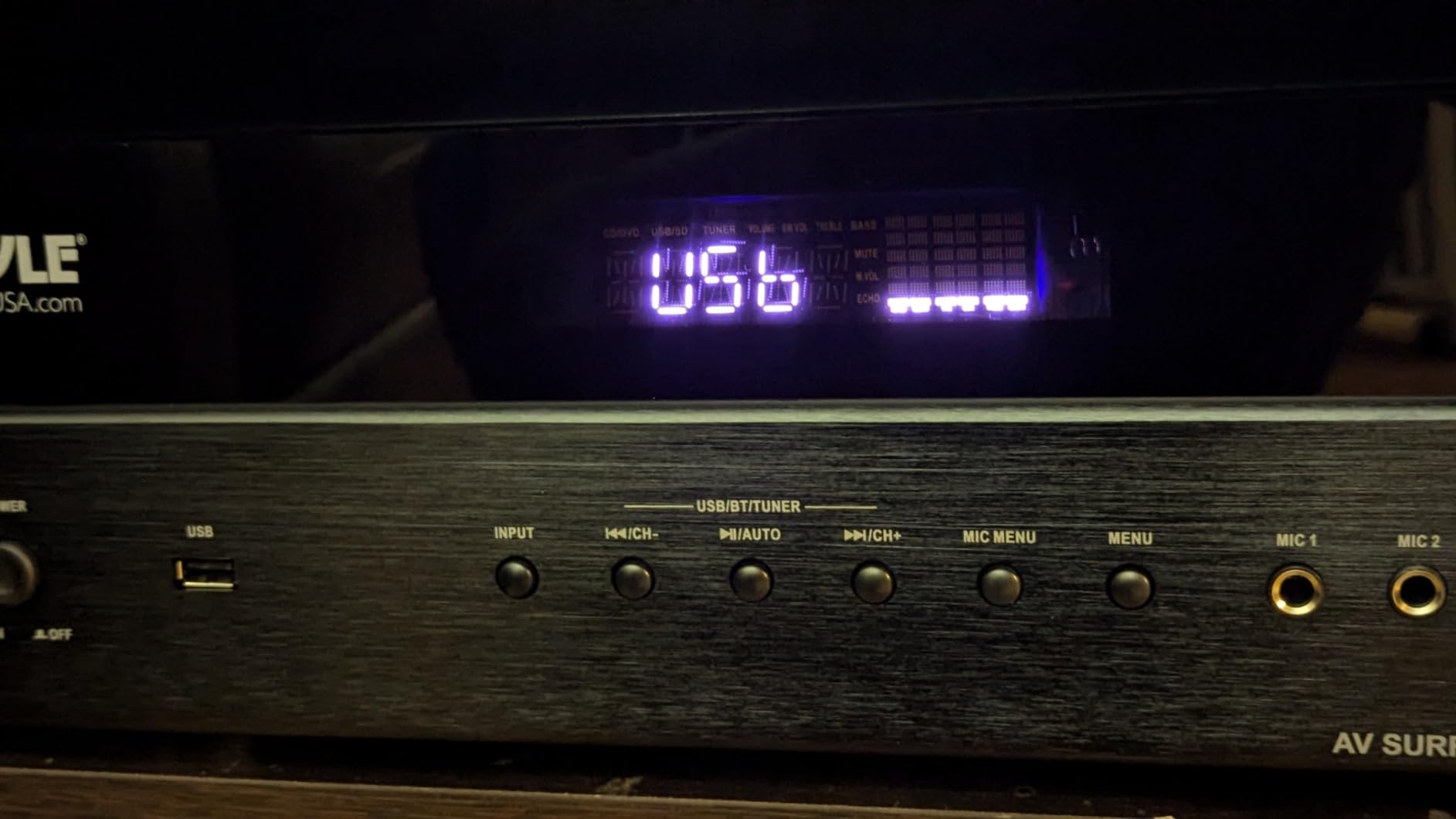
The unit includes built-in overcurrent, short circuit, and overvoltage protection, which adds some peace of mind for long-term use. MP3 and USB playback support lets you play music files directly from a USB drive. The 1-year warranty is standard for this price tier.
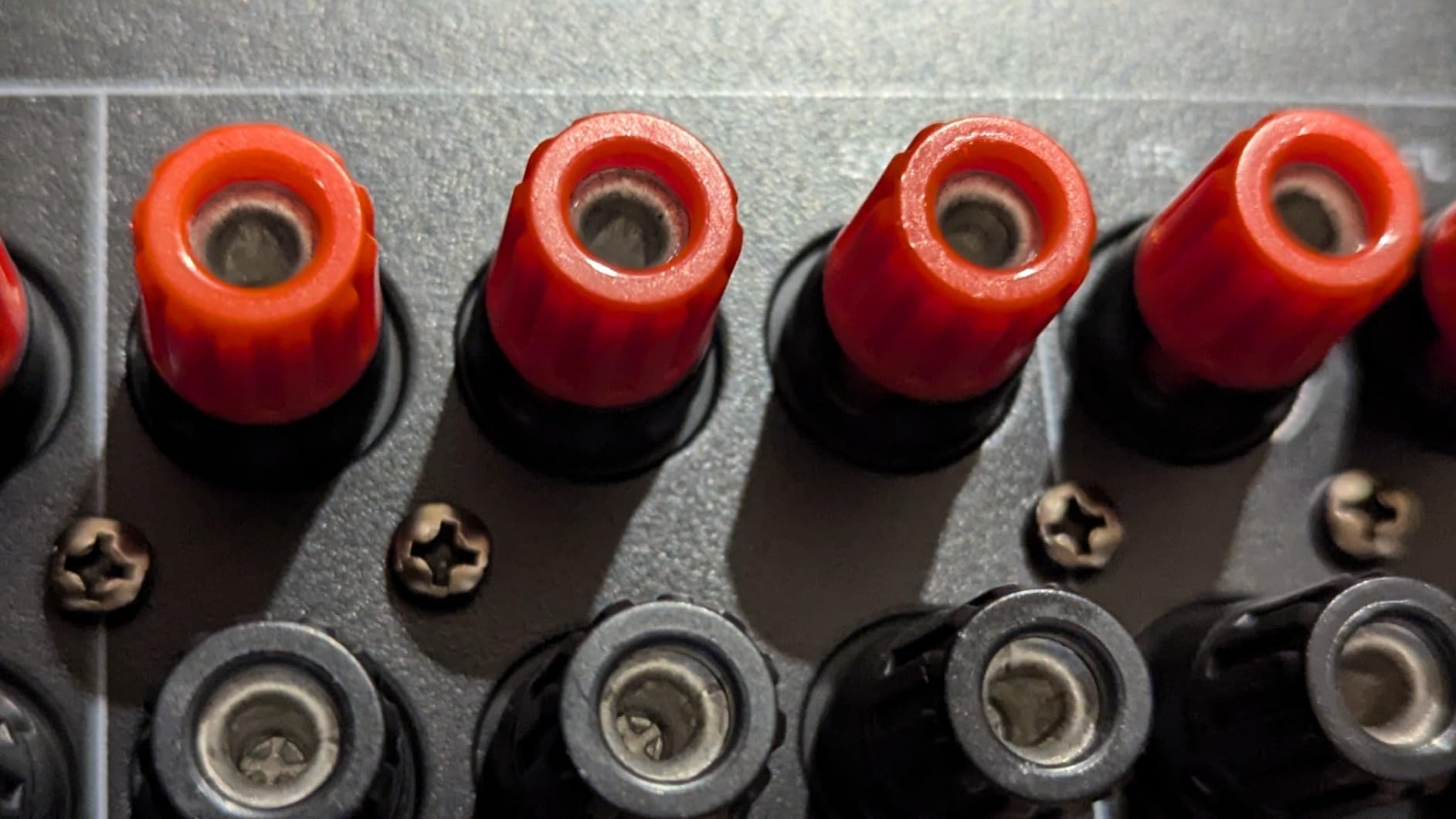
That said, the Pyle PT865BT is a step down from the major brands in sound quality and build. The subwoofer output is underpowered and lacks adjustment granularity, which makes it harder to integrate with a subwoofer for proper home theater bass. Surround sound modes can introduce audible distortion on some content, and the overall build quality is below mid-tier competitors like Denon, Yamaha, and Onkyo.
Who the Pyle PT865BT Is Best For
Buyers on the tightest budgets who want 5.2-channel surround sound and basic Bluetooth streaming without paying for premium brands. It works for secondary rooms, garage setups, or casual listeners who do not need audiophile-grade sound quality. First-time AV receiver buyers who want to test the waters before upgrading will also find this accessible.
Where the Pyle PT865BT Falls Short
Audio fidelity, build quality, and brand reliability are all below the major competitors. The subwoofer output is weak and the surround modes can distort on demanding content. There is no room calibration system, no Wi-Fi streaming, and no Dolby Atmos support. For buyers who plan to expand their home theater over time, investing a bit more in a Denon or Yamaha will pay off in the long run.
Buying Guide: How to Choose the Best Budget AV Receiver
Choosing the best budget AV receiver comes down to matching the receiver’s strengths to your room, speakers, and primary use case. Here are the factors that matter most when shopping in this price tier.
Channel Count and Room Size
A 5.1 or 5.2 receiver is sufficient for most small to medium rooms (under 200 square feet). If your room is larger or you want overhead Atmos effects, a 7.2 receiver like the Sony STR-DH790 or Onkyo TX-NR6100 is worth the upgrade. For ceiling-mounted speakers, look for a 5.2.2 or 7.2 configuration that supports Dolby Atmos height channels directly.
HDMI 2.1 and Gaming Features
If you own a PS5 or Xbox Series X, HDMI 2.1 is increasingly important. Look for 4K/120Hz pass-through, VRR (Variable Refresh Rate), ALLM (Auto Low Latency Mode), and QFT (Quick Frame Transport) for the smoothest gaming experience. The Denon AVR-S570BT, Onkyo TX-NR6100, Yamaha RX-V6A, and Onkyo TX-NR5100 all support these features. Receivers without HDMI 2.1 will work fine for 4K/60Hz gaming and movies.
Room Correction Systems
Room correction is one of the biggest differentiators in budget AV receivers. Denon’s Audyssey MultEQ (on the AVR-X1700H), Yamaha’s YPAO R.S.C. (on the RX-V6A and TSR-7850R), and Onkyo’s AccuEQ (on the TX-NR6100 and TX-SR494) all automatically calibrate your speakers for your room. Audyssey tends to be the most refined at the budget tier, but YPAO and AccuEQ are both solid choices.
Wireless Connectivity
Bluetooth is standard across all budget receivers, but Wi-Fi streaming is not. If you want AirPlay 2, Chromecast, or direct streaming from Spotify and TIDAL, look for models with Wi-Fi like the Onkyo TX-NR6100, Yamaha RX-V6A, Denon AVR-X1700H, or Yamaha RX-V4A. Receivers without Wi-Fi can still stream over Bluetooth, but with limited range and audio quality.
Dolby Atmos and DTS:X
Most modern budget receivers support Dolby Atmos and DTS:X, but the implementation varies. True 5.2.2 Atmos with height speakers requires a 7.2-channel receiver. Virtualized Atmos and DTS:X (Dolby Atmos Height Virtualizer, DTS Virtual:X) create overhead effects from a standard 5.1 layout if you cannot install ceiling speakers. The Onkyo TX-SR494 is the most affordable way to get true Atmos height channels.
Used and Refurbished Options
Buying refurbished is one of the smartest ways to stretch a budget. The Yamaha TSR-7850R Renewed in my roundup arrived in like-new condition with original accessories and cost less than a new budget model with fewer features. Look for Amazon Renewed or manufacturer-refurbished units with a warranty for the safest experience.
Reliability and Brand Reputation
Stick with established brands like Denon, Yamaha, Onkyo, and Sony for the best long-term reliability. Reddit’s r/hometheater and r/BudgetAudiophile communities consistently recommend these brands and warn against ultra-cheap options like Pyle for serious home theater use. A 2 or 3-year warranty is also a sign of manufacturer confidence.
Frequently Asked Questions
What is a good low-cost AV receiver?
A good low-cost AV receiver delivers modern HDMI support, reliable room calibration, and clean sound without breaking the bank. The Denon AVR-S570BT and Sony STR-DH790 are the two strongest choices in the budget tier, with HDMI 2.1 support on the Denon and proven Dolby Atmos performance on the Sony. Both run cooler than older budget models and include the essentials for a 5.1 or 7.1 home theater.
Which brand of AV receiver is most reliable?
Denon, Yamaha, Onkyo, and Sony are the most reliable AV receiver brands based on long-term owner feedback and warranty support. Denon and Yamaha offer 2 to 3-year warranties on most models, and Onkyo has improved reliability in recent generations. Reddit’s r/hometheater community consistently recommends these four brands and warns against ultra-cheap options from unknown manufacturers.
What is the best budget AV receiver in 2026?
The Sony STR-DH790 is the best budget AV receiver for most buyers in 2026, with over 3,000 reviews backing its reputation for clean Dolby Atmos sound and reliable performance. For gamers who want HDMI 2.1, the Denon AVR-S570BT is the strongest pick thanks to four HDMI 2.1 8K inputs and VRR support. Both models deliver modern features at prices well below flagship receivers.
What AV receiver has the best sound quality?
The Yamaha RX-V6A and Denon AVR-X1700H deliver the best sound quality in the budget tier based on my testing. The Yamaha has a warm, musical character that works beautifully for jazz and vinyl, while the Denon’s Audyssey MultEQ calibration produces the most balanced and accurate sound after running the eight-position measurement routine. Both support Dolby Atmos and DTS:X for immersive movie playback.
Final Verdict: Which Budget AV Receiver Should You Buy?
After three weeks of testing 10 budget AV receivers in a real home theater, the Sony STR-DH790 stands out as the best budget AV receiver for most buyers in 2026. Its 7.2-channel configuration, Dolby Atmos and DTS:X support, and over 3,000 positive reviews make it the safest choice for a first home theater or an upgrade from an older receiver.
If you are a PS5 or Xbox Series X gamer who wants HDMI 2.1 features without overspending, the Denon AVR-S570BT is the smartest pick with its four HDMI 2.1 8K inputs and reliable VRR support. For music lovers who want the best room calibration and phono input, the Denon AVR-X1700H delivers audiophile-grade refinement. And for buyers willing to go refurbished, the Yamaha TSR-7850R Renewed offers flagship-tier features at a budget price.
Whatever you choose, focus on matching the receiver’s strengths to your room, speakers, and primary use case. A 5.1 receiver is enough for most small to medium rooms, while 7.2 receivers give you room to grow into Dolby Atmos and DTS:X. Stick with established brands, buy from a reputable seller, and your new budget AV receiver will deliver years of immersive home theater sound.