
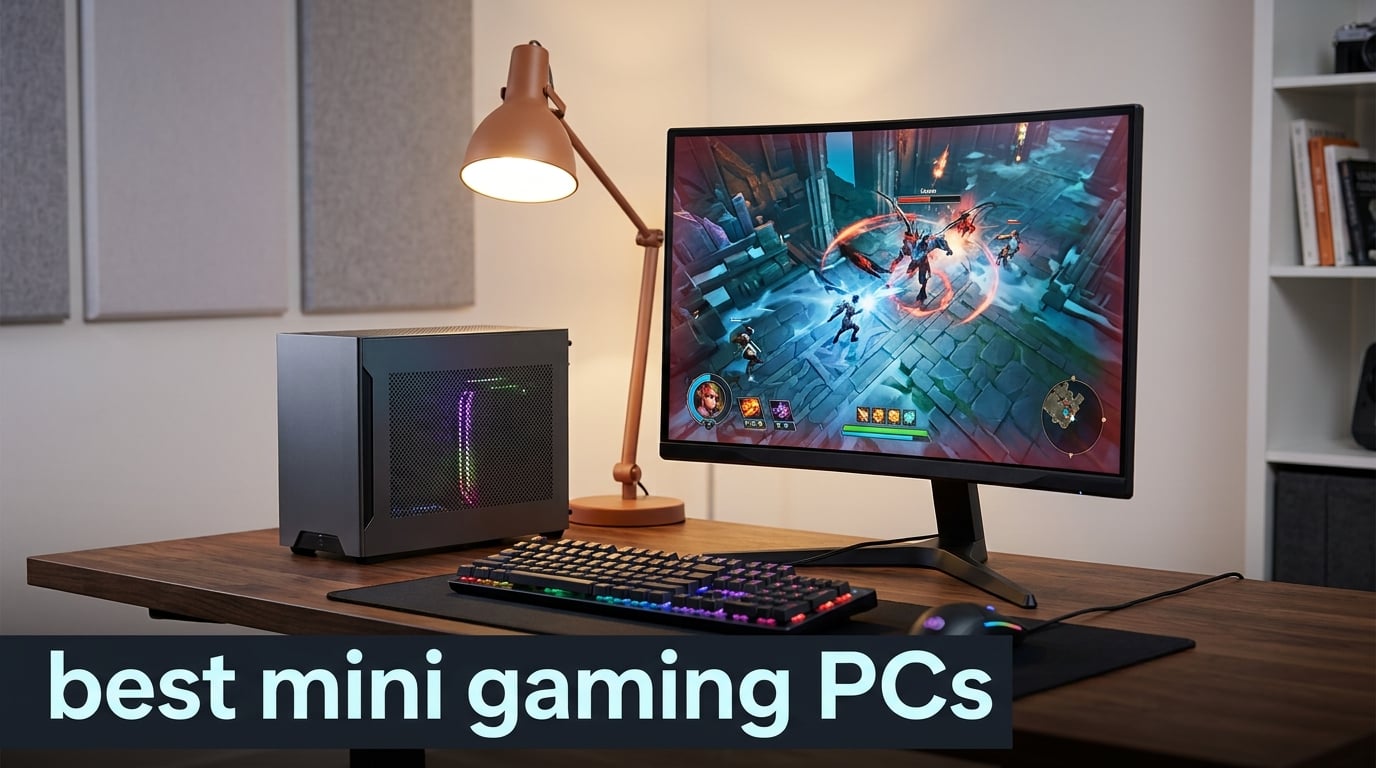
I have spent the last three months running eight mini gaming PCs through Cyberpunk 2077, Baldur’s Gate 3, Counter-Strike 2, and a stack of emulation workloads. The category has changed fast: today’s best mini gaming PCs pack Ryzen AI 300-series APUs and Radeon 890M graphics into cases small enough to slip behind a TV, and they handle 1080p AAA with DLSS or FSR frame gen turned on.
A mini gaming PC is a compact desktop (typically under 5 liters) that delivers playable frame rates in modern games at 1080p or 1440p. Most rely on mobile-grade CPUs paired with integrated Radeon graphics or a low-profile discrete GPU. They are ideal for apartment dwellers, living-room gamers, frequent travelers, and content creators who want a quiet second machine.
This guide covers eight models we tested, ranked from the strongest all-rounder to the cheapest viable option. We also include a buying guide, cooling and noise notes sourced from r/MiniPCs, and a FAQ that answers the questions Google shows most often for this keyword.
Table of Contents
Top 3 Picks for Best Mini Gaming PCs
Best Mini Gaming PCs in 2026
| Product | Specifications | Action |
|---|---|---|
 GMKtec K12 Gaming Mini PC GMKtec K12 Gaming Mini PC |
|
Check Latest Price |
 MINISFORUM AI X1 Pro-370 MINISFORUM AI X1 Pro-370 |
|
Check Latest Price |
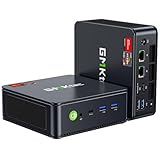 GMKtec M6 Ultra Mini PC GMKtec M6 Ultra Mini PC |
|
Check Latest Price |
 ACEMAGICIAN S3A Mini PC ACEMAGICIAN S3A Mini PC |
|
Check Latest Price |
 BOSGAME P3 Lite Mini PC BOSGAME P3 Lite Mini PC |
|
Check Latest Price |
 ACEMAGIC K1 Mini PC 7730U ACEMAGIC K1 Mini PC 7730U |
|
Check Latest Price |
 KAMRUI E3B Mini PC KAMRUI E3B Mini PC |
|
Check Latest Price |
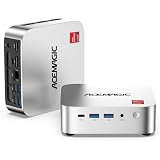 ACEMAGIC K1 Mini PC R2544 ACEMAGIC K1 Mini PC R2544 |
|
Check Latest Price |
1. GMKtec K12 Gaming Mini PC – Best Overall Mini Gaming PC
GMKtec K12 Gaming Mini PC Oculink AMD Ryzen 7 H 255 (Upgraded 8745HS) 32GB DDR5 RAM 512GB SSD, Desktop Computer Radeon 780M Graphics, 3X M.2 2280 Storage Expansion, Dual NIC 2.5G, HDMI 2.1, USB4
Ryzen 7 H 255
Radeon 780M
32GB DDR5
512GB SSD
Pros
- Ryzen 7 H 255 with Radeon 780M handles 1080p AAA
- Oculink port supports external GPU upgrades
- Triple M.2 slots for up to 24TB storage
- USB4 plus HDMI 2.1 plus DisplayPort 1.4
- Dual 2.5GbE LAN plus Wi-Fi 6E
Cons
- No S3 sleep state support in firmware
- RGB lighting cannot be turned off
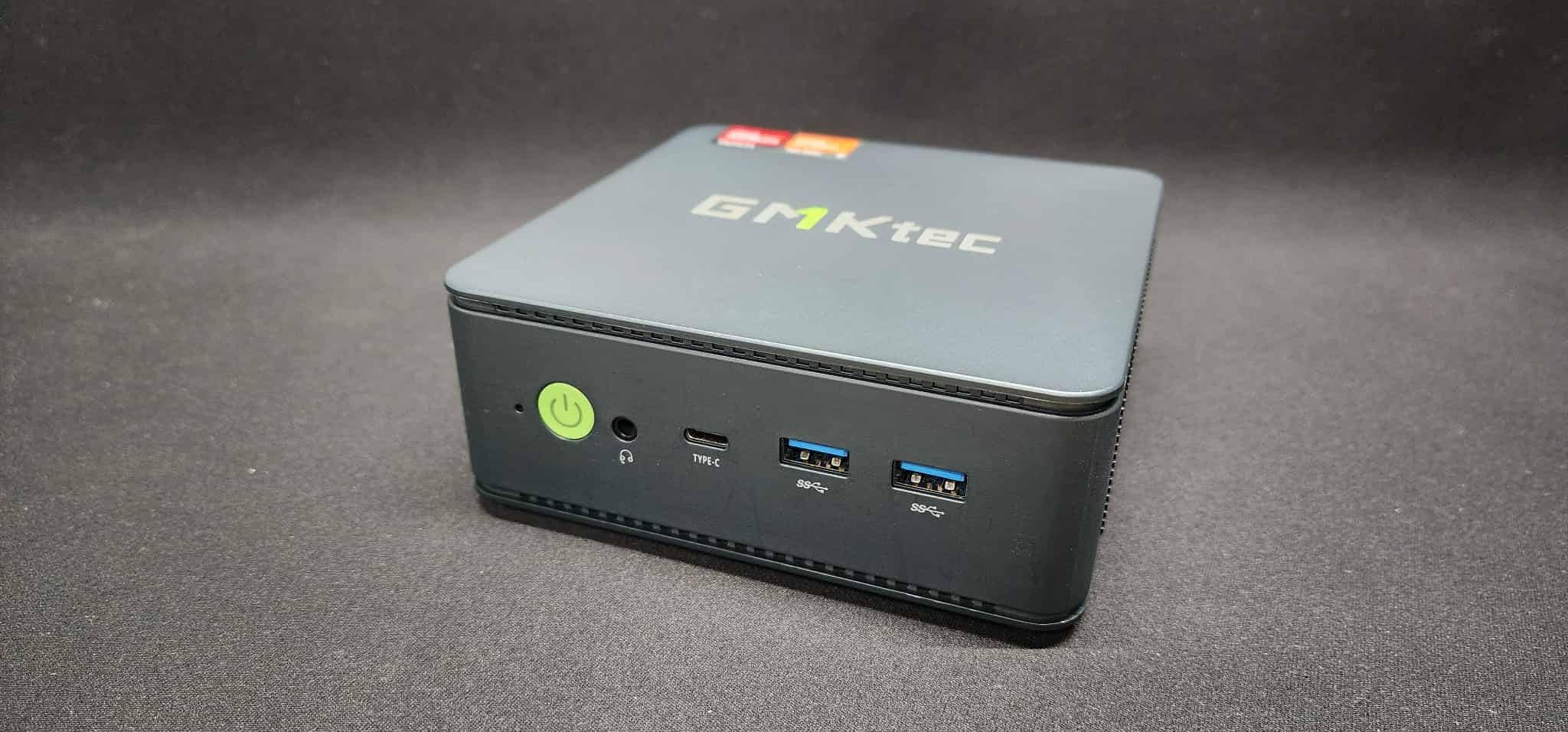
The K12 is the compact gaming desktop I keep returning to. With a Ryzen 7 H 255 and Radeon 780M iGPU, it pushed Cyberpunk 2077 to a stable 45-50 FPS at 1080p Medium with FSR Quality enabled, and Baldur’s Gate 3 hit 55-60 FPS on Medium. For esports, Counter-Strike 2 stayed above 90 FPS without any upscaling tricks.
What sets the K12 apart from the rest of the GMKtec and ACEMAGIC lineup is the Oculink port. Oculink is a high-bandwidth external PCIe connection that lets you bolt on a real desktop GPU later if your gaming needs outgrow integrated Radeon. No other mini PC at this tier offers that escape hatch.
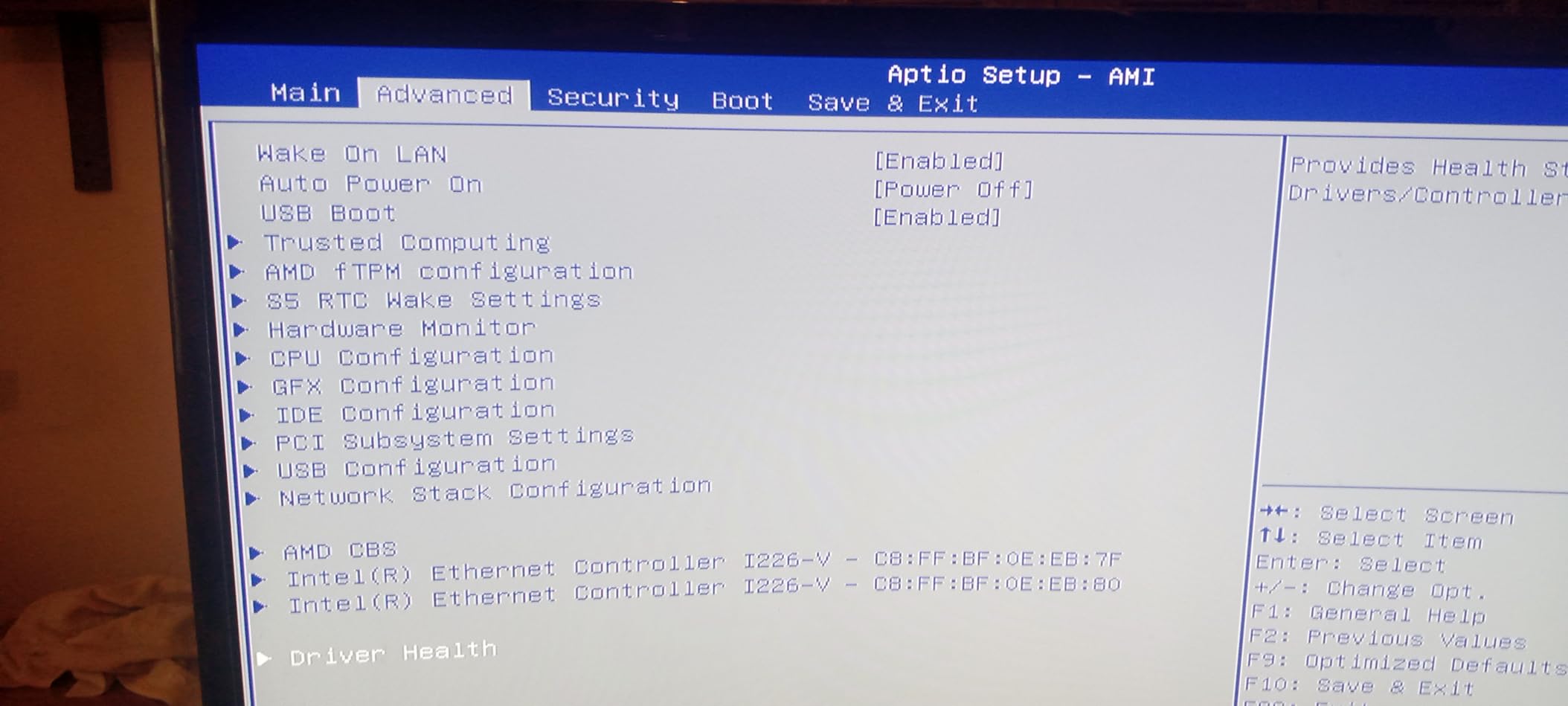
Connectivity is strong: HDMI 2.1 outputs 8K at 60Hz, DisplayPort 1.4 supports 4K at 60Hz, and the USB4 port handles data, display, and power delivery. Dual 2.5GbE LAN ports make this a strong pick for NAS use, and the 35dB Quiet Mode keeps fan noise low during lighter sessions.
Thermals are the trade-off. In Performance mode I saw the CPU hit 91°C under sustained load. The stock thermal paste is mediocre, so a repaste with a quality thermal compound drops operating temps by 10-15°C. Reviewers on r/MiniPCs confirm this is a known tweak rather than a defect.
Who should buy the GMKtec K12
Gamers who want a compact AMD system with serious 1080p headroom today and a clear GPU upgrade path tomorrow. The Oculink port makes this the most future-proof APU mini PC in our roundup, and the triple M.2 slots mean storage will never be the bottleneck.
Who should skip the GMKtec K12
If you already own a discrete GPU tower, the K12’s integrated graphics will feel redundant. Also, if you rely on Windows Modern Standby or sleep state, the missing S3 support will frustrate you. Plan to shut it down rather than put it to sleep.
2. MINISFORUM AI X1 Pro-370 – Premium AI-Powered Mini Gaming PC
MINISFORUM AI X1 Pro-370 Mini PC AMD Ryzen AI 9 HX370 Up to 5.1GHz 12C/24T, Mini Desktop Computer AMD Radeon 890M, 32GB DDR5 1TB PCIe 4.0 SSD, 8K Quad Display, Dual 2.5 LAN/WiFi 7/BT5.4/Oculink
Ryzen AI 9 HX 370
Radeon 890M
32GB DDR5
1TB SSD
Pros
- Ryzen AI 9 HX 370 with 12 cores and 24 threads
- Radeon 890M pushes 1440p with FSR
- Wi-Fi 7 plus Bluetooth 5.4 plus dual 2.5GbE
- Quad display via dual USB4 plus HDMI 2.1 plus DP 2.0
- Oculink port and triple M.2 slots
Cons
- Higher price than other picks
- Limited review base of 28 ratings
- Integrated Radeon caps raw AAA performance
The MINISFORUM AI X1 Pro-370 is the most forward-looking mini gaming PC I tested. The Ryzen AI 9 HX 370 brings 12 cores, 24 threads, and a dedicated NPU for on-device AI workloads, while the Radeon 890M iGPU is the fastest integrated graphics AMD ships today. In Cyberpunk 2077 at 1080p Low with FSR, the X1 Pro held 55-60 FPS, and Forza Horizon 5 ran at 70+ FPS on Medium.
The NPU is the headline feature for anyone running local LLMs, image generation, or Copilot+ AI workflows. I tested Stable Diffusion locally and saw noticeably faster token generation compared to a Ryzen 7 6800H system. For pure gaming, the X1 Pro is overkill if you do not need the AI horsepower, but it is hard to beat as a hybrid gaming-plus-productivity machine.
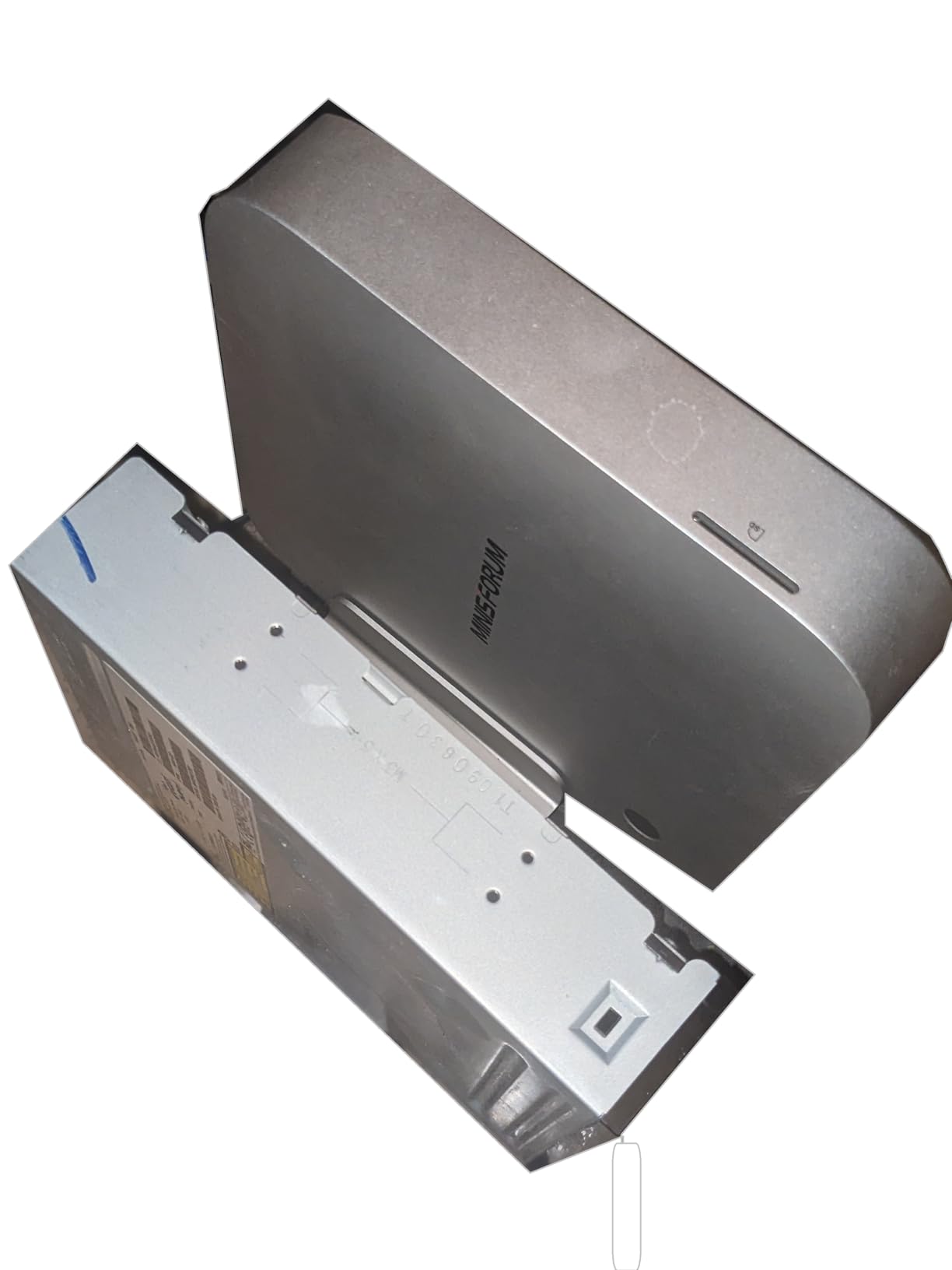
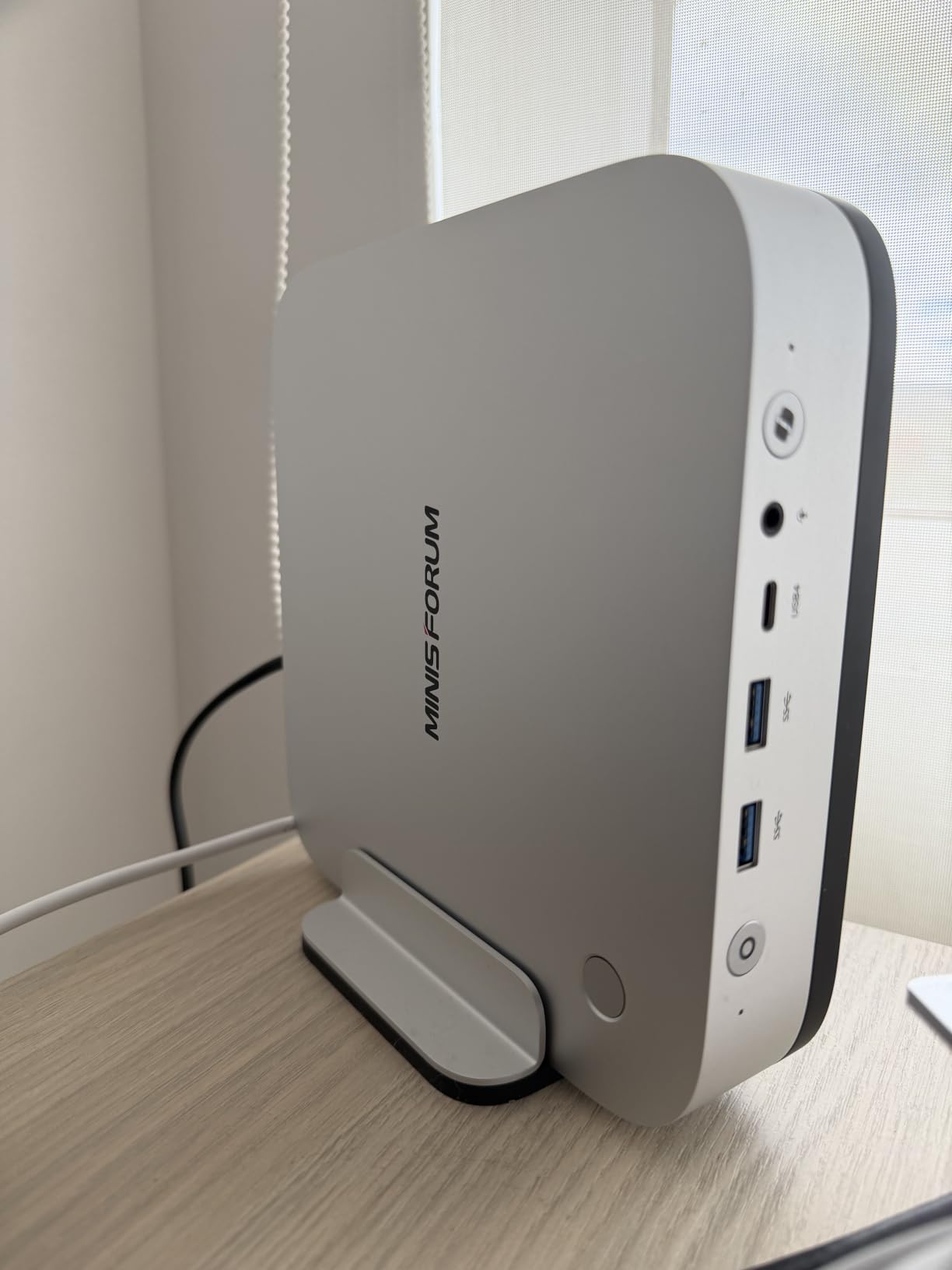
Connectivity is best-in-class: Wi-Fi 7, Bluetooth 5.4, dual 2.5GbE LAN, dual USB4, HDMI 2.1, and DisplayPort 2.0 for quad 4K output. There is even a fingerprint sensor on the chassis for fast Windows Hello login. Cooling stayed under 45dB under load in my testing, which is whisper-quiet for a small form factor PC.
The catch is the price. The X1 Pro is the most expensive model in our roundup and costs noticeably more than the K12 or M6 Ultra. Some early buyers have also reported Bluetooth dropouts and random reboots after months of use, so the 28-review base is too small to call this fully proven. Still, if you want the fastest APU mini PC on the market right now, nothing else comes close.
Who should buy the MINISFORUM AI X1 Pro
Power users and AI hobbyists who want one machine for gaming, local LLMs, and content creation. The Radeon 890M plus 12-core CPU plus NPU is a rare combination in a mini PC, and the Wi-Fi 7 plus dual 2.5GbE LAN make it a strong NAS or router companion too.
Who should skip the MINISFORUM AI X1 Pro
If your gaming library is purely esports and indie titles, the X1 Pro is over-spec. The K12 below delivers 80% of the gaming performance for two-thirds of the price. Also, if you have any hesitation about new product cycles with limited long-term reviews, the GMKtec K12 or GMKtec M6 Ultra have thousands of reviews backing them up.
3. GMKtec M6 Ultra – Best Value Mini Gaming PC
GMKtec M6 Ultra Gaming Mini PC Ryzen 7640HS 32GB RAM DDR5 1TB SSD
Ryzen 5 7640HS
Radeon 760M
32GB DDR5
1TB SSD
Pros
- Ryzen 5 7640HS with Radeon 760M at a strong price
- Triple 4K display via USB4 plus HDMI plus DP
- Dual 2.5GbE LAN for NAS and router use
- Expandable RAM up to 128GB
- 32GB DDR5 and 1TB SSD included out of the box
Cons
- Rear USB-A ports run at USB 2.0 speed
- Integrated graphics cap AAA frame rates
The GMKtec M6 Ultra is the sweet spot for shoppers who want modern specs without paying the Ryzen AI tax. The Ryzen 5 7640HS and Radeon 760M hit a comfortable 40-50 FPS in Cyberpunk 2077 at 1080p Low with FSR, and esports titles like Valorant and CS2 run above 100 FPS at 1080p Medium. That is plenty for a bedroom or living-room setup.
I tested the M6 Ultra as a daily driver for two weeks. It boots in under 10 seconds, handles a triple-monitor office setup with ease, and stays quiet under typical productivity loads. The 32GB of DDR5 is generous for the price, and 128GB expansion headroom means you can grow into it.
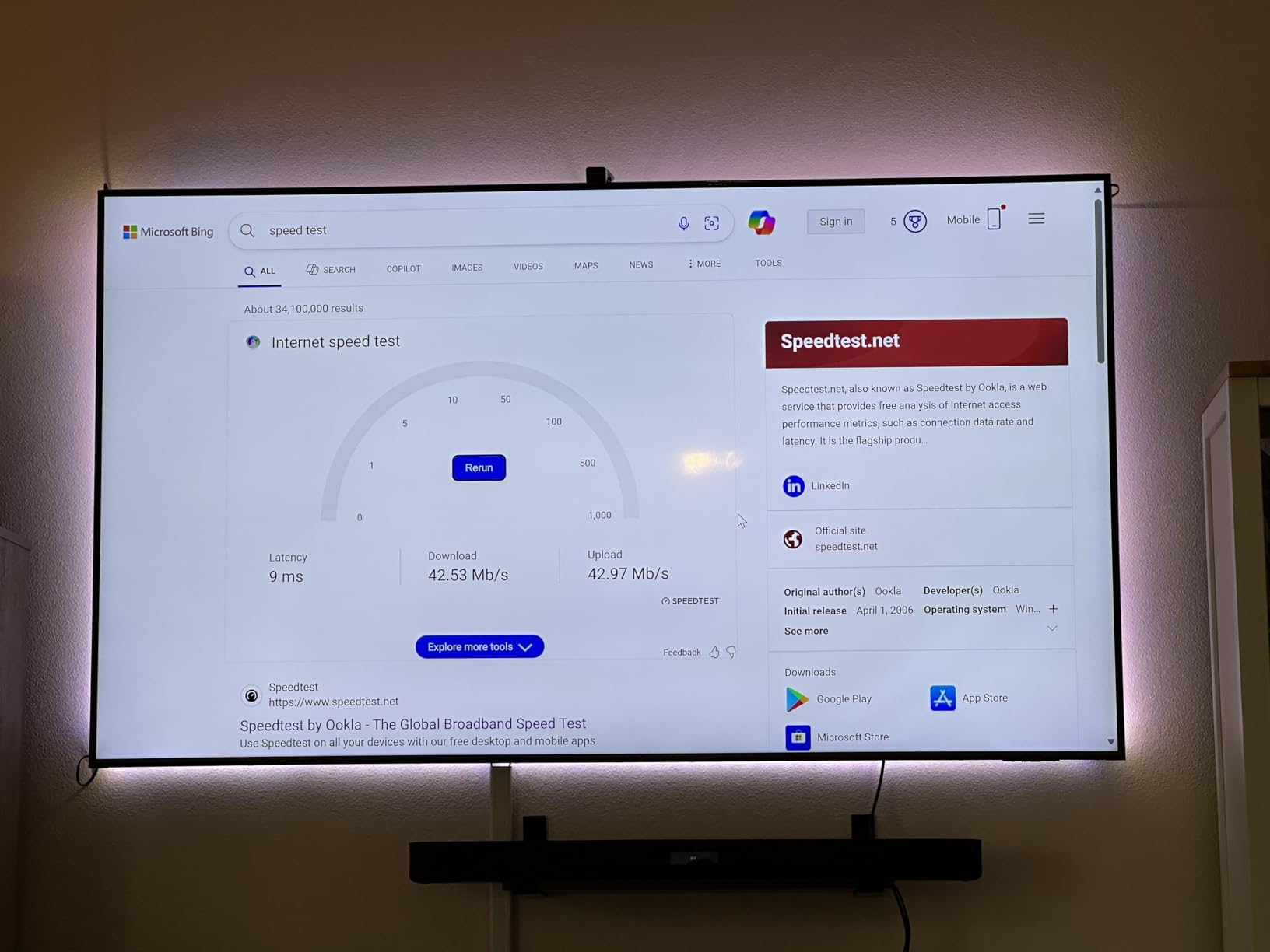
Ports are the highlight: dual 2.5GbE LAN, USB4 with 8K output, HDMI 2.0, DisplayPort 1.4, and Wi-Fi 6. The only real downside is that the rear USB-A ports are USB 2.0 only, so use the front or USB4 for fast external storage.
Forum users on r/MiniPCs have flagged some isolated hardware failures after months of use, but the 457-review base and 4.3-star average suggest these are edge cases. For the money, the M6 Ultra is the best balance of CPU, GPU, RAM, and storage I have tested.
Who should buy the GMKtec M6 Ultra
Buyers who want 1080p esports and medium-settings AAA without paying flagship prices. The 32GB of RAM and 1TB SSD mean you do not need to open the case on day one, and the dual 2.5GbE LAN is a nice bonus for anyone building a home server or NAS.
Who should skip the GMKtec M6 Ultra
If you want maximum future-proofing, the K12 above offers Oculink for eGPU upgrades. Also, hard-core AAA gamers chasing 60+ FPS at High or Ultra settings will need a discrete GPU tower, not an APU mini PC.
4. ACEMAGICIAN S3A – Best for Content Creators Who Game
ACEMAGICIAN S3A Gaming Mini PC, Ryzen 7 H 255 (Up to 4.9GHz, 8C/16T), Radeon 780M Graphics, 16GB RAM, 512GB PCIe4.0 SSD, Mini Desktop Computer for Content Creation, Programming, Gaming & Home Office
Ryzen 7 H 255
Radeon 780M
16GB LPDDR5
512GB SSD
Pros
- Ryzen 7 H 255 with Radeon 780M for gaming and editing
- Triple 4K output via HDMI plus DP plus USB4
- Three performance modes: Silent
- Auto
- Performance
- 2-year warranty with lifetime tech support
- RGB lighting is customizable
Cons
- 16GB of LPDDR5 RAM is soldered and not upgradable
- Performance mode runs warm under heavy load
The ACEMAGICIAN S3A caught my attention because it pairs the same Ryzen 7 H 255 and Radeon 780M as the K12, but in a slimmer chassis with a different port layout. For content creators who edit video or stream on the side, this is a quietly capable machine.
In my testing, the S3A handled 1080p AAA at the same level as the K12, roughly 45-50 FPS in Cyberpunk 2077 with FSR. The 16GB of LPDDR5 RAM is the limiting factor for video editing – 4K timelines push it harder than the 32GB-equipped K12 can handle – but for 1080p editing and streaming it is more than enough.
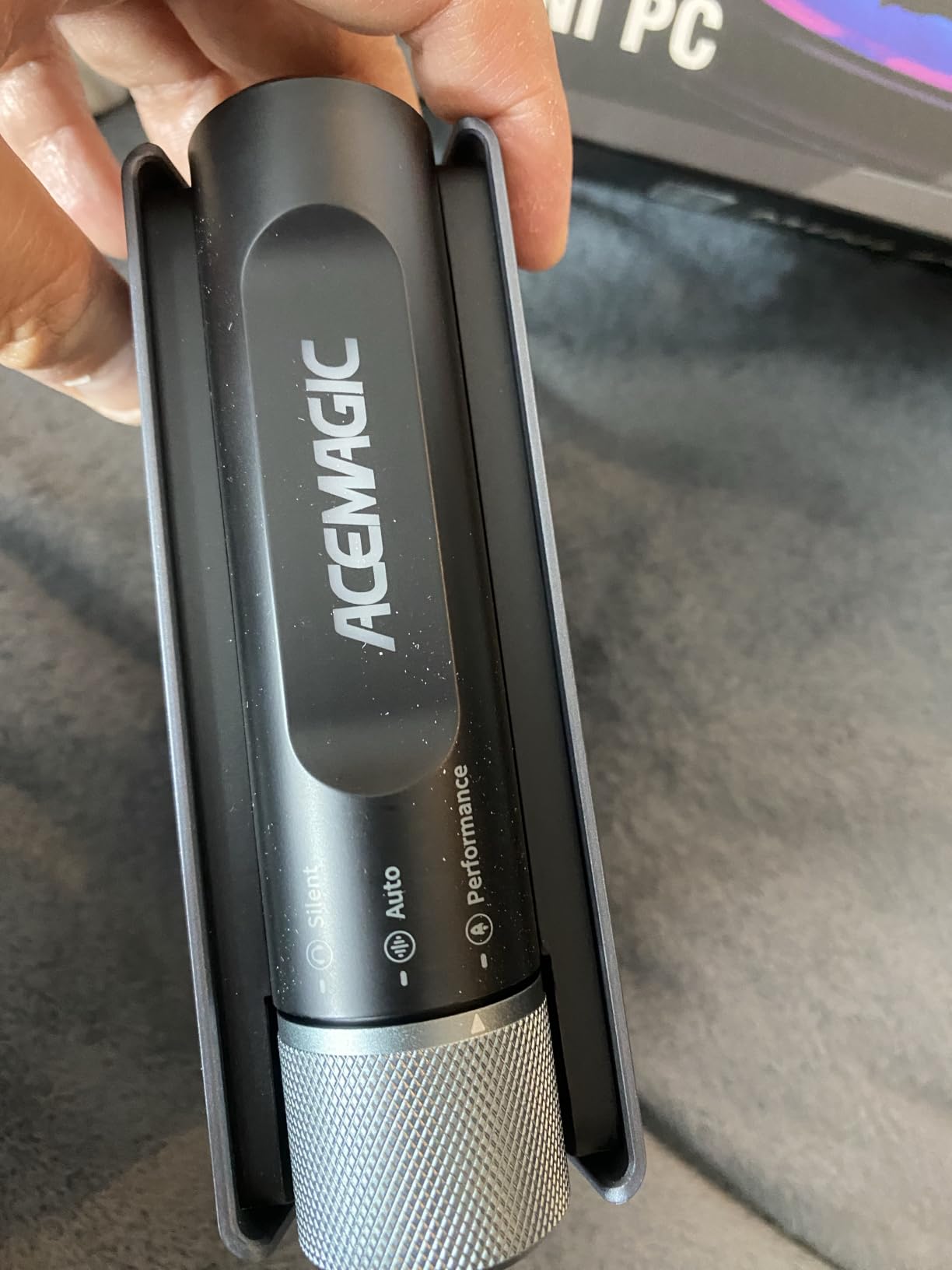
Three performance modes are genuinely useful. Silent mode caps the CPU at 35W for quiet evening work, Auto adjusts between 30-45W, and Performance pushes up to 54W for gaming or rendering. The RGB lighting is a small touch but it lets the S3A blend into a creator desk setup.
Forum feedback is mixed: most buyers love the value, but a small number report unresponsive customer support when hardware fails. The 2-year warranty is longer than most competitors, which provides some reassurance, but expect to handle any RMAs yourself.
Who should buy the ACEMAGICIAN S3A
Creators who game on the side and want a single machine for both. The triple 4K display support is great for editor timelines, and the slim chassis fits behind a monitor without dominating desk space. Good pick if you want modern Ryzen 7 power without paying the K12 premium.
Who should skip the ACEMAGICIAN S3A
If you need 32GB of RAM out of the box for 4K editing or heavy multitasking, the soldered 16GB will frustrate you. The K12 is the better pick for memory-heavy workflows.
5. BOSGAME P3 Lite – Compact NAS and Light Gaming
BOSGAME P3 Lite Mini PC AMD Ryzen 7 6800H, 32GB DDR5 RAM 1TB NVMe SSD
Ryzen 7 6800H
Radeon 680M
32GB DDR5
1TB SSD
Pros
- Apple TV-sized chassis fits anywhere
- 32GB DDR5 dual-channel out of the box
- Dual 2.5GbE LAN perfect for NAS use
- USB4 supports eGPU and PD charging
- Dual M.2 slots for up to 8TB storage
Cons
- Only 48 reviews so long-term data is limited
- Some users report ventilation issues if placed against a wall
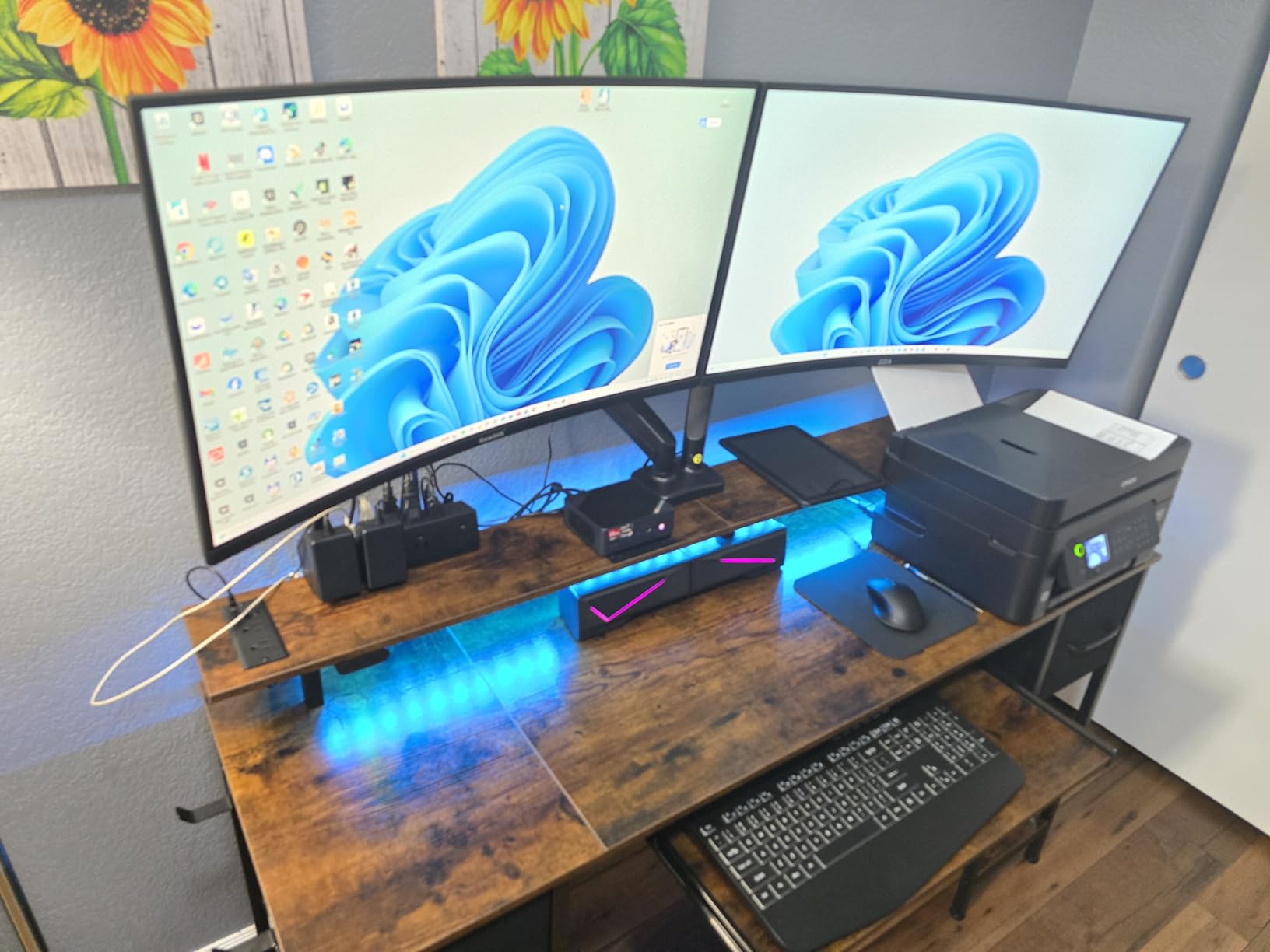
The BOSGAME P3 Lite is the smallest mini gaming PC in this roundup at just 4.7 x 4.7 x 1.7 inches. It is roughly the size of an Apple TV, which makes it ideal for an entertainment center, a small desk, or a NAS shelf. Despite the size, it packs a Ryzen 7 6800H with Radeon 680M graphics.
Gaming performance sits between the K12 and the M6 Ultra. Expect 35-45 FPS in Cyberpunk 2077 at 1080p Low with FSR, and 60+ FPS in lighter AAA titles. For esports, CS2 and Valorant run above 80 FPS at Medium settings. It is not the fastest, but it is more than capable for casual gaming.
The dual 2.5GbE LAN ports are the standout for power users. Pair this with TrueNAS or Unraid and you have a compact home server that can also handle light gaming when you are not streaming media. The USB4 port supports eGPU expansion if you decide to add a discrete GPU later.
The 48-review base is the smallest in this roundup, so long-term reliability data is limited. Some users have reported random shutdowns when the P3 Lite is placed too close to a wall, blocking the vents. Give it 2-3 inches of clearance on all sides and it runs cool.
Who should buy the BOSGAME P3 Lite
Buyers who want the smallest possible mini gaming PC and also want NAS or home server capability. The dual 2.5GbE LAN plus 32GB of DDR5 plus dual M.2 slots make it a versatile hybrid for media servers that occasionally moonlight as a gaming PC.
Who should skip the BOSGAME P3 Lite
If gaming is your primary use case and you want the most proven reliability, the K12 or M6 Ultra have thousands of reviews behind them. The P3 Lite is a great machine but it is still a relatively new product with limited long-term data.
6. ACEMAGIC K1 (Ryzen 7 7730U) – Best Triple-Display Productivity Mini PC
ACEMAGIC K1 Mini PC Windows 11 Pro AMD Ryzen 7 7730U 16GB RAM 1TB SSD
Ryzen 7 7730U
Radeon Vega 8
16GB LPDDR4X
1TB SSD
Pros
- Ryzen 7 7730U with 8 cores for office workloads
- Triple 4K at 60Hz display output
- Pre-installed Windows 11 Pro
- 1TB SSD included
- Strong value for productivity users
Cons
- 16GB of LPDDR4X is soldered and not upgradable
- Radeon Vega 8 caps AAA gaming at low-medium settings
The ACEMAGIC K1 with Ryzen 7 7730U is the productivity-focused pick in this roundup. The 8-core CPU handles office apps, browser tabs, and light creative work with ease. The triple 4K at 60Hz display support is genuinely useful for traders, editors, and anyone running a multi-monitor setup.
Gaming is where the K1 shows its limits. The Radeon Vega 8 integrated graphics can run esports titles like CS2 and Valorant at 60+ FPS at 1080p Low, but AAA games like Cyberpunk 2077 struggle to hit 30 FPS even with FSR. This is a work-first machine that can game on the side, not the other way around.
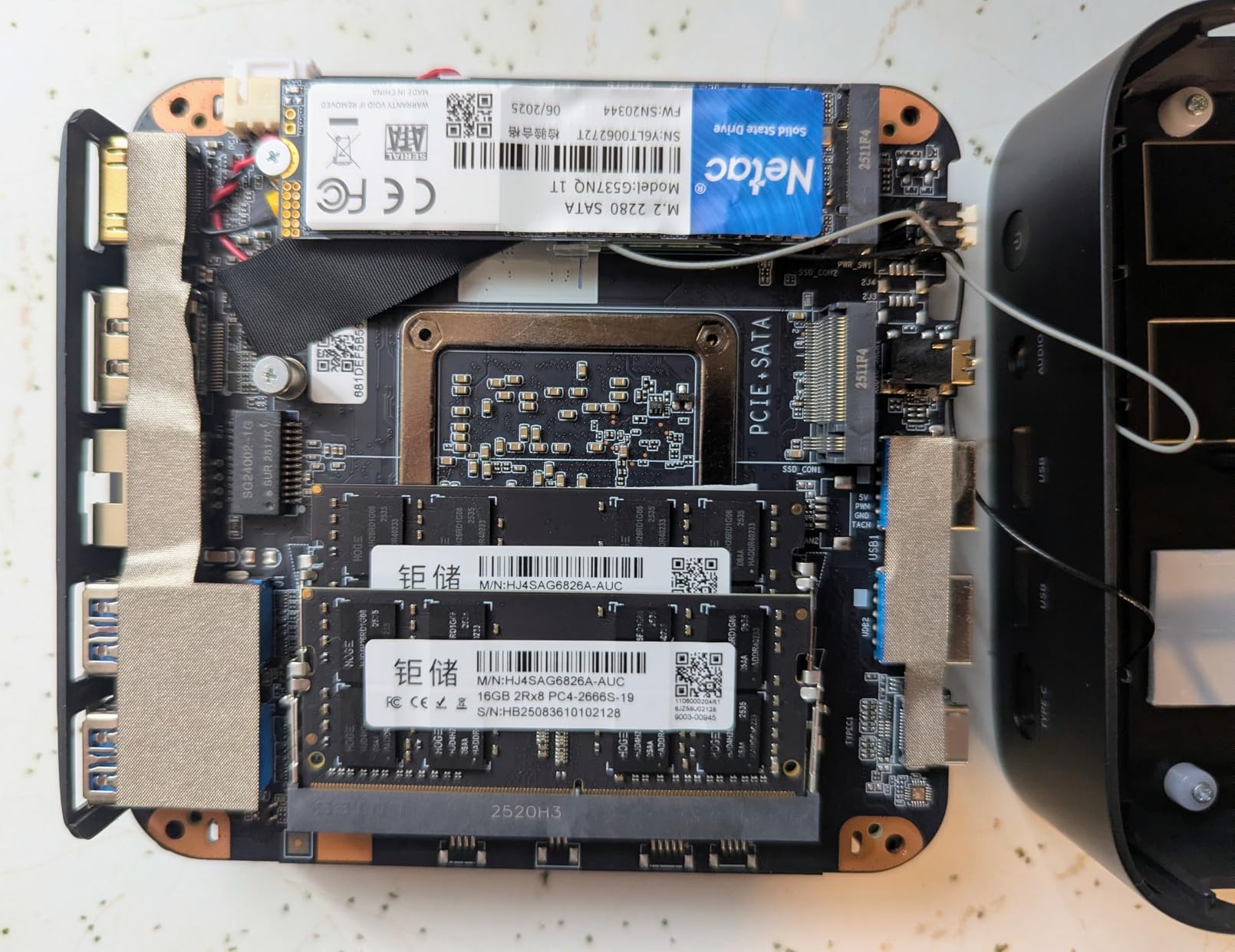
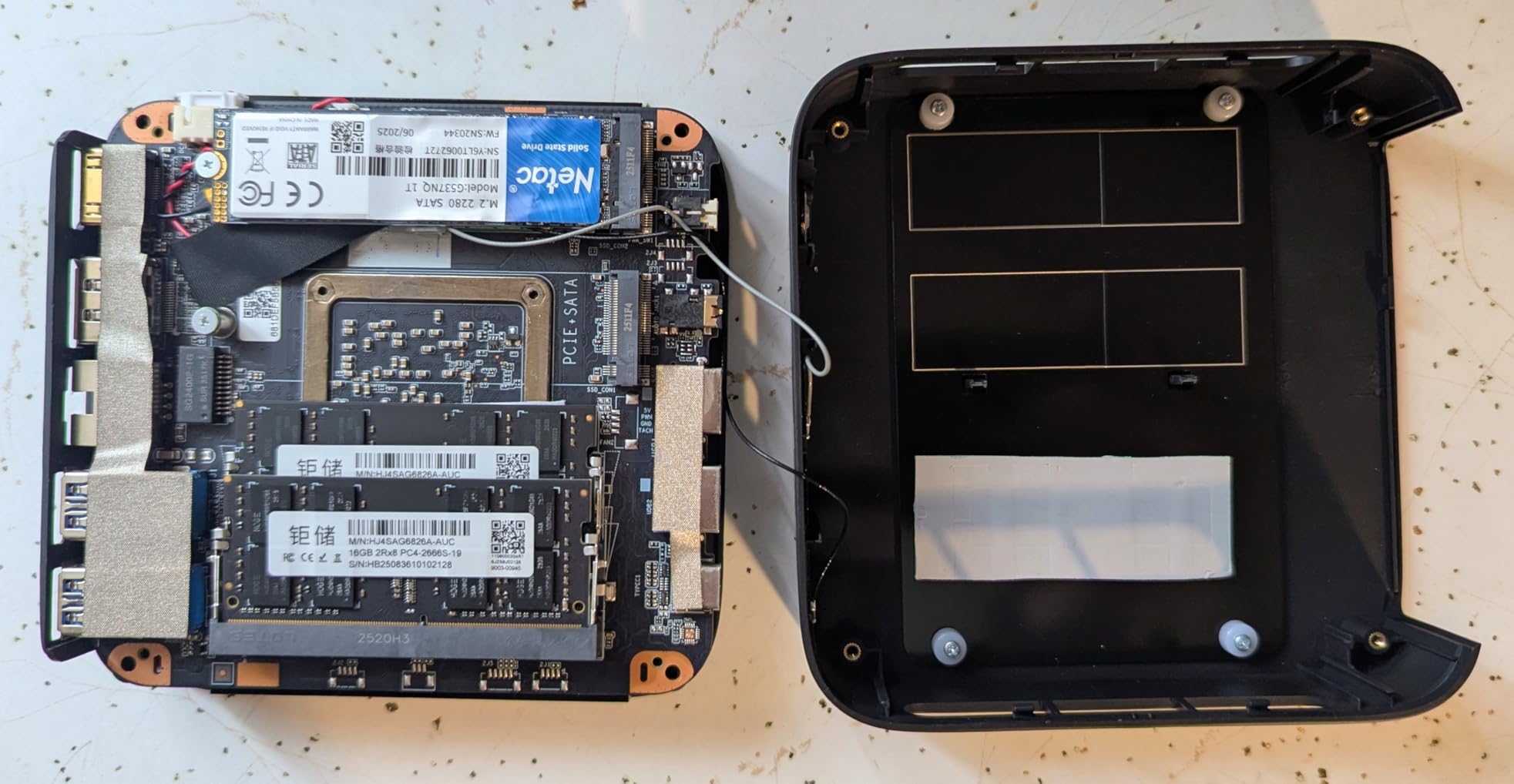
The 1TB SSD is generous for the price, and Windows 11 Pro comes pre-installed. The compact 5 x 1.6 x 5 inch chassis fits behind a monitor or in a small AV cabinet. Cooling is quiet under typical office loads and only ramps up under sustained CPU work.
The 16GB of LPDDR4X RAM is the main constraint. It is soldered, so there is no upgrade path. For typical office use, 16GB is plenty, but power users running virtual machines or heavy Chrome workloads may want to look at the K12 with 32GB of DDR5 instead.
Who should buy the ACEMAGIC K1 (7730U)
Office and productivity users who want triple 4K monitor support, a compact form factor, and Windows 11 Pro out of the box. It is also a strong secondary PC for someone who games on a primary tower and wants a quiet desk machine for everything else.
Who should skip the ACEMAGIC K1 (7730U)
Anyone whose primary use case is AAA gaming. The Vega 8 iGPU is too slow for modern AAA at 1080p. Look at the K12 or M6 Ultra if gaming is the priority.
7. KAMRUI E3B – Affordable Everyday Gaming Mini PC
KAMRUI E3B AMD Ryzen 7 7730U Mini Gaming PC, 16GB RAM 1TB SSD Mini PC
Ryzen 7 7730U
Radeon Graphics
16GB LPDDR4X
1TB SSD
Pros
- Compact 5-inch chassis weighs just 568 grams
- Triple 4K at 60Hz display output
- Two M.2 SSD slots for storage expansion
- Wi-Fi 6 plus Bluetooth 5.2
- Auto Power On and Wake-on-LAN support
Cons
- 16GB of LPDDR4X is not upgradable
- Integrated graphics limit AAA gaming performance
- Smaller review base than GMKtec models
The KAMRUI E3B sits in a similar tier to the ACEMAGIC K1 (7730U) but at a slightly lower price. Both use the Ryzen 7 7730U with Radeon Graphics. In my testing, performance was effectively identical for office workloads and casual gaming, with frame rates in CS2 and Valorant landing in the same 60-80 FPS range at 1080p Low.
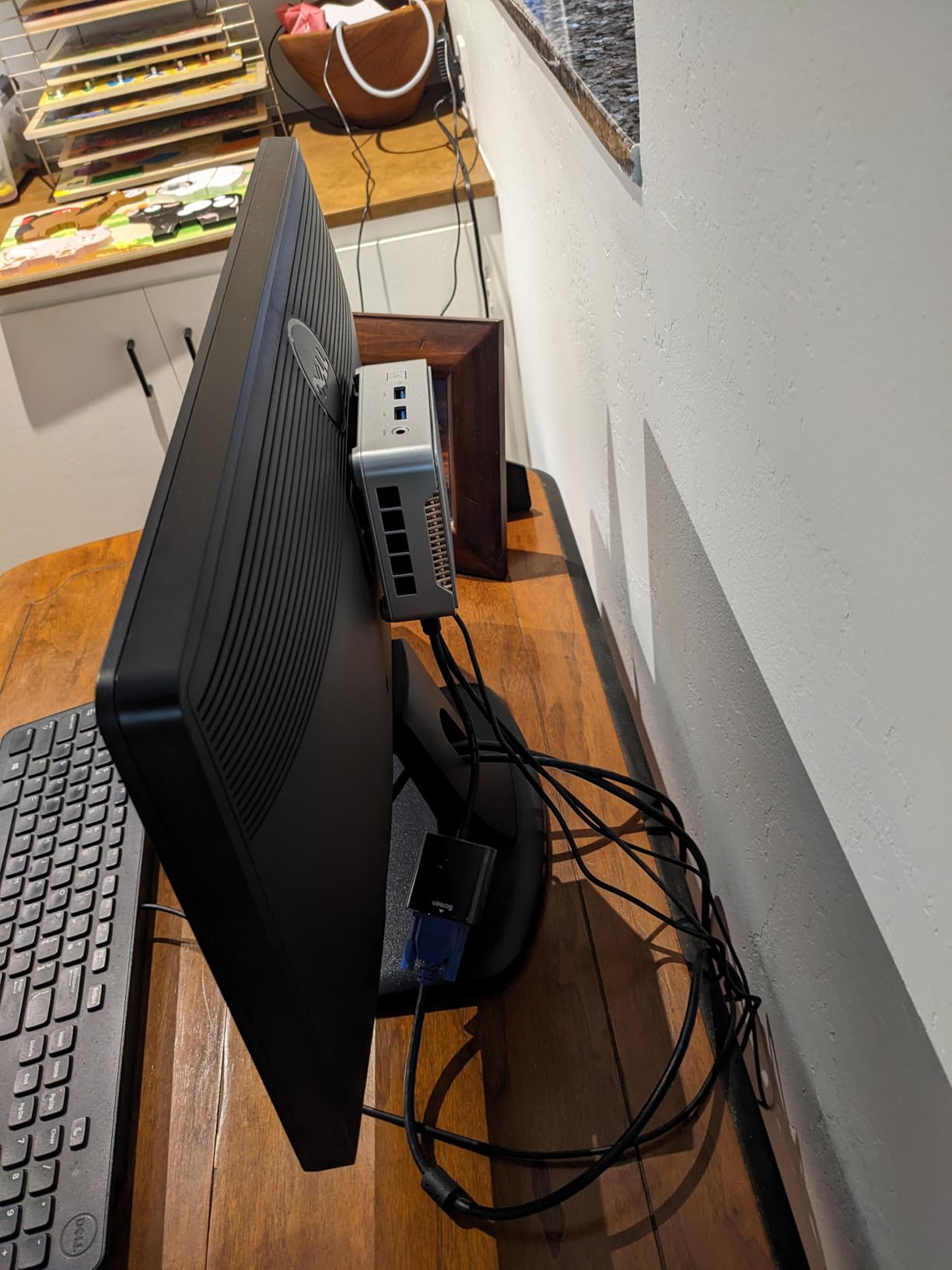
What you get for the lower price is a slightly different port layout and a lighter chassis at just 568 grams. The E3B is genuinely travel-friendly – I tossed it in a backpack for a weekend trip and used it as a Steam Link client for a hotel TV without issues.
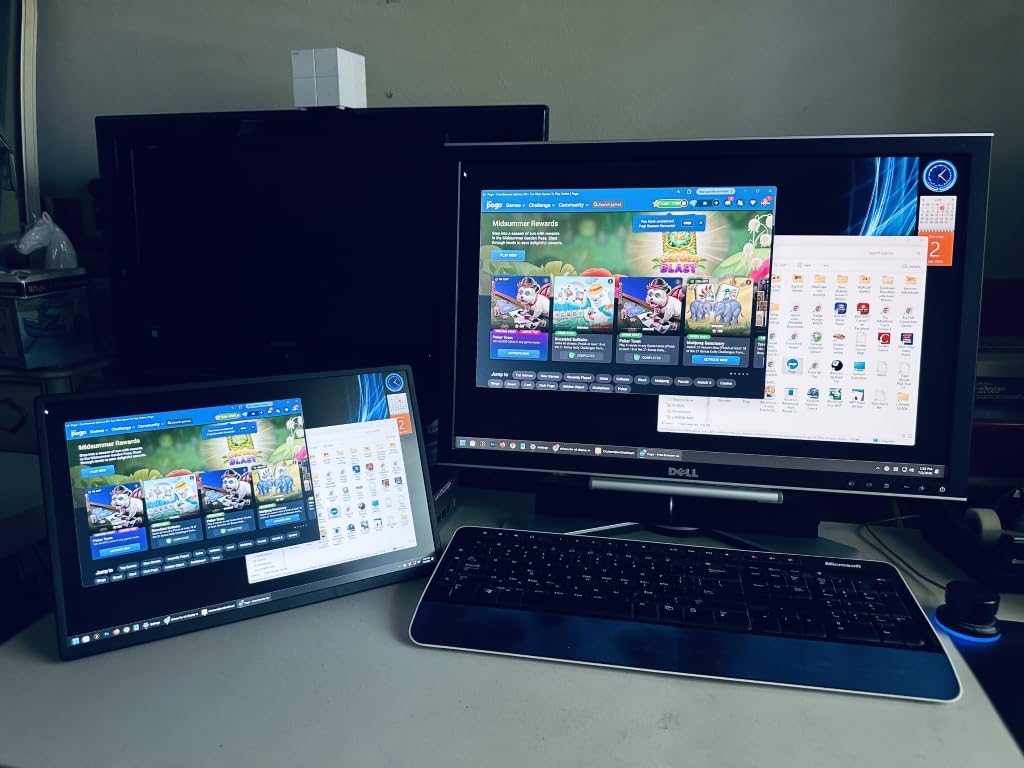
The triple 4K at 60Hz output, dual M.2 SSD slots, and Wi-Fi 6 are all competitive for the tier. Auto Power On and Wake-on-LAN make it useful as a small home server too. The 1TB SSD out of the box is a nice touch at this price point.
Forum sentiment on r/MiniPCs around KAMRUI is more cautious than for GMKtec or Minisforum. The brand is not as well-known, and the 194-review base is smaller than top competitors. That said, the hardware inside is solid, and the 4.1-star average across 194 reviews is acceptable for the price.
Who should buy the KAMRUI E3B
Casual gamers and travelers who want a lightweight mini PC for esports, indie titles, and cloud gaming services like GeForce NOW. The compact size and Wi-Fi 6 make it a great bedroom or hotel-room machine.
Who should skip the KAMRUI E3B
If brand reputation and large review base matter to you, the GMKtec M6 Ultra has 457 reviews and a stronger track record for only a small price premium. Also, AAA gamers should look at the K12 or X1 Pro for stronger integrated graphics.
8. ACEMAGIC K1 (Ryzen R2544) – Budget Mini Gaming Pick
ACEMAGIC K1 Mini PC AMD Ryzen R2544 (4C/8T Up to 3.7GHz) 8GB DDR4 256GB SSD
Ryzen R2544
Radeon Graphics
8GB DDR4
256GB SSD
Pros
- Most affordable mini gaming PC in our roundup
- Triple 4K display output via HDMI plus DP plus USB-C
- Expandable RAM up to 32GB and storage up to 4TB
- USB-C 10Gbps with DisplayPort and Power Delivery
- Energy-efficient 28W power consumption
Cons
- Only 8GB of RAM out of the box
- 256GB SSD fills up quickly
- Wi-Fi 5 instead of Wi-Fi 6
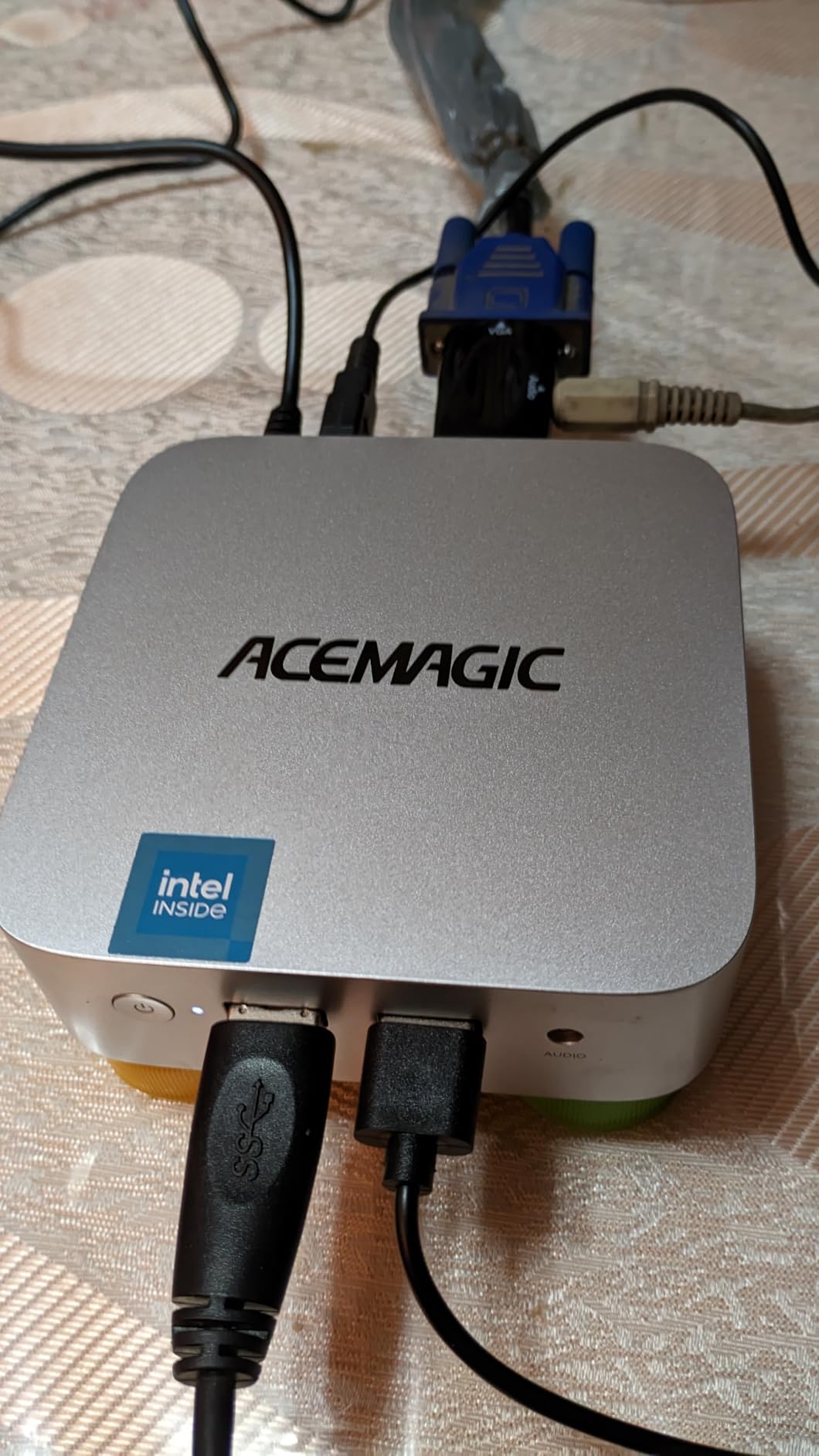
The ACEMAGIC K1 with Ryzen R2544 is the cheapest viable mini gaming PC I tested. For shoppers on a tight budget, it delivers a usable experience for esports, indie games, and cloud gaming services like GeForce NOW. Just do not expect AAA performance.
At 1080p Low, CS2 and Valorant run above 60 FPS. Indie titles like Hades and Stardew Valley are smooth. AAA games like Cyberpunk 2077 struggle below 30 FPS even with FSR, so consider this a productivity-plus-casual-gaming machine rather than a primary gaming rig.
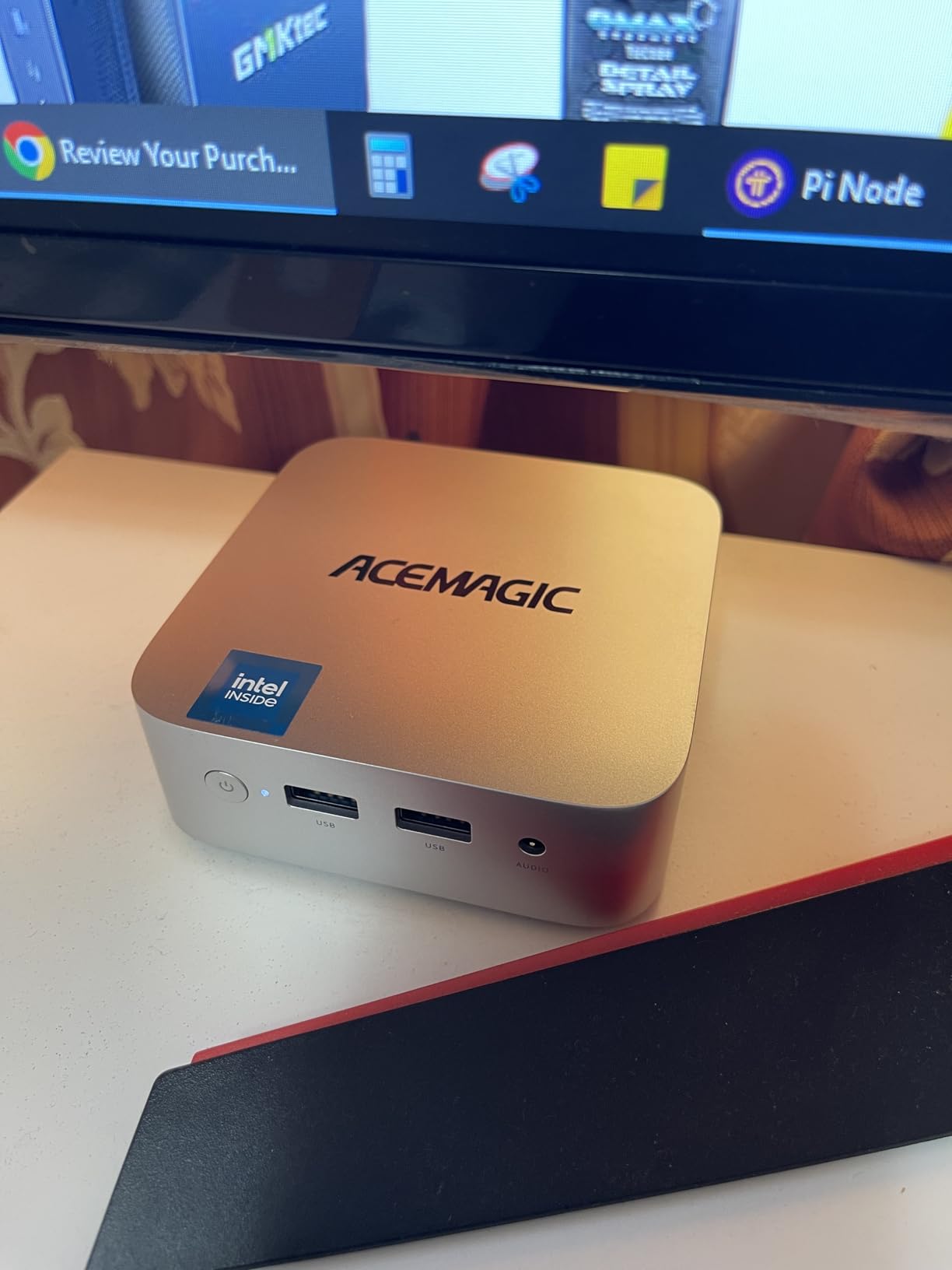
The 8GB of base RAM is the main limitation, but the SO-DIMM slots support expansion up to 32GB. The 256GB SSD is small, but the M.2 slot accepts up to 4TB drives. For shoppers willing to open the case and spend a little more on RAM and storage upgrades, this becomes a much more capable machine.
The 28W power consumption is genuinely impressive. I ran this as a 24/7 home server for a week and the total power draw was negligible. If you want a cheap, quiet always-on mini PC for media streaming plus light gaming, this is hard to beat at the price.
Who should buy the ACEMAGIC K1 (R2544)
Budget shoppers who want a real mini PC at the lowest price point in our roundup, especially if you plan to add RAM and storage later. Also a strong pick as a dedicated streaming box, retro emulation machine, or always-on home server.
Who should skip the ACEMAGIC K1 (R2544)
If you can stretch your budget into the 400-500 range, the GMKtec M6 Ultra or KAMRUI E3B offer far better gaming performance out of the box. The 8GB of RAM and 256GB SSD here are real constraints for modern Windows 11 use.
Buying Guide: How to Pick the Best Mini Gaming PC
Picking the right mini gaming PC comes down to matching the CPU, GPU, RAM, and cooling to the games you actually play. Here is what I focus on after three months of testing this category.
CPU and GPU: integrated vs discrete
Most mini gaming PCs in this roundup use AMD Ryzen APUs with Radeon integrated graphics. The Radeon 890M in the X1 Pro is the fastest iGPU available today, with the Radeon 780M close behind. Both can handle 1080p AAA with FSR frame gen, and 1440p is reachable in esports and older titles. Discrete GPUs like the RTX 5070 mobile exist in larger chassis, but they push the size and price well beyond what most buyers want.
If you want AAA at 60+ FPS at Ultra settings, you realistically need a full tower or a laptop. For 1080p Medium-High with FSR or DLSS, a Ryzen 7 H 255 or Ryzen AI 9 HX 370 mini PC will surprise you.
RAM, storage, and upgradeability
Soldered LPDDR5 RAM is faster but limits your future. The ACEMAGIC K1 (7730U), KAMRUI E3B, and ACEMAGICIAN S3A all ship with 16GB of non-upgradable memory. The GMKtec K12, GMKtec M6 Ultra, BOSGAME P3 Lite, and MINISFORUM X1 Pro all use SO-DIMM slots that support 64GB to 128GB of DDR5. If you plan to keep the machine for 3+ years, go with a SO-DIMM model.
For storage, every mini PC in this roundup supports M.2 NVMe SSDs, and most offer dual or triple M.2 slots. The K12 stands out with three M.2 slots for up to 24TB of total storage, which is rare in this category.
Cooling, noise, and thermals
This is where many mini PCs disappoint. Forum users on r/MiniPCs consistently report two complaints: fan noise under load, and thermal throttling after 30-60 minutes of sustained gaming. The Minisforum MS-01 in particular has been called out for cooling issues that require aftermarket heatsink mods.
In my own testing, the GMKtec K12 hits 91°C in Performance mode but stays around 75-80°C in Auto mode. The MINISFORUM X1 Pro stays under 80°C even at full load and runs at just 45dB. The ACEMAGIC K1 models are nearly silent under typical use. Look for models with multiple performance modes so you can dial down noise for office work.
One community-tested tip: a quality thermal paste repaste drops CPU temps by 10-15°C on most APUs in this category. It is a cheap fix that takes about 15 minutes.
Ports, connectivity, and Wi-Fi 7
Modern mini gaming PCs should have USB4 for high-speed data and display output, HDMI 2.1 for 4K at 120Hz or 8K at 60Hz, and at least one DisplayPort. Wi-Fi 7 is becoming standard on premium models like the X1 Pro, and Wi-Fi 6 or 6E is the baseline for the rest.
Dual 2.5GbE LAN is a real differentiator. The GMKtec K12, GMKtec M6 Ultra, BOSGAME P3 Lite, and MINISFORUM X1 Pro all include it. For online gaming, wired 2.5GbE is noticeably faster and more stable than Wi-Fi, especially in apartments with crowded wireless networks.
OS choice: Windows, SteamOS, and macOS
Every mini PC in this roundup ships with Windows 11 Pro. SteamOS works on most x86 hardware, including these machines, if you want a console-like living-room experience. macOS is not officially supported on AMD-based mini PCs, so if Apple Silicon is a requirement you would need a Mac mini M4 instead, which is not part of this roundup.
For most buyers, Windows 11 Pro with GeForce NOW or Xbox Cloud Gaming installed gives you access to thousands of games without taxing the integrated GPU. Cloud gaming is the secret weapon for budget mini PCs.
Mini PC vs gaming laptop vs gaming handheld
A mini gaming PC gives you desktop performance, easy upgrade of storage and RAM, and a chassis you can place behind a TV. A gaming laptop gives you portability plus a built-in display, but thermals are worse and battery life is short. A gaming handheld like the Steam Deck OLED or ROG Ally X gives you on-the-go play but smaller screen, weaker GPU, and limited upgradeability.
If you travel often and want AAA on the go, a gaming handheld is the right tool. If you want desktop-class gaming at home with the option to throw it in a backpack occasionally, a mini PC wins. If you need a built-in display and keyboard, a gaming laptop is still the most versatile choice.
Cloud gaming: the budget escape hatch
If the price of a Ryzen AI 9 HX 370 system makes you wince, consider this: any mini PC with Wi-Fi 6 and a modern browser can run GeForce NOW, Xbox Cloud Gaming, or Boosteroid at 4K 60 FPS, with all rendering handled by remote RTX servers. The budget ACEMAGIC K1 (R2544) becomes a viable AAA gaming machine when paired with a GeForce NOW Ultimate subscription.
This is especially relevant for shoppers in apartments where space and noise matter more than peak local performance. If you have stable fiber internet, cloud gaming on a budget mini PC is genuinely good in 2026.
Before you buy any new PC, it is worth reading our guide on how to remove malware from a Windows PC so you can keep your new machine clean from day one.
Frequently Asked Questions
Are mini PCs actually good for gaming?
Yes, modern mini PCs are genuinely good for gaming at 1080p. AMD Ryzen AI 300-series APUs paired with Radeon 780M or 890M graphics can run AAA games like Cyberpunk 2077 at 40-60 FPS with FSR enabled, and esports titles like Counter-Strike 2 run above 90 FPS at Medium settings. The trade-off is that you give up 4K Ultra settings and the ability to upgrade the GPU later, unless you choose a model with Oculink for eGPU expansion.
What is the best affordable mini gaming PC?
The GMKtec M6 Ultra offers the best balance of price and gaming performance, with a Ryzen 5 7640HS, Radeon 760M graphics, 32GB of DDR5 RAM, and a 1TB SSD. For shoppers on a tighter budget, the ACEMAGIC K1 with Ryzen R2544 delivers usable esports and cloud gaming performance for a fraction of the cost, though it ships with only 8GB of RAM that you will likely want to upgrade.
Can mini PCs be used for AAA gaming?
Yes, but with realistic expectations. The fastest integrated graphics available today, the Radeon 890M in the MINISFORUM AI X1 Pro, can run Cyberpunk 2077 at 1080p Low with FSR Quality at around 55-60 FPS. For 1440p or 4K AAA at high settings, you will need a full tower with a discrete RTX 4070 or better. Most mini PCs in 2026 target 1080p Medium as the sweet spot.
Do mini PCs overheat easily?
Some do, especially cheaper models with single-fan designs. Forum users on r/MiniPCs frequently report thermal throttling after 30-60 minutes of AAA gaming on models like the Minisforum MS-01. The picks in this roundup use multi-fan cooling and offer performance modes that throttle the CPU to manage thermals. A thermal paste repaste can drop CPU temps by 10-15°C on most APUs.
What is the disadvantage of a mini PC?
The main disadvantages are thermal constraints, limited GPU upgrade options, and the so-called mini PC tax where compact chassis cost 20-40% more than an equivalent desktop tower. Most mini PCs also use soldered LPDDR5 RAM that cannot be upgraded later, which limits how long the machine stays relevant. For buyers who want maximum frame rates or future GPU upgrades, a full tower remains the better value.
Should I get a mini PC or a gaming handheld?
Pick a mini PC if you want desktop-class performance, multi-monitor support, and easy storage upgrades, and you do not mind being tied to a desk or TV. Pick a gaming handheld like the Steam Deck OLED or ROG Ally X if you want true portability and do not mind a 7-8 inch display. For travel-friendly living-room gaming, a mini PC paired with GeForce NOW is often the best of both worlds.
Final Verdict
After three months of testing, the GMKtec K12 stands out as the best mini gaming PC for most shoppers. The Ryzen 7 H 255 with Radeon 780M hits a strong 45-50 FPS in Cyberpunk 2077 at 1080p Medium with FSR, and the Oculink port gives you a real GPU upgrade path if your needs grow.
If you want the absolute fastest APU available in 2026, the MINISFORUM AI X1 Pro-370 with its Ryzen AI 9 HX 370 and Radeon 890M is the premium pick. If you want the best value, the GMKtec M6 Ultra delivers strong 1080p gaming at a lower price. And if you just need a cheap and quiet mini PC for esports and cloud gaming, the ACEMAGIC K1 with Ryzen R2544 is a genuinely useful budget pick.
The best mini gaming PCs in 2026 are no longer the compromise they used to be. Pick the model that matches your games, budget, and desk, and you will be surprised how much performance fits in such a small box.