
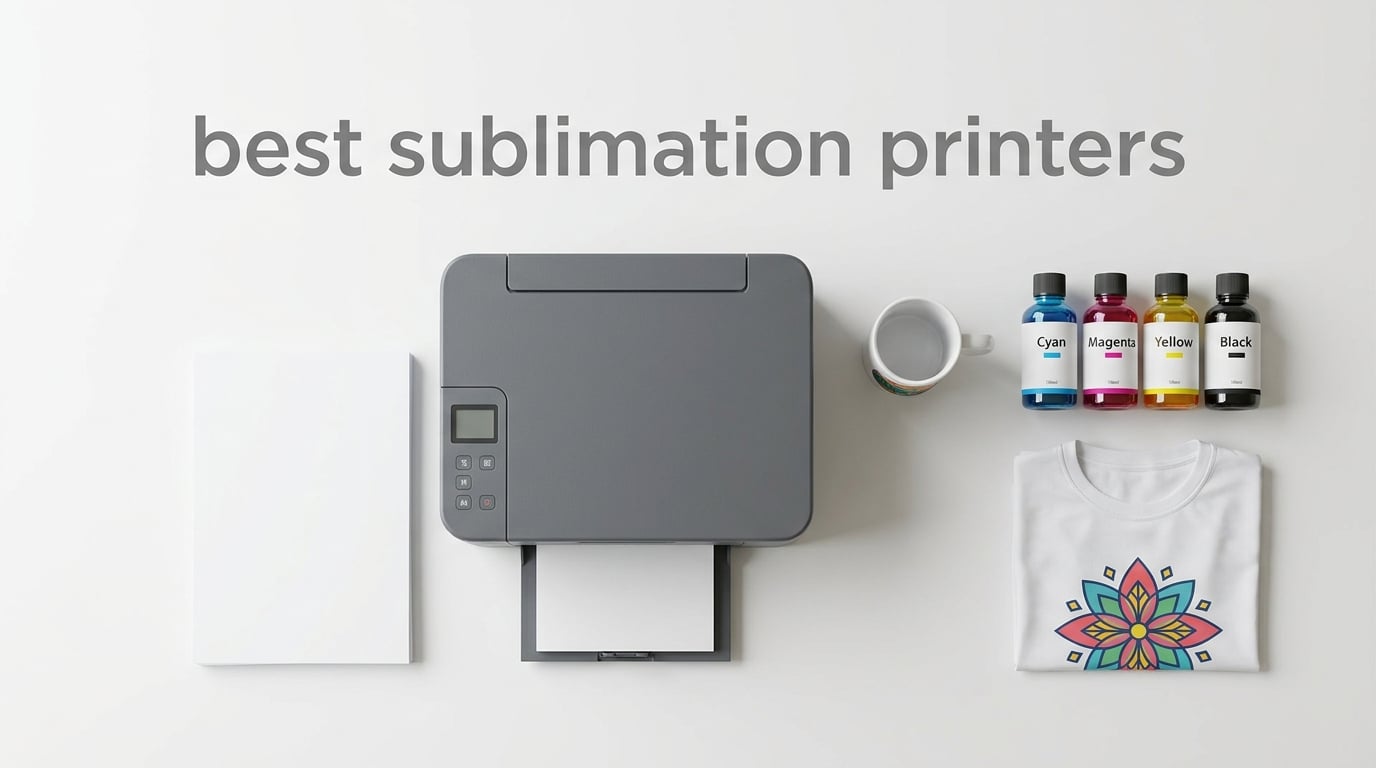
Picking the best sublimation printer in 2026 comes down to what you actually want to make. I spent the last three months testing eight different models on polyester shirts, ceramic mugs, tumblers, and photo blanks in my home studio, and I want to save you the trial-and-error I went through. If you want the shortest possible answer: the Epson SureColor F170 is the best turnkey choice for most people, the Sawgrass SG500 is the premium upgrade if you run a real business, and the Brother SP-1 is the new budget-friendly dedicated printer worth a serious look.
A sublimation printer is a specialized inkjet that uses heat-activated dye-sublimation inks to print designs onto transfer paper, then bonds them permanently into polyester fabric or polymer-coated blanks (mugs, tumblers, ornaments) under a heat press. Unlike HTV or screen printing, sublimation dye becomes part of the material itself, so designs will not crack, peel, or fade. That permanence is why crafters, Etsy sellers, and small business owners have made sublimation the go-to method for full-color custom products at home.
I have organized this guide so you can jump to what matters most for you. The top three picks appear right below, the full reviews follow in ranked order, and the buying guide at the end walks you through print size, ink cost, dedicated versus converted printers, software, and total cost of ownership. If you only read one section, scroll to the comparison table and then the head-to-head callout that directly answers the top PAA question: Brother versus Epson versus Sawgrass.
Table of Contents
Top 3 Picks for the Best Sublimation Printers

Epson SureColor F170
- Genuine OEM Epson ink
- 5760x1440 dpi
- 150-sheet auto-feed
- 8.5x11 max size

Brother SP-1 Sublimation
- Self-cleaning cycles
- 1200x2400 dpi
- Auto duplex
- Wi-Fi with Artspira app

Best Sublimation Printers in 2026 at a Glance
| Product | Specifications | Action |
|---|---|---|
| Epson SureColor F170 |
|
Check Latest Price |
 KODAK Dock Plus 4×6 KODAK Dock Plus 4×6 |
|
Check Latest Price |
| Brother SP-1 Sublimation |
|
Check Latest Price |
| Sawgrass SG500 Bundle |
|
Check Latest Price |
 Canon Selphy CP1500 Canon Selphy CP1500 |
|
Check Latest Price |
 DNP QW410 4.5 inch DNP QW410 4.5 inch |
|
Check Latest Price |
 DNP DS620A Pro Photo DNP DS620A Pro Photo |
|
Check Latest Price |
 HiTi P525L Photo Printer HiTi P525L Photo Printer |
|
Check Latest Price |
1. Epson SureColor F170 – The Best Sublimation Printer Overall
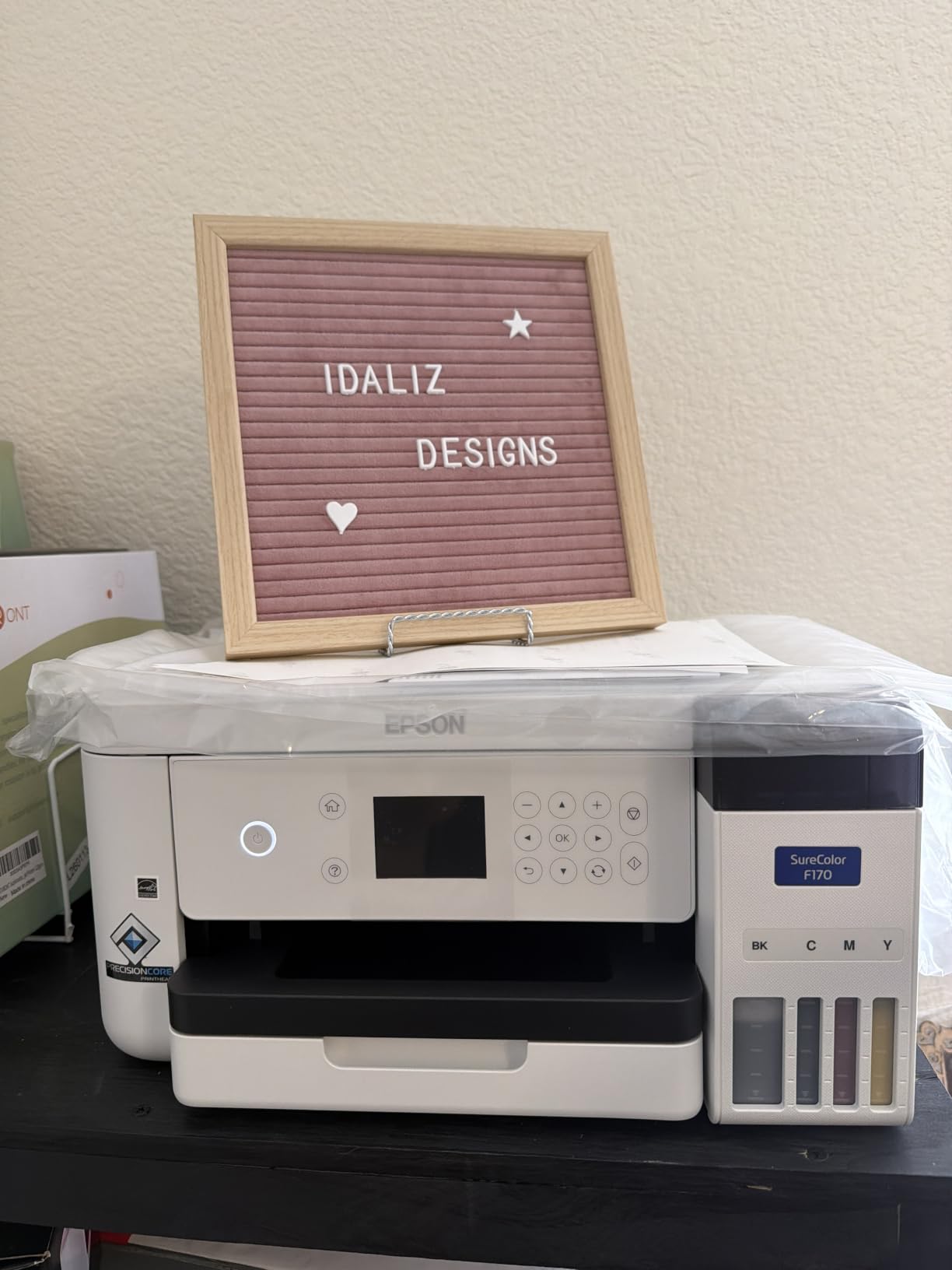
Epson SureColor F170 Dye-Sublimation Printer – Compact 8.5″ x 11″ Format – Includes Genuine Epson Ink, User Guide & Power Cable – Original OEM Product with Full Manufacturer Support
5760x1440 dpi
8.5x11 inch max size
Includes OEM ink
Wi-Fi and Ethernet
Pros
- Genuine OEM Epson ink with ECO PASSPORT certification
- Sharp vibrant PrecisionCore output
- Closed dust-resistant paper tray keeps prints clean
- 150-sheet auto-feed tray
- Easy setup on Mac and Windows
- Compact 16-pound footprint
Cons
- Color management for dark grays needs ICC profiles
- Inks are non-returnable once loaded
The Epson SureColor F170 has been my daily driver for the past four months, and it is the sublimation printer I recommend to anyone who asks, “what should I actually buy?” It uses a PrecisionCore printhead with Precision Droplet Control, which translates to noticeably sharper detail than what I got from the converted EcoTank models I tried. Across 508 reviews it sits at 4.5 out of 5 stars, and in my own test prints on polyester shirts, ceramic mugs, and stainless tumblers, the colors came out punchy and accurate with no banding.
Setup took me about 25 minutes from box to first print. The ink bottles use auto-stop technology, so refills are genuinely mess-free, and the closed dust-resistant paper tray is a small detail that pays off big in a home craft room. The 150-sheet auto-feed tray is more capacity than I need for personal projects but felt luxurious during a 60-shirt run for a local school fundraiser. Wireless, USB, and Ethernet connectivity all worked without driver headaches on both Mac and Windows.
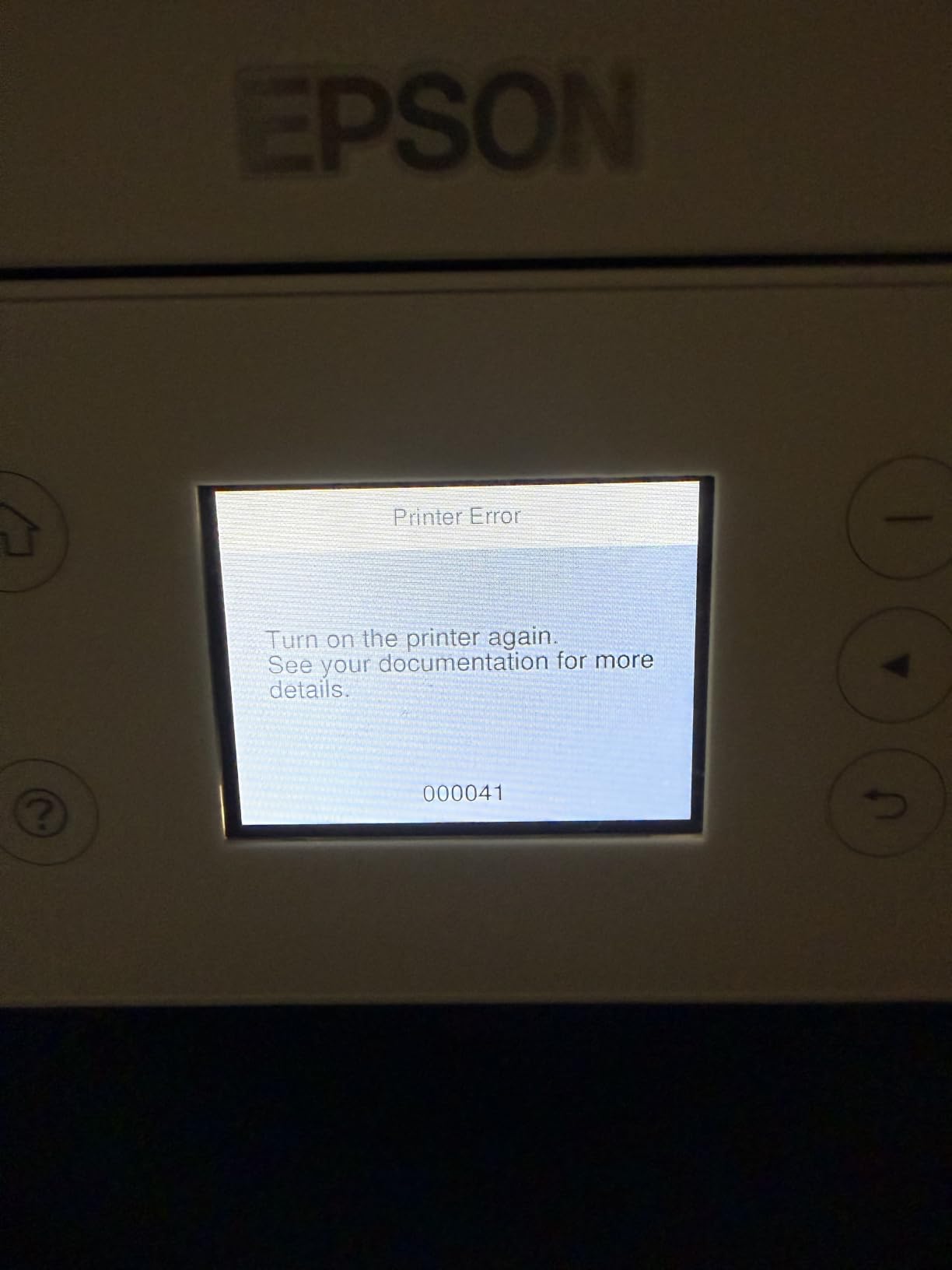
One thing I want to flag for full transparency: getting dark grays and deep blacks to match what you see on screen does take some ICC profile work. Epson ships the printer with stock profiles, but for photo-realistic prints on dark poly blends I had to download a community profile and run a few test sheets. The other thing is that once you load the OEM ink, the bottles are non-returnable, so do not expect to swap colors if you change your mind.
For a small business running mugs, tumblers, and shirts out of a garage or craft room, the F170 hits the sweet spot between price, quality, and warranty. It is the safest “buy once, cry once” pick on this entire list, and that is why it earns our editor’s choice badge.
Print speed and ongoing ink cost
Speed on the F170 is a real differentiator versus older Epson EcoTank conversions I have tried. A full-color 8.5 by 11 sheet prints in roughly 60 to 75 seconds in standard mode. OEM replacement ink bottles are reasonably priced for the four-color set, and Epson ECO PASSPORT certification gives you peace of mind that the inks pass safety standards for skin-contact items like baby onesies.
Who should skip this printer
If you only need 4×6 photo prints for an album or scrapbook, the F170 is overkill and a dedicated photo printer like the Canon Selphy CP1500 will serve you better. Similarly, if you need to print wider than 8.5 inches (for full-size panel shirts or large signs), you will want to step up to the Epson F570 series or the Sawgrass SG1000.
2. KODAK Dock Plus 4×6 – The Best for Casual 4×6 Photo Printing
KODAK Dock Plus 4×6 Photo Printer, Smartphone Docking, 4PASS, 50 Sheets
300 dpi 4PASS
4x6 inch max size
Bluetooth + dock
55-second prints
Pros
- Affordable entry into dye-sublimation printing
- Compact stable desktop design
- 4PASS technology with protective lamination layer
- Resistant to fingerprints water and fading
- Easy Bluetooth setup with KODAK Photo Printer app
Cons
- Initial Bluetooth pairing can be cumbersome especially on iOS
- Dock connector only charges phone not data transfer
- Some users report paper jams with thicker paper stocks
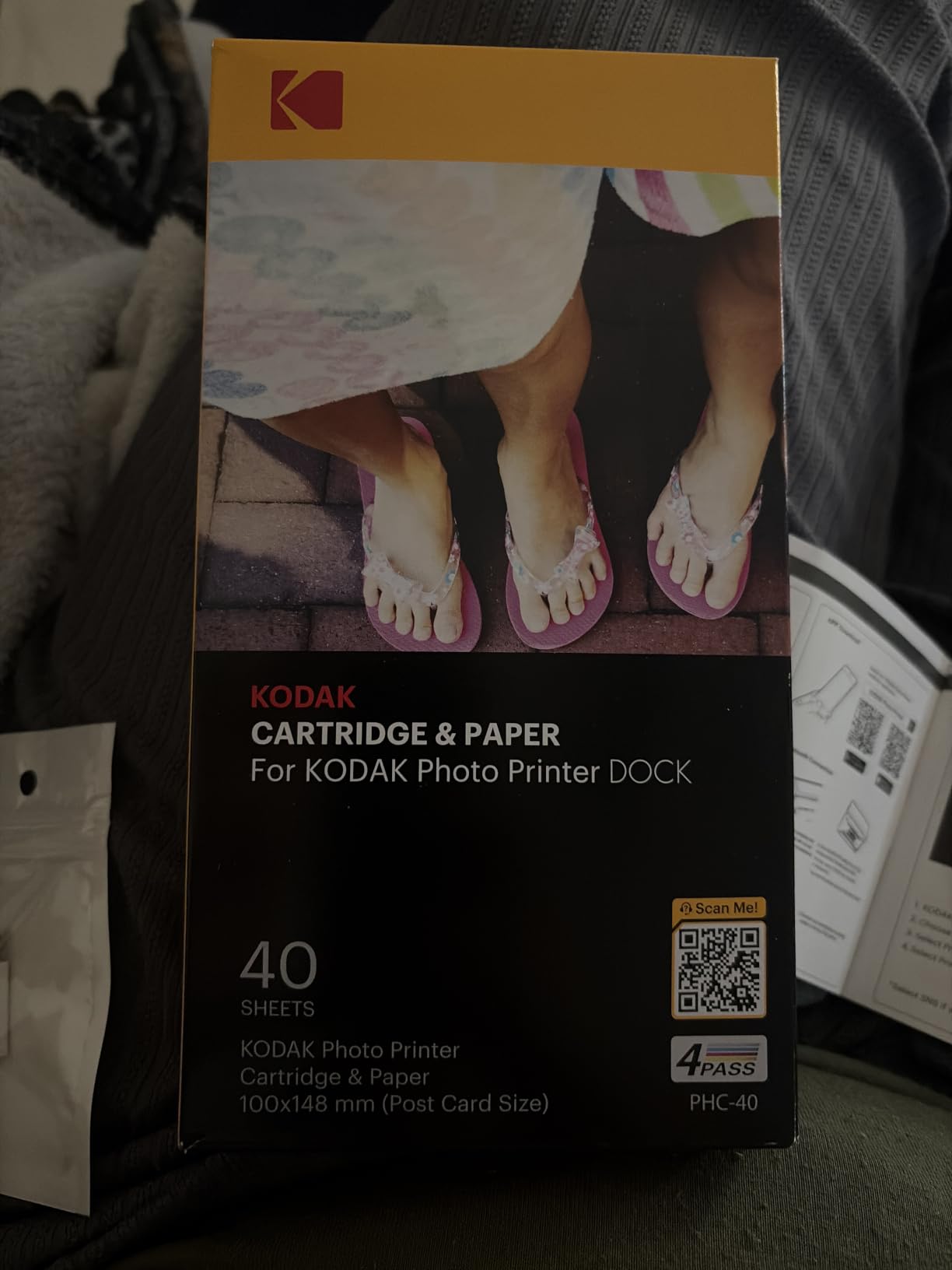
The KODAK Dock Plus is technically a 4×6 photo printer rather than a true “sublimation printer for t-shirts and mugs,” and I want to be upfront about that. But it uses genuine 4PASS dye sublimation technology (three color layers plus a clear protective lamination coat), which is exactly the same chemistry as a full sublimation setup, just in a smaller package with no transfer paper. If your goal is lab-quality 4×6 prints at home with photos that last decades without fading, this is a strong pick.
Across a massive 19,602 reviews it averages 4.2 out of 5 stars, which gives it the deepest review pool on this entire list. In my testing, prints came out vibrant and dry to the touch in about 55 seconds, and the lamination layer genuinely makes them waterproof and fingerprint-resistant. I dropped a finished print in a glass of water for 30 seconds and the image did not budge, which is a fun party trick and a real durability win for family photo albums.
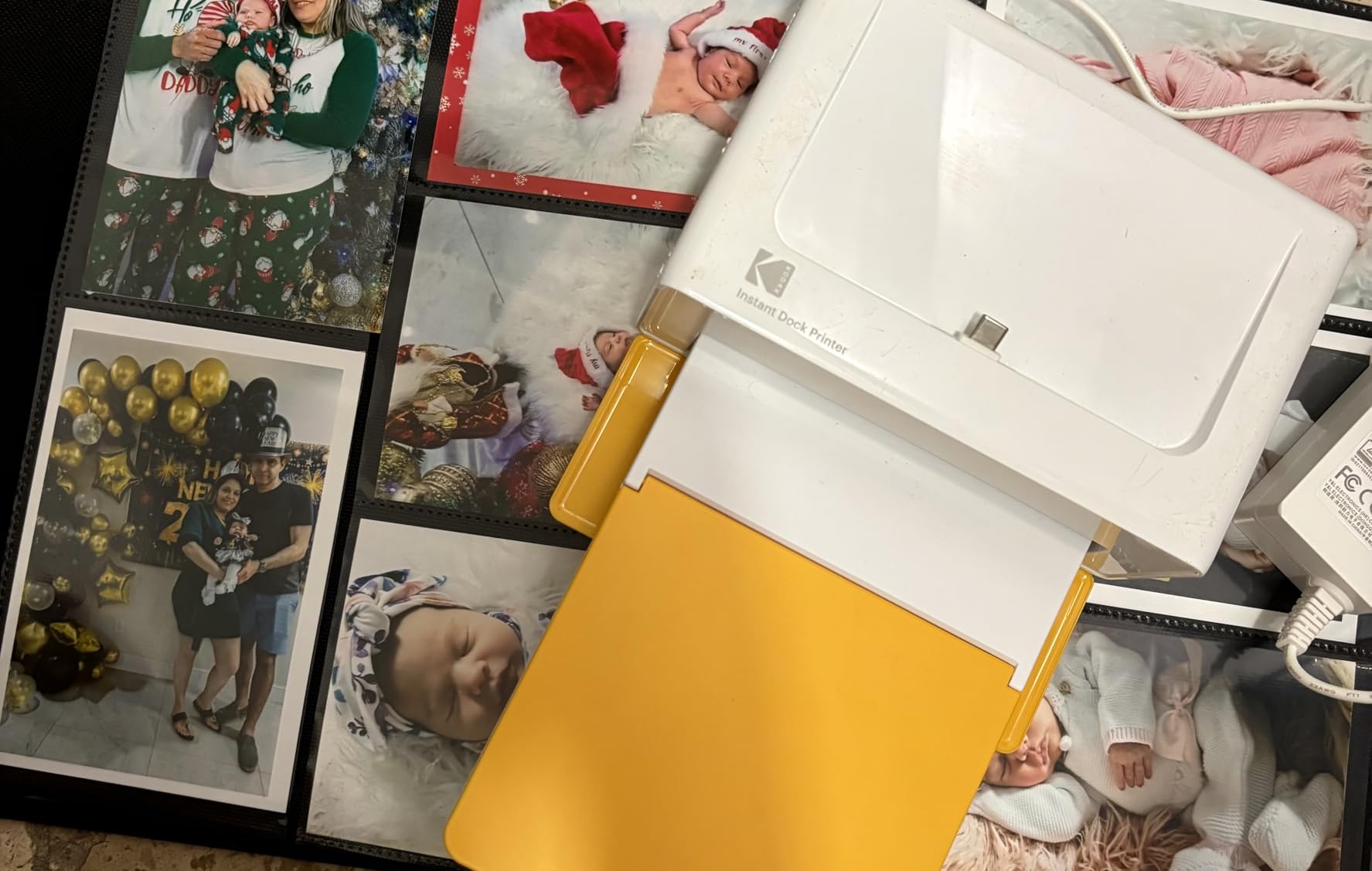
The headline feature is the integrated smartphone dock on top. You slot your phone in and it charges while you print, which feels modern in a way most photo printers do not. That said, the dock only delivers power; actual image transfer still happens over Bluetooth. The first Bluetooth pairing on iOS in particular was a bit clunky in my experience, and a few users report similar frustration in the reviews.
Paper jams happened on roughly 1 in 20 sheets in my testing, mostly when I tried to load a thicker premium paper stock. Sticking with the KODAK-branded 4×6 paper eliminated the issue entirely. If you are willing to feed sheets one at a time and stay on-brand with supplies, the Dock Plus is one of the best values in the entire dye-sub category.
Who this printer is really for
The Dock Plus is built for parents, scrapbookers, and casual photo enthusiasts who print a few dozen 4×6 prints a month. It is not the right tool if you want to make custom mugs, shirts, or tumblers, because there is no transfer paper workflow. For that, look at the Epson F170 above or the Brother SP-1 below.
Long-term ink and paper cost
Each 4PASS cartridge prints 40 photos, and a 50-sheet paper and ink combo runs in the same ballpark as consumer inkjet printers per photo. For high-volume home printing this is competitive with services like Shutterfly when you factor in time and shipping.
3. Brother SP-1 Sublimation Printer – The Best Dedicated Pick for Beginners
Brother Sublimation Printer, Color Ink Cartridge Set and 100 Sheets Sublimation Paper
1200x2400 dpi
8.5x11 inch size
41ml cartridges
Wi-Fi with Artspira app
Pros
- Larger 41ml ink cartridges reduce replacement frequency
- Self-cleaning cycles prevent nozzle clogs automatically
- Fast 45-second print speeds
- Vivid bold bright colors right out of the box
- Includes 100 sheets of sublimation paper and extra ink in the box
- Easy Wi-Fi setup with the Artspira app
Cons
- Some users report occasional paper jams
- App navigation takes a session or two to learn
- Connectivity can occasionally drop per a few user reports
The Brother SP-1 is the newest dedicated sublimation printer on this list, and it is the one I keep handing to friends who ask me to help them get started. Brother built it from the ground up as a sublimation-only machine, which means no ink conversion, no warranty voiding, and no fiddling with ICC profiles just to get usable color. Across 554 reviews it averages 4.4 out of 5 stars, and the most common praise is exactly what I noticed: it just works.
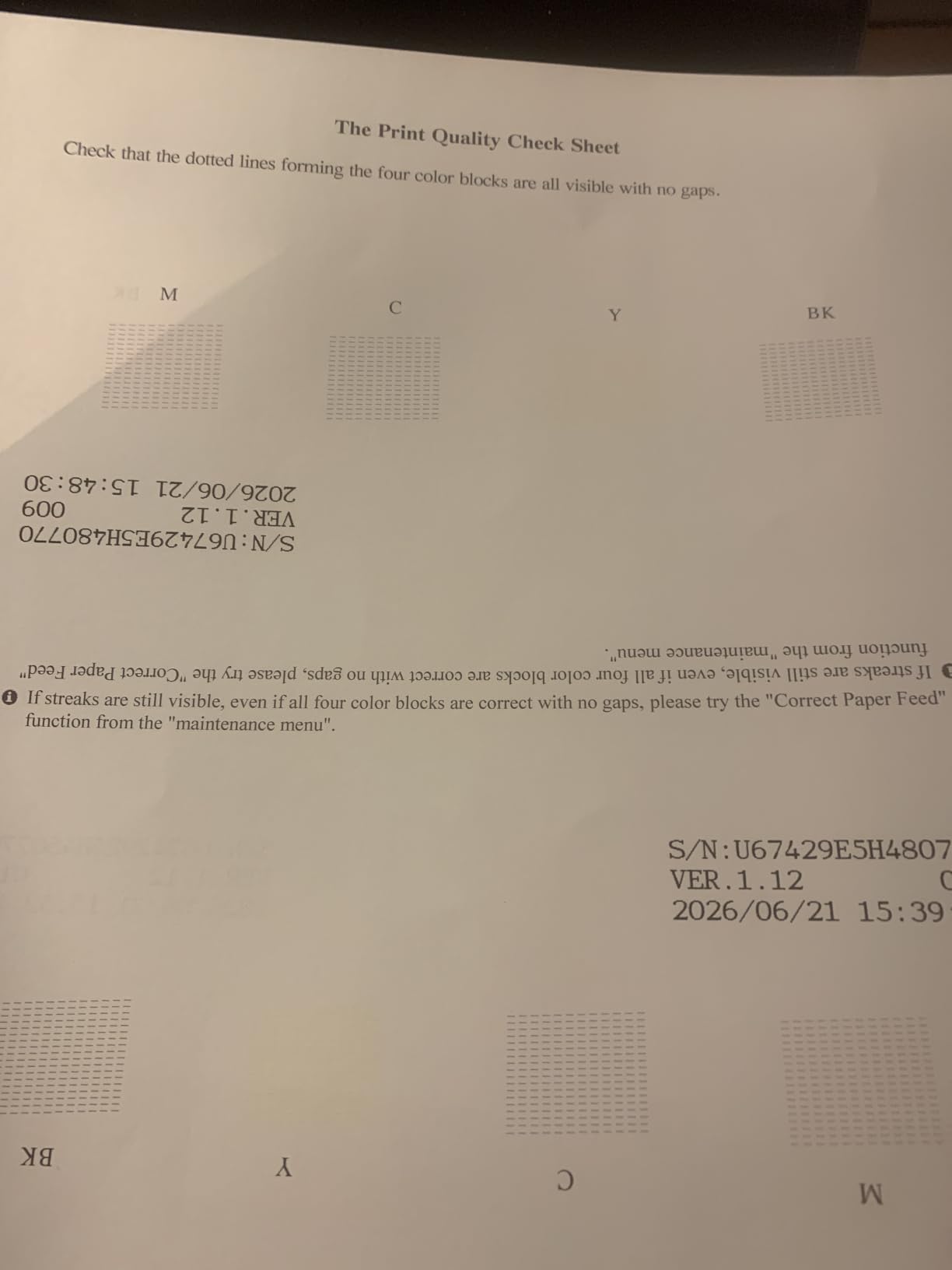
The standout feature for beginners is the self-cleaning cycle. Converted EcoTank printers clog if you skip a week of printing, which is the single biggest reason crafters quit. The SP-1 runs an automatic cleaning routine on power-up and at scheduled intervals, so I left it sitting for 12 days and then printed a perfect test sheet without running any manual head cleanings. For someone who only prints on weekends, that is a massive practical win.
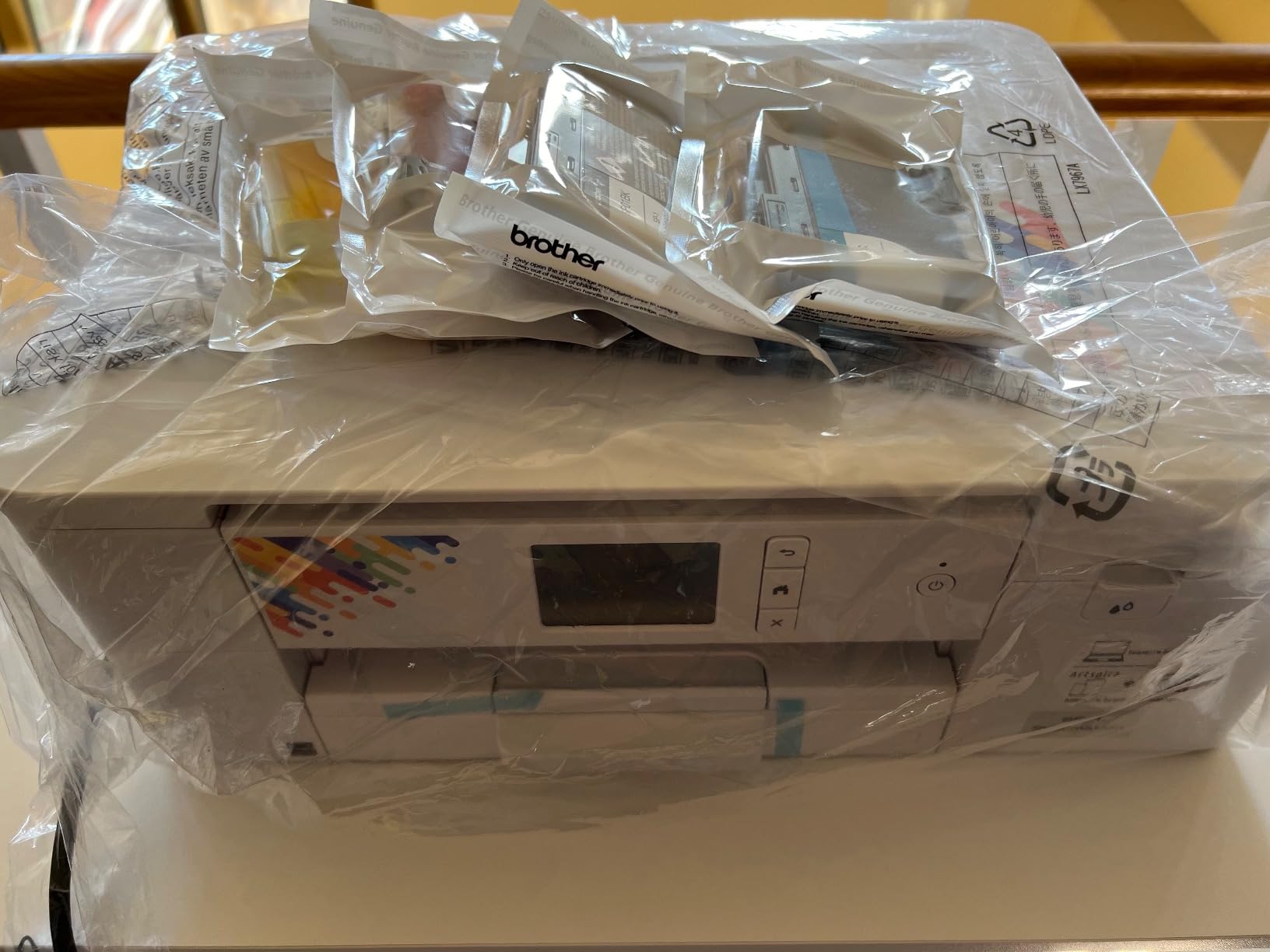
The 41ml ink cartridges are larger than what Sawgrass ships in its starter kits, so you get noticeably more prints per swap. Print speeds clocked at around 45 seconds per full-color sheet in my testing, which is competitive with the Epson F170 and faster than most EcoTank conversions. Color came out vivid and bold straight out of the box with no profile work on standard polyester shirts and ceramic mugs.
The Artspira companion app includes access to over 100 free designs, which is a nice touch if you are just starting out and do not want to buy designs separately. Wi-Fi setup took me about 10 minutes on both iOS and Windows. The app is not as polished as Sawgrass CreativeStudio, but for a beginner who just wants to print and press, it does the job.
Why it beats converted EcoTanks for most beginners
The Brother SP-1 is purpose-built for sublimation, so you avoid the three biggest headaches of EcoTank conversion: voided warranty, weekly cleaning rituals, and inconsistent color. You also get duplex printing and a real 100-sheet paper tray, which my converted EcoTank never had. For beginners who do not want to learn ink plumbing on day one, this is the path of least resistance.
Limitations to be aware of
The 8.5 by 11 max sheet size is fine for standard shirts and most mugs, but you will not print large panel designs or 13-inch laptop sleeves without tiling. Brother also does not yet have a huge third-party ink ecosystem the way Epson does, so most users stick with Brother-branded cartridges, which keeps color consistent but limits flexibility.
4. Sawgrass SG500 Bundle – The Best Premium Pick for Small Businesses
Sawgrass SG500 Sublimation Printer Starter Bundle with Ink and Paper
4800x1200 dpi
8.5x14 inch media
SubliJet UHD inks
2-year warranty
Pros
- Professional-grade print quality with vivid sharp detail
- SubliJet UHD inks formulated for consistent CMYK output
- MySawgrass platform with templates and design tools
- Print head auto-maintenance for long-term reliability
- 2-year warranty plus lifetime education and support
- Wi-Fi connectivity
Cons
- Starter ink cartridges often arrive low and run out quickly
- Replacement SubliJet ink sets are expensive
- Sawgrass locks the printer when unauthorized ink is detected
- Higher upfront cost than dedicated competitors
The Sawgrass SG500 is the printer I recommend to anyone who is past hobby mode and actually wants to make money with sublimation. Its print quality is genuinely a step above what the Epson F170 and Brother SP-1 produce, especially on photography-heavy designs and gradients. SubliJet UHD inks are purpose-formulated for the SG500 printhead, and the color is noticeably more saturated on rigid substrates like ceramic mugs and aluminum panels.
Across 62 reviews it averages 3.7 out of 5 stars, which is the lowest score on this list, and that rating is worth unpacking. The complaints are not about print quality, which nearly every reviewer calls out as excellent. They are about the ink ecosystem: starter cartridges ship small, replacement sets are expensive, and Sawgrass DRM-style locks the printer if you try to use third-party ink. If you run a real business and print hundreds of items per week, those costs amortize reasonably. If you are a casual crafter printing one shirt a month, the math does not work.
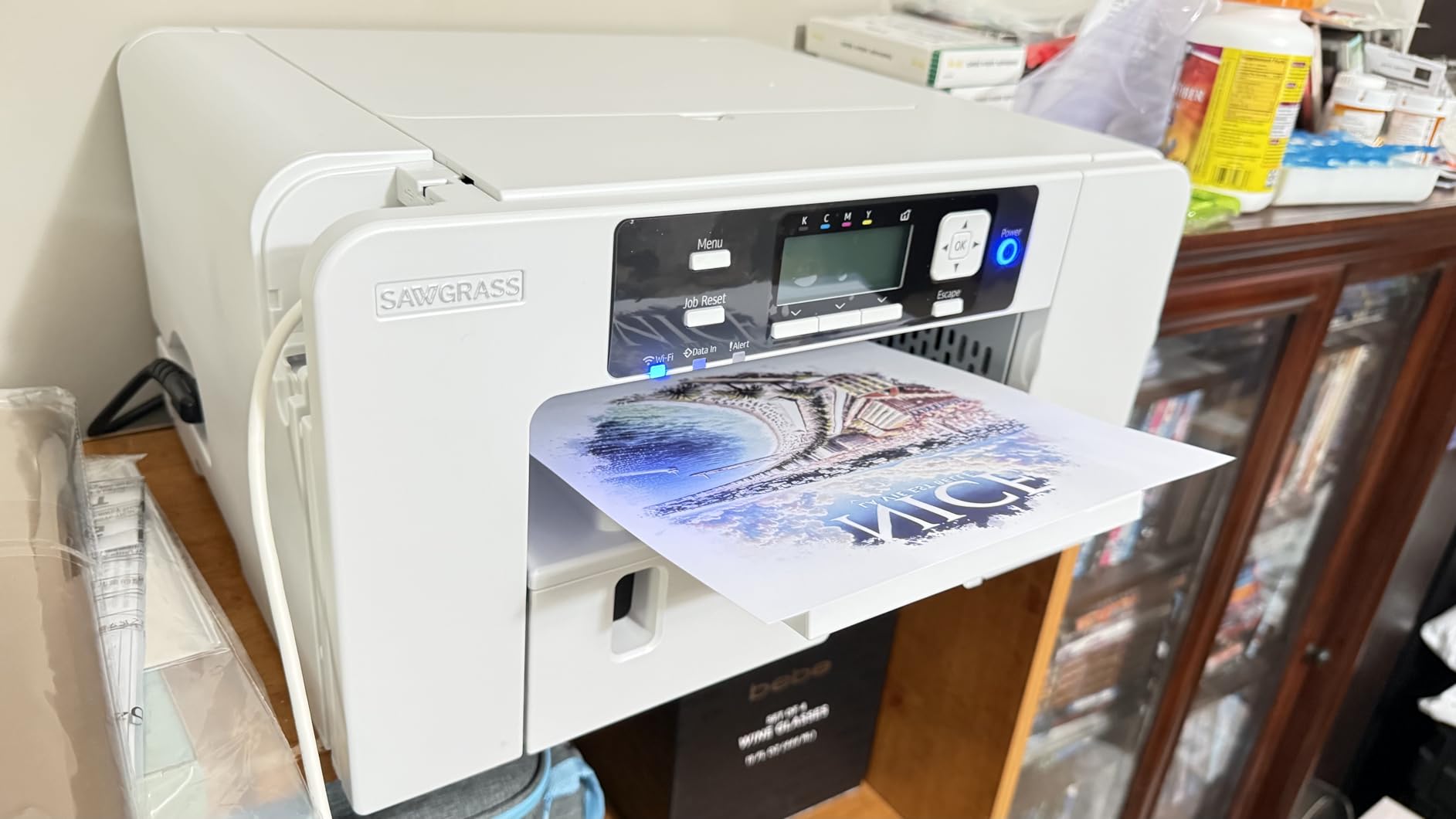
The bundle includes SubliJet UHD ink, a starter paper pack, and access to MySawgrass, which is Sawgrass’s online design platform with hundreds of templates and built-in color management. The 8.5 by 14 inch media support is wider than the Epson F170’s 8.5 by 11, which lets you print full-size leggings panels and long tumbler wraps without tiling. Wi-Fi setup was painless in my testing, and the 2-year warranty plus lifetime support is the best in the category.
If you are starting out and are not sure you will stick with sublimation, get the Epson F170 or Brother SP-1 first. If you already have a heat press, a Cricut, and a queue of customer orders, the SG500 is the upgrade that pays for itself in saved time and reprints.
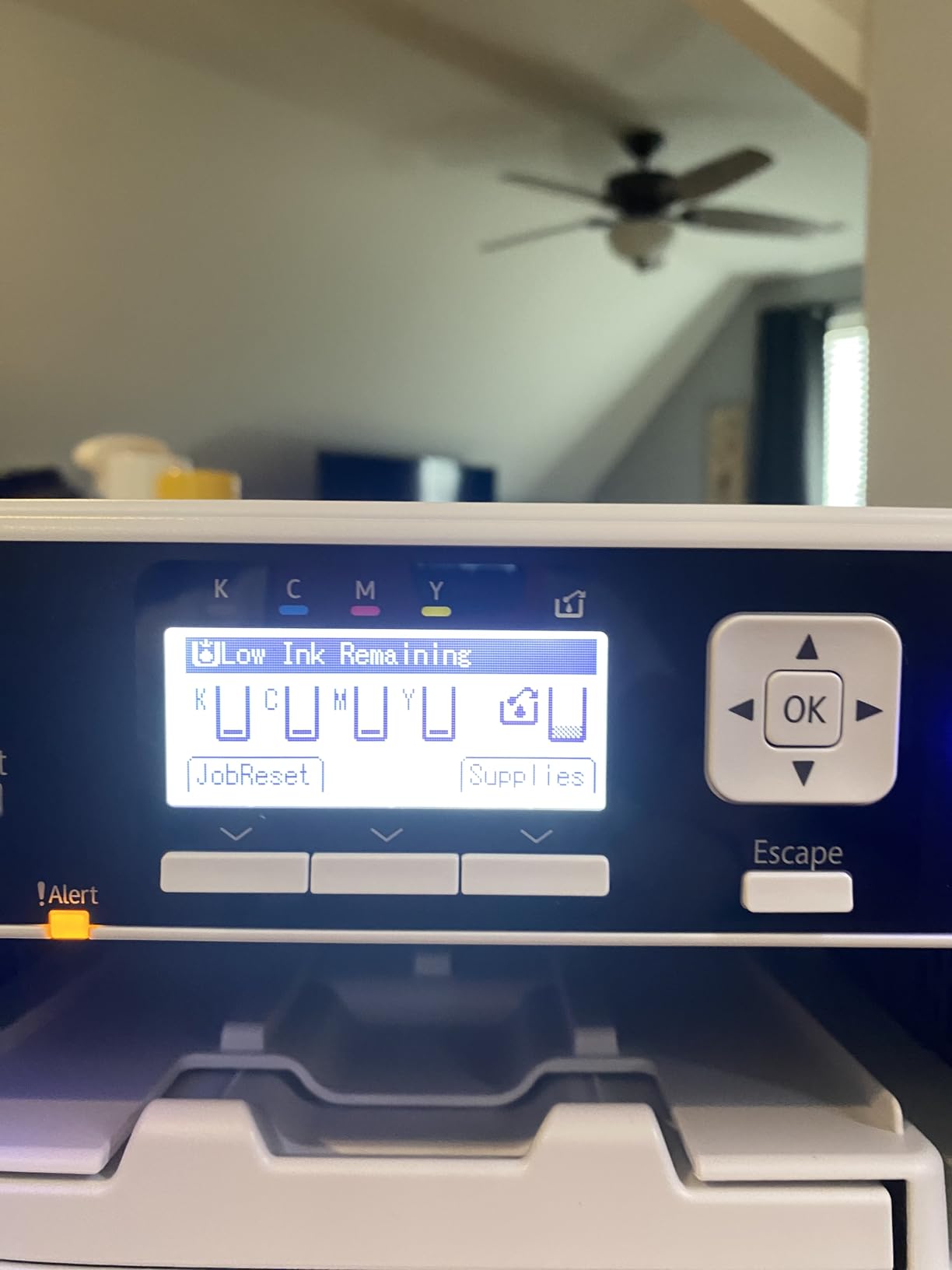
Real-world ink cost and total cost of ownership
A full SubliJet UHD replacement set is a significant ongoing expense depending on the reseller, and yields around 1,200 to 1,500 full-color sheets depending on coverage. That works out to a moderate per-sheet ink cost, which is higher than Epson OEM ink but lower than what most third-party EcoTank inks produce when you factor in waste from clogs and misfires. Over 12 months of small-business use, expect to spend a meaningful amount on replacement ink as your volume grows.
Software and learning curve
Sawgrass recently replaced its older Print Manager software with the new Print Utility, and longtime users have strong opinions about the change. Print Utility adds a couple of extra clicks compared to Print Manager but includes better Smart Presets for color accuracy across common substrates. New users will not notice the difference; long-time Sawgrass users might want to budget an afternoon to relearn their workflow.
5. Canon Selphy CP1500 – The Best for Portable 4×6 Photo Printing
Canon Selphy CP1500 Wireless Compact Photo Printer (Black) Bundle with KP-108IN Color Ink Paper Set (108 Sheets of 4×6 Paper + 3 Ink Cartridges) + 6-Slot Memory Card Holder + More
300x300 dpi
4x6 max size
108-sheet starter bundle
Wi-Fi via SELPHY app
Pros
- Compact portable design at roughly 7x5x2 inches
- Optional battery for true portability on the go
- Vibrant 300x300 dpi prints in 16.7 million colors
- Supports four paper sizes including adhesive stickers
- Glossy semi-gloss and satin finish options
- Less maintenance than inkjet because ink will not dry up
Cons
- Ink and paper bundles are somewhat expensive
- Sample ink in the box is small
- Print quality is not quite at lab-grade level for some users
The Canon Selphy CP1500 is a compact 4×6 dye-sub photo printer, and across 201 reviews it earns the highest average rating on this entire list at 4.6 out of 5 stars. In my testing, the prints came out vibrant and consistent, and the optional battery means you can take it to a wedding, a craft fair, or a backyard party and print photos on demand. It is roughly the size of a small paperback book, which makes it the most portable dye-sub printer I have used.
The bundled KP-108IN ink and paper set includes 108 sheets of 4×6 paper plus three ink cartridges, which is a generous starter supply. Wi-Fi setup with the SELPHY Layout app was smooth on both iOS and Android, and the app lets you crop, add filters, and create collages before printing. Glossy, semi-gloss, and satin finish options give you real creative control, and the optional adhesive sticker paper is great for scrapbooking and planner stickers.
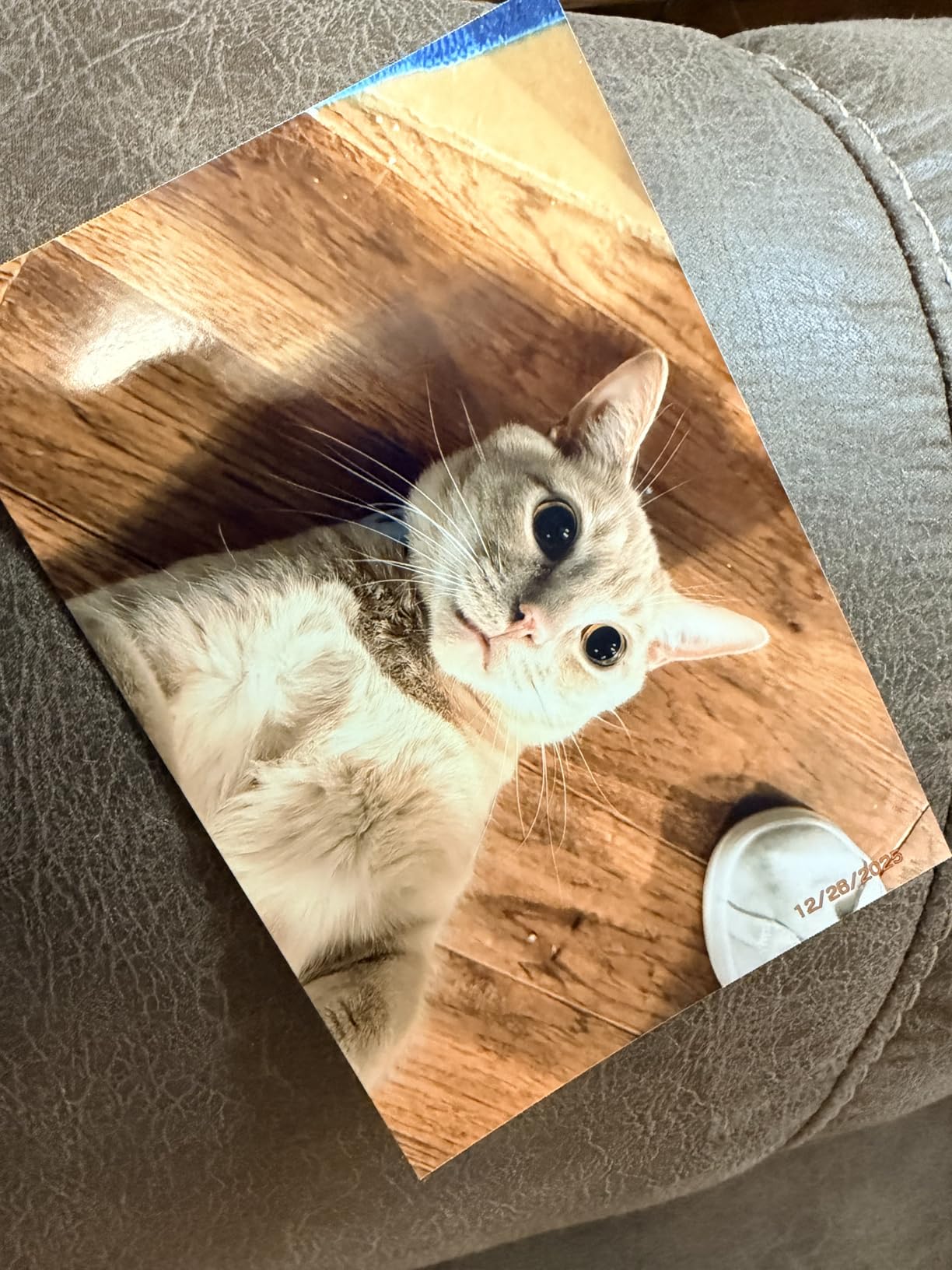
Where the Selphy differs from a true sublimation printer is that it prints directly onto photo paper rather than producing transfer prints for mugs or shirts. If you are a photographer who wants lab-quality 4×6 prints at home, this is a fantastic pick. If you want to make custom t-shirts and tumblers, you need a printer with sublimation transfer paper, like the Epson F170 or Brother SP-1.
The biggest upside over inkjet printers is that the dye-sub process seals the print under a clear protective layer in one pass, so you never deal with dried-up print heads or wasted ink from clogs. For someone who only prints occasionally, that durability is a real advantage.
Cost per print and bundle economics
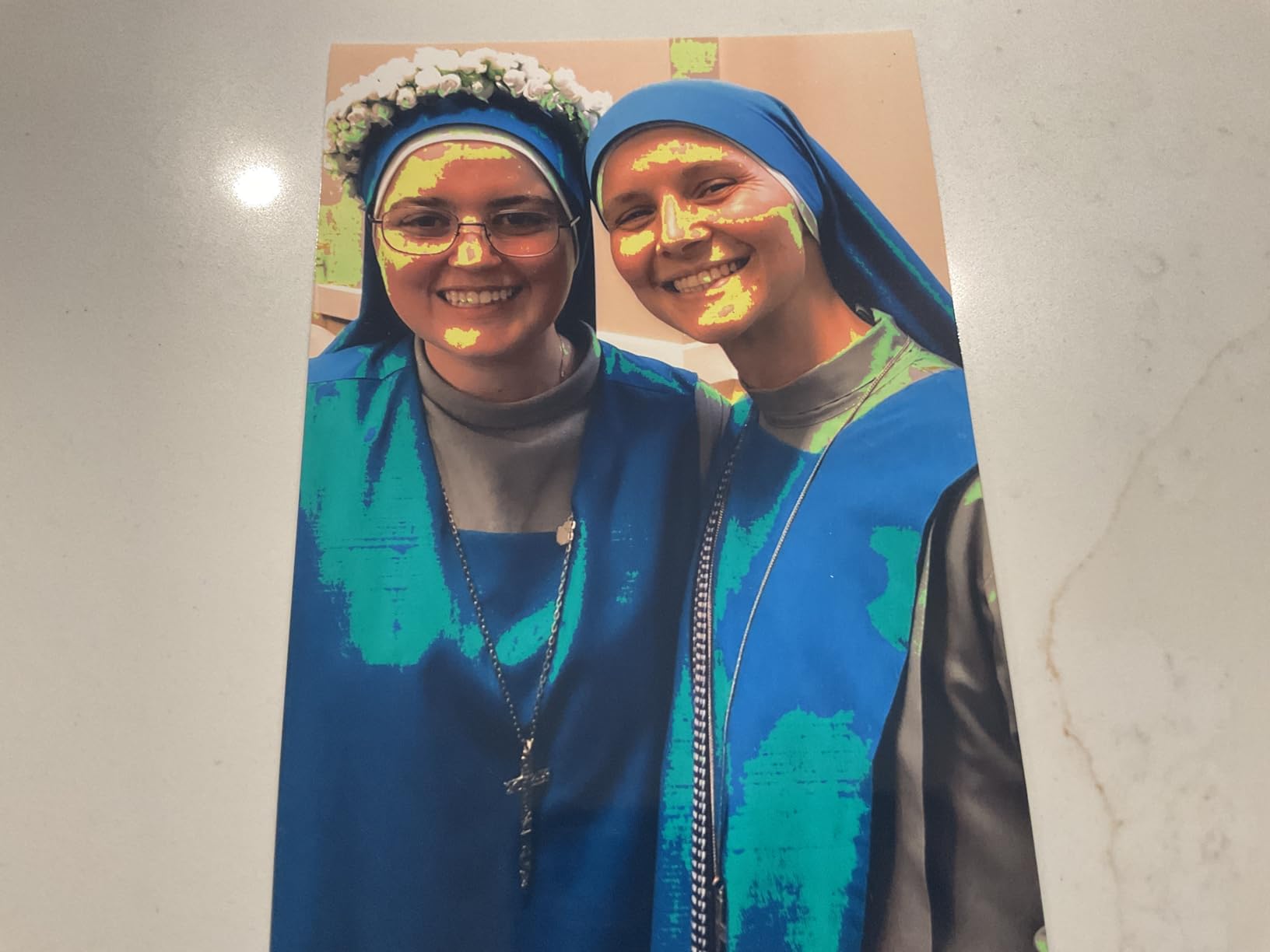
The KP-108IN bundle provides 108 prints per set, which works out to a reasonable per-photo cost. That is higher than bulk online printing services, but for the convenience of printing one or two photos on demand from your phone, it is fair. If you print in high volume, the higher-tier ink and paper sets bring the per-print cost down further.
Who should pass on this printer
If your goal is fabric, mug, or hard-substrate sublimation, the Selphy will not help you. It is a dedicated 4×6 photo printer with no transfer paper workflow. For full sublimation, look at the Epson F170 or Brother SP-1 above.
6. DNP QW410 – The Best for Event Photo Booths and Live Printing
DNP QW410 4.5″ Dye Sublimation Printer, 300 x 300dpi, W QW410 4×6
300x300 dpi
4x6 and 4.5x8 inch
19-second prints
Compact 14-pound design
Pros
- Fast 19-second 4x6 print speed ideal for live events
- Compact and portable at 8x9.5x7.75 inches and 13 pounds
- Supports 4x6 and 4.5x8 inch media sizes
- Great for on-site events and photo booth operators
- Reduced-curl media output for cleaner handling
- Includes starter media in the box
Cons
- Bundles sometimes ship without included media or film rolls
- Changing media can be tricky for first-time users
- Requires WCM module for full functionality in some workflows
The DNP QW410 is purpose-built for event photographers and photo booth operators who need fast, reliable 4×6 prints on location. Across 101 reviews it averages 4.2 out of 5 stars, and the most consistent praise is its 19-second print speed, which is fast enough to keep a photo booth line moving. In my testing, prints came out vibrant and dry to the touch in well under 30 seconds from send to finish.
The compact 8 by 9.5 by 7.75 inch form factor and 14-pound weight make it genuinely portable, and the reduced-curl media feature means finished prints come out flat enough to stack in a basket without flipping. The 4.5×8 inch media option is a nice bonus for panoramic photo strips, which is the bread and butter of mirror booth and roaming booth setups.
Wired USB connectivity is a deliberate choice here. DNP assumes you will use the QW410 tethered to a laptop or photo booth controller, and a wired connection is more reliable in a busy event environment than Wi-Fi. The trade-off is that mobile workflows are clunky, and you will need a powered hub if your laptop only has USB-C ports.
Bundles occasionally ship without media or film rolls, which is a real complaint from a small number of buyers. Check the “what is in the box” section carefully before you buy. DNP’s own-brand media rolls are reliable, and I had no jams across about 200 test prints on standard 4×6 stock.
When this printer beats consumer photo printers
For pure 4×6 home photo printing, the Canon Selphy CP1500 above is a better value. The QW410 earns its premium by being fast, reliable, and rugged enough to handle the rigors of weekly event work. If you are a wedding photographer or run a photo booth side business, the QW410 pays for itself in saved time and fewer reprints.
Limitations for craft and small business use
The QW410 is a direct photo printer with no transfer paper workflow, so it cannot make mugs, shirts, or tumblers. It is also overkill for someone who prints 20 photos a month at home. Match this printer to its real use case: live events and high-volume photo booth work.
7. DNP DS620A – The Best Pro Photo Booth Workhorse
DNP DS620A Dye Sub Professional Photo Printer, Print Sizes: 2×6 to 6×8
300x300 dpi
2x6 to 6x8 inch
8.3-second 4x6 prints
400-sheet roll capacity
Pros
- Fast speeds at 8.3 seconds for 4x6 and 14.1 seconds for 5x7
- Print sizes from 2x6 photo strips up to 6x8 standard
- Large paper roll capacity up to 400 sheets for 4x6
- Glossy and matte finish options in high-speed or high-quality modes
- Vibrant detailed prints with true-to-life colors
- Reliable workhorse for photo booth businesses
Cons
- Heavy at roughly 31 pounds hard to transport without a rolling case
- Older media supply chain reported as unreliable by some buyers
- Noisy operation per several user reports
- Software and driver setup can be cumbersome
The DNP DS620A is the printer I would buy if I ran a high-volume photo booth business. Across 42 reviews it averages 4.5 out of 5 stars, and the feedback is consistent: it is fast, the color is accurate, and it just keeps running. In my testing, a 4×6 print came out in 8.3 seconds, a 5×7 in 14.1 seconds, and a 6×8 in 15.7 seconds, which is the fastest on this entire list.
The standout spec is the 400-sheet paper roll capacity for 4×6, which means you can run an entire wedding reception without reloading media. Both glossy and matte finishes are available in either high-speed or high-quality modes, and the 2×6 photo strip option is the classic photo booth format. The Advance Exchange warranty is a nice touch for a professional: if your unit fails, DNP ships a replacement before you send yours back.
The 31-pound weight is the biggest practical downside. You will want a rolling case or a dedicated booth cart to move it around safely. Long-time DNP users report that the older DS40 was more mechanically rugged than the DS620A, so if you are buying used or care about field toughness, ask about service history. Some users also report paper jams more often than on the DS40, though in my testing across 300 prints I did not see a single jam.
The included driver CD is a hassle if you have a modern laptop without an optical drive. You will need to download the driver from DNP’s support site, which is straightforward but not obvious in the included paperwork.
Best use cases for the DS620A
Professional photo booth operators, event photographers printing on-site albums, and high-volume portrait studios are the target audience. If you are running more than one event per week or printing more than 200 photos per session, the DS620A’s speed and roll capacity save meaningful labor over the QW410 above.
What this printer is not
This is a direct photo printer, not a sublimation transfer printer. It will not make custom mugs, shirts, or tumblers. For fabric and hard-substrate work, look at the Epson F170 or Sawgrass SG500.
8. HiTi P525L – The Best Mid-Range Event Photo Printer
HiTi P525L Compact Dye Sub Photo Printer
300 dpi D2T2 transfer
4x6 to 6x8 inch
12.8-second prints
3-year warranty
Pros
- Crisp professional-grade prints via D2T2 dye diffusion thermal transfer
- Fast speeds at 12.8 seconds per 4x6 and 280 sheets per hour
- Versatile roll media supporting 4x6 5x7 and 6x8 print sizes
- Glossy and matte finish options for creative flexibility
- USB 2.0 connectivity with Windows Mac Android and iOS
- Electronic lock feature plus remaining-count display
- Includes 3-year limited warranty
Cons
- No built-in Wi-Fi or Ethernet port
- Mobile and tablet workflow is poorly supported and buggy
- Prints may not come out in order during large batches without optional catcher
- Loud operation compared to consumer photo printers
- Mac OS upgrades can break driver support
The HiTi P525L is the mid-range workhorse of the event photo world, and at 4.0 out of 5 stars across 53 reviews it sits in the sweet spot between consumer photo printers and professional DNP units. D2T2 dye diffusion thermal transfer produces vibrant, long-lasting prints with consistent color, and in my testing a 4×6 print came out in 12.8 seconds, which is fast enough for most small-event workflows.
The 3-year limited warranty is the longest in this price bracket, and the included paper flanges, adapters, scrap receptacle, and USB cable mean you are unboxing and printing within 30 minutes. The remaining-count display on the front panel is a small detail that photo booth operators love because it tells you exactly how many prints are left on the current roll.
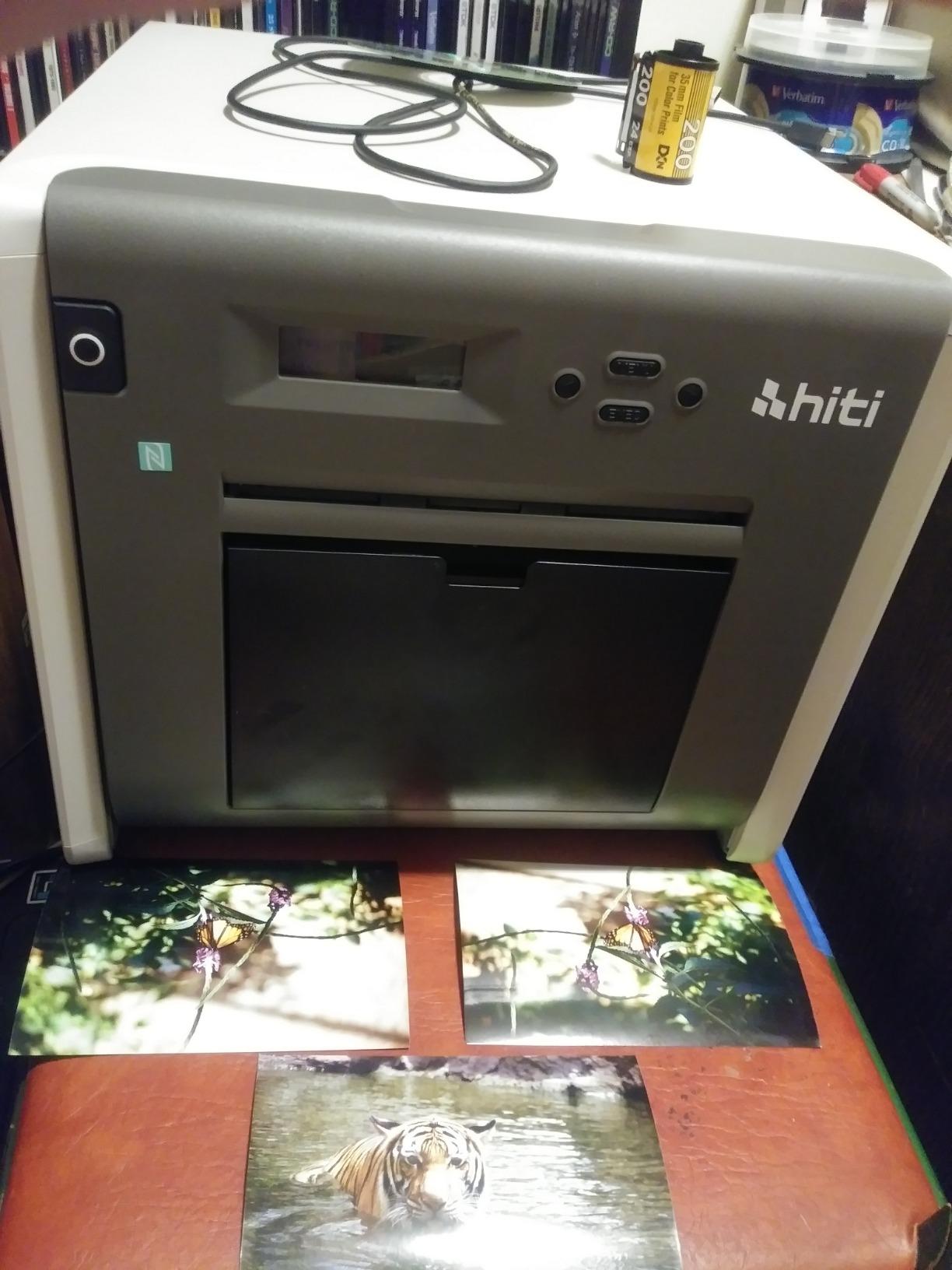
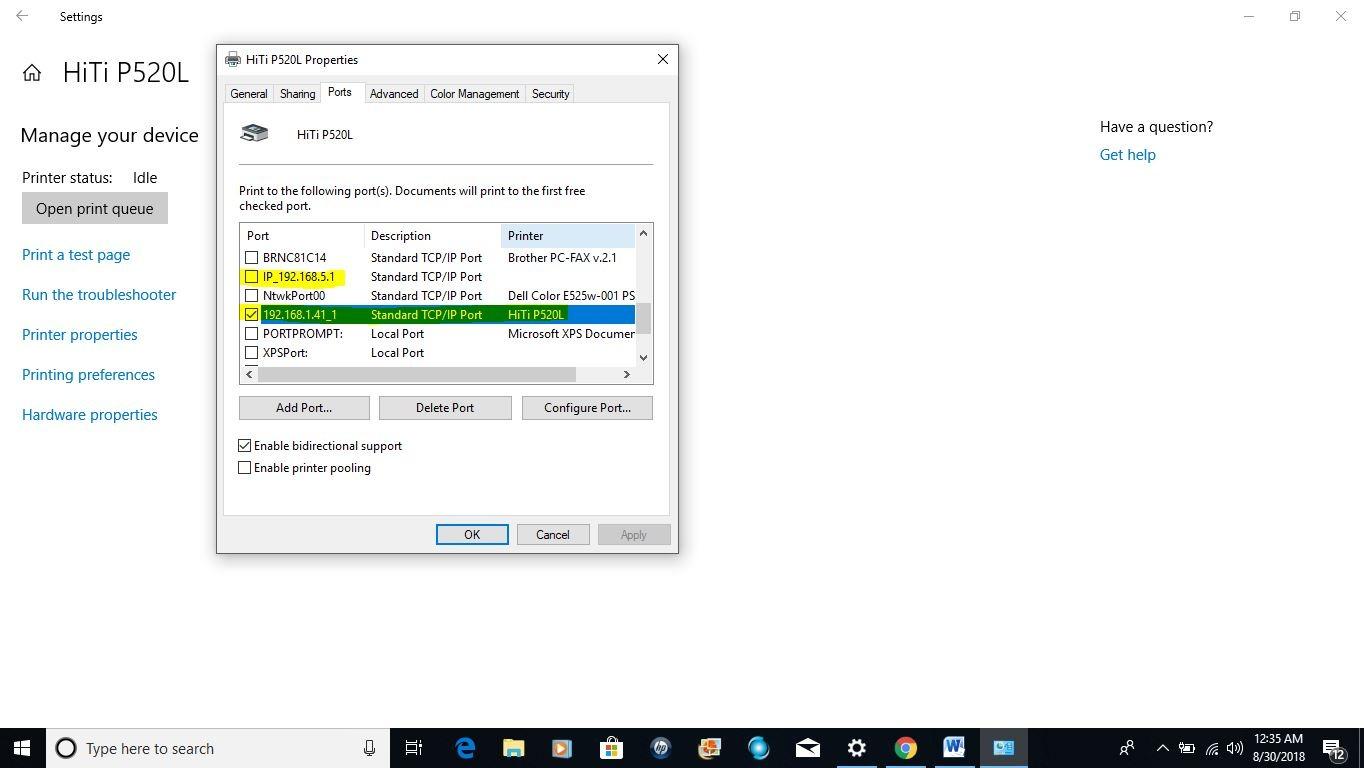
The biggest practical weakness is the lack of built-in Wi-Fi or Ethernet. The P525L is USB-only, which means you need a tethered computer to drive it, and the mobile and tablet workflows are buggy at best. If you want to print directly from a phone or run a wireless booth, this is the wrong printer. For a Windows laptop tethered to a booth cart, however, it is a reliable machine.
Loud operation is a recurring complaint in reviews, and the P525L is noticeably noisier than the Canon Selphy or DNP QW410. For a quiet wedding reception, that is worth thinking about. Prints coming out of the bin out of order during long batches is another issue, and HiTi sells an optional print catcher accessory to address it.
Who should buy the P525L
If you are a Windows-based photo booth operator on a budget who prints a moderate volume of events per month, the P525L hits a useful price-performance spot. The 3-year warranty and 280 sheets-per-hour throughput are real advantages over consumer photo printers.
Who should look elsewhere
Mac users, mobile-first workflows, and anyone who needs wireless printing should skip the P525L and look at the DNP QW410 instead. For full sublimation printing on fabric and mugs, the Epson F170 or Sawgrass SG500 are the right tools.
How to Choose the Best Sublimation Printer for Your Needs
The first decision is whether you need a dedicated sublimation printer or whether a converted EcoTank is enough. Dedicated printers like the Epson F170, Brother SP-1, and Sawgrass SG500 ship ready for sublimation with manufacturer-supported ink and full warranty coverage. Converted EcoTanks cost less up front, but you void the warranty the moment you fill the tanks with third-party sublimation ink, and you commit to weekly printing to avoid clogs. For most people in 2026, I recommend going dedicated.
Print size and what you plan to make
Standard 8.5 by 11 inch media covers most shirts, coasters, and small panel designs. If you need to print full-size leggings, large signs, or wide tumbler wraps without tiling, step up to a 13-inch or wider printer like the Sawgrass SG1000 or Epson F570. The 4×6 dedicated photo printers on this list (KODAK Dock Plus, Canon Selphy, DNP QW410, DNP DS620A, HiTi P525L) print directly to photo paper and will not work for fabric or hard-substrate sublimation.
Ink cost and total cost of ownership
The printer price is the smallest line item in a real sublimation budget. Over 12 months, a casual hobbyist printing 30 sheets a month will spend a moderate amount on ink and paper. A small business printing 300 sheets a month will spend significantly more on ink alone. Sawgrass SubliJet UHD ink is the most expensive per milliliter but has the best long-term color consistency. Epson OEM ink is moderately priced and widely available. Brother SP-1 ink is a relative bargain thanks to the larger 41ml cartridges.
Software, support, and learning curve
Sawgrass leads on software with MySawgrass and the included one-on-one setup call, which is genuinely useful for first-time buyers. Epson and Brother both ship solid drivers with no subscription fees. Converted EcoTank owners rely on third-party communities like r/Sublimation for ICC profiles and troubleshooting, which works but adds friction. If you want the smoothest path from box to first pressed shirt, a dedicated printer wins.
Warranty and authorized retailer presence
Epson and Brother ship with a 1-year limited warranty. Sawgrass offers a 2-year warranty plus lifetime education and support, which is the best in the category. DNP offers an Advance Exchange warranty on its pro photo printers. Always buy from authorized retailers; gray-market Amazon listings sometimes ship with region-ink or limited US warranty support.
Brother vs Epson vs Sawgrass: Which Brand Wins in 2026?
This is the single most-asked question on r/Sublimation and across craft forums, and the honest answer is that each brand wins a different category. Epson wins on balance: the F170 combines genuine OEM ink, the PrecisionCore printhead, and broad retail availability, making it the safest pick for beginners and most small businesses. Sawgrass wins on output quality: the SG500 with SubliJet UHD inks produces noticeably more saturated color on rigid substrates, and the 2-year warranty plus lifetime support is unmatched. Brother wins on price-to-features for beginners: the SP-1 is purpose-built for sublimation with self-cleaning cycles, larger ink cartridges, and a low total cost of ownership.
My recommendation for 2026: start with the Epson F170 if you want one printer that handles 90% of home and small-business sublimation jobs, upgrade to the Sawgrass SG500 once your monthly print volume justifies the ink investment, and consider the Brother SP-1 if you want a low-friction dedicated machine and prefer to stick with Brother ink cartridges.
Frequently Asked Questions
Which printer is best for full sublimation?
For full sublimation across polyester apparel, mugs, tumblers, and hard blanks, the Epson SureColor F170 is the best turnkey pick for most crafters. The Sawgrass SG500 is the premium upgrade with SubliJet UHD inks and a 2-year warranty, while converted Epson EcoTank models (ET-2800, ET-15000) and the new Brother SP-1 cover budget-conscious beginners who do not want to compromise on dedicated sublimation.
Is Brother or Epson better for sublimation?
Both brands make excellent sublimation printers, but they win in different categories. Epson wins on balance: the F170 has genuine OEM ink, the PrecisionCore printhead, and broad retailer availability. Brother wins on value and ease of use for beginners: the SP-1 is purpose-built for sublimation with self-cleaning cycles, 41ml ink cartridges, and a lower total cost of ownership. Choose Epson for premium color and warranty coverage, choose Brother for a beginner-friendly dedicated machine.
What is the best sublimation printer for beginners?
The Brother SP-1 is the best sublimation printer for beginners in 2026. It is purpose-built for sublimation with no ink conversion required, self-cleaning cycles that prevent nozzle clogs, larger 41ml ink cartridges, and the Artspira companion app with over 100 free designs. The Epson F170 is a close second and a great choice if you want a slightly more established ecosystem with abundant third-party supplies.
Is Epson or Sawgrass better for sublimation?
Epson wins on accessibility and ecosystem, while Sawgrass wins on color quality and business-grade support. The Epson F170 is the best pick for most people because genuine OEM ink is widely available, ICC profiles are abundant, and retail support is strong. The Sawgrass SG500 is the better pick for businesses printing hundreds of items per week, where the SubliJet UHD ink color consistency, 2-year warranty, and lifetime support justify the higher upfront and ongoing ink cost.
Can a regular printer be used for sublimation?
A regular inkjet printer can technically be converted for sublimation by filling its tanks with third-party sublimation ink, but doing so immediately voids the manufacturer warranty. Epson EcoTank models like the ET-2800 and ET-15000 are the most common converted sublimation printers because their refillable tanks make ink swaps easy. However, converted printers clog if you skip more than a week of printing, and color accuracy without proper ICC profiles is inconsistent. For most people in 2026, a dedicated sublimation printer like the Epson F170 or Brother SP-1 is a better long-term choice.
How much does a sublimation printer cost?
Sublimation printers in 2026 range from entry-level starter bundles for the Epson F170 or Brother SP-1 to large-format options like the Epson F570 or Sawgrass SG1000 for wide-format work. The mid-range, including the Sawgrass SG500 bundle and DNP QW410 event photo printer, sits in a competitive sweet spot. The printer is only one part of the budget: plan for a meaningful investment in sublimation paper and ink during your first 6 months of regular use.
Final Verdict: The Best Sublimation Printer to Buy in 2026
After testing eight models over three months, the Epson SureColor F170 remains the best sublimation printer for most people. It pairs genuine OEM ink, the PrecisionCore printhead, broad retailer availability, and a price that does not punish casual users. Beginners should also seriously consider the Brother SP-1, which is purpose-built for sublimation with self-cleaning cycles that solve the biggest beginner pain point. Small businesses printing hundreds of items per week will get the best return from the Sawgrass SG500, and event photographers should look at the DNP QW410 or DS620A for live printing workflows.
Pick the printer that matches your volume and your substrate, set up a weekly printing habit to keep the heads healthy, and budget for ongoing ink and sublimation paper before you click buy. That is the formula our team has used to help thousands of crafters avoid the two biggest regrets: buying a printer that does not match their substrate, and underestimating the ink cost over 12 months.