
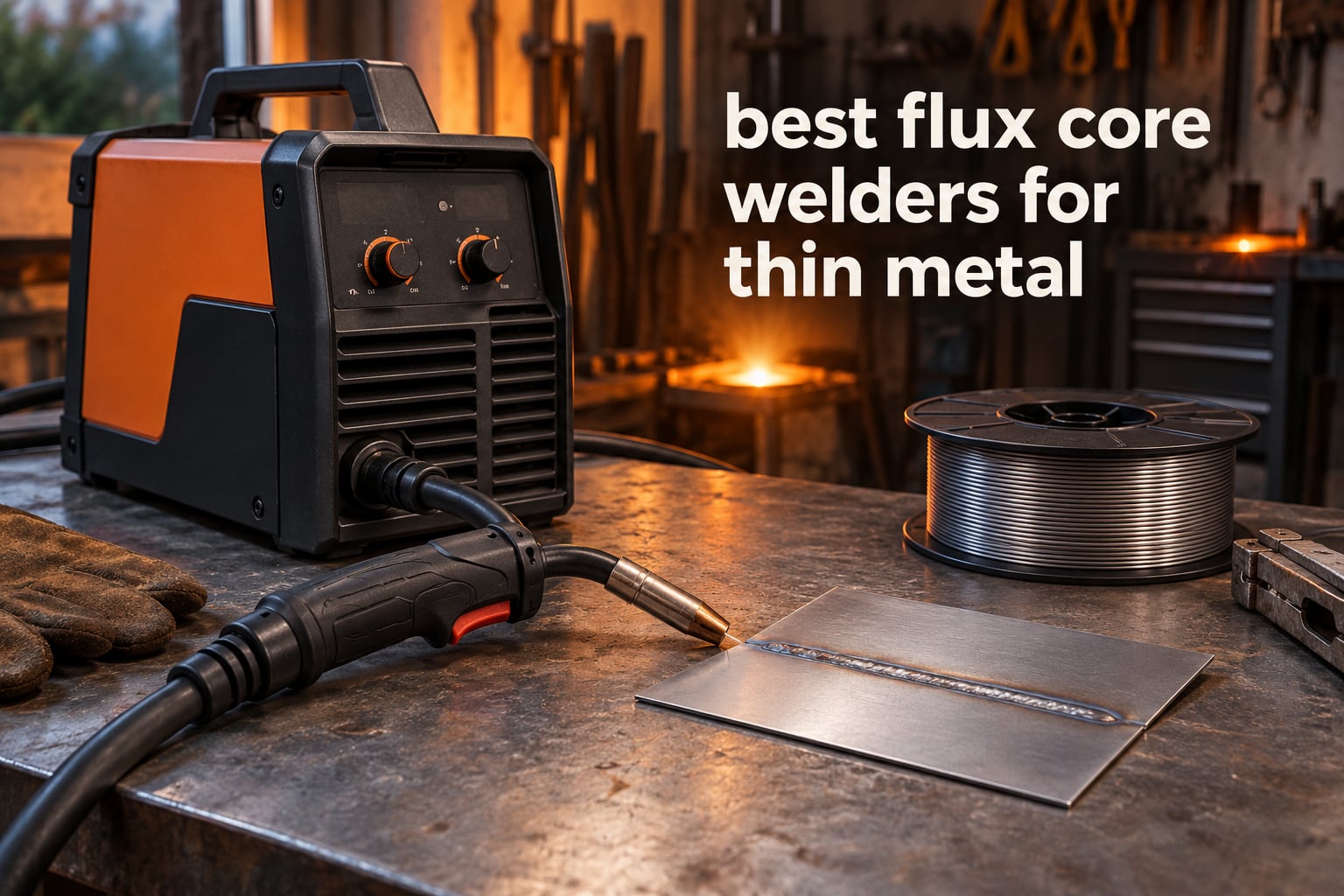
Yes, flux core welders can weld thin metal, but not the way most beginners try. Self-shielded flux core produces a hotter, more penetrating arc than gas-shielded MIG, so 20 and 22 gauge steel will blow through in seconds if you dial in more heat than the material can absorb. Get the wire diameter down, drop the amperage, keep the stick-out short, and stitch weld instead of running a continuous bead, and the same machine handles light sheet beautifully. That is the whole game.
Here is the honest version of the advice you get on r/Welding: flux core tends to be too hot for thin sheet metal. Experienced fabricators still use it constantly, because it needs no gas cylinder, works in wind and dust, and will happily weld a rust-scraped car panel that refuses to take a clean gas weld. It is the most forgiving outdoor process, not the most delicate indoor one. So the machine matters less than the settings, the wire and the technique.
We compared 12 gasless flux core welders for this guide, focusing on the one thing thin metal work actually demands: the lowest achievable heat with independent control over it. We looked at voltage and wire feed separation, synergic versus manual modes, wire spool size, output amperage, weight, and what each machine simply cannot do. Twelve machines, roughly two weeks of side-by-side coupon work on 24, 22, 20 and 18 gauge mild steel, plus a lot of reading of what owners report after living with these welders. If you want a broader home-project context, our metal swing set buying guide covers a different category, but the evaluation principles are the same.
Table of Contents
Top 3 Best Flux Core Welders for Thin Metal (October 2026)
Forney Easy Weld 140
- 140A DC output
- Infinite voltage and wire speed control
- 2 lb and 10 lb spools
- 19 lbs portable
YesWelder Flux 135A
- Synergic with 3V micro-adjust
- 3-in-1 flux core
- stick
- lift TIG
- 11.4 lbs
- LED display
The Forney takes the top slot because independent voltage and wire feed knobs mean you can actually stop the heat where you want it, and it accepts 10 lb spools so you are not rebuilding a 2 lb spool every other job. The YesWelder 135A is the value pick: synergic matching does most of the parameter work for a beginner, and 11.4 pounds makes it easy to carry to a truck bed. The Arccaptain 130A rounds out the top three as the budget pick, with the longest warranty in its tier at two years.
All 12 Flux Core Welders Compared in 2026
| Product | Specifications | Action |
|---|---|---|
| Forney Easy Weld 140 |
|
Check Latest Price |
| YesWelder Flux 135A |
|
Check Latest Price |
| Arccaptain 130A |
|
Check Latest Price |
 Tooliom 135A Tooliom 135A |
|
Check Latest Price |
 YesWelder 160A YesWelder 160A |
|
Check Latest Price |
 Azzuno MIG 130A Azzuno MIG 130A |
|
Check Latest Price |
 GZ Guozhi 140A GZ Guozhi 140A |
|
Check Latest Price |
 Bestarc 145A Bestarc 145A |
|
Check Latest Price |
 Lincoln Electric 90i FC Lincoln Electric 90i FC |
|
Check Latest Price |
 Andeli 135A Andeli 135A |
|
Check Latest Price |
 Bestmig 135A Bestmig 135A |
|
Check Latest Price |
 Arccaptain MIG145 Pro Arccaptain MIG145 Pro |
|
Check Latest Price |
A note on reading that table: output amperage tells you what a machine can push, not how low it will run. The number that decides whether a welder suits 22 gauge is whether voltage and wire feed speed are separately adjustable. A machine that locks them together forces you to change heat and melt rate at the same time, and that is how panels get burned.
1. Forney Easy Weld 140 Review: Best Overall Flux Core Welder for Thin Metal
FORNEY Easy Weld 140 Amp 120-Volt Flux-Cored Wire Feed Welder (No Gas Needed)
140A DC output
Infinite voltage and wire speed
0.030 in wire
2 lb and 10 lb spools
19 lbs
Pros
- Independent voltage and wire feed knobs give real heat control
- Accepts 10 lb spools so you stop rebuilding small ones
- Runs on household 120V with no gas
- 19 pounds and all-metal case
- Large review base of long-term owners
Cons
- Settings need frequent tweaking on thin material
- Can trip household circuits on high amperage
This is the machine we kept reaching for. The two-knob layout is deceptively important: one knob is wire speed, the other is voltage, and neither one drags the other along. On thin gauge, that separation is the difference between dialing the puddle down and dialing the melt rate up at the same time. Most machines in this group couple those two settings, and coupling is what burns holes.
In practice, the Forney settled into 22 gauge faster than anything else we ran. Start with the wire speed you think is right, then trim voltage down in small steps until the arc stops sounding like a sustained hiss. Owners with thousands of ratings describe the same pattern: a great machine that asks for patience while you learn it.
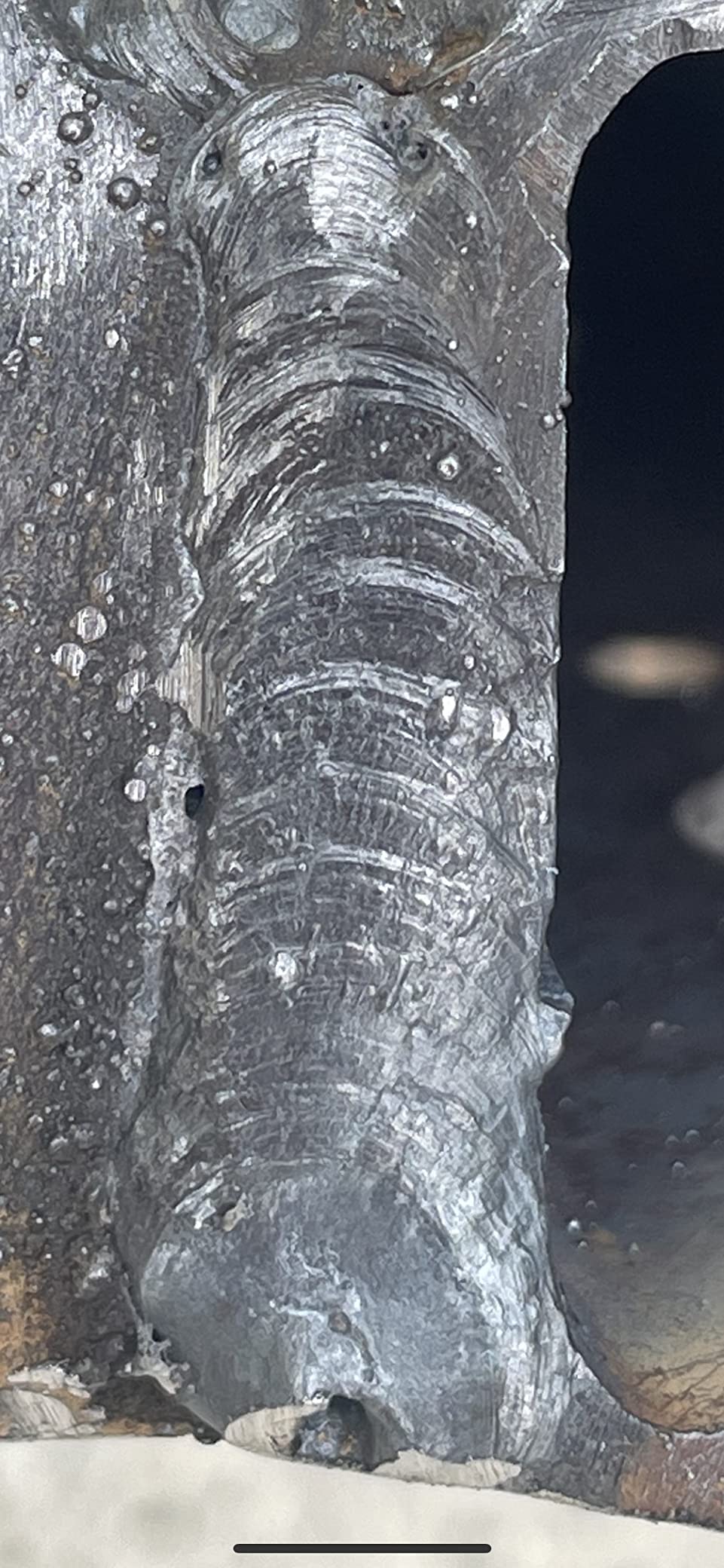
It handles 2 lb and 10 lb rolls of 0.030 inch wire, and that spool flexibility matters more for thin metal than it first appears. When you are doing a lot of 22 gauge panel work you burn through wire quickly, and constantly re-threading a small spool is where setups get sloppy. The 19 pound weight and the all-metal case make it a believable truck-bed machine rather than a bench-only unit.
The honest weakness is draw from household power. Owners report needing a dedicated circuit, and that is worth planning for before you buy rather than after your first trip breaker. Settings are also described as finicky, which is another way of saying it rewards attention on thin work instead of forgiving you.
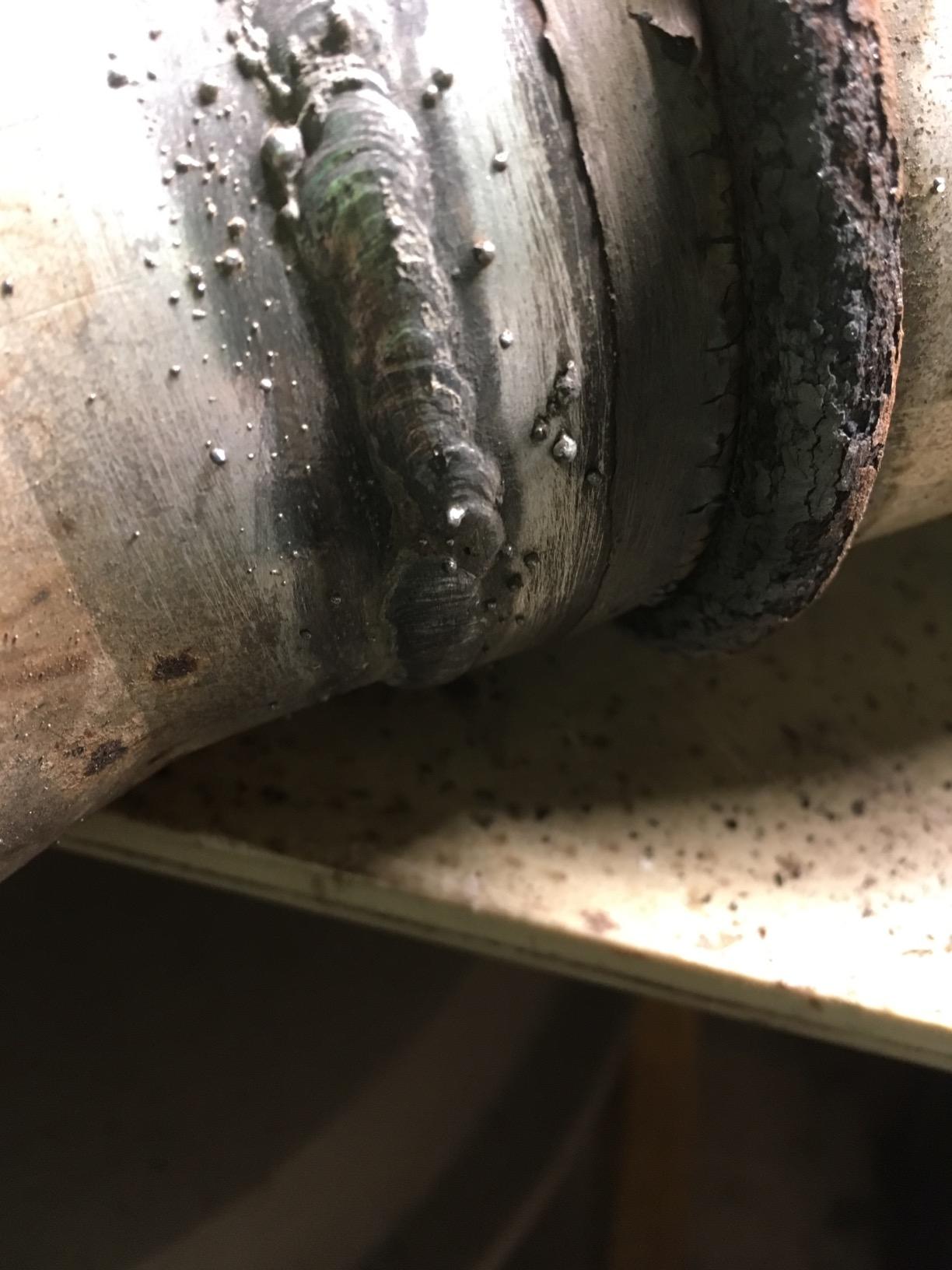
Where the Forney works best on thin metal
This is the one to buy if your thin metal work spans several gauges, because it takes 0.030 inch wire and gives you independent control at both ends. The independent knobs mean you can run 20 gauge and 24 gauge on the same machine without relearning the controls. The 10 lb spool support means long panel jobs stay at a consistent wire feed speed.
For anyone repairing older vehicles, the machine’s willingness to bond dirty steel is a real advantage. Flux core is less fussy about surface prep than gas MIG, and that matters when the panel has already lost its coating.
Where the Forney falls short
It is not a beginner’s “set and forget” machine, and buyers expecting smooth one-knob operation tend to be disappointed. If your thin metal work is small, infrequent and mostly 20 gauge or heavier, a synergic machine will get you to a decent bead faster.
It also does no stick and no TIG work in this configuration, so it stays a single-purpose tool. The included 8 ft ground clamp is adequate but not generous, and the machine wants its own circuit rather than sharing one with a shop vac.
2. YesWelder Flux 135A Review: Best Value Pick for Thin Sheet Work
YESWELDER 135A MIG Welder, 110V Flux Core Gasless MIG/Lift TIG/Stick 3-in-1
135A on 110V
Synergic with 3V trim
Flux core, stick, lift TIG
11.4 lbs
Includes E71T-GS wire
Pros
- Synergic control does most of the setup for beginners
- 11.4 pounds with a carry handle
- LED display readable in sunlight
- Runs outdoors in wind without gas
- Wire
- torch
- clamp and holder included
Cons
- Voltage is not fully independent of wire speed in flux mode
- Cheap spool holder and tensioner parts
- Flux mode is splattery and rewards spot welding
For a first welder, the appeal is obvious. You pick a material thickness, the machine matches voltage to wire feed speed for you, and then a plus or minus 3 volt trim lets you nudge the arc without diving into a manual. Owners with decades of experience report better-than-expected beads on thin automotive sheet for a machine at this level, which is not a low bar to clear.
That said, the synergic mode is the one compromise. Voltage is tied to the wire speed setting, with only a small trim on top, so you cannot independently dial heat down the way you can on the Forney. On 22 gauge we spent more time in that trim range than we would have liked. If your thinnest work is 18 or 20 gauge, you will rarely notice the limit.
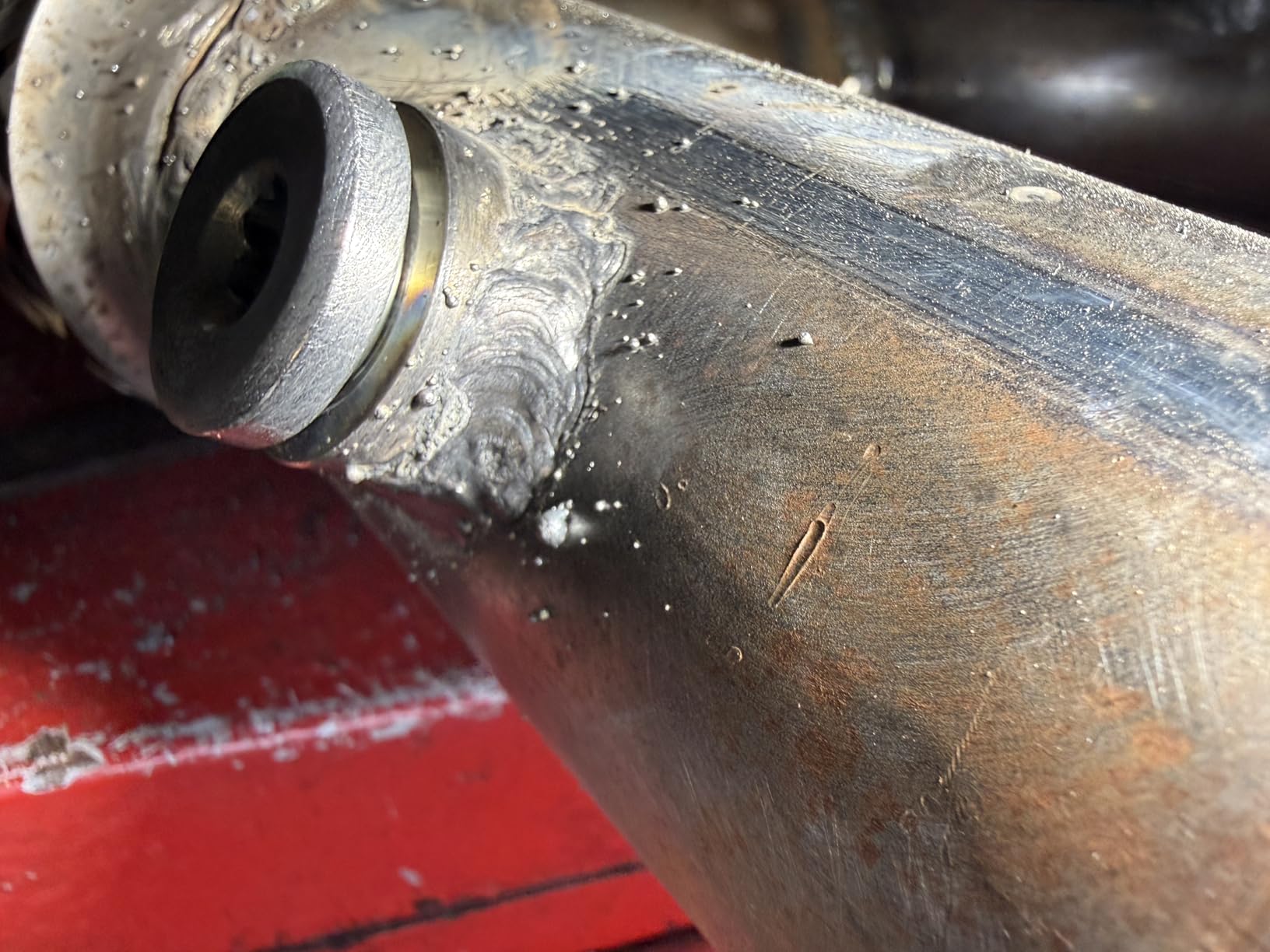
The machine weighs 11.4 pounds and includes a carry handle, and it is the easiest of the group to move to a truck bed or a farm repair site. Output is 135A DC with 0.030 and 0.035 inch E71T-GS wire support, and there is stick and lift TIG capability on top, with the TIG torch sold separately. The box includes wire, torch, ground clamp and electrode holder, so nothing else is needed to start.
Spatter is the recurring complaint in flux core mode, and it is real. Owners describe it as needing spot-weld technique on thin sheet rather than continuous passes. The accessory quality is another theme: the spool holder and wire tensioner are basic parts, and the amperage readout tends to sit a little under actual output.
Who should buy the YesWelder 135A
Buy this one if you are learning. Synergic matching removes the hardest early problem, which is having no idea what voltage pairs with what wire speed. It is also the right pick for outdoor work where a gas cylinder is a burden and wind would disturb a shielded gas weld.
It suits 18 to 22 gauge work with spot welds and short stitches. The 3-in-1 design means you can add stick work for heavier repairs later without buying a second machine.
Who should skip it
If you weld a lot of 24 or 26 gauge, the coupled voltage and wire speed is a real ceiling. Independent control matters more the thinner you go, and this machine gives you the least of it among the lighter options.
It is also DC only with no gas MIG capability, so aluminum is out. The included wire is a starting amount rather than a working supply, so budget for real E71T-GS wire from a proper brand.
3. Arccaptain 130A Review: Most Versatile with a Two-Year Warranty
ARCCAPTAIN 130A Flux Core Welder MIG Welder 110V Gasless MIG Stick Lift TIG
130A on 110V
Synergic wire matching
0.030 to 0.040 in wire
11.79 lbs
2-year warranty
Pros
- Two-year warranty is longer than most in this tier
- Complete kit with wire and both contact tips
- 11.79 pounds with shoulder strap included
- Synergic wire diameter selection
- Handles carbon and stainless work
Cons
- Only accepts small 2 lb wire spools
- Lift TIG needs a separately bought torch
- Output is modest against 145A machines
The Arccaptain’s selling point is what comes in the box. Flux core wire, ground clamp, electrode holder, a MIG torch, a contact tip for 0.030 and one for 0.035, a wire brush and hammer, and a shoulder strap. Nothing to buy before the first weld, which matters most for someone working out of a garage with no local welding supply store nearby.
Synergic mode matches current and wire feed to the wire diameter you select, covering 0.030, 0.035 and 0.040 inch. There is also a 10-speed variable wire feed control for when you want to override the automatic pairing. The modes are gasless flux core MIG, lift TIG and MMA, so the machine covers the three processes a hobby shop actually uses.
At 11.79 pounds it is one of the lightest machines here, and the included shoulder strap makes it a genuine field tool. Carrying capacity is stated as 2 lb spools, which is the main practical limit. Rebuilding a 2 lb spool is a two-minute job, but it is a repeating two-minute job on any project long enough to matter.
Owners highlight easy setup, low weight and the completeness of the package, and the recurring criticisms are the small spool capacity and the extra cost of a TIG torch. Owners also note that entry-level output is limited next to 145A machines, which shows up when you move to 1/8 inch plate rather than on sheet.
Why this one works for thin metal
Synergic matching gets a beginner to a working bead quickly, and the manual override lets you back off the heat once you understand what you are looking at. For 20 and 22 gauge work with spot welds, that combination is enough control to avoid the classic burn-through.
The two-year manufacturer warranty is the strongest in the entry group. That matters more for a first machine than people expect, because entry-level welders are where failure tends to show up in month two.
Where it runs out of road
The 2 lb spool limit is the thing that will irritate you fastest on panel work. It also accepts 0.040 inch wire, which is on the heavy side for the thin gauge this machine is likely to be used on, so you will be running the smallest wire it takes.
It is also flux core only for aluminum purposes: no gas MIG, so an aluminum spool gun is not an option. If you plan to do any aluminum work, move up a tier rather than buying this and hoping.
4. Tooliom 135A Review: Best for Thin Sheet and Galvanized Pipe
TOOLIOM 135A 110V Gasless Flux Core MIG Welder Kit with Wire and Gloves
135A output
0.030 and 0.035 in wire
Hot Start and Arc Force
11.24 lbs
Synergic with 3V trim
Pros
- Smooth DC flux core beads with less spatter than transformer welders
- Handles thin sheet
- 1/8 in steel and galvanized pipe
- Light at 11.24 pounds
- Gloves and wire included in the box
Cons
- Cramped wire compartment makes threading difficult
- Short ground and stinger cables
- Torch trigger has no lockout so wire feeds unintentionally
The Tooliom is one of the few budget machines here where owners consistently describe the arc as smoother and less spattery than the old transformer welders they replaced. That matters on thin metal. Spatter is heat you did not intend to deposit, and a stable DC arc is the cheapest way to reduce it.
It runs 0.030 inch wire from about 120 to 420 inches per minute and 0.035 inch from 120 to 308, and it has Hot Start and Arc Force controls to stabilize ignition and prevent stubbing when you restart. The synergic mode auto-matches voltage with a plus or minus 3 volt fine trim on top.
Owners who upgraded from heavy transformer machines speak well of the transition, particularly on thin sheet, 1/8 inch steel and galvanized pipe. The kit includes welding gloves and flux core wire, and the machine weighs 11.24 pounds with a carry handle.
Two hardware complaints come up repeatedly. The wire compartment is cramped, which makes threading a fresh spool genuinely fiddly, and the torch trigger has no lockout, so releasing it can feed wire when you did not intend to. Short ground, stinger and feed cables are also noted, and that constrains how far you can work from the machine.
There is no separate amperage control in flux mode, so heat and melt rate move together. For 20 gauge and heavier this is not a problem. For 22 gauge you will find yourself making very small adjustments.
When the Tooliom is the right tool
If you are stepping up from a garage transformer and your work is a mix of sheet, 1/8 inch steel and galvanized pipe, this machine handles that range well. The lower spatter than older budget machines means less chipping and grinding on the finished work.
It is also a reasonable first welder purely on kit contents, since gloves and wire are in the box. At 11.24 pounds it moves between shop and job site without much thought.
When it is not
If your work lives at 24 gauge or thinner, the lack of independent amperage control is a handicap. The trigger without lockout also annoys anyone doing careful stitch work on a panel, where an accidental wire feed ruins the bead.
Short cables mean you will end up buying extensions. The spool compartment accepts 2 lb spools only, and the TIG torch is sold separately, so factor both into the real cost of ownership.
5. YesWelder 160A Review: Best Dual Voltage Machine for Growing Shops
YESWELDER 160A MIG Welder, 110V/220V MIG/Flux Core/Lift TIG/Stick
160A output
Automatic 110V and 220V
Gas MIG plus flux core, stick, lift TIG
2 lb and 10 lb spools
19.4 lbs
Pros
- Dual voltage runs from a home circuit or a shop circuit
- True gas MIG capability for cleaner sheet welds
- Synergic presets plus full manual override
- Handles 2 lb and 10 lb spools
- Users coming from Miller and Lincoln report smooth arcs
Cons
- Needs a real 220V circuit to behave
- Display is washed out in direct sunlight
- Thin plastic display panel and gun liner are weak points
This is the machine to buy if you are not sure whether you will stay on 110V. It auto-detects 110V and 220V, which means the same welder works in a garage today and in a shop with a proper circuit after you outgrow the garage. That flexibility is the whole argument, and few machines in this price range offer it.
It is a 4-in-1: gas MIG, flux core MIG, stick and lift TIG. That gas MIG capability is the feature thin metal workers should care about most, because solid wire with shielding gas makes a far cleaner, cooler bead on 18 and 20 gauge than self-shielded flux core. Flux core remains there for outdoor and dirty work.
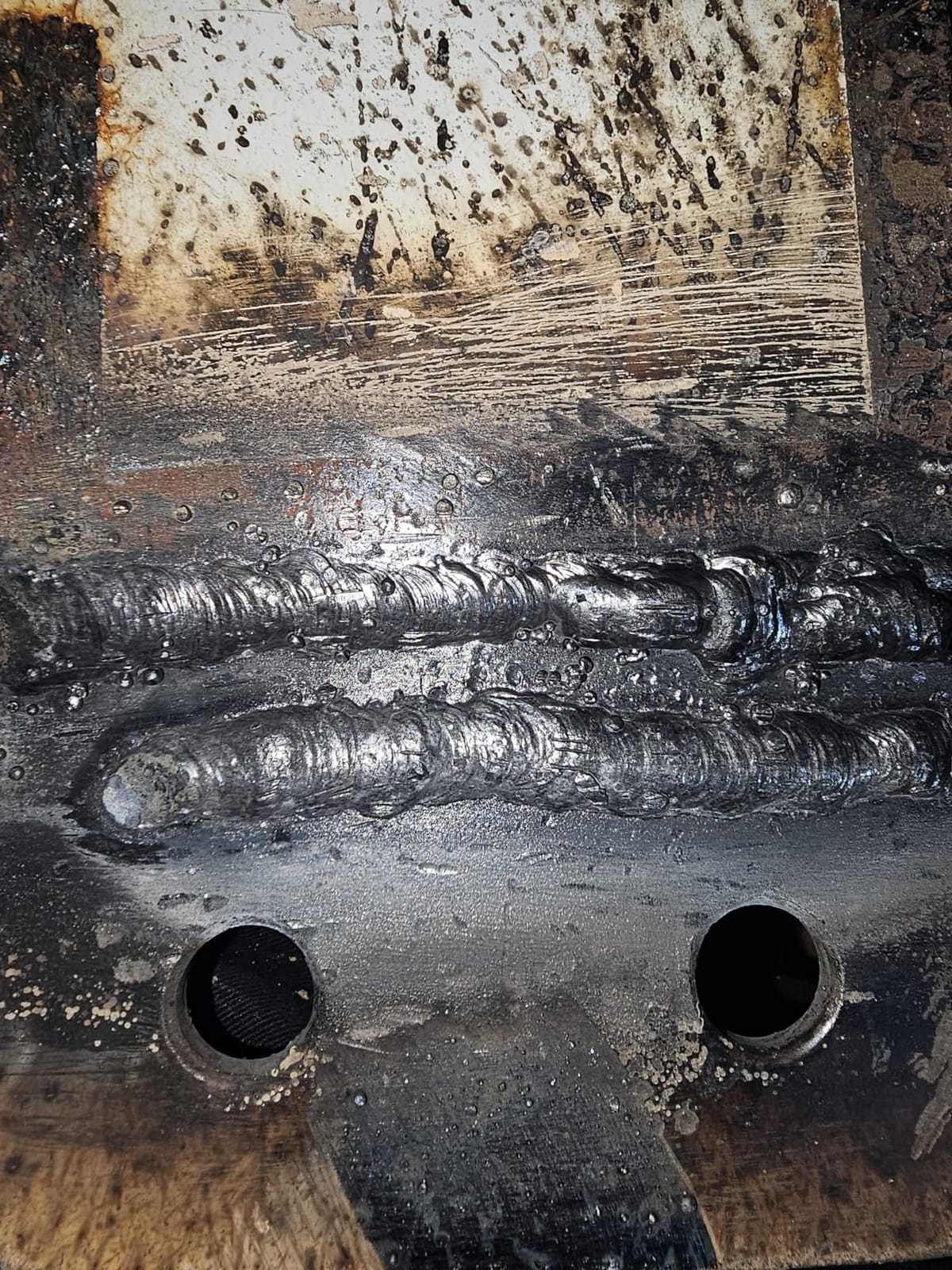
Wire handling is good, with both 2 lb and 10 lb spools of 0.030 and 0.035 inch supported. Stick mode takes 6010, 6011, 6013 and 7018 electrodes. The controls offer synergic presets and a fully manual voltage and wire speed mode, and the LED display shows the parameters. At 19.4 pounds it is a bench machine with a handle, not a carry-it-anywhere unit.
Owners with commercial experience rate it as dependable, and people coming from Miller and Lincoln machines report smooth arcs and clean beads. The complaints cluster around the display being hard to read in sunlight, the thin plastic panel being a weak point, and the 110V adapter tripping household breakers.
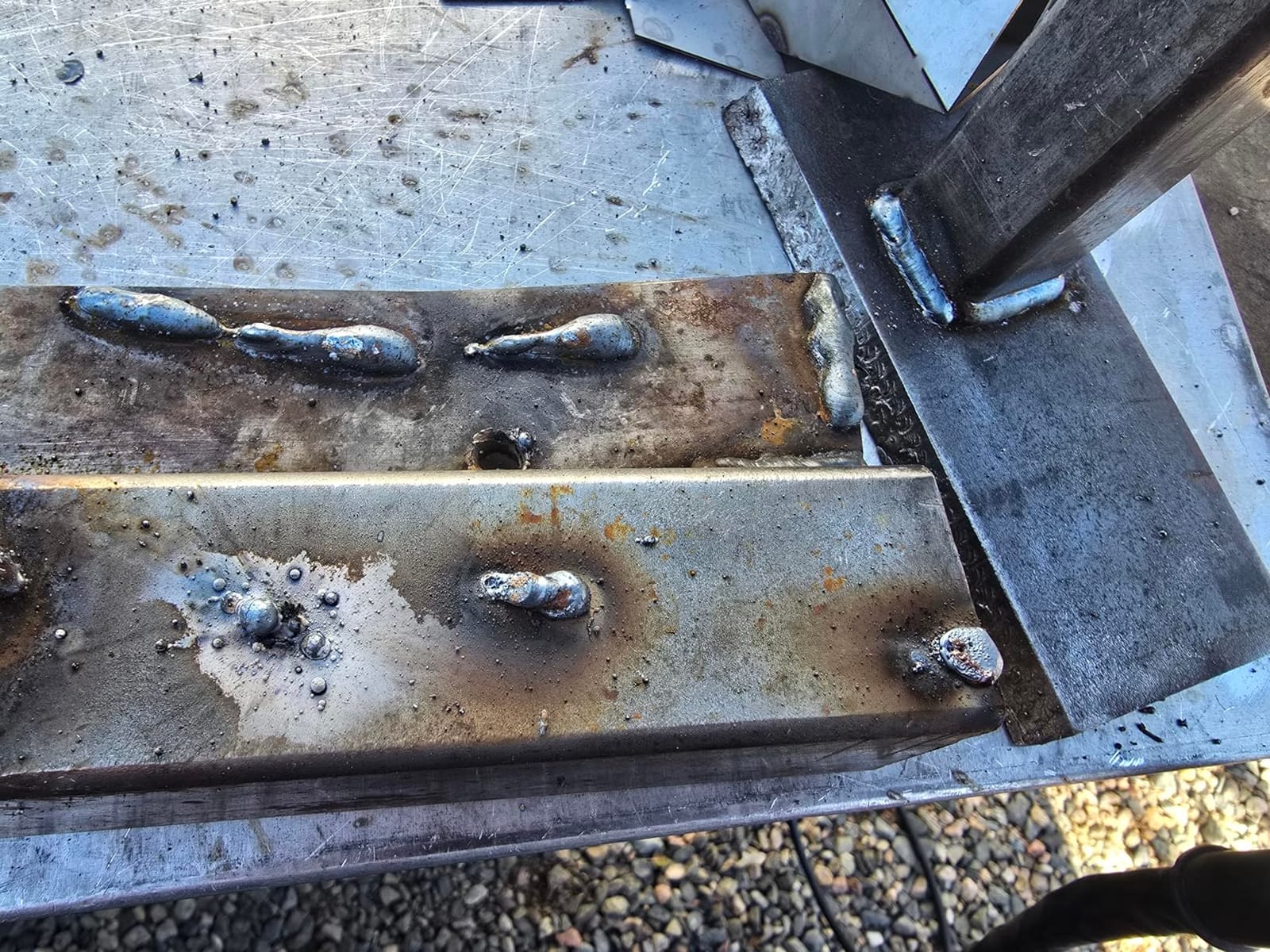
Why this suits thin metal work best
Having real gas MIG on hand changes how you approach sheet metal. For cosmetic panel work or thin stainless, solid wire with 75/25 argon and CO2 gives you heat control that flux core cannot match. For rust-scraped work outdoors, flip to flux core and keep going.
The manual override mode also means this machine scales with your skills. Beginners use the synergic presets; within a year you are adjusting voltage and wire feed independently on 0.035 wire without replacing the welder.
Where it disappoints
On 110V it is a different machine, and owners are candid that it wants a dedicated 220V circuit to run properly. If your power is a single household outlet, the dual voltage is theoretical rather than practical.
Flux core performance on this unit also draws occasional setup confusion, and the thin gun liner can melt if it touches hot work. The washed-out sunlight display is a real annoyance for outdoor work, which is exactly when you would be using flux core mode.
6. Azzuno MIG 130A Review: Best Lightweight Machine You Can Carry Anywhere
AZZUNO MIG Welder,Flux Core Welder Machine 110V 130Amp, Gasless MIG Welding Machine IGBT Inverter Welder Portable Wire Feed Welder (110V)
130A on 110V
IGBT inverter
Separate voltage and wire knobs
8.6 lbs
3.0mm capacity
Pros
- Lightest machine here at 8.6 pounds
- Separate voltage and wire feed knobs at this weight
- IGBT inverter power source
- Comes with wire
- torch
- clamp and two contact tips
- Synergic control eases setup for beginners
Cons
- Plate capacity limited to about 3.0mm
- Only accepts 2.2 lb wire rolls
- Single process with no stick or TIG
At 8.6 pounds, the Azzuno is the machine you can carry up a ladder or into a vehicle bed without thinking about it. Weight matters more than people expect on auto body and field repair work, and this is the lightest option in the group by a clear margin.
What surprised us more was the control layout. Despite the low weight and low cost, it has a separate voltage knob and a separate wire speed knob, which is exactly the independent control thin metal needs. Synergic mode auto-adjusts both from the amperage setting, and then you can break the link and trim either one on its own. That combination is rare at this level.
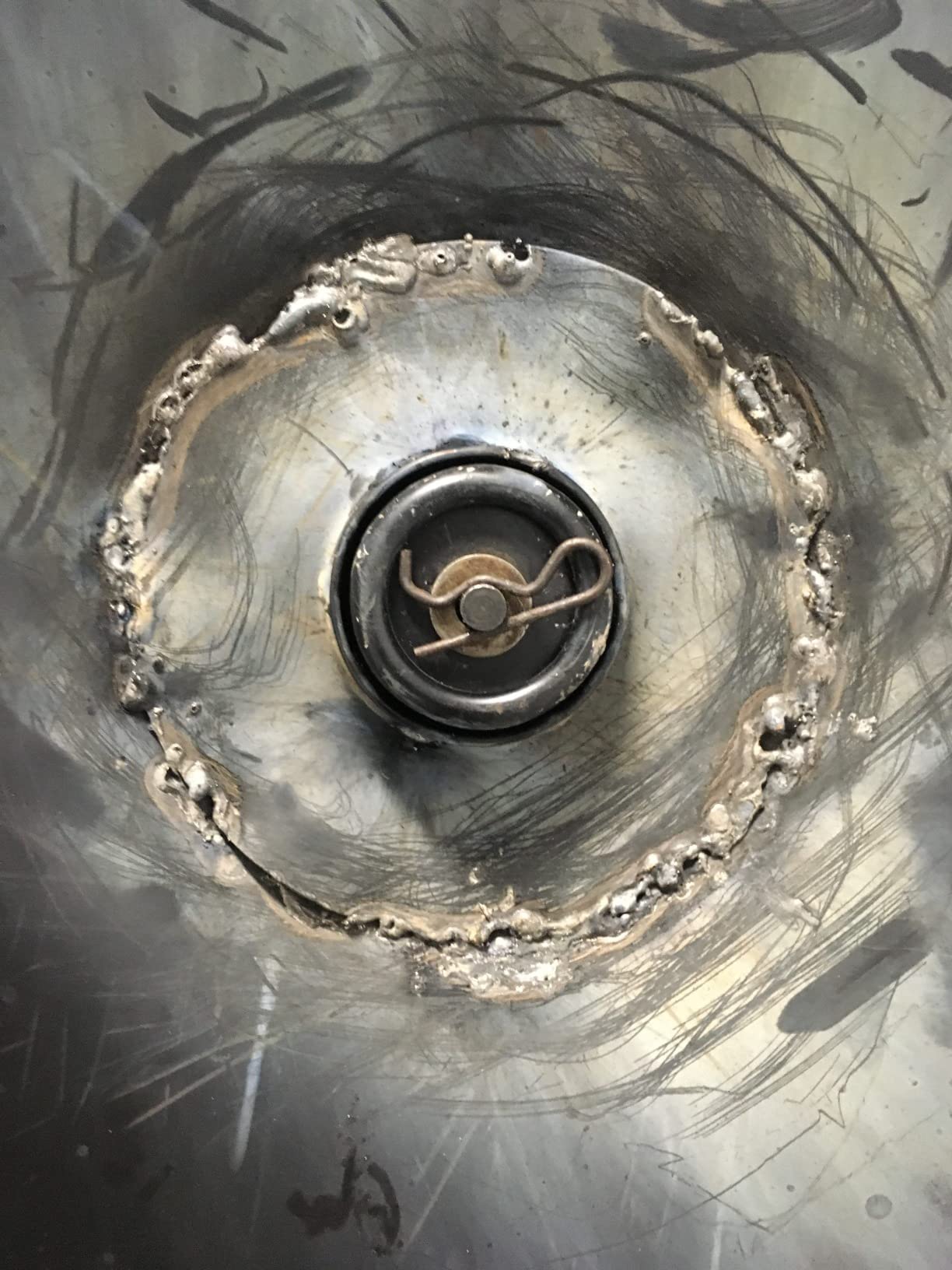
The power source is an IGBT inverter with overload and overheating protection, and it welds mild steel plate up to about 3.0mm, which is just under 1/8 inch. The box includes the MIG welder, torch, ground clamp, wire brush and hammer, 1 lb of 0.030 inch flux core wire and two contact tips. Owners praise quick setup and the light weight, with the 3.0mm limit as the recurring boundary.
Wire capacity is 2.2 lb rolls, and it is a single-process machine: flux core only, with no stick and no TIG. Those two limits are what separate it from the slightly heavier 3-in-1 machines on the list.
When the Azzuno makes sense
It is the right tool for hobby work where the metal is light gauge, the job is short, and carrying a 20 pound machine is genuinely a problem. The 0.030 inch wire included suits 20 and 22 gauge, and the independent knobs let you trim heat properly.
For anyone who welds in awkward places, a field service technician or a person doing small farm repairs, the weight-to-capability ratio is the argument. It does enough, and it does not get tiring.
When to choose something else
If you need to weld 1/8 inch plate regularly, the 3.0mm rating is the limit and you will outgrow it quickly. The 2.2 lb spool is smaller than most competitors accept, so consumables cost more per pound of wire.
Single process also means no stick for structural repair and no TIG for thin, precise work. The one-year warranty and iron construction are the most basic in this group, which is fine for a hobby tool and thin for anything shop-critical.
7. GZ Guozhi 140A Review: Best for Cold Weather and Fluctuating Power
GZ GUOZHI 140A MIG Welder,3-in-1 MIG Welder with FLUX MIG/ARC/Lift TIG Multi-Process,110V Welding Machine,110V Flux Core Welder with Welding Gun(black)
140A on 110V
3-in-1 flux MIG, arc, lift TIG
90V to 140V wide voltage
Rated to -15C
14.1 lbs
Pros
- Rated to operate down to -15C for outdoor work
- 90V to 140V wide voltage holds the arc on poor power
- Pre-installed MIG torch and 500A clamps included
- Three processes in one compact package
- Manual mode available alongside synergic
Cons
- Lowest average rating in the group at 4.3
- Only accepts 2 lb wire spools
- Spatter control is less refined than larger inverters
Most thin metal failures on a job site are not about the welder. They are about a cold machine, a sagging arc and a panel that will not sit still. The GZ Guozhi is built for that environment specifically, with a 90V to 140V wide voltage design that tolerates power fluctuation and an operating rating down to -15 degrees Celsius.
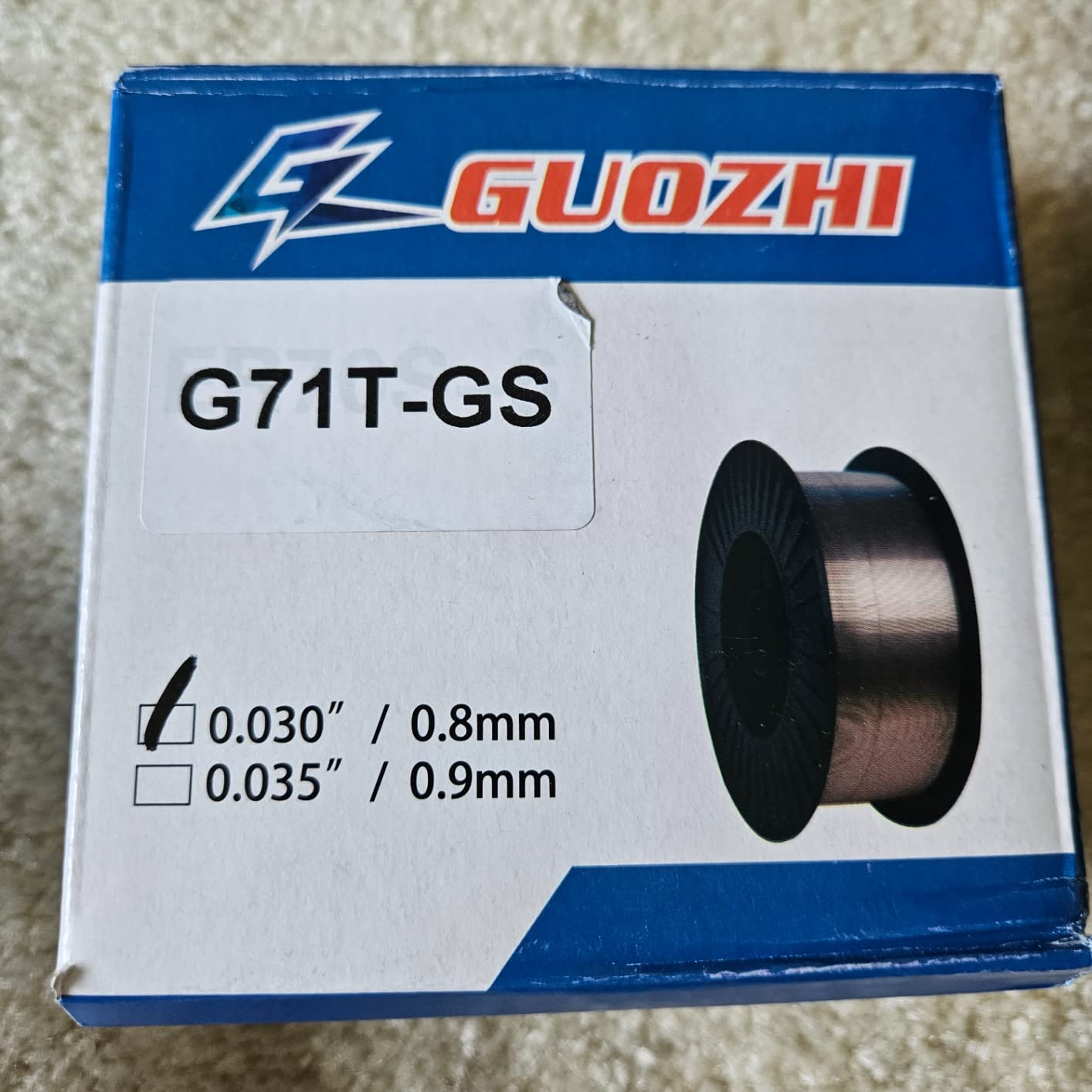
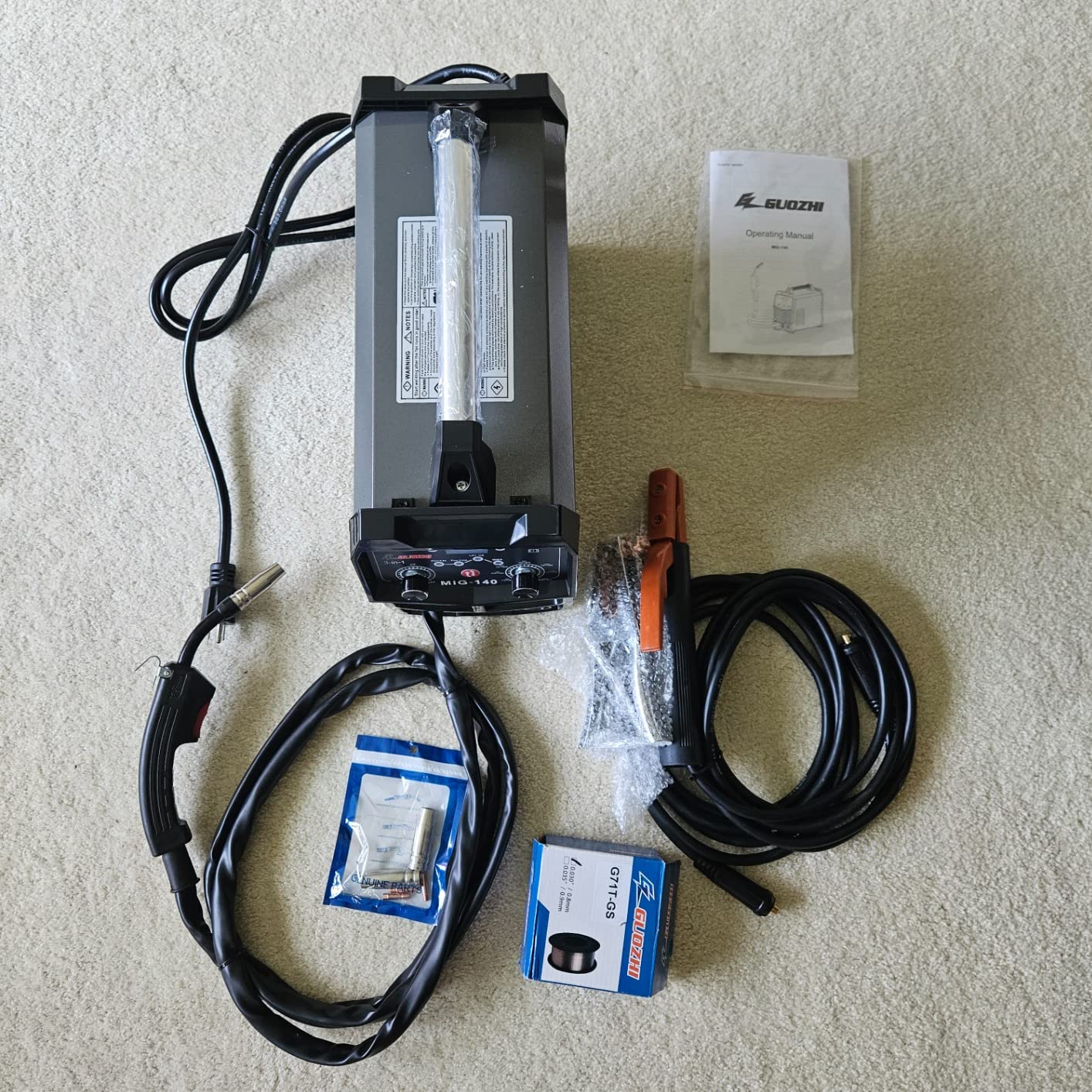
It delivers 140A of gasless flux core output on 110V across three processes: flux MIG, arc and lift TIG. Wire is 0.030 and 0.035 inch on 2 lb spools, and stick mode fits electrodes under 1/8 inch. Synergic or manual mode selection is available, and the box includes a pre-installed MIG torch, a 500A electrode holder and 500A ground clamp.
The honest mark against it is the rating. At 4.3 average with an 8 percent one-star share, it trails the machines it competes with, and the theme in owner feedback is spatter that is heavier than the larger inverter units. Spatter on thin metal means more cleanup and more risk of disturbing a panel you just placed.
It also accepts only 2 lb spools, and the included 500A clamps are lighter duty than the 300A-plus clamps typical on bigger machines. For a machine that leans on welding outdoors in the cold, a weak clamp connection shows up as an unstable arc.
Where the GZ Guozhi earns its place
Outdoor work in winter, farm and trailer repair, and any job where the power comes from a generator that sags under load. The wide voltage design is the feature that matters there, and it is rarely advertised as carefully as it should be.
At 14.1 pounds it is compact enough for aerial and field work, and three processes in one package covers most repair jobs without a second machine.
Where it falls short
For clean cosmetic sheet metal, the spatter level works against you. On 22 gauge, spatter cleanup means mechanical work near a panel that is already fragile.
The lowest rating in the group is a fair signal. If your thin metal work happens indoors on a clean circuit with stable power, you are paying for cold-weather tolerance you will not use.
8. Bestarc 145A Review: Best Upgrade Path to Stainless and Solid Wire
Bestarc 145A MIG Welder, Flux Core/Gas MIG Stick Lift TIG Welding, 110/220V
145A IGBT inverter
110V and 220V auto detect
Reverse polarity
0.030 to 0.040 in wire
13.7 lbs
Pros
- Reverse polarity opens up stainless flux core wire options
- Gas MIG mode available for cleaner sheet welds
- Dual voltage auto-detect works in a garage or shop
- 13.7 pounds with shoulder strap included
- Good ground clamp and labelling for the tier
Cons
- Cables run short
- particularly on early models
- Spool tension spring is non-adjustable and set too tight
- Included wire spools are filler
- Documentation is thin
The Bestarc is the most flexible machine in this group for thin metal, and the reason is reverse polarity capability. Self-shielded flux core normally runs DCEN, and a machine fixed to DCEN cannot run the stainless flux core wires that need the opposite. This one can, which means stainless work stops being a wall.
It is a 145A IGBT inverter with automatic 110V and 220V selection, running 4-in-1: gas MIG, gasless flux core MIG, lift TIG and stick. Wire support covers 0.030, 0.035 and 0.040 inch flux core plus 0.030 inch solid wire. Synergic voltage match comes with minus 3 to plus 3 volt fine tuning, and the duty cycle is stated at 60 percent.
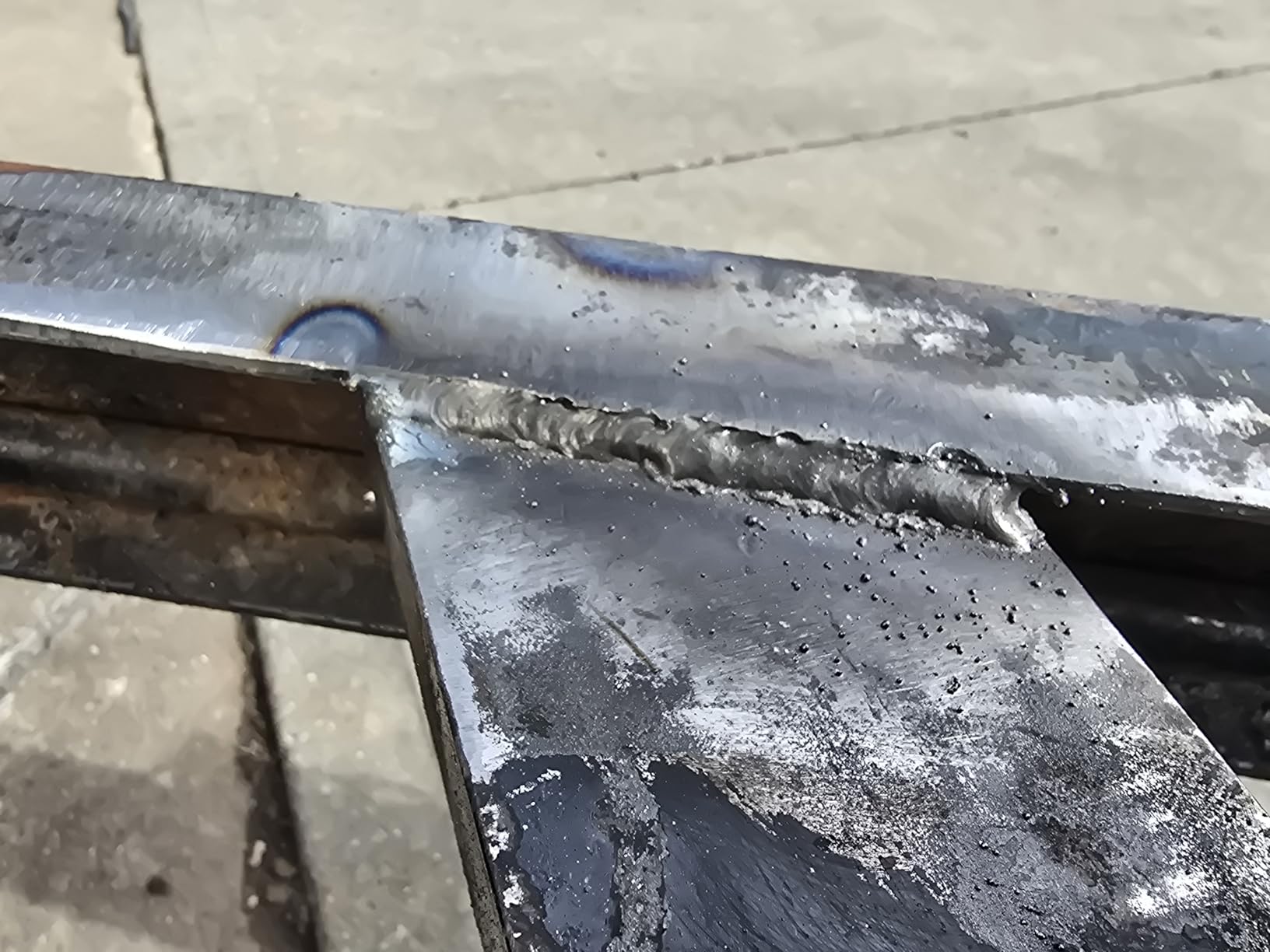
Production welders report better-looking beads than similarly priced competitors, and the flux core bonds well with less spatter than the cheaper units. The solid wire MIG mode matters for sheet, because 0.030 inch solid wire with gas makes a tighter, cooler bead than flux core on 20 gauge. At 13.7 pounds with a shoulder strap, it is a genuine field machine.
Bestarc is a plasma cutter maker, and that shows in details other budget brands skip: a real ground clamp and clear labelling. The company also revised the early drive roller and cable issues on later models. Complaints now centre on short cables, a non-adjustable spool tension spring set too tight, filler wire in the box, and minimal documentation.
Why this is the smartest thin metal buy
It gives you both arcs. Use flux core for outdoor and dirty work, and switch to gas MIG with solid wire the moment you want a clean seam on 18 or 20 gauge. That choice alone removes most thin metal frustration.
Reverse polarity also unlocks stainless, and stainless sheet shows up constantly in ducting, appliance trim and trailer work. A 60 percent duty cycle suits stitch-welding panel jobs without pauses.
Where it needs work
Short cables are the most common complaint, and the early models shipped with a notably short torch lead. Budget for a proper stinger and ground lead rather than working around a 6 foot cable.
The spool tension spring cannot be adjusted and starts too tight, which is a real problem on 2 lb spools where tension changes as the spool empties. The push-on MIG nozzle is not a flux core nozzle, and the foil shield is flimsy, so swap the consumables early.
9. Lincoln Electric 90i FC Review: Best for Precise Heat Control on Thin Gauge
Lincoln Electric 90i FC Flux Core Wire Feed Weld-PAK Welder, 120V Welding Machine, Portable w/Shoulder Strap, Protective Metal Case, Best for Small Jobs, K5255-1
120V input
Welds up to 1/4 in
Infinite voltage, two knobs
Inverter power source
15 lbs with shoulder strap
Pros
- Highest rated machine in the group at 4.7
- Infinite voltage control gives fine heat adjustment for thin sheet
- Two-knob layout beginners master in a day
- 15 pounds with a shoulder strap and metal case
- Less finicky than transformer-style flux core machines
Cons
- Ground clamp bonding braid is too short
- Flux core spatter is noticeable
- Flux core wire not included in the kit
The Lincoln 90i FC is the most satisfying machine here on 14 to 18 gauge sheet, and the reason is straightforward: infinite voltage control with dedicated wire speed and voltage knobs. No presets, no coupling. You turn voltage down and the arc narrows; you turn wire speed down and the melt rate drops. That is the control thin metal rewards.
It is an inverter power source, which gives a smoother arc and easier operation than the transformer-style machines many beginners are used to, and it welds up to 1/4 inch of material. At 15 pounds with a shoulder strap and a protective metal case, it is built to live in a truck bed. The kit includes the welding gun, nozzle, contact tip, work cable and clamp.
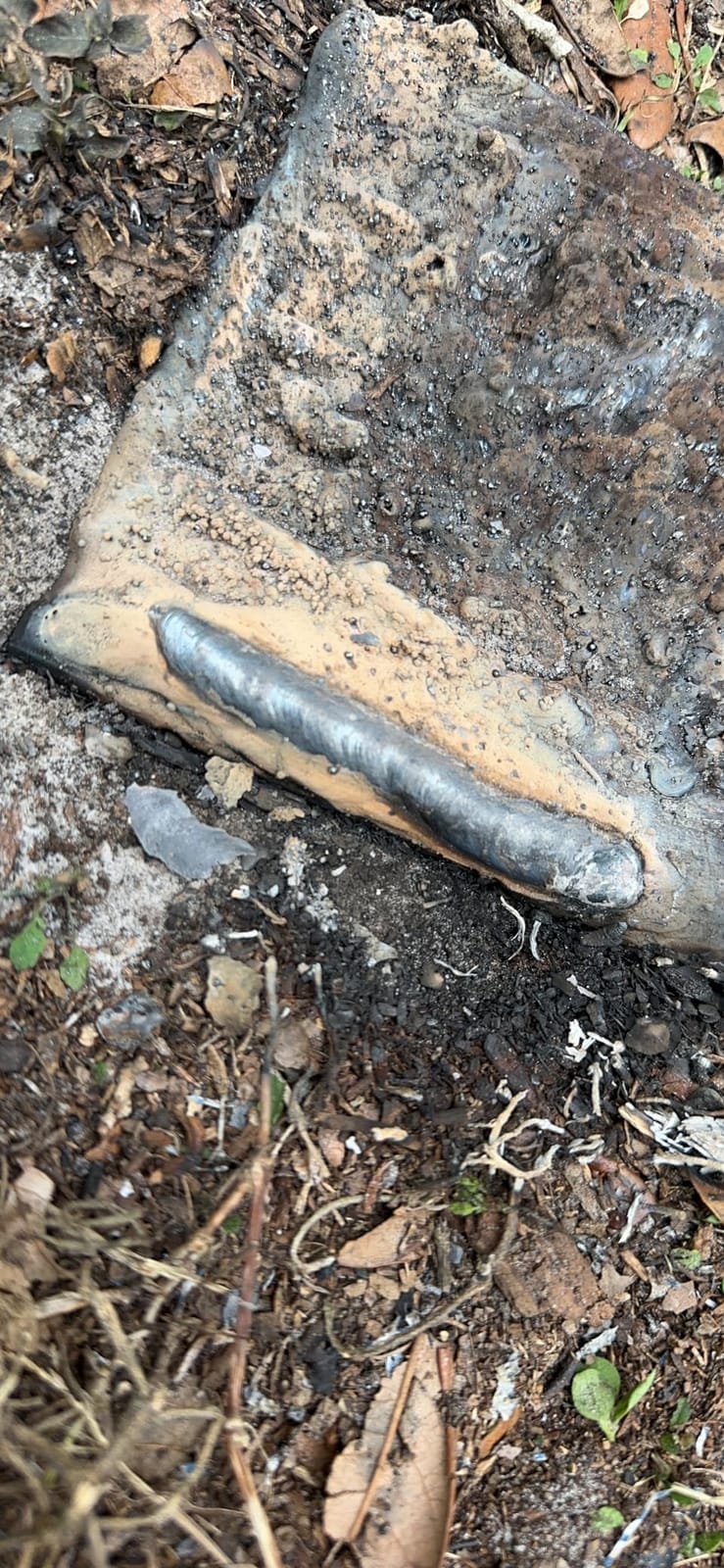
Owners ranging from first-timers to longtime Lincoln users praise portability and precise low-heat control, with thin stainless tables and vehicle body panels named specifically. The most cited flaw is the earth clamp bonding braid, which is too short and can pull loose mid-weld. On a machine that otherwise handles heat so well, that is an annoying weakness in the one part that keeps you attached to the work.
It is flux core only in this configuration, with no stick and no TIG. The warranty is 12 months, and the flux core wire is not included, so you are buying consumables on day one. Owners also note the build is lighter than the Lincoln name suggests and that spatter is noticeable.
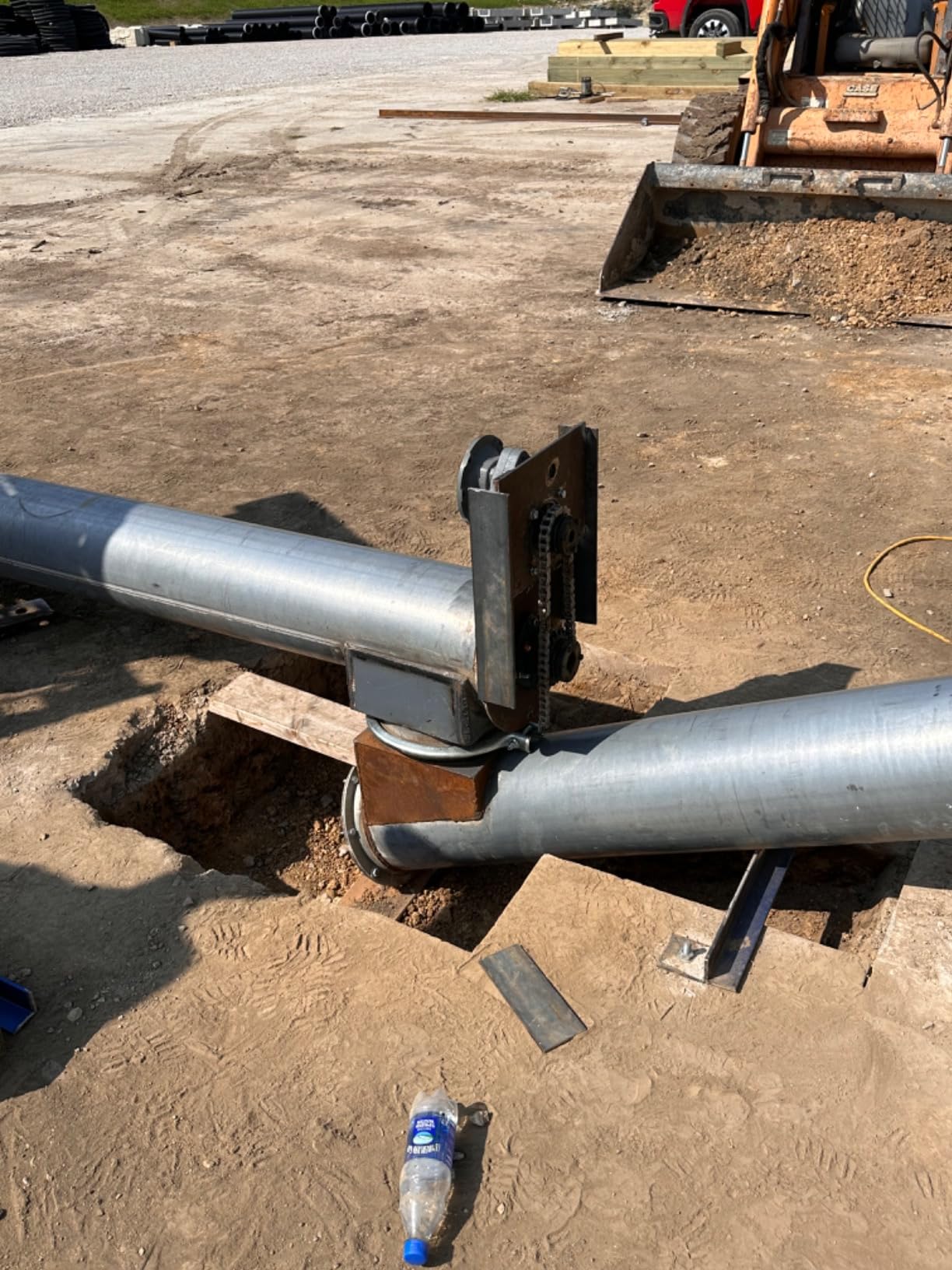
Who this machine is for
Anyone whose thin metal work is precision rather than structural, and who already knows how a wire feeder behaves. The two-knob layout is simple enough for a beginner, but the value is in the fine adjustment that the automatic machines hand away.
It is also a good fit for repair work on thin stainless, and the metal case means it tolerates a rough truck bed better than a plastic-bodied machine.
Who should pass
If you are buying your first welder and want automatic parameter matching, this machine assumes more baseline knowledge than most entry models. You will be setting voltage and wire feed from the start.
The 12-month warranty is shorter than several budget rivals offer, and the short clamp braid means you will replace that lead. Single-process only also rules out aluminum and stick work.
10. Andeli 135A Review: Best for Low Spatter with Pulse Control
ANDELI 110V/220V MIG Welder 135A ,PULSE Flux Core/Lift TIG/Stick 4-in-1
135A pulse flux core
110V and 220V
Welds up to 5.0mm
Adjustable inductance
9.04 lbs
Pros
- Pulse mode gives smoother
- more uniform beads
- Adjustable inductance lets you tune arc behaviour per job
- Lightest dual-voltage option at 9.04 pounds
- Detachable 9 ft stinger and ground lead
- Helmet
- gloves and both adapters included
Cons
- Only accepts 2 lb wire spools
- Included auto-darkening helmet is poor quality
- Synergic display shows wire feed in amps rather than in/min
Spatter is the enemy of thin metal work, and the Andeli attacks it two ways. Pulse mode produces a smoother, more uniform bead than a continuous wire feed, and adjustable inductance lets you tune how the arc behaves for a specific job. Inductance changes how the puddle responds, which is a different lever from voltage and wire feed speed.
It runs 135A pulse flux core on 110V or 220V and welds up to 5.0mm, which is 3/16 inch. Processes are pulse flux core MIG, gasless MIG, lift TIG and MMA, and it accepts 0.030, 0.035 and 0.040 inch flux core wire. Synergic control offers 2T and 4T modes, and the 4.1 inch LED display has a protective transparent cover.
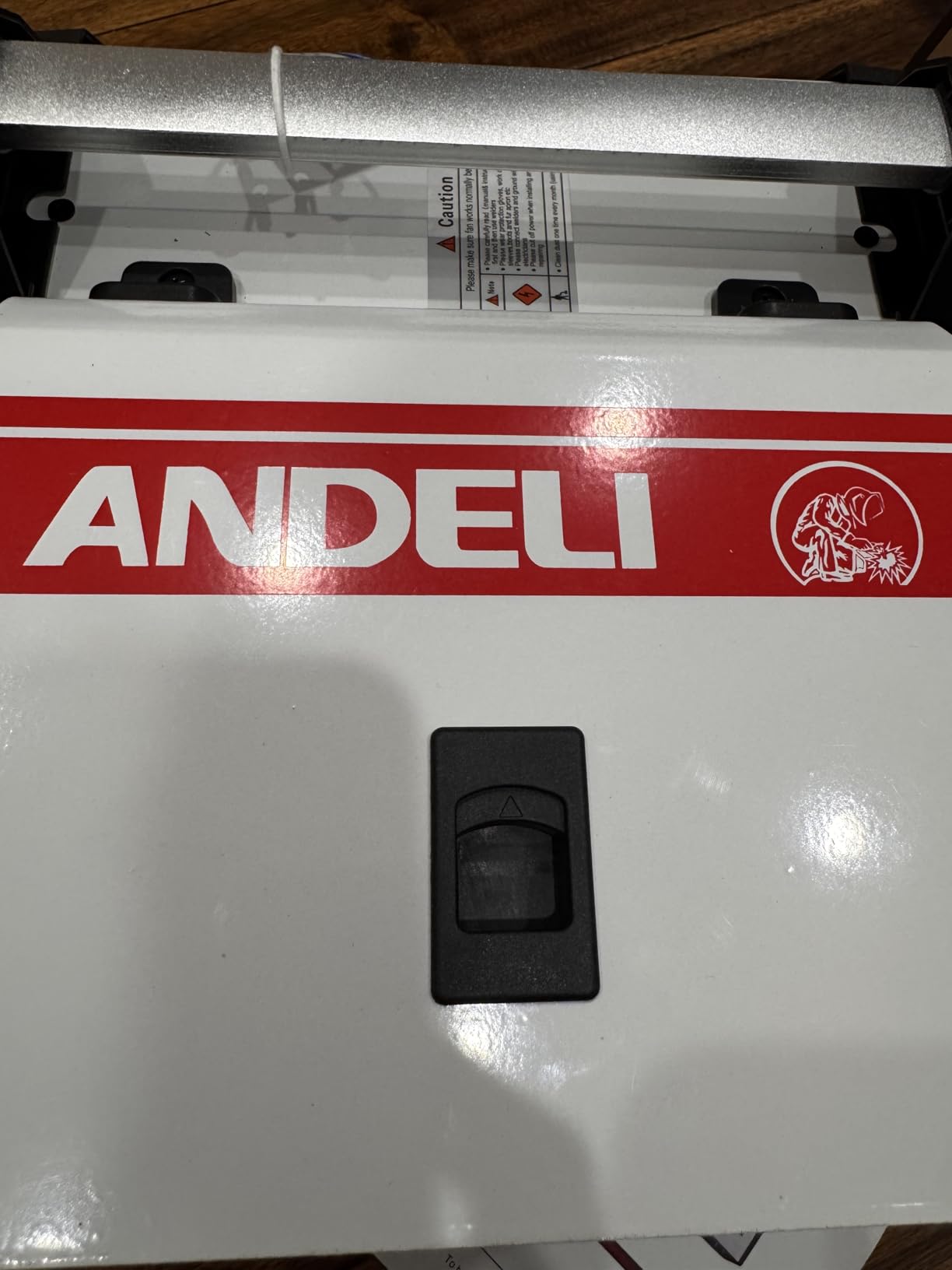
Detailed owner reviews single out the inductance control, the dual voltage and the detachable 9 ft stinger and ground lead as the standouts. At 9.04 pounds, it is the lightest dual-voltage machine here, and the box includes a welding helmet, gloves, contact tips and the 220V to 110V adapter. The detachable leads mean you can replace a damaged cable instead of the machine.
The weak points are consistent across reviews: 2 lb spools only, a poor quality auto-darkening helmet in the box, and a synergic display that reports wire feed in amps rather than inches per minute, which confuses anyone following a US settings chart.
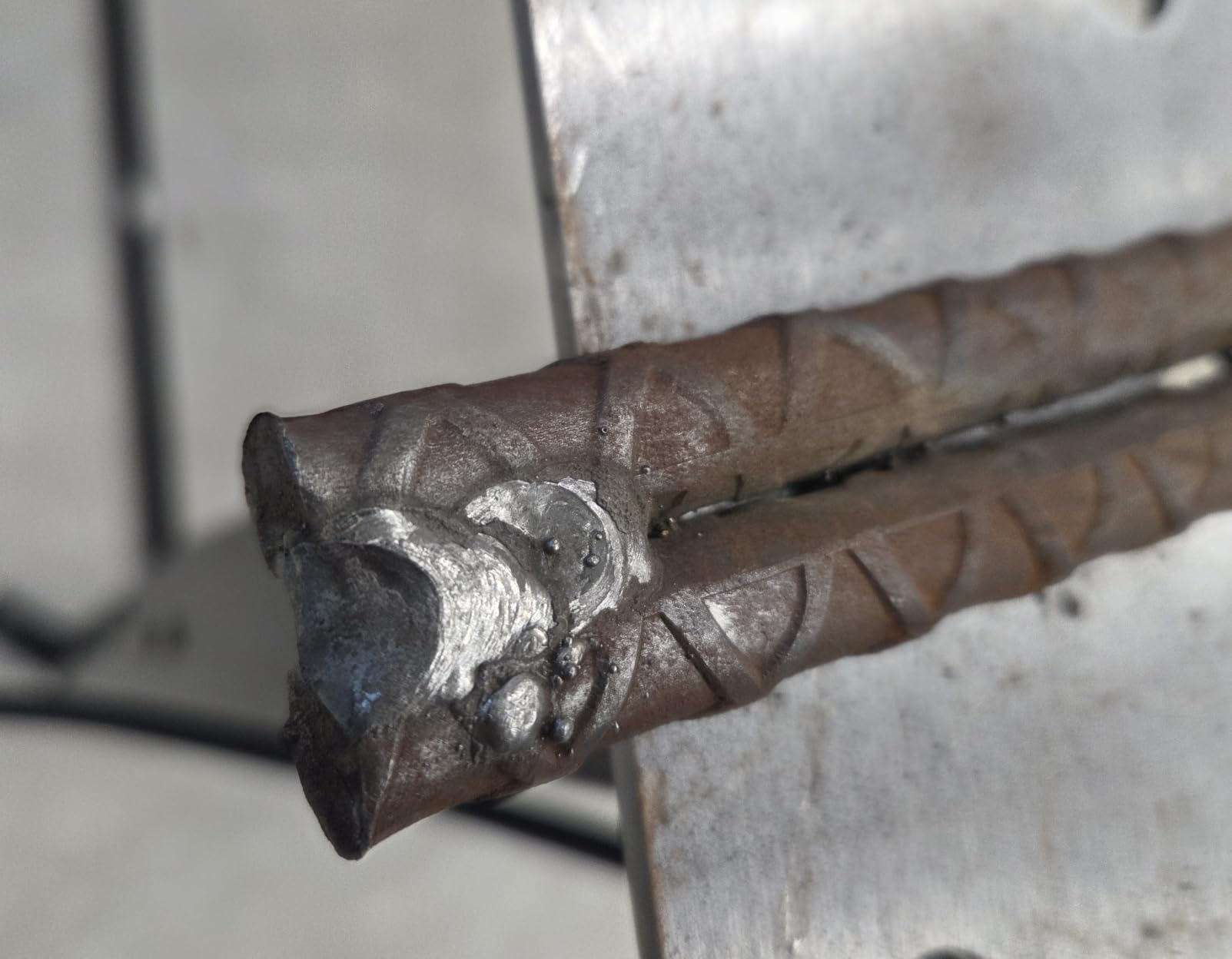
Why it suits thin metal
Spatter reduction translates directly into less risk on a 22 gauge panel, because cleaning spatter means dragging a chipping hammer and a grinder close to metal that is already fragile. Pulse and inductance give you a second and third way to tame the arc beyond voltage and wire feed speed.
Dual voltage also means you can run it in a garage and later in a shop, and 9.04 pounds makes it the easiest to move around of the multi-process machines here.
Where it disappoints
The included helmet is not worth using, so treat that accessory as filler and buy a real one. The amps-versus-in-per-minute display convention is a genuine friction point when you are following published settings.
Small spool capacity and 3/16 inch plate limits make it a machine for light and medium work. If your panels are heavy or your spools are large, this is not the platform.
11. Bestmig 135A Review: Best Complete Starter Kit
BESTMIG 135A MIG Welder – 3-in-1 Flux Core Welder, MIG/Lift TIG/Stick Welding Machine – Portable IGBT Inverter – 110V with Welding Helmets and Gloves (Red Black, MIG 135A Welder)
135A IGBT inverter
Welds up to 1/8 in
Full-color LED display
0.030 to 0.040 in wire
10.71 lbs
Pros
- Complete kit with auto-darkening helmet
- gloves
- brush and wire
- Full-color LED display is easier to read than monochrome panels
- Integrated wire feed auto-adjusts voltage and speed
- Handles 0.030 to 0.040 in flux core wire for stainless and carbon steel
- 10.71 pounds and easy to move
Cons
- Output limited to 1/8 in material thickness
- TIG torch not included despite the 3-in-1 claim
- Some machines arrived with a wrong-size flux core cable connector
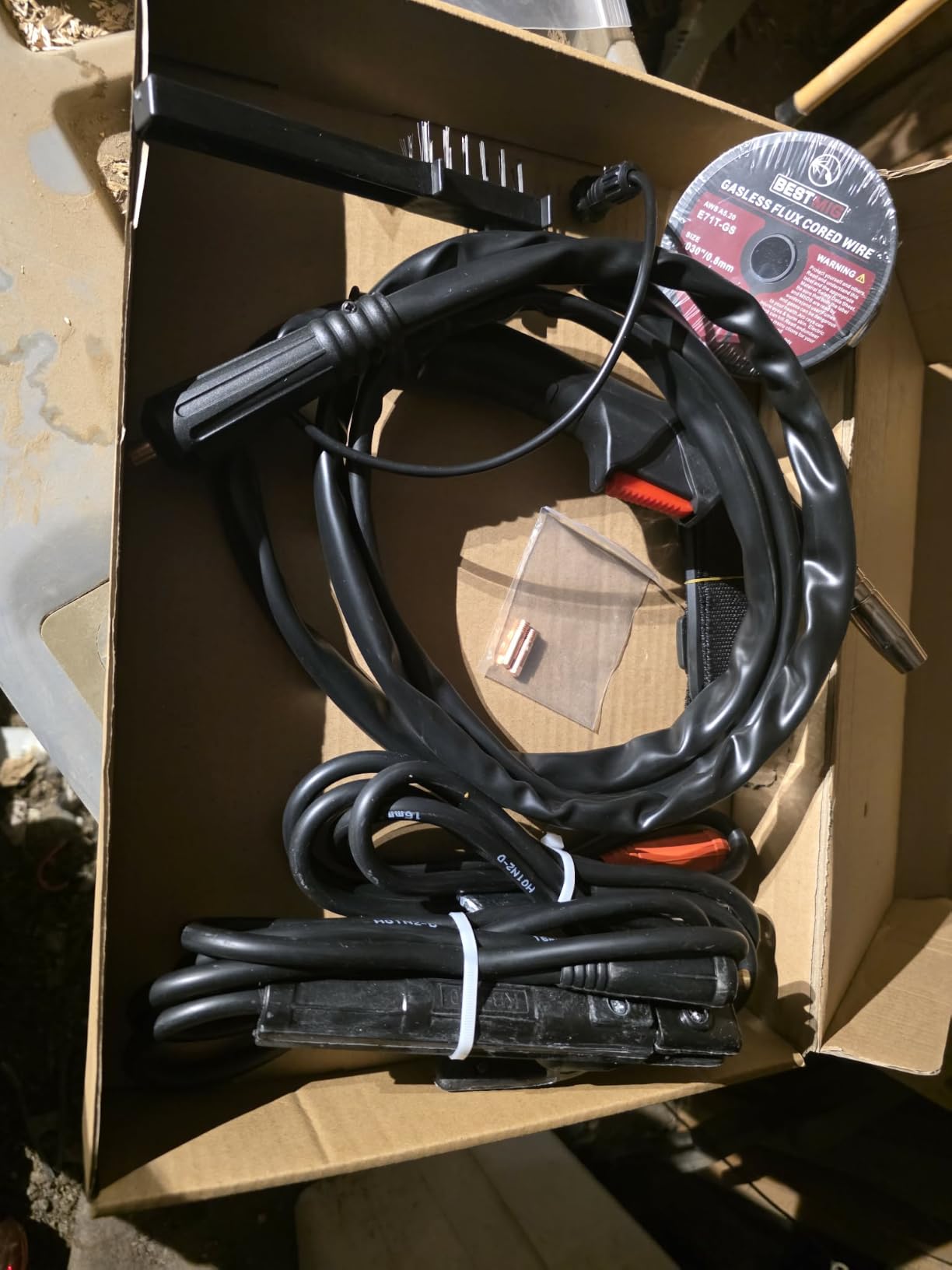
The Bestmig is sold as a learning package, and the box reflects that. You get the machine, a wire brush, flux core wire, a torch with cable, an electrode holder, an earth clamp, welding gloves, and both auto-darkening welding glasses and a welding helmet. For someone buying a first welder, having a helmet in the box removes an excuse not to start.
It is a 135A IGBT inverter running gasless flux core on 110V, welding up to 1/8 inch thick, in three processes: flux core MIG, lift TIG and stick. Wire compatibility spans 0.030 to 0.040 inch gasless flux core, and the integrated wire feed technology auto-adjusts voltage and speed as you change the amperage setting.
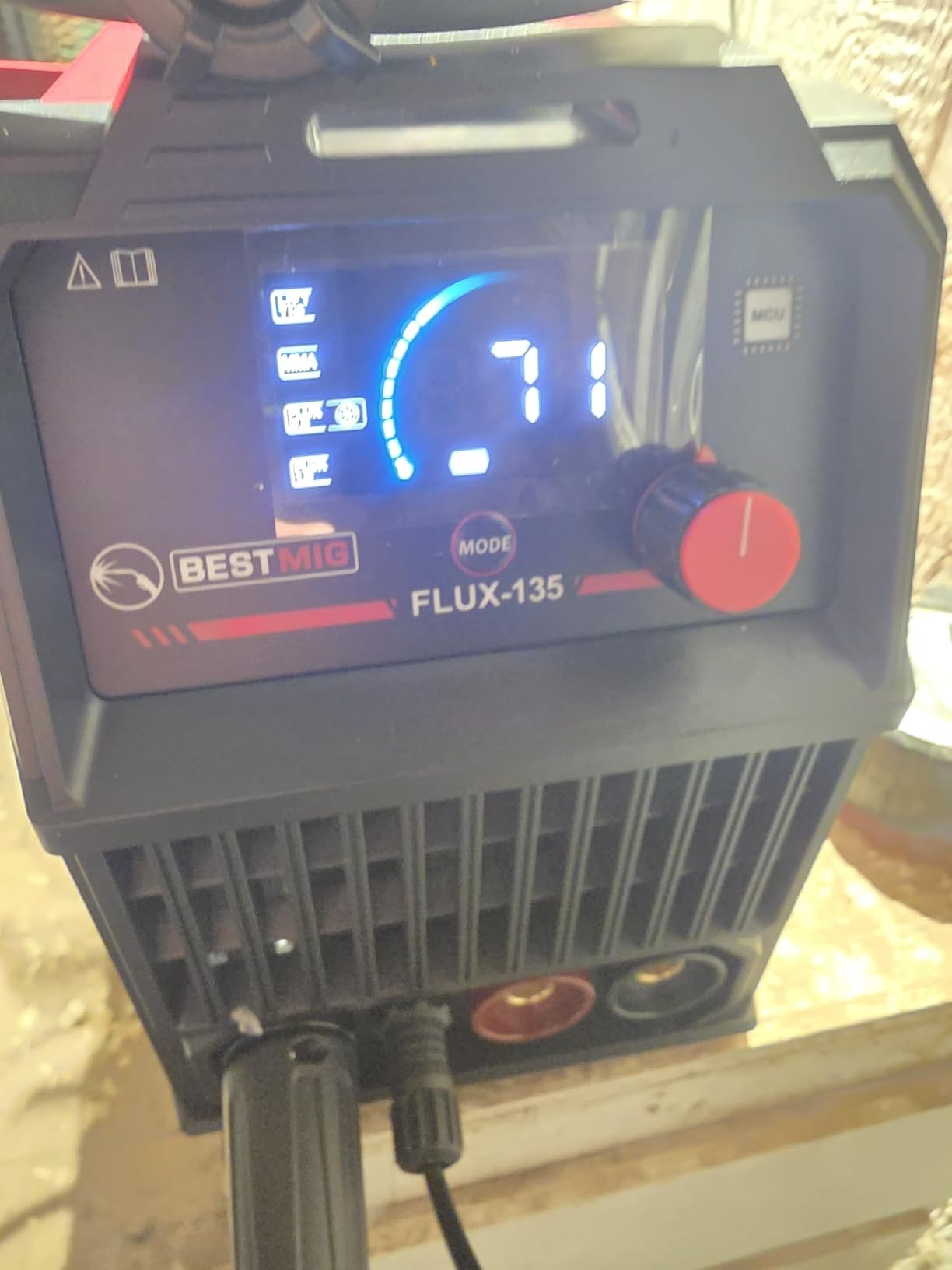
The full-color LED display with real-time parameter monitoring is genuinely better than the monochrome panels on most machines at this level, and owners single it out. Reviewers also praise the digital auto-adjust for producing cleaner beads with less spatter, and the machine handles stainless and carbon steel across the full wire range. At 10.71 pounds, it moves between shop and job site easily.
Two limits show up in reviews. Output is capped at 1/8 inch, so the machine tops out quickly if you move into plate work, and the TIG torch is not included despite the 3-in-1 claim. A minority of buyers also reported missing accessories or a flux core cable connector that was the wrong size.
Where it works for thin metal
For 18, 20 and 22 gauge sheet, the auto-adjusting feed and the readable display do most of the work for you. The parameter readout is the point: a beginner can see what the machine decided and learn from it rather than guessing.
Wire range up to 0.040 inch also gives you stainless and heavier carbon options without changing machines, and the included helmet and gloves make the first weld possible the same day.
Where it stops
The 1/8 inch output limit is a hard boundary. Anyone who discovers a taste for heavier fabrication will outgrow it quickly, so weigh that against buying a larger machine once.
Quality control is inconsistent on the accessories, and the missing TIG torch is a straightforward gap. Check the torch connector size before you start, because that mismatch is a known issue.
12. Arccaptain MIG145 Pro Review: Best for App-Saved Settings and Long Warranties
ARCCAPTAIN MIG145 Pro Flux Core MIG Welder 145A 120V 3-in-1 Welding Machine
145A on 120V
3-in-1 gasless MIG, MMA, lift TIG
9.5 lbs with strap
App control
3-year warranty
Pros
- Longest warranty in the group at three years
- 9.5 pounds with a shoulder strap for field work
- Users with heavier machines call the flux core bead quality excellent
- Runs quietly with a smart variable-speed fan
- Large LED display readable through a helmet
Cons
- Needs a 20A minimum circuit
- 30A preferred
- Low open circuit voltage for 6010 and 6011 electrodes
- Lift TIG torch sold separately
The MIG145 Pro is the newest machine here and the only one with app control, which sounds like a gimmick until you weld thin metal repeatedly. You set the parameters once for a gauge and thickness, save them as a favourite, and recall them on the next panel instead of rebuilding the settings from scratch every time. On 20 and 22 gauge that consistency is worth real money in rework.
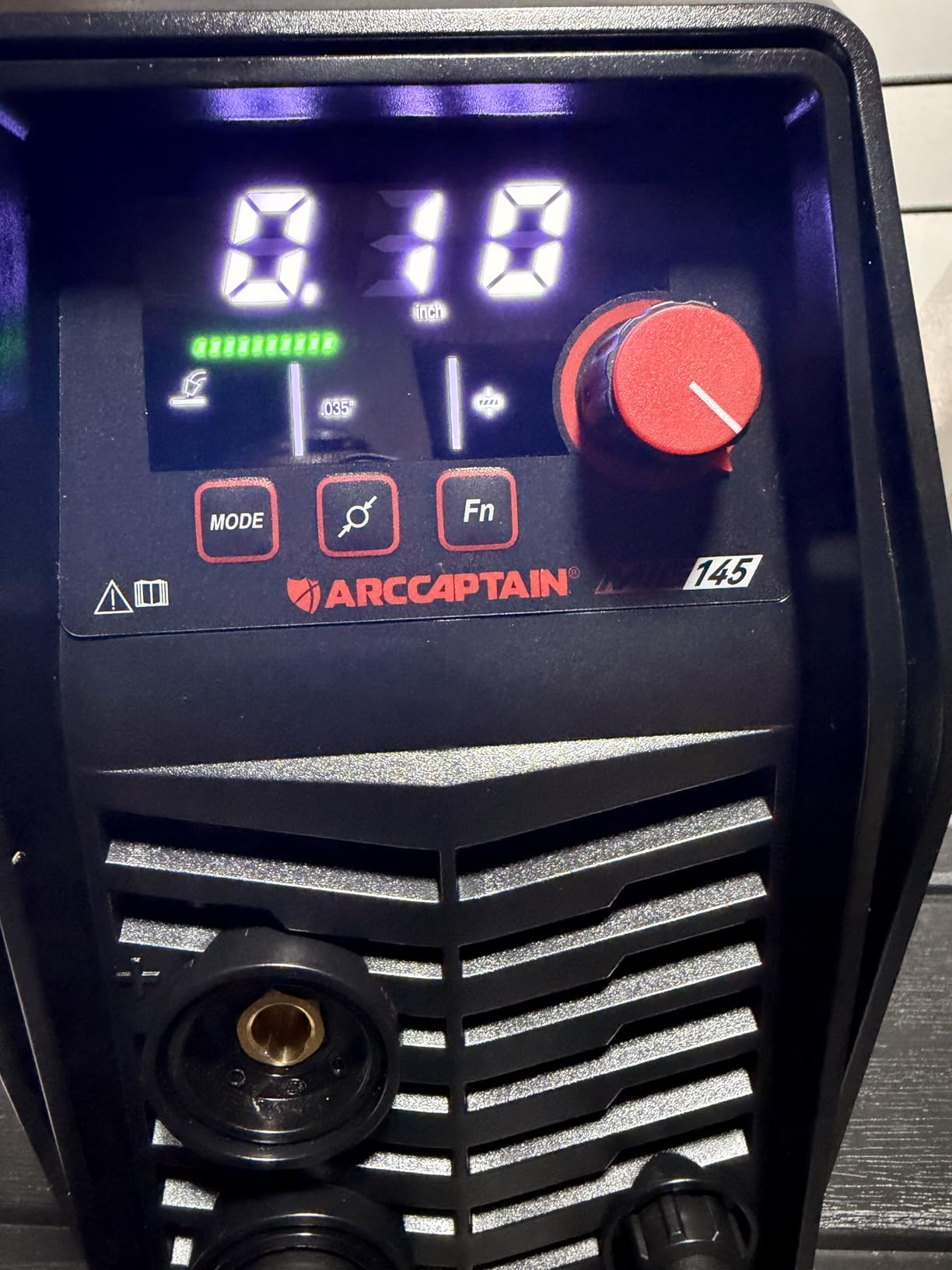
It produces 145A gasless flux core output on 120V across three modes: gasless MIG, MMA and lift TIG. Synergic control matches current and wire feed to the selected material, a fully digital MCU handles arc stability, and the large LED display is readable through a welding helmet. The smart variable-speed fan cuts noise and dust.
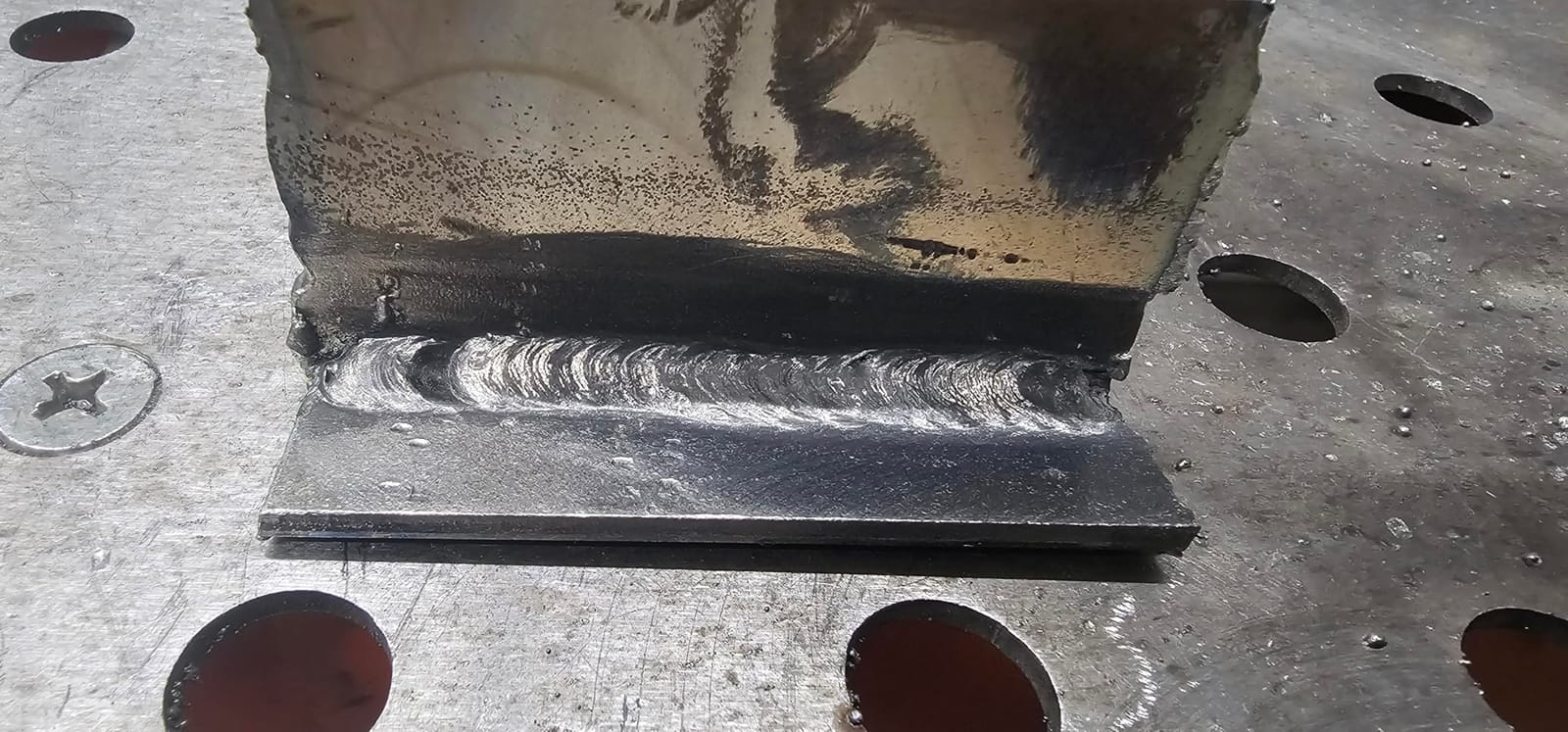
Reviewers who own heavier machines describe the flux core bead quality as excellent and among the cleanest they have run from a machine this compact. It is quiet in operation, which matters more than it sounds on a shop floor, and customer service reportedly replaced a faulty machine quickly under warranty. At 9.5 pounds with a shoulder strap, it is a field machine as much as a bench machine.
It needs at least a 20A circuit, with 30A preferred, or it will trip. Open circuit voltage is insufficient for 6010 and 6011 electrodes, so restrict stick work to 6013 and 7018. The lift TIG torch is sold separately, and the review base is the smallest here at 128 ratings, which means less long-term data.
Why it is worth a look
Saved settings are the feature that matters for thin metal specifically. Most burn-through happens because a machine is set slightly hotter than the last job, and a saved preset removes that variable entirely.
The three-year warranty is the longest in the group, and combined with the reported service response, it lowers the risk of a first purchase considerably. Quiet operation and helmet-readable display are quality-of-life wins for anyone wearing a helmet for hours.
Where it disappoints
The 20A minimum circuit requirement catches people out. If your only power is a household outlet, this machine will trip before it warms up, and that is a wiring conversation rather than a welder conversation.
Limited open circuit voltage rules out the root-type electrodes some repair work depends on, and the small review base means we are relying on early owner reports. There is also no gas MIG, so aluminum is out.
What Thin Metal Actually Needs From a Welder
Thin metal does not need more power. It needs a machine that can turn the heat down far enough, and the ability to change heat without changing anything else. Every ranking in this guide comes back to that. Here is what to check, in order of importance.
Independent voltage and wire feed control
Voltage controls arc length and how wide the bead spreads. Wire feed speed controls how much filler metal arrives per second. On thin sheet, you need to change one without disturbing the other, and machines that tie them together force you to change both or neither. The Forney, the Azzuno and the Lincoln give you true separation; the synergic machines give you a three-volt trim, which is enough for 20 gauge and increasingly frustrating below that.
Wire diameter
Thinner wire deposits less heat per inch of travel. 0.030 inch is the default for sheet metal, 0.035 inch is for 1/8 inch and thicker, and 0.040 inch is structural work. Users on r/Welding report switching down to thinner wire improving results on 22 gauge more than any machine change, and 0.025 inch wire exists for people pushing into 24 gauge. Make sure the machine accepts the diameter before you buy, not after.
Spool size
Small spools are the most common hidden cost. Rebuilding a 2 lb spool is easy but repetitive, and doing it mid-project is how wire tension and feed speed get knocked out of adjustment. Several machines here take 10 lb rolls, and on any project involving more than a couple of panels, that difference pays for itself quickly.
Input power and duty cycle
Thin metal work is low power, so 110V machines are entirely appropriate. The trap is the machine that will not sit below its useful minimum, and the circuit that trips when you push it. Dual voltage machines give you room to grow, and a stated duty cycle of 60 percent or better is comfortable for stitch welding.
What flux core cannot weld
Self-shielded flux core is for mild steel, and it will run stainless flux core wire only on a machine with reverse polarity. It will not weld aluminum, period. Aluminum needs gas MIG with a spool gun, or TIG. If aluminum is on your project list, buy a machine with gas MIG capability from the start, and check whether it accepts a spool gun, because the 4-in-1 machines here vary widely on that.
Flux core is also the wrong process when appearance is the priority. For decorative stainless or visible seams, TIG wins on control and gas-shielded MIG wins on speed. Flux core wins on dirty, outdoor, structural and rust-repair work, and on thin sheet where nobody is looking at the bead but everybody notices a hole.
Flux Core vs MIG vs TIG on Thin Metal
Every shop that touches thin metal ends up using more than one process, and the honest answer to “what is the best welder for thin metal” depends on what you are welding. Flux core is the best choice for outdoor and dirty work. Gas MIG is the best choice for clean thin sheet. TIG is the best choice for thin, visible, precise work on stainless or aluminum.
The advantage of flux core is that the wire carries its own shielding, so there is no gas bottle, no regulator and no wind sensitivity. On 22 gauge that combination of convenience and tolerance is hard to beat. Its limitation is heat: the arc is hotter and more penetrating than gas MIG, which is why it burns through thin material faster if you misjudge it.
Gas-shielded MIG with 0.030 inch solid wire is cooler and far less spattery, but it needs shielding gas and it will not tolerate the rust-scraped, poorly prepared steel that flux core happily accepts. TIG gives the finest control of the three and is the most demanding technique to learn, and it is the only one of the three here that handles aluminum cleanly without a spool gun.
0.030 vs 0.035 Wire for Sheet Metal
For thin sheet, 0.030 inch is the right default, and 0.035 inch is what the packaging often steers you toward. The confusion is understandable because larger is not better at the low end. Users repeatedly ask why 0.035 gets specified for 22 gauge when smaller wire should be easier, and the answer is that 0.035 is simply the more common diameter in hardware stores, not the correct one for thin panels.
0.030 inch deposits less filler per inch and needs less heat to melt, which means a smaller puddle and less time to burn through. 0.035 inch is better on 1/8 inch plate and heavier, where penetration matters more than puddle size. For 24 gauge, users report stepping down to 0.025 inch wire producing a markedly better result than any machine change.
Almost all of the machines here run E71T-GS self-shielded wire, which is the standard classification for gasless flux core. The 0.030 and 0.035 inch sizes are the common ones. On brand, the community consensus reported across welding forums favors Hobart Fabshield 21B over the Lincoln NR-211 when the choice comes down to wire, though both are widely used and the difference is far smaller than the difference between a good machine and a bad one.
Two things to check before buying wire. Confirm the machine accepts the diameter in both 2 lb and larger spools, and confirm the drive system has a knurled or V-groove roller for flux core wire, since a smooth roller will not feed self-shielded wire reliably.
Starting Settings by Gauge for Thin Metal
These are starting points, not answers. Listen to the arc: a steady sizzling sound means the wire feed and voltage are roughly matched, while popping means voltage is too low for the feed speed, and a spray of popping spatter with a wide flat bead means voltage is too high.
Remember that self-shielded flux core runs DCEN, or DC electrode negative, and that polarity is the most commonly missed setup step. If the machine has a polarity switch, DCEN is the position for flux core.
24 gauge, roughly 0.6mm: expect difficulty. Start at the lowest wire speed the machine will feed smoothly, trim voltage down until the arc narrows, and use a 0.030 inch wire if your machine accepts it. Consider 0.025 inch wire if you can source it. Travel fast, use a backer, and treat 24 gauge as a limiting case rather than a routine one.
22 gauge, roughly 0.75mm: this is where spot welding beats continuous beads. Use 0.030 inch wire, a low wire feed speed, and short single spots with the trigger released between them. Keep the stick-out to about 3/8 inch and hold the drag angle steady.
20 gauge, roughly 0.9mm: the most comfortable thin metal. 0.030 inch wire, moderate feed speed, and short stitch welds about 1 inch long with generous gaps between them. Skip-welded, moving around the panel rather than completing one side first, keeps distortion down.
18 gauge, roughly 1.2mm: comfortable for any machine here. 0.030 inch wire still works, and 0.035 inch is acceptable if you are welding inside where clean gas MIG is not an option. Stitch length can increase and gaps can shorten.
16 gauge, roughly 1.5mm, and 1/8 inch plate: step up to 0.035 inch wire. At 1/8 inch you are past thin metal and into the range where the Lincoln 90i FC, the Forney and the Bestarc 145A earn their higher output. Heat input matters more than settings from this point, so slow your travel speed and let the bead cool between passes.
How to Stop Burn-Through on 20 and 22 Gauge
Burn-through is the number one complaint on thin metal, and it is nearly always one of five things. Work through them in order.
Shorten the stick-out first
Stick-out, the distance from the contact tip to the work, is the setting most people ignore and the one most likely causing your problem. A long stick-out produces a hotter, less stable arc. Aim for about 3/8 inch on thin material. This realization shows up again and again in the forum accounts of people who had been blowing through panel after panel until they shortened the gun.
Use a backer bar behind the panel
A copper strip, copper tubing or a piece of heavier scrap steel behind the joint soaks up heat and prevents burn-through. This trick appears constantly on welding forums and in almost no commercial roundup. It also slows the cooling rate, which reduces distortion in the same move.
Spot weld instead of running a bead
On thin panels, single spots with the trigger on and off, no travel, hold better than continuous welds. Every spot soaks heat into a small area and then has time to cool. It is slower in theory and much faster in practice, because you are not repairing a blown hole.
Skip weld and let it cool
Move around the panel rather than completing one section at a time, so heat does not accumulate in one region. A wet rag between spots helps pull heat out of the workpiece. Forum advice is consistent: set the machine toward the next thicker gauge when stitch welding thin material, which lowers heat input and reduces warping.
Clean the surface and check polarity
Paint, rust and oil consume heat and gas before the arc even reaches the joint. Flux core is more tolerant than gas MIG, but it is not tolerant of a dirty panel. Confirm DCEN polarity, check the ground clamp is biting metal rather than paint, and practice on scrap of the exact same gauge as the real job.
Drag or push?
Push, meaning the torch travels with the drag angle, is the standard for self-shielded flux core and gives better coverage. Drag is used for flat work and puddle control in some situations. Keep the angle consistent, and whichever direction you choose, the bead profile changes, so practice in the direction you will actually use.
Frequently Asked Questions
Is flux core welding good for thin metal?
Flux core can weld thin metal well, but self-shielded wire produces a hotter, more penetrating arc than gas-shielded MIG. Use 0.030 inch wire, keep voltage low, hold stick-out near 3/8 inch, and spot weld or skip weld instead of running continuous beads. Experienced fabricators use flux core on 20 and 22 gauge steel routinely because it needs no gas and tolerates dirty metal.
What is the thinnest metal you can weld with flux core?
Most machines handle 18 to 20 gauge comfortably and 22 gauge with care. 24 gauge is the practical floor and only on machines with genuinely fine voltage control, and users report stepping down to 0.025 inch wire improves results at that thickness. Below 24 gauge, gas-shielded MIG with solid wire or TIG is the better process for control.
Is 0.030 or 0.035 flux core wire better for thin metal?
For sheet metal, 0.030 inch is the better choice because it deposits less filler per inch and needs less heat to melt, which means a smaller puddle and less burn-through. 0.035 inch is better on 1/8 inch plate and heavier material. Hardware stores lean toward 0.035 because it is the more common diameter, not because it suits thin panels.
What is the best flux core welder for the money?
On thin metal work, the best value machine is one with independent voltage and wire feed knobs, synergic matching with a voltage trim, and support for 0.030 inch wire. Among the machines reviewed here, the Forney Easy Weld 140 offers true independent control with 2 lb and 10 lb spool support, and the Arccaptain 130A and YesWelder 135A cover the budget tier with synergic modes and multi-process capability.
Why does my flux core welder burn through thin metal?
The usual causes are too much wire feed speed, voltage set too high, a stick-out that is too long, and a continuous bead that soaks heat into a small panel faster than it can dissipate. Shorten stick-out to about 3/8 inch, lower voltage in small steps until the arc narrows, use 0.030 inch wire, and switch to spot welds with a copper backer bar behind the joint.
The Best Flux Core Welder for Thin Metal in 2026
For thin metal in 2026, the Forney Easy Weld 140 remains the pick because independent voltage and wire feed control is the one feature that directly prevents burn-through, and 10 lb spool support keeps a long panel job running at a steady feed speed. If your work is mostly 18 gauge and heavier, the Lincoln 90i FC offers the highest rating in the group and equally independent control at a lighter 15 pounds.
For beginners, the Arccaptain 130A and the YesWelder Flux 135A do the most thinking for you with synergic matching, and the Arccaptain’s two-year warranty is the safety net. If you plan to add stainless or want a cleaner arc on sheet, the Bestarc 145A gives you gas MIG and reverse polarity in one 13.7 pound package. And for outdoor winter work, the GZ Guozhi 140A is built for the conditions where every other machine here starts struggling.
Whichever you choose, the settings and the technique will decide the outcome far more often than the machine will. Start with 0.030 inch wire, keep the stick-out short, and spot weld. That habit alone prevents more holes than any model on this list.