
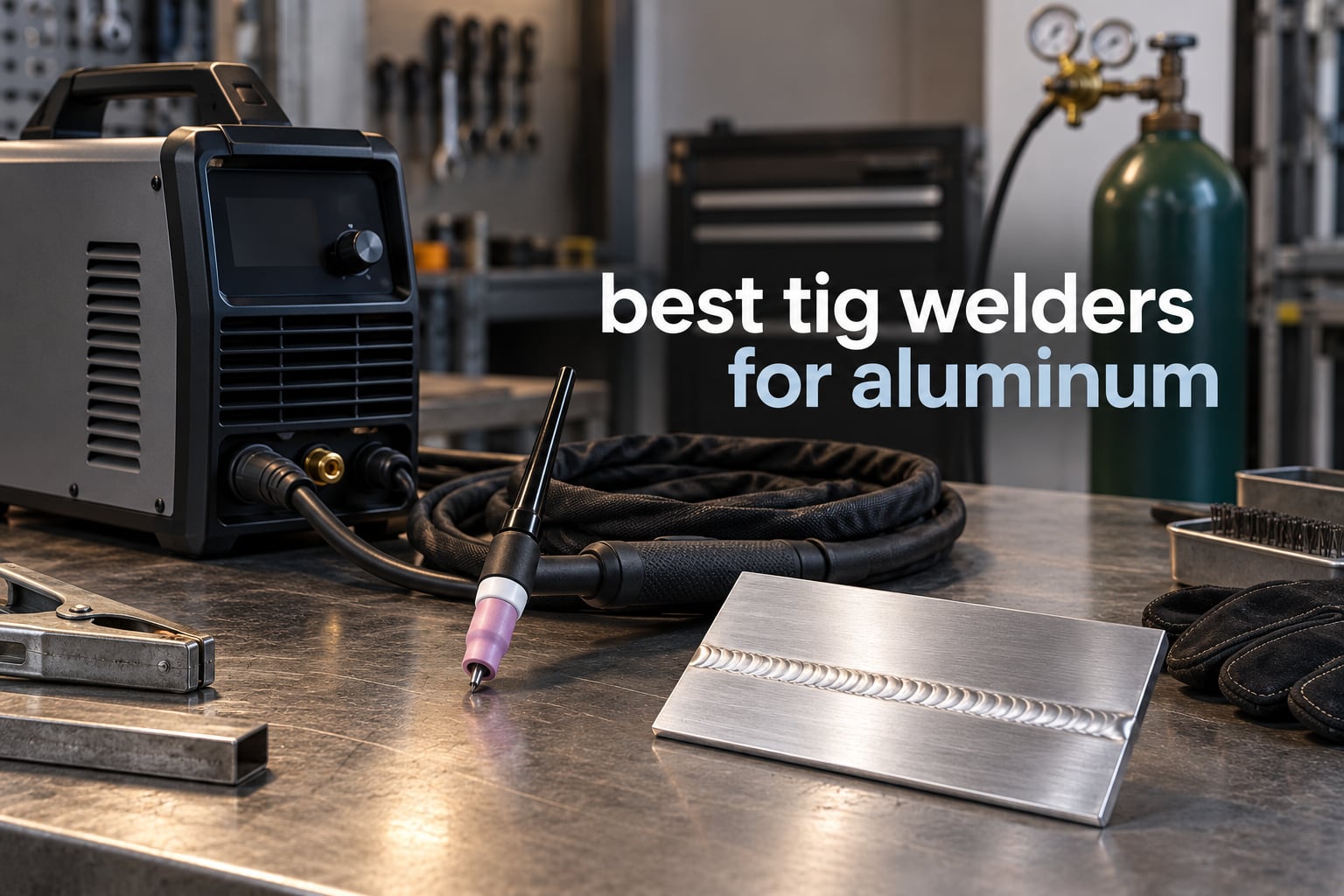
Short answer: the PRIMEWELD TIG225X is the best TIG welder for aluminum in 2026. It is a 225 amp AC/DC machine with pulse, selectable AC frequency up to 200 Hz, and it is rated to handle 1/4 inch aluminum plate. It also carries the highest rating and the largest review base of the ten machines I compared.
That answer only matters if you understand one thing about aluminum. Aluminum grows a tight oxide layer on its surface that melts at a much higher temperature than the metal underneath. Direct current will not break it, so a DC-only TIG welder literally cannot weld aluminum without grinding every joint back to bare metal first. Alternating current reverses polarity many times per second, and the electrode-positive half-cycle scours the oxide away while the electrode-negative half-cycle drives heat into the plate.
Aluminum also moves heat roughly five times faster than steel, so it demands far more heat control than most beginners expect. AC/DC TIG gives you heat control, an oxide-cleaning cycle and precise amperage adjustment in one process, which is why it is the process of record for aluminum fabrication, from boat hulls and motorcycle brackets to intercooler piping and aerospace parts.
I spent weeks going through ten AC/DC TIG welders across the price spectrum, checking output ratings, AC balance and frequency ranges, pulse ranges, duty cycle numbers, weight and warranty terms, and reading what buyers actually report after living with each machine. The ten below are the ones I would tell a friend to buy, ordered by how much aluminum work they realistically handle.
Table of Contents
Top 3 Best TIG Welder for Aluminum (October 2026)

PRIMEWELD TIG225X
- 225 amp AC/DC with pulse
- 200 Hz selectable AC frequency
- Handles 1/4 inch aluminum
- 110/220V dual voltage

Weldpro 200A AC/DC
- 5 in 1 multiprocess
- Adjustable AC balance and frequency
- 0.5 to 200 Hz pulse
- Full accessory kit
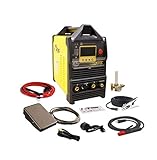
AHP AlphaTIG 203Xi
- AC/DC TIG and stick with pulse
- High duty cycle at 155 amps
- 110/220V with plug adapter
- Regulator and foot pedal included
All 10 Aluminum TIG Welders at a Glance in 2026
| Product | Specifications | Action |
|---|---|---|
| PRIMEWELD TIG225X |
|
Check Latest Price |
| Weldpro 200A AC/DC Multiprocess |
|
Check Latest Price |
| AHP AlphaTIG 203Xi |
|
Check Latest Price |
 Everlast PowerTIG 200DV Everlast PowerTIG 200DV |
|
Check Latest Price |
 LOTOS TIG200ACDC LOTOS TIG200ACDC |
|
Check Latest Price |
 ARCCAPTAIN TIG200P AC/DC ARCCAPTAIN TIG200P AC/DC |
|
Check Latest Price |
 Sunstac TIG-250 TP ACDC Sunstac TIG-250 TP ACDC |
|
Check Latest Price |
 YESWELDER TIG-200P ACDC YESWELDER TIG-200P ACDC |
|
Check Latest Price |
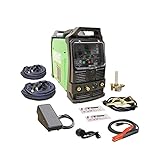 Everlast PowerTIG 210EXT Everlast PowerTIG 210EXT |
|
Check Latest Price |
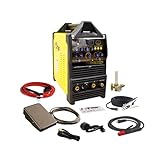 AHP Alpha-TIG 225Xi AHP Alpha-TIG 225Xi |
|
Check Latest Price |
1. PRIMEWELD TIG225X – Best Overall TIG Welder for Aluminum
PRIMEWELD TIG225X 225 Amp IGBT AC DC Tig/Stick Welder with Pulse CK17 Flex Torch and Cable
225 amp AC/DC TIG and stick
200 Hz selectable AC frequency
1/4 inch aluminum rated
Pros
- Highest average rating and largest review base in the group
- CK Worldwide 17 Series Superflex torch and hose included
- 200 Hz pulse and AC frequency handles 1/4 inch aluminum
- IGBT inverter with PWM gives a stable arc
Cons
- Listed item weight of about 90 lb is not portable
- Included components listing is generic so confirm accessories
Out of the ten machines, this is the one I kept coming back to. It is a 225 amp AC/DC TIG and stick welder built on an IGBT inverter platform with pulse width modulation, and it is the machine I recommend to anyone who wants one tool that handles aluminum, stainless and mild steel without a second purchase.
The number that matters here is the 200 Hz selectable AC frequency. Most machines in this group give you balance control alone, which leaves you tuning penetration by ear. Adjustable frequency changes how tightly the arc is focused, and that is the difference between a bead that runs flat on 1/8 inch aluminum and one that penetrates properly.
Owners rate it at 4.8 stars across more than 1400 reviews, with 90 percent of those ratings at five stars. That is the strongest combination of rating and review volume in the group, and it is why this one takes the editor’s choice badge rather than a machine with a longer feature list.
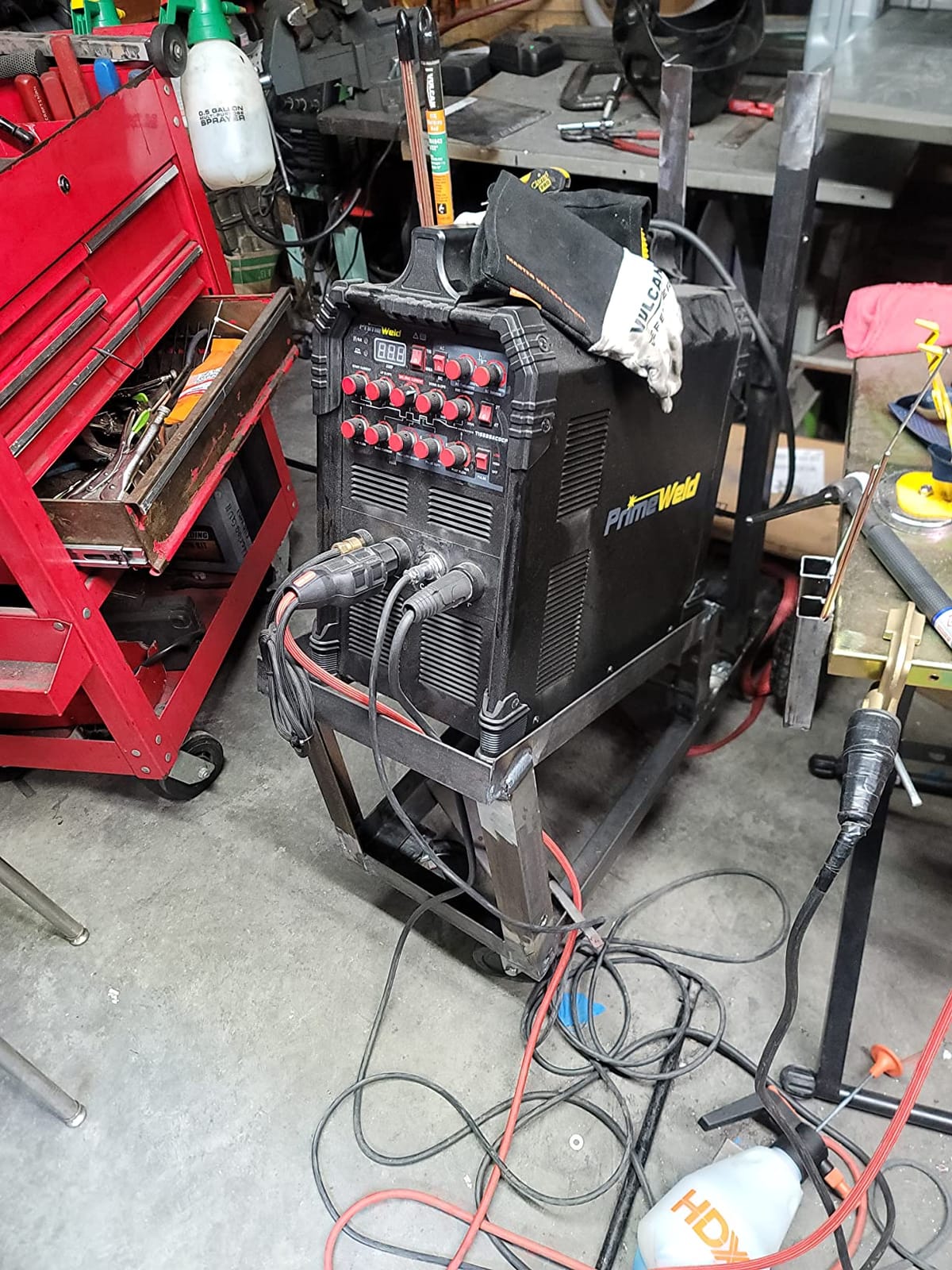
The included torch is a CK Worldwide 17 Series Superflex with a flex head and Superflex hose, finished with a USA-made CK DINSE connector. On r/Welding the TIG225X comes up again and again in budget and mid-range threads, usually with the note that it is easy to set up and that it delivers its full 225 amps on 240V. That matches what the machine is rated for.
For thickness, the manufacturer rates it for 1/4 inch aluminum and 3/8 inch mild steel. Forum consensus across experienced owners puts 3/8 inch aluminum as the practical ceiling for any 200 to 250 amp TIG machine, so treat anything heavier than 1/4 inch as a two-pass job rather than a single pass.
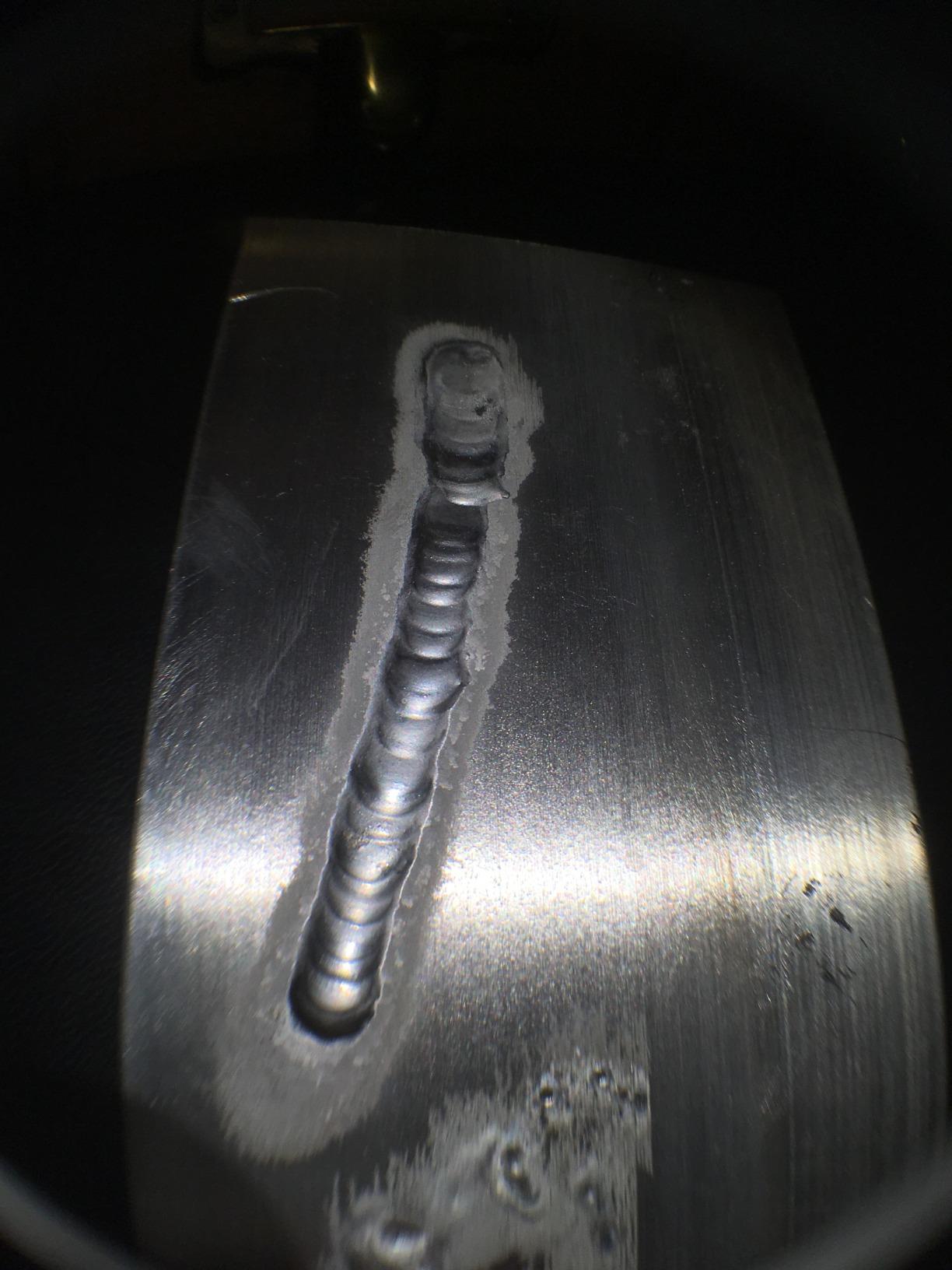
What you get and what you add
The listing groups included components under a generic tools heading, so confirm what is in the box before you plan a work session. The torch and hose are the headline items and they are the parts that matter most for aluminum, because a damaged torch cable ruins the arc long before the machine does.
Expect to budget separately for argon, a regulator, 2 percent lanthanated tungsten in the 3/32 inch or 1/8 inch diameter, 4043 filler rod and a properly rated ground clamp. That consumable kit is the same list every aluminum job needs, regardless of which machine you buy.
Where this machine falls short
At roughly 90 lb listed weight, this is a shop machine. If your aluminum work happens on a job site, in a trailer or in someone else’s basement, you will feel that weight every single time you load the car.
Second, the stick side is competent but not the reason to buy this unit. If arc force and hot start tuning on 6013 rods matter to you, one of the machines with programmable stick functions gives you more control. For aluminum and stainless, the TIG side is the part that earns its keep.
2. Weldpro 200A AC/DC 5-in-1 – Best Value for Feature Control
Weldpro 200A AC/DC TIG Welder with Pulse, 110V/220V Dual Voltage Aluminum TIG Welder, AC TIG/DC TIG/AC PULSE TIG/DC PULSE TIG/Stick 5 in 1 Multiprocess Welding Machine with TIG Torch & Foot Pedal
200 amp AC/DC in five modes
AC balance and frequency adjustable
0.5 to 200 Hz pulse
Pros
- Five modes including both AC and DC pulse TIG
- Full access to AC balance frequency pulse and ramp settings
- Complete kit with torch foot pedal flow meter and collets
- Large LED display and simple panel for beginners
Cons
- About 10 percent of reviews are one star
- 61.8 lb unit is heavy to move between sites
- Long feature list raises the setup learning curve
This is the machine I would hand someone who wants every adjustment dial at a mid-range price point. It runs five processes in one box: AC TIG, DC TIG, AC pulse TIG, DC pulse TIG and stick.
Where it separates from cheaper machines is parameter depth. Pulse frequency runs from 0.5 to 200 Hz with an adjustable peak amperage, upslope and downslope, and both 2T and 4T trigger modes. On aluminum that upslope control matters, because it is what stops the arc from stabbing into the puddle the instant you strike it.
AC balance and AC frequency are both adjustable, which puts it in the same class as the machines costing considerably more. Owners on forums describe arc control as the standout feature rather than raw power, which lines up with a machine rated at 40 percent duty cycle at full 200A output.
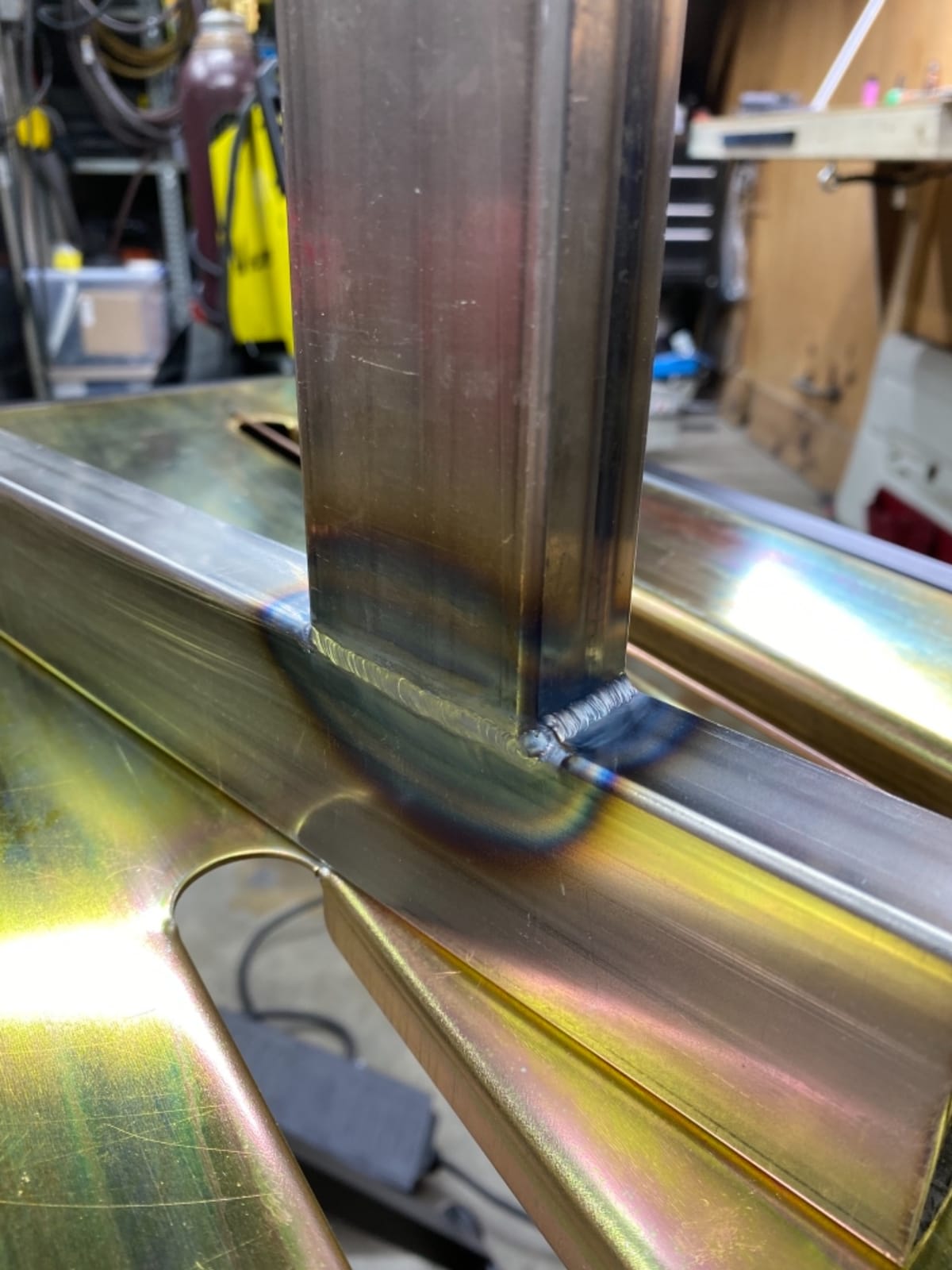
The accessory kit is unusually complete for this segment: TIG torch, foot pedal, a 300A ground clamp, stick holder, gas hose, flow meter, tungsten, nozzles, collets and back caps. On a previous list I have seen machines where the gas accessories were the thing you had to buy separately, so this saves a real trip.
Reviewers rate it 4.6 stars across more than 800 ratings, with 80 percent five-star. The 92 percent four-star-or-better figure is strong. The remaining 10 percent one-star cluster centers on arc control complaints and accessory quality rather than failures to reach claimed output.
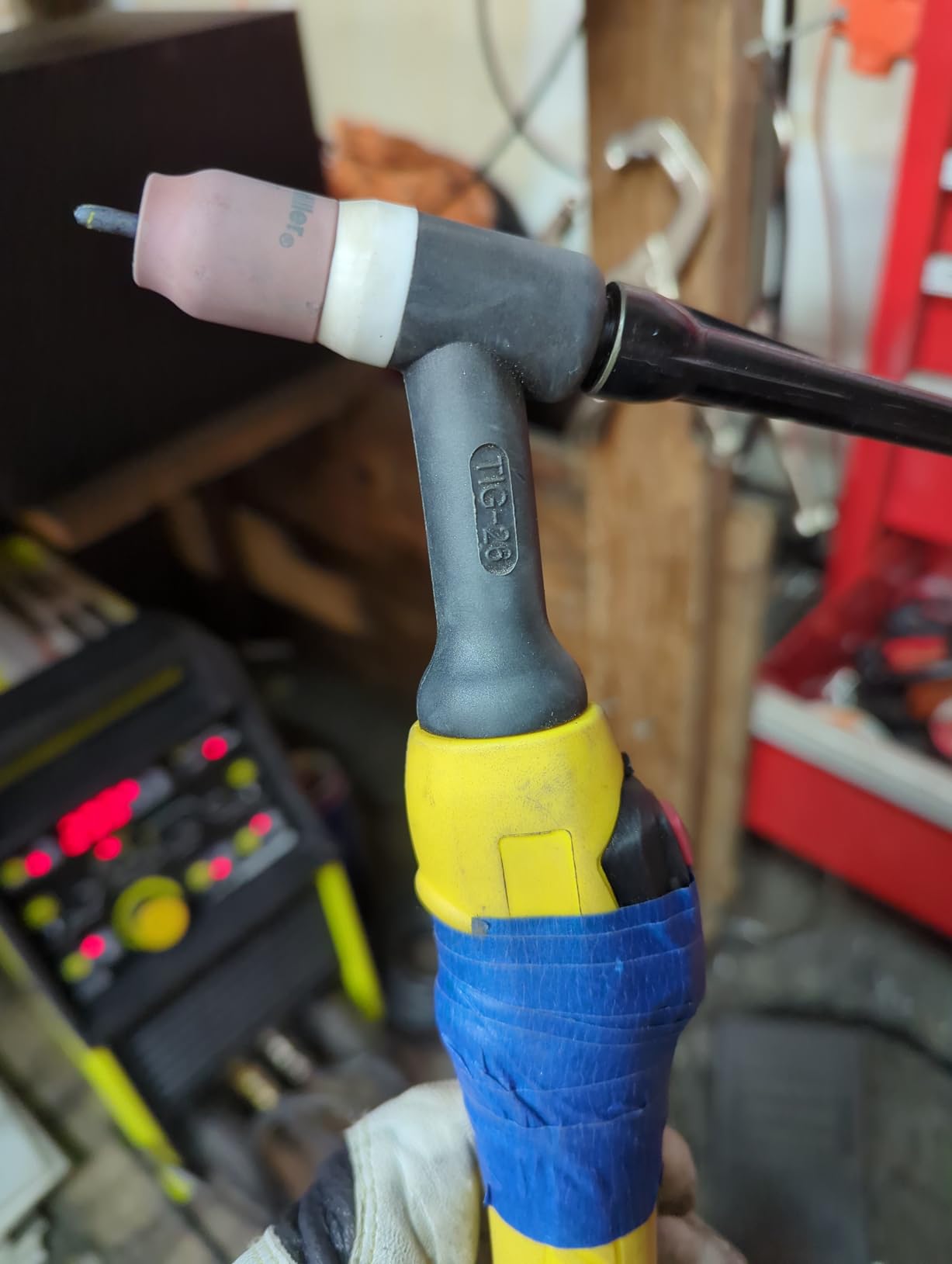
Control depth versus simplicity
This is the tradeoff you are actually making here. A machine with this many adjustable parameters rewards someone who already knows what AC balance does, and overwhelms someone on their first week of TIG. If you are coming from stick welding only, read the mode layout before you power it up.
Automatic 110V and 220V switching removes one common headache, though the machine is listed at 61.8 lb. Plan on a cart with a real handle, or commit to a single shop corner.
Where the reviews get critical
The one-star reviews cluster around accessories and arc behavior at specific settings, not around welding aluminum badly. Budget machines that advertise a lot of modes tend to have wider tolerance between units, so if you are buying for production work, factor in testing your first project pieces before you commit to a big run.
The wattage figure in the listing is inflated marketing copy and does not reflect real draw, so ignore it and plan on a proper 20 amp circuit for anything above roughly 100 amps of TIG output.
3. AHP AlphaTIG 203Xi – Best TIG Welder for Aluminum for Beginners
NEW 2024 AHP AlphaTIG 203Xi Amp IGBT AC DC Tig/Stick Welder with PULSE 110/220v 3 YEARS WARRANTY
AC/DC TIG and stick with pulse
1/4 inch aluminum rated
110/220V dual voltage
Pros
- Duty cycle reported near 100 percent at 155 amps
- Stick arc described as exceptionally smooth
- Rich accessory kit including regulator and foot pedal
- Solid state HV start needs no point gap
Cons
- 10 amp minimum output limits very thin work
- Digital readout can mismatch the knob on 120V
- Torch hose has no protective jacket
This listing has been available since 2013, which means the review file is deep and specific rather than enthusiastic and short. Owners write about duty cycle, stick rod behavior and amperage floors in detail, and that tells you something useful before you buy.
The 2024 revision replaces the older point-gap high voltage start with a solid-state simulated HV start. Nothing to maintain, nothing to fail, and the arc strikes without the machine shaking when you fire it up.
On the stick side, reviewers repeatedly call the arc the smoothest they have used at this tier, running 6011, 6013, 7018 and even 308l rods. That is genuinely useful if you want one machine that covers aluminum TIG, stainless TIG and structural stick work.
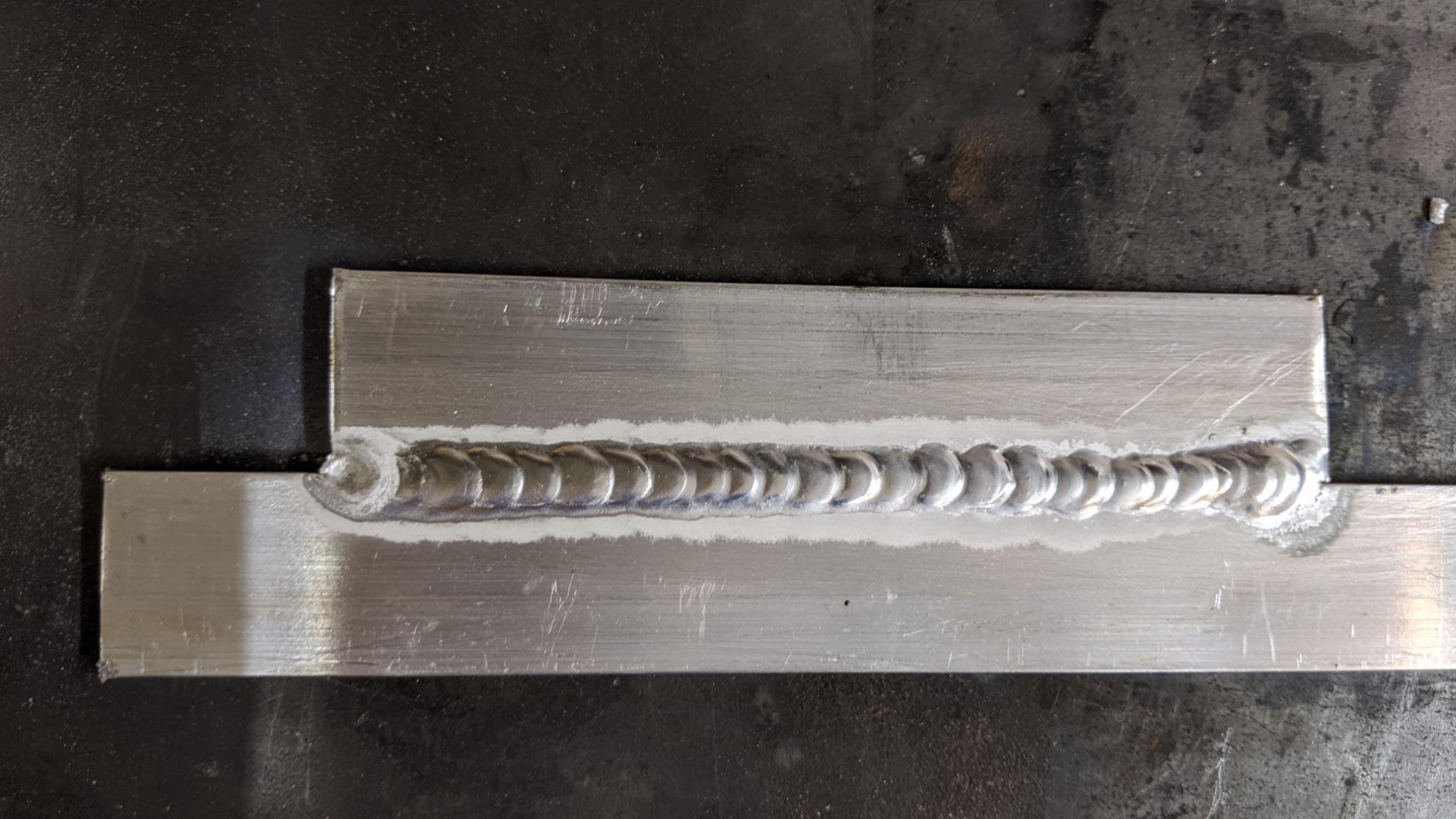
The accessory package is the reason it lands in beginner territory. You get the 240V to 120V plug adapter, a 250A electrode holder, a floating ball type brass argon regulator, a Nova foot pedal on a 25 ft cord, a Nova Rotaflex TIG torch and a work clamp. Out of the box you can pull gas, strike an arc and weld.
On forums, this machine and the earlier AlphaTIG 200X are the recurring budget recommendations when someone asks about aluminum on a tight budget. Buyers specifically mention that it does both TIG and stick and has a solid reputation on aluminum.
Duty cycle is the standout number in the reviews, with owners reporting close to 100 percent at 155 amps. For a hobbyist that means the machine does not trip its thermal protection halfway through a long Saturday session on a trailer frame.
The 120V trap nobody mentions
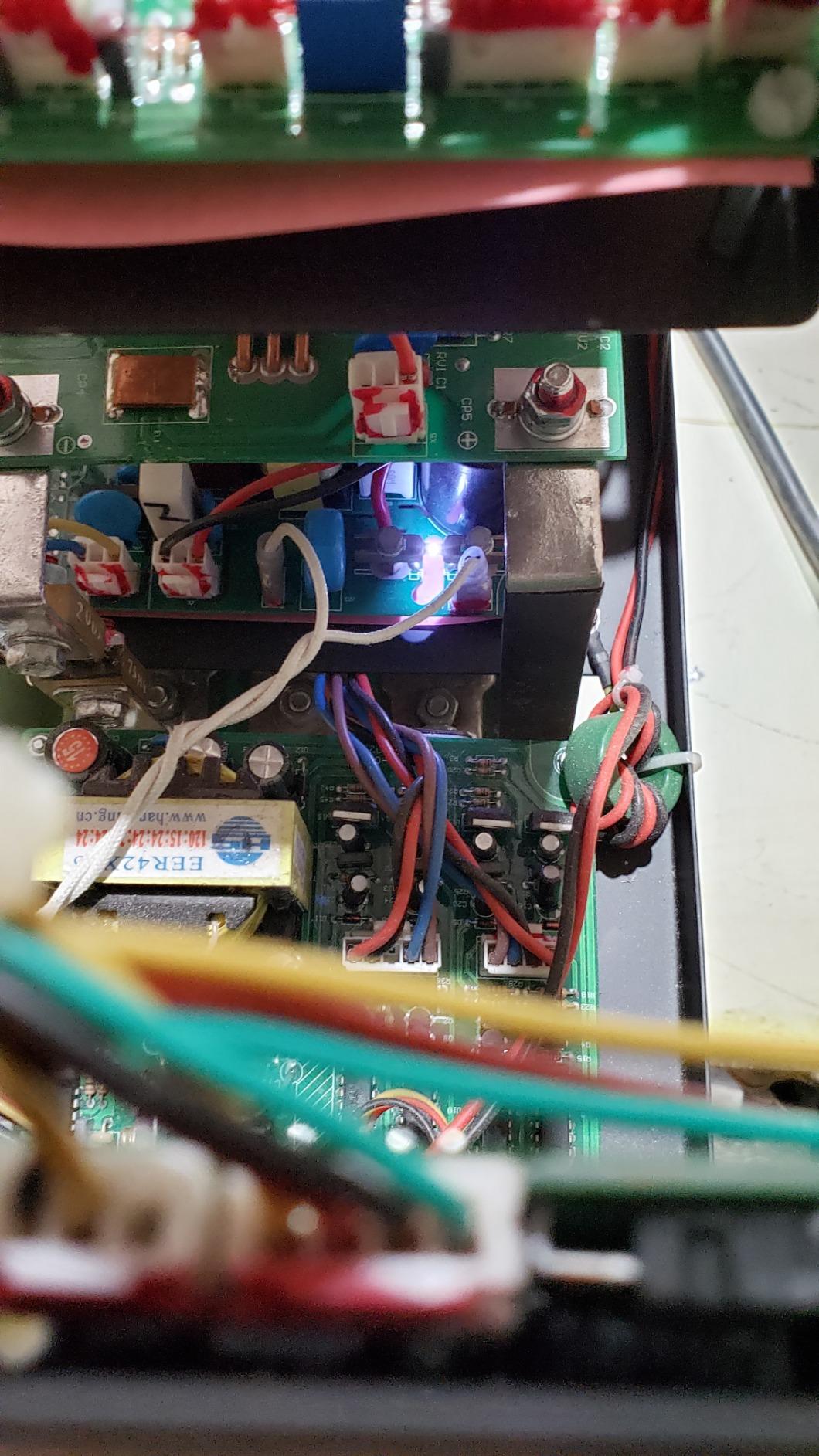
Reviewers report a specific issue worth knowing before you buy: on 120V, the digital readout does not always match where the physical knob is set, and the machine does not cap its amperage. That combination can trip a breaker mid-bead on a shared household circuit.
Run this machine on 240V for aluminum whenever you can. Treat 120V as a backup option for thin sheet work only, and put it on a dedicated circuit rather than an extension cord off a general outlet.
Where it is not the right pick
The 10 amp minimum output makes foil and very thin stainless harder to control than on a machine that starts at 5 amps. If your work is thin-gauge aluminum panels, look at a lower start current instead.
The manual is slim and most buyers end up on video tutorials for real setup guidance. Plan on an afternoon of learning before you trust it with anything you care about. AHP support is reported as responsive, with replies within about four hours, which is rare at this tier.
4. Everlast PowerTIG 200DV – Best for Thin Gauge Aluminum
New Everlast PowerTIG 200DV 110/220 Dual Voltage 200amp Pulse ACDC Welder
5 amp DC and 20 amp AC start
120V and 240V dual input
Lift start option
Pros
- Lowest start amperage makes it good for thin aluminum and small parts
- Lift start works where high frequency start is unwanted
- Dual voltage input suits shop or garage use
- Digital display and gas flow timing at a mid-range price
Cons
- Smallest review base among mid-priced machines
- 6 percent of ratings are one star
- Listing specs include unrelated camera attributes
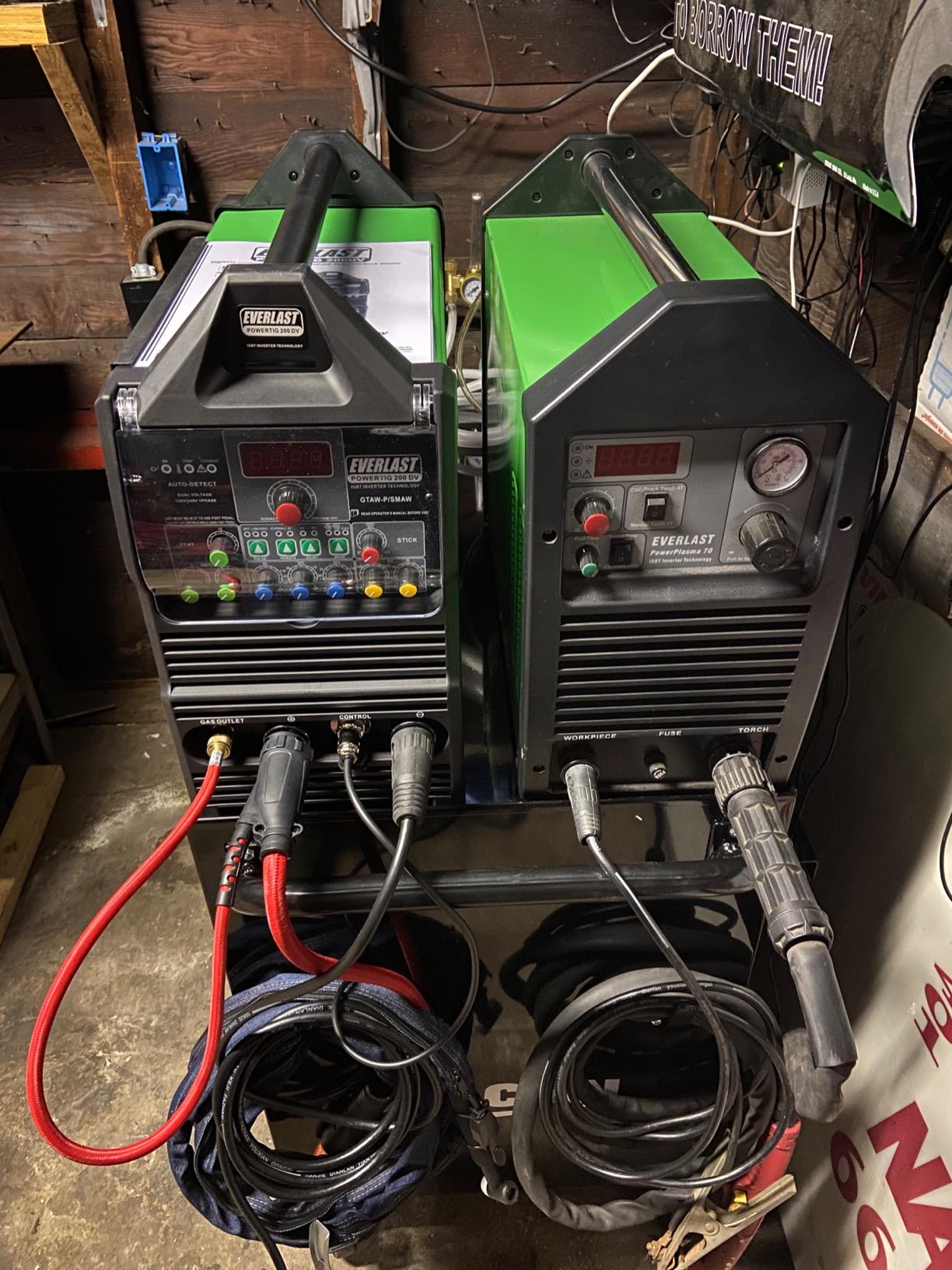
Arc stability at low amperage is the deal breaker that experienced hobbyists talk about most, especially on thin aluminum. This machine answers it directly with a 5 amp start on DC TIG and 20 amp on AC TIG, the lowest floor in this group.
Why that matters: if your machine will not strike a stable arc below 20 amps, you cannot weld thin material. You end up running excess heat, the metal warps or melts through, and you conclude that TIG on aluminum is harder than it should be. It is not, it is just an amperage floor problem.
It also offers a lift start function as an alternative to high frequency start. Lift start is worth having if you work near electronics or in an enclosed space where a high frequency start field is unwanted. Both options are standard on this machine.
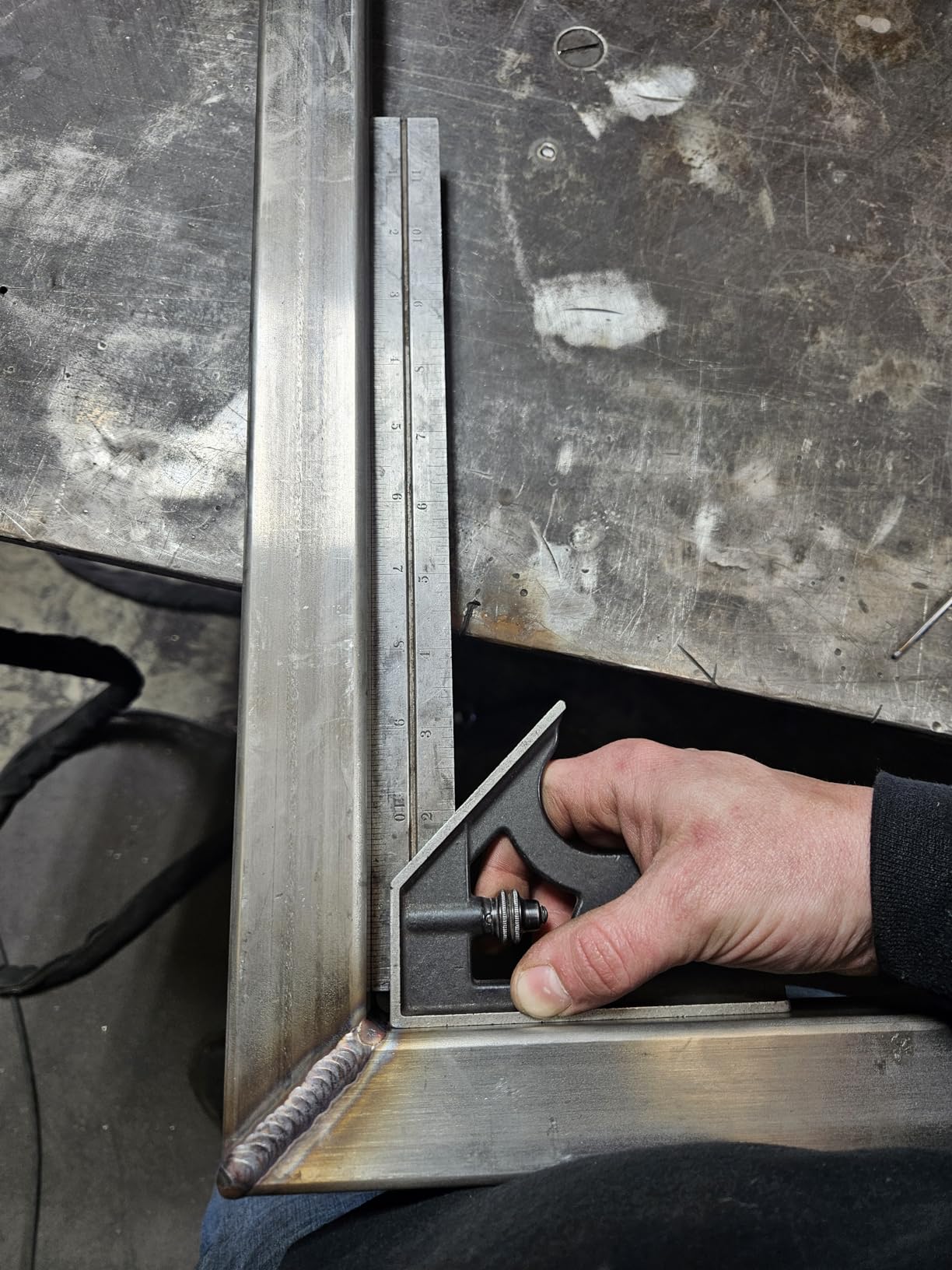
Pre-flow and post-flow gas control is present, and both are settings you will want on aluminum. Post-flow keeps the shielding gas flowing after you break the arc so the hot tungsten does not oxidize between beads, which is a real time saver on long joints.
DIG arc force control reduces spatter on the stick side. The IGBT inverter platform is described as reliable, and the digital display at this price point is not always a given.
The listing comes as a combo set and measures 9 by 24 by 17 inches at 60 lb, which is a reasonable footprint for a dedicated bench position.
Why the low start current changes your work
Low start amperage is what lets you control puddle size. Small puddles are how you keep heat where you want it on thin aluminum, which means less distortion, less spatter through the nozzle and a bead you can back out of on the first try instead of grinding off.
Pair it with 2 percent lanthanated tungsten ground to a fine point. A contaminated or blunt tungsten is the usual reason a thin aluminum bead starts wandering, and it has nothing to do with the machine.
Where it falls short
The review base is the smallest among the mid-priced machines at around 116 ratings, so long-term reliability data is thin compared with the PrimeWeld or AHP listings. Six percent of ratings sit at one star, the highest share of single-star reviews in this group.
Also expect some noise in the listing specification block, which includes attributes meant for cameras rather than welders. Ignore the technical details there and read the user review section, which is far more useful for judging this machine.
5. LOTOS TIG200ACDC – Best Budget TIG Welder for Aluminum
LOTOS TIG200ACDC 200A AC/DC Aluminum Tig Welder with DC Stick/Arc Welder, Square Wave Inverter with Foot Pedal and Argon Regulator 110/220V Dual Voltage Brown
200 amp AC square wave inverter
10 to 200A AC/DC TIG output
37 lb chassis
Pros
- Entry price for true AC/DC square wave aluminum output
- Torch clamps pedal and argon regulator all included
- Automatic dual voltage and dual frequency input
- Lightest full featured unit at 37 lb
Cons
- Oldest design in the group with a dated feature set
- About 9 percent of reviews are one or two star
- Torch and consumables are budget tier and often upgraded
The first thing to check on any budget machine is whether the AC output is real. Plenty of machines advertised for aluminum are DC-only or AC with no high frequency start, which means they cannot do the job. This one is a genuine 200 amp AC square wave inverter with high frequency start and foot pedal heat control.
Square wave output is what you want for aluminum. It switches polarity quickly enough that the electrode-positive cleaning half-cycle is concentrated at the surface where it can break the oxide, while the electrode-negative half-cycle concentrates on penetration.
It weighs 37 lb, which makes it the easiest full-featured machine here to move. If you weld aluminum in a garage, a small shop or a rented bay, moving the machine is half of the job and this one is the lightest of the AC/DC units reviewed.
Output ranges from 10 to 200 amps for TIG and 15 to 200 amps for stick, with adjustable hot striking arc current on the stick side. Automatic dual voltage and dual frequency input covers 110 and 120V plus 220 and 240V at 50 and 60 Hz, so there is no manual switch to get wrong.
The package includes the AC/DC power supply, TIG torch, MMA clamp, foot pedal, argon regulator, a 220V to 110V converter pigtail, ground clamp, consumables and manual. Owners also mention a 30 day money-back window, a one year replacement warranty and a three year limited warranty.
At 4.4 stars across roughly 280 ratings, sentiment is broadly positive about getting real AC/DC aluminum capability at the entry tier, with the criticism landing on torch and consumable quality rather than welding ability.
What to expect from a square wave only
Square wave gives you excellent cleaning and good penetration, but it is fixed. If you want to soften the arc on thin gauge by raising frequency, this machine cannot do it. That is the honest limit of the budget tier, and it is why the two waveform machines further down this list exist.
For 1/16 inch to 1/8 inch aluminum, that limitation rarely comes up. For thinner sheet or heavy oxidation, you will feel it.
Where it falls short
This is the oldest design in the group, first listed in 2012, and the feature set shows its age. Only 70 percent of ratings are five stars and about 9 percent sit at one or two stars, and the stick hot start and arc force controls are basic next to newer IGBT machines.
Plan to replace the torch and consumables early. Owners almost universally do, and the machine itself has no problem with it. Budget for a proper 2 percent lanthanated tungsten set and a fresh torch before your first project rather than after.
6. ARCCAPTAIN TIG200P AC/DC – Best for Waveform Control on a Budget
ARCCAPTAIN TIG Welder AC/DC 200A with Pulse 7 in 1 Aluminum Welding Machine
Square and triangular AC waveforms
Seven modes including spot
About 26.5 lb
Pros
- Seven modes with both square and triangular AC waveforms
- Full MCU control of balance frequency flow and slope
- Owners report clean work on 1/16 inch 5052 plate
- On-demand fan is quiet and efficient
Cons
- Custom XS12 connector blocks third party foot pedals
- No settings chart so beginners must find their own values
- Support and warranty response is a recurring complaint
This is the only machine in the group under 30 lb that gives you a choice of AC waveform. Square wave for cleaning heavy oxide and triangular wave to cut heat input on thin material is a real pairing, and it is why this machine stands apart from other budget options.
Seven modes are covered: DC TIG, DC pulse TIG, AC TIG, AC pulse TIG, AC pulse square, AC pulse triangular, stick and spot TIG. Spot TIG is genuinely useful for tacking aluminum assemblies before you commit to a full weld.
MCU digital control exposes pre-flow, initial current, peak current, base current, crater current, up and down slope, post-flow, pulse duty, AC frequency and AC balance. That is a deeper parameter set than machines costing more than this one.
Rated thickness is 0.5 to 5 mm of aluminum, which is roughly 0.02 to 0.20 inch, plus 0.5 to 10 mm for other metals. Owners report clean AC aluminum work with good bead control on 1/16 inch 5052 plate, and one professional welder called it the best budget-friendly unit he had used.
The on-demand cooling fan only runs when the machine needs it, which keeps noise down during setup and layout work. The spike-withstanding IGBT platform is a sensible choice in a machine that gets moved around.
Torches support 2T, 4T and spot control modes. Note that the foot pedal is a separate purchase, so budget for that if you want amperage control under your foot.
Waveform choice explained simply
Square wave concentrates heat efficiently and cleans oxide aggressively. Triangular wave spreads the arc out, which lowers heat input and is easier on thin or heat-sensitive aluminum. Having both means you can weld 1/16 inch tube in one fixture and heavy plate in another without changing machines.
The downside is that neither machine nor manual gives you a settings chart. You will need to establish your own AC balance and frequency values by testing coupons, which is normal for aluminum work anyway but adds a learning step.
Where it falls short
The custom XS12 aviation connector means third party foot pedals will not work without modifying the cable. That is a compatibility trap worth knowing before you buy a pedal elsewhere.
Support is the real weak point. Owners report long waits for replacements and unanswered claims, and a 13 percent cluster of one to three star ratings reflects units arriving with cracked gas connections, cut power cords or transit damage. Inspect everything the moment a unit arrives, before you cut into a project.
7. Sunstac TIG-250 TP ACDC – Best for Higher Output on Aluminum
Sunstac 250A Aluminum TIG Welder with Pulse ACDC Foot Pedal Control
250 amp rated AC/DC output
4mm aluminum at 110V, 6mm at 220V
29.8 lb
Pros
- Highest rated output at 250A in this group
- Strong category sales rank showing high demand
- Seven modes covering AC spot and DC spot
- Parameter memory restores previous settings
Cons
- Lowest average rating at 4.1 with 15 percent one star
- Manufacturer warns AC mode current readout is inaccurate
- Foot pedal and torch are not included in the box
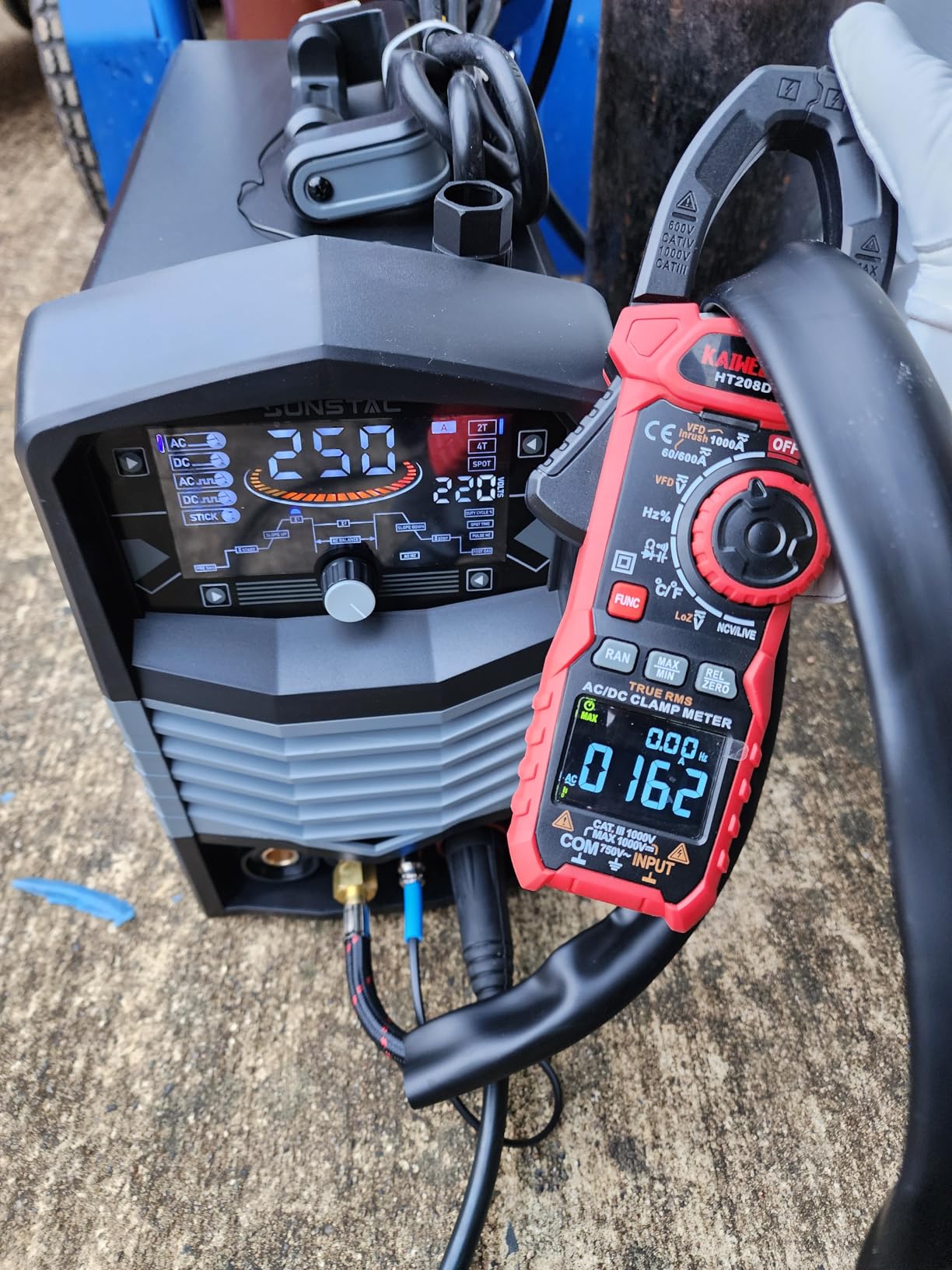
Output is rated at 250 amps, and the machine is rated for 4mm aluminum on 110V and 6mm on 220V. That is real headroom above the 200 amp class if you are welding heavier plate or long structural runs.
Seven modes are covered: high frequency AC, high frequency DC, pulsed AC, pulsed DC, AC spot, DC spot and stick. The spot modes are useful for reinforcing aluminum assemblies before a final pass.
Two practical details stand out. The LCD is bright enough to read through a welding helmet, which saves you lifting the visor every time you check a setting. And the built-in parameter memory restores your previous setup after a power cycle, which is a bigger time saver than it sounds on a machine with this many modes.
At 29.8 lb it is one of the lighter machines here, and the work clamp and electrode holder cables are 118 inches long and rated to 300A, so cable runs are not a constraint.
Sales rank in TIG welding equipment is strong for this listing, which tells you demand is high. It also tells you something about long-term data: sales volume and owner satisfaction do not always move together, and this listing shows that clearly.
Purchase carefully. The included components line lists only the welder, and the foot pedal referenced in the title is not in the box. Count your torch, regulator, tungsten and pedal into your real cost.
When 250 amps actually helps
Higher amperage is not about faster welding on thin material. It is about having enough current to sustain a stable arc on thick plate without overheating the tungsten and shortening the grind between changes. If your aluminum work is consistently 1/4 inch or heavier, the extra output removes a real limitation.
On thin material it changes nothing. If you mostly weld 1/16 inch sheet, this output is wasted capability and a lighter machine serves you better.
Where it falls short
Rating settles at 4.1 stars with 15 percent of reviews at one star, the highest single-star share of any machine here. The manufacturer itself states that AC mode current measurement is inaccurate and varies with the AC balance setting, so do not trust the amperage readout in AC.
Unit-to-unit consistency is the issue in those negative reviews. If you are doing production work, buy from a seller with a straightforward return process and test the machine on scrap before you trust it with a finished part.
8. YESWELDER TIG-200P ACDC – Best Portable TIG Welder for Aluminum
YESWELDER 200A AC/DC Aluminum Tig Welder TIG-200P ACDC TIG Welding Machine
16.47 lb chassis
Square, triangle and sine waveforms
Aluminum up to 1/8 inch
Pros
- Lightest machine in the group by a wide margin at 16.47 lb
- Three selectable AC waveforms give good arc cone control
- Feature set matches far more expensive machines
- Auto sensing 110V/220V input needs no switching
Cons
- Lowest rating at 3.9 with 18 percent one star
- Included torch is bulky and many owners replace it
- Arrives without a gas regulator or tungsten
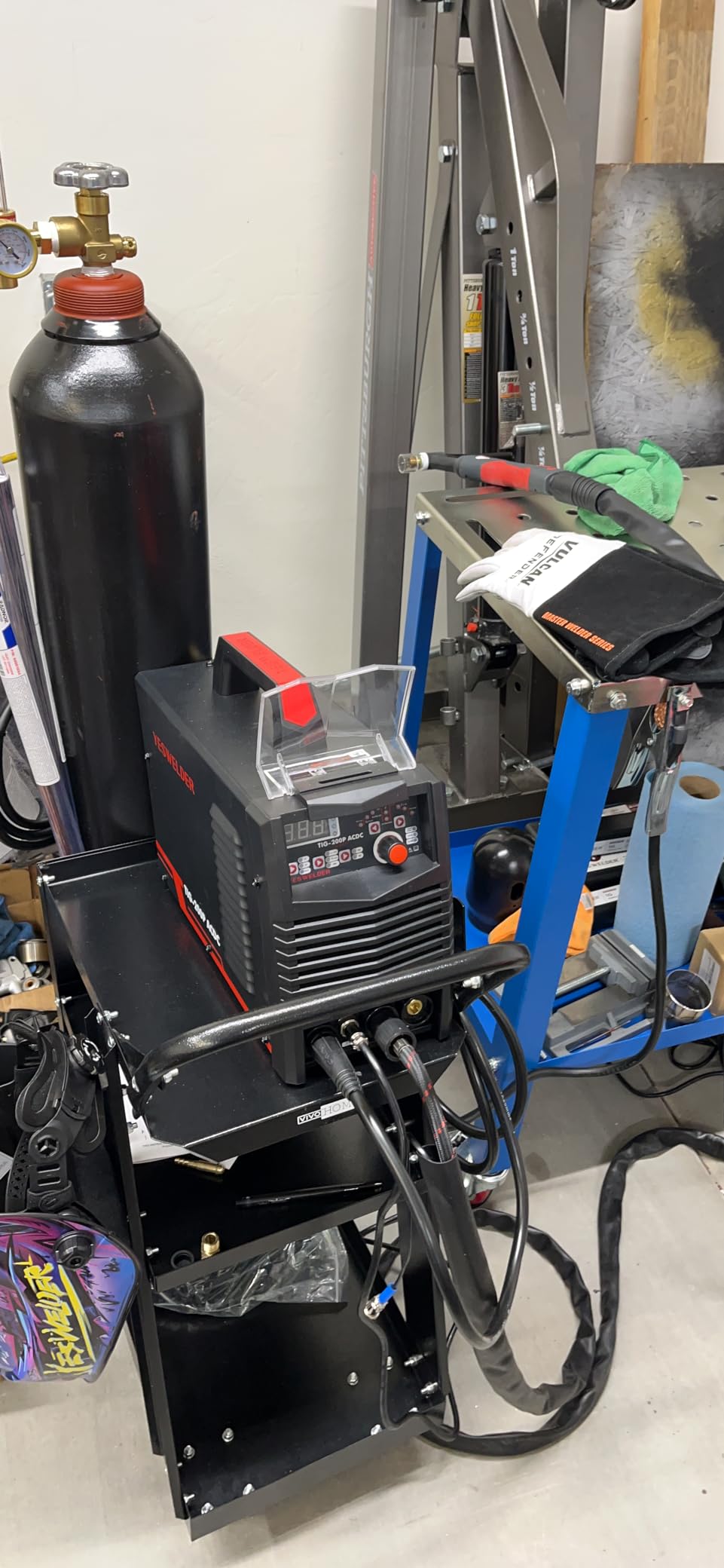
At 16.47 lb, this is the machine that fits in a car trunk. If your aluminum work is mobile repair, roadside work or work in a space where you cannot leave a welder installed, portability is the feature that decides the purchase.
Underneath the light weight is a serious feature set. Seven modes cover MIX TIG, stick, AC TIG, DC TIG, AC pulse TIG, DC pulse TIG and spot welding, driven by software-controlled square, triangle and sine waveforms. Sine wave gives the softest arc of the three, which some fabricators prefer on very thin aluminum.
Output runs to 200 amps with auto-sensing 110V and 220V input. Rated for aluminum up to 1/8 inch, and experienced fabricators report it handling 1/8 inch and even 1/4 inch work well with the right settings.
Hot start gives stable ignition on stick, and settings auto memory returns you to your last configuration. Adjustable upslope, downslope, frequency, balance, pre-flow and post-flow are all present, which is remarkable at this weight class.
Forums and video reviews have shown this machine producing professional-level results on aluminum with modest equipment, so the capability claim is not exaggerated. The category sales rank here is the best in the entire group, so plenty of people are buying it.
Two practical notes. The reserved 5-pin foot pedal interface means the pedal is a separate purchase. And low amperage AC TIG can trip auto-darkening helmets, including premium ones, so test your helmet at low settings before you start a project.
Portability versus everything else
The tradeoff is straightforward. This machine gives you the least headroom for thick aluminum and the least accessory quality, in exchange for the ability to carry it anywhere. For 1/8 inch aluminum repair and small fabrication, that is a good trade. For a production shop running heavy plate, it is the wrong one.
Weight also matters for storage. A machine you can lift with one arm gets used. A 60 lb machine sitting in the corner of a two-car garage gets used less often, and practice is what makes aluminum TIG click.
Where it falls short
This is the lowest rated machine in the group at 3.9 stars, with 18 percent of ratings at one star. The complaints cluster around the included torch, which is bulky and all-in-one with no separate gas and lead lines, and many owners replace it with a conventional flex torch.
The manual is thin with no aluminum settings guide, and no gas regulator or tungsten is included in the package. A small number of owners also report argon leaking from an internal valve, which is a safety issue on any gas-fed welder. If you buy this machine, check the gas path with soapy water before the first fill and after any bump.
9. Everlast PowerTIG 210EXT – Best for Advanced AC Aluminum Work
Everlast PowerTIG 210EXT 210Amp Ac Dc Tig Stick Advance Pulse Welder 110/220 Volt Inverter-Based IGBT Technology
Three selectable AC waveforms
Advanced Pulse for AC thin material
Nine parameter slots
Pros
- Three AC waveforms including triangular and advanced square wave
- Advanced Pulse tuned for AC thin material and less warping
- Nine parameter programs save setups per material and thickness
- Fan on demand cooling and flip down visor
Cons
- Highest priced machine in the group
- Smallest review base at 64 ratings
- 60 lb unit built for a fixed shop position
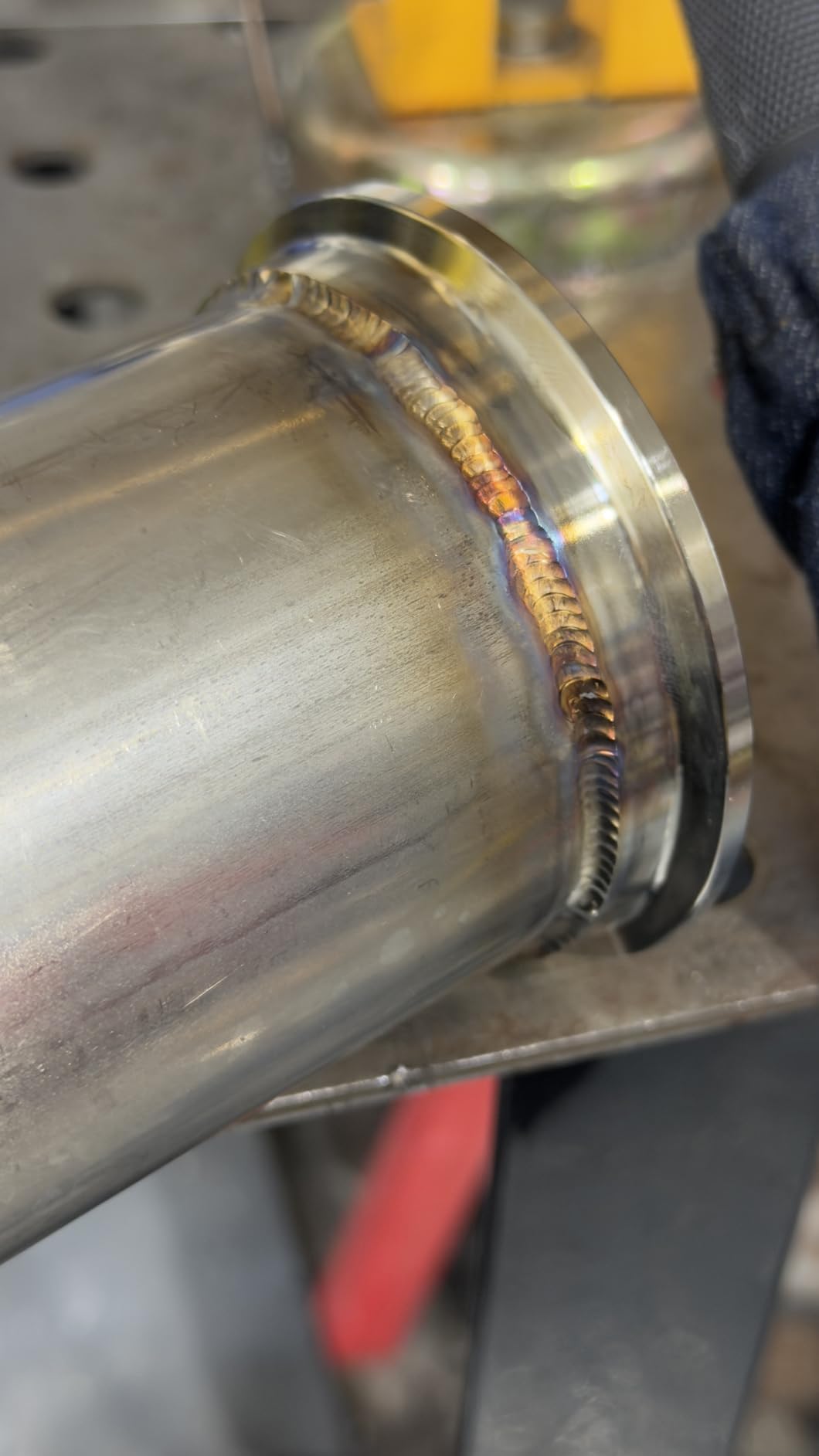
This is the most capable aluminum machine in the group, and the reason is waveform choice plus a pulse mode built specifically for AC. Three AC waveforms are available: triangular, advanced square wave and soft square wave, and each one changes how the arc behaves on aluminum.
Advanced Pulse is the feature that separates it from everything cheaper. It is engineered for AC thin-material welding, raising travel speed and reducing warping. On thin aluminum, where conventional AC puts too much heat into the puddle, that is the difference between a flat bead and a curved one.
Nine programmable parameter slots let you store setups by material and thickness. If you weld the same bracket or the same chassis over and over, you stop re-tuning balance and frequency every session.
Programmable stick functions cover hot start time, hot start intensity and arc force control. Both high voltage start and lift arc are available in AC and DC, so you can choose your ignition method per material.
On forums, the Everlast PowerTIG line is repeatedly endorsed alongside Lincoln square wave machines for heavy fabrication and stable arc control in professional contexts. The review file here is small at 64 ratings with 90 percent four-star-or-better, so satisfaction is high but long-term data is limited.
The flip-down visor protects the control panel from sparks and the fan only runs when the machine is working, which keeps the shop quiet between welds. It pairs with an optional finger amperage control torch for fine work.
Who actually benefits from this
Waveform selection and Advanced Pulse pay off if you weld thin aluminum regularly, work on parts where distortion matters, or run repeat jobs with the same setup. For one-off hobby repairs they are features you will not use, and you would get an equally good aluminum weld from a machine a fraction of the cost.
There is a real learning curve. These features are wasted without an understanding of what AC balance and frequency do to the puddle, so budget time to learn or take a class.
Where it falls short
This is the most expensive machine reviewed, and the gap between it and the mid-range options is money spent on waveform selection and parameter memory rather than raw amperage.
At 60 lb with a 24 by 9 by 17 inch footprint, it is designed for a dedicated shop position and is not a portable unit. With 64 reviews, long-term reliability data is the thinnest of any machine in this group, so consider it carefully before committing.
10. AHP Alpha-TIG 225Xi – Best for Long Aluminum Sessions
New 2024 AHP Alpha-TIG 225Xi 200 Amp IGBT AC/DC Pulse TIG/Stick Welder 110v/220v Dual Voltage
225 amp on 240V, 150 amp on 120V
0.5 to 200 Hz pulse
5 amp DC start
Rear water outlet
Pros
- Full 225 amp output on 240V with usable 150 amp on 120V
- Low 5 amp DC start for thin gauge and precision work
- 0.5 to 200 Hz pulse with independent pre and post flow
- Rear water cooler outlet supports water-cooled torches
Cons
- Smallest review base at 42 ratings
- Specification listing is sparse with no weight or dimensions
- Newer listing with less established history
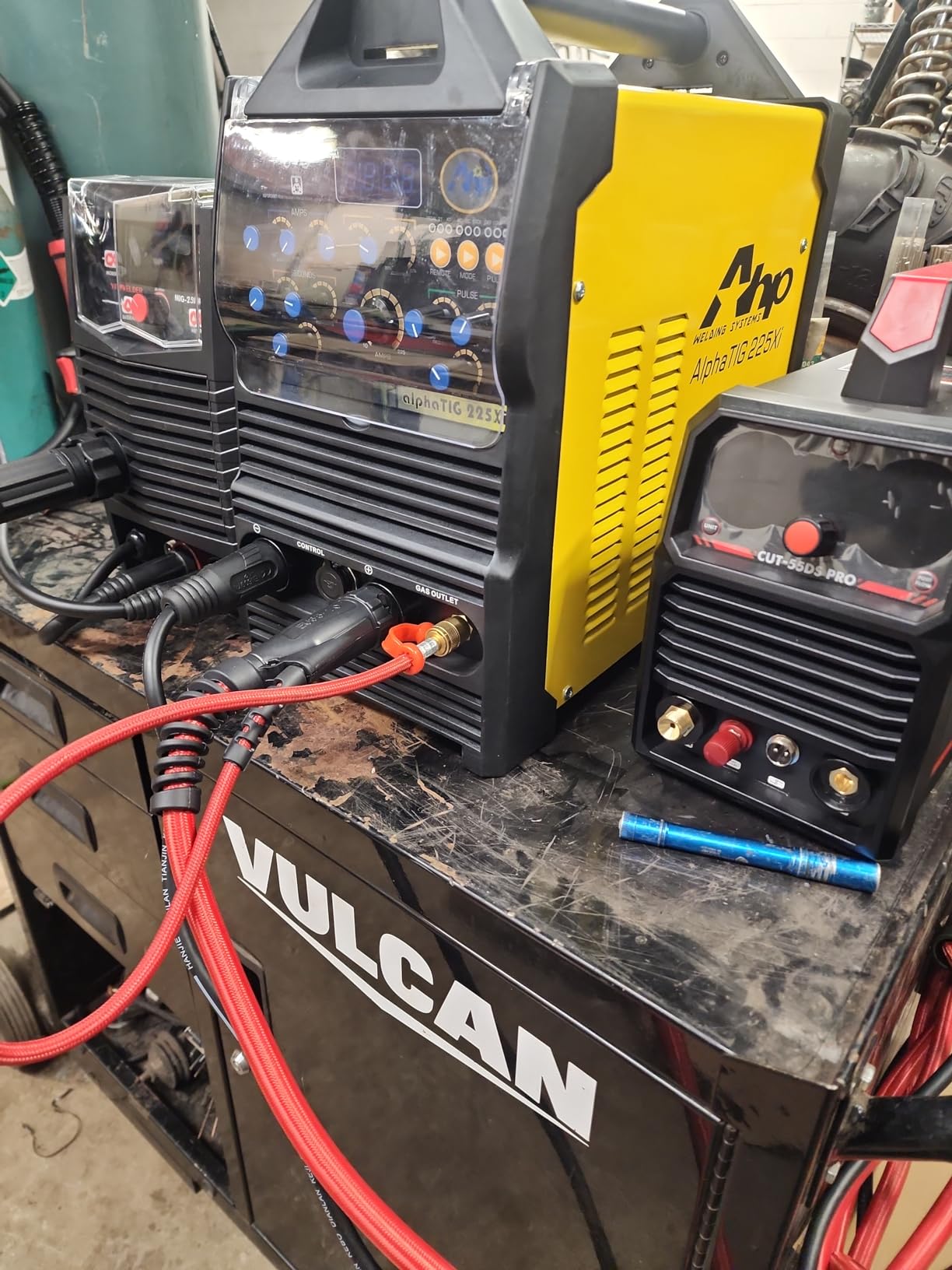
This machine is rated at 225 amps on 240V and still delivers a usable 150 amps on 120V, which is one of the better 120V outputs in this group. That combination makes it usable in a garage circuit without forcing a dedicated 240V run for every project.
The rear-mounted water cooler outlet is the feature that sets it apart. Connect a water-cooled torch and you can run extended aluminum work without torch and tungsten overheating, which is the usual reason a long session gets cut short.
Low start amperage of 5 amps DC and 20 amps AC handles thin gauge aluminum and precision work well. Pulse frequency adjusts from 0.5 to 200 Hz, and pre-flow and post-flow are independently adjustable from 0 to 10 seconds with down-slope control.
Four-tenths mode lets you set separate start and end amperage, which is how you control crater fill on aluminum so the bead caps cleanly instead of sagging at the end.
The rating here is 4.7 stars with zero one or two star ratings in the distribution, which is the cleanest satisfaction profile in the group. The catch is the sample: 42 ratings is the smallest review base of any machine reviewed, so treat that score as encouraging rather than proven.
Specification listings are unusually sparse, with no weight or dimension data returned and no accessory list, so confirm what is included before you rely on anything being in the box.
When a water-cooled torch is worth it
A water-cooled torch pays for itself if you weld aluminum for hours at a time. Air-cooled torches overheat, the tungsten tip raises and starts contaminating the puddle, and you grind mid-project. The outlet on the back of this machine is a small feature that removes a real daily annoyance on long jobs.
If you mostly weld in short bursts, an air-cooled torch is fine and you do not need the outlet.
Where it falls short
The thin review base is the main limitation. There is not enough long-term data here to judge failure rates, and AHP is a lesser-known brand, so parts and service availability is something to check in your region before committing.
It also has the lowest sales rank of the AHP machines in this group, indicating a newer listing. Compare it against the AlphaTIG 203Xi, which has a much deeper review file and a three year warranty stated in the listing, before deciding between them.
How to Choose an Aluminum TIG Welder in 2026
Aluminum is the most forgiving material in some ways and the most punishing in others. It will not rust, it machines beautifully, and it is light. It also conducts heat several times faster than steel, forms an oxide layer that resists melting, and cracks easily if you get the heat input wrong. Those four facts drive every decision below.
AC output: the one non-negotiable feature
Will any TIG welder weld aluminum? No. A DC-only machine cannot. Direct current drives heat into the workpiece without the polarity reversal needed to scour away the oxide layer, so the puddle floats on top of a film that melts at a far higher temperature than the base metal. You can grind every joint back to bare metal and weld it, but that defeats the purpose of having a TIG machine at all.
AC/DC is the answer. The electrode-positive half-cycle does the cleaning, the electrode-negative half-cycle does the penetration, and the machine lets you change the ratio between them. Every machine in this roundup is a true AC/DC unit.
High frequency start: ignore the workpiece
High frequency start strikes the arc without touching the tungsten to the aluminum. That matters more than it sounds. Every time a tungsten contacts aluminum, the tungsten picks up contamination, and contaminated tungsten is the leading cause of wandering arcs and poor penetration on aluminum.
Some machines also offer lift start, where you create a tiny gap between the tip and the workpiece to strike the arc. It is a useful backup when you are near electronics or in a confined space.
AC balance and AC frequency: the two controls that matter
AC balance is the percentage of each cycle spent on the electrode-positive cleaning half-cycle. More cleaning handles dirty or heavily oxidized aluminum, less cleaning improves penetration and reduces the risk of weak, porous-looking beads.
AC frequency controls how fast polarity reverses. Higher frequency focuses the arc into a tighter cone with better penetration and easier control on thin material. Lower frequency spreads the arc and cleans more aggressively but risks tungsten contamination.
As a starting point, match the machine settings to the material thickness:
0.5 to 1 mm: high cleaning, high frequency, 20 to 50 amps
1 to 2 mm: balanced, high frequency, 50 to 90 amps
2 to 3 mm: balanced to cleaning, mid to high frequency, 90 to 140 amps
3 to 5 mm: cleaning side, mid frequency, 140 to 200 amps
6 mm and heavier: cleaning side, low to mid frequency, 200 amps and up
These are starting points, not rules. Test coupons on your own alloy and thickness, then adjust. Every machine in this roundup with adjustable AC frequency lets you do that, and that capability is worth more to an aluminum welder than a higher headline amperage number.
Duty cycle: what it actually means
Duty cycle is the percentage of a ten minute cycle a machine can weld at its rated output before it overheats. A 40 percent duty cycle at 200 amps means 200 amps for four minutes, then a cooldown period. A 60 percent rating gives you more continuous work.
This matters if you do long aluminum work. The AHP AlphaTIG 203Xi is reported by owners running near 100 percent duty cycle at 155 amps, which is why it rarely trips its thermal protection during a long session. Budget machines rated at 40 percent will pause more often.
110V versus 220V: the derating nobody explains
Every machine here is dual voltage, but the output at 120V is always lower than the nameplate amperage. A 200 amp machine might deliver 120 to 150 amps on 120V. This is normal and not a defect, but it is the single most common source of frustration for beginners who feel their new machine is weak.
On 120V you are limited to thin and medium aluminum. Heavy plate welding belongs on a 240V circuit. Use a dedicated 20 amp circuit rather than an extension cord, and if the machine has no internal amperage cap on 120V, be careful with the amperage knob near the top of the range.
Pulse: helpful, not required
Pulse TIG rapidly switches current on and off, averaging the heat input down without your hand doing it. Expert consensus on welding forums is consistent: pulse helps on thin stainless and thin aluminum, but it is not required. Plenty of fabricators weld years of aluminum without touching the pulse setting.
Buy for AC balance, AC frequency, arc stability and dual voltage first. Treat pulse as a bonus that matters mainly if you weld thin material regularly.
Tungsten and shielding gas
Use 2 percent lanthanated tungsten for aluminum almost always. It holds a sharper point at AC amperage than zirconiated and resists the balling that contaminates the arc. Size it to your amperage: 3/32 inch for roughly 20 to 80 amps, 1/8 inch for roughly 80 to 150 amps, and 5/32 inch for 150 amps and above. Grind to a fine point only, never a flat taper, and grind along the axis.
Use pure argon for almost all aluminum TIG work. Argon helium mixes show up on very thick or wide material where you need more heat and a less concentrated arc, but they cost more and are harder to tune for a first project. Set gas flow around 20 cfm for a cup size matched to your torch and nozzle.
Filler rod and hot cracking
4043 rod is the general choice for aluminum repair and castings because it flows readily and resists cracking. 5356 is stronger and is the standard for 6061 structural work. Using the wrong rod is one of the three main causes of hot cracking, alongside a contaminated tungsten and traveling too fast for the puddle to fill.
Back purge with argon on closed sections like tube or box work. Aluminum tube that is not purged will oxidize on the inside and that oxidation becomes a crack starter later.
TIG versus MIG for aluminum
MIG on aluminum uses a spool gun, which is faster and easier to learn but cannot handle very thin material or as fine a control of heat. TIG is slower and has a steeper learning curve but gives you precise puddle control and clean results on thin and detail work.
If you are starting out and want fast results on thicker aluminum, a MIG machine with a spool gun is a reasonable alternative. If your work is thin sheet, tube, motorcycle parts or anything where heat control matters, AC/DC TIG is the right process.
Frequently Asked Questions
What is the best TIG welder for aluminum?
The PRIMEWELD TIG225X is the best overall TIG welder for aluminum in 2026. It delivers 225 amps of AC/DC output with pulse, offers selectable AC frequency up to 200 Hz, is rated for 1/4 inch aluminum, and operates on 110V or 220V. It also has the highest average rating and the largest review base of the machines we compared.
Will any TIG welder weld aluminum?
No. You need a machine with AC output and a high frequency start. Aluminum forms an oxide layer that melts at a much higher temperature than the base metal, and only the electrode-positive half-cycle of alternating current breaks it apart. A DC-only TIG welder cannot weld aluminum unless you grind every joint back to bare metal first.
Are Harbor Freight TIG welders any good?
Harbor Freight TIG welders are regularly recommended in welding forums as a legitimate budget option, and owners often pair them with brands like AHP as a budget recommendation. The important check is the same one we apply to every machine: confirm it has true AC/DC output, a high frequency start and adjustable AC balance. Specs change between models and revisions, so verify the specific listing before buying.
What is a good starter TIG welder?
The AHP AlphaTIG 203Xi is a good starter TIG welder because it arrives with an argon regulator, foot pedal, electrode holder, TIG torch and a plug adapter, so you can weld the day you open the box. For thin-gauge work specifically, look at a machine with a low start amperage, such as the Everlast PowerTIG 200DV, which starts at 5 amps DC.
What thickness aluminum can a 200 amp TIG welder weld?
A 200 amp machine is comfortably rated for 1/4 inch aluminum, and experienced owners treat roughly 3/8 inch as the practical ceiling for any 200 to 250 amp TIG machine. Material heavier than 1/4 inch is generally a two-pass job rather than a single pass. Very thin material below 1/16 inch needs a low start amperage and careful control to avoid burning through.
Do I need pulse TIG for aluminum?
No, pulse is helpful but not required. Welding forum consensus is consistent that pulse helps on thin stainless and thin aluminum because it averages heat input down, but plenty of fabricators weld aluminum for years without touching the pulse setting. Prioritize AC balance, AC frequency, arc stability at low amperage and dual voltage instead, and treat pulse as a bonus feature.
Should I use AC or DC TIG welding for aluminum?
Use AC for the cleaning half-cycle and DC for the penetration half-cycle, which is why AC/DC machines are the standard for aluminum. AC welding aluminum fuses the puddle and scrubs the oxide layer, while DC TIG gives deeper penetration and is the right mode for stainless and mild steel. Most aluminum welders alternate modes on the same machine for different parts of a project.
What tungsten and gas should I use for aluminum TIG?
Use 2 percent lanthanated tungsten for aluminum, sized to your amperage: 3/32 inch for 20 to 80 amps, 1/8 inch for 80 to 150 amps and 5/32 inch above 150 amps. Grind a fine point along the axis and never flatten the tip. Use pure argon for nearly all aluminum TIG work, with argon helium mixes reserved for very thick or wide material.
Final Verdict: Which Aluminum TIG Welder Should You Buy?
If you want one recommendation, take the PRIMEWELD TIG225X. Its 4.8 rating across more than 1400 reviews, 225 amps of AC/DC output, 200 Hz selectable AC frequency and 1/4 inch aluminum rating make it the strongest all-round choice in 2026, and it is the machine I would put in a garage without hesitating.
Buy the Weldpro 200A if you want every parameter control at a mid-range level and prefer a machine that arrives with a complete kit. Buy the AHP AlphaTIG 203Xi if you are learning, because the accessory package alone gets you welding on day one and the duty cycle holds up on long sessions. Buy the Everlast PowerTIG 200DV for thin-gauge work where the 5 amp start current matters. Buy the LOTOS TIG200ACDC if your budget is the deciding factor and 1/8 inch aluminum is your realistic ceiling.
Move up to the ARCCAPTAIN for waveform choice on a budget, to the Sunstac when you need 250 amps for heavy plate, to the YESWELDER when the machine has to fit in a car trunk, and to the Everlast PowerTIG 210EXT or AHP Alpha-TIG 225Xi when aluminum is serious production work rather than a weekend project.
Whichever you choose, spend your first session on scrap coupons rather than the actual part. Set your AC balance and AC frequency, grind a proper lanthanated tungsten point, set argon flow, and make two or three practice beads before touching anything you care about.