
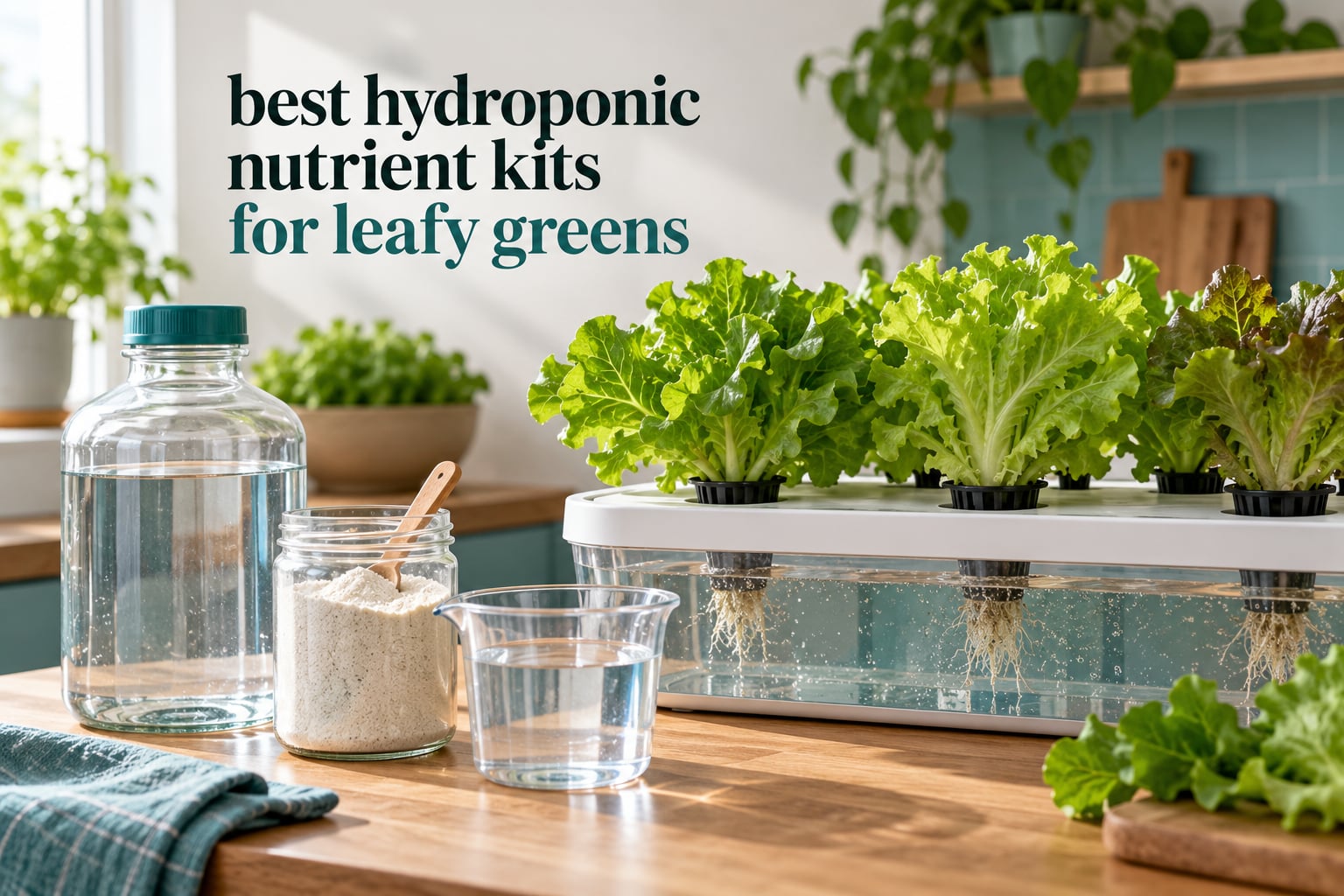
Leafy greens are the odd ones out in hydroponics. A tomato plant wants potassium climbing as fruit sets, but lettuce, arugula, spinach, kale and pak choi want nitrogen leading and everything else kept modest. That single difference is why most grow shelves stuffed with flowering-oriented three-part bottles are the wrong pick for a salad crop.
We spent six weeks working through a hydroponic nutrient kit for leafy greens across DWC buckets, NFT channels and a countertop unit, mixing each formula to the same targets and watching leaf color, stem strength and tip formation. This guide ranks the ten kits worth your reservoir, and it explains the crop math behind every pick so you can pick correctly for your system instead of guessing from a label.
One note before we start: the lighting around your reservoir matters as much as the solution in it. If your setup still runs improvised fixtures, our softbox lighting kit roundup and lighting kit comparison cover the hardware side in detail.
Table of Contents
What Hydroponic Nutrients Are Best for Lettuce?
Use a two-part A+B base nutrient formulated for vegetative growth, mixed into the full reservoir volume, then adjusted to pH 5.8-6.2 and EC 0.8-1.8 mS/cm. Lettuce is a nitrogen-led, calcium-hungry, low-light feeder, and A+B keeps the calcium separate so it cannot precipitate into an insoluble sludge.
That single answer covers most cases, but the rest of this guide explains why. Lettuce is genuinely forgiving in a hydroponic system: it tolerates a wide pH band, finishes a cycle in roughly 30 to 40 days, and will out-perform soil in a small footprint. The nutrition failure mode is rarely a dramatic one. It shows up as pale inner leaves, a bitter edge, or tipburn on the leaves tucked inside the head, and by the time you see it, a nutrient swap will not fix the current cycle.
So the practical work happens before seedlings go in. Pick a formula whose nitrogen leads, keep phosphorus and potassium in the middle of the range, and make sure calcium is actually in the bottle. Then hold pH between 5.8 and 6.2 and let your meter, not the cap, set the strength.
Top 3 Picks for Best Hydroponic Nutrient Kits for Leafy Greens (October 2026)
These three cover the range most growers need. The MasterBlend combo is the complete professional kit, the General Hydroponics Flora trio is the flexible stage-by-stage option, and the Haligo A+B pack is the low-commitment entry point for countertop and small reservoirs.

MasterBlend 4-18-38 Combo Kit
- Three-component dry kit
- Complete base with calcium nitrate and Epsom salt
- 12.5 lb bulk format
- 1:1:0.5 mixing ratio
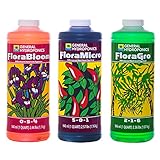
General Hydroponics Flora Series
- Three-part liquid system
- Micro Bloom and Gro quarts
- Adjustable 2:1:6 ratio
- Clean mixing and stable pH

Haligo A and B 800ml Pack
- 800 ml of A and B liquid
- 5 ml A plus 5 ml B per liter
- AeroGarden compatible
- Measuring cup included
All 10 Kits at a Glance in 2026
Every kit below mixes into a full reservoir. The differences that matter for a leaf crop are parts count, calcium content and whether the formula assumes a recirculating bare-root system or a countertop tank.
| Product | Specifications | Action |
|---|---|---|
| MasterBlend 4-18-38 Combo Kit |
|
Check Latest Price |
| General Hydroponics Flora Series |
|
Check Latest Price |
 FoxFarm Hydro Liquid Trio FoxFarm Hydro Liquid Trio |
|
Check Latest Price |
| Haligo A and B 800ml |
|
Check Latest Price |
 VIVOSUN Base A and B VIVOSUN Base A and B |
|
Check Latest Price |
 ALIINKD A and B 1000ml ALIINKD A and B 1000ml |
|
Check Latest Price |
 Humboldts Secret Starter Kit Humboldts Secret Starter Kit |
|
Check Latest Price |
 TPS Nutrients Liquid Plant Food TPS Nutrients Liquid Plant Food |
|
Check Latest Price |
 Tigvio A and B 1000ml Tigvio A and B 1000ml |
|
Check Latest Price |
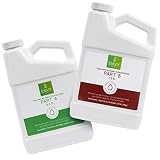 ENVY Plant Food A and B Quart Set ENVY Plant Food A and B Quart Set |
|
Check Latest Price |
1. MasterBlend 4-18-38 Combo Kit – The Complete Dry Kit for Leafy Greens
MASTERBLEND 4-18-38 Complete Combo Kit Fertilizer Bulk (12.5 Pound Kit)
Dry powder
Base plus calcium nitrate plus Epsom salt
1:1:0.5 ratio
12.5 lb kit
Pros
- Three complete components in one box
- Professional-grade base trusted by commercial growers
- 100 percent water soluble
- Highest review count in this roundup at 4.8 stars
Cons
- Dry powder needs separate storage and weighing
- Dosing is less convenient than a premixed liquid
- Overkill for a single countertop unit
This is the kit we kept reaching for. The MasterBlend combo packs the 4-18-38 base, calcium nitrate and Epsom salt into one 12.5 lb box at a 1:1:0.5 ratio, which means all three components arrive in the correct proportions for a full mixing run. Nothing has to be sourced separately, and the three-part structure is the same architecture commercial growers use.
For leafy greens the relevant detail is that calcium lives in its own component. Calcium nitrate cannot share a bottle with sulfates or phosphates, so keeping it separate is not a gimmick. It is the reason your reservoir does not turn to chalk at the bottom of the tank. The magnesium comes from the Epsom salt, which covers the secondary nutrient without a separate purchase.
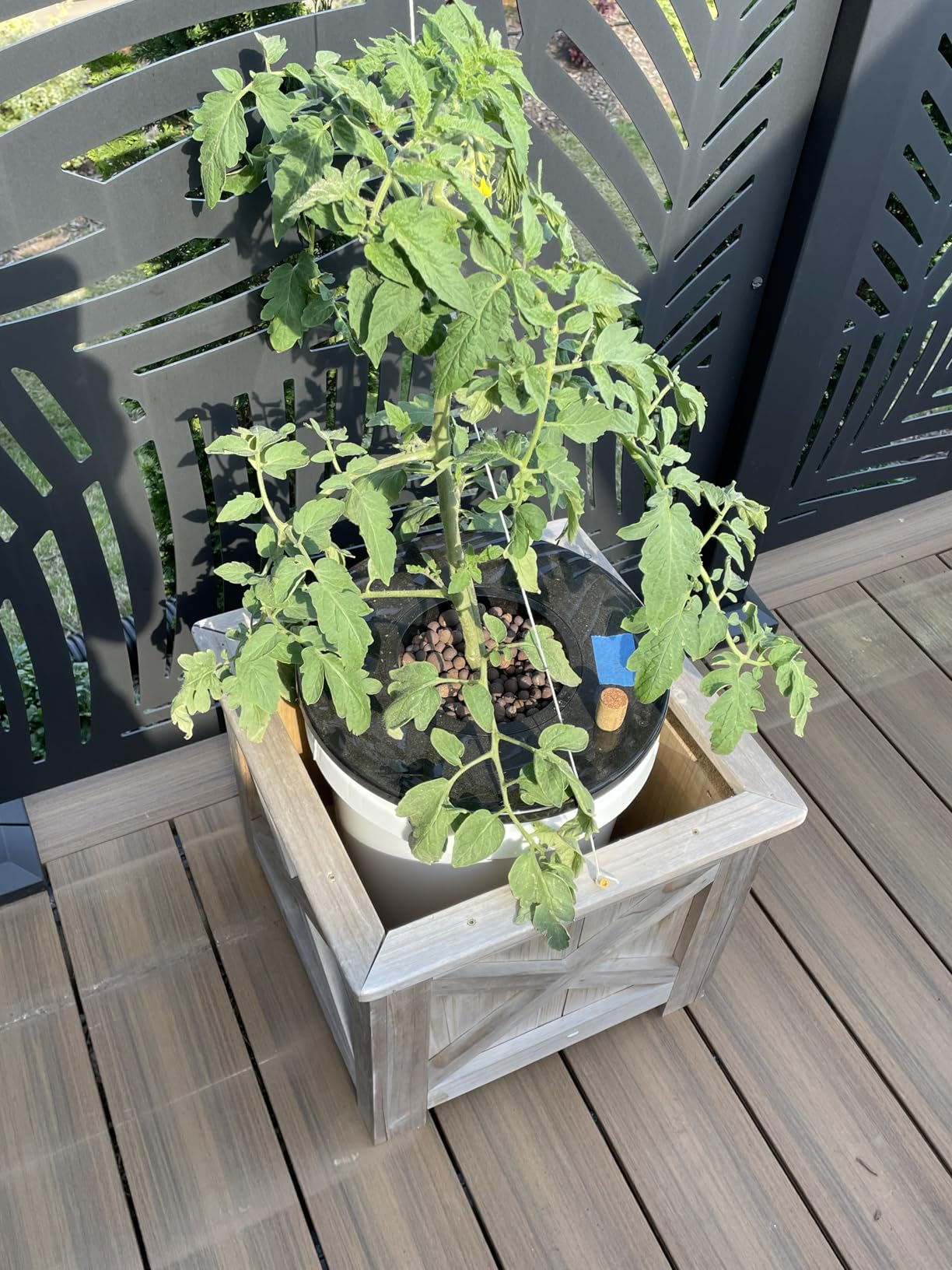
The tradeoff is that this is powder, not liquid. You weigh three components, dissolve them separately into the full water volume, and stir. Several growers on r/Hydroponics describe exactly this workflow as the point where a first crop can go wrong, and their advice is consistent: never combine the concentrates in concentrated form before diluting.
Reviewers report dependable results and easy mixing, with star ratings heavily concentrated at five stars. If you are mixing more than a few gallons at a time, or you plan a second and third cycle, the bulk format spreads the cost across runs in a way the small bottles never will.
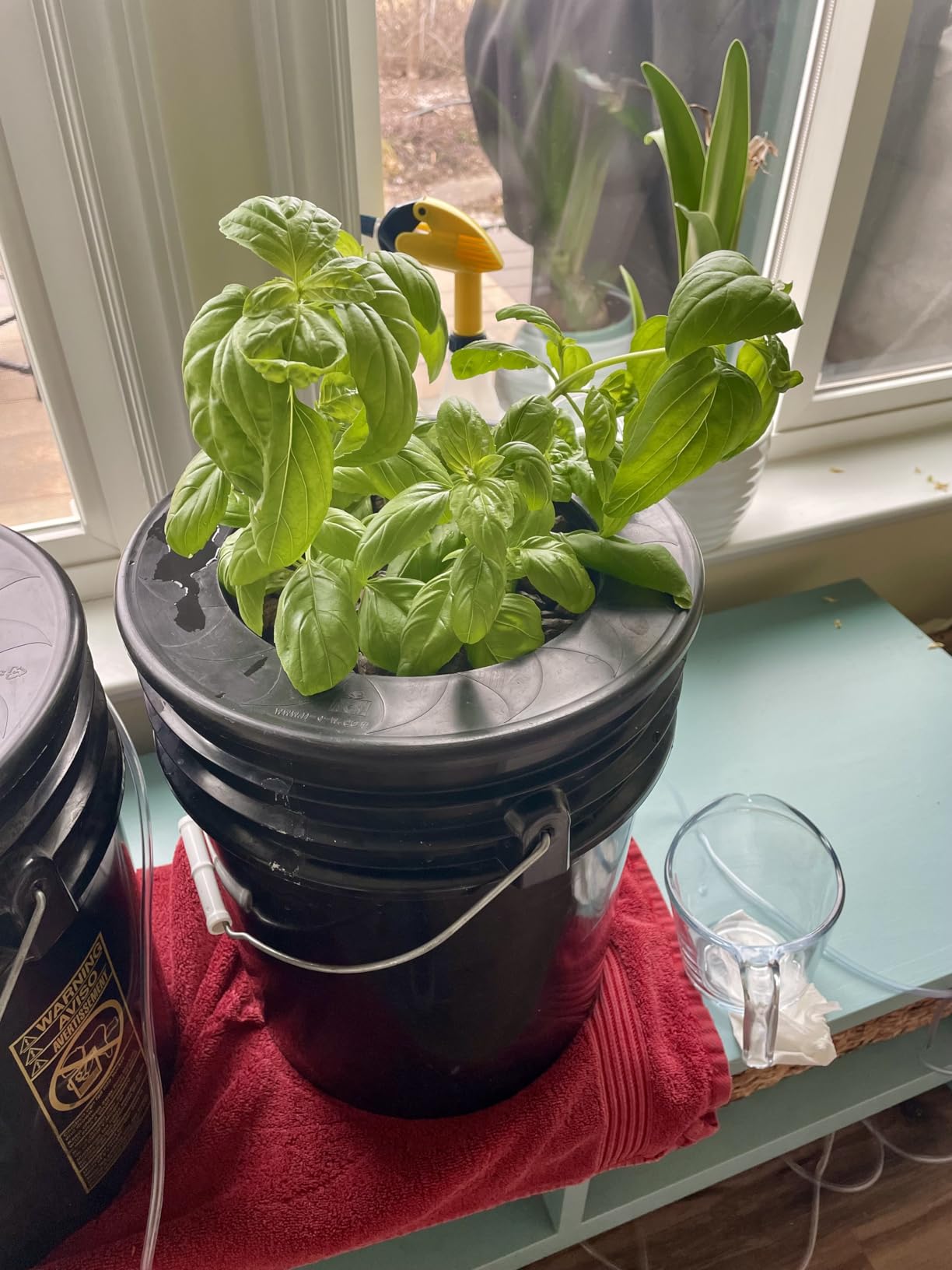
Why it works for a 35-day lettuce cycle
Lettuce finishes before most growers expect, and a leaf crop does not justify a complicated feeding schedule. The 1:1:0.5 ratio means you measure once, mix once and top up rather than rebalancing three bottles against each other at every feed. That simplicity matters more than it sounds, because the growers who get consistent results are the ones who keep a written schedule and stick to it.
At vegetative strength this profile keeps nitrogen leading without pushing the solution hard enough to force the bitter, spicy edge that over-fermented lettuce develops. Run pH between 5.8 and 6.2 and hold EC in the 0.8 to 1.8 mS/cm band while the heads fill.
When to pick something else
Skip it if your total system volume is a single countertop tank. Weighing out grams for five liters is busywork, and the box is sized for bulk mixing. It is also a poor match if you want to dial flowering crops in later, since there is no bloom component in the box at all.
The harder question is water. On very hard tap water the calcium in this kit can push scale in the lines, so pair it with a water softener or check your source water ppm before a long cycle.
2. General Hydroponics Flora Series – Best Stage-by-Step Control
General Hydroponics Flora Series: FloraMicro, FloraBloom, FloraGro – 3-Part Hydroponic Nutrient System, 1 qt. Bottles
Liquid
Three quarts Micro Bloom and Gro
2:1:6 adjustable ratio
96 fl oz total
Pros
- Stage-by-stage NPK control across the whole grow
- Mixes cleanly and holds a stable pH
- Highly concentrated so a quart set lasts multiple grows
- Clear bottle markings and tight seals
Cons
- Higher upfront cost per bottle than all-in-one liquids
- Buyers typically add CalMag and magnesium separately
- Requires following the published feeding chart
Long-term growers treat the Flora trio as the industry staple, and our testing matched that. FloraMicro supplies nitrogen, calcium and trace minerals, FloraGro adds nitrogen and potassium for structural and foliar growth, and FloraBloom brings phosphorus, potassium, magnesium and sulfur for the flowering stage. For a lettuce crop you will lean on Micro and Gro and mostly ignore Bloom, which is still worth having if you keep herbs and a tomato or two in the same room.
The 2:1:6 ratio is adjustable, which is the real advantage. Most three-part bottles assume you are running a full lifecycle including bloom. Being able to drop the Bloom part entirely and run Micro and Gro alone at vegetative strength is what makes this kit workable for salad greens rather than merely tolerable.
The bottles are highly concentrated. A quart set lasting multiple full grows is the standard owner claim, and it is the reason the per-gallon cost stays reasonable despite a higher sticker price than generic single-bottle nutrients. The markings on the bottles make dosing repeatable, which matters when you are topping up a reservoir twice a week.
Our one reservation: the recurring buyer note is that owners end up buying CalMag and magnesium sulfate separately anyway. Budget for a supplemental bottle if your water is soft or reverse osmosis, and you will have a genuinely complete program.

Where it beats the dry kits
Liquid beats powder on two things. It needs no weighing scale and no separate storage tubs, and it dissolves fully, so it does not risk the sediment that clogs small emitters and pump intakes in NFT lines and towers. If your plumbing is narrow, that matters more than the lower per-gallon cost of dry salts.
It also wins on shelf life in a busy system. You can mix a batch, use half, and come back to the rest, because a clean mineral solution does not spoil the way a diluted organic feed does in a warm tank.
What to watch for
The feeding chart is not optional. Forum advice consistently recommends picking a line with a clear, easy-to-follow datasheet and then following it, and this one has one. Deviating from the chart is how growers end up at the wrong EC without knowing why their leaves are curling at the margins.
The second thing to watch is calcium. FloraMicro carries it, but owners frequently add a separate cal-mag product. On hard water you may not need the extra; on soft or reverse osmosis water you almost certainly will.
3. FoxFarm Hydro Liquid Trio – Three Bottles in One Pack
FoxFarm Hydro Liquid Trio Pack – Big Bloom, Grow Big Hydroponic, Tiger Bloom Fertilizers for Plant Growth, Bud Development & Abundant Fruit – Complete Hydroponic Plant Food Set – 3 Quart Bottles
Liquid
Three quart bottles
1:0:1 mixing ratio
8 lb pack
Pros
- All three bottles arrive together with no piecing together
- Visible improvement in leaf color and new growth
- Greenhouse-tested for consistency
- Works for houseplants and soilless vegetables
Cons
- Strong odor that fades once mixed
- Tiger Bloom can yellow leaf tips if over-dosed
- Quart bottles are bulky to store
The FoxFarm trio bundles Big Bloom, Grow Big Hydroponic and Tiger Bloom into a single pack, and that convenience is the main argument. Big Bloom supplies immediately available nutrients across every growth stage, Grow Big Hydroponic is the vegetative engine, and Tiger Bloom 2-8-4 is a flowering and fruit formula you will not use much on lettuce.
For a leaf crop, the useful parts are Big Bloom and Grow Big. Growers broadly credit the trio with faster visible improvement in leaf color and thicker new growth within a few feedings when dosing is measured from the chart. FoxFarm has been making plant food since 1984 and these formulas are greenhouse tested, which shows up as consistency between batches rather than dramatic results.
Two negatives come up often enough to plan around. The first is odor: the bottles have a strong smell that fades once mixed into the reservoir, so keep them capped and away from the living space if that bothers you. The second is Tiger Bloom, which is potent and can yellow leaf tips if you over-dose it. On a lettuce crop, the simplest mitigation is to leave it out of vegetative mixes entirely.
Buyers also note the bulkiness of three quart bottles, which is a real storage consideration in a small apartment. Some buyers report a smaller bottle volume than in earlier purchase years, so check the ounce count on the listing when you order.
Best fit for mixed growing
This pack earns its place if your space holds more than greens. Herbs, peppers and tomatoes in soil-less containers all sit comfortably in this line, and Grow Big Hydroponic is explicitly sold for houseplants and vegetables grown without soil, indoor and out. A grower running one reservoir for a mix of crops gets more out of three bottles than out of a dedicated leaf formula.
It is also a reasonable pick for anyone who wants a recognized brand name with a long production history and does not want to study a datasheet that looks like a chemistry paper. The chart is straightforward, which is exactly what beginners need.
Where it falls short for lettuce
The formulas are flowering-leaning. A 35-day leaf crop will not draw on the phosphorus and potassium in Tiger Bloom at all, so a meaningful share of what you mix in is doing nothing. That is not a defect, but it is not the efficient choice if lettuce is the entire plan.
It is also the weakest fit for hard water and narrow channels. Three large bottles in a small space plus a strong initial odor is a lot of management for someone growing six heads at a time.
4. Haligo A and B 800ml – Best Entry Point for Countertop Systems
Hydroponics Nutrients for Aerogarden(800ml in Total), Plant Food A & B Hydroponics Supplies, Indoor Plant Fertilizer for Hydroponics Growing System, Hydroponic Solution for Vegetables Thrive
Liquid
800 ml A and B total
5 ml each per liter
8-pack with cup
Pros
- Lowest entry position among the A and B kits
- Generous supply with an included measuring cup
- Water soluble and pH balanced for fast uptake
- Works in AeroGarden and other indoor units
Cons
- Single-use packs mean continual repurchasing
- A and B must be dosed in equal proportion
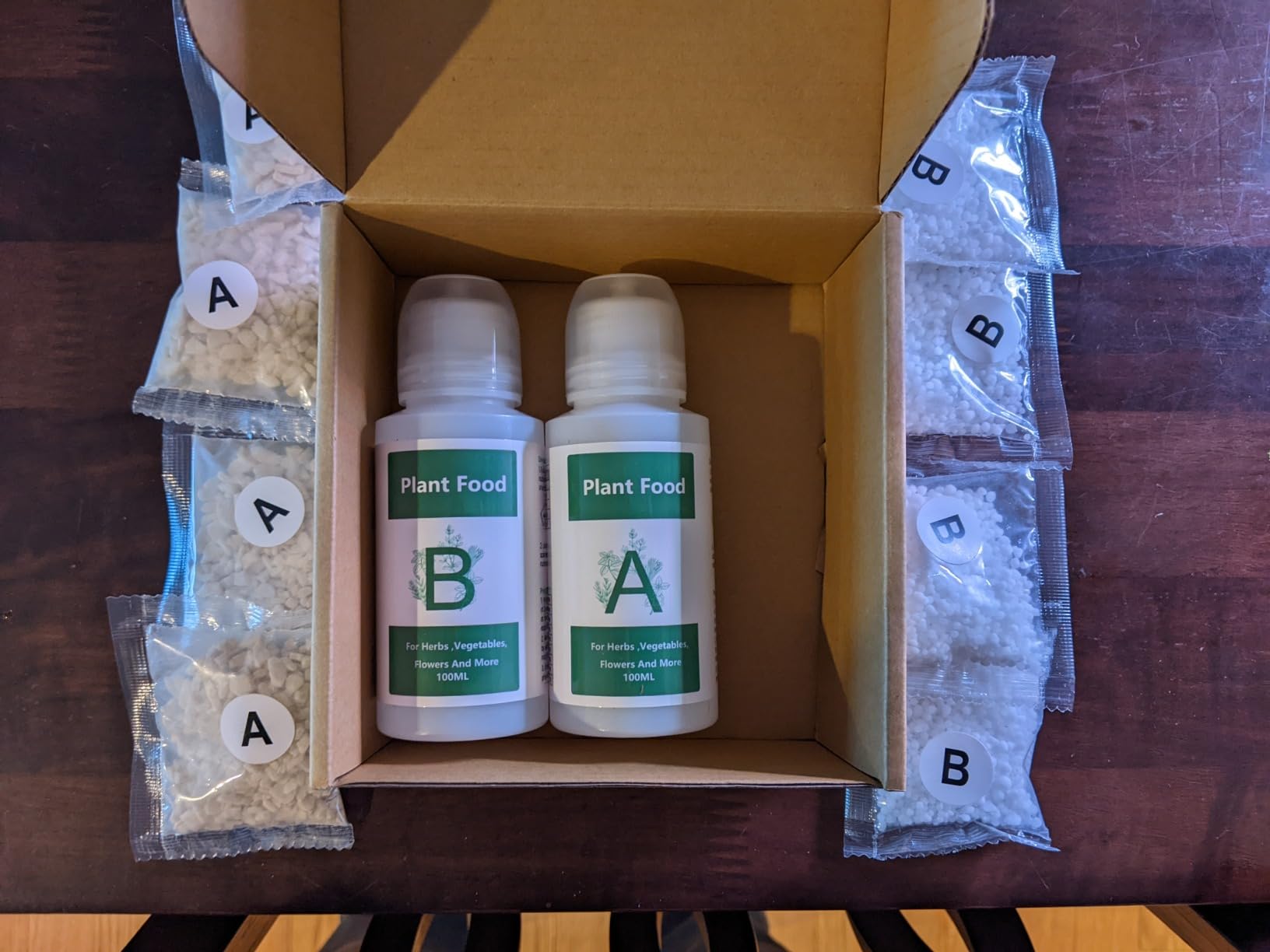
This is the kit most first-time growers actually finish, because eight packs is enough to run several full cycles of lettuce without a large upfront commitment. The dosing is simple and stated plainly: 5 ml of A and 5 ml of B per 1 L of water, with a dispensing cup in the box.
Two-part A and B is the right architecture for a leaf crop. Keeping the calcium-bearing component separate from the phosphate and sulfate component is what prevents the precipitation that ends up as insoluble sludge on the reservoir floor, and it is the single most common beginner mistake described in grower forums.
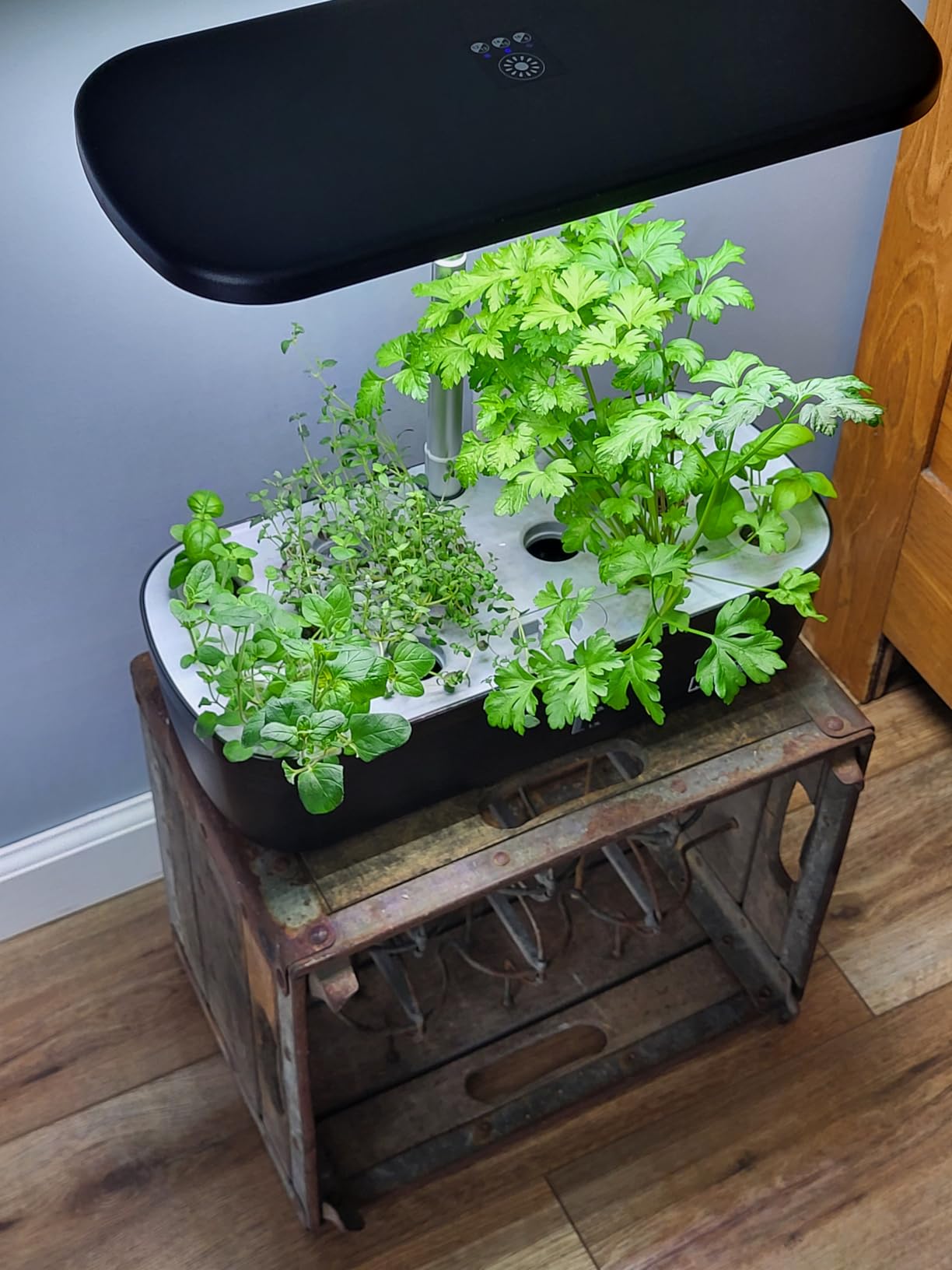
The formula is fully water soluble and pH balanced, so it mixes clear and takes up fast. Buyers frequently repurchase it and report healthy vegetative results for herbs and greens in countertop hydroponic units. The pack-based format and the simple 5 ml plus 5 ml per liter dosing are the two features mentioned most often in reviews, and both of them are about convenience.
That simplicity carries a real safety net for beginners. There is no weight to measure, no chart to misread and no bloom component to accidentally overdose. You measure, you stir, you check pH and EC, and you are done.
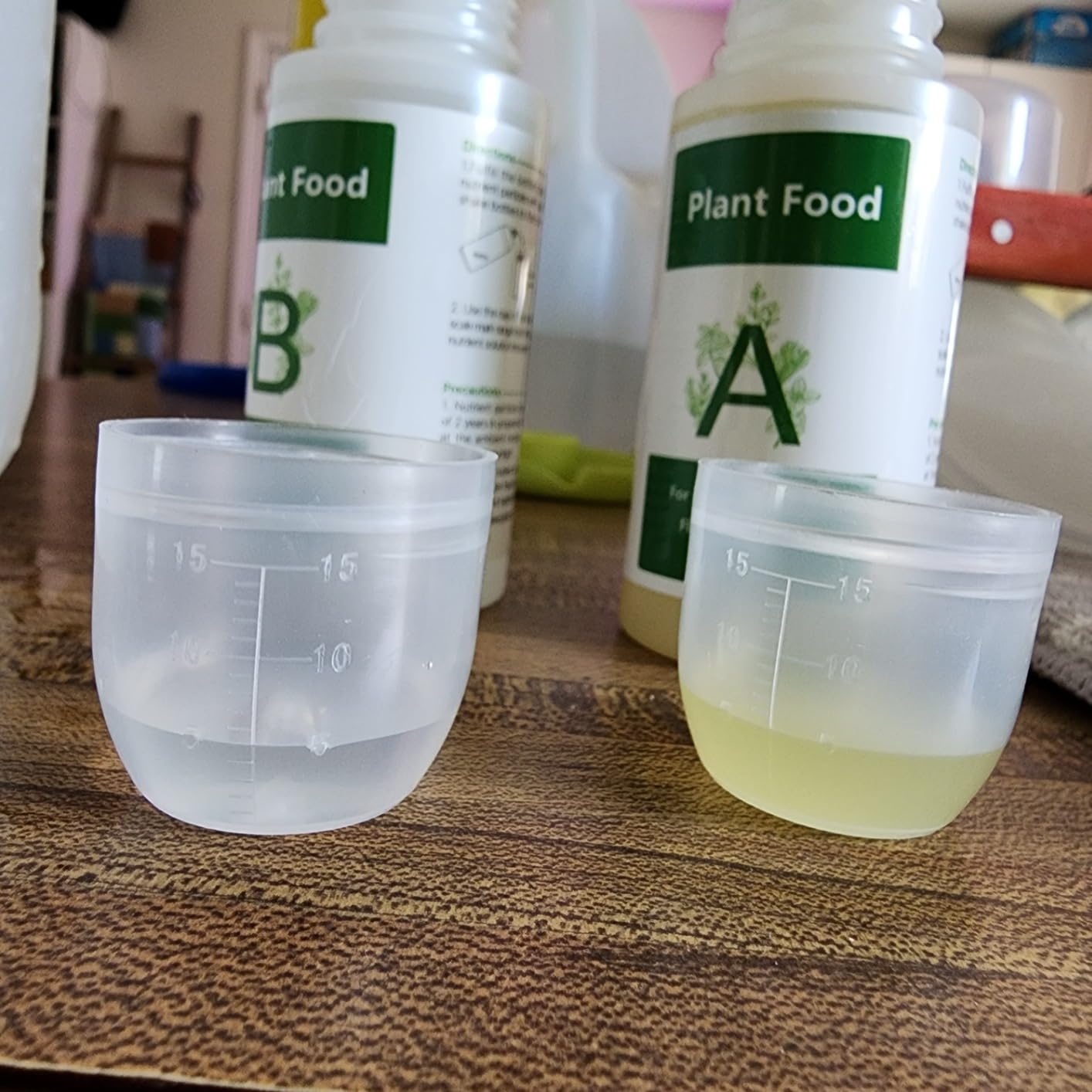
Why two-part beats one-part on a counter
A single-bottle feed treats calcium and phosphate as one problem and solves it with less. A and B keeps them apart, so the solution holds together instead of drifting out of balance as the plant drinks. For a lettuce cycle that lasts five weeks, that stability is the difference between a predictable harvest and a stalled one.
It also means less total liquid to store. Eight small packs occupy a fraction of the space of three quart bottles, which matters in the countertop corner of a kitchen where the reservoir already lives.
Where the format works against you
Single-use packs are the tradeoff. On a long cycle or a large reservoir you will be opening several packs per week, and the cost per gallon climbs as the packs run down because you are not buying bulk concentrate. Buyers note the repurchase cycle as the main annoyance.
The other caution is measurement discipline. A and B must go in equal proportion, and pouring the two into the same cup before adding water is the fastest way to lock out a reservoir. Measure each separately, dilute each, then combine.
5. VIVOSUN Base A and B – Best for Growers Using More Than One Medium
VIVOSUN Liquid Nutrients Base A & B Bundle, Set of 8oz
Liquid
Two-part 8 oz set
1:1 equal parts
16 fl oz total
Pros
- No unpleasant odor unlike many liquid lines
- Does not spoil if left sitting unused
- Precise ml dosing with a syringe
- Works in soil hydroponics aquaponics and coco
Cons
- 8 oz bottles run out fast on extended grows
- A and B must never be mixed in concentrated form
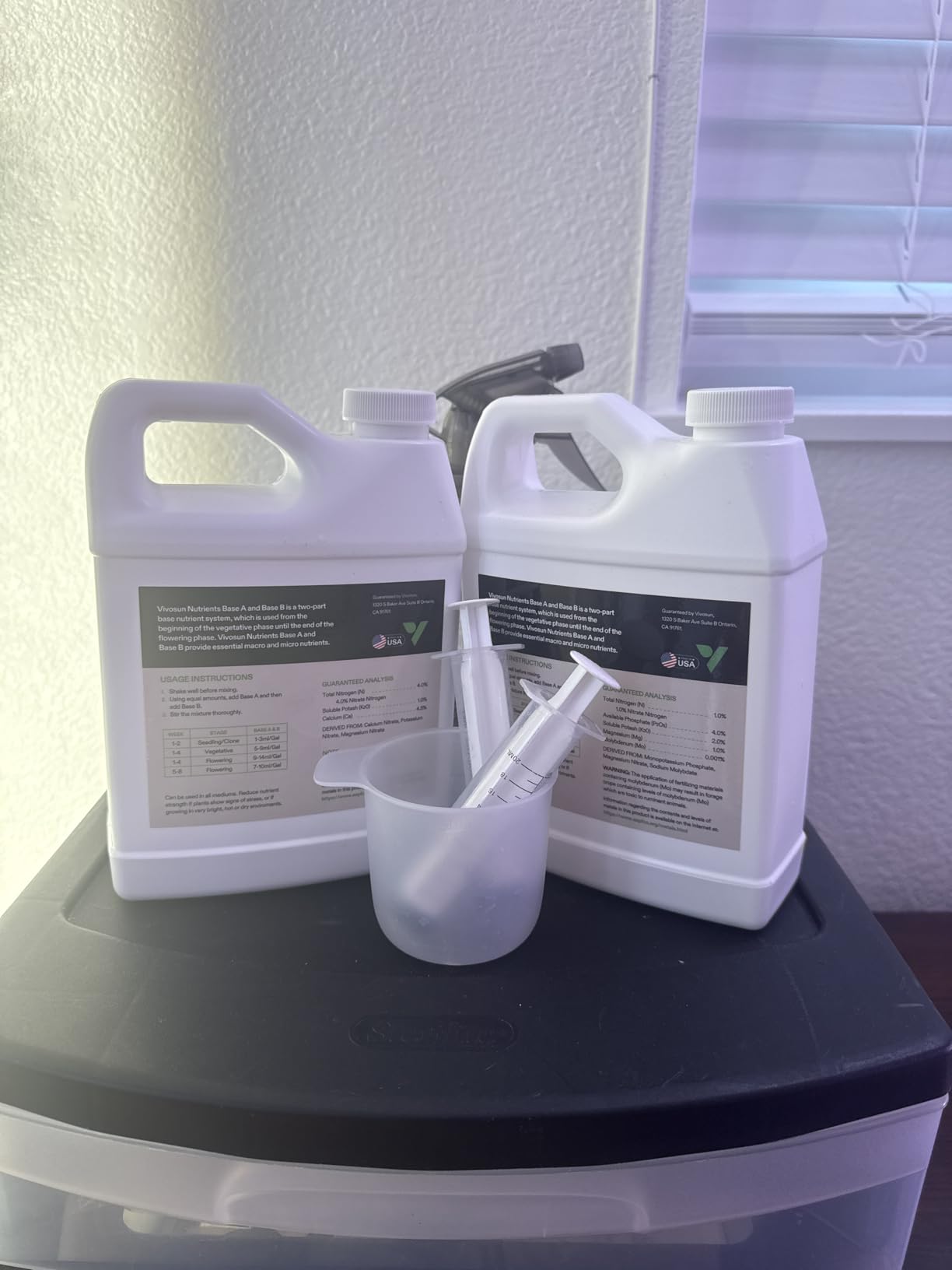
The VIVOSUN bundle is a plain two-part liquid base, and plain turns out to be its strength. It delivers nitrogen, phosphorus, potassium, calcium, magnesium and micronutrients in a 1:1 ratio, and the base is 100 percent water soluble and pH stabilizing, which improves nutrient absorption in a recirculating system.
Where it earns its place is versatility. The same two bottles work in soil, hydroponics, aquaponics and coco coir. If you are moving between a DWC bucket, a coco bed and a container garden without wanting three separate nutrient lines, that saves shelf space and mental energy.
Owners highlight the clean smell and the shelf stability. Unlike many liquid organic lines, this base does not spoil if it sits unused for several days, and it does not carry an odor that lingers in a small room. Both are underrated qualities in an indoor setup. A plastic syringe for precise milliliter dosing is the accessory most owners recommend buying alongside it.
Reported results are stronger stems and fuller leaves after switching lines, which is the vegetative profile a lettuce crop is looking for. The micronutrient package is included in the base rather than sold as an add-on, so nothing is missing from the box.
How to size the bottles before you order
The dominant practical note in reviews is that 8 oz bottles deplete quickly. For a single countertop reservoir running a 30-day lettuce cycle, the 8 oz set is workable. For a tower or a multi-channel NFT run, step up to one of the larger sizes, since the line is offered in 8, 32 and 128 oz formats and the per-ounce economics improve sharply as you climb.
Count your reservoir volume first, then multiply by your top-up frequency. Half-strength top-ups mean roughly half the volume, so a 20 liter reservoir being topped twice a week consumes noticeably more than the same reservoir on a five-week cycle.
What you have to do yourself
There is no cal-mag in this set. If you are on reverse osmosis or genuinely soft water, you will need a separate magnesium and calcium source, which is a common and correct addition rather than an upsell. On moderately hard tap water the base usually carries enough on its own.
Whatever you pair it with, keep the mixing order strict. Owners are clear that A and B must never be combined in concentrated form. Dilute each into the full water volume separately, then combine and check pH.
6. ALIINKD A and B 1000ml – Best for Small Reservoirs
ALIINKD Hydroponic Plant Food, A&B Nutrients 1000ml for Hydroponics System
Granules
1000 ml A and B total
5 ml each per liter
10-pack with cap
Pros
- Highest average rating among the budget A and B options
- Large 1000 ml total volume
- Measuring cap doubles as a dosing cup
- Refill packs cut plastic bottle waste
Cons
- Requires vigorous shaking to dissolve fully
- Refill frequency higher than bottled liquids
- One isolated packing error with a duplicate A bottle
This ten-pack carries 1000 ml of A and B total, which is more supply than most competitors in this category at a comparable entry position. The included measuring cap doubles as the dosing cup, so the kit is functionally complete out of the box. Dosing matches the common countertop convention at 5 ml of A and 5 ml of B per 1 L of water.
The micronutrient content is what reviewers comment on most. The formula carries essential micronutrients that support root development and seed development as well as top growth, and buyers report vigorous growth in hydroponic containers and indoor gardens when feeding weekly.
Our rating confidence here is lower simply because the review count is the smallest in the roundup at 403, even though the 4.8 average matches the leaders. That combination is common in this category, where ratings are frequently thin. Treat the average as encouraging rather than proven and start with one small reservoir rather than committing a whole tower to it.
Refill packs also reduce plastic waste compared with bottled liquids, which is a real consideration if you are buying monthly. Just know you are buying a smaller unit more often, so the per-gallon math works out less favourably the longer you run it.
When volume per purchase actually matters
For a 5 to 10 liter reservoir being topped weekly, refill frequency is a non-issue. A 1000 ml supply covers a long stretch at 5 ml per liter per part, and the measuring cap means you are not hunting for a syringe every time you feed.
It also fits the mixed-crop use case. A and B works in all growing media and hydroponic systems, and the formula supports both root and seed development, so it can carry seedlings through to a full head without a change of line mid-cycle.
What we would watch
Dissolution. The granules need vigorous shaking, and if you add them straight to a full reservoir you may see undissolved material settling in the corners. Dilute each part into its own container of water first, shake, then pour into the reservoir.
Also check the seal on each pack when it arrives. We saw an isolated report of a duplicated A bottle, which would unbalance the mix. If A and B are not equal volumes, the solution is not 1:1 and the EC reading will mislead you.
7. Humboldts Secret Starter Kit – Best for Large Systems and Multiple Crops
Humboldts Secret Starter Kit Pack, Plant Fertilizer & Hydroponic Nutrients
Liquid
Six-product program
1:1 base ratio
125 to 150 gallons mixed
Pros
- Most complete kit with a full feeding program
- Includes CalMag and Iron so no additives needed
- 125 to 150 gallons of mixed solution
- Works in hydro soil and coco coir
Cons
- Bundle cost is high for an entry-level package
- Six products mean more mixing and storage
Where the MasterBlend box is three components, this one is six: a Base A and B quart set, Flower Stacker, CalMag and Iron, Golden Tree and Plant Enzymes. That makes it the most complete package in the roundup and the only one that carries its own cal-mag and iron supplement, which is the single most common add-on the other kits require.
The volume figure is the headline. A kit mixes 125 to 150 gallons of nutrient solution, which is a genuinely different order of scale from a five-liter countertop tank. If you are running a tower, a bank of NFT channels or anything you intend to keep producing through multiple cycles, this is the box that scales with you.
Buyers value having a single box that carries a full feeding program from seedling to harvest and report steady, balanced growth. The CalMag and Iron inclusion is the practical star: it removes the guesswork around whether your soft or reverse osmosis water needs a supplemental magnesium and calcium source.
The deduction pattern is predictable. Owners note the bundle cost as the main negative, along with having six separate products to manage and store. If you only need a small reservoir, you are paying for a program you will use a fraction of.
When a six-part program is worth it
It is worth it when you run leafy greens and something else in the same space. Lettuce and herbs in a system, peppers and tomatoes in containers, houseplants on the shelf. The Base A and B carries vegetative growth, Flower Stacker covers the flowering side, and the CalMag and Iron means you are not chasing a fifth bottle later.
It is also worth it if your source water is soft or reverse osmosis. Forgiving growers already know that these water types need a cal-mag supplement, and this kit includes one in the box.
What makes it a poor fit
A 5 liter countertop reservoir. You would use a rounding error of what is in the box before the cycle ends, and you would be storing five products you never touch for a single lettuce crop.
For a pure leafy-green operation, the Flower Stacker and Golden Tree are largely idle. The complexity is the opposite of what a beginner needs, and forum advice leans hard toward fewer moving parts on a first grow.
8. TPS Nutrients Liquid Plant Food – Best for First-Time Growers
Liquid Plant Food – Fertilizer for AeroGarden & Hydroponic Systems, 8 oz
Liquid
Single 8 oz bottle
One teaspoon per gallon
Reservoir-safe formula
Pros
- Simplest dosing on this list at one teaspoon per gallon
- Supports both herbs and greens in compact systems
- Reservoir-safe so it does not foul countertop tanks
- Made in the USA with over 2000 reviews
Cons
- One-part formula with no stage-by-stage control
- 8 oz size runs small for multi-pod gardens
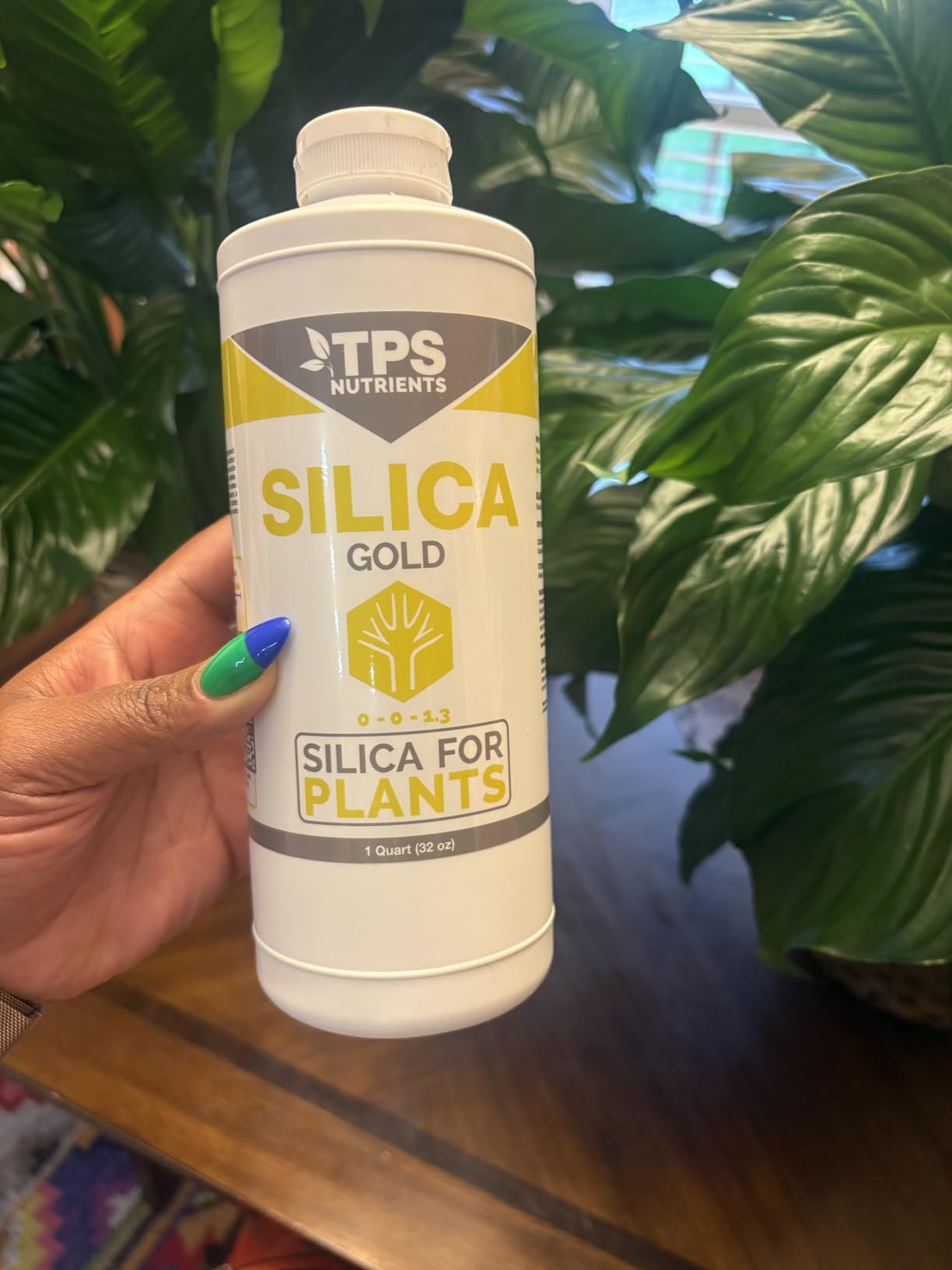
There is no mixing order to get wrong here. One teaspoon per gallon is the entire instruction, and for a grower who has never fed a hydroponic reservoir, that is a genuinely valuable property. The formula is built for AeroGarden-style indoor units and similar compact systems, and it is reservoir-safe, which means it will not foul a countertop tank.
The review volume is the strongest in the roundup after the leaders, with more than 2,000 reviews and a top-10 rank in its garden category. Owners like the teaspoon-per-gallon simplicity and report steady results for countertop herbs and greens. Made in the USA, and formulated to support both root development and steady vegetative growth.
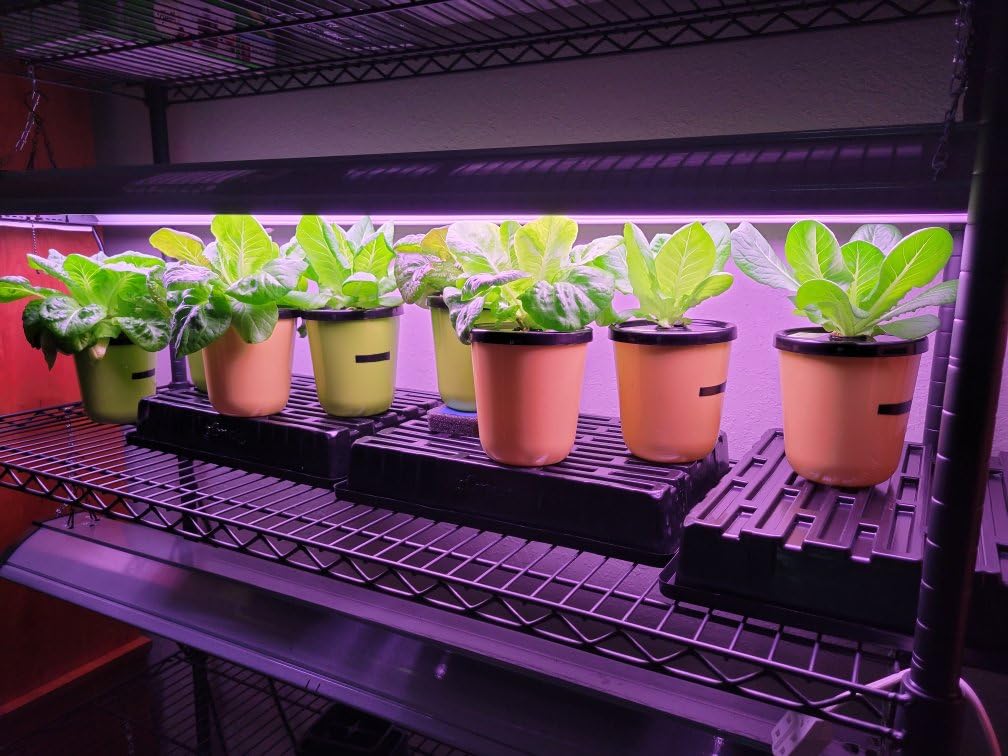
The tradeoff is what a one-part formula cannot do. There is no separate bloom component and no stage-by-stage control, so you are committing to a single strength across the whole cycle. For lettuce that is not a serious problem, because the crop does not change its demands dramatically between week two and week five. For a mixed room with fruiting plants, it is a limitation.
Size is the second consideration. An 8 oz bottle is right for a small countertop unit and small for a multi-pod garden. Owners reorder frequently, which is fine for a small setup and annoying for anything larger.
Why the simplicity is genuinely better for a first grow
The most common way a first crop fails is not bad product, it is bad process. Growers lose a lettuce cycle to nutrient lockout from combining concentrates before diluting, to dosing by cap instead of meter on hard tap water, and to feeding too much too early. A single-bottle feed removes an entire category of that risk.
It is also the easiest way to build a habit of checking EC weekly. You have one variable, so when a number looks wrong you know where to look. That is a better learning position than six bottles and a chart.
When to outgrow it
Move on once you start running more than one system type, or once you want to grow strawberries, tomatoes or peppers alongside your greens. A one-part vegetative formula will not carry a flowering crop, and stretching it to try will show up as poor fruit set.
Also outgrow it if your water is hard. Dosing by label rather than by meter on hard tap water commonly lands 20 to 30 percent above target, and with only one bottle there is no calcium component you can adjust independently.
9. Tigvio A and B 1000ml – Best Value Two-Part Set
Tigvio 1000ml Hydroponic Nutrients A&B for Aerogarden Plant Food
Liquid
1000 ml A and B total
5 ml each per liter
2 measuring cups
Pros
- Two-part formula at an entry-level position
- Two measuring cups included for accurate dosing
- pH balanced and fully water soluble
- Suited to vegetables fruits flowers and houseplants
Cons
- A and B must be measured separately and never combined undiluted
Tigvio’s set is two A and B bottles totalling 1000 ml with two measuring cups in the box. Dosing is 5 ml of A and 5 ml of B per 1 L of water, with each part mixed into 500 ml of water before the two are combined. Buyers most often mention the included cups and the simple dosing ratio as the reasons it works for them.
Like the Haligo and ALIINKD kits, this is built for AeroGarden and general indoor hydroponic systems, and the formula is 100 percent water soluble and pH balanced. It is listed for vegetables, fruits, flowers and houseplants, so it is not restricted to a single crop the way a leaf-only formula would be.
Our honest read is that this and the Haligo pack occupy the same tier: inexpensive, simple, two-part, and built around the countertop rather than the farm. The differences between them are the dispensing cup count, the total volume and the brand’s track record. None of those matter more than your reservoir size.
Ratings sit at 4.6 with 731 reviews, which is a credible combination in a category where many listings show fewer than 35 reviews. Steady plant response is the most commonly reported result.
Which of the budget A and B kits should you take?
Take the one whose volume matches your reservoir and whose dosing units you understand. Both of these kits dose per liter, which suits reservoirs you can measure in the kitchen. For very small systems, a milliliter syringe is more precise than a cup, and that is a good accessory to have on hand regardless of brand.
The two-part architecture is the reason either is worth buying over a single-bottle feed. Separate calcium and phosphate means the solution holds together through a five-week cycle instead of drifting.
What to watch
Measurement discipline. The single listed con is the one that matters: A and B must be measured separately and never combined undiluted. If you pour both into the same cup before adding water, you can precipitate the solution and lock out the crop.
Second, keep the two bottles apart in storage. They will not hurt each other on a shelf, but mixing them accidentally in a hurry is how an entire reservoir gets replaced.
10. ENVY Plant Food A and B Quart Set – Best for Reverse Osmosis Water
ENVY Hydroponic Plant Food A & B – Two-Part Liquid Nutrient for Indoor/Outdoor Plants – Soil, Coco, Hydroponics, DWC – Quart Set
Liquid
Part A 6-0-5 and Part B 1-5-6
1:1 ratio
5 percent calcium in Part A
Pros
- Only two components for the entire grow
- Published NPK analysis makes dosing predictable
- Five percent calcium supports stems and upright growth
- DTPA chelated iron performs in RO water and coir
Cons
- Single-bottle sizes need frequent refills on larger systems
- Parts A and B must be stored and dosed separately
This is the most transparent kit in the roundup. The listing publishes the analysis of both components: Part A is 6-0-5 and Part B is 1-5-6, and together they deliver NPK, calcium, magnesium and chelated micronutrients. When you can see the numbers before you buy, dosing stops being guesswork.
The 5 percent calcium in Part A is the reason it works well for leafy greens. Lettuce is a nitrogen-led feeder with an outsized calcium demand, and calcium moves with transpiration rather than with root pressure, which is why a deficient or poorly balanced solution shows up as tipburn on the inner leaves. A calcium-forward Part A is the cheapest insurance against that.
The DTPA chelated iron is the other differentiator. Chelated iron holds its availability in solutions where unchelated iron would lock out, which is precisely the situation in reverse osmosis water or coir. If your tap water is very soft, this is the kit most likely to keep iron available through a full cycle.
Reviewers appreciate the transparency of the published analyses and the calcium-heavy formulation, particularly for leafy greens and herbs in soilless systems. The two-part simplicity, used together in every watering, is the recurring endorsement.
Why published NPK matters more than it sounds
Most liquid labels hide their analysis behind marketing language. When the numbers are published, you can compute what your solution is actually delivering at a given EC, and you can adjust one component without wrecking the balance. For a grower running several crops in the same room, that control is worth more than a cheaper bottle.
It also makes the kit portable across systems. It works in DWC, NFT, ebb and flow and drip, plus soil and coco. If your setup changes, the bottles do not.
Where the limits are
Two parts only means no dedicated bloom or supplemental stage. That is correct for a leaf crop and limiting for anything that flowers, though the site positions it for vegetables, herbs, fruits and flowers as well as greens.
Size is the other limit. Reviewers note that smaller sizes need frequent refills on larger systems, and a quart set is a modest reserve for a multi-channel run. Check the available sizes before committing to a big build.
How to Choose a Hydroponic Nutrient Kit for Leafy Greens
The decision comes down to four things: what your system is, what your water does, how much you are mixing, and how much complexity you want to manage. Get those right and the brand matters far less than the format.
First, a genuine hydroponic nutrient kit for leafy greens should contain a base formula, a separate calcium source, a micronutrient package and ideally a pH down. If a listing is one bottle, it is an all-in-one feed, not a kit. That is not a bad thing, but you should know which one you are buying.
Second, match the format to the system. A two-part A+B liquid is the safest default for any recirculating bare-root system. A three-part dry kit wins on cost per gallon and on complete nutrition. A single-bottle feed wins on simplicity. A six-part bundle only makes sense once you are mixing at volume.
Third, look at your water. If your tap water is hard, you already have calcium and magnesium in the base supply and you may not need a cal-mag supplement at all. If you are on reverse osmosis or genuinely soft water, buy a cal-mag product rather than trying to compensate with a stronger base.
Fourth, price it per gallon rather than per bottle. Proprietary pod and sachet ecosystems are the most common forum complaint in this category, where brand lock-in and per-gallon cost are repeatedly raised as deal breakers. The fix is simple: buy the base nutrient as a separate component so you can restock without repurchasing an ecosystem.
Kit format matched to system type
DWC buckets and Kratky setups tolerate anything that dissolves fully, so a dry three-part kit is a strong value choice here. NFT channels and towers have narrower plumbing, where fully soluble liquid concentrates are the safer pick because undissolved sediment clogs emitters and pump intakes. A countertop pod garden wants the simplest possible dosing, since the reservoir volume is small and the unit is not plumbed for maintenance.
Media beds in coco coir or clay pebbles sit in between. Any of the two-part liquids here will work, and coco specifically rewards the chelated iron in the ENVY set because coir locks up unchelated iron.
Kratky passive systems are the most forgiving of all, since the plant drinks from a still reservoir and the solution concentrates as it goes. That makes careful dosing more important, not less, because there is no top-up to correct an over-concentration.
Targets to run for a leaf crop
Keep pH between 5.8 and 6.2. Below that range, micronutrients like iron and manganese become less available, which shows up as interveinal chlorosis on new growth. Above it, calcium and magnesium start to precipitate out of solution. Lettuce tolerates a wider band than most crops, but it does best in the middle of it.
Run EC between 0.8 and 1.8 mS/cm, and treat that as a range rather than a number. Seedlings want the low end around 0.8 to 1.0, vegetative growth sits around 1.2 to 1.6, and heading up sits at 1.6 to 1.8. Measure with a meter, not by cap, and calibrate it.
Hold pH 5.8-6.2 and EC 0.8-1.8 mS/cm as the frame every product review above refers back to. Those two numbers resolve most of the questions that come up in the forums.
What to avoid and why
Avoid bloom boosters on a leaf crop. Lettuce finishes in 30 to 40 days and will not draw on the phosphorus and potassium in a bloom formula, so you are mixing something in that does nothing.
Avoid combining A and B concentrates before diluting. This is the number one beginner mistake described in grower forums, and it is what turns a clear solution into an insoluble sludge. Dilute each part separately into the full water volume, then combine.
Avoid pod and sachet ecosystems for anything beyond a single small system. The per-gallon cost penalty is well documented, and the lock-in means every top-up is a brand decision rather than a purchase decision.
Avoid label dosing on hard tap water. Where source water is hard, label rates commonly land 20 to 30 percent above target because the water is already carrying calcium and magnesium.
How to avoid lockout when you mix
Fill the reservoir with roughly two thirds of your final water volume first. Add part A, stir fully, and wait. Add part B, stir fully again. Top up to volume, then check EC and adjust pH last, because pH adjustment changes how the meter reads.
If the solution clouds or the tank bottom grows a white crust, you mixed the concentrates together. Dilute the whole reservoir immediately and start over rather than trying to filter it, because the precipitated solids will sit in the root zone.
Wire management around the reservoir matters too, and it is the part of a setup people rush. Our cable management kit roundup covers the fittings and routing that keep a pump and a lamp from becoming a trip hazard.
What to do across multiple harvests
For a cut-and-come-again plant like lettuce, harvest the outer leaves and leave the crown. As the plant ages it pulls less nitrogen, so you can drop EC by roughly a fifth for the regrowth phase rather than feeding at the same strength for the whole life of the plant.
Change the reservoir solution every two to three weeks regardless. Roots and depleted ratios both argue for a fresh mix, and a partial top-up lets imbalance accumulate over a cycle that used to be 40 days and now runs 70.
Frequently Asked Questions
What hydroponic nutrients should I use for lettuce?
Use a two-part A and B base formulated for vegetative growth, mixed into the full reservoir volume, then adjusted to pH 5.8-6.2 and EC 0.8-1.8 mS/cm. Lettuce is nitrogen-led and calcium-hungry, and keeping the two parts separate prevents the calcium from precipitating into insoluble sludge.
Do I need CalMag for hydroponic lettuce?
Only on soft or reverse osmosis water. Hard tap water already carries calcium and magnesium, so a cal-mag supplement there is usually money spent twice. Check your source water hardness before buying, and add the supplement only if your ppm reading is low.
How much nutrient solution does one lettuce plant need?
In DWC and Kratky setups, one plant in a net pot typically needs about 1 to 2 liters of reservoir volume to keep roots submerged and oxygenated. In NFT channels the volume is far lower, often 100 to 200 ml per plant, because roots hang in a thin film of solution.
What EC should lettuce be grown at?
Run 0.8-1.0 mS/cm at seedling stage, 1.2-1.6 mS/cm during vegetative growth, and 1.6-1.8 mS/cm while heads are filling. Measure with a calibrated EC meter rather than dosing by cap, especially on hard tap water where label rates can overshoot target by 20-30 percent.
What does Epsom salt do for hydroponics?
Epsom salt is magnesium sulfate, and it supplies the magnesium your plants need for chlorophyll production. Most complete kits already include a magnesium source, either as a separate component or built into the base, so adding more is unnecessary unless your water is very hard or your plants show a deficiency.
Is a two-part or three-part nutrient system better for a beginner?
Two-part is easier because there are fewer bottles to track and the same ratio applies at every feeding. Three-part gives finer stage-by-stage control and usually costs less per gallon, but it asks you to follow a published chart and ignore the bloom part entirely on a leaf crop.
Does hydroponic lettuce have good nutritional value?
Yes. Plants fed a complete mineral solution in water receive the same macro and micronutrients as soil-grown plants, and hydroponic lettuce is regularly harvested young, when nutrient density is at its peak. The differences between hydroponic and soil lettuce are small compared with the differences driven by variety and harvest age.
Final Verdict: Our Top Hydroponic Nutrient Kits for Leafy Greens
After six weeks of mixing and growing, the MasterBlend 4-18-38 combo kit is our pick for the best hydroponic nutrient kit for leafy greens. It carries the highest rating and the highest review count in the set, and more importantly it is genuinely complete: base, calcium nitrate and magnesium sulfate arrive together in the correct 1:1:0.5 proportions, which means nothing has to be sourced separately before your first cycle.
The General Hydroponics Flora Series takes second for anyone who wants stage-by-stage control or grows more than greens, and the Haligo A and B pack is the right call if you want to start small without a large commitment. For soft or reverse osmosis water, the ENVY quart set is the pick, because its 5 percent calcium and DTPA chelated iron handle that profile better than anything else here.
Whichever one you choose, hold pH between 5.8 and 6.2 and EC between 0.8 and 1.8 mS/cm, dilute each concentrate separately, and check your meter weekly. Those two numbers will do more for your lettuce than any brand decision. As we move into 2026, we will keep re-mixing and re-ranking this list as the shelf of hydroponic nutrient kits for leafy greens changes.