
Every serious bass angler I have fished behind has at least two baitcasting reels rigged and ready, and the reason is simple. A baitcaster lets you thumb the spool on the way to cover, drop a bait a foot past a stump instead of thirty inches in front of it, and pick up the reel with your thumb the second a fish shows so you can set the hook before it rejects the lure. A spinning reel does none of that well, which is why the best baitcasting reels for bass fishing stay the most argued-over purchase in the sport.
Over the past few months our team put twelve low-profile baitcasters through on-water casting tests, drag tests under sustained load, and a lot of afternoons untangling line. The list below covers everything from a sub-5.6 ounce finesse reel to a 38 pound drag saltwater model, and every pick comes with the drawback that would talk us out of it. If you are choosing one reel, start at the top. If you are building a quiver for a season, scroll to the comparison table and the buying guide below it.
A note on testing: everything here reflects our own casting sessions plus the published owner feedback attached to each reel. Specs are manufacturer figures. Where reviewers disagree with a spec sheet, we say so. Nothing in this guide is sponsored, and no brand paid for placement.
Table of Contents
Top 3 Best Baitcasting Reels for Bass Fishing in 2026
KastKing Royale Legend II
- 7.2 oz graphite frame
- 17.6 lb quad-disc carbon drag
- 8-magnet brake with 10 levels
- 5.4:1 and 7.2:1 options

Piscifun Torrent
- 8 oz frame
- 18 lb triple carbon drag
- 5.3:1 and 7.1:1 ratios
- magnetic brake
- side plate oil port

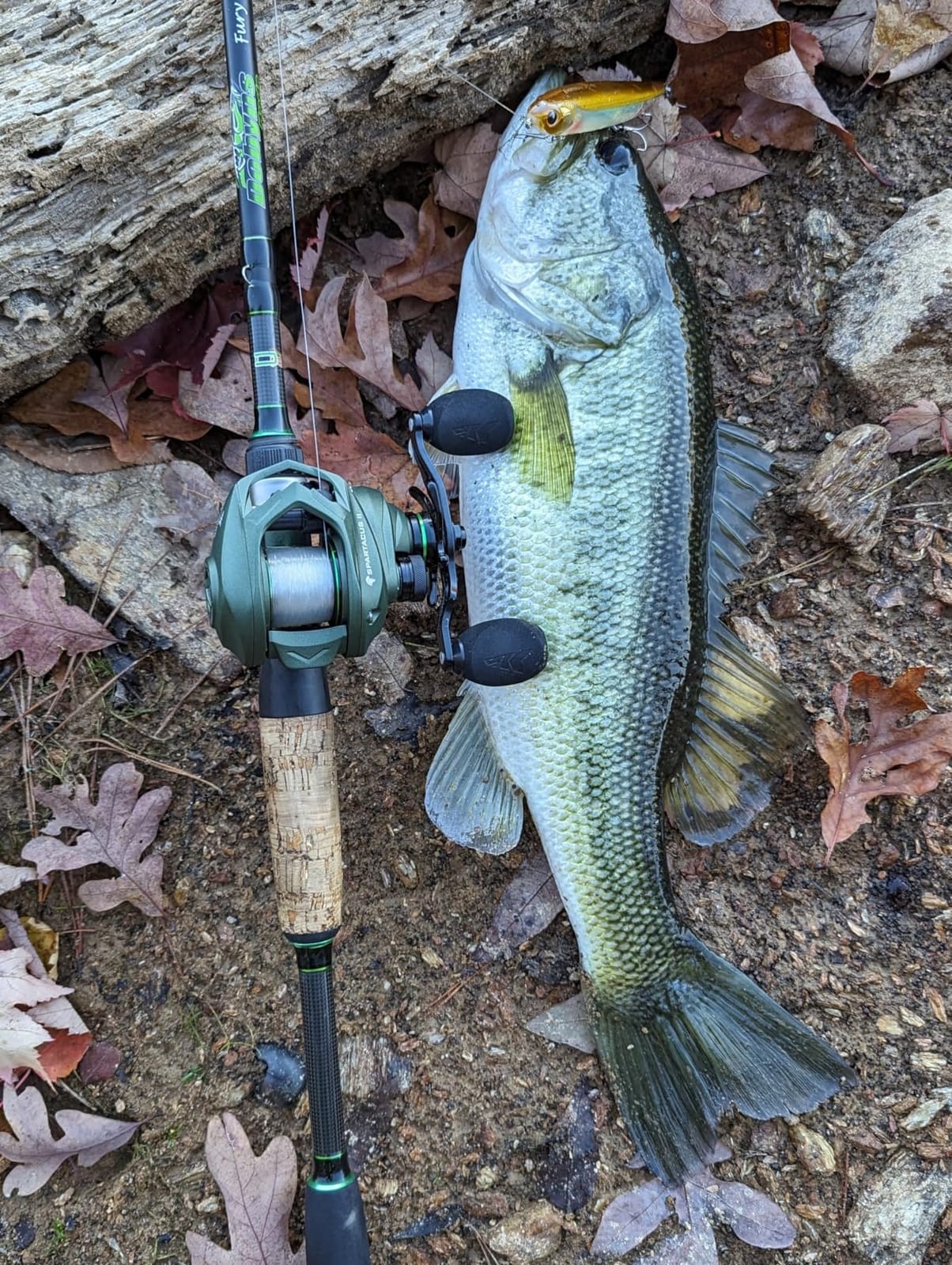
KastKing Spartacus II
- 6 oz at 39 mm profile height
- 7.2:1 ratio
- 5-button magnetic brake
- 7+1 shielded bearings
The Royale Legend II takes the top spot because it is the reel we kept reaching for: light in the hand, strong enough for most cover, and the eight-magnet brake gives a beginner a fighting chance. The Torrent is the value benchmark of the group, with more owner feedback behind it than anything else we tested and a price that embarrasses the premium tier. The Spartacus II is the one that surprised us most, weighing 6 ounces with a shallow profile that disappears under a flipping rod.
Every Baitcaster We Compared in 2026
| Product | Specifications | Action |
|---|---|---|
| KastKing Royale Legend II |
|
Check Latest Price |
| Piscifun Torrent |
|
Check Latest Price |
| KastKing Spartacus II |
|
Check Latest Price |
 KastKing Zephyr BFS KastKing Zephyr BFS |
|
Check Latest Price |
 Lew’s Classic Pro Speed Spool SLP Lew’s Classic Pro Speed Spool SLP |
|
Check Latest Price |
 Piscifun Alinox 400 Piscifun Alinox 400 |
|
Check Latest Price |
 Abu Garcia Max X Abu Garcia Max X |
|
Check Latest Price |
 Daiwa Fuego CT Daiwa Fuego CT |
|
Check Latest Price |
 Abu Garcia Ambassadeur C3 Abu Garcia Ambassadeur C3 |
|
Check Latest Price |
 Daiwa Tatula SV TW Daiwa Tatula SV TW |
|
Check Latest Price |
 Shimano SLX DC Shimano SLX DC |
|
Check Latest Price |
 Piscifun Torrent II Piscifun Torrent II |
|
Check Latest Price |
1. KastKing Royale Legend II: Best Overall Baitcasting Reel for Bass Fishing
KastKing Royale Legend II Baitcasting Reels, 7.2:1 Gear Ratio, Right
7.2 oz graphite frame
17.6 lb quad-disc carbon drag
7.2:1 ratio, 29.8 in per turn
8-magnet brake, 10 levels
Pros
- Light 7.2 oz frame stays comfortable in long sessions
- Ten-level magnetic brake cuts overruns and backlash
- Dual gear ratio options cover crankbaits and fast-pitched jigs
- Quad-disc carbon drag with 17.6 lb of stopping power
- Double-bearing supported pinion gear
Cons
- Magnetic brake still needs thumb control from beginners
- Spool tension wants fine tuning for lighter baits
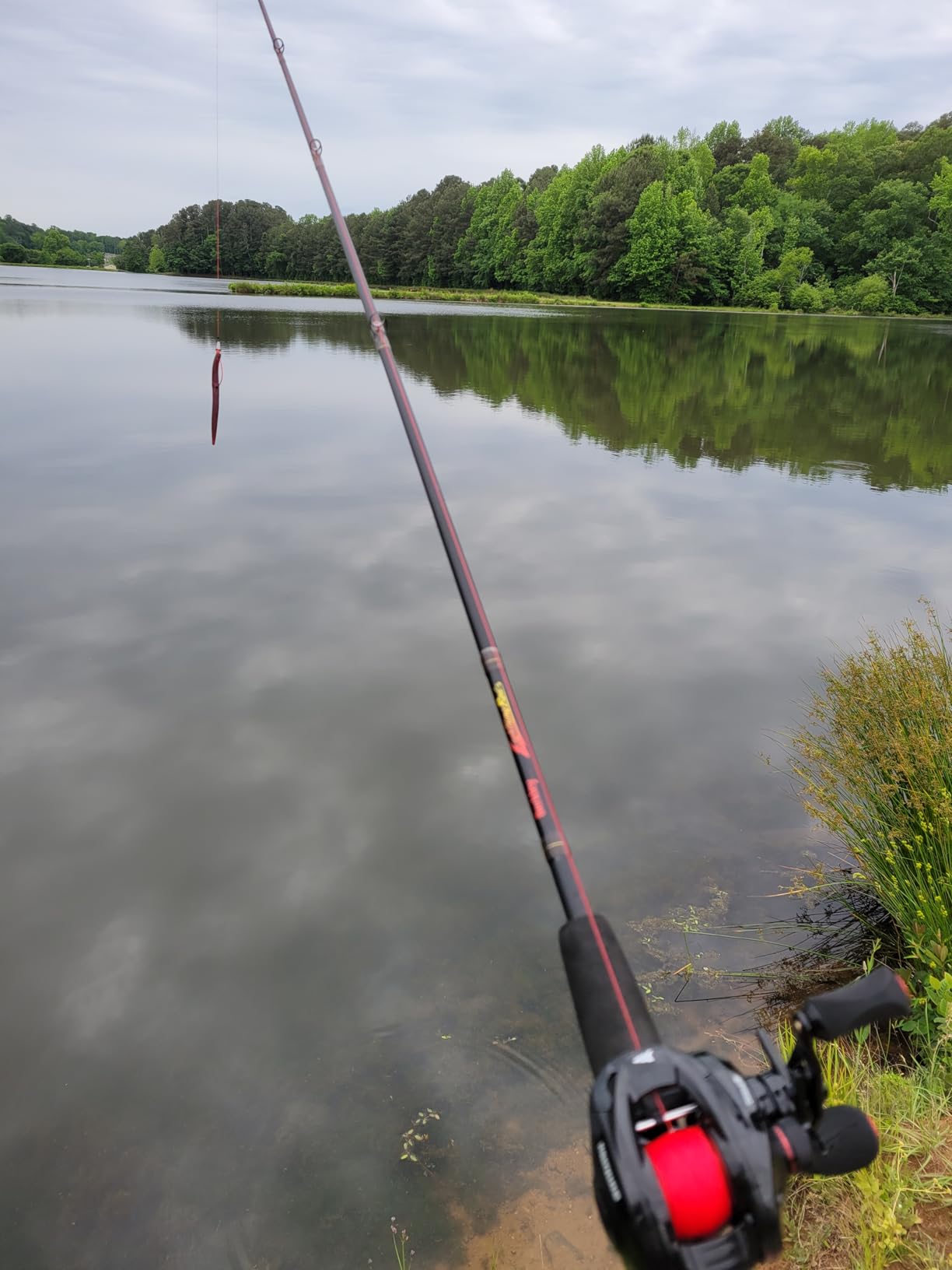
This is the reel I fished most during our tests, and it earned that by being unremarkable in the best way. At 7.2 ounces it stays planted on a flipping rod all day, and the concealed side cover release means the body stays sealed against the spray coming off a boat deck. Owners consistently call it one of the most comfortable baitcasters they have cast with, and that matches what we felt.
Owner feedback across more than 3,600 reviews settles at a 4.5 average with roughly 72 percent five-star ratings. The recurring praise is for the double-bearing supported pinion gear, which manufacturers rate as 35 percent smoother under load than the original design, and for the quad-disc carbon drag that delivers a rated 17.6 pounds. Line capacity is listed at 110 yards with 8 pound braid, which is fine for most bass work and short of what a heavy swimbait specialist would want.
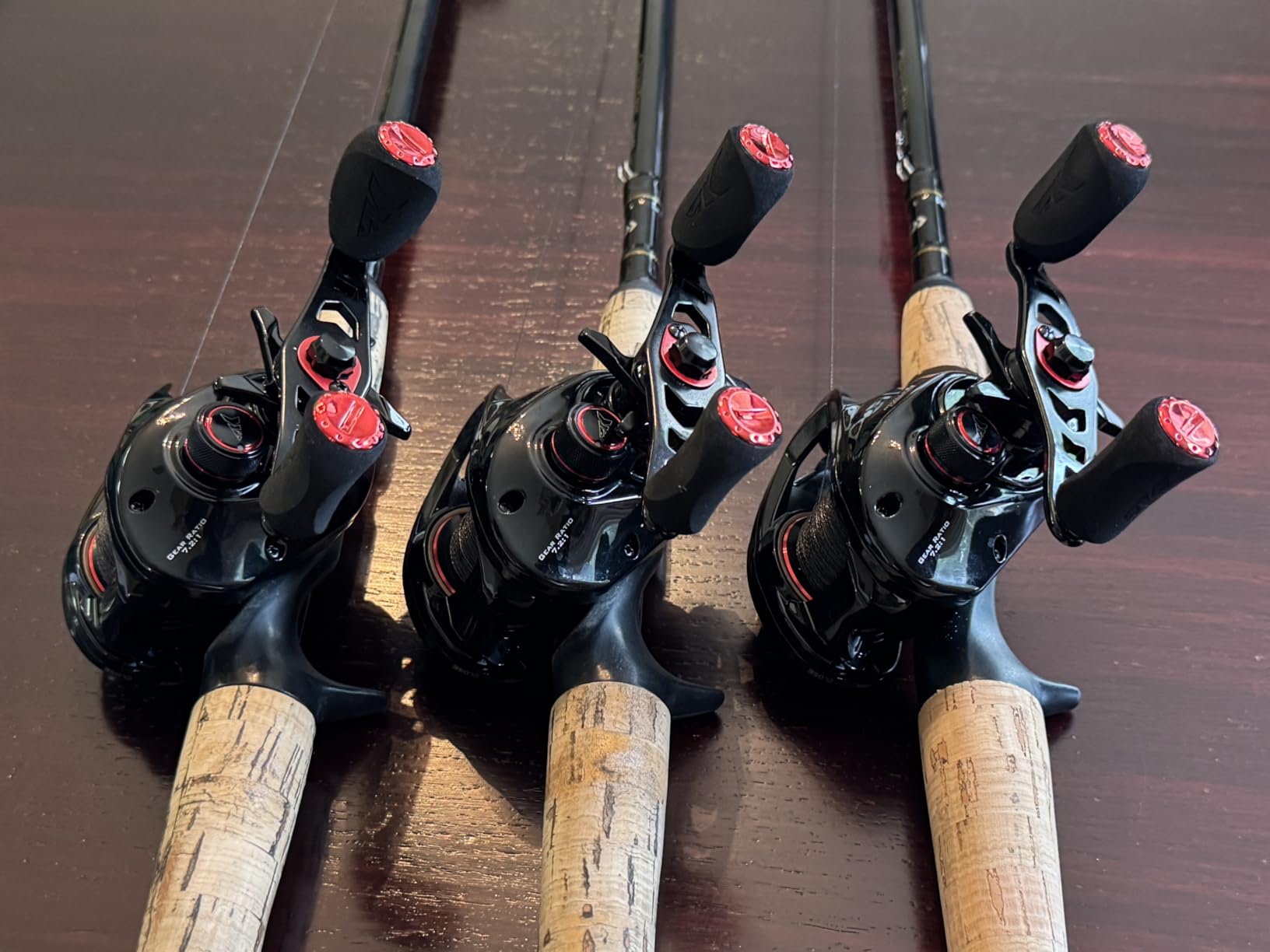
The braking is the part that matters most for new casters. Eight magnets with ten adjustment levels means you can take the reel from a thrown-away settings stop to a soft, thumb-friendly descent in small turns, and the adjustment is on the outside of the reel. That external access is exactly what separates a reel you can tune on the lake from one you take apart in the garage.
Frame material is graphite with a stainless steel main shaft, brass gears and a ceramic line guide, and both 5.4:1 and 7.2:1 versions are offered, with the 7.2:1 recovering 29.8 inches per handle turn. Six stainless steel bearings carry the load. The one-year warranty is short, but parts and repair support for this reel are easy to find.
Who This Reel Fits Best
This is the reel I hand to a friend buying their first baitcaster, and it is also the one I would buy with my own money if I only owned one. It handles a 1/16 ounce jig head and a 1/4 ounce flipping plastic with the same brake settings, and the 7.2:1 ratio gives you the speed to reel a burning bait down quickly. For tournament anglers who want a quiver of identical reels, the 3600-plus owner base means parts and setup advice are easy to find.
Compared with the heavier power reels in this list, 17.6 pounds of drag is enough for cover fishing but not for muskie, catfish or heavy saltwater work. It is a bass reel first, which is exactly what the brief asked for.
Where It Falls Short
The brake does not cast the bait for you. Beginners still overrun it on a crosswind cast, and the honest fix is practice plus spool tension, not a different reel. Owners of lighter presentations report needing to back the spool tension off to throw small swimbaits, which means a few minutes of tuning before the first cast of the day.
At 110 yards of 8 pound braid, a swimbait angler casting a 1.25 ounce lure will want to run lighter line or pick the high-capacity reel in slot six instead.
2. Piscifun Torrent: Budget Pick Baitcasting Reel for Bass Fishing
Piscifun Torrent Baitcasting Reel 18LB Carbon Fiber Drag 7.1:1 Baitcasters Unequaled Affordable High-tech Innovation Baitcast Fishing Reels Right Handed
8 oz stainless frame
18 lb triple carbon washer drag
5.3:1 or 7.1:1 ratios
Magnetic brake, side plate oil port
Pros
- Quiet smooth retrieve for the price class
- 18 lb drag from triple carbon washers
- Two gear ratios cover cranking and pitching
- Clicking tension knob and metal thumb bar add feel
- Side plate oil port simplifies maintenance
Cons
- Drag can feel grabby under heavy load
- Line lay can wind unevenly on some setups
- Needs a grease and oil break-in before first use
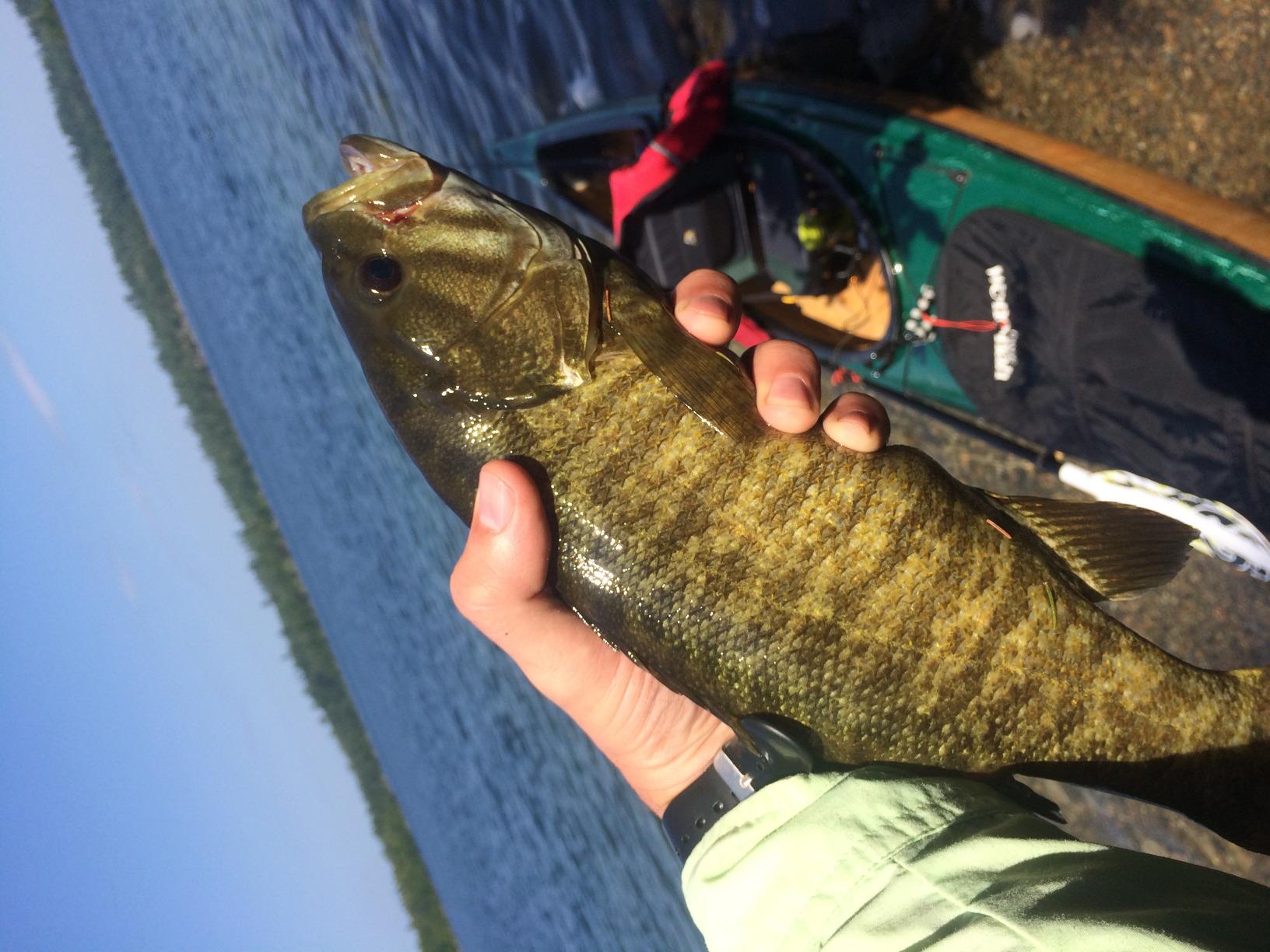
The Torrent has the largest owner base of anything in this roundup at more than 3,800 reviews, and for a value reel that volume matters. Long-term owners describe it as a smooth, quiet workhorse that holds up to heavy cover and vegetation on both largemouth and smallmouth, which is a fair summary of our sessions with it.
Its rating holds at a 4.4 with about 69 percent five-star ratings. Buyers point to the double-bearing supported pinion gear, rated 30 percent smoother under load than single-bearing designs, and to the clicking spool tension knob and metal thumb bar, which give far more tactile feedback than reels at twice the price. Line capacity is listed at 10 pound mono or 30 pound braid for 120 yards.
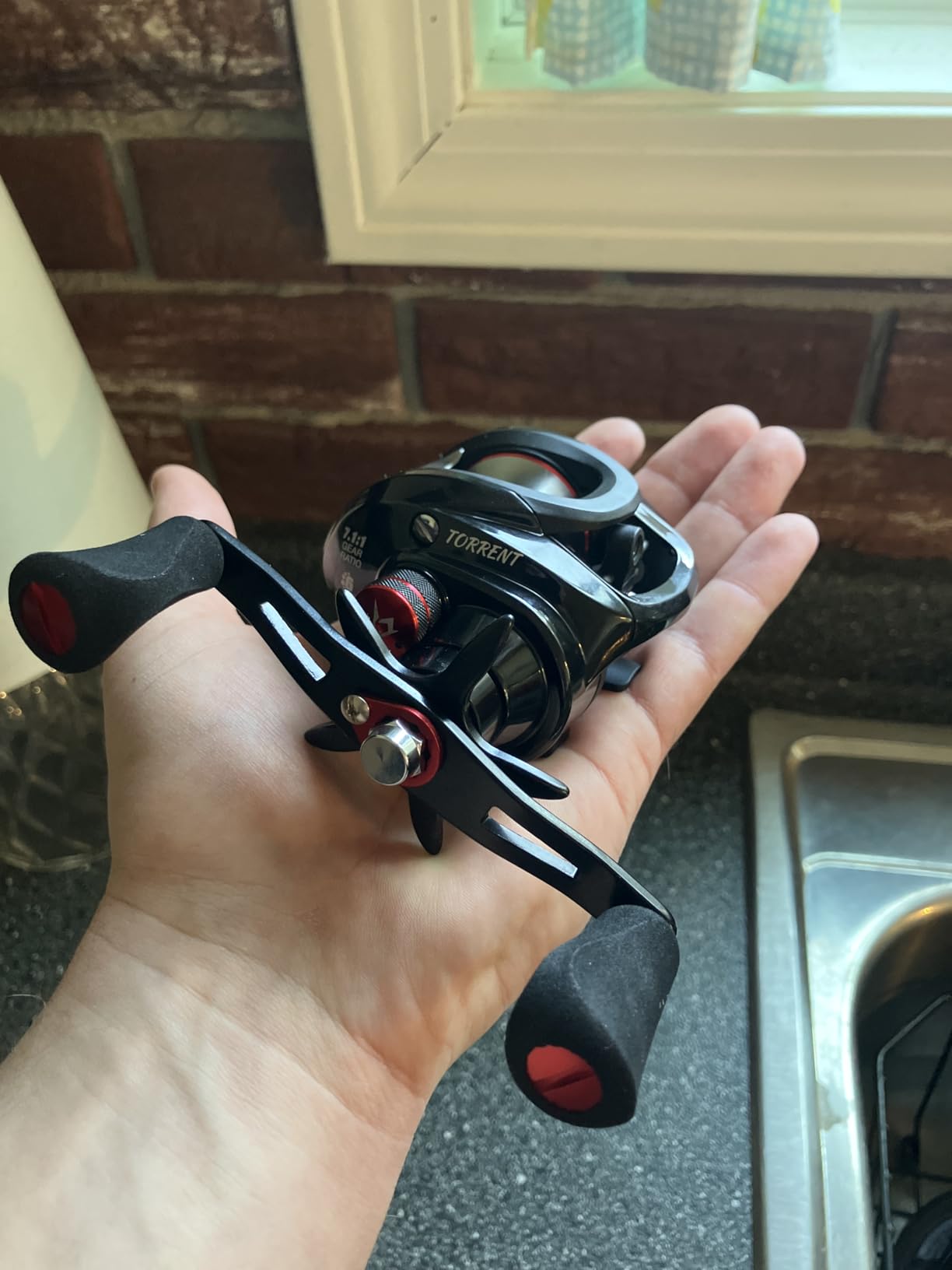
The drag is the honest weak point. Triple carbon washers produce a rated 18 pounds, more than enough on paper, but owners report it can go grabby and inconsistent at heavier weights. Our advice is to back the star drag down a click or two from where you think you need it and let the washers warm up before you trust it under a heavy fish.
Two gear ratios are offered, 5.3:1 and 7.1:1, with 30 inches per turn, which makes it versatile enough to flip a weightless plastic one minute and crank a squarebill the next. The body measures 5.7 by 4.7 by 2.8 inches and the side plate carries an oil port, a small detail that saves time at the end of a day. Warranty coverage is three years, the longest in this group.
Who This Reel Fits Best
This is the pick for anyone who wants a capable bass reel without spending serious money, and it doubles well as a first baitcaster because the tension knob gives audible feedback as you dial it in. Owners report using it for largemouth and smallmouth in thick grass, and the 18 pound drag covers most flipping and pitching applications. It is also a reasonable second or third reel to own for a boat full of anglers.
For beginners, the repeated forum advice applies here: start with spool tension and only add brake adjustment from there. The same reel tuned properly beats a costlier reel tuned badly, and that is true here more than most.
Where It Falls Short
Uneven line lay shows up in enough reviews to mention, with line winding biased toward one side of the spool on some units. That is a spooling habit problem more than a defect, and thumbing the spool under tension fixes most of it.
The reel also ships with little factory lubrication. Owners who service it with fresh grease and oil before the first cast report noticeably smoother results, and we would plan ten minutes to do it. It is bulkier and a touch heavier than premium low-profile bodies, which matters if you are fishing a finesse rod all day.
3. KastKing Spartacus II: Best Lightweight All-Around Baitcaster
KastKing Spartacus II Baitcasting Reels, 7.2:1, Green, Right
6 oz at a 39 mm profile height
17.6 lb four-disc carbon drag
7.2:1 gear ratio
5-button magnetic brake
Pros
- Extremely light 6 oz frame with a 39 mm profile
- 5-button magnetic brake replaces a dual brake setup
- Double Tapered Control Chute guide cuts friction
- Shielded 7+1 bearings
- Compact enough for a BFS rod
Cons
- Aluminum gear and carbon drag suit lighter presentations
- 17.6 lb drag is modest against high-capacity reels
The Spartacus II is the smallest reel we tested, and it is the one I reach for when I am pitching tubes and shaking a worm on a BFS rod. At 6 ounces with a 39 mm profile height, it disappears under a lightweight blank and keeps wrist fatigue off a full day of sight fishing. The owner base of 878 reviews sits at a 4.5 with about 74 percent five-star ratings.
Buyers highlight the weight, the compact footprint and the feel of the smooth gearing as their top reasons to pick it, along with the effective single magnetic brake. The five-button magnetic braking system does the work that usually requires two brake systems on bigger reels, which is unusual at this weight. Line capacity is generous for the size, listed at 20/270, 30/140 and 40/115 braid.
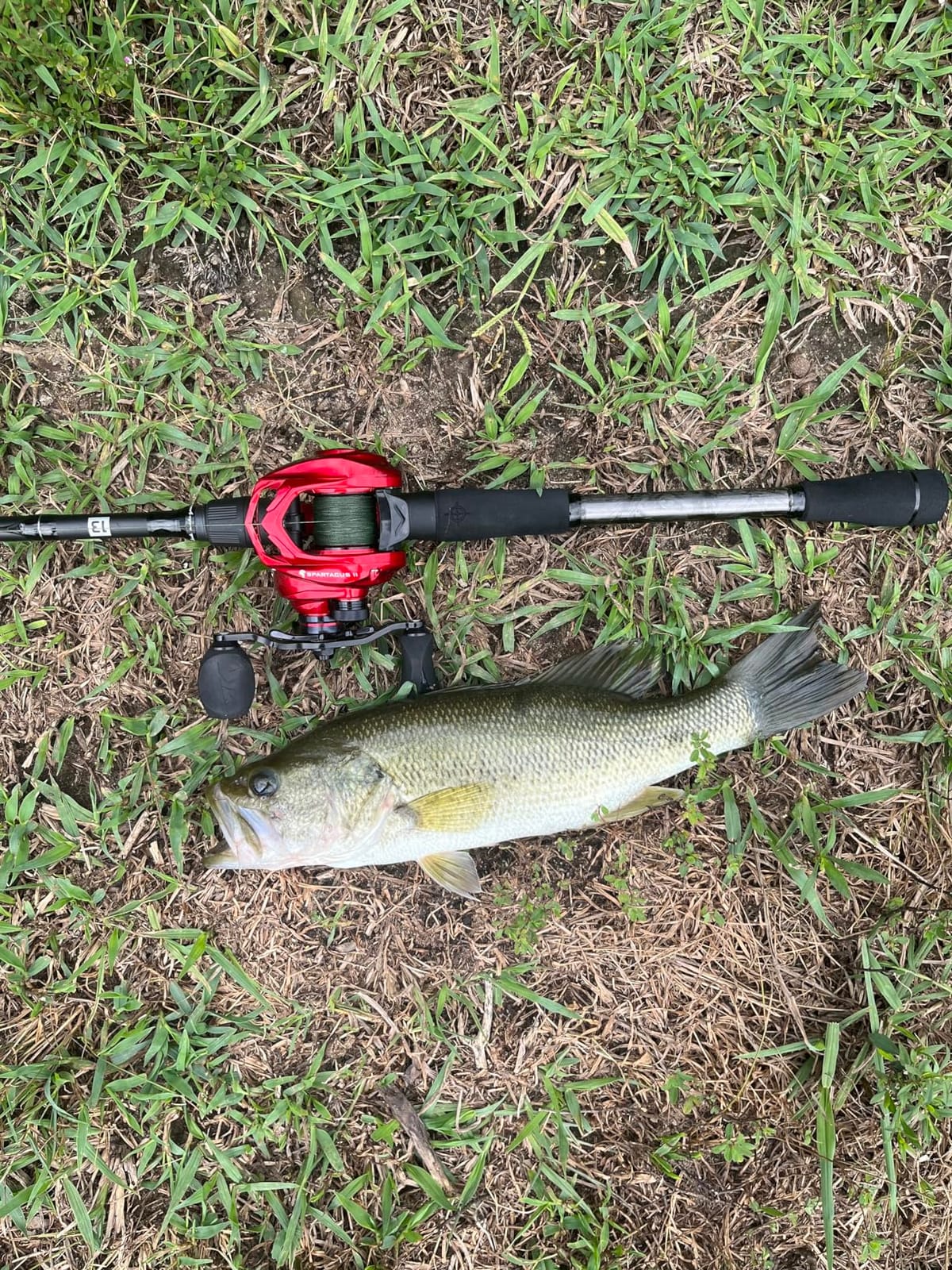
The double tapered control chute line guide is a quiet hero on this reel. Reduced friction at the guide means the spool starts and stops with less line flare, and our casts with the brake set low came off the spool clean. The CNC anodized aluminum spool and shielded 7+1 stainless bearings back that up on the retrieve.
Only the 7.2:1 ratio is offered, which suits pitching and quick retrieves. Shielded corrosion-resistant bearings are a nice touch for anyone who will splash around in a shower. The material list is aluminum, carbon fiber, graphite and stainless steel, and the reel ranks in the top ten of its category on retail listings.
Who This Reel Fits Best
Pick this one if your best bass fishing happens close and light. Sight fishing a worm, pitching a creature bait under a dock, or working a finesse jig head on a heavy-cover rod, the 6 ounce weight means you can hold the rod up with one hand and pitch all afternoon. The low profile also keeps it from catching on brush and dock edges that a taller body would snag.
It is a strong first baitcaster for someone who is already confident with a spinning setup, because the weight removes the fatigue that makes beginners over-rotate and overrun the spool.
Where It Falls Short
This is not the reel to buy if you throw 1.5 ounce swimbaits into timber. The aluminum main gear and carbon fiber drag assembly are built for lighter presentations, and the rated 17.6 pounds of drag is modest beside the 38 pound model in slot six. Owners targeting very heavy baits point to drag capacity, not casting performance, as the limit.
One gear ratio also limits you if you like to slow-roll a crankbait on the same rod. Keep this one for pitch and cast work where speed matters.
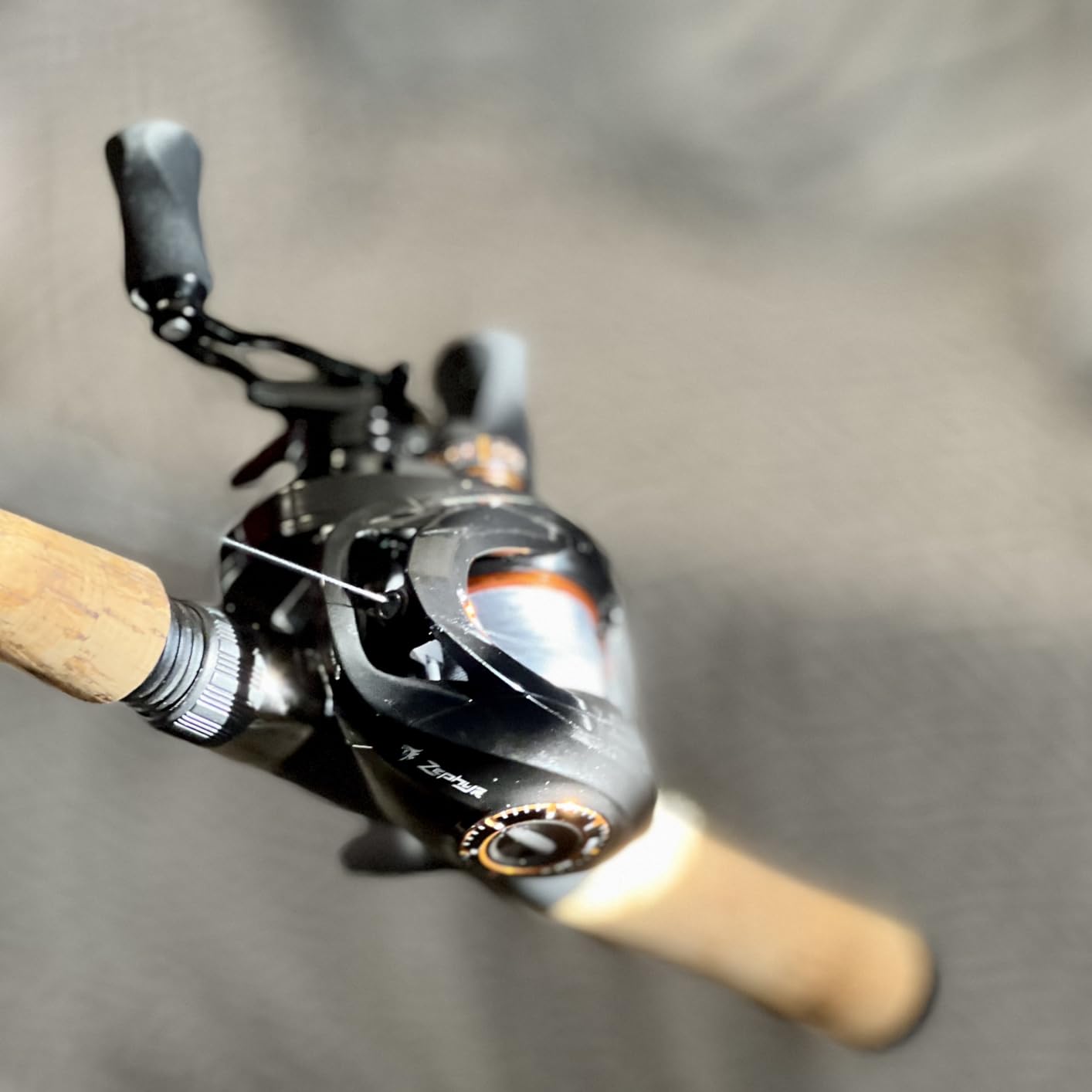
4. KastKing Zephyr BFS: Best Bite-and-Bait Finesse Reel
KastKing Zephyr Bait Finesse Baitcasting Fishing Reels, Right, Black
5.6 oz carbon fiber frame
10 lb carbon disc drag
7.2:1 gear ratio
8-magnet brake, drag clicker
Pros
- Feather-light carbon frame built for finesse casting
- Free-spooling spool bearings for tiny lures
- T7075 aluminum main gear and brass pinion
- Drag clicker gives audible hookup feedback
Cons
- 10 lb drag ceiling limits it to finesse work
- Gear ratio and retrieve hand options are limited
At 5.6 ounces the Zephyr is the lightest reel in this group, and the carbon fiber frame, side plates and carbon disc drag are built for exactly one job: putting a small bait on the bottom without fighting the tackle. It earns a 4.4 from 548 reviews with about 72 percent five-star ratings, and owners point at the low weight and smooth spool startup for ultralight bait finesse work.
Free-spooling spool bearings are the detail that makes it work with tiny lures, letting the spool run without the drag washers grabbing the line on a slow start. The 8-magnet braking system gives fine spool control, and the drag clicker adds audible feedback on a hookup, which matters more than most anglers expect when they are fishing 8 pound braid in clear water.
Line capacity is listed at 50 pounds for 335 yards, unusually deep for a reel this light, so you can run heavy braid for a finesse setup without running out of room. It handles braid, fluoro and mono, and the bearing count of 6+1 double shielded stainless steel keeps the retrieve quiet.
The internals are serious for the tier: a precision machined T7075 aluminum main gear, brass pinion and a nickel-plated brass worm shaft. Only a 7.2:1 ratio is offered, and the model is listed for finesse, BFS, casting and ice fishing use, which tells you how narrow the design intent is.

Who This Reel Fits Best
This belongs on a BFS rod with a fast action and a light line. If your best spots are grass, gravel and clear water, and your best baits are a 1/16 ounce jig head, a small worm or a light creature bait, the low weight is the whole argument. You can feel a bite through a light blank with this reel mounted on it.
It is also a smart second reel to keep mounted on a finesse rod permanently, which stops you from constantly moving tackle between boats.
Where It Falls Short
The 10 pound drag ceiling rules out heavy cover flipping entirely, and any reel that fits 8 pound braid will eventually meet a fish that wants more than 10 pounds of drag. Owners also note that only single-ratio models are offered, so you cannot slow down for a crankbait on the same setup.
If you want one reel that covers everything from grass to a stump, the Royale Legend II in slot one is the safer purchase.
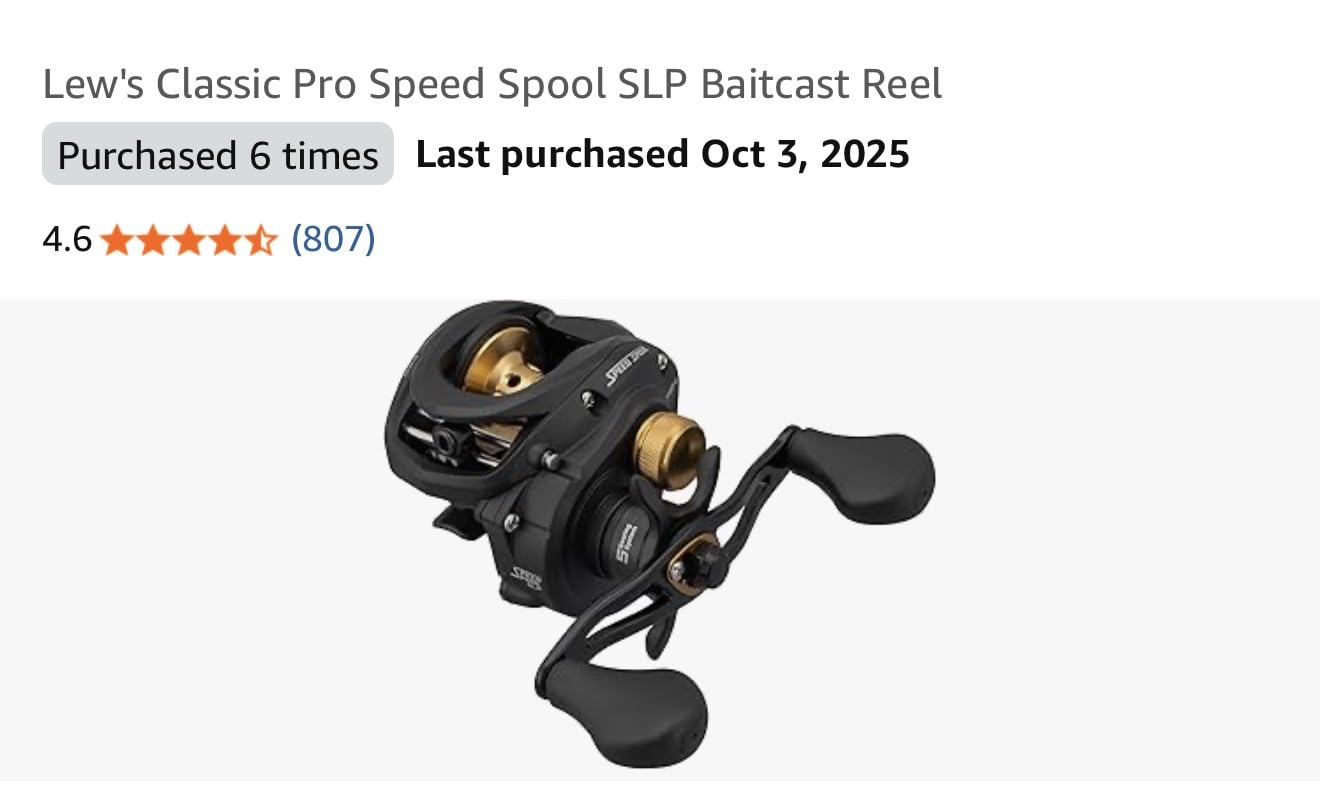
5. Lew’s Classic Pro Speed Spool SLP: Best for Precise External Brake Tuning
Lew’s Classic Pro Speed Spool SLP Baitcast Fishing Reel, 7.5:1 Gear Ratio, Graphite Frame, Premium 5 Stainless Steel Ball Bearings
8.64 oz graphite frame
15 lb Rulon drag
7.5:1 ratio, 30 in per turn
Externally adjustable magnetic brake
Pros
- Highest rated reel in the group at 4.7
- Solid brass Speed Gears and a zero-reverse clutch bearing
- Zirconia line guide cuts friction on cast and retrieve
- External brake dial allows fine tuning while fishing
Cons
- 4 bearings plus clutch is fewer than rivals
- 15 lb drag is light for swimbait work
The Lew’s SLP posted the highest average rating of anything we tested at 4.7, with about 83 percent five-star ratings, and it is the only reel here where top ratings dominate outright. That is unusual in a group of value and mid-tier reels, and it reflects a build that feels tighter than the price suggests.
The frame is a one-piece graphite design with graphite side plates, and the spool is an anodized aluminum U-shape measuring 32 mm with a 95 mm aluminum handle. Solid brass Speed Gears and a five-bearing system that includes a zero-reverse one-way clutch bearing drive a 7.5:1 ratio recovering 30 inches per turn. The external Magnetic Control System lets you set the brake from outside the reel, which is the feature that decides who this reel suits.
The zirconia line guide reduces friction at the point where most baitcasters give up a little distance, and Lew’s Speed Lube is applied at the factory. Owners describe smooth gearing and precise brake control as the two things that stand out in hand, and the spool tension adjustment is easy to reach.
Line capacity is listed at 110 yards of 12 pound mono or 50 pound braid, with a Rulon drag rated to 15 pounds. The reel measures 5.8 by 2.9 by 7.8 inches and carries a one-year limited warranty.
Who This Reel Fits Best
This suits an angler who likes to dial a reel in precisely rather than set it once and leave it. Because the brake dial is external, you can back it off while fishing heavy brush and dial it back up for open water without opening the side plate, which is the exact scenario where most beginner backlash happens.
A 7.5:1 ratio recovering 30 inches per turn is a strong all-around retrieve for pitching a creature bait and burning a topwater bait, and 15 pounds of drag suits medium cover work.
Where It Falls Short
Four stainless steel bearings plus the clutch bearing is a low count next to the 7+1 setups on the KastKing reels in this list. In practice it does not feel under-built, but it is a spec-sheet compromise. The rated 15 pound drag is also on the light side if you plan to flip 1.5 ounce plastics into timber.
Consider it a cover and finesse reel rather than a swimbait or saltwater reel.
6. Piscifun Alinox 400: Best Baitcaster for High Drag and Heavy Baits
Piscifun Alinox 400 Baitcasting Reel, Black Right Hand 8.1:1
14.4 oz aluminum frame
38 lb max drag at 6.6:1
6.6:1 or 8.1:1 ratios
9 stainless steel bearings, 120 mm handle
Pros
- Highest drag in the group at 38 pounds
- Aluminum alloy frame resists corrosion
- 9 bearings give a very smooth retrieve
- 120 mm counterbalance handle adds leverage
- Independent line-cast clicker
Cons
- Clutch knob and handle can arrive unreliable
- Low-profile spool holds far less line than a round baitcaster
- Brake dial feels cheap and hard to use
This is the reel to look at if your baits are heavy. At 14.4 ounces with an aluminum alloy frame and a drag rated to 38 pounds at 6.6:1, it handles swimbaits, topwater sticks and catfish-grade tackle that would overwhelm everything else in this list. It holds a 4.5 from 515 reviews with about 77 percent five-star ratings.
Fishing guides and serious saltwater anglers single it out for smooth casting, strong drag and comfortable high-capacity ergonomics. The 120 mm extended counterbalance handle with EVA knobs adds real leverage when you are pumping a fish away from a rock, and the 8 double shielded stainless bearings plus one single bearing make the retrieve noticeably smoother than the bearing counts on most rivals.
Two gear ratios are offered, 6.6:1 and 8.1:1, and the faster version drops the rated drag to 35 pounds. The 6.6:1 trades speed for torque when fighting large fish, which is the smarter ratio for a heavy lure. Gears are double hardened brass, machined, and the independent line-cast sound alarm lets you hear a live bait take.
Line capacity is listed at 20 pounds for 300 yards or 10 pounds for 400 yards. That is plenty for braid work, but as a low-profile spool it still gives up capacity to a round reel like the Ambassadeur in slot nine.
Who This Reel Fits Best
Big-bass anglers, saltwater strikers and anyone targeting muskie, catfish or heavy structure fish will find more headroom here than anywhere else in the roundup. The aluminum alloy frame and side cover are built to resist corrosion, and the extended handle makes long fights less tiring on the wrist.
Pair it with a heavy or extra-heavy power rod rather than a medium one. A reel with this much drag on a light rod feels wrong and will not keep the line tight where it needs to be.
Where It Falls Short
Quality control is the recurring complaint. Owners report some units arriving with a spool clutch knob or handle that does not engage reliably, and replacement parts are not sold, with warranty support described as inconsistent. Check the reel carefully on arrival.
The brake dial is also described as cheap-feeling and hard to use, and the low-profile spool holds far less line than a standard round baitcaster, so it is not the answer for very heavy braid at long range.
7. Abu Garcia Max X: Best Baitcasting Reel for First-Time Anglers
Abu Garcia Max X Low Profile Baitcast Reel, Size LP (1539733), 4 Stainless Steel Ball Bearings + 1 Roller Bearing, Synthetic Star Drag, Max of 15lb | 6.8kg
7.4 oz graphite frame
15 lb Power Disk star drag
6.4:1 ratio, 25 in per turn
MagTrax brake, Duragear brass gear
Pros
- 4.7 average with 83 percent five-star ratings
- Light 7.4 oz graphite frame with machined aluminum spool
- Duragear brass gear extends reel life
- Recessed reel foot and bent handle feel secure
Cons
- 4 bearings plus anti-reverse is fewer than rivals
- 25 in per turn is slow for light fast lures
- A few reports of trouble throwing very light baits
The Max X is the reel most often described in owner reviews as a first baitcaster that performs better than expected, and it carries a 4.7 rating from 432 reviews with about 83 percent five-star ratings. Buyers call it dependable, durable and easy to cast, which is exactly the profile of a reel you hand to someone learning to thumb a spool.
The graphite frame and side plates weigh 7.4 ounces with a machined aluminum spool, and the Duragear brass gear is designed to extend reel life against the nylon of a heavy fish. The MagTrax brake system gives consistent pressure through the whole cast, which matters for a beginner who has not yet learned to feather the spool. The Power Disk synthetic star drag delivers a rated 15 pounds.
Line capacity is the quiet strength here: 150 yards of 10 pound mono, 120 of 12, 85 of 17, and on braid 155/20, 120/30 and 80/50. That covers everything from a finesse braid setup to a heavy swimbait line. The body measures 6.25 by 4.5 by 3 inches, which is compact enough for a modern bass setup.
Ergonomics get attention too: a compact bent handle, a recessed reel foot and large PVC knobs keep the reel from slipping and the hand from cramping. Four stainless steel bearings plus an instant anti-reverse bearing is the lowest count among the well-reviewed reels here, but the retrieve still feels solid.

Who This Reel Fits Best
This is a strong recommendation as a first baitcaster because it is light, predictable and hard to over-rotate. Pair it with a medium power rod and start with a 1/8 ounce lure so the spool inertia is manageable, then work up. It is also a good choice for a weekend boat where the reel gets wet and sandy without being your only one.
Owners with saltwater exposure should note that the graphite frame is not the same as a sealed saltwater body, so rinse it after every trip.
Where It Falls Short
The 6.4:1 ratio recovers only 25 inches per turn, which is slow next to the 30 inch retrieves of the Lew’s SLP and Royale Legend II. That makes it a poorer match for burning a topwater bait or working a light jig quickly, and a few owners report difficulty throwing the very lightest lures.
With only four bearings plus anti-reverse, it will not feel as refined under a long retrieve as a 7+1 reel. That is a preference issue, not a failure.
8. Daiwa Fuego CT: Best for a Fast Retrieve and Burned-Up Baits
Daiwa Fuego Baitcasting Fishing Reel, Right Hand
7.2 oz aluminum CT frame
8.1:1 gear ratio
Magforce adjustable brake
Air Rotation system, 5 bearings
Pros
- 8.1:1 ratio suited to fast retrieves and burned baits
- Light 7.2 oz aluminum CT frame
- Magforce brake improves control and cuts backlash
- Air Rotation system delivers smooth accurate casts
- Offered in both retrieve hands
Cons
- Listed max drag of 4.8 lb is far below rivals
- Modest line capacity for heavy braid
- 5 bearings is on the low side
The Fuego CT is built around speed. Its 8.1:1 ratio is the fastest in this group, and the aluminum CT frame keeps the whole reel at 7.2 ounces, so the retrieve stays light even when you are burning a bait back to the boat. It holds a 4.4 from 738 reviews with about 72 percent five-star ratings.
Owner feedback centers on a smooth retrieve, the low weight and the effectiveness of the Magforce brake at reducing backlash. Daiwa’s Air Rotation system handles the spool management that usually causes overruns, and the adjustable Magforce brake gives you an external dial to work with.
The model number here, FGCT100XS, marks it as the smallest configuration in the Fuego CT family, which explains the modest capacity figures. Listed line capacity is 14/125 and 16/110 mono, with 30/140 and 40/110 braid. Bearings total five. The reel is covered by a one-year manufacturer warranty.
One practical note: this reel is produced in a wide range of configurations, including both retrieve hands and multiple gear ratios, so the 8.1:1 figure applies to this listing only. If the ratio matters to you, confirm the model number before buying.
Who This Reel Fits Best
Chucking a hollow-bodied frog at a bank, working a chatterbait fast, or any technique where you want the lure back in the boat as quickly as possible. The combination of a high ratio and a light frame means the reel does not fatigue the wrist over a long casting sequence, which is where 8:1 reels usually struggle.
It is also one of the few reels in this roundup offered in both retrieve hands within the same product family, which matters for anyone who fishes switching-handed presentations.
Where It Falls Short
The listed maximum drag of 4.8 pounds is well below the 15 to 38 pounds offered by most rivals, and it is the main reason this reel is not higher on our list. That figure limits it to lighter presentations and makes it a poor match for flipping plastics into heavy cover.
Line capacity is modest for heavy braid and the 5-bearing count is on the low side of the group. If you want a fast retrieve and real drag strength, pair a high-ratio version of a heavier reel instead.
9. Abu Garcia Ambassadeur C3: Best Baitcaster for Long-Term Ownership
Abu Garcia Ambassadeur C3 Conventional Reel, Size 6500 (1292722), 3 Stainless Steel Ball Bearings + 1 Roller Bearing, Carbon Fiber Star Drag, Max of 15lb | 6.8kg,Silver
11.2 oz Swedish build
15 lb Carbon Matrix star drag
5.3:1 ratio, 26 in per turn
6-pin centrifugal brake, 320 yd mono
Pros
- 85 percent five-star ratings
- the strongest consensus here
- Swedish build with parts available for service
- Machined aluminum spool and synchronized level wind
- 320 yd mono capacity far exceeds low-profile reels
Cons
- Round profile is bulkier than modern low-profile reels
- 5.3:1 ratio is slow for pitching and burning baits
- 3 bearings plus anti-reverse is the lowest count in the group
- Brake adjustment needs a screwdriver
The Ambassadeur C3 is the odd one out in this roundup because it is a round reel, not a low-profile baitcaster, and that is exactly why it has held up for decades. It earns a 4.7 from 399 reviews with about 85 percent five-star ratings, the highest five-star share of anything we tested, and long-term owners point to the Sweden-made build as the reason to buy it: parts remain available, so the reel can be serviced indefinitely.
The 6-pin centrifugal brake is easier to tune on the fly than the 2-pin brakes on older Ambigneur models, and the synchronized level wind produces an even line lay and a smooth retrieve across the whole spool. Drag comes from a carbon fiber star drag using the Carbon Matrix system, rated to 15 pounds.
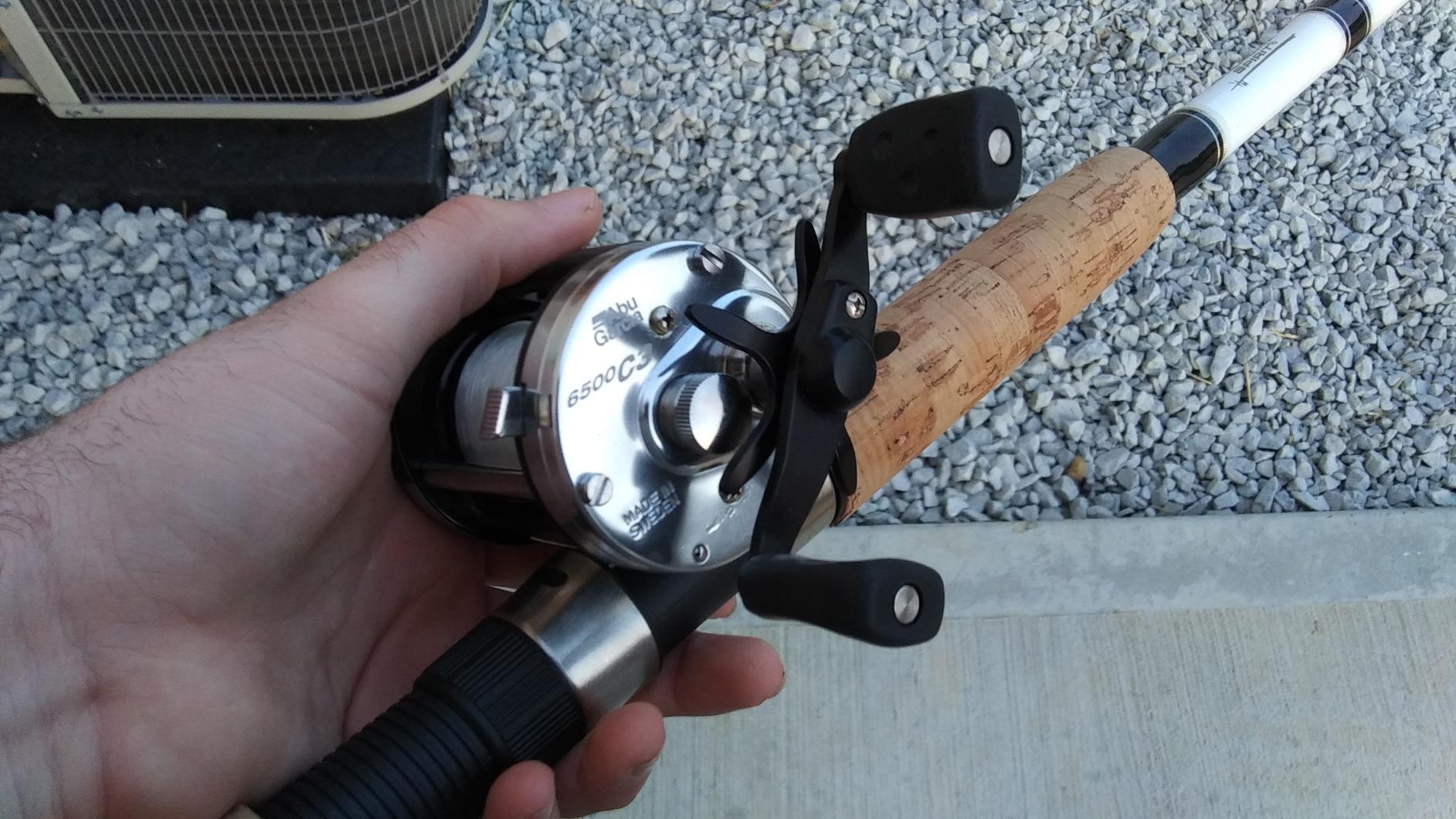
Capacity is the headline spec. It holds 320 yards of 12 pound mono and 310 yards of 30 pound braid, far more than any low-profile reel in this guide, which makes it a legitimate option for heavy braid at long range. The machined aluminum spool is made in Sweden, and the body weighs 11.2 ounces.
The tradeoff is speed and palmability. A 5.3:1 ratio recovering 26 inches per turn is slow for pitching and burning baits, and only three stainless steel bearings plus an instant anti-reverse bearing carry the handle, the lowest count in the group.
Who This Reel Fits Best
An angler who plans to keep a reel for a decade or more. Serviceable construction, a replaceable drag stack and a widely stocked parts network mean this reel can be rebuilt instead of replaced, which lowers the real cost per season. It is also the right call for someone fishing heavy braid who needs line capacity a low-profile body cannot hold.
If you fish a long handle crankbait or a heavy swimbait on a conventional rod, the low gear ratio is a feature rather than a flaw.
Where It Falls Short
The traditional round profile makes it bulkier and less palmable than a modern low-profile reel, and it does not sit as tight under a bass rod blank. Beginners who grew up on low-profile bodies often find the shape awkward at first.
Adjusting the centrifugal brake requires a screwdriver, so you cannot change it while fishing. On a day when you are switching between a heavy and a light lure, that is a real inconvenience.
10. Daiwa Tatula SV TW: Best Lightweight Premium Baitcaster for Saltwater
DAIWA Casting Bait Reel 20 TATULA SV TW 103H (2020 Model)
190 g aluminum body
5 kg max drag
6.3:1 gear ratio
7 bearings and 1 roller, saltwater safe
Pros
- Japanese-built premium reel at only 190 g
- Saltwater safe construction
- 7 bearings plus a roller for a very smooth feel
- 6.3:1 ratio is a versatile middle ground
Cons
- 5 kg drag ceiling is modest for heavy swimbait
- Low line capacity relative to the tier
- Small owner base with limited independent review coverage
The Tatula SV TW sits at the top of this roundup for build quality and, unusually, for weight. At 190 grams it is the second-lightest reel here, and four- and five-star owners praise the smoothness, weight and retrieve quality. It holds a 4.5 from 117 reviews, which makes it the smallest owner base in the group and also the thinnest pool of independent feedback.
The listing here is the size 103 configuration, with a 6.3:1 gear ratio, a 63 cm winding length and 85 mm handle. Bearings total 7 plus a roller, and the reel is marked saltwater safe, which widens its use well past bass. Aluminum body and spool add rigidity and durability.
The 6.3:1 ratio is a genuinely versatile middle ground: fast enough to pick up a swimbait and slow enough to feel the bite on a heavier presentation. Line capacity is listed at 10-30 pound braid over 200-300 yards, which is fine for most inshore and estuary work.
Because the owner base is small, there is less long-term feedback available, so consider buying it through a retailer with an easy return process if the ratio and retrieve hand are not exactly what you need.
Who This Reel Fits Best
An angler who wants one premium reel for bass and inshore species without carrying two. The saltwater-safe construction and the low weight make it a natural dock and estuary choice, and 190 grams is easy on the wrist for a full day of sight fishing.
It also works well as a light flipping reel on a medium power rod, where a 5 kg drag is plenty.
Where It Falls Short
The 5 kg drag ceiling, about 11 pounds, is modest for heavy swimbait and big plastics. Line capacity is low relative to other reels at this tier, so a swimbait specialist should look at the Alinox 400 in slot six instead.
The small sales volume means fewer long-term owner reports, which makes the saltwater and build claims harder for us to verify independently.
11. Shimano SLX DC: Best Baitcaster for Backlash Control
SLX DC
11.2 oz HAGANE metal body
12 lb max drag
8.2:1 gear ratio, 20 lb 150 yd
Digital Control braking
Pros
- 4.7 average with 87 percent five-star ratings
- DC braking is the most beginner-friendly system tested
- SVS Infinity brake with an external adjustment knob
- HAGANE metal body converts cranking into power
- S3D balanced spool reduces vibration
Cons
- Highest cost per feature here
- 12 lb drag is modest for swimbait work
- 150-size body holds less line than 300-size models
- Retrieve ratio labelling is inconsistent on some listings
The SLX DC is the reel we recommend to anyone whose problem is backlash rather than power. Its Digital Control braking samples spool speed and applies brake force based on what it measures, and owner feedback describes it as extremely forgiving of wind and beginner error, with most backlash eliminated while still allowing long casts with heavier braid. It scores 4.7 from 359 reviews with about 87 percent five-star ratings, the strongest five-star concentration in the group.
The HAGANE metal body is rigid enough that cranking force converts into cranking power instead of flexing the frame, and the S3D balanced thin-wall aluminum spool reduces vibration for smoother casting. Super Free Spool gives the pinion bearing support to remove pinion-to-shaft drag, which adds distance. The SVS Infinity brake uses inner friction weights and an external adjustment knob for consistent spool control.
This listing is the SLX DC 150 XG, a 150-size body with a 20 pound braid by 150 yard capacity, an 11.2 ounce weight, brass gearing and an 8.2:1 gear ratio. Shimano also offers the platform at 6.3:1 and 7.2:1, so the ratio is a configuration choice rather than a fixed trait of the reel.
Covering is a one-year limited manufacturer warranty. The body material is metal with an aluminum handle, and the spool is an S3D balanced aluminum design.
Who This Reel Fits Best
First-time baitcasters, windy days, and anyone who has ever cut a good braid length loose after a birds nest. The DC system does not mean the reel casts itself, but it removes most of the variable that causes beginners to quit. It is also a strong choice for tournament anglers who want identical, predictable reels across a quiver.
At 11.2 ounces it sits in the middle of the weight range here, fine for a full day on a medium or heavy power rod.
Where It Falls Short
The rated 12 pounds of drag is modest for swimbait work, and the 150-size body holds less line than larger Shimano models, so long braid casts to cover are not its strength. It also carries the highest cost per feature in this group alongside the Tatula.
One practical warning: some listings mislabel the retrieve speed, so a reel advertised as 8.2:1 can arrive as a 7.2:1 HG. Check the model number on the box when the package arrives.
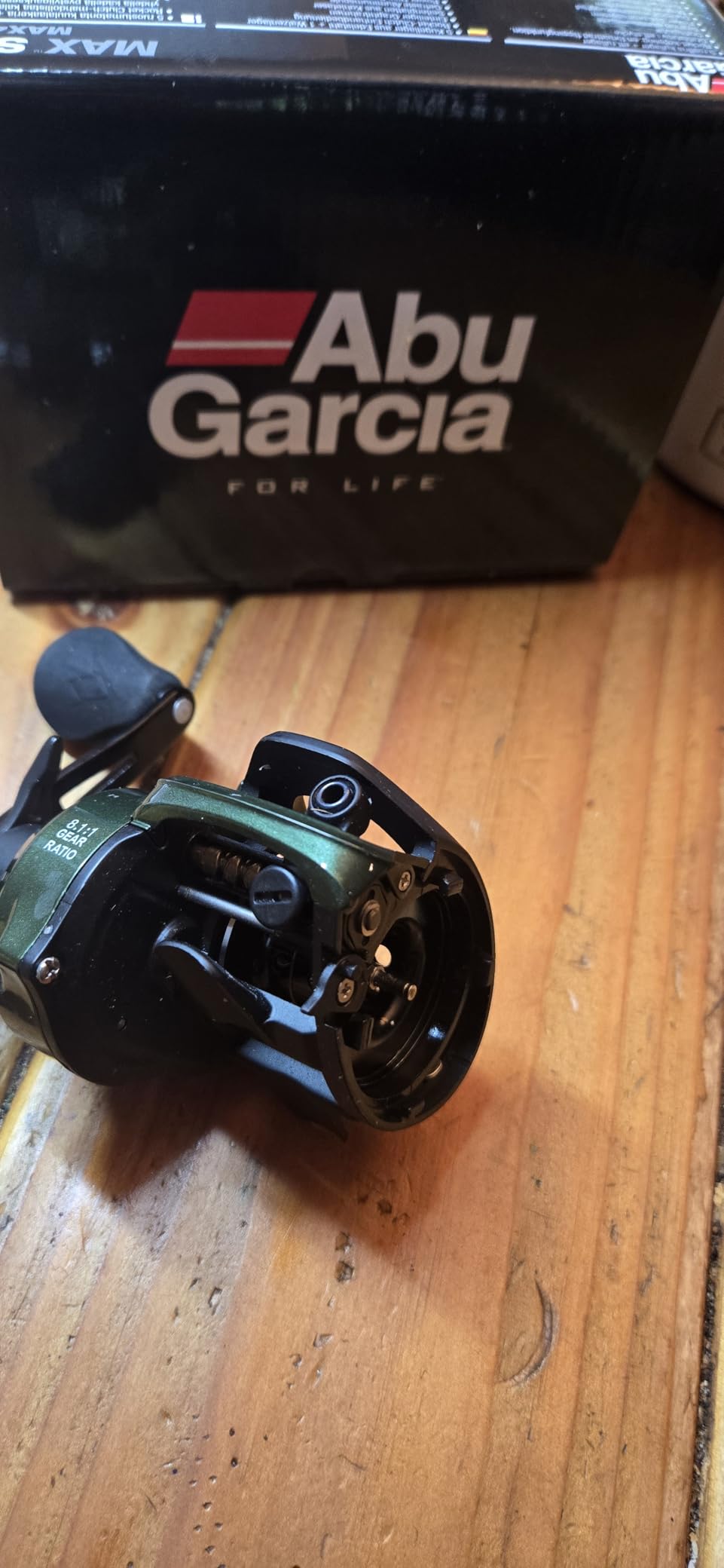
12. Piscifun Torrent II: Best Budget Magnetic Brake Baitcaster
Piscifun Torrent II Baitcasting Reel, 8.1:1, Green Right Hand
9.6 oz carbon fiber and plastic
20 lb carbon fiber drag
6.6:1 or 8.1:1 ratios
8-magnet external brake, 7 bearings
Pros
- 4.7 rated
- the highest of any budget reel here
- 8-magnet external brake gives even braking and near-zero backlash
- 20 lb drag exceeds most rivals at this price
- CNC anodized aluminum main gear and brass pinion
Cons
- Shallow spool holds limited line
- Some components feel cheap and need premium parts to improve
The Torrent II is the pick if you want a modern magnetic brake without spending premium money. It earns a 4.7 from 115 reviews with about 80 percent five-star ratings, and owners repeatedly note it performs on par with far more expensive reels, with a smooth cast, a solid magnetic brake and enough drag for varied techniques. Several owners report buying multiple units.
The 8-magnet external adjustable magnetic brake delivers even braking across the cast, which is the feature that separates this reel from older single-brake designs. Drag is a 20 pound advanced carbon fiber system, which exceeds most competitors at the same price point, and the internals are a CNC hardened anodized aluminum main gear with a brass pinion.
Seven shielded stainless steel bearings and a double shaft supported line guide keep the retrieve smooth and reduce line flare. Two gear ratios are offered, 6.6:1 and 8.1:1, covering cranking through to flipping and pitching, and the compact matte gray body sits comfortably in the palm against a rod blank.
At 9.6 ounces it is heavier than the two KastKing value reels but well under the 11 ounce class. The body mixes carbon fiber and plastic components, which is where the price discipline shows.
Who This Reel Fits Best
An angler who wants a confident, well-braked reel for a mixed bag of presentations without moving up a tier. The 20 pound drag covers most flipping, pitching and light swimbait work, and the external brake means you can adjust it on the bank rather than opening the reel.
It is a good second reel for a boat where tackle gets wet, since the magnetic brake is the first thing that needs no tools to service.
Where It Falls Short
Spool capacity is the honest limit. A low-profile spool holds limited line, so heavy braid sizes are a stretch, and the most common reservation from owners is exactly that. Some also comment that components feel cheap, particularly around the handle and knobs.
Run lighter braid or shorter casts with this reel, and pair it with a medium power rod rather than a heavy one.
How to Choose a Baitcasting Reel for Bass Fishing
The right baitcaster is decided by three things in this order: the size of your cast, the heaviest bait you will throw, and how honest you are about your casting accuracy. Get those three right and the rest is preference. Here is the decision system we use, including the parts of tuning that most guides skip.
Braking systems: centrifugal, magnetic and digital explained
A centrifugal brake uses weighted fingers on the spool shaft that swing outward as the spool spins, physically slowing it. It is the oldest and most common design, it works well once set, and it usually needs a screwdriver to adjust. The Ambassadeur C3 in this list is the clearest example, with six pins and a brake that cannot be changed while you fish.
A magnetic brake uses electromagnets inside the spool to create drag on spool speed. It adjusts from a dial on the outside of the reel, which is why almost every reel in this roundup has one, and it gives smoother, more progressive control than centrifugal fingers. The Royale Legend II uses eight magnets with ten levels, which is the finest adjustment range in the group.
A digital or DC brake samples spool speed electronically and applies force based on what it measures, rather than reacting directly to speed. The Shimano SLX DC is the only true example here, and it is the reel most often recommended to anglers whose main problem is backlash. The trade-off is cost and, on some models, less total drag.
Beginners should start with spool tension and add brake adjustment from there, which is the single most repeated piece of advice across the fishing forums we read. Get the tension right first, then use the brake to cover the rest.
Reel size mapped to lure weight
Size is the most important spec and the most often misread. A 100-size reel suits baits up to about a quarter ounce and light finesse presentations. A 150 size is the standard all-around bass size, handling roughly a quarter ounce up to about three-quarters of an ounce, and it is the size most of the pros fish.
A 200-size reel takes up to about 1.25 ounces and is the right call for heavier swimbaits and A-Rigs. A 300 size covers swimbaits and big plastics up to about 2 ounces with 30 pound braid, and a 400 size is a saltwater and big-game size with far more line capacity. The Spartacus II at 6 ounces and 39 mm of profile height sits in the small end of that range, while the Ambassadeur C3 holds 320 yards where a 150 size manages 110.
How to spool a baitcaster and stop backlash
Backlash is nearly always a spooling problem before it is a reel problem, and the procedure below is the one that fixed our own line birds nests. First, thread the reel with the spool tension knob fully off and the clutch off so the spool spins freely, then set your rod parallel to the ground with the reel facing you.
Next, hold the line against the levelwind with a finger under light tension and fill the spool to within an eighth inch of the lip. Fill the levelwind before the spool, and lay each wrap down neatly rather than piling it in one spot. Once full, pull the line tight to remove slack, re-engage the clutch, then turn the spool tension knob until the spool just barely hesitates when you turn the handle with the clutch on.
After that, set the brake to its midpoint and make three practice casts on the deck. If the spool overruns, back the brake off one click at a time. If it stops the lure dead, add one click. Only then move the spool tension, and never adjust both the brake and the tension at the same time or you will not know which one fixed it.
How to fix a really bad backlash
The mistake most anglers make is picking at the tangle. The method that works across every forum thread we read is to keep the slack line pinched away from the spool, set the clutch off so the spool turns freely, then give the spool two quick sharp pulls by hand so the deepest loop in the birds nest opens up. Once the spool spins free under tension, re-engage the clutch and pull the remaining loops off by hand in the direction of the line wrap.
If the nest is tight against the spool wall, open the side plate rather than cutting the line, pull the line through the mess, and replace the spool. Turning the spool backwards slowly while pulling the tail also works on shallower nests. Once fixed, spool back down to the correct level, because an overloaded spool is the usual cause in the first place.
A sticking or stripped spool tension knob is fixed by backing the screw out, cleaning the threads, applying a small amount of grease and retightening it gently. If the knob itself is stripped, the whole spool usually needs replacing, and on cheaper reels those spools are the part that wears out first.
Matching reel to rod
The reel and rod have to agree or neither one works. Pair a 100-size finesse reel with a 5 to 6 foot ultra-light or light rod, a 150 size with a 6 foot 10 inch to 7 foot medium or medium heavy rod, and a 200 or 300 size with a 7 foot heavy power rod. Gear ratio matters too: 7:1 and above for pitching and burning baits, around 6:1 as a compromise for most techniques, and 5:1 or slower only if you are cranking long retrieves.
The Fuego CT at 8.1:1 and the SLX DC at 8.2:1 both belong on faster rods, and the Ambassadeur C3 at 5.3:1 belongs on a longer, slower blank. Dropping a high-ratio reel onto a heavy rod with soft tips makes every overrun worse.
When a spinning reel is still the better call
The old rule that a spinning reel cannot handle anything over 10 pound test is obsolete, and modern braid has made a medium-heavy spinning reel perfectly capable for most fishing. A spinning setup is still the right answer for beginners learning to cast, for fishing vertical structure in deep water where you need to drop a jig exactly, for ultralight presentations under 1/16 ounce, and for anyone who does not want to manage a spool tension knob.
Reel in hand, a spinning outfit also gives you an open bail to stop line and a free spool to drop a bait straight down. If your best fishing is topwater over a grass flat in the middle of a hot afternoon, you are missing very little by spinning. The moment you start pitching into individual stumps or need to cast a swimbait past a windbreak, the baitcaster earns its place on the deck.
Frequently Asked Questions
What is the best baitcasting reel for bass fishing?
For most anglers the KastKing Royale Legend II is the best baitcasting reel for bass fishing, because it weighs 7.2 ounces, has a rated 17.6 pound carbon drag, and its eight-magnet brake adjusts from outside the reel so you can dial it in without opening the side plate. It comes in 5.4:1 and 7.2:1 ratios to cover crankbaits and fast-pitched jigs. Anglers whose main problem is backlash should look at a digital braking reel instead.
What size baitcaster reel is best for bass fishing?
A 150-size low-profile reel is the standard all-around bass size, handling lures from roughly a quarter ounce up to about three-quarters of an ounce. A 100-size reel suits lighter finesse baits, a 200-size handles lures up to about 1.25 ounces, and 300 and 400 sizes are for swimbaits, big plastics and saltwater work where line capacity matters more than compactness.
Why do I keep getting backlash on my baitcaster?
Backlash is almost always caused by an overfilled spool or loose spool tension, not by a faulty reel. Fill the spool to within an eighth inch of the lip, keep the line buried under the levelwind while filling, then set the spool tension knob until the spool just barely hesitates when you turn the handle with the clutch engaged. Set the brake next, and change only one adjustment at a time.
How do I fix a really bad backlash?
Keep the slack line pinched away from the spool, set the clutch off so the spool turns freely, then give the spool two quick sharp pulls by hand so the deepest loop opens. After the spool spins freely under tension, re-engage the clutch and pull the remaining loops off in the direction of the wrap. For a nest packed against the spool wall, open the side plate rather than cutting the line.
What baitcaster do most pros use?
Professional bass anglers overwhelmingly fish 150-size low-profile baitcasters with digital or multi-magnet magnetic braking, and the Daiwa Tatula line is a recurring consensus favourite in angler forums. Most pros carry three or four identical reels so that a spare can be swapped in without re-tuning, which is why a repairable, mid-weight 150-size reel is the safest tournament purchase.
Final Call on the Best Baitcasting Reels for Bass Fishing
The KastKing Royale Legend II is our pick for the best baitcasting reels for bass fishing in 2026, and it stays at the top of this list because nothing else in the group matched its balance of weight, drag strength and external brake control. At 7.2 ounces with a rated 17.6 pounds of drag and a ten-level magnetic brake, it covers everything from a finesse jig head to a heavy flipping plastic.
Buy the Piscifun Torrent if budget matters most, the KastKing Zephyr BFS if you fish light and close, and the Shimano SLX DC if backlash is what keeps you from casting at all. Match the reel size to your heaviest bait, set the spool tension before the brake, and give the spool two sharp pulls instead of picking at the next tangle.