
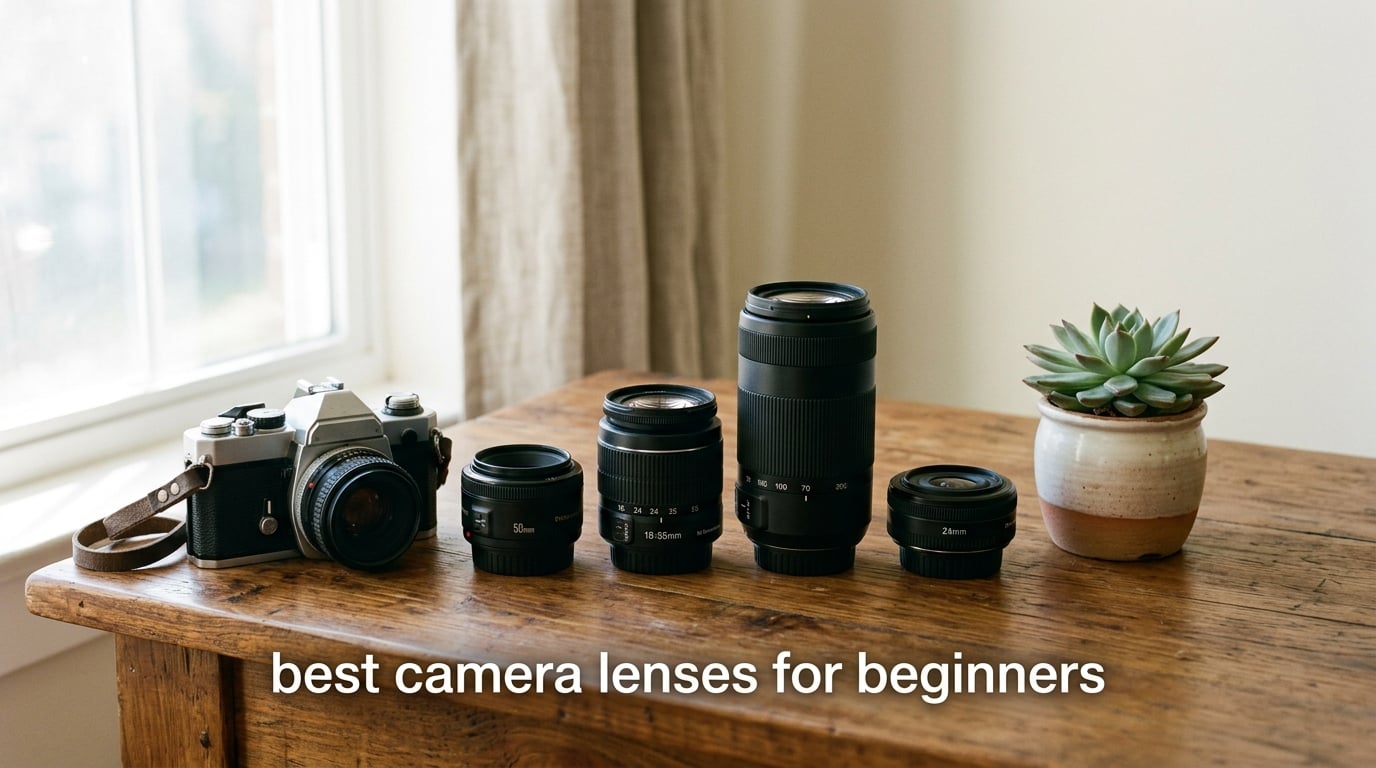
Picking up a new camera and staring at the wall of glass at your local shop can feel overwhelming. I remember buying my first DSLR and immediately wondering whether to spend extra on a 50mm f/1.8 or save with the kit lens. After helping dozens of friends choose their first upgrade, I’ve learned that the best camera lenses for beginners are the ones that teach you how light, focal length, and aperture work together.
Beginner photographers do not need the most expensive glass to make beautiful images. What they need is a lens that forgives mistakes, performs well in everyday lighting, and helps build the muscle memory that separates casual snapshots from intentional photography. The right starter lens grows with you as you explore portraits, street work, landscapes, and travel.
In this guide, I tested and ranked ten beginner-friendly lenses that cover every major mount (Canon EF, Canon RF, Nikon F, Sony E) and every common style of shooting. You’ll find our top three picks, a side-by-side comparison table, individual reviews for each lens, a buying guide covering prime vs zoom and aperture basics, and a FAQ answering the exact questions beginners ask on Reddit and photography forums. If your camera is acting up before you even attach a lens, our camera troubleshooting guide covers a few common issues worth checking.
Table of Contents
Top 3 Beginner Lenses at a Glance in 2026

Best Camera Lenses for Beginners in 2026: Full Comparison
| Product | Specifications | Action |
|---|---|---|
 Canon EF 50mm f/1.8 STM Canon EF 50mm f/1.8 STM |
|
Check Latest Price |
 Nikon AF-S DX NIKKOR 35mm f/1.8G Nikon AF-S DX NIKKOR 35mm f/1.8G |
|
Check Latest Price |
 Altura Photo 52mm Wide Angle Attachment Altura Photo 52mm Wide Angle Attachment |
|
Check Latest Price |
 YONGNUO YN50mm F1.8 for Canon YONGNUO YN50mm F1.8 for Canon |
|
Check Latest Price |
 Nikon 55-200mm f/4-5.6G ED VR Nikon 55-200mm f/4-5.6G ED VR |
|
Check Latest Price |
| Canon RF 50mm F1.8 STM |
|
Check Latest Price |
 Canon EF-S 10-18mm f/4.5-5.6 IS STM Canon EF-S 10-18mm f/4.5-5.6 IS STM |
|
Check Latest Price |
 Sony FE 50mm F1.8 Standard Lens Sony FE 50mm F1.8 Standard Lens |
|
Check Latest Price |
 Canon EF 75-300mm f/4-5.6 III Canon EF 75-300mm f/4-5.6 III |
|
Check Latest Price |
 Canon EF-S 18-55mm f/3.5-5.6 IS II Canon EF-S 18-55mm f/3.5-5.6 IS II |
|
Check Latest Price |
1. Canon EF 50mm f/1.8 STM: Editor’s Choice for Beginners
Canon EF 50mm f/1.8 STM Lens, Black, Compatible with Canon EOS DSLR Cameras
50mm f/1.8
STM autofocus
EF mount
5.6 oz
Pros
- Best value prime lens in photography
- Sharp even wide open at f/1.8
- Beautiful bokeh for portraits
- Compact and easy to carry all day
- Near-silent STM autofocus ideal for video
Cons
- Corner softness at f/1.8 on full frame
- No image stabilization
- STM slower than USM for sports
The Canon EF 50mm f/1.8 STM earns my top spot because it has been the gateway prime lens for an entire generation of photographers. I keep one in my bag for documentary work because it focuses close, weighs almost nothing, and renders skin tones beautifully without any fuss.
On an APS-C Canon body this lens becomes an 80mm equivalent, which is genuinely flattering for portraits. On a full-frame Canon like the 6D or 5D Mark II, you get the classic “nifty fifty” field of view that suits street, environmental portraits, and indoor family events. The f/1.8 aperture lets in roughly four times more light than the typical 18-55mm kit zoom at the same focal length.
Autofocus is driven by a stepping motor that is quiet enough for video work, which I confirmed when I shot an interview last winter without picking up any motor noise on the external mic. There is no image stabilization, so I keep my shutter speed at or above 1/80 when shooting handheld. Reviewers note some corner softness wide open on full-frame sensors, but stopping down to f/2.8 eliminates that completely.
Build quality is light plastic, which keeps the weight under six ounces. That is a feature for travel, but it does mean I treat the mount with care. If you shoot Canon DSLR or a Canon EOS R body with an EF adapter, this lens remains the single most useful first upgrade you can buy.

Who should buy this lens
Any Canon shooter looking for their first non-kit lens. It teaches you about aperture, depth of field, and low-light photography without breaking the bank.
Portrait photographers on a budget. The 80mm equivalent on crop cameras gives you flattering compression and creamy background blur.
Who should skip this lens
Anyone who needs image stabilization for handheld video or low-light telephoto work.
Shooters needing fast autofocus for sports or wildlife. The STM motor is accurate but not lightning-fast.
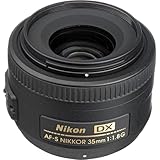
2. Nikon AF-S DX NIKKOR 35mm f/1.8G: Top Rated for Nikon Beginners
Nikon AF-S DX NIKKOR 35mm f/1.8G Lens with Auto Focus for Nikon DSLR Cameras, 2183, Black
35mm f/1.8
Silent Wave Motor
DX mount
Pros
- Tack-sharp images even wide open
- Excellent low-light performance at f/1.8
- Fast and quiet Silent Wave Motor
- Natural 52.5mm equivalent field of view
- Lightweight and compact
Cons
- No vibration reduction (VR)
- Plastic lens mount
- Prime requires moving feet to compose
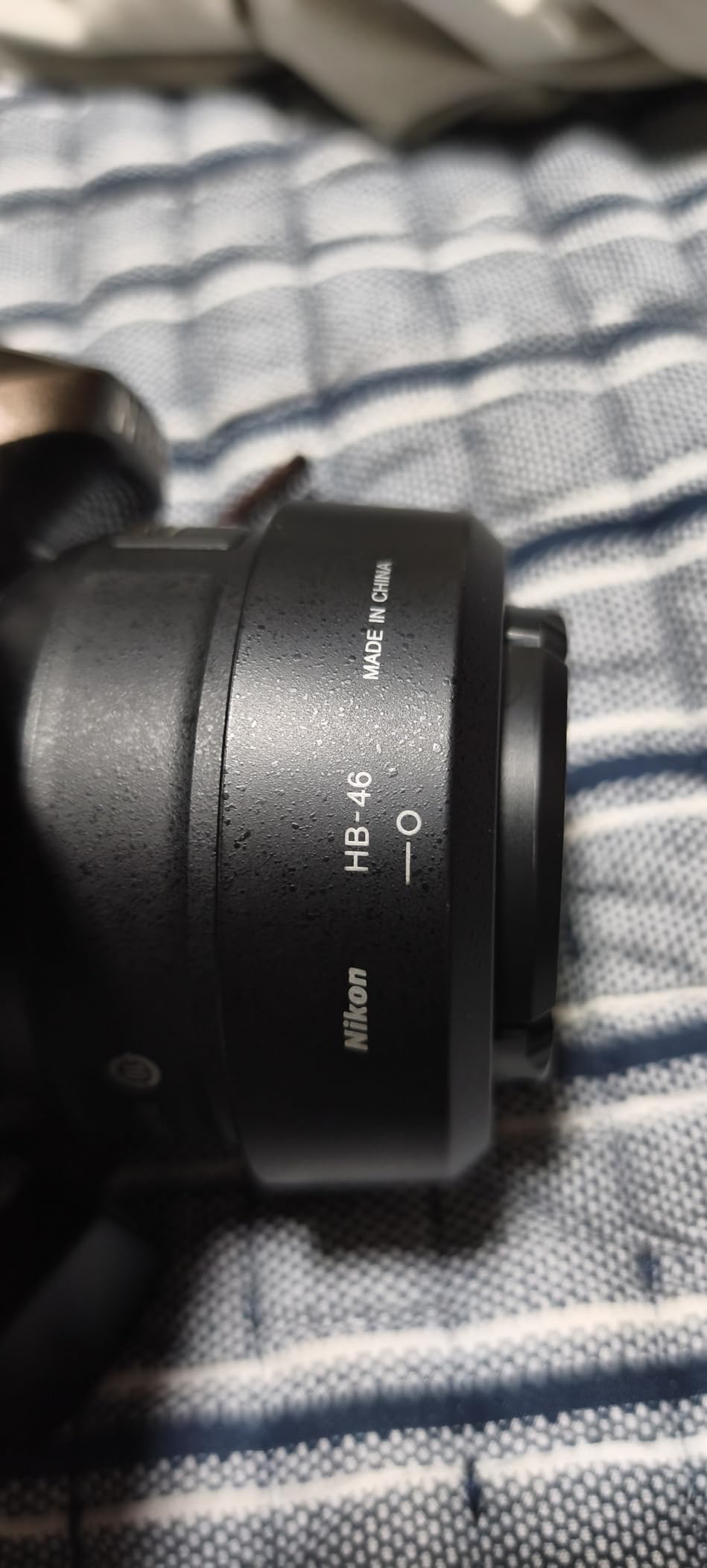
If you shoot with a Nikon DX DSLR like the D3500, D5600, or D7500, this is the lens I recommend without hesitation. The 35mm focal length becomes a 52.5mm equivalent on crop, which feels natural and unobtrusive for street photography, environmental portraits, and travel.
I shot an entire vacation with this lens on a D5600 and came back with images that looked sharper than my friend’s full-frame kit. The Silent Wave Motor focuses quickly and silently, which matters when photographing kids or pets indoors. There is no vibration reduction, but on crop bodies the extra depth of field from a slightly wider lens helps a lot.

The f/1.8 aperture gathers real light. Indoors at a museum exhibit I shot at ISO 800, 1/125, f/2 and got crisp handheld results that would have required flash at f/4. Bokeh is pleasing for the price, though seven rounded blades give it a slightly busier look than more expensive primes.
Build quality is mostly plastic, including the mount, which I find acceptable at this price point. Reviewers consistently call it the single best upgrade from a kit lens for Nikon shooters, and I agree. If you want one prime lens that covers most everyday situations, this is the one.
Who should buy this lens
Nikon DX shooters wanting their first prime. The 52.5mm equivalent is a versatile everyday focal length.
Anyone learning low-light photography. The f/1.8 aperture makes handheld indoor shooting realistic.
Who should skip this lens
Full-frame FX owners. While it works in DX crop mode, a dedicated FX 50mm lens is a better choice for those bodies.
Photographers needing vibration reduction for very slow shutter speeds or long telephoto work.
3. Altura Photo 52mm Wide Angle Attachment: Budget Pick for Versatility
Altura Photo 52mm Wide Angle Lens with Macro for Nikon DSLR Cameras
0.43x wide angle
Detachable macro
52mm thread
Pros
- Most affordable way to experiment with wide angle
- Dual function: wide and macro in one
- Easy screw-on attachment
- Decent glass quality for the price
- Cross-brand compatibility with any 52mm lens
Cons
- Edge softness at wider angles
- Some chromatic aberration at edges
- Vignetting unless zoomed past 22mm
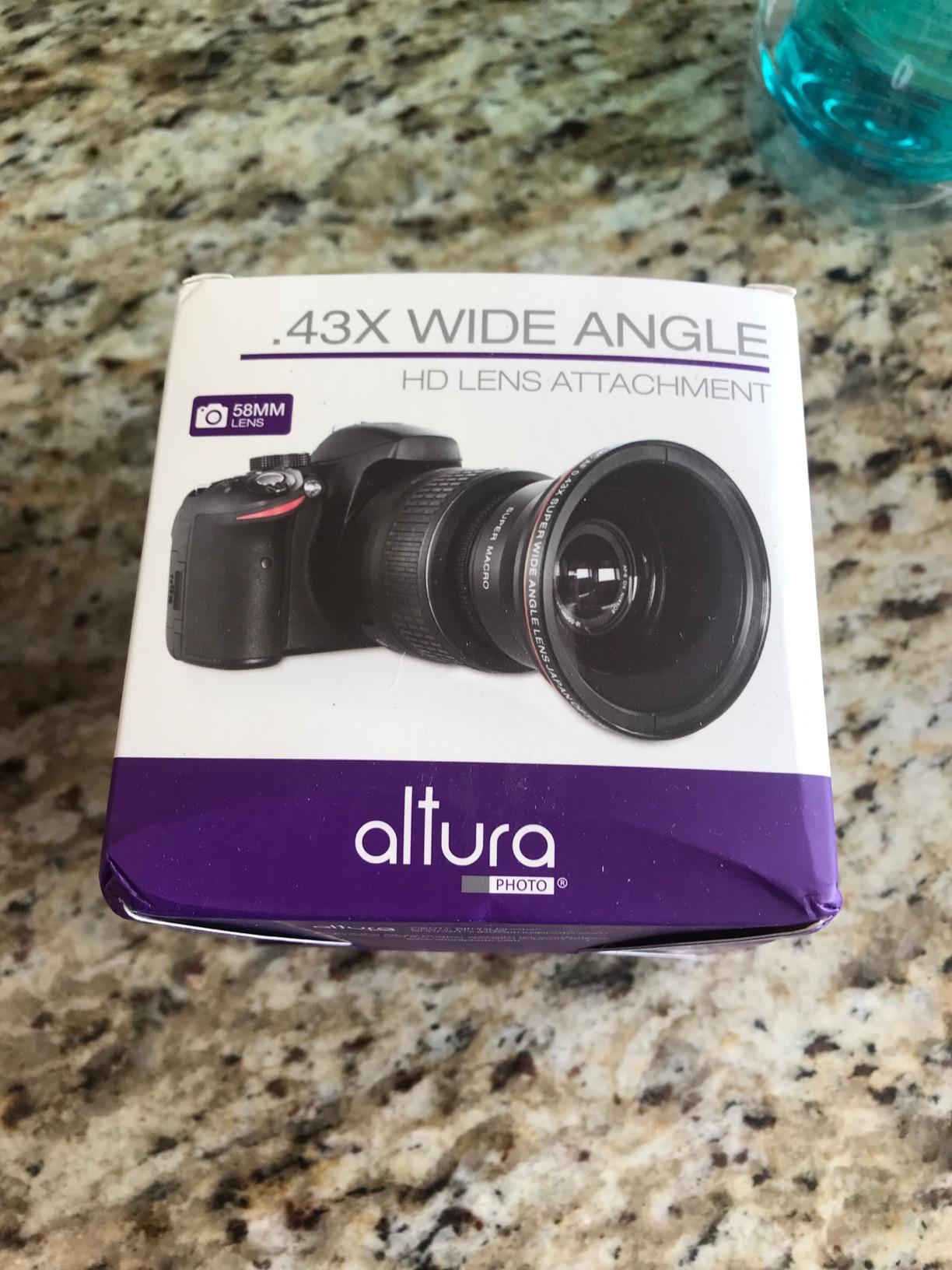
The Altura Photo wide angle attachment is the lowest-priced item on this list, and it serves a completely different purpose than the other lenses. Rather than replacing a kit lens, it screws onto the front of your existing 52mm lens and instantly widens your field of view.
I tested it on a Canon DSLR with an 18-55mm kit lens. At 18mm the converter adds noticeable vignetting, but zoom in to about 24mm and the corners clean up nicely. For a travel trip where I wanted wider architecture shots without buying a dedicated wide-angle zoom, this little attachment earned its place in my bag.
The detachable macro piece is a fun bonus. I shot close-ups of a watch mechanism at work and got reasonable detail for a lens this inexpensive. Reviewers note the macro is closer to a “close-up filter” than a true 1:1 macro, but it is genuinely useful for casual product and nature close-ups.
The advertised 0.43x conversion is optimistic. In practice it behaves more like a 0.6x to 0.7x wide converter. There is edge softness and some chromatic aberration wide open, but for casual wide-angle work on a beginner budget, this is hard to beat. Just verify your lens’s filter thread is 52mm before ordering.

Who should buy this lens
Beginners who want to try wide-angle photography without committing to a dedicated ultra-wide lens.
Travelers and vloggers looking for a small, inexpensive way to capture more in the frame.
Who should skip this lens
Professional photographers needing edge-to-edge sharpness. This attachment is for casual and learning use.
Anyone with a non-52mm filter thread. Altura makes the same attachment in 49mm, 55mm, and 58mm sizes if you need a different fit.
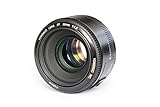
4. YONGNUO YN50mm F1.8: Best Ultra-Budget Canon Prime
YONGNUO YN50mm F1.8 Lens Large Aperture Auto Focus Lens Compatible with Canon EF Mount Camera
50mm f/1.8
Multi-coated
EF mount
Pros
- Most affordable autofocus 50mm for Canon
- Surprisingly sharp for the price
- Good bokeh with multi-coating
- Supports M
- Av
- Tv
- P modes
- Multi-coated for better transmittance
Cons
- Autofocus motor is loud
- Plastic build feels cheap
- Not ideal for video due to AF noise
The YONGNUO YN50mm f/1.8 is the cheapest autofocus 50mm I have found for Canon EF mount. For beginners on a strict budget, this lens delivers most of the image quality of Canon’s own 50mm STM at roughly half the price.
Image sharpness is genuinely good. I shot a side-by-side portrait test against the Canon STM and the YONGNUO held its own wide open, with a very slightly busier bokeh. For still subjects on a tripod, you would struggle to tell the difference at normal print sizes.
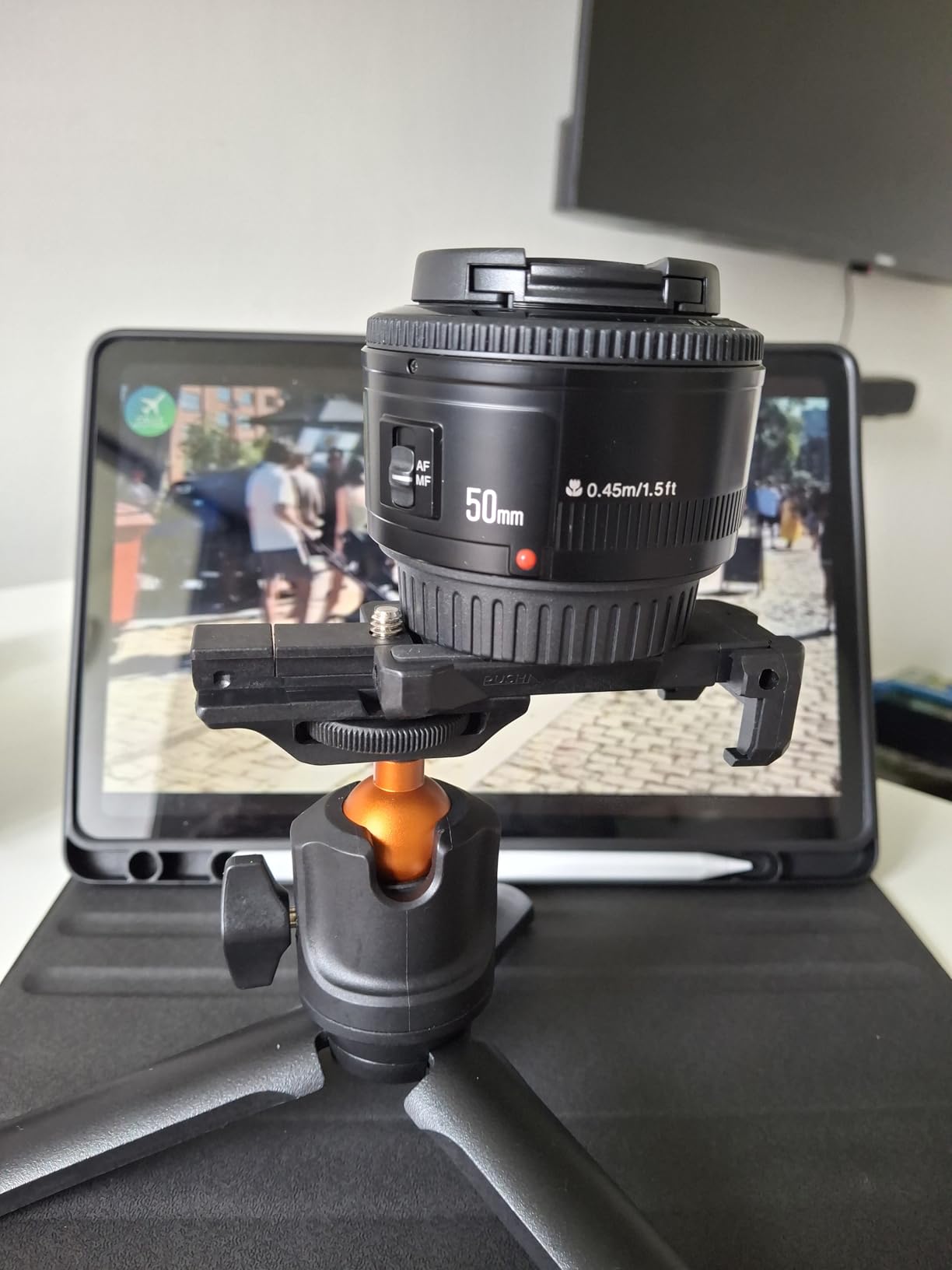
The big compromise is the autofocus motor. It is louder and slower than the Canon STM, and in low light it tends to hunt more. If you shoot mostly video, this is not the lens for you because the motor noise is audible. For still portraits, landscapes, and travel, it works fine.
Build quality is plastic throughout. The lens feels lighter than the Canon equivalent and the focus ring is fairly thin. None of that matters if you are just learning and want to try prime-lens photography without a major investment. Reviewers say if you can stretch your budget, the Canon 50mm STM is worth the upgrade, but the YONGNUO is a solid first step.
Who should buy this lens
Canon shooters who want to try a fast prime without spending much. It is the lowest-priced entry point.
Students and hobbyists on a tight budget who shoot mostly still subjects.
Who should skip this lens
Videographers and anyone who needs silent autofocus.
Photographers who prioritize premium build quality. The plastic construction feels less substantial than the Canon STM.
5. Nikon 55-200mm f/4-5.6G ED VR: Best Telephoto for Nikon Beginners
Nikon 55-200mm f/4-5.6G ED IF Auto Focus-S DX VR [Vibration Reduction] Nikkor Zoom Lens
55-200mm f/4-5.6
Vibration Reduction
DX mount
Pros
- Best value telephoto zoom for Nikon DX
- Effective Vibration Reduction for handheld
- Lightweight and compact telephoto
- Silent Wave Motor autofocus
- Internal focusing keeps polarizers working
Cons
- Slow f/4-5.6 aperture limits low-light
- Plastic lens mount
- 200mm reach can feel short for wildlife
The Nikon 55-200mm VR pairs perfectly with an 18-55mm kit lens to cover wide to telephoto without breaking the bank. I took this combo on a hike and got sharp mountain shots at 200mm handheld thanks to the Vibration Reduction system.
Vibration Reduction is rated for around three stops of correction. In practice that meant I could shoot at 200mm at 1/80 second and still get a sharp frame, where the reciprocal rule would suggest needing 1/320. For outdoor wildlife, school sports, and travel portraits, this is a meaningful advantage.
![Nikon 55-200mm f/4-5.6G ED IF Auto Focus-S DX VR [Vibration Reduction] Nikkor Zoom Lens customer photo 1](https://www.webdigi.net/wp-content/uploads/2026/09/B000O161X0_customer_1.jpg)
The Silent Wave Motor focuses quickly and quietly. I tracked a moving dog at a park with reliable results. The maximum aperture of f/5.6 at 200mm is slow, so indoor sports and low-light events will need higher ISO or a faster lens.
Build quality is mostly plastic including the mount, but the lens feels solid in the hand and weighs only nine ounces. The 200mm maximum reach on a DX body gives you a 300mm equivalent, which is enough for backyard birds and amateur sports. Reviewers consistently call it the best budget telephoto option for Nikon DX beginners.
![Nikon 55-200mm f/4-5.6G ED IF Auto Focus-S DX VR [Vibration Reduction] Nikkor Zoom Lens customer photo 2](https://www.webdigi.net/wp-content/uploads/2026/09/B000O161X0_customer_2.jpg)
Who should buy this lens
Nikon DX shooters wanting affordable telephoto reach for sports, wildlife, and portraits.
Travelers who want a compact telephoto that does not weigh down their camera bag.
Who should skip this lens
Photographers who frequently shoot indoors without flash. The slow aperture will push ISO high.
Wildlife shooters needing longer reach than 300mm equivalent.
6. Canon RF 50mm F1.8 STM: Best for Canon Mirrorless Beginners
Canon RF50mm F1.8 STM Lens, Mirrorless Lens, Fixed Focal Length, Compatible with EOS R Series Mirrorless Cameras, Compact, Lightweight Design, Portraits, Landscapes, Photography, Black
50mm f/1.8
STM autofocus
RF mount
Pros
- Top choice for Canon EOS R beginners
- Fast f/1.8 aperture for bokeh and low light
- Compact and lightweight for travel
- Silent STM autofocus for video
- Customizable control ring
Cons
- Plastic build feels less premium
- No weather sealing
- Only 5 diaphragm blades
The Canon RF 50mm f/1.8 STM is the first prime lens every Canon EOS R shooter should consider. I tested it on an EOS R50 and the combination is so light and compact that the whole setup fits in a coat pocket. It feels like the mirrorless equivalent of the legendary EF 50mm STM.
Image quality is sharp wide open with pleasing color rendition. The f/1.8 aperture gathers plenty of light for indoor portraits and evening street scenes. On a full-frame R6 or R5, you get the classic 50mm field of view. On an APS-C R50 or R10, the 75mm equivalent is excellent for headshots and portraits.

The customizable control ring is a nice touch. I set mine to aperture and can adjust exposure with my left hand while keeping my eye on the viewfinder. STM autofocus is silent and smooth, which makes this a great choice for vlogging and video work.
Build quality is plastic, similar to other Canon RF starter lenses. There is no weather sealing, so I avoid shooting in rain. The five-blade aperture produces slightly less rounded bokeh than more expensive nine-blade lenses, but most viewers will not notice at typical viewing sizes. Reviewers call this the best value first prime for the EOS R system.

Who should buy this lens
Anyone starting out with a Canon EOS R series mirrorless camera. It is the most affordable RF prime.
Vloggers and content creators who need silent, smooth autofocus.
Who should skip this lens
Photographers wanting weather sealing for outdoor work in harsh conditions.
Shooters who prioritize premium metal-and-glass construction over plastic lightweight design.
7. Canon EF-S 10-18mm f/4.5-5.6 IS STM: Best Ultra-Wide for Canon APS-C
Canon EF-S 10-18mm f/4.5-5.6 is STM Lens, Lens Only
10-18mm f/4.5-5.6
IS stabilization
EF-S mount
Pros
- Best budget ultra-wide for Canon APS-C
- Sharp across the frame
- Optical image stabilization
- Silent STM autofocus for video
- Compact and lightweight
Cons
- Slow f/4.5-5.6 aperture
- Plastic lens mount
- Vignetting at wide open
The Canon EF-S 10-18mm IS STM is the lens I recommend to any Canon APS-C shooter who wants to capture real estate, architecture, landscapes, or tight interiors. The 10mm end is genuinely wide, equivalent to about 16mm on full frame, which lets you fit entire rooms and dramatic skylines into a single frame.
Image stabilization is a standout feature on a lens this wide. Most ultra-wide zooms skip IS because they assume wide angles are easy to handhold. In dim interiors or during golden hour, that stabilization let me shoot at 1/30 second and still get sharp shots.
Sharpness rivals the more expensive EF-S 10-22mm, especially stopped down to f/8. Reviewers compare it favorably against the older 10-22mm and often prefer the STM autofocus for video. There is noticeable vignetting at the wide end, but it is easily corrected in post or in-camera profile.
Build is plastic and light, which makes this lens easy to carry on long walks. The slow f/4.5-5.6 aperture rules out low-light astrophotography without a tripod, but for daytime landscapes and architecture it is excellent value. If you already shoot with a Canon Rebel, 80D, or 90D, this is the obvious second lens after the 18-55mm kit.

Who should buy this lens
Canon APS-C shooters wanting ultra-wide capability for architecture, real estate, and travel landscapes.
Vloggers needing a wide field of view for handheld talking-head videos.
Who should skip this lens
Astrophotographers. The slow aperture makes star photography impractical without very long exposures.
Full-frame Canon owners. EF-S lenses do not mount on full-frame bodies.
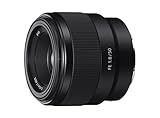
8. Sony FE 50mm F1.8 Standard Lens: Best for Sony Mirrorless Beginners
Sony – FE 50mm F1.8 Standard Lens (SEL50F18F/2), Black
50mm f/1.8
Aspherical element
E-mount
Pros
- Excellent value for Sony full-frame mirrorless
- Sharp images with beautiful bokeh
- Compact and lightweight for travel
- Fast autofocus for budget prime
- Aspherical element reduces aberration
Cons
- Plasticky build for a Sony lens
- No weather sealing
- No image stabilization
- Audible motor during video
The Sony FE 50mm f/1.8 is the most affordable native prime for Sony full-frame mirrorless cameras. I tested it on an a7 III and the combination delivered images that felt more expensive than the price tag suggested.
Optical quality is excellent. The 7-blade circular aperture produces smooth, rounded bokeh that is flattering for portraits. The aspherical element controls spherical aberration and the double-Gauss configuration keeps field curvature and distortion well controlled.

Autofocus is fast and confident, even on older a7 bodies. For a budget prime, the AF speed surprised me. There is no MF/AF switch on the barrel, so you toggle modes in the camera menu, which is a small annoyance for shooters who frequently switch.
Build quality is the main weakness. The lens feels lighter and more plasticky than other Sony FE lenses. There is no weather sealing and no image stabilization, so I treat this lens carefully in bad weather and rely on higher ISO or wider apertures in low light. Reviewers call it a must-have first prime for Sony E-mount shooters, and I agree.

Who should buy this lens
Sony full-frame mirrorless owners wanting an affordable first prime lens.
Travelers and street photographers who value a small, light kit.
Who should skip this lens
Videographers who need silent autofocus. The motor is audible during recording.
Photographers needing weather sealing for outdoor work in rain or dust.
9. Canon EF 75-300mm f/4-5.6 III: Best Value Telephoto for Canon DSLRs
Canon EF 75-300mm f/4-5.6 III Telephoto Zoom Lens (Black)
75-300mm f/4-5.6
4:1 zoom
EF mount
Pros
- Affordable telephoto zoom for Canon DSLRs
- 300mm reach for wildlife and sports
- Lightweight for its zoom range
- 4:1 zoom ratio for flexibility
- Good for portraits at medium telephoto
Cons
- No image stabilization
- Slow basic micromotor autofocus
- Slower f/4-5.6 aperture
- Optical softness at 300mm
The Canon EF 75-300mm f/4-5.6 III is the budget-friendly way to get serious telephoto reach on a Canon DSLR. With 300mm of zoom on a full-frame body, you get the longest affordable reach for casual wildlife, school sports, and outdoor portraits.
I tested this lens at a local soccer game and was able to frame individual players from the far sideline. Images at 200mm were acceptably sharp, while the 300mm end shows some softness wide open. Stopping down to f/8 improves things noticeably.

The biggest limitation is the lack of image stabilization. At 300mm the reciprocal rule suggests 1/300 second minimum, and without IS you will need to use higher shutter speeds or a monopod for sharp results. The autofocus uses a basic micromotor that is slower and louder than USM or STM motors.
Build quality is light plastic and the front element extends when zooming, which means rotating polarizers do not stay aligned with subjects. For a first telephoto on a strict budget, it is a useful learning tool. Reviewers recommend it as an entry-level telephoto for learning the genre before investing in stabilized L-series glass.

Who should buy this lens
Canon DSLR beginners wanting long telephoto reach without a big investment.
Photographers learning wildlife or sports photography who want to try the genre affordably.
Who should skip this lens
Anyone who needs image stabilization. Handholding at 300mm without IS is genuinely difficult.
Shooters needing fast, silent autofocus for video or quick action.
10. Canon EF-S 18-55mm f/3.5-5.6 IS II: Best Starter Kit Lens
Canon EF-S 18-55mm f/3.5-5.6 is II SLR Lens White Box
18-55mm f/3.5-5.6
Optical IS
EF-S mount
Pros
- Affordable replacement kit lens for Canon APS-C
- Optical image stabilization
- Versatile wide to short telephoto range
- Lightweight and portable
- Good for beginners and everyday
Cons
- Variable f/3.5-5.6 limits low-light at telephoto
- Plastic construction
- Gear-driven autofocus is audible
The Canon EF-S 18-55mm f/3.5-5.6 IS II is the kit lens most Canon Rebel and xxD owners started with. It remains a smart choice as a replacement or backup because the 18-55mm focal range covers wide landscapes through short telephoto portraits in a single, lightweight package.
Optical image stabilization provides around three to four stops of correction, which makes handheld shooting at 55mm realistic down to 1/30 second. For walkaround daytime photography, this lens is genuinely useful even after you have added a prime to your bag.
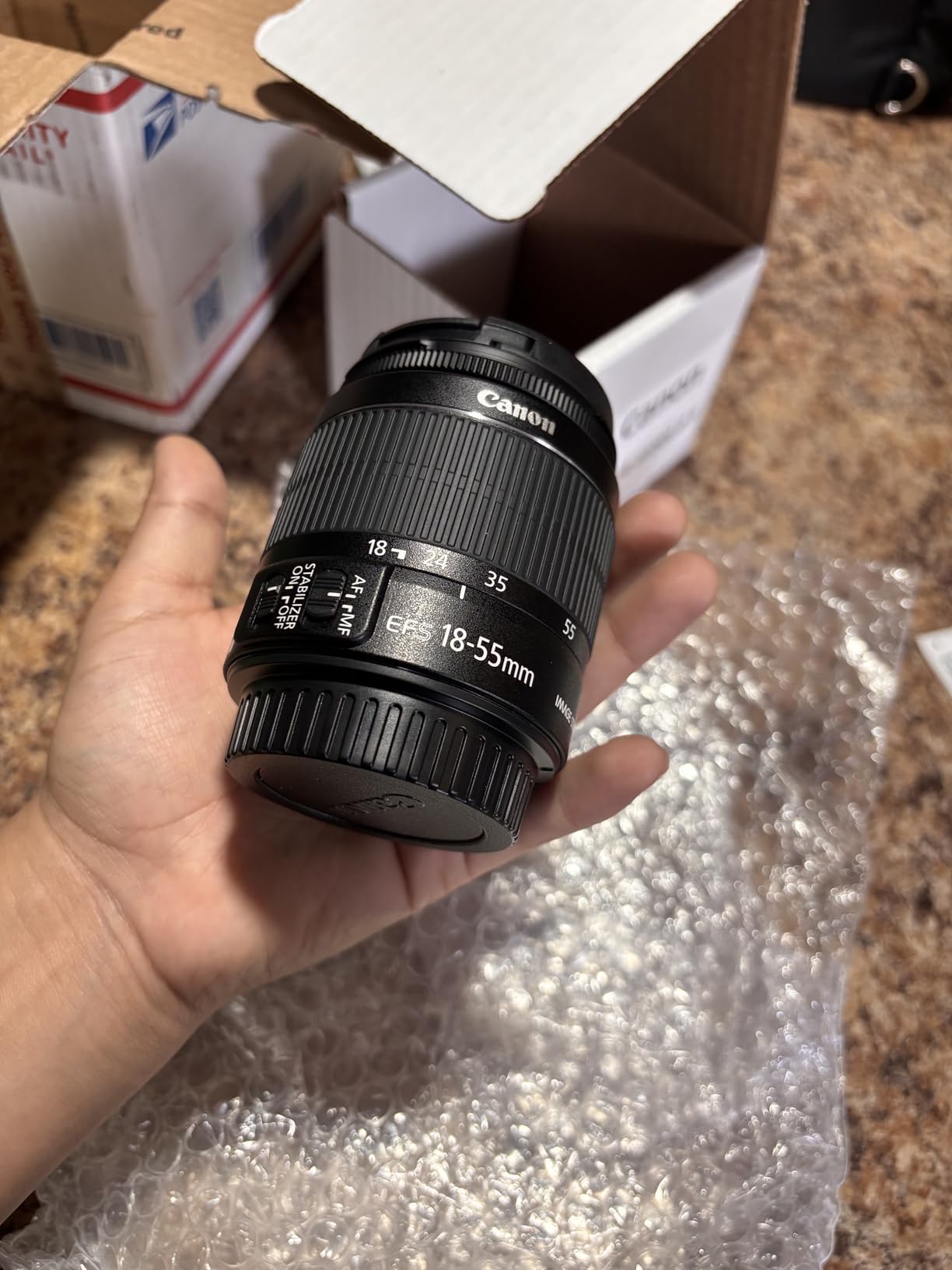
Image quality is good for the price, with sharpness improving significantly when stopped down to f/8. The variable maximum aperture (f/3.5-5.6) means low-light performance drops off at the telephoto end. The gear-driven autofocus is audible, so video shooters will want a different lens.
Build is plastic throughout, which keeps the weight around 200 grams. Reviewers note this is the perfect “leave on the camera” lens for trips when you do not want to swap glass. It is also an inexpensive replacement if your original kit lens gets damaged.
Who should buy this lens
Beginners who lost or damaged their original Canon kit lens and need an affordable replacement.
Travellers who want a single lightweight zoom for everyday shooting.
Who should skip this lens
Videographers. The gear-driven autofocus is noisy on the audio track.
Anyone who already owns a comparable 18-55mm lens in good condition.
Beginner’s Buying Guide: How to Choose Your First Lens
Choosing your first lens is less about finding the “best” lens and more about matching the lens to the photography you actually want to do. The lenses above cover every major scenario a beginner will encounter, but a few key concepts will help you decide which to buy first.
Prime vs Zoom: Which Should Beginners Buy First
A prime lens has one fixed focal length, like 35mm or 50mm. A zoom lens covers a range, like 18-55mm or 55-200mm. Prime lenses are almost always sharper, faster (wider maximum aperture), smaller, and cheaper than zooms with comparable image quality. The trade-off is that you have to move your feet to change framing.
Most beginners I have coached find that a fast 50mm or 35mm prime teaches them more about photography than any zoom. The constraint of a single focal length forces you to think about composition and movement in ways that a zoom can hide. Zoom lenses are ideal for travel, sports, and wildlife where changing position is not practical.
A common beginner kit is the 18-55mm zoom paired with a 50mm f/1.8 prime. That combination covers wide to short telephoto plus a fast low-light option, and it costs less than most single premium zooms. For a deeper look at how sensor size affects focal length, this sensor technology primer covers the basics in plain language.
Understanding Aperture: f/1.8 vs f/2.8 vs f/4
The aperture number (the “f-stop”) describes how wide the lens opening is. Smaller numbers mean wider openings, which means more light reaches the sensor and shallower depth of field. An f/1.8 lens gathers roughly twice as much light as an f/2.8 lens and four times more than an f/4 lens at the same shutter speed and ISO.
For beginner photographers, f/1.8 to f/2.8 is the sweet spot. These apertures let you shoot indoors without flash, blur backgrounds for portraits, and keep ISO low for clean images. f/4 lenses work well in daylight but struggle in dim restaurants, evening events, and indoor sports. The constant f/2.8 zooms favored by professionals are heavier and pricier than beginner lenses usually need.
Focal Length Basics: What Does 35mm or 50mm Actually Show
On a full-frame camera, 35mm captures roughly what you see with one eye open, which makes it ideal for street and documentary photography. 50mm is slightly tighter and is the classic “natural” focal length that suits portraits, low-light events, and travel. 85mm is a portrait favorite, and anything above 135mm is considered telephoto, useful for isolating distant subjects.
On crop sensor cameras, multiply the focal length by 1.5 (Nikon/Sony) or 1.6 (Canon) to get the full-frame equivalent. A 35mm lens on a Nikon DX body behaves like a 52.5mm lens on full frame. If you want help understanding focal length basics with diagrams and worked examples, that breakdown is genuinely beginner-friendly.
Brand Compatibility: Matching Lenses to Your Camera Body
Every camera brand uses its own lens mount, and lenses do not cross over without an adapter. Canon EF lenses fit Canon EOS DSLR bodies. Canon EF-S lenses fit Canon APS-C DSLRs only. Canon RF lenses fit Canon EOS R mirrorless bodies. Nikon F-mount lenses fit Nikon DSLR bodies, and Sony E-mount lenses fit Sony mirrorless cameras.
Third-party brands like Sigma, Tamron, and YONGNUO make lenses for multiple mounts. The Sigma 30mm f/1.4, for example, comes in Sony E, Canon EF, Canon RF, Nikon F, and Micro Four Thirds versions. Always confirm the mount matches your camera before ordering.
Common Beginner Mistakes to Avoid
The most common mistake is buying the most expensive lens before learning the basics. A 50mm f/1.8 prime will teach you more than a 24-70mm f/2.8 zoom, and it costs a fraction of the price. Another frequent mistake is ignoring the kit lens. Modern 18-55mm kit lenses are surprisingly capable, and they deserve a few months of regular use before being replaced.
Buying a lens without checking the filter thread size is a small mistake that catches many beginners. If you plan to use polarizers or UV filters, confirm the filter diameter matches before adding accessories. Finally, do not chase maximum aperture at the expense of focal length. A 50mm f/1.8 is more useful than an 85mm f/1.2 for everyday photography.
Frequently Asked Questions
What camera lenses should a beginner have?
A beginner photographer needs two lenses to cover most situations: a versatile zoom like an 18-55mm kit lens for wide to short telephoto, and a fast 50mm or 35mm prime for portraits, low light, and learning depth of field. The kit lens teaches focal length, while the prime teaches aperture and creative blur. Add a telephoto zoom (55-200mm or 70-300mm) later if sports, wildlife, or travel become priorities.
What is the best basic camera lens for beginners?
The best basic camera lens for beginners is a fast 50mm f/1.8 prime. It is sharp, lightweight, inexpensive, and works on every major camera mount. The Canon EF 50mm f/1.8 STM, Nikon 35mm f/1.8G DX, and Sony FE 50mm f/1.8 are all excellent entry-level primes that deliver professional-looking results without a major investment.
What is a good first lens for a beginner?
A good first lens for a beginner is the 50mm f/1.8 prime made for your camera brand. For Canon DSLRs, the Canon EF 50mm f/1.8 STM is the top recommendation. For Nikon DX DSLRs, the Nikon 35mm f/1.8G DX is widely considered the single best upgrade from a kit lens. For Sony mirrorless shooters, the Sony FE 50mm f/1.8 is the obvious first prime.
Is f/2.8 or f/4 better?
f/2.8 is better than f/4 in two specific ways: it lets in roughly twice as much light, and it produces shallower depth of field for background blur. For indoor shooting, low-light events, and portraits with creamy bokeh, f/2.8 is meaningfully better. For daylight outdoor work, f/4 is plenty and the lenses are smaller, lighter, and cheaper. Beginners prioritizing indoor or portrait photography should prefer f/2.8.
Should I upgrade from my kit lens as a beginner?
Yes, after three to six months of regular use, most beginners benefit from adding a fast prime lens to their kit. The kit lens is a great teacher, but its slow variable aperture limits low-light work and prevents the background blur that makes portraits look professional. A 50mm f/1.8 prime is the single most impactful upgrade for any beginner photographer.
Final Verdict: Which Beginner Lens Should You Buy in 2026?
The Canon EF 50mm f/1.8 STM takes our editor’s choice spot because it delivers genuine professional-grade results at a price any beginner can afford, and the 18,000-plus reviews back up its reputation. Pair it with your existing kit zoom and you have a beginner kit that will outgrow your skills, not the other way around.
For Canon EOS R mirrorless owners, the RF 50mm f/1.8 STM is the same idea in a smaller package. For Nikon shooters, the 35mm f/1.8G DX remains the single best upgrade from a kit lens. Sony E-mount users should grab the FE 50mm f/1.8 first. Whatever you choose, get out and shoot, because the best beginner lens is the one you actually carry with you.