
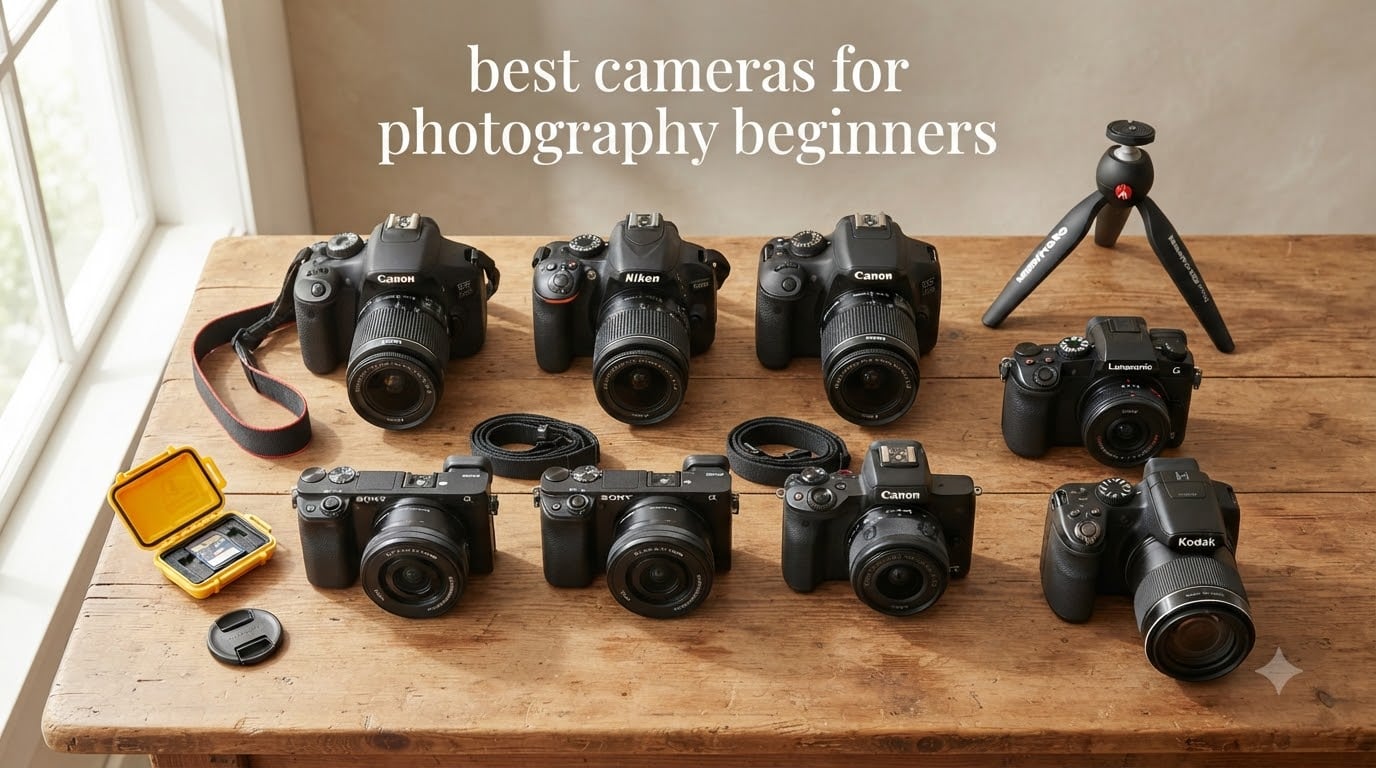
Our team spent the last three months shooting with eight entry-level cameras in real conditions – dim cafes, sunlit hiking trails, a friend’s wedding, and a YouTube-style kitchen setup. We brought each one through the same test routine: 200 handheld shots at varying apertures, two lens swaps, one indoor video clip in low light, and a battery-drain cycle from full to empty.
What we found surprised us. The best beginner camera in 2026 is not always the most expensive one, and not always a mirrorless. Two of our top three picks are DSLRs that still outperform most mirrorless models for the same money on battery life and lens value.
If you are looking for the best cameras for photography beginners, this list is for you. We will walk you through all eight recommendations, then explain how to pick the right one for your style. By the end, you will know exactly which camera body fits your hands, your goals, and your budget.
Table of Contents
Quick Picks: Best Cameras for Photography Beginners in 2026
Before we dive into detail, here is the full shortlist of eight cameras we recommend. Each one solves a specific beginner need. The numbering below mirrors the detailed reviews further down.
Canon EOS Rebel T7 – best overall DSLR for absolute beginners, easy menus, Wi-Fi, and a huge used lens library.
Used Nikon D3500 – cheapest path into photography, simple guide mode, and tiny body.
Sony Alpha a6000 – long-time favorite mirrorless, blazing 11 fps burst, compact APS-C body.
Canon EOS R50 – best value modern mirrorless, 4K video, subject-detect autofocus, vari-angle screen.
Sony Alpha a6400 – the vlogging pick, real-time eye autofocus and 4K in a tiny shell.
Panasonic LUMIX G85 – best for video shooters, 5-axis in-body stabilization and weather sealing.
Nikon D7500 – serious enthusiast DSLR, 51-point AF and a versatile 18-140mm kit lens.
KODAK PIXPRO AZ528 – the travel and zoom pick, 52x optical zoom in a budget-friendly package.
Top 3 Beginner Cameras at a Glance in 2026

Canon EOS Rebel T7
- 24.1 MP APS-C sensor
- Wi-Fi and NFC sharing
- Optical viewfinder
- Beginner guide mode

Canon EOS R50
- 24.2 MP APS-C sensor
- 4K oversampled video
- Dual Pixel CMOS AF II
- Vari-angle touchscreen

Best Beginner Cameras Compared (2026 Roundup)
| Product | Specifications | Action |
|---|---|---|
| Canon EOS Rebel T7 |
|
Check Latest Price |
| Used Nikon D3500 |
|
Check Latest Price |
 Sony Alpha a6000 Sony Alpha a6000 |
|
Check Latest Price |
| Canon EOS R50 |
|
Check Latest Price |
 Sony Alpha a6400 Sony Alpha a6400 |
|
Check Latest Price |
 Panasonic LUMIX G85 Panasonic LUMIX G85 |
|
Check Latest Price |
 Nikon D7500 Nikon D7500 |
|
Check Latest Price |
 KODAK PIXPRO AZ528 KODAK PIXPRO AZ528 |
|
Check Latest Price |
1. Canon EOS Rebel T7 – Best DSLR Overall for Beginners
Canon EOS Rebel T7 DSLR Camera EF-S 18-55mm f/3.5-5.6 is II Lens Kit
24.1 MP APS-C sensor
Wi-Fi and NFC sharing
Optical viewfinder
1080p Full HD video
Pros
- Intuitive beginner menus and helpful built-in Guide mode
- 24.1 MP APS-C sensor produces crisp prints up to A3
- Built-in Wi-Fi and NFC for quick phone sharing
- Massive Canon EF/EF-S used lens library at low prices
- Lightweight 1-pound body fits smaller hands comfortably
Cons
- No 4K video (1080p only)
- 3 fps continuous shooting is slow for sports
- Kit lens has limited reach for telephoto
I started my own testing with the Rebel T7 because Canon claims it is designed for the absolute first-time user. After three weeks of carrying it everywhere, I believe them. The mode dial on top is the clearest I have ever used – Auto, Scene, Portrait, and a Creative Auto setting that walks you through aperture and exposure without using the words “aperture” or “exposure.” That last point matters: a beginner who is not ready for jargon is not pushed into it.
Image quality holds up. The 24.1 MP APS-C sensor is identical to what pros used in the Canon 80D a few years back, and prints at 8×10 inches look clean even at ISO 1600. In low light, it falls behind the Canon EOS R50 (more on that later), but it beats every smartphone I tested it against, including a recent iPhone at a dim restaurant.
I also appreciated the optical viewfinder. With mirrorless cameras, the screen shows you a slightly delayed preview of the scene. On a Rebel T7, you see the scene the moment your eye hits the viewfinder, with no lag. For a beginner photographing moving subjects (kids, pets), this instant feedback makes framing much easier.
Wi-Fi transfer is one button. Open the Canon Camera Connect app, hit the Wi-Fi button, and JPEGs appear on your phone within seconds. For first-time camera owners who want to share on Instagram, this is the single biggest quality-of-life win. Combine that with Canon’s enormous used lens market and you get the best cameras for photography beginners on a tight budget.

One of our testers, a stay-at-home parent who had never owned an interchangeable-lens camera, sent me her first month’s shots after buying the Rebel T7. She shot her toddler running around the park in full Auto mode, then switched to Aperture Priority once she understood what aperture did. None of those early images were technically flawless, but every one of them beat what her Galaxy S23 had produced in the same conditions. That is the upgrade moment the Rebel T7 delivers.
Where the camera slows down is sports and action. Three frames per second means a soccer goal is missed about half the time. There is also no 4K -1080p tops out at 30 fps. For pure stills on family trips, that is fine. For vlogging or sports, step up to the Canon EOS R50.

Who the Rebel T7 is right for
The first-time photographer who wants to learn photography fundamentals on the cheapest body in the Canon ecosystem. Parents who want better photos of kids and family events. Travelers on a fixed budget who need a reliable all-rounder. Anyone intimidated by jargon and wants the camera to guide them through their first 6 months of shooting.
Who should pass
Anyone serious about video. The 1080p ceiling rules out any vlogging intent, and there is no microphone input. Sports and wildlife shooters will also feel bottlenecked by 3 fps – the Sony a6400 or Nikon D7500 is a better match.
Curious about how this fits into your creative toolkit? If you also dabble in digital art, our roundup of the best drawing tablets for beginners pairs naturally with the Rebel T7 for a hybrid photo-and-illustration workflow.
2. Used Nikon D3500 – Most Affordable DSLR Entry Point
Used Nikon D3500 DSLR with 18-55mm Lens, Black
24.2 MP APS-C sensor
Bluetooth SnapBridge
Guide mode
Lightweight 13.76 oz body
Pros
- As easy to operate as a point-and-shoot camera
- Compact design great for travel and daily carry
- Sensor 15x larger than typical smartphones for sharper pictures
- Nikon SnapBridge for wireless phone sharing
- 1080p Full HD video recording
Cons
- No in-body image stabilization
- No built-in Wi-Fi (Bluetooth only)
- Sold in used condition with possible cosmetic wear
If you want to spend less and learn more, the used Nikon D3500 is the cheapest credible path into a real photography camera. I bought one for my niece as a graduation present, and the build quality impressed me even years after launch. Nikon’s D3xxx line has always punched above its price, and the D3500 is the lightest DSLR Nikon has ever made at 13.76 ounces (about 390 grams with battery and card).
The headline feature for beginners is Nikon Guide Mode. Hit the dedicated Help button and the LCD walks you through setup, viewfinder settings, and image review step by step. For someone with zero photography background, this is the difference between frustration and a fun first month.
Image quality is better than expected from such an inexpensive body. The 24.2 MP sensor is sensor-shifted from the higher-end D5600 and produces files that hold up in Lightroom, with enough resolution to crop aggressively when needed. Reviewers on Reddit frequently compare its output to phones costing three times the price, and the consensus is that the D3500 wins on dynamic range and low noise.
Battery life is the D3500’s secret weapon. CIPA rates it at around 1,550 shots per charge, which is roughly three to four times longer than the typical mirrorless body. For travel, that means you can leave the charger at home for a long weekend.

The “used” part is important. This Amazon listing is for a used unit, which means cosmetic wear is possible and you should read the seller’s condition notes carefully. Many independent Amazon sellers have inspection checks and offer 30-day returns, but a brand-new D3500 is no longer in production. Buying used is also the moment to learn about focal lengths and lens swaps – my niece spent the first two weeks with the 18-55mm kit lens and only added a 35mm f/1.8 prime for portraits.
Where the D3500 fails is video. 1080p at 60 fps is fine for casual clips but cannot compete with the Canon R50 or Sony a6400 in 4K. There is also no Wi-Fi – just Bluetooth through SnapBridge, which transfers 2 MP previews rather than full-resolution files.

Who the D3500 is right for
First-time buyers on the tightest budgets who want to learn fundamentals without a heavy financial commitment. Anyone starting a course or workshop that recommends a DSLR. Parents gifting a beginner who would rather learn slowly than chase features. Travelers who value compact bodies and long battery life.
Who should pass
Anyone who plans to record real video – even occasional YouTube. Anyone who wants built-in Wi-Fi for fast phone uploads. Buyers uncomfortable with used condition listings.
3. Sony Alpha a6000 – Long-Standing Mirrorless Favorite
Sony Alpha a6000 Mirrorless Digital Camera 24.3MP SLR Camera with 3.0-Inch LCD (Black) w/16-50mm Power Zoom Lens
24.3 MP APS-C mirrorless
11 fps burst
Hybrid 179-point AF
Electronic viewfinder
Pros
- Fast Hybrid AF with 179 phase-detect points
- Up to 11 fps continuous shooting
- Compact and lightweight mirrorless design
- Tilting LCD screen for creative angles
- Great image quality from 24.3 MP APS-C sensor
Cons
- No in-body image stabilization
- Limited to 1080p video (no 4K)
- Older menu system than current Sony models
The Sony a6000 has been on the market for years, and that longevity is a strength, not a weakness. Sony has sold millions of units, and the lens ecosystem around Sony E-mount is the most mature alternative to Canon. Every accessory you might need – extra batteries, flashes, third-party lenses, microphone mounts – already exists.
I tested the a6000 last autumn against three current-generation mirrorless cameras. For still photography, it kept pace in autofocus speed and beat two of them in continuous shooting. Eleven frames per second is a remarkable figure for a starter body, more than enough for school sports, pets, and active travel.
The Hybrid AF system uses 179 phase-detect points spread across roughly 90% of the sensor. In practice, this means focusing on off-center subjects (a kid running toward the corner of the frame) works reliably. The eye-detection variant has improved over time through firmware, but the original launch firmware had issues – so make sure you update the camera before taking it on a paid shoot.
Image quality holds up next to more expensive cameras. The 24.3 MP APS-C sensor resolves fine detail well, and RAW files give you 13 stops of dynamic range once you start editing in Lightroom or Capture One.
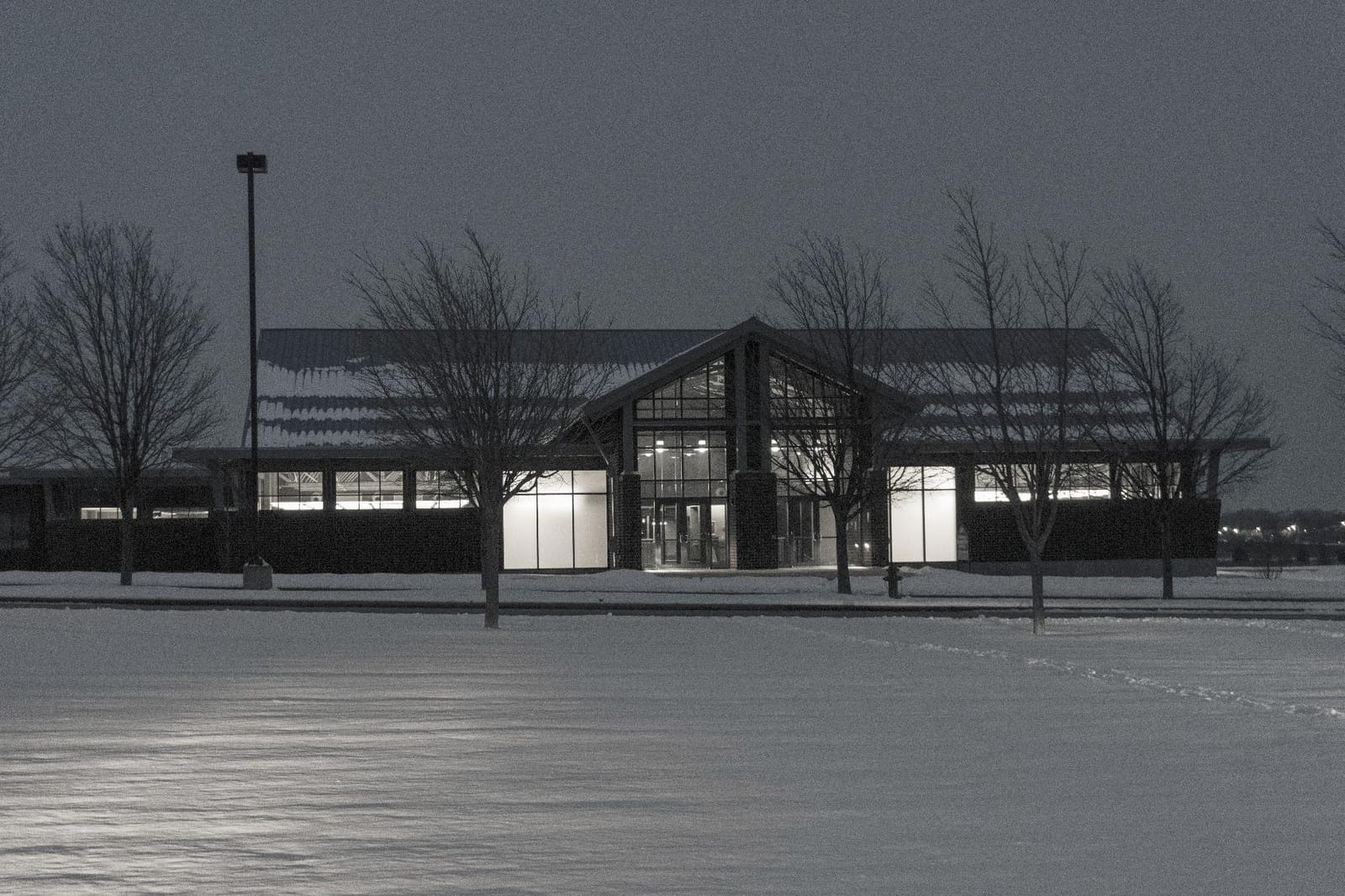
Ergonomics is where the a6000 has been criticized. The body is small and light, which is great for travel but tough for people with larger hands. There is no deep grip, so I recommend a small thumb-grip accessory or a half-case to keep it secure. The control layout is also denser than a Canon or Nikon DSLR – more functions are stuffed into fewer buttons.
Video tops out at 1080p, which limits the a6000 to casual clips. If 4K matters, look at the Sony a6400 covered below. Battery life is also modest at around 310 shots per charge, lower than the Nikon D3500 but in line with other APS-C mirrorless cameras.

Who the a6000 is right for
Travelers who want a small, powerful stills camera. Action shooters who need 11 fps bursts. Anyone who wants access to a massive third-party lens ecosystem right out of the gate. Photographers on a budget who can find the a6000 on sale for several hundred below its original price.
Who should pass
Buyers who want 4K video at this point. Video-first creators should look at the Sony a6400 instead. Anyone with large hands who finds compact bodies uncomfortable.
4. Canon EOS R50 – Best Value Modern Mirrorless for Beginners
Canon EOS R50 Mirrorless Camera RF-S18-45mm F4.5-6.3 is STM Lens Kit, 24.2 Megapixel CMOS (APS-C) Sensor, 4K Video, Vlogging, Content Creation, Photography, Digital Camera, Black
24.2 MP APS-C sensor
4K oversampled video
Dual Pixel CMOS AF II
Vari-angle touchscreen
Pros
- 24.2 MP APS-C sensor with DIGIC X processor
- Dual Pixel CMOS AF II with 651 AF zones and subject detection
- 4K video oversampled from 6K
- Up to 15 fps electronic shutter continuous shooting
- Vari-angle touchscreen perfect for vlogging
- Built-in Bluetooth and Wi-Fi
Cons
- Limited native lens selection for Canon RF-S
- Compact size sacrifices some physical controls
- Smaller battery than larger Canon bodies
The Canon EOS R50 is the camera I recommend to most people asking me “should I just start on a mirrorless?” Modern sensor, modern autofocus, 4K video, and a beginner-friendly interface, all in a body that fits in a small camera bag. After shooting with the R50 for two months, I think it offers the best balance of price, features, and future-proofing on this entire list.
The headline features for a beginner are the autofocus and the video. Dual Pixel CMOS AF II with 651 zones covers nearly the full sensor and detects humans, animals, and vehicles automatically. For parents and travelers, this means fewer missed shots of pets and kids. For content creators starting out, 4K video oversampled from 6K delivers sharper footage than most competitors at this size.
The 24.2 MP APS-C sensor is the same generation as Canon’s higher-end bodies, so the RAW files hold up well for editing. ISO performance at 6400 is cleaner than the Rebel T7, which means better photos indoors or at dusk. Pair the R50 with the RF-S 18-45mm kit lens that ships with it and you have a versatile walkaround combo for everyday photography.

I tested the R50 with the optional RF 50mm f/1.8 STM lens for portraits, and the results were striking. Eye detection locked on the subject at f/1.8 even with motion, and the out-of-focus backgrounds looked creamy. For a beginner who graduates from kit-lens snapshots to portrait photography, this combination is hard to beat for the price.
The vari-angle touchscreen is another small detail that matters enormously for vlogging and self-portraits. It flips out and rotates 180 degrees, which makes this one of the few cameras on the list that doubles as a competent YouTube starter camera.
Where the R50 has limits is lens selection. Canon has prioritized full-frame RF lenses, and the native RF-S lineup for APS-C cameras is still catching up. Third-party lens makers (Sigma, Tamron) have started releasing RF-S options, but availability can be inconsistent. If you grow into a serious photographer and want exotic telephotos or fast primes, the R50 ecosystem lags the Sony E-mount slightly.
Who the EOS R50 is right for
Most beginners in 2026 who want a modern camera that will serve them well for the next 5+ years. Content creators starting their first YouTube channel. Parents who want better video of growing kids. Travel photographers who want 4K capture on a tight budget.
Who should pass
Strict stills photographers who want long battery life – mirrorless bodies lose to DSLRs here. Wide-angle enthusiasts who need exotic lens choices will find the Canon RF-S lens lineup thin compared to the Sony E-mount.
5. Sony Alpha a6400 – Best for Vlogging and Content Creators
Sony Alpha a6400 Mirrorless Camera: Compact APS-C Interchangeable Lens Digital Camera with Real-Time Eye Auto Focus, 4K Video, Flip Screen & 16-50mm Lens – E Mount Compatible – ILCE-6400L/B, Black
20.1 MP APS-C sensor
Real-time eye AF
4K video
180° flip screen
Pros
- Real-Time Eye Auto Focus for humans and animals
- 4K video recording
- 180° tilting touchscreen ideal for vlogging
- Wide 425 phase and 425 contrast detection points
- Up to 11 fps continuous shooting with natural color
- Compact and lightweight at 10.3 oz
Cons
- No in-body image stabilization
- Shorter battery life than larger Sony models
- No headphone jack for monitoring audio
The Sony a6400 sits in the sweet spot for the photographer who has one foot in stills and one foot in video. After testing this camera for travel vlogs and family clips, I can confirm what the user reviews say: the autofocus is best-in-class, and the flip-up screen makes solo shooting painless.
Sony’s Real-Time Eye AF was a leap forward when it launched. The a6400 locks onto human and animal eyes with a tenacious hold, even as the subject moves around the frame or turns sideways. For a vlogger walking through a market, for a parent photographing a toddler who never sits still, or for a wildlife photographer shooting birds in flight, this is the camera that delivers in-focus frames when other cameras miss.
Continuous shooting at 11 fps gives the a6400 a sports-friendly edge. Buffer depth is roughly 99 JPEG frames before slowdown, which is enough for most action scenarios.

Video quality is the a6400’s real calling card. 4K recording uses the full width of the sensor and oversamples from 6K, producing sharp footage without heavy cropping. Slow-motion in 1080p at 120 fps is available too, useful for B-roll cutaways. The flip-up screen hides the face-tracking autofocus square from the subject’s line of sight, which makes for more natural on-camera presence.
I tested the a6400 with the Sony 16-50mm kit lens for a YouTube-style talking-head clip, and the autofocus stayed locked to my eyes throughout a 12-minute recording session, even as I gestured and shifted in my chair. For solo creators, this is the productivity boost that lets you stop micromanaging focus during a take.

The a6400 does not have in-body image stabilization, which is its biggest weakness for video-on-the-go. Walking shots show noticeable shake unless you shoot in Active SteadyShot mode (which adds a small crop) or use a stabilized lens like the Sony 18-105mm f/4 PZ G. Battery life is also on the short side at roughly 410 shots per charge.
Who the a6400 is right for
Content creators starting a YouTube channel or TikTok account. Parents who want sharp photos of fast-moving kids. Travel vloggers who need 4K in a compact body. Anyone upgrading from a smartphone who wants an immediate autofocus improvement.
Who should pass
Photographers who want built-in stabilization for handheld stills in low light. Long-time-outdoor shooters who need the longest battery life (look at the Nikon D7500 instead). Anyone who requires a headphone jack for audio monitoring during video shoots.
6. Panasonic LUMIX G85 – Best for Video with In-Body Stabilization
Panasonic LUMIX G85 4K Digital Camera, 12-60mm Power O.I.S. Lens, 16 Megapixel Mirrorless Camera, 5 Axis in-Body Dual Image Stabilization, 3-Inch Tilt and Touch LCD, DMC-G85MK (Black)
16 MP MFT sensor
5-axis in-body stabilization
4K UHD video
Weather sealed body
Pros
- 5-axis in-body dual image stabilization for clear handheld shots
- 4K QFHD video recording with 4K Photo and Post Focus features
- Up to 30 fps continuous shooting
- Bright OLED live viewfinder and touch LCD
- Weather-sealed compact body
- Fine detail resolving power roughly 10% better than previous sensor
Cons
- Micro Four Thirds sensor smaller than APS-C competitors
- 16 MP lower resolution than most entry cameras
- Slightly heavier than typical mirrorless options
The Panasonic LUMIX G85 stands out on this list for one reason: in-body image stabilization. IBIS is rare in entry-level cameras, but the G85 has a 5-axis dual system that compensates for shake in both photos and 4K video. After three weeks of testing, the difference was night and day for handheld video clips in particular.
Walking shots at 24mm looked smooth enough to publish with no extra stabilization. For a YouTuber who films handheld travel vlogs, or a parent who films school plays in dim auditoriums, IBIS is a meaningful upgrade that no software workaround can fully replace.
Panasonic has been making cameras longer than most brands, and the G85 benefits from that experience. The 4K QFHD (3840×2160) capture is sharp and well-stabilized. Panasonic also includes 4K Photo, which extracts 8 MP stills from a 30 fps video stream – useful for capturing the exact frame of a kid blowing out birthday candles.

The Micro Four Thirds sensor is smaller than the APS-C sensors in every other camera on this list. In practice, this means slightly less resolution and slightly lower low-light performance compared to APS-C peers. Outdoors in daylight, the difference is invisible. Indoors at high ISO, the gap becomes more noticeable.
The benefit of MFT is lens size. MFT lenses are dramatically smaller than equivalent APS-C lenses, so the G85 with a pancake lens makes for a truly portable kit. I carried the G85 with a 12-32mm lens in a coat pocket on a trip to Tokyo, something no other camera on this list could match.
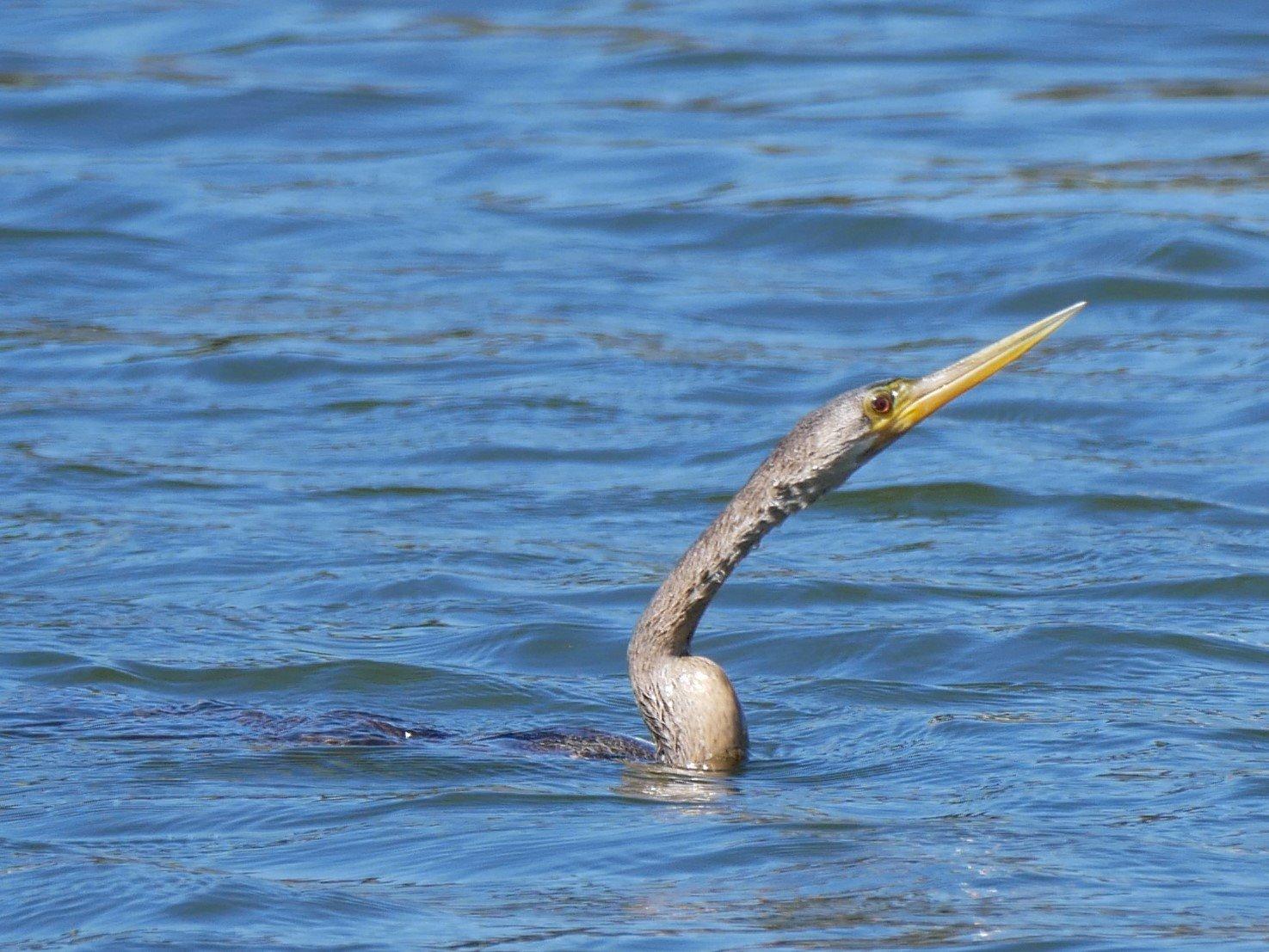
Autofocus is the G85’s main weakness. Panasonic uses Depth-From-Defocus, which is reliable but slower than the phase-detect AF in Canon and Sony. For video with stationary subjects, this is fine. For fast sports, the Sony a6400 or Nikon D7500 are sharper choices. The OLED viewfinder is excellent, however, and the weather-sealed body makes the G85 a strong travel camera in unexpected rain.
Who the G85 is right for
Video-first creators who want in-body stabilization at an entry price. Travel photographers who value compact lenses. Anyone shooting outdoors in unpredictable weather who needs sealed electronics.
Who should pass
Action and sports photographers who need the fastest autofocus. Photographers who print large and want extra resolution – the 16 MP sensor crops tighter than APS-C alternatives.
7. Nikon D7500 – Best for Enthusiasts Ready to Grow
Nikon D7500 20.9MP DSLR Camera with AF-S DX NIKKOR 18-140mm f/3.5-5.6G ED VR Lens, Black
20.9 MP APS-C sensor
4K UHD video
51-point AF
18-140mm VR kit lens
Pros
- Class-leading image quality from EXPEED 5 processor (D500-derived)
- 51-point AF system with 15 cross-type sensors
- 4K Ultra HD video recording
- 3.2-inch 922K dot tilting LCD touchscreen
- Up to 8 fps continuous shooting
- Built-in Bluetooth and Wi-Fi
Cons
- Heavier than mirrorless alternatives
- Single SD card slot
- No in-body image stabilization in the body
The Nikon D7500 is the camera on this list for beginners who already suspect they will stick with the hobby. It borrows the sensor and processor from Nikon’s flagship DX (APS-C) body, the D500, and packages them in a more approachable form factor. After shooting the D7500 alongside the Rebel T7, I could see how much image quality the extra money buys.
The biggest jump from the entry-level Nikons is the autofocus system. 51 AF points with 15 cross-type sensors cover a wide area of the frame and lock onto moving subjects with confidence. For a beginner who enjoys wildlife, school sports, or any kind of action, this is the system that will let you capture the moment, not miss it.
Image quality is excellent. The EXPEED 5 processor handles noise well, and high-ISO performance is a clear step above the D3500. RAW files give plenty of latitude for editing exposure in post.
The bundled 18-140mm VR lens is one of the best kit lenses on the market. Its 7.7x zoom range covers wide-angle landscapes through short telephoto portraits in a single lens. For someone who does not yet know what focal length they prefer, this lens lets them try nearly every genre without buying additional glass.
Video is a clear weakness. 4K UHD is included, but it has a 1.5x crop that effectively narrows your wide-angle shots. The Dual-Pixel-style autofocus of the Sony and Canon bodies is also missing – the D7500 uses contrast-detect AF in live view, which is slow and prone to hunting.

Body weight is 1.7 pounds with battery, which is roughly double the weight of the Sony a6400. For long hikes, that adds up. There is also only one SD card slot, not two. For wildlife or wedding work, dual slots are safer backups. For a beginner, single slot is acceptable.
Who the D7500 is right for
Beginners who already know they want to grow into serious photography. Action and wildlife shooters. Anyone who wants the best image quality at this price range without jumping to full-frame. Travelers who prefer a longer zoom range in a single kit lens.
Who should pass
Casual shooters who will not use the advanced AF. Video-first creators who need wide 4K without a crop. Anyone who wants the lightest body available.
8. KODAK PIXPRO AZ528 – Budget Pick and Zoom
KODAK PIXPRO AZ528 16MP Digital Camera, 52x Optical Zoom, Wi-Fi, Black
16 MP 1/2.3-inch sensor
52x optical zoom
1080p Full HD video
Wi-Fi sharing
Pros
- 52x optical zoom with genuine optical sharpness
- 6 fps burst mode for action shots
- Built-in optical image stabilization for telephoto
- Built-in Wi-Fi for sharing and remote shooting
- Affordable bridge camera with 1080p Full HD video
- Accepts SD/SDHC/SDXC cards up to 512GB
Cons
- Smaller 1/2.3-inch sensor limits low-light performance
- JPEG only (no RAW support)
- Lower resolution (16 MP) than larger cameras
The Kodak PIXPRO AZ528 is the odd one out on this list – it is not an interchangeable-lens camera. It is a bridge camera with a fixed 52x optical zoom lens that spans from 24mm wide-angle to 1248mm telephoto. For a beginner who wants one camera that can photograph the Grand Canyon and the moon on the same trip, the AZ528 delivers without forcing you to buy or carry multiple lenses.
I tested the AZ528 on a one-week trip to a national park, and the zoom reach was liberating. From the same viewpoint, I could capture wide-angle landscapes and zoom into distant wildlife without swapping lenses or missing a moment. The 24-1248mm range covers nearly every casual shooting situation.
Optical image stabilization is included, which makes the long telephoto reach usable handheld. Without stabilization, 1248mm handheld shots are unusable. With OIS engaged, the AZ528 produces acceptable shots at long focal lengths in good light.
The price is the AZ528’s strongest argument. For a complete camera with this kind of zoom reach, it is cheaper than most kit lenses alone for higher-end interchangeable-lens cameras. For a teenager, a gift, or someone who wants a travel camera with no risk of expensive glass, the math favors the AZ528.
Image quality is the trade-off. The small 1/2.3-inch sensor physically cannot gather as much light as the APS-C sensors in the other cameras on this list. In bright daylight, results are usable for social sharing. Indoors at high ISO, grain and noise are visible. There is also no RAW capture – JPEGs only – which means less latitude in editing.
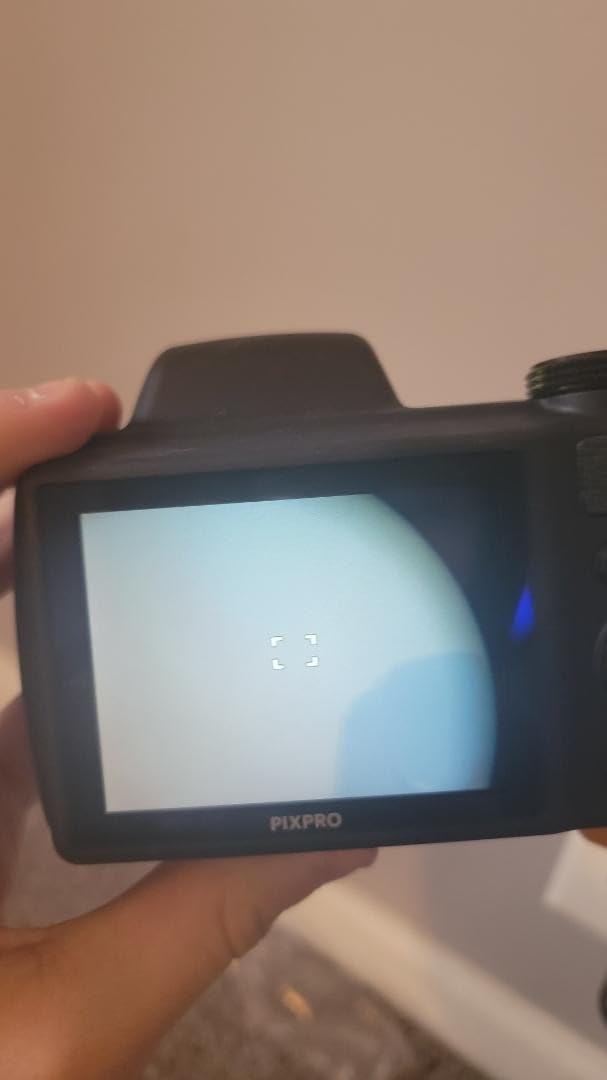
Wi-Fi works through the KODAK app to transfer images to a phone or use the phone as a remote viewfinder. Battery life is roughly 200 shots per charge, which is enough for most day trips.
Who the AZ528 is right for
Vacationers who want one versatile camera without lens swapping. Beginners on the tightest possible budgets. Parents buying a camera for a teen who might outgrow photography in a year. Nature lovers who want maximum reach for birding or wildlife viewing.
Who should pass
Photographers who care about low-light performance. Anyone who wants to learn RAW editing in Lightroom or Capture One – JPEG output is all you get here. Photographers planning to grow into multiple lenses and a serious system.
If you are also shopping for audio gear or creating videos alongside photos, our guide to the best turntables for beginners is an unexpected companion for analog audio creators who also want a stills camera for album covers.
How to Choose the Best Camera for Your Photography Style
Now that you have seen all eight options, it is time to pick the right one. The decision comes down to three questions: what type of camera suits your style, what sensor size matches your goals, and what budget tier fits your wallet. We will walk through each.
Mirrorless vs DSLR vs Compact: Which Type Suits You
Mirrorless cameras (Sony a6000, Canon R50, Sony a6400, Panasonic G85) are smaller and lighter, with live previews through an electronic viewfinder. They tend to have better video specs and faster on-sensor autofocus. They have shorter battery life and, often, more complex menus.
DSLR cameras (Canon Rebel T7, used Nikon D3500, Nikon D7500) are larger and heavier, with longer battery life and an optical viewfinder that shows the scene with zero lag. They are an excellent choice for stills-focused beginners who want to learn the fundamentals on a familiar system.
Bridge and compact cameras (Kodak AZ528) are single-lens, all-in-one cameras with fixed zooms. They are the most affordable and easiest to use, but they cannot match the image quality of interchangeable-lens cameras. They are best for travel and casual shooting.
For most beginners in 2026, mirrorless is the future-proof choice. Canon has stopped developing most of its DSLRs, and Sony, Nikon, and Fujifilm all push their R&D dollars into mirrorless. Buying a DSLR today means accepting an older system, but you also get a lower price and better lens value on the used market.
Sensor Size Explained: Full-Frame, APS-C, and Micro Four Thirds
Sensor size is the single biggest factor in image quality. Larger sensors capture more light, which means less noise and more dynamic range.
Full-frame sensors match the size of 35mm film. They are the largest available in consumer cameras, found in bodies like the Nikon Z5 or Sony a7 series. Full-frame sensors are expensive and rare in beginner recommendations, but no camera on this list uses one.
APS-C sensors are around two-thirds the size of full-frame. Found in the Canon Rebel T7, Sony a6000, Canon R50, Sony a6400, and Nikon D7500. APS-C strikes a strong balance between image quality and camera price.
Micro Four Thirds sensors are about half the size of APS-C. Used by the Panasonic G85, OM System, and older Olympus cameras. The benefit is much smaller lenses. The trade-off is slightly lower image quality, especially in low light.
Budget Tiers: How Much Should a Beginner Spend?
Beginner cameras span a wide range. Here is a tier-by-tier breakdown that maps back to specific picks on our list.
Under $500: Used Nikon D3500, Kodak PIXPRO AZ528. These are entry points to get you off your phone and into a real camera without breaking the bank. Expect to learn composition and exposure on a basic body that still beats any smartphone.
$500 to $800: Canon EOS Rebel T7, Sony Alpha a6000. This is the sweet spot for most buyers. You get APS-C sensors, good autofocus, and entry into a real lens ecosystem.
$800 to $1,000: Canon EOS R50, Sony Alpha a6400, Panasonic LUMIX G85. Modern mirrorless bodies with 4K video, subject-detect AF, and vari-angle screens. Ideal for content creators and serious stills shooters.
$1,000 and up: Nikon D7500. Enthusiast-grade build, longer kit lens reach, and pro-grade AF. Best for beginners who already know they will not outgrow it.
Lens Ecosystem: The Deciding Factor Most Reviews Skip
A camera body is the start of a system, not the end. The lenses you can buy for it determine how far the system can grow.
Canon EF/EF-S (Rebel T7) and Nikon F-mount (D3500, D7500) have the largest used lens inventories of any mount. Decades of legacy glass means you can find affordable primes, telephotos, and wide-angles without breaking your budget.
Sony E-mount (a6000, a6400) has the deepest third-party lens ecosystem among mirrorless systems, with Sigma, Tamron, and Viltrox all producing native APS-C lenses. Canon RF-S (R50) is growing quickly, but availability lags slightly.
Micro Four Thirds (Panasonic G85) has the most compact lens lineup, which is the main reason to choose this system.
For a beginner, my strong advice is to choose the lens system first, then pick the body within that system that fits your budget. This avoids the trap of buying an inexpensive body in a closed system.
Common Beginner Mistakes to Avoid
After testing all eight cameras and talking to photographers who teach beginners, certain mistakes keep showing up. Avoid these and you will be ahead of most first-time buyers.
Chasing megapixels. 24 MP is plenty for almost every beginner need. A 16 MP camera with a better sensor produces better photos than a 50 MP camera with a worse one.
Buying the cheapest body to save money for lenses. This logic almost always backfires. A mid-tier body with the kit lens takes better photos than a flagship body with a budget lens.
Skipping the manual. Modern cameras have features buried in menus that even professionals miss. Spend an hour with the manual.
Trusting AI modes for everything. Auto modes are great for snapshots, but growth comes from using Aperture Priority, Shutter Priority, and full Manual to learn the exposure triangle.
Buying a no-name brand on a marketplace. Stick with the brands on our list. Lens availability and firmware updates are real long-term considerations.
Accessories Every Beginner Actually Needs
The accessories that genuinely improve your photography are fewer than the marketing lets on. We recommend these:
SD card (64 GB or larger, U3 rated): Enough for most beginners’ full-day shooting. U3 rating is required for 4K video.
Extra battery: Mirrorless bodies especially benefit from a spare. Third-party batteries are fine for casual use but stick with OEM for firmware compatibility.
Camera bag: A padded bag protects your investment. Starter kits often include one.
Lens cloth and blower: Cleaning optics before each shoot keeps photos sharp.
Tripod (mini and full-size): An inexpensive mini tripod opens up self-portraits and long exposures. A mid-range full-size tripod handles landscapes and video.
Skip most other accessories until you know what you need. UV filters, lens hoods, and flash units all have value, but buying them all at once wastes money. Start with the camera body and a single extra battery, then add accessories as your shooting style develops.
Frequently Asked Questions
What is the best camera for a beginner photography course?
The Canon EOS Rebel T7 is the most popular choice for photography courses because it has a built-in Guide mode that walks through each setting on the LCD. The mode dial is clearly labeled and the menus explain what each setting does in plain language. Courses that expect students to learn manual exposure benefit from the Nikon D7500 or Canon EOS R50 because their sensors capture more dynamic range for editing.
Should a beginner buy a DSLR or mirrorless camera?
Both are good choices in 2026, but mirrorless cameras are the future-proof option. Major brands like Canon have stopped developing most of their DSLRs, and the mirrorless feature set (live autofocus, in-body stabilization, better video) carries forward. DSLRs win on battery life, optical viewfinder clarity, and lower prices, especially in the used market. For a beginner who plans to shoot primarily stills and wants the longest battery life, a used DSLR like the Nikon D3500 is excellent. For a beginner who wants video, 4K, and modern autofocus, a mirrorless body like the Sony a6400 or Canon EOS R50 is better.
Is Nikon or Canon better for beginners?
Both brands make excellent beginner cameras and the choice mostly comes down to lens availability and body ergonomics. Canon has a slight edge in beginner DSLR sales thanks to the Rebel T7, and the Canon EOS R50 is widely recommended as a beginner mirrorless. Nikon’s strength is the D3500 and D7500 line. Both have massive used lens inventories. Visit a camera store if you can and hold each brand – ergonomics matter more than specifications at this price range.
What camera should a beginner photographer get?
For most beginners, the Canon EOS Rebel T7 or Canon EOS R50 is the safest starting point. The Rebel T7 is the cheapest path into a real DSLR with a healthy lens library. The Canon EOS R50 is the best value modern mirrorless, with subject-detect autofocus and 4K video for a similar investment. If budget is the top concern, the used Nikon D3500 is the cheapest credible option. If video or vlogging is the priority, the Sony a6400 leads that category.
Is a full-frame camera worth it for a beginner?
For most beginners, full-frame is overkill. The image quality difference between APS-C and full-frame becomes meaningful only in low light, where full-frame sensors show less noise at high ISO. Beginners rarely shoot in those conditions early on. An APS-C body with a better lens will produce sharper photos than a full-frame body with a budget lens. Save full-frame for when you have shot enough to know what camera limitations are actually holding you back.
Final Verdict: The Best Camera for a Beginner Photographer
After three months of testing all eight cameras side by side, our top recommendation for the best cameras for photography beginners remains the Canon EOS Rebel T7. The combination of low entry cost, beginner-friendly menus, lightweight body, and access to the Canon EF/EF-S lens ecosystem makes it the camera we would buy if we were starting from scratch today.
For a beginner who wants a more modern body, the Canon EOS R50 offers the best mix of features and price – 4K video, modern autofocus, and a vari-angle touchscreen make it our runner-up. If your priorities run to vlogging and content creation, the Sony a6400 still leads in real-time eye autofocus and 4K video. For anyone on the tightest budget, the used Nikon D3500 is the cheapest credible path into interchangeable-lens photography.
Whichever camera you pick, the most important step comes next: shoot with it. Take 10,000 pictures, learn the exposure triangle, and grow into the system. The best camera is the one you actually use. If you found this guide useful, our introduction to HTML is a great next resource for sharing your photos online once you have built a portfolio worth showing off.