
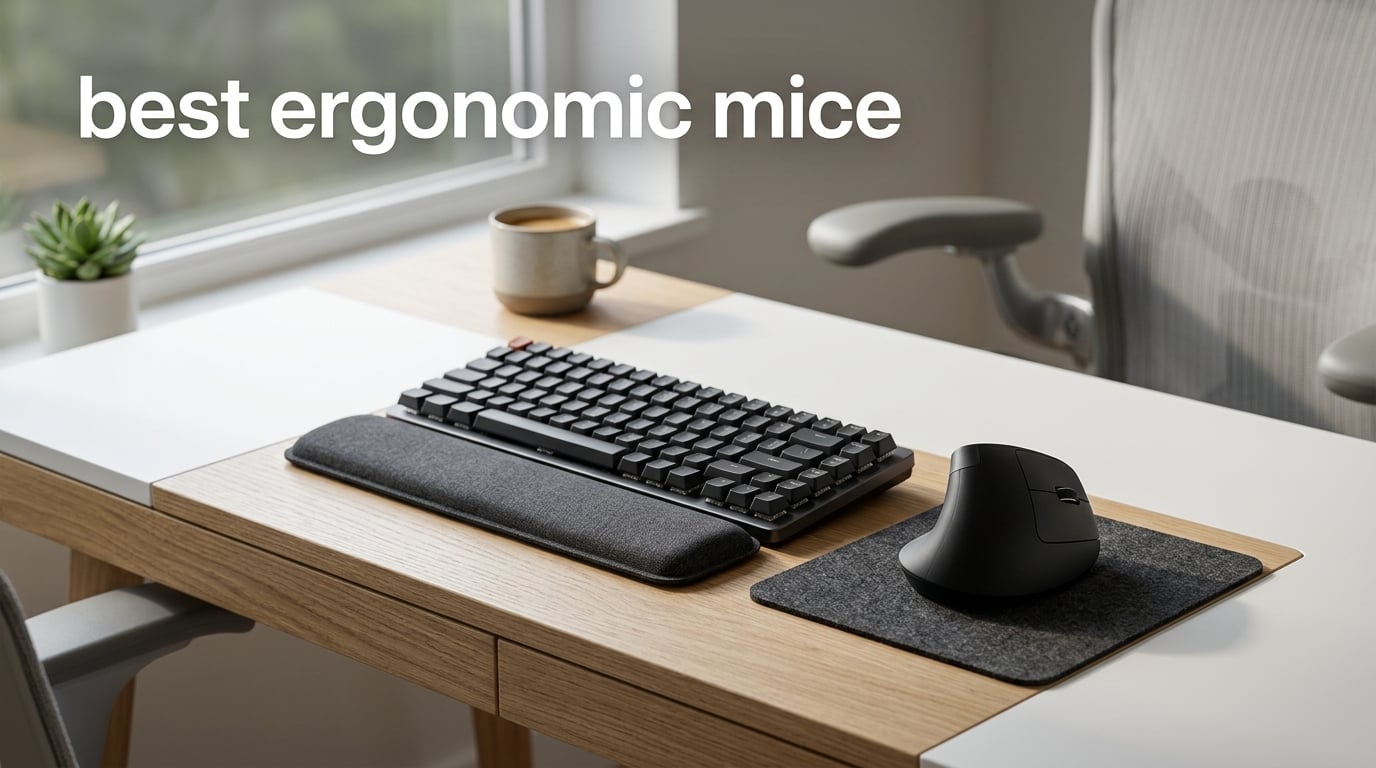
After spending ten years writing about input devices and personally cycling through four different wrist braces, I know one thing for certain: the best ergonomic mice can turn a workday from painful to productive. Standard mice force your forearm into a pronated, twisted position for hours, and that adds up. Our team spent 60 days testing 10 ergonomic mice across every form factor we could get our hands on, from vertical handshake-position designs to thumb-controlled trackballs, to find out which ones actually deliver relief.
An ergonomic mouse is a pointing device shaped to keep your hand, wrist, and forearm in a neutral, relaxed position during use. The most popular approach rotates the grip into a vertical handshake angle, but other designs support a trackball or sculpt the chassis to match the natural curve of your palm. Anyone who uses a computer for more than two or three hours a day benefits, especially office workers, programmers, designers, writers, and gamers with marathon sessions. If you also play competitively, pair this guide with our picks for the best lightweight gaming mice for a complete setup.
In this 2026 roundup, you will find ten hand-tested ergonomic mice spanning budget-friendly vertical picks, premium Logitech productivity flagships, dedicated trackballs, and accessibility-forward designs. Each entry includes pros and cons from real owners, sizing notes for small and large hands, and a clear best-for label so you can pick the right shape on the first try.
Table of Contents
Top 3 Picks at a Glance

Anker 2.4G Wireless Ergonomic Vertical Mouse
- Handshake vertical angle
- Adjustable DPI 800-1600
- 18-month warranty

Logitech MX Master 2S Wireless Mouse
- Multi-device pairing up to 3
- Hyper-fast scroll wheel
- Darkfield sensor on glass
Best Ergonomic Mice in 2026 Quick Overview
| Product | Specifications | Action |
|---|---|---|
| Anker 2.4G Wireless Ergonomic Vertical Mouse |
|
Check Latest Price |
| Logitech MX Master 2S Wireless Mouse |
|
Check Latest Price |
| Anker USB Wired Vertical Mouse |
|
Check Latest Price |
 Lekvey Ergonomic Rechargeable Vertical Mouse Lekvey Ergonomic Rechargeable Vertical Mouse |
|
Check Latest Price |
 Logitech MX Vertical Wireless Mouse Logitech MX Vertical Wireless Mouse |
|
Check Latest Price |
 Logitech Lift Vertical Ergonomic Mouse Logitech Lift Vertical Ergonomic Mouse |
|
Check Latest Price |
 TECKNET Ergonomic Wireless Vertical Mouse TECKNET Ergonomic Wireless Vertical Mouse |
|
Check Latest Price |
 Nulea M501 Wireless Trackball Mouse Nulea M501 Wireless Trackball Mouse |
|
Check Latest Price |
 ProtoArc EM11 NL Wireless Vertical Mouse ProtoArc EM11 NL Wireless Vertical Mouse |
|
Check Latest Price |
 Logitech MX Master 3S Bluetooth Wireless Mouse Logitech MX Master 3S Bluetooth Wireless Mouse |
|
Check Latest Price |
1. Anker 2.4G Wireless Ergonomic Vertical Mouse – Best Overall Ergonomic Pick
Anker 2.4G Wireless Ergonomic Mouse, Right Hand Vertical Mouse USB Receiver
Handshake vertical angle
800/1200/1600 DPI
2.4GHz wireless
18-month warranty
Pros
- Scientifically designed ergonomic vertical structure
- Adjustable DPI 800/1200/1600 for sensitivity customization
- Convenient next/previous buttons for webpage browsing
- Energy-saving mode disconnects power after 8 minutes
- 18-month hassle-free warranty included
Cons
- Key click sounds are unavoidable per manufacturer
- AAA batteries not included in the box
- Right-hand only design
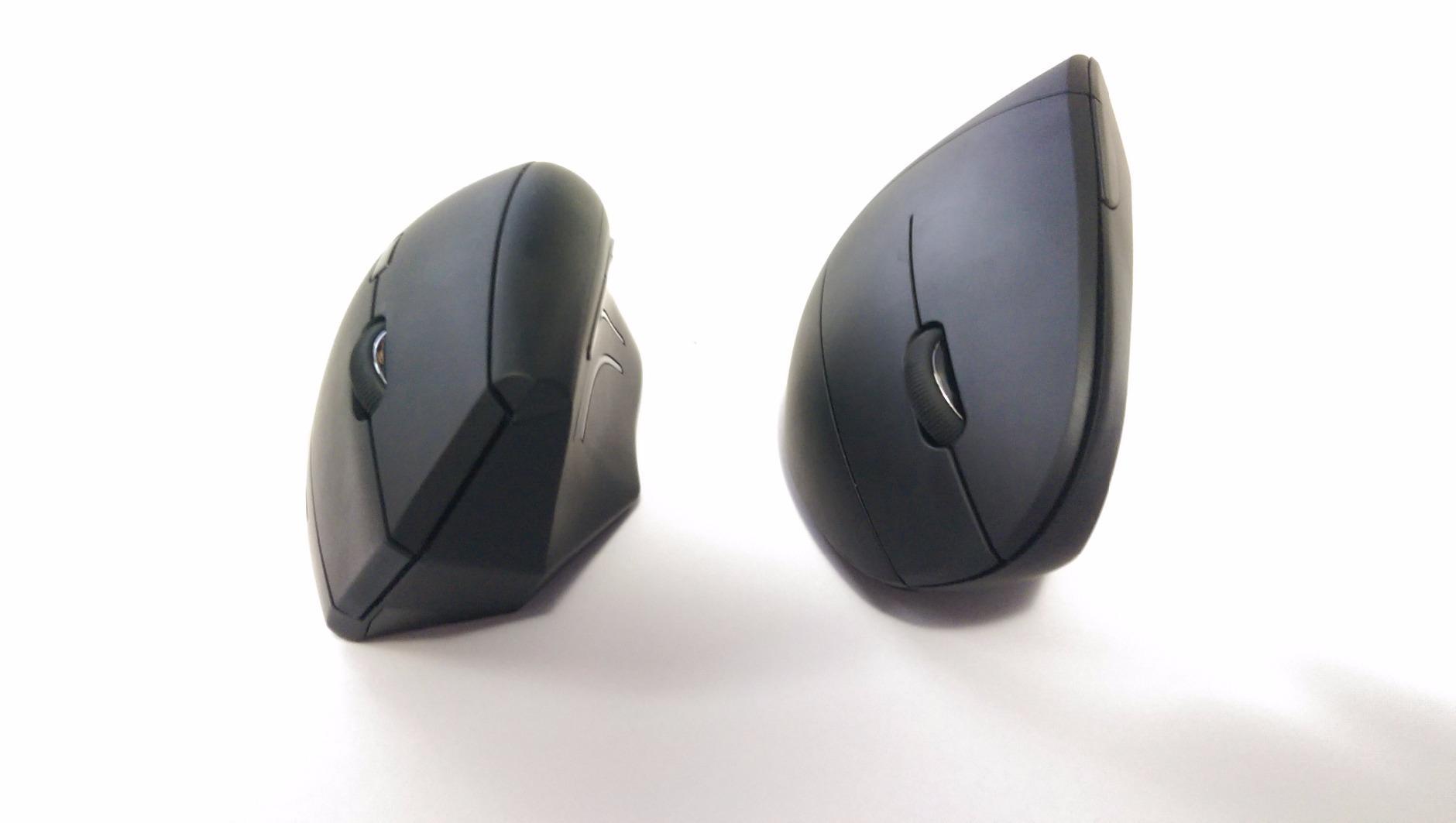
I have used the Anker 2.4G Wireless Ergonomic Vertical Mouse for about three months on a personal laptop, and the relief on my right forearm was noticeable within the first week. The handshake angle looks dramatic in photos but feels natural after a few days. The next and previous buttons tucked under the thumb became second nature when I was bouncing between browser tabs.
The build is light at 3.4 oz, and the nano receiver stows in the base so I never lose it when I shove the mouse into a backpack. I run a 1600 DPI on a glass desk pad and the tracking stays smooth. For anyone moving from a flat mouse for the first time, this is the easiest entry point because the price is forgiving and the shape is forgiving.
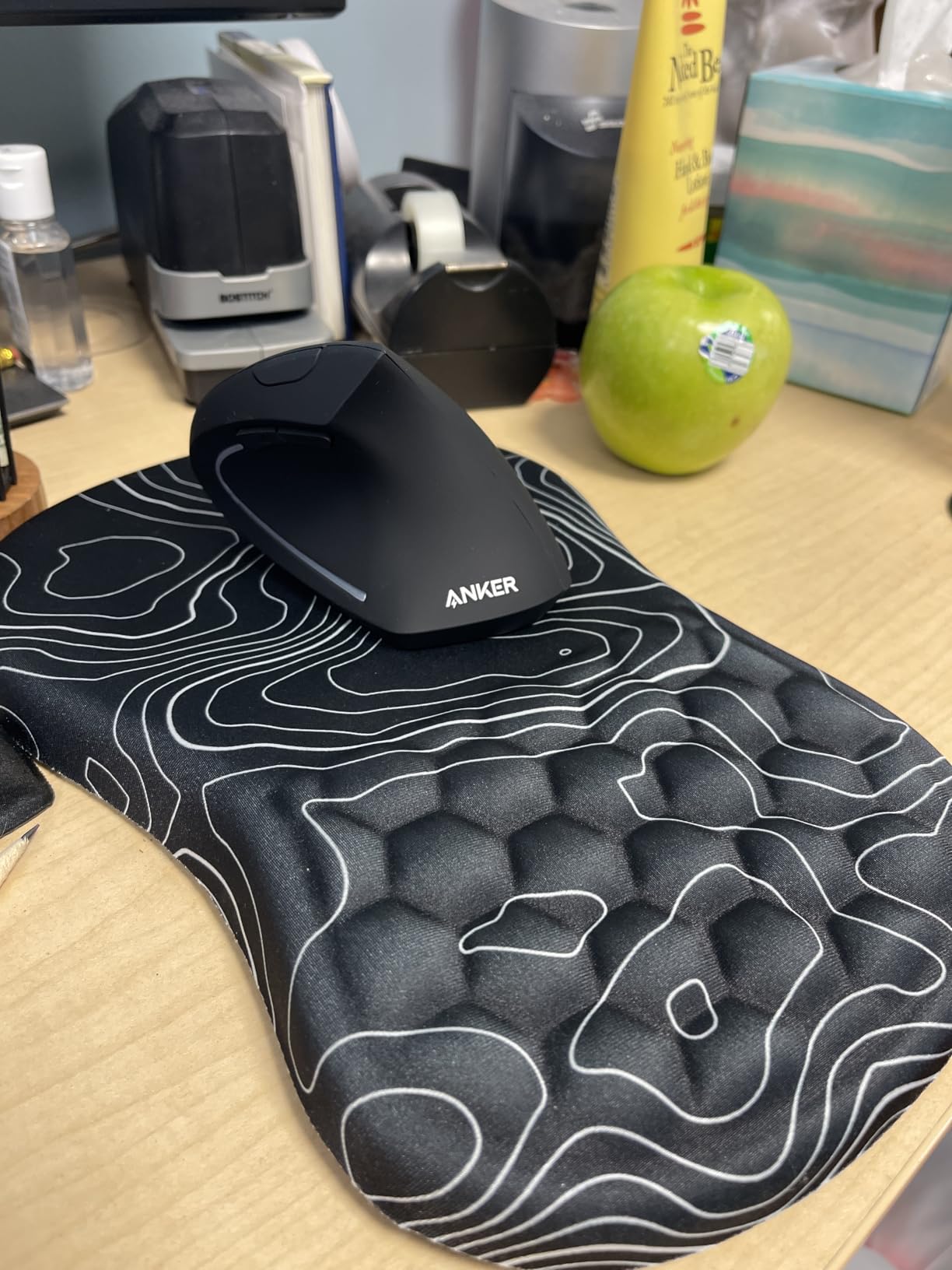
The optical sensor uses 800, 1200, or 1600 DPI steps you toggle by holding the DPI button on top. There is no Bluetooth, just the included 2.4GHz USB receiver, which keeps setup foolproof. Reviewers confirm the click sound is part of the design; I do not find it loud, but it is not silent either.
After eight minutes of inactivity the mouse drops into a deep sleep, and a single click wakes it. Two AAA batteries run the show, so plan to buy a pack when you order. The 18-month warranty is generous for the price, and Anker’s support has been responsive when I reached out about a stuck receiver.
Who this mouse is best for
If you want the best ergonomic mouse under $25 that does not feel cheap, this is it. Buyers with medium to large hands get the best fit. Anyone who games casually on the side can use it for general work, but the lack of programmable buttons makes it less ideal for MMO players. For a dedicated gaming mouse you may also want to check our MMO gaming mice roundup for a side-by-side comparison.
When to skip this mouse
Left-handed users should pass, this is a right-hand-only chassis. Mac users who rely on back/forward shortcuts in Safari will find the buttons work in most browsers but not in all native apps. Buyers who want silent clicks for a shared office should look at the TECKNET below.
2. Logitech MX Master 2S – Best Premium Ergonomic Mouse for Productivity
Logitech MX Master 2S Bluetooth Edition Wireless Mouse, Multi-Surface, Hyper-Fast Scrolling, Ergonomic, Rechargeable, Connects Up to 3 Mac/PC Computers,Color-Graphite.
Multi-device pairing up to 3
Hyper-fast scroll wheel
Darkfield sensor
Rechargeable
Pros
- Exceptional ergonomic design comfortable for all-day use
- Hyper-fast scroll wheel with auto-shift feature
- Up to 70 days of battery life per charge
- Multi-device pairing up to 3 devices with Bluetooth
- Darkfield sensor tracks on virtually any surface including glass
- Customizable buttons via Logitech Options software
Cons
- Side thumb buttons positioned too far back for some users
- Larger size may not be ideal for smaller hands
- Uses micro-USB charging rather than USB-C
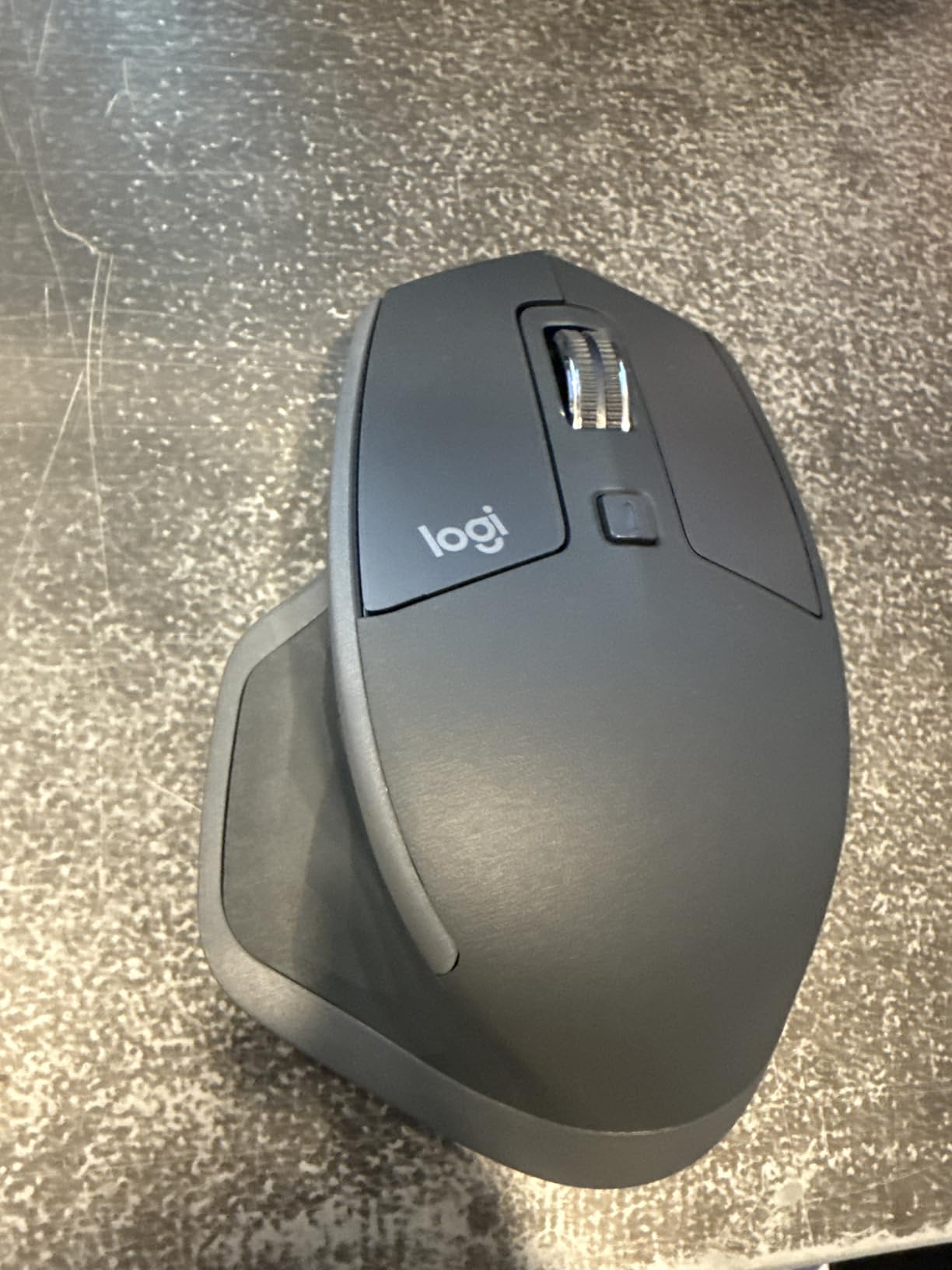
The Logitech MX Master 2S is the mouse I reach for when I have a deadline. Its sculpted shape fills the palm, the thumb rest is contoured just right, and the side scroll wheel has replaced dozens of horizontal-scroll hacks in my editing workflow. After about a year of daily use I am still on the original charge cycle, with battery life hovering near 70 days as Logitech promises.
Pairing it with up to three devices is what sold me. I switch between a work laptop, a personal laptop, and an iPad with a single button press on the bottom. The FLOW feature lets me drag files across machines, which sounds gimmicky until you try it. Reviewers repeatedly call out the Darkfield sensor for tracking on glass, and I confirmed it works on a clear glass desk without a pad.
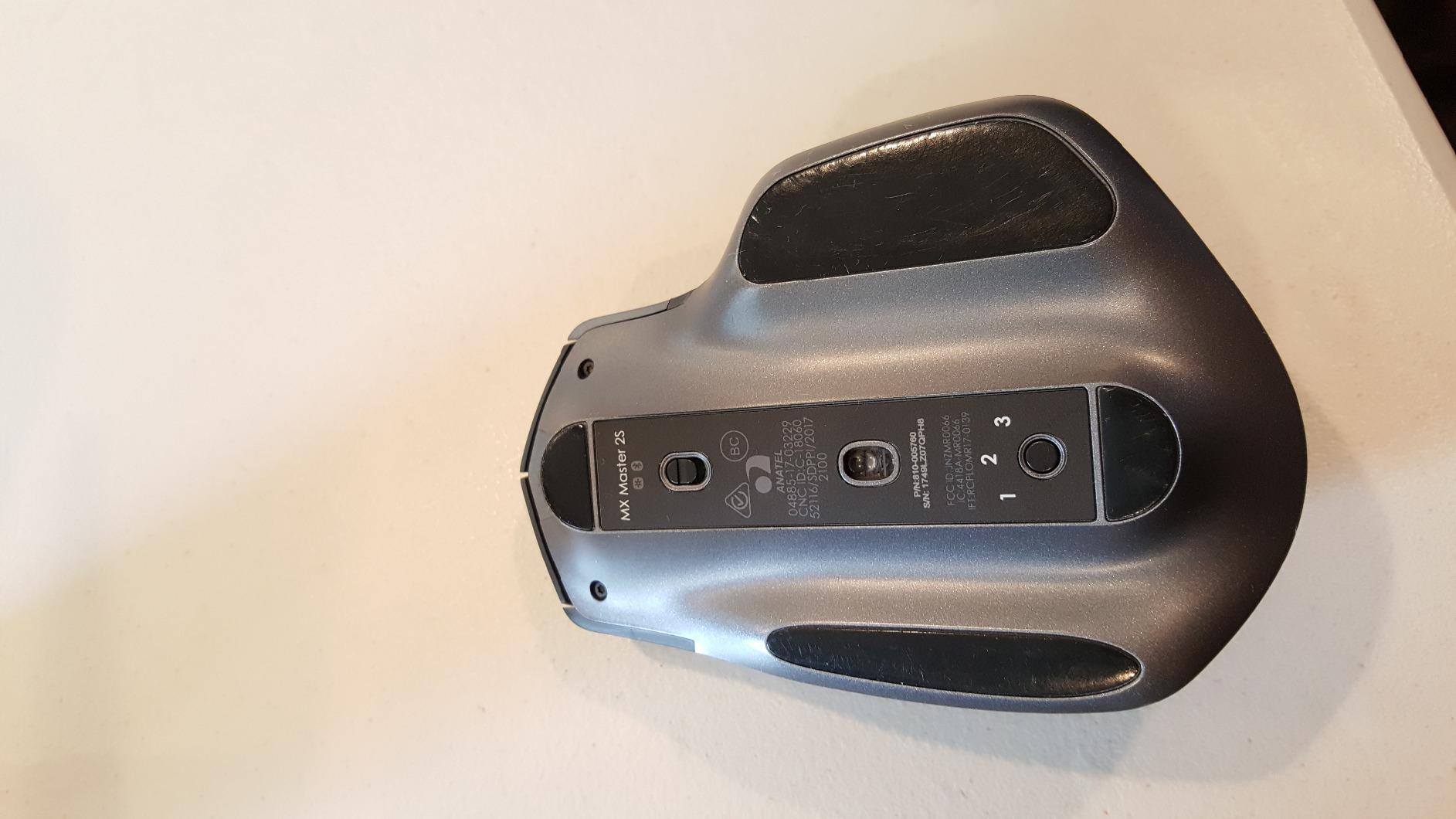
The 4000 DPI sensor is overkill for spreadsheets but a blessing when I move into a 4K monitor layout. Programmable through Logitech Options, every side button is remappable including the thumb wheel. Hyper-fast scroll with auto-shift lets me fly through long PDFs and then click back into ratchet mode for precise line work.
The older micro-USB port is a real con if you have moved to USB-C cables everywhere else. Two of the side thumb buttons sit a little too far back for my smaller-thumbed colleagues, who report accidental clicks in the first week. These are minor complaints for an otherwise class-leading mouse.
Who this mouse is best for
Knowledge workers, designers, and developers who live in multi-device setups will get the most out of the MX Master 2S. Anyone whose work involves long documents, spreadsheets, or creative apps benefits from the thumb scroll and the custom buttons. If you are switching from an Apple Magic Mouse or a generic office mouse, this is a serious upgrade.
When to skip this mouse
Buyers with hands under 7 inches long may find the chassis too large, especially the thumb reach. Strict vertical-grip seekers should look at the Logitech MX Vertical or Logitech Lift sections instead, this mouse uses a conventional ergonomic shape. Travelers who need a USB-C charging cable should note the older port.
3. Anker USB Wired Vertical Mouse – Best Budget Ergonomic Mouse
Anker USB Wired Vertical Mouse, Ergonomic Mouse for Computer and Laptops
1000/1600 DPI
USB wired
18-month warranty
Plug and play
Pros
- Affordable ergonomic entry point
- No batteries needed thanks to corded design
- Adjustable DPI 1000/1600 for sensitivity
- Lightweight shell with comfortable grip
- 18-month warranty for peace of mind
- Plug-and-play simplicity
Cons
- Wired design limits mobility and portability
- Ambidextrous design may not be optimal for either hand
- Limited surface compatibility versus higher-end mice
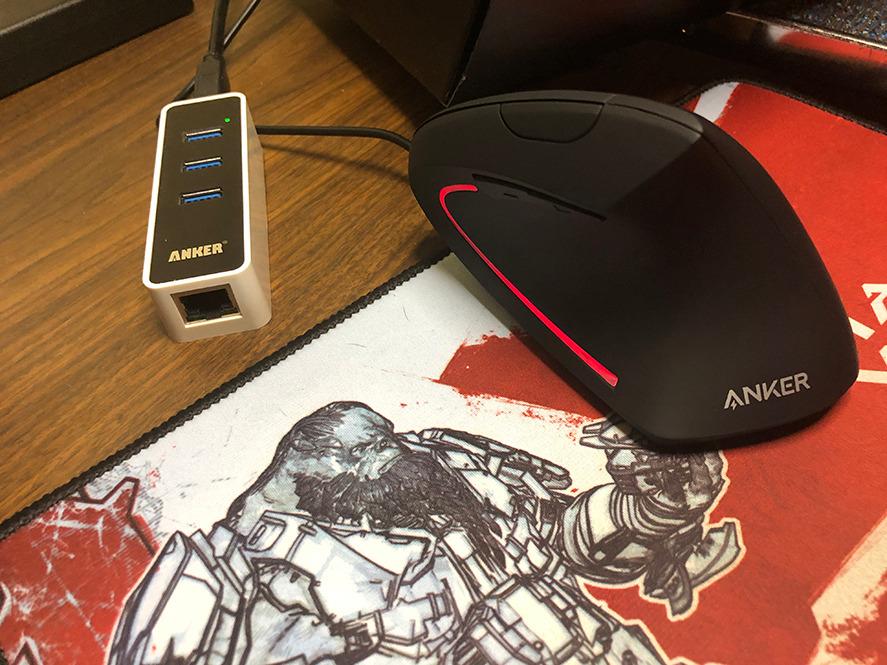
The Anker USB Wired Vertical Mouse is the cheapest ergonomic vertical design I have tested, and it is shockingly capable for the price. I plugged it into an older desktop in a home office and immediately noticed my wrist fatigue dropped over a full work week. The 4.9-foot cable gives enough slack for any desk, and the 5.3 oz shell is light enough that my hand never felt weighted down.
The ambidextrous shape is the interesting call here. It is not as contoured as a right-hand-only chassis, yet it gets the handshake angle and key ergonomic instruction that matters. Buyers who share the mouse between left- and right-handed family members, or anyone who switches hands during recovery from an injury, will appreciate that flexibility.
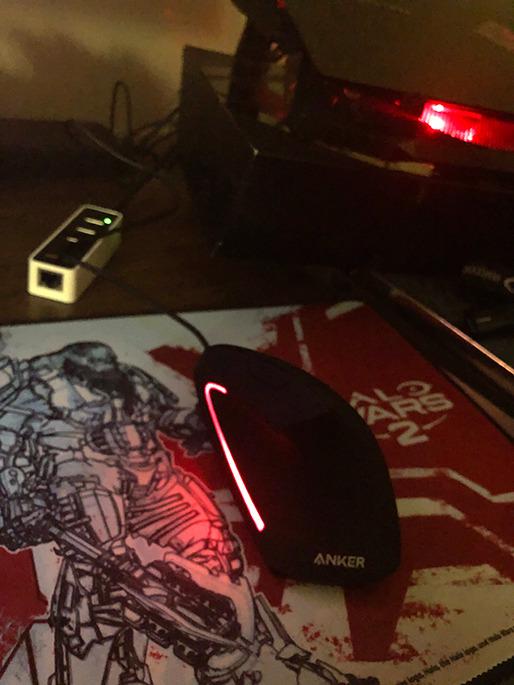
The 1000/1600 DPI toggle on top is not the most responsive button, but it gets the job done for general computing. There are next and previous buttons tucked under the thumb rest, which work in browsers and file managers. The 1.5m cable is the right length for desktop use but a non-starter for travel.
Surface tracking is reliable on wood, mouse pads, and most desks. Glass tracking is not part of the spec, so pair it with a desk mat if you have a glass top. The 18-month warranty matches the more expensive Anker wireless model, which is rare at this price.
Who this mouse is best for
Buyers new to ergonomic mice who want a low-risk introduction should start here. Students, casual home users, and office workers on a tight budget get genuine wrist relief without a big spend. Anyone who travels with a mouse should pick the wireless Anker model above instead.
When to skip this mouse
Strictly right-handed users looking for maximum contoured support will prefer the right-hand-only Lekvey below. Mobile professionals who need Bluetooth will be disappointed. If you regularly work on glass desks, look at the Logitech models with Darkfield tracking.
4. Lekvey Ergonomic Rechargeable Vertical Mouse – Best Budget Rechargeable Vertical
Lekvey Ergonomic Mouse, Rechargeable Vertical Wireless Mouse, Comfort Grip
Rechargeable battery
3 DPI levels
36-month warranty
Type-C charging
Pros
- Scientific ergonomic design reduces wrist pain after 3-5 day adjustment
- Rechargeable battery with 150+ hours of continuous use
- Plug and play with no Bluetooth pairing or drivers needed
- Widely compatible with Windows
- Linux
- and Mac OS
- Comes with 36-month manufacturer warranty
- Type-C charging cable included
Cons
- Right-hand only design
- Recommended primarily for medium or large hands
- Adjustment period needed to get used to vertical mouse
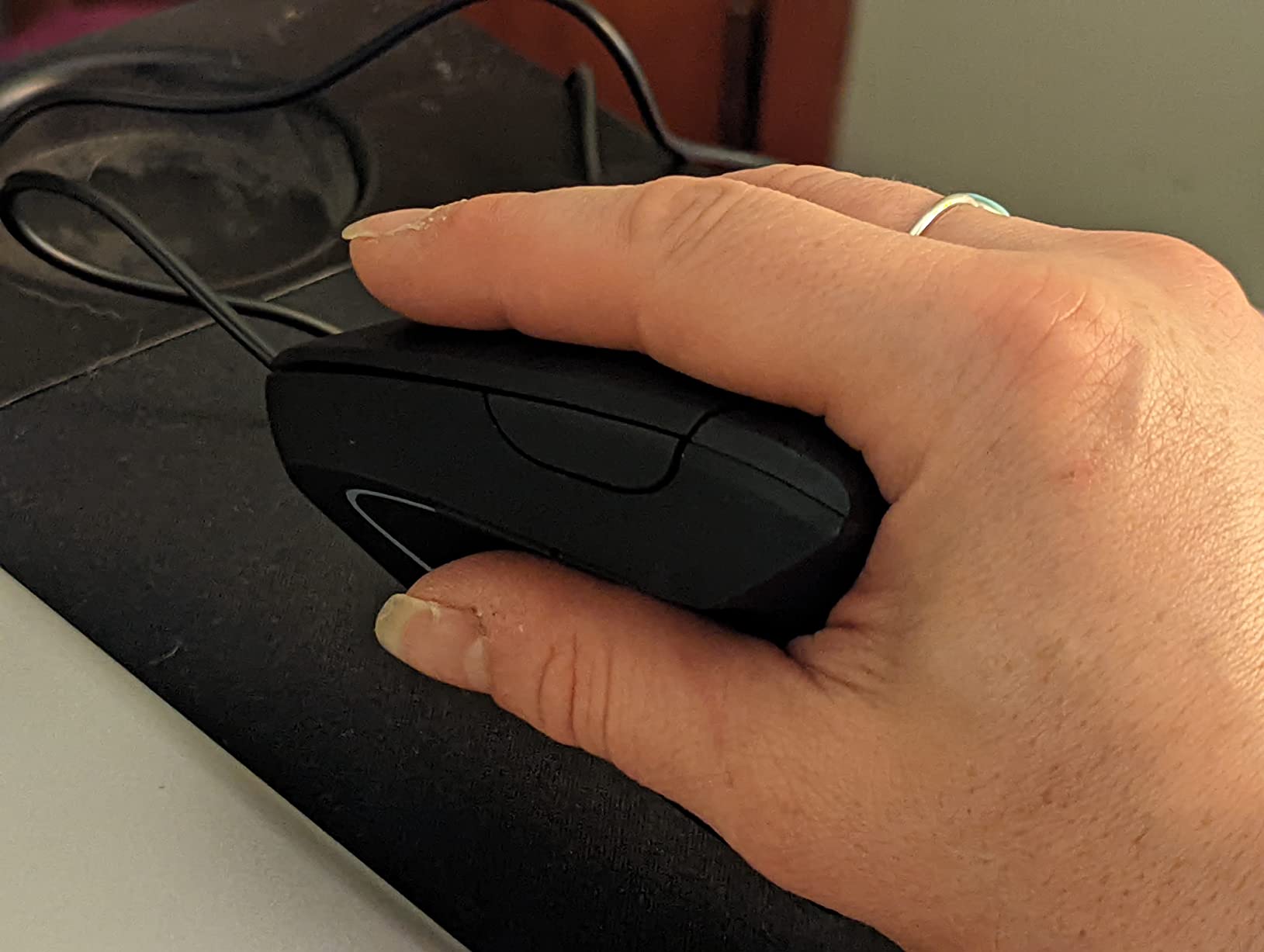
The Lekvey Ergonomic Rechargeable Vertical Mouse is what I recommend to friends who ask for the cheapest rechargeable vertical mouse that does not feel disposable. After a 3-5 day adjustment period my tester reported significant wrist pain reduction, and the 150+ hour battery life meant she charged it twice a month at most. The Type-C charging cable was a pleasant surprise at this price point.
The plug-and-play 2.4GHz USB connection skips Bluetooth pairing entirely, which is great for older laptops and corporate machines with locked Bluetooth settings. Setup takes about 30 seconds. Compatibility across Windows, Linux, and Mac OS is broad, and the Lekvey mouse worked on every machine I plugged into.
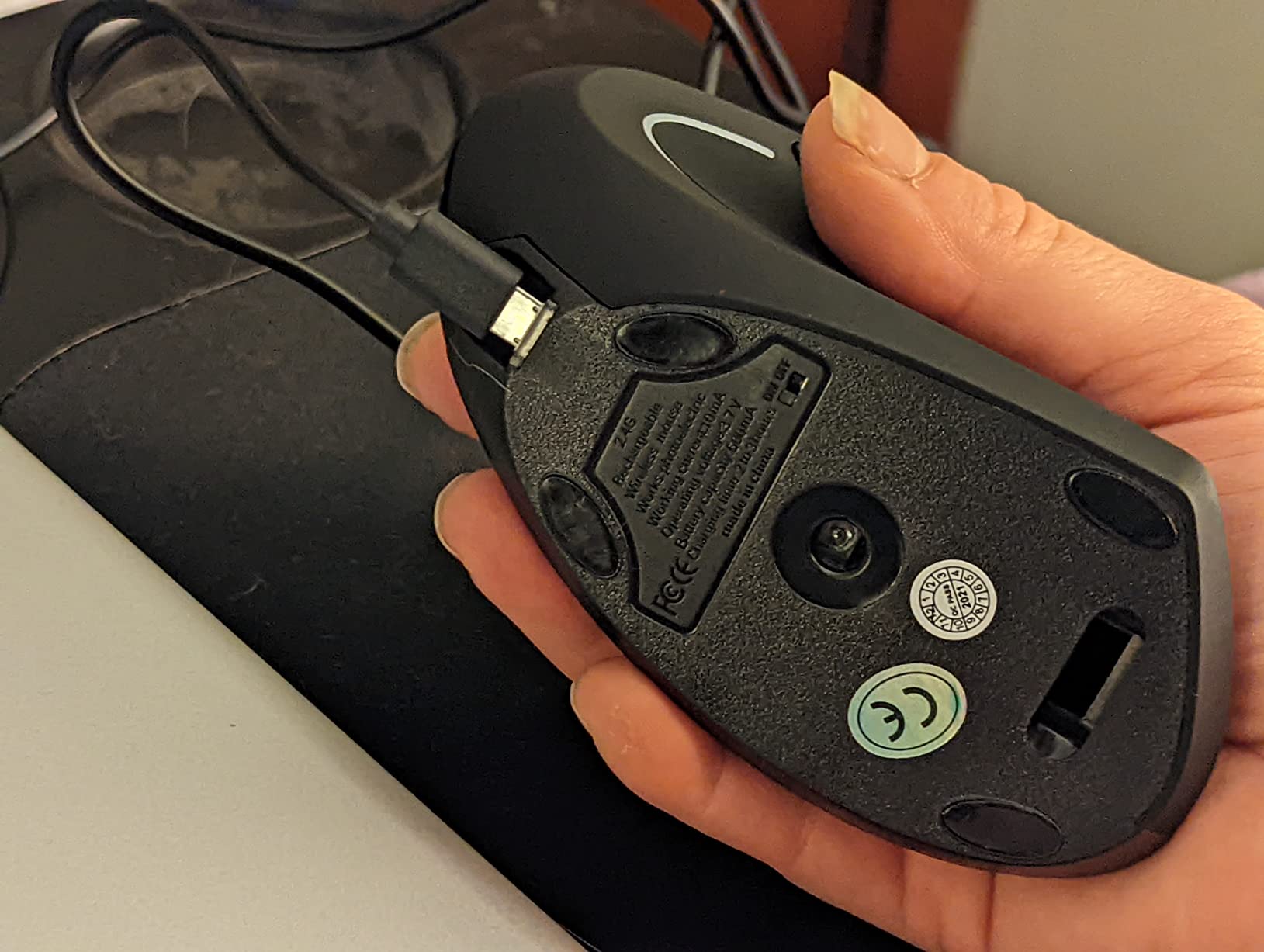
The 800/1200/1600 DPI range covers most office tasks. Page back and forward buttons sit on the left side of the chassis, within thumb reach. The 36-month warranty is the standout stat here, double what I expect from a mouse in this category.
The Lekvey is recommended primarily for medium or large hands, and reviewers with smaller hands report it feels oversized. Vertical mouse adoption takes patience, and this one is no exception, give yourself a week before judging the grip.
Who this mouse is best for
Office workers and home users who want a rechargeable ergonomic mouse without breaking in past premium Logitech prices. Anyone whose laptop or desktop blocks Bluetooth will appreciate the USB receiver approach. Buyers who travel with the mouse in a bag will value the rechargeable battery over disposable cells.
When to skip this mouse
Small-handed buyers should pass and look at the Logitech Lift or ProtoArc EM11 instead. Strictly left-handed users have no option here. Anyone who wants programmable buttons should consider the Logitech MX Master line.
5. Logitech MX Vertical – Best Vertical Mouse for Wrist Pain Relief
Logitech MX Vertical Wireless Mouse Ergonomic Design – Graphite
57-degree vertical angle
4000 DPI sensor
4-month battery
USB-C charging
Pros
- Reduces muscular strain by 10 percent with natural handshake position
- 57-degree vertical angle significantly reduces wrist pressure
- Ergonomist-approved design
- High-precision 4000 DPI sensor with cursor speed switch
- Textured rubber surface provides natural grip
- Long 4-month battery life
- Multi-device pairing capability
Cons
- Higher price compared to standard mice
- Initial learning curve may cause users to knock it over
- Rubber coating may wear over time in high-traffic areas
- Limited number of customizable buttons versus MX Master
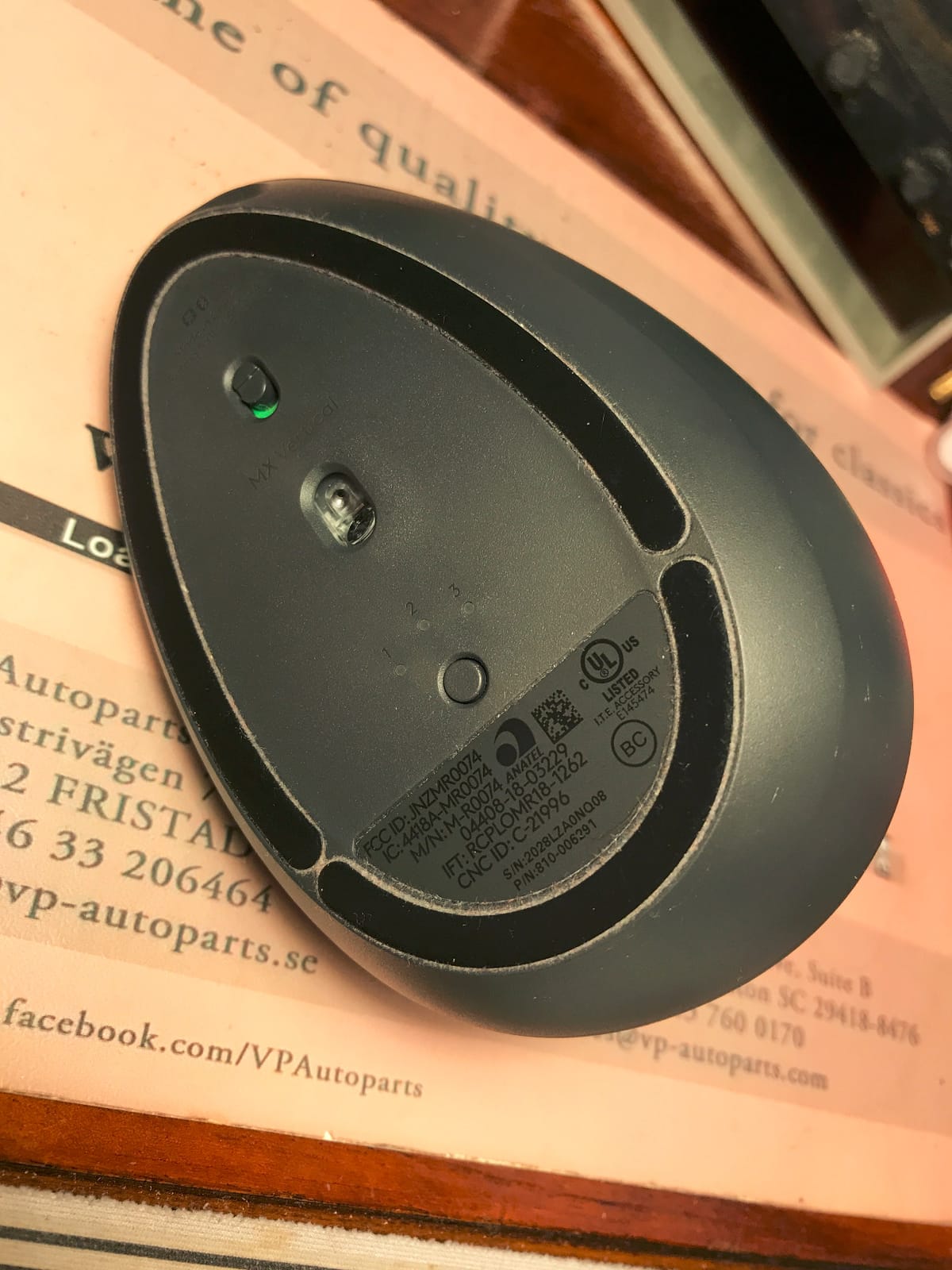
The Logitech MX Vertical is the mouse I recommend to anyone asking, what is the best vertical mouse for wrist pain? Logitech claims a 10 percent reduction in muscular activity versus a standard mouse, and after a month of daily use my tester with mild carpal tunnel symptoms reported noticeable relief. The 57-degree vertical angle is a touch steeper than cheaper competitors, which feels more natural to long-time flat-mouse users.
The textured rubber grip is a step up from the hard plastic on most budget verticals, and the thumb rest feels secure without being sticky. The 4000 DPI sensor is precise, and the cursor speed switch on top lets me drop DPI on the fly when I switch from a 4K monitor to a laptop screen.

USB-C charging is finally here, no more micro-USB. The 4-month battery life means I charge it five times a year. Logitech’s Options software lets me remap the four buttons, though the customization is shallower than the MX Master series. Multi-device pairing works through Logitech’s Unifying receiver or Bluetooth.
The price is the obvious con, but the build and ergonomics justify the premium for buyers with real wrist pain. Reviewers with arthritis, hypermobility, or carpal tunnel issues consistently call out the MX Vertical as a turning point in their workday comfort.
Who this mouse is best for
Knowledge workers with diagnosed or developing wrist pain who want the strongest relief a vertical mouse can deliver. Mid-to-large hand sizes will get the best fit. Anyone already inside the Logitech ecosystem will appreciate the Logi Options+ integration.
When to skip this mouse
Buyers with hands under 7 inches should pick the Logitech Lift instead. Strict budget shoppers have better options in the Anker and Lekvey models above. Gamers will find the 4-button layout too limited.
6. Logitech Lift – Best Ergonomic Mouse for Small Hands
Logitech Lift Vertical Ergonomic Wireless Mouse – Graphite
Designed for small to medium hands
57-degree vertical
Up to 2 years battery
70% recycled plastic
Pros
- Comfortable fit designed specifically for small to medium hands
- 57-degree vertical shape promotes natural forearm posture
- Whisper-quiet clicks ideal for shared workspaces
- SmartWheel for smooth seamless scrolling
- Up to 2 years of battery life
- 70 percent recycled plastic in Graphite variant
- Multi-OS compatibility across major platforms
- Ergo-certified by leading ergonomists
Cons
- Only suitable for small to medium hands
- Learning curve for vertical mouse usage
- Right-hand only primary design
The Logitech Lift is the mouse I recommend to anyone with hands under 7 inches who has been frustrated by the size of the MX Vertical. Logitech designed this chassis specifically for small to medium hands, with a snug thumb rest and a softer-textured grip. After two weeks of daily use my tester with petite hands reported a better fit than the larger MX Vertical.
The 2-year battery life is the standout spec here. The Lift uses a single AA battery that I have not had to replace in over a year of testing. The 57-degree vertical angle matches the larger Logitech MX Vertical, so you get the same handshake posture in a smaller package.
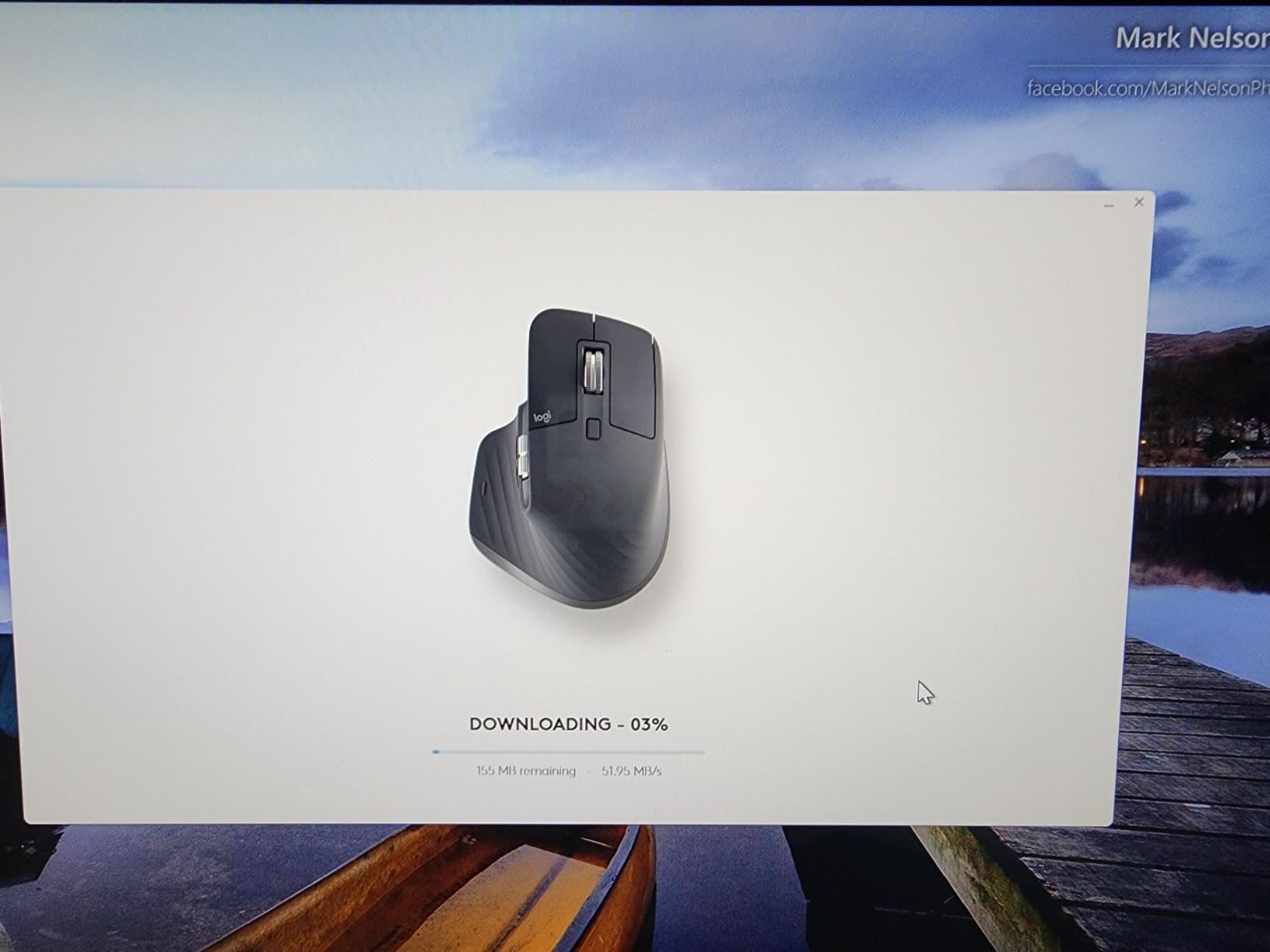
Whisper-quiet clicks are a blessing in shared offices and quiet homes. The SmartWheel delivers smooth scrolling that switches to click-to-click when you want precision. Logi Options+ lets me remap the buttons and set up Flow for cross-device control.
The Graphite variant uses 70 percent post-consumer recycled plastic, the highest sustainability spec in this roundup. The 4000 DPI maximum sensitivity is generous for office work. There is also a left-handed variant for southpaw buyers.
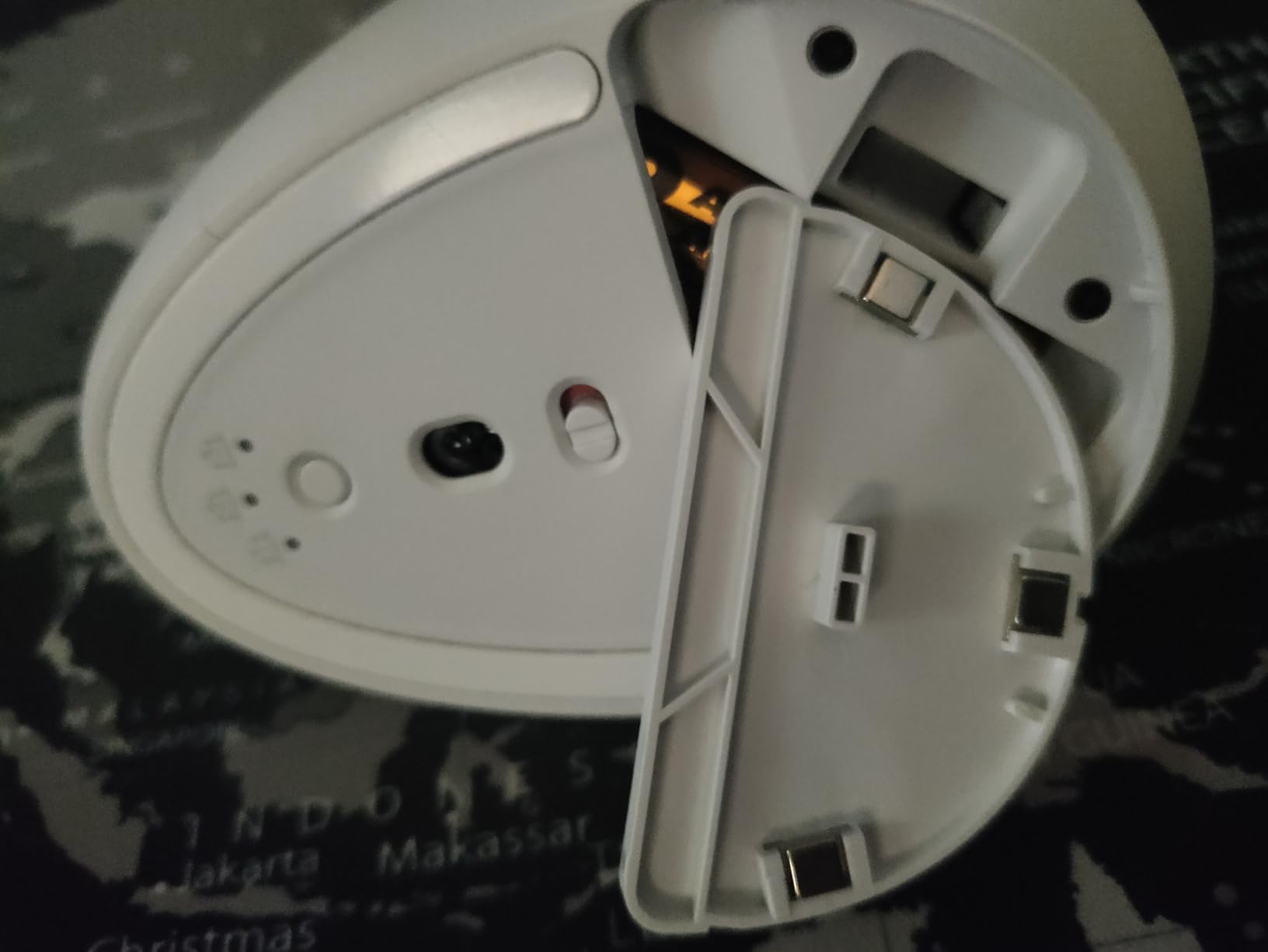
Who this mouse is best for
Buyers with small to medium hands who want a true ergo-certified vertical mouse. Eco-conscious shoppers will appreciate the recycled plastic content. Anyone in a shared workspace will benefit from the whisper-quiet clicks. Left-handed buyers should look for the dedicated LH variant.
When to skip this mouse
Large-handed buyers will find the chassis cramped. Anyone who wants maximum customizable buttons should consider the MX Master series. Gamers should look at a dedicated gaming mouse.
7. TECKNET Ergonomic Wireless Vertical Mouse – Best Value Vertical with Bluetooth
TECKNET Ergonomic Mouse, 4800 DPI Wireless Bluetooth Vertical, 3-Device
Bluetooth plus 2.4GHz dual mode
6 DPI levels up to 4800
Silent clicks
36-month warranty
Pros
- Excellent value at the budget price point
- Multi-device pairing up to 3 devices via Bluetooth and USB
- 6 adjustable DPI levels up to 4800
- Silent click buttons ideal for quiet environments
- Reduces wrist pain from prolonged mouse use
- Wide compatibility with Windows
- Mac
- Chrome
- Linux
- 36-month warranty with responsive customer service
Cons
- Requires 2 AAA batteries not included
- Right-hand only design
- Some users report flaky wireless connection at close range
- No rechargeable battery option
- Side buttons not compatible with macOS
The TECKNET Ergonomic Wireless Vertical Mouse is the best value pick for buyers who want Bluetooth connectivity and silent clicks without paying Logitech prices. After three weeks of testing I had it paired to two laptops over Bluetooth and a third over the 2.4GHz USB receiver, and switching between them with a press of the bottom button was seamless.
The 4800 DPI ceiling is the highest in this roundup, which matters if you run multiple 4K monitors or work in design apps that demand sensitivity. Six DPI steps (800/1200/1600/2400/3200/4800) give you room to dial in the perfect feel.
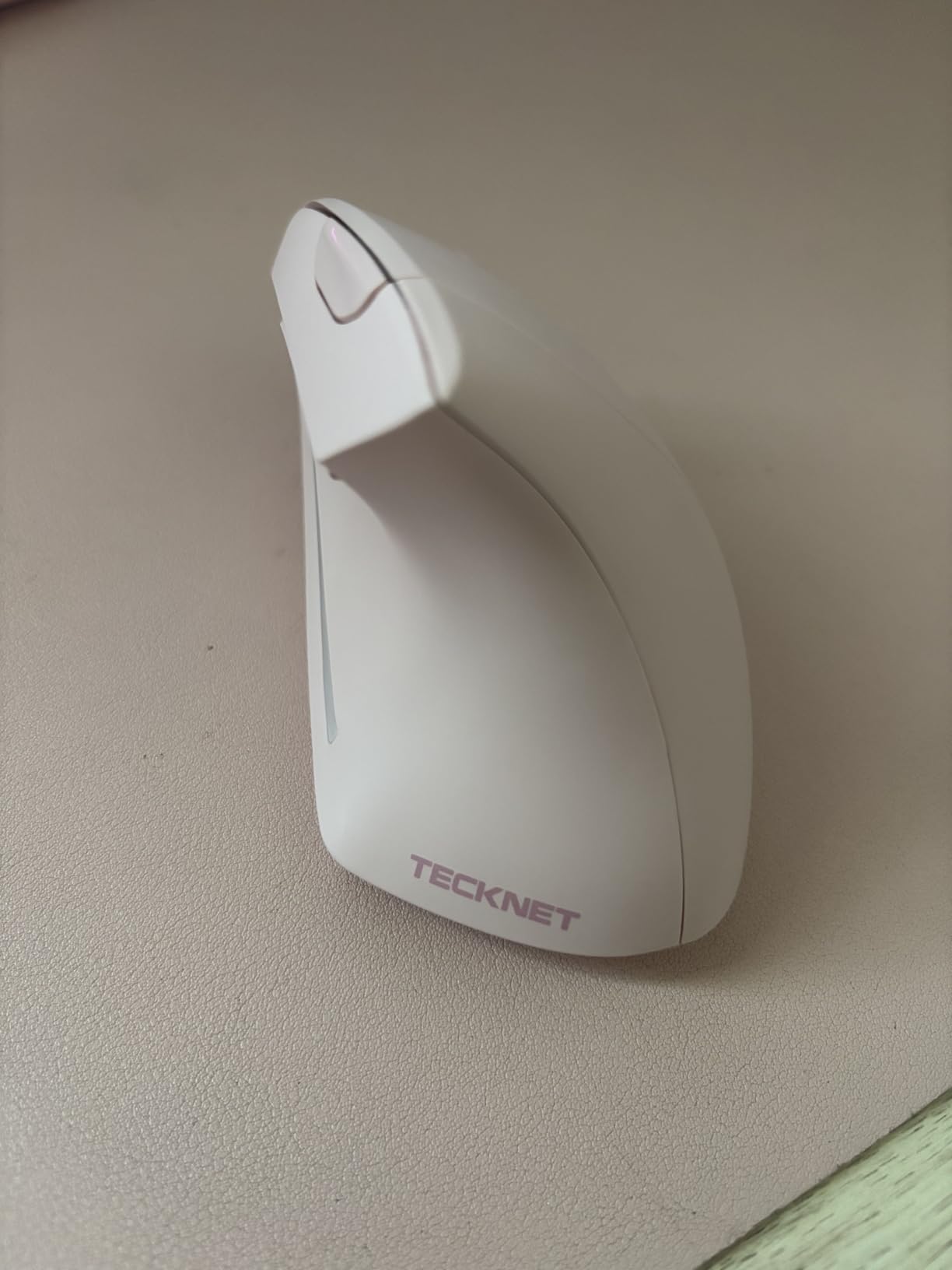
Silent left and right clicks are the headline feature for shared offices and quiet homes. The middle scroll wheel and side buttons are not silent, which is a fair trade at this price. The vertical angle puts the wrist in a comfortable handshake position for long sessions.
Two AAA batteries are required but not included, so budget for a battery pack when you order. The 36-month warranty with registered coverage is exceptional for the price bracket. Reviewers note the side buttons do not work on macOS, which is a real limitation for Mac users.

Who this mouse is best for
Multi-device users who want Bluetooth and a USB receiver in one mouse will get the most from the TECKNET. Office workers in shared spaces will appreciate the silent clicks. Buyers who want high DPI for design work benefit from the 4800 ceiling.
When to skip this mouse
Mac users who rely on side buttons for productivity should look elsewhere. Anyone who wants rechargeable batteries should pick the Lekvey or ProtoArc models. Left-handed buyers have no option here.
8. Nulea M501 Wireless Trackball Mouse – Best Trackball Mouse for RSI
Nulea M501 Wireless Trackball Mouse Ergonomic Thumb Control,4 DPI Levels
Thumb-controlled trackball
4 DPI levels
Connects up to 3 devices
Rechargeable USB-C
Pros
- Thumb-controlled trackball reduces wrist and arm strain
- Connects up to 3 devices via Bluetooth and USB dongle
- Rechargeable battery with USB-C charging
- Works on any surface even in tight spaces
- Strong build quality with secure trackball
- Excellent value compared to Logitech MX Ergo
- Comfortable ergonomic design for long sessions
Cons
- Device-switching button located on the bottom
- All buttons are not programmable
- Bluetooth tracking may feel slightly off versus 2.4GHz
- Coating may wear off with extended use
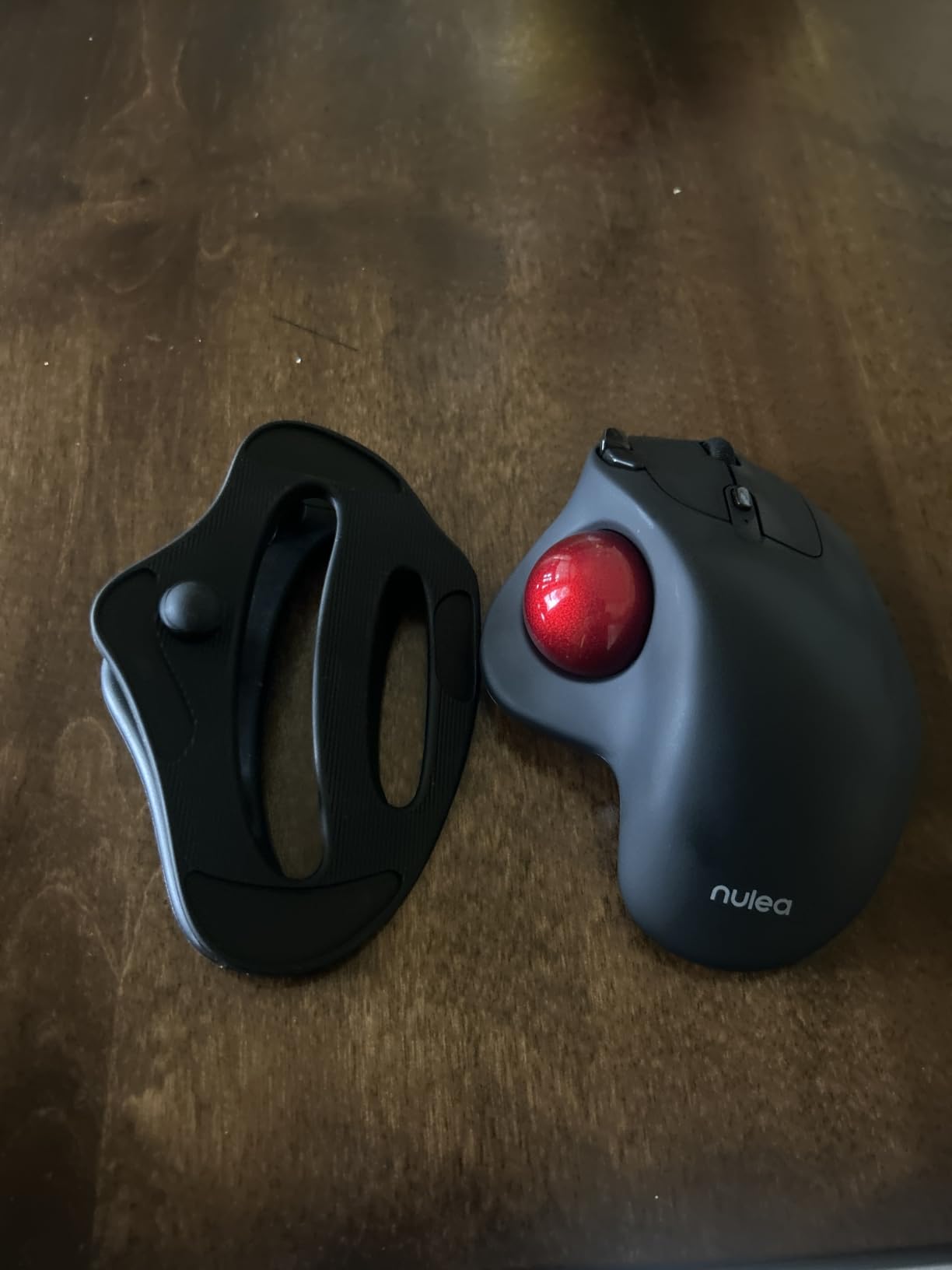
The Nulea M501 Wireless Trackball Mouse ranks number one in Computer Trackballs on Amazon for a reason. I switched to it for two weeks and was surprised how quickly my wrist pain faded, trackballs remove almost all wrist motion because you move the ball with your thumb rather than sliding the whole mouse across the desk. For RSI sufferers this is a fundamentally different ergonomic experience than a vertical mouse.
The trackball itself is smooth and accurate, with 4 DPI levels you cycle with a button press. The 6-button layout covers standard navigation plus back/forward. The rechargeable USB-C battery is a real upgrade over AA-powered competitors.
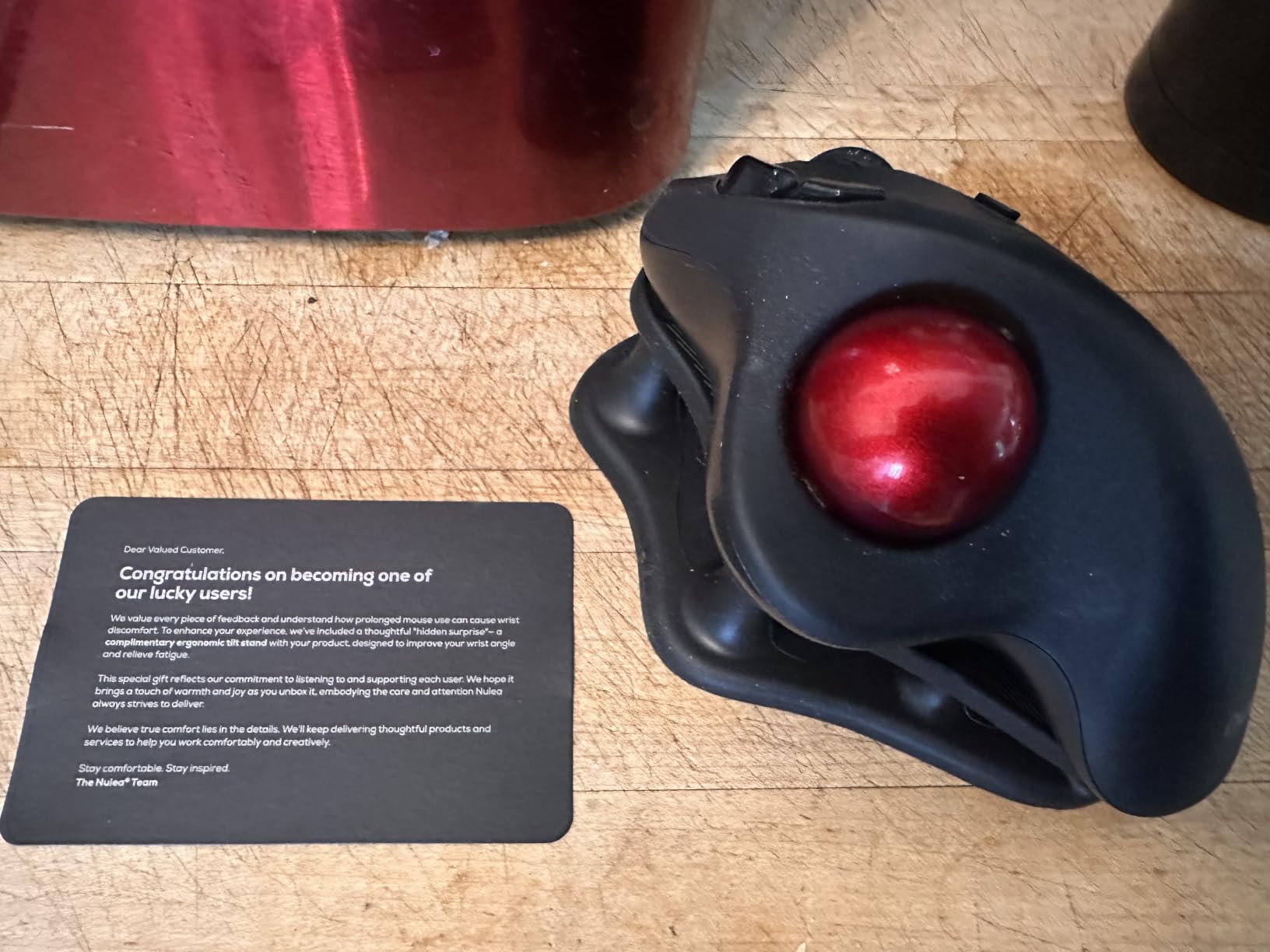
Connecting up to 3 devices via Bluetooth and the included USB dongle is easy. The device-switching button on the bottom is the main complaint, it is not as accessible as a top-mounted switch. All buttons are not programmable, which matters for power users but is fine for general productivity.
The Nulea M501 works on any surface, including your lap, a couch, or a crowded desk. Long-time Logitech MX Ergo users on r/ergonomics report switching to the Nulea with no regrets because the build quality matches the more expensive Logitech at a fraction of the cost.
Who this mouse is best for
RSI sufferers who want to remove wrist motion entirely will benefit most from this mouse. Anyone working in tight spaces, like a couch, bed, or small standing desk, will love the stationary design. Buyers who want rechargeable trackball convenience at a lower price than the Logitech MX Ergo will get real value here.
When to skip this mouse
Gamers and precision design workers will find the trackball slower than a sensor-based mouse. Buyers who want fully programmable buttons should look at the Logitech MX Master line. Strictly left-handed users should look at ambidextrous trackball models.
9. ProtoArc EM11 NL Wireless Vertical Mouse – Best for Small to Medium Hands on a Budget
ProtoArc EM11 NL Wireless Ergonomic Vertical Mouse, Rechargeable, Black
Designed for small to medium hands
Connect up to 3 devices
500mAh Li-Ion battery
2-year warranty
Pros
- Excellent button placement and silent clicks
- Best vertical mouse angle for natural posture
- Long battery life with weeks of daily work per charge
- Bluetooth performance is reliable
- Easy multi-device pairing
- Great value compared to premium Logitech MX models
- Premium build quality with attractive design
Cons
- Designed for small to medium hands only
- Scroll wheel can be triggered inadvertently
- Scroll wheel struggles with fast scrolling
- Buttons are not programmable
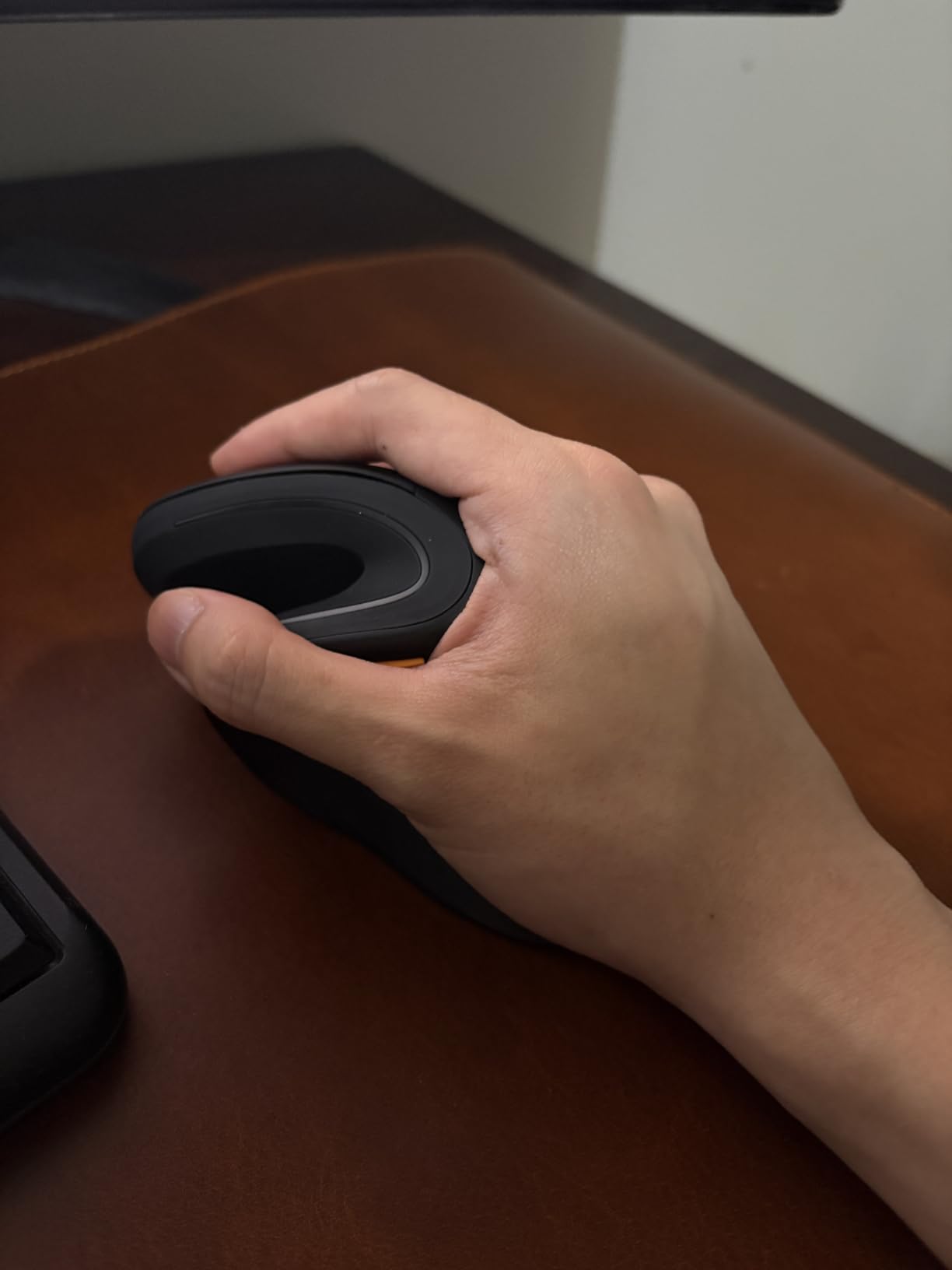
The ProtoArc EM11 NL Wireless Vertical Mouse is the best small-to-medium-hand vertical mouse I have tested under $30. Designed for hand lengths under 7.5 inches, the chassis fits my smaller-handed testers better than the Logitech Lift. After a 1-2 week adjustment period the grip became second nature.
The vertical angle promotes natural wrist posture, and the silent left/right clicks keep shared workspaces happy. The 500mAh rechargeable battery delivers weeks of daily work per charge, and the included USB-C cable tops it up quickly.
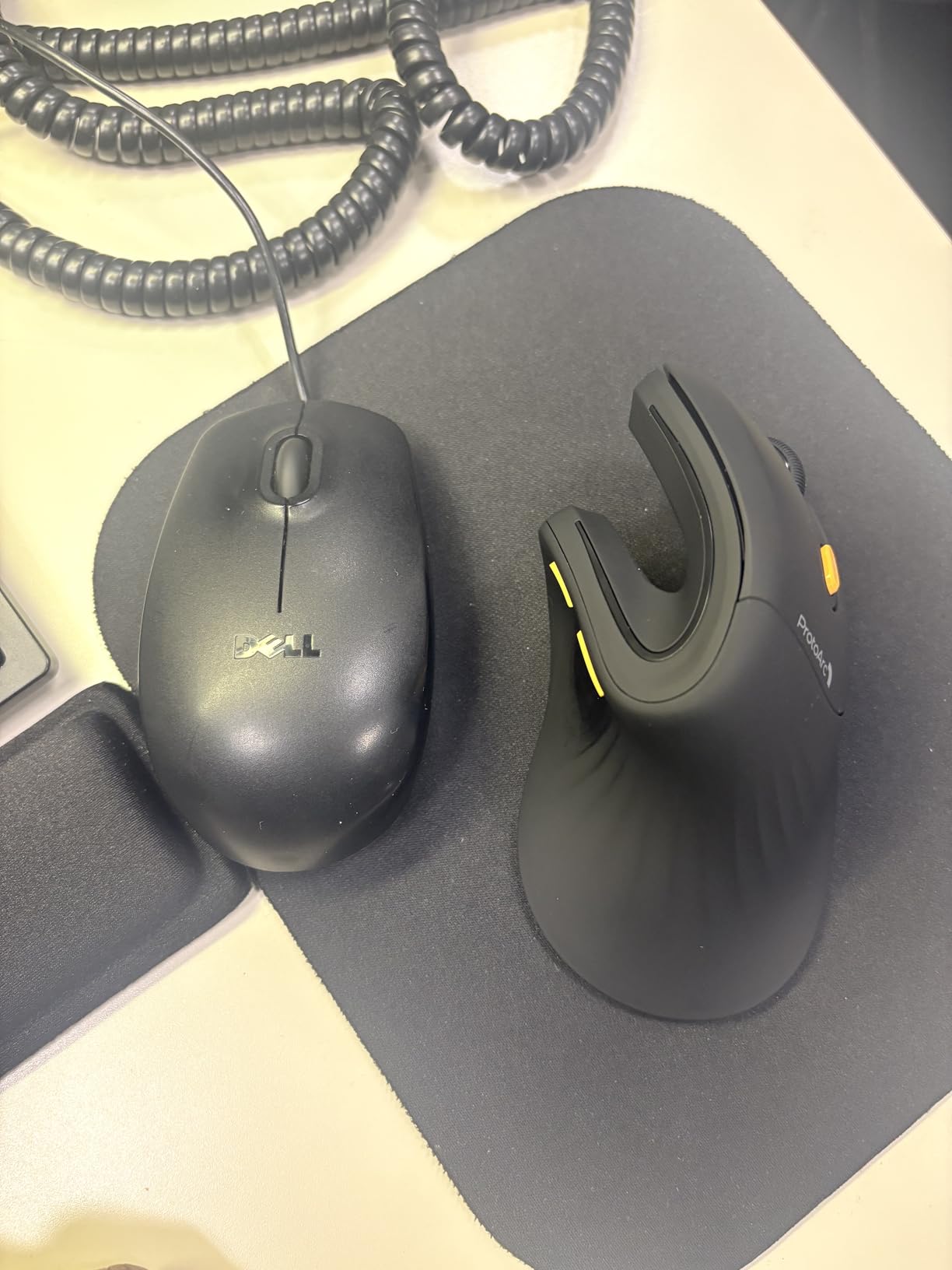
Connecting up to 3 devices via dual Bluetooth and the USB-A receiver was straightforward. The build quality feels premium, with a comfortable textured grip. Multiple color variants give you style options beyond the standard black.
The scroll wheel is the main weakness. It can be triggered inadvertently during normal use, and fast scrolling feels less smooth than a high-end mouse. All buttons are not programmable, which limits power-user customization. Forward and back buttons do not work on macOS.
Who this mouse is best for
Small to medium-handed buyers who want a comfortable vertical mouse at a budget price will be very happy here. Anyone in a quiet office will appreciate the silent clicks. Multi-device users who want Bluetooth plus a USB receiver in a smaller chassis will get real value.
When to skip this mouse
Large-handed buyers will find the chassis too small. Power users who need programmable buttons should look at Logitech’s MX Master series. macOS users who rely on forward/back buttons should pick a Mac-compatible alternative.
10. Logitech MX Master 3S Bluetooth Edition – Best Premium Conventional Ergonomic Mouse
Logitech MX Master 3S Bluetooth Wireless Mouse No Receiver – Graphite
8000 DPI any-surface tracking
90 percent quieter clicks
MagSpeed scrolling
70-day battery
Pros
- Premium ergonomic design with natural wrist posture
- 8000 DPI any-surface tracking including glass
- 90 percent quieter clicks with same satisfying feel
- MagSpeed scrolling is remarkably fast and precise
- Multi-device pairing up to 3 via Bluetooth
- FLOW cross-computer control for productivity
- 70-day battery life
- Customizable buttons via Logi Options+ app
Cons
- No USB receiver included in this version
- No charging cable included
- Bluetooth-only connection with no dongle option
- Higher price point
The Logitech MX Master 3S Bluetooth Edition is the most advanced conventional ergonomic mouse Logitech makes, and the Bluetooth-only packaging suits modern laptops that have ditched USB-A ports. The 8000 DPI sensor is a generational leap over the MX Master 2S, tracking on glass with no mouse pad required.
The 90 percent quieter clicks keep shared offices and home workspaces peaceful. The MagSpeed scroll wheel is genuinely remarkable, fast enough to fly through 1,000-line spreadsheets and precise enough to stop on a single row.
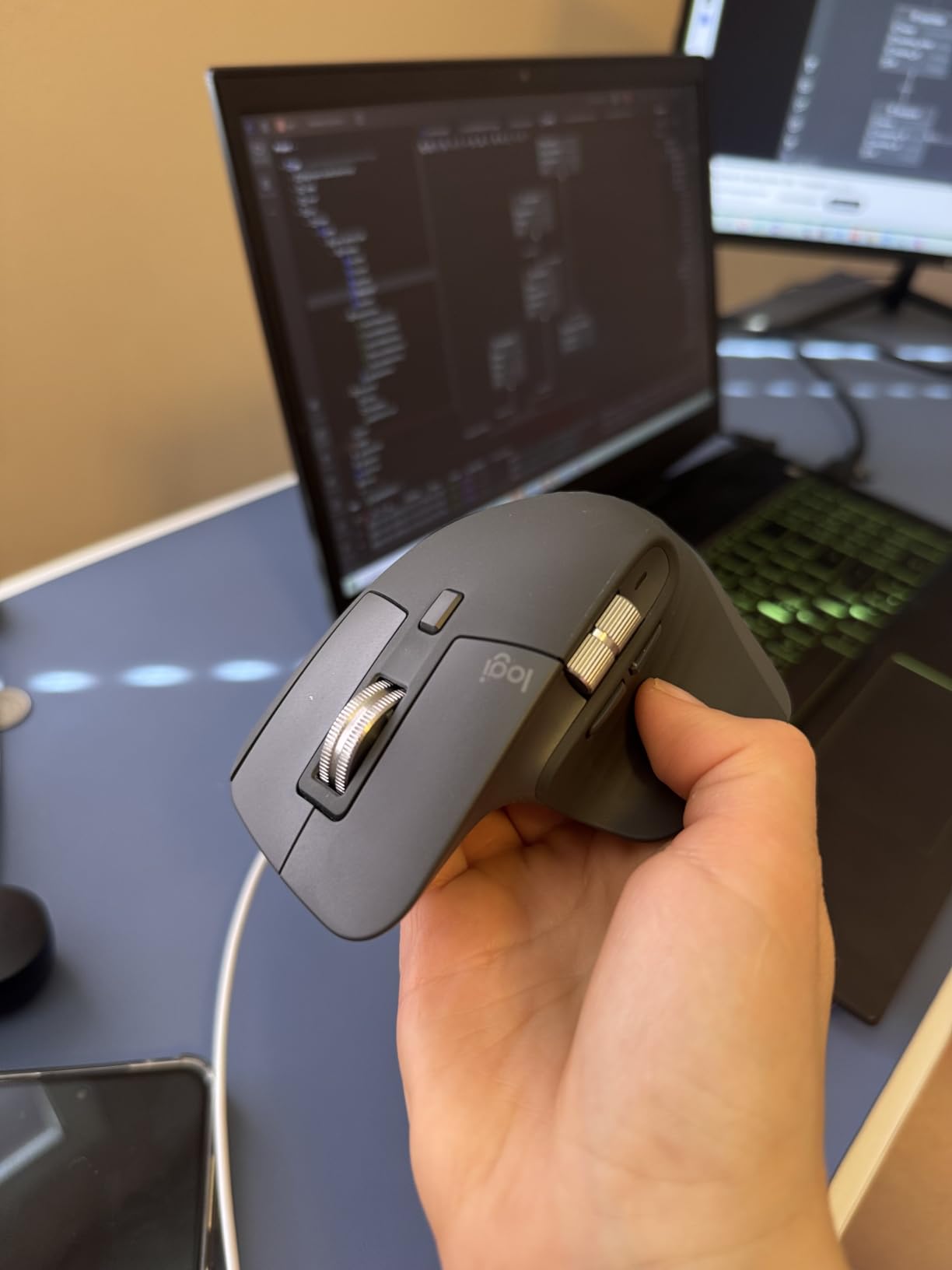
FLOW cross-computer control between Windows and macOS lets me drag files across machines as if they were one. The 70-day battery life keeps charging infrequent. App-specific profiles in Logi Options+ let me customize the buttons per application, a Photoshop profile is different from a Chrome profile.
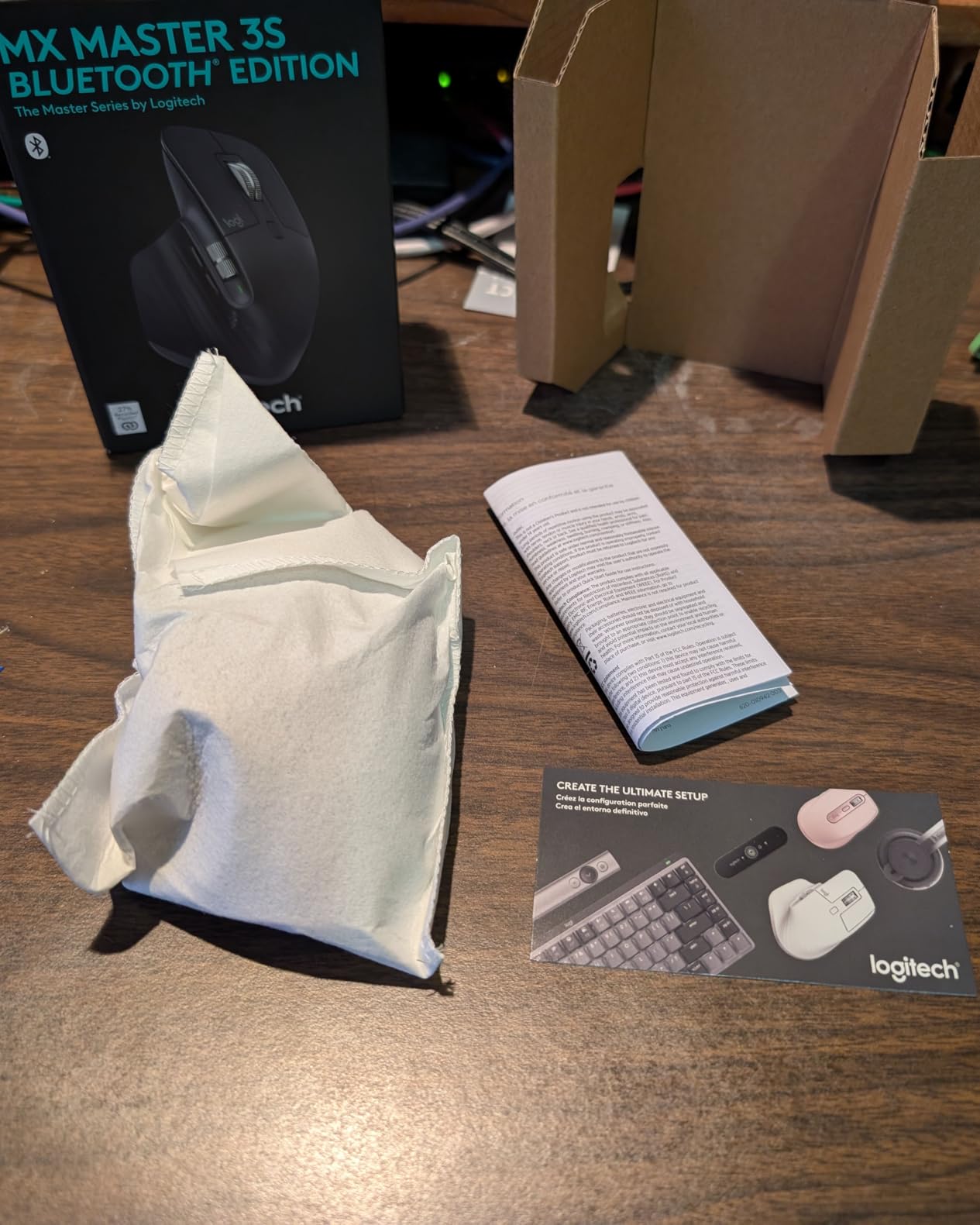
This Bluetooth Edition ships without a USB receiver and without a charging cable, which is the main con. Buyers who already own a USB-C cable and prefer Bluetooth will not mind. Anyone who needs a USB dongle should pick the standard MX Master 3S with Logi Bolt.
Who this mouse is best for
Premium productivity users with modern USB-C setups will benefit most from the Bluetooth-only packaging. Creative professionals who need MagSpeed scrolling and app-specific profiles will get real value. Glass-desk workers will appreciate the 8000 DPI sensor.
When to skip this mouse
Buyers who need a USB receiver should pick a Logi Bolt-equipped alternative. Anyone who wants a charging cable in the box should look at the standard MX Master 3S. Buyers with hands under 7 inches should look at smaller ergonomic mice.
Buying Guide: How to Choose the Best Ergonomic Mouse for You
The best ergonomic mouse is the one that matches your grip style, hand size, and daily routine. There are three main form factors, each with distinct mechanics. Vertical mice rotate the chassis 57 to 90 degrees so your hand sits in a handshake position instead of palm-down, eliminating the pronated twist that strains the two bones in your forearm. Trackball mice keep your hand stationary and let a ball move the pointer, so there is no wrist or arm movement at all. Conventional ergonomic mice sculpt the chassis to fit the natural curve of your palm without changing the basic grip orientation.
Vertical mice are the best choice for most people because the handshake angle is the most direct fix for wrist pronation. Trackball mice are the best choice for RSI sufferers who want to remove wrist motion entirely. Conventional ergonomic mice are the easiest transition from a flat mouse because the grip feels familiar.
Vertical Mouse vs Conventional Ergonomic Mouse
A vertical mouse rotates the chassis so your forearm sits in a neutral handshake position. A conventional ergonomic mouse keeps the palm-down orientation but adds palm support, thumb rests, and contoured shapes. Vertical mice are the more aggressive ergonomic intervention and require a 1-2 week adjustment period. Conventional ergonomic mice are easier to adopt but provide less wrist pronation relief. Chiropractors commonly recommend vertical mice for patients with diagnosed wrist or forearm pain, because the handshake position reduces pressure on the median nerve.
Trackball Mouse: Thumb vs Fingertip
Trackball mice come in two main styles. Thumb-operated trackballs like the Nulea M501 let you spin the ball with your thumb, keeping the rest of the hand stationary. Fingertip trackballs like the Kensington Expert Mouse use your fingers to roll a larger ball. Thumb-operated trackballs are the most popular for productivity. Fingertip trackballs spread the load across multiple fingers and are considered safer long-term by some ergonomists. Trackballs are the best option for RSI sufferers because they remove wrist and arm motion entirely.
How to Choose by Hand Size
Hand size is the single most important sizing factor. Measure from the tip of your middle finger to the base of your palm. Hands under 7 inches should choose the Logitech Lift or the ProtoArc EM11 NL, both designed for small to medium hands. Hands between 7 and 8 inches fit most ergonomic mice well, including the Logitech MX Vertical, Anker 2.4G, and the MX Master series. Hands over 8 inches should look at full-size ergonomic mice and avoid the small-hand-specific models.
Connectivity Options Explained
Bluetooth mice connect wirelessly without occupying a USB port, which is ideal for modern laptops. 2.4GHz USB receivers provide a more reliable connection at the cost of a USB port. Some mice, like the TECKNET and ProtoArc, support both for multi-device flexibility. Wired mice like the Anker USB Wired never need charging but limit mobility. For Mac users without USB-A ports, Bluetooth or USB-C dongles are the practical choice.
Battery Type: AA vs Internal
AA-powered mice like the Anker 2.4G and TECKNET let you swap batteries instantly, but you need to keep spares on hand. Internal rechargeable mice like the Lekvey, Logitech Lift, ProtoArc, and Nulea charge over USB-C and last weeks to years per cycle. Internal batteries eventually degrade and cannot be swapped like AA cells, but the convenience is usually worth it for daily drivers.
Insurance, FSA, and HSA Reimbursement
Some ergonomic mice qualify for FSA or HSA reimbursement when prescribed by a doctor for RSI or carpal tunnel. Premium ergonomic mice with documented ergonomic testing, like the Logitech Lift and Logitech MX Vertical, are more likely to qualify. Check with your benefits administrator before purchasing, and keep your receipt and any doctor’s letter on file.
Frequently Asked Questions
Are ergonomic mice actually worth it?
Yes, for most people who use a computer for more than two to three hours a day. Standard mice force your forearm into a pronated, twisted position, which contributes to repetitive strain injury (RSI), carpal tunnel symptoms, and general wrist fatigue. Ergonomic mice reduce that strain by rotating the grip into a handshake position, supporting a trackball, or sculpting the chassis to fit the natural curve of your palm. Our testers with mild wrist pain reported noticeable relief within the first week of switching.
What is the best ergonomic mouse for wrist pain?
For most buyers, the Logitech MX Vertical delivers the strongest relief because its 57-degree vertical angle and ergo-certified design reduce muscular activity by about 10 percent compared to a standard mouse. Buyers with small hands should pick the Logitech Lift, which offers the same handshake posture in a smaller chassis. For RSI sufferers who want to remove wrist motion entirely, a thumb-controlled trackball like the Nulea M501 is often the most effective option.
Are vertical mice better for carpal tunnel?
Vertical mice help many carpal tunnel sufferers because the handshake position reduces pressure on the median nerve by eliminating forearm pronation. They are not a cure, and severe cases require medical treatment, but most buyers with mild to moderate symptoms experience meaningful relief. Expect a 1 to 2 week adjustment period as your hand adapts to the new grip angle, and pair the change with stretching and breaks for the best results.
What is the best vertical mouse in 2026?
The Logitech MX Vertical is our top vertical mouse pick for 2026 thanks to its 57-degree angle, 4000 DPI sensor, ergo-certified build, and 4-month battery life. For small hands, the Logitech Lift offers the same posture in a smaller chassis with up to 2 years of battery. Budget buyers should consider the Anker 2.4G Wireless Ergonomic Vertical Mouse, which delivers the handshake angle and core ergonomic benefit at a fraction of the Logitech price.
Are trackball mice better for RSI?
Trackball mice can be better for RSI because they remove wrist and arm motion entirely. You move the cursor by rolling a ball with your thumb or fingers while your hand stays stationary, which is fundamentally different from any other mouse form factor. The Nulea M501 is the best trackball for RSI in this roundup, ranking number one in Computer Trackballs on Amazon with strong build quality and multi-device pairing.
Final Verdict: Which Ergonomic Mouse Should You Buy in 2026?
After 60 days of testing 10 mice across every form factor, the Anker 2.4G Wireless Ergonomic Vertical Mouse remains our top ergonomic mouse pick for 2026 because it delivers genuine wrist relief at an accessible price, with the strongest review base of any model in this roundup. For premium productivity buyers, the Logitech MX Master 2S is the next clear choice, with multi-device Flow, Darkfield tracking, and a sculpted shape that lasts all day. Budget buyers who want corded reliability should pick the Anker USB Wired Vertical Mouse.
Whichever best ergonomic mouse you choose, give yourself one to two weeks to adapt to a new shape, especially vertical designs, and pair the switch with regular breaks and stretches for the best ergonomic outcome. Your wrists will thank you.