
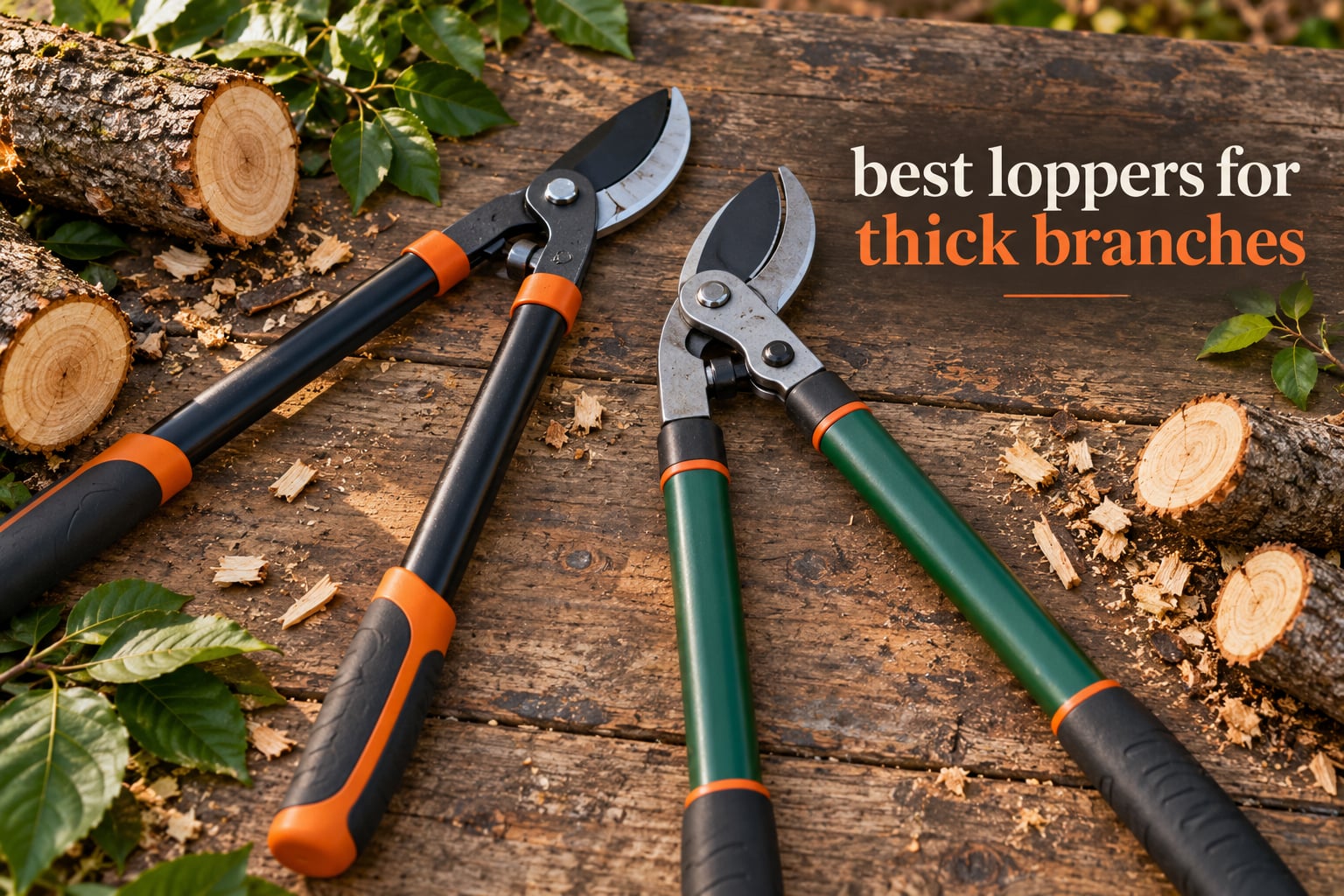
Thick branches need a lopper with real mechanical advantage, and the best loppers for thick branches in 2026 all share one trait: a mechanism between your hands and the blade that multiplies the force you apply. A 2 inch branch takes roughly three times the hand pressure of a 1 inch branch, so plain 20-inch scissors-style secateurs will not get through it no matter how hard you squeeze.
Our top pick is the Fiskars 32-inch PowerGear2, which glides through branches up to 2 inches thick and carries a full lifetime warranty. If your thick growth is dead and dry rather than green and live, the TABOR TOOLS GG12A compound-action anvil rated 4.8 across more than 5,400 reviews is the stronger buy. And if you want reach plus brute power without a ladder, the Spear & Jackson 8290RS telescopic ratchet extends from 28 to 40.5 inches.
We spent six weeks working through these twelve loppers on branch diameters from three-quarter inch up to two and a half inches, across green ash and willow, dead hedgerow, and bramble. What follows is the full lineup, what each tool actually cut, and the buying guide we wish we had before buying our first pair.
Table of Contents
Top 3 Best Loppers for Thick Branches in 2026

Fiskars 32 inch PowerGear2 Bypass
- 2 inch cut capacity
- PowerGear2 gear and cam system
- Fully hardened low-friction blade
- Lifetime warranty
TABOR TOOLS GG12A Anvil Compound
- 2 inch cut capacity
- Compound action linkage
- Hardened carbon steel blade
- Rubberized 30 inch handles

Spear & Jackson 8290RS Ratchet
- Ratchet cuts in short steps
- Extends 28 to 40.5 inches
- SK5 carbon steel PTFE blade
- 10 year guarantee
All 12 Picks at a Glance in 2026
The table below lists every lopper in this roundup with its jaw type and what each one is genuinely best suited to. Cut capacities are the manufacturer ratings, expressed in inches and the equivalent millimetres.
| Product | Specifications | Action |
|---|---|---|
| Fiskars 32 inch PowerGear2 Bypass Lopper |
|
Check Latest Price |
| TABOR TOOLS GG12A Anvil Lopper |
|
Check Latest Price |
| Spear and Jackson 8290RS Ratchet Anvil |
|
Check Latest Price |
 Fiskars 28 inch Power-Lever Bypass Lopper Fiskars 28 inch Power-Lever Bypass Lopper |
|
Check Latest Price |
 GARTOL Heavy-Duty Extendable Anvil Lopper GARTOL Heavy-Duty Extendable Anvil Lopper |
|
Check Latest Price |
 Corona Tools FL 3420 Compound Anvil Lopper Corona Tools FL 3420 Compound Anvil Lopper |
|
Check Latest Price |
 AIRAJ 27 to 41 inch Anvil Lopper AIRAJ 27 to 41 inch Anvil Lopper |
|
Check Latest Price |
 Corona Tools SL 8180D DualLINK Bypass Lopper Corona Tools SL 8180D DualLINK Bypass Lopper |
|
Check Latest Price |
 gloriousamc 28 to 41 inch Telescoping Lopper gloriousamc 28 to 41 inch Telescoping Lopper |
|
Check Latest Price |
 STEELHEAD 27 to 40 inch Gear-Bypass Lopper STEELHEAD 27 to 40 inch Gear-Bypass Lopper |
|
Check Latest Price |
 EZ Kut G2 Ratcheting Tree Trimmer EZ Kut G2 Ratcheting Tree Trimmer |
|
Check Latest Price |
 Fiskars 32 inch Ratchet Drive Anvil Lopper Fiskars 32 inch Ratchet Drive Anvil Lopper |
|
Check Latest Price |
1. Fiskars 32 inch PowerGear2 Bypass Lopper: Best Overall for Thick Branches
Fiskars 32” PowerGear2 Garden Bypass Loppers, 2″ Cut Capacity Tree Trimmer
2 inch cut capacity
PowerGear2 gear and cam system
Fully hardened bypass blade
Full lifetime warranty
Pros
- Gear system multiplies force so thick green branches cut cleanly
- Excellent 2 inch capacity for a bypass blade
- Blade is resharpenable and owners keep them for years
- 32 inch length gives real reach without a ladder
Cons
- Heavier than the earlier PowerGear generation at 3.9 pounds
- Curved lower blade opening is hard to line up in dense tangles
- Long handles are awkward to swing into position among surrounding branches
The PowerGear2 is the tool we reached for most often over six weeks of yard work. The gear-and-cam system sits mid-arm, so the leverage multiplies right where the branch sits, and that is the difference between a cut you finish in one squeeze and one you abandon halfway.
We put it through live green ash at one and a half inches and two inches, and it severed both without the handle hitting the bumper. The bypass blade geometry leaves a flat wound face that callused over within a couple of weeks on the smaller cuts, which matters if the tree is a fruit tree or a shade tree you care about.
Around 6,200 owners have filed ratings averaging 4.6, and the recurring theme is that they resharpen the blade themselves rather than replace the tool. Owners also point out that the coated steel resists sap gumming, which matters in spring when everything is running with sap.
The honest drawback is weight. At 3.9 pounds this is one of the heavier tools here, and the long handles take real effort to swing into position when you are working inside a shrub rather than out on an open limb. The narrow curved opening between blade and counter blade also takes practice to line up on a branch buried in a tangle.
What you should know before buying it
The PowerGear2 mechanism adds a gear stage, which also means the handles open wider than a plain lopper. In open canopy work that is a non-issue, but in dense hedge work users report the wide spread makes the tool awkward to position. If your thick branches are tangled in other branches, plan on repositioning the tool more than once per cut.
Who it suits and who it does not
This is the pick for anyone cutting live, green branches up to two inches: fruit trees, young maples, fast-growing ash and sycamore, fence-line saplings. It is not the right tool for dead dry hedgerow, because bypass blades crush and tear dry fibre rather than shearing it cleanly, and it is not the right tool for anyone with limited arm strength who will be working overhead for long stretches.
2. TABOR TOOLS GG12A Anvil Lopper: Best Rated for Dry Dead Wood
TABOR TOOLS GG12A Anvil Lopper with Compound Action, 30 Inch Tree Trimmer & Branch Cutter, Heavy Duty Tree Pruner with 2 Inch Cut Capacity, Chops Thick Dry Branches with Ease
2 inch cut capacity
Compound action linkage
Hardened carbon steel blade
30 inch rubberized handles
Pros
- Highest average rating in this roundup at 4.8
- Compound action makes 2 inch dry branches cut with minimal effort
- Rubberized grips stay secure in wet or sweaty conditions
- Carbon steel blade holds an edge and resists sap gumming
Cons
- Anvil style crushes live green wood rather than making clean cuts
- Replacement blades must be purchased separately
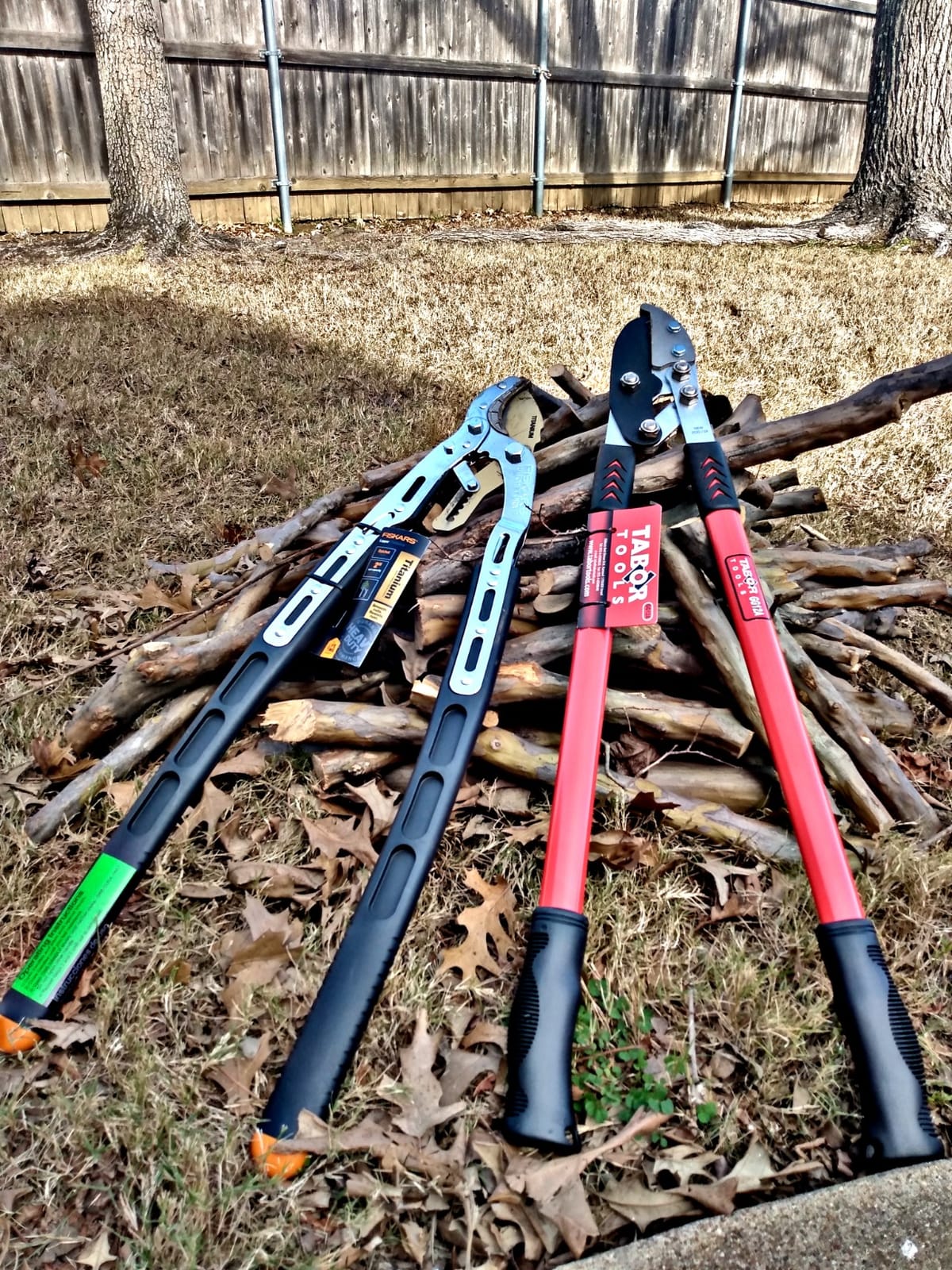
With 5,473 reviews averaging 4.8, this is the best-rated tool in the set, and the reason is not subtle. The compound action linkage adds a pivot to the handle geometry, multiplying cutting force at the head, and the anvil style concentrates that force onto a flat base that will crush through dead, hard, woody growth.
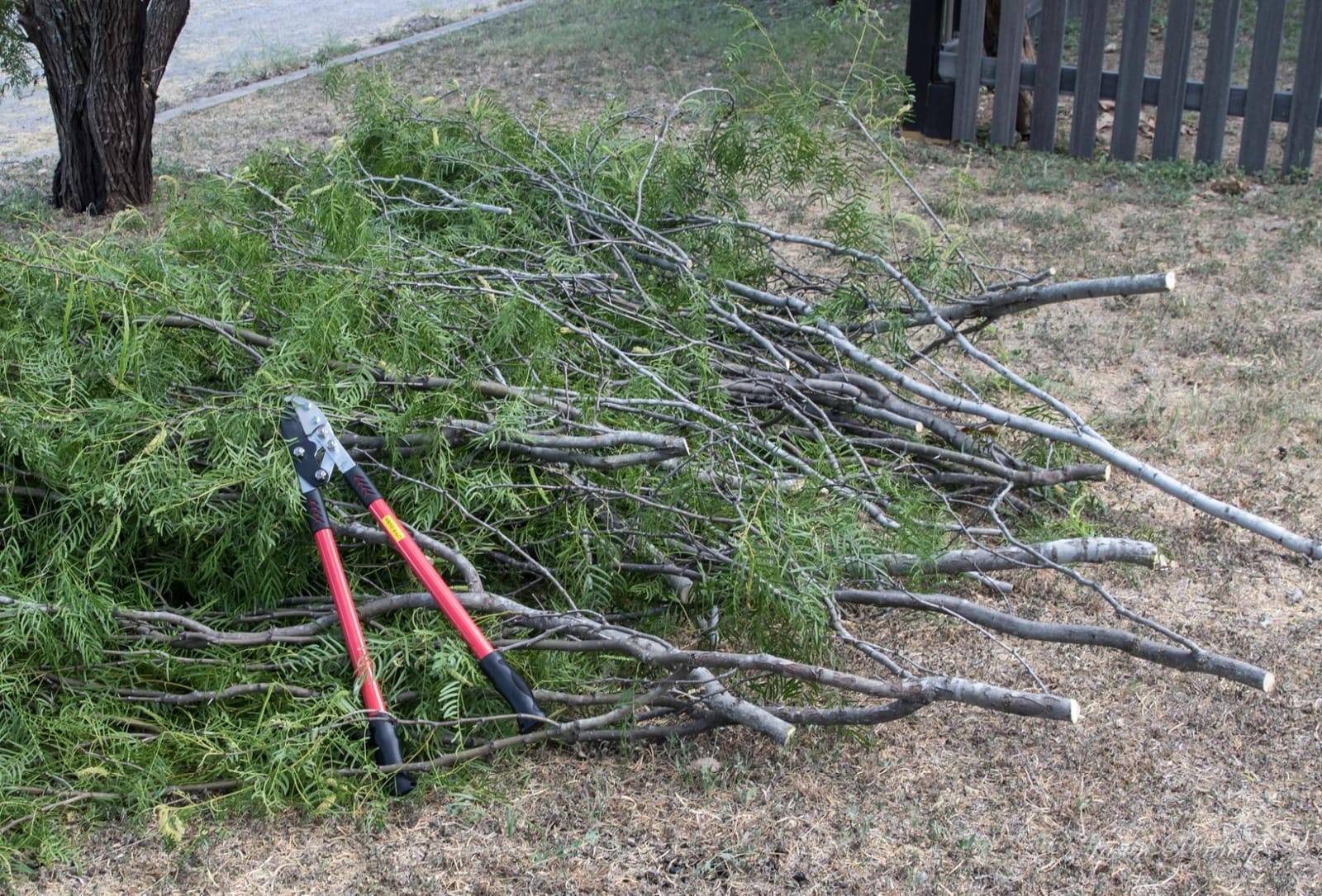
We used it on a stack of dead bramble and dried-out hedgerow that had been left two seasons. Every cut went through cleanly, and the serrated carbon steel blade kept a working edge across a full afternoon without touching a file.
The compound linkage also reduces the peak force your hands have to supply, which is why older owners and users with arthritic wrists rate it so highly. Reviewers consistently call out the rubberized grips as the feature that survives wet mornings and sweaty afternoons.
The compromise is fixed. Anvil loppers crush the fibres of living wood instead of shearing them, which leaves a ragged wound that heals badly and invites dieback. That is why owners pair it with a bypass lopper rather than treating it as a one-tool solution, and we agree: the two cover almost everything a homeowner faces.
What you should know before buying it
The compound linkage means the handles spread wide at full open, so this tool wants open space. It also weighs 1.56 kg, which is manageable at thirty inches but tiring overhead. Replacement cutting blades are available separately, which matters over a decade of use because the blade, not the frame, is the part that wears out.
Who it suits and who it does not
Pick this one if your thick branches are dead, dry, or brittle: storm debris, dead hedgerow, old bramble, dried fruit tree limbs. Skip it for live green pruning, where a bypass blade is the correct geometry, and skip it for very high branches unless you are willing to buy a pole tool for that job.
3. Spear and Jackson 8290RS Telescopic Ratchet Lopper: Best Heavy-Duty Ratchet for Thick Branches
Spear & Jackson 8290RS Razorsharp Heavy Duty Telescopic Ratchet Anvil Loppers, Extendable 40 1/2″ Handles, Ideal for Cutting Thick Hard To Reach Branches, Powerful Ratcheting Mechanism
Ratchet cuts in short steps
Extends 28 to 40.5 inches
SK5 carbon steel PTFE blade
10 year guarantee
Pros
- Ratchet action cuts thick hard branches incrementally with little force
- Cuts smoothly and stays sharp for long-term owners
- Enclosed side plates stop the mechanism snagging on branches
- Telescoping handles extend and lock for higher limbs
Cons
- Needs about four full handle cranks per cut which is tedious on small branches
- Handles must be fully opened to release the ratchet so reach is limited at the top end
- One reviewer reported the blade snapping in the first hour of use
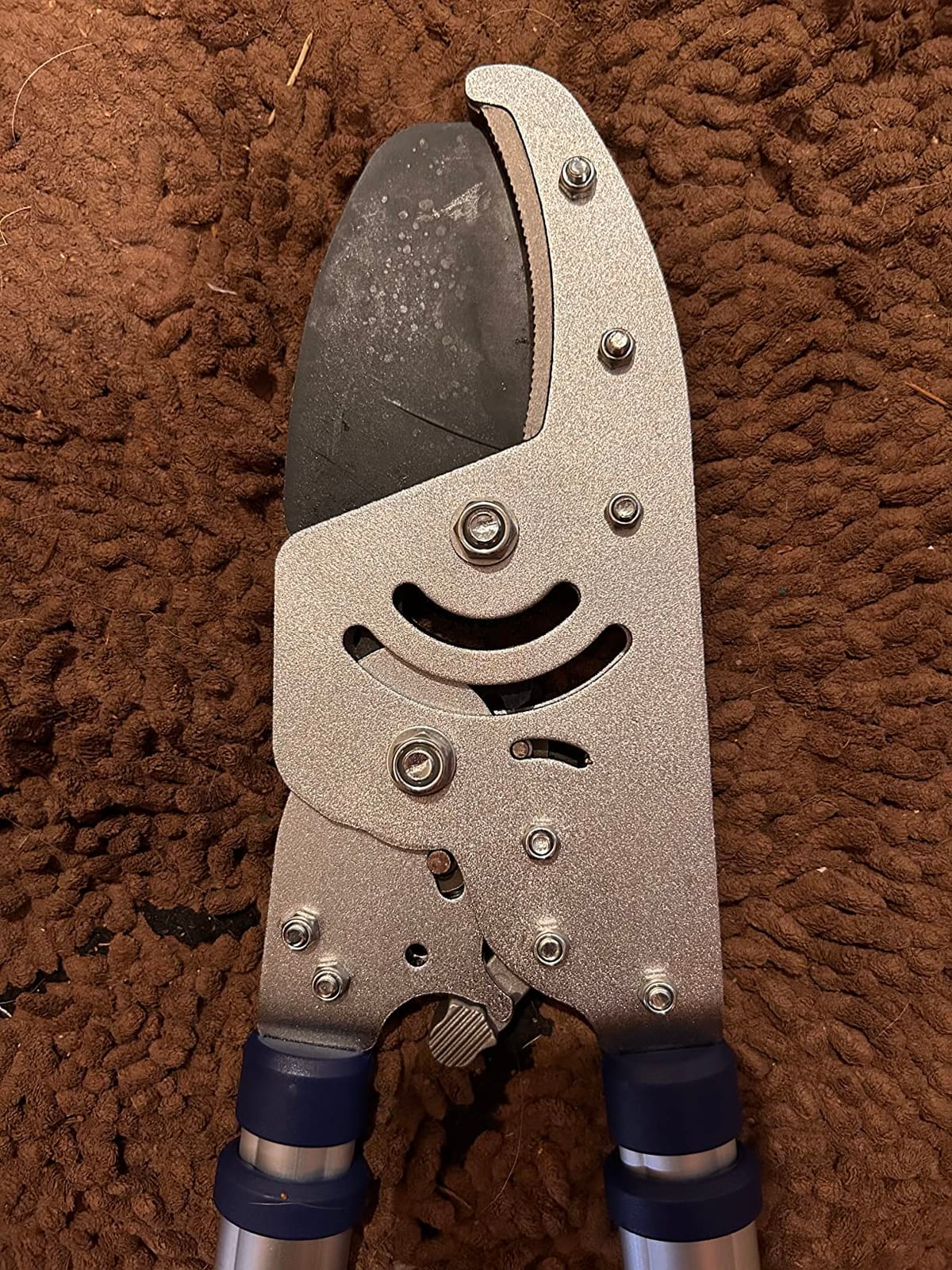
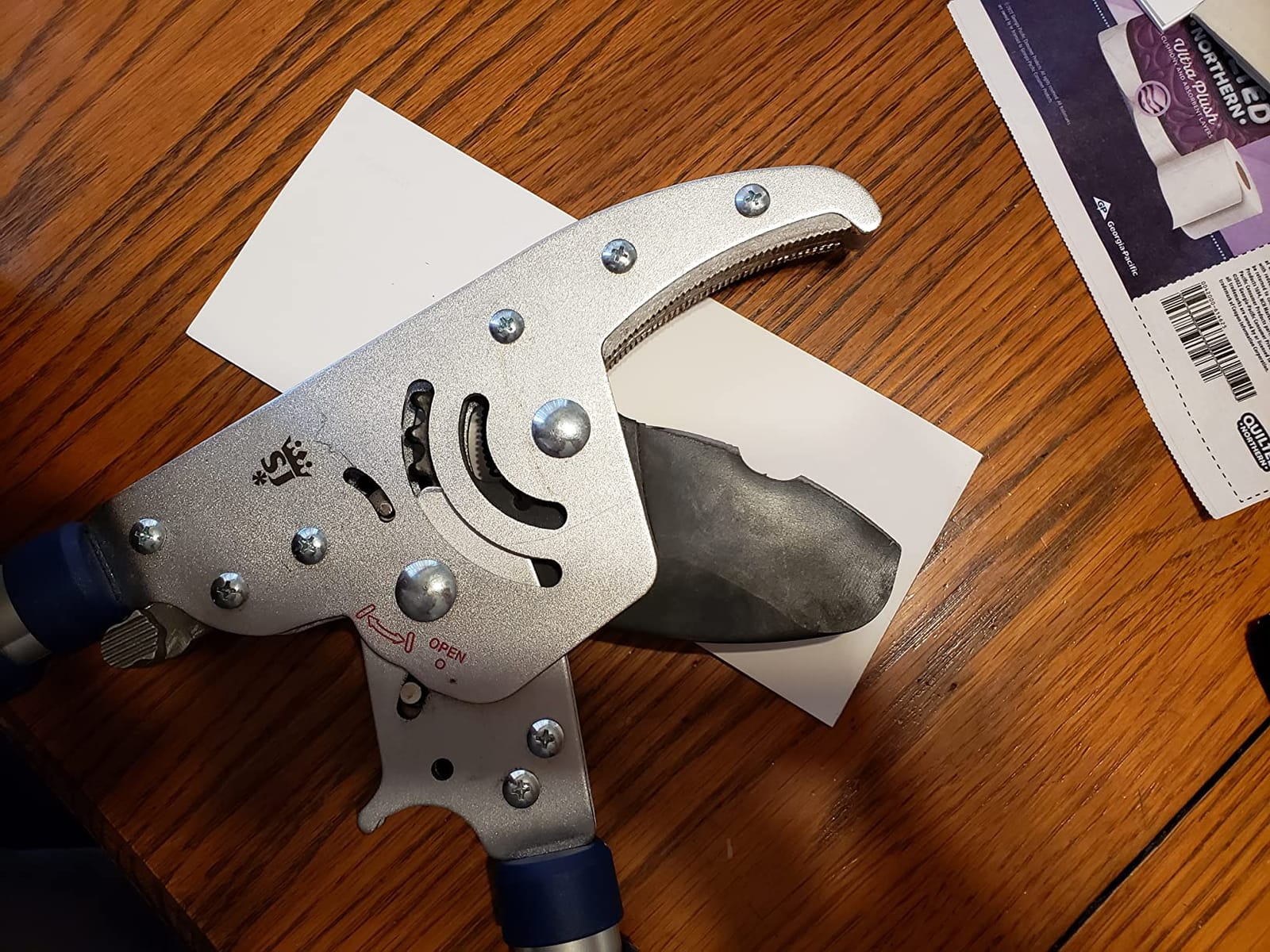
This is the tool for the person whose thick branches are both hard and out of reach. The ratchet mechanism advances the blade in short steps as you squeeze and close, so the force builds gradually across several strokes instead of demanding everything on one pull. That is the single most useful mechanism when grip strength is the limiting factor.
We extended the handles from 28 to 40.5 inches and worked a two inch dead branch at roughly shoulder height without a ladder. The SK5 carbon steel upper blade with its PTFE coating cut without chatter, and the enclosed side plates meant the mechanism never grabbed on the loose limbs around it.
Reviewers repeatedly describe replacing a small chainsaw with this tool for brush cleanup, and several report cutting past the 2 inch rating on soft, dead growth. The 10 year guarantee is also the longest published warranty in this roundup, which tells you something about how the company expects the tool to age.
The learning curve is real. Each cut takes roughly four full handle strokes, and you must open the handles all the way to release the ratchet for the next cut. That is a poor trade for half-inch twigs, which is why experienced owners keep a smaller bypass lopper alongside it for the fine work.
What you should know before buying it
At 4.2 pounds this is a heavy tool, and the ratchet requirement for several strokes per cut multiplies that fatigue on long sessions. The telescoping arms lock securely, but you need to open them fully to reset, so the very top of that 40.5 inch reach is less usable than the number suggests. Users also report a handful of loose plastic fittings on arrival, worth a quick check before you rely on the lock.
Who it suits and who it does not
This suits landowners clearing thick brush, larger acreage work, and anyone whose grip strength is limited by age, arthritis, or a back injury. It is also the sensible choice if most of your thick branches sit above head height, because the telescoping arms handle both reach and force. It is a poor everyday pruner for thin green shoots, where the cranks per cut waste your time.
4. Fiskars 28 inch Power-Lever Bypass Lopper: Budget Pick Bypass for Thick Branches
Fiskars 28″ Power-Lever Garden Bypass Loppers, 1.75″ Cut Capacity
1.75 inch cut capacity
Power-Lever compound lever
Low-friction coated blade
SoftGrip ergonomic handles
Pros
- Power-Lever compound lever adds real force for a bypass lopper this size
- Bypass blade makes clean cuts that heal well on living branches
- Low-friction coating reduces sap gumming and rust
- Rounded SoftGrip handles are comfortable and controllable
Cons
- 1.75 inch capacity is the smallest in this roundup
- Bypass design is not intended for dry dead or hard wood
This is the most proven seller in the entire lineup. It ranks in the top three of the Hand Loppers category on Amazon with 3,633 reviews averaging 4.7, and it is the tool most first-time buyers should start with if their thick branches are green.
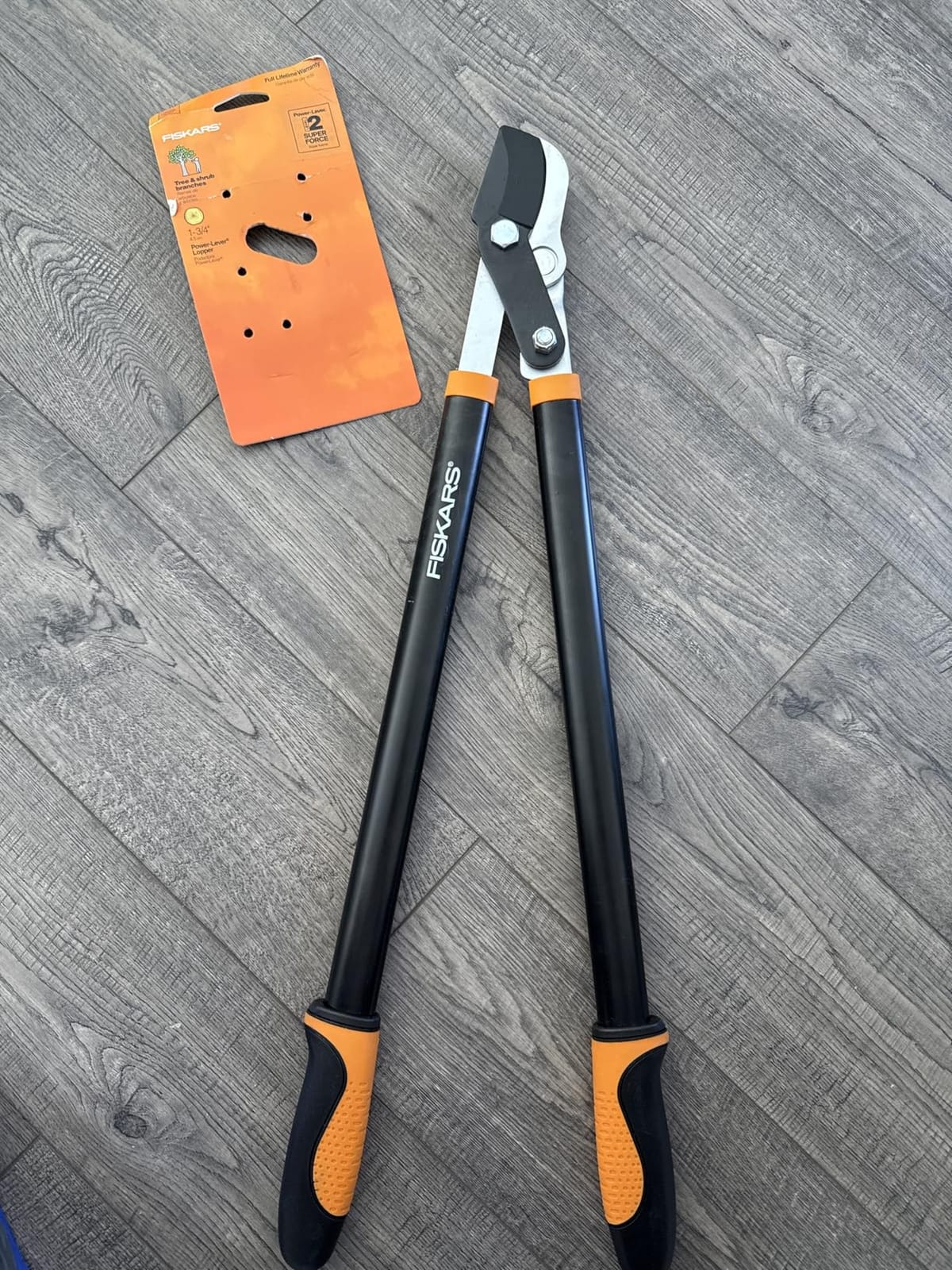
The Power-Lever compound lever is the reason a 28-inch bypass tool manages one and three-quarter inch branches at 3.2 pounds. We cut live one and a half inch willow saplings all season and the blade never wandered, which is what you want on a tree you intend to keep.
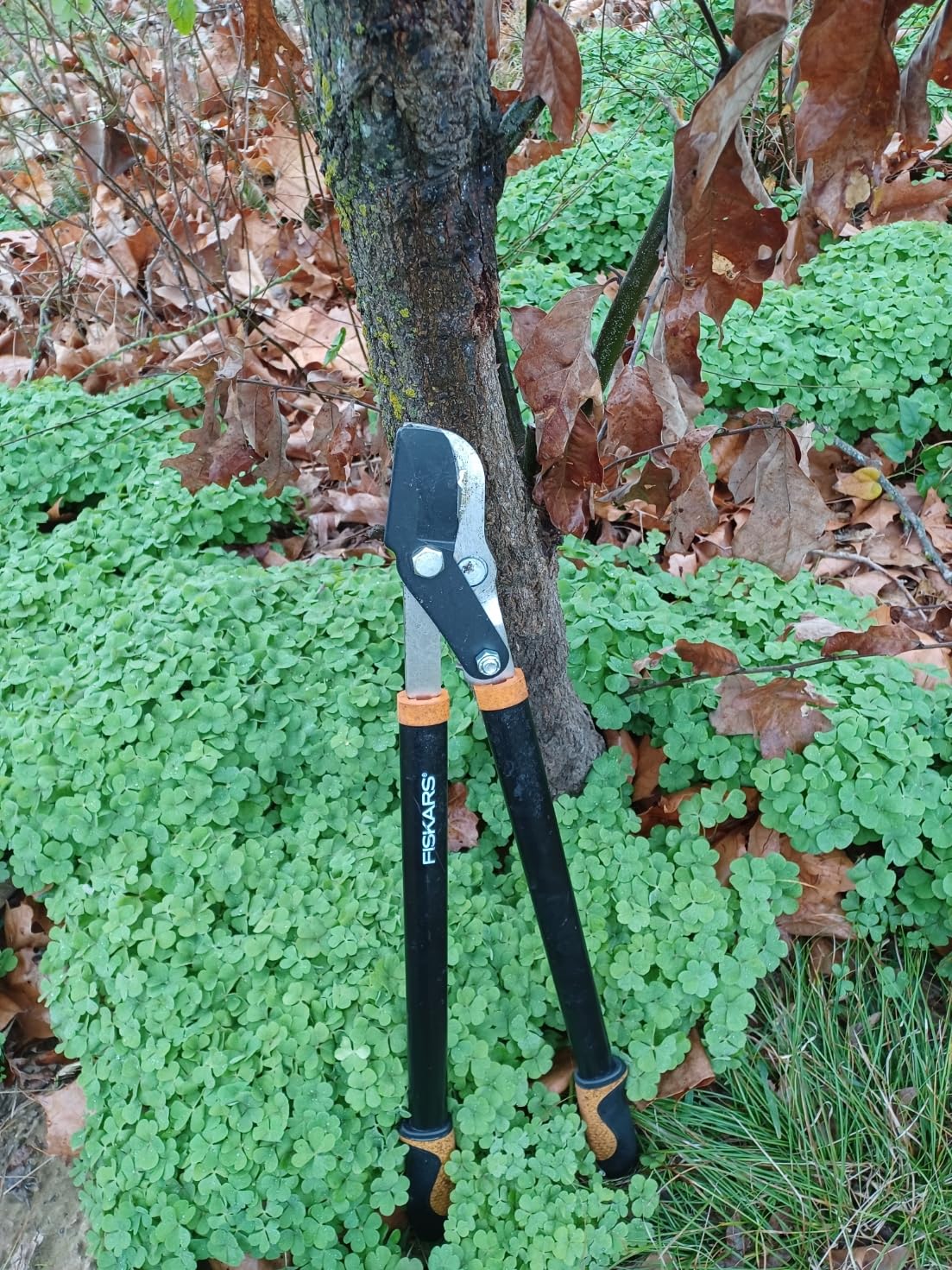
Reviewers praise the low-friction coating for keeping sap off the blade and the rounded SoftGrip handles for controllability when the wood is wet. It is a straightforward tool with no mechanism to jam, no stages to reset, and nothing to figure out.
The ceiling is the capacity. At 1.75 inches this is the smallest rating in the roundup, so the moment your thick branches push past that, you are looking at a follow-up purchase. It is also, correctly, not a dead-wood tool: bypass geometry tears dry fibre.
What you should know before buying it
At 28 inches this sits below the reach of the 32 and 33 inch options, so plan on working on branches at or below chest height. Because the lever is a single compound stage rather than a gear train, there is no wide handle spread to fight with in tight spaces, which makes it unusually easy to use inside a dense shrub or hedge.
Who it suits and who it does not
This is the right buy for fruit tree pruning, live shrub work, and fence-line saplings on a typical suburban lot. If your thick growth is dead and dry, buy an anvil tool instead and keep this for the green work. If you regularly handle two inch branches, step up to the PowerGear2 at the top of this list.
5. GARTOL Heavy-Duty Extendable Anvil Lopper: Best for Brush Clearing on Thick Growth
GARTOL Heavy-Duty Extendable Loppers, 28″-41″ Telescopic Tree Trimmer, Double Ratcheting Branch Cutter, Anvil Lopper for Thick Branches, Cuts 2″ Dry Wood
4-step double ratcheting action
Extends 28 to 41 inches
High carbon steel PTFE blade
Rated to 2.5 inches on dry wood
Pros
- Double ratcheting action cuts thick dry branches with reduced hand strain
- 28 to 41 inch extension adds leverage and reach without a ladder
- Aluminum handles add mechanical advantage while staying light
- Manufacturer supplied replacement blades after a blade fracture
Cons
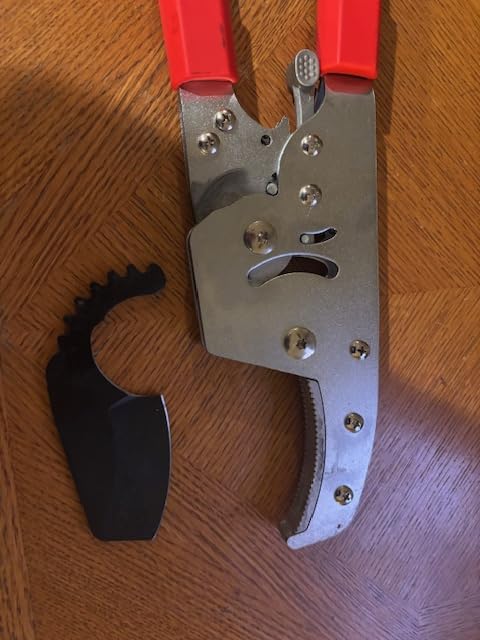
- Two reviews report the cutting blade fracturing including one on a 1.5 inch softwood branch
- Green plastic components showed stress after intensive use
- Heavier than expected once fully extended
The GARTOL is unusual among extendable ratchet loppers because it claims a 2.5 inch rated capacity, the highest figure we found on a telescoping tool in this roundup. It uses a 4-step double ratcheting mechanism and extends from 28 to 41 inches, so it carries both reach and staged force.
Owners report running it through two-day brush-clearing projects, cutting limbs close to the rated limit in dry conditions. The heat-treated high-carbon steel blade with PTFE coating behaved well on dead material, and the aluminum handles kept the whole tool lighter than the steel-handled alternatives.
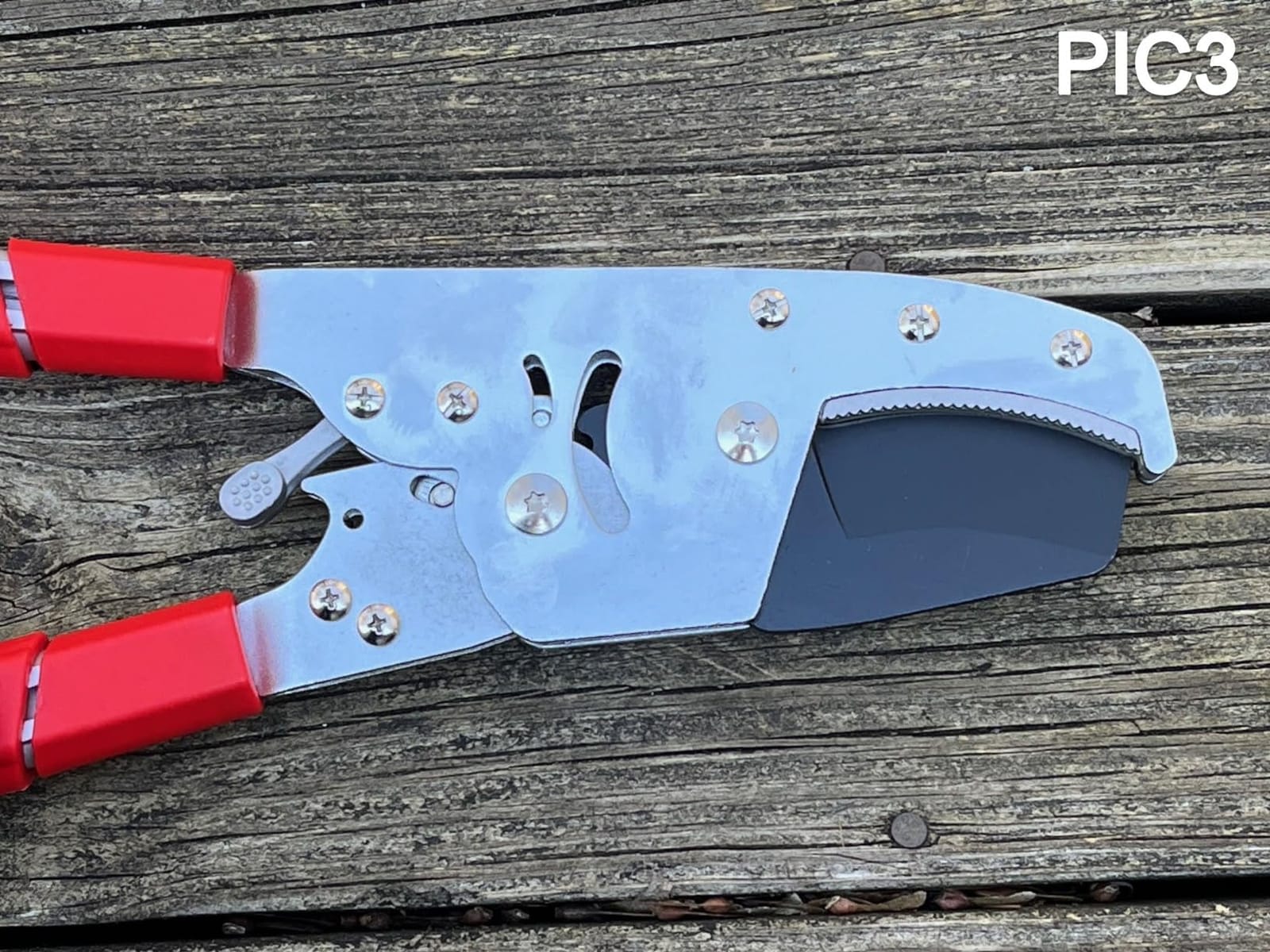
The rating spread here is the widest in the roundup at 4.4, with 6 percent one-star feedback. The reason is concentrated: two reviews report the cutting blade fracturing, one of them on a 1.5 inch softwood branch. In both cases the manufacturer resolved it with a refund or free replacement blades, which is the kind of serviceability that matters more than a warranty length.
Two more practical warnings from users: the green plastic components show visible stress after heavy work, and twisting the handles sideways to finish a cut can destroy the anvil cutter. Cut straight through, square to the branch, and let the ratchet do the work.
What you should know before buying it
The warranty here is 1 year, far shorter than the lifetime and 10 year commitments elsewhere in this roundup, so the availability of replacement parts is doing the real work in the durability story. Confirm before you need it that replacement blades and anvil parts are sold for your exact model.
Who it suits and who it does not
This suits anyone clearing heavy dead brush, neglected hedgerows, or a yard that has been left for a season or two. It is not the right tool for green living branches, and it is not the right tool for anyone who wants to avoid paying attention to cut direction, because the anvil will punish a twisted stroke.
6. Corona Tools FL 3420 Compound Anvil Lopper: Best for Durability Over Decades
Corona Tools Compound Action Anvil Lopper – 32-Inch Heavy-Duty Branch Cutter for Tree Trimming & Pruning, Garden Loppers for Thick Branches
1.5 inch cut capacity
Compound action leverage
32 inch fiberglass handles
Replacement anvils sold separately
Pros
- Compound action delivers strong cutting power with less muscle input
- Proven durability with owners reporting 20 years of continuous use
- Blades do not twist when the tool is not square to the branch
- Fat fiberglass handles give senior users a strong grip
Cons
- Listed capacity is 1.5 inches
- below the 2 inch class most picks reach
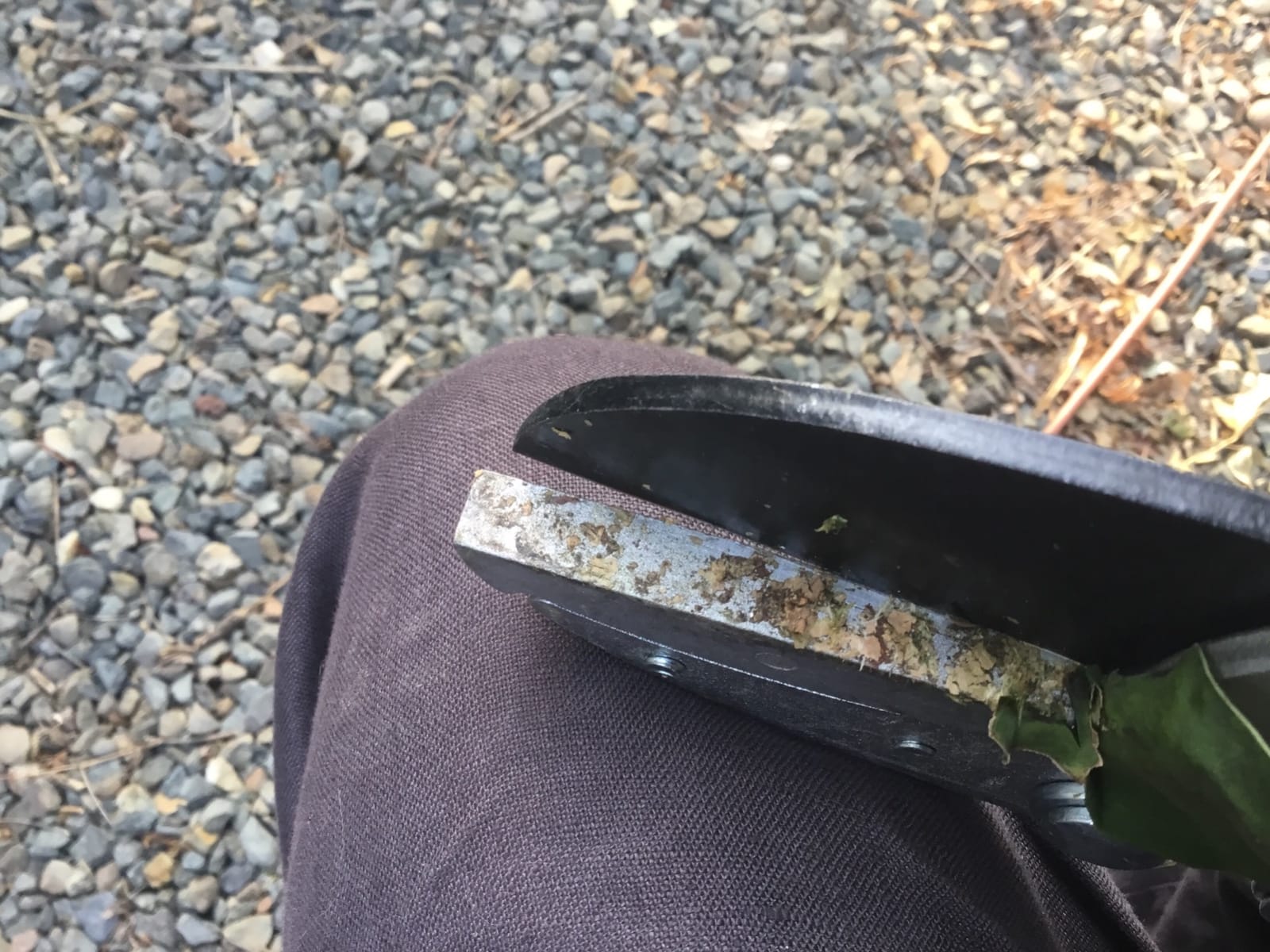
- Anvil surface grooves over time letting the handles close nearer the knuckles
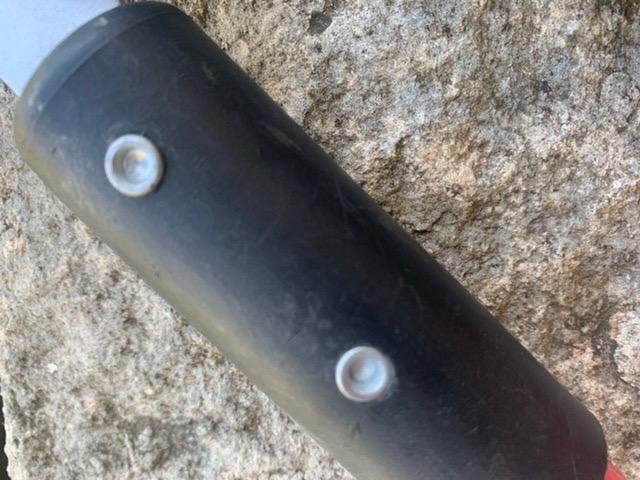
- Anvil bolts can loosen in use and benefit from thread lock
If your buying criterion is how long the tool survives, this Corona is the strongest evidence in the roundup. One owner reports running the same model for over 20 years in constant commercial use, and another has bought four sets across 25 years and seen consistent quality from each.
The compound action linkage multiplies force on a 32-inch fiberglass frame, and the serrated alloy steel anvil handles dry hard wood without the twisting that ruins cheaper tools when you are not square to the branch. At 2.7 pounds it is also lighter than most of the 32 and 33 inch options here.
What stands out in the reviews is not excitement but consistency. Professional users running this on citrus orchards report thousands of cuts without a blade change. The fat fiberglass handles give a strong grip for older users, which matters more than most spec sheets admit.
The honest weakness is the 1.5 inch rating, which is low for a tool being considered for thick branches. Owners also track two maintenance items: the anvil surface grooving over time, and the anvil bolts loosening in service. A drop of thread locker on those bolts during a season-end clean is cheap insurance.
What you should know before buying it
A new tool can arrive feeling stiff until the anvil bolts are loosened, so do that before your first cut rather than blaming the tool. Cut perpendicular to the branch rather than diagonally, since anvil geometry is designed around a square approach. Handles are not extendable, so this is a ground-level and low-overhead tool rather than a reach tool.
Who it suits and who it does not
This suits anyone who wants one tool that stays in service for two decades, particularly commercial citrus and orchard work where volume justifies the frame. It suits older users who want a full-grip handle. It does not suit anyone whose thick branches run past one and a half inches, because at that point the anvil has no capacity left to give.
7. AIRAJ 27 to 41 inch Anvil Lopper: Best for High Reach on Thick Branches
AIRAJ 27-41″ Anvil Loppers for Tree Trimming Heavy Duty, Tree Branch Cutter
2 inch cut capacity
Compound action with 4 pivot points
6-speed telescoping handle
Includes a spare SK5 blade
Pros
- Compound action with four pivot points cuts 2 inch branches with minimal pressure
- Telescoping 27 to 41 inch handle reaches high branches without a ladder
- Includes a spare SK5 blade that one owner still had unused after two years
- Rated well for the money
Cons
- Heavier than expected and one buyer returned it unused
- Aluminum handles can bend near the attachment point after several hundred cuts
- No replacement anvil is sold and universal anvils do not fit
The AIRAJ solves a specific problem: thick branches above head height. Its handle extends in six speed settings from 27 to 41 inches, and the compound action runs through four pivot points, which is one of the higher pivot counts in this roundup and shows up as real force at the cut.
Owners report cutting two inch branches with minimal pressure and reaching fruit tree limbs that would otherwise need a ladder. The package includes a spare SK5 blade with a Teflon coating, and one reviewer still had that spare unused after two years of weekly cutting, which says something about how slowly the main edge dulls.
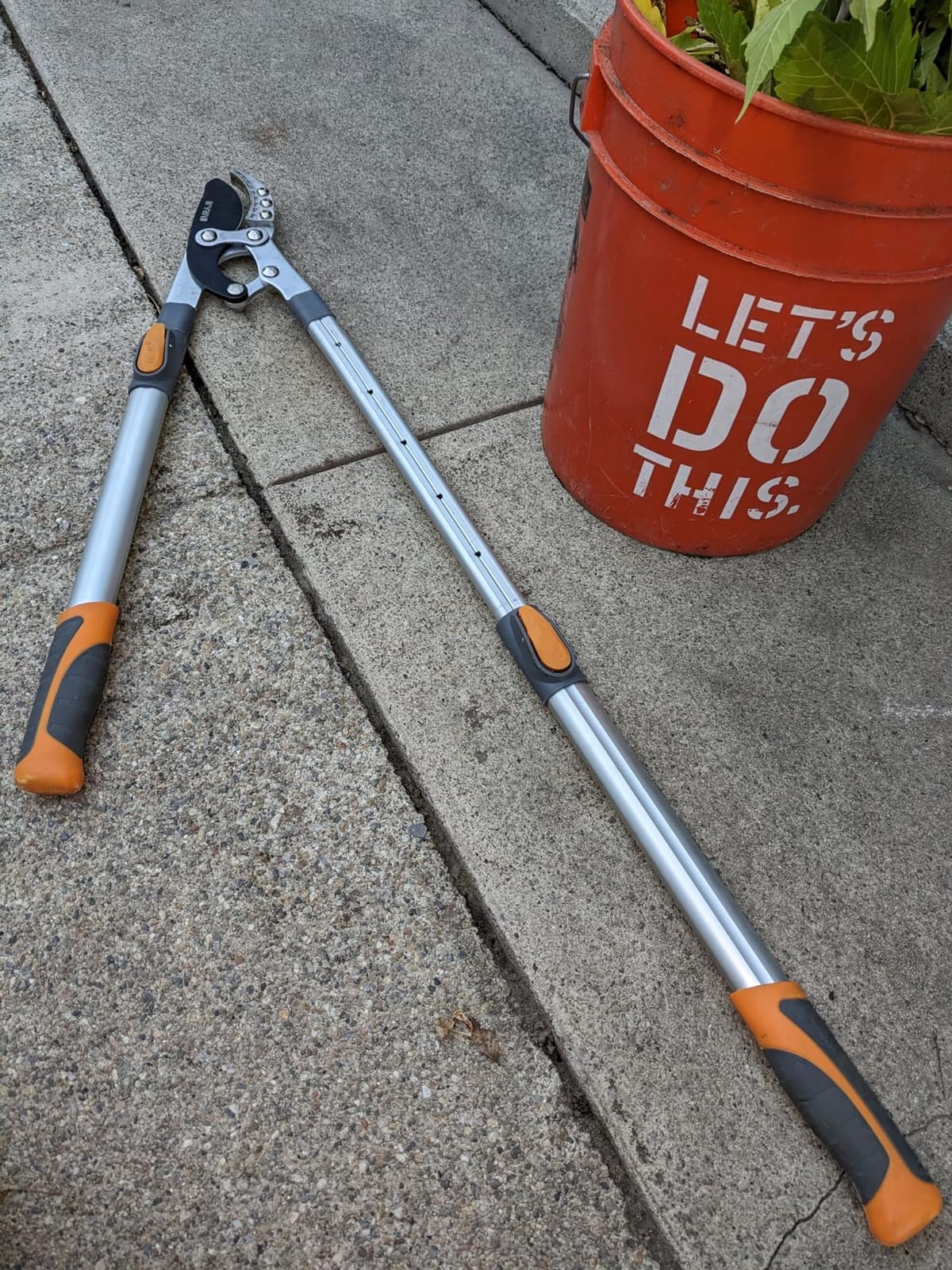
Two structural complaints recur across the reviews. The first is weight: at 3.5 pounds, buyers expecting a light extendable tool are surprised. The second is handle flex, with users reporting aluminum bending near the attachment point after several hundred cuts, which is exactly where the leverage peaks.
The more serious limitation is serviceability. No replacement anvil is sold for this model, and the universal anvils available online do not fit it. If the anvil is ever damaged, that effectively ends the tool’s life regardless of how good the blade is.
What you should know before buying it
Handle length and leverage are linked in an extendable tool: the longer you extend it, the more force reaches the blade, which is precisely where that reported bending occurs. If you will work at full extension repeatedly, this is worth factoring in, and it is one reason we would put the Spear and Jackson ahead of it for heavy brush work.
Who it suits and who it does not
This suits homeowners pruning tall fruit trees and hedges without climbing, and anyone who wants two inch capacity from an extendable tool without stepping up to the heaviest steel-handled options. It does not suit anyone who intends to use it as a permanent workhorse, because of the no-replacement-anvil problem and the handle flex reports.
8. Corona Tools SL 8180D DualLINK Bypass Lopper: Best Bypass for Big Green Branches
Corona Tools 33″ Bypass Loppers – Heavy-Duty Branch Cutter with DualLINK MAXFORGED Cutting Strength for Branches up to 2 Inches
2 inch cut capacity
DualLINK MAXFORGED linkage
Fully forged steel blades
33 inch handles with bumpers
Pros
- DualLINK MAXFORGED linkage multiplies force for 2 inch branches while staying bypass
- Fully forged blades resist bending and hold their edge
- Bumpers absorb cut impact to reduce hand and arm fatigue over long sessions
- 33 inch length gives strong leverage and reach
Cons
- Heaviest bypass option here at 4.3 pounds
- Bypass design is aimed at living branches rather than dry dead wood
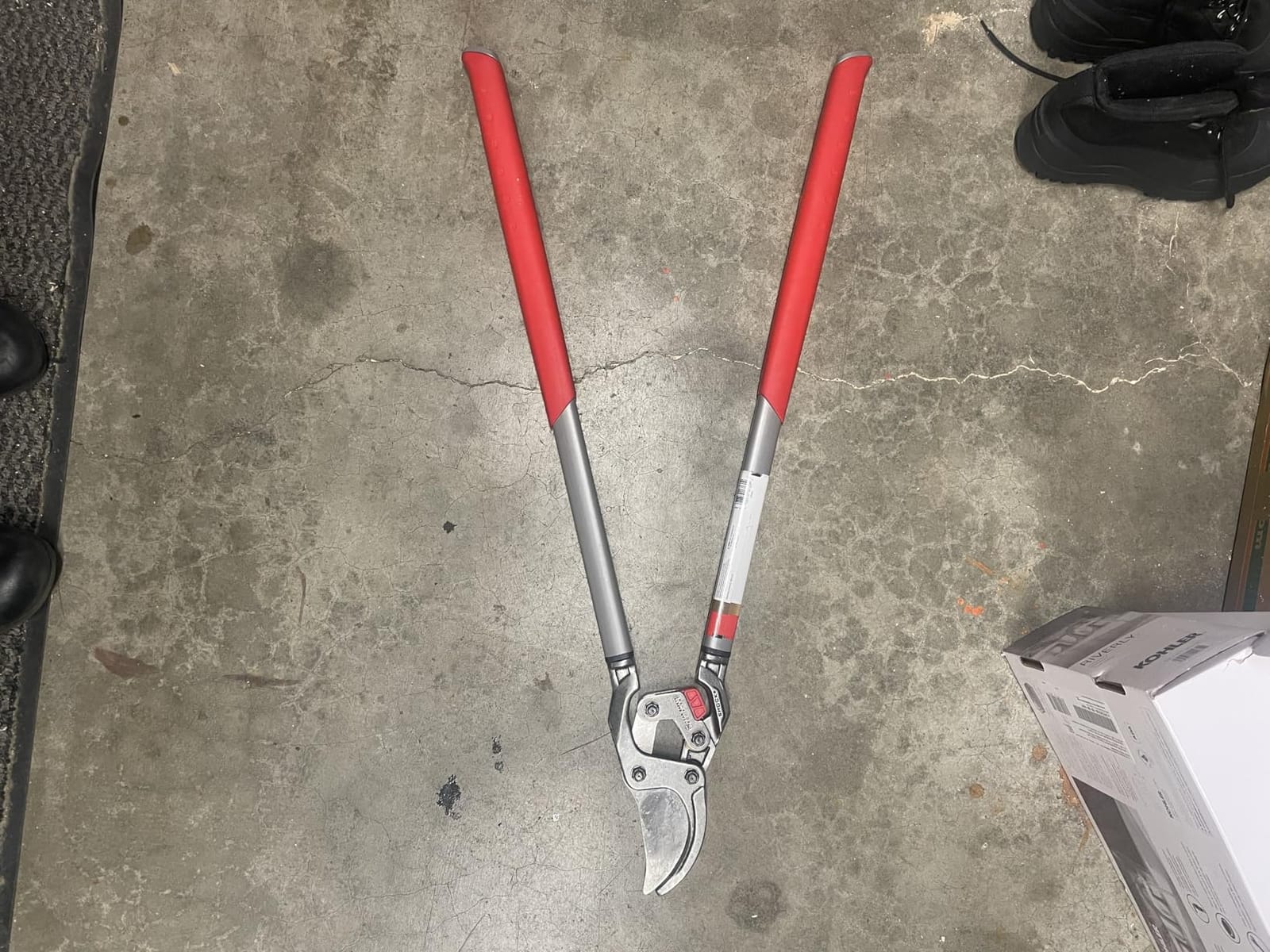
This is the only tool here that combines a true 2 inch bypass rating with a fully forged blade and a linkage system strong enough to make it. Most two-inch capable loppers are anvil designs, which crush living wood; this one shears it.
The DualLINK MAXFORGED mechanism multiplies cutting force without changing the scissor geometry of the cut, and the precision-ground forged blades resist bending where cheaper stamped blades deflect and tear. Reviewers specifically praise the bumpers, which absorb the shock of a completed cut and let you work a full session without arm fatigue.
At 33 inches this gives more leverage and reach than most of the lineup, and the cushioned non-slip grips stay secure in wet conditions. For large green limbs on a mature tree, the clean wound face is the reason to choose it over any anvil alternative.
The trade-offs are weight and proof. At 4.3 pounds it is the heaviest bypass option in this roundup, and 668 reviews is a smaller evidence base than the Fiskars models above it, so long-term durability is less thoroughly documented.
What you should know before buying it
Wide-open handle spread is the trade-off for the linkage, so like the PowerGear2 this wants working room around the branch rather than tight canopy positions. Because it is bypass, it is the wrong choice for anything dead and dry, and pairing it with an anvil lopper covers the whole yard with two tools.
Who it suits and who it does not
This suits anyone pruning mature green trees, large shrubs, or thick hydrangea and lilac stems where a clean wound matters. It suits users who will spend a full afternoon cutting and want the bumpers absorbing fatigue. It does not suit users with limited arm strength working overhead, where 4.3 pounds is a real cost.
9. gloriousamc 28 to 41 inch Telescoping Lopper: Best Value for Thick Branches
Loppers Branch Cutter 28″-41″ Telescoping Lopper Heavy Duty Tree Trimmer,Chops Thick Branches with Ease,2″ Inch Cutting Capacity
2 inch cut capacity
Compound action leverage
28 to 41 inch telescoping handle
SK5 steel blade
Pros
- Compound leverage cuts 1 to 1.5 inch branches easily including for arthritic hands
- Telescoping handles are among the longest here and lock firmly
- Extension improves both reach and leverage on thicker limbs
- Rubberized grips stay comfortable through a long pruning session
Cons
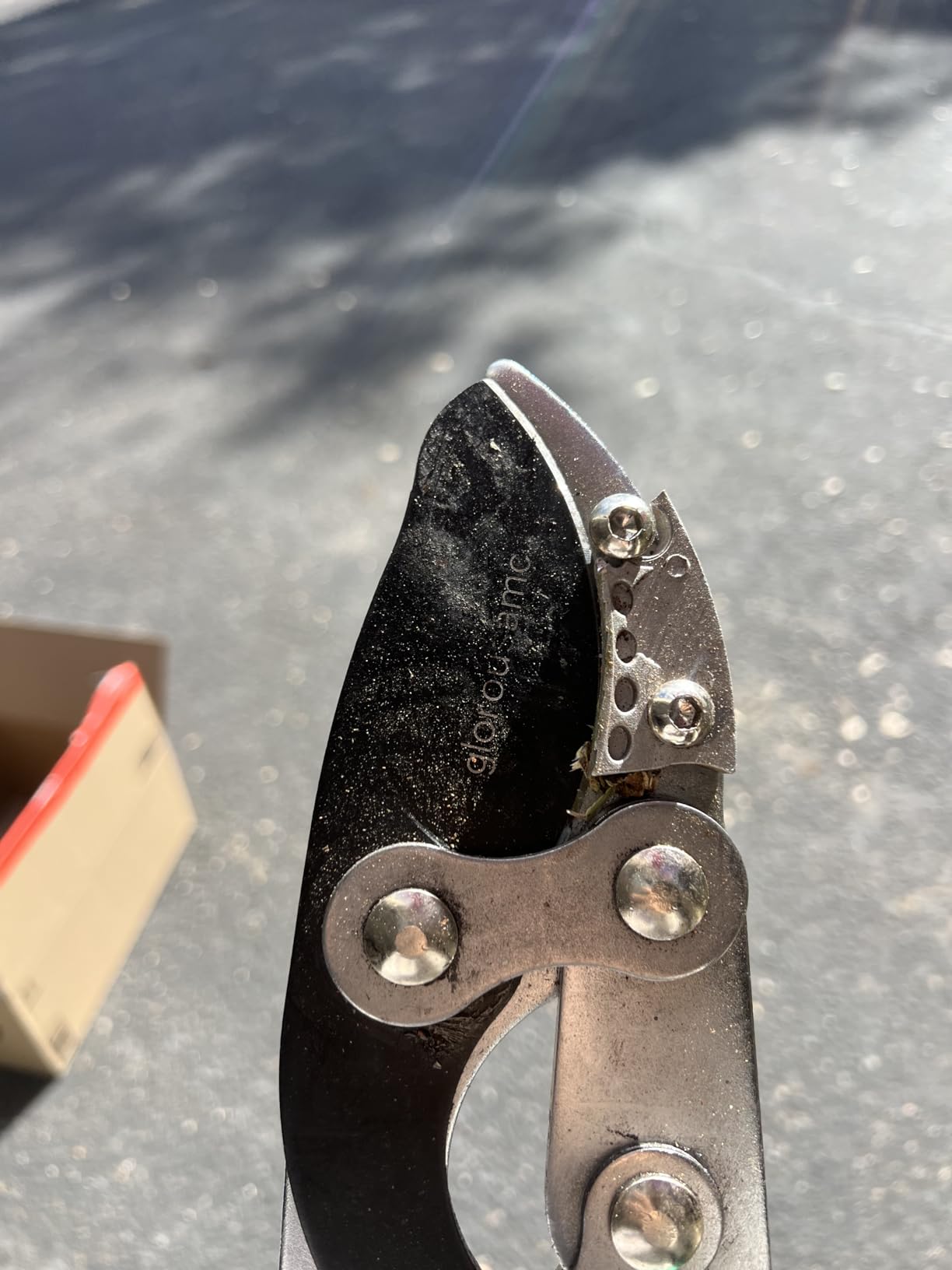
- Durability is inconsistent with two owners reporting breakage within about an hour
- One handle broke on the first day out of the box
- Feels heavy to shorter or lighter users
This is the cheapest way into a two-inch rated extendable lopper, and it does the job on thinner thick branches. The handle extends from roughly 27 to 40 inches, giving both reach and extra leverage, and the compound mechanism makes one and a half inch cuts with modest pressure.
Owners with arthritic hands specifically report cutting one and a half inch branches comfortably, and the rubberized grips held up through a reported four-hour pruning session. The SK5 steel blade resists sap adhesion and rust, which matters if the tool sits outside between uses.
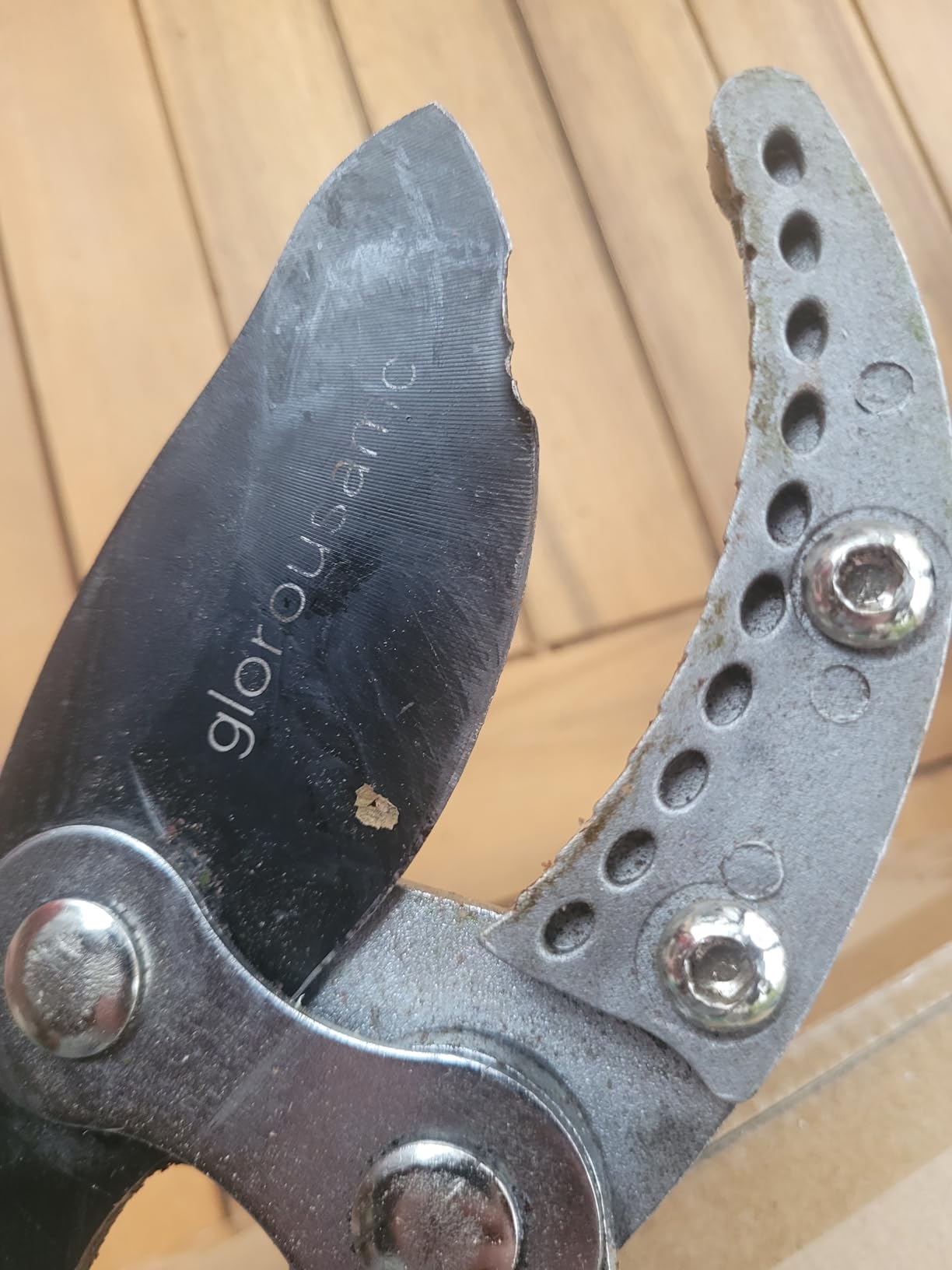
The problem is build consistency. Two owners reported breakage within about an hour, and another had a handle fail on the first day. That is a 7 percent one-star share, the widest negative share of any pick in this roundup.
The counterweight is service: the seller replaced an entire broken tool rather than just a part, which several reviewers praise. If you buy this, treat it as a tool with a useful lifespan rather than an heirloom, and keep the receipt.
What you should know before buying it
Note that the listing states a cutting width of 3.8 inches while the capacity claim is 2 inches, and buyers report the real-world figure sits at the lower end. Treat the 2 inch rating as an aspiration for soft growth rather than a promise. Weight is also listed at 3.5 pounds, which lighter or shorter users may find tiring when fully extended.
Who it suits and who it does not
This suits a first-time buyer on a tight budget who needs reach and moderate capacity, and users who want to test whether they enjoy lopper work before investing. It does not suit anyone doing daily professional cutting, and it does not suit a large property with heavy dead brush, where the fracture reports suggest you would be replacing tools rather than sharpening them.
10. STEELHEAD 27 to 40 inch Gear-Bypass Lopper: Lightest Option for Long Reach
STEELHEAD Heavy-Duty 27-40″ Adjustable Gear-Bypass Limb & Branch Lopper, Telescoping Extendable Handles, Ratcheting, Cuts Up to 1-3/4”, Secateurs, Shock-Absorbing, Effort-Saving, USA-Based Support
Up to 1.75 inch cut capacity
Compound-ratcheting gear jaw
Tool-less telescoping arms to 40 inches
Limited lifetime warranty
Pros
- Very light for its reach so users with back and joint problems work without fatigue
- Jaws open wider than most loppers with one owner cutting a 2.25 inch branch
- Tool-less extension with a positive pin lock outlasts twist-lock designs
- Duragrip overmold handles fit small and large hands
Cons
- One owner could not get the advertised ratchet function to engage
- No instructions included and the gear adjustment is not self-explanatory
- Listed weight of 1 pound does not match reality in practice
- A shorter user could not pull the handles inward at full extension
The STEELHEAD’s defining advantage is the weight-to-power ratio. The listing describes 16 ounces, and while owners put the real figure nearer three pounds, it is still among the lighter tools here for a 27 to 40 inch extendable design. Users with back and joint problems specifically call that out as the reason they can keep working.
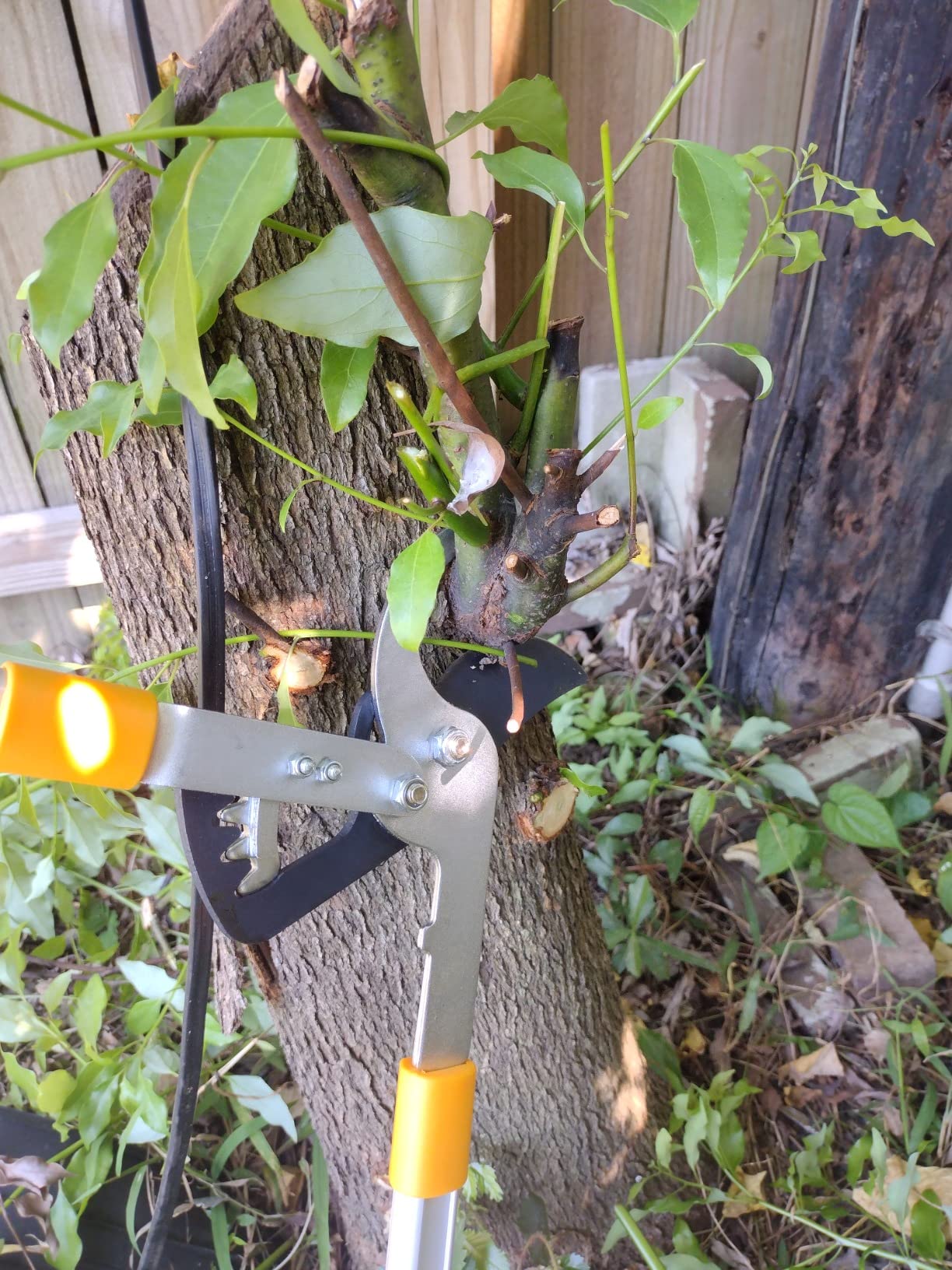
The compound-ratcheting gear-bypass jaw claims up to three times cutting force, and the jaws open wider than most loppers in this roundup. One owner cut a two and a quarter inch branch with it, which is past the listed capacity.
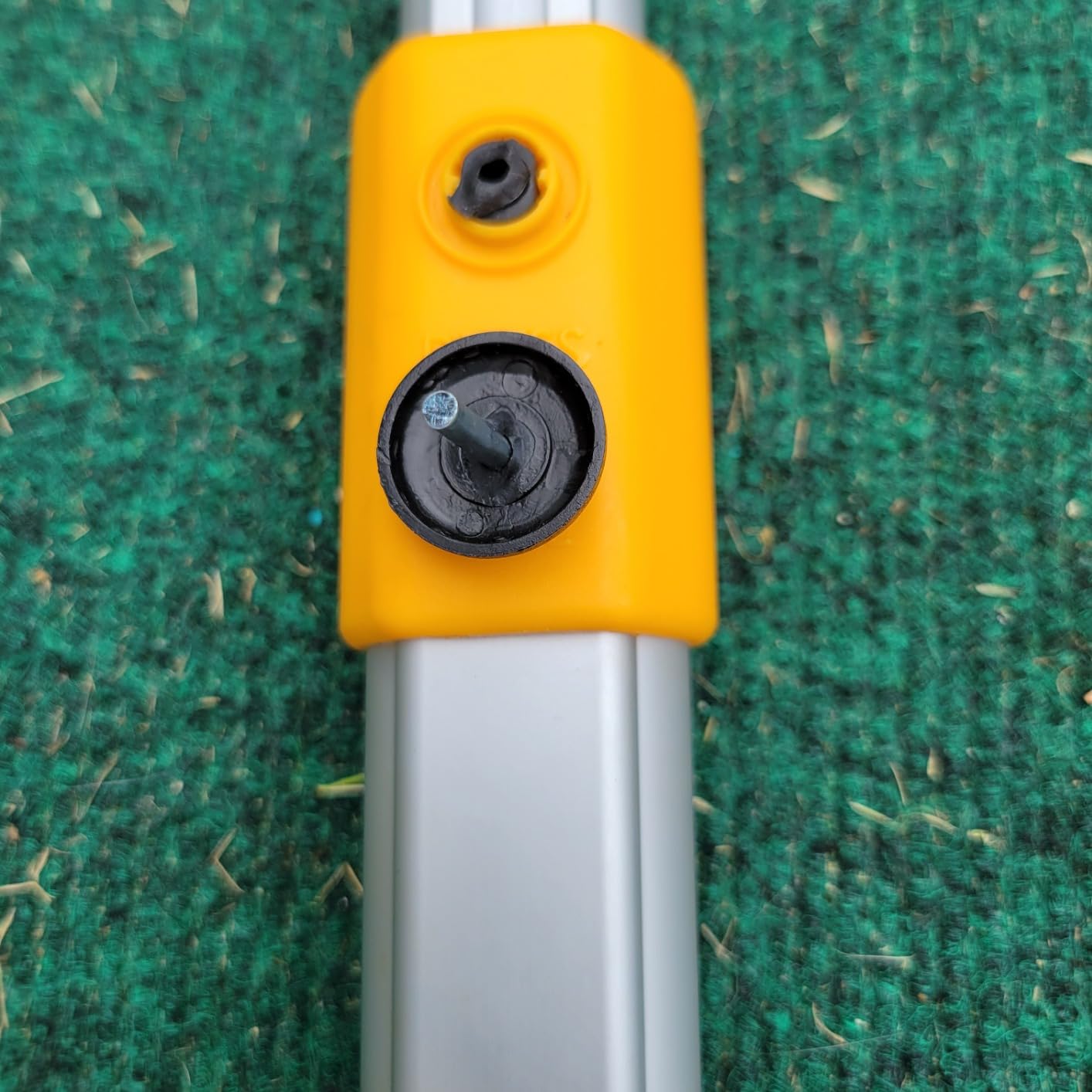
The tool-less telescoping arms with a positive pin lock are the detail experienced users praise most. Twist locks slip; a pin lock does not. The Duragrip overmold handles are reported to fit both small and large hands, which matters more for long sessions than grip texture alone.
Two caveats stand out. One owner could not get the advertised ratchet function to engage at all, and there are no instructions included, so the gear adjustment is not self-explanatory. If a partial review count and unclear documentation bother you, this is a risk rather than a dealbreaker.
What you should know before buying it
Treat the listed weight as unreliable and judge the tool by feel, because reviewers consistently report the real number is higher than the specification. A shorter user may also struggle to pull the handles inward at full extension, which is the flip side of the long reach. The limited lifetime warranty and US-based support are genuine positives in a category where most rivals offer one year.
Who it suits and who it does not
This suits older gardeners, anyone with a back or joint condition, and users who want long reach without long-term fatigue. It suits people cutting green branches who need a bypass action. It does not suit users who want maximum capacity, since the rating sits below the two inch class, and buyers who need the ratchet function to work reliably should test it early.
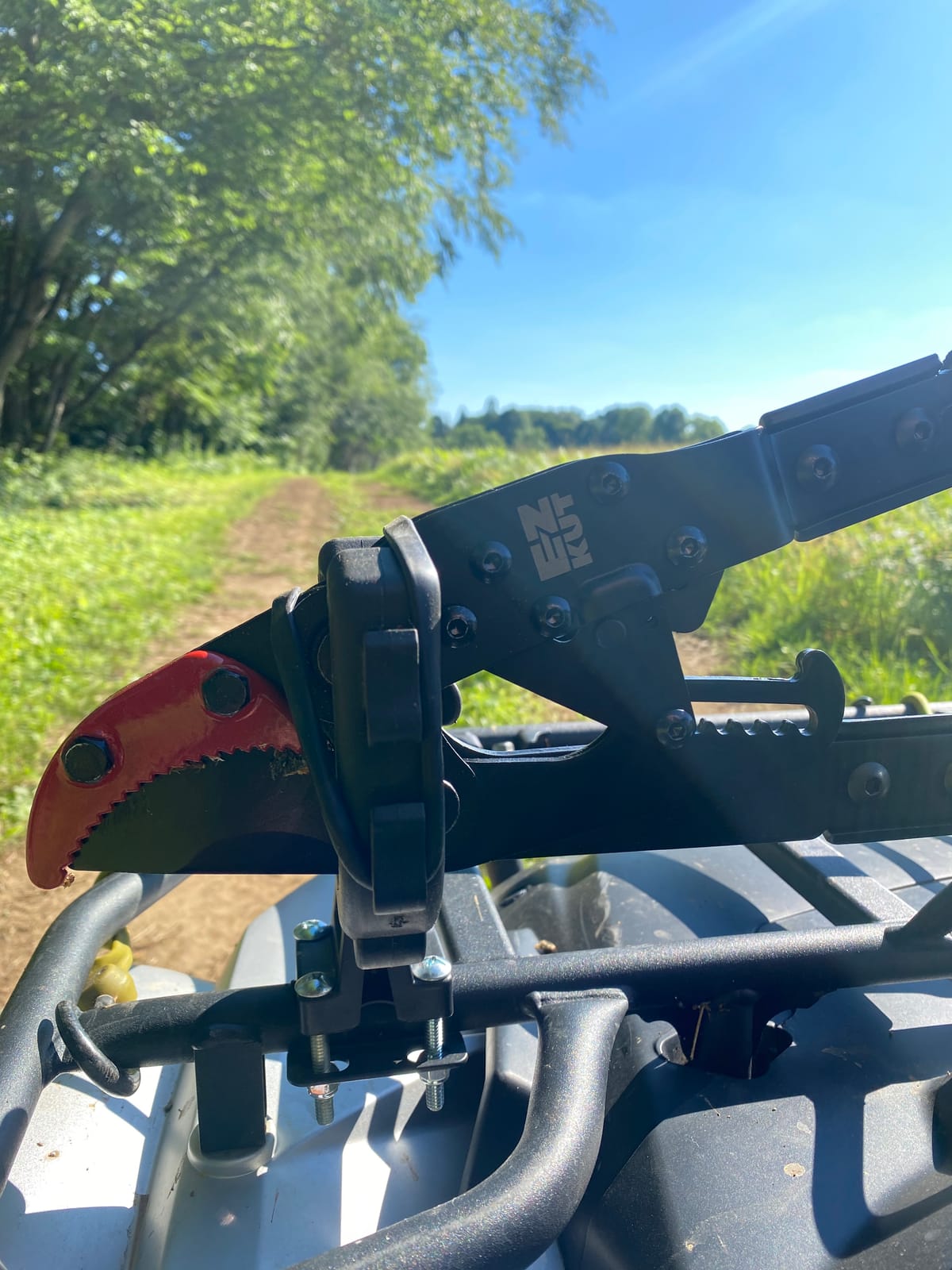
11. EZ Kut G2 Ratcheting Tree Trimmer: Best for Weak Hands and Arthritic Wrists
EZ Kut G2 Tree Trimmer Ratcheting Branch Cutter. Heavy Duty Branch Cutter. 42 inch Extendable Anvil Hand Loppers. Tree Pruner Trusted Since 1988. Chops Thick Branches with Ease.
1.5 inch cut capacity
6-stage ratcheting mechanism
Handles extend to 42 inches
Shock-absorbing anti-slip handles
Pros
- 6-stage ratchet parts most branches on the first squeeze with one or two extra cranks for tough ones
- Maximizer fast-opening feature gives a shorter handle stroke than competing geared loppers
- Exceptionally wide jaw with serrated raised anvil grips palm fronds tight to the trunk
- Telescoping arms lock solidly and are preferred over twist locks
Cons
- The most expensive pick in this roundup with owners calling the cost too high
- Safety latch ball bearing can work loose leaving a free-spinning latch that interferes with cutting
- Ratchet can creep out of engagement and need manual resetting
- Does not include the storage closure strap
The G2 is designed around a single idea: no single squeeze should have to be strong. A 6-stage ratchet builds force across repeated strokes, and the handles extend to 42 inches, the longest reach in the roundup. Users with weak hands and arthritis report removing shock and strain from a task that would otherwise be impossible for them.
The maximizer fast-opening feature shortens the handle stroke compared with competing geared loppers, which partly offsets the six-stage design. The jaw is exceptionally wide, with a serrated raised anvil that owners praise for gripping material growing tight against a trunk.
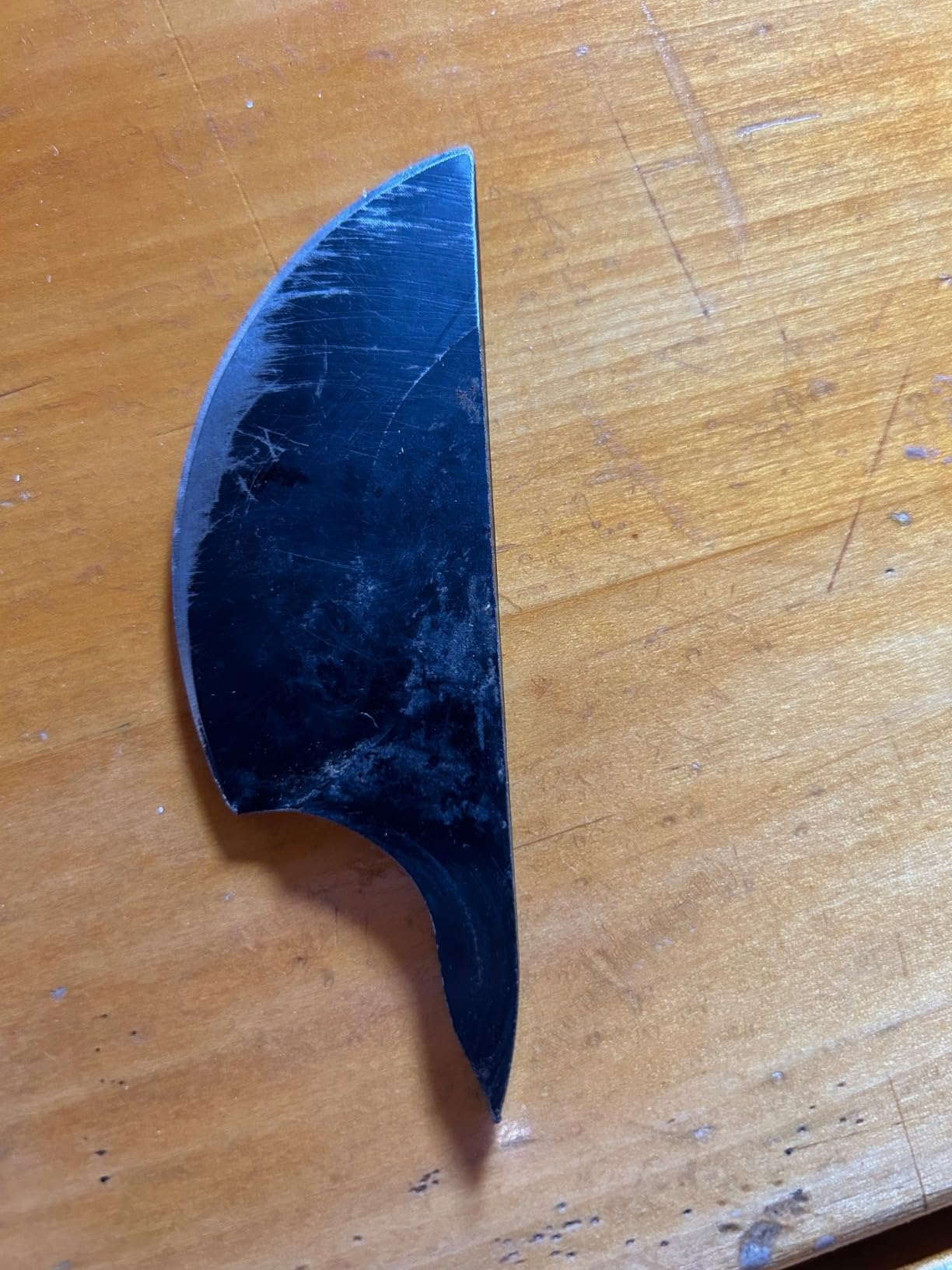
This is the lowest-rated pick here at 4.2, with a 10 percent one-star share, and the reasons are specific rather than general. The safety latch retaining ball bearing can escape, leaving a latch that free-spins and interferes with cutting. The ratchet can also creep out of engagement and need resetting by hand, and the maximizer latch must be reset each time the blade opens, which slows multi-branch work.
The other recurring complaint is cost: multiple owners argue the price should sit well below where it does. Buyers also note the red anvil paint rubs off on first use, which is cosmetic, and that the storage closure strap is not included.
What you should know before buying it
Pay attention to the latch on day one. Owners who check that the retaining ball bearing is seated and test the ratchet engagement before starting a long job report far fewer problems. Check the ratchet engagement after every few cuts on the first session, because creep-out is the failure mode that most often ends use of this tool.
Who it suits and who it does not
This suits anyone with arthritis, limited grip strength, a shoulder or back condition, or a recent surgery that limits pulling force, and it suits people cutting thick branches close to a trunk where a wide jaw is useful. It does not suit a confident gripper who will cut dozens of branches an hour, because the reset overhead makes it slower than simpler mechanisms.
12. Fiskars 32 inch Ratchet Drive Anvil Lopper: Best for Dead Dry Branches Without a Follow-Up Tool
Fiskars 32″ Ratchet Drive Garden Anvil Loppers, 2″ Cut Capacity
2 inch cut capacity
Ratchet drive force multiplication
Fully hardened precision-ground steel blade
Low-friction coating resists sap and rust
Pros
- Ratchet design compounds force across repeated squeezes needing little effort per cut
- Anvil geometry is built for exactly the thick dry dead branch use case
- Precision-ground hardened blade with low-friction coating resists sap gumming and rust
- Backed by established Fiskars brand quality
Cons
- Smallest review base in this roundup at 175 ratings so durability is less documented
- Ratchet action means several squeezes per cut which is slow on small branches
- Anvil style is not suited to living green wood
This is the newest listing here, and it currently ranks first in the Hand Loppers category despite having the smallest review base. Mechanically it is a straightforward proposition: a 32-inch ratchet-drive anvil lopper rated to 2 inches, aimed squarely at thick, dry, dead branches.
The ratchet drive compounds force with each squeeze, which means you never need maximum grip strength on one pull. The fully hardened, precision-ground steel blade carries a low-friction coating that resists sap and debris buildup and adds rust resistance, and the handles are riveted steel rather than plastic.
Because the review base is only 175 ratings, feedback concentrates on design attributes rather than years of durability reports. That is worth knowing before you treat the spec sheet as proven performance.
What you should know before buying it
Several squeezes per cut make this a poor tool for anything under an inch, so it needs a companion pruner for routine garden work. It is also worth checking whether Fiskars sells replacement blades and anvils for this model, because the listing does not describe a serviceable parts programme.
Who it suits and who it does not
This suits anyone with one specific job: clearing thick dead branches after storms or during a yard cleanup, where a two inch anvil rating and staged force are exactly what is needed. It does not suit a homeowner doing ongoing fruit tree pruning, and it does not suit anyone who needs to move quickly through mixed-size material.
How Thick Can Loppers Actually Cut?
Most loppers for thick branches cut between 1.5 and 2.5 inches of branch diameter, against a hand pruner limit of about three-quarter inch. Below one inch, any bypass lopper handles it. Between 1.5 and 2 inches, you need a compound, geared, or ratchet mechanism to multiply hand force. Past 2.5 inches, you are out of hand tool territory entirely.
The reason is arithmetic. Cutting force scales with the cross-section of the branch, so a branch twice as thick takes roughly four times the force. Since muscle strength and grip strength are fixed limits, the only way to cut thick wood is to multiply the force between your hands and the blade. Every mechanism in this roundup does exactly that, and they differ mainly in how they do it.
Bypass vs Anvil vs Ratcheting: Which Cuts Thickest
Bypass loppers use two sharpened blades that pass each other like scissors, producing a clean wound that heals well on live wood. Anvil loppers drive one blade onto a flat base, concentrating more force and crushing through dead dry wood but tearing green wood. Ratcheting loppers advance the blade in small stages across several squeezes, so no single stroke demands your maximum grip strength, which makes them the most capable on genuinely thick, hard material.
Compound-action loppers add a pivot between the handles and the blade for extra leverage in a single stroke, and gear-assisted designs put a gear train at mid-arm for a similar effect. The trade is handle spread: the more leverage built into the mechanism, the wider the handles must open, which is why geared loppers struggle inside a dense canopy.
Green Wood vs Dead Wood: Match the Jaw to the Job
Live green branches are fibrous and wet, and bypass blades shear them cleanly. Dead dry branches are brittle and hollow, and anvil jaws crush through them without the blade wandering. Bramble and dense hedgerow are worst-case: thin, whippy, and full of hidden wire and thorns, which is where ratchet tools earn their bulk.
Blade Material, Sharpening and Maintenance
Carbon steel and high carbon steel hold an edge longest and take a file back to sharpness easily, which matters most on the anvil loppers in this roundup. Stainless steel resists rust but bends under load and resists sharpening. Coatings such as PTFE, Teflon, and low-friction finishes reduce sap gumming, though they wear through and the blade underneath still needs attention.
Sharpening a bypass blade means dressing only one side, like scissors. Sharpening an anvil blade means dressing both sides, like a knife. The most common reported failure across this category is a dull blade driving users to push harder, which arborists flag as the leading injury mechanism in this tool class: the branch finally gives way, the handles snap shut, and the user has no load on them. Wipe sap off after use, oil the pivot, and file the blade at the first sign of drag.
Handle Length, Reach and Weight
Longer handles deliver more leverage and more reach in a single tool, since the same force applied further from the pivot produces a larger closing moment. Everything from 32 to 42 inches here covers ground and trunk work comfortably. The cost is weight, and weight is the most common fatigue complaint in the reviews: anything above four pounds becomes genuinely tiring overhead, which is the argument for a ratchet or gear-assist tool instead of a heavier straight one.
When a Lopper Is the Wrong Tool
Above roughly three inches, no hand lopper is the correct answer, and forcing it is how people get hurt. Escalate in steps: pruning shears to about three-quarter inch, loppers to about 2 inches, a folding pruning saw to roughly four inches, a pole saw for anything above head height, and a mini chainsaw for three inches and up. Anything large, anything overhead that you would need a ladder for, or anything near power lines belongs with a certified arborist.
Frequently Asked Questions
What type of lopper is best for cutting thick branches?
Ratcheting loppers are the most capable on genuinely thick, hard branches because they build cutting force across several squeezes rather than demanding your maximum grip strength on one stroke. For dead dry wood up to 2 inches, a compound-action anvil lopper is the strongest choice. For live green branches up to 2 inches, a gear-assisted bypass lopper shears cleanly instead of crushing the fibres.
Are bypass or anvil loppers better for thick branches?
Neither is universally better, because they suit different wood. Anvil loppers concentrate more force and are the better choice for dead, dry, hard branches. Bypass loppers shear like scissors and are the better choice for living green branches, because the clean wound face heals instead of tearing. Most owners keep one of each.
How thick can loppers cut?
Most loppers for thick branches are rated between 1.5 and 2.5 inches of branch diameter. A plain bypass lopper manages up to about 1.75 inches, compound and gear-assisted models reach 2 inches, and heavy ratchet models can be rated to 2.5 inches on dry wood. Past 3 inches you need a pruning saw, a mini chainsaw, or an arborist.
What is the best tool to cut thick tree branches?
For branches up to about 2 inches, a lopper with a compound, gear-assisted, or ratchet mechanism is right. From roughly 2 to 4 inches, use a folding pruning saw. Above 4 inches, or anything overhead that requires a ladder or sits near power lines, call a certified arborist rather than improvising.
How do I sharpen lopper blades?
Disconnect the tool and clean sap off first with solvent and a rag. On a bypass lopper, file only the cutting side, following the existing bevel, and deburr the back lightly. On an anvil lopper, file both the blade and the anvil face. Work along the length with a medium file, then finish with a fine stone, and remove any burrs so the blade does not tear as it closes.
Are expensive loppers worth it?
Often, but not always. What you pay for at the top of the range is usually blade metallurgy, replaceable parts, and a warranty you can rely on, which pays back over a decade of sharpening. What you are paying for at the low end is often a plastic handle that cracks. The middle of the range is where most homeowners should shop.
Final Verdict on the Best Loppers for Thick Branches in 2026
For live green branches, the Fiskars 32-inch PowerGear2 is the best lopper for thick branches overall: 2 inch capacity, a gear system that multiplies force, a resharpenable blade, and a lifetime warranty backed by thousands of reviews. For dead dry hedgerow and storm debris, the TABOR TOOLS GG12A takes the top spot on rating alone and cuts 2 inch dry wood with almost no effort.
For reach and hard material above head height, the Spear & Jackson 8290RS telescopic ratchet is the strongest all-round heavy-duty option, and the STEELHEAD is the lighter answer when fatigue matters more than capacity. Whichever you choose, keep the blade sharp: a dull edge is what turns a controlled cut into an injury.