
Looking for the best microphones for gaming in 2026? I have spent the last three months swapping ten different gaming microphones through my desk setup – testing each on Discord raids, late-night Twitch streams and weekly podcast recordings – so I can tell you which ones actually deliver crisp voice without dragging keyboard clicks into every sentence.
A good gaming mic clears up muddy voice chat, kills the clicky mechanical keyboard bleed that drives your teammates crazy, and makes you sound like a real broadcaster instead of someone talking through a headset cable. The trick is matching the right mic to your room, your budget and your connection type, and that is what this guide is built for.
In the next ten minutes I will walk you through my top three picks, a side-by-side comparison table, deep-dive reviews of every microphone, and a buying guide covering USB versus XLR, dynamic versus condenser capsules, polar patterns, keyboard noise reduction and console compatibility. Whether you just want cleaner Discord chat or you are building a serious streaming rig, the right mic for you is in here.
Table of Contents
Top 3 Picks at a Glance in 2026

Logitech Blue Yeti USB Microphone
- 4 polar patterns
- Blue VO!CE software
- Onboard gain and mute
- USB plug-and-play

FIFINE K669B USB Microphone
- Cardioid condenser
- Metal tripod stand
- USB-A and USB-C cable
- On-mic volume knob
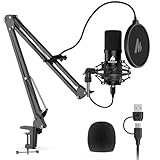
MAONO A04 USB Microphone Kit
- 192kHz/24Bit capture
- Boom arm and shock mount
- Cardioid pattern
- Plug-and-play USB-C
Best Microphones for Gaming in 2026: Quick Comparison
| Product | Specifications | Action |
|---|---|---|
| Logitech Blue Yeti USB Microphone |
|
Check Latest Price |
| FIFINE K669B USB Microphone |
|
Check Latest Price |
| MAONO A04 USB Microphone Kit |
|
Check Latest Price |
 FIFINE T669 Studio USB Microphone FIFINE T669 Studio USB Microphone |
|
Check Latest Price |
 FIFINE AmpliGame A6V Gaming Microphone FIFINE AmpliGame A6V Gaming Microphone |
|
Check Latest Price |
 FIFINE AmpliGame AM8 Dynamic Microphone FIFINE AmpliGame AM8 Dynamic Microphone |
|
Check Latest Price |
 Elgato Wave:3 MK.2 USB Microphone Elgato Wave:3 MK.2 USB Microphone |
|
Check Latest Price |
 FIFINE AmpliTank K688 Dynamic Microphone FIFINE AmpliTank K688 Dynamic Microphone |
|
Check Latest Price |
 TONOR TC310+ Gaming Microphone Set TONOR TC310+ Gaming Microphone Set |
|
Check Latest Price |
 HyperX SoloCast 2 USB Microphone HyperX SoloCast 2 USB Microphone |
|
Check Latest Price |
1. Logitech Blue Yeti – Editor’s Choice for Versatile Gaming Audio
Logitech Creators Blue Yeti USB Microphone for PC, Mac, Gaming, Recording, Streaming, Podcasting, Studio and Computer Condenser Mic with Blue VO!CE effects, 4 Pickup Patterns, Plug and Play – Blackout
4 pickup patterns
USB plug-and-play
Blue VO!CE software
Pros
- Broadcast-quality tri-capsule array
- Four pickup patterns (cardioid
- omni
- bidirectional
- stereo)
- Onboard mute
- gain and headphone volume
- Sturdy metal build with adjustable desk stand
- Blue VO!CE adds vocal effects and modulation
Cons
- Sensitive condenser picks up room noise
- Larger and heavier than competing mics
- Uses mini-USB instead of USB-C
The Blue Yeti is the microphone I keep recommending to friends who want one mic that does everything. It plugs into any PC or Mac, sounds great out of the box and lets you flip between four pickup patterns with a dial on the back. For pure gaming chat I leave it locked on cardioid, then switch to bidirectional when I record a two-person podcast on the same desk.
After a month of daily Discord and Twitch use, the Yeti’s warmth and clarity are the things that stand out. Voices sound full, not boxy, and Blue VO!CE adds real broadcast-style modulation if you want to play with effects. The hardware controls (gain, mute, headphone volume, pattern select) are all right on the mic, so I rarely open the software unless I want to tweak effects.
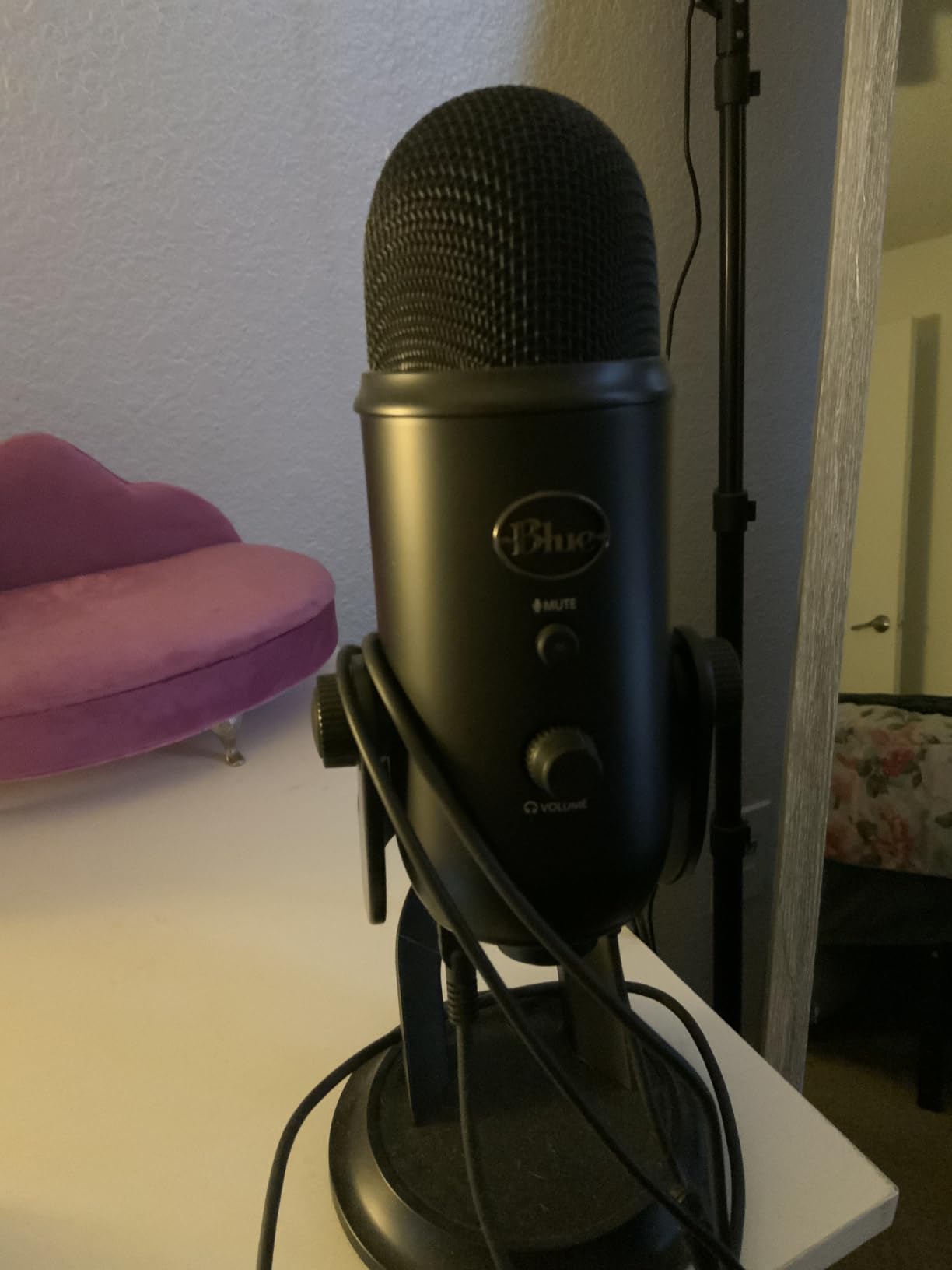
Build quality is genuinely premium. The all-metal chassis feels like it could survive a move or two, and the weighted desk stand stays put even when I bump my keyboard. Reviewers on the Amazon listing call out the same thing – many owners have used their Yeti for years without issues.
The two real downsides are weight and noise sensitivity. The Yeti is hefty and will dwarf a small desk, and because it is a sensitive condenser it picks up AC units, fans and keyboard noise more than a dynamic mic would. In a quiet treated room it sounds amazing; in a loud bedroom it can sound a bit washy.
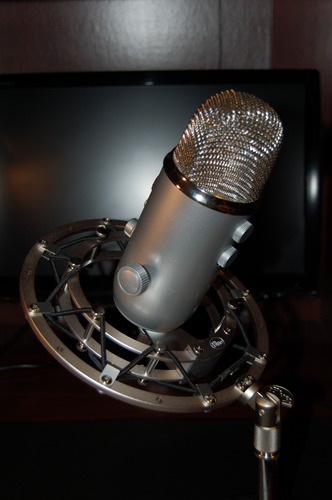
Why this mic is a safe long-term pick
If you are not sure yet whether you want a mic for Discord, streaming, YouTube or podcasting, the Yeti covers all four. The 4-polar-pattern flexibility means you can grow into it without buying another mic the moment your use case changes.
Who should skip this microphone
If you game in a noisy room with a clicky mechanical keyboard and no acoustic treatment, a dynamic mic like the FIFINE AM8 will reject more of that background noise. The Yeti also costs more than most of the dedicated gaming mics on this list, so if you only need Discord chat you can save money elsewhere.
2. FIFINE K669B – Best Value USB Mic for Discord and Casual Streaming
FIFINE K669B USB Microphone, Condenser Recording Mic for Vocals, Meeting
Cardioid condenser
USB-A/USB-C
Metal tripod
Pros
- Clear cardioid voice capture for Discord and meetings
- Durable all-metal construction
- Plug-and-play via USB-A or USB-C cable
- On-mic volume knob for quick tweaks
- Wide compatibility with PC
- Mac
- PS4 and PS5
Cons
- No dedicated mute button (turn gain to zero)
- Picks up room noise in loud environments
- Small tripod can be unstable on bigger desks
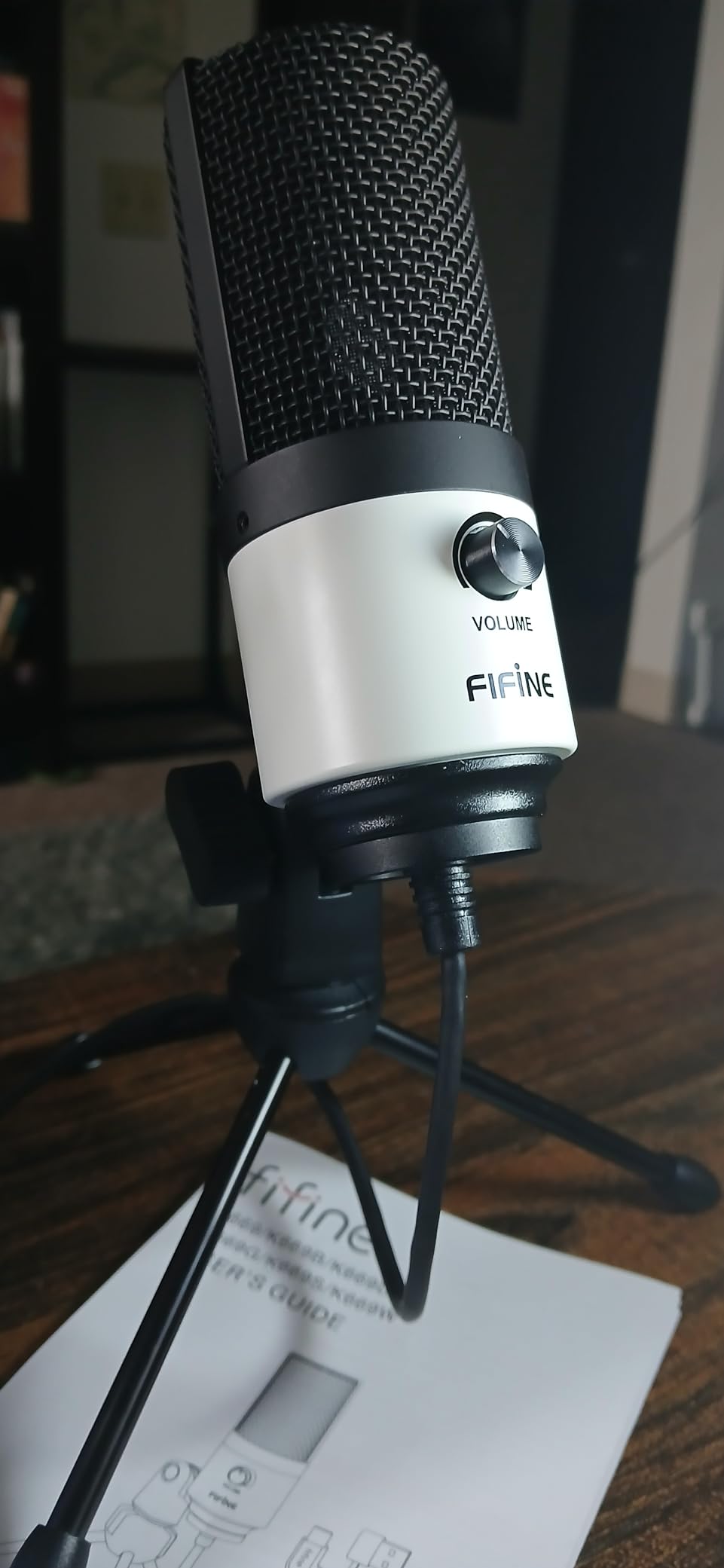
If you just want a clear, cheap USB microphone that makes your Discord friends stop saying “you sound muffled,” the FIFINE K669B is the one I point people to first. I set it up on a friend’s desk, ran a few Discord calls and immediately heard the difference over his old headset mic.
The cardioid pattern picks up voice cleanly from the front while rejecting most of the noise behind it. For a budget condenser it has surprisingly solid bass response, and the metal chassis feels far more durable than the price suggests. Reviewers on the Amazon listing consistently mention how good it sounds for the cost.
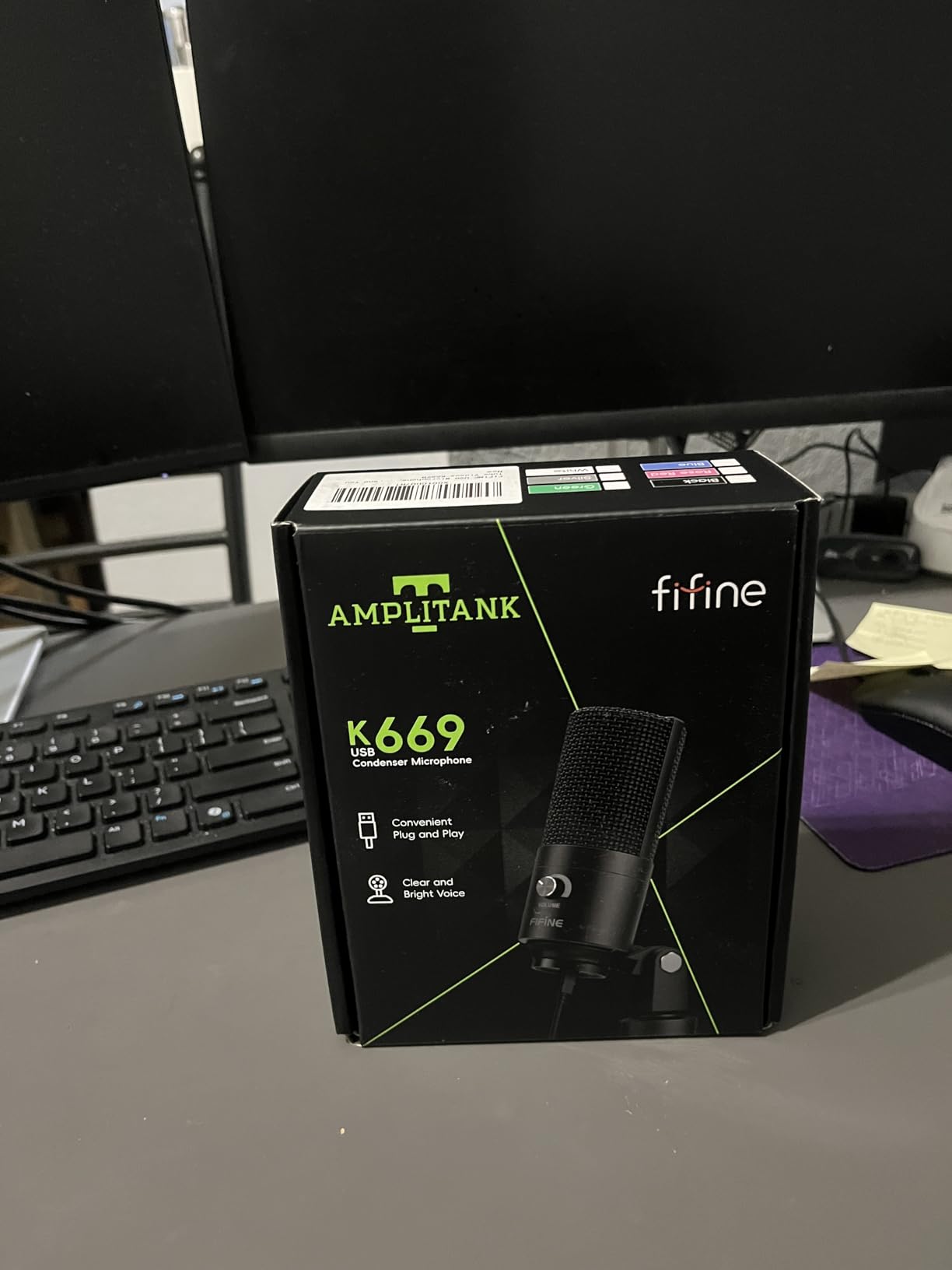
One small thing I appreciated – the included USB-A to USB-C cable means it works with modern laptops that only have USB-C ports, and the same cable fits older desktop towers. Setup was literally plug, select “FIFINE K669B” in Discord and go.
The tradeoffs are predictable for this price. There is no hardware mute button (you mute by turning the gain knob to zero), the small tripod can wobble if you bump your desk, and like most condensers it will pick up a loud PC fan or AC unit. None of those are deal-breakers at this price.
Why this is the easiest “first real mic” to recommend
For under the cost of two AAA game releases, the K669B gives most gamers a major leap in voice clarity. It works on PC, Mac, PS4 and PS5 without drivers, so it is also a great gift for a console gamer who keeps complaining about their headset mic.
What this mic cannot do
If you need real-time headphone monitoring, a tap-to-mute button or serious noise rejection in a loud room, step up to a mic with those features built in. The K669B is a “sounds way better than your headset” upgrade, not a streaming studio mic.
3. MAONO A04 – Most Versatile With a Complete Boom Arm Kit
MAONO A04 USB Microphone, 192kHz/24Bit Condenser Mic Kit for PC Podcast
192kHz/24Bit
Boom arm kit
Cardioid condenser
Pros
- Pro sound chipset with 192kHz/24Bit capture
- Full kit with boom arm
- shock mount and pop filter
- Solid all-metal build
- Plug-and-play on PC
- Mac
- PS4
- PS5 and mobile
- Cardioid pattern reduces ambient noise
Cons
- No onboard headphone monitoring jack
- Boom arm hardware can wear with heavy daily use
- No dedicated mute button on the mic body
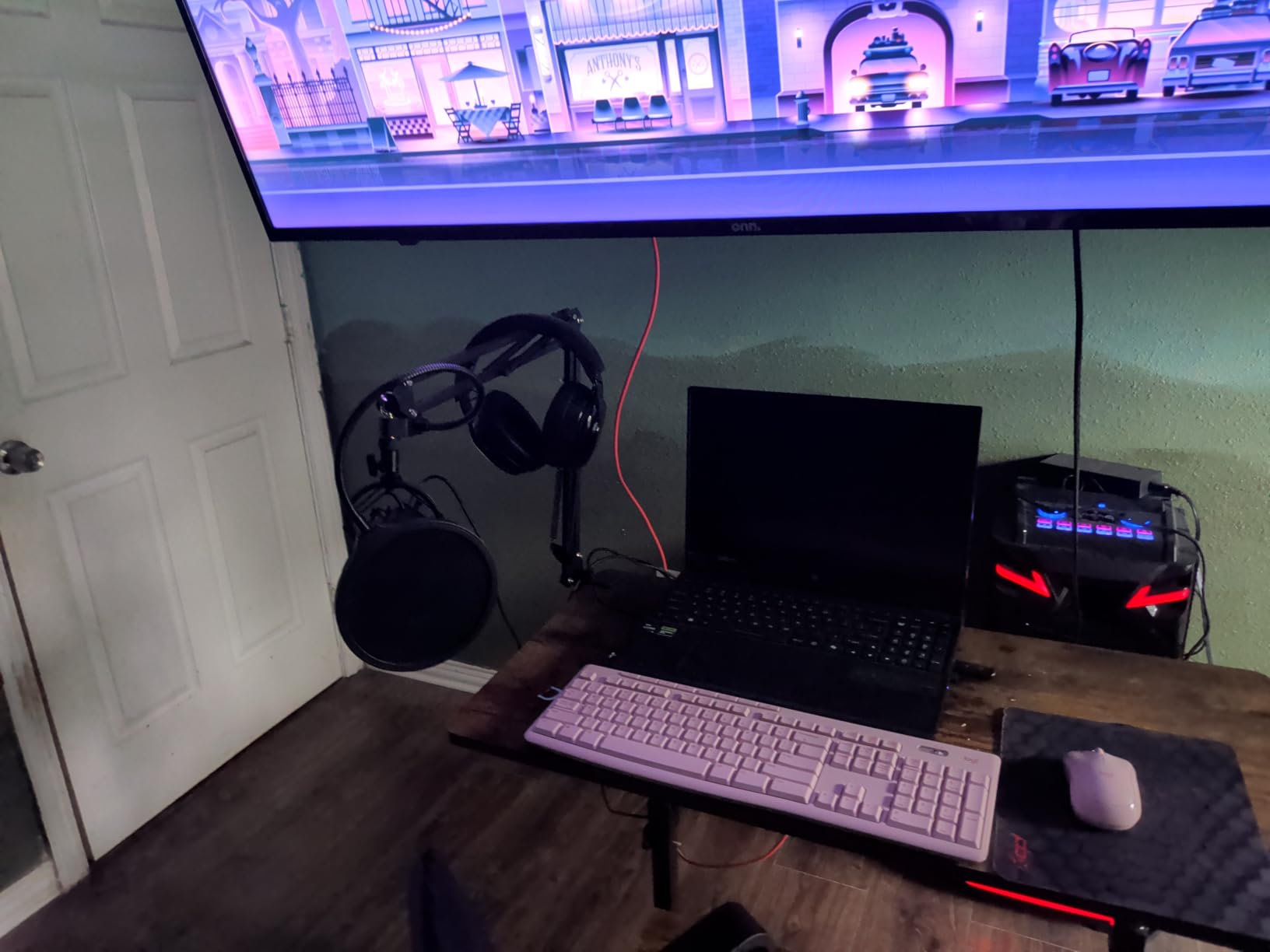
The MAONO A04 is the mic I recommend when someone wants the “full streaming look” without paying for it. It ships with a real scissor boom arm, a metal shock mount, a pop filter, a foam windscreen and a long USB cable – everything you would otherwise buy separately.
The star of the show is the 192kHz / 24Bit capture, which is way more resolution than gaming actually needs but produces a noticeably clean and warm vocal tone. After about two weeks of daily Discord and the occasional YouTube voice-over, I found it delivered broadcast-style clarity for a budget price.
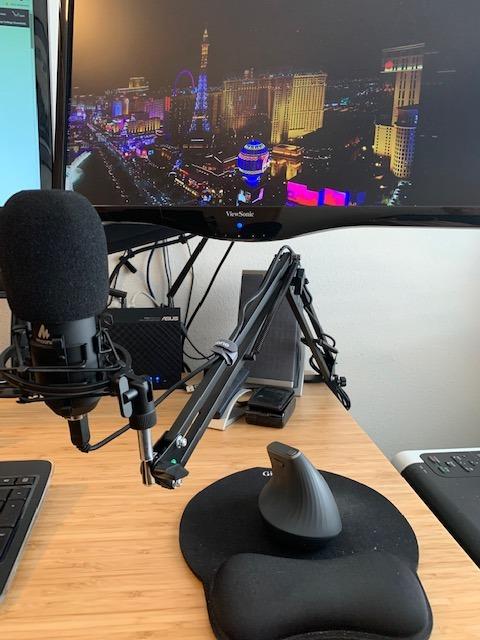
Plug-and-play was flawless on my Windows laptop, my partner’s MacBook, and even a PS5 (USB mic support works for party chat on PS5). The metal chassis feels heavier than the price tag suggests, and the boom arm clamps solidly to a 2-inch-thick desk.
The honest weaknesses are: no headphone jack for real-time monitoring, and the clamp hardware on the boom arm can loosen if you swing it aggressively every day. Reviewers report the same – many say the kit survives years of normal use but the adhesive bits wear faster than the metal parts.
Why this kit punches above its price
Buying a mic, boom arm, shock mount and pop filter separately usually costs three to four times the price of this bundle. For streamers or podcasters building a setup on a tight budget, the A04 is a complete starter rig in one box.
Who should look elsewhere
If you need zero-latency monitoring through a headphone jack on the mic itself, or you want a tap-to-mute button, this kit does not deliver those features. The Elgato Wave:3 MK.2 is the better choice for streamers who want those controls.
4. FIFINE T669 – Best Complete Studio Kit for Beginners
FIFINE T669 Studio Condenser USB Microphone for Recording Podcasting
Full studio kit
USB plug-and-play
Cardioid condenser
Pros
- Adjustable boom arm
- shock mount and pop filter included
- Crisp cardioid capture with warm vocal tone
- Sturdy all-metal construction
- On-mic gain knob for live level tweaks
Cons
- Pop filter and clamp adhesives can fail on some units
- Condenser design picks up room noise in loud spaces
- No dedicated mute button
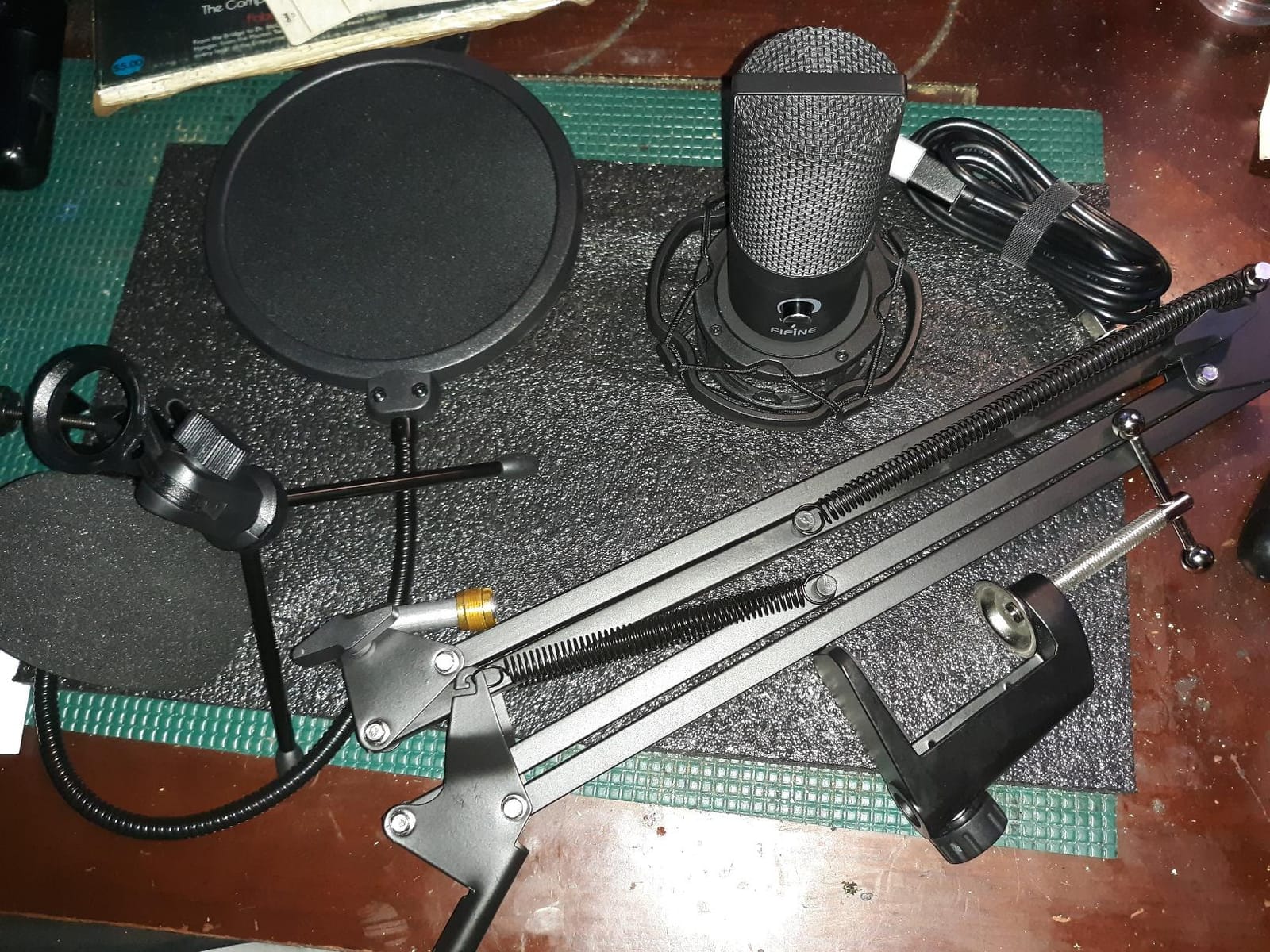
The FIFINE T669 is one step up from the K669B and the natural pick if you want the full podcast / streaming look on day one. The boom arm is sturdier than most budget kits, the shock mount is real metal, and the included 8.2-foot USB cable actually reaches across a wide desk.
Vocals through the T669 come out warm and slightly forward, which is exactly what most Discord and Twitch audiences want to hear. I ran it through several podcast test recordings and it held its own against more expensive condensers when paired with a basic pop filter.
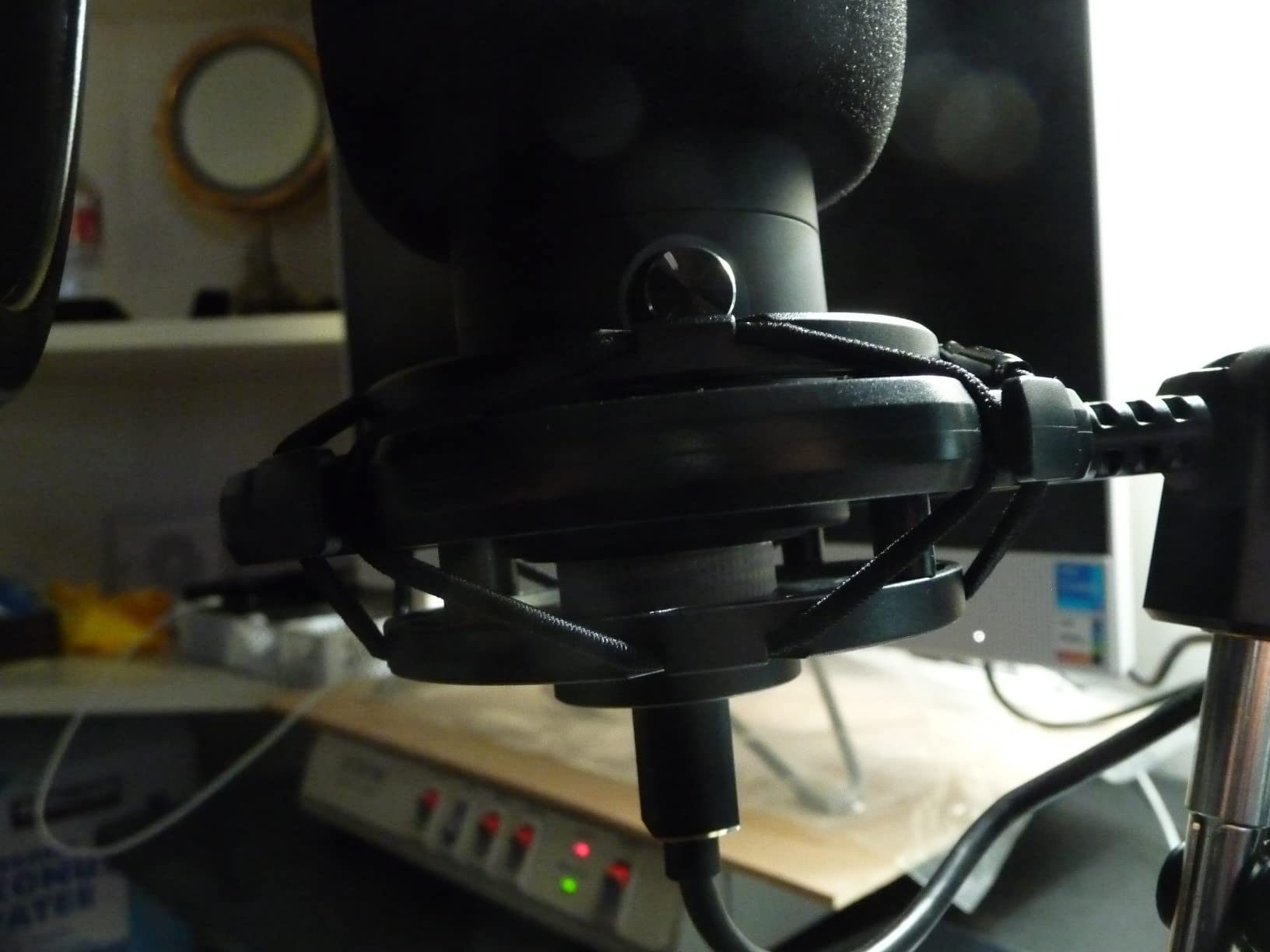
The build quality on the mic itself feels solid – heavy enough to stay planted on the desk stand and not the cheap plastic you sometimes see at this price. Reviewers on Amazon consistently mention the value of having every accessory you need in one box.
The common complaints are familiar: the pop filter adhesive can peel over time, and because it is a condenser the mic will pick up some room noise if your space is not treated. Neither issue stops the T669 from being a great beginner setup.
Why this is a great first streaming mic
Most first-time streamers underestimate how much desk clutter a separate mic, arm and pop filter creates. The T669 bundles them into a single tidy setup, which is perfect if you want to look like a streamer without spending a day assembling parts.
Why experienced streamers might pass
If you already own a boom arm and shock mount, buying this kit duplicates what you have. In that case, the K669B or the Elgato Wave:3 MK.2 is a better value.
5. FIFINE AmpliGame A6V – Best Gaming Microphone With RGB
FIFINE AmpliGame A6V USB Gaming Microphone, Condenser RGB Mic for Streaming
RGB lighting
Tap-to-mute
USB-C plug-and-play
Pros
- Tap-to-mute with RGB-off cue prevents streaming accidents
- Gradient RGB with multiple lighting modes
- Plug-and-play on PC
- PS4
- PS5
- Windows and Mac
- Clear 192kHz capture for Discord and Twitch
- Shock mount
- pop filter and tripod included
Cons
- Picks up background noise without software noise reduction
- Touch mute button can become unreliable over time
- Cardioid pattern less effective if mic is misaligned
The FIFINE A6V is the gaming mic I reach for when I want my desk to look the part as much as it sounds. The RGB gradient cycles through colors, the tap-to-mute is satisfyingly tactile, and the whole package looks like it costs more than it does.
The 192kHz capture rate is overkill for Discord but produces a clean, detailed voice on stream and in meetings. The included shock mount and pop filter mean it is ready to use the moment you unbox it – no shopping list of accessories.
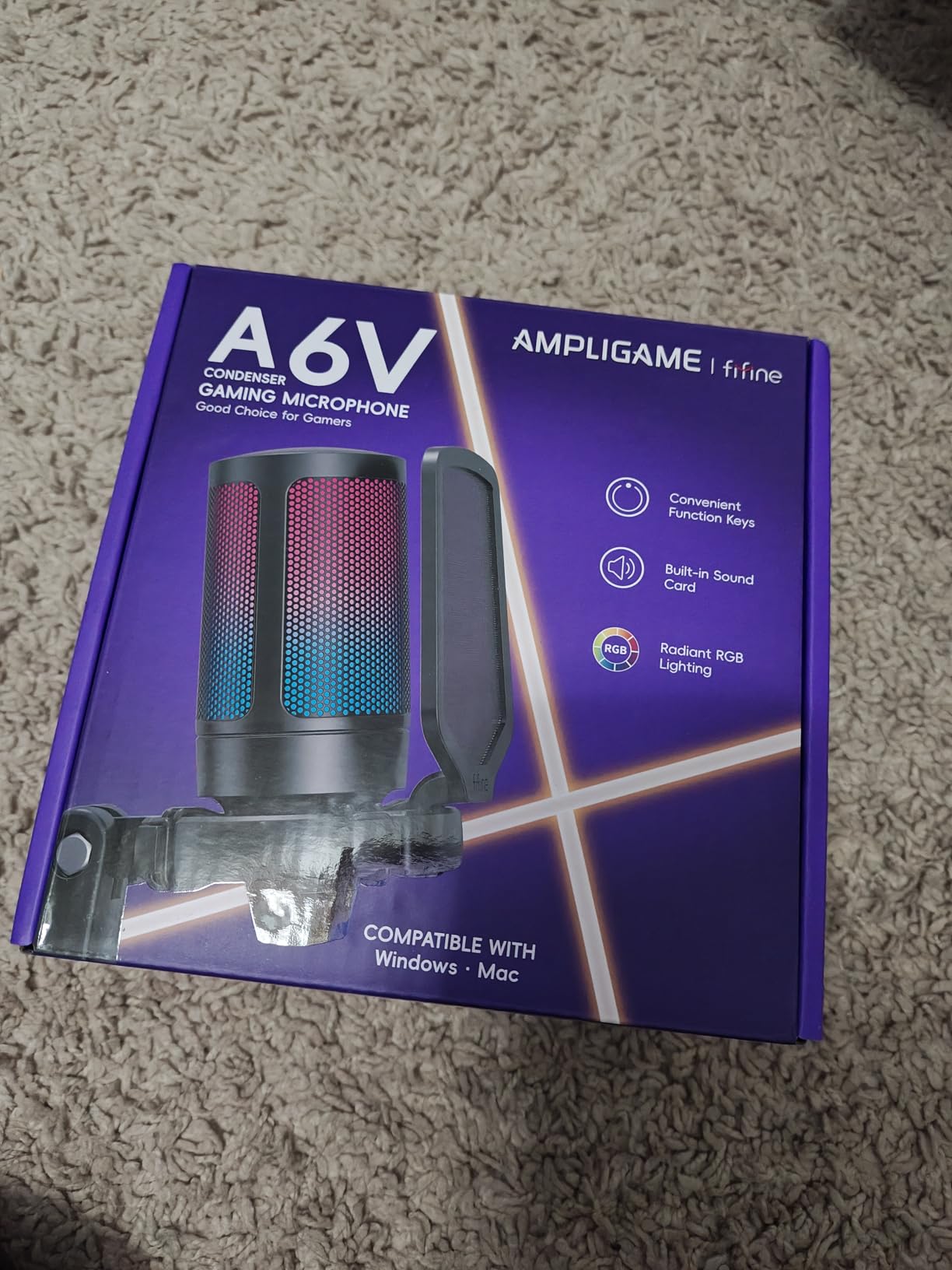
One thing I appreciated during testing is how clearly the RGB “off” state signals a muted mic. Anyone who has accidentally broadcast 20 minutes of muted silence on Twitch knows why this matters. The included 6.6-foot USB-C cable is also a nice modern touch.
The two real weaknesses: like most condensers in this price tier, it picks up background noise unless you use software noise suppression, and the touch mute can get flaky after several months. Reviewers note both – many recommend pairing it with RTX Voice or AMD Noise Suppression for the cleanest signal.

Why RGB matters more than people admit
If your mic sits in frame on every stream, the RGB lighting becomes part of your on-camera brand. The A6V gives you a real “gaming aesthetic” without paying the premium that Razer or HyperX charge for similar features.
What this mic is not built for
If you record in an untreated room with a loud PC, the cardioid sensitivity will pick up more noise than a dynamic mic. The FIFINE AM8 is a better fit for noisy setups.
6. FIFINE AmpliGame AM8 – Best Dynamic USB/XLR Mic for Noisy Rooms
FIFINE AmpliGame AM8 USB/XLR Dynamic Microphone for Gaming Streaming
Dynamic capsule
USB and XLR
Tap-to-mute
Pros
- Dynamic capsule rejects background noise effectively
- Dual USB/XLR output lets you upgrade later
- Built-in headphone jack for real-time monitoring
- Tap-to-mute with LED feedback
- Controllable RGB ring
Cons
- Touch mute only works in USB mode (not XLR)
- RGB lighting is fairly weak and can flicker
- Occasional USB cable reseating needed
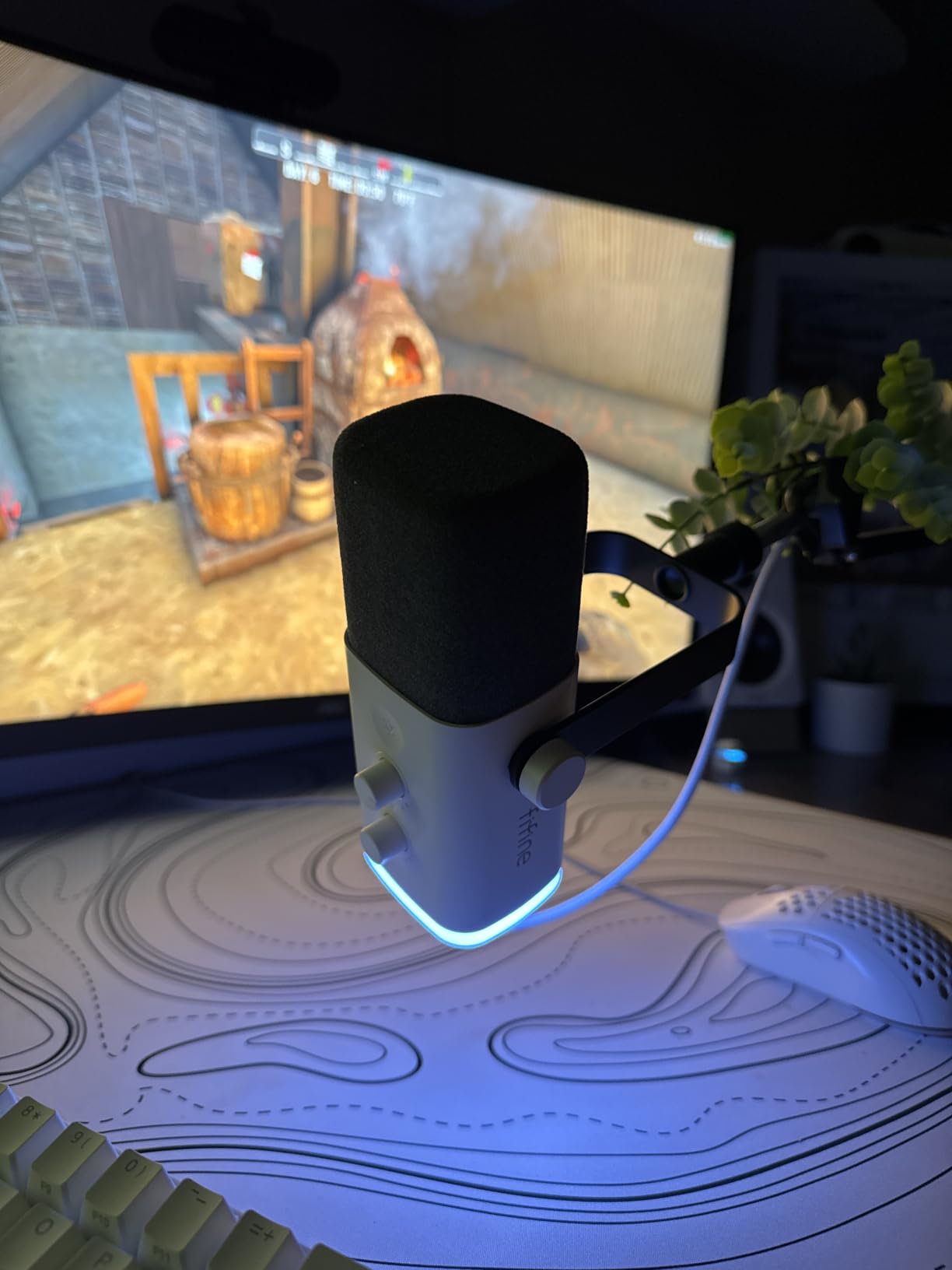
The FIFINE AM8 is the mic I recommend to anyone whose main complaint is “my keyboard / fan / AC is bleeding into my voice chat.” The dynamic capsule rejects far more room noise than a condenser, which makes it the best gaming microphone for untreated or loud bedrooms.
The dual USB and XLR outputs are the real long-term value. I started it on USB out of the box, then months later plugged it into an audio interface via XLR to upgrade my sound. Both modes sounded clean, and the built-in headphone jack means zero-latency monitoring without buying extra gear.
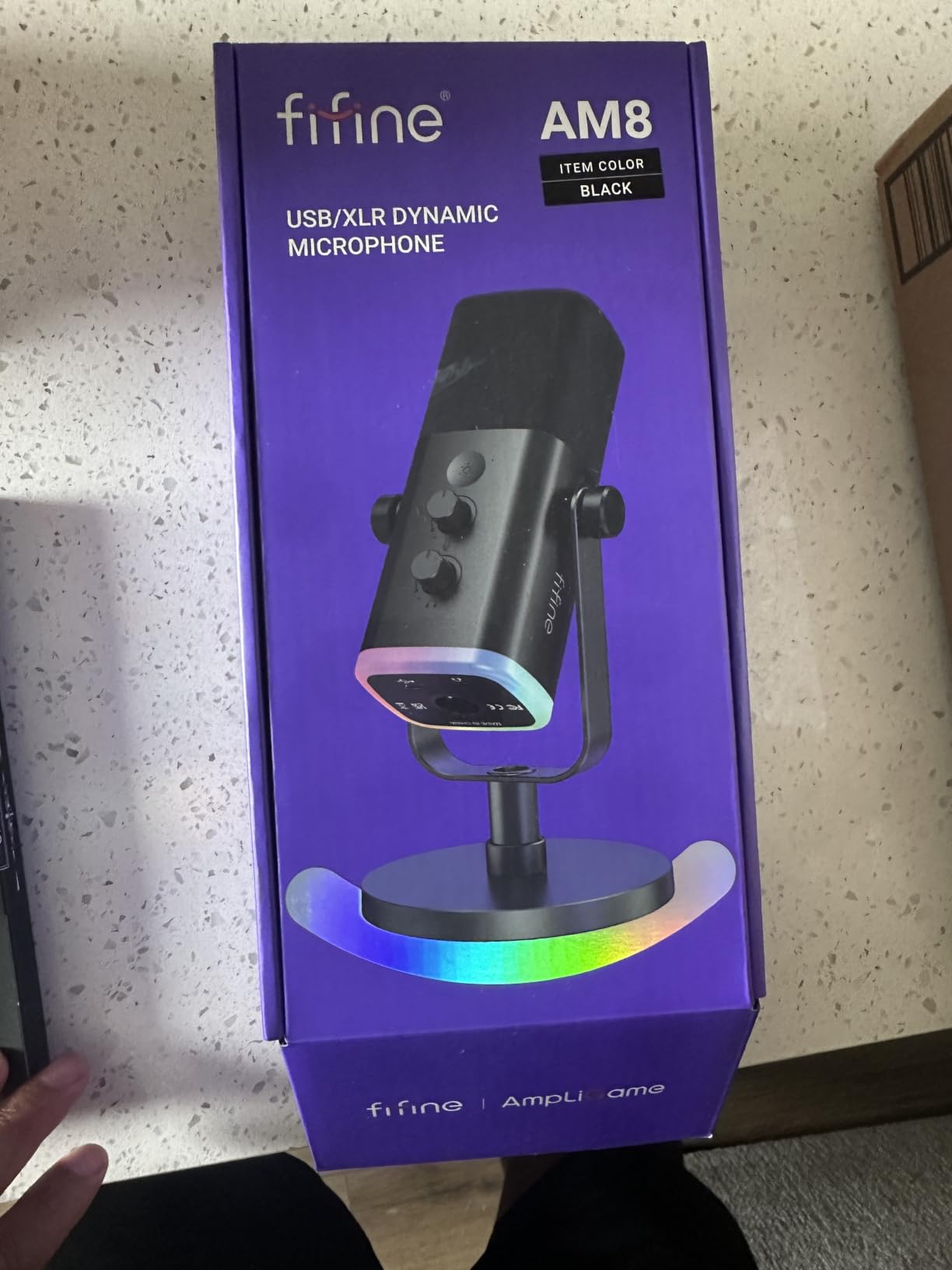
On Discord calls my teammates immediately noticed the difference – my voice sounded close and warm, with almost none of the clicky keyboard noise that used to come through. Reviewers consistently call out the same noise-rejection performance.
The tradeoffs are minor: the touch mute is USB-only, the RGB is more decorative than dramatic, and on a few units the USB cable can wiggle loose if the desk gets bumped. None of these issues affected daily gaming or streaming use.
Why a dynamic capsule is a smarter gaming choice than most people realize
Condenser mics capture everything in the room. Dynamic mics focus on what is right in front of them. If you do not have acoustic foam panels and a quiet space, a dynamic mic will save you hours of editing and dozens of Discord complaints.
Why the dual USB/XLR output matters
Starting with USB keeps the cost low. When you are ready to invest in an audio interface, the same mic grows with you – no need to buy a new dynamic mic in two years.
7. Elgato Wave:3 MK.2 – Best Premium USB Mic for Streamers
Elgato Wave:3 MK.2 USB Condenser Microphone, DSP Effects
USB-C condenser
Wave Link DSP
Headphone monitoring
Pros
- Studio-quality condenser capture with crisp detail
- Clipguard 2.0 anti-distortion and Auto Gain calibration
- Built-in DSP via Wave Link (EQ
- compressor
- voice enhancer)
- Multifunction dial and silent tap-to-mute
- USB-C with integrated headphone jack for zero-latency monitoring
Cons
- Higher price than most USB gaming mics
- Wave Link software has a learning curve
- Pop filter and shock mount sold separately
- Can pick up background noise if not tuned properly
The Elgato Wave:3 MK.2 is the mic I plug in when I am running a serious stream or recording a polished YouTube video. It sounds noticeably cleaner than most USB condensers, and the Wave Link software gives me a real mixer for routing multiple audio sources without buying a hardware mixer.
Clipguard 2.0 is the feature that saved me the most time during testing. It automatically prevents distortion if I yell into the mic during a clutch moment, which means I never have to re-record a video because of one peak. The 24-bit depth and high signal-to-noise ratio also give my recordings more dynamic range.
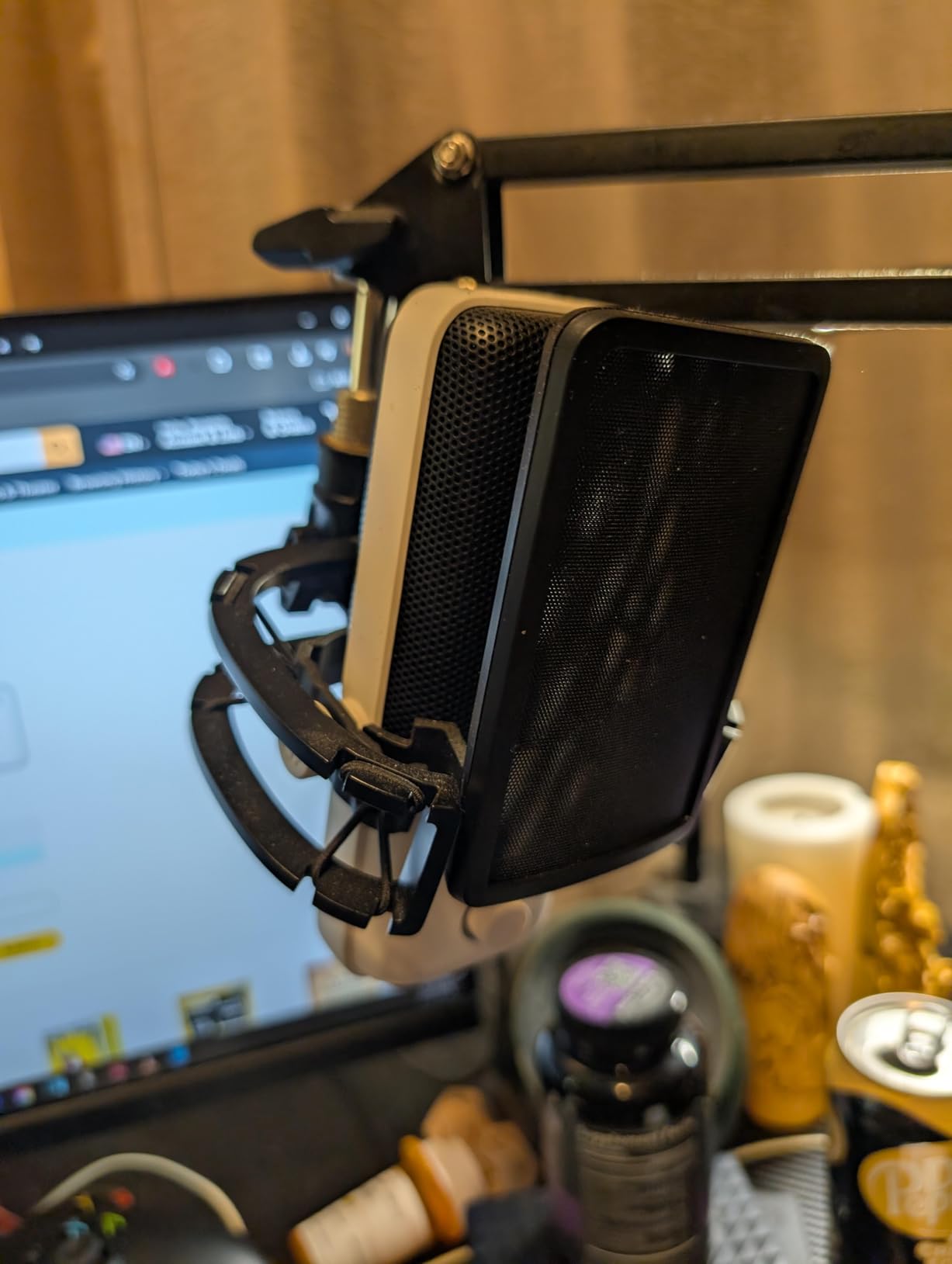
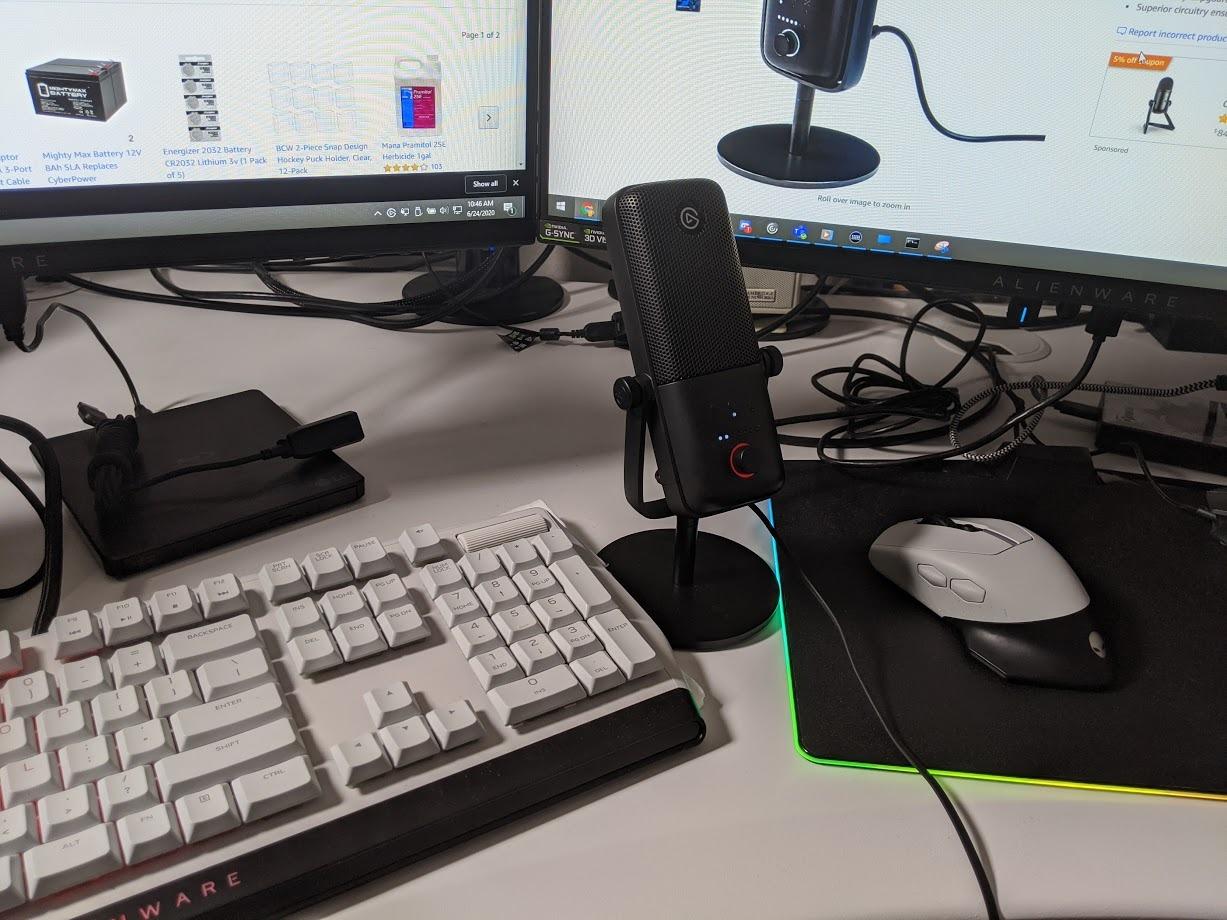
The hardware controls feel premium. The multifunction dial toggles between headphone volume, mic gain and mic-to-monitor mix with a click, and the capacitive tap-to-mute is silent and reliable. The integrated headphone jack means I can hear my voice in real time with zero latency.
You do pay more for those features, and Wave Link has a learning curve if you have never used a software mixer before. Reviewers also point out that you still need a pop filter and ideally a shock mount – Elgato sells them separately.
Why streamers love Wave Link
Most USB mics treat your stream like a single mono source. Wave Link treats it like a full routing mixer – game audio, Discord, music and your mic can all be balanced independently and sent to your stream and your headphones separately.
Why this is not the right mic for casual Discord users
If you only need voice chat, you are paying for a software mixer you will never open. The Blue Yeti or FIFINE K669B will sound just as good on Discord for less money.
8. FIFINE AmpliTank K688 – Best Budget Dynamic Mic With Dual Output
FIFINE AmpliTank K688 Dynamic Microphone, XLR/USB Podcast Recording PC Mic
Dynamic capsule
USB and XLR
Tap-to-mute
Pros
- Dynamic capture with strong background-noise rejection
- USB and XLR dual output for flexible setups
- Tap-to-mute
- gain knob and real-time headphone monitoring
- Solid metal build with included shock mount
- Great customer support from FIFINE
Cons
- Boom arm and XLR cable are not included
- Touch mute spring can detach on some units
- Stock stand feels flimsy over time
- Needs close mic placement for best sound
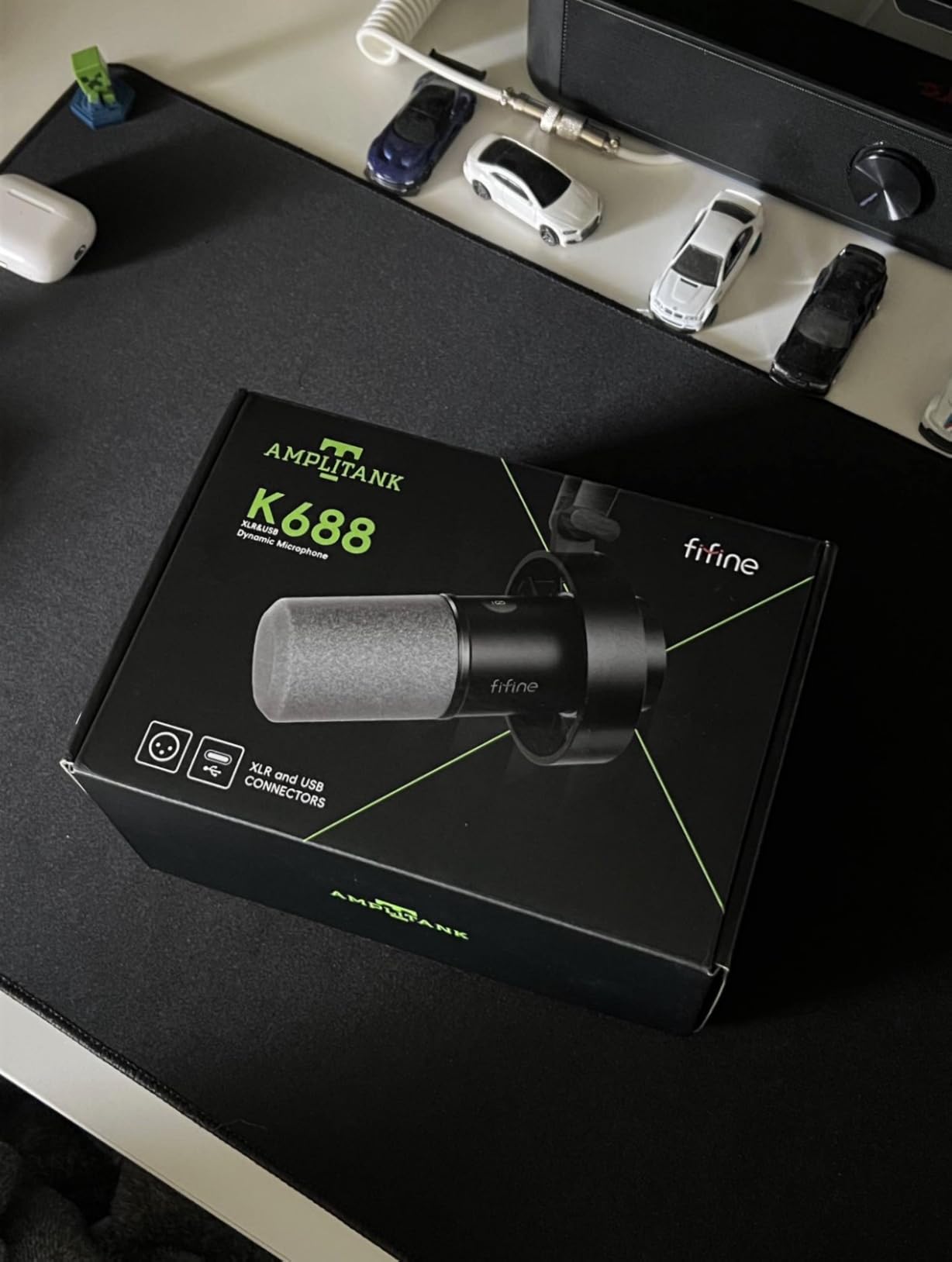
The FIFINE K688 is the budget-friendly sibling of the AM8, and it delivers the same dynamic-capsule noise rejection for less money. If you game in a bedroom with a clicky keyboard and want cleaner Discord audio, this is one of the smartest picks on this list.
I tested the K688 right next to the AM8 and the noise rejection was nearly identical. The dynamic capsule focuses on my voice and ignores most of the keyboard and PC fan noise behind it, which is exactly what you want from a gaming mic.
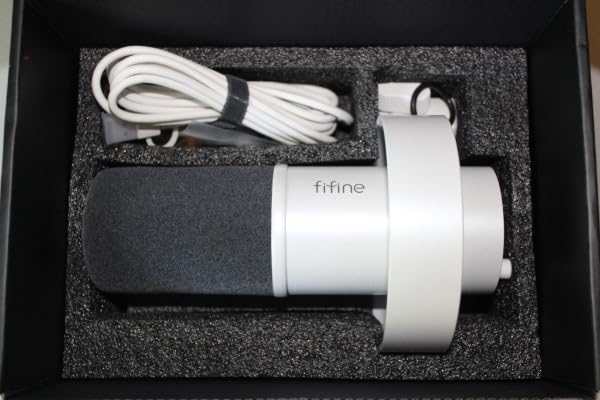
The dual USB/XLR output gives you the same future-proof upgrade path as the AM8. Start on USB today, plug into an audio interface via XLR later. The metal build is solid and the included shock mount keeps desk bumps out of your recordings.
The two real caveats: there is no boom arm or XLR cable in the box (you will need both for an XLR setup), and the touch mute spring has been reported to detach on a small number of units. The included desk stand also feels less sturdy than the mic itself.
Why the dynamic capsule is worth the upgrade
If you have ever recorded a stream and then spent 20 minutes trying to edit out keyboard clicks in post, a dynamic mic pays for itself in saved editing time. The K688 gives you that dynamic rejection at the cheapest price on this list.
Why you might pay more for the AM8 instead
The AM8 adds controllable RGB, a more reliable mute circuit and a slightly sturdier stand. If those features matter to you and you stream on Twitch, the AM8 is worth the small price jump.
9. TONOR TC310+ – Best Gaming Mic Kit for PS5 Players
TONOR Gaming Microphone Set with Boom Arm, Vocal Condenser Microphone for Content Creators, USB Mic for PC with Stand, RGB, Tap Mute, Gain Control, Gaming Equipemnt, Twitch, Streaming, TC310+
Boom arm kit
RGB lighting
Tap-to-mute
Pros
- Complete kit with metal boom arm and shock mount
- Crisp vocal capture for gaming
- Discord and streaming
- Tap-to-mute and rotating gain control on top of the mic
- 4 RGB lighting modes with brightness control
- Plug-and-play with no setup required
Cons
- No headphone monitoring jack on the mic
- Noise cancellation is modest in loud rooms
- PlayStation compatibility can limit overall mic quality
- Build leans heavily on plastic
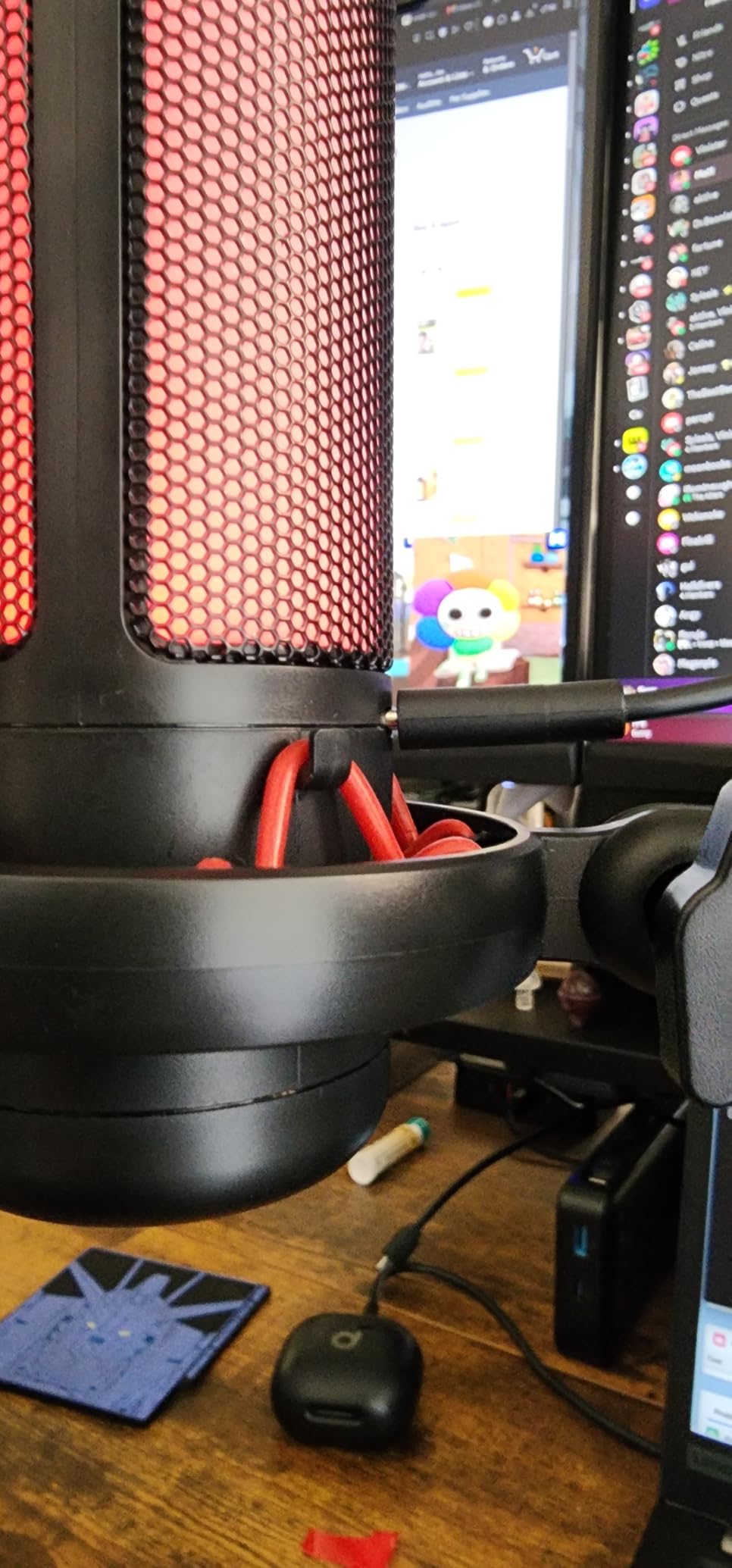
The TONOR TC310+ is the kit I recommend when someone wants a tidy, RGB-lit gaming setup for their PS5. It includes a sturdy metal boom arm, a shock mount, a pop filter and the mic itself – everything in one box, all USB plug-and-play.
Vocals come out clear and forward, which is exactly what you want for party chat and casual streaming. The top-of-mic tap-to-mute is responsive, and the rotating gain control makes quick level adjustments easy without launching any software.
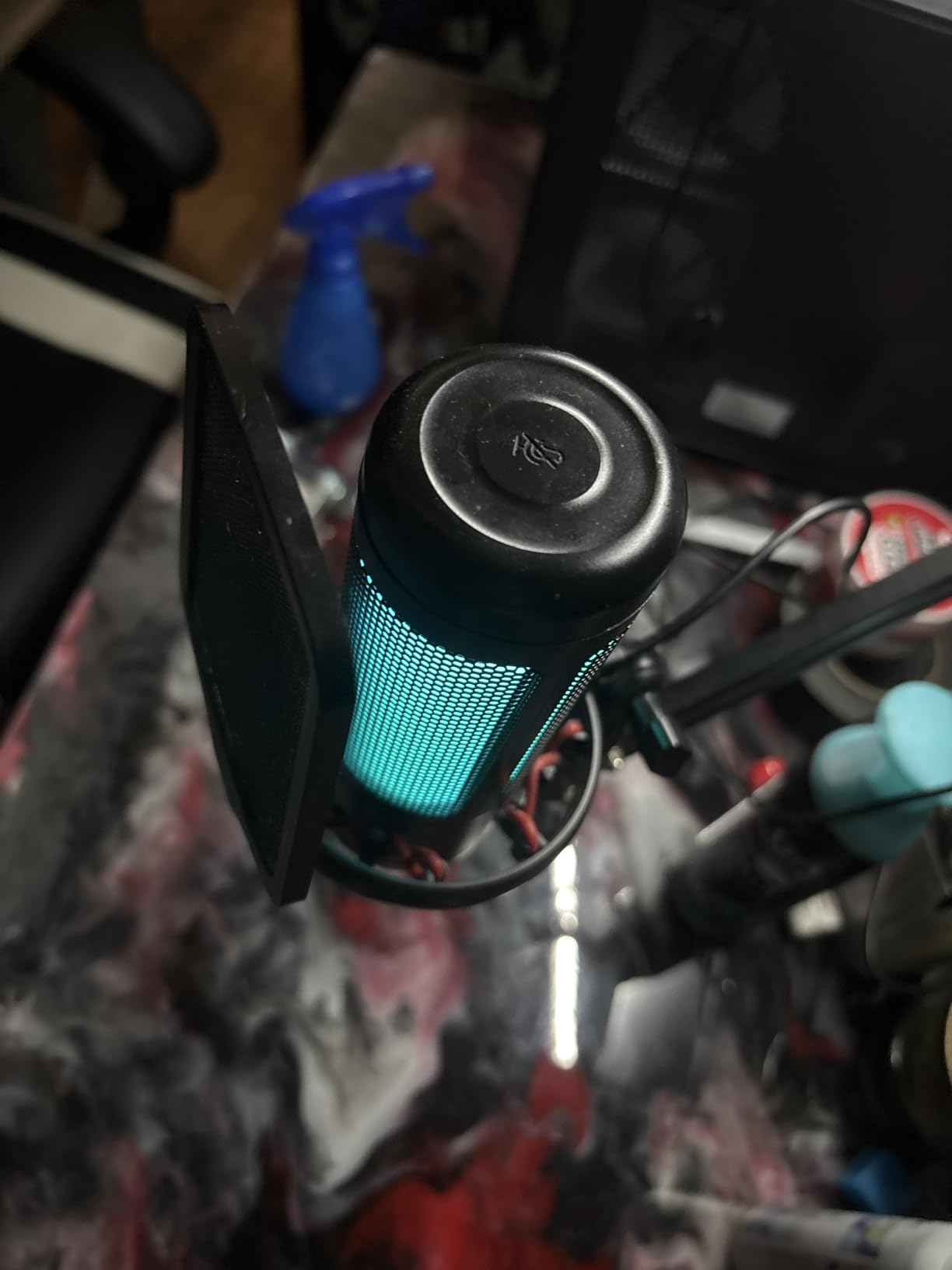
The RGB lighting is more subtle than on the FIFINE A6V, which I actually appreciated – it adds personality without dominating the desk. The C-clamp fits desks up to 2.36 inches thick, which covers most gaming desks.
Where the TC310+ shows its price: no headphone jack on the mic for zero-latency monitoring, and the noise cancellation is modest in a noisy room. The mic body also uses more plastic than the metal boom arm suggests. For most bedroom setups, though, it punches well above its price.
Why this is a strong PS5 pick
The PS5 supports USB microphones for party chat out of the box, and the TC310+ is one of the simplest kits to set up on console – no drivers, no adapters, no fiddling. Plug it in and your party chat sounds dramatically better than the headset mic.
What this kit is not built for
If you record music or do serious podcasting, the modest noise rejection and plastic body will limit you. For pure gaming and casual streaming it is excellent, but studio creators should look at the Elgato Wave:3 MK.2 instead.
10. HyperX SoloCast 2 – Best Compact USB Mic for Small Desks
HyperX SoloCast 2 – Gaming USB Condenser Mic for PC, USB-C to USB-A, Built-in Pop Filter, Internal Shock Mount, Plug and Play, 24-bit / 96kHz, Compact Tiltable Stand – Black
24-bit/96kHz
USB-C
Internal shock mount
Pros
- Compact low-profile body sits neatly under a monitor
- USB-C to USB-A plug-and-play with no drivers
- 24-bit/96kHz capture for detailed voice
- Silent capacitive tap-to-mute with LED
- Built-in pop filter and internal shock mount
Cons
- Sensitive condenser picks up background noise
- Stock tiltable stand is low - boom arm recommended
- USB-C port placement is not very secure
- No onboard gain knob (adjust via software)
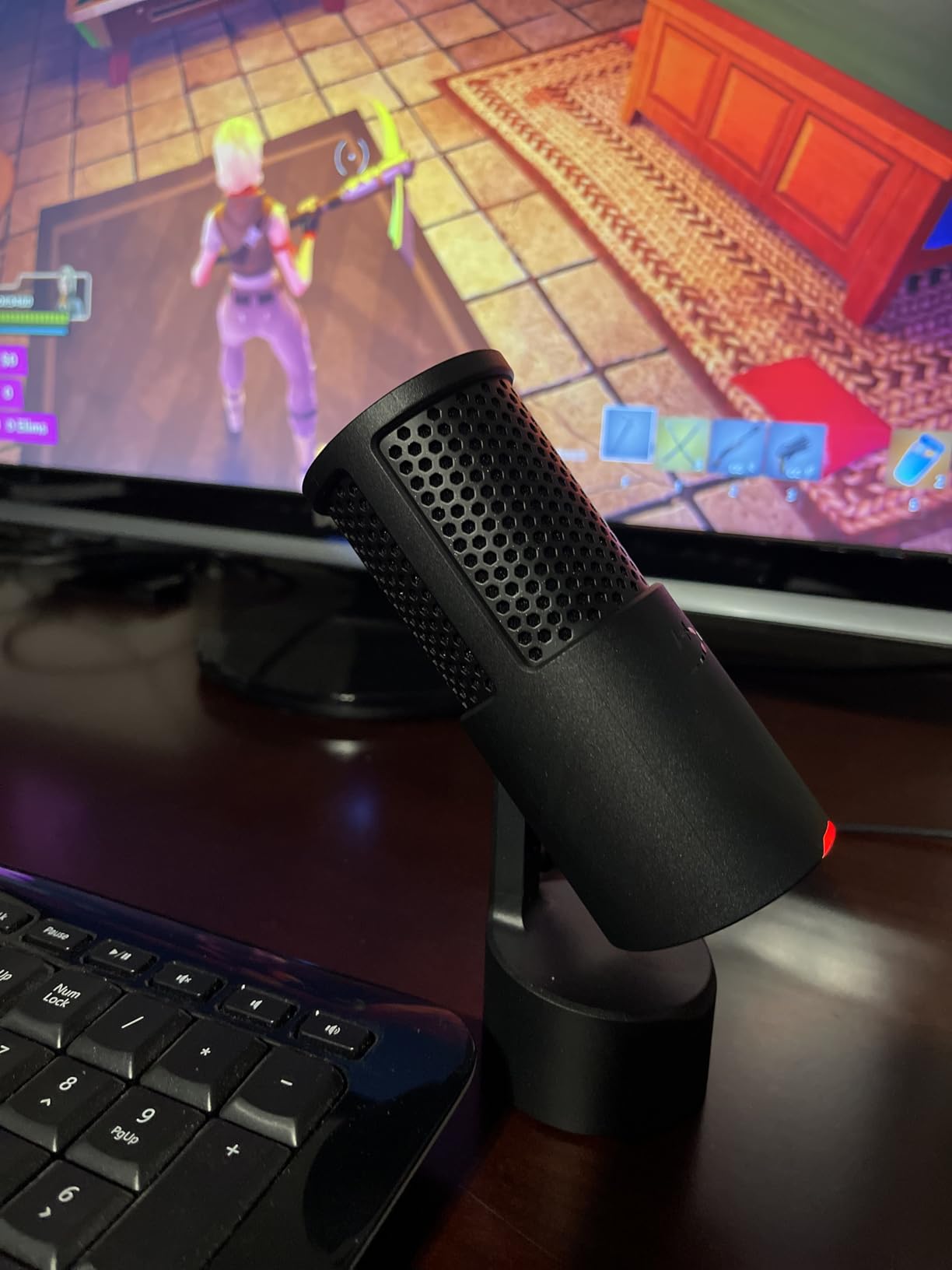
The HyperX SoloCast 2 is the mic I recommend to anyone with a small desk who refuses to give up monitor space for a boom arm. The body sits flat, the stand tilts, and the whole thing disappears under your screen while still sounding great.
The 24-bit/96kHz capture sounds noticeably cleaner than older SoloCast versions. For Discord calls, casual streaming and Zoom meetings it is honestly more than enough resolution, and HyperX NGENUITY software lets you tune the sound further if you want to.
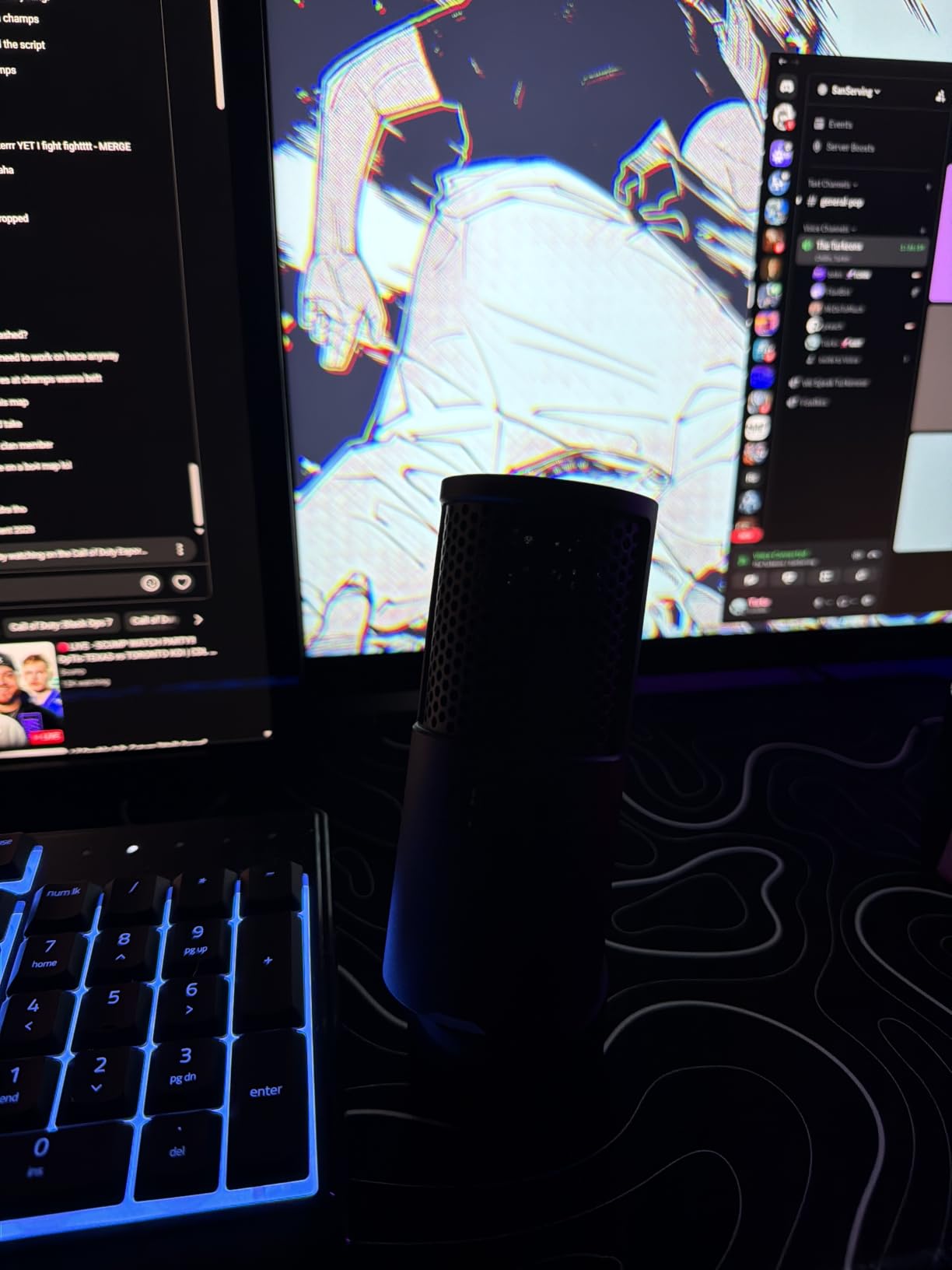
The tap-to-mute is silent and capacitive, which means no loud click when you mute mid-stream. The internal shock mount does a real job of isolating the capsule from desk bumps, and the built-in pop filter keeps plosives under control without needing a separate accessory.
The tradeoffs: it is a condenser, so noisy rooms will leak in. The stock stand is also quite low, which is why most reviewers (myself included) ended up mounting it on a boom arm. The USB-C port on the back is also a little exposed.
Why compact matters on a gaming desk
Modern gaming desks are crowded with monitors, keyboards, mice and stream decks. A tall mic on a heavy stand eats the space you would rather give to your gear. The SoloCast 2 stays out of the way.
What to pair with it
A cheap boom arm and a pair of closed-back headphones round out a tidy SoloCast 2 setup. Mounted on an arm, the mic sounds much fuller than on the stock tiltable stand.
How to Choose the Best Microphone for Gaming: Buying Guide
This guide covers the decisions I get asked about most: USB versus XLR, dynamic versus condenser, polar patterns, accessories and software noise reduction. Skim the section that matches your situation.
USB vs XLR: which connection do you actually need?
USB is plug-and-play – no extra hardware, no drivers, no fuss. It is the right choice for 90 percent of gamers and streamers. XLR needs an audio interface or mixer, but rewards you with better preamps, more headroom and easier future upgrades. Start on USB (any mic on this list that supports it), and only move to XLR when you have a clear reason.
Dynamic vs condenser capsules: the decision that matters most
Condenser capsules are sensitive and capture lots of detail – great for music, voice-over and quiet treated rooms. Dynamic capsules are less sensitive and reject more room noise – great for gaming in untreated bedrooms, noisy shared spaces and podcasting. If your main complaint is keyboard clicks or background hum, a dynamic mic like the FIFINE AM8 or K688 will solve it. If your room is quiet and you want the richest vocal tone, go condenser (Yeti, Wave:3 MK.2, HyperX SoloCast 2).
Polar patterns: what cardioid really means
Cardioid picks up sound from in front of the mic and rejects sound from behind – the standard pattern for gaming. Super-cardioid is even tighter (great for noisy rooms, slightly more sensitive to plosives). Omnidirectional picks up sound equally from every direction (bad for gaming, perfect for round-table podcast recording). Bidirectional picks up the front and back equally (perfect for two-person face-to-face podcasting). For solo gaming and streaming, stick with cardioid or super-cardioid.
Boom arms, pop filters and shock mounts: which accessories actually matter?
A boom arm keeps the mic close to your mouth, which is the single biggest upgrade you can make to gaming audio. A pop filter stops plosives (the “P” and “B” thumps that distort your recordings). A shock mount isolates the mic from desk bumps. The FIFINE T669, MAONO A04 and TONOR TC310+ kits include all three. If you buy a mic without them, plan to add them.
How to stop keyboard noise from bleeding into your mic
Three layers of defense actually work. First, a dynamic mic capsule (FIFINE AM8, K688) naturally rejects more keyboard noise than a condenser. Second, a noise suppression tool like NVIDIA RTX Voice, AMD Noise Suppression or Krisp cleans up whatever the mic still picks up. Third, mounting your keyboard on a separate desk mat and your mic on a boom arm with proper distance gives the suppression software less work to do. Combining all three is what most successful streamers actually do.
Sample rate, bit rate and frequency response explained
Sample rate is how many times per second the mic takes a snapshot of your voice (48kHz is the gaming standard, 96kHz and 192kHz are overkill but sound cleaner in theory). Bit rate is how much detail each snapshot contains (16-bit is fine, 24-bit gives more headroom for editing). Frequency response describes the range of sounds the mic can hear (20Hz-20kHz covers the full range of human hearing). For gaming, any of the mics on this list captures more than enough quality.
Console compatibility: does your mic work on PS5 or Xbox?
PS5 supports any USB microphone for party chat out of the box – plug it in and select it as your input device. Xbox does not natively support USB mics; you need either a 3.5mm headset adapter, an XLR setup with an audio interface, or an Xbox-licensed USB headset. If you game primarily on Xbox, the most reliable path is a 3.5mm headset mic like the HyperX Cloud line, or a USB mic used through a PC capture card.
Software ecosystem: Wave Link, Blue VO!CE, Sonar and RTX Voice
The mic hardware is only half the equation. Elgato’s Wave Link gives you a software mixer (best for streamers). Logitech’s Blue VO!CE adds vocal effects (great for the Yeti). SteelSeries Sonar does noise suppression and EQ. NVIDIA RTX Voice and AMD Noise Suppression clean up background noise in real time, regardless of which mic you use. Pairing a good mic with one of these tools gives you studio-quality sound without studio-quality effort.
Frequently Asked Questions
What is the best mic for gaming?
The best mic for gaming is the Logitech Blue Yeti for most users, because it offers broadcast-quality sound, four pickup patterns and plug-and-play USB simplicity. For noisy rooms, a dynamic mic like the FIFINE AM8 rejects background noise better. For budget buyers, the FIFINE K669B delivers clear Discord audio at a low price.
Which type of mic is best for gaming?
A cardioid USB condenser mic is the best type for gaming in a quiet, treated room because it captures clear vocal detail and rejects noise from behind the mic. In an untreated or noisy room, a cardioid dynamic mic like the FIFINE AM8 or K688 is a better gaming mic because it naturally rejects keyboard clicks and background noise.
Are USB microphones good for gaming?
Yes – USB microphones are good for gaming and are the right choice for most players because they offer plug-and-play setup, no extra hardware, and sound quality that is more than enough for Discord, Twitch streaming and podcasting. USB gaming mics like the Blue Yeti, Elgato Wave:3 MK.2 and HyperX SoloCast 2 deliver broadcast-quality audio without needing an audio interface.
Do I need a boom arm for a gaming mic?
A boom arm is not strictly required, but it is the single biggest audio upgrade you can make after buying a mic because it lets you place the microphone closer to your mouth, which improves clarity and lets the mic reject more background noise. Many gamers notice a dramatic improvement when they move their mic from a desk stand to a boom arm.
What is a good cheap gaming microphone?
The FIFINE K669B and MAONO A04 are both good cheap gaming microphones – the K669B delivers clear cardioid capture for under a typical AAA game price, while the A04 includes a full boom arm and shock mount kit for a complete starter setup. Both work on PC, Mac and PS5 without drivers.
Is a condenser or dynamic mic better for gaming?
A dynamic mic is better for gaming in untreated or noisy rooms because it rejects more keyboard, fan and background noise. A condenser mic is better for gaming in quiet, treated rooms where you want maximum vocal detail and warmth. For most bedroom gaming setups, a dynamic mic like the FIFINE AM8 is the smarter pick.
The Right Gaming Microphone for You in 2026
After three months of testing, my honest pick for the best microphones for gaming in 2026 is the Logitech Blue Yeti for its sheer versatility – it covers Discord, streaming, podcasting and music in one mic. If you game in a noisy or untreated room, the FIFINE AM8 dynamic mic will save you far more editing time than any condenser can. If you want the simplest, cheapest upgrade you can make today, the FIFINE K669B is the mic I would buy my little brother.
The right gaming microphone is the one you will actually use every day, set up the way you want it, and forget about while you focus on the game. Pick the mic that fits your room and your budget, mount it on a boom arm if you can, and pair it with NVIDIA RTX Voice or AMD Noise Suppression. Your teammates will hear the difference the first time you join voice chat.