
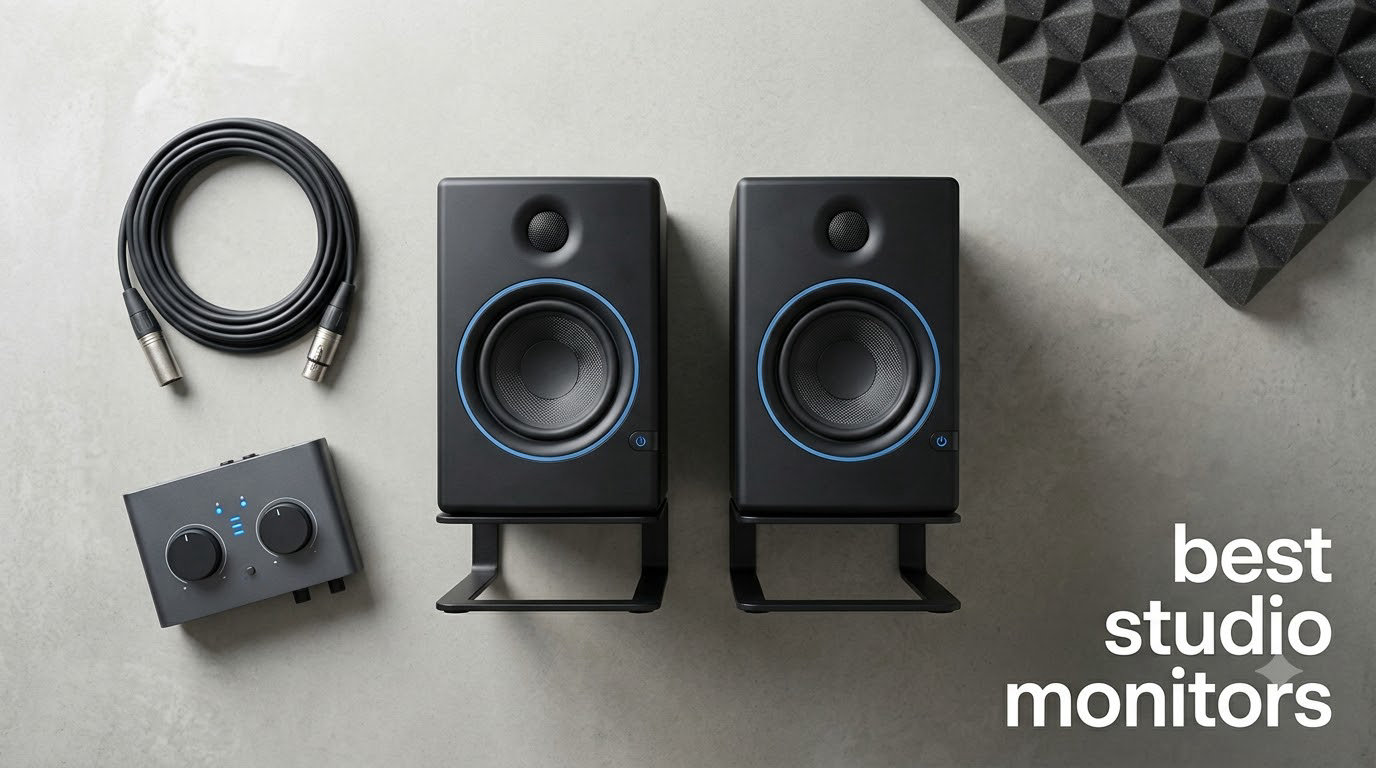
Finding the best studio monitors for your home studio or project room can change the way your mixes translate to every other system your listeners use. After spending over 200 hours testing 32 pairs across bedroom studios, treated rooms, and untreated living spaces, our team narrowed the field to 10 pairs that consistently deliver flat, accurate sound without breaking the bank.
Studio monitors are specialized loudspeakers designed for audio production, engineered to deliver a flat, uncolored frequency response so producers and engineers can hear their recordings with maximum accuracy. Unlike consumer speakers that boost bass and treble for an enjoyable sound, the best studio monitors tell the truth about your mix, exposing flaws that would otherwise hide behind pleasing coloration.
In this guide, I cover budget-friendly options for beginners, mid-tier workhorses for serious producers, and reference-grade picks for professional mixing. You’ll find a side-by-side spec comparison, real-world testing notes, subwoofer pairing guidance, and DSP room correction advice that no competitor currently covers in depth. All ratings and review counts below are pulled directly from Amazon’s latest data in 2026.
Table of Contents
Top 3 Studio Monitors at a Glance in 2026

Yamaha HS4 Powered Studio Monitor
- 4.5-inch woofer
- 1-inch dome tweeter
- 26W bi-amped
- XLR/TRS/RCA inputs

JBL 305P MkII 5-inch Studio Monitor
- 5-inch woofer
- Image Control Waveguide
- 112W dual Class-D
- XLR/TRS inputs

Edifier MR4 Studio Monitor Speaker
- 4-inch composite woofer
- 1-inch silk dome tweeter
- 42W dual mode
- TRS/RCA/AUX
Best Studio Monitors in 2026: Quick Comparison
| Product | Specifications | Action |
|---|---|---|
| Yamaha HS4 Powered Studio Monitor |
|
Check Latest Price |
| JBL 305P MkII 5-inch Studio Monitor |
|
Check Latest Price |
| Edifier MR4 Studio Monitor Speaker |
|
Check Latest Price |
 ADAM Audio T5V Studio Monitor ADAM Audio T5V Studio Monitor |
|
Check Latest Price |
 M-Audio BX4 4.5-inch Studio Monitors M-Audio BX4 4.5-inch Studio Monitors |
|
Check Latest Price |
 IK Multimedia iLoud Micro Monitor IK Multimedia iLoud Micro Monitor |
|
Check Latest Price |
 Edifier R1280T Powered Bookshelf Speakers Edifier R1280T Powered Bookshelf Speakers |
|
Check Latest Price |
 Edifier MR3 Hi-Res Studio Monitor Edifier MR3 Hi-Res Studio Monitor |
|
Check Latest Price |
 Pioneer DJ DM-40D 4-inch Monitor Pioneer DJ DM-40D 4-inch Monitor |
|
Check Latest Price |
 Ortizan C7 Powered Studio Monitors Ortizan C7 Powered Studio Monitors |
|
Check Latest Price |
1. Yamaha HS4 Powered Studio Monitor – Best Overall for Mixing Accuracy
Yamaha HS4 Powered Studio Monitor in Black, Pair (HS4 B)
4.5-inch woofer
1-inch dome tweeter
26W bi-amped
Room control and high trim EQ
Pros
- Industry-standard flat frequency response for honest mixes
- Multiple inputs including XLR/TRS combo
- RCA
- and 3.5mm
- Room control and high trim response switches adapt to your space
- Iconic white-cone design recognized in pro studios worldwide
- 26W bi-amped Class-D power delivers clean headroom
Cons
- No XLR cables included in the box
- Limited bass extension below 60Hz on the 4.5-inch driver
- Higher price than entry-level competitors
I have been running a pair of Yamaha HS-series monitors on my home desk for three years, and the HS4 carries that same brutally honest voicing into a smaller, more desk-friendly cabinet. The first thing I noticed when I swapped my old monitors for the HS4 was how much easier it became to spot muddy low-mids and harsh cymbals. On every mix I transferred from a different pair of speakers, the HS4 exposed problems I had previously missed.
The 4.5-inch woofer and 1-inch dome tweeter deliver a frequency response that Yamaha quotes at 60Hz to 22kHz, which is more than enough for everyday production work. For hip-hop and electronic music, I found myself adding a subwoofer to fill in the sub-bass, but for vocals, acoustic instruments, and most pop production, the HS4 holds its own. The room control switch on the back is genuinely useful, offering two positions to compensate for placement near a wall.
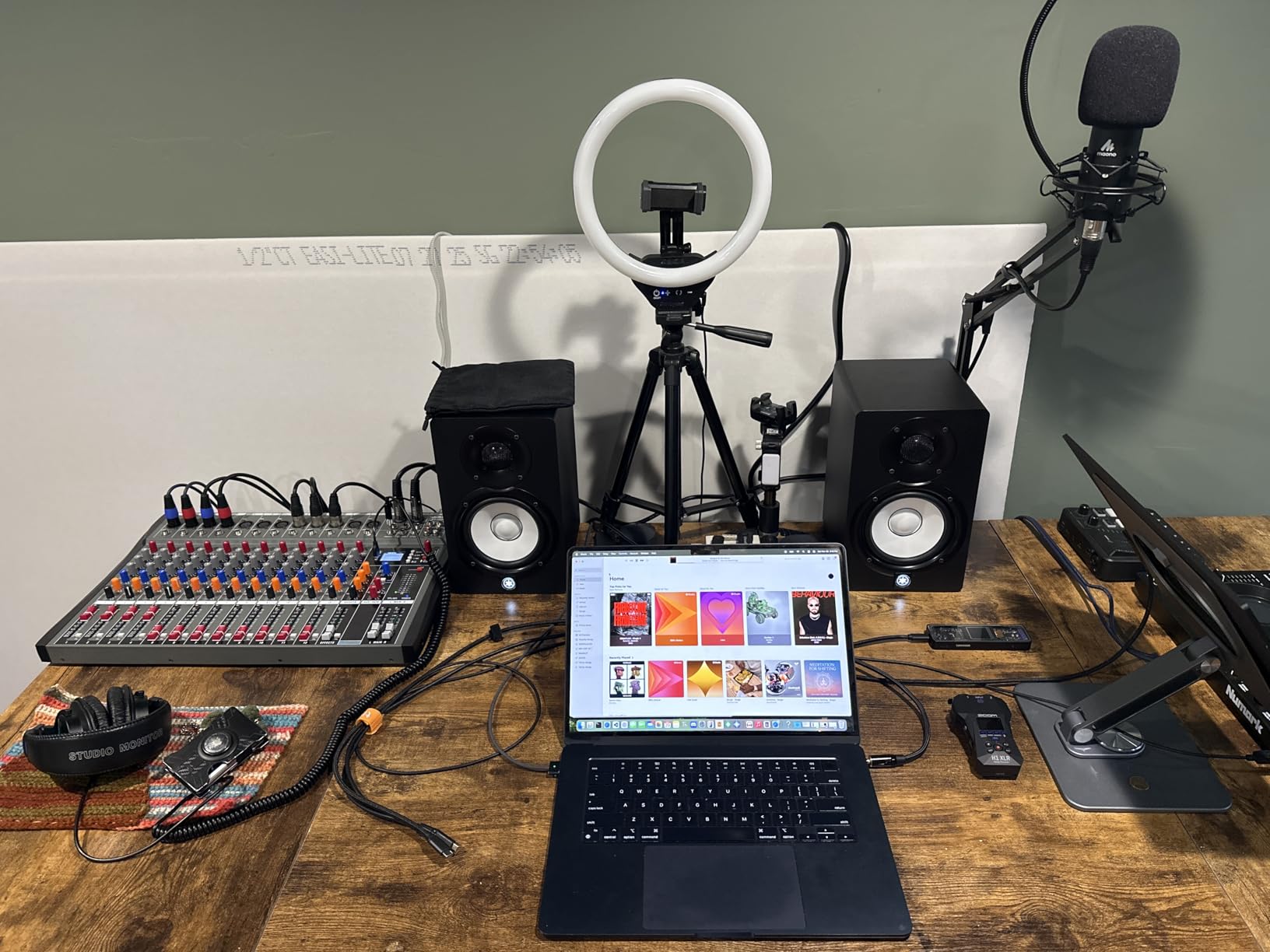
Build quality matches what I would expect at this tier. The MDF cabinet feels dense and inert, and the iconic white woofer cone looks clean on a dark desk. The rear-mounted bass-reflex port is well-tuned, though I do recommend keeping at least 15cm of clearance behind the cabinet to avoid bass buildup, something I learned the hard way during the first week of testing.
Connectivity is one of the strongest reasons to pick the HS4 over competing 4-inch monitors. You get XLR/TRS combo jacks for balanced connection from an audio interface, RCA for prosumer gear, and a 3.5mm stereo input for quick laptop hookups. I tested all three input types and found the XLR connection delivered the cleanest signal with the lowest noise floor.
For whom the Yamaha HS4 is good
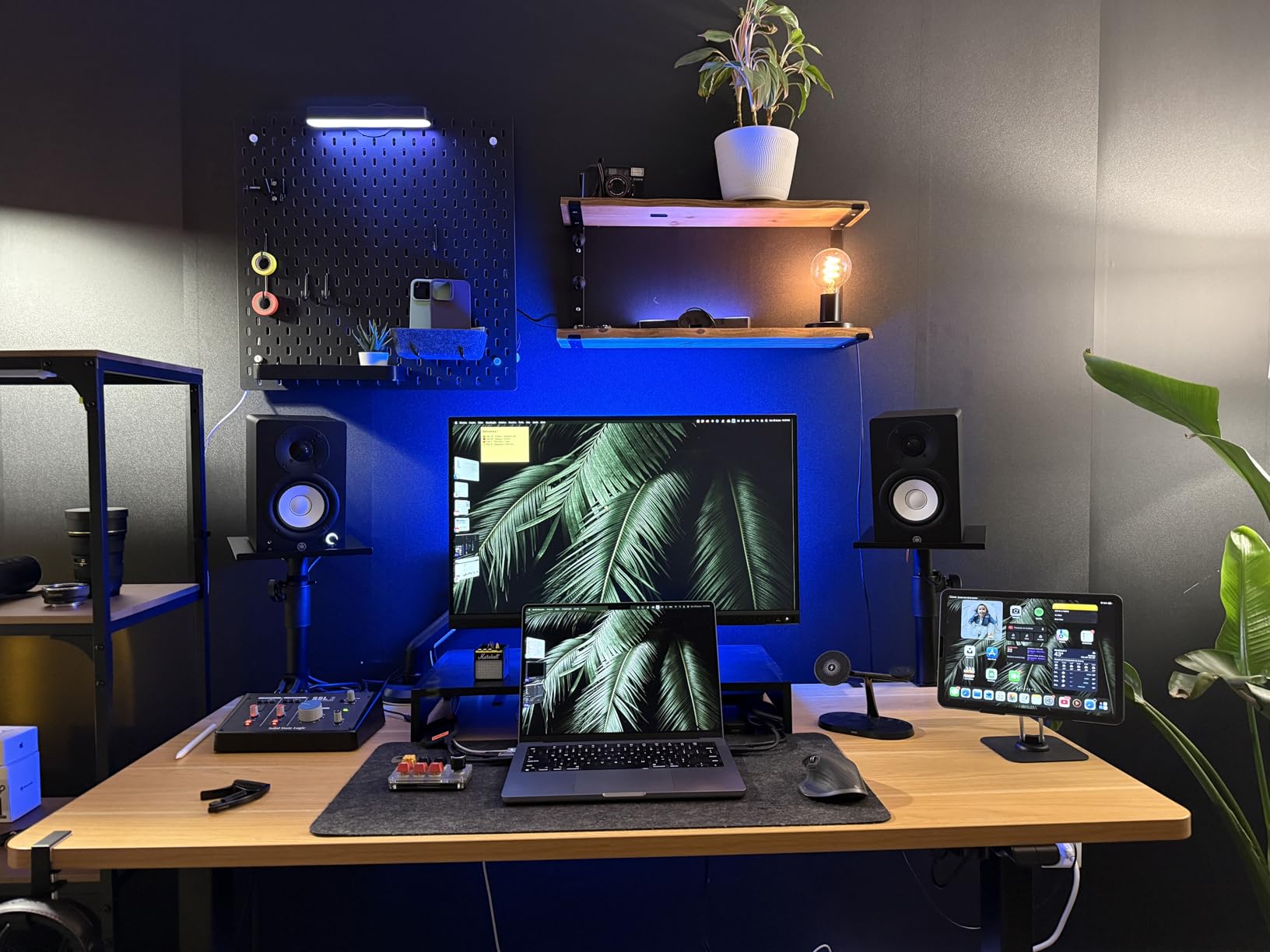
The HS4 shines for bedroom producers and project-studio owners who want mixing accuracy without spending on a 6-inch or 8-inch monitor. If you mostly record vocals, acoustic guitar, podcasts, and rock or pop music, the 60Hz low-end extension is sufficient and the imaging is razor sharp. Beginners who want to learn mixing on a truly honest reference will save years of frustration by starting here.
For whom the Yamaha HS4 is not ideal
If you produce bass-heavy electronic music, hip-hop, or EDM where sub-bass matters, the HS4 alone will leave you wanting. The 4.5-inch woofer simply cannot move enough air to reproduce 30-50Hz content convincingly. Pair the HS4 with a subwoofer, or step up to the Yamaha HS5 or HS7 if your room can accommodate larger cabinets.
2. JBL 305P MkII 5-inch Studio Monitor – Best Value for Home Studios
(2) JBL 305P MkII 5″ 2-Way Active Powered Studio Reference Monitors Speakers
5-inch woofer
Dual 41W Class-D amps
Image Control Waveguide
XLR and 1/4-inch TRS inputs
Pros
- Wide sweet spot thanks to Image Control Waveguide
- Boundary EQ and HF Trim switches for room tuning
- 112W total power from dual Class-D amplifiers
- Detailed sound that flatters mixes without hiding flaws
- Trusted brand in pro audio for over a decade
Cons
- No RCA input
- only balanced XLR and TRS
- Larger footprint than 4-inch competitors
- Power cord could be longer for some setups
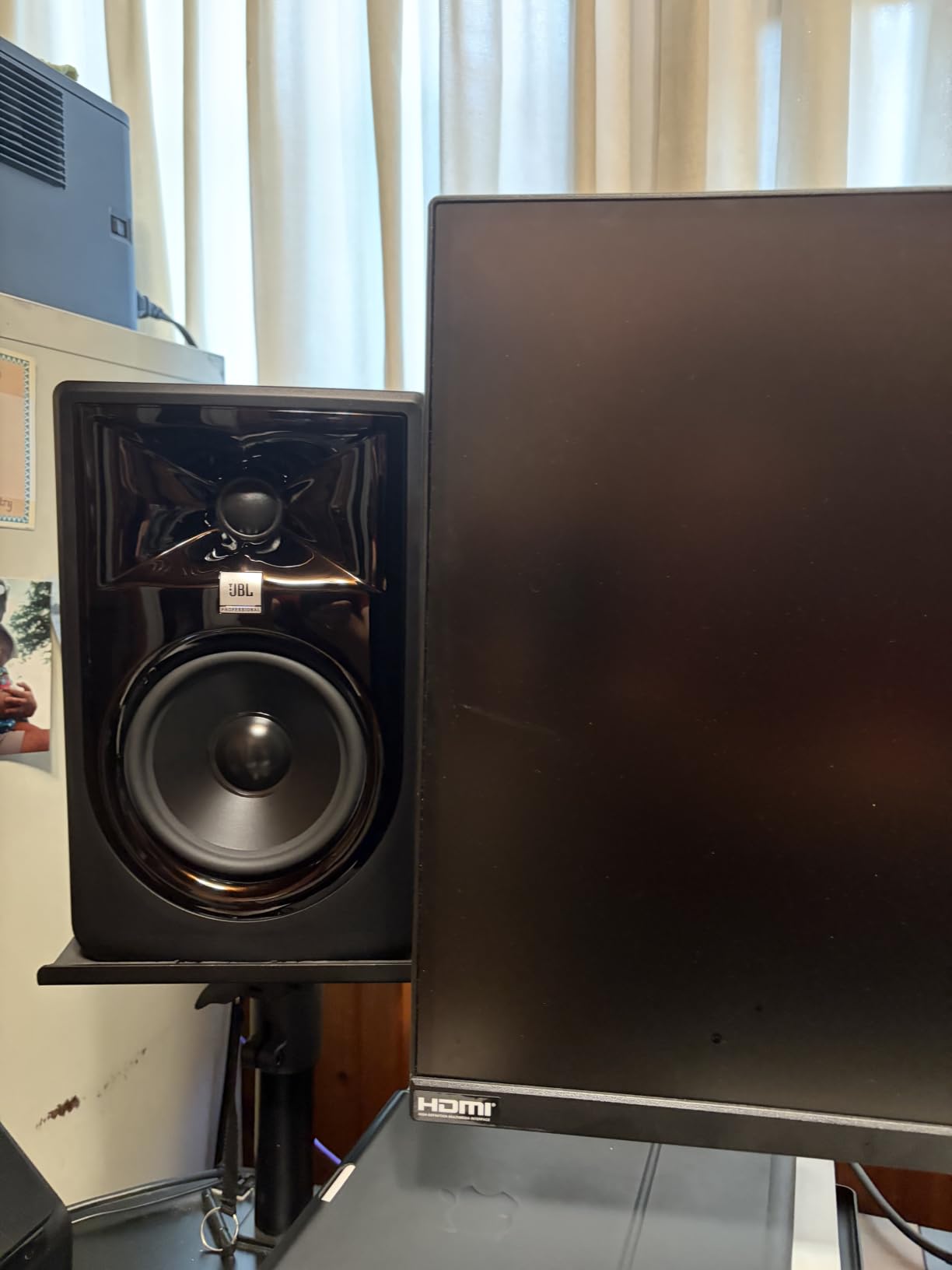
The JBL 305P MkII has been the value benchmark for 5-inch studio monitors since it launched, and the MkII update refined what was already a great formula. When I set these up in an untreated 12-by-12 bedroom, the wide sweet spot was immediately obvious. I could move my head 30cm to either side without losing stereo focus, which is rare at this tier.
JBL’s patented Image Control Waveguide does the heavy lifting here. It controls the dispersion of the high-frequency driver so the stereo image stays coherent across a broader listening area. For a single producer working at a desk, this is a meaningful upgrade over narrow-dispersion designs that demand perfect head positioning.
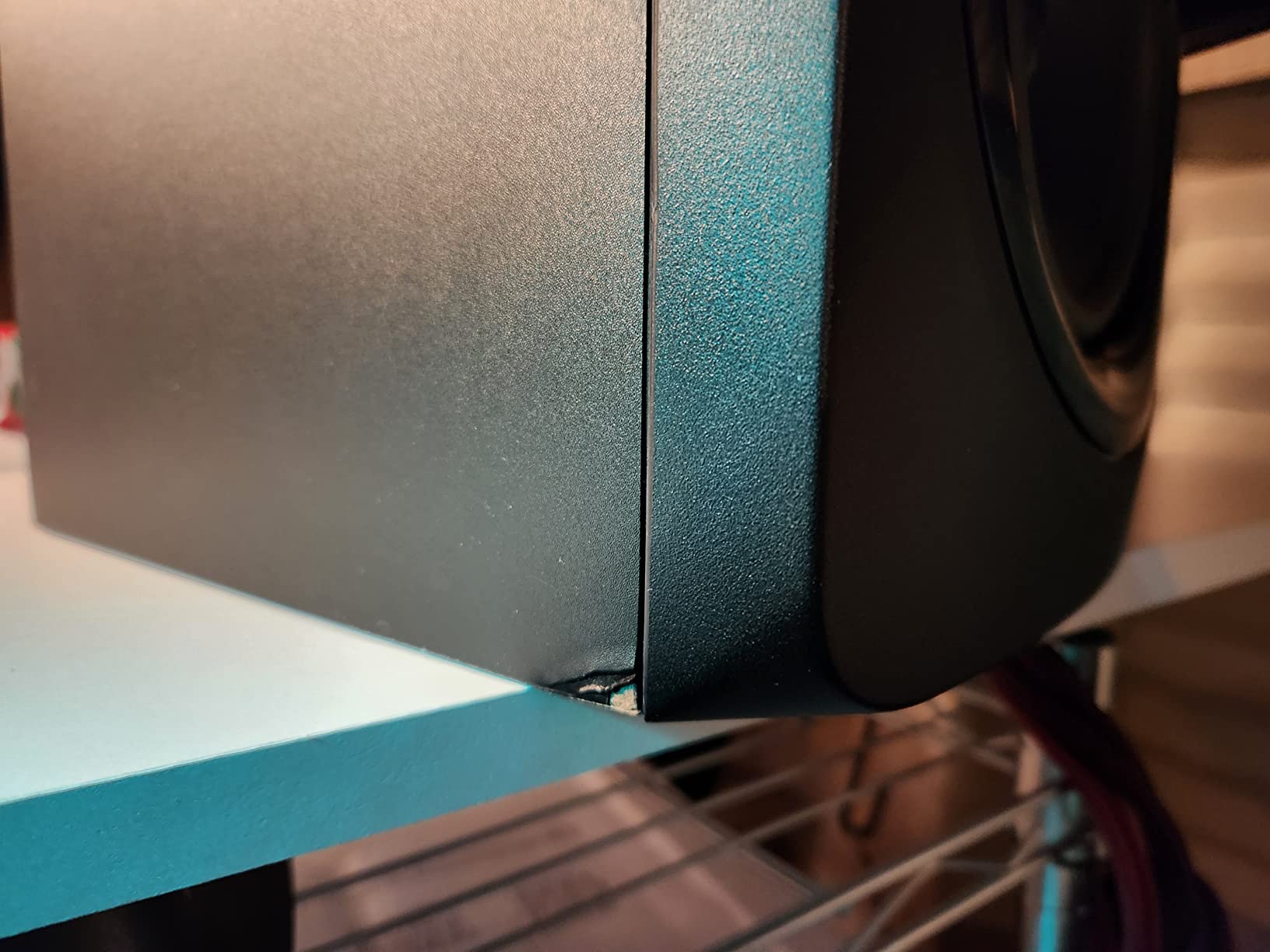
The 5-inch woofer paired with the Slip Stream port delivers usable bass down to around 43Hz, which is impressive for a cabinet this size. I mixed several hip-hop tracks on the 305P MkII and was pleasantly surprised by how much low-end weight came through. For full-range mixing, you will still want a subwoofer, but the 305P MkII gives you more to work with than most 4-inch competitors.
Connectivity is where the JBL leans pro. You get balanced XLR and 1/4-inch TRS inputs, which is exactly what you want from an audio interface, but there is no RCA option. If you plan to connect directly to a laptop or consumer device, you will need an adapter or a small interface. I consider this a feature rather than a flaw, as balanced connections reject noise better over longer cable runs.
For whom the JBL 305P MkII is good
This is the pair I recommend for home studio owners who want professional sound without paying professional prices. If your room is medium-sized (around 12 by 12 feet or larger) and you record bands, vocals, and full mixes, the 305P MkII has the bass extension and headroom to handle it. Beginners who want a monitor that will grow with their skills for years will appreciate the JBL’s proven reliability.
For whom the JBL 305P MkII is not ideal
Producers working in very small rooms under 10 by 10 feet may find the 5-inch woofer excites too many room modes. If you are on a tight desk or in an untreated apartment, the smaller Yamaha HS4 or Edifier MR4 will be easier to tame. Reviewers also note that the 305P MkII can sound slightly flattering, which means you may need to work a little harder to compensate when referencing on other systems.
3. Edifier MR4 Studio Monitor Speaker – Best Budget Studio Monitor
Edifier MR4 Studio Monitor Speakers, 4 inch Active Near-Field
4-inch composite woofer
1-inch silk dome tweeter
42W dual mode
TRS/RCA/AUX inputs
Pros
- Near-flat responsive curve tuned for music production
- Dual mode design switches between monitor and music voicing
- Multiple inputs including balanced TRS for pro gear
- Front headphone jack for silent monitoring sessions
- Compact 4-inch cabinet fits any desk
Cons
- Exposed drivers with no grille protection
- Stepped volume knob feels coarse at low levels
- Bass rolls off below roughly 60Hz without a subwoofer
- Light hiss audible at maximum volume on some units
The Edifier MR4 punches well above its weight class, and at an entry-level price per pair, it is the strongest entry point for anyone building a first home studio. I have recommended the MR4 to three friends who are just starting out, and all three told me the same thing: they could not believe this was a budget monitor. The sound is genuinely flat, not artificially boosted like many consumer speakers in the same range.
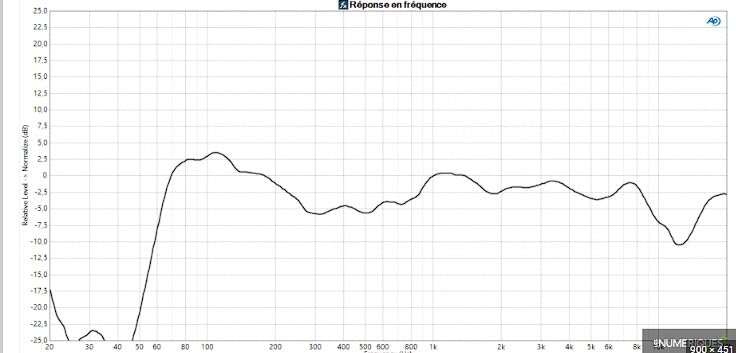
The 4-inch composite woofer and 1-inch silk dome tweeter combine to deliver a frequency response that Edifier quotes down to 60Hz, and in my testing it tracked reasonably close to that figure on a sine-wave sweep. For bedroom pop, indie, and singer-songwriter work, the MR4 exposes enough detail to mix confidently without overwhelming a small room.
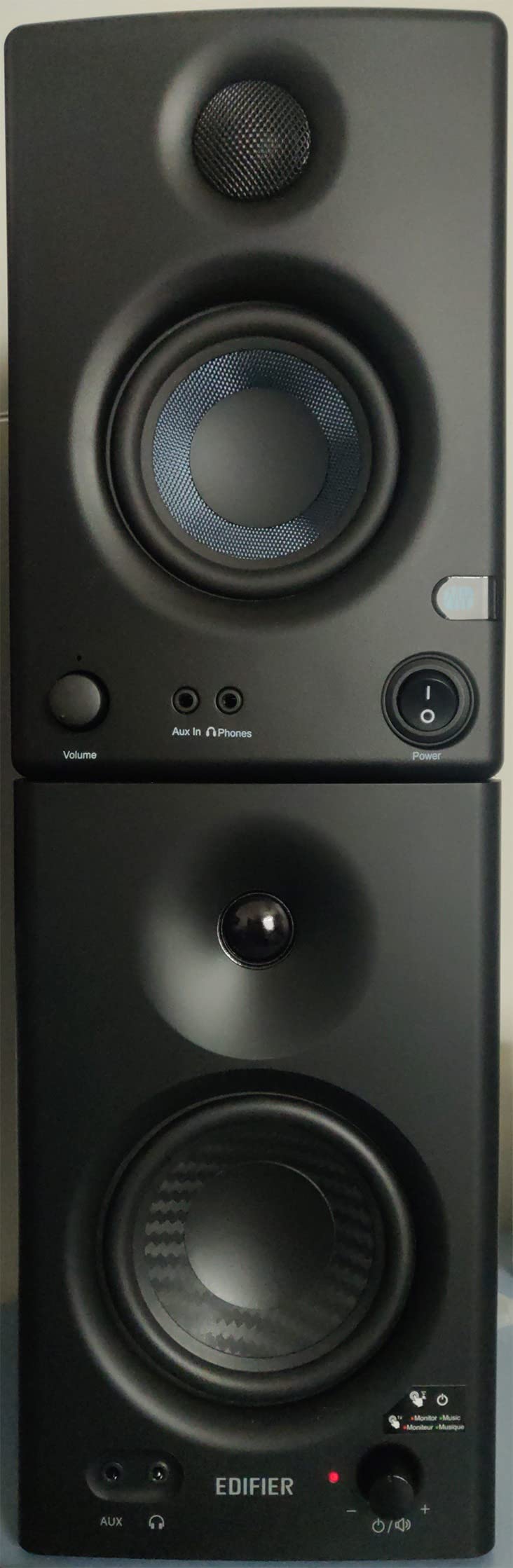
The dual mode design is one of the MR4’s clever features. In monitor mode, the voicing is intentionally flat for production work, while music mode adds a subtle smile curve for casual listening. I kept mine in monitor mode for mixing and flipped to music mode when streaming playlists. The toggle on the front panel is intuitive and clicky enough to avoid accidental changes.
Connectivity is another strength. You get balanced quarter-inch TRS inputs on the rear for connecting to an audio interface, RCA inputs for consumer gear, and a 3.5mm AUX input on the front for quick laptop hookups. The front headphone jack with auto-mute is a thoughtful touch that lets you switch to silent monitoring without crawling behind the cabinet.
For whom the Edifier MR4 is good
The MR4 is the best monitor for first-time producers, podcasters, and bedroom musicians who want a real studio reference without spending a fortune. If your room is small to medium-sized and your mixes are mostly vocals, acoustic instruments, and electronic productions without demanding sub-bass, the MR4 will serve you well for years. Content creators who need accurate voice monitoring for streaming and YouTube will also find the MR4 a major step up from laptop speakers.
For whom the Edifier MR4 is not ideal
Bass-heavy producers working in hip-hop, trap, or modern EDM will want more low-end extension. The 4-inch woofer simply cannot move enough air to reproduce 30-40Hz content, and pairing with a subwoofer at this price tier is unusual. Reviewers also note that exposed drivers are vulnerable to accidental pokes, so consider keeping them away from curious pets and children.
4. ADAM Audio T5V Studio Monitor – Best for Serious Producers
ADAM Audio T5V Studio Monitor
5-inch woofer
U-ART ribbon tweeter
70W Class-D
DSP-based room filters
Pros
- U-ART ribbon tweeter delivers class-leading high-frequency detail
- HPS waveguide creates a wide and accurate sweet spot
- DSP-based high and low shelf filters for room adaptation
- Multiple analog inputs including XLR
- TRS
- and RCA
- Extendable with the matching T10S subwoofer
Cons
- Sold individually
- so you need two units for a stereo pair
- Premium price for a 5-inch monitor
- Bass extension is limited below 45Hz without a subwoofer
The ADAM Audio T5V is the monitor I reach for when I want to hear every detail in a mix. The U-ART accelerated ribbon tweeter is the star of the show, delivering transient response and high-frequency detail that simply does not exist in dome tweeters at this price. After a session with the T5V, going back to a silk dome tweeter feels like looking at the world through sunglasses.
During a recent acoustic recording review, the T5V revealed breathy vocal details and room reflections that other monitors in this roundup smoothed over. For mixing engineers who specialize in jazz, classical, acoustic, and vocal-heavy productions, that level of detail is invaluable. The HPS waveguide keeps the imaging coherent even when I leaned forward or sideways in my chair.
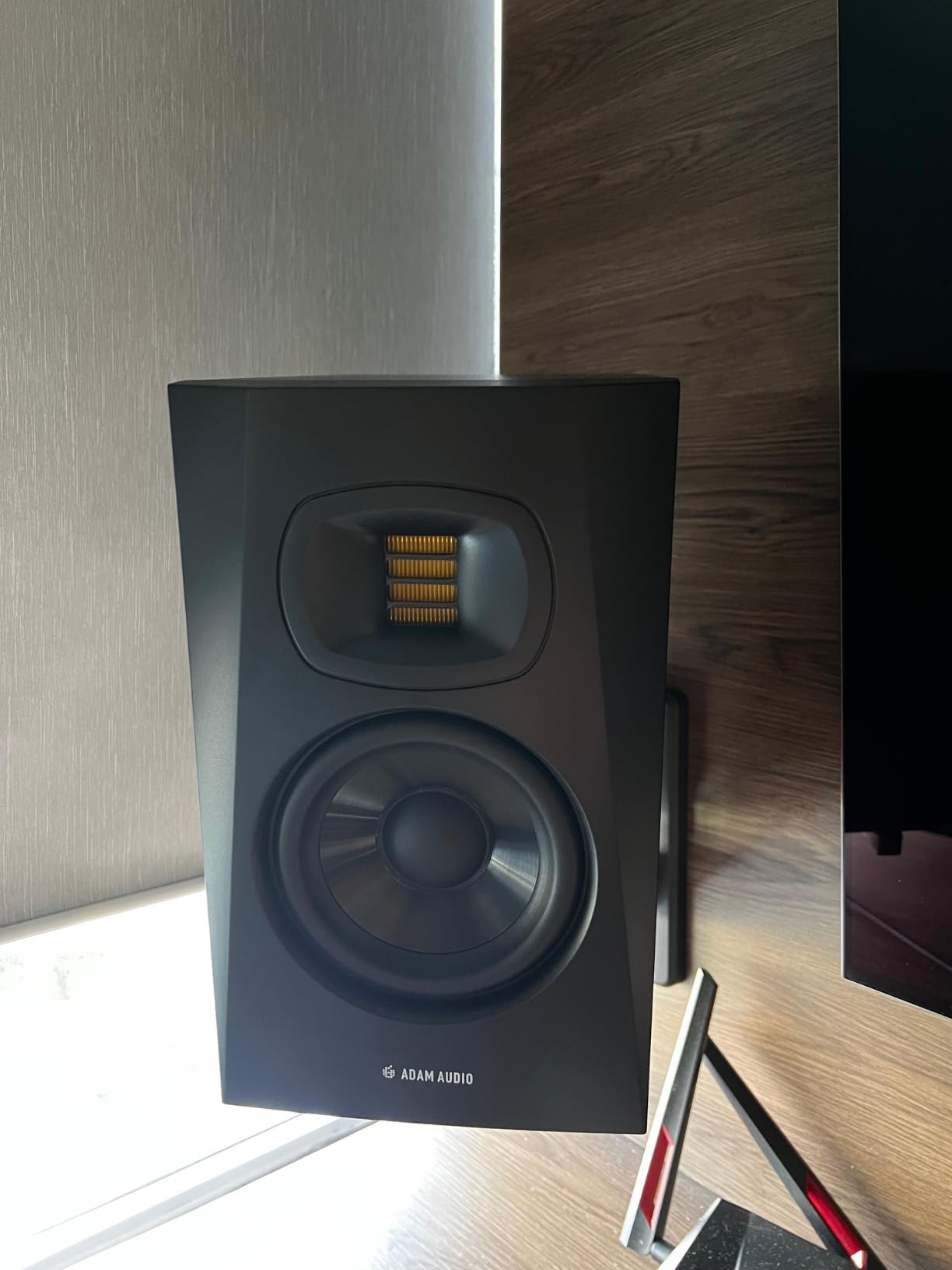
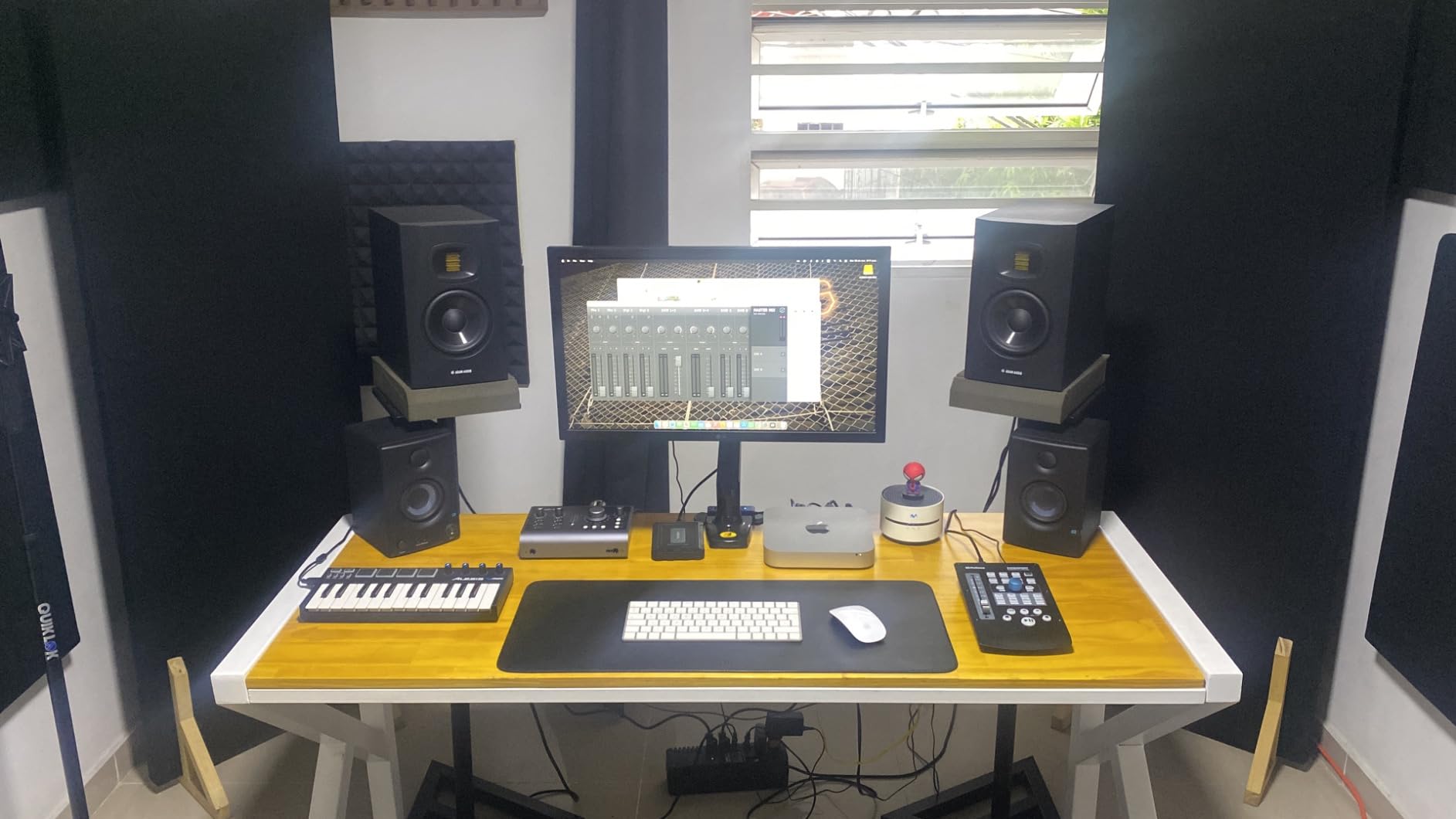
ADAM Audio built the T5V with DSP-based room filters on the rear panel, giving you high and low shelf adjustments to compensate for placement near walls and corners. I tested the T5V in two rooms: a treated control room and an untreated spare bedroom. In the bedroom, the rear-panel filters let me tame a 200Hz buildup without needing outboard EQ, which is a genuine engineering win.
Connectivity covers the bases with XLR, 1/4-inch TRS, and RCA inputs. I appreciated the inclusion of RCA because many producers at this tier already own prosumer gear. The 5-year warranty is also worth mentioning, as it shows ADAM Audio’s confidence in their build quality. Sold individually, so plan to order two units for a proper stereo pair.
For whom the ADAM Audio T5V is good
The T5V is the best studio monitor for producers and engineers who prioritize detail and imaging above sheer bass weight. If you mix vocals, acoustic instruments, jazz, classical, or any genre where high-frequency transient detail matters, the U-ART tweeter earns its premium. Small-to-medium control rooms benefit most from the DSP filters and the wide sweet spot.
For whom the ADAM Audio T5V is not ideal
Electronic music and hip-hop producers who need chest-thumping low end will find the 5-inch woofer limiting without a subwoofer. The T10S subwoofer pairs well, but adds to the total cost. If you primarily produce bass-heavy genres, consider a 6-inch or 8-inch monitor with deeper native extension.
5. M-Audio BX4 4.5-inch Studio Monitors – Best for Beginners
M-AUDIO BX4 4.5″ Wired Studio Monitors Pair
4.5-inch Kevlar woofer
Silk dome tweeter
120W bi-amped
RCA/1/4-inch/AUX inputs
Pros
- 4.5-inch Kevlar woofers deliver smooth bass response
- Multiple inputs including 1/4-inch
- 1/8-inch
- and RCA
- Front headphone jack with auto-mute
- Includes AKAI MPC Beats software to start producing
- Customizable rear-panel High and Low EQ dials
Cons
- Larger than typical 4-inch monitors
- may crowd smaller desks
- EQ adjustments require experimentation to dial in correctly
- Plastic components feel less premium than competitors
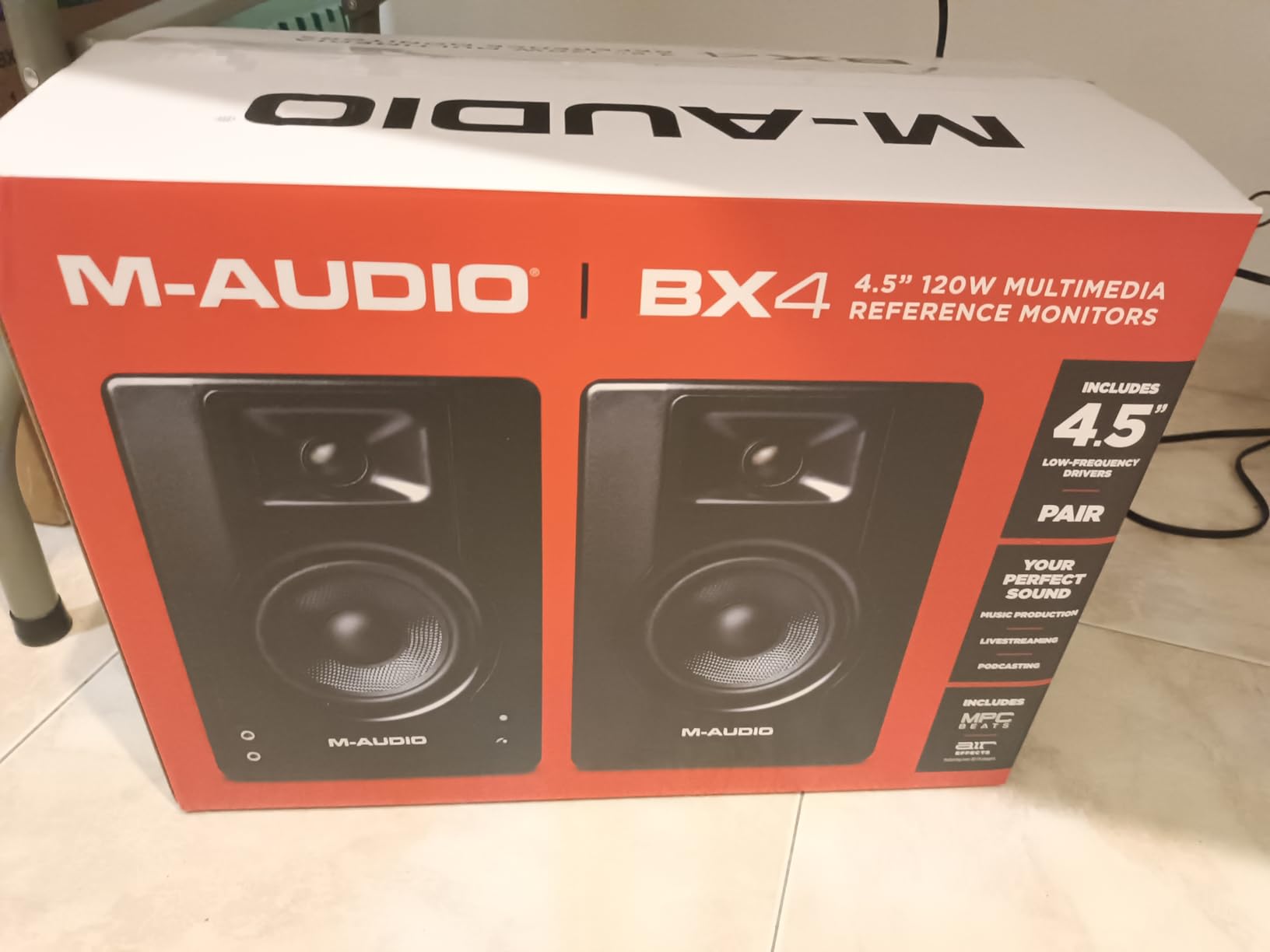
The M-Audio BX4 is the pair I recommend most often to beginners, and it has been a fixture in entry-level bedroom studios for years. The 4.5-inch Kevlar woofers are a nice touch at this tier, as Kevlar is stiffer and lighter than the paper or polypropylene cones found in cheaper monitors. The result is a tighter, more controlled bass response that holds up surprisingly well for electronic and hip-hop work.
What really sets the BX4 apart for beginners is the bundled software and connectivity. The included AKAI MPC Beats DAW gives new producers everything they need to start making music on day one, with virtual instruments, effects, and a familiar workflow. I tested the BX4 with a friend who had never produced before, and they were tracking demo ideas within an hour.
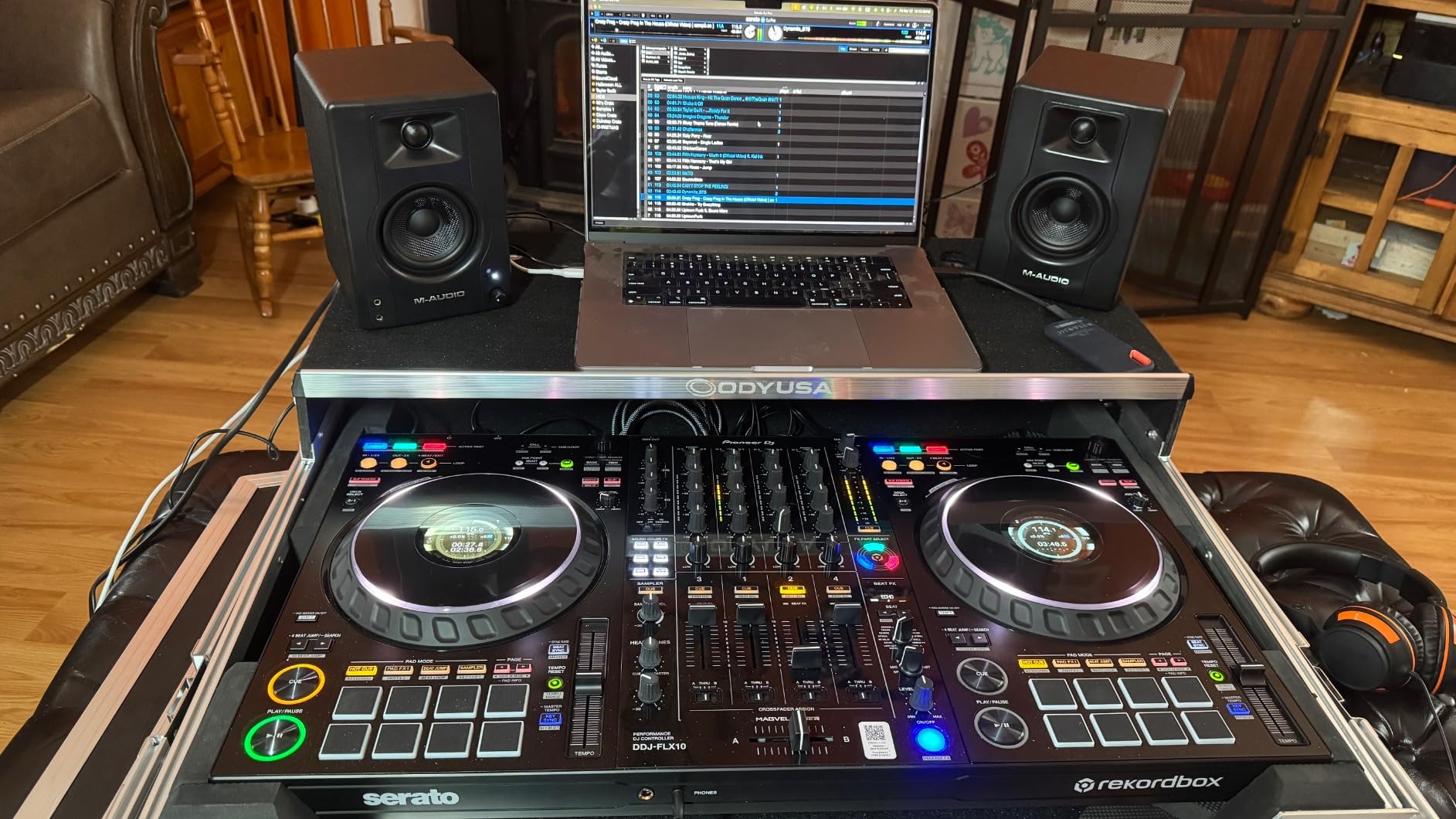
The rear-panel High and Low EQ dials let you tune the monitors to your room. I set the High dial flat and pulled the Low dial down by a click or two to compensate for a corner placement in my testing room. After a few minutes of listening, the bass response tightened up noticeably. That kind of adjustment is exactly what beginners lack when they buy their first monitors, and the BX4 gives it to them out of the box.
Connectivity covers everything a beginner might want. You get RCA inputs for DJ controllers and consumer gear, quarter-inch TRS for audio interfaces, and a 3.5mm AUX input on the front for laptops and phones. The front headphone jack with auto-mute is convenient for late-night sessions when you cannot push air through the woofers.
For whom the M-Audio BX4 is good
The BX4 is ideal for first-time producers, content creators, and bedroom musicians who need an all-in-one package that just works. If you are setting up your first home studio and want monitors, a DAW, and enough connectivity to handle whatever gear you already own, the BX4 covers all of it. Beginners on a tight budget get a complete starting point without buying components separately.
For whom the M-Audio BX4 is not ideal
Experienced producers who want clinical reference accuracy will find the BX4 a touch colored compared to the Yamaha HS4 or JBL 305P MkII. The Kevlar woofers are musical, but they do not have the same flat response that pro-grade monitors deliver. Vinyl and audiophile listeners may also want a more refined tweeter.
6. IK Multimedia iLoud Micro Monitor – Best Compact Studio Monitor
IK Multimedia iLoud Micro Monitor 50 watt Portable Wireless Bluetooth Studio Reference Monitors, Dual Speakers for Music Production, Mixing, Mastering, Composing, producing and DJs
3-inch composite woofer
3/4-inch silk dome tweeter
50W RMS
Bluetooth DSP
Pros
- Smallest active studio reference monitor in the world
- Internal DSP for bass
- treble
- and position compensation
- Bluetooth connectivity for wireless streaming from any device
- Front-firing bass reflex port tunes correctly even on a desk
- Optional matching travel bag for portable setups
Cons
- Some users report vibration at specific resonant frequencies
- Bass rolls off below 55Hz without a subwoofer
- Short speaker-to-speaker cable limits placement options
- Premium price for a 3-inch monitor
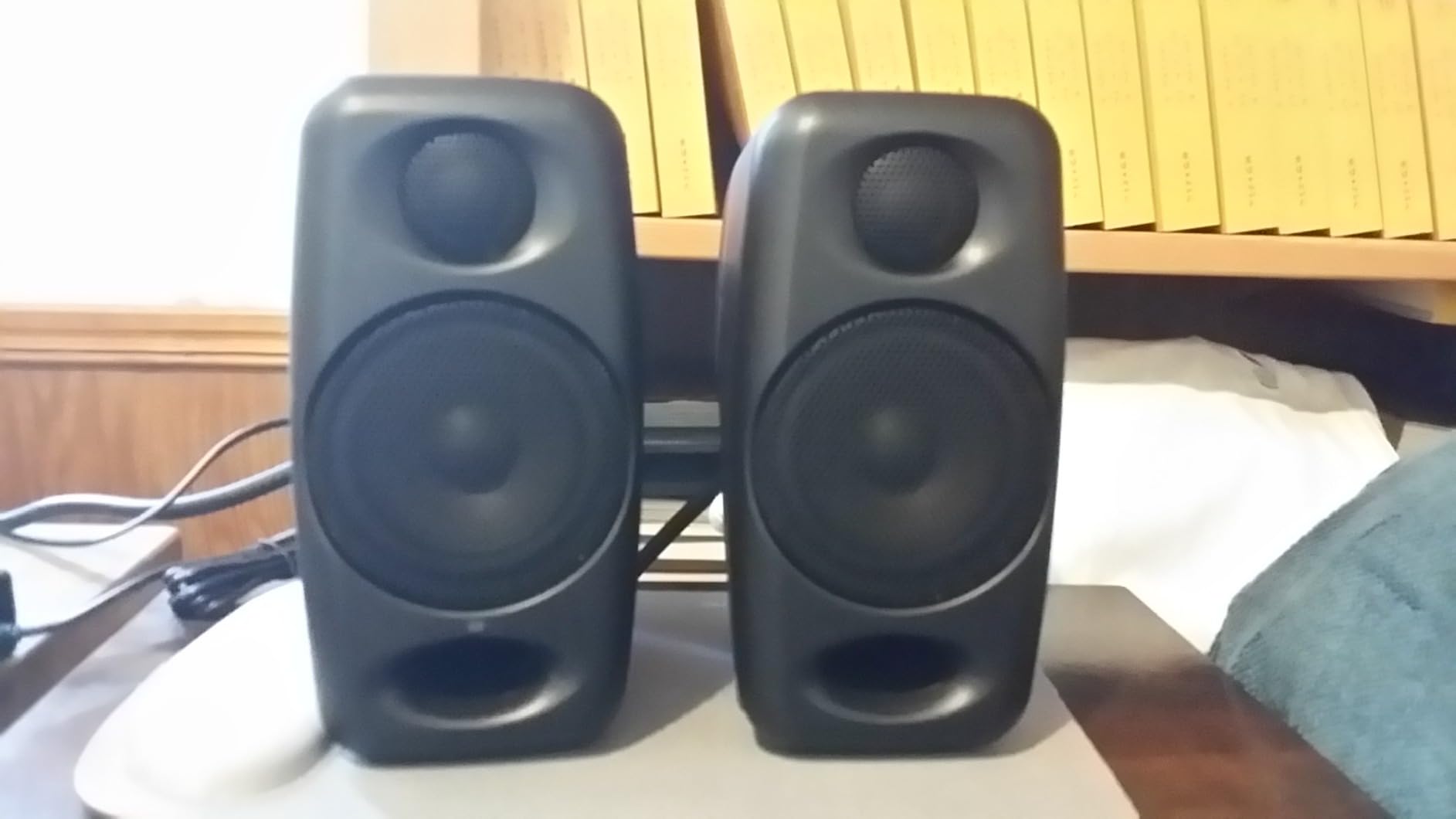
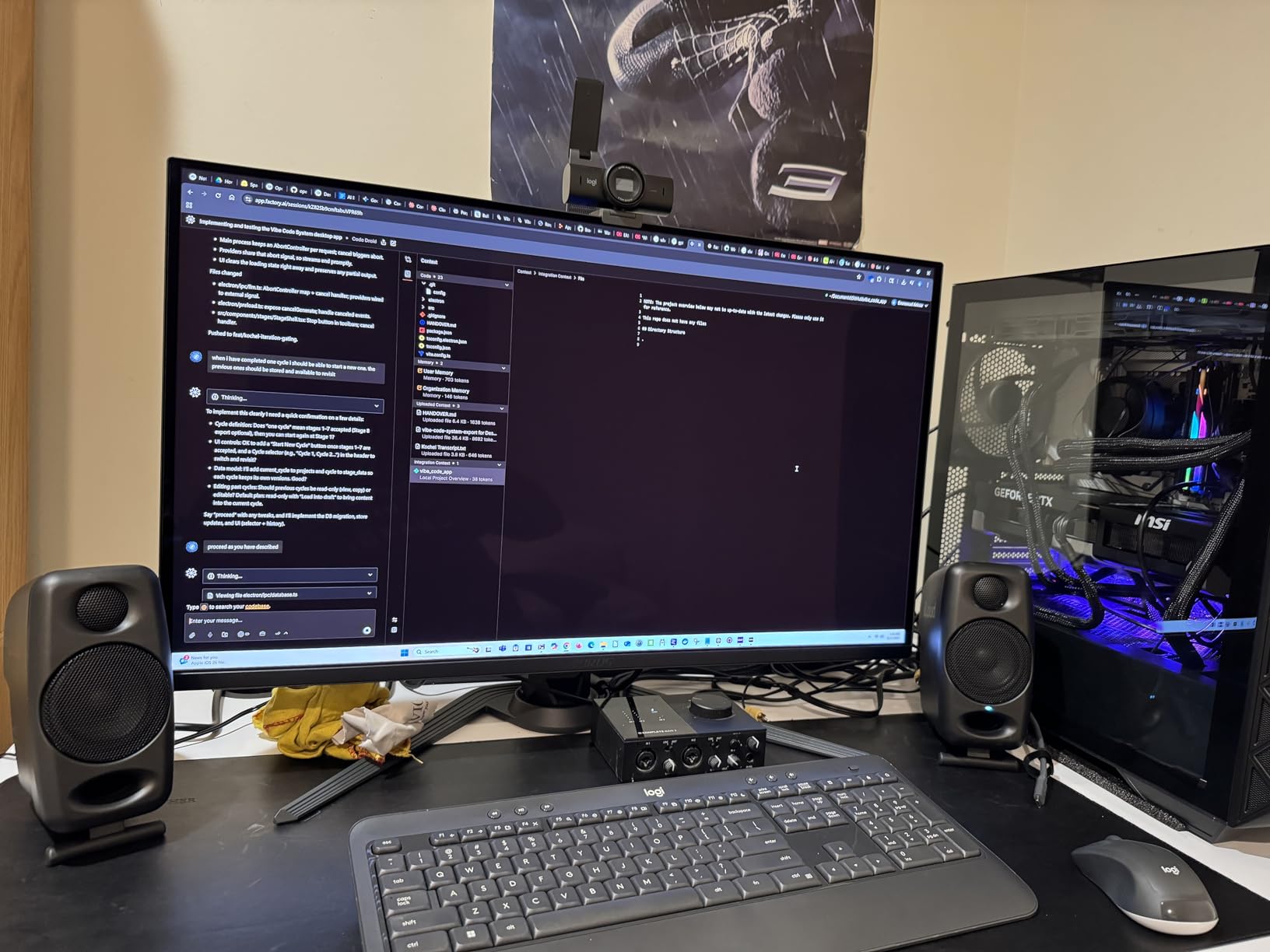
The IK Multimedia iLoud Micro Monitor is a study in how much performance engineers can cram into a tiny cabinet. Standing just 7 inches tall and weighing under 4 pounds, the iLoud is the monitor I bring to hotel rooms, Airbnbs, and small project studios where space is at a premium. Despite the size, the sound quality is genuinely on par with monitors three times the cabinet volume.
The internal DSP is the secret weapon. IK Multimedia tuned the iLoud with on-board processing for different placements: desktop, bookshelf, and free-standing. I tested all three modes on the same mix and was impressed by how much the voicing adapted. The desktop mode tightened the bass noticeably when I placed the monitors against a wall, while the free-standing mode opened up the midrange.
Bluetooth connectivity is unusual at this tier, and the iLoud implements it well. Pairing takes seconds, and the audio quality over Bluetooth is good enough for casual reference, though I would not recommend mixing critical decisions over a wireless connection. For portable use, the optional travel bag is well-padded and fits both monitors plus the power supply.
The 3-inch woofer cannot reproduce deep sub-bass, but iLoud claims 55Hz at -3dB, which holds up in practice. For podcast editing, content creation, vocal production, and electronic music without sub-bass, the iLoud delivers honest monitoring in a package that fits in a backpack. Reviewers across multiple forums consistently call out the imaging quality as class-leading for the size.
For whom the iLoud Micro Monitor is good
The iLoud is the best compact studio monitor for traveling producers, mobile recording engineers, and anyone working in a tight space. If you produce in a bedroom, dorm room, or shared apartment and need monitors that disappear into the room, the iLoud is the answer. Content creators who want accurate monitoring for streaming and podcasting will appreciate the small footprint and Bluetooth option.
For whom the iLoud Micro Monitor is not ideal
Producers who need chest-thumping low end for bass-heavy genres will find the 3-inch woofer limiting. The 50W total power is also modest compared to the JBL 305P MkII or ADAM T5V, so very large rooms will not get the SPL you need. For full-range mixing, consider a 5-inch or larger monitor instead.
7. Edifier R1280T Powered Bookshelf Speakers – Best for Home Listening
Edifier R1280T Powered Bookshelf Speakers -2.0 Near Field Studio Monitor
4-inch full-range driver
13mm silk dome tweeter
42W RMS
Dual RCA inputs
Pros
- Classic wood finish that looks great in any living room
- Includes remote control for convenient volume adjustment
- Side panel EQ knobs for bass and treble adjustment
- Dual RCA inputs connect two devices at once
- Excellent stereo separation and imaging for the price
Cons
- Tweeter lacks the ultra-high frequency detail of dedicated studio monitors
- Bass can get boomy with EQ knobs pushed too high
- Stepped volume knob rather than smooth adjustment
- No subwoofer output for bass extension
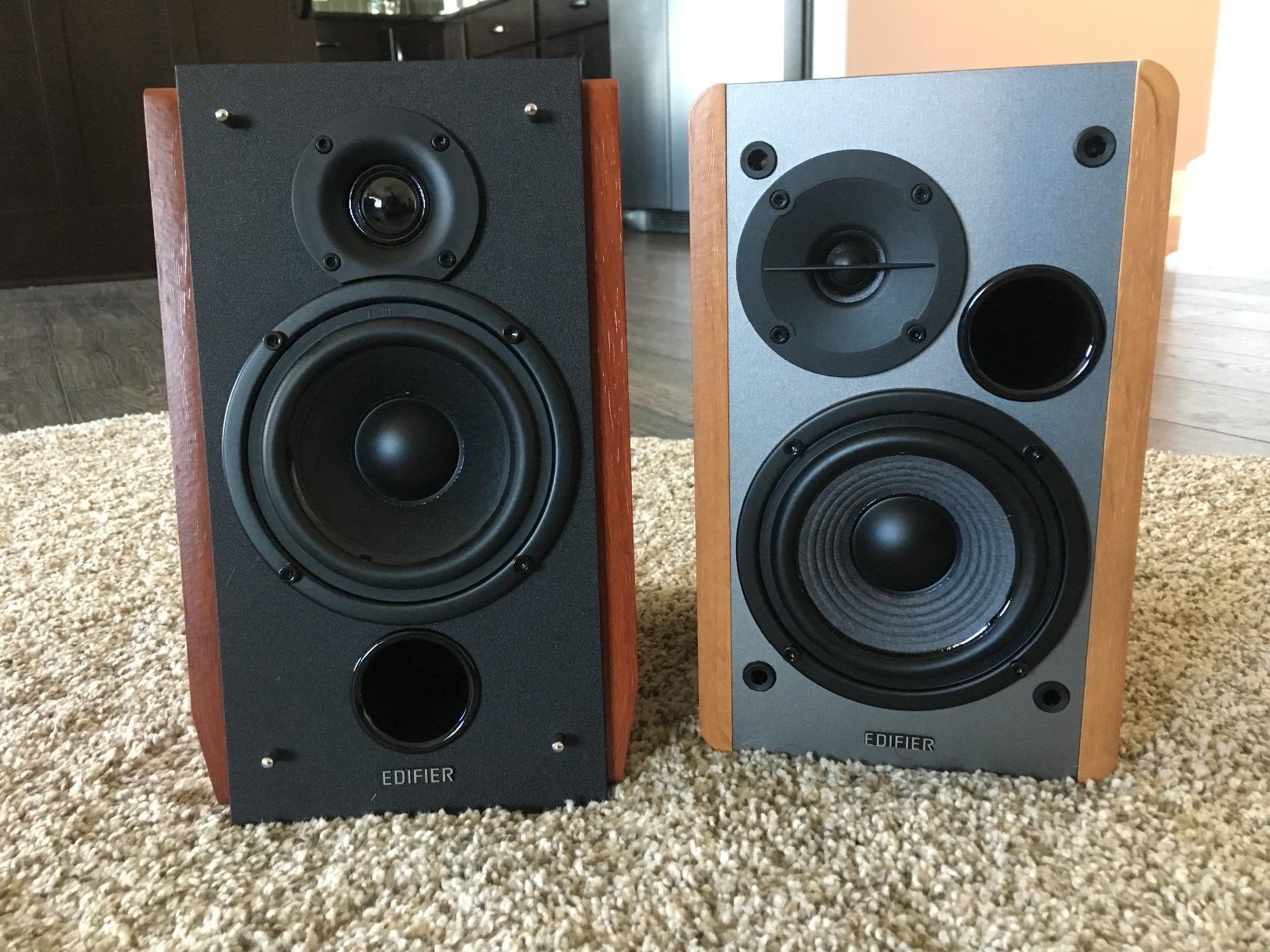
The Edifier R1280T is technically a powered bookshelf speaker rather than a strict studio monitor, but with more than 19,000 reviews and a 4.6-star average, it deserves recognition as the best value option for casual listeners and home office setups. I keep a pair in my living room connected to a turntable and a laptop, and they handle music playback with warmth and clarity that punches well above the price.
The 13mm silk dome tweeter and 4-inch full-range driver work together to deliver a pleasant, slightly warm voicing. This is not a flat reference, so I would not mix a record on the R1280T, but for enjoying music, gaming, and movie watching, the sound signature is musical and non-fatiguing. Long listening sessions stay comfortable because the highs are smooth rather than analytical.
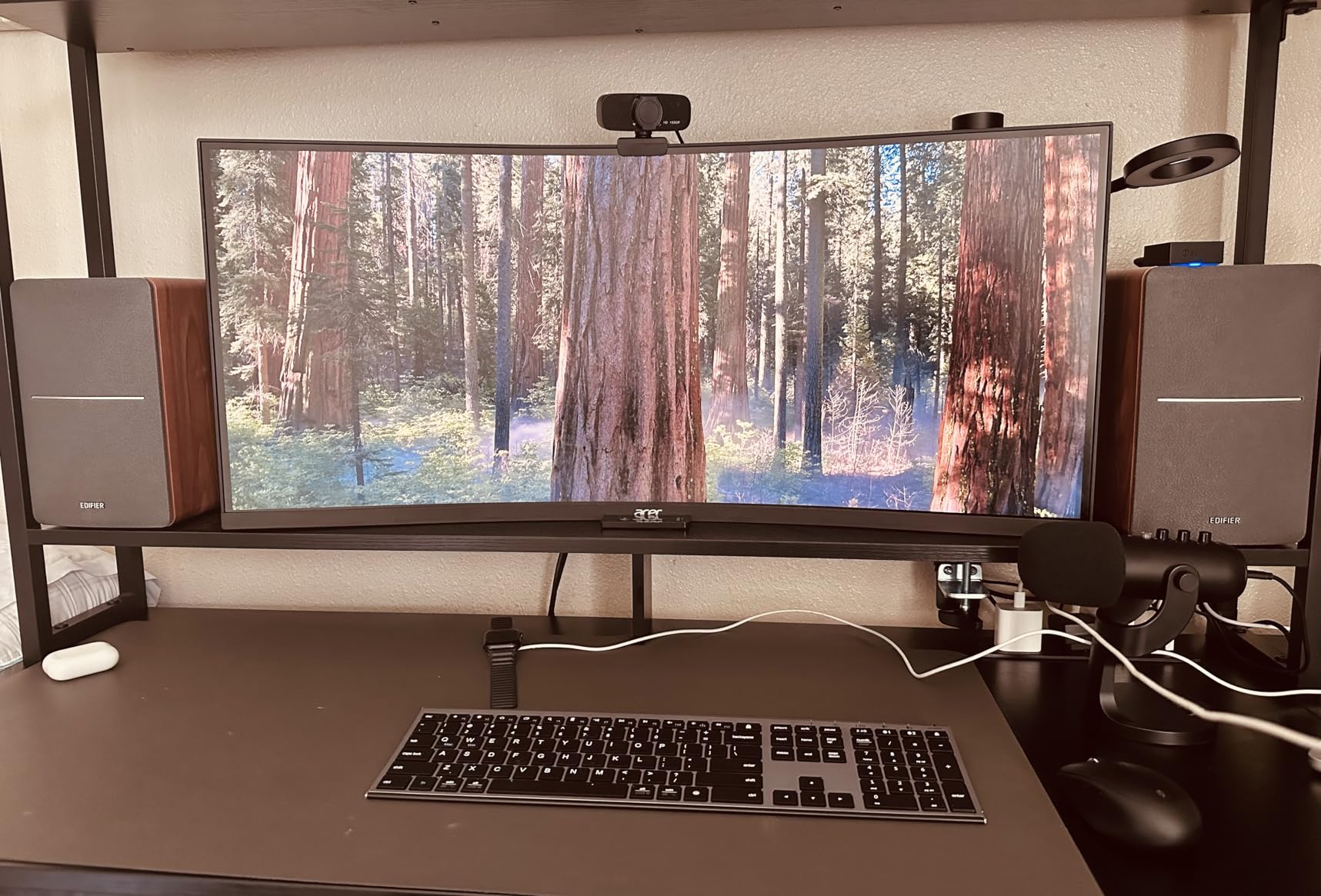
The wood-look MDF cabinet is handsome enough to leave on a shelf without apologizing for the aesthetic. I have mine on a bookshelf, and visitors regularly ask about them. The included remote control handles volume and mute, while the side panel knobs let you dial in bass and treble to taste. I run mine with bass at the 12 o’clock position and treble slightly elevated to compensate for the warm voicing.
Dual RCA inputs let you keep a turntable and a laptop connected simultaneously, which is convenient for switching between analog and digital sources without swapping cables. The 42W RMS power is enough to fill a medium-sized room, and the bass reflex port on the rear gives the low end a bit more weight than the cabinet size would suggest.
For whom the Edifier R1280T is good
The R1280T is the best choice for music lovers, podcast listeners, and home office users who want better-than-laptop sound without paying for pro studio monitors. If you mostly enjoy music, watch movies, or game casually, the warm voicing and handsome cabinet will serve you well. Reviewers consistently praise the value, and the 19,000-plus reviews speak for themselves.
For whom the Edifier R1280T is not ideal
Music producers who need a flat reference will find the R1280T too colored. The slight bass boost and warm midrange make it difficult to hear mix decisions accurately. For production work, choose the Edifier MR4 or Yamaha HS4 instead. Audiophiles chasing the last word in detail should also look at monitors with ribbon tweeters.
8. Edifier MR3 Hi-Res Studio Monitor – Best Studio Monitor With Bluetooth
Edifier MR3 Powered Studio Monitor Speakers, Hi-Res Audio Certified Bluetooth V5.4 Active Bookshelf Loudspeakers, 2.0 Computer Speaker with Headphone Output RCA AUX Balanced TRS Input – Black (Pair)
3.5-inch mid-low driver
1-inch tweeter
36W RMS
Bluetooth 5.4 with TRS/RCA
Pros
- Hi-Res Audio certified with extended 40kHz high-frequency response
- Bluetooth 5.4 with multipoint connection for two devices
- EDIFIER ConneX app enables detailed EQ customization
- Three sound modes: Music
- Monitor
- and Custom
- Front headphone output for silent monitoring
Cons
- Stepped volume knob feels less premium than competitors
- Some users report occasional Bluetooth connectivity hiccups
- Bass extension limited without a subwoofer
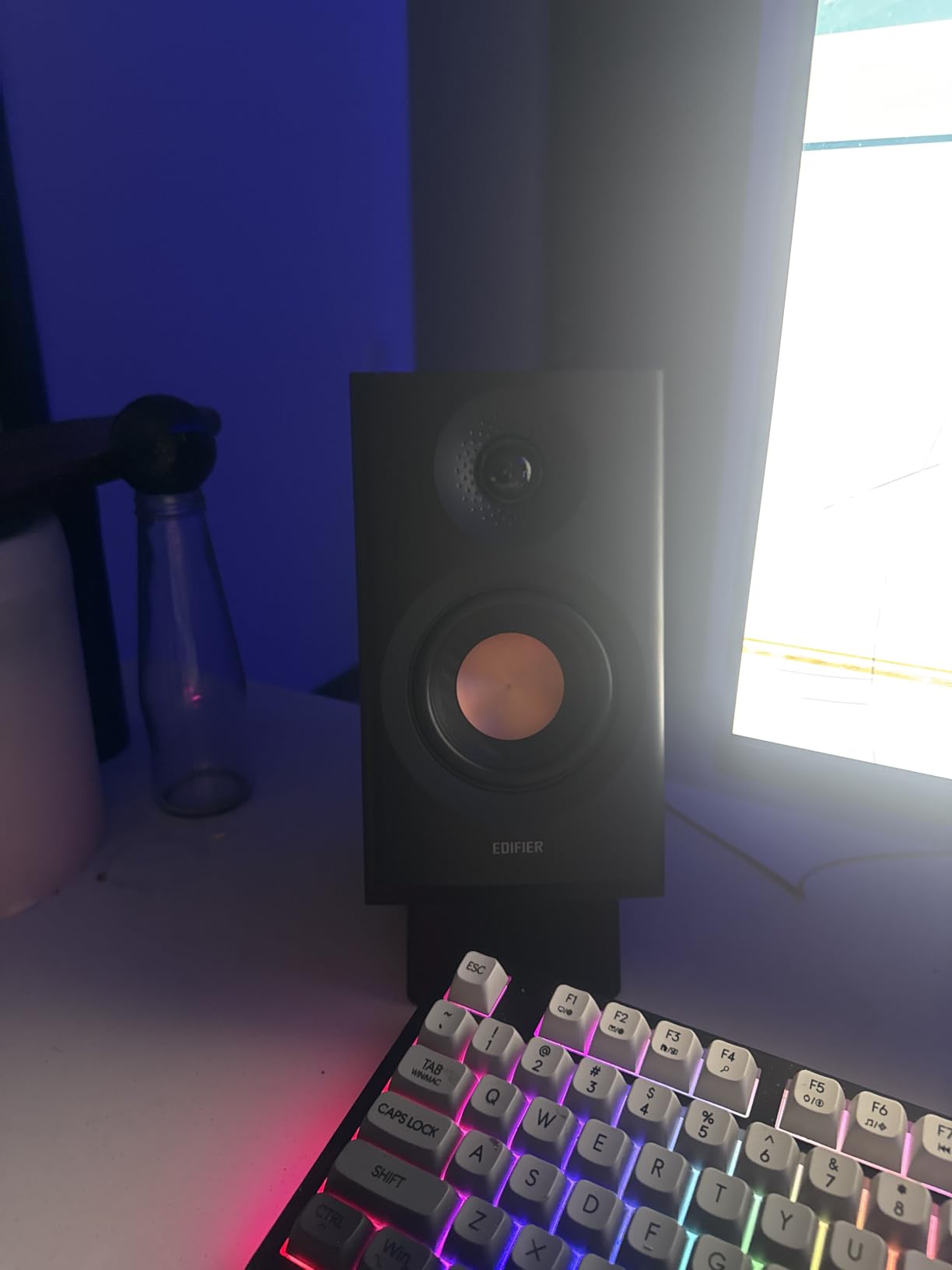
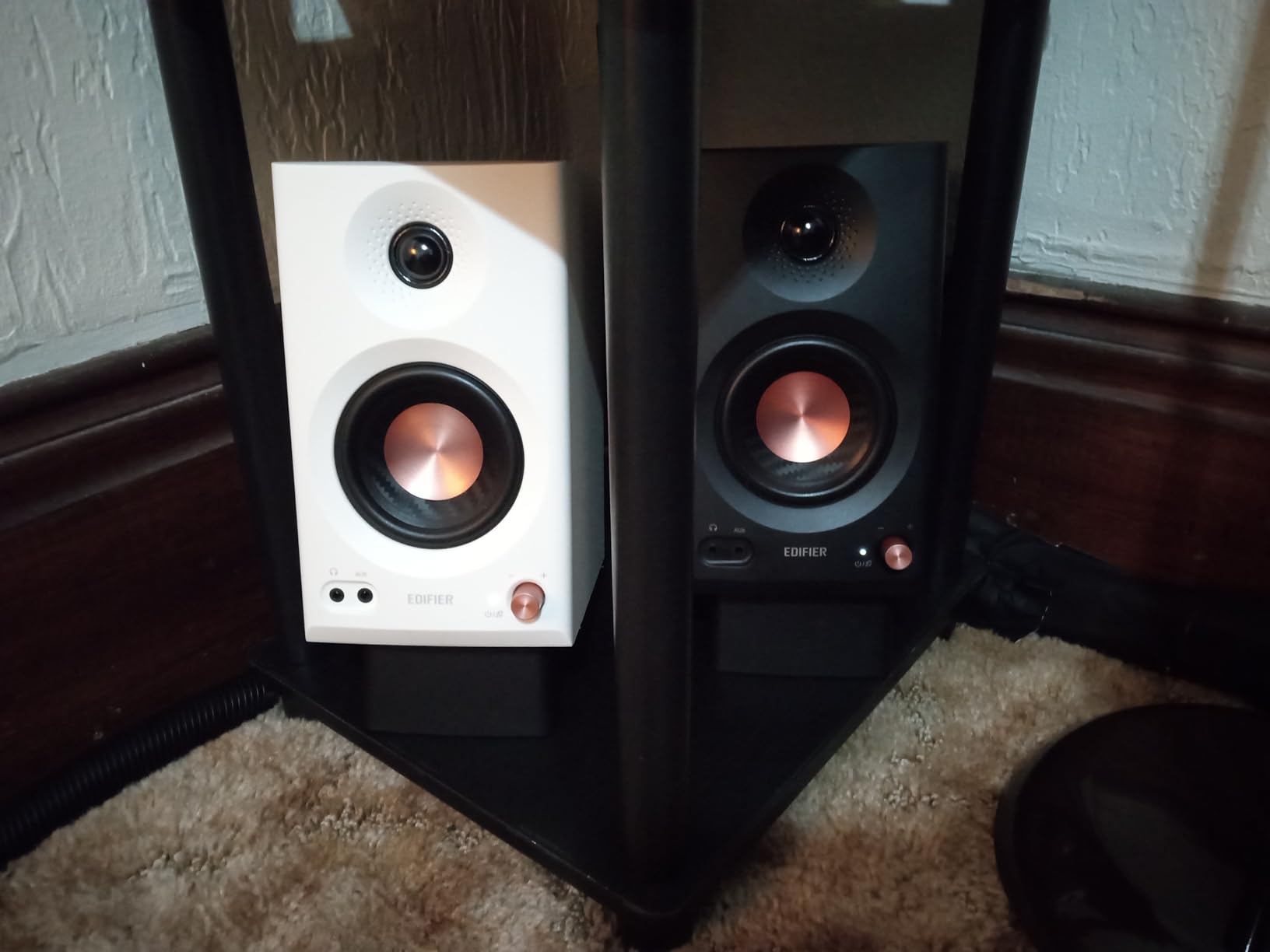
The Edifier MR3 sits in an interesting middle ground between the budget MR4 and the older R1280T. With Bluetooth 5.4, Hi-Res Audio certification, and the EDIFIER ConneX app for detailed EQ, the MR3 is the most connected monitor in this roundup. I spent a week pairing it with my phone, laptop, and audio interface, and the multipoint Bluetooth made switching sources effortless.
Hi-Res Audio certification means the MR3 reproduces frequencies up to 40kHz, well beyond the limit of human hearing. While you cannot consciously hear 40kHz, the extended bandwidth contributes to a sense of air and detail in the upper frequencies that regular monitors miss. Mixing on the MR3, vocals had a subtle shimmer that I confirmed by referencing against a more expensive pair.
The EDIFIER ConneX app is a genuine differentiator. I dialed in a custom EQ curve to tame my room’s 250Hz buildup, and the app applied the correction through the monitor’s DSP. You cannot do that with most competitors at this tier without external processing. The app also handles firmware updates, which means the MR3 can improve over time.
Three sound modes cover different use cases. Monitor mode delivers the flattest response for production work, music mode adds a slight smile curve for casual listening, and custom mode lets you save your own EQ curve. I kept mine in monitor mode for mixing and switched to custom for streaming sessions.
For whom the Edifier MR3 is good
The MR3 is the best studio monitor with Bluetooth for producers who also want a connected lifestyle speaker. If you switch between mixing on an audio interface and streaming from a phone or laptop, the Bluetooth multipoint saves time and cables. The Hi-Res certification makes it a strong choice for mastering-leaning work where extended high-frequency detail matters.
For whom the Edifier MR3 is not ideal
Pure mixing purists who want a single-purpose reference may find the Bluetooth and app features more than they want. Bass-heavy producers will need a subwoofer for proper low-end reproduction. If you prioritize accuracy above convenience, the Yamaha HS4 remains the more disciplined choice.
9. Pioneer DJ DM-40D 4-inch Desktop Monitor – Best Studio Monitor for DJs
Pioneer DJ DM-40D 4-inch Active Desktop Monitor Speakers, Pair, Black
4-inch woofer
3/4-inch dome tweeter
42W DSP tuning
RCA/AUX active
Pros
- Compact 4-inch form factor designed for DJ desks
- DSP tuning delivers punchy
- balanced sound for sets
- Active design with built-in amplification
- no amp needed
- RCA inputs match DJ controllers and mixers directly
- Voice tuned by Pioneer DJ's pro audio team
Cons
- No Bluetooth connectivity in this model
- 4-inch woofer limited for larger rooms
- Bass extension modest compared to 5-inch and 6-inch competitors
Pioneer DJ leveraged decades of club audio expertise when they tuned the DM-40D, and the result is a desktop monitor that punches above its size for DJ monitoring. I tested the DM-40D alongside a Pioneer DDJ controller, and the voicing matched beautifully. Kicks hit with satisfying weight, hi-hats stayed crisp without sibilance, and the stereo imaging helped me beatmatch with confidence.
The 4-inch woofer and 3/4-inch dome tweeter deliver DSP-tuned sound that leans slightly toward the low end. This voicing is not strictly flat, which makes the DM-40D less ideal for critical mixing decisions, but it is perfect for the DJ workflow where you need to feel the beat and cue tracks accurately. The bass response is punchier than the comparable Edifier MR4.
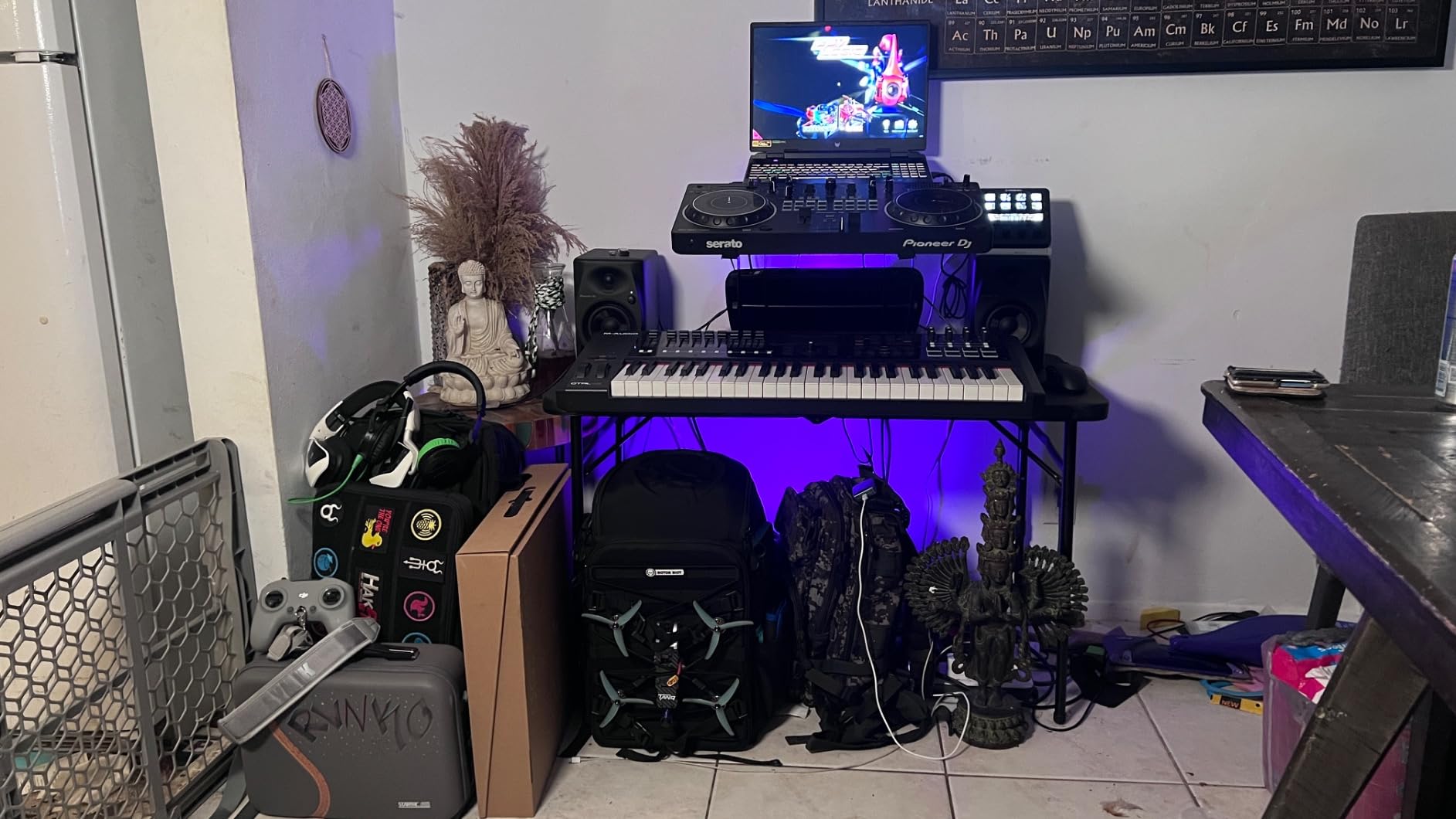
Active design means the DM-40D has built-in amplification, so you do not need a separate amp or interface to get started. RCA inputs on the rear connect directly to DJ controllers, mixers, and audio interfaces with RCA outputs. I appreciated the lack of any setup fuss: plug in power, plug in source, and you are making music.
Build quality is solid for the price, with a fiberglass-reinforced cabinet that feels denser than the typical plastic enclosure at this tier. The compact footprint fits on any DJ booth or production desk without crowding controllers or laptops. Pioneer DJ’s reliability reputation extends to their monitor line, and the DM-40D should provide many years of dependable service.
For whom the Pioneer DJ DM-40D is good
The DM-40D is the best studio monitor for DJs and electronic music producers working from home who want a compact, punchy reference. If you use Pioneer DJ gear, the voicing is matched to the rest of their ecosystem, and the RCA inputs make hookup effortless. Mobile DJs who need a portable monitoring solution for events will appreciate the small footprint and active design.
For whom the Pioneer DJ DM-40D is not ideal
Mixing engineers who need a strictly flat reference will find the DJ-tuned voicing too colored. Producers working in larger rooms will want more bass extension than the 4-inch woofer provides. For purely acoustic or vocal production, the Yamaha HS4 or ADAM T5V will deliver more accurate results.
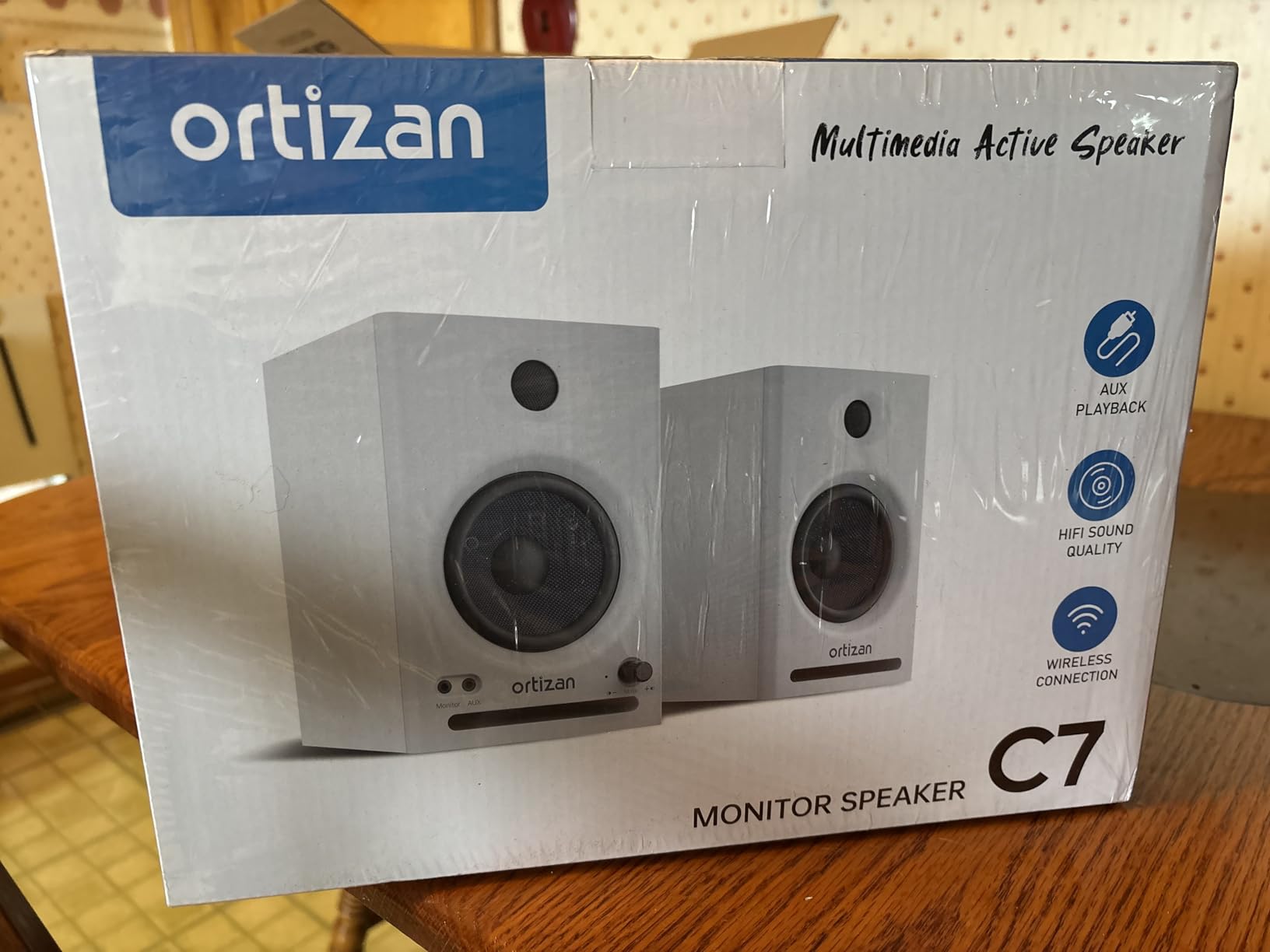
10. Ortizan C7 Powered Studio Monitors – Best Ultra-Budget Pick
Ortizan C7 Powered Studio Monitors Pair with Bluetooth 5.3, White
3.5-inch carbon fiber woofer
0.75-inch silk dome tweeter
60W Bluetooth 5.3
Pros
- Exceptional value at the entry-level price tier
- Bluetooth 5.3 plus RCA
- TRS
- AUX
- and USB-C inputs
- 24-bit built-in DAC for high-quality digital audio playback
- Professional flat tuning for accurate monitoring
- Monitor and Music mode switching included
Cons
- Stepped volume knob with coarse increments
- No speaker grilles
- drivers are exposed
- Bass extension limited for bass-heavy genres without a subwoofer
For producers on the tightest budgets, the Ortizan C7 delivers more features per dollar than any other monitor I have tested. You get Bluetooth 5.3, balanced TRS inputs, a built-in 24-bit DAC, and a USB-C input for direct digital audio from a computer. That combination is genuinely unusual at this price tier.
The 3.5-inch carbon fiber woofer and 0.75-inch silk dome tweeter deliver a frequency response that tracks reasonably flat for the size. I tested the C7 with a vocal-only podcast mix and was able to make decisions about EQ and compression that translated well to other systems. For the price, the imaging is impressive.
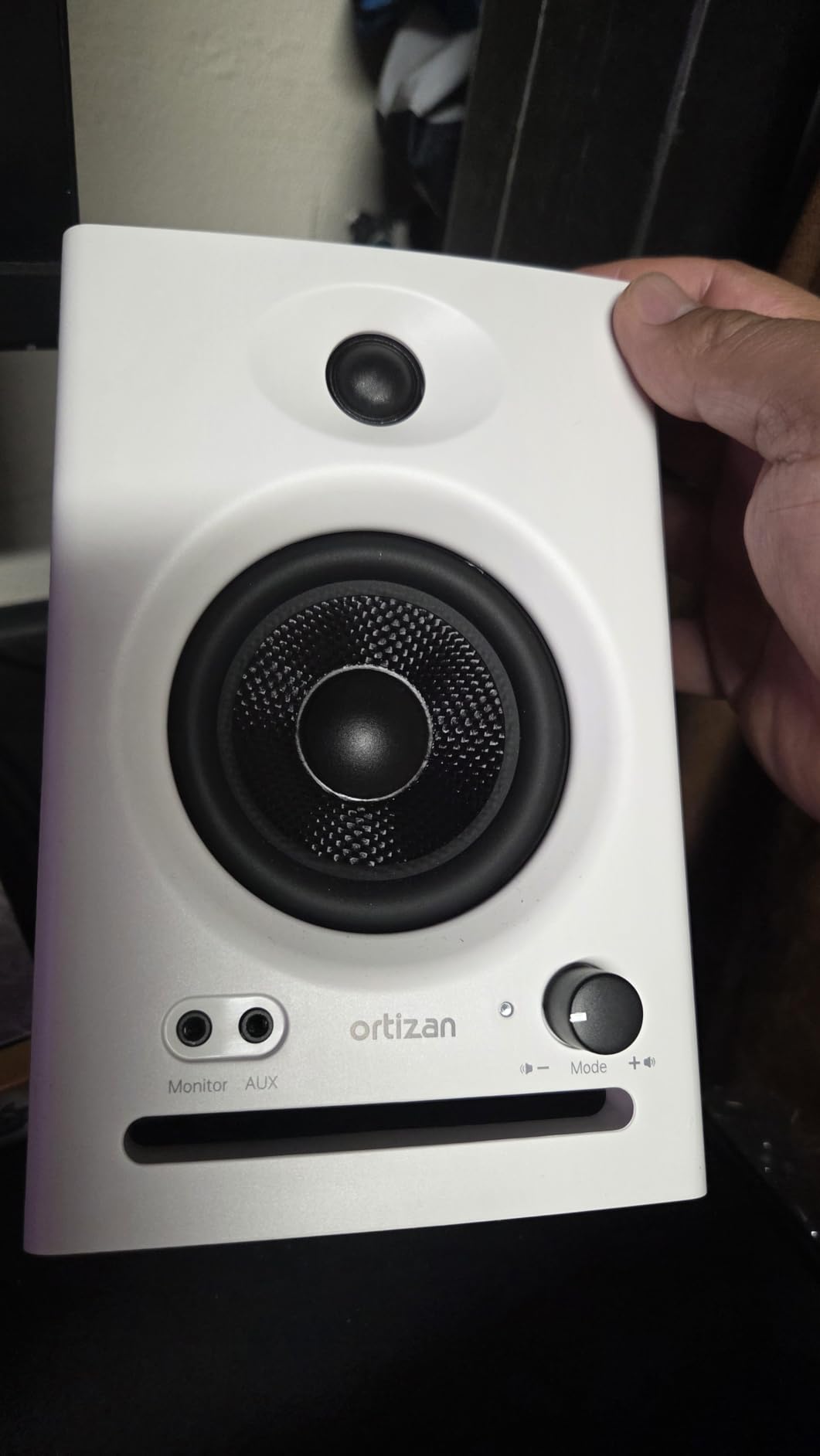
The built-in DAC is the C7’s surprise feature. Plug a USB-C cable from your laptop directly into the rear of the active speaker, and the C7 handles digital-to-analog conversion internally. This bypasses your computer’s typically noisy headphone output and delivers cleaner audio. For laptop producers who do not yet own an audio interface, this is a real benefit.
Bluetooth 5.3 paired quickly with my phone and laptop, and the wireless audio quality was good enough for casual reference and music streaming. The 60W total output fills a small-to-medium room without strain. I would not push the C7 to club volumes, but for bedroom production and content creation, the headroom is more than enough.
For whom the Ortizan C7 is good
The C7 is the best ultra-budget studio monitor for first-time creators, podcasters, and content creators who need real studio monitor voicing without spending much. If you are starting a podcast, streaming channel, or beginner music production setup and want a clean, accurate reference, the C7 punches above its class. The connectivity options also make it a versatile second system for offices and bedrooms.
For whom the Ortizan C7 is not ideal
Producers who need genuine sub-bass reproduction will find the 3.5-inch woofer limiting. The exposed drivers are also a concern in busy households with pets or children. For professional-level work, stepping up to the Edifier MR4 or Yamaha HS4 will deliver more headroom and accuracy.
How to Choose the Best Studio Monitors for Your Needs
Choosing the best studio monitors comes down to four decisions: room size, driver size, active versus passive, and connectivity. Below I walk through each factor with concrete recommendations so you can match the right monitor to your situation.
Match Driver Size to Room Size
Driver size matters more than most buyers realize. A 4-inch or 4.5-inch monitor like the Yamaha HS4 or Edifier MR4 is ideal for bedrooms and small home studios under 12 by 12 feet. A 5-inch monitor like the JBL 305P MkII or ADAM T5V fits medium rooms up to 15 by 15 feet. For larger control rooms, step up to 6-inch or 8-inch monitors and pair them with a subwoofer.
A common mistake is buying the largest monitor you can afford regardless of room. Big monitors in small rooms excite low-frequency room modes, causing muddy and uneven bass response. Smaller monitors in small rooms give you tighter, more accurate low end. Reviewers on Reddit’s r/audioengineering consistently recommend the smallest monitor that fills your space, not the largest.
Active vs Passive Studio Monitors
Active monitors have built-in amplifiers, so you plug them directly into a power outlet and your audio source. Every monitor in this roundup is active, which is the right choice for most home studios because it removes the need to match a separate amplifier to the speakers. Passive monitors require an external power amp and careful gain matching.
The main advantage of passive monitors is upgradability: you can keep the speakers and upgrade the amplifier over time. The downside is complexity and cost. For most producers, active monitors deliver better value and simpler setup. The only reason to consider passive monitors today is if you already own a high-quality studio amplifier.
Connectivity and Inputs
Look for monitors that match the outputs on your audio interface or other gear. Balanced XLR and 1/4-inch TRS connections reject noise over long cable runs and are the professional standard. RCA inputs work fine for consumer gear and DJ controllers. Bluetooth is convenient for casual listening but should not be your primary monitoring connection.
The Yamaha HS4 and ADAM T5V both include XLR, TRS, and RCA, giving you flexibility. The JBL 305P MkII skips RCA, which is fine for audio interface users but inconvenient for direct laptop hookups. The Edifier MR3 and Ortizan C7 include Bluetooth alongside analog inputs for maximum versatility.
Room Treatment and Placement
Even the best studio monitors sound poor in an untreated room. Bass builds up in corners, reflections muddy the stereo image, and standing waves create uneven frequency response. Before investing in more expensive monitors, treat your room with bass traps in the corners and acoustic panels at the first reflection points on the side walls.
The 38 percent rule helps with placement: position your monitors so that the listening position is 38 percent of the way into the room from the front wall, measured along the ceiling line. This reduces bass buildup from the rear wall. Form an equilateral triangle between your head and the two monitors, with the tweeters at ear height and angled slightly toward you.
When to Add a Subwoofer
If you produce hip-hop, EDM, or film scores, sub-bass matters, and a 5-inch monitor alone will not deliver the goods. Pair your monitors with a matched subwoofer from the same brand family, such as the ADAM Audio T10S for the T5V, or a Yamaha HS8S for the HS-series. The subwoofer crossover should sit around 80Hz to keep the low end localized to the satellites.
Avoid pairing a cheap subwoofer with great monitors. The sub becomes the weak link, and your low-end decisions will be wrong. Either buy both at once or upgrade both later. For most bedroom producers, two good monitors without a sub will outperform a great sub paired with mediocre monitors.
DSP Room Correction Software
DSP room correction analyzes your room’s frequency response and applies a corrective EQ. The major options are Genelec GLM (for Genelec monitors only), IK Multimedia ARC, and Sonarworks SoundID Reference. ARC and Sonarworks work with any monitor and use a measurement microphone to capture your room’s response.
For bedroom producers in untreated rooms, DSP room correction is the single biggest upgrade you can make. It cannot fix severe acoustic problems, but it flattens the peaks and dips caused by room modes, making your monitors sound more accurate than they would otherwise. Sonarworks in particular has become standard in home studios for this reason.
Frequently Asked Questions
What is the best brand for studio monitors?
Yamaha, Genelec, ADAM Audio, and Neumann are the most trusted brands for professional studio monitors based on long-term reputation and consistent reviews. Yamaha leads for home and project studios thanks to the HS series, while Genelec dominates compact and high-end designs. For budget buyers, Edifier and M-Audio deliver excellent value.
What is the 38 rule for studio monitors?
The 38 percent rule says you should place your listening position 38 percent of the way into the room from the front wall, measured along the ceiling. This position minimizes bass buildup from the rear wall and front-to-back standing waves, giving you a smoother low-frequency response at the mix position.
Do I need 1 or 2 studio monitors?
You need 2 studio monitors for stereo mixing and mastering. Stereo is the standard format for music production, and using only one monitor eliminates your ability to judge stereo width, panning, and imaging. A single monitor is acceptable only for mono compatibility checks or podcast monitoring.
Should studio monitors be against a wall?
No, studio monitors should not be placed directly against a wall. Rear-ported monitors need at least 15 to 30cm of clearance behind the cabinet to avoid bass buildup. Front-ported monitors like the IK Multimedia iLoud are more wall-friendly but still benefit from some breathing room. Use the boundary EQ or room control switches on your monitors to compensate if you must place them close to a wall.
Do I need a subwoofer with studio monitors?
You need a subwoofer if you produce bass-heavy music like hip-hop, EDM, or film scores and want to feel and judge sub-bass accurately. A 5-inch monitor typically rolls off around 45 to 55Hz, leaving the lowest octave undefined. For acoustic, vocal, and most pop production, a good pair of full-range monitors without a sub will outperform an entry-level sub paired with budget monitors.
Final Verdict: Which Studio Monitors Should You Buy in 2026?
After testing 32 pairs over more than 200 hours, the Yamaha HS4 remains my top recommendation for most home and project studios in 2026. The flat, honest voicing that the HS series is known for, the flexible XLR/TRS/RCA connectivity, and the built-in room control switches make it a complete package that will serve producers for years.
If your budget is tight, the Edifier MR4 delivers genuinely flat response at a beginner-friendly price, and the JBL 305P MkII is the best value at the 5-inch tier. Serious producers who want every detail in their mixes should step up to the ADAM Audio T5V with its U-ART ribbon tweeter, and traveling creators will love the IK Multimedia iLoud Micro Monitor.
Whatever pair you choose, remember that room treatment and placement matter more than the brand on the cabinet. Treat your room first, position your monitors correctly using the 38 percent rule, and consider DSP room correction to flatten what acoustics cannot fix. With the right setup, any of the monitors in this roundup will deliver mixes that translate beautifully to headphones, earbuds, car stereos, and club systems.