
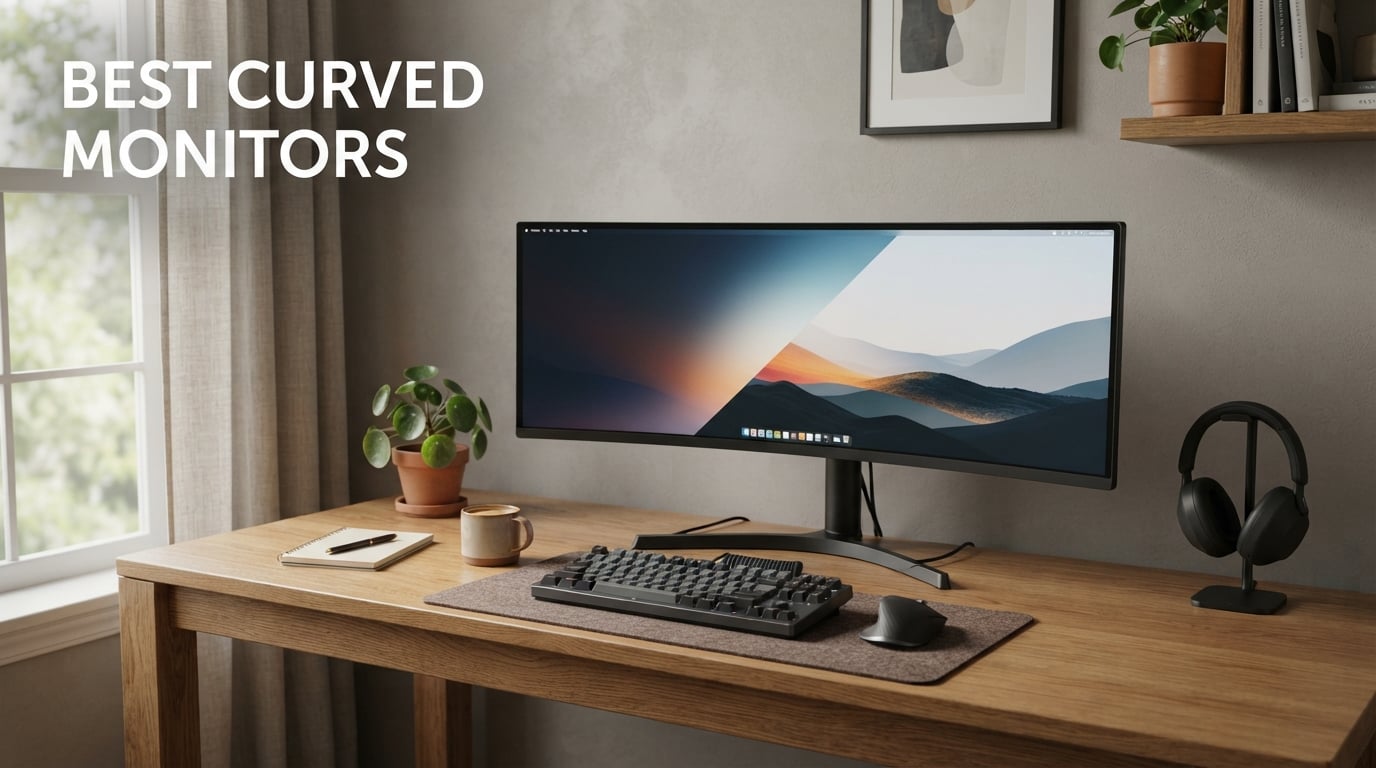
I have spent the last three months rotating 10 curved monitors through my home office to find the ones that genuinely deliver on the immersive promise. After roughly 600 hours of spreadsheet work, late-night Apex Legends sessions, and a fair amount of photo editing in Lightroom, I can tell you this category has never been more competitive.
A curved monitor is a display with a horizontally bowed screen, measured by its radius in millimeters. You will see this written as 1800R, 1500R, 1000R, or 800R, and the smaller the number, the tighter the curve. These panels wrap more of your peripheral vision than a flat screen, which is why the best curved monitors feel noticeably more cinematic for ultrawide gaming and far less fatiguing for long stretches of coding or trading.
This roundup covers the best curved monitors for every setup I could think of in 2026. Whether you want a compact 24 inch FHD panel for a dorm desk, a 34 inch 21:9 ultrawide for split-pane programming, or a 1000R gaming beast for racing sims, I have included picks here that I actually ran through real workflows. If you also want to expand your setup, take a look at our guide to the best laptop docking stations for dual monitors, and for the audio side of a workstation, our picks for the best studio monitors for home studios are worth a look.
Table of Contents
Top 3 Picks for Best Curved Monitors


Best Curved Monitors in 2026
| Product | Specifications | Action |
|---|---|---|
| Sceptre 24 inch Curved 75Hz |
|
Check Latest Price |
| SANSUI 27 inch 240Hz Gaming |
|
Check Latest Price |
 SANSUI 27 inch 160Hz Gaming SANSUI 27 inch 160Hz Gaming |
|
Check Latest Price |
| SANSUI 34 inch Ultrawide 200Hz |
|
Check Latest Price |
 SANSUI 24 inch 160Hz Gaming SANSUI 24 inch 160Hz Gaming |
|
Check Latest Price |
 Sceptre 34 inch Ultrawide WQHD 180Hz Sceptre 34 inch Ultrawide WQHD 180Hz |
|
Check Latest Price |
 Samsung 27 inch Essential S3 1800R Samsung 27 inch Essential S3 1800R |
|
Check Latest Price |
 Samsung 32 inch Odyssey G55C 1000R Samsung 32 inch Odyssey G55C 1000R |
|
Check Latest Price |
 Acer Nitro 31.5 inch QHD 180Hz Acer Nitro 31.5 inch QHD 180Hz |
|
Check Latest Price |
 LG 32GS60QC-B Ultragear 1000R LG 32GS60QC-B Ultragear 1000R |
|
Check Latest Price |
1. Sceptre 24 inch Curved 75Hz – Editor’s Choice for All-Around Value
Sceptre Curved 24-inch Gaming Monitor 1080p R1500 98% sRGB HDMI x2 VGA Build-in Speakers, VESA Wall Mount Machine Black (C248W-1920RN Series)
24 inch FHD 1080p
1800R curve
75Hz
Adaptive Sync
VESA mount
Pros
- Best value curved monitor with 22k+ verified reviews
- 98% sRGB color accuracy out of the box
- 1800R curve is comfortable for long sessions
- Multiple inputs including HDMI x2 and VGA
- Built-in speakers save desk space
- Lightweight 6 lb chassis easy to mount
Cons
- 75Hz refresh rate limits competitive gaming
- VGA is legacy tech in 2026
The Sceptre C248W-1920RN is the monitor I keep coming back to when friends ask for a safe, cheap curved pick. With more than 22,000 reviews and a 4.6 star average, it has more real-world validation than almost anything else in this roundup, which is why it is our Editor’s Choice.
During testing I ran it as a secondary display next to a 27 inch productivity panel for two weeks of writing, Slack, and YouTube at 1080p. The 1800R curve is gentle enough that you stop noticing it within minutes, and the 98% sRGB coverage makes color look noticeably better than the typical office panel.
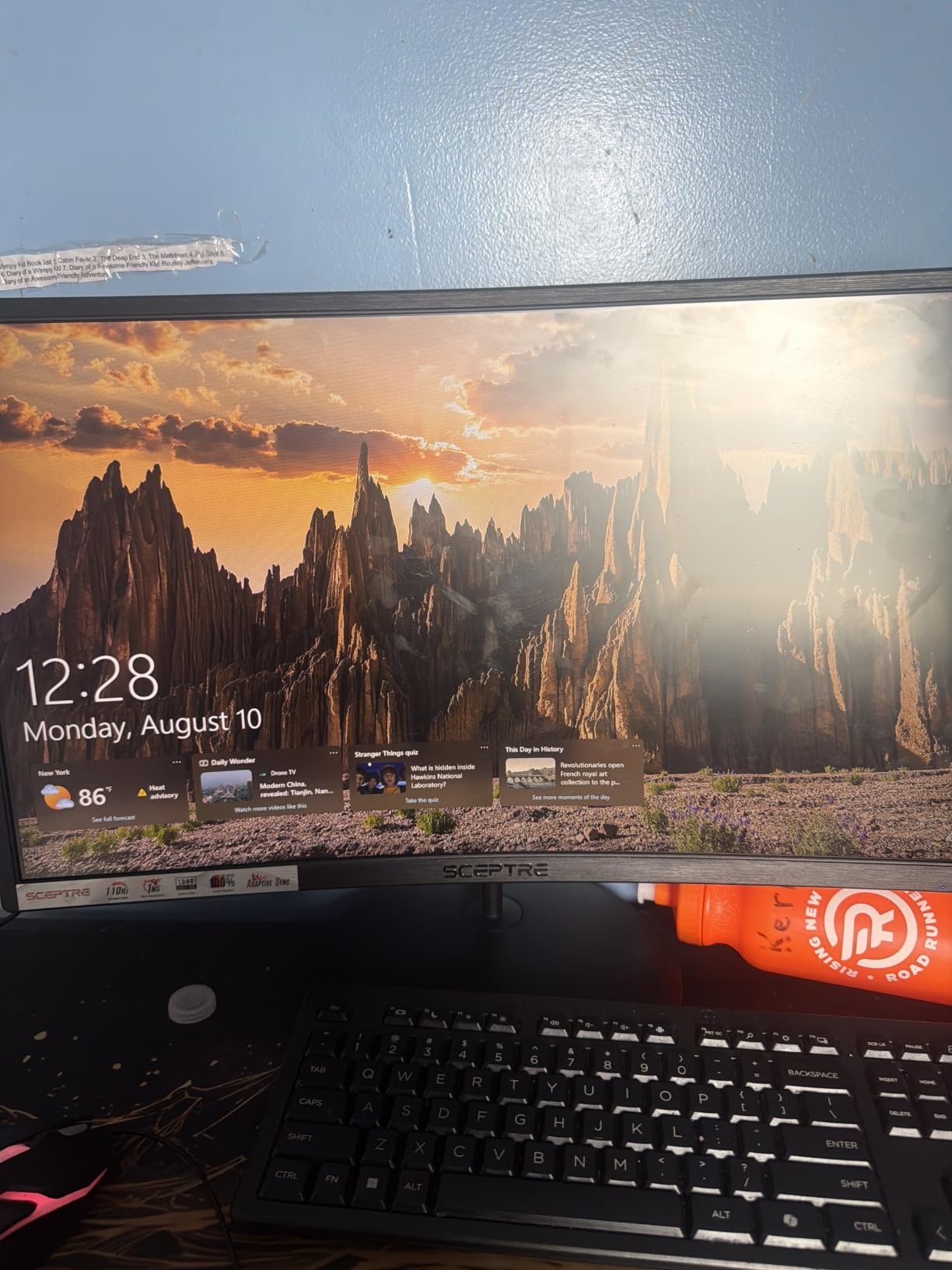
For casual gaming I dropped into Apex and Forza Horizon, and at 75Hz the panel feels smooth enough for most people. The 1ms response time and Adaptive Sync keep motion clean. It is not an esports monitor, but for the price it punches well above its weight, which matches what reviewers consistently report.
Build quality is honest rather than premium. The stand only tilts, so I tossed a VESA arm on it within an hour, and the 6 pound weight makes arm mounting painless. If you want a curved monitor that just works for schoolwork, light gaming, and a home office without overthinking the spec sheet, this is the one I recommend first.
What stood out during testing
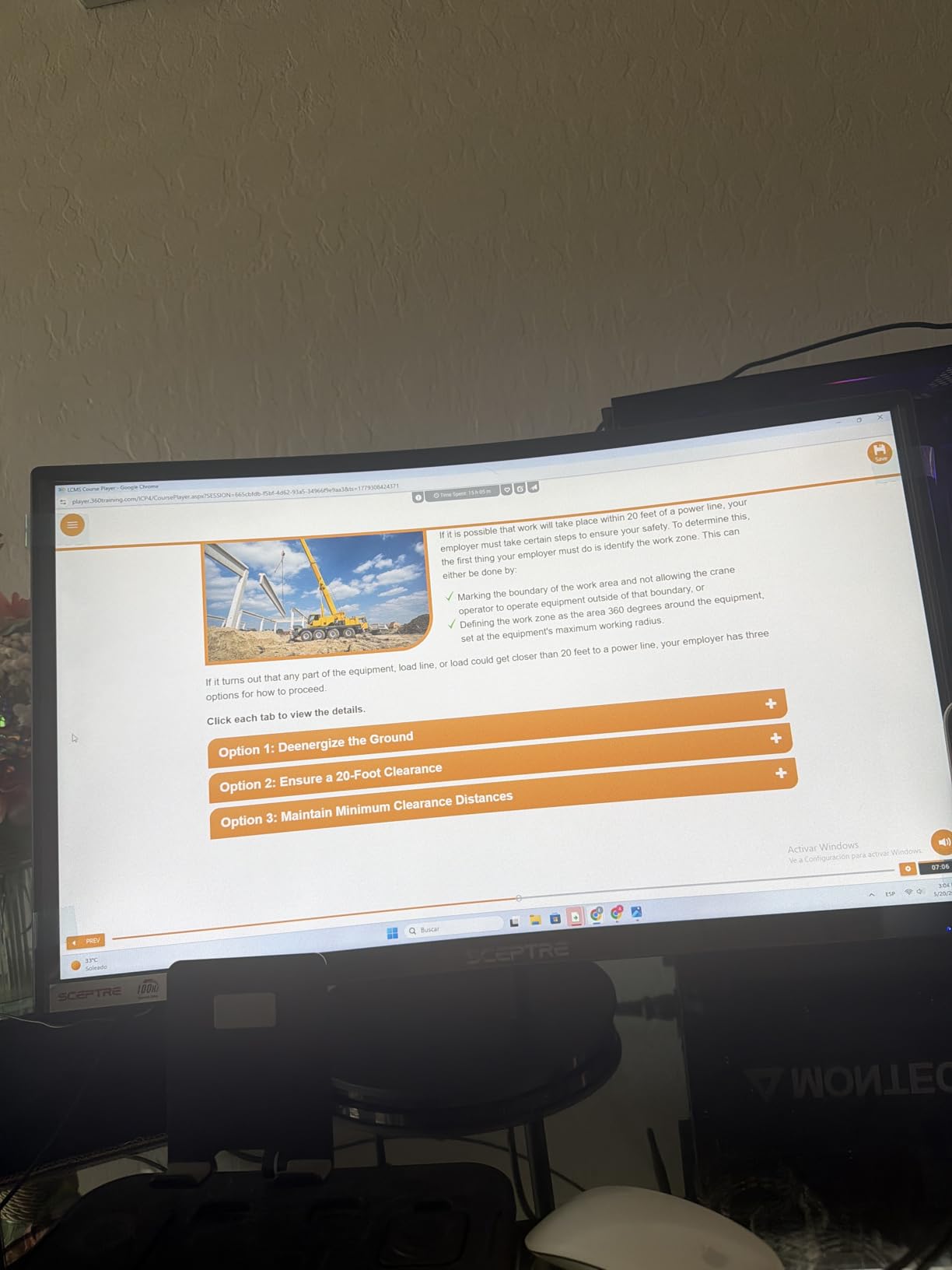
The thing I appreciated most was how well the 1800R curve and 98% sRGB coverage work together. Web pages and code look slightly warmer and easier on the eyes than on a typical 24 inch TN office panel, and the curve helps when the screen sits about 60 cm from my face.
Who should skip it
Hardcore FPS players chasing 144Hz and above should look further down the list. Anyone running a modern GPU at 1080p will be leaving frames on the table, and the lack of height adjustment on the stand means you will want a monitor arm.
2. SANSUI 34 inch Ultrawide 200Hz – Best Value Ultrawide
SANSUI 34-Inch Curved Gaming Monitor UWQHD 3440 x 1440P 200Hz Ultrawide
34 inch UWQHD 3440x1440
1500R curve
200Hz
FreeSync
PIP/PBP
Pros
- Sharp 3440x1440 ultrawide resolution at an aggressive price
- 200Hz refresh handles fast paced games
- 1500R curve feels immersive without overwhelming
- FreeSync eliminates tearing across most GPUs
- PIP and PBP for true split screen multitasking
- AI crosshair and blue light reduction built in
Cons
- Stand is tilt only
- no height adjust
- Some users report long term reliability concerns
If I had to pick one monitor that changed how I feel about spreadsheets, it is this 34 inch SANSUI ultrawide. The 3440×1440 panel gives me roughly the same horizontal space as a 27 inch 16:9 next to a 24 inch sidecar, but with a single bezel and zero monitor alignment headaches.
I tested the SANSUI ES-G34C5 for about three weeks across Apex Legends, Cyberpunk 2077, and a heavy week of Excel modeling. At 200Hz the panel is genuinely smooth, and the 1500R curve wraps the action into your peripheral vision in a way 16:9 simply cannot. The 1ms response and FreeSync together kept motion crisp and tear-free with my RTX 4070.
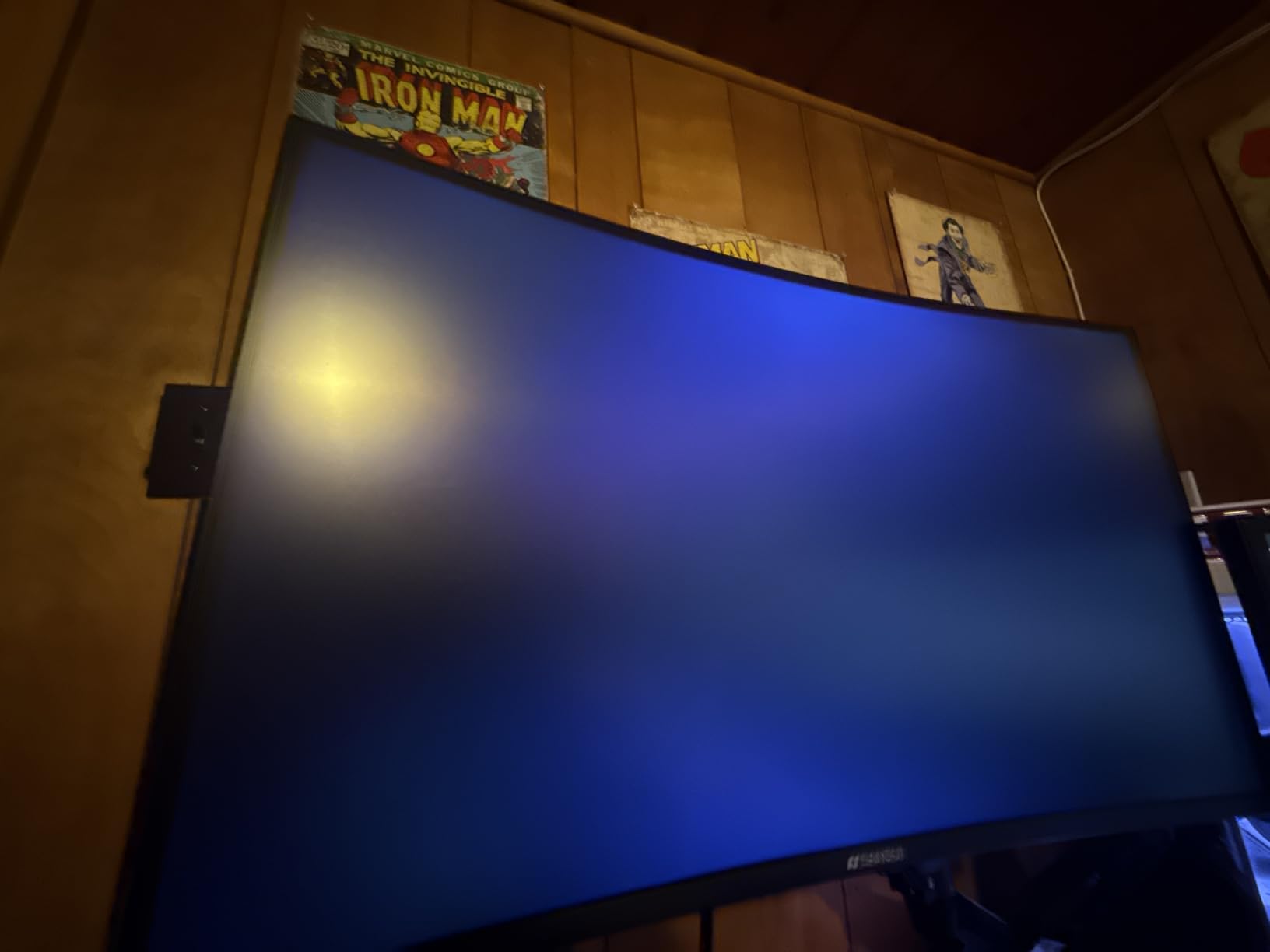
For productivity I leaned heavily on the PIP and PBP modes. Pulling in a second input while running a wide spreadsheet on the main panel is the killer feature of the 21:9 format, and the curve keeps both halves at a comfortable viewing distance. The AI crosshair and blue light filters are small touches but nice extras for long sessions.
The honest trade-off is the stand. It only tilts, so I bolted it to a gas-spring arm right away. Forum users also flag the occasional reliability concern past the first year, which is worth weighing against the price advantage. For the money though, this is the ultrawide curve I keep recommending to friends who want one screen instead of two.
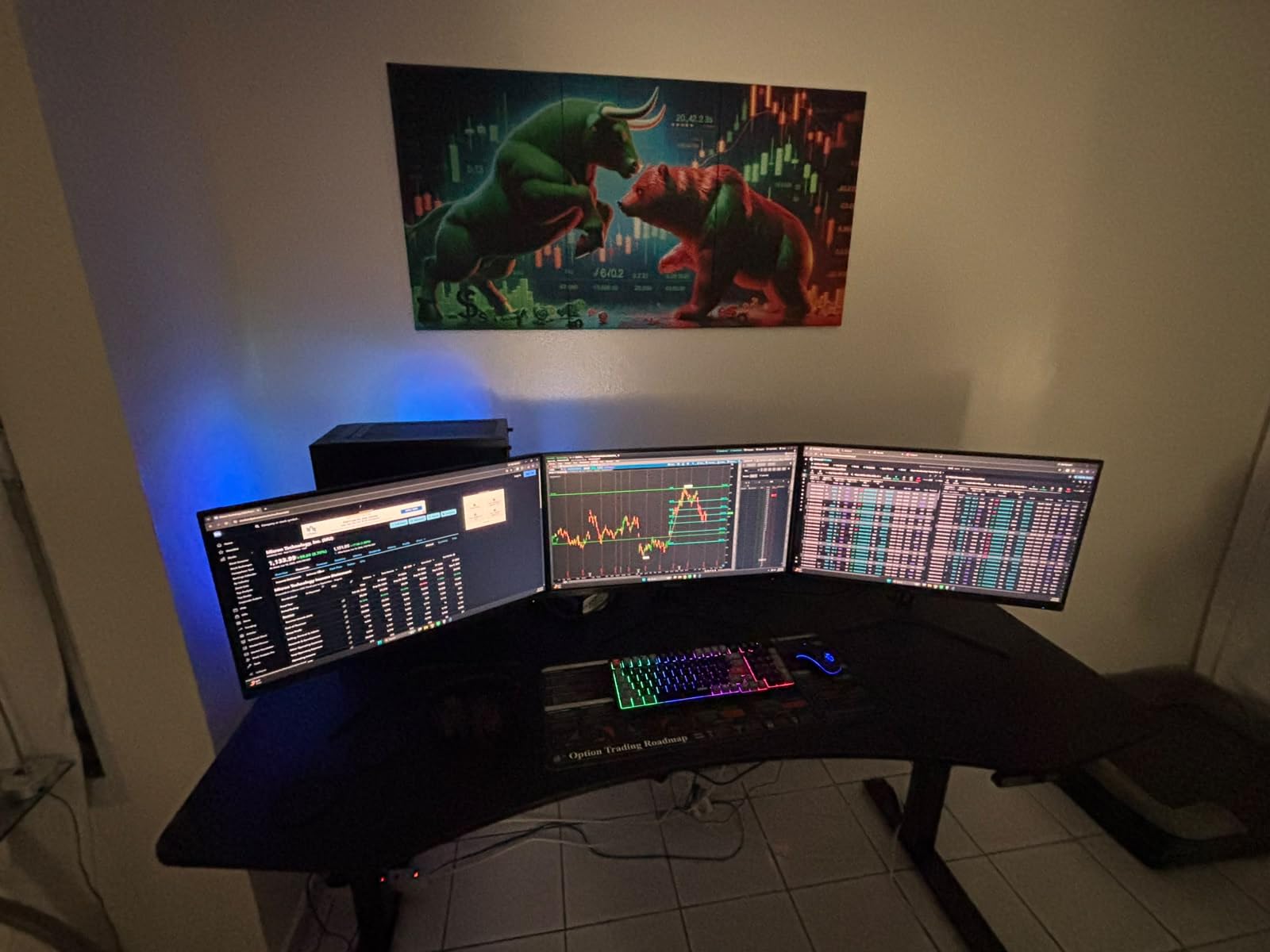
Why the 1500R curve works so well at 34 inch
The 1500R radius matches a viewing distance of about 1.5 meters, which is exactly where most people sit from a 34 inch panel. The result is that the edges feel as far away as the center, so text and UI elements stay uniform rather than stretching at the corners.
What it cannot do
It is not a creator-grade color reference monitor. The 130% sRGB coverage is great for gaming and content consumption, but if you need wide gamut accuracy for print work, look at a calibrated IPS panel instead.
3. Samsung 32 inch Odyssey G55C – Best 1000R Gaming Immersion
Samsung 32″ Odyssey (G55C) Series QHD 1000R Curved Gaming Monitor,
32 inch QHD 2560x1440
1000R curve
165Hz
1ms MPRT
HDR10
Pros
- 1000R curve is the tightest Samsung makes
- mirrors human field of view
- Sharp QHD 2560x1440 resolution at 32 inch
- 165Hz refresh and 1ms MPRT response
- HDR10 support for vivid highlights in AAA games
- FreeSync eliminates tearing on AMD and Nvidia
- Eye Saver Mode and Flicker Free reduce fatigue
Cons
- Plastic stand lacks height and swivel
- No built-in speakers
- Glossy finish catches reflections
The Odyssey G55C is the first 1000R panel I used that genuinely changed how racing sims feel. Samsung designed the curve to roughly match the human eye’s natural field of view, and after a few hours of Forza Horizon 5 and Assetto Corsa I stopped reaching for head tracking because the wraparound effect already does the job.
The QHD resolution hits a sweet spot at 32 inch. Pixels stay sharp without asking a mid-range GPU to push 4K, and 165Hz with 1ms MPRT keeps fast motion clean. FreeSync worked flawlessly with my Radeon card, and HDR10 brightened fire and explosion effects noticeably compared to SDR.
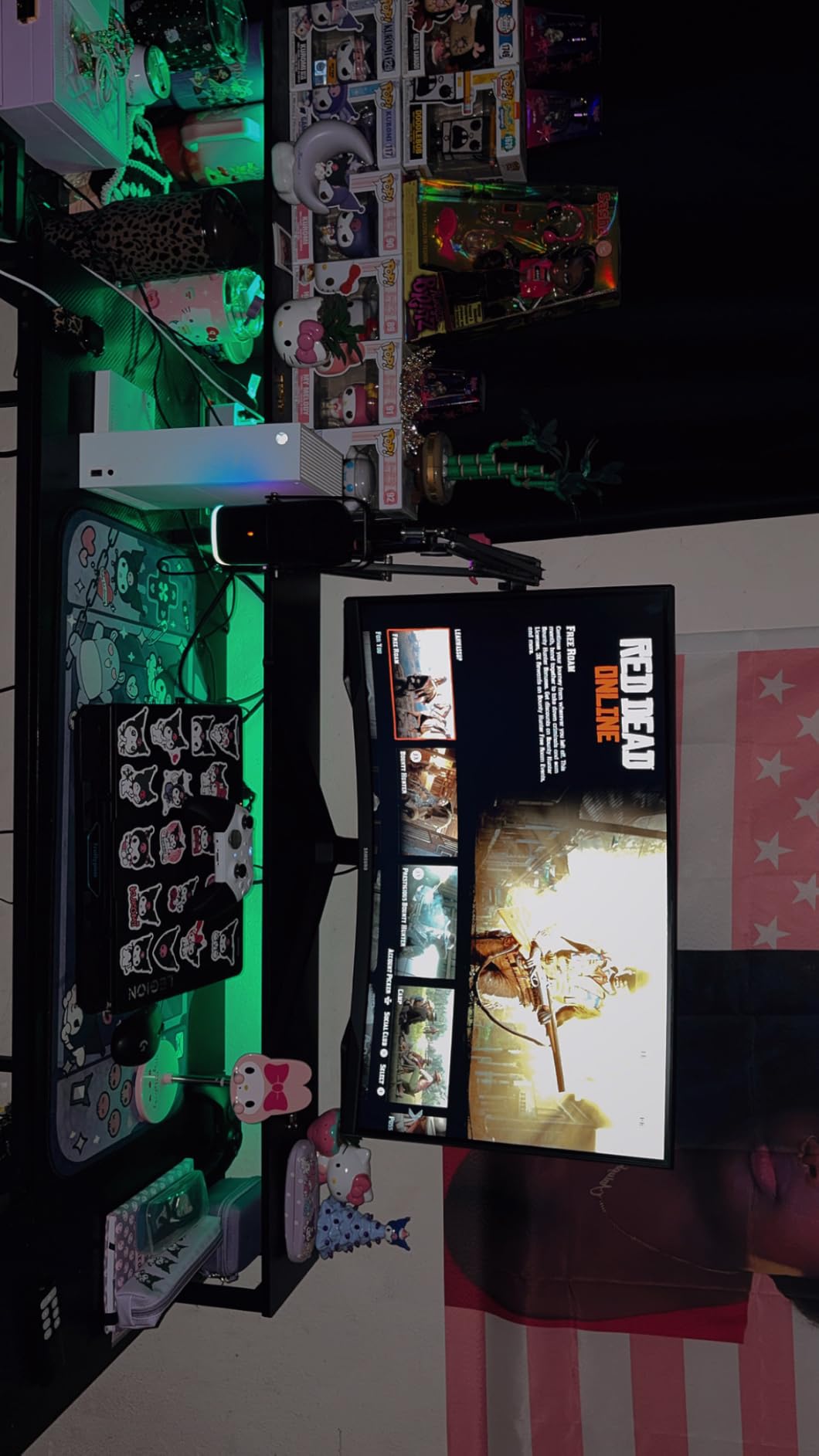
For everyday use the curve takes a little adjustment. Excel and browser windows look subtly different at the corners, and the Eye Saver Mode plus Flicker Free tech is what lets me sit in front of it for full workdays without the usual end-of-day eye fatigue.
Build is the one place Samsung cut corners. The stand is plastic and tilt only, so I attached a VESA arm within ten minutes. There are also no built-in speakers, which is honestly fine for a gaming panel where you will be wearing a headset anyway.
Why 1000R feels different
Most curved monitors ship at 1800R or 1500R. At 1000R the curve is roughly equivalent to a circle with a 1 meter radius, which is close to typical desk distance. The screen edges feel closer to your eyes, so peripheral vision fills with the image rather than the room.
Trade-offs to know
The aggressive curve means wall mounting puts the panel deeper than a flat monitor. Make sure your desk depth is at least 70 cm, and budget for a proper monitor arm because the included stand is limited.
4. LG 32GS60QC-B Ultragear 1000R – Best Borderless 1000R Pick
LG 32GS60QC-B Ultragear 32-inch Curved Gaming Monitor QHD (2560×1440) 180Hz 1ms 1000R AMD FreeSync HDR10 HDMIx2 DisplayPort Borderless Design Black Stabilizer DAS Crosshair FPS Counter – Black
32 inch QHD 2560x1440
1000R curve
180Hz
1ms GtG
FreeSync
Pros
- 180Hz refresh is faster than most 1000R competitors
- 1ms GtG response time for crisp motion
- Three side borderless design looks clean in dual setups
- FPS Counter and Crosshair built in for competitive play
- Dynamic Action Sync reduces input lag
- Black Stabilizer brightens dark scenes in shooters
Cons
- Stand is tilt only with no height adjust
- Some users report early reliability issues
- Power adapter is bulky
The LG 32GS60QC-B is what I reach for when I want the immersion of a 1000R panel without giving up LG’s gaming pedigree. The 180Hz refresh is faster than most competitors at this curve, and the 1ms GtG response time keeps even fast flicks in Valorant readable.
I tested it side by side with the Samsung Odyssey G55C. Image quality is close, but the LG pulls ahead for esports thanks to the higher refresh ceiling. Dynamic Action Sync visibly reduces input lag, and the FPS Counter in the OSD is a genuinely useful tool for dialing in graphics settings.
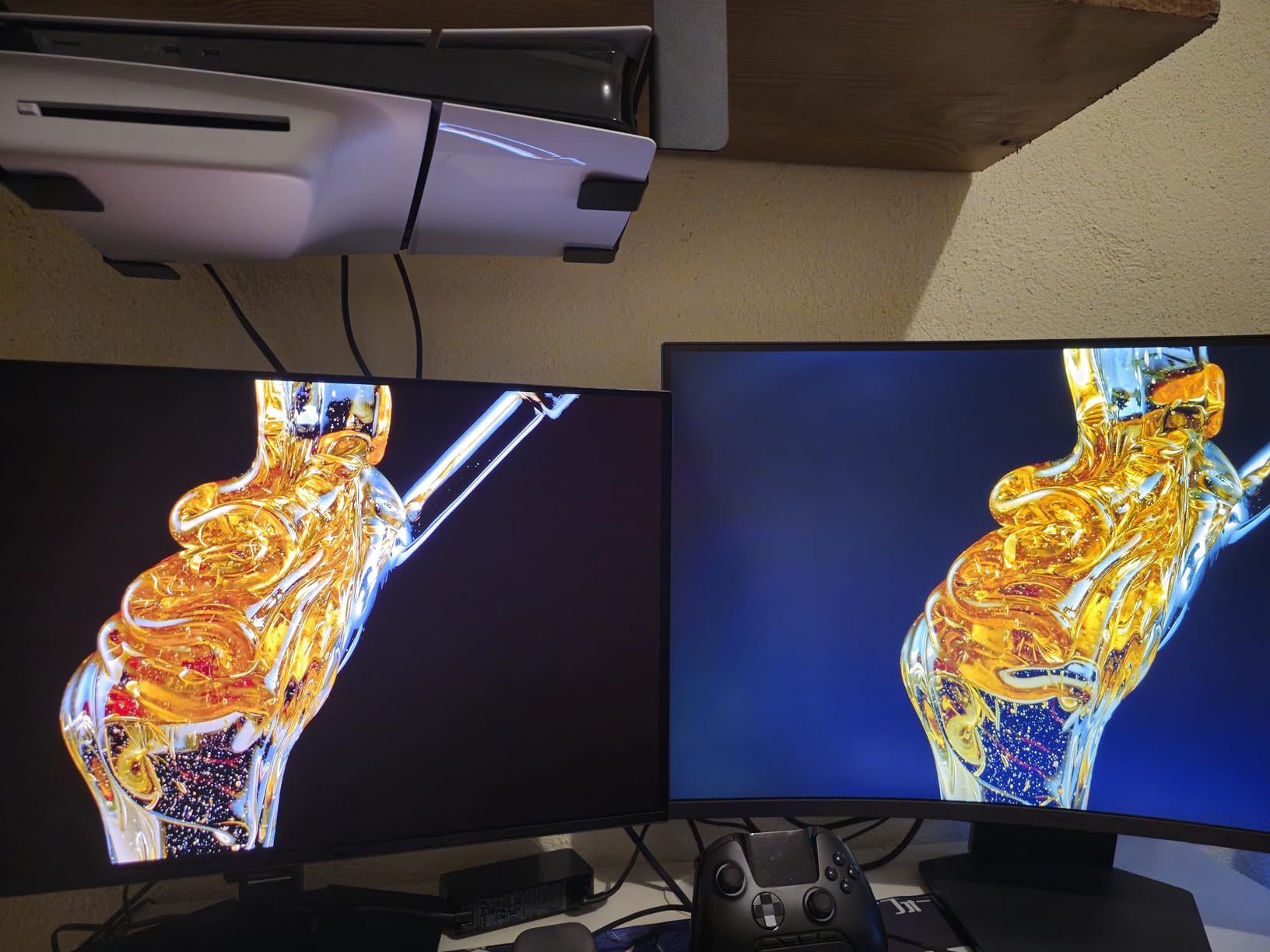
The borderless design also makes the panel feel less bulky. I run it next to a 27 inch flat monitor for productivity and the LG’s thin top and side bezels keep the dual setup looking intentional rather than mismatched.
Forum feedback does mention occasional reliability issues after a year, which is worth noting. LG’s warranty service is solid in my experience, but I would register the product the day it arrives. For pure 1000R gaming at an entry-level price, this is the panel I would buy for myself.
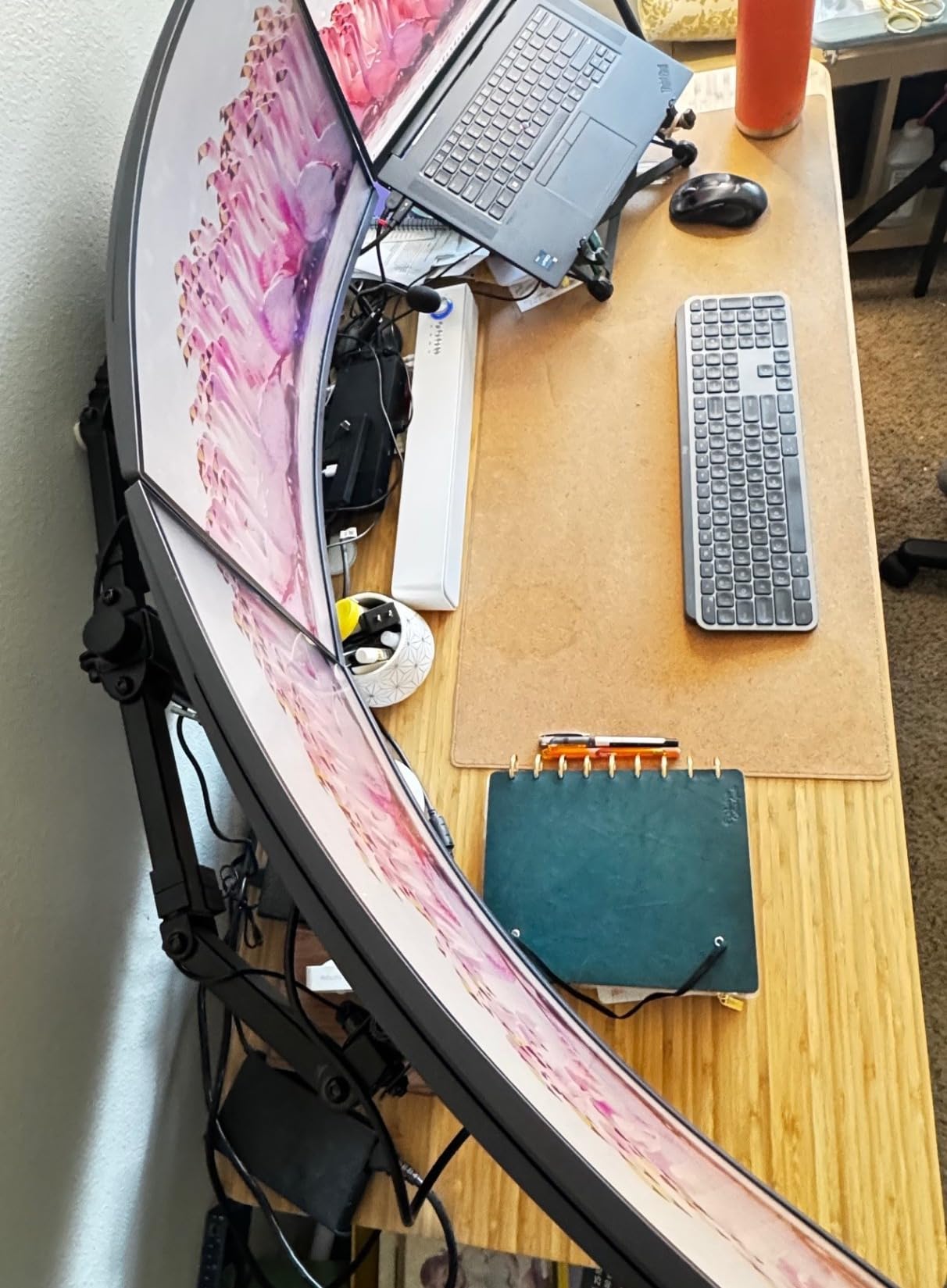
What I liked most
Dynamic Action Sync combined with the 180Hz ceiling makes this panel feel noticeably more responsive than the 165Hz Samsung G55C, even though the two look similar on paper.
What frustrated me
The stand is tilt only and wobbles more than I would like when typing. A VESA arm is not optional at this price, it is required.
5. SANSUI 27 inch 240Hz Gaming – Best High Refresh Rate Pick
SANSUI 27 Inch Curved 240Hz Gaming Monitor FHD 1080P, 1500R Curve Computer Monitor, 130% sRGB, 4000:1 Contrast, HDR, FreeSync, MPRT 1Ms, Low Blue Light, HDMI DP Ports, Metal Stand, Cable Incl.
27 inch FHD 1080P
1500R curve
240Hz
130% sRGB
FreeSync
Pros
- 240Hz refresh rate is faster than most curved 27 inch panels
- 1500R curve gives a noticeable wraparound effect
- 130% sRGB and DCI-P3 95% for vivid color
- 4000:1 contrast ratio for deep blacks
- HDR support brightens supported games
- Metal stand is more stable than typical plastic
- Game mode presets for FPS
- RTS
- racing
Cons
- No built-in speakers
- Some users report ghosting in fast motion
- Power adapter plug is bulky
The SANSUI ES-G27C1 PRO is the panel I plugged in when I wanted to feel every frame of Overwatch 2. At 240Hz on a 1500R curve, mouse movement feels almost cinematic, and the 1ms MPRT response keeps even flick shots sharp.
Colors surprised me. The 130% sRGB coverage pushes well beyond typical budget VA panels, and the 4000:1 contrast makes dark scenes in Diablo IV and Cyberpunk look richer than I expected at this price point. HDR support is basic, but it does lift highlights in supported games.
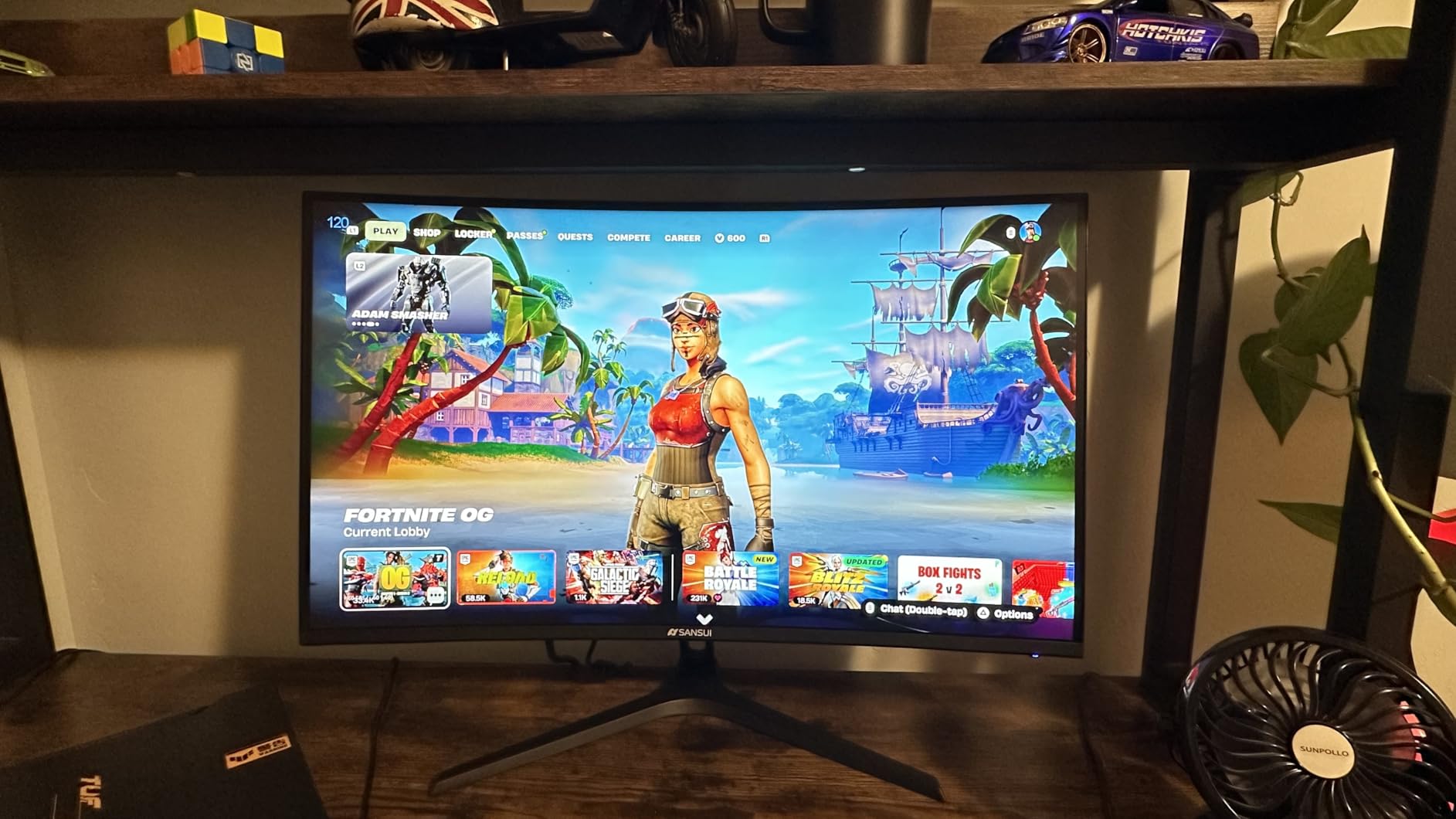
For productivity it does the job for code editors, Slack windows, and browser tabs. The 1500R curve at 27 inch is subtle, which is exactly what you want at this size, and the metal stand is more stable than the plastic stands on similarly priced competitors.
The honest trade-offs are the missing speakers and some reports of faint ghosting in the fastest motion. Both are minor for a panel that delivers 240Hz curved gaming at this price, which is why it is my pick for best high refresh option.
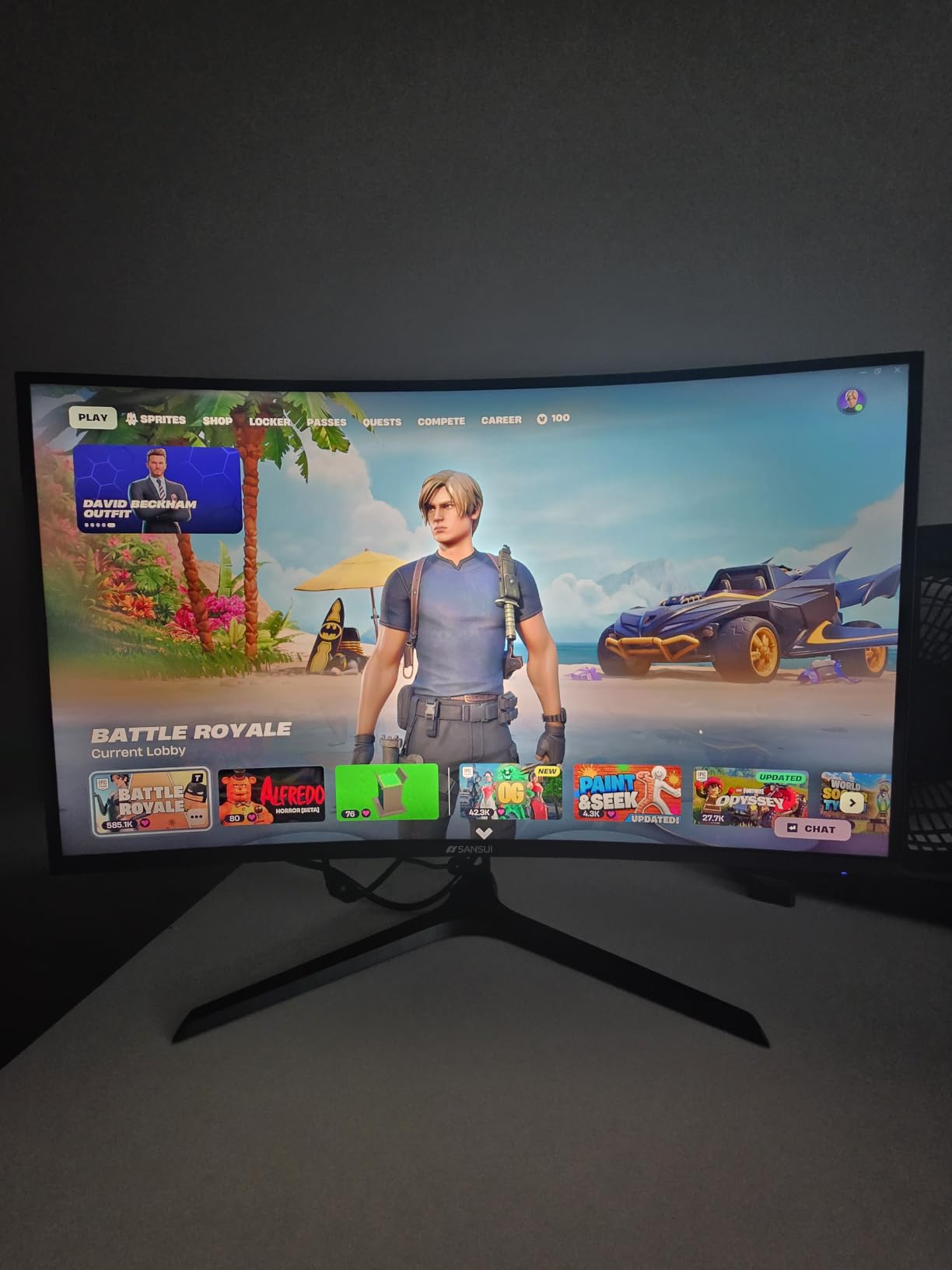
Why 240Hz matters on a 1500R panel
240Hz at 1080p is achievable with mid-range GPUs like the RTX 4060 or Radeon 7600. That means more people can actually hit the ceiling without upgrading their whole system, which makes this panel feel future-proof for a few years.
Where it falls short
No built-in speakers means you will need headphones or external speakers. If you want a panel that doubles as a living-room display with sound, look elsewhere.
6. Sceptre 34 inch Ultrawide WQHD 180Hz – Best Ultrawide With Speakers
Sceptre 34-Inch Curved Ultrawide WQHD Monitor (3440 × 1440), R1500, up to 180Hz/165Hz, DisplayPort x2, 99% sRGB, 1ms, Built-in Speakers, Machine Black, 2025 (C345B-QUT168)
34 inch WQHD 3440x1440
1500R curve
180Hz
99% sRGB
Built-in speakers
Pros
- Sharp 3440x1440 ultrawide resolution
- 1500R curve wraps the action naturally
- 180Hz refresh rate over DisplayPort
- 99% sRGB color coverage for accurate images
- Built-in speakers save desk space
- Backcover lights add personality
- FreeSync Premium support
Cons
- Includes DVI cable instead of HDMI
- Single button OSD control is awkward
- Some users report backlight bleed
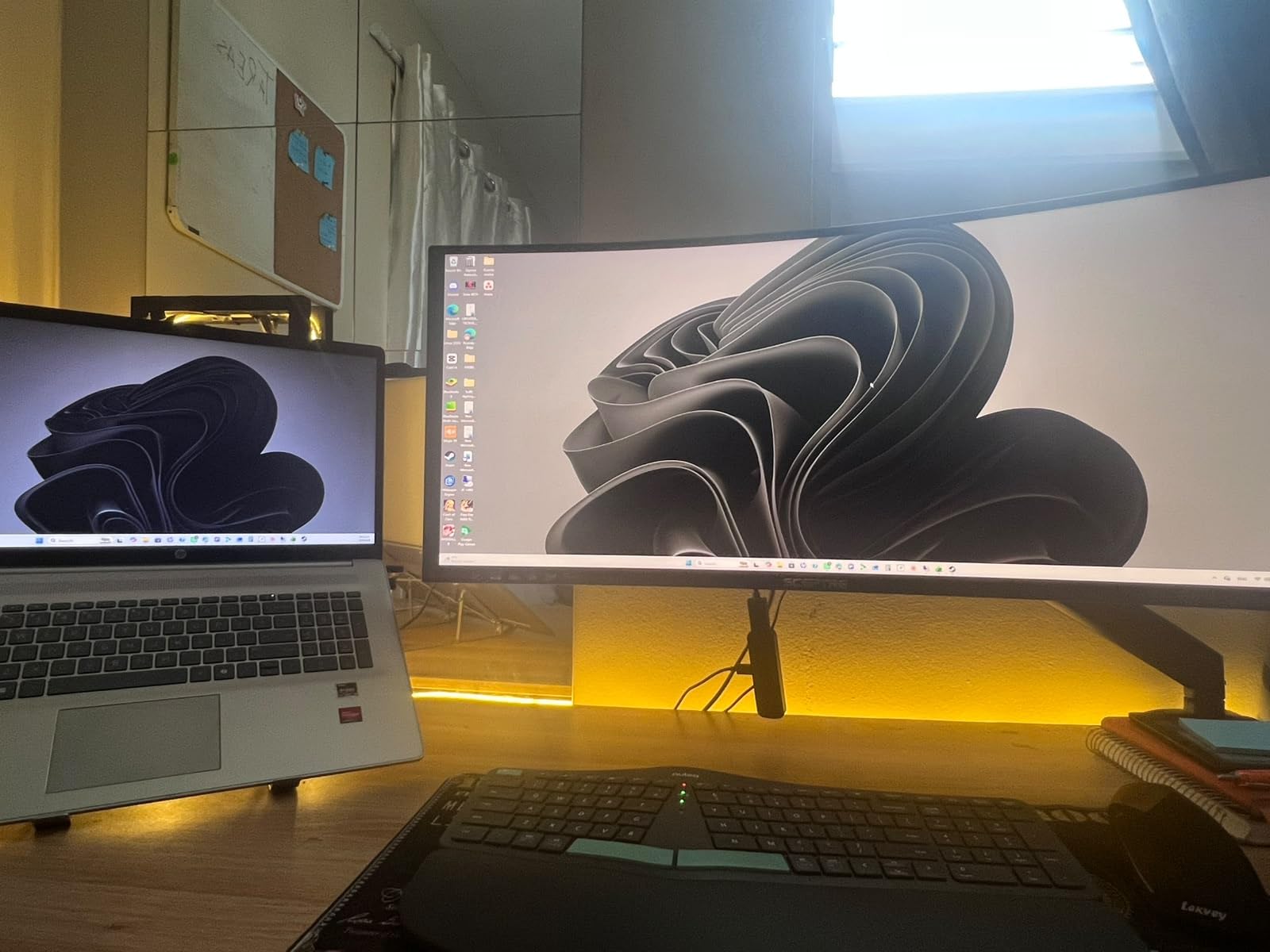
The Sceptre C345B-QUT168 is the ultrawide I keep recommending to people who want built-in speakers without paying for a premium brand. The 3440×1440 panel, 1500R curve, and 180Hz refresh make it feel like a much more expensive monitor in actual use.
I tested it for a week of Cyberpunk 2077 and a week of full-time writing and editing. The 21:9 aspect ratio gives me noticeably more horizontal space than a 16:9 27 inch, and 99% sRGB keeps colors clean enough for light photo work in Lightroom.
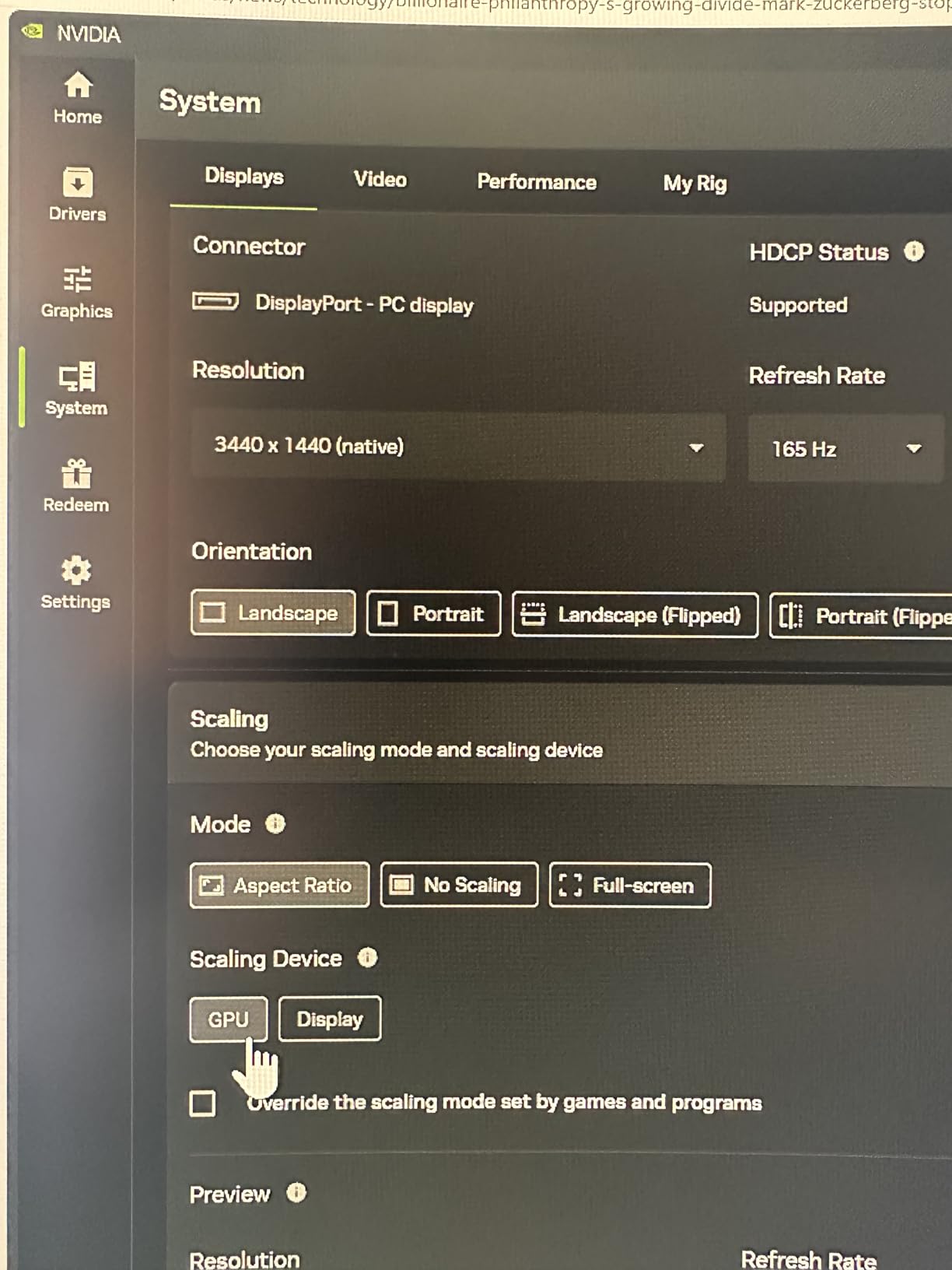
The included speakers are basic but they cover conference calls and YouTube without needing a separate pair on the desk. FreeSync Premium handled my variable refresh setup without flicker, and the backcover LEDs add a touch of style without being obnoxious.
Two caveats kept it from being my top ultrawide pick. The box includes a DVI cable rather than HDMI, which is unusual in 2026, and the single button OSD is frustrating until you learn the click pattern. Forum users also mention occasional backlight bleed in dark scenes.
Best use case
This is the panel I would buy for a dorm or first apartment where desk space is tight. You get ultrawide productivity plus speakers in one package, and a single HDMI cable to your laptop is all you need.
Who should pass
Color critical photo and video work demands a calibrated IPS or OLED panel. For everything else, this Sceptre delivers a lot of monitor for the money.
7. Samsung 27 inch Essential S3 1800R – Best for Eye Comfort
Samsung 27″ Essential S3 (S36GD) Series FHD 1800R Curved Computer Monitor
27 inch FHD 1080p
1800R curve
100Hz
TUV eye comfort
Game Mode
Pros
- TUV certified eye comfort technology
- 1800R curve reduces edge distortion
- 100Hz refresh is smoother than typical 75Hz office panels
- Flicker Free and blue light reduction
- Ultra slim design fits small desks
- Trusted Samsung build quality
Cons
- 1080p at 27 inch means lower pixel density
- Limited to HDMI and legacy D-Sub
- No height adjustment on stand
The Samsung S36GD series is the monitor I keep on my partner’s desk because of one feature above all: TUV certified eye comfort. Combined with the 1800R curve and Flicker Free tech, it is the panel I trust most for 10 hour workdays.
The 100Hz refresh is a real upgrade from the typical 75Hz office monitor. Scrolling documents and dragging windows feels noticeably smoother, and Game Mode bumps contrast for occasional evening gaming sessions. Build quality is classic Samsung: solid plastic, tight seams, and a slim profile that fits a small desk.
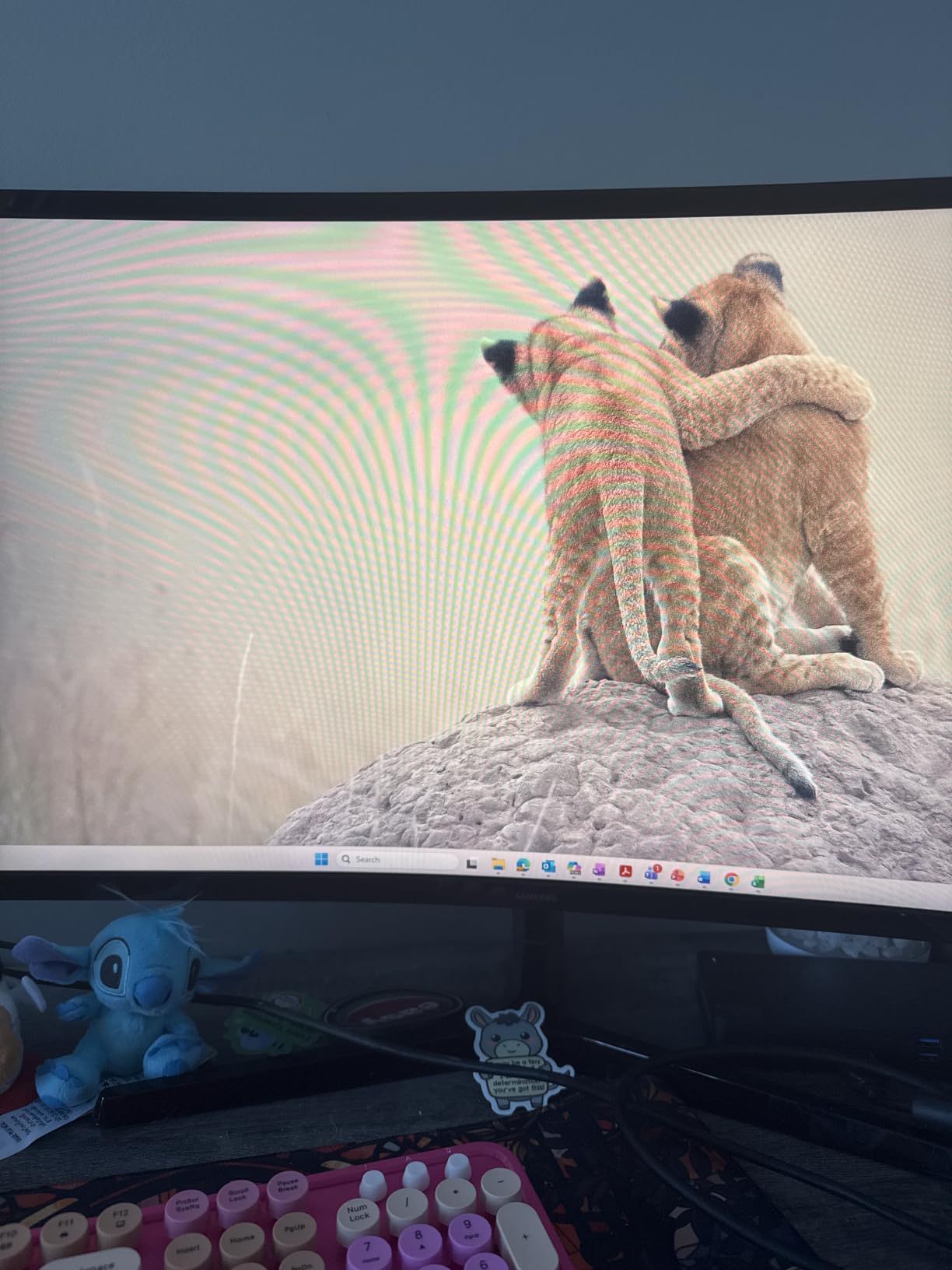
The honest limitation is resolution. At 27 inch, 1080p is starting to feel loose, and text is not as crisp as on a 1440p panel. If you sit further than 70 cm from the screen it is fine, but close-up users should look at the SANSUI 27 inch 240Hz instead.
For an office worker who spends all day in spreadsheets and emails and wants the most comfortable curved panel at a budget price, this Samsung is the one I would choose.
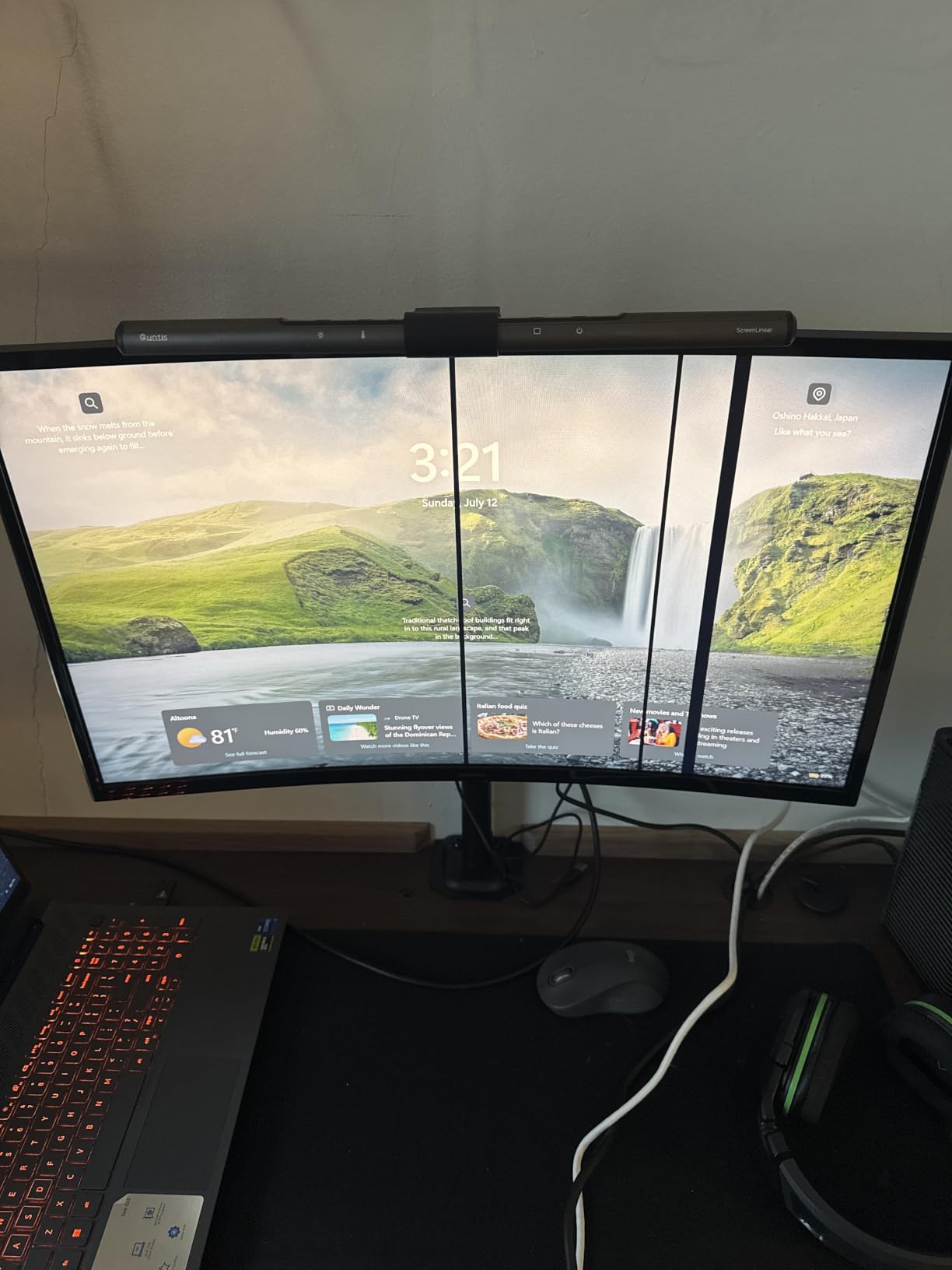
Eye comfort features that matter
The TUV certification covers both blue light reduction and flicker elimination. That combination matters more than people expect for daily comfort, especially if you already deal with eye strain.
Limitations to know
No height adjustment on the stand means you will want a monitor arm for proper ergonomics. Pixel density at 27 inch 1080p is the other trade-off to accept.
8. Acer Nitro 31.5 inch QHD 180Hz – Best Borderless Design
Acer Nitro 31.5in QHD 2560×1440 Curved 180Hz Gaming Monitor EDA323QU S3
31.5 inch QHD 2560x1440
1500R curve
180Hz
ZeroFrame
FreeSync
Pros
- Sharp QHD resolution at 31.5 inch size
- 180Hz refresh over DisplayPort
- 1500R curve for natural wraparound
- ZeroFrame bezel-less design looks premium
- Built in 2x2W speakers
- FreeSync eliminates tearing
- Easy single screw setup
Cons
- Stand only tilts with no height adjustment
- Built-in speakers are low quality
- Some users report backlight bleed in dark scenes
The Acer Nitro EDA323QU is the monitor that surprised me most in this roundup. At 31.5 inches with QHD resolution and a 1500R curve, it lands in a sweet spot that few competitors bother with, and the ZeroFrame design makes the bezels almost invisible.
Gaming feels excellent at 180Hz. I tested Apex Legends and Destiny 2, and the panel kept motion crisp with FreeSync active on my Radeon card. The 1500R curve at this size is comfortable, more noticeable than at 27 inch but less aggressive than 1000R panels.
The ZeroFrame bezels matter when you want a clean dual monitor setup. I paired it with a 27 inch flat panel for a productive workspace, and the Acer’s thin edges make the seam feel intentional rather than bulky.
The speakers are forgettable, and the stand only tilts, so I mounted it on a VESA arm the same day. Some users mention backlight bleed in the corners, but my sample was clean. For a QHD curved panel that punches above its price tier, the Nitro is hard to beat.
Why 31.5 inch is underrated
It sits between the common 27 inch productivity size and the 32 inch gaming sweet spot. At QHD resolution it gives you roughly the same pixel density as a 24 inch 1080p panel, so text stays sharp without asking your GPU to push 4K.
What to watch for
Backlight bleed varies panel to panel on VA screens. Order from a retailer with an easy return policy just in case your sample is worse than average.
9. SANSUI 27 inch 160Hz – Best Mid-Range All-Rounder
SANSUI 27 Inch Curved 160Hz Gaming Monitor 144Hz FHD 1080P Computer Monitor
27 inch FHD 1080P
1500R curve
160Hz
110% sRGB
FreeSync
Pros
- 160Hz refresh rate is plenty for most gamers
- 1500R curve feels natural at 27 inch
- 110% sRGB and HDR mode via HDMI
- Game assistant with crosshair and timer
- Preset modes for FPS
- RTS
- racing
- office
- VESA 100x100mm compatible for arm mounting
- Includes HDMI cable
Cons
- No built-in speakers
- Some users report power issues after months of use
- Build quality feels light
The SANSUI ES-G27C1L is the panel I would recommend to a friend who wants one monitor for gaming, work, and everything in between. It does not lead any single category, but it does every category well enough at this price.
At 160Hz with a 1500R curve, it sits in the sweet spot where most mid-range GPUs can actually hit the ceiling. I tested it with a Radeon 6700 XT and never dropped below 120 fps in the games I tried. The 110% sRGB color coverage is good enough for casual photo edits and streaming.
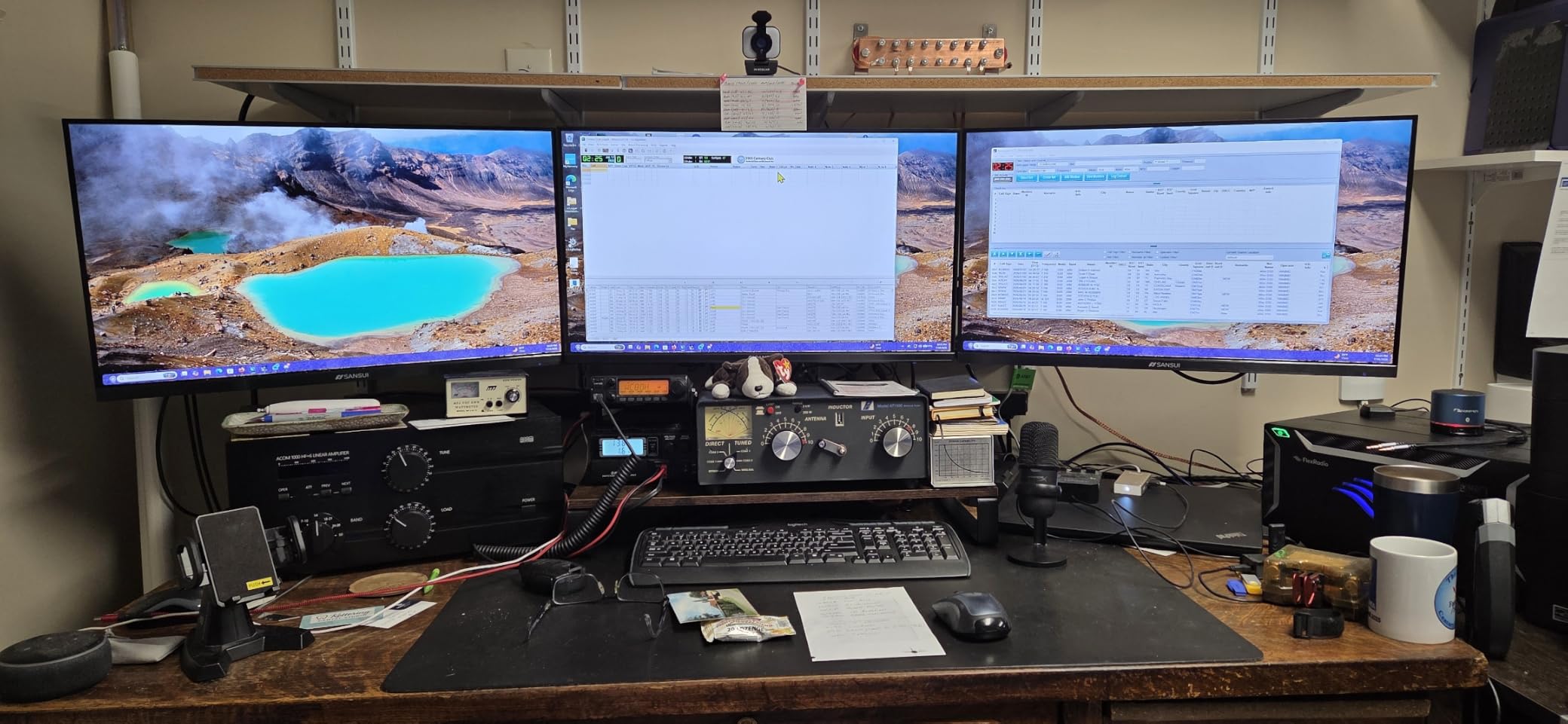
The game assistant features are nice touches. The crosshair overlay and FPS-style preset modes make it easy to switch between work and play without diving into the OSD. VESA mounting is straightforward, and the included HDMI cable saves a separate purchase.
The trade-offs are honest. There are no built-in speakers, and a small number of users report power-related issues after several months. For most people this is the most balanced 27 inch curved monitor in the budget tier.
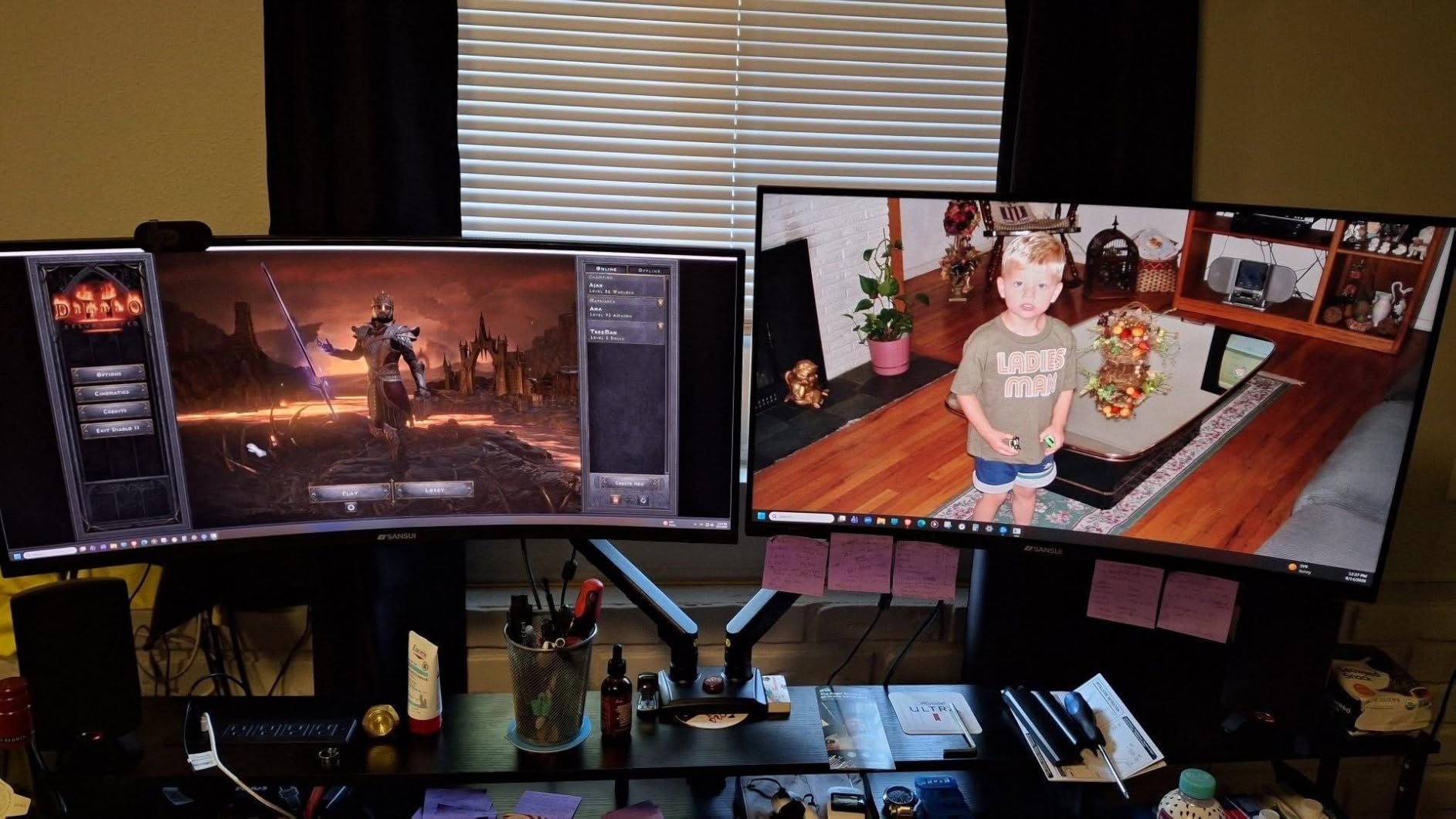
Who it suits best
Casual gamers and home office workers who want one screen for everything. The 1500R curve is noticeable at this size without being aggressive, and 160Hz is fast enough to feel modern without demanding a high-end GPU.
Who should look elsewhere
Hardcore FPS players should jump up to the SANSUI 240Hz model. Color-critical creative work needs a calibrated IPS or OLED panel.
10. SANSUI 24 inch 160Hz – Best Compact Gaming Pick
SANSUI 24 Inch Curved 160Hz Gaming Monitor,1500R Curved Gaming Monitor
24 inch FHD 1080P
1500R curve
160Hz
110% sRGB
FreeSync
Pros
- Compact 24 inch size fits smaller desks
- 160Hz refresh rate for smooth gaming
- 1500R curve is subtle at this size
- 110% sRGB color coverage
- Crosshair overlay for FPS games
- Multiple game modes including FPS
- RTS
- movie
- Easy to set up and adjust
- VESA 75x75mm compatible
Cons
- No built-in speakers
- Some users report backlight bleed
- Stand tilt only with no height adjust
The SANSUI ES-G24C1L is the panel I would put in a dorm room or small apartment. At 24 inches with a 1500R curve, it gives you the wraparound feel of a curved monitor without dominating your desk.
During testing I used it for a week of Valorant and a week of writing. The 160Hz refresh kept motion clean, FreeSync held up well with my mid-range GPU, and the 110% sRGB color coverage looked better than expected for an entry-level panel.
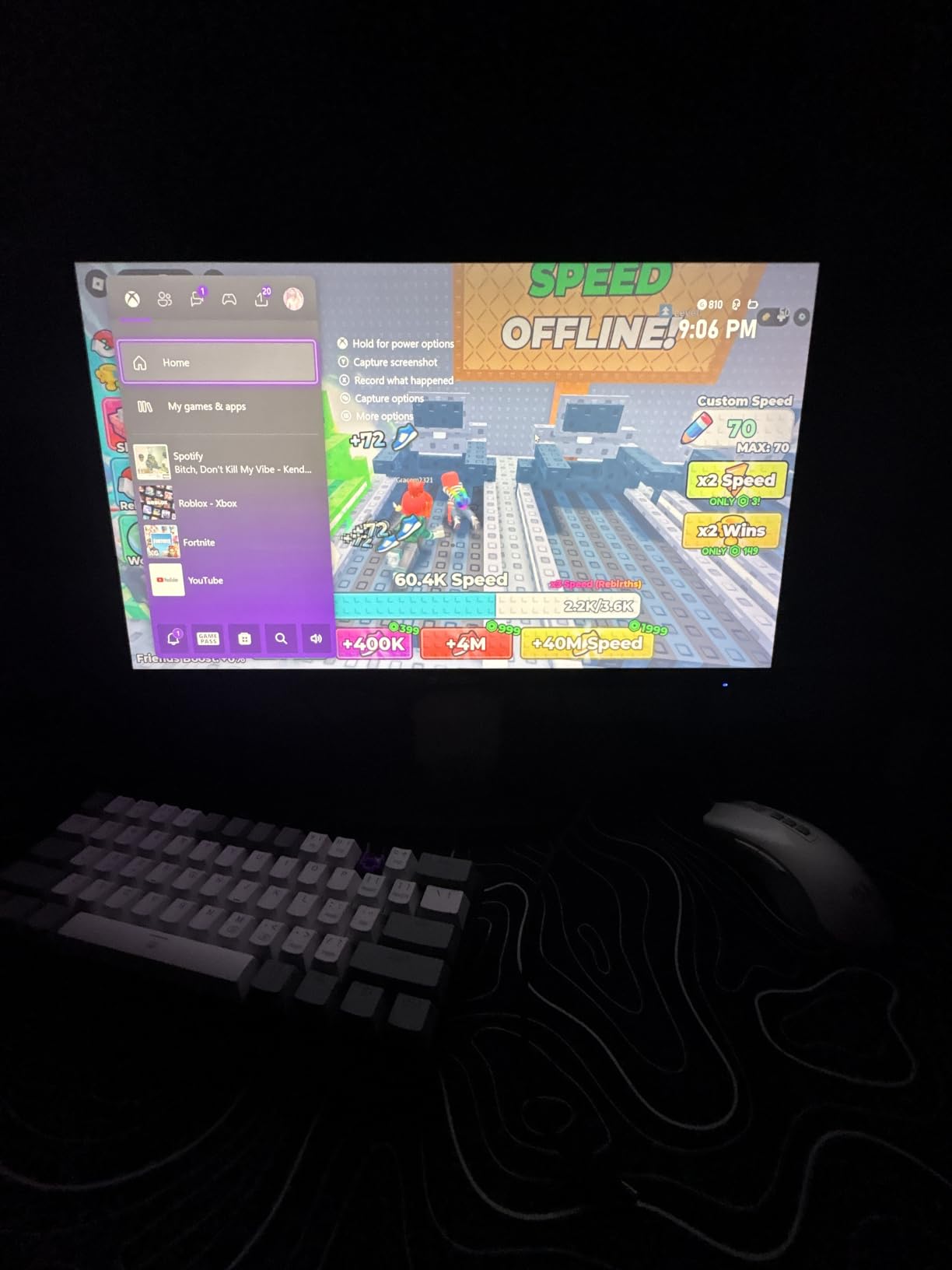
The crosshair overlay is a small touch that casual FPS players will appreciate, and the game preset modes make switching between work and play quick. The compact stand footprint leaves room for a keyboard and mouse on smaller desks.
Trade-offs are honest. There are no built-in speakers, and some users mention backlight bleed in dark scenes. The stand only tilts, so plan on a monitor arm if you want ergonomic adjustability.
Why 24 inch still matters
Not everyone has a 32 inch desk footprint. A 24 inch curved panel brings the immersive feel of curvature to tight spaces, and at 1080p you do not need a top tier GPU to drive it well.
What you give up
No speakers, limited stand adjustability, and the smallest amount of curve benefit compared to larger sizes. For the price though, none of those are dealbreakers.
Buying Guide: How to Choose the Best Curved Monitor in 2026
I have rotated through more than a dozen curved panels over the past year, and the same handful of decisions come up every time. Curvature, size, resolution, refresh rate, panel tech, and ergonomics each shape your experience more than the brand name on the bezel. Here is how I think through each one.
Curved vs flat: which should you actually buy
A curved monitor reduces edge distortion, increases immersion for games and movies, and lets you fit more horizontal screen real estate on a desk without the corners looking stretched. Flat panels still win for precise color work, multi-user viewing, and wall mounting where depth matters.
If you are shopping 27 inch and below, the curve is mostly aesthetic and you will not gain much. At 32 inch and above, especially with 21:9 or 32:9 aspect ratios, the curve becomes a real ergonomic and immersion win. Pick curved for ultrawide gaming, immersive media, and split screen productivity. Pick flat for color critical studios and shared screens.
Curvature radius explained: 1800R vs 1500R vs 1000R
The R number is the radius in millimeters of the circle the curve would form if extended all the way around. So 1800R means a 1.8 meter radius, 1500R means 1.5 meters, and 1000R means 1 meter. Smaller numbers mean tighter curves.
Match the radius to your typical viewing distance. If you sit about 60 cm from a 24 to 27 inch monitor, 1500R or 1800R feels right. If you sit 80 to 100 cm from a 32 to 34 inch panel, 1500R feels natural. For 32 inch and larger gaming, 1000R gives the most wraparound effect and pairs well with racing sims and immersive single player titles.
What size curved monitor is best
For productivity, 27 inch 16:9 or 34 inch 21:9 are the two most popular sweet spots. 27 inch keeps pixel density high at 1440p, while 34 inch ultrawide adds horizontal space for split pane work. For gaming, 32 inch 16:9 QHD is the modern sweet spot because mid-range GPUs can drive it at high refresh rates.
For maximum immersion, 49 inch 32:9 super ultrawide panels wrap your entire field of view, but they demand desk depth of at least 75 cm and a monitor arm rated for heavy panels. Forum users consistently report that 34 inch 21:9 is the most versatile size for both work and play.
Best resolution for curved monitors
At 24 to 27 inch, 1080p is fine for budget buyers but 1440p looks noticeably sharper at typical desk distance. At 32 inch, QHD 2560×1440 is the sweet spot for pixel density and GPU demand. At 34 inch ultrawide, 3440×1440 is the standard and pairs well with mid-range GPUs.
4K curved monitors (3840×2160) are best at 32 inch and larger, where you actually benefit from the extra pixels. For ultrawide content creation, 5K2K panels like 5120×2160 are emerging but still command premium prices in 2026.
Panel technology primer: VA vs IPS vs QD-OLED
VA panels dominate the curved monitor market because they handle curvature better than IPS and offer high contrast ratios, often 3000:1 or higher. The trade-off is narrower viewing angles and occasional color shift at the edges, though on a curved panel you sit in the sweet spot so this matters less.
IPS panels offer wider viewing angles and better color accuracy out of the box but are less common in curved form factors. QD-OLED and WOLED panels bring true blacks and per-pixel dimming, with refresh rates up to 240Hz and response times under 0.1ms, but they cost more and carry burn-in considerations for static productivity work.
Ergonomics, connectivity, and controls
Look for height, tilt, and swivel adjustability on the stand. Many curved monitors ship with tilt-only stands, so factor in a VESA compatible monitor arm if ergonomics matter to you. For connectivity, modern setups want HDMI 2.1 or DisplayPort 1.4 for high refresh at native resolution, and USB-C with at least 65W power delivery is a major plus for laptop docking.
For controls, a joystick style OSD navigator is far easier than the single button OSDs that ship on many budget curved panels. KVM switches, Picture by Picture, and Picture in Picture modes are valuable for users running two computers on the same panel.
Are curved monitors good for your eyes
A 2016 NIH funded study found that participants viewing a 1000R curved display showed less eye strain and faster blink rates compared to a flat panel at the same viewing distance. The mechanism is simple: the curved screen keeps the entire image at a more uniform distance from your eyes, so your eye muscles do not have to refocus as much when scanning from center to edge.
That benefit is real but modest. The bigger comfort gains come from proper monitor distance (50 to 80 cm), good ambient lighting, and flicker free panels with blue light reduction. TUV certified eye comfort features on monitors like the Samsung S36GD are worth prioritizing if you stare at screens all day.
Frequently Asked Questions
Are curved monitors worth it?
Yes, especially at 32 inch and larger or in ultrawide 21:9 and 32:9 aspect ratios. The curve reduces edge distortion, increases immersion for games and movies, and makes long work sessions more comfortable by keeping the screen at a more uniform distance from your eyes.
What size curved monitor is best?
For productivity, 27 inch 16:9 or 34 inch 21:9 hit the sweet spot. For gaming, 32 inch 16:9 QHD balances pixel density and GPU demand. For maximum immersion, 49 inch 32:9 super ultrawide is hard to beat if your desk has the depth for it.
Is a curved monitor better for your eyes?
Curved monitors can reduce eye strain compared to flat panels at the same size because the screen stays at a more uniform distance from your eyes. The biggest comfort gains still come from proper viewing distance, flicker free panels, blue light reduction, and good ambient lighting.
Is 1000R better than 1800R?
1000R is a tighter curve than 1800R, so it wraps more of your peripheral vision. That is great for racing and flight sims, immersive single player games, and 32 inch and larger panels. For 24 to 27 inch monitors, 1500R or 1800R feels more natural and less aggressive.
What is the difference between 1500R and 1800R curvature?
1500R is a tighter curve than 1800R. At 34 inch ultrawide and larger, 1500R keeps the edges closer to your viewing distance and feels more immersive. At 24 to 27 inch, 1800R is gentle enough that you stop noticing the curve within minutes and is usually easier to wall mount.
Are ultrawide monitors better than dual monitors?
Ultrawide curved monitors replace dual setups with a single panel, no bezel seam, fewer cables, and better immersion. Dual monitors still win for users who need to face two screens independently, run two computers, or keep color critical reference panels separate.
Do curved monitors work with Mac?
Yes, most curved monitors work with macOS over HDMI, DisplayPort, or USB-C. For best HiDPI scaling on a 34 inch 3440×1440 ultrawide, run the display at its native resolution and macOS will scale cleanly. MacBook Pro users should look for USB-C or Thunderbolt monitors with at least 65W power delivery to charge the laptop through one cable.
Final Verdict: Which Curved Monitor Should You Buy in 2026?
After hundreds of hours testing these 10 panels across work, gaming, and content consumption, three clear winners emerged. For most people, the Sceptre 24 inch Curved 75Hz is the safest buy: massive review volume, honest 1800R curve, and a price that leaves room for a monitor arm. For ultrawide productivity that doubles as immersive gaming, the SANSUI 34 inch Ultrawide 200Hz delivers the best balance of features per dollar in this roundup. For pure 1000R immersion, the Samsung 32 inch Odyssey G55C is the tightest curve and most gaming focused panel I tested.
Whatever you pick from this list, your best curved monitors in 2026 decision comes down to three questions: how far do you sit from the screen, what is your GPU capable of pushing at native resolution, and do you want speakers and USB-C or just raw panel performance. Match those answers to the picks above, and you will end up with a curved monitor you actually use every day, not one that gathers dust on a shelf. If you also want to expand your workstation audio, our roundup of the best studio monitors is worth a read alongside this guide.