
If you want the short answer: the best board games for 10 year olds right now are Taco Cat Goat Cheese Pizza for a group that wants instant fun, SEQUENCE for a table where the player count keeps changing, and Azul for a 10-year-old who is ready to think a move ahead. All three teach in minutes, none need an adult to read a rulebook out loud, and all three keep playing after the first evening.
Ten is the pivot age in board gaming. It is the last year a child still plays a game marketed at six-year-olds without feeling silly, and the first year they can hold a real strategic decision in their head without needing everything simplified. Games bought at this age tend to stay in rotation for years instead of one birthday, which is why I put 18 of them through the same filter rather than listing 18 favourites.
Our team played these titles with children in the 9-to-12 band, in groups of two, four and six, plus adults who had to actually want to be there. The list was updated for 2026, and every pick below carries the player count, the approximate session length and the minimum age straight from the box.
If you want the fastest route, read the quick picks and stop. If you want the reasoning, the buying guide near the end explains the five things that decide whether game night survives past week three.
One note before we start. Forum threads about this age bracket keep returning to the same problem, so we treated it as a criterion rather than an afterthought. A r/boardgames parent described a 10-and-5 household in detail, and the recurring message from families with a wide sibling age gap is that the game the older child loves is usually the one the younger one cannot join, and vice versa. We flagged that on every review that applies.
Table of Contents
Quick Picks for a 10-Year-Old
Taco Cat Goat Cheese Pizza – a spoken-word matching game with a slap-the-pile finish. Whole rules fit on one card, so nothing slows the start, and rounds end in 10 to 15 minutes.
SEQUENCE – place a chip next to your colour, build a five-card line, repeat. Works with anywhere from 2 to 12 players and is picked up in under five minutes by adults and children alike.
Azul – draft patterned tiles onto your own mosaic wall. The first genuinely strategic game most 10-year-olds finish, and it rewards planning several turns ahead.
Blokus XL – one rule, oversized board and pieces, and a real sense of spatial blocking. A good choice when a 10-year-old needs to feel they are winning something.
Labyrinth – a shifting maze that rearranges every turn, so no two games feel the same. Sessions land around 20 to 30 minutes, which fits most evenings.
Carcassonne – draw and place terrain tiles, then score the features you complete. Scales from a two-player duel to a five-person table with almost no extra teaching.
Those six cover the most common table. If your group is four adults and one child rather than one adult and one child, the shape of the answer changes, and the buying guide sets out how to pick by group composition instead.
Top 3 Best Board Games For 10 Year Olds (October 2026)
The three below are the ones we would put in front of a 10-year-old with no briefing and no adult energy to spend on rules.

All 18 Picks at a Glance
Here is the full list with the mechanic that matters most for each title, so you can rule out the wrong shape before reading a single review.
| Product | Specifications | Action |
|---|---|---|
| Taco Cat Goat Cheese Pizza |
|
Check Latest Price |
 SEQUENCE SEQUENCE |
|
Check Latest Price |
 Sorry! Sorry! |
|
Check Latest Price |
 Azul Azul |
|
Check Latest Price |
 Carcassonne Carcassonne |
|
Check Latest Price |
 Labyrinth Labyrinth |
|
Check Latest Price |
 Blokus XL Blokus XL |
|
Check Latest Price |
 7 Wonders Duel 7 Wonders Duel |
|
Check Latest Price |
 Ravensburger Othello Ravensburger Othello |
|
Check Latest Price |
 Hues and Cues Hues and Cues |
|
Check Latest Price |
 Risk Risk |
|
Check Latest Price |
 Dragonwood Dragonwood |
|
Check Latest Price |
 Clue 2023 Refresh Clue 2023 Refresh |
|
Check Latest Price |
 Jumbo Stratego Jumbo Stratego |
|
Check Latest Price |
 CATAN 6th Edition CATAN 6th Edition |
|
Check Latest Price |
 Qwirkle with Trays Qwirkle with Trays |
|
Check Latest Price |
 Harmonies Harmonies |
|
Check Latest Price |
 CATAN Junior CATAN Junior |
|
Check Latest Price |
1. Taco Cat Goat Cheese Pizza – The Quickest Way to Start an Evening
Taco Cat Goat Cheese Pizza Card Game by Taco Cat Games, Age 7+, 2-8 Players
Ages 7+
2-8 players
15 minute rounds
Cards only, 3.2 oz
Pros
- Whole ruleset fits on one card
- 10-15 minute rounds mean several games per sitting
- Durable brightly printed cards
- Travels well in a small box
- Works for a wide span of ages including adults
Cons
- Gets physically loud and chaotic with the slapping
- Competitive play runs hot
- Not suited to a calm evening
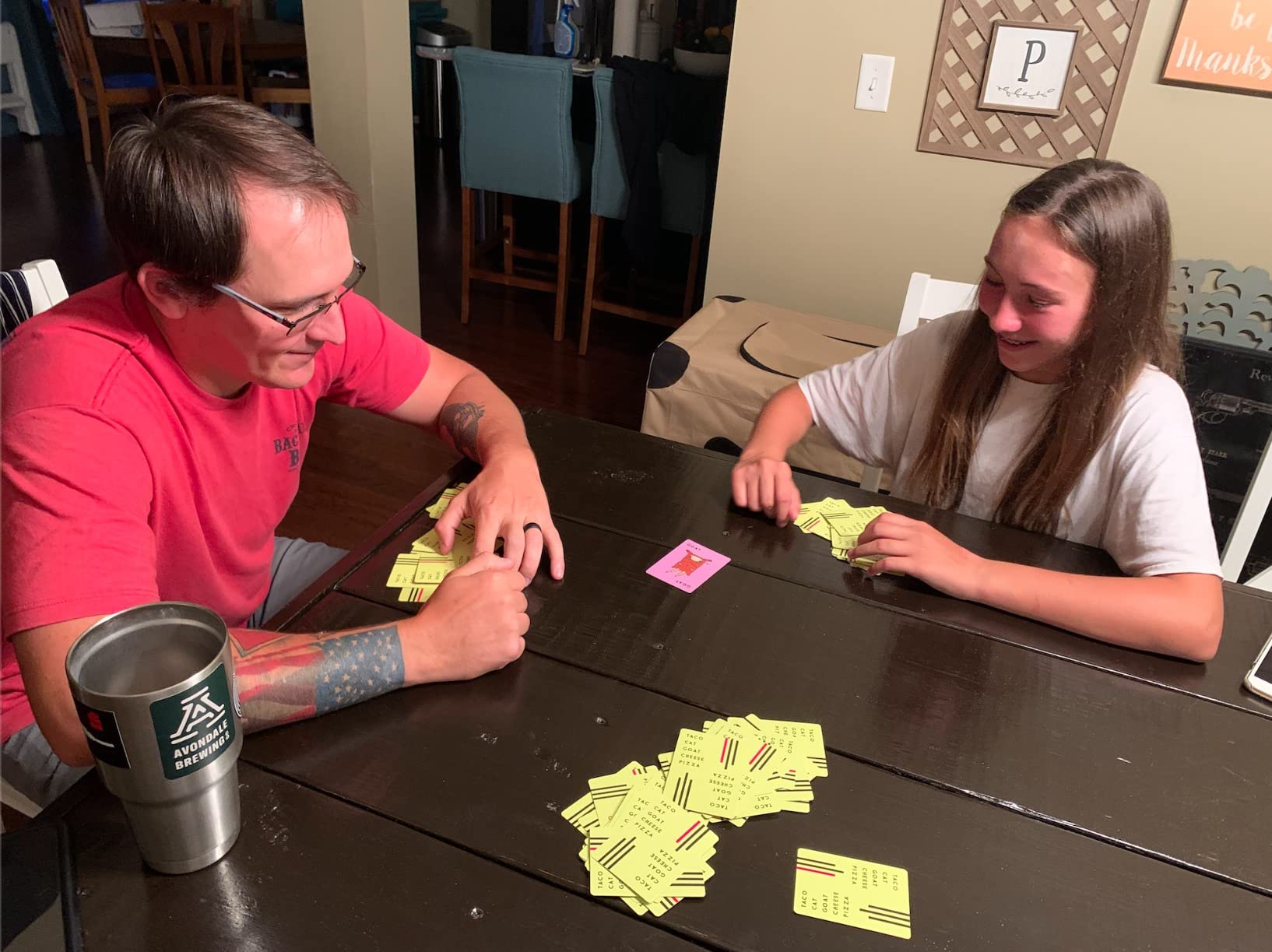
The entire game is a deck of cards and a rule sheet that fits on one of them. A player turns the top card, says the word on it, and everyone slaps down for the right one. Get it wrong and the pile goes to whoever slapped last, which is where the volume comes from.
What surprised me most is how little it depends on reading. A 10-year-old who cannot yet read fluently can learn the whole game in one round, which makes it a rare option for a family with a mixed-age table. One parent in a r/boardgames thread described exactly this, noting that the games needing no reading are the only ones their younger sibling could join unsupervised.
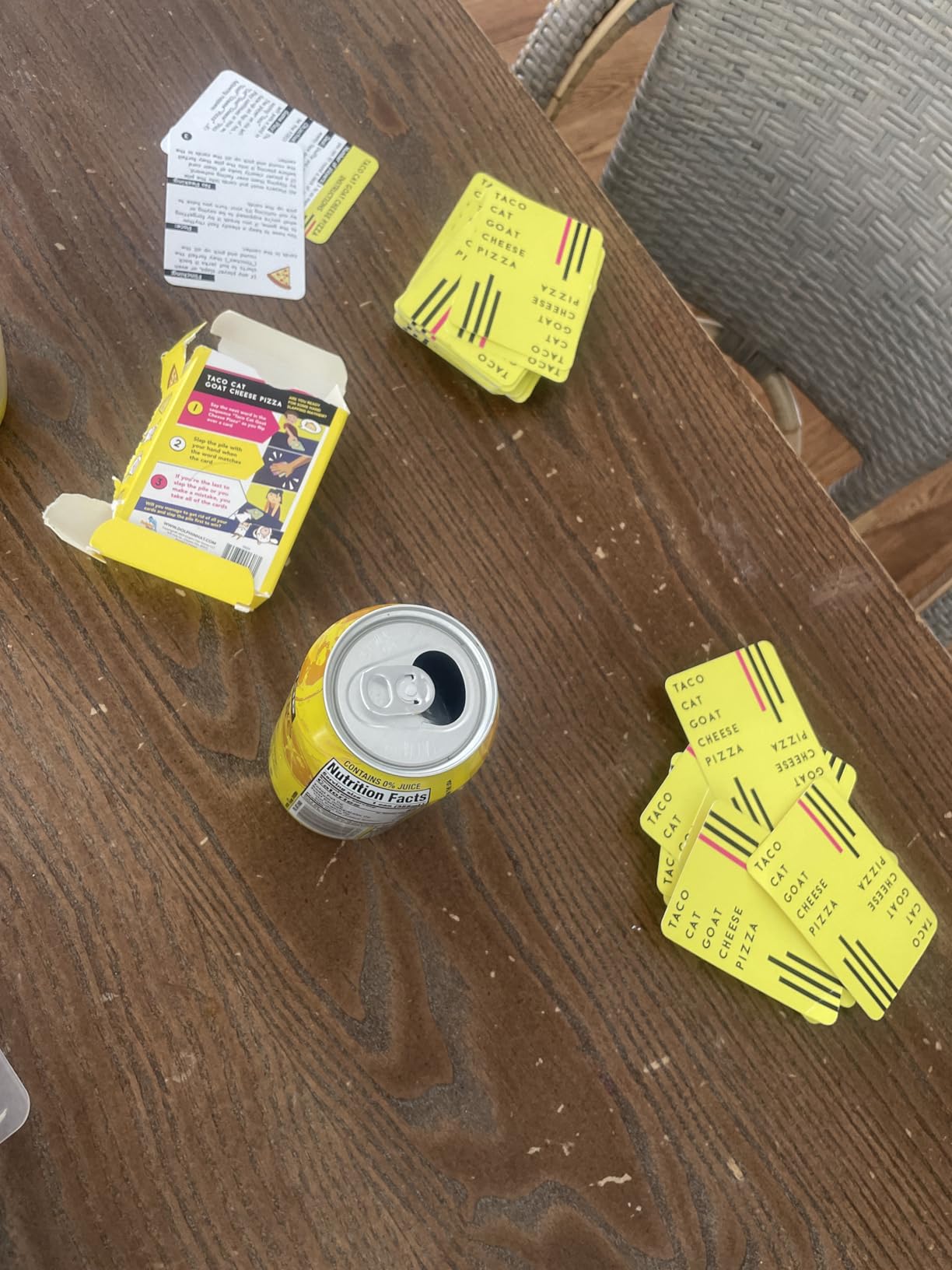
The box measures 2.5 by 0.9 by 3.6 inches and weighs 3.2 ounces, so it goes in a school bag without a second thought. That matters more than it sounds: this is the game that ends up in the car on the way to a birthday party.
Rounds run 10 to 15 minutes, which is unusual. Most games in this category finish and then there is an awkward gap while everyone decides whether to start another. Here, the natural thing to do is just start another.
Why it works at age 10?
It hands a 10-year-old a real job. The reflex of tracking which card came out and what word comes next on a limited deck trains pattern recognition, and doing that under time pressure is genuinely absorbing for someone who finds turn-based board games slow.
It also scales socially. Two players work, eight players get frantic, and a 10-year-old can comfortably beat a grown adult, which matters enormously when you want them to keep asking to play.
What to watch for?
Expect noise. Multiple reviews describe the slapping as physically chaotic, and reviewers report that the competitive temperature is high, so this is a poor choice for a flat or a bedtime.
It is a good but shallow game. Once the deck runs low, the surprise of the remaining cards gets predictable, and a 10-year-old who wants depth will want something else within a few sessions.
2. SEQUENCE – A Table Filler That Handles Almost Any Player Count
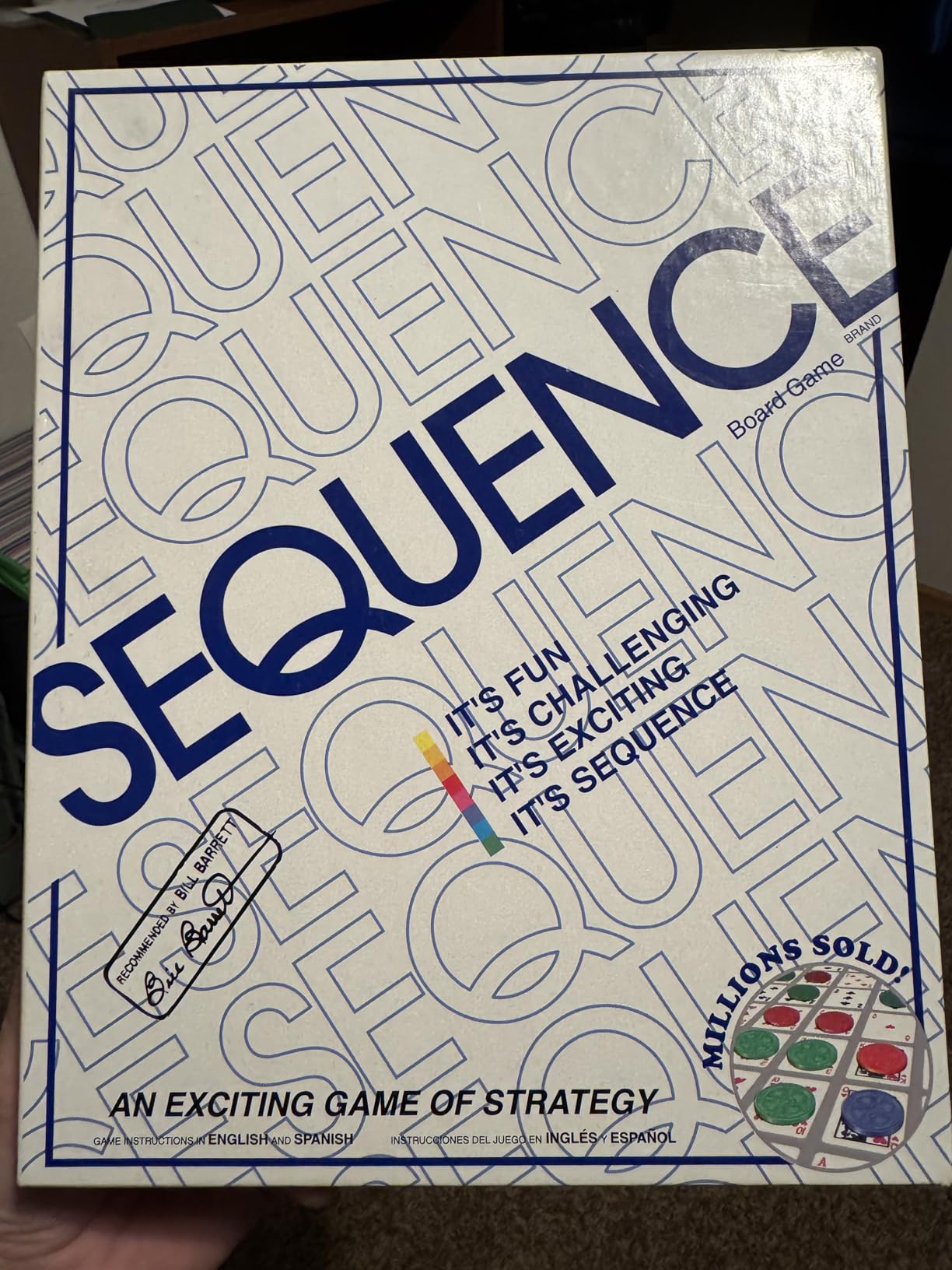
SEQUENCE- Original SEQUENCE Game with Folding Board, Cards and Chips by Jax ( Packaging may Vary ) White, 10.3″ x 8.1″ x 2.31″
Ages 7+
2-12 players
Folding 19.75 x 15.25 inch board
135 chips, 2 decks
Pros
- Learnable in under five minutes by any age
- Handles 2 to 12 players including teams
- Large folding board makes cards easy to read
- Durable chips and smooth cards
- Enough strategy to hold adult attention
Cons
- Small round chips are a choking risk for very young children
- Original box has no expansion content
You play a card, put a chip in the matching space, and build a continuous line of five. Two things make it work at this age: the rule count is tiny, and there is almost no downtime because the turn is fast.
The player count range is the real selling point. Two players, four players, or two teams of four, and the game still makes sense. If you are buying one box for a household where the number of people at the table changes week to week, that flexibility is worth more than depth.
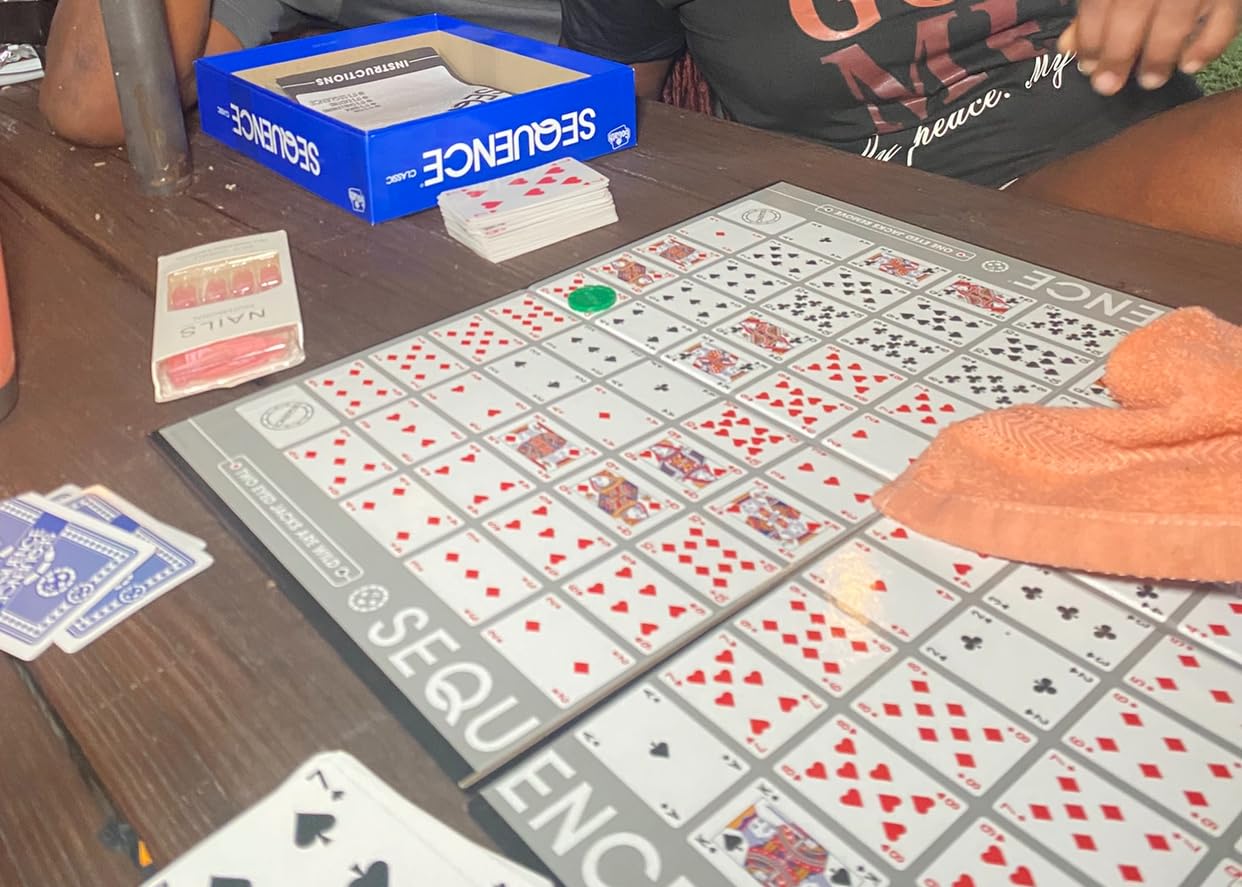
Component quality holds up to a decade of use. Reviewers repeatedly single out the durability of the chips and the smoothness of the cards, and the folding board is large enough that a card is readable from across a kitchen table rather than only from above.
The board folds to 8.08 by 2.18 by 10.38 inches and the whole box weighs just over 7 ounces. It lives in a cupboard rather than a closet, which for us was the difference between playing it and owning it.
Why it works at age 10?
It is a fair compromise at a mixed table. A six-year-old can place chips, a 10-year-old can start planning two turns ahead, and an adult can find genuine decisions inside a game that looks like a matching exercise.
Because almost every turn is quick, nobody is left sitting and waiting. For this age group that matters more than complexity, and it is the reason we keep coming back to this box when game night stalls.
What to watch for?
The chips are small and round. The product data carries a choking hazard caution for small parts, so in a household with a genuinely small child, this is worth a look before the first game.
Once a regular group learns the standard opening plays, the base box runs out of new problems. Reviewers note the original set has no expansion content, and long-time players often look for something else to rotate in.
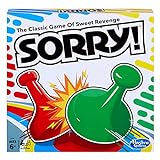
3. Sorry! – Small Box, Small Rules, Big Nostalgia
Sorry! Board Game for Kids Ages 6 and Up; Classic Hasbro Board Game; Each Player Gets 4 Pawns; Family Game
Ages 6+
2-4 players
Board, 12 pawns, 45 cards
16 ounces
Pros
- Parents enjoy it as much as the child
- Slide and collide rules are quick to teach
- Dramatic knockbacks create real reversals
- Few components mean fast cleanup
Cons
- Card luck drives outcomes more than planning
- Small pawns and cards are a choking hazard
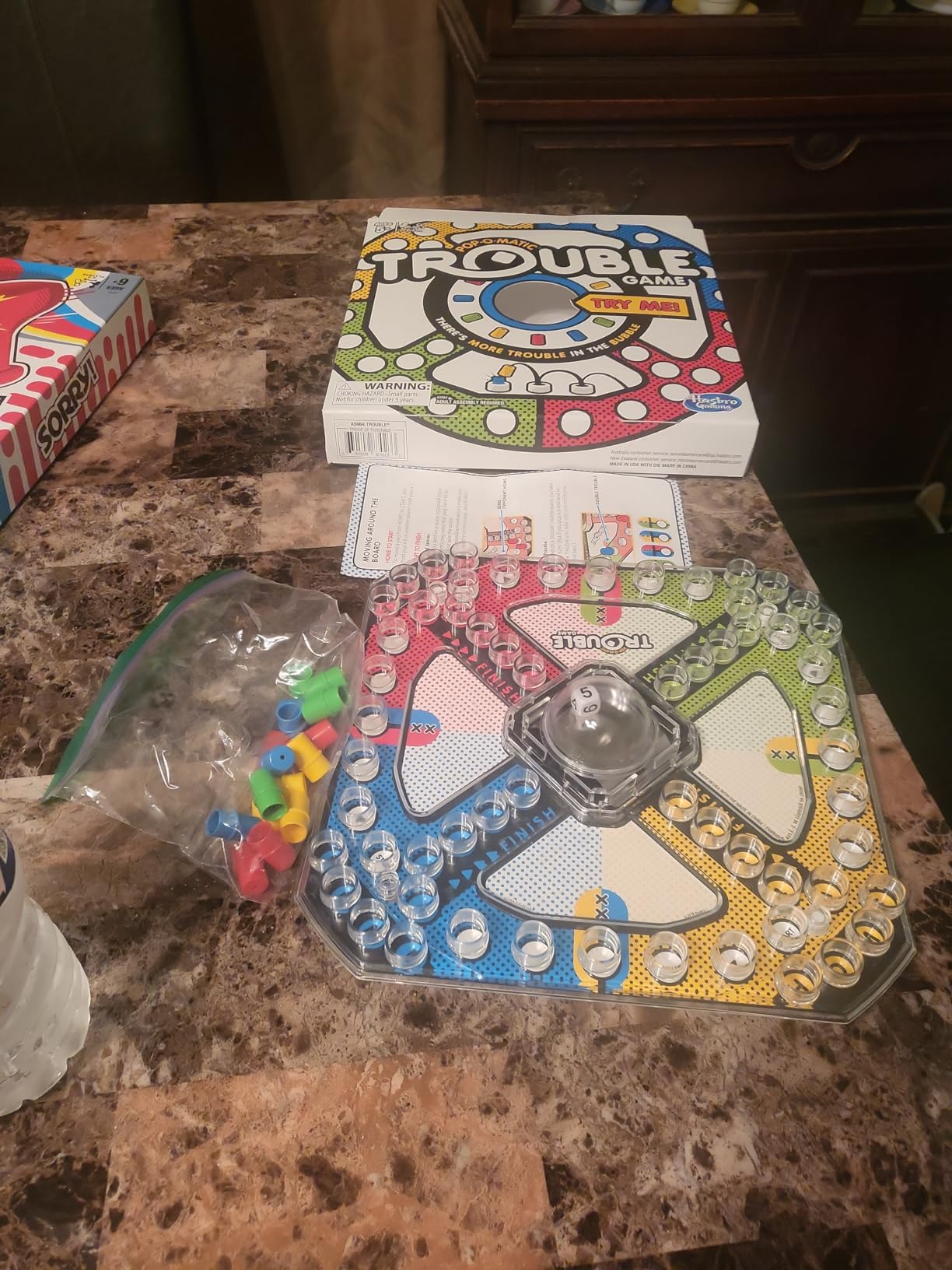
It is a game most adults will have played at some point, which removes the hardest part of game night: explaining something unfamiliar. Each player moves three pawns toward home, drawing cards that let you move, bump someone back to start, or take an exact path.
That bump mechanic is the entire drama. A 10-year-old drawing the card that sends a parent all the way back has a reaction few other games here produce, and it is why the box survives on adult shelves.
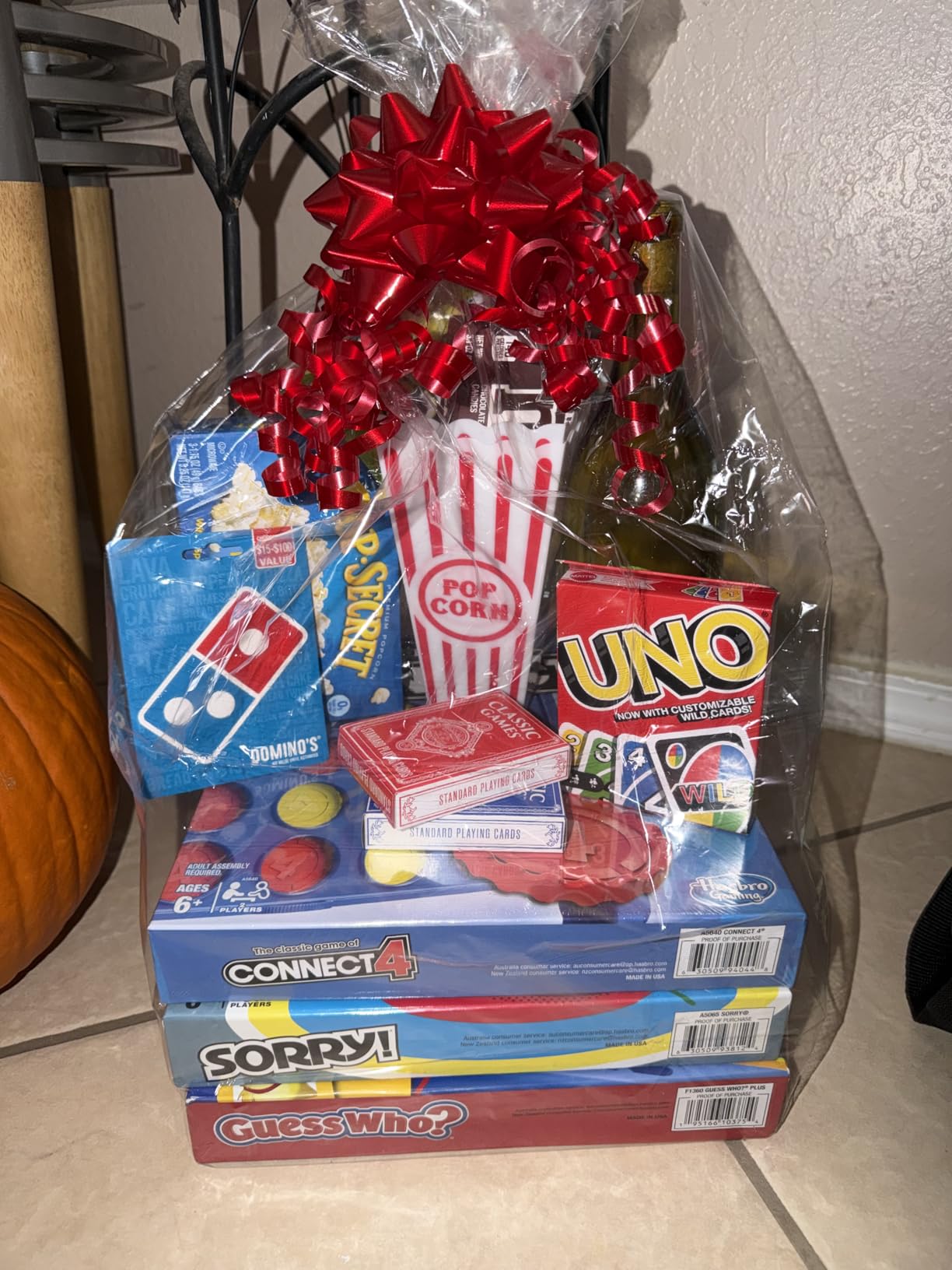
The component count is small: a board, 12 pawns, 45 cards and instructions. Cleanup takes about a minute, and the whole thing weighs 16 ounces, so it is easy to keep within reach of a playdate.
Reviewers frame it as a dependable family game night filler rather than a showpiece. That is an accurate description, and it is exactly why it works on a random Tuesday when nobody has the energy to teach anything.
Why it works at age 10?
It is a low-pressure strategy option. Every turn offers a small number of clear choices, so a 10-year-old cannot feel stupid, and there is enough unpredictability that an adult is not guaranteed to win either.
It bridges a wide age range in one room, which is the hardest problem in this age band. Reviewers describe it as accessible to new generations quickly, so nobody at the table is waiting for someone else to finish understanding the rules.
What to watch for?
Luck decides more than planning. That is the single most common criticism in the reviews, and if your 10-year-old prefers games where thinking wins, this will disappoint within a few rounds.
There is a choking hazard caution for small parts, and the pawns and cards are small enough that a younger sibling needs to be kept out of the setup.
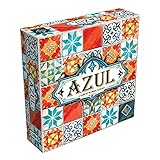
4. Azul – A Drafting Game That Teaches a 10-Year-Old to Look Ahead
Azul Mosaic Tile-Placement Strategy Board Game, 2-4 Players, 30-45 Min
Ages 8+
2-4 players
100 resin tiles, 4 boards
30-45 minutes
Pros
- 2018 Spiel des Jahres winner with striking mosaic art
- Easy to learn but rewards long-range planning
- Every round produces a different tile mix
- Scales from a duel to four players
- Finished mosaic walls give real accomplishment
Cons
- Tile penalty rules feel punishing for younger players
- Endgame tiles often create a tie or a frustrating finish
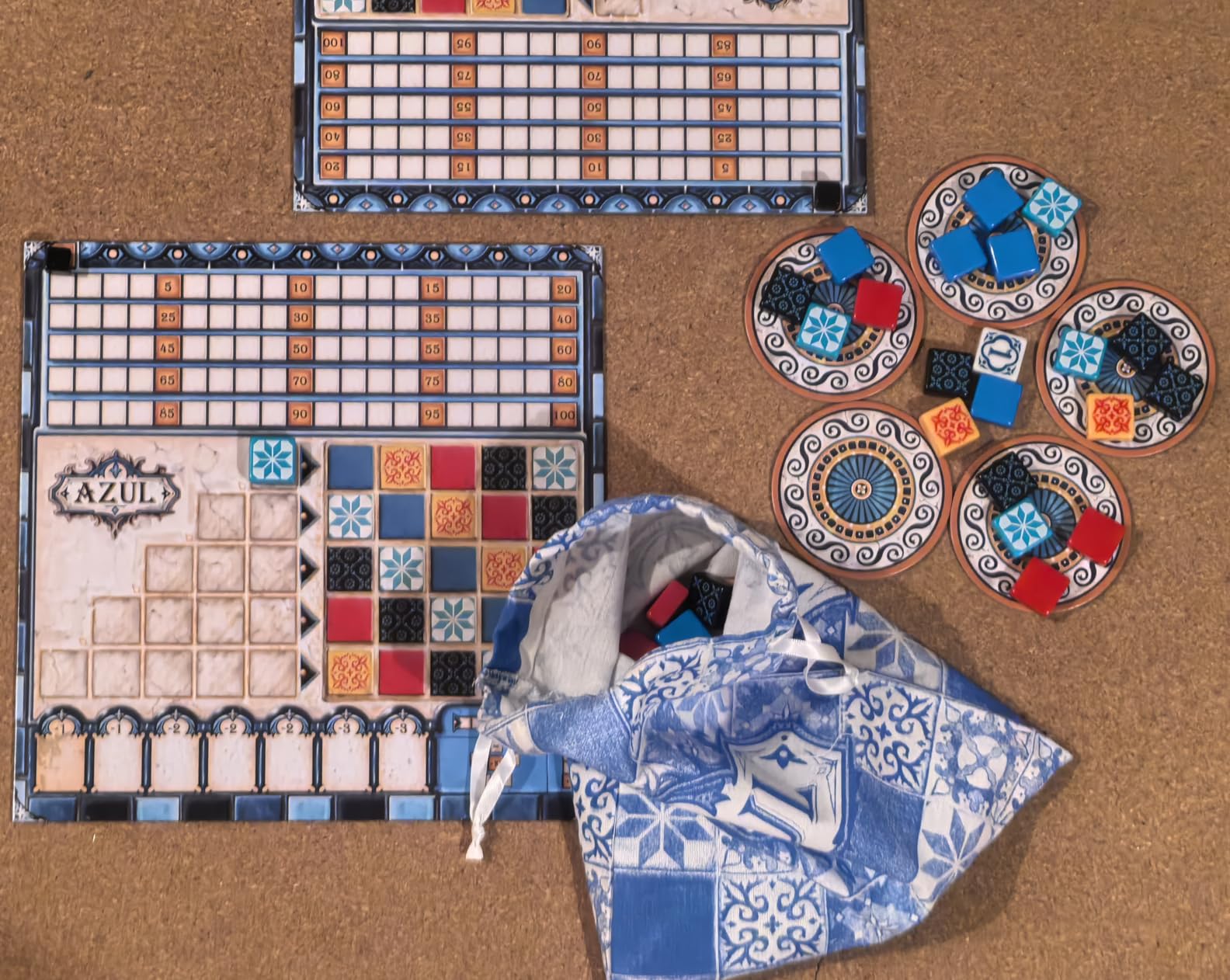
Azul is the game I reach for when a 10-year-old needs proof that strategy games are not boring. Players take turns drafting patterned tiles from shared factory displays and place them on their own mosaic wall, filling rows and columns to score.
The hook is that a tile has two axes. The colour can be right while the shape is wrong, so the choice is never as simple as it first appears. That is a small idea, but it produces the kind of re-planning mid-turn that makes a child feel clever.
It is a gateway game rather than a dead end. A family that starts here often moves on to heavier drafting games within a year, which is the progression most parents are quietly looking for.
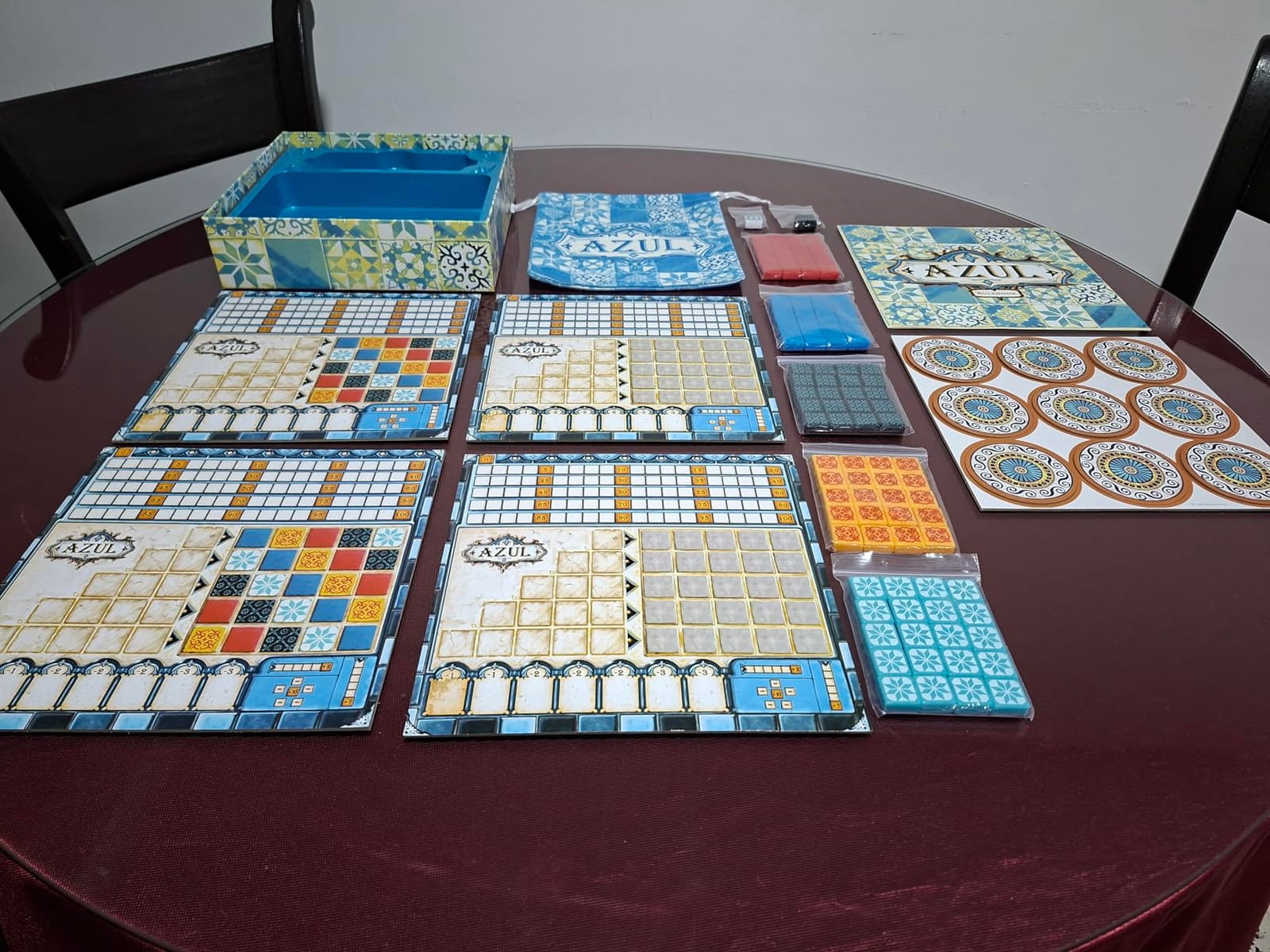
The box includes 100 resin tiles, four player boards, nine factory displays, four scoring markers, a starting player marker and a linen bag. Weights 1150 g, and at 10.25 by 10.25 by 2.75 inches it takes real table space, so a small kitchen table is a factor.
Why it works at age 10?
The manufacturer lists ages 8 and up, and the 10-year-old end of that range is where the game really lands. There is enough visible structure to reason about, and the art gives a strong finish line, which motivates a second and third play.
Reviewers note that drafting and denying tiles makes every round different, so it holds up to far more repeat sessions than the simpler games here. Replayability is the reason this stays in rotation past the birthday it was bought for.
What to watch for?
The penalty rule for unused tiles is the main hurdle, and reviewers commonly describe it as punishing for younger or more casual players. Teach it on the first round rather than letting a child discover it late.
Near the end, the tiles nobody wanted determine the score, and reviews report that this often leads to a tie or an unsatisfying finish. It is a design feature rather than a defect, but it can feel unfair the first time it happens.
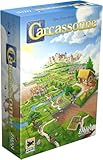
5. Carcassonne – A Wide Player Range for Tables That Keep Changing
Carcassonne Tile Placement Strategy Board Game, 2-5 Players, 35 Min
Ages 7+
2-5 players
Includes two mini-expansions
About 35 minutes
Pros
- Simple rules that a map builds within minutes
- Random tile draws make every layout different
- Painted wooden meeples and solid tiles
- Two mini-expansions bundled in the box
- Works as a duel or a family game
Cons
- Scoring rules overwhelm complete newcomers at first
- The big farmer scoring rule confuses younger children
- Score track loops awkwardly in two-player play
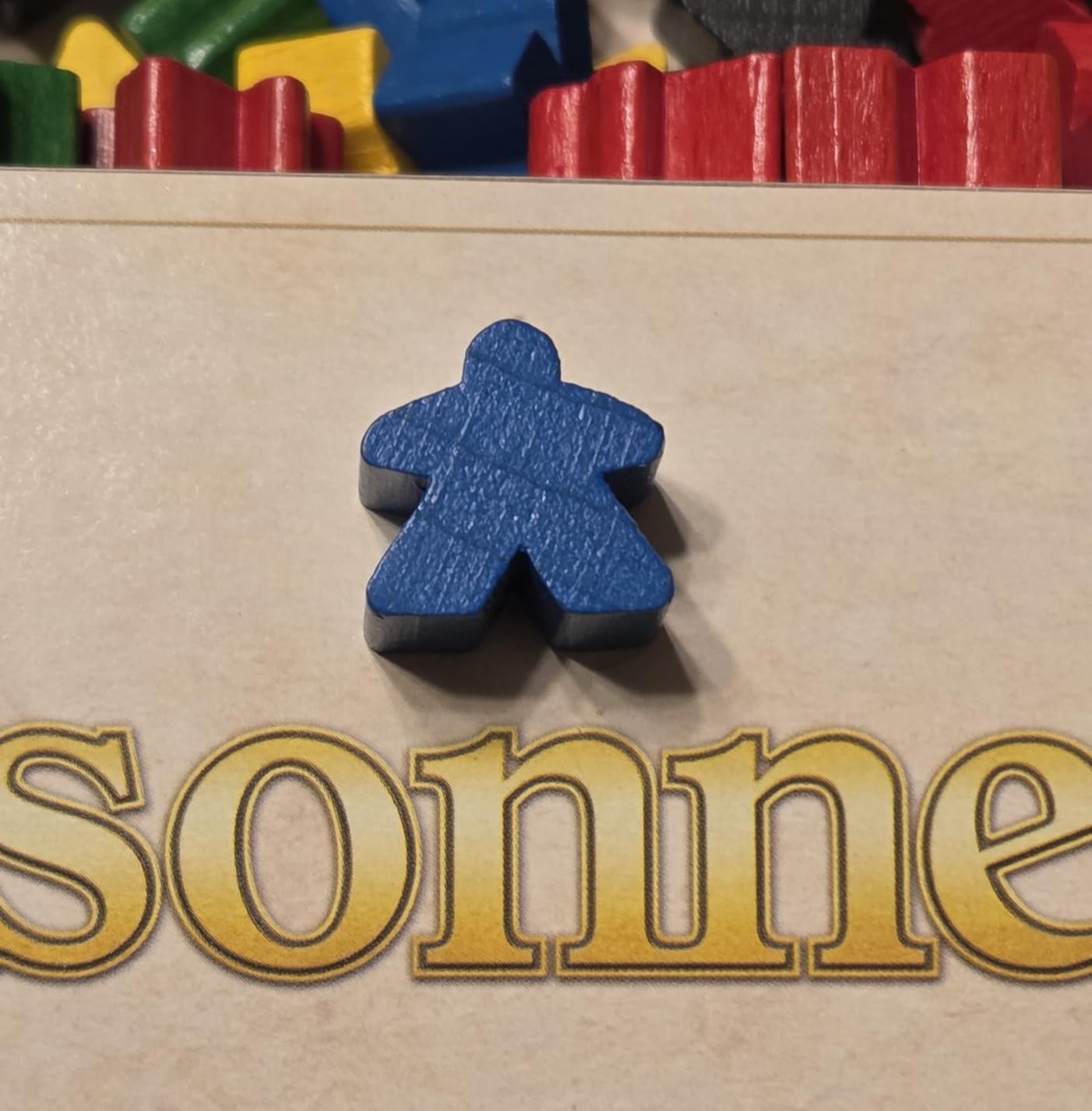
Carcassonne is tile laying with a scoring twist. You draw a terrain tile, place it on the map, and put a meeple on a feature to claim it. Features completed at the end of the game score points, and unfinished ones are worth nothing.
For a 10-year-old it is a useful middle ground. The physical act of placing tiles is easy to understand, but the choice of where to put a meeple has real consequences, and watching a nearly-complete road get broken apart teaches planning by consequence rather than by instruction.
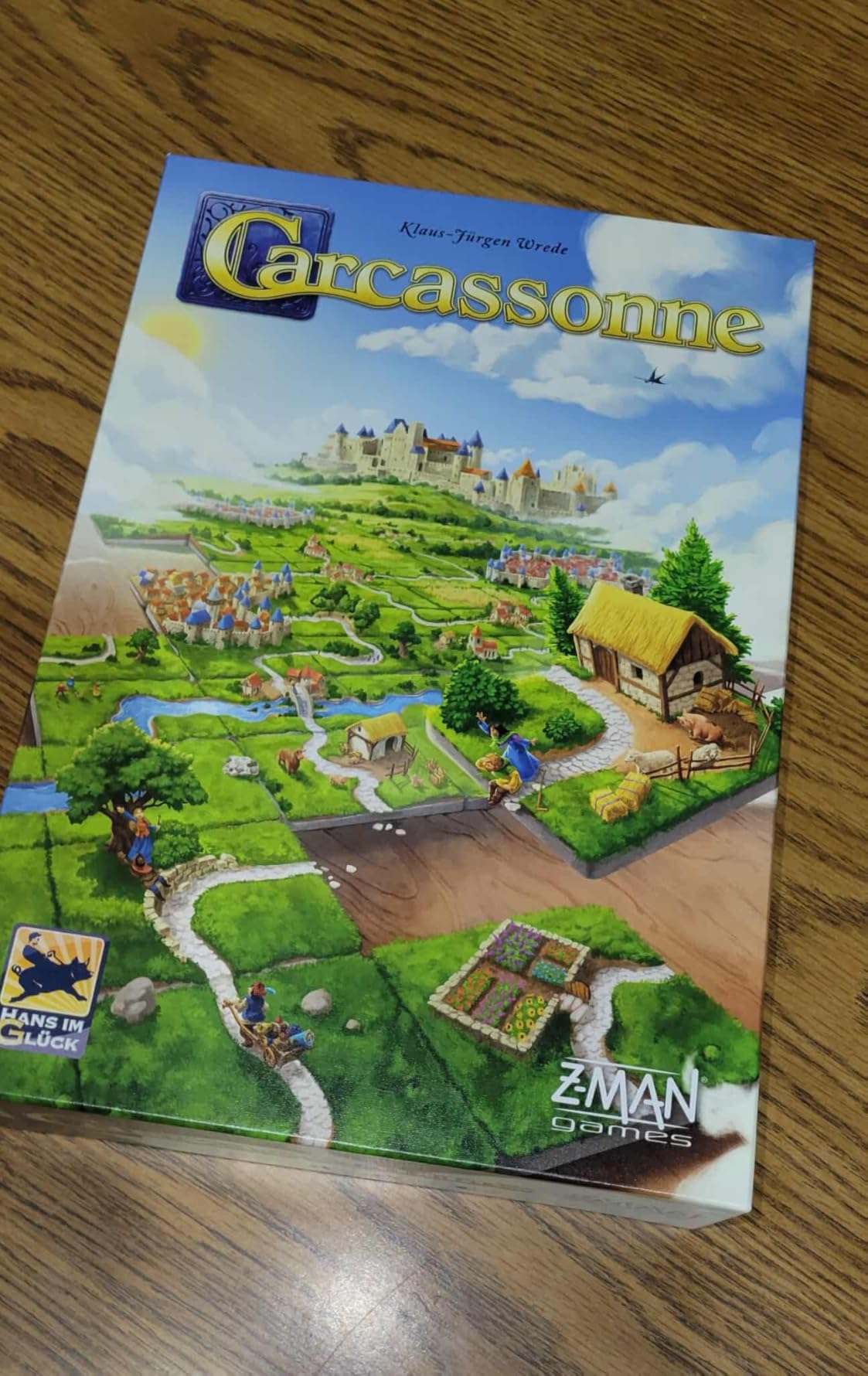
Component quality is repeatedly praised in reviews. Painted wooden meeples and heavier cardboard tiles give it the kind of table presence most family games lack, and the box includes The Abbot and The River mini-expansions, which means the box has variety from the very first evening.
One honest note on positioning: the product listing carries an adult age range even though the manufacturer recommends ages 7 to 16. The game itself is entirely age-appropriate, so treat the category label as a retail default rather than a warning.
Why it works at age 10?
It handles anywhere from two to five players without changing the rules, which makes it an unusually flexible table-filler. Nothing has to be re-taught when a fifth person joins the table.
Reviews highlight that randomized tile draws make every layout different, so replay comes from the system rather than from remembering an opponent’s moves. That is exactly what keeps a 10-year-old coming back after a month.
What to watch for?
The farmer scoring rule is the problem child. Reviewers specifically report that the big farmer on a field confuses younger players, and the scoring explanation is denser than the rest of the rules combined.
The score track loops awkwardly in two-player games, which is a real drawback for the many households that only ever play a head-to-head game with a child.
6. Labyrinth – A Board That Rearranges Itself Every Turn
Ravensburger Labyrinth Board Game – A Strategic Maze Challenge for Family Nights – Find Treasures & Block Opponents – MESH Accredited – Great Birthday Gift – 2-4 Players – Kids Ages 7-10 and Older
Ages 7+
2-4 players
20-30 minute sessions
34 maze cards, 24 treasure cards
Pros
- Shifting maze changes every turn for high replay
- Simple rules that a child joins immediately
- Rewards planning and blocking
- Session length fits most evenings
- Large Ravensburger board
Cons
- Card luck can derail a carefully planned route
- Small cards are a choking hazard for very young children
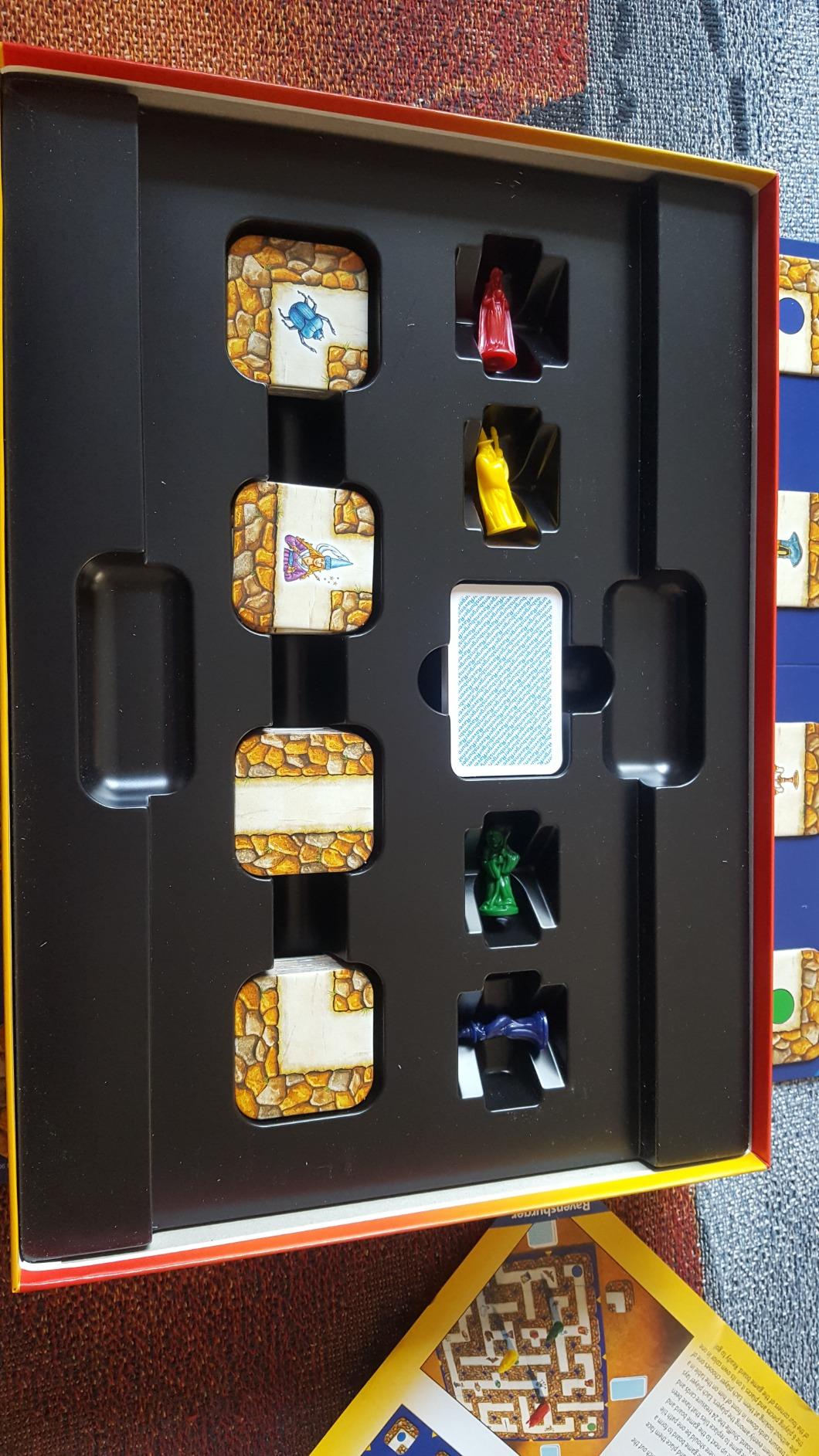
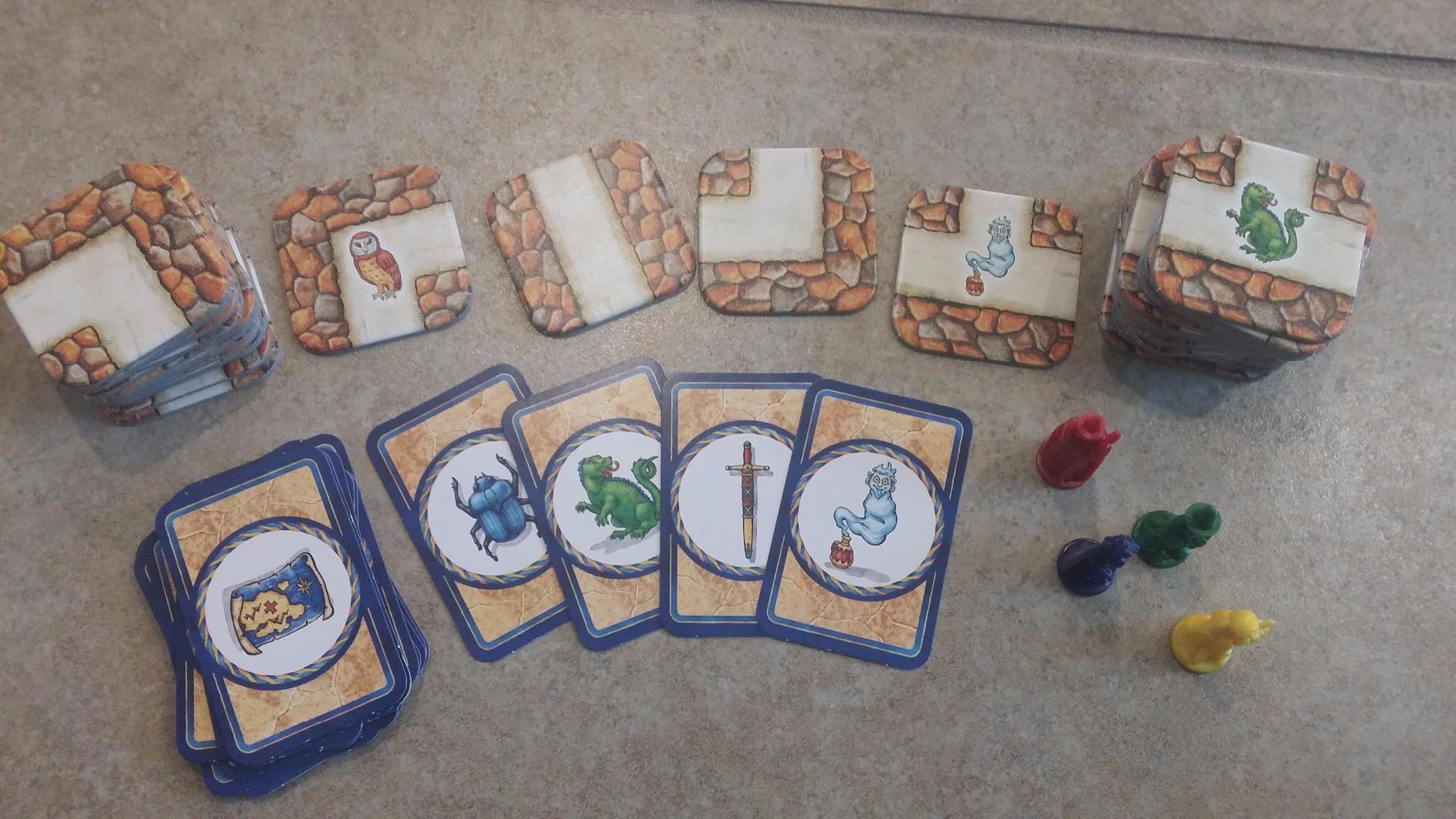
Labyrinth is the one game in this list where the board itself is the antagonist. Every turn a maze card is played, tiles shift, and routes that were open moments ago are sealed. You draw treasure cards, guess the right symbol, and reach for them before an opponent blocks the way.
That structure solves the problem that kills most games at this age. There is no long thinking phase, because the turn is a small number of physical choices on a board that visibly changed. Kids stay engaged for the whole session instead of watching an adult deliberate.
Sessions run 20 to 30 minutes, which fits neatly into most evenings. Reviewers describe it as a long-running family favourite, and the shifting maze is the reason it does not wear out after a few plays.
The box holds a playing board, 34 maze cards, 24 treasure cards and 4 playing pieces. It weighs 2.1 pounds and measures 14 by 10 by 2 inches, which makes it one of the more substantial boxes here, though the weight keeps it stable on a table.
Why it works at age 10?
Cause and effect is unusually visible here. A 10-year-old can watch a plan fail because of a card, adjust, and try again, and that trial-and-error loop is the foundation of later competitive games.
It also works well with grandparents. The rules are short enough to explain across a table to someone who has not played a modern game in decades, which is a practical benefit in a mixed household.
What to watch for?
Card luck can undo a good plan, and reviewers report that a well-built route being closed off feels like a betrayal rather than a setback. Set expectations for that before the first game.
There is a choking hazard caution on the maze and treasure cards. With a very young sibling in the room, the cards need to stay out of reach between turns.
7. Blokus XL – One Rule, Oversized Everything
Mattel Games Blokus XL Board Game for Ages 7+, 2-4 Players
Ages 7+
4 players
12 x 12 inch board
21 pieces each, 1.9 lbs
Pros
- Oversized board and chunky pieces are easy to see and handle
- One rule learned in under a minute
- Real blocking tension keeps adults interested
- Teens and grandparents play it happily
- Allows conversation between turns
Cons
- Grid lines are faint so pieces can shift
- Two- and three-player rules need careful reading
- No built-in storage for unused pieces
Blokus has a single rule: your pieces must touch your own colour, and only at corners. Place 21 of them, block your opponents out of space, and whoever holds the fewest pieces when nobody can move wins.
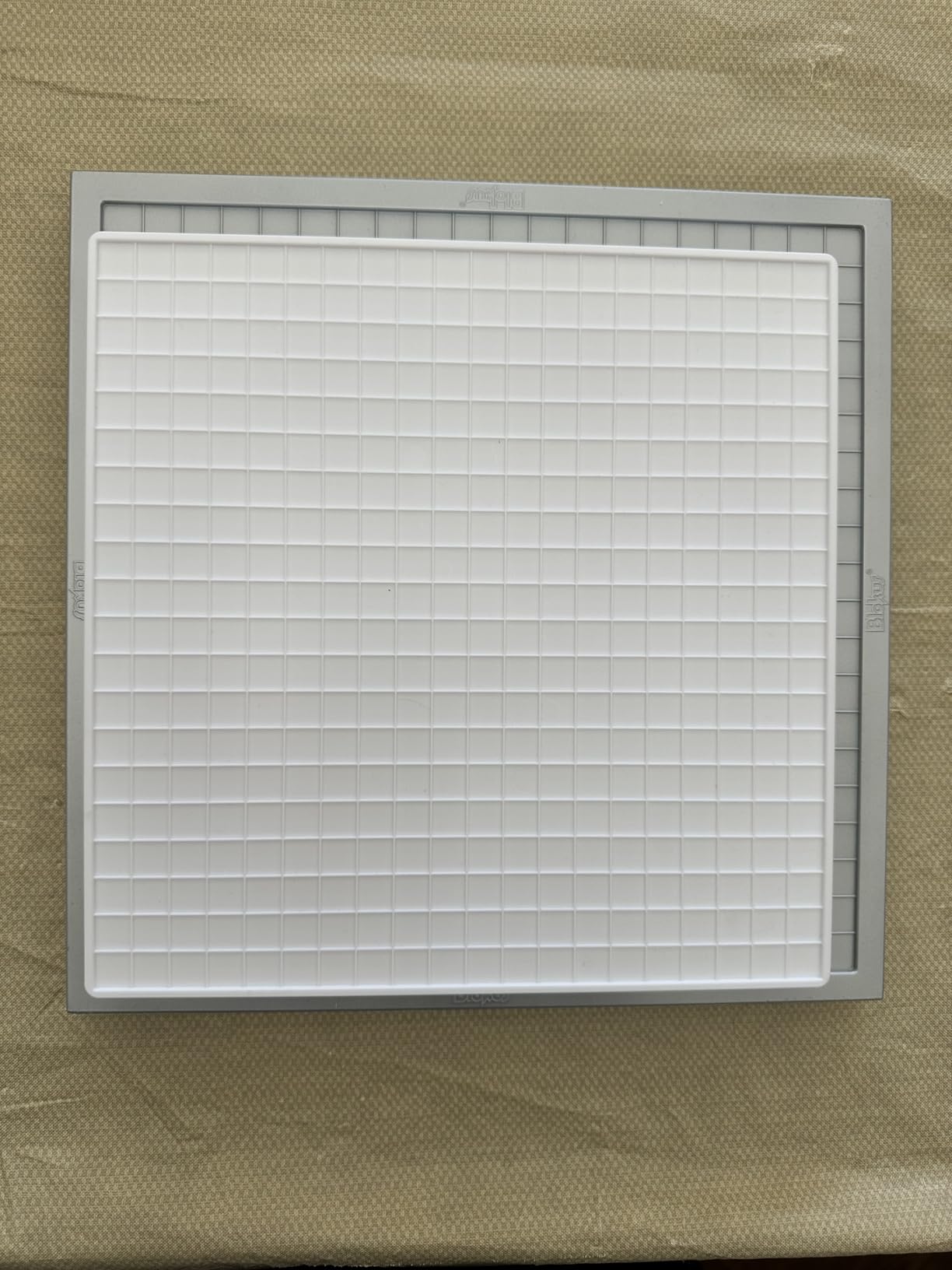
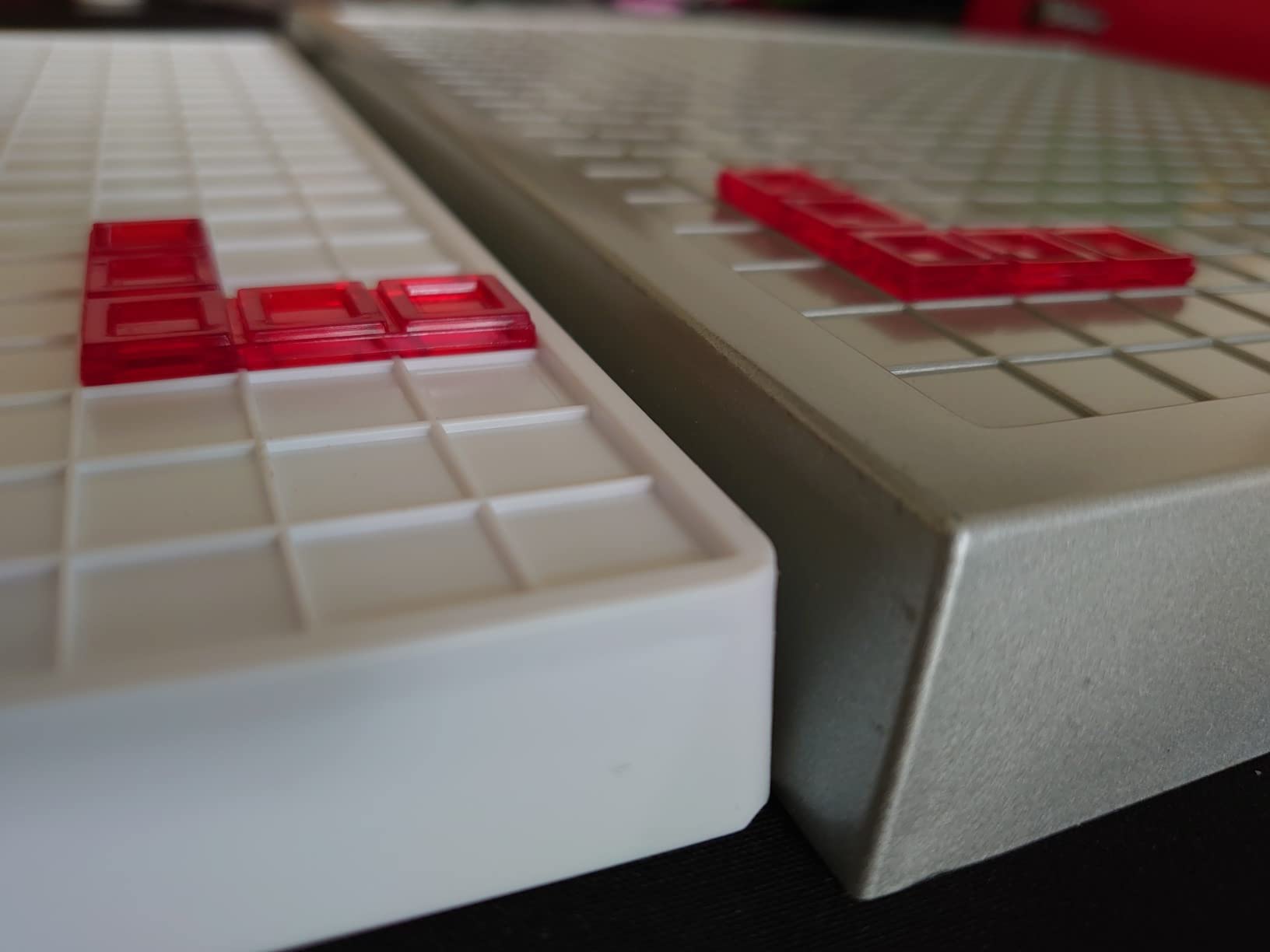
The board measures 12 by 12 inches, the pieces are chunky plastic, and the whole box weighs 1.9 pounds. That oversized size is the point of the XL edition: a 10-year-old can see the whole board and pick up pieces without hunting for them.
Reviewers describe the result as competitive three-dimensional Tetris with genuine blocking tension, and note that the single rule is learned almost instantly. In our sessions the teaching took about a minute, and the first game still produced an argument about whether a placement was legal.
Conversation is built into the turn. The pace is relaxed enough that people talk, which suits a family game night where the goal is being together rather than concentrating.
Why it works at age 10?
It is a full-size strategy game with a child-sized learning curve. The spatial reasoning is genuine, but the failure mode is always visible and always recoverable, so a losing 10-year-old wants another round rather than a different game.
It holds a wide age span at one table. Reviewers report keeping teens, college students and grandparents engaged in the same session, which is unusual for a game with this little text.
What to watch for?
The grid lines are faint on this edition, and reviewers note that pieces can be knocked out of position by an enthusiastic hand. Set the board down once and then leave it alone.
The two and three player rules differ from the four player game and need to be read carefully. There is also no built-in storage for unused pieces, so count them back in before the box closes.
8. 7 Wonders Duel – A Real Strategy Game at Exactly Ten
Asmodee 7 Wonders Duel Board Game BASE GAME – Intense Two-Player Battles in the Ancient World, Strategy Game for Kids and Adults, Ages 10+, 2 Players, 30 Minute Playtime
Ages 10+
2 players
Fixed 30 minute length
Card pyramid, science and military paths
Pros
- Three distinct victory paths keep matches tense
- Fixed 30 minute length suits repeat play
- Face-up and face-down pyramid adds hidden information
- Illustrated cards explain rules through symbols
- Losing players stay competitive to the end
Cons
- Rulebook is hard to parse without a demonstration
- Cards are smaller than the original release
- Several exceptions to the core rules
- Wonder cards tend to warp
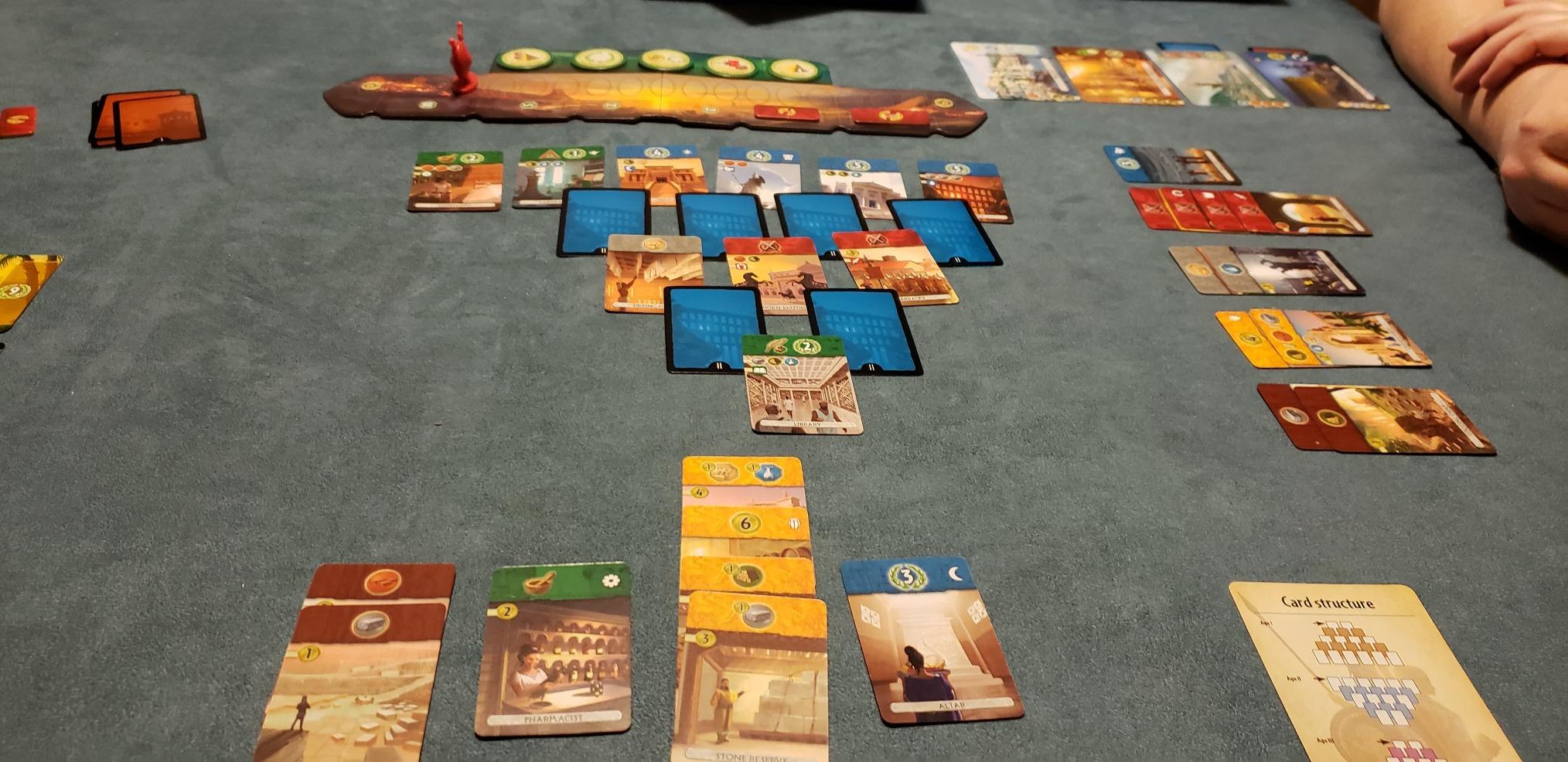
This is a grown-up game, and the manufacturer rates it for ages 10 to 15, so it sits exactly on the boundary of this topic. Two players build civilizations across three ages, drafting cards and placing them on a pyramid of wonder buildings.
You can win three ways: military conquest, a science monopoly, or the most victory points. That choice is what makes it replayable, because two players who have played it once will immediately argue about which path is stronger.
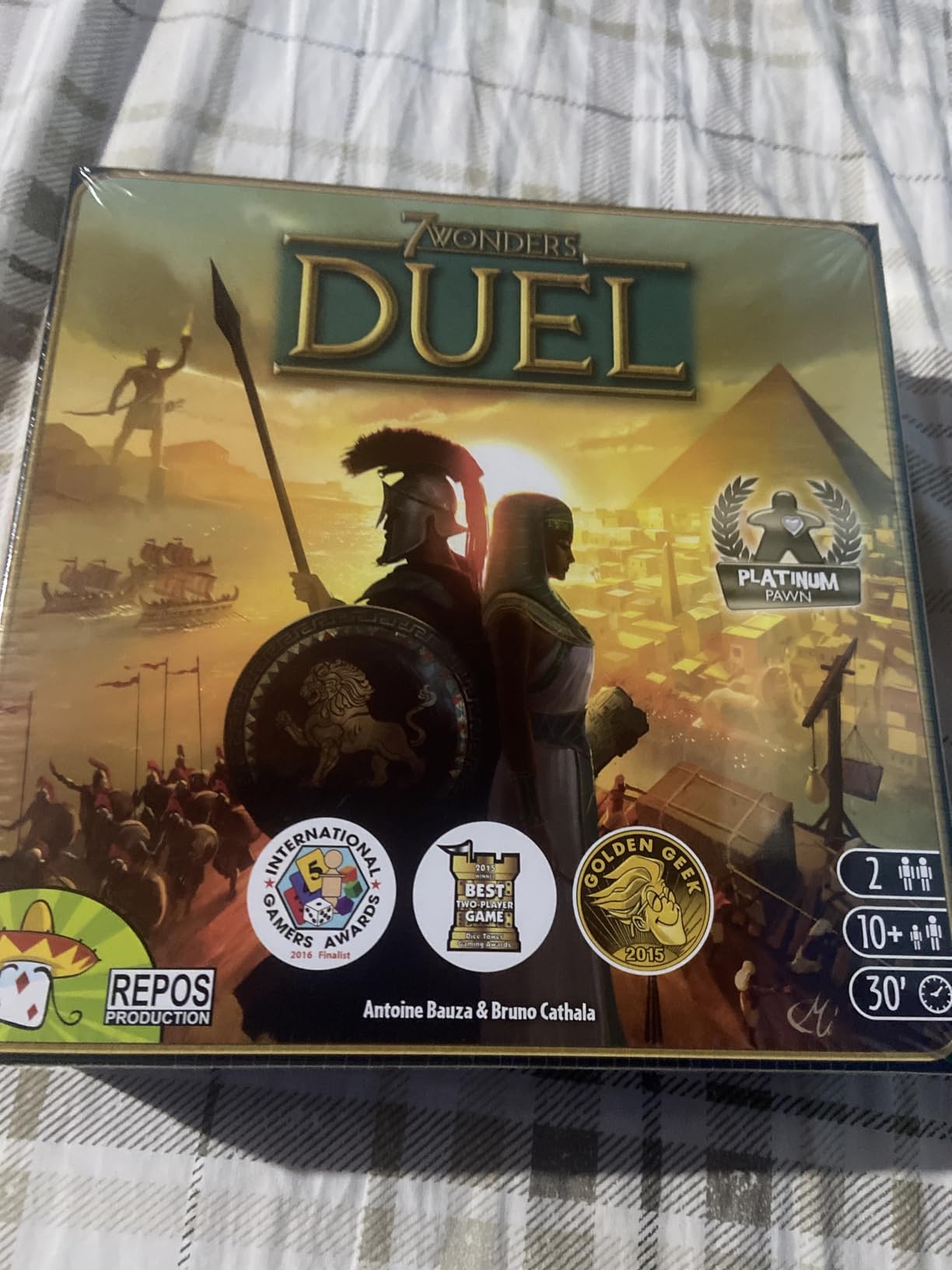
The fixed 30 minute length is what makes it practical. There is no way to run long, and the engine-building structure is specifically praised for keeping even the loser interested to the last turn.
Artwork does a lot of the teaching work. Reviewers note the illustrated cards communicate the rules through simple symbols, which lowers the reading load for a ten-year-old.
Why it works at age 10?
It answers a 10-year-old who has outgrown children’s games and finds them insulting. The card drafting is simple to act, and the strategic weight is where an adult’s attention is genuinely required, which means the child is not just babysitting.
Because the turn is a fixed length, it is also an easy way to build a parent and child ritual. Two players, half an hour, no setup negotiation.
What to watch for?
The rulebook is the biggest barrier, and reviews are blunt about it being hard to parse without an experienced player demonstrating. If nobody at the table has played it, expect a 20 minute explanation before the first turn.
There are several exceptions to the core rules around resource and yellow-card economy, and a minority of reviewers find the endgame maths demanding. The cards are also smaller than those in the original release, which matters for a child still developing fine motor control.
9. Ravensburger Othello – A Two-Player Game Built to Travel
Ravensburger Othello – Classic Strategy Board Game for 2 Players – Easy to Learn, Hard to Master – Fast-Paced Family Fun – Ages 8+
Ages 8+
2 players
About 20 minutes
64 reversible discs, felt surface
Pros
- Two-minute rules that children pick up quickly
- Felt surface holds discs even if the board moves
- Slide-out storage drawers keep pieces organised
- Reversible discs feel solid in the hand
- Compact footprint travels well
Cons
- Only works with exactly two players
- No instructions in Spanish or other languages
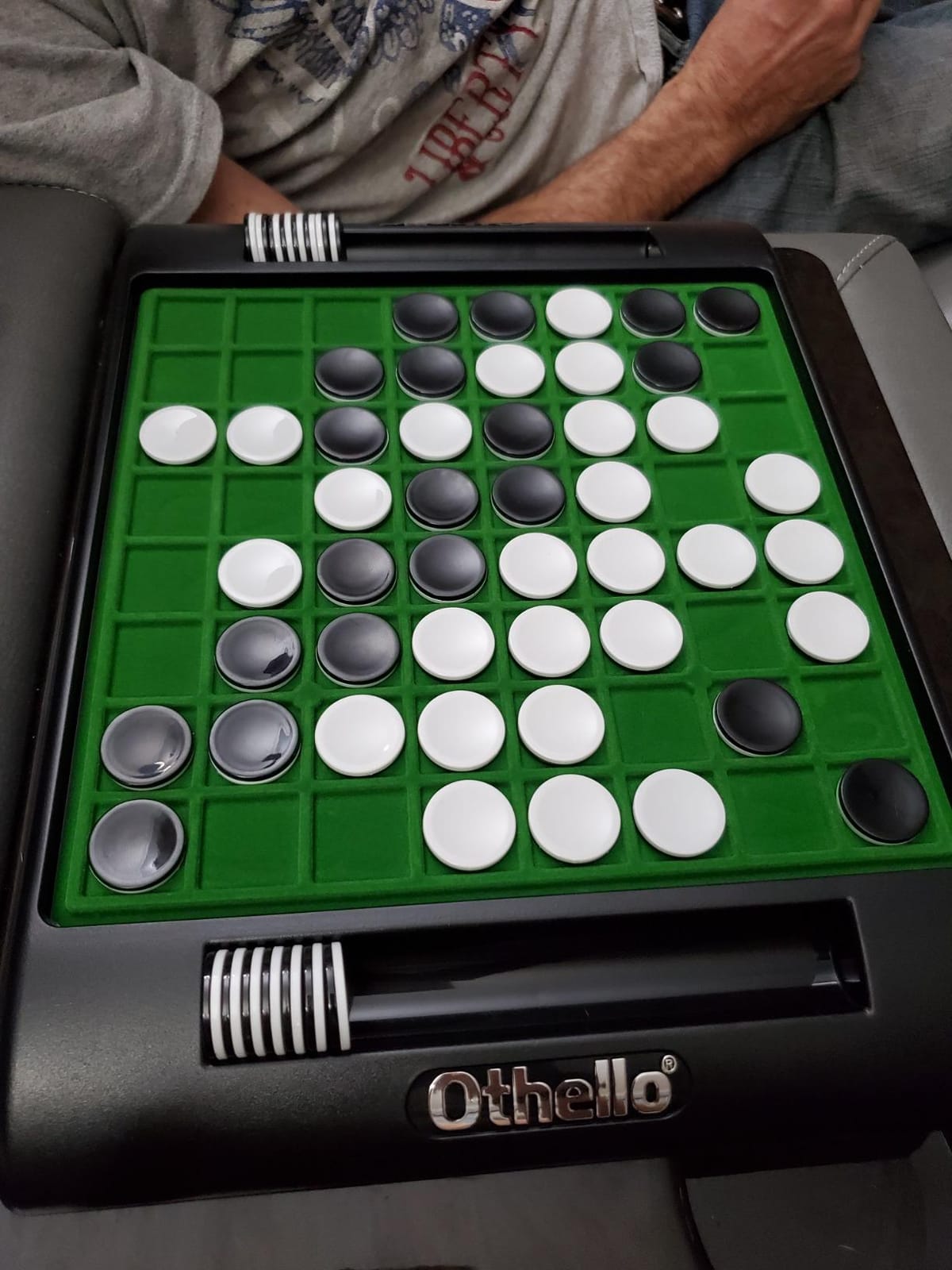
Othello is a flip-the-board game. Place a disc on the correct colour, and every disc between your piece and your opponent’s flips to your side. One move can swing the entire position, and the board visibly fills with your colour.
It is a classic that few children of this age have encountered, and that is an advantage here. The two-minute ruleset means a ten-year-old is genuinely playing within a minute rather than being walked through it.

This edition is built better than most people expect. The felt playing surface holds discs in place even if the board gets nudged, and slide-out storage drawers on each side mean nobody is hunting for 64 discs between games.
It measures 11.5 by 14.38 inches and weighs 1.7 pounds, so it is a realistic car boot or holiday bag game. The box includes an instruction sheet, a board and 64 reversible discs, and the manufacturer carries a 30 day warranty against defects.
Why it works at age 10?
The rules are two sentences and the whole game fits in about 20 minutes, so there is a very low barrier to starting. What keeps a 10-year-old playing is the drama of a big flip, which delivers a clear, visible payoff every few turns.
It is a genuine duel rather than a family compromise, and for a parent and child pair that is often exactly the right thing to own. Adults consistently find it strategic rather than patronising.
What to watch for?
It is strictly a two-player game. If your game night usually involves three or more people, this will sit on the shelf, and that is the most common reason reviewers return the box.
The instructions are not included in Spanish or other languages, which is worth knowing if your household does not read English comfortably. There is a single instruction sheet, so the rules need to be learned rather than referenced.
10. Hues and Cues – The Pick for a Big Table
HUES and CUES – Vibrant Color Guessing Board Game for 3-10 Players Ages 8+, Connect Clues and Guess from 480 Color Squares
Ages 8+
3-10 players
480 colour squares
About 30 minutes
Pros
- Vibrant 480-square board with a real visual challenge
- One or two word clues keep rounds fast
- Scales from 3 to 10 players for parties
- Encourages clear verbal communication
- Great for birthday parties
Cons
- Shades of colour are hard for some players
- Colour perception limits younger children
- Replays feel repetitive once clue styles are known
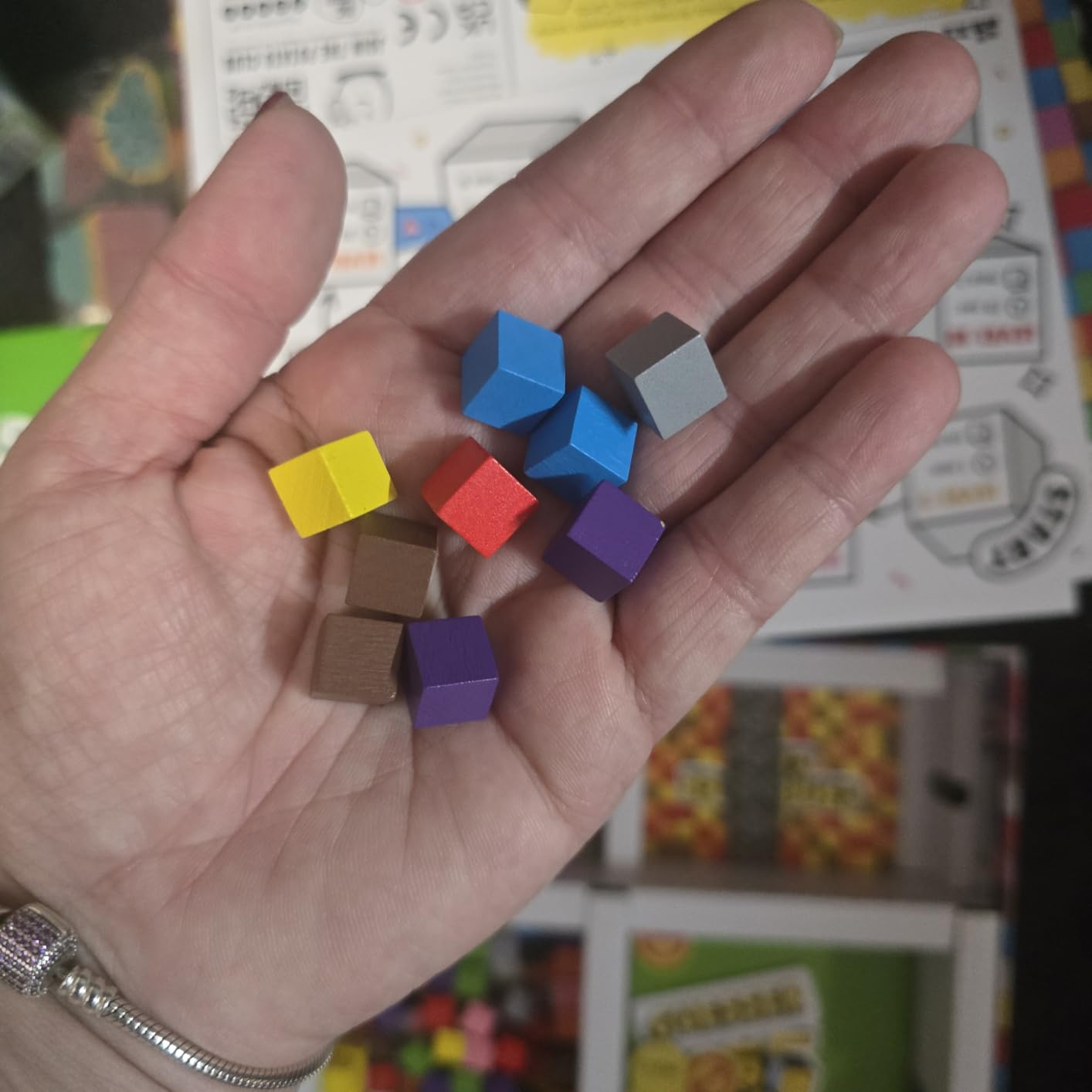
Hues and Cues is a colour guessing game played on a board of 480 coloured squares. A player picks a hidden colour, gives a one or two word clue, and everyone moves their piece toward it. Get within three spaces and you score.
What makes it useful at this age is the range. It runs from 3 to 10 players, so it handles a birthday party table and a quiet evening with a sibling in the same box.
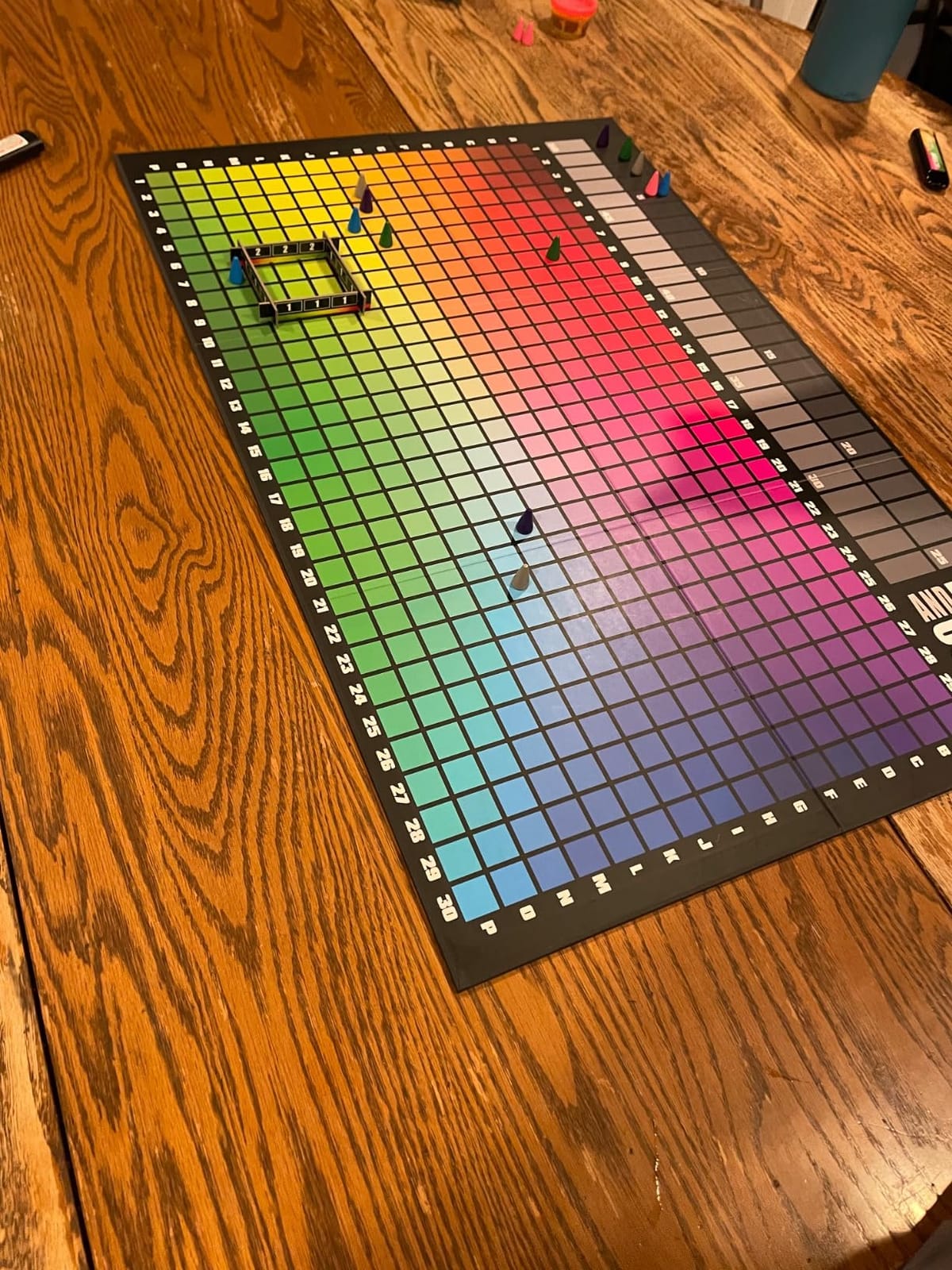
There is almost no reading load, since the clues are spoken. The box holds a board, 100 colour cards, 30 player pieces, a rulebook and a scoring frame, and it works as a reliable party hit for a child still building reading speed.
It takes roughly 30 minutes. Reviewers highlight the flexible group size and the encouragement of creative thinking and clear communication, and the visual challenge of the 480 squares is genuinely harder than it looks.
Why it works at age 10?
A ten-year-old is exactly the age where verbal strategy becomes fun. Naming a colour with a single word is a small act of precision, and getting better at it feels like a skill rather than a rule.
It is a forgiving option for a large group. Everyone is in the game the entire time, nobody is eliminated, and a bad clue never ends your evening.
What to watch for?
Colour perception is a genuine constraint. Reviewers note that shades are hard to distinguish for some players, and that colour perception limits mean younger children often struggle, even though the box is rated 8 and up.
It loses some sparkle on repeat plays. Once a regular group knows each other’s clue habits, the same words get reused and the challenge thins out.
11. Risk – For the Household With an Evening to Spare
Risk Board Game, Strategy Games for 2-5 Players, Strategy Board Games for Teens, Adults, and Family, War Games, Ages 10 and Up
Ages 10+
2-5 players
About 120 minutes
5 armies, 56 cards, 5 dice
Pros
- Deep territory-conquest play that stays fresh
- Durable armies cards and map art
- Clear written directions
- 2 to 5 player range suits larger groups
- Generational replay value
Cons
- Steep learning curve for kids under 12
- Games run about two hours
- Large tabletop footprint
- Rules feel dense and front-loaded
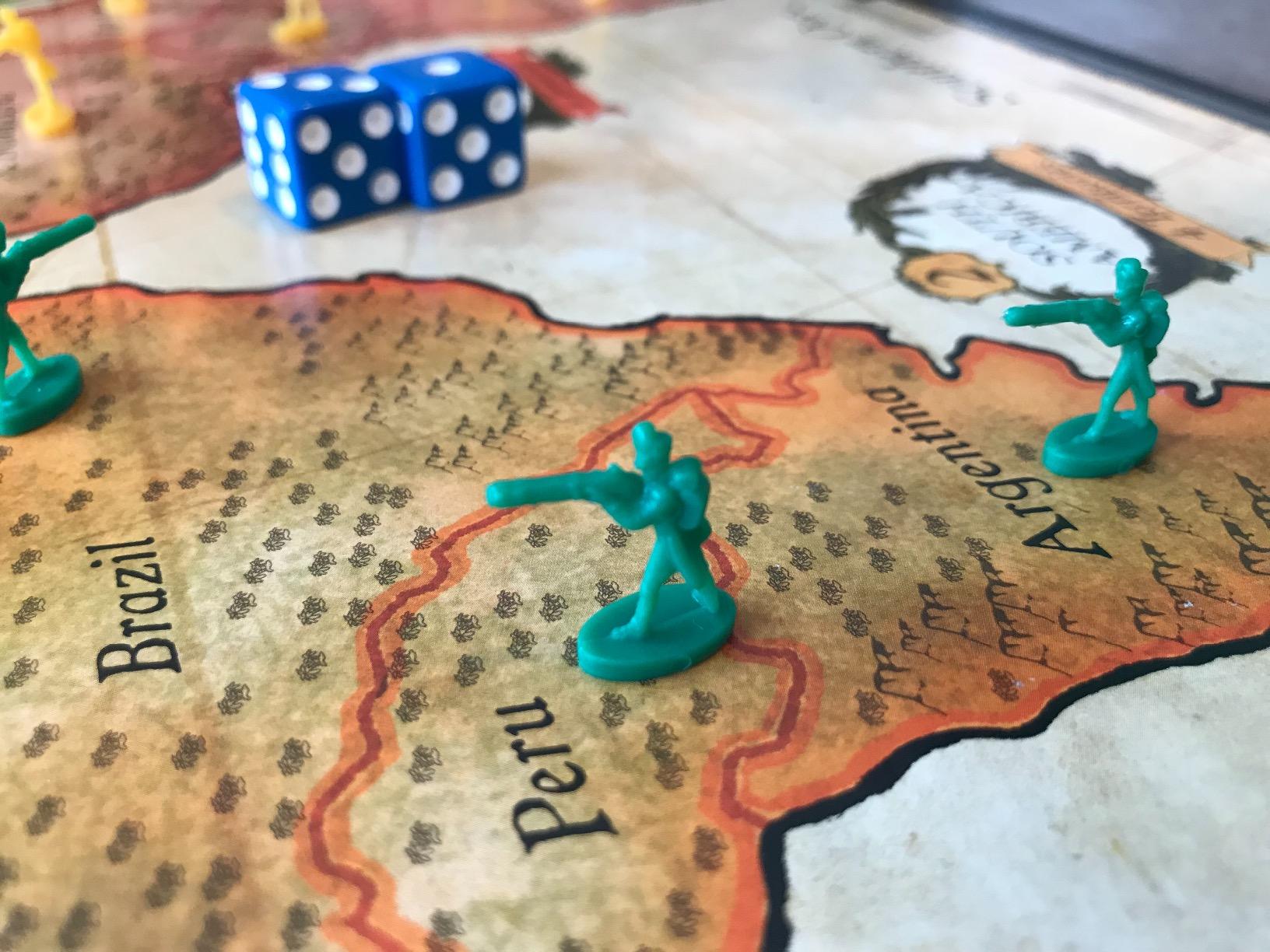
Risk is an all-or-nothing evening. Players roll dice to attack territories, hold cards that grant extra reinforcements, and try to eliminate everyone else or dominate a continent.
It is the longest game here, and the one that most rewards a clear plan.
We include it because a 10-year-old who has finished lighter games often asks for exactly this. The manufacturer rates it 10 and up, so it is the first game here that is deliberately aimed at the top of the age band rather than the middle of it.
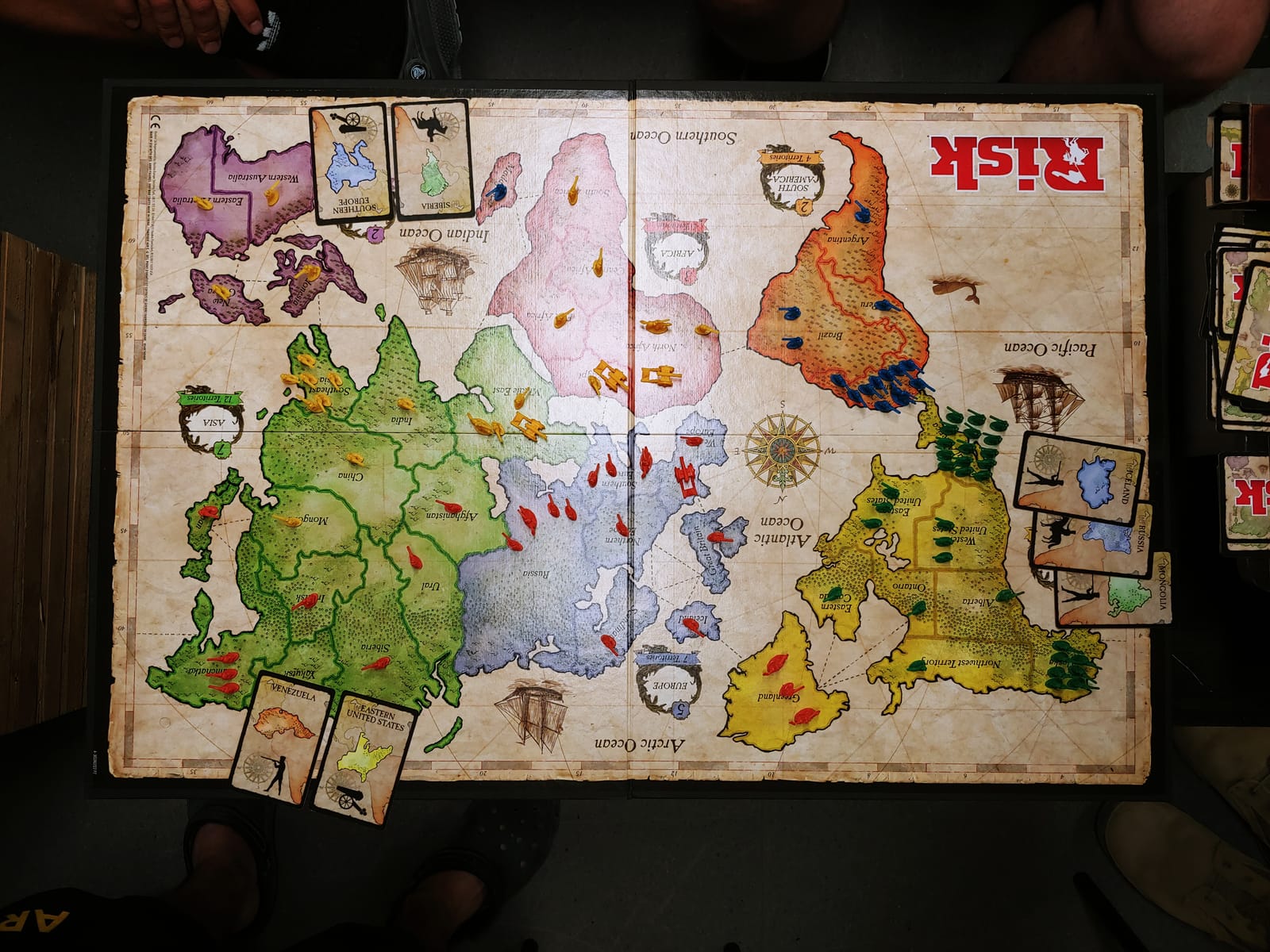
The components are serious. The box includes a gameboard, five armies with infantry, cavalry and artillery, a deck of 56 Risk cards, five dice, cardboard war crates and a game guide, and reviewers consistently praise the durability of the armies and the printed map art.
Expect the whole table to commit. At roughly 120 minutes, this is not a game you put on while waiting for something else to happen, and the learning curve for children under 12 is the most commonly cited drawback in the reviews.
Why it works at age 10?
Strategic depth is real and long-lasting. Reviewers describe it as a generational classic with high replay value, and it is one of the few games here a 10-year-old can still be learning a decade later.
It works for two to five players, which suits a big family table, and the clear written directions mean a group can be taught without an experienced host.
What to watch for?
Two hours is a real commitment, and the rules are front-loaded enough that a first game can stall while everyone re-reads them. If your evenings rarely run that long, this will not get played.
The board measures 15.75 by 10.51 inches, so it needs a proper table. There is also a steep learning curve reported specifically for children under 12, and the toy carries a choking hazard caution for small parts.
12. Dragonwood – A Short Fantasy Quest With No Campaign Attached
Gamewright Dragonwood A Game of Dice & Daring Board Game Multi-colored, 5″
Ages 8-15
2-4 players
About 20 minutes
8 x 7 inch compact box
Pros
- Very short sessions suit quick family nights
- Pick-up-and-play rules work for kids and adults
- Dice and set collection teach probability thinking
- Fantasy theme with Adventurer cards
- Compact box that travels well
Cons
- Listing copy describes an unrelated puzzle set
- Limited depth compared to heavier strategy titles
- Lower profile than top-selling board games
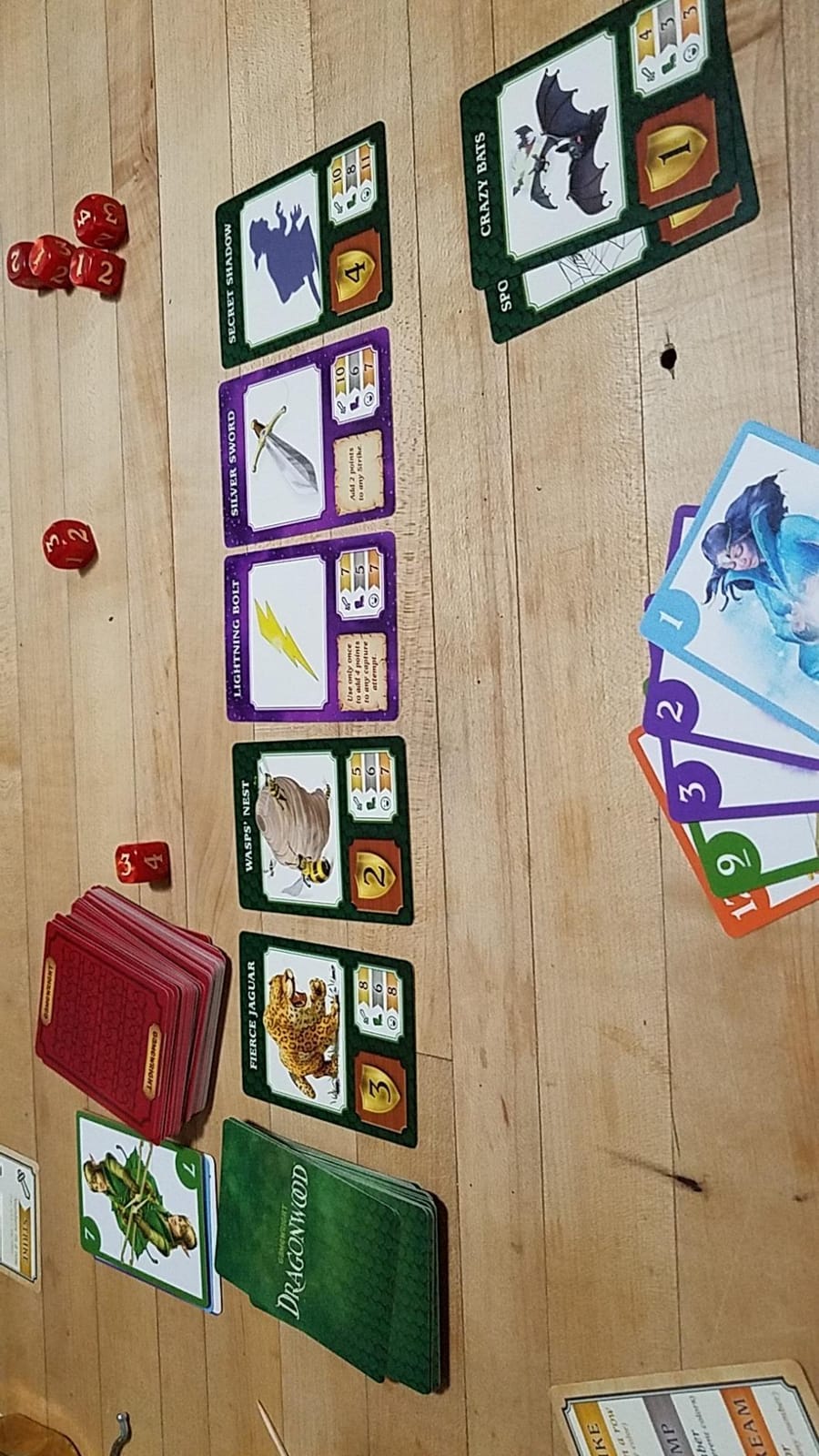
Dragonwood is a fantasy dice game about collecting adventurers, gathering magic tokens and fighting a dragon. It is the fantasy quest answer parents in forum threads keep asking for, and it does it in 20 minutes rather than 20 hours.
The interesting bit for a 10-year-old is that the dice are not just random. You need specific symbols to attack and collect, so the decision is how to spend limited rolls, and that is a real probability lesson disguised as a dragon fight.
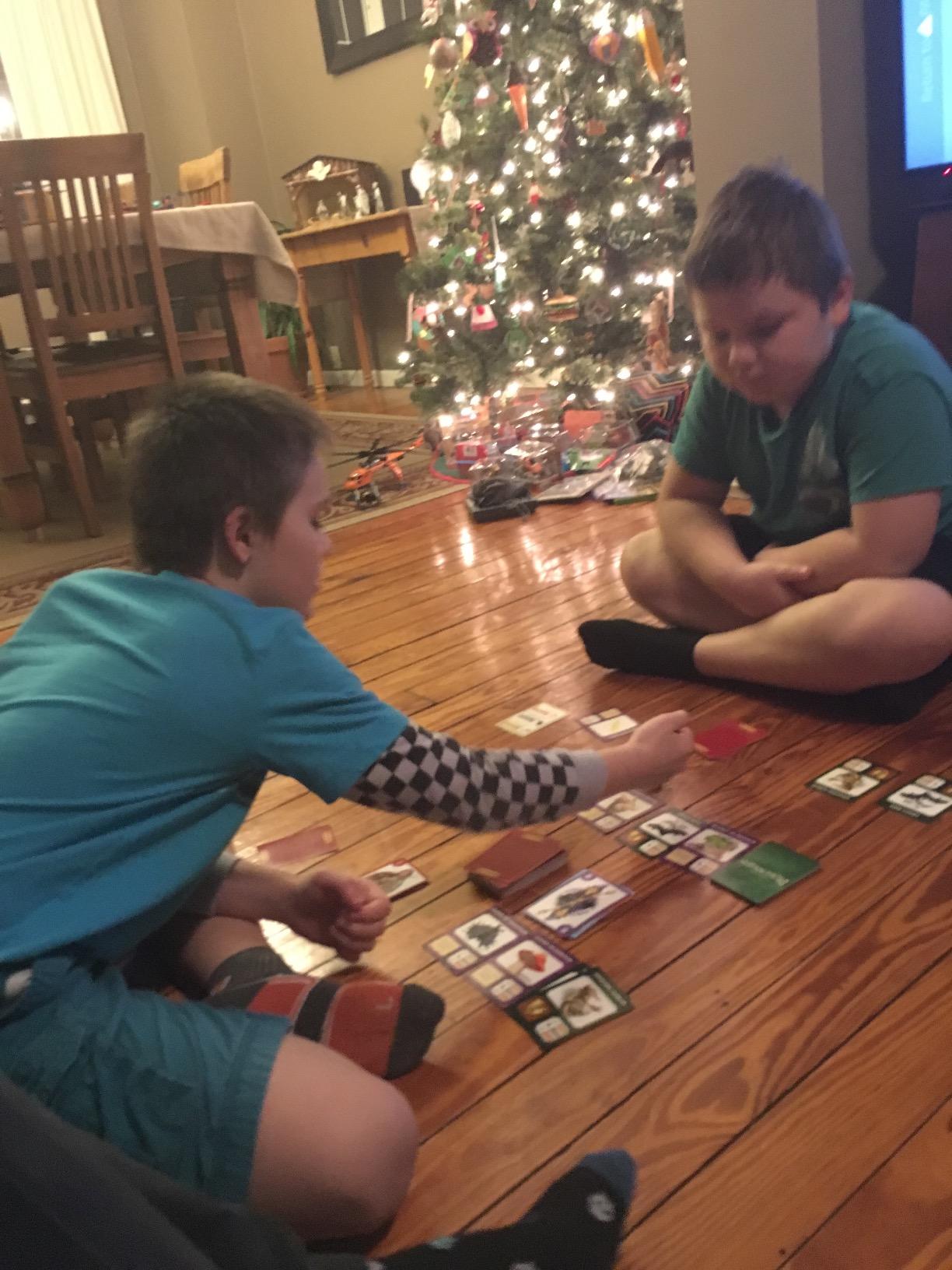
Component feedback is good, with the box weighing 0.4 kg and measuring 8 by 7 by 2 inches. It needs very little table space, and reviewers note the rich illustrations and unique Adventurer cards as highlights.
One practical warning: some of the feature copy on the retail listing describes an unrelated 300-piece farm puzzle rather than the board game itself. Check the product images carefully, and buy from a listing that clearly shows the wooden bowl, adventurer meeples and token row.
Why it works at age 10?
It answers a specific request. Parents asking for fantasy and quest games for a group of 10-year-olds rarely get a fast answer, and this fills the gap without committing the household to a campaign.
The reviews describe pick-up-and-play rules that work for kids and adults, and the dice-and-daring mechanic reinforces probability and visual discrimination, which is genuinely useful skill-building disguised as fun.
What to watch for?
The strategic ceiling is modest. Reviewers note that deep strategy appeal is limited compared to heavier titles, so a child who is already asking for harder games will move on quickly.
Verify the listing before ordering, given the mismatched feature description. The box itself is small, so it needs less table space than most titles here.
13. Clue – Deduction Where the Cards Force Action
Clue Board Game for Ages 8 and Up, Reimagined Clue Game for 2-6 Players, Mystery, Detective, Family Games for Kids and Adults
Ages 8+
2-6 players
About 45 minutes
New cast, Tudor Mansion setting
Pros
- Refreshed classic with a new cast and backstory
- Metal weapon tokens and sculpted movers
- Clue cards add strategy and speed up deduction
- Quick setup
- Works better with more than two players
Cons
- Concise rulebook is unclear on secret passages
- Printed language can be English-only
- Occasional reports of missing cards
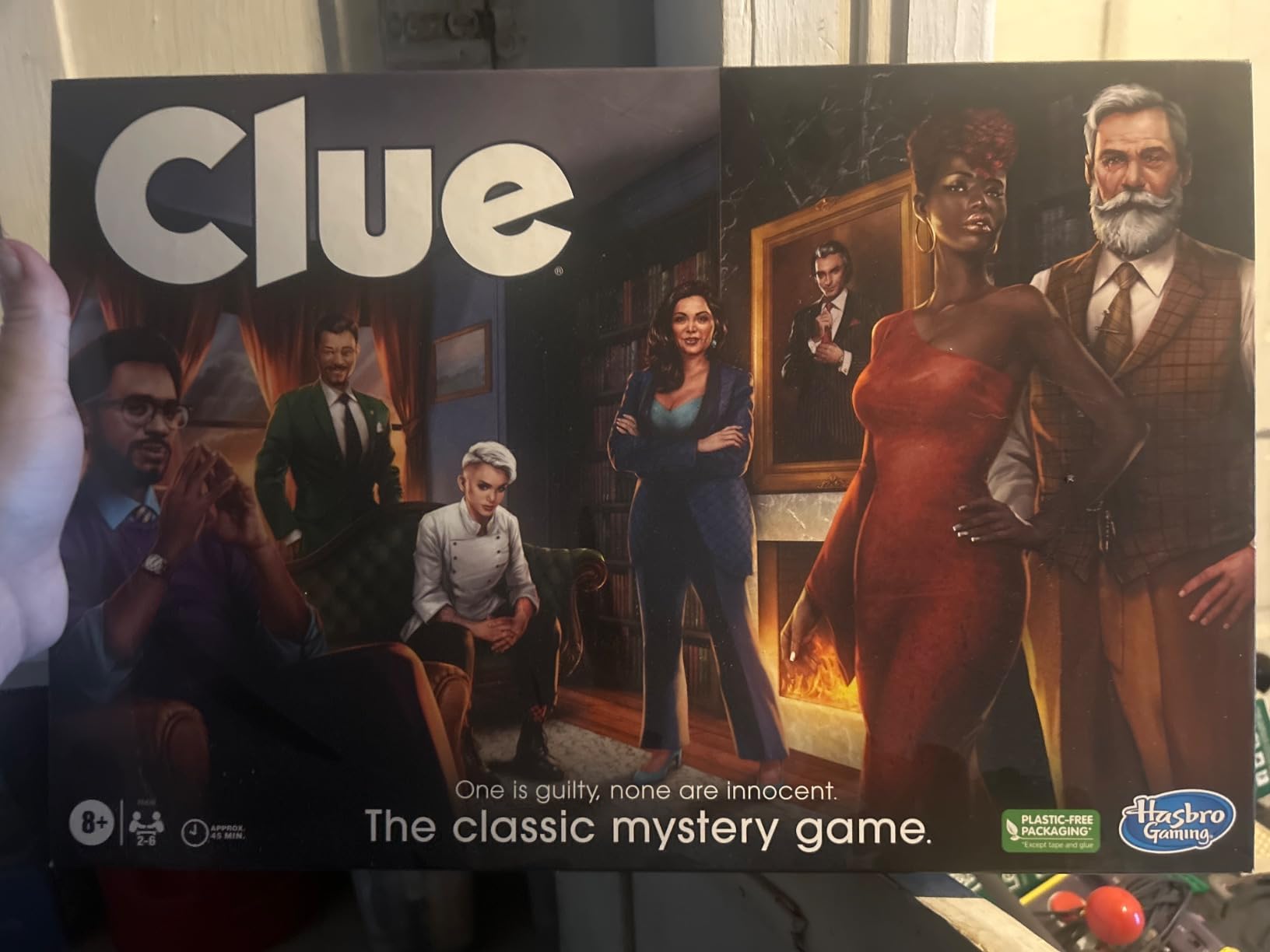
Clue is deduction: work out who committed the murder, in which room, with which weapon, and then accuse. The 2023 refresh keeps the structure and rebuilds the presentation around a Tudor Mansion setting with six suspects.
For a 10-year-old, the interesting part is that a player can force information out of opponents. The Clue card mechanic does that directly, so a child is not stuck guessing blindly while adults hold information back.
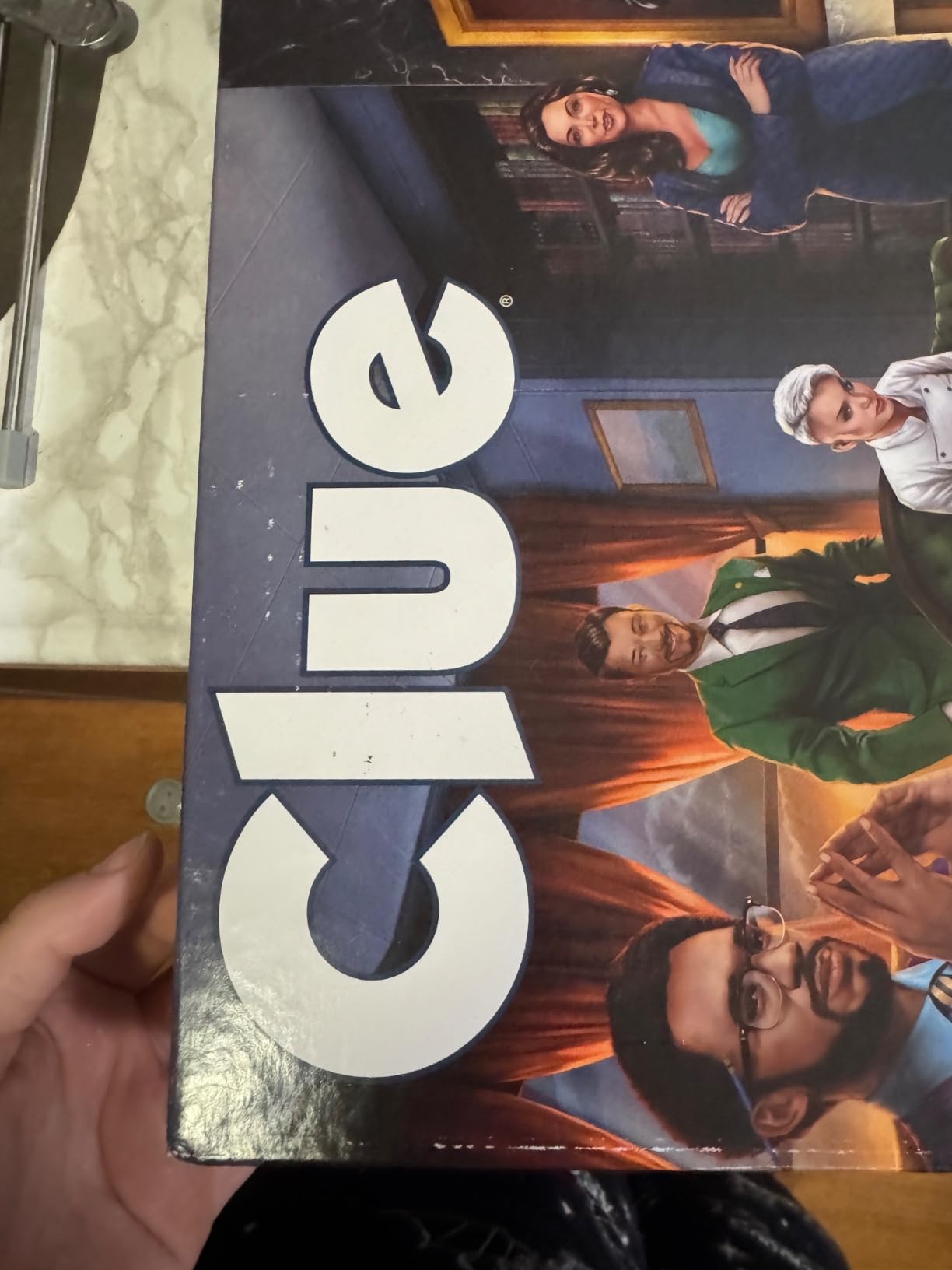
The components are notably upgraded. The box includes six textured gold-plated zinc weapon tokens, sculpted character movers, a detailed board, 50 cards, a solve envelope, a notepad and two dice, and reviewers particularly like the weight of the movers for a game at this age.
It runs about 45 minutes and handles 2 to 6 players. Buyers report that it is more fun with more than two players, which is worth remembering before buying it for a single parent and child.
Why it works at age 10?
Reasoning out loud is the skill being practised. A ten-year-old learns to form a theory, test it, and revise it, and doing that in a mystery setting is far more absorbing than doing it in a textbook.
Setup is fast and the rules cross a wide age range, so it works well in a household where a younger sibling can join the table and still contribute something rather than just moving pawns.
What to watch for?
The instruction sheet is the weak point. It is very concise and reviews specifically flag that the secret passage rules are explained unclearly, so read that section aloud twice before the first game.
The printed language can be English-only regardless of region, and there are occasional reports of missing cards in factory-sealed decks. Check the card count when the box opens.
14. Jumbo Stratego – Strategy With No Dice and No Luck
Jumbo, Stratego – Original, Strategy Board Game, 2 Players, Ages 8 Year Plus
Ages 8+
2 players
About 45 minutes
2 x 40 pieces, board and screen
Pros
- Simple rules with real strategic depth and no luck
- Classic both generations learn quickly
- Sturdy pieces with sorting trays
- Board folds flat into the box
- Strong planning practice
Cons
- Strictly a two-player game
- Non-strategy players lose interest quickly
- Younger children can struggle with setup
- Printed piece designs divide opinion
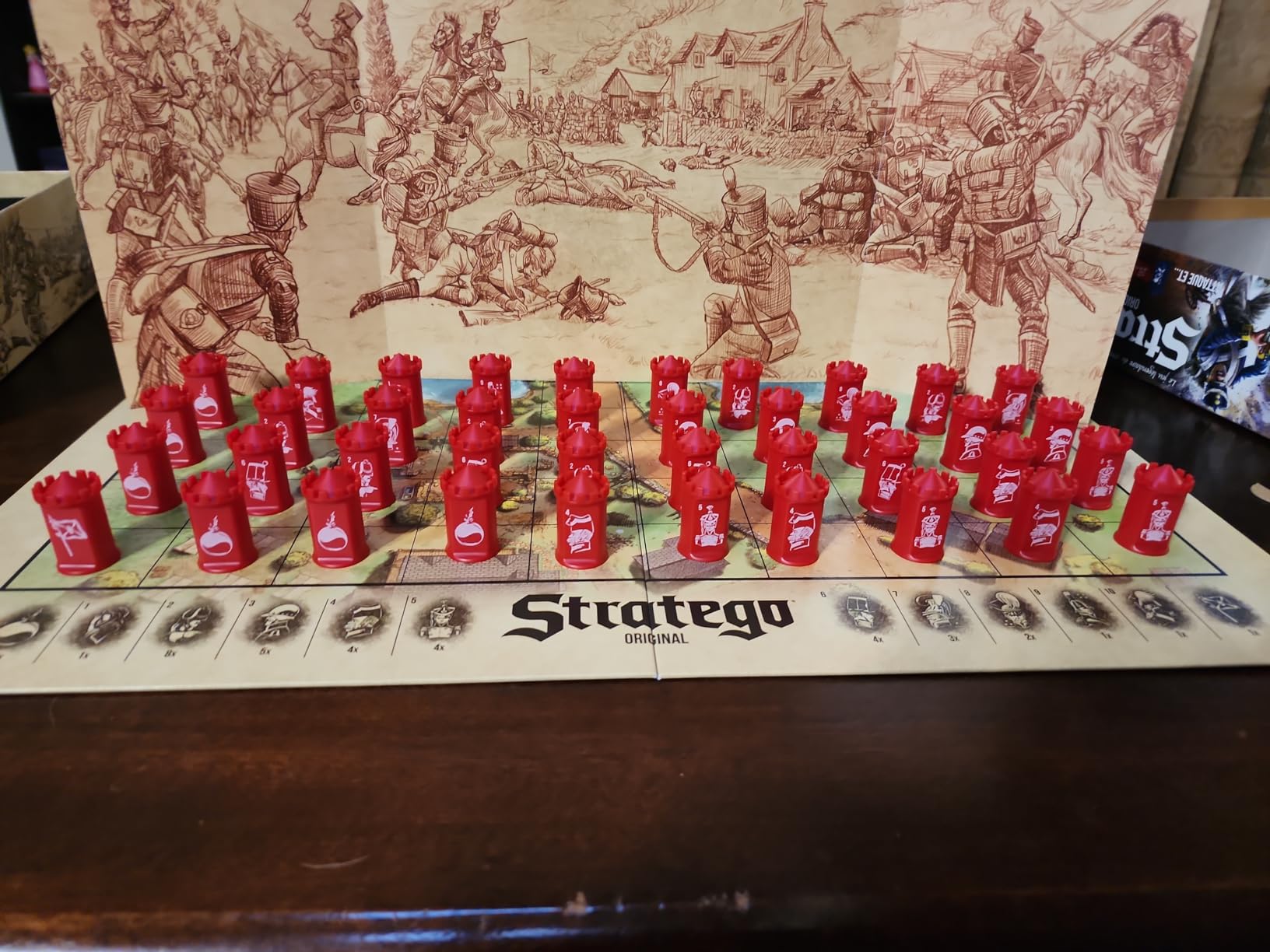
Stratego is pure hidden information. Different ranks of piece beat different ranks, a spy takes out nearly anything, and the marshal beats everything until someone drops a bomb. A screen keeps your formation hidden while you work out where the enemy pieces are.
What separates it is the complete absence of luck. Every loss is a decision you made, which makes it the game to reach for with a 10-year-old who complains that winning is random.
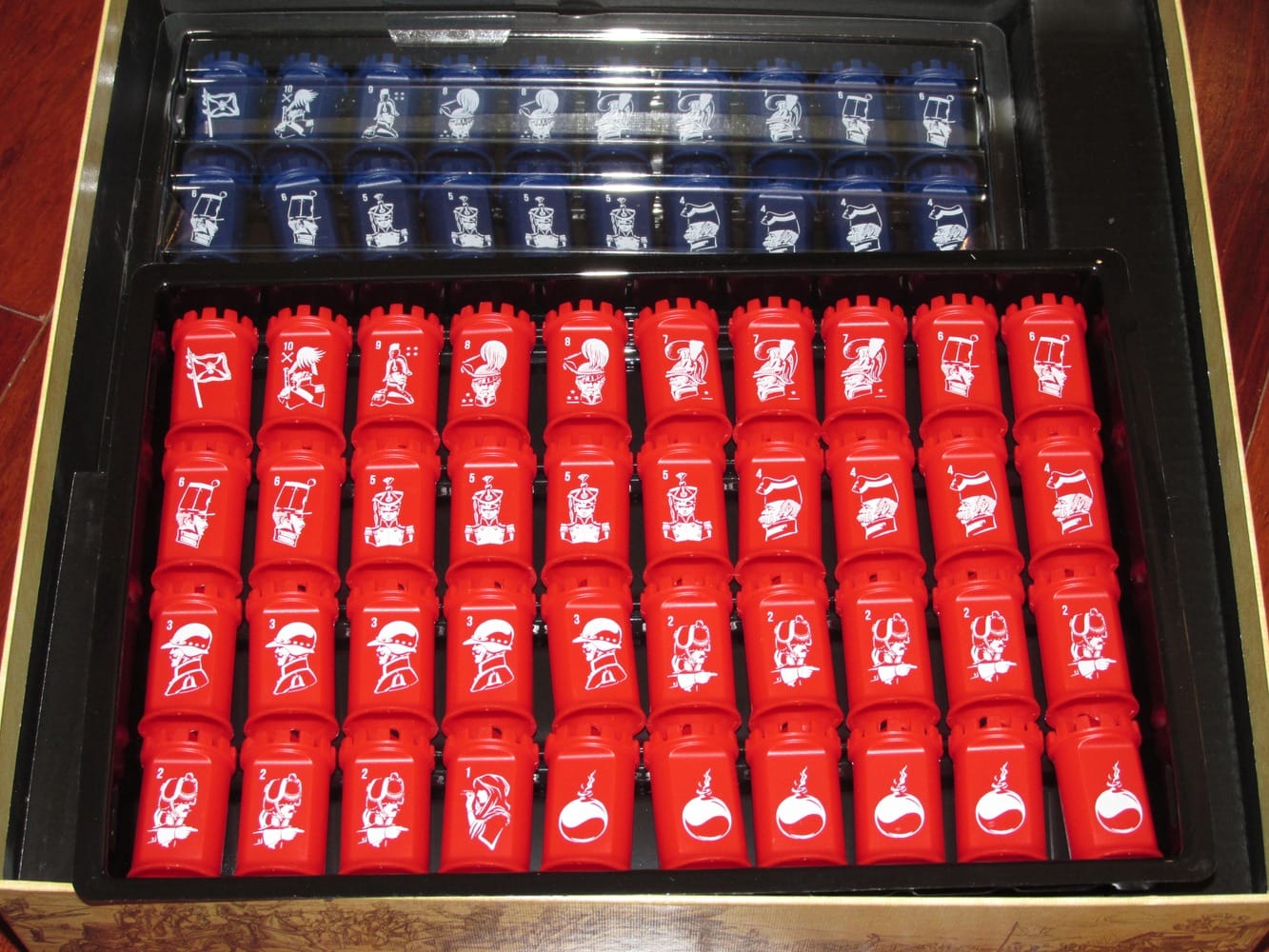
The set includes 2 x 40 pre-printed playing pieces, a gameboard, a screen and two sorting trays. The trays matter, because they turn a fiddly setup into a five-minute job, and the board folds flat to fit the box at 10.51 by 2.95 by 10.51 inches.
At 2.5 pounds it is one of the heavier boxes here, and the card and cardboard construction keeps the board flat and stable. Sessions run about 45 minutes.
Why it works at age 10?
It teaches probability-free planning cleanly. You learn to think about likely responses, bait a trap, and commit to a read on the opponent, and none of it depends on a dice roll.
Both generations know the game. That removes the teaching burden entirely, so a parent and child can start immediately, and the pieces are large enough for a child to handle confidently.
What to watch for?
It is strictly a two-player game, and reviewers call that the dominant limitation because it rules out a whole family game night. If you regularly play with three or more, skip it.
Players who are not strategy fans lose interest quickly, and some younger children struggle with the setup. The printed piece designs draw mixed reactions, which is purely a matter of taste.
15. CATAN 6th Edition – The Long Game, and What the Hour Costs You
CATAN Board Game (6th Edition) Trade, Build & Settle in the Classic Strategy Game for Family, Kids & Adults, Ages 10+, 3-4 Players, 60-90 Min Playtime
Ages 10+
3-4 players
60-90 minutes
19 hexes, 96 wooden pieces, 120 cards
Pros
- Modular hex board means no two games are the same
- Blend of strategy and negotiation with dice luck
- Wooden roads and buildings feel premium
- First-game learning curve is short
Cons
- Not a quick game and usually an hour or more
- Instructions could be better for new players
- Needs 3+ players
- Box-sealing stickers can tear the box
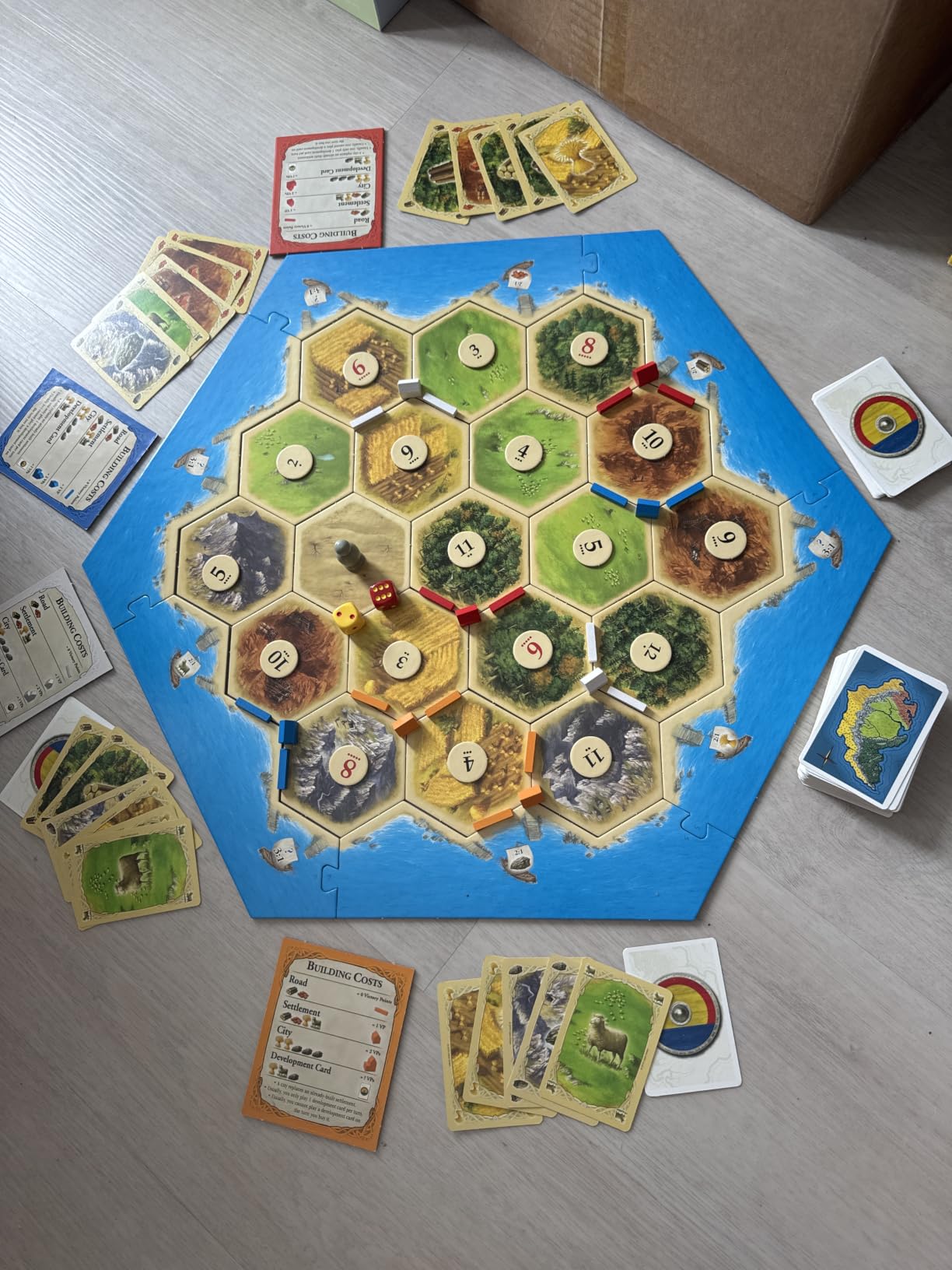
CATAN is the game the whole genre is measured against. You gather five resources, trade with everyone at the table, and build roads, settlements and cities until someone reaches ten victory points. Every game uses a different arrangement of terrain hexes.
The trading is the point. Because the bank only gives four of each resource and other players are your only supply, a 10-year-old has to ask for things, read a table, and bluff a little. That social demand is the part of the game worth putting up with the hour.
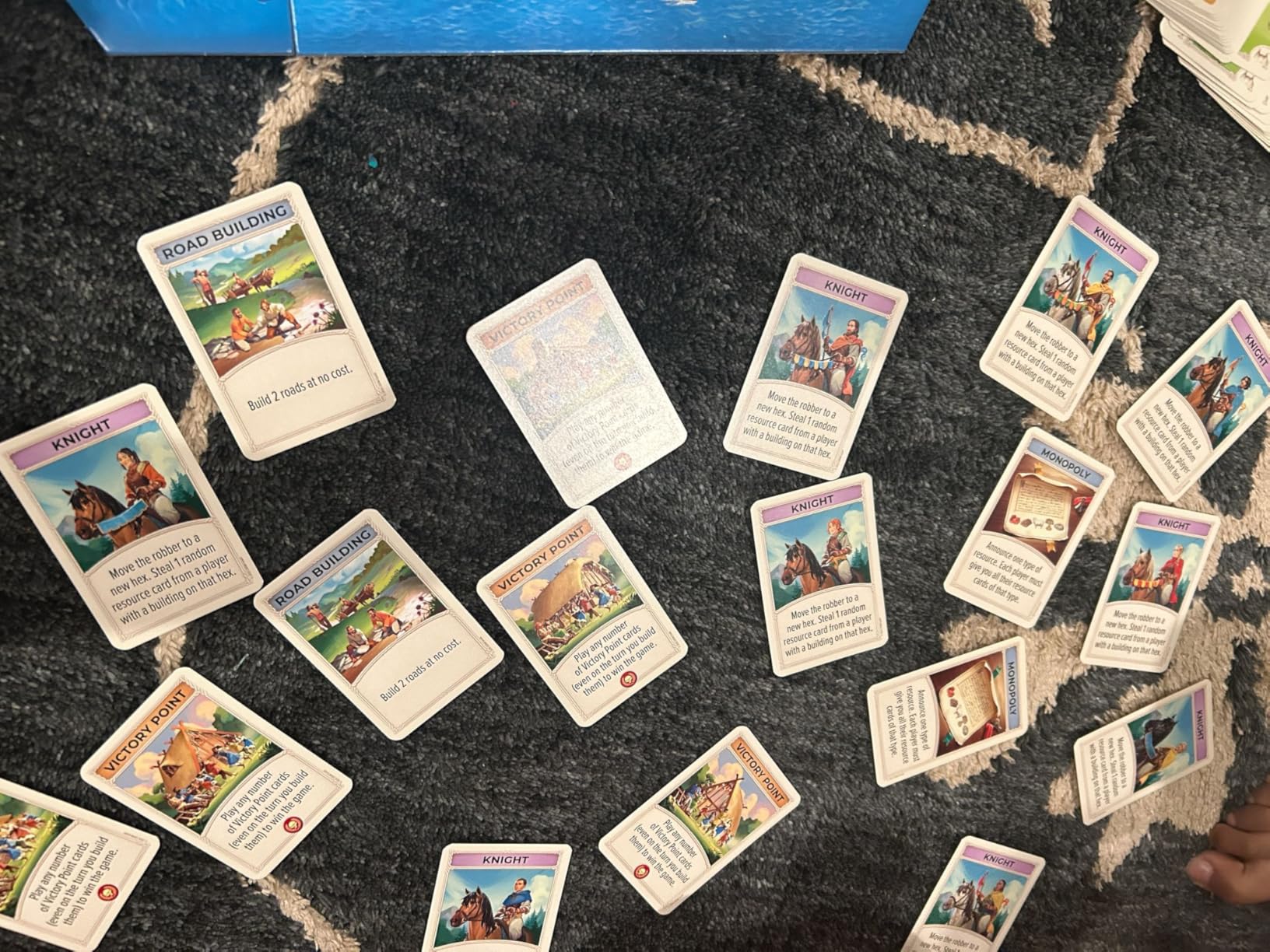
The component list is thorough: 19 terrain hexes, 6 sea frame pieces, 18 number discs, 4 player aids, 2 bonus victory point tiles, 96 wooden player pieces in 4 colours, 2 card trays, 2 dice, 120 cards and rules. Reviewers regularly single out the wooden roads and buildings as feeling more premium than plastic versions.
Our honest note is the time. Sessions run 60 to 90 minutes, which is a real commitment for a school night, and at 4.5 stars this edition sits below the rest of our picks, with the largest share of one-star reviews among the titles that report one.
Why it works at age 10?
Negotiation is a genuine adult skill, practised where losing has low cost. A 10-year-old learns to make an offer, hear a refusal, and adjust, and parents report the social side is what keeps the game interesting.
It is a gateway with no dead end. The modular board means no two games are the same, and a family that plays this regularly is playing a series rather than a single title.
What to watch for?
It needs three or four players, which rules it out for parent and child pairs and for anyone without a third and fourth player available. Plan around that before buying.
The first game carries a rules learning curve, and this edition’s instructions are not always as clear as players would like. The circle stickers sealing the box are also widely reported as hard to remove and capable of tearing the packaging.
16. Qwirkle with Trays – Wooden Pieces That Survive Enthusiastic Play
MindWare Qwirkle with Trays Strategy Board Game, 108 Wooden Tiles
Ages 6+
2-4 players
108 wooden tiles
Four storage trays included
Pros
- Rules teach in moments so new players jump straight in
- Solid wooden tiles feel durable
- Trays let players hide pieces and plan
- Broad age appeal from children to adults
- Builds spatial recognition and planning
Cons
- Better suited to small groups than large gatherings
- Limited depth for experienced tabletop players
- Penalty scoring can frustrate younger children early
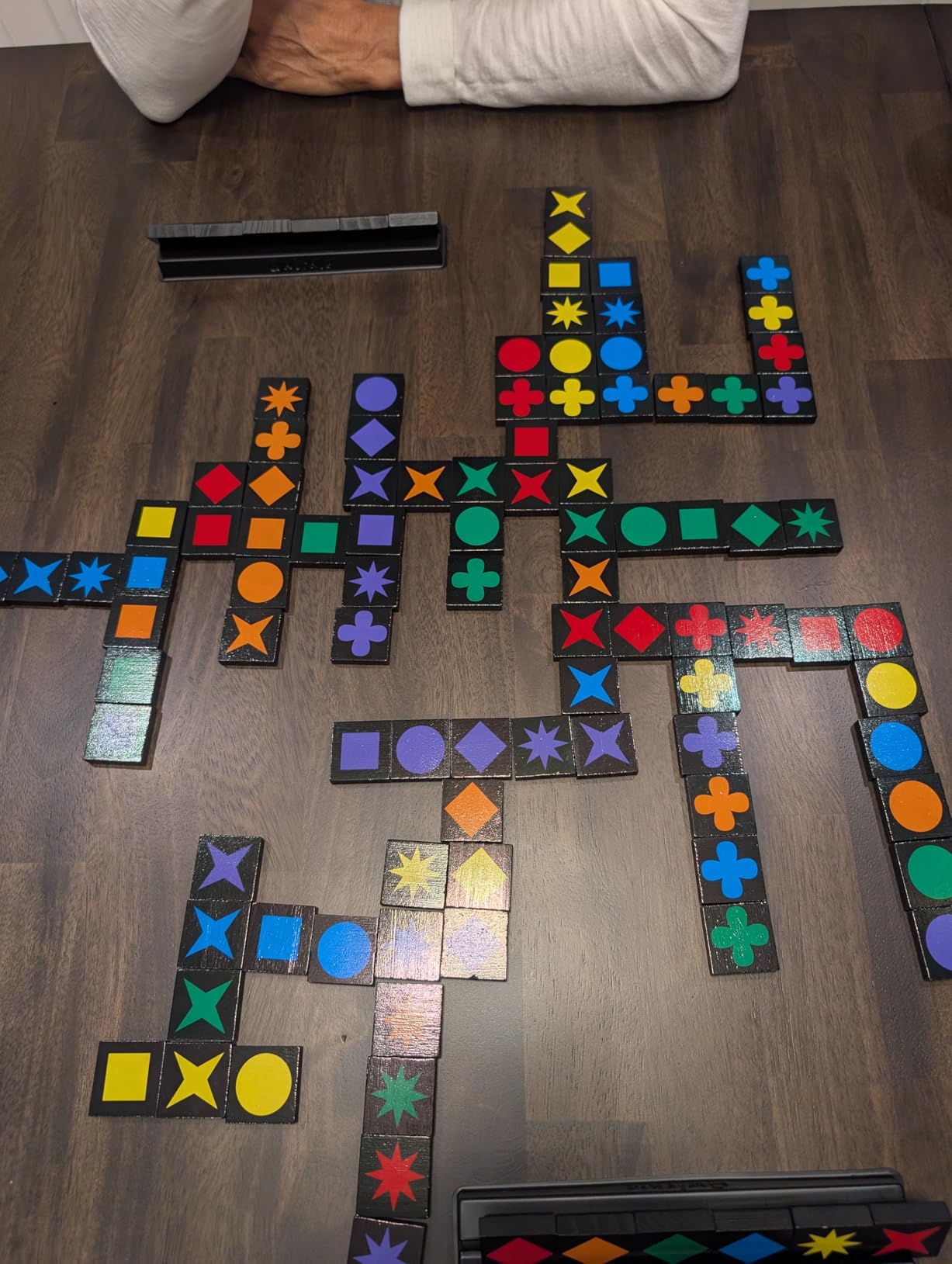
Qwirkle is simple to state and surprisingly hard to play well. Build lines of tiles that match by colour or by shape, and score for how many you add. There are 108 solid wooden tiles covering 36 colour and symbol combinations, three of each.
For a 10-year-old, the appeal is that a game can be won in the first two minutes by accident and still be competitive at minute forty. The pattern-matching is intuitive, and the decisions about which line to extend are the real game hiding underneath.
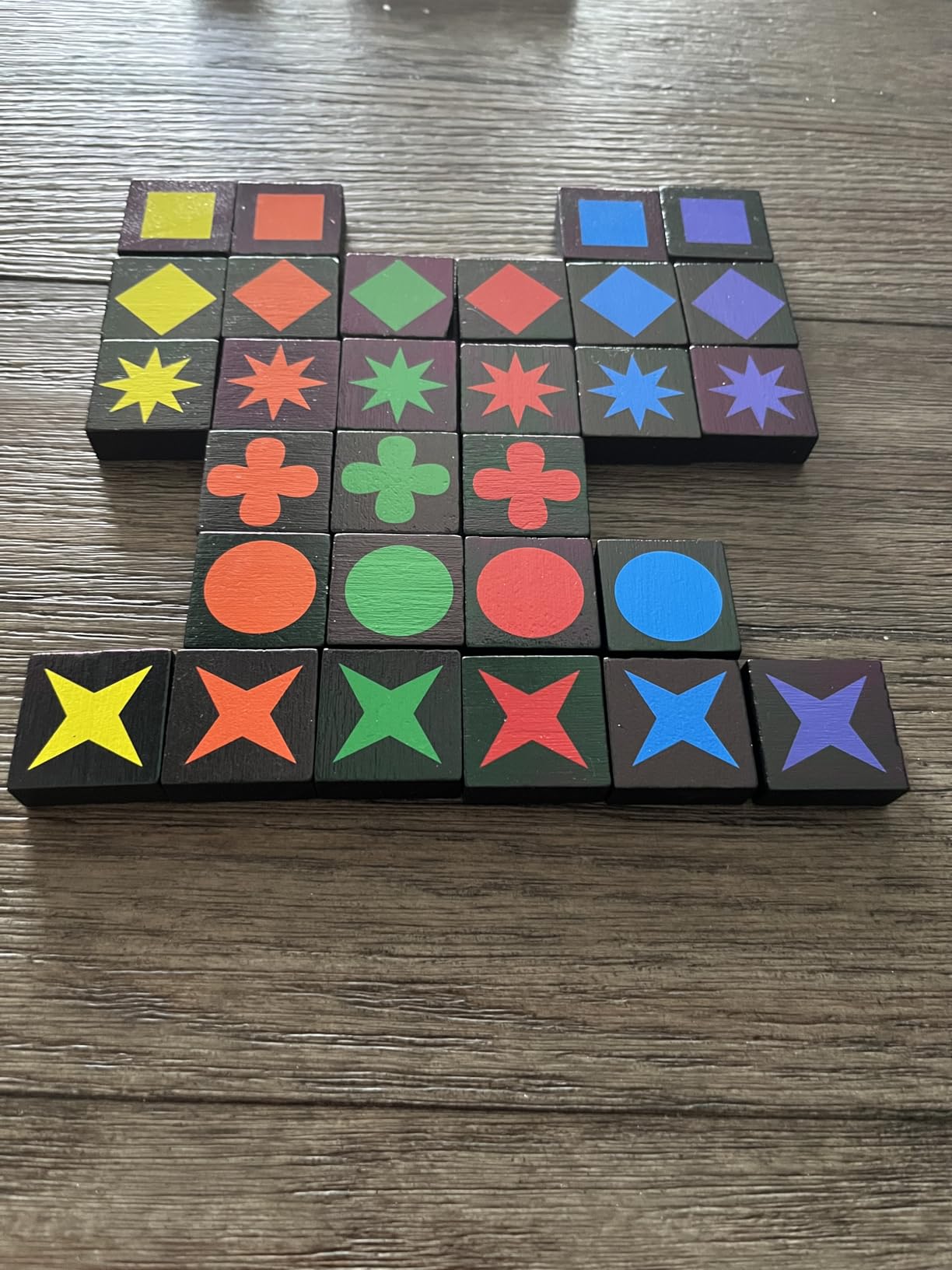
This is the deluxe edition with trays, and the trays change it. Players hold their tiles in a four-section tray and can see their own options without revealing everything, which adds a planning layer the basic version does not have. It also solves the storage problem completely.
Reviewers describe the rules as teaching in moments and the tiles as feeling durable and premium. The box measures 9.76 by 9.72 inches and weighs 0.75 kg, so it is compact and easy to shelve.
Why it works at age 10?
It is a forgiving strategy game. A wrong move costs points rather than ending your game, so a 10-year-old who is still learning to think ahead stays in the game and can recover.
It also survives handling. Solid wooden tiles do not bend, tear or disappear into a sofa, which is exactly the practical quality that decides whether a family game gets played in year two.
What to watch for?
It is built for 2 to 4 players, and reviewers note it suits small groups better than large family gatherings. A seventh player does not have a seat here.
The depth is limited for experienced tabletop players, and the penalty scoring for overplaying a row can frustrate younger children early on. Worth playing one round before committing the family to it.
17. Harmonies – The Pick When Only One Person Is Free to Play
Asmodee Harmonies Board Game – Create Oneiric Landscapes, Strategic & Poetic Gameplay, Fun Family Game for Kids & Adults, Ages 10+, 1-4 Players, 30 Min Playtime, (Multilingual Edition)
Ages 10+
1-4 players
About 30 minutes
120 wooden tokens, 79 animal cubes
Pros
- Exceptional art and tactile tokens build a 3D terrain scene
- Very easy to teach with real tactical depth
- Excellent solo mode plus 1 to 4 players
- Three difficulty levels and advanced cards aid replay
- Excellent in-box component storage
Cons
- Minimal player-to-player interaction
- Scoring feels complex on a first playthrough
- Limited board space can cause decision paralysis
- Solo tile market can stagnate
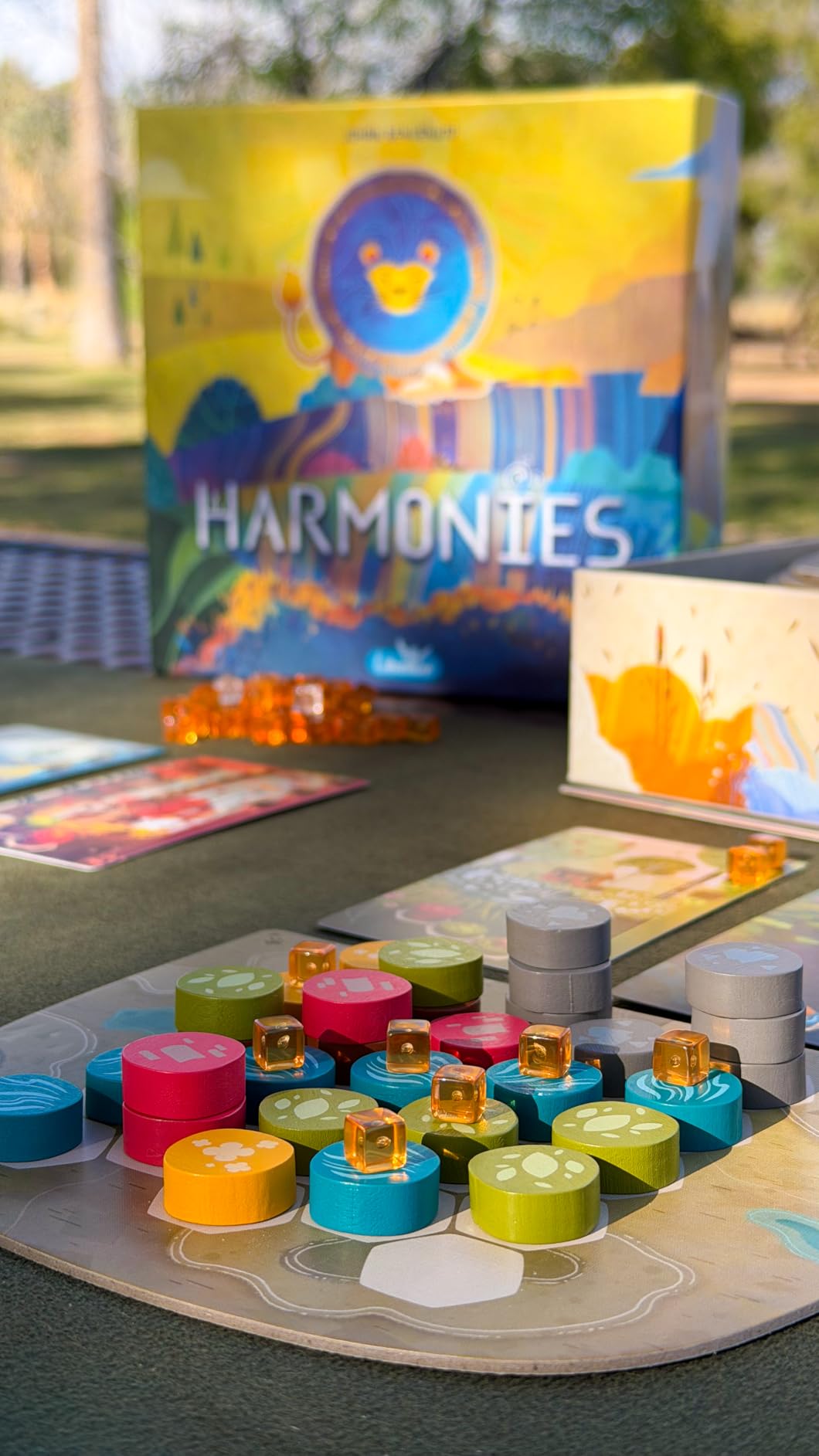
Harmonies is the one game here a 10-year-old can play alone, and that turns it from a social game into a habit. You build a dreamlike terrain by placing tiles and matching animals, and its 4.9 rating across 876 reviews is the highest of everything we tested.
It is the quietest option in this roundup. Reviewers describe it as playing more like multiplayer solitaire, which is a warning if you want a rowdy evening and a reassurance if the child prefers thinking alone to shouting across a table.
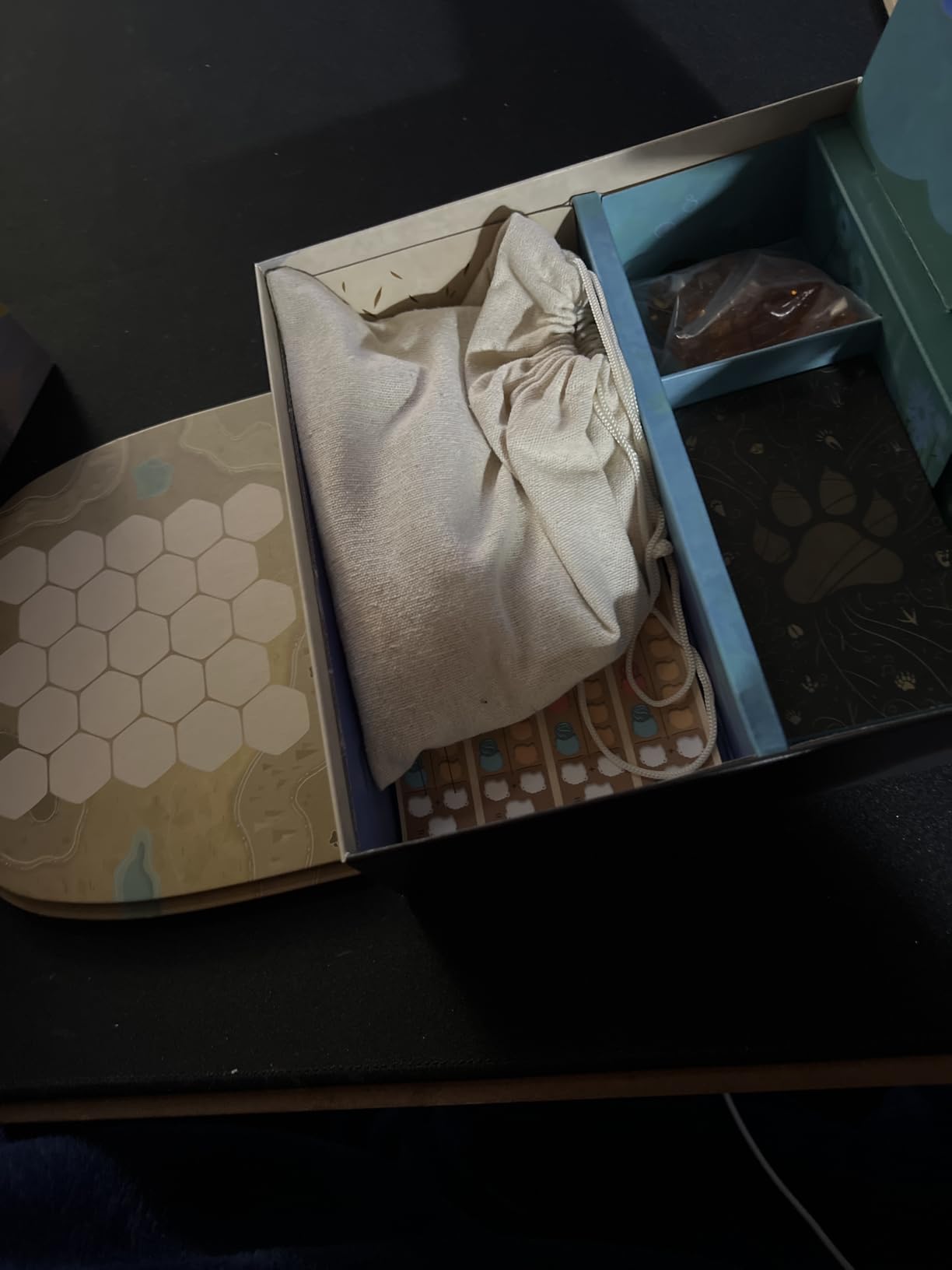
The component list explains the rating. You get a central board, 4 personal boards, 120 tokens, 79 animal cubes, 32 animal cards, 10 Nature’s Spirit cards, a reminder card set, a pouch, a scoresheet pad and a rulebook, all stored in the box. Nothing gets lost, which we appreciated more than expected.
Replay value comes from three difficulty levels plus the advanced Nature’s Spirit cards. The art direction is the most praised element in every review, and the wooden tokens are the kind of thing a child picks up and handles when nobody is playing.
Why it works at age 10?
Solo playability is the underrated feature here. A child who has finished game night with the family can still open this box and play, which is the difference between a game that teaches independence and one that waits for adults.
The rules are straightforward to teach despite the tactical depth, and the manufacturer rates it 10 and up, so it sits squarely in this age band while still engaging an adult at the same table.
What to watch for?
Player-to-player interaction is minimal by design. If your goal is talking, laughing and bluffing, this is the wrong box, and reviewers are consistent on that point.
Scoring can feel complex on a first playthrough, and the limited board space sometimes triggers decision paralysis. The solo tile market can also stagnate over many plays, so it is a strong title rather than an endless one.
18. CATAN Junior – A Soft On-Ramp to the Series
CATAN Junior Board Game – Swashbuckling Adventure for Young Pirates! Strategy Game, Fun Family Game for Kids and Adults, Ages 6+, 2-4 Players, 30 Minute Playtime, Made by CATAN Studio
Ages 6+
2-4 players
About 30 minutes
Pirate theme, 2-4 players
Pros
- Simplified rules that kids grasp after one session
- Excellent gateway to the full Catan series
- Quick 20-30 minute playtime
- Colourful pirate theme with plastic miniatures
- Thick punch-out resource tiles
Cons
- Too few decisions for seasoned strategy players
- Ghost Captain piece is overpowering in two-player games
- Board insert does not fit well
- Plastic miniatures feel flimsy
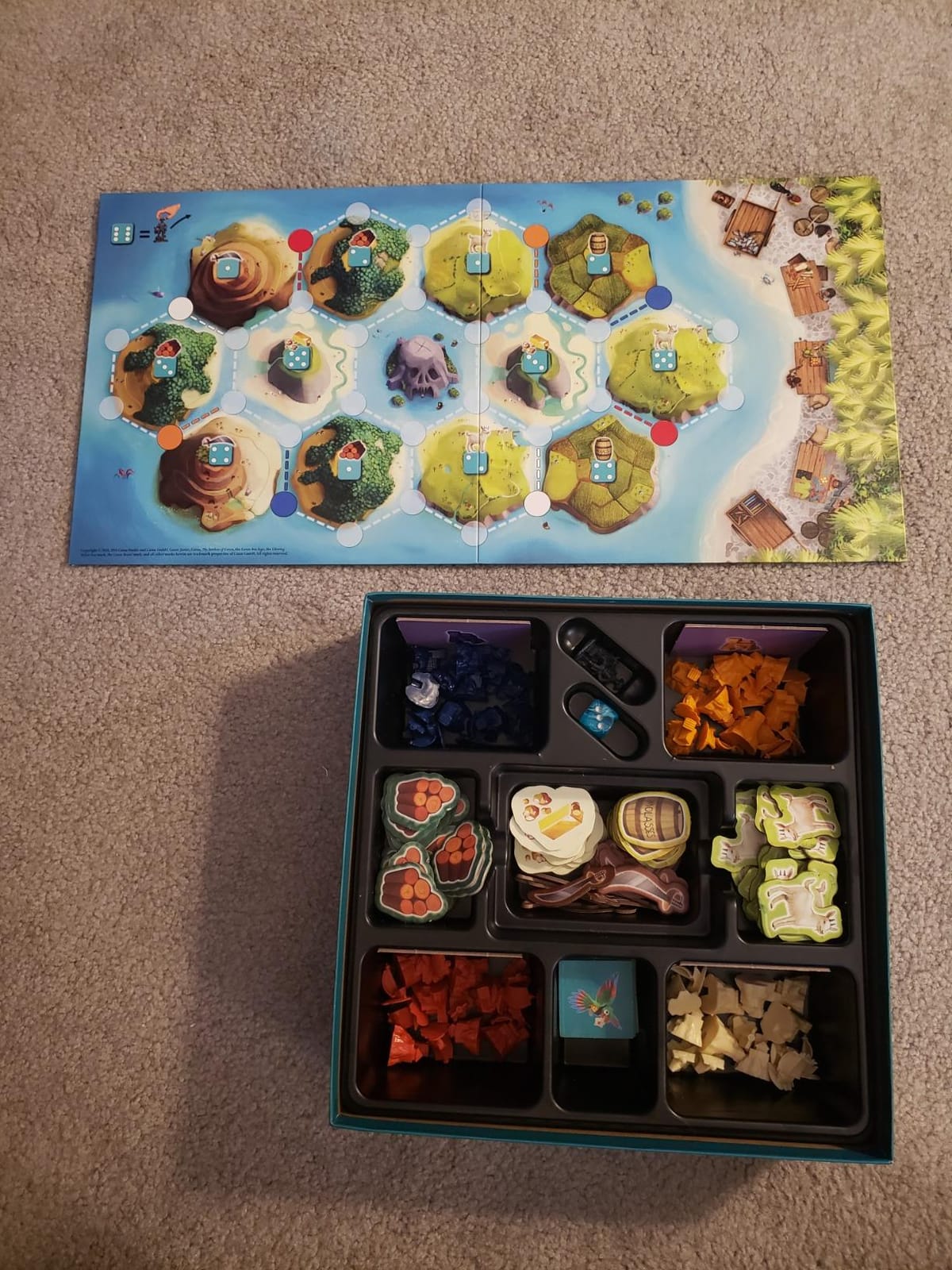
CATAN Junior is the version a younger child or a cautious beginner can actually finish. You settle islands, build ships, and trade at a market, with rules simplified enough that a 10-year-old understands the whole system after one session.
Its real job is a bridge. Parents consistently describe it as an excellent introduction to the Catan family, and a child who gets through this version on their own is far more likely to survive the full edition a year later than a child handed the big box cold.
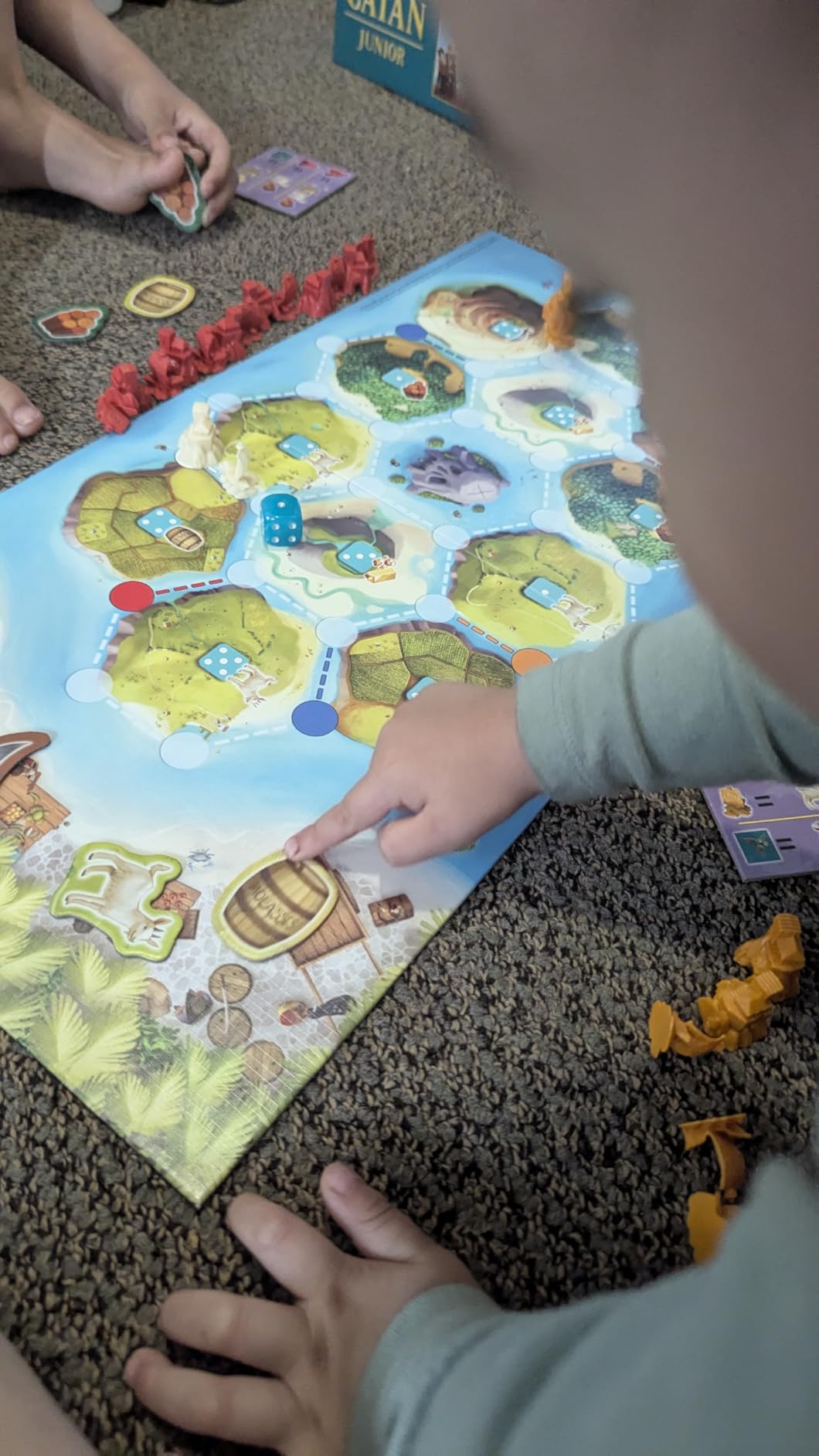
The pirate theme does real work. Plastic miniatures and a ring of tropical isles including Spooky Island give it strong table presence, and the thick colourful punch-out resource tiles feel well made in the hand.
It handles 2 to 4 players with a 30 minute average, so it is easier to get a game on the table than the full edition. The box measures 10.5 by 10.5 by 3.25 inches and weighs 2 pounds.
Why it works at age 10?
Ten is the right moment for this rather than too early. A 10-year-old has usually outgrown children’s games and is ripe to learn a system with real resource management, and this version supplies the shape of that system without the heavy first-game overhead.
It also gives a family with mixed ages a single entry point. The younger sibling can genuinely play rather than watch, which answers the problem families raise most often in discussions about large age gaps.
What to watch for?
It is not deep enough for a child who already plays a real strategy game, and reviewers note too few decisions for seasoned players. A determined 10-year-old can exhaust it in a few sessions.
The Ghost Captain piece is reported as overpowering in two-player games, the plastic miniatures feel slightly flimsy, and the board insert seems repurposed and does not fit well. Check the insert before relying on it for storage.
How to Choose: Five Criteria That Matter at Age 10?
Every list of board games for 10 year olds looks reasonable on paper. The failures happen for a handful of repeatable reasons, and all five of them are testable before you buy anything. We have used these same five filters to sort the 18 picks above.
1. Teach time before anything else
Teach time is the minutes an adult needs to explain the rules before the first turn. It is the single biggest predictor of a failed game night, and it is not printed anywhere on the box.
Under five minutes is a safe zone: SEQUENCE, Blokus XL, Qwirkle, Hues and Cues and Othello all qualify. Fifteen minutes is workable if the group is engaged. Anything needing a demonstration, like 7 Wonders Duel or Risk, needs a table that is already in the mood.
2. Player count has to match your actual table
This is where most purchases go wrong. Count how many people are usually there, then add two, because a game that needs four players dies faster than a game that is merely repetitive.
Two players only narrows the field to 7 Wonders Duel, Ravensburger Othello and Jumbo Stratego. A large group points to Sequence, Hues and Cues, Carcassonne or Sorry!. Match the number of seats, not the marketing.
3. Downtime decides whether a game survives
Downtime is the time a player spends watching others think. A 10-year-old tolerates almost none of it, and a game that feels like waiting gets quietly abandoned in favour of a screen.
Quick-turn games such as Labyrinth, Hues and Cues, Dragonwood, Blokus XL and SEQUENCE have almost none. Longer games such as Carcassonne and CATAN have some, and a child who is prone to drifting will notice it quickly. Fast, physical turns keep the table together.
4. Reading load is still a real constraint
A 10-year-old can usually read, but reading a rulebook under pressure is different from reading a page. Games that can be taught out loud in a couple of sentences, with icons doing the work, save an evening every single time.
Games that require no reading at all, such as Taco Cat Goat Cheese Pizza, Blokus XL and Hues and Cues, are the safest options for a mixed-age table. Families with a younger sibling often search specifically for this, and it is a reasonable thing to prioritise.
5. Replayability, and an honest look at what to skip
Look for a source of variation in the box itself. A modular board such as CATAN’s, a shuffled deck such as Labyrinth’s maze cards, or a drafting order that changes such as Carcassonne’s tiles all produce different games without new components.
Now the negative recommendations, which almost no competitor in this space gives you. Skip very long rulebooks at this age. Skip games with heavy player elimination, which ends a child’s evening early and feels personal. Skip long downtime. Skip games where a lost evening produces nothing to talk about, because those simply do not get a second play.
How to read the minimum age on the box?
Treat the printed minimum age as a floor, not a target. It tells you the youngest child a publisher tested the game with, not the age at which it stops being interesting.
Families in forum discussions regularly play games rated 10+ with children well under that, and one parent wrote plainly that their youngest has been playing a 10+ rated game since age six. The reverse also holds: a game rated 6 and up can bore a 10-year-old, and CATAN Junior is rated 6 while the full edition is rated 10 for good reason.
One more practical note. If a collection starts growing, storage becomes the next problem before anyone expects it. Games with in-box storage, such as Harmonies, Qwirkle with trays and the Ravensburger Othello, quietly win that argument later.
While you decide, it can help to think of the rest of the family’s downtime too. A game night is easier to protect when the rest of the week has something screen-free in it, and we have covered best Peloton alternatives and elliptical machines for indoor activity when the weather keeps everyone in. We have also covered podcasting microphones and webcams for projects that keep a screen-free evening from turning back into a screen-heavy one.
Frequently Asked Questions
What are the top 10 board games for 10-year-olds?
Our first ten picks are Taco Cat Goat Cheese Pizza, SEQUENCE, Sorry!, Azul, Carcassonne, Labyrinth, Blokus XL, 7 Wonders Duel, Ravensburger Othello and Hues and Cues. Between them they cover every common table size, from two-player duels to a ten-player party, and nine of the ten teach their rules in minutes rather than pages.
What are some good board games for a family game night?
For a whole family, start with SEQUENCE, which handles two to twelve players including teams, or Labyrinth, which runs 20 to 30 minutes with no long thinking pauses. Blokus XL is the best option when the table is exactly four people, and Hues and Cues stretches from three to ten players for larger gatherings.
What is the most popular game for 10 year olds?
With a 4.8 rating across 54914 reviews, Taco Cat Goat Cheese Pizza is the most widely reviewed game in this roundup, and it is our top pick. SEQUENCE and Sorry! follow it closely on review volume, and both are the games most adults have already played at least once.
What board games do 11 year olds play?
At 11 most children move toward drafting and building games. Azul, 7 Wonders Duel, Harmonies and the full CATAN edition all sit comfortably in that band, and each one runs 30 to 90 minutes. The overlap group between the 10 and 12 year old range is where the biggest jump in difficulty sits, so buy for the bottom of the range rather than the top.
What are some good board games for children under 10 years old?
Ten is a transition age, so many picks here stretch down. Sorry!, CATAN Junior and Qwirkle with trays are all rated for children under 10 and still hold a 10-year-old’s attention, while Taco Cat Goat Cheese Pizza needs almost no reading at all. For a very young child joining a family table, the games with no reading requirement are the safest starting point.
The Verdict
The best board games for 10 year olds are the ones that start instantly and survive repeat plays. Taco Cat Goat Cheese Pizza is the safest first box because its entire ruleset fits on one card and it works for 2 to 8 players. SEQUENCE is the one to buy when the player count changes every week, and Azul is the one to hand over when a child is ready to plan a move ahead.
Beyond those three, the shape of your table decides the rest. Four players means Blokus XL. Two players means Othello or 7 Wonders Duel. A family with a wide age gap means Labyrinth, Carcassonne or Qwirkle with trays. A child who needs something to play alone means Harmonies.
Start with one game and play it four times before buying another. The families who end up with a shelf full of games that get played are the ones that resisted buying in bulk, and for this age that habit is worth more than any single title on the list. If you tell us the ages and the player count in your household, we can narrow this down to two or three.