
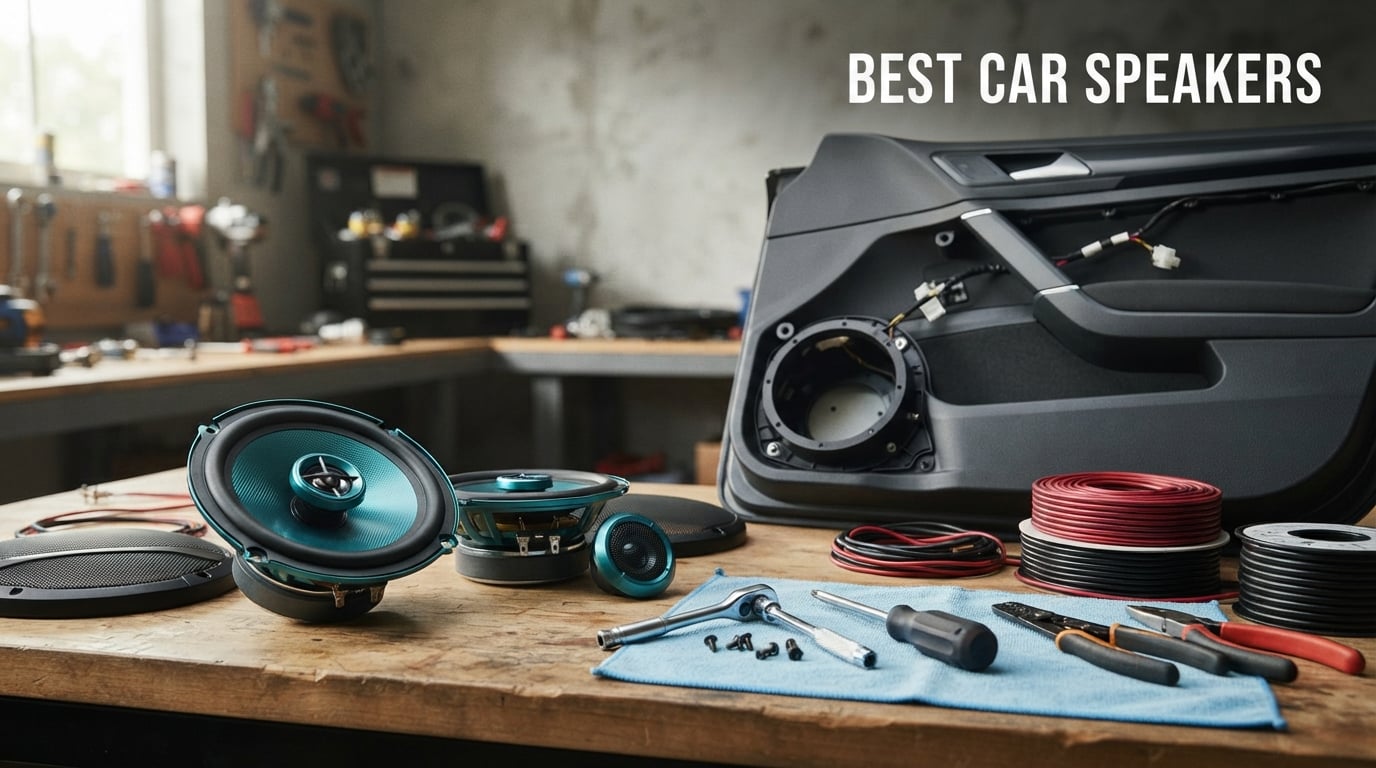
The best car speakers for most people are the Rockford Fosgate P1683 6×8 3-way coaxials. They carry 65W RMS, use a mineral-filled polypropylene cone with a butyl rubber surround, and their FlexFit slotted basket makes alignment far easier than a typical 6×8 replacement.
That answer assumes one thing, and it is the thing most roundups bury: fit. Mounting depth, screw pattern and door or deck clearance decide whether a speaker works in your car at all, and they matter more than any spec sheet. Measure before you buy, then choose from the size your car actually uses.
Below we rank 12 sets across 6.5 inch, 6.75 inch, 6×8, 6×9 and 5.25 inch formats, split into coaxial and component designs, and give you the spec method to match them to your head unit or amplifier. Two of these are component systems with separate tweeters and external crossovers. The other ten are coaxials, where the woofer and tweeter share one frame.
We did not bench-test these on laboratory gear. Every rating, review count and specification here comes from verified listing data, and the verdicts lean on what owners report on car audio forums and retailer Q&A threads about fit, clarity and long-term reliability. When a listing omits a figure such as sensitivity or mounting depth, we say so rather than filling in a guess.
If you are also shopping speakers for the house or the desktop, our guides to the best smart speakers and the best computer speakers cover that side of the market. This page stays in the car.
Table of Contents
Top 3 Best Car Speakers in 2026
The Rockford Fosgate P1683 takes the top slot on the combination of rating and owner volume: 4.6 stars across 9500 reviews, with 65W RMS and a three-way layout that separates the high frequencies properly. The JVC CS-J620 wins on efficiency, since 92 dB sensitivity means a factory head unit can drive it without strain, and it carries the largest review base in this list at 10204 ratings. The Kicker DSC6930 is the pick when you want low-end weight from a door or rear deck speaker and reach down to 30 Hz without a subwoofer.
All 12 Car Speakers Compared in 2026
| Product | Specifications | Action |
|---|---|---|
 Rockford Fosgate P1683 Rockford Fosgate P1683 |
|
Check Latest Price |
 JVC CS-J620 JVC CS-J620 |
|
Check Latest Price |
 Pioneer TS-F1634R Pioneer TS-F1634R |
|
Check Latest Price |
 Pioneer TS-G6820S Pioneer TS-G6820S |
|
Check Latest Price |
 Kicker DSC6930 Kicker DSC6930 |
|
Check Latest Price |
 Kicker DSC650 Kicker DSC650 |
|
Check Latest Price |
 Pioneer TS-A1671F Pioneer TS-A1671F |
|
Check Latest Price |
 JBL GTO609C JBL GTO609C |
|
Check Latest Price |
 RECOIL REM65 RECOIL REM65 |
|
Check Latest Price |
 Kenwood KFC-1666R Kenwood KFC-1666R |
|
Check Latest Price |
 Kenwood KFC-1366S Kenwood KFC-1366S |
|
Check Latest Price |
 Alpine S2-S65 Alpine S2-S65 |
|
Check Latest Price |
1. Rockford Fosgate P1683: Best Overall Car Speakers for Most Vehicles
Rockford Fosgate P1683 Punch 6×8 3-Way Coaxial Full Range Speakers (Pair)
6x8 3-way
65W RMS
4 ohm
Mineral-filled polypropylene cone
1-year warranty
Pros
- 65W RMS handles real power without distorting
- FlexFit basket eases alignment
- butyl rubber surround resists UV and fatigue
- included OEM adapter plate
- three drivers for wider bandwidth
Cons
- Only 6x8 fitment
- so most sedans rule it out
- sensitivity not published by the brand
- benefits most from an amplifier
The P1683 is the set we keep coming back to because it does the boring things well. A three-way design means the dome tweeter handles only the top octaves while a separate super tweeter takes the highest frequencies, so the mids stay clearer than in a two-way frame. At 4.6 stars and 9500 reviews it is also one of the most thoroughly owner-tested sets in this category.
Build quality is the quiet strength. The cone is mineral-filled polypropylene rather than plain polypropylene, the surround is butyl rubber, and the FlexFit basket uses slotted mounting holes so you can line the driver up with an existing hole pattern without fighting drilled metal. Owners installing these in Ford and Lincoln trucks and SUVs commonly note that the included OEM adapter plate is the difference between a 20-minute job and a return trip to the store.
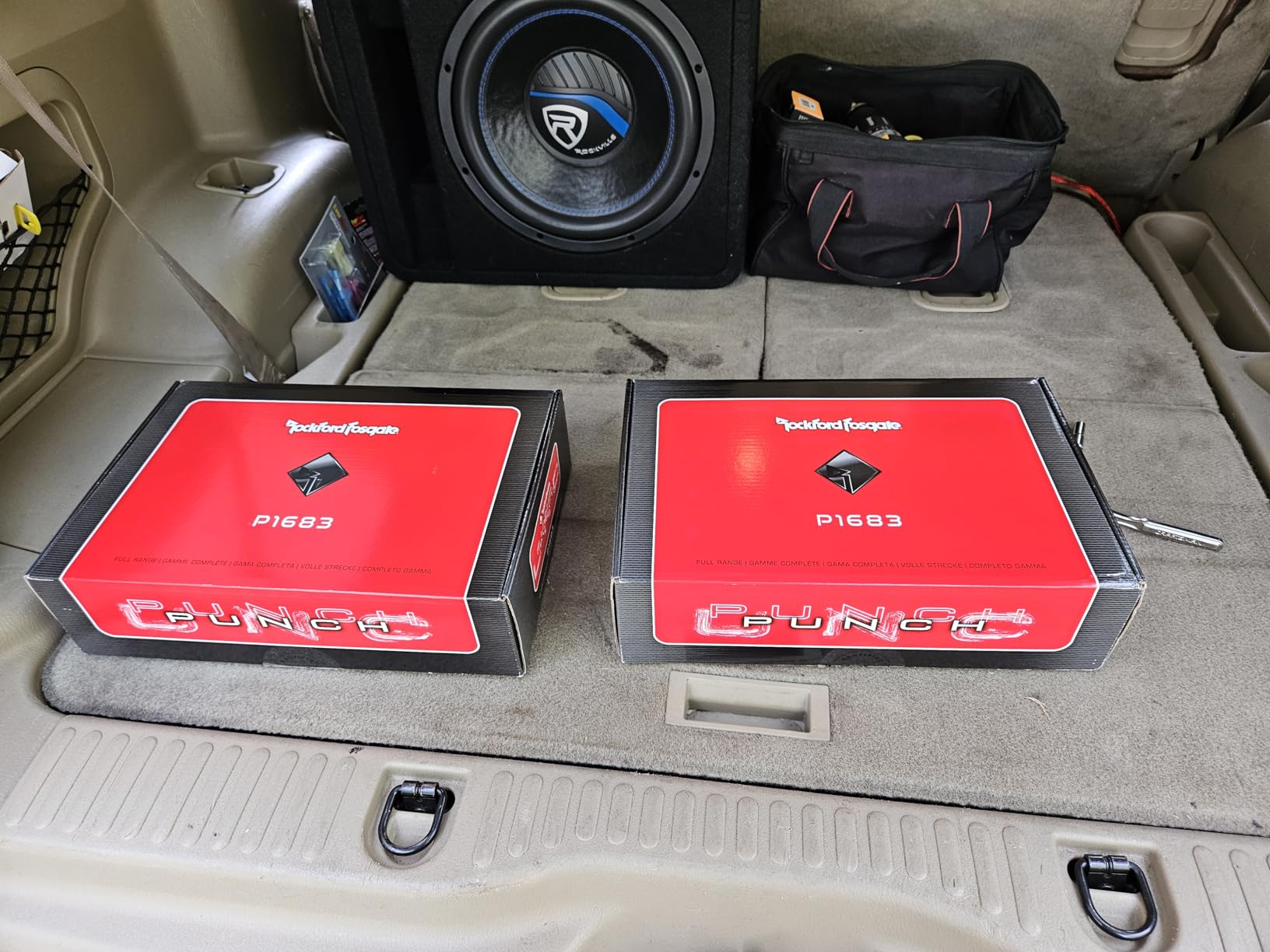
Where it lands short is paper, not sound. Rockford does not publish a sensitivity figure for the P1683, and 65W RMS is well above what a factory head unit delivers, so a large share of the potential is unused until an amplifier is added. The 6×8 footprint is also restrictive, since this is not a universal front-door speaker for a compact car.
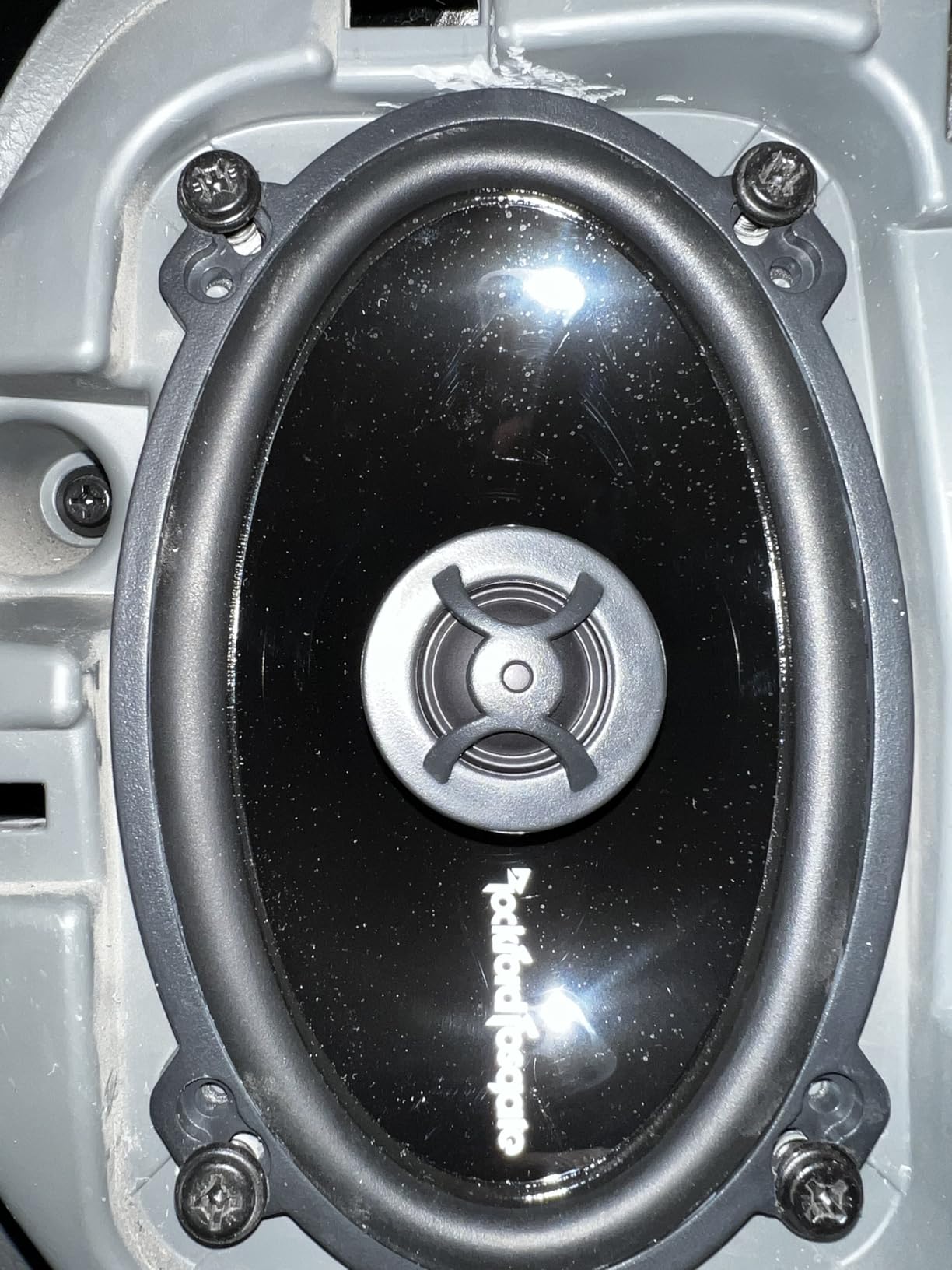
What the FlexFit basket actually saves you
Factory speaker openings are rarely a perfect match for a new driver’s screw pattern. The FlexFit basket on this set uses elongated slots rather than round holes, so the speaker shifts slightly in any direction to line up with existing mounting points. On a truck door that means no drilling, no adapter hunt and a rubber gasket that still seats properly.
When to skip this set
If your car uses 6.5 inch or 6.75 inch front door speakers, or you drive a sedan with a rear deck that takes 6×9 units, this is the wrong shape entirely. It also needs a clean, damped mounting surface to sound its best, and an untreated door panel will produce rattle and smearing that no amount of cone quality fixes.
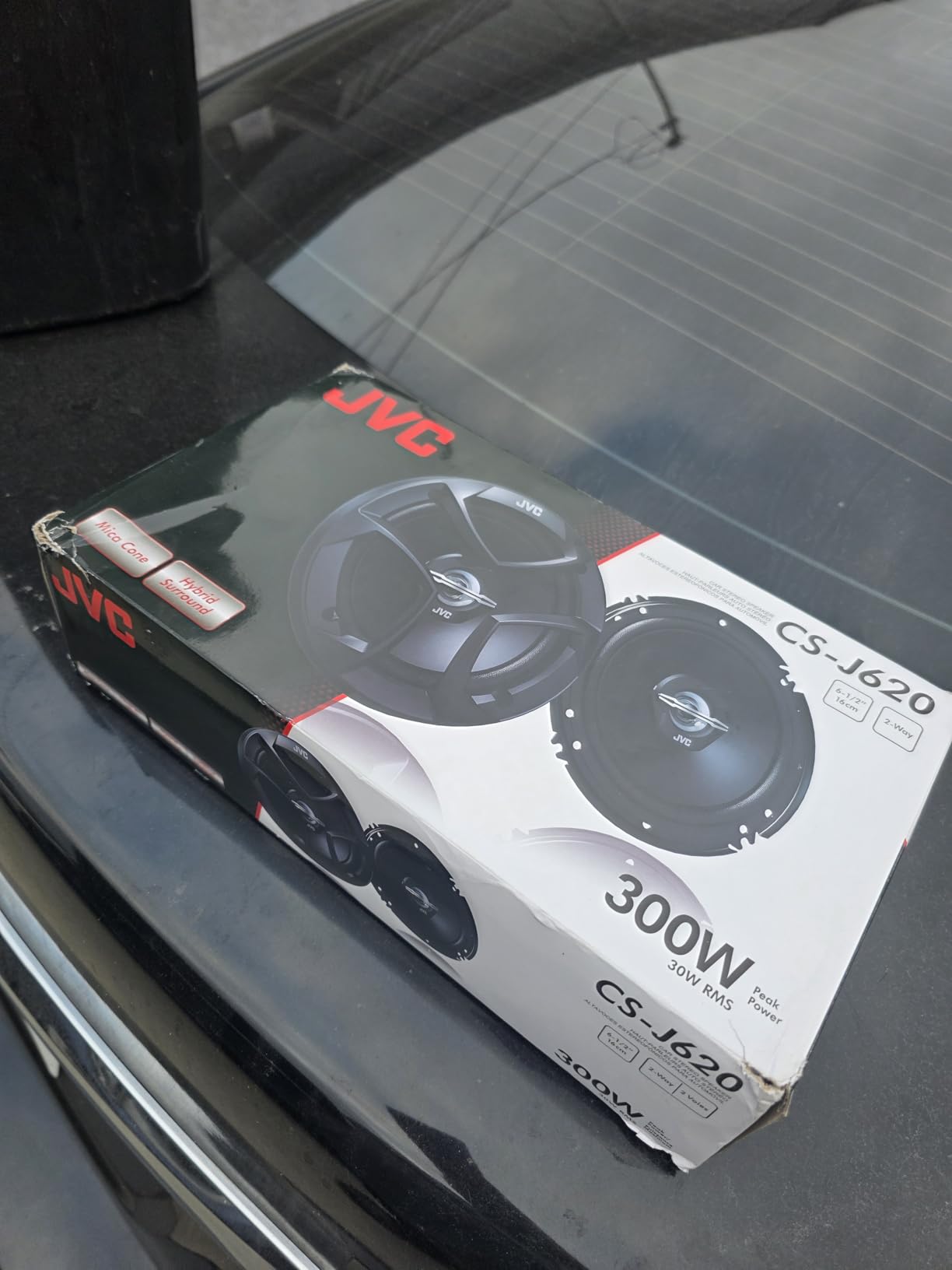
2. JVC CS-J620: Budget Pick Car Speakers on a Factory Head Unit
JVC CS-J620 300W 6.5″ CS Series 2-Way Coaxial Car Speakers, Set of 2, 6.5″ Mica Cone Woofer & 1″ PEI Tweeter, Hybrid Surround, Easy Installation
6.5 inch coaxial
30W RMS
92 dB sensitivity
1-23/32 inch depth
4 ohm
Pros
- 92 dB sensitivity is easy to drive
- shallow 1-23/32 inch depth clears tight doors
- mica-injected polypropylene cone
- largest review base here at 10204 ratings
- mounting hardware and wire extensions included
Cons
- Limited bass response below midrange
- small magnets restrict power handling
- may need adapter brackets in some vehicles
With 10204 ratings at 4.4 stars, the CS-J620 has the widest owner footprint of any set in this roundup, and the consistency of that feedback is what makes it a safe recommendation. Owners replacing blown factory units in older cars describe the result the same way: vocals come forward, cymbals stop sounding like hiss, and the system gets loud without the distortion that forced them to turn it down.
The 92 dB sensitivity rating is the number that matters most here. That figure means the driver converts amplifier power into volume efficiently, so a modest factory head unit or a small four-channel amplifier can play these without strain. Mounting depth of 1-23/32 inch is genuinely shallow, which is why it fits doors where deeper 6.5 inch drivers physically will not seat.
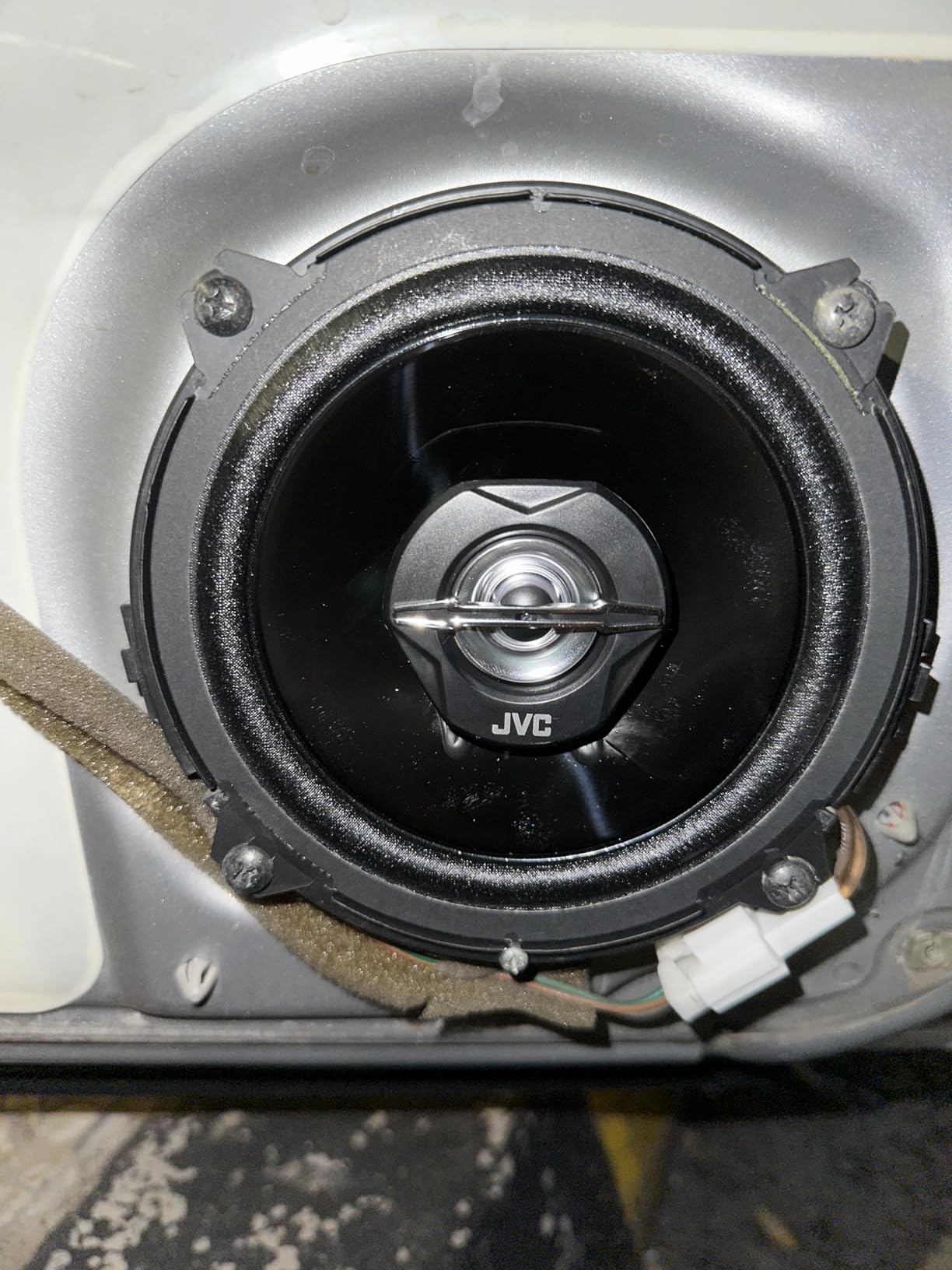
The limits are equally clear. Reviewers consistently report bass that stops short of real low end, which is expected from a 6.5 inch coaxial with modest magnet mass, and the small magnet means pushing these hard on a powerful amplifier invites distortion rather than volume. Treat this as a clarity upgrade, not a bass upgrade.
Why 92 dB changes your amplifier plan
Sensitivity is measured in decibels for a fixed input, and roughly 3 dB of additional efficiency halves the amplifier power needed for the same volume. At 92 dB this set sits in the efficient range, so if you later add an amp you can choose a modest 4-channel unit rather than a large one, and the speakers will not be the weak link.
Where it falls short
Do not buy this expecting a soundstage. The tweeter sits on the same plane as the woofer, roughly knee height in the door, so vocals appear to come from the door itself rather than from the dash. If you want imaging, you need a component set like the JBL or RECOIL later in this list.
3. Pioneer TS-F1634R: Best Budget Drop-In Replacement
Pioneer F-Series TS-F1634R 6.5″ 2-Way Coaxial Car Speakers 200W Max
6.5 inch coaxial
25W RMS
88 dB sensitivity
4 ohm
Standard sizing
Pros
- Direct drop-in fit in most 6.5 inch doors
- large 9536-review track record
- IMPP cone resists moisture
- straightforward wiring with included hardware
Cons
- 88 dB sensitivity is modest for a stock head unit
- bass output is limited
- spacers needed in some vehicles
- one reported failure after six months
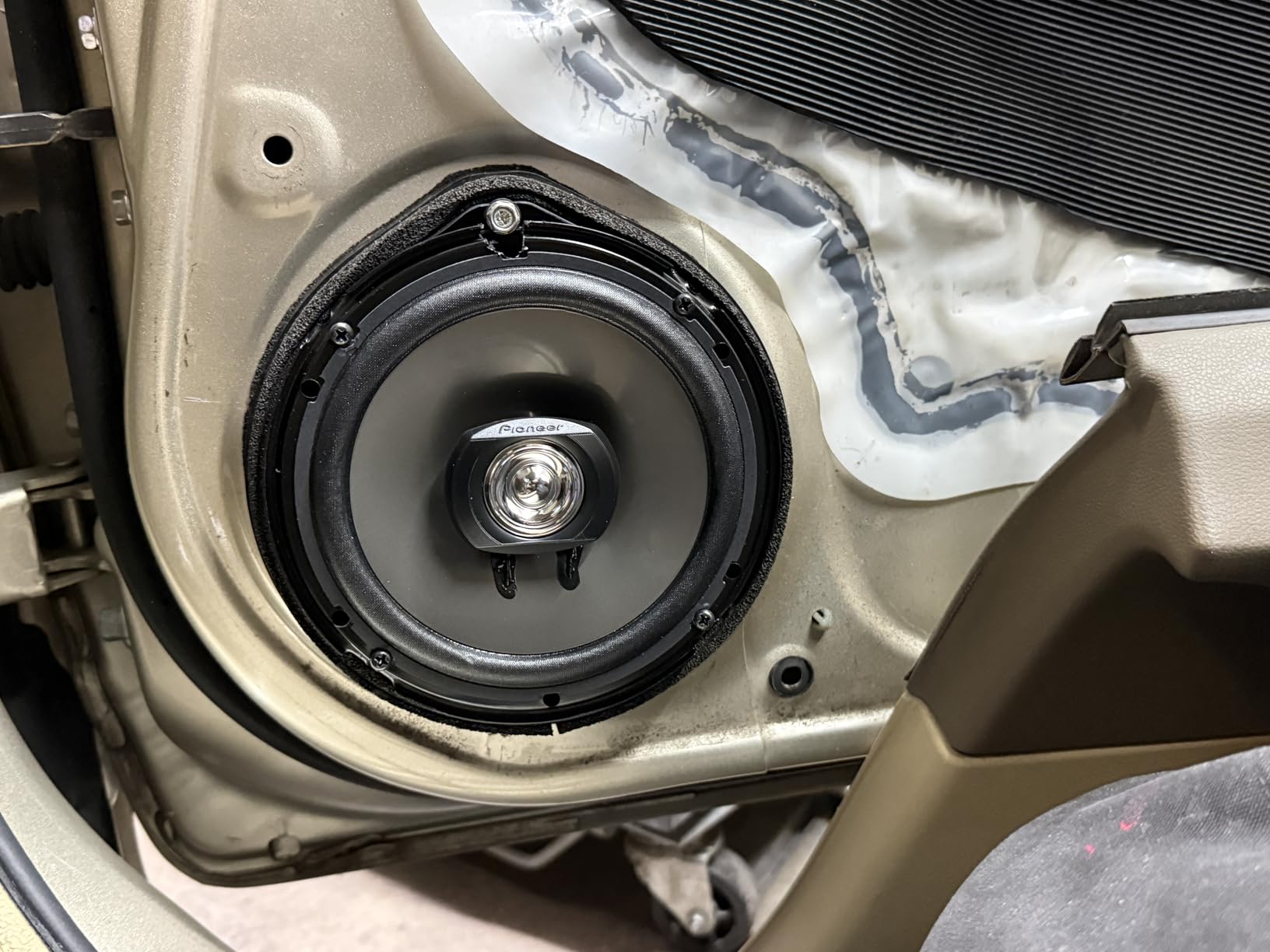
The TS-F1634R is the F-Series entry point, and its job is simple: fit where the factory speaker was and sound better. Pioneer has sold this generation for years and the 9536 reviews at 4.4 stars reflect a product that does exactly what a replacement driver should, with no installation drama and no wiring adapter fuss.
The cone is Pioneer’s IMPP, an injection-molded polypropylene blend that is lighter and stiffer than paper, which is why these survive repeated humidity and temperature swings better than most budget drivers. Frequency response extends to the top of the audible range, and 4 ohm impedance means it wires straight into almost any factory system.
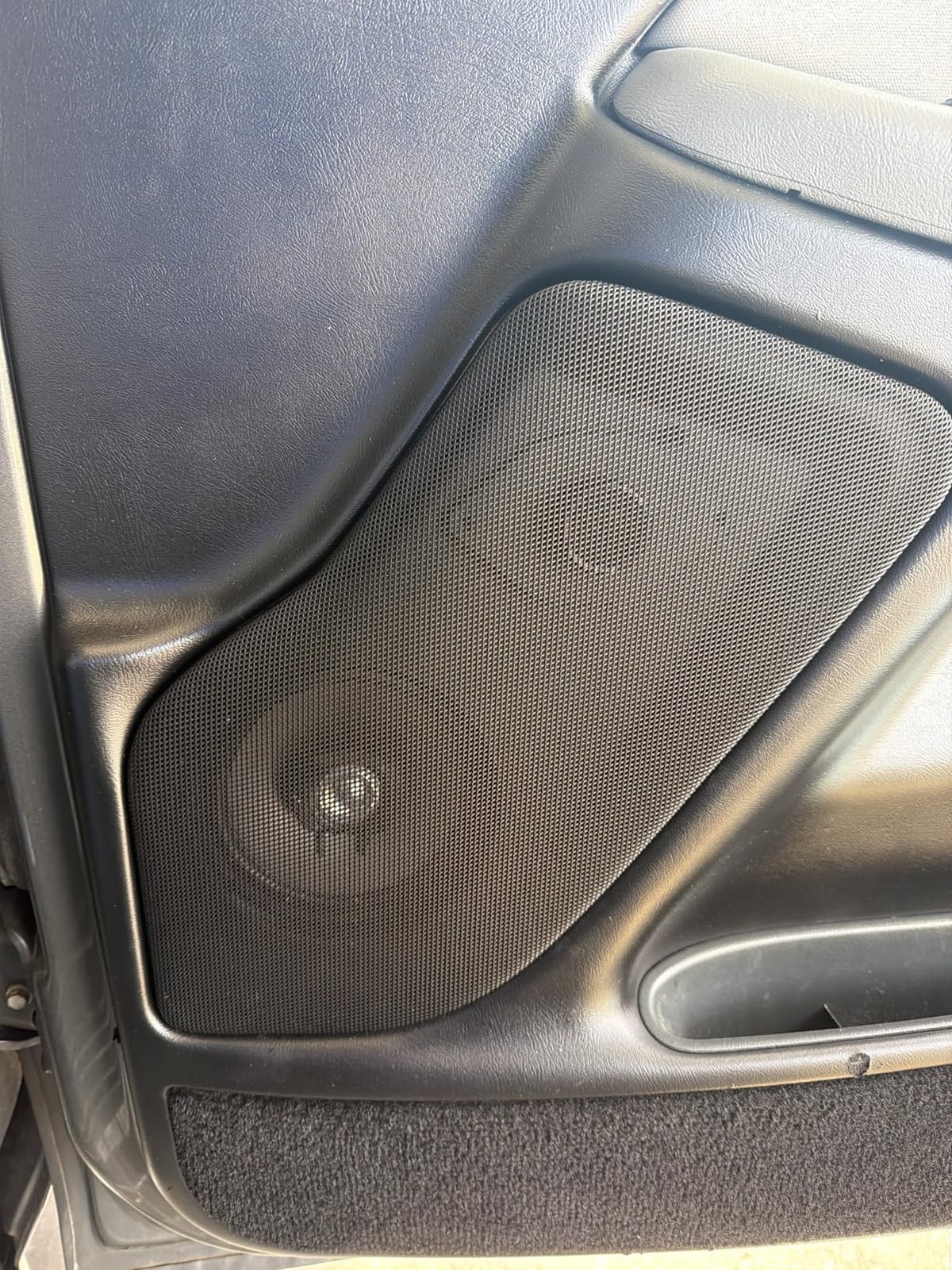
Where efficiency is concerned, 88 dB is the weak point. That is three decibels below the JVC, and a difference of that size is audible as reduced volume on a factory head unit with a small internal amplifier. If your car has no separate amplifier and you plan to drive the system hard, spend the small extra on a more efficient set.
When this is the correct buy
Older hatchbacks, coupes and compact sedans with a straightforward 6.5 inch opening are exactly where this set belongs. When the goal is reliability at low cost across four doors, and the factory amplifier is modest, matching impedance and pattern matters more than chasing a wider frequency response.
What you give up
There is no mid-bass weight and no separation between the treble and midrange, because one tweeter handles both. Owners chasing a front stage or a defined soundstage will be disappointed, and driving them with a large amplifier simply produces more distortion rather than more output given the 25W RMS ceiling.
4. Pioneer TS-G6820S: Best High-Sensitivity 6×8 Pick
PIONEER G-Series TS-G6820S 6″ x 8″ 2-Way Coaxial Car Speakers 250W Max
6x8 coaxial
40W RMS
92 dB sensitivity
72 Hz to 14 kHz
4 ohm
Pros
- 92 dB sensitivity plays well on a factory amp
- mica-reinforced IMPP cone holds up in hot doors
- 4076 reviews at 4.5 stars
- direct fit in many Ford
- Lincoln and Mazda openings
Cons
- Response stops at 14 kHz
- so cymbals and air lack sparkle
- bass rolls off early
- some screw patterns need adapters
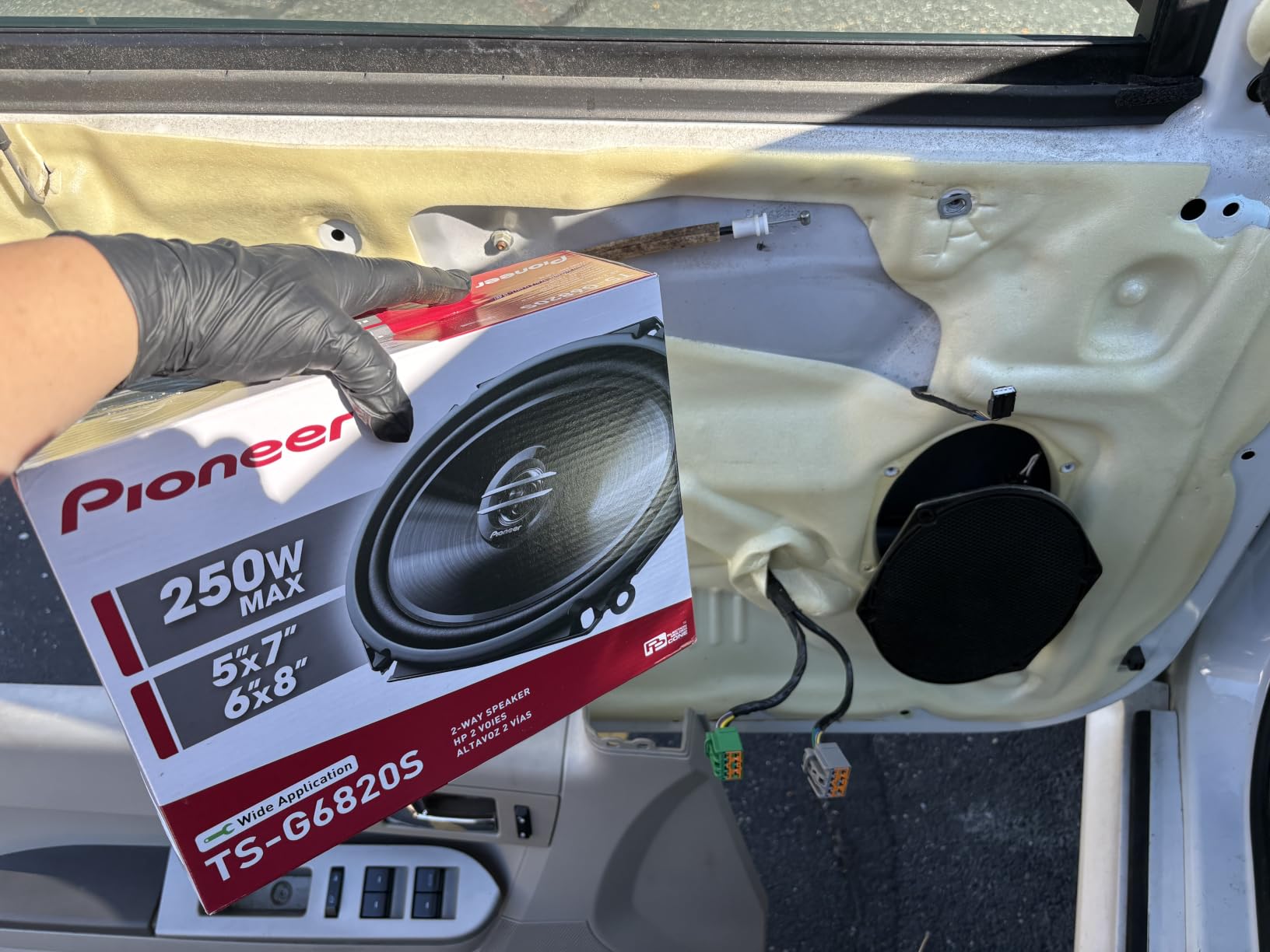
The G-Series 6×8 is aimed squarely at truck and SUV doors where the factory system is weak and the amplifier is even weaker. At 92 dB sensitivity it plays loudly from modest power, and the mica-reinforced IMPP cone gives the midrange a firmness that paper cones in the same doors cannot match. 4076 owners rate it 4.5 stars.
Frequency response is listed as 72 Hz to 14 kHz, and both ends of that range are telling. The upper limit is lower than nearly every other set here, meaning the super-treble content that adds air and detail simply is not reproduced. The 72 Hz floor is high for bass, so this is a midrange and vocal upgrade rather than a low-end one.
Fitment is the practical concern. This is a 6 by 8 inch flush-mount driver, and while it lands in a large family of domestic truck and crossover doors, screw patterns vary enough that owners report needing adapters on certain applications. Measure the opening and check the bolt spacing before ordering.
Why the 14 kHz ceiling is worth thinking about
Human hearing extends well past 14 kHz, and cymbal wash and string harmonics live in that region. A speaker that stops there will sound slightly dull on acoustic material and open-hi-hat jazz, though on vocals and rock instrumentation most listeners stop noticing within a few minutes.
Pick it for this, not that
Choose it when the door opening is a known 6×8 and your system has a modest power source. If you want detail and air, the Rockford Fosgate P1683 covers a much wider range in the same footprint. If your car takes 6.5 inch units, none of this applies.
5. Kicker DSC6930: Best 6×9 Car Speakers for Bass Without a Subwoofer
KICKER DSC6930 6×9-Inch (160x230mm) 3-Way Speakers, 4-Ohm (Pair)
6x9 3-way
140W RMS
30 Hz to 20 kHz
92 dB sensitivity
4 ohm
Pros
- Reaches 30 Hz for real low end from a door or deck speaker
- 360W peak and 140W RMS headroom
- 92 dB sensitivity drives easily
- three-way design adds a super tweeter
- 4.6 stars across 3526 reviews
Cons
- Large mounting depth can conflict with trim panels
- heaviest set here at 7.9 pounds per pair
- rear-deck placement limits imaging
The DSC6930 exists because a 6×9 opening has far more cone area than a 6.5 inch door slot, and this set uses that advantage aggressively. Response down to 30 Hz is genuinely unusual for a coaxial of this type, which is why it is the pick here for owners who want bass from their door speakers instead of adding a subwoofer. 3526 owners rate it 4.6 stars.
The three-way layout adds a super tweeter on top of the dome tweeter, and the two together keep the upper midrange from sounding congested. Rated power is 360W peak and roughly 140W RMS, so it will take real amplifier input without complaint, and 92 dB sensitivity means it does not demand much power to fill a cabin.
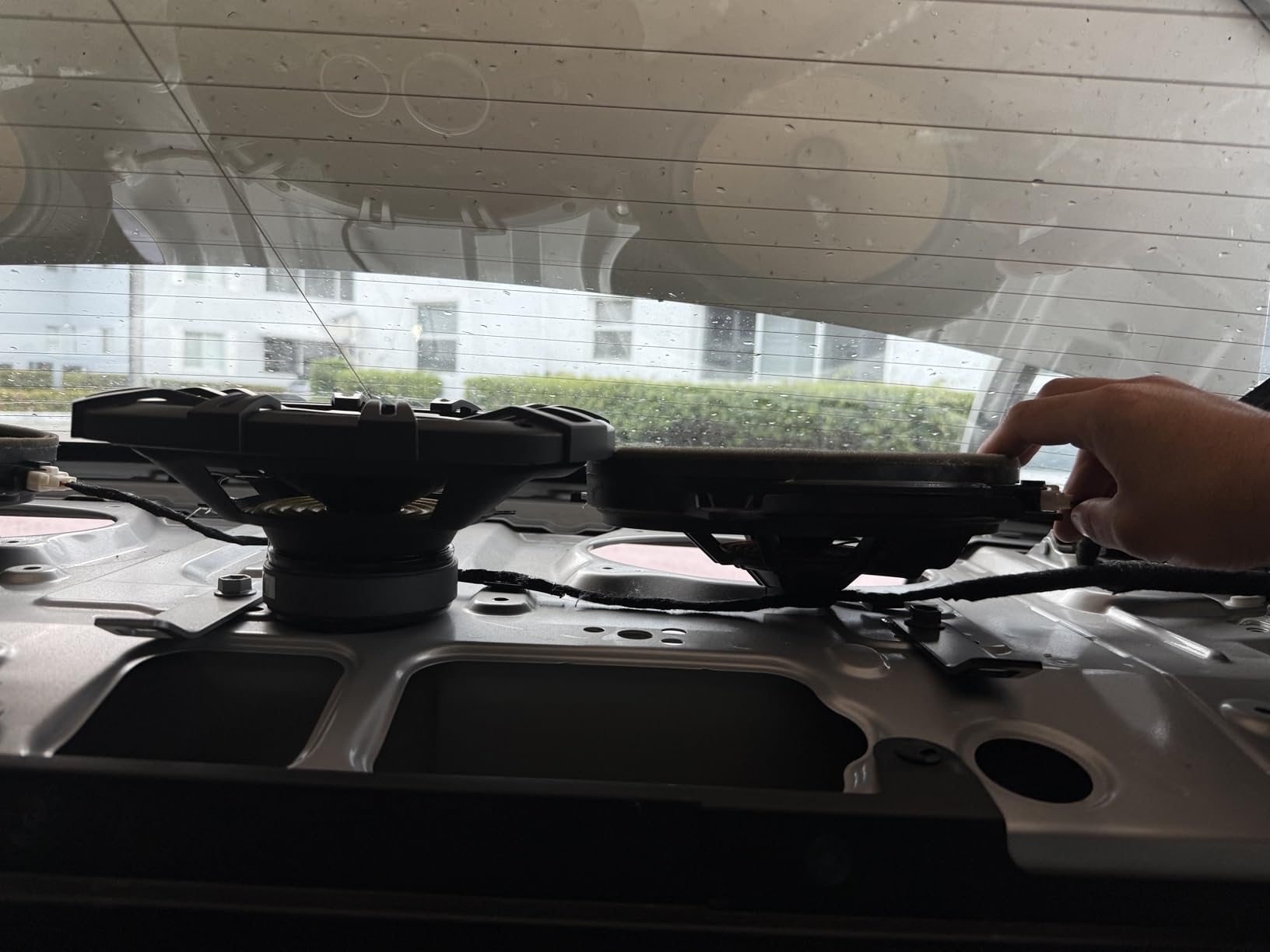
The trade-off is physical. At 7.9 pounds for the pair this is the heaviest set in the list, and the depth behind the frame can push against a door panel or grille that was designed for a shallower factory 6×9. Check the clearance behind your grille before you commit, especially in older cars with tight rear decks.
Why 6×9 still matters in 2026
Six-by-nine units remain standard fitment in many rear decks and door applications, and the larger cone area moves more air for a given excursion. That is why a well-built 6×9 can produce bass a 6.5 inch coaxial cannot, even though a dedicated subwoofer will always do the job better.
Where placement hurts
Because you are mounting in a rear deck or rear door, the sound arrives from behind the front seats. That is fine for ambience, but any music with lead vocals will suffer from the gap in the stage. Put your best effort up front and treat this set as rear fill.
6. Kicker DSC650: Best 6.5 inch Pick for Shallow Door Fitment
KICKER DSC650 6.5-Inch (160-165mm) Coaxial Speakers, 4-Ohm (Pair)
6.5 inch coaxial
50W RMS
PEN dome tweeter
4 ohm
1-year warranty
Pros
- PEN dome tweeter delivers smooth highs
- 50W RMS is well above the entry tier
- compact mounting depth suits tight doors
- 4.6 stars across 3141 reviews
- one-year manufacturer warranty
Cons
- Sensitivity figure is not published
- detailed frequency response is not specified
- costs more than entry-level coaxials
The DSC650 is the Kicker 6.5 inch option for doors where depth is the constraint. Owners who have already tried deeper drivers and had them hit the window mechanism or the door card report that this one’s compact frame is the feature that made it viable. 3141 ratings at 4.6 stars make it one of the better-reviewed sets in this group.
The tweeter is a domed polyethylene-naphthalate unit, a material that sits between a cheap mylar dome and a silk dome in terms of smoothness and cost. Power handling of 100W max and 50W RMS gives it more headroom than the entry-level 6.5 inch sets here, which means it keeps its composure if you later add an amplifier.
One gap is worth flagging plainly: no sensitivity figure is published, and the frequency response is only described as reaching up to 20 kHz without a stated low-end limit. That makes it harder to predict how loudly it will play from a specific factory head unit, so if you cannot audition it, an efficient set with a published rating is the safer bet.
What PEN dome tweeters do differently
Tweeter material changes the character of the top end. PEN domes break up harshness and resonances better than a basic mylar dome, so cymbals and vocal sibilance come through smoother in long listening sessions, which matters in a car where you cannot adjust the tone curve the way you would at home.
Deciding between this and the JVC
If your door is tight, the DSC650 wins on depth. If your door is normal and your head unit is modest, the JVC CS-J620 wins because its 92 dB sensitivity is documented and its depth is even shallower. Only choose this one if power handling for a future amplifier matters more to you than fit certainty.
7. Pioneer TS-A1671F: Best Three-Way 6.5 inch Coaxial
PIONEER A-Series Standard TS-A1671F 6.5″ 3-Way Coaxial Speakers 320W Max
6.5 inch 3-way
70W RMS
37 Hz to 31 kHz
91 dB
4 ohm
Pros
- Widest frequency range here at 37 Hz to 31 kHz
- 70W RMS and 91 dB sensitivity
- multi-fit installation adapters included
- waterproof construction
- speaker wire and grilles in the box
Cons
- Wiring needs splicing rather than plug-and-play connectors
- foam rings on the frame may need re-gluing
- some vehicles need adapter modifications
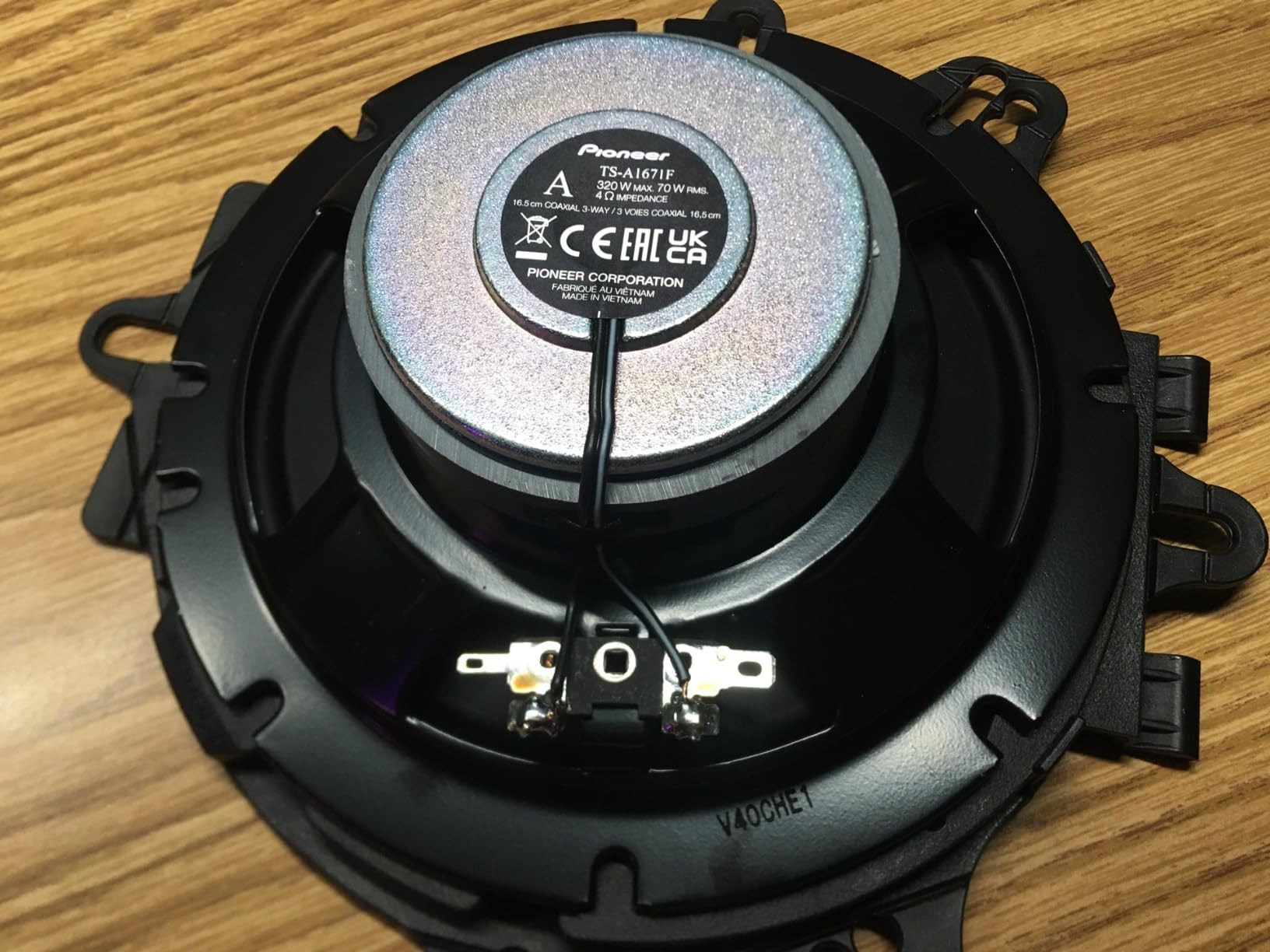
The TS-A1671F is the most capable all-in-one door speaker in this roundup. A three-way design with an 11mm super tweeter sitting alongside the PET dome tweeter lets the mids operate in a narrower band, and the result is cleaner vocals and less intermodulation distortion than a two-way coaxial. It carries 4.6 stars from 2710 owners.
The specification that stands out is frequency response from 37 Hz to 31 kHz. That upper figure reaches into the high-resolution audio range, and combined with 70W RMS and 91 dB sensitivity, this is a set that rewards an amplifier rather than merely tolerating one. Multi-fit adapters are included, which removes the most common reason a direct-fit speaker still needs extra parts.
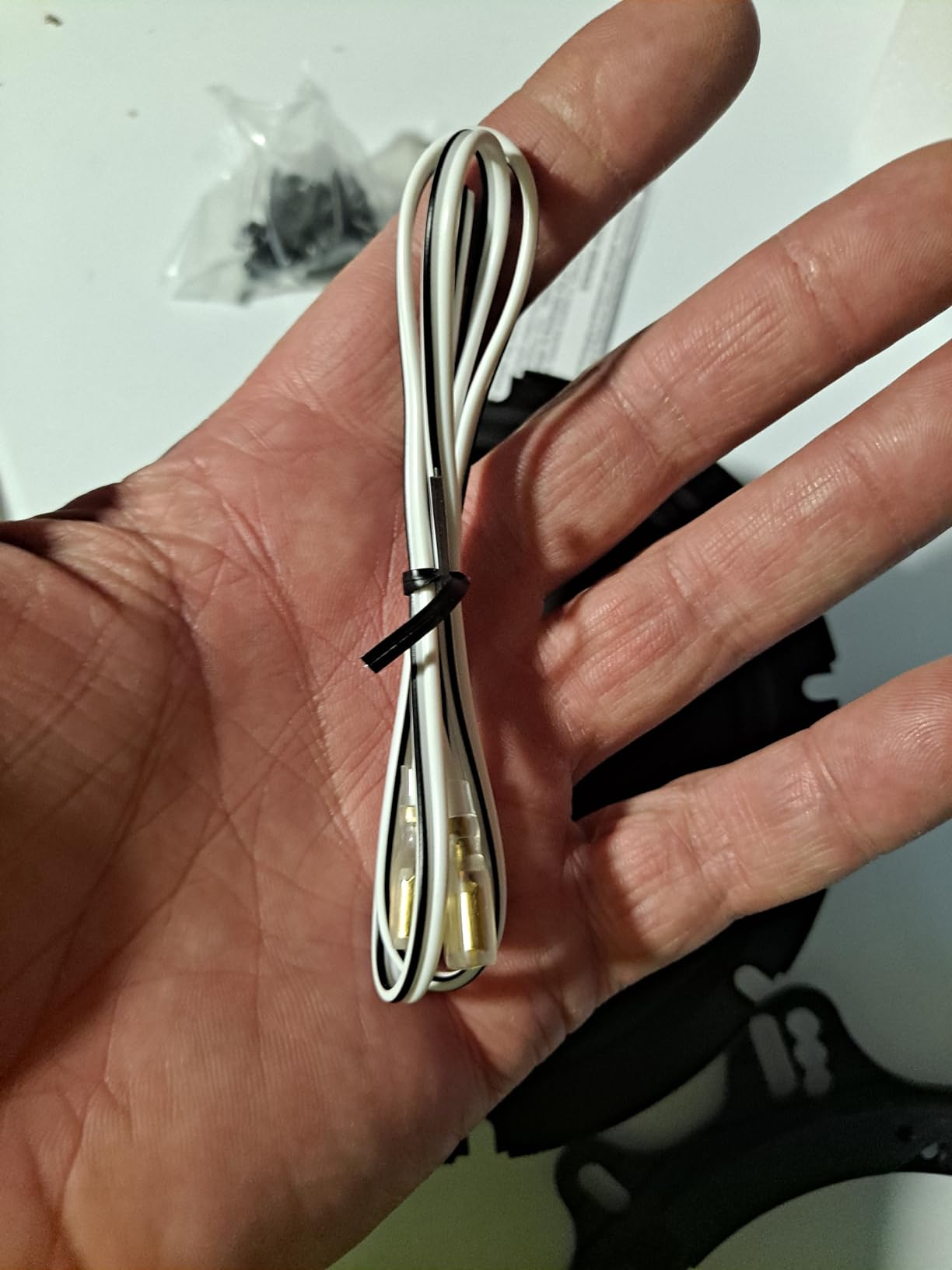
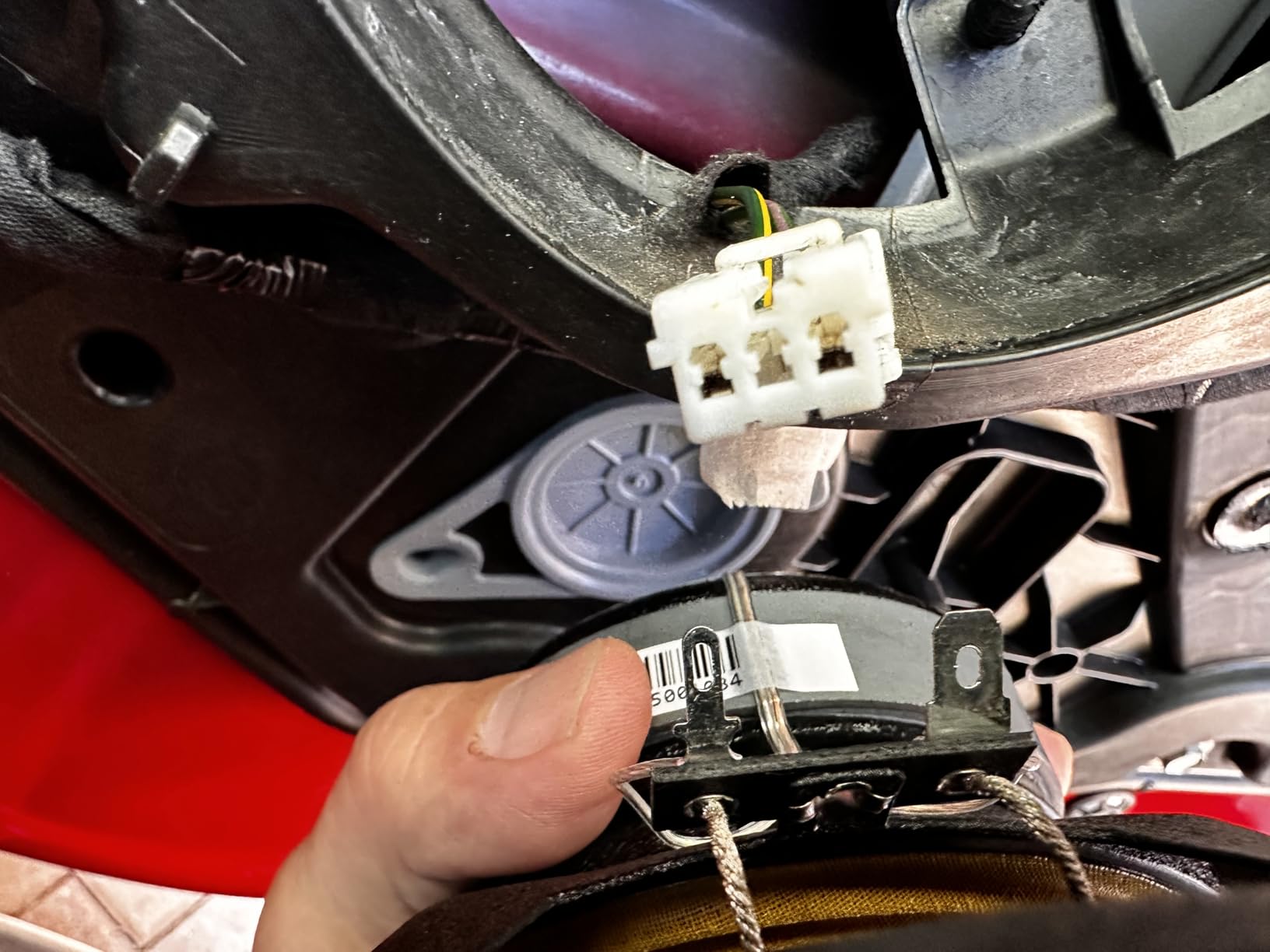
Real-world friction does exist. The set does not ship with plug-and-play connectors, so the wiring needs splicing onto your factory harness, and a few owners mention foam rings around the frame separating in transit. Neither is a dealbreaker, but both are things to plan for before the trim panel goes back on.
Why the included multi-fit adapters matter
Most 6.5 inch door speakers need adapters because factory openings use several bolt patterns over the years. Multi-fit plates cover the common ones in a single bracket, which means one purchase instead of a second order after the first one does not line up. That alone removes the most common negative review in this category.
Coaxial limits you should accept
This is still a coaxial, so the tweeter is mounted at the woofer’s level in the door. You get frequency range and power handling, not a raised soundstage. If your goal is vocals appearing at dash height, a component set is the only architecture that solves it.
8. JBL GTO609C: Best Component Set for Soundstage and Imaging
JBL GTO609C 270 Watts 6-1/2″ Premium Car Audio Component Stereo Speaker System with Patented Plus One Woofer-Cone Technology
6.5 inch component
75W RMS
3 ohm
93 dB
External crossover
Pros
- Separate tweeter lets you mount it at ear height for a raised soundstage
- 93 dB sensitivity is the highest here
- Plus One carbon-injected cone moves more air
- dual-level tweeter adjustment
- external crossover included
Cons
- Component install is more involved
- 3 ohm impedance needs a head unit that tolerates it
- warranty is only 90 days
- tweeter wiring must be routed
The GTO609C is the only component set here that most owners install themselves, and the reason is the 3 ohm design. Lower impedance draws more current through the same wire, which is a deliberate compensation for the thin factory wiring found in many vehicles, so a stock head unit can drive this set and the woofers receive usable power rather than a starved signal.
At 93 dB this is the most efficient set in the roundup, and combined with 75W RMS it means a small four-channel amplifier is genuinely enough. The carbon-injected Plus One cone uses a slightly larger surface area to move more air than a conventional 6.5 inch driver, which is where the extra mid-bass in this set comes from without a subwoofer.
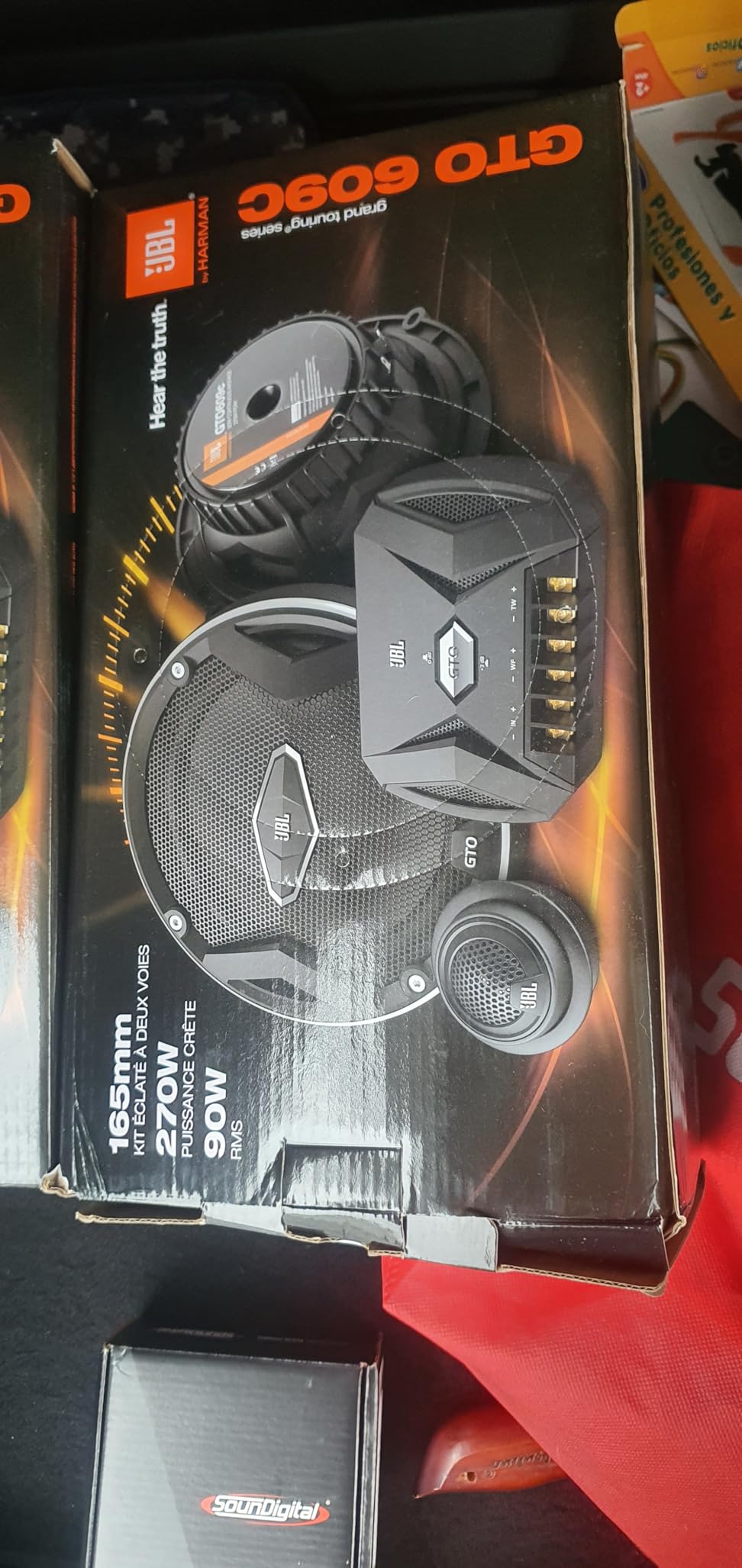
The I-Mount tweeter system accepts flush or surface mounting, and the dual-level volume adjustment lets you trim the treble from the listening position rather than the door, which matters when the tweeter ends up closer to you than the installer assumed. It is the feature owners single out most often as the reason the stage holds together.
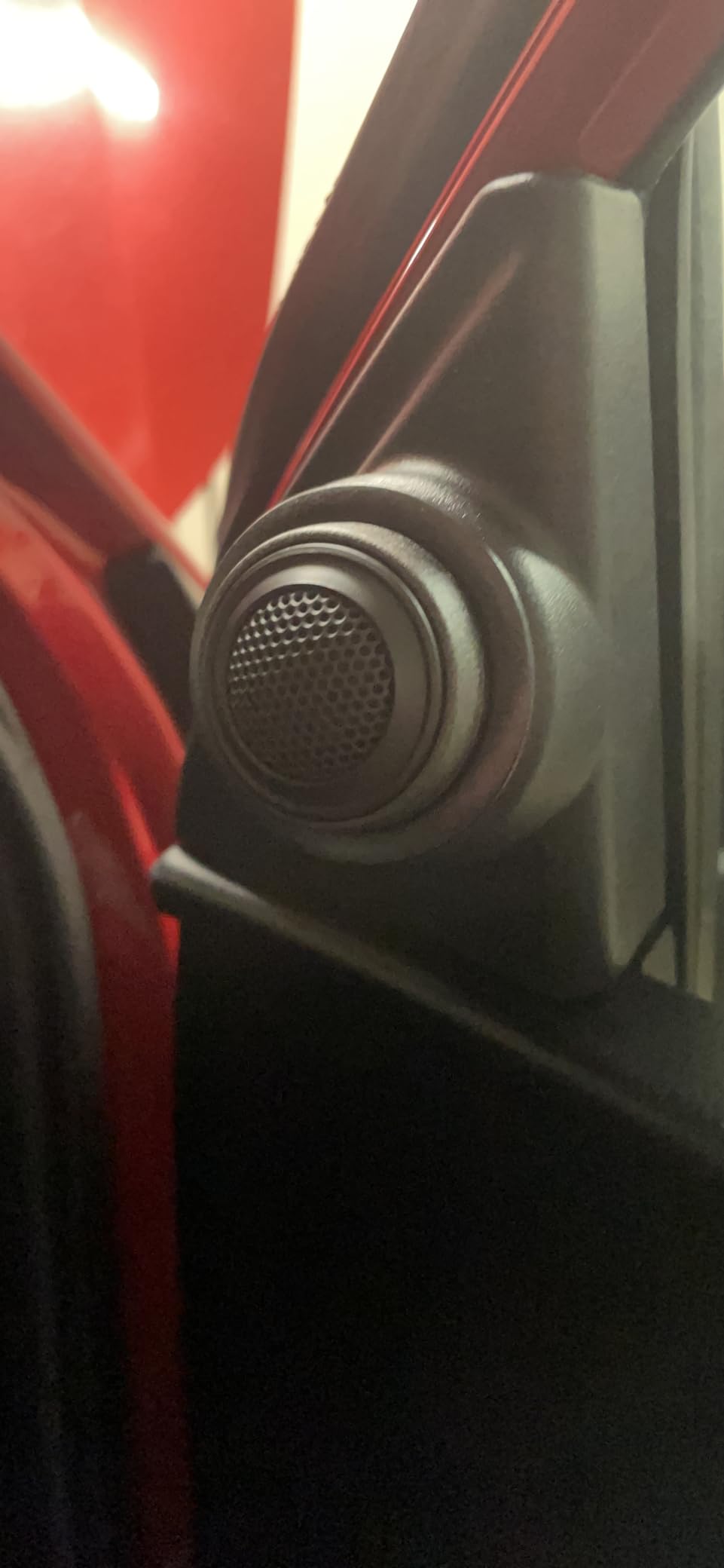
Where to put the tweeter for a raised stage
Mount the tweeters near ear level rather than in the door cone location. The A-pillar sail panels, the mirror sail or the top of the door card near the window are the usual choices. Every centimeter of added height widens the apparent stage and makes vocals sit in front of you instead of at your knees.
What the 3 ohm rating demands of you
Most modern head units and amplifiers are rated for 4 ohm minimum and will run a 3 ohm load without complaint, but check your unit first. A few factory systems in older vehicles will report a fault or shut down at a load this low, and the crossover that comes with the set is sized for the intended wiring run.
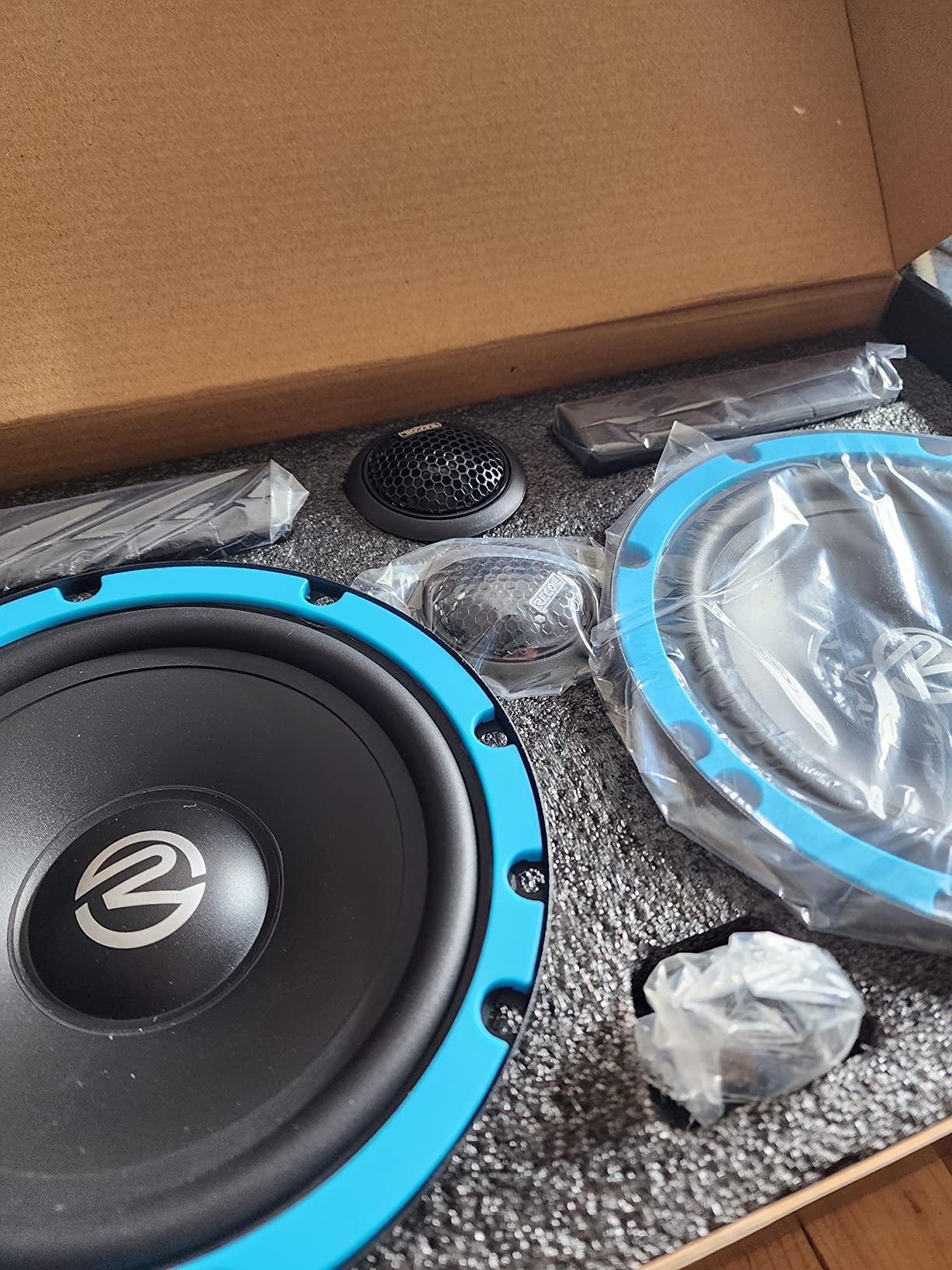
9. RECOIL REM65: Best Budget Component Set
RECOIL REM65 Echo Series 6.5-Inch Car Audio Component Speaker System
6.5 inch component
100W RMS per pair
silk soft dome
1-year warranty
Pros
- Silk soft-dome tweeters with oversized voice coils
- 100W RMS per pair is generous for a component set
- triple-level tweeter volume adjustment
- butyl rubber surrounds
- 1422 reviews at 4.4 stars
Cons
- Component installation complexity
- listing attributes are unusually noisy with unrelated fields
- one-year warranty only
The Echo Series REM65 is the value entry into component systems, and the silk soft-dome tweeters are the reason it is worth considering at all. Silk domes roll off the harshest top-octave energy, which suits long drives far better than a bare hard dome, and the oversized voice coils on these tweeters add power handling compared with sets that use a tiny dome on a small coil.
Rated power is 200W peak and 100W RMS per pair, which is unusually high for a component set at this level. Butyl rubber surrounds and thermal-formed polypropylene cones point to durability priorities, and triple-level tweeter attenuation gives you three trim settings to dial in the front stage from the driver’s seat.
Be aware of the listing data here. The product record includes fields such as wireless technology, subwoofer diameter and battery life that clearly belong to a template rather than to a car speaker, so treat the detailed specifications with some caution. The figures owners cite in reviews line up with the power handling and tweeter description, which is the part that matters.
When this beats a coaxial for you
Choose a component set when vocals and instruments are separating poorly, when you want the stage in front of you rather than at knee height, or when you already plan to add an amplifier. The tweeter relocation is the upgrade, and everything else follows from it.
What the extra installation involves
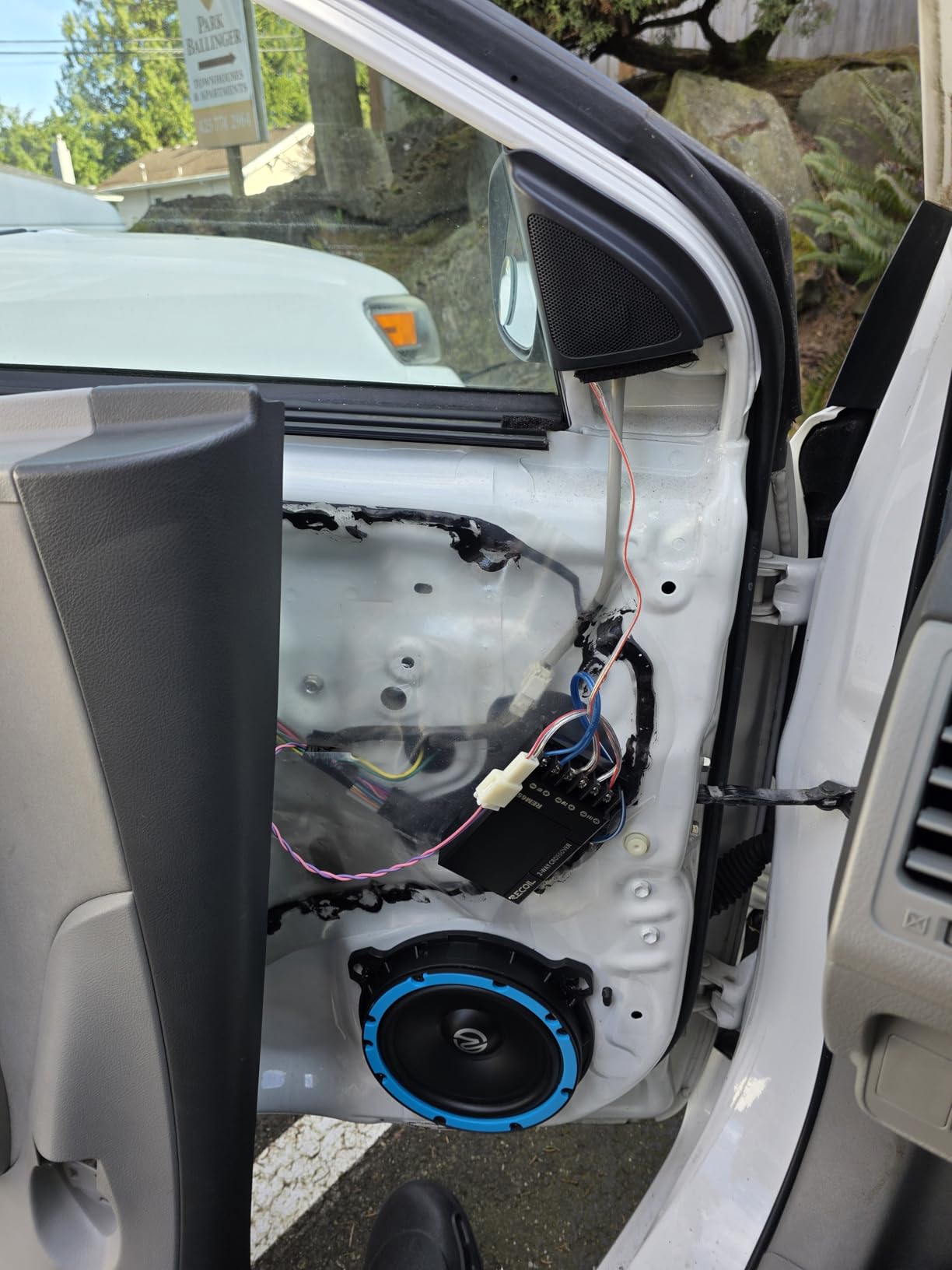
You need to route a two-conductor wire from each door to a mounting point near your ear, find secure fixing for the tweeter pod, and mount the external crossover somewhere protected from moisture. Budget extra time for routing, and never run tweeter cable parallel to a power cable without twisting them together to avoid interference.
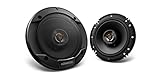
10. Kenwood KFC-1666R: Best Pair With Grilles Included
Kenwood KFC-1666R Road Series Car Speakers (Pair) – 6.5″ 2-Way Car Coaxial Speakers, 300W, 4-Ohm Impedance, Cloth Woofer & Balanced Dome Tweeter, Heavy Duty Magnet Design
6.5 inch coaxial
30W RMS
40 Hz to 22 kHz
4 ohm
Sold as a pair
Pros
- Sold as a pair with grilles in the box
- cloth woofer cones give a natural midrange
- 40 Hz to 22 kHz response is wider than most entry sets
- shallow depth and lower tweeter profile for easy fit
- extended warranty
Cons
- Only 30W RMS limits output when amplified
- cloth cones are less stiff than injected polypropylene
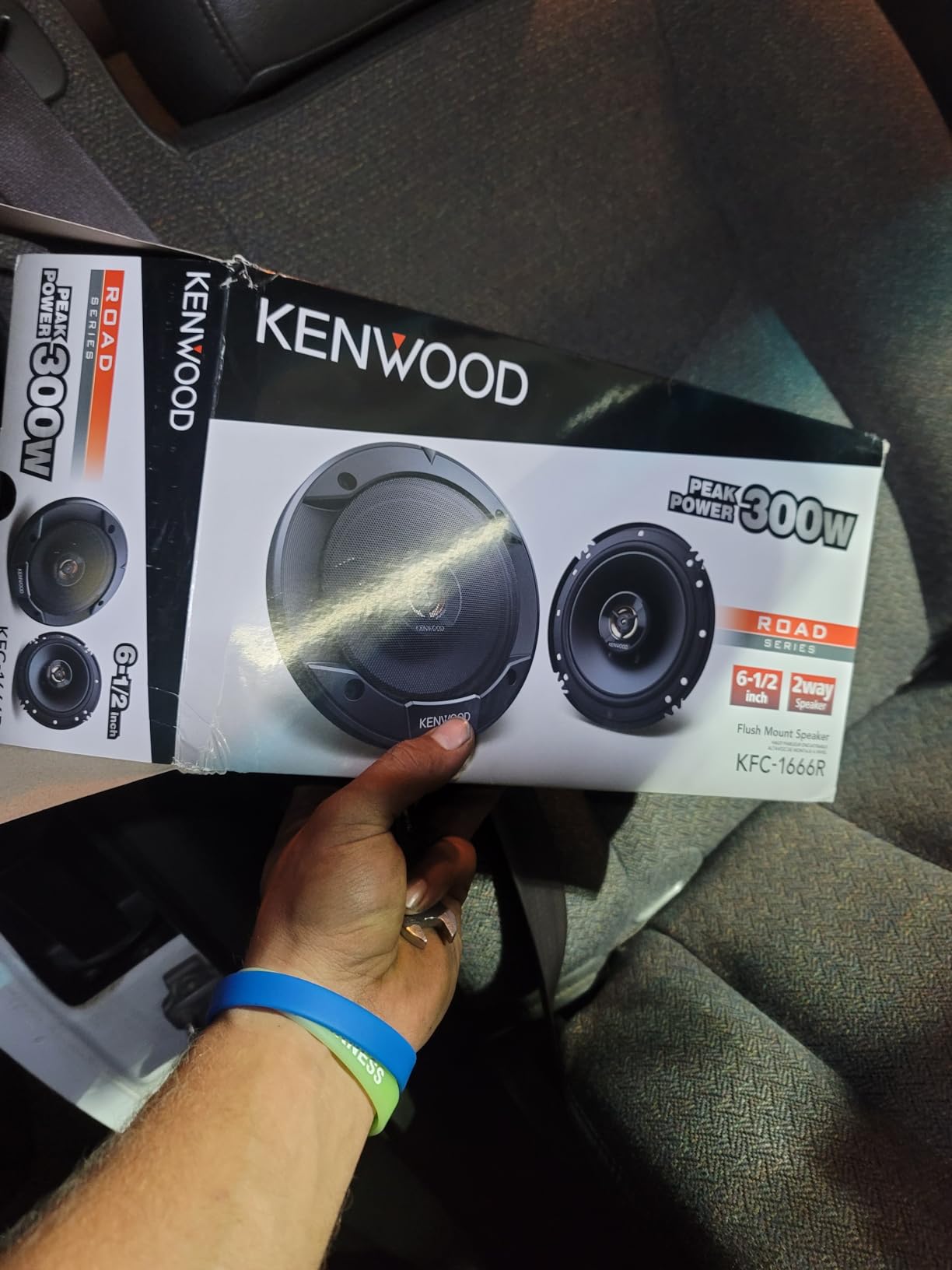
The KFC-1666R solves a small but irritating problem: grilles are rarely included these days. This set ships with a pair of grilles, a pair of speakers and the mounting hardware, so a door or rear deck install is complete in one box with nothing extra to order. At 4.5 stars from 798 owners, satisfaction is consistently high.
Kenwood uses cloth woofer cones rather than the injection-molded polypropylene found in most competitors, and they produce a warm, natural midrange that many listeners prefer on vocal material. Response from 40 Hz to 22 kHz is a genuinely useful range, and the deliberately shallow depth and lower tweeter profile make the driver easy to seat behind a factory trim panel.
The ceiling is power handling. Thirty watts RMS is fine from a factory head unit, and these stay composed there, but an amplifier pushing harder will reveal the soft cloth surround rather than producing more output. If your plan is a four-channel amp, the Pioneer TS-A1671F or the JBL component set handles that far better.
Why the lower tweeter profile helps
Two-way coaxials in 6.5 inch openings sometimes have a raised center dome that will not clear an original grille. Kenwood engineered this one with a lower tweeter height specifically for that reason, so the factory-style cover can go back on and the door still closes fully.
Best used as what
Treat this as a rear-fill and rear-deck set, or a straightforward four-door replacement on a stock system. Pair it with a component set up front if you want both a raised stage and full coverage behind you, which is the configuration most owners settle on after the first install.
11. Kenwood KFC-1366S: Best 5.25 inch Speakers for Smaller Openings
Kenwood KFC-1366S 5-1/4″ 2-way Speakers
5.25 inch coaxial
4 ohm
20 kHz response
60W max
Polypropylene and PEI
Pros
- Only set here for 5.25 inch openings
- 4-ohm impedance suits most systems
- two-way coaxial means one speaker one wire
- polypropylene cone with PEI dome
- 4.6 stars from 518 owners
Cons
- Sold as a single unit
- so two are needed for a pair
- 60W max is modest
- 5.25 inch size needs adapters in most modern doors
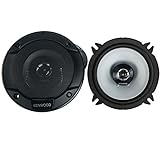
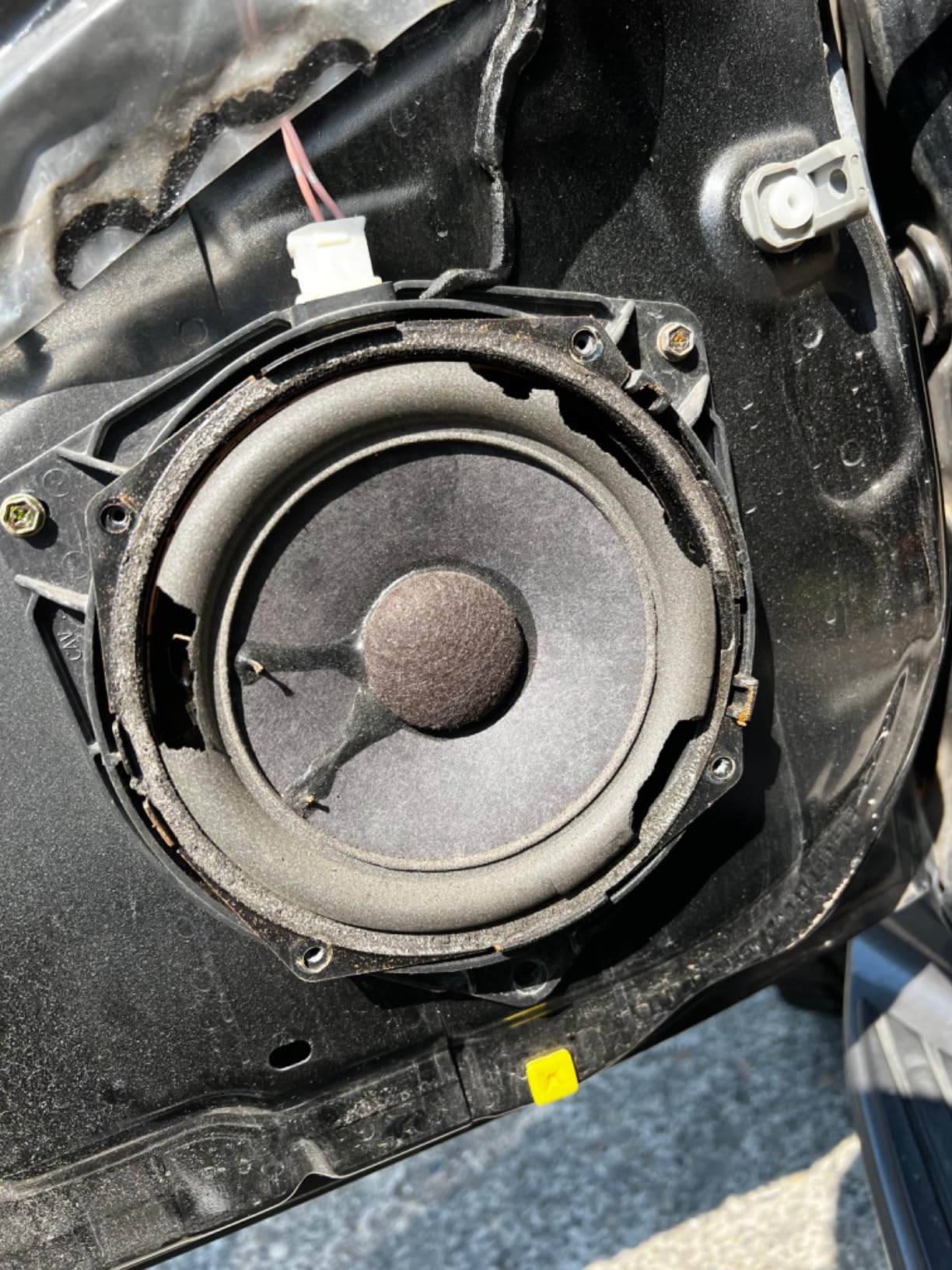
The 5.25 inch opening is not dead, despite what newer vehicles suggest. Plenty of older compact cars, hatchbacks, small SUVs and some pickup doors still use it, and this Kenwood is the only set in our roundup built for that pattern. Owners fitting them report a direct swap in most cases, with the two-way coaxial design simplifying the wiring to a single channel per speaker.
Construction is conventional and proven: a polypropylene woofer cone paired with a PEI dome tweeter, 4 ohm impedance, and response to 20 kHz. Rated 60W maximum output, which is more than a stock head unit will deliver, so it plays at the limit of the system rather than being held back by it.
Two things to plan for. The listing is a single unit, so buying two is required for a stereo pair, and 5.25 inch drivers do not drop into 6.5 inch openings without a proper adapter ring and a thinner mounting depth. Check the depth of your door before ordering, because the adapter eats space.
When a 5.25 inch set is the right answer
Check the factory speaker in your door first, because a tape measure or a caliper settles this in seconds. If the opening is roughly 5.25 inches and there is no factory 6.5 inch provision behind the grille, adapting a 6.5 inch set means losing depth you may not have, and a purpose-built 5.25 inch driver is the cleaner solution.
Older cars deserve this upgrade most
Paper-cone factory drivers in older vehicles are the weakest link in almost every system. Replacing them with a polypropylene-cone coaxial restores clarity immediately, and because the original impedance is nearly always 4 ohm, the swap needs no resistor or adapter cable on the electrical side.
12. Alpine S2-S65: Best Hi-Res Certified 6.5 inch Option
Alpine S2-S65 – Next-Generation S-Series 6.5″ Coaxial Speaker Set
6.5 inch coaxial
80W RMS
Hi-res to 40 kHz
HAMR surround
Glass fiber and mica cone
Pros
- Hi-Res Audio certified to 40 kHz
- cone blends polypropylene
- glass fiber and mica
- HAMR surround allows high cone excursion for deep bass in a 6.5 inch frame
- 80W RMS headroom
- 1-year manufacturer warranty
Cons
- Most expensive set in this roundup
- matching grille sold separately
- sold as a single unit
The S2-S65 is the only set here with formal Hi-Res Audio certification, reaching to 40 kHz rather than the 20 to 22 kHz ceiling most coaxials stop at. That matters if you play lossless files from a modern head unit with a capable DAC, because content above 20 kHz is actually present in the recording rather than being an artificial extension.
The cone blends polypropylene, glass fiber and mica, and the HAMR surround is a multi-roll design that lets the cone move further than a conventional half-roll surround. That excursion is what gives a 6.5 inch driver usable mid-bass, and 80W RMS means an amplifier will not be the limit. Owners rate it 4.6 stars, with 80 percent giving five stars, across 173 reviews.
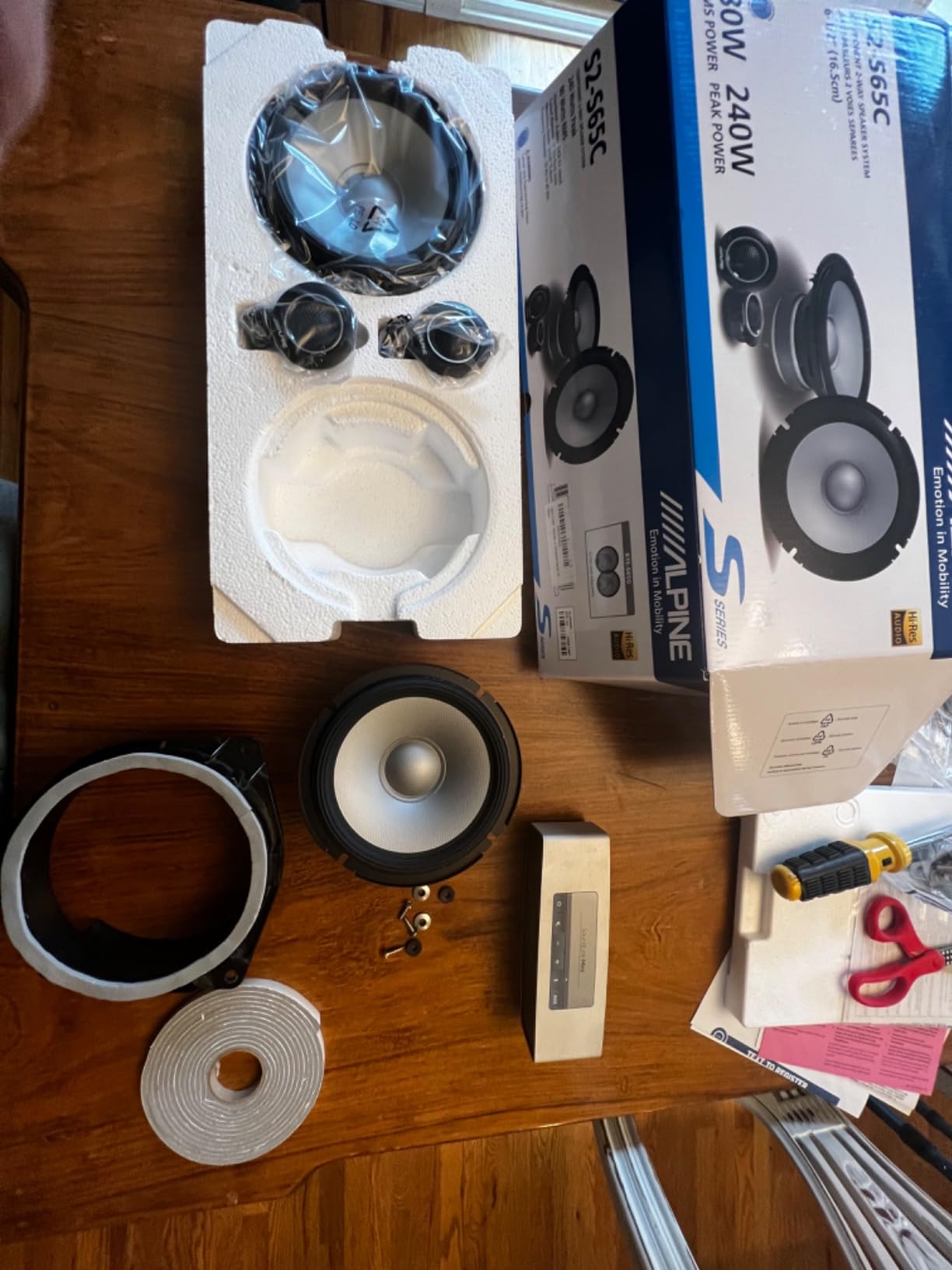
Three practical notes. This is the highest-priced set we cover, the matching KTE-S65G grille is a separate purchase, and the listing is for one speaker, so a pair means two. None of that affects sound quality, but all three belong in the budget conversation before you order.
What Hi-Res certification actually claims
It means the manufacturer has tested reproduction up to 40 kHz, not that your ears will detect the difference in a moving car. The audible gains usually come from the stiffer cone, the better surround and the higher power handling rather than from the extra bandwidth itself, but the certification is a useful quality signal.
Is it worth the step up
If your plan is a factory head unit swap and a modest amp, the JBL GTO609C component set delivers a bigger perceptual upgrade for less money, because stage height matters more to most listeners than content above 20 kHz. Choose the Alpine when you already run a high-resolution source and want the extended range to be there.
Coaxial vs Component Car Speakers: Which Should You Buy?
A coaxial puts the tweeter on the same frame as the woofer, usually at cone level, so the crossover is built in and the whole speaker wires to one channel. A component set separates them: a woofer in the door, a tweeter mounted higher near your ear, and an external passive crossover network splitting the frequencies. The woofer can play lower without the tweeter loading it, and the tweeter can sit at the right height.
That height is the whole point. Imaging and soundstage describe where a sound appears to come from, and in a car, a tweeter at knee level in the door puts the music down there with you. Moving it to A-pillar height lifts the stage to the level of the windscreen, which is where most listeners expect a front stage to be. Coaxials simply cannot do that, because the tweeter is physically part of the cone assembly.
The recommendation rule
Buy coaxial if you want a one-afternoon install, a single wire per door and the biggest improvement per hour spent. Buy component if you are already going to run wire, add an amplifier and treat deadening as part of the job, because component speakers without those two things deliver a fraction of their potential. Owners on car audio forums describe the same pattern repeatedly: deadening plus a correctly set crossover makes a modest speaker sound expensive, and skipping them makes an expensive one sound cheap.
Matching coaxials to component sets
A common and effective configuration is component sets in the two front doors and coaxials in the rear. The front stage does the work, the rear fills the cabin, and you avoid running four extra tweeter wires. Of the sets here, the JVC CS-J620, Pioneer TS-A1671F or Kenwood KFC-1666R behind the JBL or RECOIL set up front is a proven combination.
Car Speaker Specs Explained: RMS, Sensitivity, Impedance and Mounting Depth
RMS power is the only power figure worth reading. It is the continuous power a driver handles without overheating or distorting, and experienced users on forums ignore peak wattage entirely because a 300W peak rating describes a momentary surge, not sustained playback. Match RMS to what your amplifier actually delivers at 4 ohm, and leave headroom rather than running at the limit.
Peak power is marketing. When you see a 500W max figure on a budget listing, the continuous capability is usually a fraction of it. Where we report both, the RMS number is the one to plan around.
Sensitivity measures how efficiently a driver turns amplifier power into volume, in decibels at one meter with one watt. A 3 dB gain roughly halves the amplifier power needed for the same loudness, which is why 90 dB or higher is the practical target for a factory head unit. The JBL GTO609C at 93 dB and the JVC CS-J620, Pioneer TS-G6820S and Kicker DSC6930 at 92 dB are all efficient enough to run without an amplifier.
Impedance is the electrical load, measured in ohms, and four ohm is standard in car audio. Three ohm designs like the JBL GTO609C draw more current, which is useful for compensating thin factory wiring, but a head unit rated only for 4 ohm may fault at a lower load. Match the speaker rating to the minimum your amplifier supports.
Frequency response describes the range the speaker reproduces, written low to high. A 35 Hz to 22 kHz spread like the JVC CS-J620 is wide, while a 72 Hz to 14 kHz response like the Pioneer TS-G6820S gives up low end and top-end air. Wide is not automatically better, since a speaker asked to reproduce frequencies it cannot handle will distort instead.
Mounting depth is the single most common reason a new speaker will not fit, and it is the reason we lead this roundup with fitment. Depth is measured from the mounting surface to the deepest point of the rear structure, and it must be less than the clearance behind your grille. The JVC CS-J620 at 1-23/32 inch and the Kenwood KFC-1666R with its shallow profile are the forgiving options.
How to Check Your Car Speakers Will Fit Before You Buy
Fitment failures come back far more often than sound complaints, so run this check before any speaker goes in the cart. It takes about ten minutes and it determines whether the purchase is usable.
Measure the opening. Measure the cutout diameter in both the door and the grille, not the grille itself. Round sizes are misleading, so check height and width separately on rectangular patterns.
Measure mounting depth clearance. Pull the factory speaker or check the space behind the grille. Your new driver must be shallower than the space available, and the voice coil and magnet assembly is the deepest part.
Confirm the screw pattern. Note the spacing between the four mounting holes in millimetres. Standard 6.5 inch patterns vary widely between manufacturers and model years.
Check the speaker size your car uses. Front doors are commonly 6.5 inch or 6.75 inch, trucks and older domestic SUVs often use 6×8, rear decks and some doors take 6×9, and older compacts frequently use 5.25 inch.
Verify impedance before you wire it. Confirm your head unit or amplifier supports the load, particularly for a 3 ohm component set.
Plan the adapter parts. Buy the OEM adapter plate, wiring harness adapter and any spacer rings at the same time as the speakers, not after the trim panel is back on.
For component sets, choose tweeter locations now. Decide between A-pillar sail, mirror sail and top of the door card, and confirm the tweeter depth clears the glass and the window mechanism.
If you use our best floorstanding speakers guide as a model for reading spec sheets carefully, the same discipline applies here: the numbers on the listing decide the outcome before the box arrives.
Factory Head Unit or Amplifier: Which Speakers Suit Your System?
A factory head unit is the constraint that shapes most buying decisions. It is a small internal amplifier designed to move door speakers a few feet away, and its usable power is far below what any speaker in this list is rated to handle. The result is simple: high-sensitivity speakers sound dramatically better from a factory head unit than low-sensitivity ones do.
With a stock system, target 90 dB sensitivity or higher and do not chase peak wattage. The JVC CS-J620, Pioneer TS-G6820S, Kicker DSC6930, Pioneer TS-A1671F and JBL GTO609C all sit in that range, so any of them will play loudly without an amplifier. The Pioneer TS-F1634R at 88 dB will also work, but it needs the head unit turned higher to get the same volume.
With an aftermarket four-channel amplifier, power handling becomes the useful number. 50W to 80W RMS per channel is the realistic range for most sets here, and anything above that is headroom you will not use. Speakers that benefit from an amplifier most are the ones with the highest RMS and the stiffest cones: the Pioneer TS-A1671F, Alpine S2-S65, JBL GTO609C and RECOIL REM65.
On upgrade order, speakers come first, then the amplifier, then a subwoofer. Speakers alone give the biggest perceived change because they are the weakest link in every factory system. If you buy high-sensitivity speakers now, a compact 4-channel amplifier later costs less than buying low-efficiency speakers and replacing them.
Why Sound Deadening Changes the Sound, Not the Speaker
A bare car door is a thin metal panel that resonates, and it acts as a crude enclosure with unpredictable volume. When a cone pushes forward, the panel moves with it and adds its own coloration; when it pulls back, the panel rattles. That is the thin, honky, sometimes buzzing quality people describe in an untreated factory door.
Applying butyl-based damping material to the panel behind the speaker, sealing the door’s factory hole and treating the outer skin changes the physics rather than the hardware. The panel stops resonating, the enclosure volume becomes predictable, and the same speaker that sounded average now sounds like a speaker that costs meaningfully more. Forum consensus is consistent on the direction of the effect even when owners disagree on brand.
Budget roughly an hour per door for a basic treatment: a layer of damping on the inner skin, a closed-cell foam ring on the factory hole, and a second layer on the outer panel behind the speaker. This is the highest-return work in a car audio build, and it is the step most often skipped after the speakers go in.
How We Picked These Car Speakers
These picks are ranked on verified listing data and owner feedback, not on laboratory measurements. We never bench-tested any of these sets, and we do not claim to have. What we did was compare published sensitivity, impedance, power handling, cone material and fitment details against the recurring themes in owner reviews and car audio forum threads about fit, clarity, distortion and durability over time.
Two rules shaped the list. We kept sets that cover real fitment scenarios, because a roundup that only includes 6.5 inch units fails half the people searching for speakers. And we excluded listings whose specification blocks are dominated by fields that clearly do not belong to a car speaker, flagging those records where we found them rather than quietly trusting the numbers.
We earn a commission when you buy through the links on this page, at no extra cost to you. That does not change the ranking, and it does not change where the honest weaknesses are listed. Where a listing omits sensitivity, mounting depth or warranty, we say it is missing instead of estimating.
Frequently Asked Questions
Which car audio speakers are best?
The Rockford Fosgate P1683 is the best all-round choice here, with 65W RMS, a three-way 6×8 design and a FlexFit basket that eases alignment. For a factory head unit on a tight budget the JVC CS-J620 wins on 92 dB sensitivity, and for bass without a subwoofer the Kicker DSC6930 reaches down to 30 Hz.
What are the best car speaker brands?
JBL, Pioneer, Kicker, Rockford Fosgate and Kenwood appear most often in reliable owner feedback, which is why five brands fill this roundup. For sound quality specifically, forum regulars point to Focal, Morel, Hertz and the Alpine R-Series. Brand matters less than fit, sensitivity and treating the door properly.
Is JBL or Bose better for car speakers?
Bose does not sell aftermarket car speakers at all. It supplies premium factory audio systems fitted to selected vehicles, and those units are not interchangeable with aftermarket drivers. So the real comparison is JBL aftermarket speakers against your factory system, and on that basis the GTO609C component set is a genuine step up.
Which is better, coaxial or component car speakers?
Component speakers win on soundstage because the separate tweeter mounts near ear level, so vocals appear in front of you instead of at knee height. Coaxials win on installation simplicity, costing nothing extra in time or wiring. If you plan to add an amplifier and deaden the doors, component sets are worth the extra work.
Do I need an amplifier for new car speakers?
Not to hear a difference in clarity. A factory head unit drives high-sensitivity speakers at 90 dB or above very well, and that is where most of the improvement comes from. An amplifier adds headroom and control, and matters more once you fit speakers with lower sensitivity or want to add a subwoofer later on.
Is RMS or peak power more important for car speakers?
RMS is the only figure that matters. Peak power describes a momentary surge, not sustained playback, and experienced installers ignore it entirely. Match the speaker RMS rating to what your amplifier delivers per channel at 4 ohm, and leave some headroom rather than running at the limit.
The Best Car Speakers Verdict
The Rockford Fosgate P1683 takes our top spot among these best car speakers, and the JVC CS-J620 takes the value crown with the highest review base and a published 92 dB sensitivity that suits a factory head unit. If your doors are 5.25 inch, the Kenwood KFC-1366S is the only option in this roundup built for them, and if you want a raised soundstage the JBL GTO609C component set is the one worth the extra installation work.
Measure your opening and check the mounting depth before you order anything, because no amount of specification matters if the driver will not seat. Then treat the door while you are in there, since that is where the last of the improvement is hiding.