
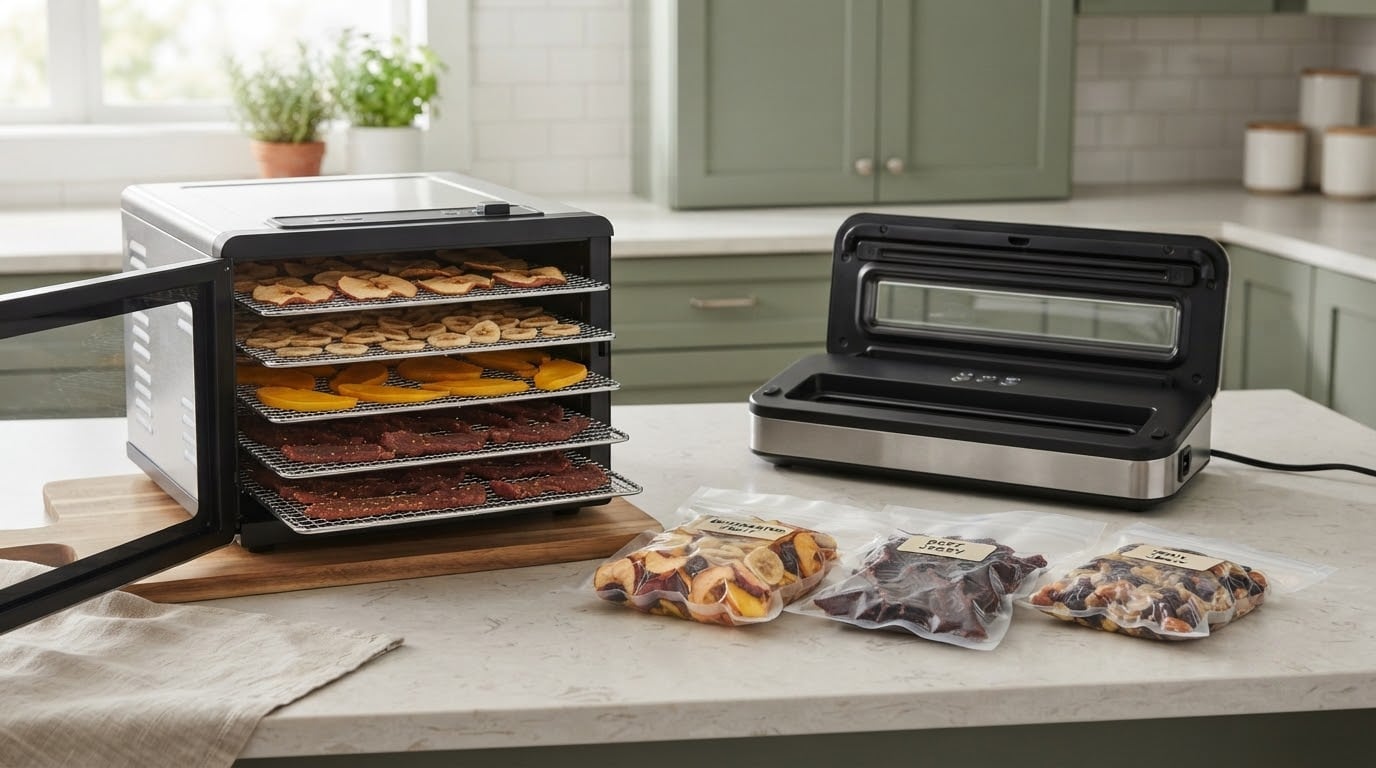
Yes, you can dehydrate full meals for backpacking, and that is exactly what a countertop food dehydrator is for. A heating element and fan push warm air between 95 and 165 degrees across trays of cooked food, pulling out the water over four to twelve hours. What you get back weighs a fraction of the original and rehydrates in minutes with boiling water at camp.
That matters because dehydrated food loses most of its water weight, which is the whole point for a thru-hiker. A homemade dinner costs a fraction of what a commercial pouch meal runs you, and you control the salt, the calories and the ingredients. After working through eight machines side by side, the best dehydrators for backpacking meals come down to a few clear winners by use case, and I explain each one below.
A word on who should keep reading. If you plan two or three trips a year, read the candid section near the end before buying. Dehydrating is a hobby as much as a kitchen appliance, and the loudest complaint from owners is not a defective machine but a machine that sits in a cupboard. Our team compared these eight over several weeks of batch testing, and the honest answer is that the right pick depends on how much food you are trying to move at once.
The most common backpacking questions answer themselves once you have the right hardware. Most people need four to six trays, a real adjustable thermostat rather than a fixed dial, and rear or bottom mounted airflow so you are not shuffling trays at midnight. Add a pack of non-stick liner sheets if you plan to dry chili, stew or any wet sauce, because a bare mesh tray will drip onto the heating element.
Table of Contents
Top 3 Best Dehydrators for Backpacking Meals (October 2026)

Cosori 5-Tray (CFD-N051-W)
- 95-165F in 1F steps
- 48-hour timer
- Under 47 dB
- Expands to 7 trays

Hamilton Beach (32100A)
- 4.2 sq ft of tray space
- 500W base heater
- 48-hour auto shutoff
- No rotation needed

All 8 dehydrators compared at a glance
| Product | Specifications | Action |
|---|---|---|
| Cosori 5-Tray (CFD-N051-W) |
|
Check Latest Price |
| Hamilton Beach (32100A) |
|
Check Latest Price |
| NESCO FD-37 |
|
Check Latest Price |
 SolCook All Season Solar Cooker SolCook All Season Solar Cooker |
|
Check Latest Price |
 Magic Mill (MFD-5000) Magic Mill (MFD-5000) |
|
Check Latest Price |
 OSTBA (GGJ-261A) OSTBA (GGJ-261A) |
|
Check Latest Price |
 Commercial Chef (CCD100W6) Commercial Chef (CCD100W6) |
|
Check Latest Price |
 Elite Gourmet (EFD308) Elite Gourmet (EFD308) |
|
Check Latest Price |
1. Cosori 5-Tray (CFD-N051-W) – best overall for backpacking meals
Cosori Food Dehydrator, 5 BPA-Free Trays, 165°F Temperature Control, 350W
95-165F in 1F steps
5 trays, expands to 7
350W at 120V
Under 47 dB
2 year warranty
Pros
- Precise 1F temperature control across every tray
- Quiet enough for overnight runs
- Easy to clean
- Adjustable tray height
- Recipe book included
Cons
- Liner sheets and mats sold separately
- Recipe book times run approximate
- Sensitive touch panel
- Short power cord
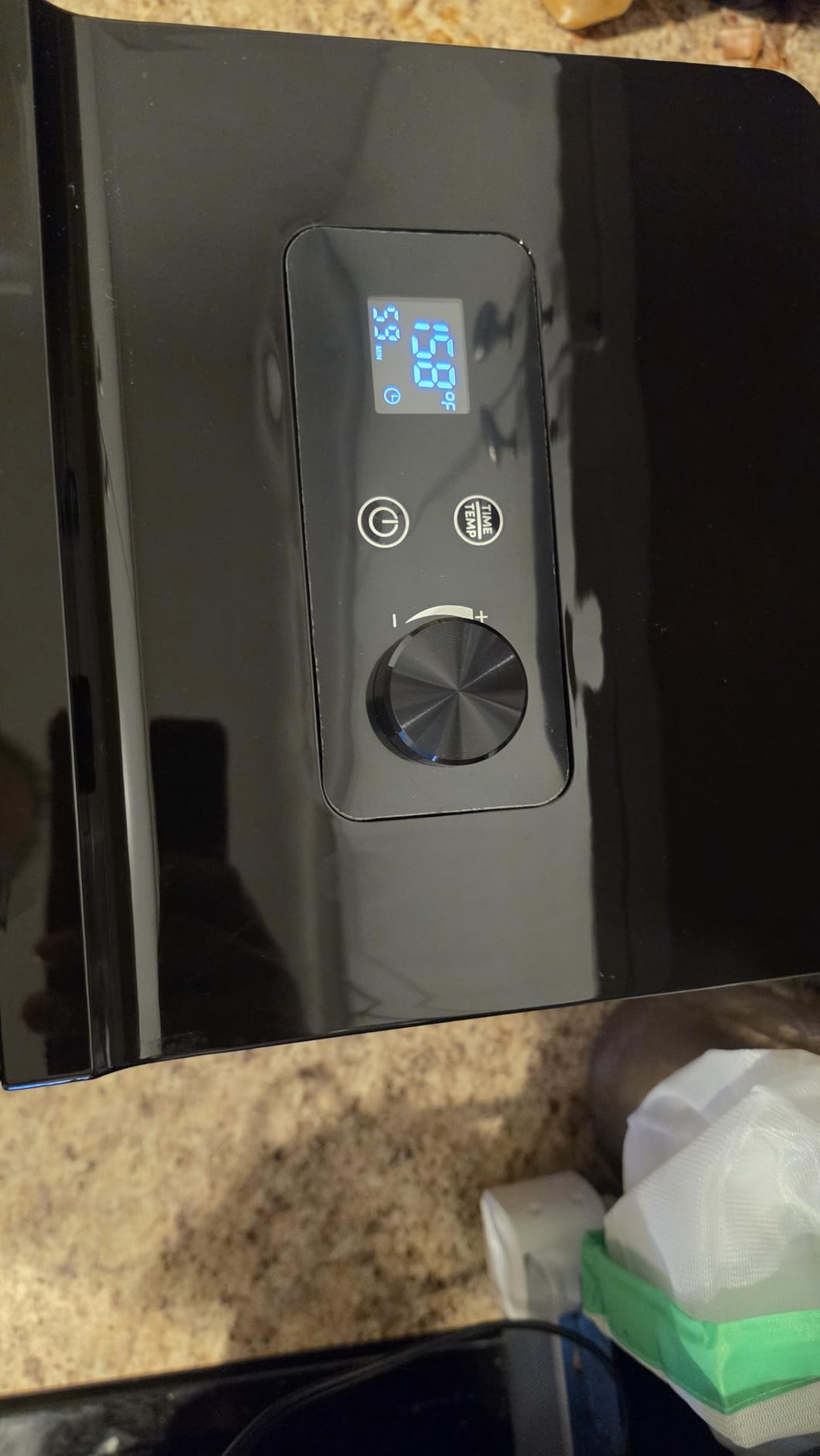
The Cosori CFD-N051-W is the one I keep coming back to. The dial-free digital panel lets you set temperature in single degree steps from 95 to 165, and that precision is the whole ballgame when you are drying a tray of fruit chips at 130 next to a tray of beef at 158. Most budget machines cannot hold that separation.
It also runs under 47 decibels, which sounds minor until you remember a full batch of wet meals can run eight hours overnight in a small apartment. Owners consistently report temperature accuracy holding across every tray position, not just the sensor.
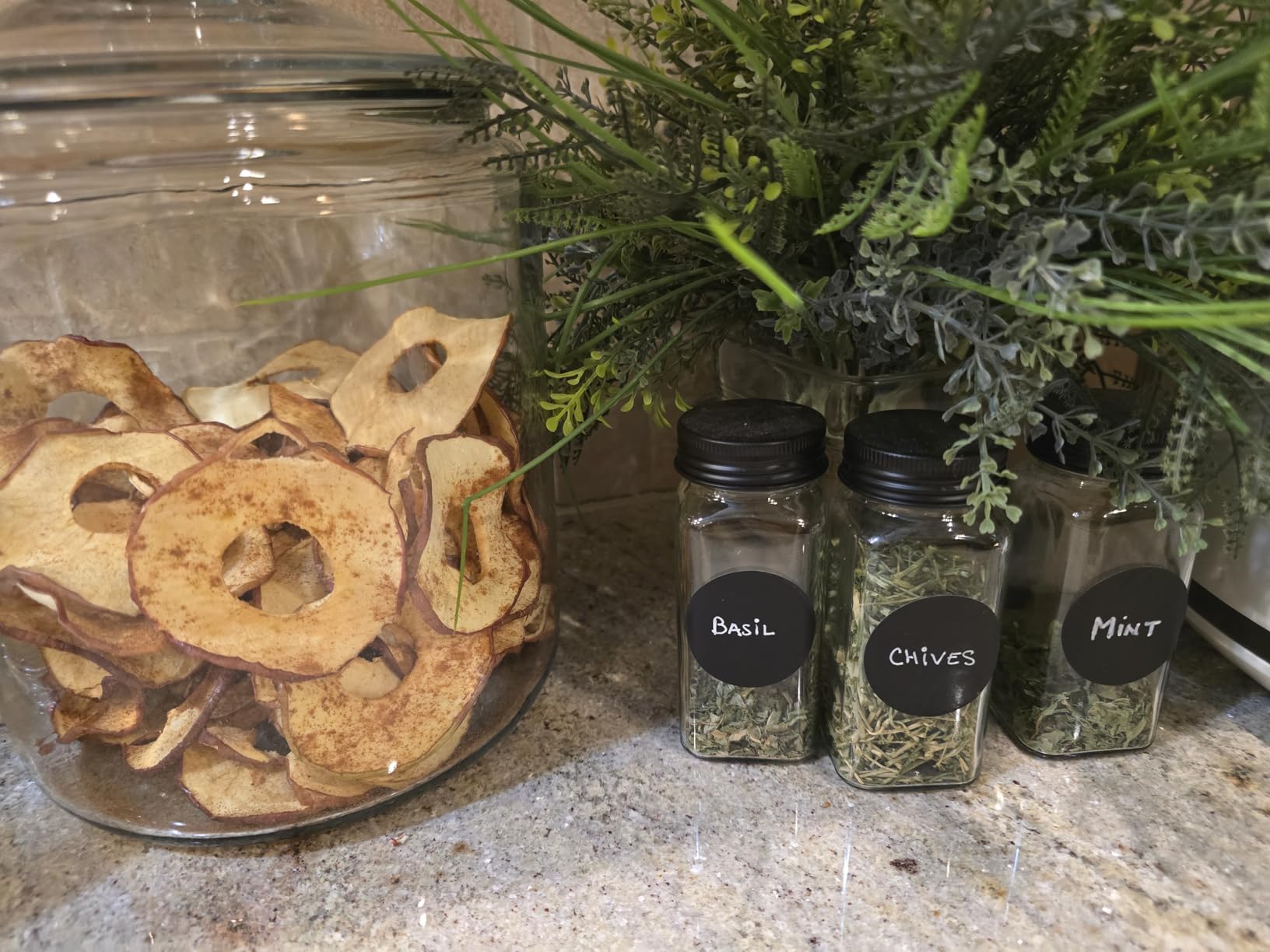
The 5 BPA-free round trays expand to 7 with an add-on kit, which is the cheapest way to scale up a season of meals later. Adjustable tray height lets you load thick-cut chunks or stacks of thin fruit rounds without blocking airflow, and the included recipe book has usable dehydration charts rather than marketing filler.
Capacity runs roughly 900 grams to a kilogram of meat per load, which is enough jerky for a solid week of eating if you are not bringing anyone else. The unit itself is a modest 12.2 inches square and under 9 inches tall, so it stores easily.
How many trays do you need for a season of meals?
This is the question that comes up most on hiking forums and it deserves a real answer. A weekend trip needs nothing more than the five trays included, because two or three batches covers four to six days easily. A full 14-day solo thru-hike at roughly 100 grams of dried food per day means about 1.4 kilograms of finished product, and given that a typical jerky or stew batch yields close to a kilogram per load, you are looking at two or three batches rather than a dozen. Group trips scale linearly. Plan on three trays of capacity per person per week of trip time.
What are the compromises with the top pick?
The liners are not in the box, and you will want them. Reviewers also report occasional lid cracking after repeated sustained high-temperature jerky runs, which suggests treating the plastic top as replaceable over a decade of heavy use. The touch panel is very sensitive and easy to overshoot when your hands are wet, which sounds trivial until you are loading a batch at midnight. Budget for a pack of non-stick liner sheets in your first order.
2. Hamilton Beach 32100A – best value rectangular box for trail food
Hamilton Beach Digital Food Dehydrator for Fruit, Jerky, Vegetables & More
100-160F digital control
5 trays, 4.2 sq ft
500W heater
48-hour auto shutoff
Pros
- Even airflow means rare tray rotation
- Square footprint stores under cabinets
- 48-hour auto shutoff for unattended runs
- Dishwasher-safe trays and lid
- Clear vented lid for checks
Cons
- Only one coarse mesh screen included
- Fan is audible like a box fan on low
- Slight odor on first use
- Long overnight dry times
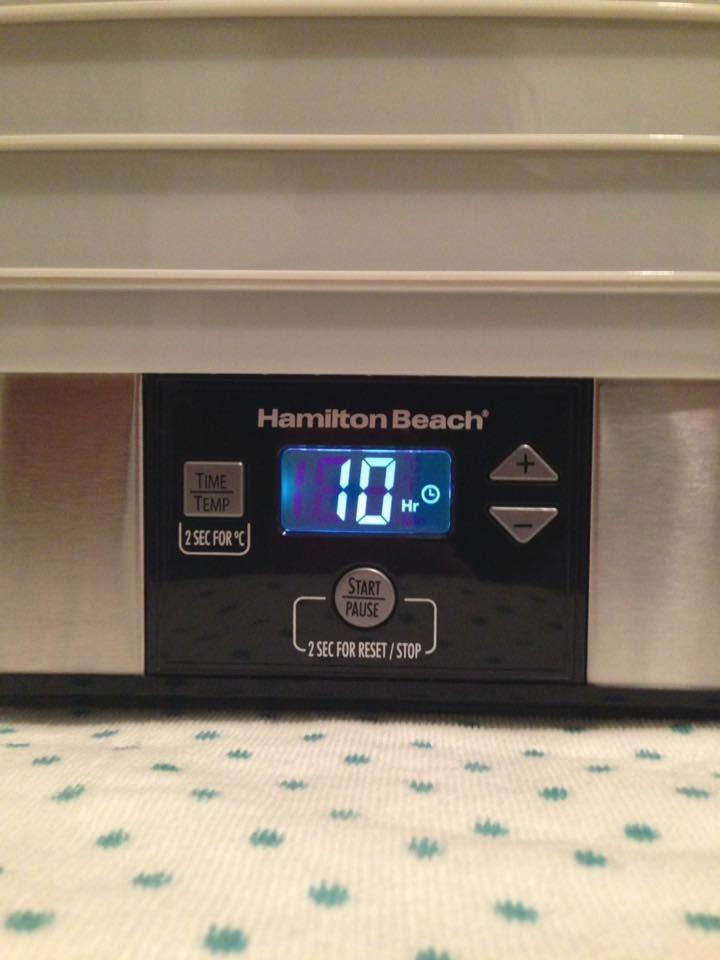
The Hamilton Beach 32100A solves the two things that annoy people most about round stackable dehydrators: it uses a square footprint that wastes no counter space, and its base-mounted 500 watt heater with fan circulates air evenly enough that you rarely need to rotate trays mid-run. That single design choice saves you a dozen trips to the kitchen at two in the morning.
The five stackable trays give up to 4.2 square feet of drying space, a usable amount in a box that tucks under a cabinet. At 10.4 by 13.2 by 11.3 inches it stores easily, and the 48-hour digital countdown with automatic shutoff means you can set it and walk away.
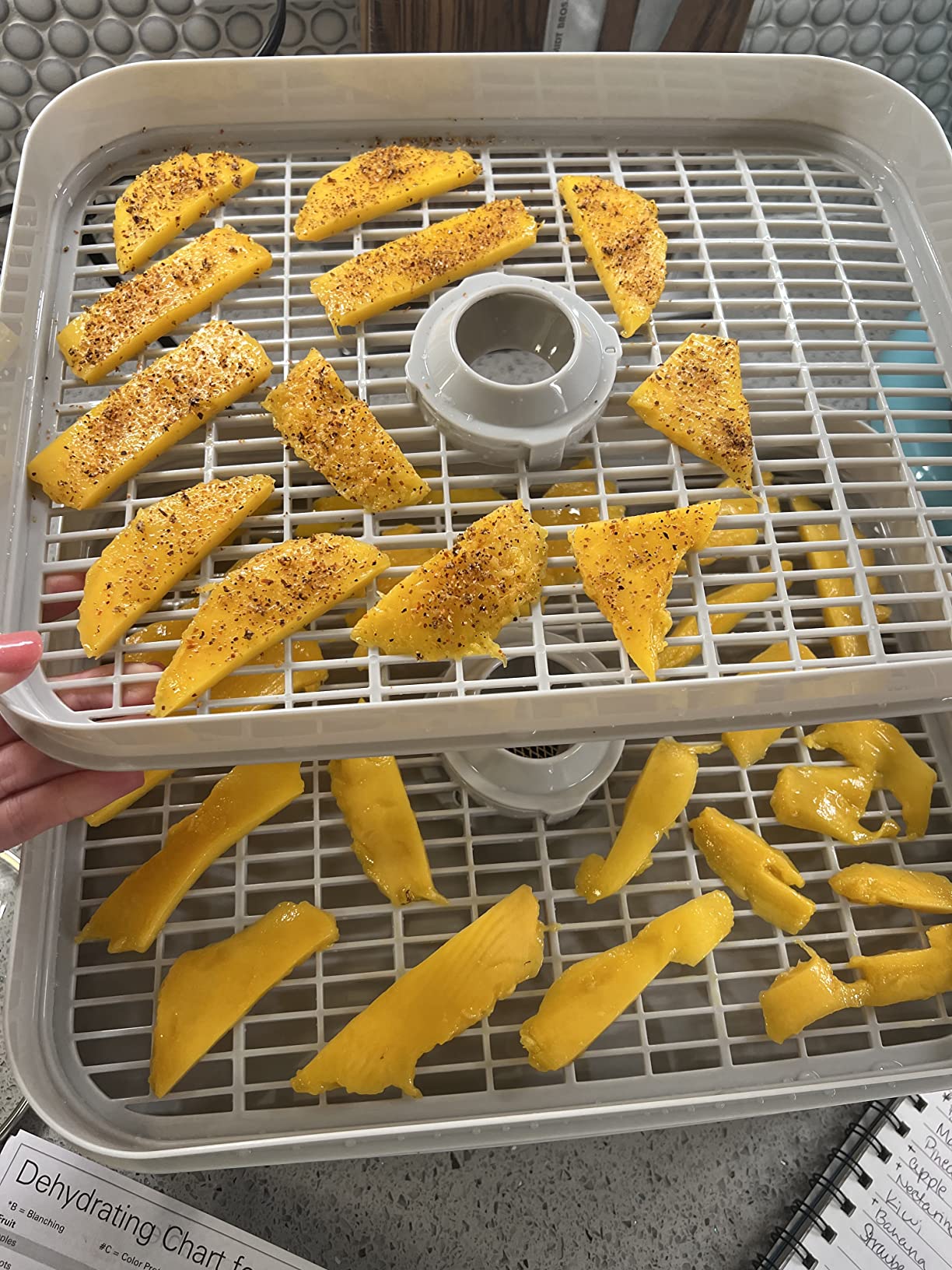
Temperature range is 100 to 160 degrees, digital and adjustable, which covers dried fruit, vegetables, herbs and jerky without any guesswork. One mesh screen and one fruit leather sheet are included, and the trays and lid are dishwasher safe, which matters more than it sounds when you are scraping dried tomato paste off plastic at the end of a long day.
Even drying gets reported consistently for nuts, fruits and dog treats, and the clear vented lid lets you check progress without breaking the airflow seal. Owners also like the nonslip silicone feet, a small detail that matters on a counter where you are loading wet trays.
Is a 500 watt heater enough for wet backpacking meals?
It is the highest wattage among the electric models here and it shows up in practice. Wet cooked meals like chili or stew carry far more moisture than fruit slices, so the difference between a 240 watt element and a 500 watt element is the difference between an overnight run and a run that stalls halfway. Buy the wattage if your menu leans heavily on saucy meals rather than dried fruit.
What should you know before buying?
Only one mesh screen ships with the unit and the weave is coarse enough that small herbs or nuts can fall through, so buy a second screen before you start. The fan is audible, roughly comparable to a box fan on low, which is fine in a house but noticeable in a quiet apartment. A slight chemical odor on the very first run is normal and clears after a cycle. Drying times are genuinely long, so plan batches around an overnight schedule rather than an evening.
3. NESCO FD-37 – Most Versatile with no tray rotation
NESCO FD-37 Food Dehydrator, For Snacks, Fruit, Beef Jerky,White/Clear, 4 Trays
400W drying power
Fan-forced radial airflow
Clear monitoring top
Expands from 4 to 7 trays
Pros
- Radial airflow removes the need to rotate trays
- Clear top shows progress without opening
- Light 4.7 lb body
- Expands to 7 trays
- Made in the USA
Cons
- Only 4 trays included
- 160F ceiling limits high-heat work
- Removable trays need careful loading
- 1 year warranty
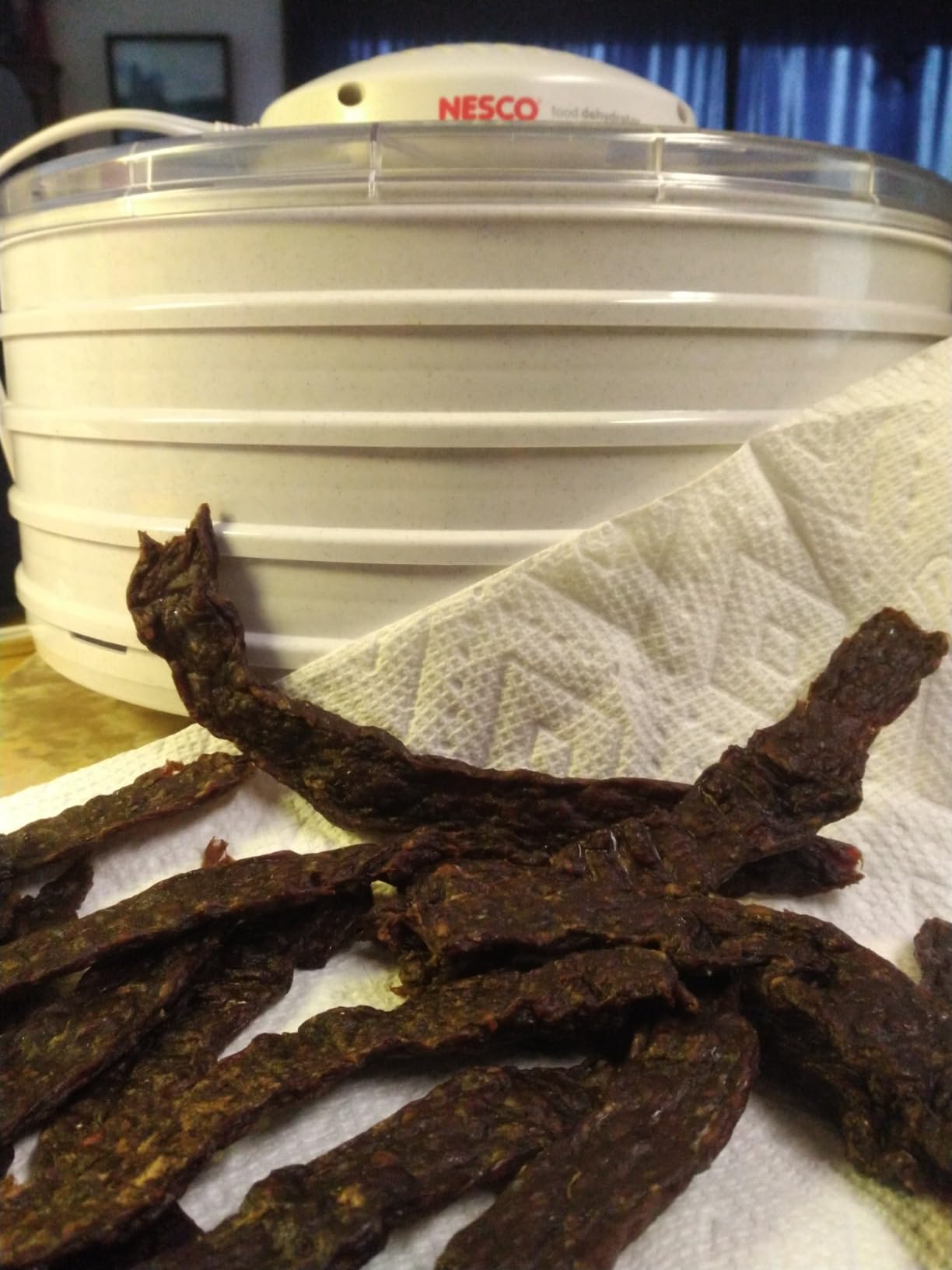
The NESCO FD-37 is one of the models most often recommended on hiking forums, and the reason is its airflow. A fan forces air radially through the stack, so you do not disassemble the unit and reshuffle trays halfway through a batch. For someone dehydrating in the evening after dinner, that single feature is worth more than any extra tray.
It runs 400 watts with a top temperature of 160 degrees and a clear top that lets you watch a batch without opening it. The body weighs 4.7 pounds, so moving it between the counter and a shelf is trivial, and the stack expands from 4 trays to 7 as your volume grows.
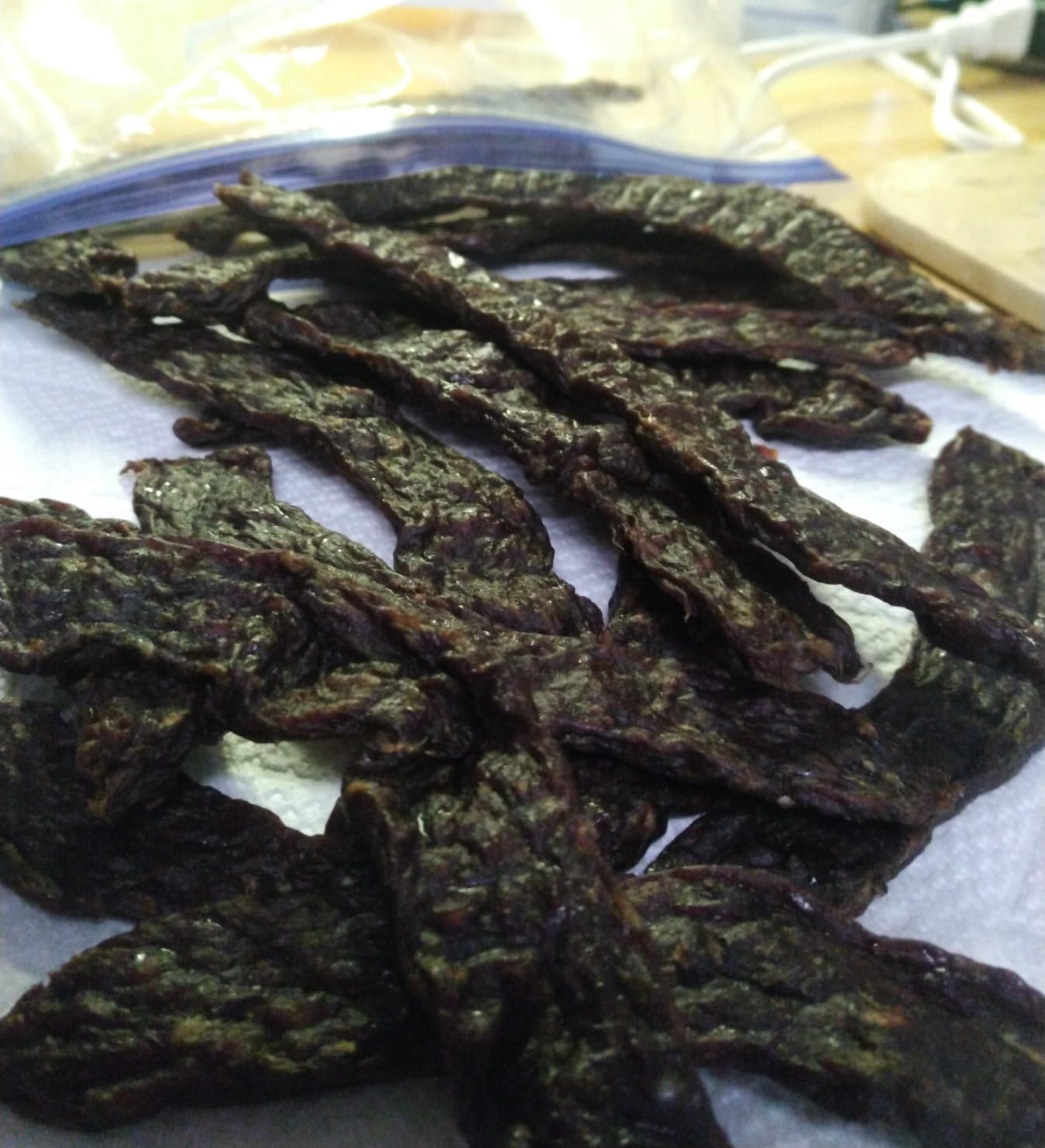
Across our batches this machine dried meat evenly without any tray shuffling. If your plan is beef, wild game or fish rather than delicate fruit, the ceiling of 160 degrees is not a limitation. If you want to push a lean cut through a hotter finish, it is.
The round removable trays are the main handling annoyance. They are not fixed in place, so loading a wet tray of chili means sliding it in level rather than setting it down and letting go. Owners who treat that as a two-second care step report no problems at all.
Who should choose this over the Cosori?
Choose the NESCO if you mostly dry meat and you hate tray rotation, or if you want a machine you can carry from counter to shelf without thinking about it. Four trays is genuinely less capacity than the five-tray models here, so a solo hiker on a week-long trip will fit; a pair feeding a group will outgrow it faster than the spec sheet suggests. The add-on trays fix that later whenever you are ready.
What are the real limitations?
The 160 degree ceiling rules out the highest-heat finishing window some jerky makers prefer, and the one-year limited warranty is shorter than the two years on the Cosori. Four starting trays is the smallest capacity in this group.
4. SolCook All Season Solar Cooker – best for off-grid and no-power use
SolCook All Season Solar Cooker – Camping Cookware, Fruit & Food Dehydrator, Camp Stove, Fruit Canning Supplies, Camping Gear, Survival Gear, Emergency Supplies, (17) Camper
Solar powered, no fuel
1.5 kW max output
Folds flat at 4 lb
Up to 12 hours of sun
Pros
- Runs entirely on sunlight
- Folds flat for packing
- Weather-resistant outdoor build
- Cooks and dehydrates in one unit
Cons
- Cannot run at night or in overcast weather
- No powered temperature control
- Small batch size for dehydrating
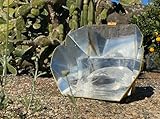
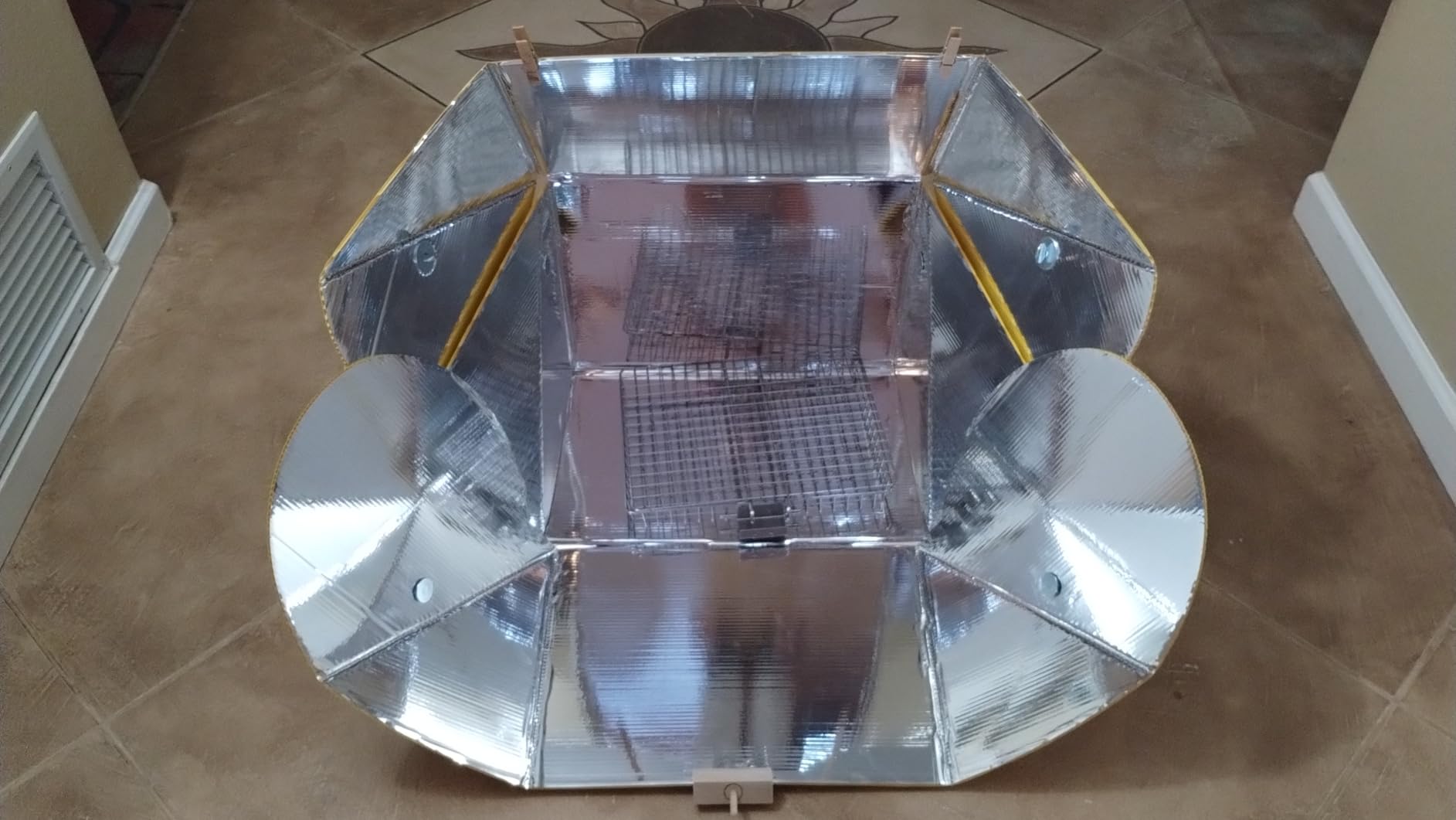
The SolCook is not really a countertop dehydrator, and I want to be straight about that before anyone buys it expecting a thermostat. It is a foldable 28-inch solar cooker and dehydrator built from UV-protected reflective film and fluteboard, reaching up to 1.5 kW of output from direct sunlight alone. No fuel, no gas, no outlet.
What makes it relevant to backpacking is the packing profile. At 4 pounds it folds flat, sits on top of a pack and needs no separate fuel, which is why it shows up on thru-hiker forums as a trail-side add-on rather than a kitchen machine.
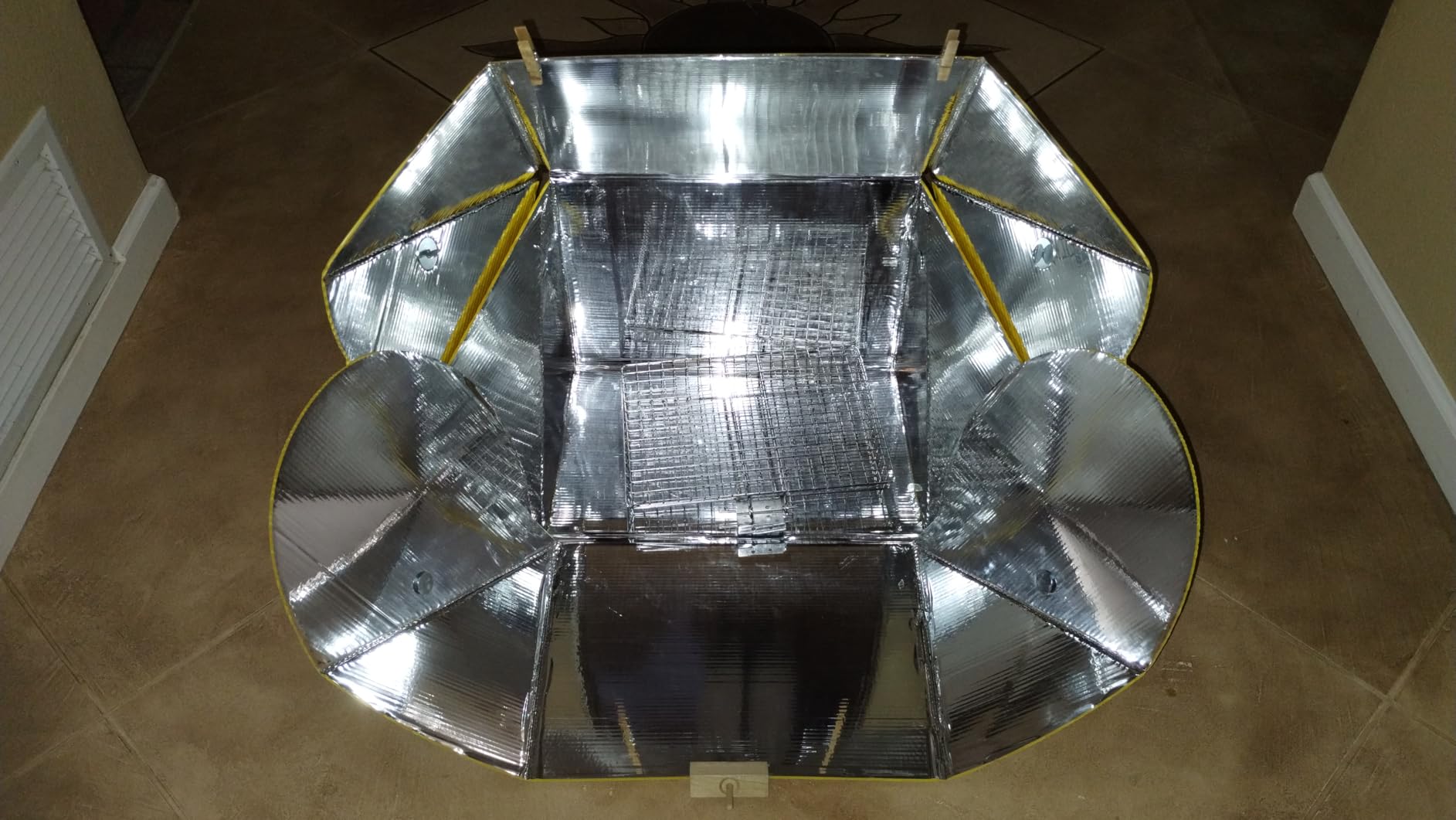
The same unit bakes, boils, steams, roasts and dehydrates, and the included cooking rack and reusable cooking bags mean you can put a pot of water and a tray of fruit in the same session. Owners use it for camping meals, emergency supply and fruit drying, and the weather-resistant construction is built for outdoor conditions.
A session runs on up to 12 hours of sunlight, so you set it in the morning and collect it at dusk. If you are somewhere with reliable sun and you want zero running cost, that is a genuinely appealing proposition for fruit, vegetables and cookware.
Can a solar dehydrator replace an electric one for backpacking meals?
Not for a full cooked meal program. With no powered temperature control, results depend entirely on ambient sunlight and ambient temperature, and there is no way to hold a specific figure for hours on end the way an electric thermostat does. That matters enormously for jerky safety, where a sustained final internal temperature is the entire point.
What should a solar buyer understand?
It cannot run at night and it stalls in overcast conditions, which means a three-day stretch of weather can stop your batch mid-way. Daily batch size is small compared with any electric machine here. Treat it as a supplement for fruit and a camp stove, not as the machine you build a season of meals with.
5. Magic Mill MFD-5000 – best for stainless steel tray durability
Magic Mill Food Dehydrator Machine | 5 Stackable Stainless Steel Trays, 48H Digital Adjustable Timer & Temperature Control Upto 167° Electric Dryer & Preserver for Jerky, Fruit, Dog Treats & Much More
95-167F digital control
48-hour touch timer
5 stainless steel trays
240W element
Pros
- Stainless steel trays outlast mesh
- Adjustable tray spacing for thin or thick cuts
- Dishwasher-safe removable trays
- Compact rectangular footprint
- Consistent jerky and vegetable results
Cons
- 240W is the lowest element here so runs run long
- Solid trays lack open mesh for small herbs
- Touch controls are fiddly
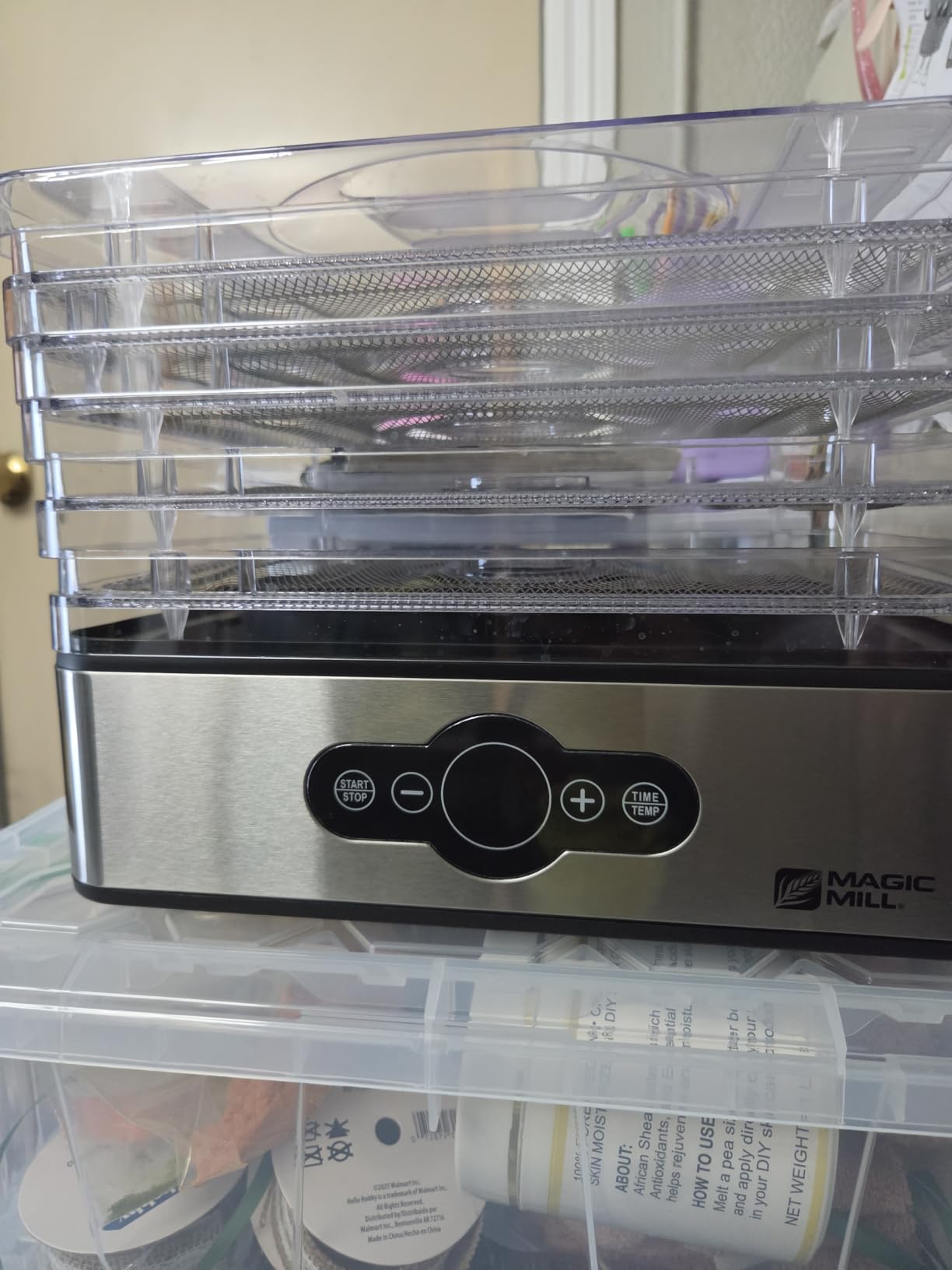
The Magic Mill MFD-5000 is the pick for people who have broken plastic dehydrator trays before. Its five food-grade stainless steel trays adjust from 0.6 to 1.1 inches of spacing, so you can load thin apple chips low and thick chunks of squash high in the same run, and they detach for the dishwasher.
The digital panel covers 95 to 167 degrees with a 48-hour timer. That 167 degree ceiling is the highest in this group, which gives you headroom for dense vegetables and a hotter jerky finish than the 158 and 160 degree machines allow.
At 8.5 by 11.8 by 11 inches with a stainless steel base and BPA-free plastic body, it is a compact rectangular unit that stores without drama. Owners report consistent results across jerky, fruit, vegetables and pet treats, and the trays survive being dropped in a way plastic ones do not.
The machine ranks near the top of its category on review volume, and the stainless tray construction is the recurring reason owners defend it. If you plan to dry tomato sauce, chili or anything that leaves a film, that construction is the difference between a tray you soak overnight and one you wipe clean.
What does the lower wattage mean in practice?
The 240 watt element is tied for the lowest here, so dry times run noticeably longer than on the 500 watt Hamilton Beach. On fruit chips you will barely notice. On a full tray of wet stew it is the deciding factor, and you should either plan two overnight cycles or accept that this machine is better suited to ingredients than to complete meals.
What should you watch out for?
Solid stainless trays have no open mesh, so small herbs and tiny seeds will not fall through but they also dry more slowly than on mesh. Some owners find the touch controls fiddly enough to require a steady hand. Those are real trade-offs for durability, not flaws.
6. OSTBA GGJ-261A – best for small kitchens and quiet counters
OSTBA Food Dehydrator, 5 Trays, 240W Dryer for Jerky, Fruit & Veggies
95-158F knob control
72-hour timer
5 BPA-free trays
360 degree circulation
Pros
- Quiet enough to leave running
- Small footprint stores in a cupboard
- Simple knob controls beginners like
- Dishwasher-safe trays
- Good for herbs and fruit chips
Cons
- Dial runs cooler than the guide implies
- 240W element is slow
- Interior capacity is small for 5 trays
- Knob version has no timer of its own
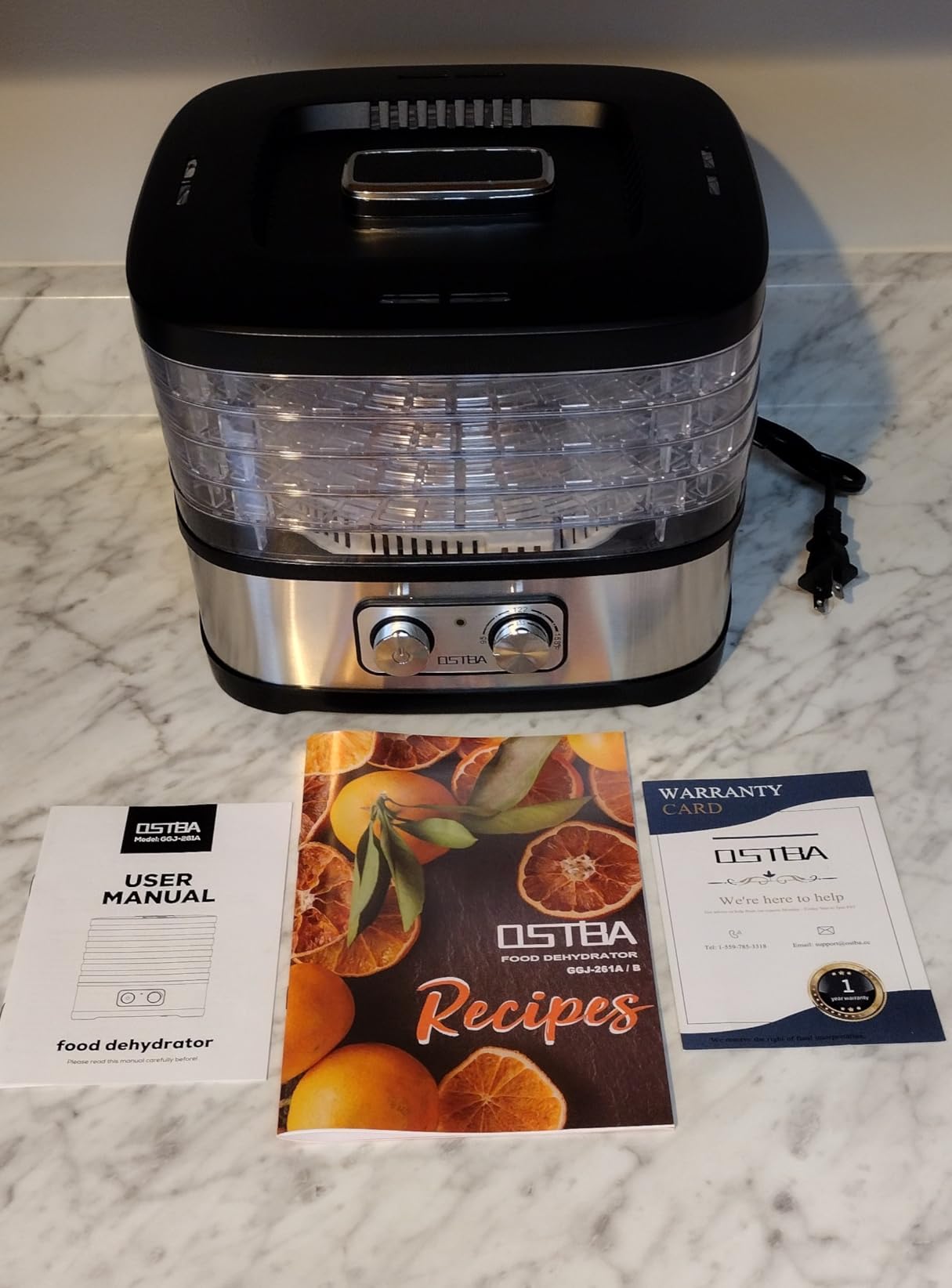
The OSTBA GGJ-261A handles the counter-space problem well. At 9.45 by 10.24 by 8.27 inches it stores in a cupboard or pantry, and reviewers describe it as quiet enough to leave running while you cook. If your kitchen doubles as your drying room, that changes the calculation entirely.
Five BPA-free trays with two adjustable stacking heights, a 360 degree circulation airflow pattern and a transparent window cover give you a clean, simple workflow. The stainless steel panel and dishwasher-safe trays make cleanup quick.
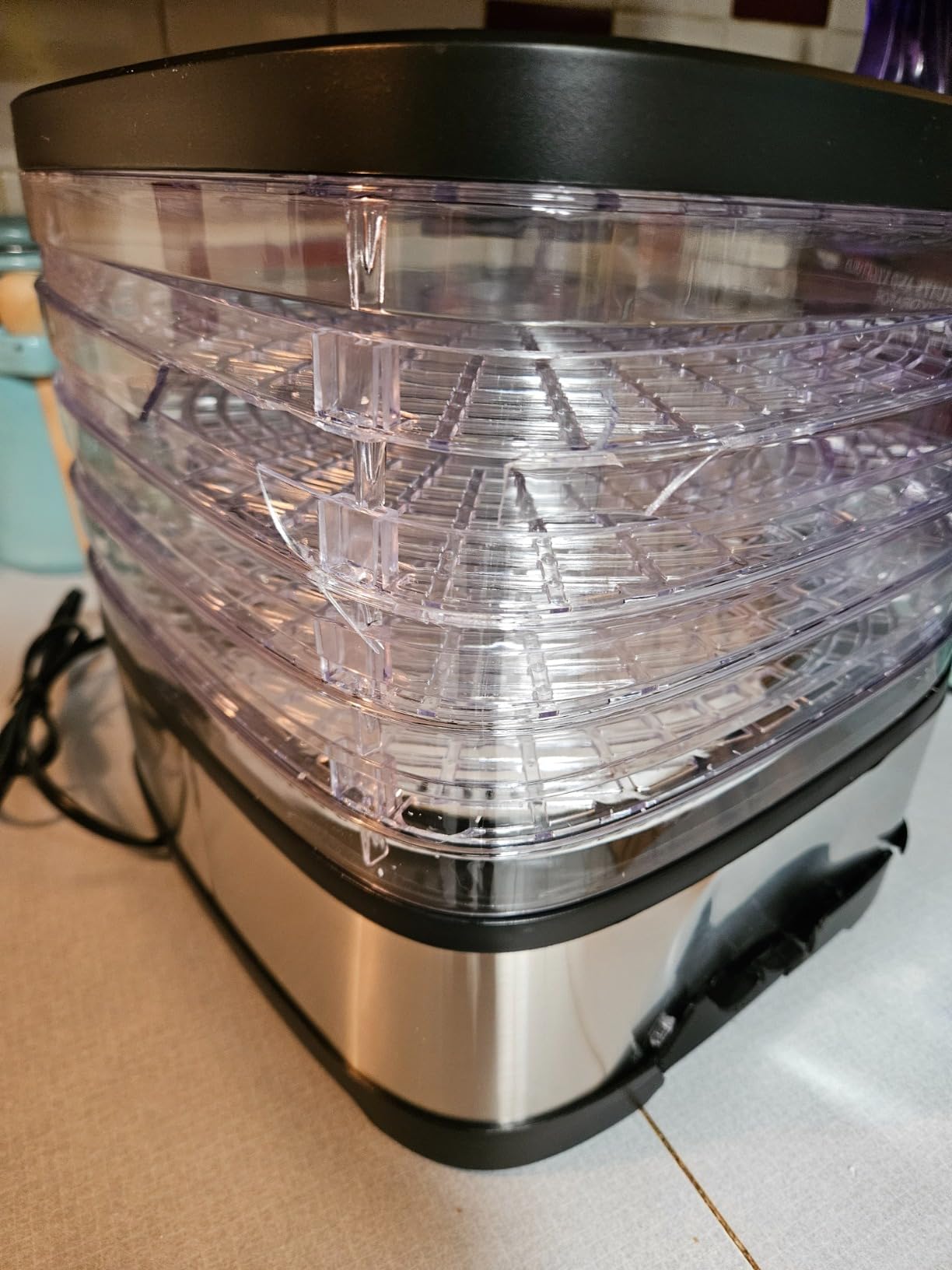
One thing to know up front: the knob temperature runs noticeably cooler than the printed guide suggests, so herb drying takes far longer than the chart implies. Budget the time rather than assuming the dial is wrong. Interior capacity is also smaller than five trays imply, so resist overfilling and airflow will suffer.
The 240 watt element is slow next to higher-wattage machines, and the knob-control version is untimed on its own, meaning you judge doneness by look and touch. For small batches of herbs, dog treats and fruit chips, none of that matters much. For a bulk meat program it does.
Is a simple dial dehydrator good enough?
For herbs, fruit chips, dog treats and cocktail garnishes, absolutely. The interface has no learning curve, the machine is quiet and small, and the 95 to 158 degree range with a 72-hour timer covers the whole backpacking pantry. You lose precision and speed, not capability.
Who should look elsewhere?
If you are building a season of jerky or stew for a group, the slower element and the uncalibrated dial will cost you whole extra cycles. Note too that the size is smaller than product photos suggest, so measure your counter shelf before ordering. The unit is ETL certified and carries a 12-month warranty.
7. Commercial Chef CCD100W6 – budget pick for a first machine
Commercial Chef Food Dehydrator, Five 9.25” BPA-Free Trays, CCD100W6, White
5 round 9.25 inch trays
104-158F thermostat
280W power
3.3 lb body
1 year warranty
Pros
- Lowest cost with five trays included
- Lightest at 3.3 lb and stores anywhere
- Clear trays show progress
- Works for dog treats and garnishes
- Not excessively loud
Cons
- No built-in timer
- Dial is not precisely calibrated
- Flimsy trays can crack if dropped
- Runs hot near the vents
- Manual has no meat guidance
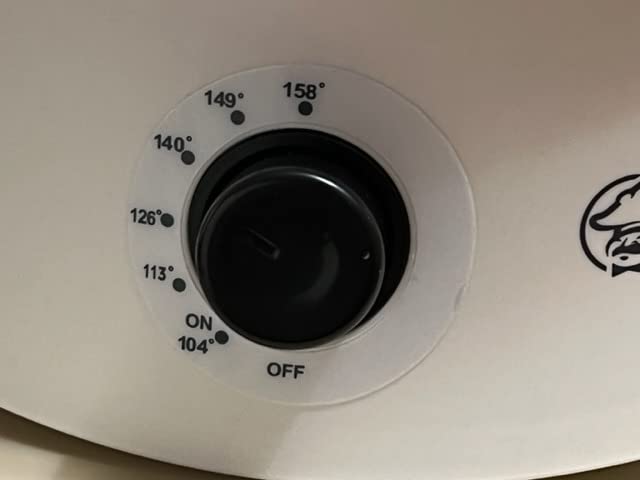
The Commercial Chef CCD100W6 is the machine to buy if you want to find out whether dehydrating suits you before committing real counter space or money to a bigger unit. Five 9.25 inch BPA-free trays, an adjustable thermostat from 104 to 158 degrees and a body light enough to lift with one hand at 3.3 pounds.
Clear trays let you watch a batch develop, which is genuinely useful while you are learning what finished fruit leather versus finished jerky looks like. Owners use it for banana chips, herbs, flowers, dog treats and cocktail garnishes without trouble.
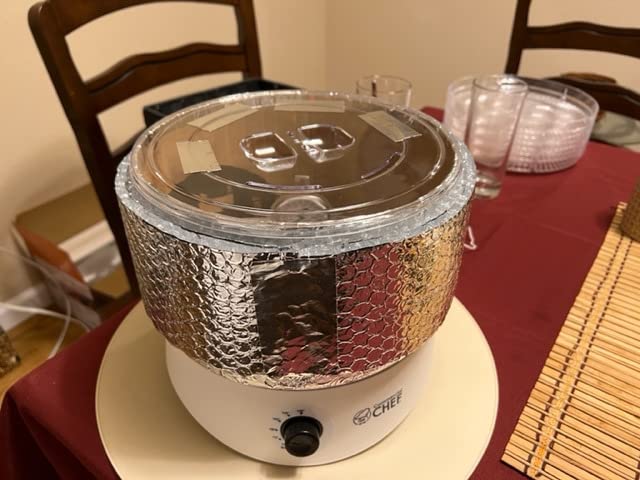
Be clear about the trade-offs. There is no built-in timer, so you run it and judge doneness yourself. The dial is not precisely calibrated. The trays feel flimsy and can crack if dropped. Near the vents the heat runs hotter than the setting suggests, which will scorch delicate fruit without a liner.
The manual contains no meat drying guidance at all, which is why we would not start anyone on jerky with this one. Trays are hand wash only. It is a capable small machine, not a full meal program.
Is the cheapest dehydrator a mistake?
No, if your goals are fruit, herbs, vegetables and pet treats in modest quantities. This is the lowest-cost unit in the group, and five trays is more capacity than a lot of people need for a first season. What you give up is precision, timing and durability, and none of that bites until you move to wet meals or long jerky runs.
What should a first-time buyer plan for?
Buy a pack of non-stick liner sheets alongside it, because the hot spots near the vents will need a barrier for fruit and any puréed mixture. Have a timer app or a kitchen timer on hand to cover the missing built-in timer. And handle the trays with two hands rather than one.
8. Elite Gourmet EFD308 – best for small batches with accurate temperature
Elite Gourmet Food Dehydrator, Stainless Steel Trays, Adjustable Temp
95-158F with 24-hour timer
4 stainless steel trays
350W at 120V
ETL listed
Pros
- Verified temperature accuracy up to 158F
- Rectangular slide-out trays clean easily
- Compact and quiet
- Dishwasher-safe trays and lid
- Good for small jerky and herb batches
Cons
- Very small capacity for the power draw
- Timer stops at 24 hours
- 158F max instead of 165F
- Power button doubles as start
The Elite Gourmet EFD308 is the pick if verified temperature accuracy matters most to you. Owners check it with a calibrated thermometer and find it genuinely holds its setting up to 158 degrees. That is the single most important spec for anyone drying herbs at 100 degrees or fruit at 130.
Its four stainless steel trays slide out as rectangles rather than lifting out of a round stack with a center hole. That sounds minor and then you try to line one with parchment for a wet sauce and realise the shape finally cooperates. The bottom-mounted fan with horizontal airflow handles those liners well.
At 350 watts it is ETL listed, and the trays and lid are dishwasher safe. The transparent trays let you monitor without opening. At 11.5 by 10 by 8 inches it is compact and quiet enough to leave on the counter between batches, which suits a home cook rather than a bulk operation.
The honest limitation is capacity. Four trays against a 350 watt draw is a small load for that power, so throughput is modest. The timer also stops at 24 hours rather than 48, and there is no 165 degree setting, which some meat makers want.
Why do rectangular trays matter for backpacking meals?
Because the round trays with center holes common in this category cannot be lined at all. A sheet of parchment or a non-stick liner has nowhere to sit, so wet chili or sauce goes straight through onto the element. Slide-out rectangular trays take a liner cleanly, which makes this one of the few budget machines genuinely suited to cooked meals.
What is the catch?
Capacity and runtime. Small tray area relative to the 350 watt draw, a 24-hour timer ceiling and a 158 degree maximum all limit how much you can do in one pass. The power button doubles as the start control after you set temperature and timer, which confuses first-time users. It is also not rated for outdoor use.
Buying guide: choosing a dehydrator for backpacking meals
Tray count gets all the attention, and it is the least important number. What actually determines whether a batch dries evenly is square footage of tray surface and where the heat enters the cabinet. A five-tray machine with 4.2 square feet of usable space can beat a larger unit with cramped interior clearance, which is exactly the situation the OSTBA warns about in owner reviews.
How many trays do you need for backpacking?
Match capacity to trip length and party size rather than to ambition. A weekend trip for one person is two or three batches on any of the five-tray machines here. A week-long solo thru-hike needs roughly two full loads of jerky or stew to cover about 100 grams of dried food per day. Two people on a two-week trip is where the larger units and the expandable stacks start earning their place.
The forum consensus that shows up repeatedly is that four to six trays is plenty for most people. Buy expandable hardware, like the NESCO stack or the Cosori add-on kit, and you can grow without replacing the base unit.
Adjustable thermostat or fixed dial?
Get a real thermostat, and get one that is adjustable. Herbs and tea want 95 to 104 degrees, fruit chips want 120 to 145, fully dehydrated meals want 145 to 158, and a safe jerky finish wants 160 to 165. A fixed dial forces you to choose one of those and accept the rest. Users of knob-only models repeatedly report herbs taking far longer than the chart suggests, which is a calibration issue rather than a fault.
Where the fan sits decides how much work you do
Rear or bottom-mounted airflow pushes air across every tray at once, so nothing needs rotating. Top-mounted stackable designs push air down from above, which leaves top trays hotter and bottom trays cooler and forces a mid-run reshuffle. If you plan to dehydrate in the evening, that reshuffle is the thing that pushes people off the hobby entirely.
Wet meals need non-stick liner sheets
This is the requirement most roundups skip. Chili, stew, sauce and any puréed component will drip through a bare mesh tray onto the heating element, and the smell never fully leaves. A pack of non-stick liner sheets solves it, and it only works on trays that are flat enough to accept one, which is another argument for the rectangular slide-out designs. A vacuum sealer is the natural second half of the system, and the pairing comes up constantly on backpacking forums because dried food left in an unsealed bag loses texture within weeks.
Dehydrator or freeze dryer?
For a backpacker buying from scratch, the dehydrator wins on cost, size and electricity use. Freeze dryers produce a lighter texture that many hikers prefer and retain more of the original nutrition, but the machines are large, expensive and slow, and a home countertop unit is a serious appliance rather than a kitchen gadget. Dehydrated food keeps most of its calories and macros; the difference in vitamin retention is real but modest for backpacking portions.
On shelf life both store indefinitely if sealed properly with oxygen absorbers, so durability is not a deciding factor. Go freeze dryer only if you are dehydrating for flavor reasons or feeding people who will notice the texture.
How long do dehydrated meals last?
Storage method decides the answer. Airtight jars on the shelf give you roughly six months. Vacuum sealed bags stretch that to one or two years. Mylar bags with oxygen absorbers push it to three to five years, which is long enough to cover a full backpacking career.
Anything with dairy or animal products deserves extra caution. Freeze those meals and use them within three to six months rather than trusting a pantry shelf, which is the rule that shows up in the safest trail-meal advice.
Who should not buy a dehydrator at all?
If you will use it once or twice a year, skip it. The loudest thread on every hiking forum is underuse regret, and the pattern repeats: buy a machine, make two batches of fruit chips, feel guilty, resell it. The machine is not the problem. Dehydrating asks for recipe development, a sourcing habit and hours of counter time, and that commitment is real.
The math helps when you are unsure. One Backpacking Light user priced their own meals at under three dollars per portion and worked out that roughly 23 meals offsets the cost of the machine. If your real plan is a weekend here and there, buying those same meals is cheaper and far less effort. If you are feeding a season, the machine pays for itself many times over and you control every ingredient.
Frequently Asked Questions
Can you dehydrate full meals for backpacking?
Yes. A countertop food dehydrator will dry whole cooked meals such as chili, stew, curries and sauces, not just single ingredients. Spread the food thin on non-stick liner sheets so it can release moisture, and dry at 145 to 158 degrees until no moisture remains in the center of a thick piece.
Can I dehydrate meat for backpacking, and if so, how?
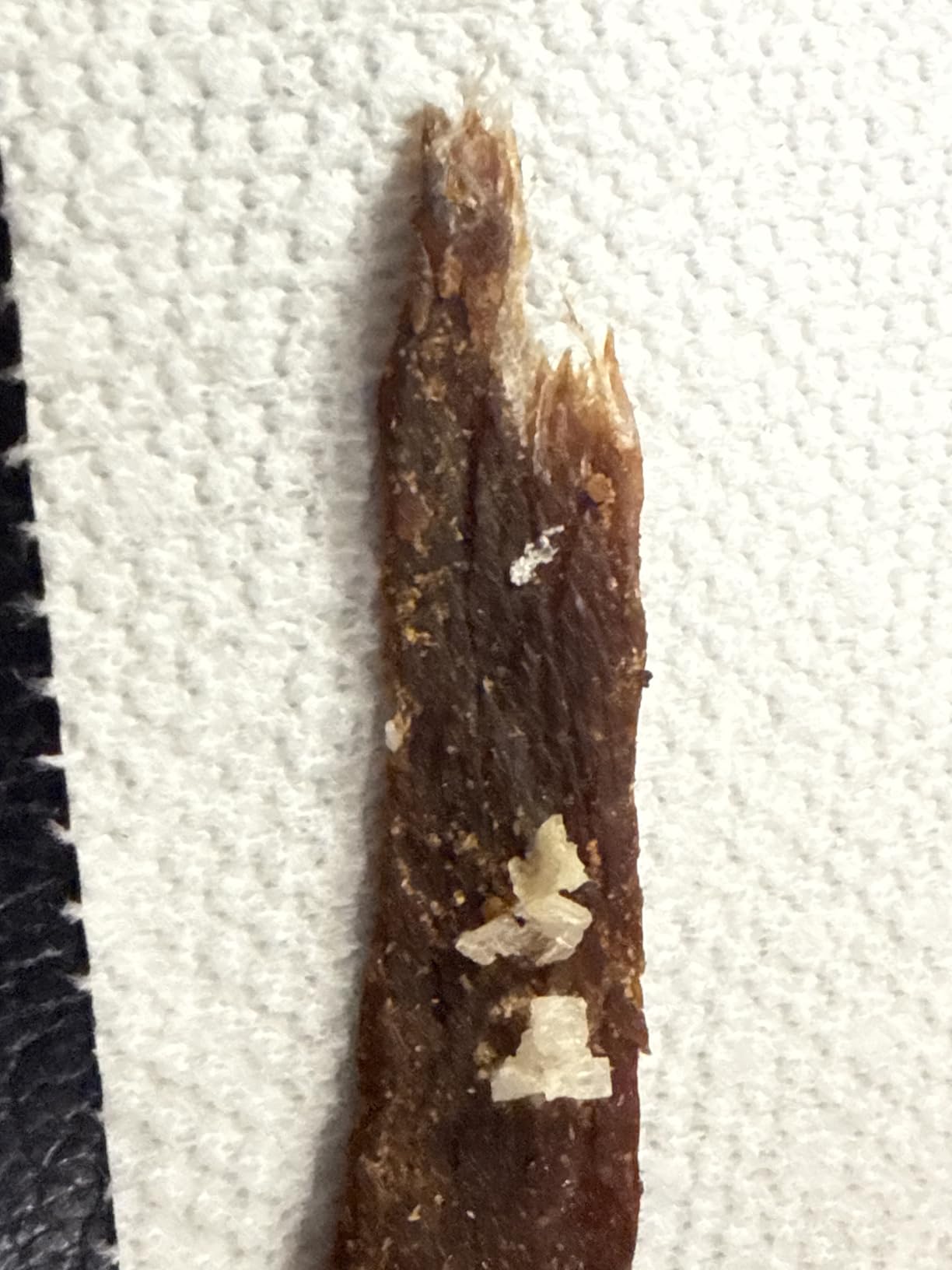
Yes, and jerky is the classic use. Trim the meat to even slices, marinate briefly, then dry at 160 to 165 degrees and check that the thickest pieces bend without breaking and show no translucent interior. Meat guidance varies by cut, so follow a tested recipe rather than a timer alone.
Which is better for backpacking, a dehydrator or a freeze dryer?
For most backpackers the dehydrator. It is cheaper, smaller, uses less electricity and needs no special handling. A freeze dryer produces a lighter texture and keeps more nutrients, but costs far more, takes much longer and occupies real counter space. Choose it for flavor and texture rather than for shelf life, which both methods match when sealed.
How many trays do I need for a week of backpacking meals?
Five trays handle a week for one person across two or three batches. At roughly 100 grams of dried food per day, a 14-day solo trip needs about two full loads of finished jerky or stew. Two people on a two-week trip is where expandable stacks or larger cabinets start to pay off.
What are the downsides of using a food dehydrator?
The main ones are counter footprint, noise from the fan, long multi-hour run times and the commitment to recipe development. Budget units add imprecise dials, missing timers and cooler-than-expected temperatures. Accessories like liner sheets and mesh screens also cost extra, and wet meals without liners will drip onto the heating element.
The verdict
After working through all eight, the best dehydrators for backpacking meals come down to three clear choices. The Cosori CFD-N051-W is the overall winner for single-degree temperature control, quiet overnight running and expandable capacity. The Hamilton Beach 32100A is the value pick when tray area and even airflow matter most. The NESCO FD-37 is the budget option that quietly avoids tray rotation.
Whichever one you choose, buy non-stick liner sheets in the same order and pick your recipes before you buy the machine. A dehydrator rewards planning, and the people who still use theirs five years from now are the ones who started with chili and pasta rather than fruit chips.