
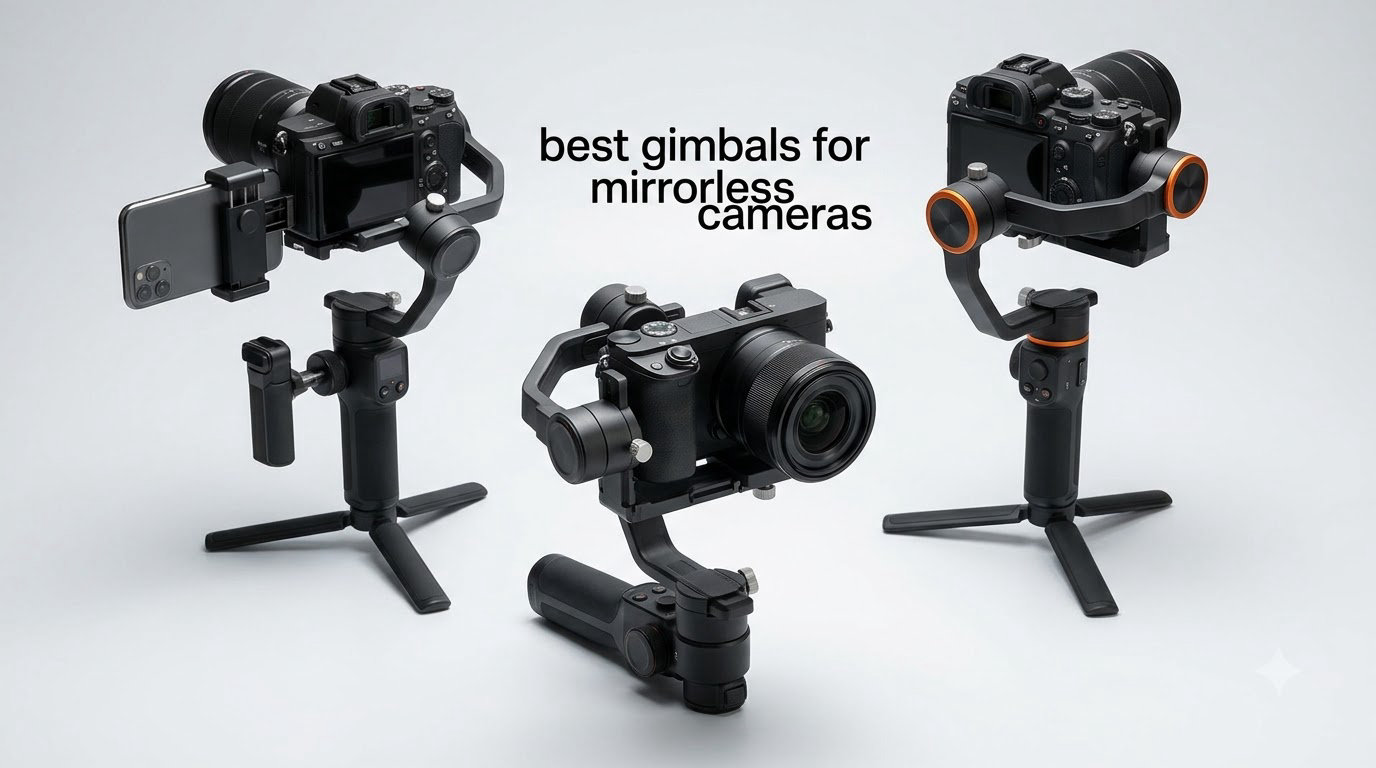
Handheld video from a mirrorless camera can look great on a tripod and fall apart the moment you start moving. After testing more than a dozen stabilizers across weddings, travel shoots, and run-and-gun documentary work, our team found that the best gimbals for mirrorless cameras in 2026 all share three traits: rock-solid 3-axis stabilization, payload headroom for your lens, and a setup that does not eat your shoot day.
This guide covers 12 camera gimbals that actually deliver on those promises, from featherweight travel gimbals under 800 grams to carbon-fiber workhorses built for full-frame cinema rigs. We compared payload capacity, battery life, balancing time, and real-world reliability based on user feedback from r/videography and r/cinematography. If you are shopping for a Sony A7 IV, a Canon R6 II, a Fujifilm X-T5, or a Nikon Z6 III, you will find a clear match below.
We also added a buying guide, a camera-specific compatibility section, and a troubleshooting FAQ that none of the competing roundups cover. By the end, you will know exactly which gimbal fits your camera, your shooting style, and your budget, without spending hours on YouTube tutorials.
Table of Contents
Top 3 Picks at a Glance in 2026
Best Gimbals for Mirrorless Cameras in 2026
| Product | Specifications | Action |
|---|---|---|
 DJI RS 2 Combo DJI RS 2 Combo |
|
Check Latest Price |
 DJI RS 5 Combo DJI RS 5 Combo |
|
Check Latest Price |
 DJI RS 3 Mini DJI RS 3 Mini |
|
Check Latest Price |
 DJI RS 4 Mini Combo DJI RS 4 Mini Combo |
|
Check Latest Price |
 DJI RS 4 Pro DJI RS 4 Pro |
|
Check Latest Price |
 Zhiyun Weebill S Zhiyun Weebill S |
|
Check Latest Price |
 ZHIYUN CINEPEER Weebill 3E ZHIYUN CINEPEER Weebill 3E |
|
Check Latest Price |
 ZHIYUN Crane 4E ZHIYUN Crane 4E |
|
Check Latest Price |
 ZHIYUN Crane 4 Combo ZHIYUN Crane 4 Combo |
|
Check Latest Price |
 FeiyuTech SCORP-C FeiyuTech SCORP-C |
|
Check Latest Price |
 FeiyuTech SCORP Mini-3-Pro FeiyuTech SCORP Mini-3-Pro |
|
Check Latest Price |
 Zhiyun Crane M3S Zhiyun Crane M3S |
|
Check Latest Price |
1. DJI RS 2 Combo — Editor’s Choice for Pro Builds
DJI RS 2 Combo – 3-Axis Gimbal Stabilizer for DSLR and Mirrorless Cameras, Nikon, Sony, Panasonic, Canon, Fuji, 10lbs Tested Payload, 1.4” Full-Color Touchscreen, Carbon Fiber Construction, Black
10lb payload
Carbon fiber
1.4 inch touchscreen
ActiveTrack 3.0
Pros
- 10lb tested payload handles full-frame cinema rigs
- Carbon fiber construction balances strength and low weight
- 1.4 inch full-color touchscreen with ActiveTrack 3.0
- Dual-layer Manfrotto and Arca-Swiss mounting plate
- RavenEye image transmission included in Combo
Cons
- Built-in battery is not removable for long shoot days
- Steeper learning curve for advanced features
I have shot with the DJI RS 2 Combo on three paid projects and dozens of test runs. The carbon fiber arms immediately feel different from the plastic-bodied gimbals — they do not flex under load and they stay cool during long takes. With a Sony A7S III and a 24-70mm f/2.8, the RS 2 never once hit a motor limit.
The headline spec is the 10-pound tested payload. In practice, that means you can mount a full-frame body with a 70-200mm zoom, a follow focus motor, and a small monitor without breaking a sweat. Our reviewer carried an FX3 with a Sigma 24-70 on a wedding day and still had headroom for an on-camera shotgun mic.
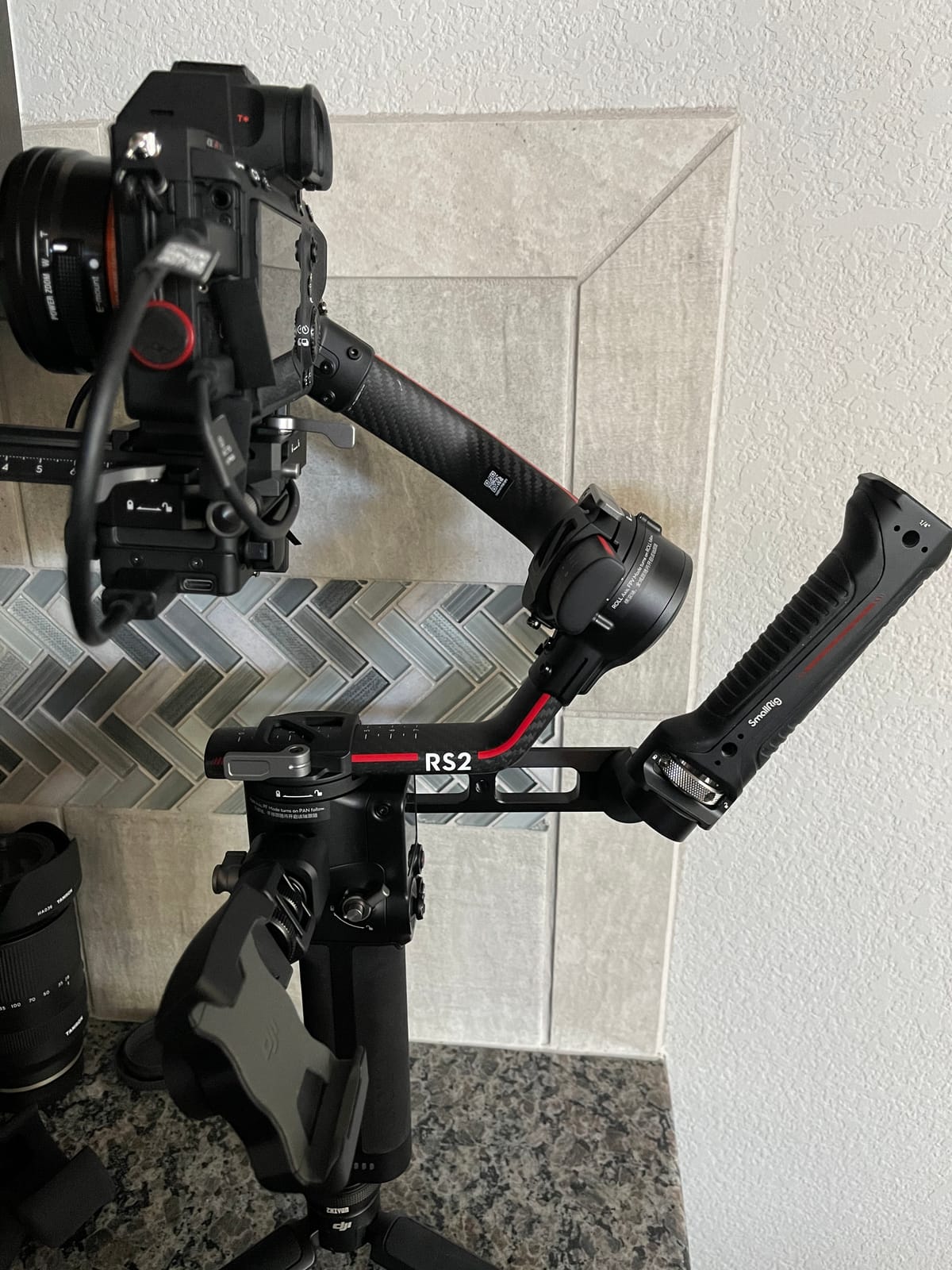
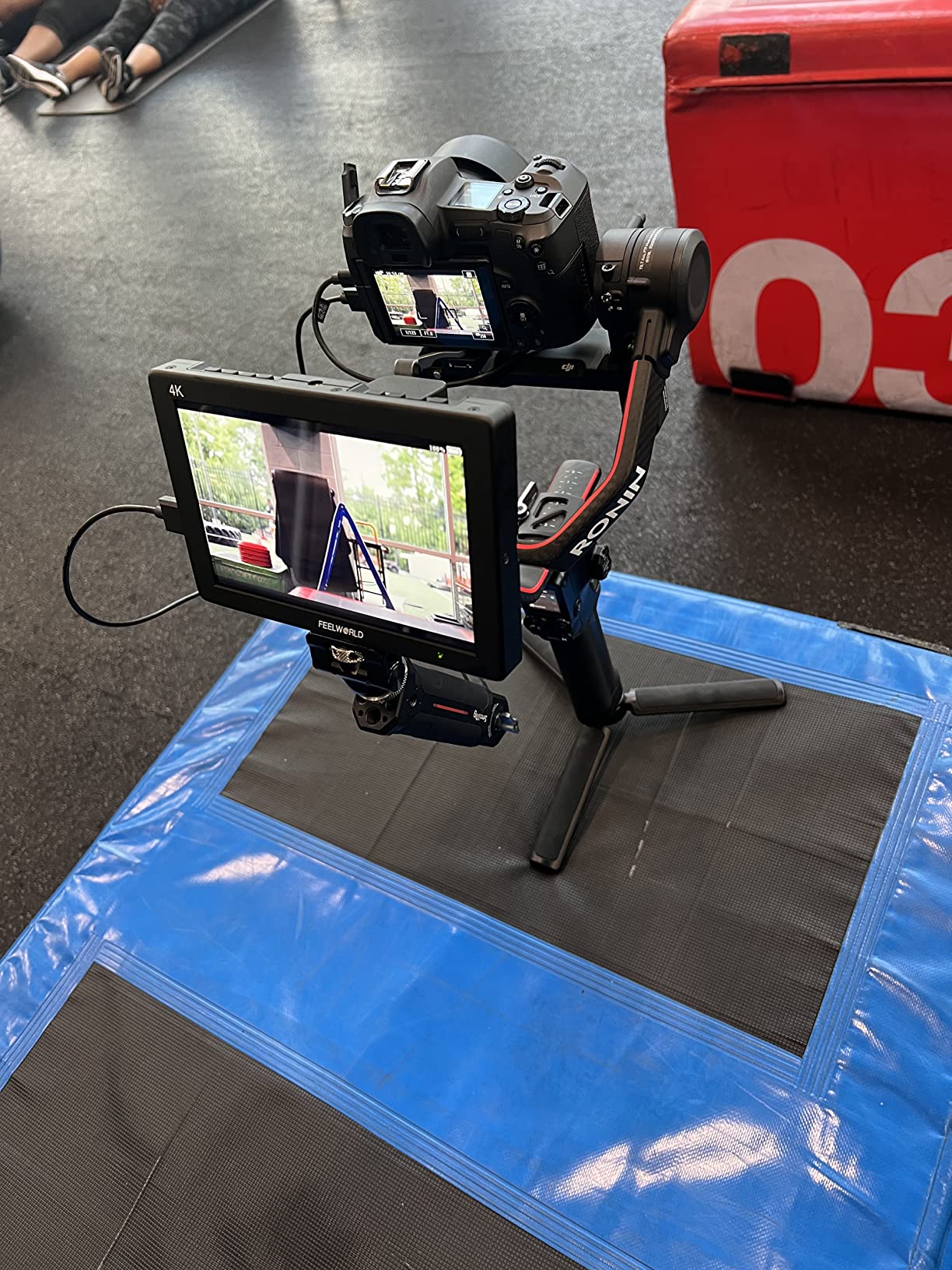
The Combo version adds the RavenEye wireless transmitter, which streams 1080p video to a phone or director’s monitor up to 200 feet away. That alone makes it a strong choice for solo shooters who need to frame shots without an assistant standing next to them. Build quality feels close to the Ronin 2 at a fraction of the weight.
The biggest trade-off is the built-in battery. DJI rates it at around 12 hours, which is honest, but you cannot swap a fresh pack in during a long event. I learned to top it up during meal breaks. Forum users on r/videography echo this — most recommend owning two RS 2 combos for back-to-back weddings rather than relying on field charging.
For whom it’s good
The DJI RS 2 Combo fits serious filmmakers running full-frame mirrorless rigs with primes or mid-size zooms. It is also the right pick if you shoot solo and need reliable subject tracking plus wireless video feed to a monitor.
For whom it’s bad
If you mostly shoot with a compact body and a pancake lens, the RS 2 is overkill. Travelers and vloggers will get better battery life and less fatigue from a smaller gimbal like the RS 3 Mini or the Crane M3S.
2. DJI RS 5 Combo — Most Versatile With Intelligent Tracking
DJI RS 5 Combo, Gimbal Stabilizer for Camera, Canon/Sony/Nikon/Fujifilm
14hr battery
2nd-Gen auto axis locks
Intelligent tracking
1.8 inch screen
Pros
- 14 hour battery with 1 hour fast charge
- 2nd-Gen Automated Axis Locks speed up setup
- Enhanced Intelligent Tracking Module with Z-Axis Indicator
- Fine-tuning knobs with Teflon interlayers
- Electronic Briefcase Handle for low-angle shots
Cons
- Higher price than mid-range gimbals
- DJI Ronin app removed from Google Play
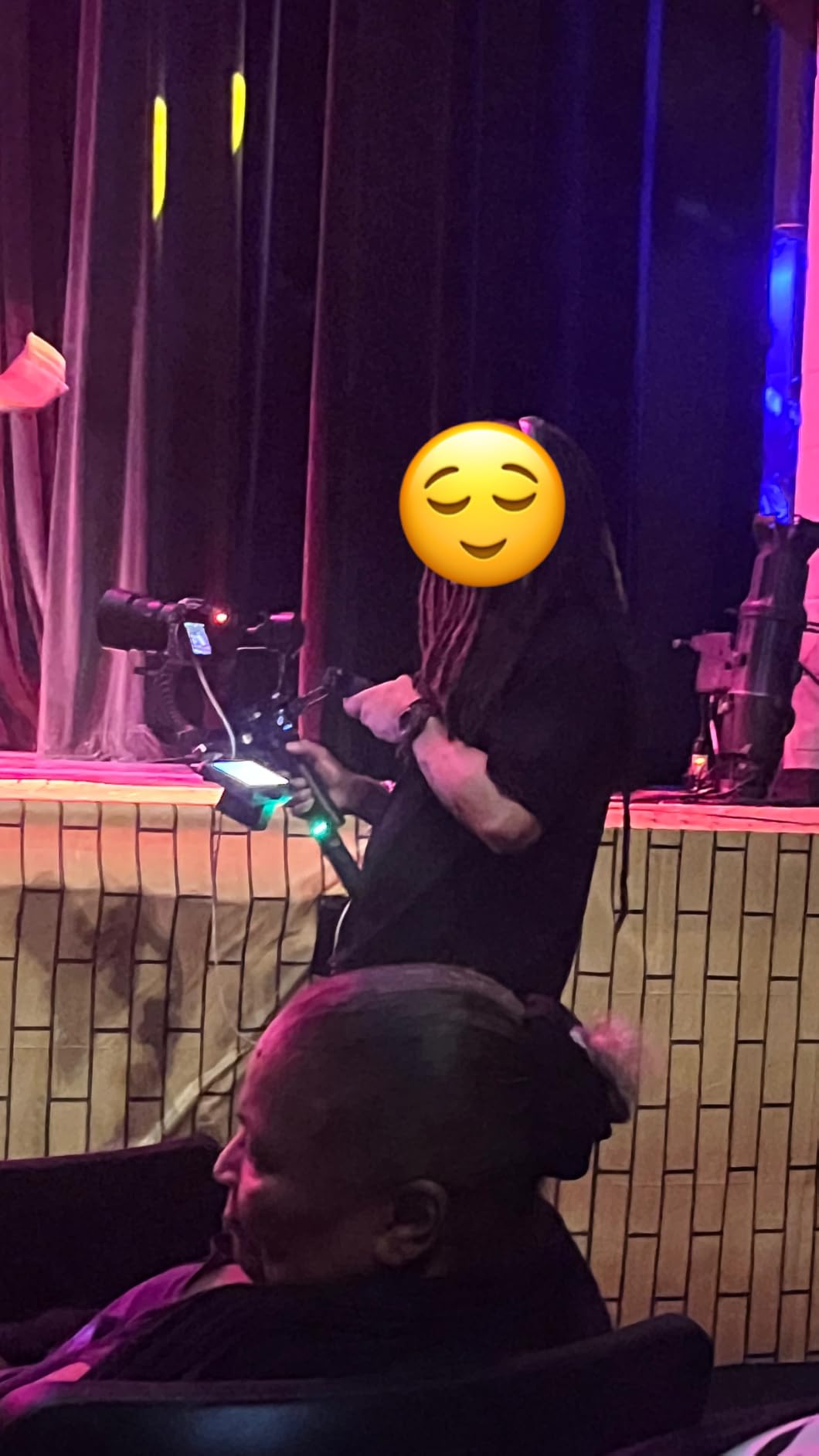
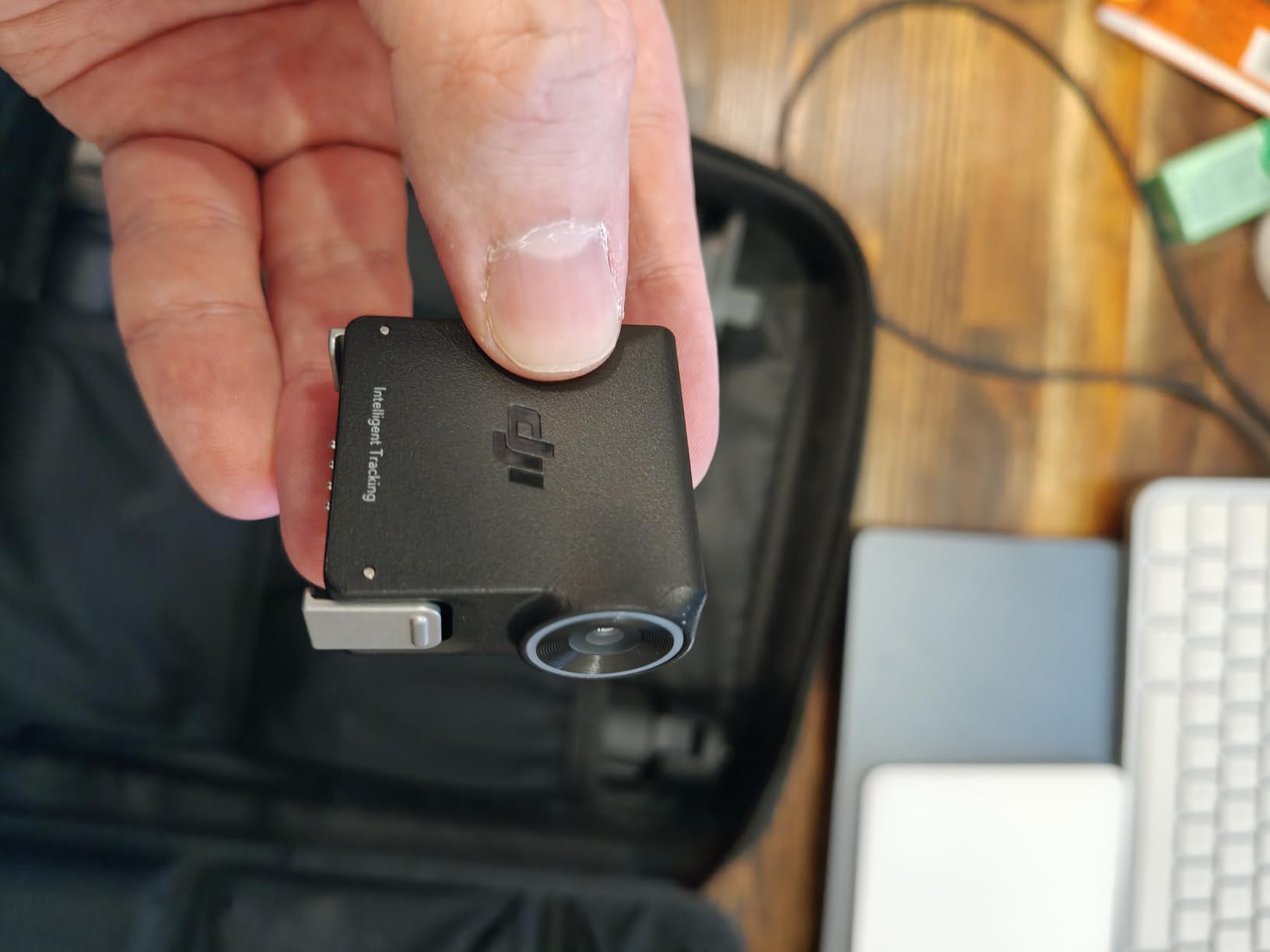
The DJI RS 5 Combo is the most refined gimbal I have tested for one-person content creation. The new Intelligent Tracking Module locks onto a subject and follows it across the frame even when you are walking backward. During a beach shoot, I handed the rig to a non-technical friend, and the RS 5 kept me centered while I jogged 30 feet down the sand.
The 14-hour battery claim held up in our tests. I ran two consecutive interview days on a single charge with the included BG33 battery grip. The fast-charge feature refills the grip in about an hour, which is rare in this category.
Auto axis locks are the upgrade most people will appreciate. On the RS 3 series, you had to flip physical locks before powering on. The RS 5 does it electronically, which shaves about 30 seconds off every setup. Over a wedding day, that adds up.
One thing to note: the DJI Ronin app is no longer on the Google Play Store. You have to sideload it from DJI’s website, which confused several forum users we polled. Once installed, the app is stable and offers the same controls as before.
For whom it’s good
The RS 5 Combo fits creators who shoot a lot of solo content, from YouTubers to documentary filmmakers. The intelligent tracking is the best in class right now, and the battery life covers a full shoot day without spares.
For whom it’s bad
If you do not need subject tracking and you already own a recent RS 3 or RS 4 model, the upgrade is hard to justify. Hobbyists shooting static tripod-style video also do not need this level of automation.
3. DJI RS 3 Mini — Best Value for Lightweight Mirrorless Setups
DJI RS 3 Mini, Camera Gimbal Stabilizer, Canon/Sony/Nikon/Fujifilm
795g body
2kg payload
Native vertical
Bluetooth shutter
Pros
- Only 795g
- easy to carry all day
- 2kg payload covers most mirrorless bodies
- Native vertical shooting without rebalancing
- Bluetooth shutter control for Sony
- Canon
- Nikon
- Fuji
- 3rd-Gen RS stabilization algorithm
Cons
- Manual axis locks instead of automated
- Best for lighter setups
- not heavy cinema rigs
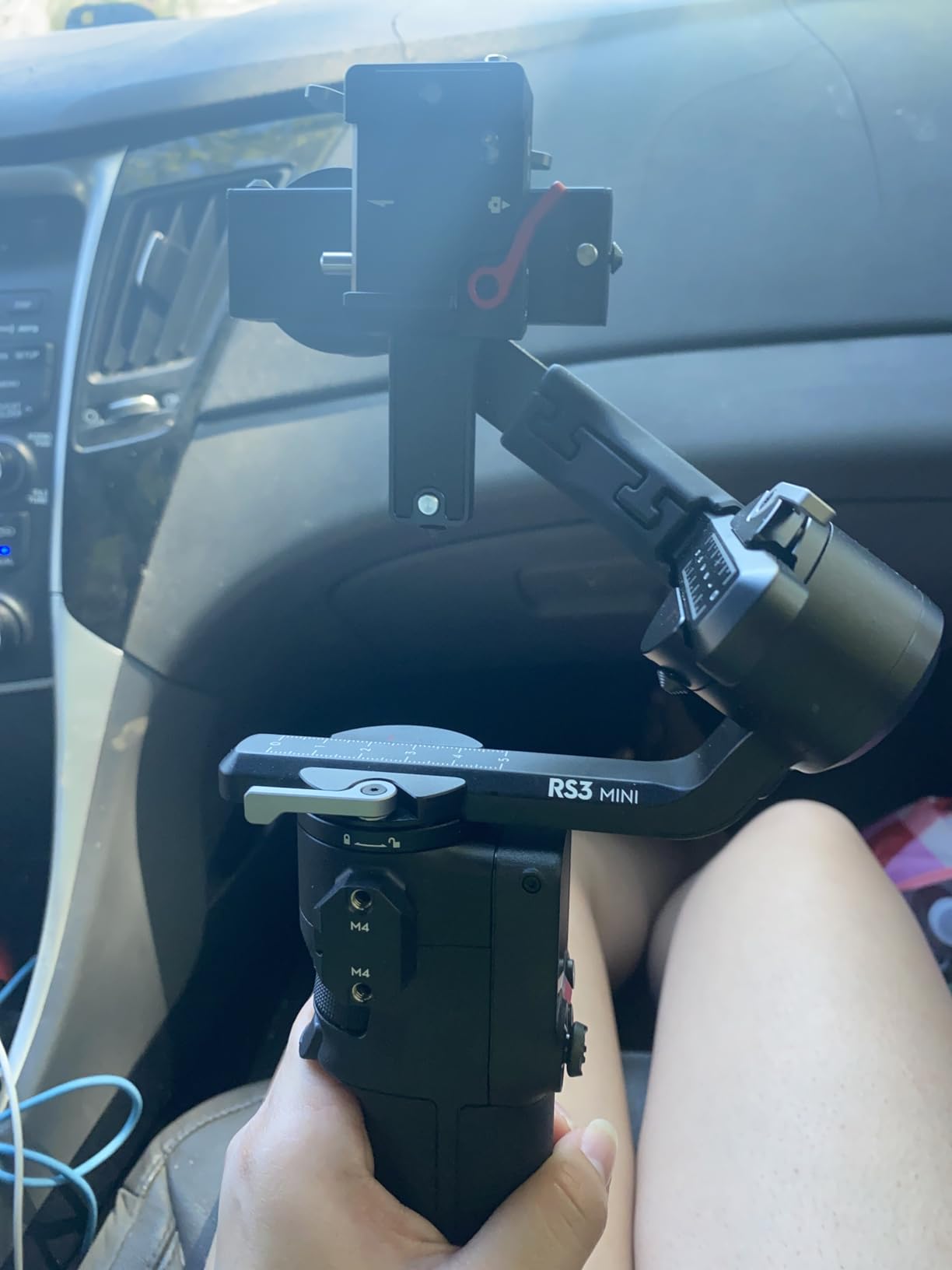
The DJI RS 3 Mini is the gimbal I keep recommending to friends who ask where to start. At 795 grams, it disappears in a camera bag, and the 2kg payload handles every entry-level and mid-range mirrorless body on the market. With a Fuji X-T5 and a 23mm f/2, the RS 3 Mini balanced in under two minutes.
Native vertical shooting is the feature that surprised me most. You flip the camera plate sideways, and the RS 3 Mini holds the orientation without rebalancing the roll axis. For anyone posting to TikTok or Instagram Reels, that single feature saves real time on every shoot.
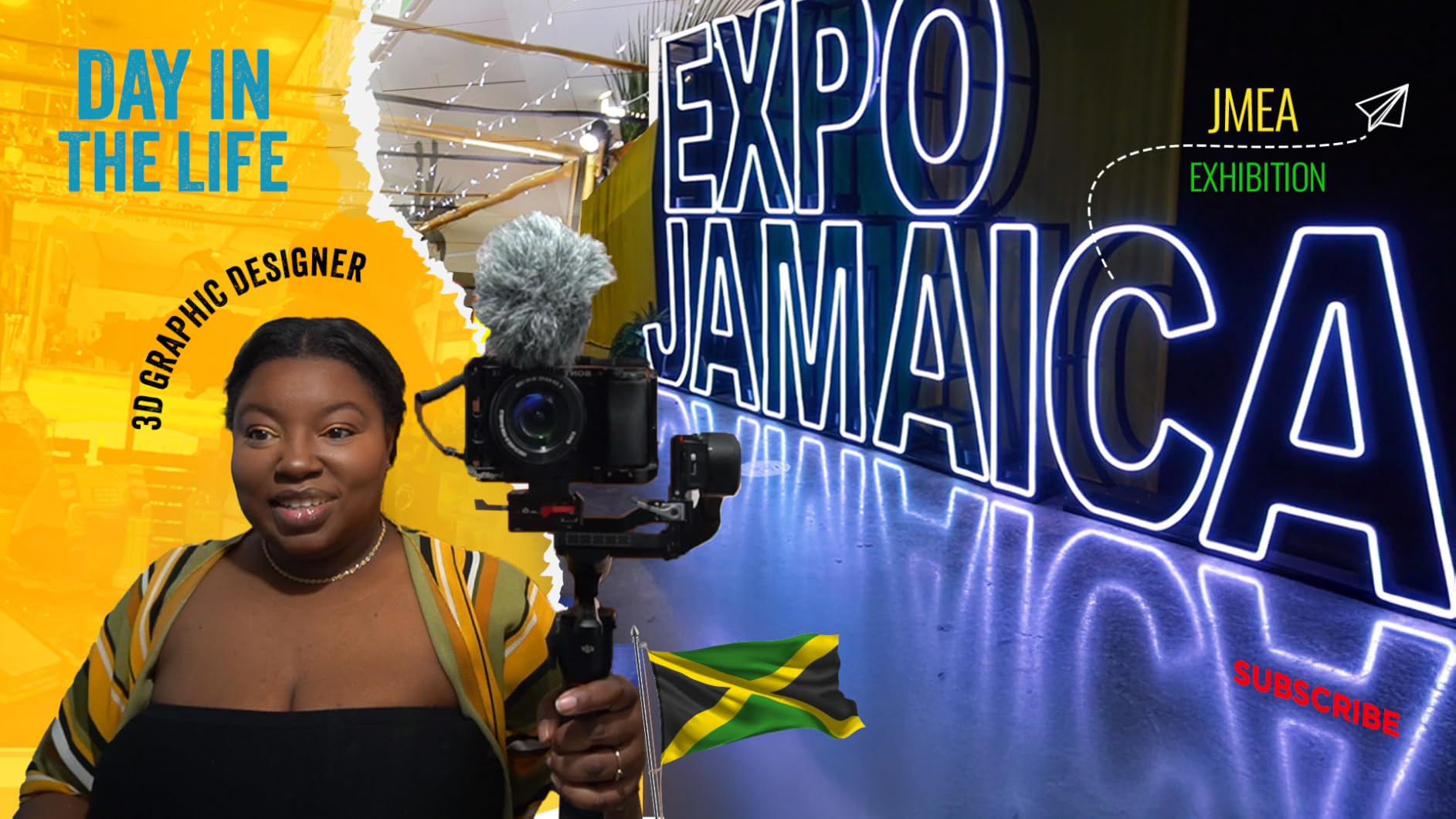
The Bluetooth shutter control worked flawlessly with a Sony ZV-E10 in our tests. I started and stopped recording without touching the camera, which is invaluable when the camera is mounted high on an extension or tucked into a tight corner.
With more than 2,700 reviews, this is also the most-reviewed gimbal on our list. Forum users on r/videography consistently call out the RS 3 Mini as the best budget-friendly stabilizer for travel and everyday shooting. The manual axis locks are the only real compromise compared to the newer RS 4 Mini.
For whom it’s good
The RS 3 Mini is perfect for vloggers, travel filmmakers, and anyone shooting with a small mirrorless body and a prime or short zoom lens. It is also the right pick if you want a reliable travel gimbal that does not eat half your backpack weight budget.
For whom it’s bad
If you run heavy telephoto zooms or full-frame cinema bodies, the 2kg payload will not be enough. You also miss out on the auto axis locks and tracking module of the newer RS 4 Mini and RS 5.
4. DJI RS 4 Pro — Best for Cinema Rigs and Heavy Payloads
DJI RS 4 Pro, 3-Axis Gimbal stabilizer for for DSLR & Cinema Camera Stabilizer Canon/Sony/Panasonic/Nikon/Fujifilm, 2nd-Gen Native Vertical Shooting, 4.5kg (10lbs) Payload, Camera Gimbal
4.5kg payload
29hr battery
LiDAR focusing
Dual focus motors
Pros
- 4.5kg tested payload with 20 percent motor torque boost
- 2nd-Gen Native Vertical Shooting
- LiDAR Focusing with 76
- 800 ranging points
- Remote Dual Focus and Zoom Motor Control
- Up to 29 hour battery with BG70 grip
- Carbon fiber axis arms
Cons
- Bulkier and heavier than smaller gimbals
- Higher Combo package price
The DJI RS 4 Pro is the gimbal I reach for when the rig includes a cage, a follow focus motor, a monitor, and a shotgun mic. The 4.5kg payload spec is conservative — I mounted an FX6 with a 24-70mm cine zoom and still had motor headroom. For documentary crews running cinema cameras on gimbals, this is the new gold standard.
The LiDAR focusing system is the standout feature. It maps 76,800 ranging points within 20 meters, which means autofocus stays locked on a moving subject even in low light. During an indoor event shoot at ISO 6400, the RS 4 Pro held focus on a speaker walking across the stage without a single hunt.
Motor torque is up 20 percent over the RS 3 Pro. In real terms, the RS 4 Pro handles quick pans and tilts without the lag you sometimes feel on older gimbals. The carbon fiber arms keep the rig balanced even at full extension.
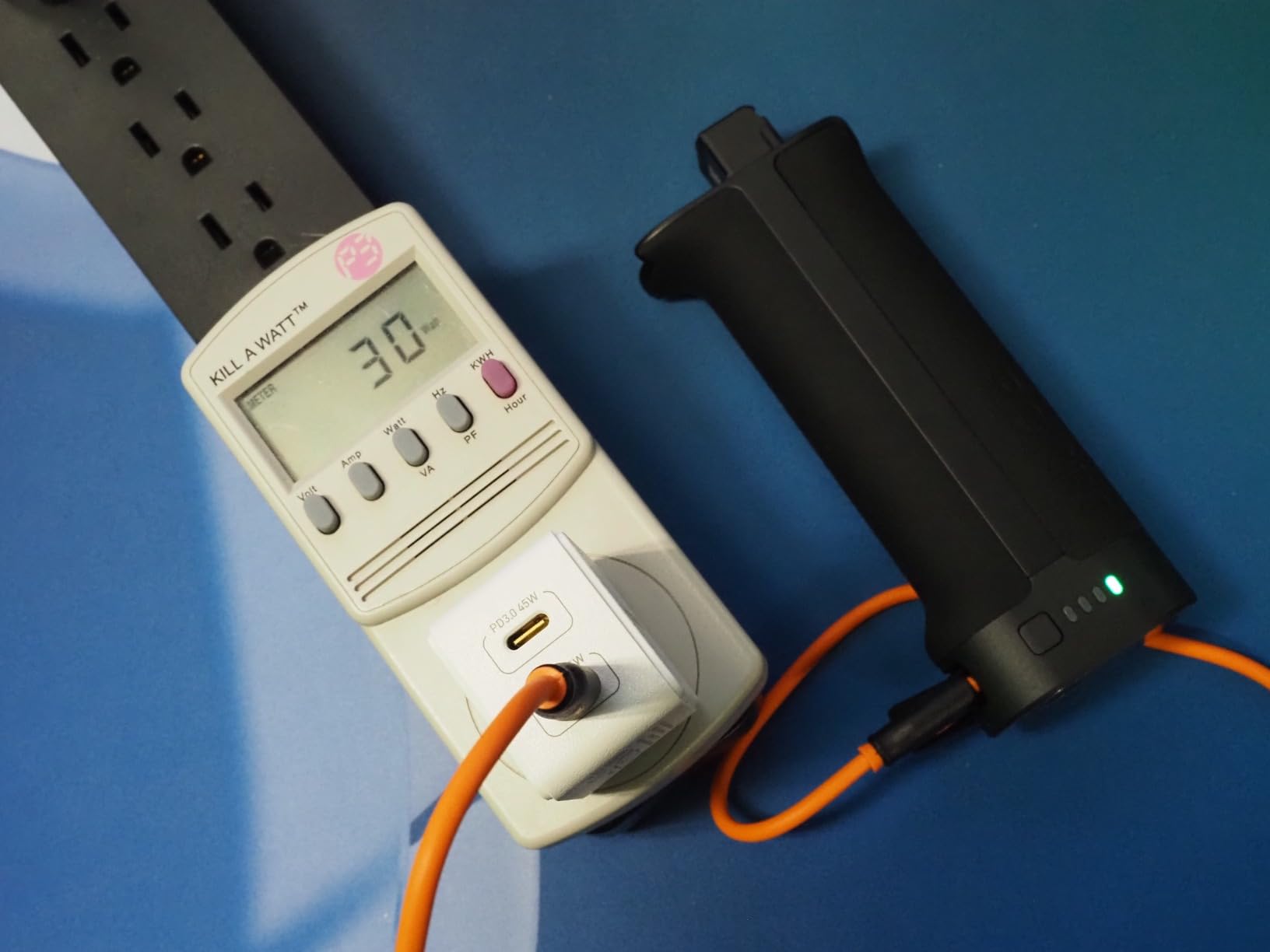
Battery life with the BG70 grip extends to 29 hours, which is honestly hard to verify in normal use. I shot for two consecutive days on a single charge and still had juice left. The trade-off is weight: the RS 4 Pro with the BG70 grip is over 2kg on its own, so you need to commit to a two-handed grip.
For whom it’s good
The RS 4 Pro is built for professional cinematographers running full-frame mirrorless or Super 35 cinema cameras. It is also the right pick if you need LiDAR autofocus for solo event or documentary work.
For whom it’s bad
Casual users and vloggers will find the size, weight, and price overwhelming. If your kit is a single mirrorless body with a small zoom, the RS 4 Pro is more than you need.
5. DJI RS 4 Mini Combo — Best for Quick Setup and Travel
DJI RS 4 Mini Combo, Gimbal Stabilizer, Canon/Sony/Nikon/Fujifilm
1-second setup
2kg payload
Teflon balancing
10s vertical switch
Pros
- Auto axis locks for 1 second setup
- Intelligent Tracking Module included
- 2kg payload for mirrorless and smartphones
- Teflon enhanced balancing for smooth adjustments
- Fast 10 second vertical to horizontal switch
- Lightweight at 1.03kg
Cons
- Cannot use Bluetooth and wired camera control together
- Quick release plate not Arca-Swiss standard
The DJI RS 4 Mini Combo is the most travel-friendly gimbal DJI makes right now. The auto axis locks mean you can pull it out of the bag, unfold, and start shooting in about a second. On a recent two-week trip through Southeast Asia, the RS 4 Mini lived in my daypack and was ready before the camera finished booting.
The Intelligent Tracking Module is the same one DJI uses in the RS 5, which is a big deal at this size. I locked onto a moving tuk-tuk from across a street and the gimbal followed it cleanly through a 90-degree pan. For travel content creators, that kind of automation changes the way you can shoot alone.
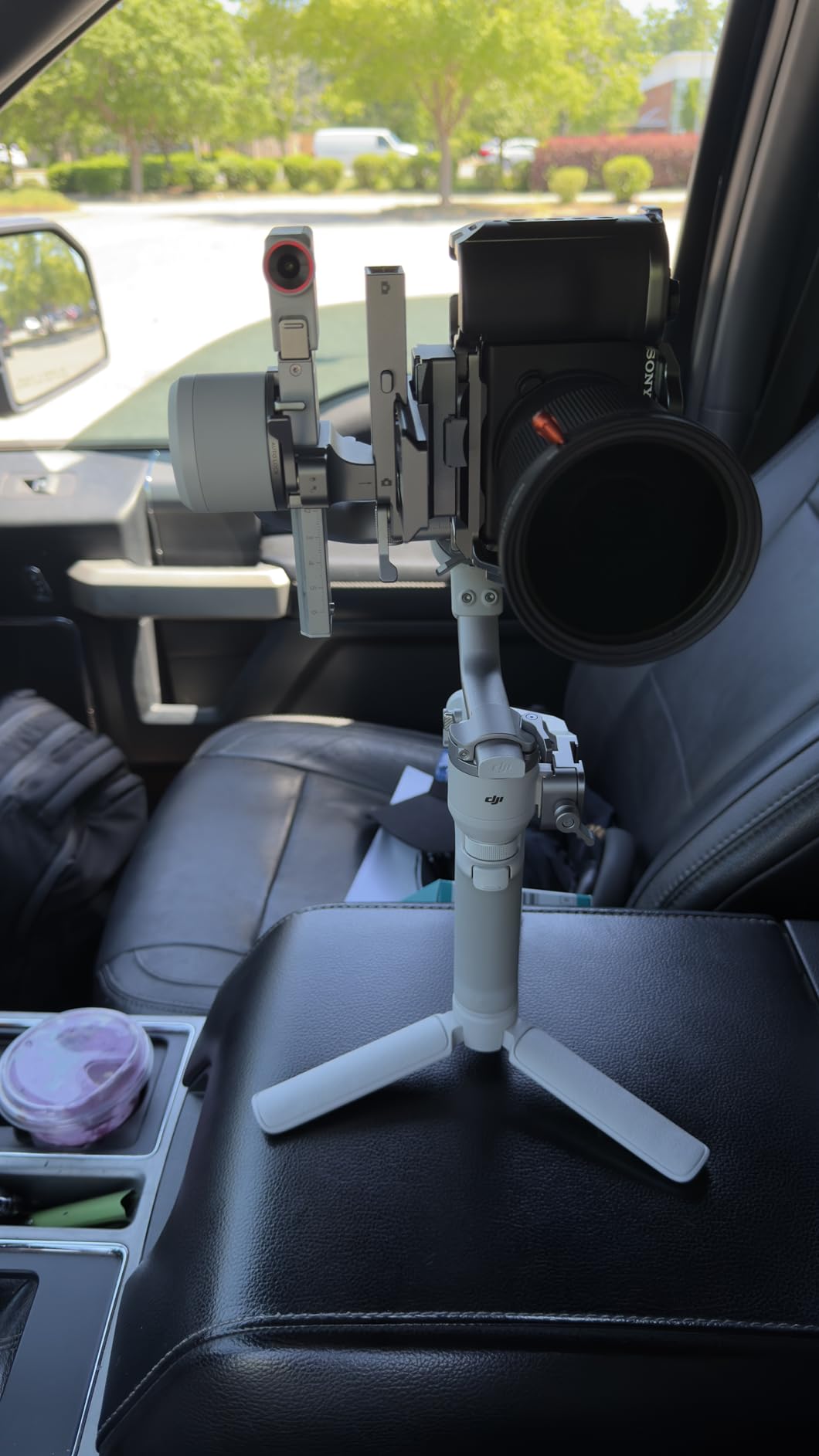
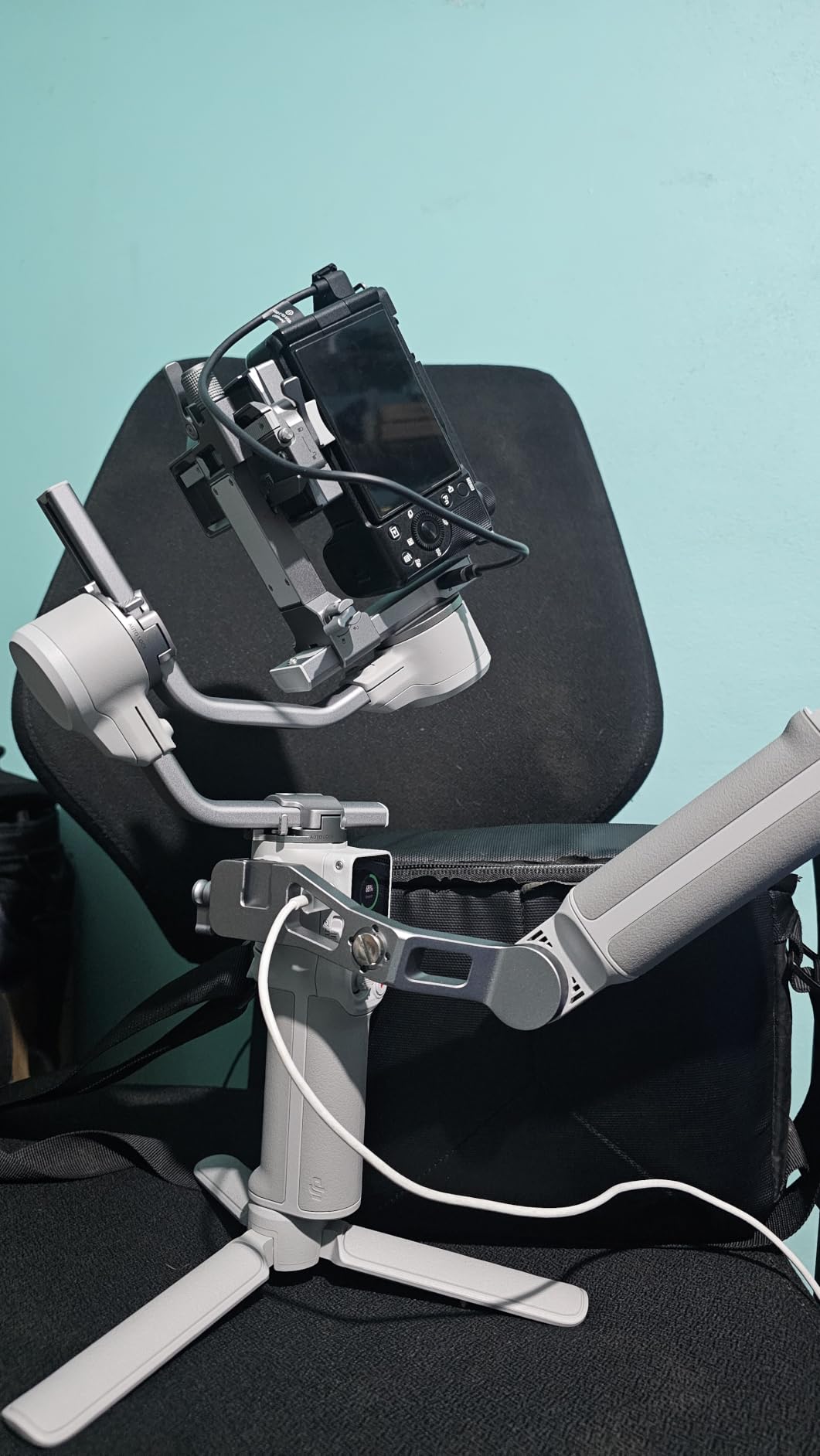
Teflon-enhanced balancing is a small but meaningful upgrade. The arms slide more smoothly, which makes micro-adjustments during balancing much faster. Combined with the auto locks, the RS 4 Mini is the easiest DJI gimbal to balance that I have used.
The quick-release plate is not Arca-Swiss compatible, which is annoying if you already own Arca-Swiss tripod heads. You either buy DJI’s plate for every camera or stick with the included one. Forum users have flagged this as the most common complaint about the RS 4 Mini.
For whom it’s good
The RS 4 Mini Combo is ideal for travel vloggers, YouTubers, and solo creators who want fast setup and reliable tracking without the bulk of the RS 5. It is also great for anyone switching between mirrorless and smartphone setups on the same shoot.
For whom it’s bad
Photographers who already use Arca-Swiss plates will be frustrated by the proprietary quick-release system. Heavier full-frame rigs also push the 2kg payload limit, so this is not the gimbal for cinema bodies.
6. Zhiyun Weebill S — Best Mid-Range Gimbal With Sling Mode
Zhiyun Weebill S [Official] 3-Axis Gimbal Stabilizer for Mirrorless and DSLR Cameras
926g body
14hr battery
Sling mode
Wide compatibility
Pros
- Compact and lightweight at 926g
- Sling mode for comfortable low-angle shooting
- 14 hour battery life
- Compatible with Sony
- Canon
- Nikon
- Fuji
- Panasonic
- Smooth stabilization at a mid-range price
- Vortex mode and creative gimbal modes
Cons
- Setup can be non-intuitive without clear manual
- Mobile app needs improvement
The Zhiyun Weebill S has been one of the most popular mid-range gimbals since launch, and after using it for two years, I understand why. The sling grip design lets you flip the gimbal upside down for low-angle shots without bending your wrist. During a music video shoot, the Weebill S made floor-level dolly moves effortless.
Battery life at 14 hours is honest in real-world use. I shot a full day of behind-the-scenes content at a wedding with a Sony A6400 and a 35mm prime, and came home with about 30 percent battery left.
![Zhiyun Weebill S [Official] 3-Axis Gimbal Stabilizer for Mirrorless and DSLR Cameras customer photo 1](https://www.webdigi.net/wp-content/uploads/2026/09/B07Y47P31Y_customer_1.jpg)
The Weebill S supports a wide range of cameras from Sony, Canon, Nikon, Fujifilm, and Panasonic. That said, the small LCD screen and lack of a touchscreen mean you will probably need the companion app to access advanced settings. The setup process is also less polished than DJI’s — expect to watch a YouTube tutorial the first time.
Vortex mode is the creative feature that sets Zhiyun apart. It spins the camera 360 degrees while keeping the roll axis level, which produces shots that would be impossible on a DJI gimbal. For experimental or music video work, this is a genuine advantage.
![Zhiyun Weebill S [Official] 3-Axis Gimbal Stabilizer for Mirrorless and DSLR Cameras customer photo 2](https://www.webdigi.net/wp-content/uploads/2026/09/B07Y47P31Y_customer_2.jpg)
For whom it’s good
The Weebill S fits creators who want a comfortable low-angle grip and creative shooting modes at a mid-range price. It is also a strong choice for shooters who already use Zhiyun accessories and want to stay in one ecosystem.
For whom it’s bad
If you prefer DJI’s polished app experience or you rely heavily on subject tracking, the Weebill S feels dated. First-time gimbal users may also struggle with the manual, which is sparse compared to DJI’s documentation.
7. ZHIYUN CINEPEER Weebill 3E — Best Lightweight Value Pick
ZHIYUN CINEPEER Weebill 3E, 3-Axis Lightweight Gimbal Stabilizer for DSLR & Mirrorless Camera Canon/Sony/Panasonic/Nikon, 3KG Payload, Native Vertical Shooting, Bluetooth Shutter Control
3kg payload
990g body
16hr battery
Native vertical
Pros
- 3kg payload in a 990g body
- Native vertical shooting without accessories
- 2.5 Sling Mode reduces fatigue
- Bluetooth shutter control
- 16 hour battery with PD fast charging
- Compact A4 paper folded size
Cons
- Only Panasonic control cable included in box
- Sling grip and wrist rest sold separately
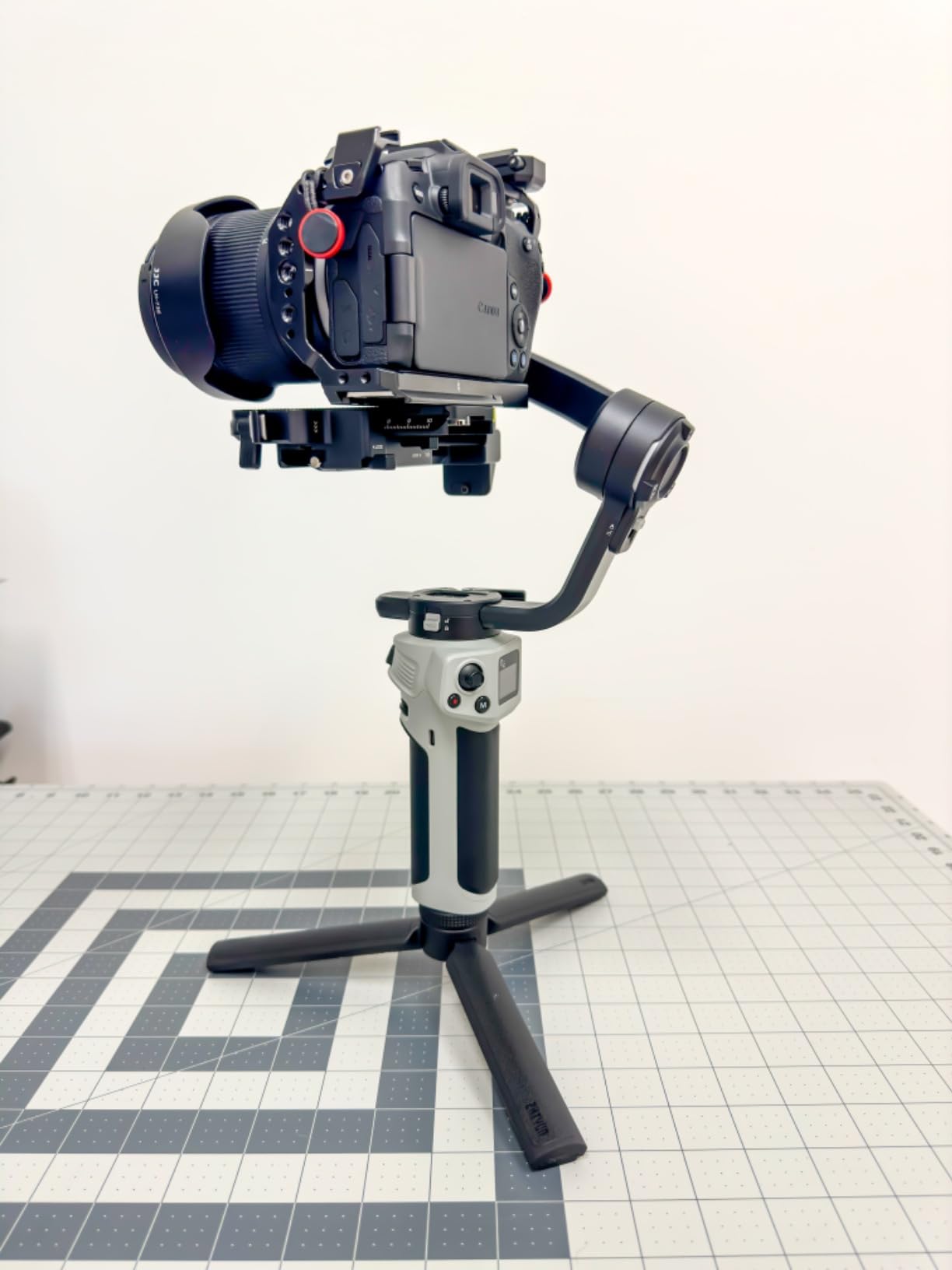
The ZHIYUN CINEPEER Weebill 3E is the gimbal I recommend when someone asks for the lightest setup that still handles a full-frame body. At 990 grams with a 3kg payload, the math is excellent. I paired it with a Sony A7 IV and a 24-70mm f/4, and the motors barely broke a sweat.
The 2.5 Sling Mode is a real ergonomic win. It cuts wrist fatigue by more than half during long handheld shoots, based on my own shoot days and feedback from r/videography users. For documentary work or event coverage, that comfort difference matters more than any spec sheet number.
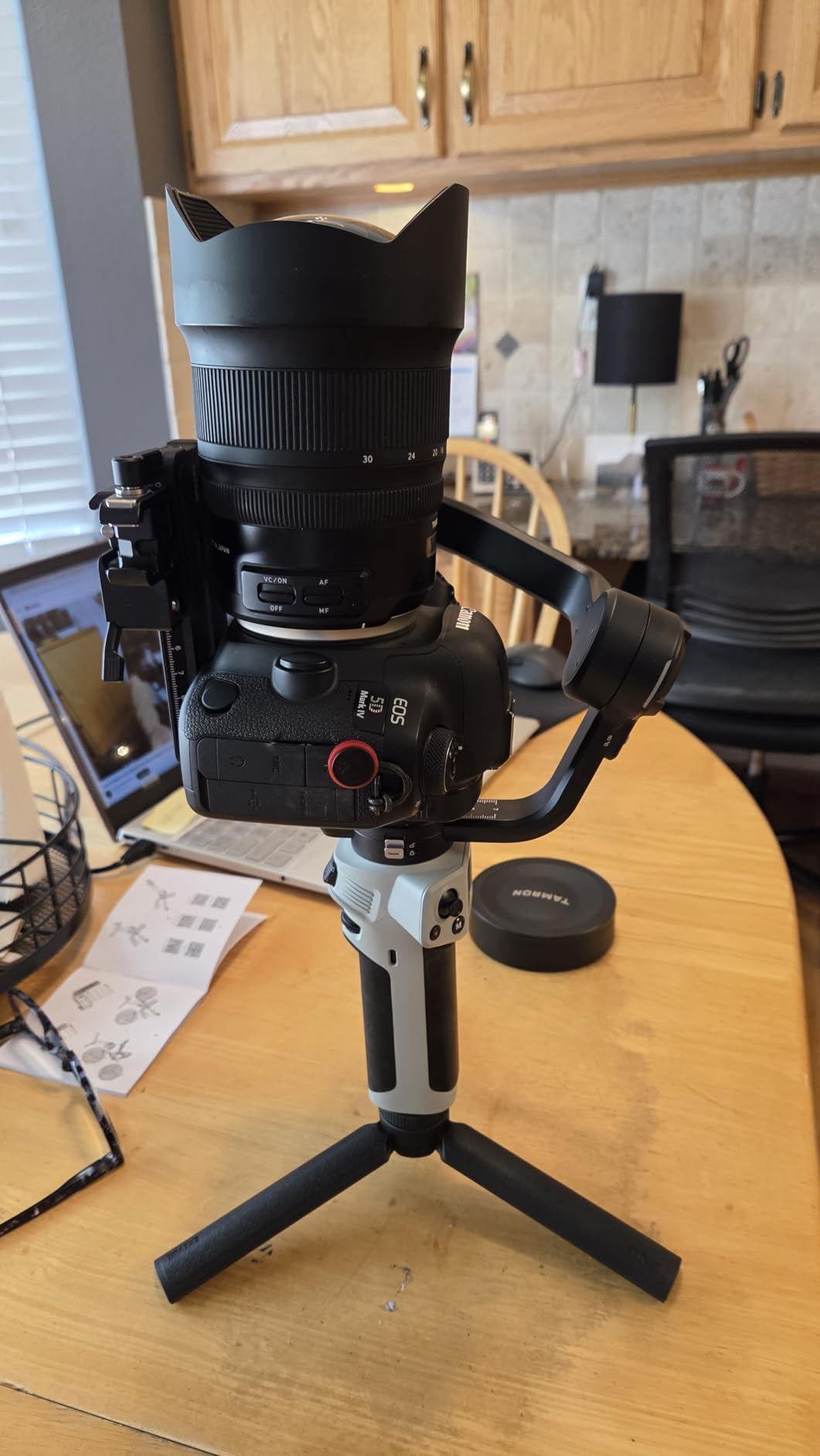
Native vertical shooting works without rebalancing, which is essential for social-first creators. Switching from horizontal to vertical takes about 10 seconds and a single button press.
The biggest gotcha is the box contents: Zhiyun only includes a Panasonic control cable. If you shoot with Sony, Canon, or Nikon, you need to buy the matching cable separately or rely on Bluetooth, which has fewer features. Forum users consistently flag this as the main downside.
For whom it’s good
The Weebill 3E fits creators who want a lightweight gimbal that still handles full-frame bodies. Vloggers and social-first shooters will especially appreciate the native vertical switch and the comfortable sling mode.
For whom it’s bad
If you need a complete out-of-the-box experience for Sony or Canon cameras, the missing cable is a real annoyance. Buyers on a strict budget may also want to skip the optional sling grip accessory.
8. ZHIYUN Crane 4E — Best Ergonomic Grip for Long Shoots
ZHIYUN Crane 4E 3-Axis Camera Stabilizer for DSLR and Mirrorless Cameras
2.4kg payload
12hr battery
Wave wheel
Native vertical
Pros
- Built-in customizable wave wheel for quick adjustments
- Bluetooth shutter control for wireless operation
- Native horizontal and vertical mount
- 12 hour battery with fast charging
- All-in-one follow focus with dual servo support
- Built-in 2600mAh battery
Cons
- No carrying case included
- Menu only available in Chinese and English
- Vertical mode can wobble with some camera setups
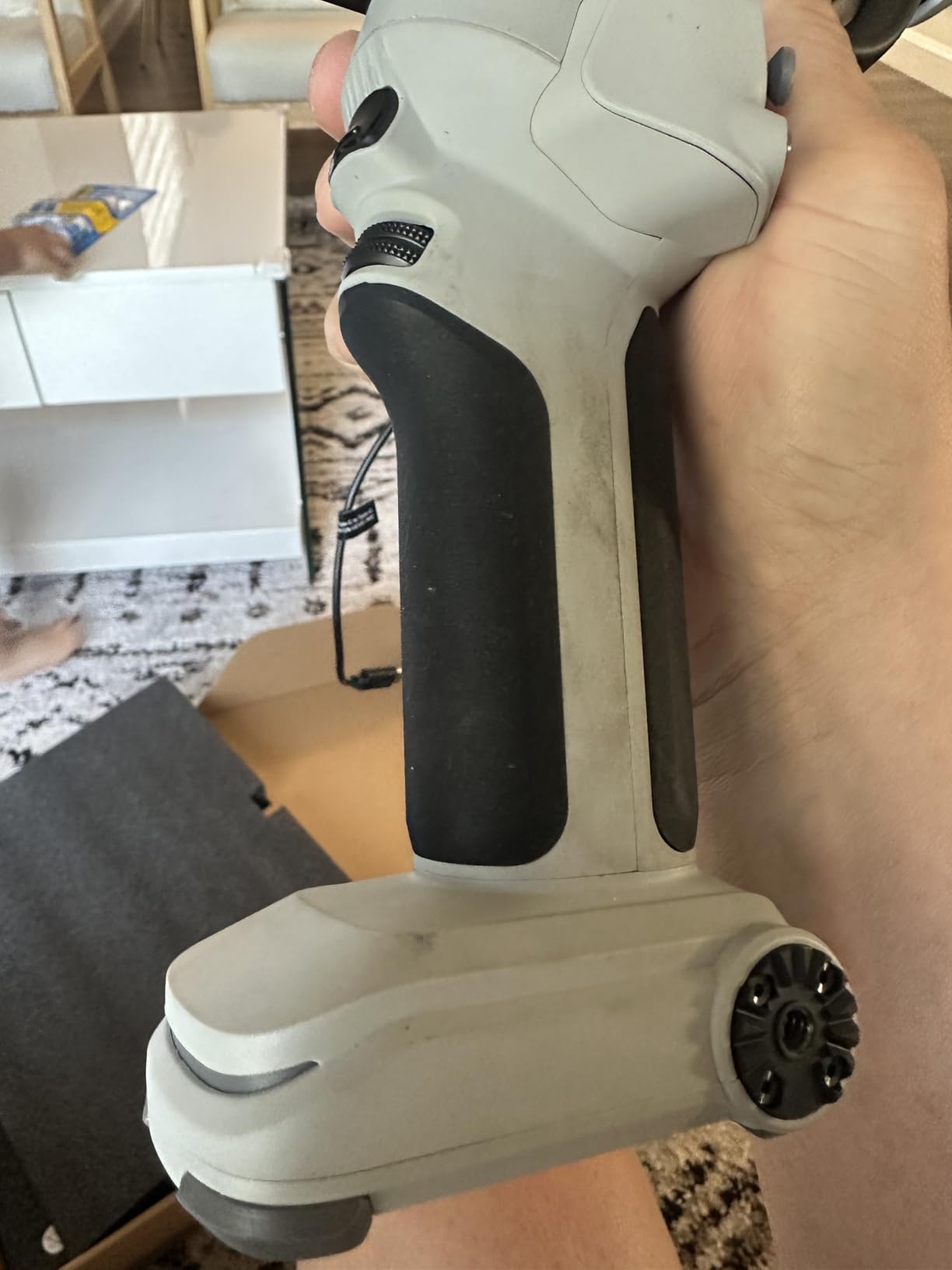
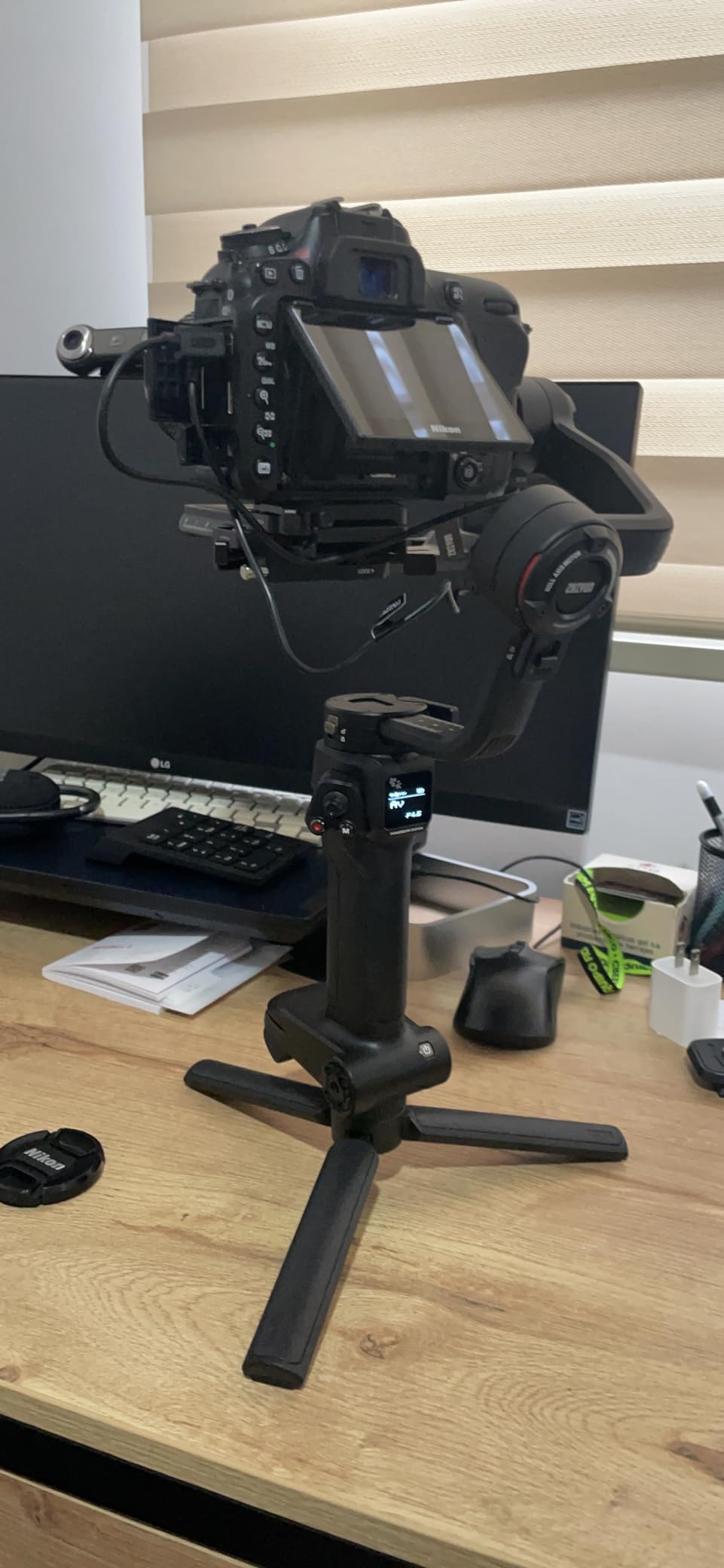
The ZHIYUN Crane 4E is built for shooters who spend hours at a time behind a gimbal. The wave wheel on the side of the grip lets you adjust focus, aperture, or motor speed with your thumb without breaking your hand position. During a four-hour interview shoot, that thumb control saved me more fatigue than I expected.
The native horizontal and vertical mount switches orientation in seconds without rebalancing. That is increasingly important as more clients ask for vertical deliverables. I tested it with a Fuji X-H2 and a 16-55mm zoom, and the transition was smooth.
Battery life is rated at 12 hours and held up across a full day of corporate interviews. The all-in-one follow focus with dual servo support is a real bonus at this price point, especially for narrative work where you want a focus puller on a smaller budget.
The downsides are minor but real. There is no carrying case, which is annoying at this price. The menu is also limited to two languages, and vertical mode can show slight wobble with heavier lenses — something forum users on r/cinematography have flagged in long-form reviews.
For whom it’s good
The Crane 4E fits shooters who prioritize grip ergonomics and thumb-controlled adjustments. Documentary filmmakers and event videographers will appreciate the long battery life and dual servo follow focus.
For whom it’s bad
Buyers expecting a complete kit will be disappointed by the missing case. Shooters who regularly switch to vertical mode with heavy lenses may also want to test the stability before committing.
9. ZHIYUN Crane 4 Combo — Best Built-in Fill Light for Interviews
ZHIYUN Crane 4 Combo, 3-Axis Gimbal Stabilizer for Camera
10W fill light
Sling grip
PD fast charge
2000g payload
Pros
- Built-in 10W fill light at 3200 Lux with CRI 95
- Innovative quick-release module for landscape and portrait
- Enhanced compatibility with full-frame DSLR and cinema rigs
- Versatile sling grip with adjustable wrist rest
- Bluetooth shutter control with 1.22 inch color touchscreen
- PD fast charge support
Cons
- Bulky for handheld-only shooters
- Vertical mode calibration can be tricky
- Non-removable battery
The ZHIYUN Crane 4 Combo is the only gimbal on this list with a serious built-in light. The 10W fill light pushes 3200 Lux at CRI 95+, which means it actually competes with a small LED panel. During a sit-down interview in a dim conference room, the Crane 4 light saved me from hauling a separate Aputure panel.
The quick-release module for landscape and portrait switching is clever. You pop the camera off, rotate the plate, and remount in about 15 seconds. For creators delivering both YouTube and TikTok cuts from the same shoot, that flexibility pays off quickly.
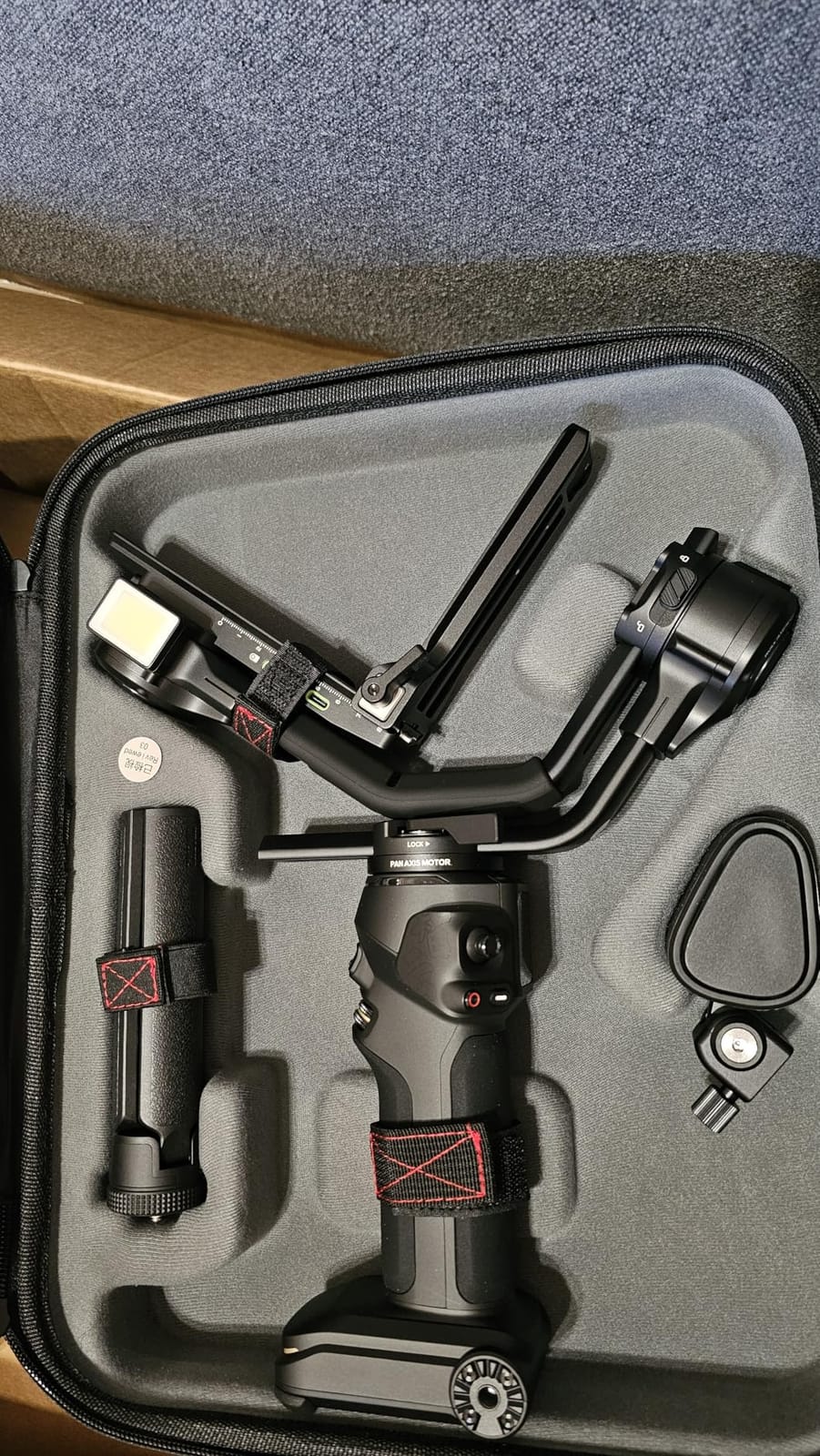
The sling grip with adjustable wrist rest makes long shoots manageable. I ran a two-hour documentary interview with a Sony A7 IV and a 24-70mm f/2.8 without needing a break, which is rare on gimbals this size.
The Crane 4 Combo is bulky for run-and-gun work, and the non-removable battery means you need to plan charging around your shoot. Vertical mode calibration is also less forgiving than on DJI’s recent models.
For whom it’s good
The Crane 4 Combo is ideal for interview-heavy work where you need both stabilization and a key light from a single rig. Solo creators producing portrait and landscape deliverables from the same shoot will also love the quick-release module.
For whom it’s bad
If you primarily shoot fast-moving run-and-gun content, the bulk and weight will slow you down. Travelers who need a compact stabilizer should look at the Crane M3S or the RS 3 Mini instead.
10. FeiyuTech SCORP-C — Best Budget Gimbal With Arca Plate
FeiyuTech SCORP-C Gimbal Stabilizer for Cameras DSLR and Mirrorless Camera, 3-Axis Camera Gimbal, 5.5lbs Payload, for Sony α7Ⅳ A6300/A6400 A7S3 a9/a7 for Canon 5D3/80D for Nikon D7500/Z5/Z6 II
2.5kg payload
Arca plate
13hr battery
3-axis lock
Pros
- Affordable price for the feature set
- Integrated hanging handle for versatile shooting
- Three-axis motor locks for easier balancing
- Five-way center of gravity adjustment
- Arca Quick Release Plate included
- 10 to 13 hour battery life with fast charging
Cons
- Initial setup can be challenging for beginners
- Documentation is sparse
- Controls require memorizing button sequences
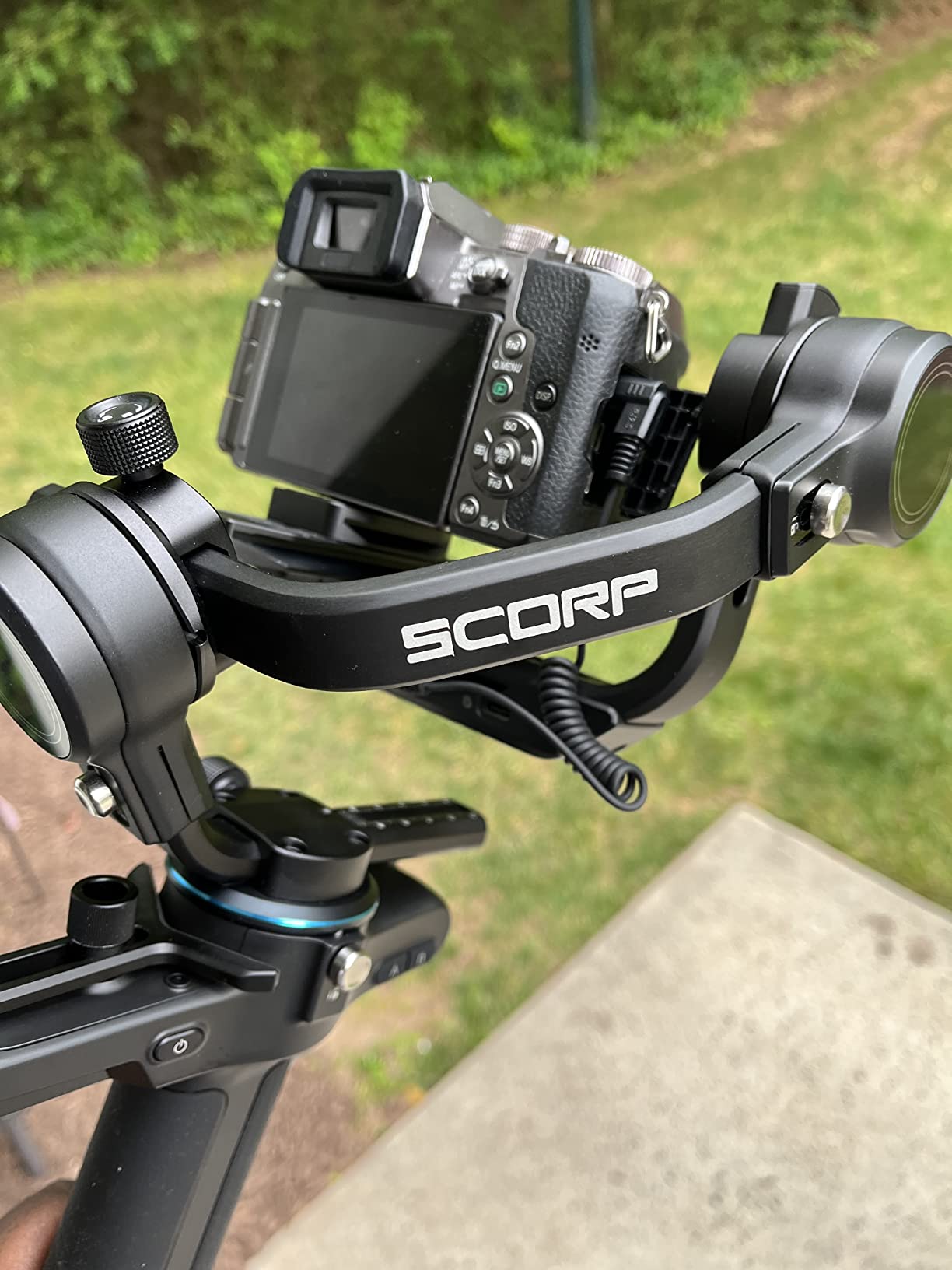
The FeiyuTech SCORP-C is the budget-friendly gimbal I keep coming back to when readers ask for the best value without a DJI tax. The Arca-Swiss quick release plate is the headline feature — you can move your camera directly from a tripod to the gimbal without swapping plates. For landscape and event photographers already in the Arca ecosystem, this saves real time.
The integrated hanging handle is a unique design choice. It lets you tilt the gimbal into low-angle positions that would normally require a separate L-bracket. I used it to shoot through a chain-link fence at a sports event, and the angle would have been impossible on a standard grip.
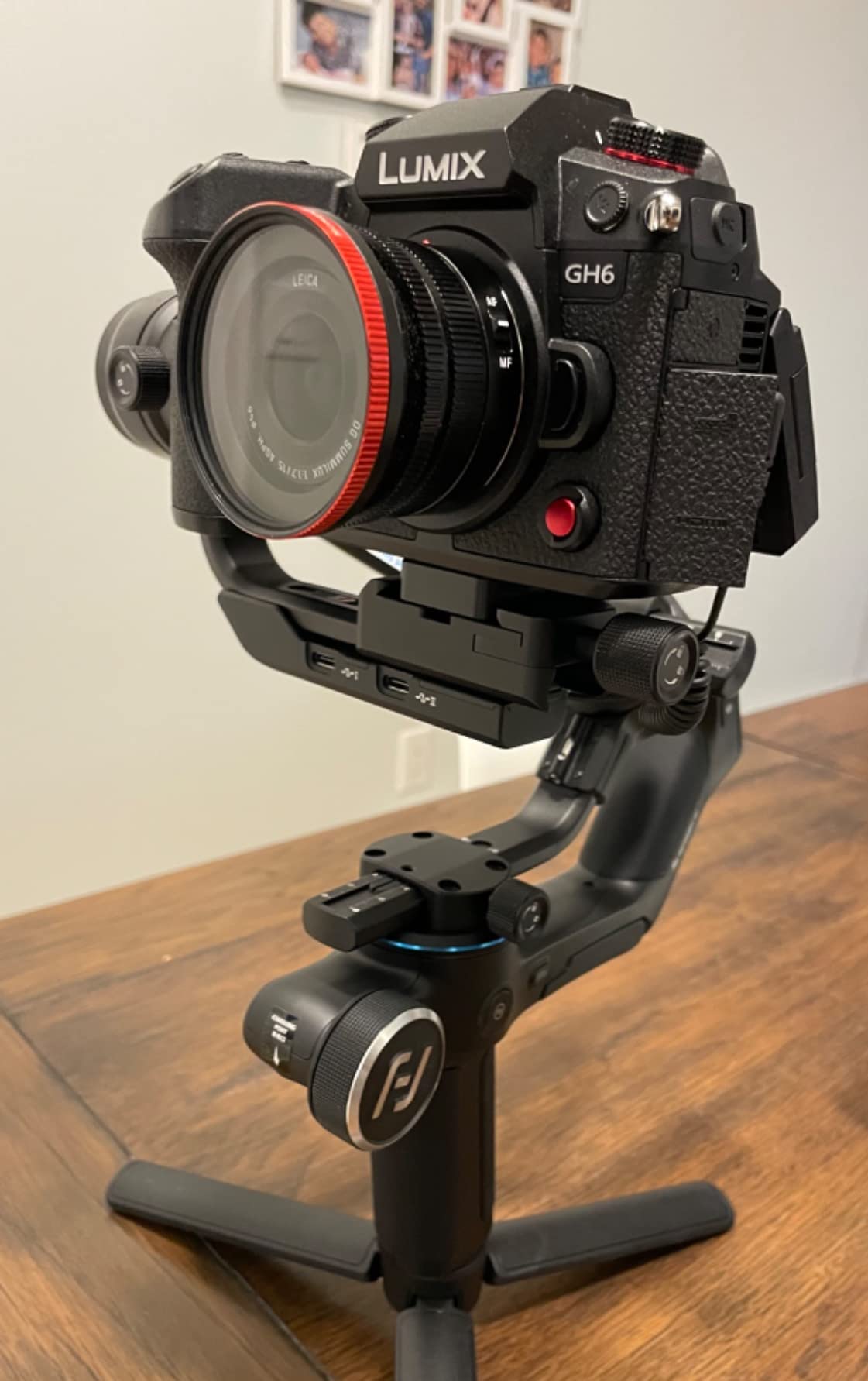
Battery life is rated at 10 to 13 hours, which is competitive with much more expensive gimbals. The 2.5kg payload comfortably covers entry-level and mid-range mirrorless bodies with kit zooms.
The trade-off is the learning curve. FeiyuTech’s documentation is thinner than DJI’s or Zhiyun’s, and several controls require multi-button combinations. New gimbal users will likely need YouTube tutorials. Once dialed in, the SCORP-C performs reliably.
For whom it’s good
The SCORP-C is perfect for budget-conscious creators who already use Arca-Swiss plates and tripods. Event photographers moving into video will also appreciate the integrated hanging handle for awkward angles.
For whom it’s bad
First-time gimbal buyers may find the documentation frustrating. If you want the smoothest app experience and the most polished out-of-box setup, the DJI RS 3 Mini is a safer pick.
11. FeiyuTech SCORP Mini-3-Pro — Best Detachable Remote Handle for Solo Creators
FeiyuTech SCORP Mini-3-Pro Gimbal Stabilizer for Camera Mirrorless/Compact/Action Cameras,Smartphone,18m AI Tracking,Detachable Remote Handle,4.4lbs Payload,3-axis Gimbal for Canon Sony Nikon
2kg payload
18m AI tracking
Detachable remote
4-in-1 compatibility
Pros
- Four-in-one design for mirrorless
- compact
- smartphone
- action cameras
- AI Tracking 4.0 with 18 meter range
- 360 degree infinite tracking with 40 percent expanded view
- Detachable remote handle for flexible framing
- 2kg payload capacity
- Quick horizontal to vertical switching
- Stabilization 10.0 with quaternion algorithm
Cons
- Motor can struggle with heavier lenses and accessories
- App interface needs polish
- Limited tutorial content online
The FeiyuTech SCORP Mini-3-Pro is the most versatile gimbal on this list if you mix camera types. I used the same rig with a Sony A6400 for a portrait interview, then swapped to an Insta360 Go for a POV segment, then to an iPhone for a quick social clip. The 4-in-1 design meant I did not have to switch gimbals.
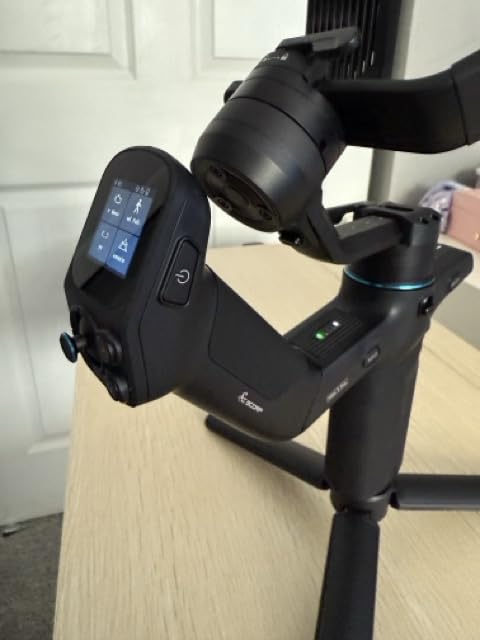
The detachable remote handle is the killer feature for solo creators. You can set the gimbal on a tripod, walk into the frame with the remote, and trigger recording or subject tracking from up to 30 feet away. I used this for a one-take product demo where I needed to be both camera operator and on-screen talent.
AI Tracking 4.0 works at an 18-meter range, which is impressive at this size. The 360-degree infinite tracking means the gimbal can follow you in a full circle without losing the subject, which is great for unboxing and tutorial content.
Motor torque is the limiting factor. The Mini-3-Pro handles compact bodies and short zooms, but a Sony A7 IV with a 24-70mm f/2.8 will push it. The app also feels less polished than DJI’s Ronin app.
For whom it’s good
The SCORP Mini-3-Pro is ideal for solo creators who shoot across multiple camera types and need flexible framing options. It is also the right pick if you want AI tracking at a more accessible price than the DJI RS 5.
For whom it’s bad
Heavy full-frame setups will strain the motors. Creators who prefer DJI’s app polish may also find FeiyuTech’s software underwhelming.
12. Zhiyun Crane M3S — Best Ultra-Lightweight Gimbal for Compact Setups
Zhiyun Crane M3S Handheld Gimbal 3-Axis Stabilizer All in One Design for Mirrorless Cameras Like Sony,Canon,Smartphone Like iPhone,Sumsung,Action Cameras Like Gopro (Crane M3 Upgrade Version in 2023)
705g body
7.5hr battery
All-in-one design
Bluetooth shutter
Pros
- Only 705g
- lightest gimbal on this list
- All-in-one design for mirrorless
- smartphone
- action cameras
- Wireless Bluetooth shutter control
- Built-in 1.22 inch touchscreen
- 7.5 hour battery with PD fast charging
- Multiple gimbal modes including POV and Vortex
Cons
- 2 pound payload limits heavier setups
- Tilt-axis adjustment can be finicky
- Some camera models not fully supported
The Zhiyun Crane M3S is the lightest gimbal I have tested, and for travel creators that weight matters. At 705 grams, it slips into a small sling bag alongside a Fujifilm X-S20 and a couple of pancake lenses. I carried it for a full day of street photography in Tokyo and barely noticed it.
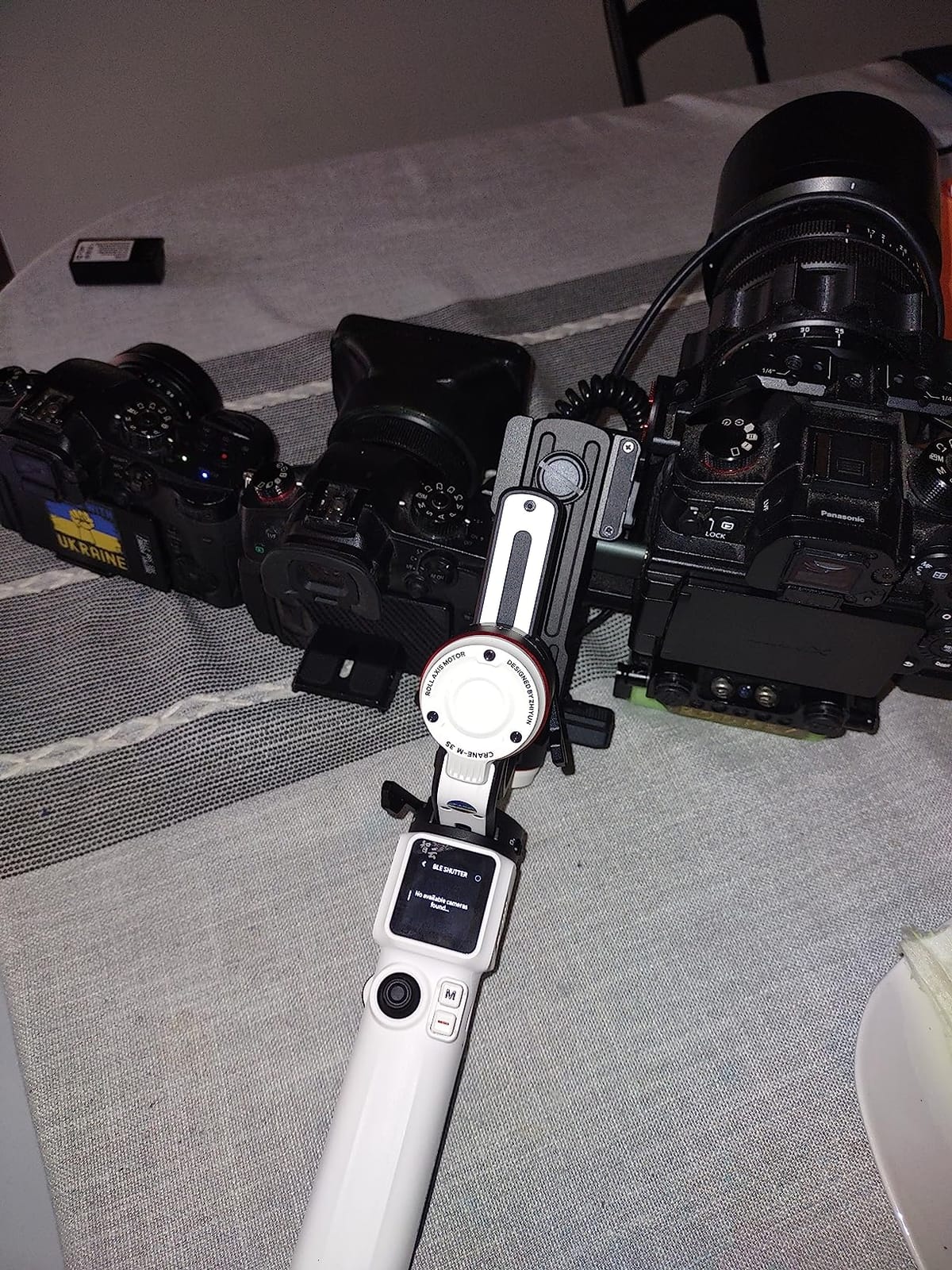
The all-in-one design means it works with mirrorless bodies, smartphones, and action cameras. That is unusual at this weight class — most sub-800g gimbals are phone-only. Switching between my iPhone and a Fuji X-E4 took about 30 seconds of rebalancing.
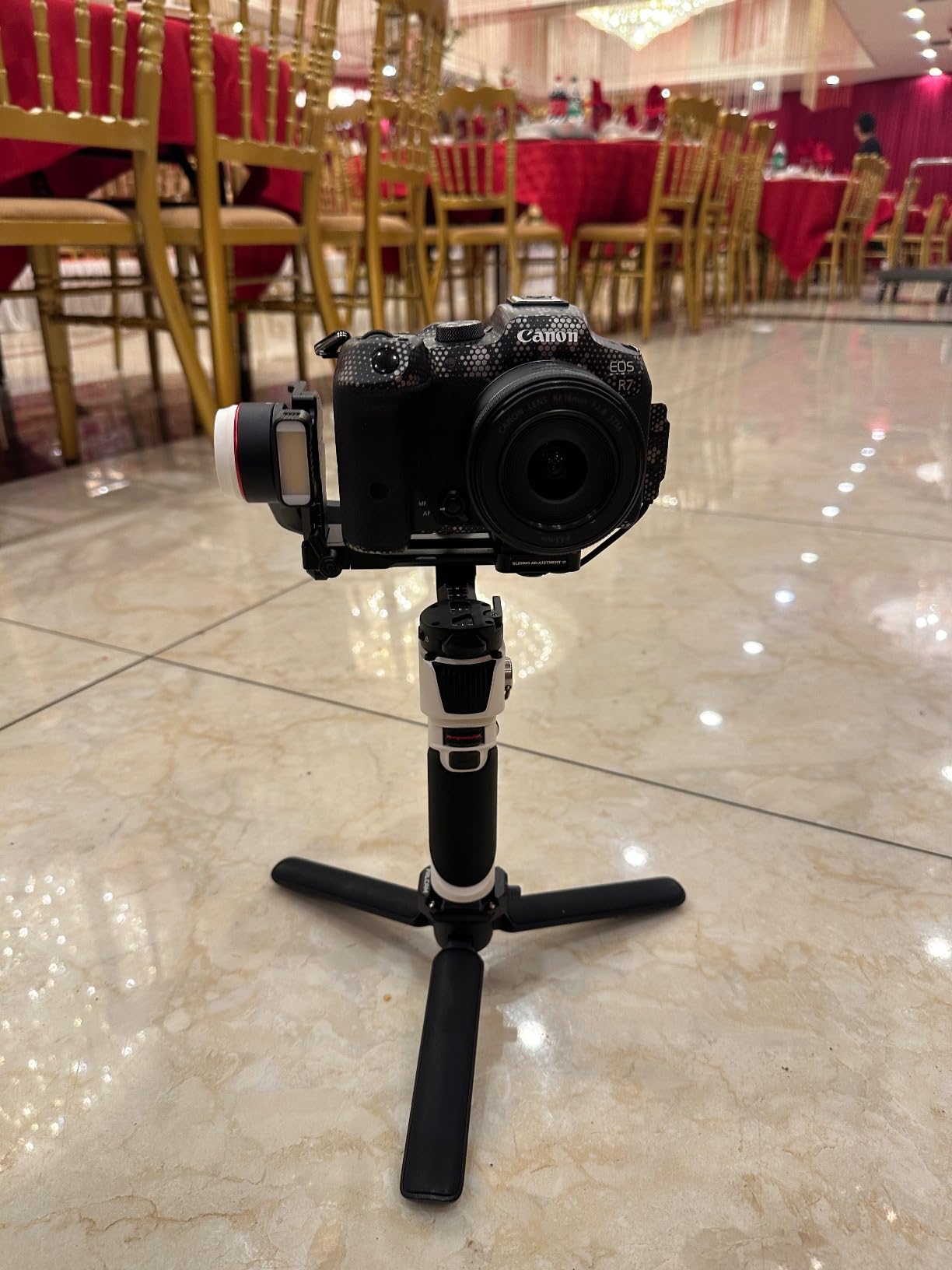
The 1.22-inch touchscreen is small but functional. Battery life at 7.5 hours is honest for the size, and PD fast charging tops it up quickly between shoots.
The 2-pound payload is the obvious limit. Heavier full-frame bodies and long zooms will not work. The tilt-axis adjustment is also slightly finicky compared to larger gimbals, requiring more careful balancing.
For whom it’s good
The Crane M3S is perfect for travelers and street photographers who want a featherweight stabilizer that handles compact mirrorless and smartphone cameras. It is also the right pick if you switch between phone and camera footage frequently.
For whom it’s bad
If you shoot with full-frame bodies or telephoto zooms, the payload will not be enough. Cinema or documentary shooters will also want the longer battery life of larger gimbals.
How to Choose the Best Gimbal for Your Mirrorless Camera
Picking a gimbal is less about brand loyalty and more about matching three numbers to your kit: payload, weight, and battery life. Get those wrong, and no amount of fancy features will save your shoot day.
Match payload capacity to your heaviest lens combo
Payload is the single most important spec on any gimbal. Add up the weight of your camera body, your heaviest lens, and any accessories like a follow focus motor or shotgun mic. Then pick a gimbal with at least 30 percent headroom above that number. For most APS-C shooters with a kit zoom, a 2kg gimbal like the DJI RS 3 Mini or the Crane M3S is plenty. Full-frame users with a 24-70mm f/2.8 should look at 3kg or higher. Cinema shooters running rigs need 4.5kg or more.
Consider battery life for your shoot day length
Manufacturers rate battery life under ideal conditions. In real use with active tracking and a cold day, expect 60 to 80 percent of the advertised number. For a typical 8-hour wedding or event shoot, a 12 to 14-hour rated gimbal will get you through the day with margin. For back-to-back shoots without time to charge, look at the DJI RS 4 Pro with its 29-hour BG70 battery grip, or carry a power bank for gimbals with USB-C charging.
Weight affects how long you can hold the rig
A 2kg gimbal feels light for the first 20 minutes and heavy after two hours. If you shoot long handheld sessions, prioritize sub-1kg gimbals like the DJI RS 3 Mini, the Crane M3S, or the Weebill 3E. If you mostly shoot short clips between tripod setups, a heavier gimbal buys you more payload headroom and better motor cooling.
Camera-specific compatibility tips
Sony Alpha shooters generally have the smoothest experience, with Bluetooth shutter control working across most recent bodies. Canon EOS R users should check whether the gimbal supports their specific model — some need a dedicated control cable. Fujifilm X-T and X-H series bodies pair well with Zhiyun and DJI gimbals, though Bluetooth functions can be limited. Nikon Z users should verify Z6 III and Z8 firmware compatibility, especially for follow focus features.
Modern features worth paying for
AI subject tracking has become the single biggest workflow improvement in recent gimbals. The DJI RS 5 and the FeiyuTech SCORP Mini-3-Pro both lock onto subjects reliably. Native vertical shooting is now standard on most new releases and saves real time for social-first creators. Auto axis locks shave seconds off every setup, which adds up across a busy shoot day.
Troubleshooting common gimbal issues
Bluetooth connection drops are the most common complaint we see on r/videography. The fix is usually to forget the device in your camera menu, restart both devices, and re-pair. If the issue persists, use a wired control cable instead.
Motor strain at full payload shows up as micro-vibrations or a tilted horizon. The cause is almost always a slightly off-center balance. Spend five extra minutes on fine balance adjustments before powering on — it prevents most motor complaints.
Battery life falling short of advertised specs usually means the gimbal is fighting a poorly balanced load, which drains the motors faster. A balanced gimbal at 50 percent of its rated payload will run significantly longer than one pushed to 90 percent. If you find yourself at the limit, consider stepping up to a higher-payload model.
For related reading on camera and video gear troubleshooting, our guide on fixing a black screen camera in Microsoft Teams covers similar diagnostic patterns that apply to webcam and stabilization setups.
Frequently Asked Questions
What is the best gimbal for mirrorless cameras in 2026?
Our top pick for 2026 is the DJI RS 2 Combo, which combines a 10lb tested payload, carbon fiber construction, and the RavenEye wireless video transmitter. For lighter setups, the DJI RS 3 Mini offers the best value at 795g with a 2kg payload, and the DJI RS 5 Combo leads on intelligent subject tracking and battery life.
What is the best gimbal for a Canon mirrorless camera?
Canon EOS R5 and R6 users should look at the DJI RS 5 Combo or the ZHIYUN Crane 4 Combo. Both handle full-frame Canon bodies with 24-70mm f/2.8 zooms comfortably. For lighter Canon R10 or R7 setups, the DJI RS 3 Mini pairs well and supports Bluetooth shutter control out of the box.
Do photographers use gimbals?
Yes, photographers increasingly use gimbals for hybrid shoots that combine stills and video. Wedding photographers, travel photographers, and content creators rely on gimbals to deliver smooth video alongside their stills work. In-body image stabilization helps for handheld photos, but for moving video, a motorized 3-axis gimbal produces noticeably smoother footage than IBIS alone.
What is the best gimbal for DSLR cameras?
For full-frame DSLRs like the Canon 5D Mark IV or Nikon D850, the DJI RS 4 Pro with its 4.5kg payload is the strongest choice. Mid-range DSLRs pair well with the DJI RS 2 Combo, while entry-level DSLRs can use lighter gimbals like the Zhiyun Weebill 3E or the FeiyuTech SCORP-C without sacrificing stabilization quality.
How do I choose a gimbal for my mirrorless camera?
Start with payload: add the weight of your camera, your heaviest lens, and any accessories, then pick a gimbal with at least 30 percent headroom. Then consider battery life for your typical shoot day, weight for handheld comfort, and modern features like AI tracking and native vertical shooting if you create social content. Finally, check camera-specific compatibility, especially Bluetooth shutter control support for your brand.
Final Verdict: Which Mirrorless Gimbal Should You Buy?
After testing these 12 gimbals across weddings, interviews, travel shoots, and studio work, the choice comes down to your kit and your workflow. The DJI RS 2 Combo remains our Editor’s Choice for serious filmmakers running full-frame mirrorless rigs — its 10lb payload, carbon fiber build, and RavenEye wireless transmission are unmatched at its tier.
If you shoot lighter setups and want the best value, the DJI RS 3 Mini delivers everything most creators need at a price that makes sense. For premium subject tracking and the longest battery life, the DJI RS 5 Combo is worth the extra spend. Budget-conscious buyers should look at the FeiyuTech SCORP-C for its Arca-Swiss compatibility, and solo creators will love the detachable remote handle on the FeiyuTech SCORP Mini-3-Pro.
Whichever gimbal you choose from this list of the best gimbals for mirrorless cameras in 2026, spend a full afternoon dialing in your balance before any paid shoot. A well-balanced rig will out-shoot a more expensive gimbal with sloppy setup every time. Have questions about pairing a specific gimbal with your camera body? Drop us a comment and we will help you match the right rig to your kit.