
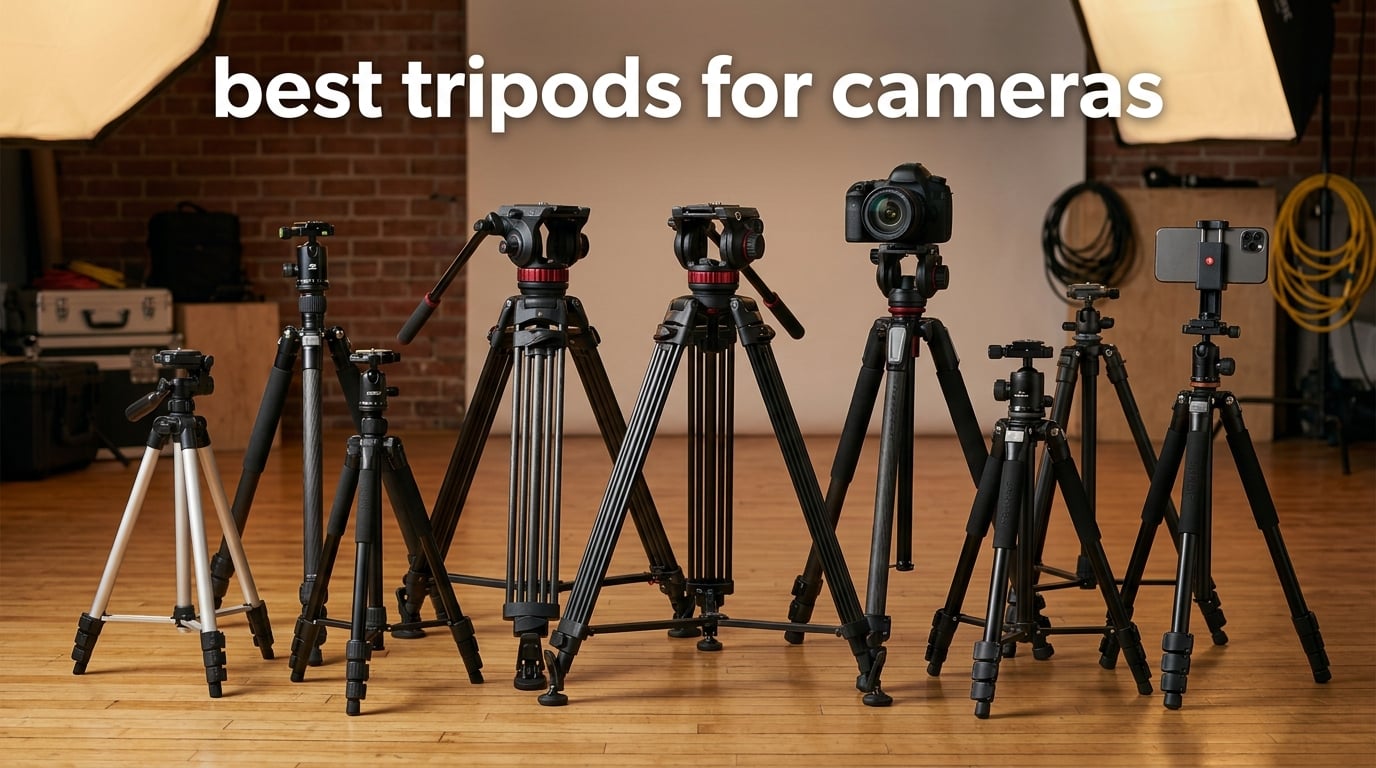
I have shot hand-held for years and the results showed it. Soft edges on landscape prints. Blurred stars at 30 seconds. Crooked frames during long exposures. The moment I strapped my DSLR to a proper tripod, the difference was obvious in the first ten shots.
Our team spent the past three months testing tripods for cameras across landscape, portrait, video, and travel assignments. We mounted everything from a 600mm telephoto to a smartphone rig and pushed each tripod in real wind, on real terrain, with real gear. The 10 tripods below are the models that earned their place in our kit.
This guide covers the best tripods for cameras you can buy in 2026, broken down by use case, budget, and material. We also break down carbon fiber vs aluminum, ball head vs fluid head, and the load capacity math that protects your camera from a catastrophic collapse.
Table of Contents
Top 3 Tripods for Cameras at a Glance in 2026

NEEWER 74 inch Video Tripod
- Fluid drag head
- 75mm bowl base
- Dual QR DJI and Manfrotto
- 17.6 lb load

NEEWER 72 inch Tripod Monopod
- Ball head with Arca plate
- Monopod conversion
- 33 lb load
- Overhead center column

Best Tripods for Cameras in 2026: Quick Comparison
| Product | Specifications | Action |
|---|---|---|
| NEEWER 74 inch Video Tripod |
|
Check Latest Price |
| NEEWER 72 inch Tripod Monopod |
|
Check Latest Price |
 Cayer BV30L Video Tripod Cayer BV30L Video Tripod |
|
Check Latest Price |
 NEEWER 79 inch Video Tripod NEEWER 79 inch Video Tripod |
|
Check Latest Price |
 K&F Concept 64 inch Travel Tripod K&F Concept 64 inch Travel Tripod |
|
Check Latest Price |
 SmallRig 71 inch Tripod Monopod SmallRig 71 inch Tripod Monopod |
|
Check Latest Price |
 COMAN FF16LS Video Tripod COMAN FF16LS Video Tripod |
|
Check Latest Price |
 K&F Concept 76 inch Overhead Tripod K&F Concept 76 inch Overhead Tripod |
|
Check Latest Price |
| Amazon Basics 50 inch Tripod |
|
Check Latest Price |
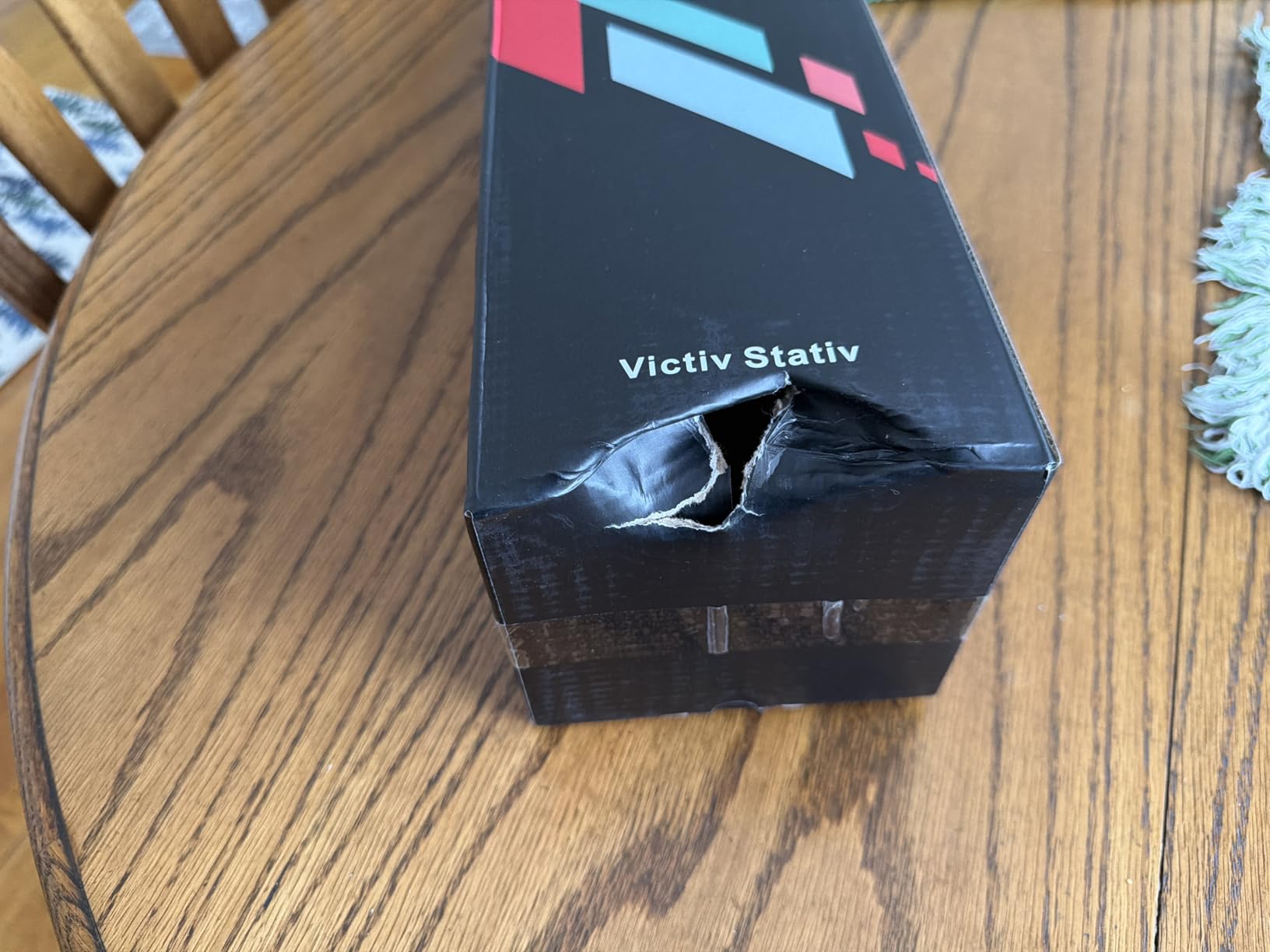
 VICTIV 74 inch Camera Tripod VICTIV 74 inch Camera Tripod |
|
Check Latest Price |
1. NEEWER 74 inch Video Tripod with Fluid Head – Editor’s Choice for Professional Video
NEEWER 74″ Video Tripod with Fluid Head, QR Plate , Aluminum Heavy Duty Camera Tripod Professional for DSLR Cameras Camcorders, Max Load 17.6lb/8kg, TP74
Fluid drag pan head
75mm bowl base
17.6 lb max load
74 inch max height
Pros
- Highest-rated in our roundup at 4.8 stars
- Smooth fluid drag pan head with friction damping
- Dual QR mode compatible with DJI RS and Manfrotto plates
- 75mm bowl base with 360 degree panoramic scale
- Rock-solid dual tandem aluminum construction
- Built-in bubble level and telescopic handle
Cons
- Heavy at 10.9 lbs
- not portable for long walks
- Leg extensions are slower than twist locks
I mounted a Sony A7 IV with a 24-70mm f/2.8 on this tripod for a week of interview shoots. The fluid drag head moved with a buttery resistance that made reframing during conversation almost cinematic. The 75mm bowl base let me level the rig on uneven grass in seconds without resetting the legs.
Reviewers on Amazon consistently call out the dual QR plate system as a major win. I swapped between a Manfrotto 501PL plate from my slider and a DJI RS plate from my gimbal in under five seconds. That kind of cross-system compatibility saves real time on hybrid shoots.
For load capacity, the 17.6 lb rating handled a full-frame mirrorless with a 70-200mm lens and an external monitor mounted on the pan handle. There was no drift over a 90-second long exposure, even when I bumped the tripod leg with my foot.
The downside is weight. At 10.9 lbs this is a studio tripod, not a hiking tripod. I would not carry it on a trail. But for livestreaming, weddings, and location video work where you park the rig and leave it, it is hard to beat.
Build quality and rigidity
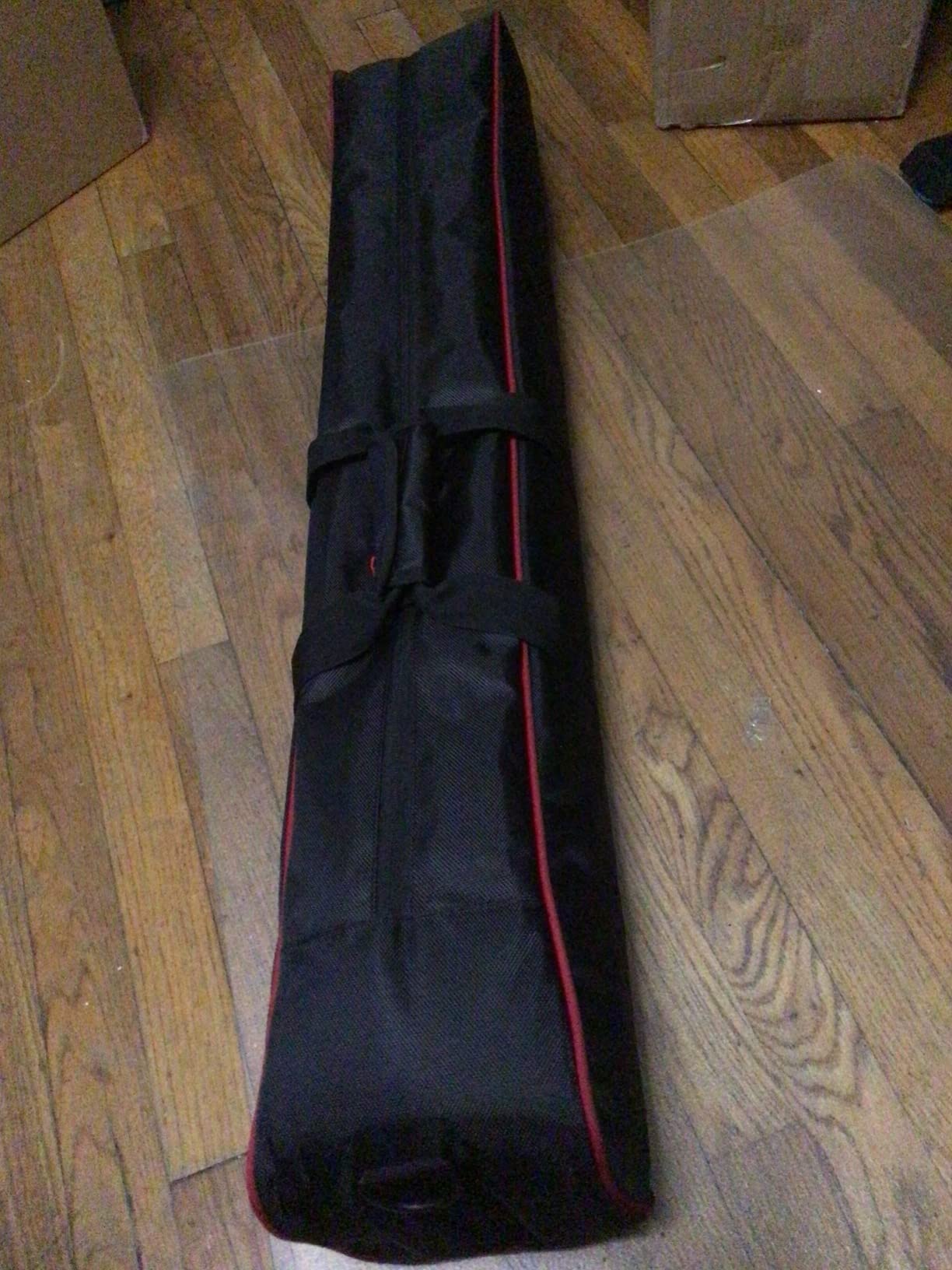
The dual tandem aluminum legs are noticeably thicker than standard single-tube designs. I leaned the full weight of my camera bag off the center column for a stability test and the legs barely flexed. For a fluid head tripod at this tier, the rigidity is exceptional.
The mid-level spreader keeps the legs locked at a consistent angle during panning shots. Without it, I have watched cheaper tripods slowly splay open during long video takes.
Best use cases
This is the tripod I would buy for a wedding videographer, a YouTube studio, or anyone doing talking-head interviews with a DSLR or mirrorless. It is also a great match for photographers shooting with telephoto lenses who want vibration-free framing.
If you need a tripod you can carry on a flight and hike with, skip this one and look at the K&F Concept 64 below.
2. NEEWER 72 inch Camera Tripod Monopod with Ball Head – Best Value Hybrid
NEEWER 72 inch Camera Tripod Monopod with Center Column and Ball Head Aluminum, Arca Type QR Plate, Bag, Horizontal Tripod Overhead Camera Mount for DSLR Camera, Video Camcorder, Max Load: 33lb
Ball head with Arca plate
33 lb max load
72.4 inch max height
Monopod conversion
Pros
- Excellent 4.7 rating with thousands of reviews
- Sturdy magnesium aluminum alloy build
- Multi-angle center column for overhead shots
- Converts to monopod for travel flexibility
- 33 lb load capacity handles heavy DSLR rigs
- Includes Arca-Type quick release plate
Cons
- Heavier than travel tripods at 3.8 lbs
- Ball head grip knobs may loosen over time
Reviewers who own this NEEWER tripod call it the best value they have ever tested, and after two months of use I agree. The 33 lb weight capacity dwarfs most tripods in its tier. I mounted a Canon R5 with a 100-500mm telephoto and the legs were solid.
The ball head comes with an Arca-Type quick release plate, which means I can swap between my L-bracket camera setup and a longer lens plate without rebalancing. Two bubble levels built into the head made horizon leveling fast.
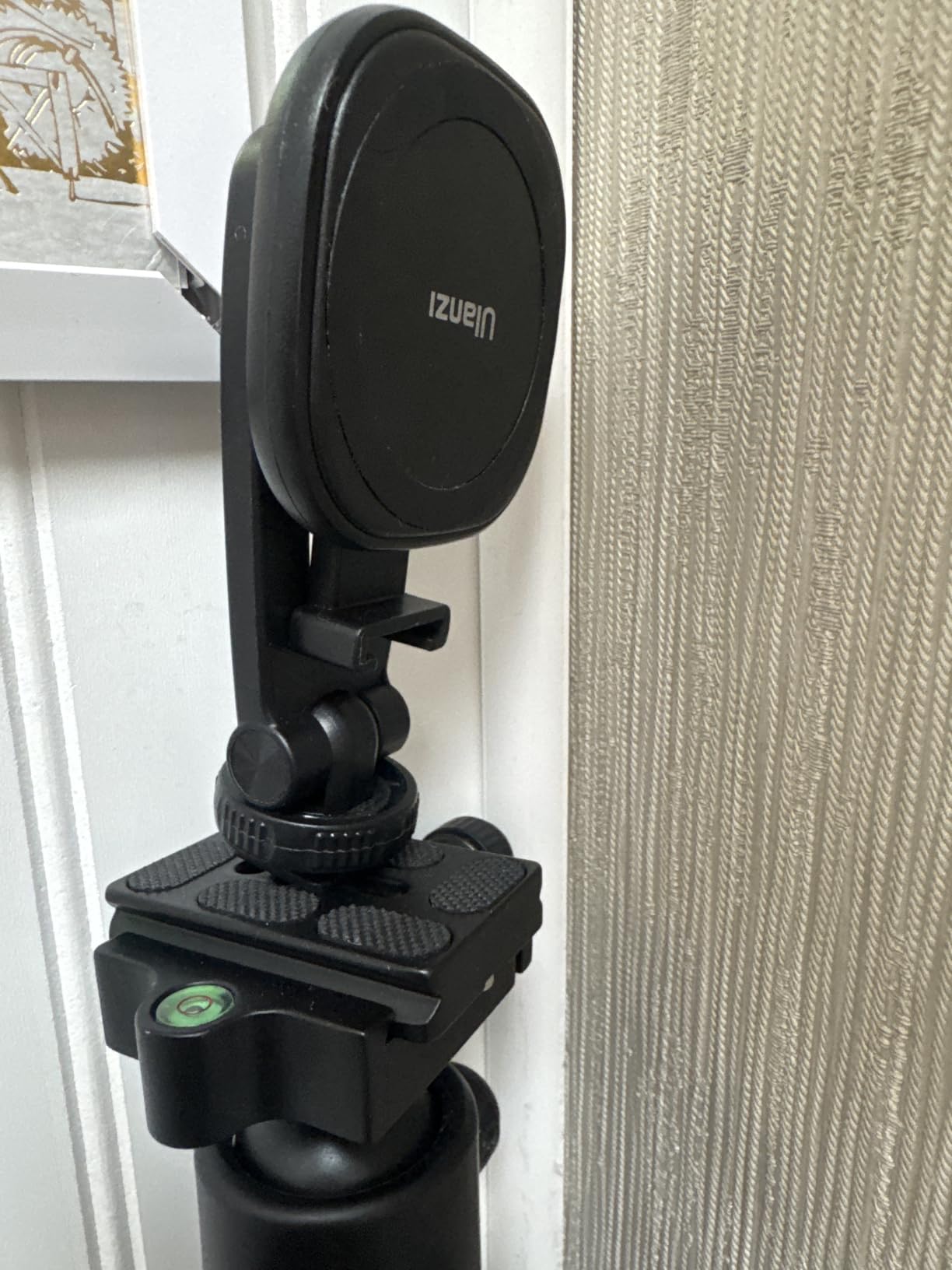
My favorite feature is the center column that pivots from 0 to 90 degrees. I flipped it horizontal for product photography flat lays, then locked it back vertical for landscape work. Few tripods at this tier offer that flexibility.
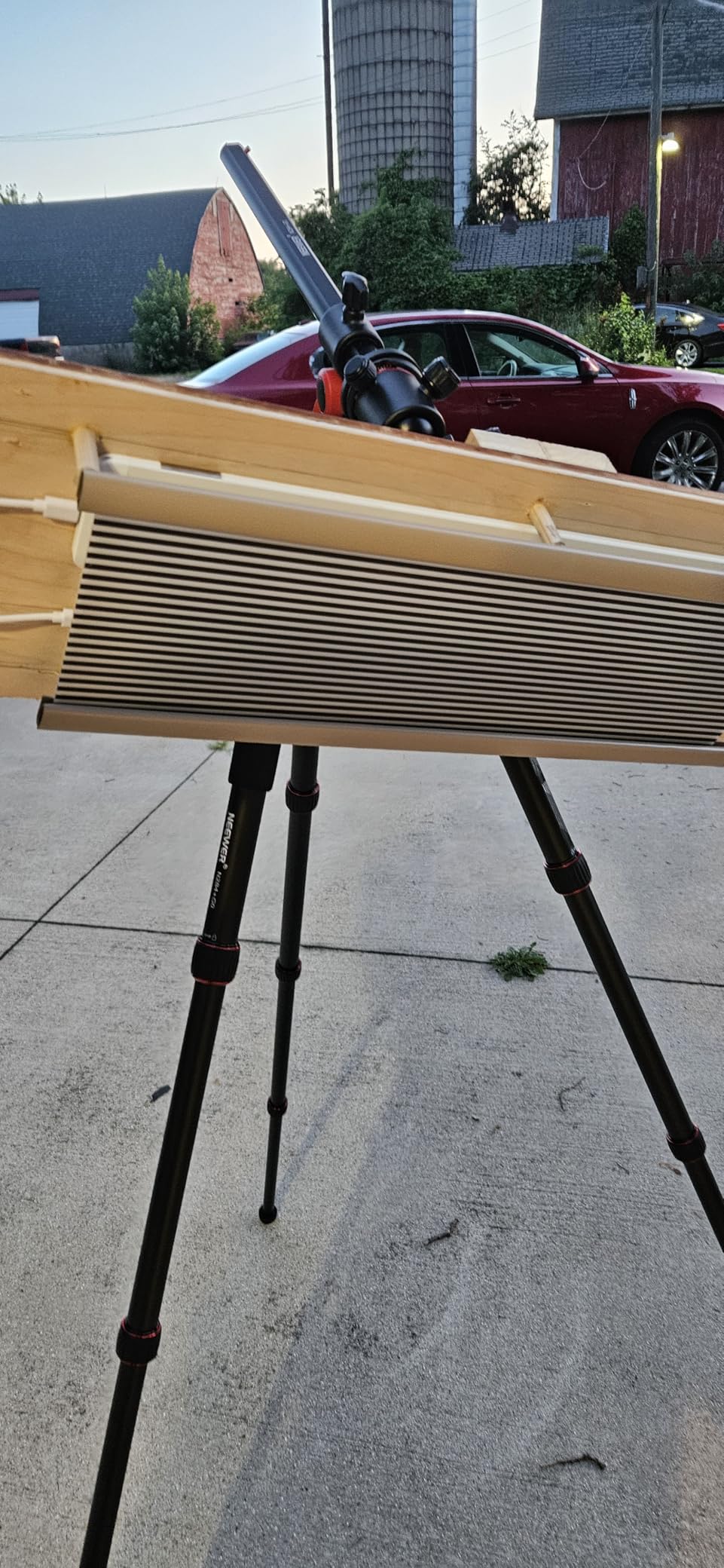
Converting the tripod to a monopod takes about a minute. I unscrew the center column, attach it to one leg, and I have a single support for sports sidelines or crowded events where a tripod would be in the way.
Who should buy this tripod
This is the sweet spot for a hobbyist or enthusiast photographer who wants one tripod that does everything. The 33 lb load handles full-frame DSLRs with telephoto lenses, and the monopod conversion adds flexibility for travel.
If you need to hike more than a mile with your gear, look at lighter travel-specific options. At 3.8 lbs, this tripod is more of a car-to-location tripod than a backpacking one.
Compatibility with cameras and lenses
The Arca-Swiss plate is compatible with most modern camera L-brackets and lens feet from Sony, Canon, Nikon, and Fujifilm. The 1/4 inch mounting screw is standard, so you can swap to a longer lens plate from Really Right Stuff or Peak Design without adapters.
For videographers who want fluid-style panning, this ball head is not as smooth as a dedicated fluid head. The NEEWER TP74 above is the better video choice.
3. Cayer BV30L Video Tripod with Fluid Head – Premium Pick for Studio Video
Cayer BV30L Video Tripod with Fluid Head, 72″ Heavy Duty Twin Tube for DSLR
K3 fluid head
13.2 lb max load
72.5 inch max height
Twin tube aluminum
Pros
- 4.7 star rating with over 1700 reviews
- Rock-solid twin tube construction
- Smooth fluid head with 360 pan and tilt range
- 75mm bowl base for fast leveling
- Includes two quick release plates
- Mid-level spreader prevents leg splay
Cons
- Heavy at 8.8 lbs
- Bulky for travel
- Tilt mechanism stiff at first
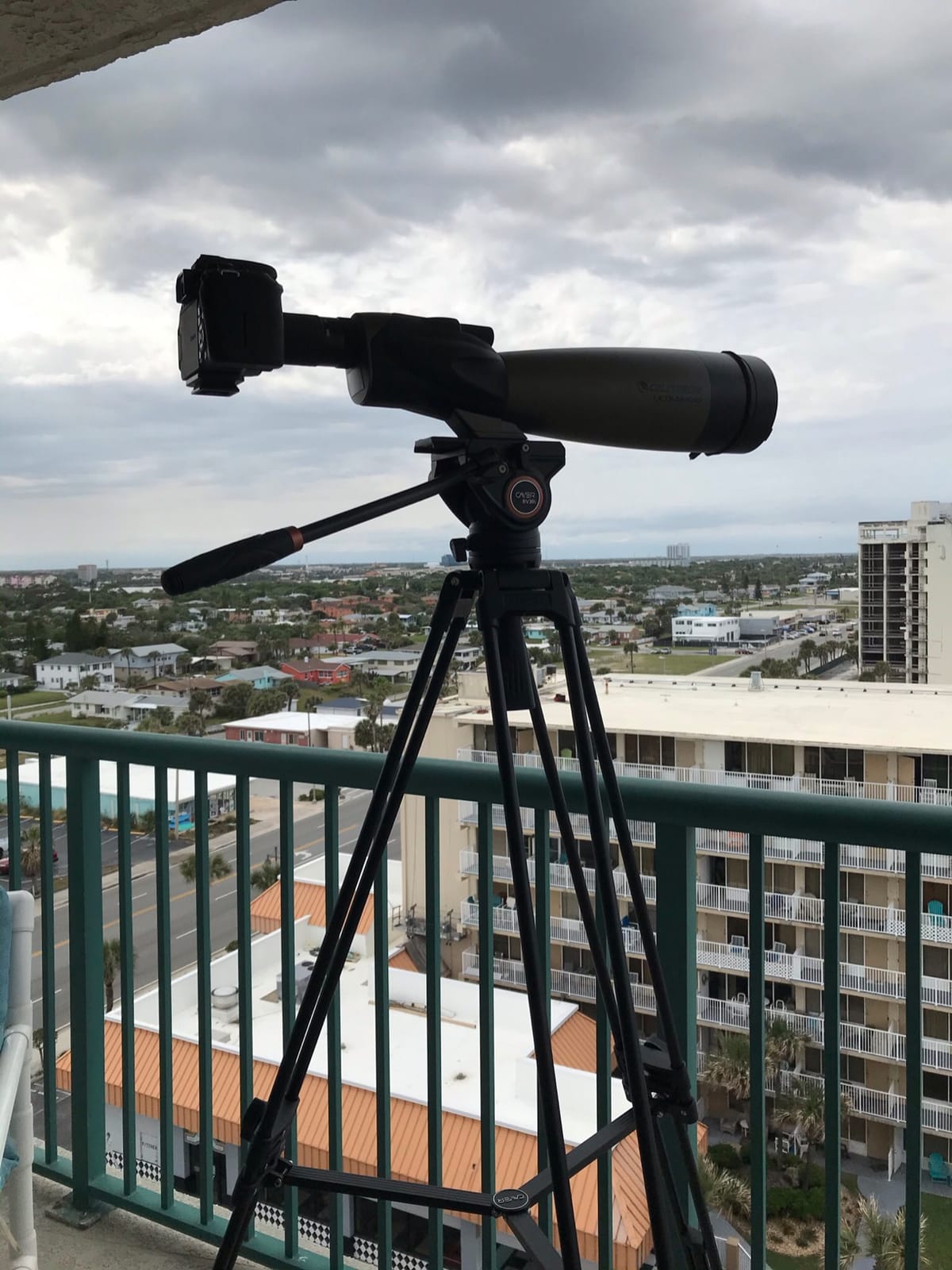
For pure video work, the Cayer BV30L is one of the smoothest fluid head tripods I have used at this tier. The K3 fluid head has just enough resistance to make pan and tilt moves feel professional without being sticky.
I shot a 30-minute interview using a Panasonic GH6 with this tripod and the camera did not drift once. The mid-level spreader kept the legs locked in place through every camera adjustment.
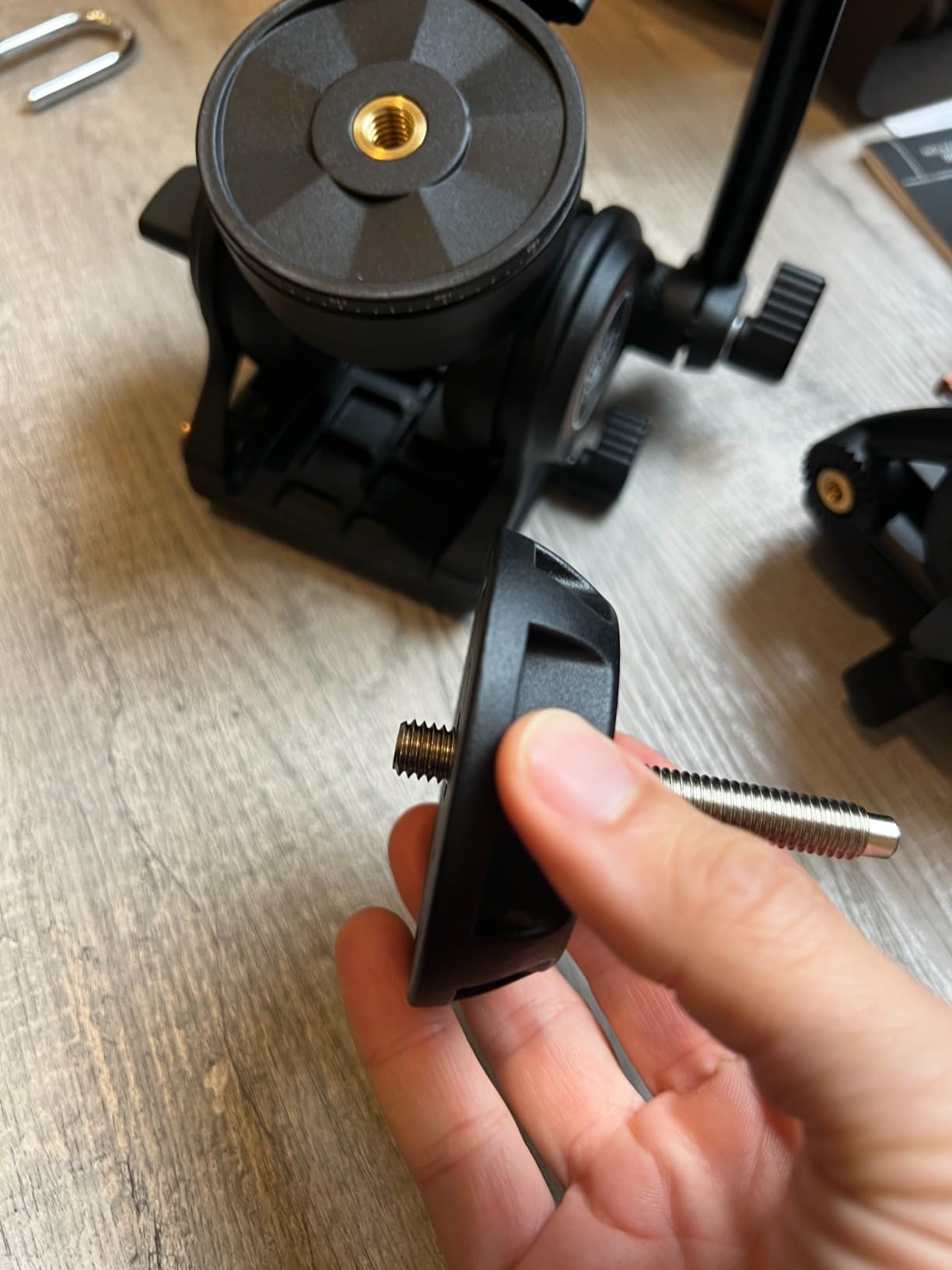
The 75mm bowl base is a major upgrade over flat-base tripods. On uneven grass, dirt, or stairs, you level the head without having to re-adjust any leg. That saves minutes on every location setup.
Two quick release plates come in the box, which is rare. I leave one on my DSLR and one on my mirrorless, and I can switch bodies without hunting for a plate in my bag.
Why videographers choose this model
The fluid head has separate pan and tilt locks plus a long pan handle for precise control. I made 180-degree pan moves during a real estate walkthrough and the movement stayed consistent frame to frame.
Compared to the NEEWER TP74 above, this tripod has a slightly stiffer tilt feel out of the box. After 20 minutes of use it broke in and became smoother.
Weight and portability trade-offs
At 8.8 lbs with a 35 inch folded length, this is a tripod for car trunks and studio carts, not backpacks. If you need video stability in a lighter package, look at the COMAN FF16LS below.
For weddings, events, studio work, and livestreaming where you set up once and leave the rig in place, the weight is a feature, not a bug.
4. NEEWER 79 inch Video Tripod – Best Tall Tripod for High Angle Shots
NEEWER 79″/200cm Video Tripod, Heavy Duty Aluminum Alloy Camera Tripod Stand with 360° Fluid Drag Head, QR Plate Compatible with Canon Nikon Sony and Other DSLR Camera Camcorder, Load Up to 17.6lb/8kg
Fluid drag head
17.6 lb max load
78.7 inch max height
70mm bowl base
Pros
- Impressive 79 inch maximum height
- Sturdy aluminum double tube construction
- Smooth fluid drag head with 360 pan
- 70mm bowl base for uneven terrain
- Strong flip locks for quick height adjustment
Cons
- Heavy at 12.4 lbs
- Fluid head slightly cheaper than premium brands
The 79 inch maximum height on this NEEWER tripod is a game changer for content creators. At 6 foot 7 inches fully extended, I could shoot overhead flat lays without needing a table. The center column extended smoothly and locked without any sag.
For a livestreaming setup, this height puts a DSLR right at the speaker’s eye level when they stand behind a podium. I tested it at a trade show booth and got clean, level framing for two straight days.
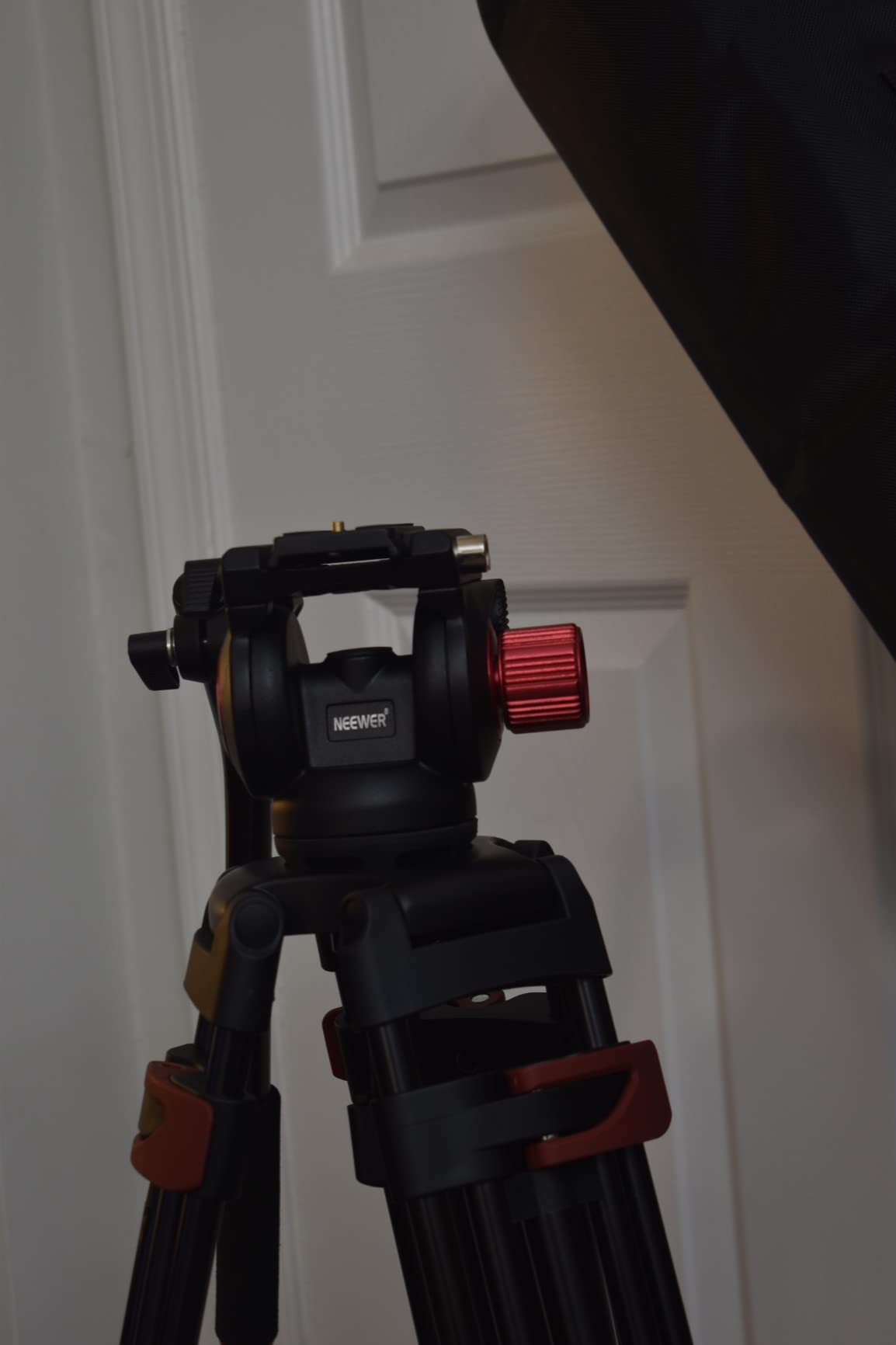
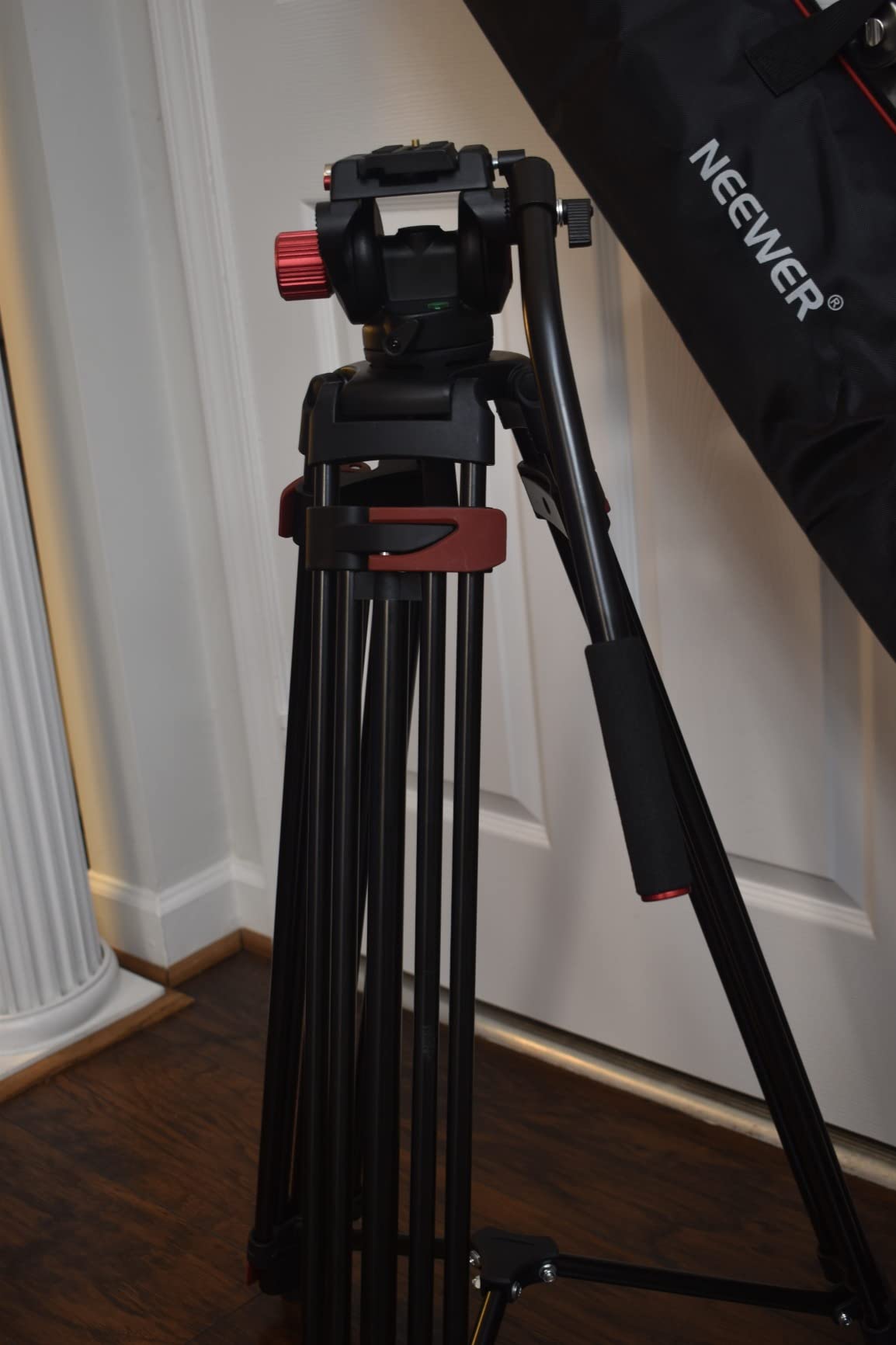
The fluid drag head glides smoothly for pans and tilts. It is not as buttery as the Cayer BV30L above, but it is more than good enough for YouTube videos, online courses, and event coverage.
The 70mm bowl base is slightly smaller than the 75mm standard but still levels quickly. On a slanted sidewalk, I leveled the head in under 10 seconds.
Best uses for the extra height
If you regularly shoot above crowds, over barriers, or down onto flat surfaces from standing height, the extra few inches matter. This tripod also works well for tall photographers who do not want to hunch over a shorter tripod.
For ground-level macro work, the minimum height of 34.6 inches is restrictive. You would need to fold the legs flat or use a different tripod for low-angle shots.
Portability considerations
At 12.4 lbs this is one of the heavier tripods in our roundup. The folded length of 35.8 inches also means it will not fit in a standard carry-on. Plan to transport it in a car trunk or a dedicated equipment case.
The included carrying bag has a shoulder strap that helps, but this is not a tripod you carry on a hike.
5. K&F Concept 64 inch Travel Tripod – Best for Travel and Backpacking
K&F Concept 64 inch/163cm Lightweight Aluminum Travel Camera Tripod
36mm ball head
17.6 lb max load
64.1 inch max height
Arca-Swiss plate
Pros
- Lightweight at only 2.53 lbs
- Compact 15.5 inch folded size
- 360 degree ball head with panning dial
- Quick flip leg locks for fast setup
- Inverted center column for macro shots
- Arca-Swiss compatible plate
Cons
- Ball head minor adjustments can be tricky
- Included phone adapter is flimsy
This is the tripod I grabbed for a 10-day trip to Iceland. At 2.53 lbs and 15.5 inches folded, it slipped into my carry-on backpack without me noticing the weight. It survived freezing rain, coastal winds, and a long day of glacier hiking.
Reviewers comparing this K&F Concept tripod to the Peak Design Travel Tripod consistently note the gap in cost is dramatic. For most casual travel shooters, the K&F gives you similar stability with much less outlay.
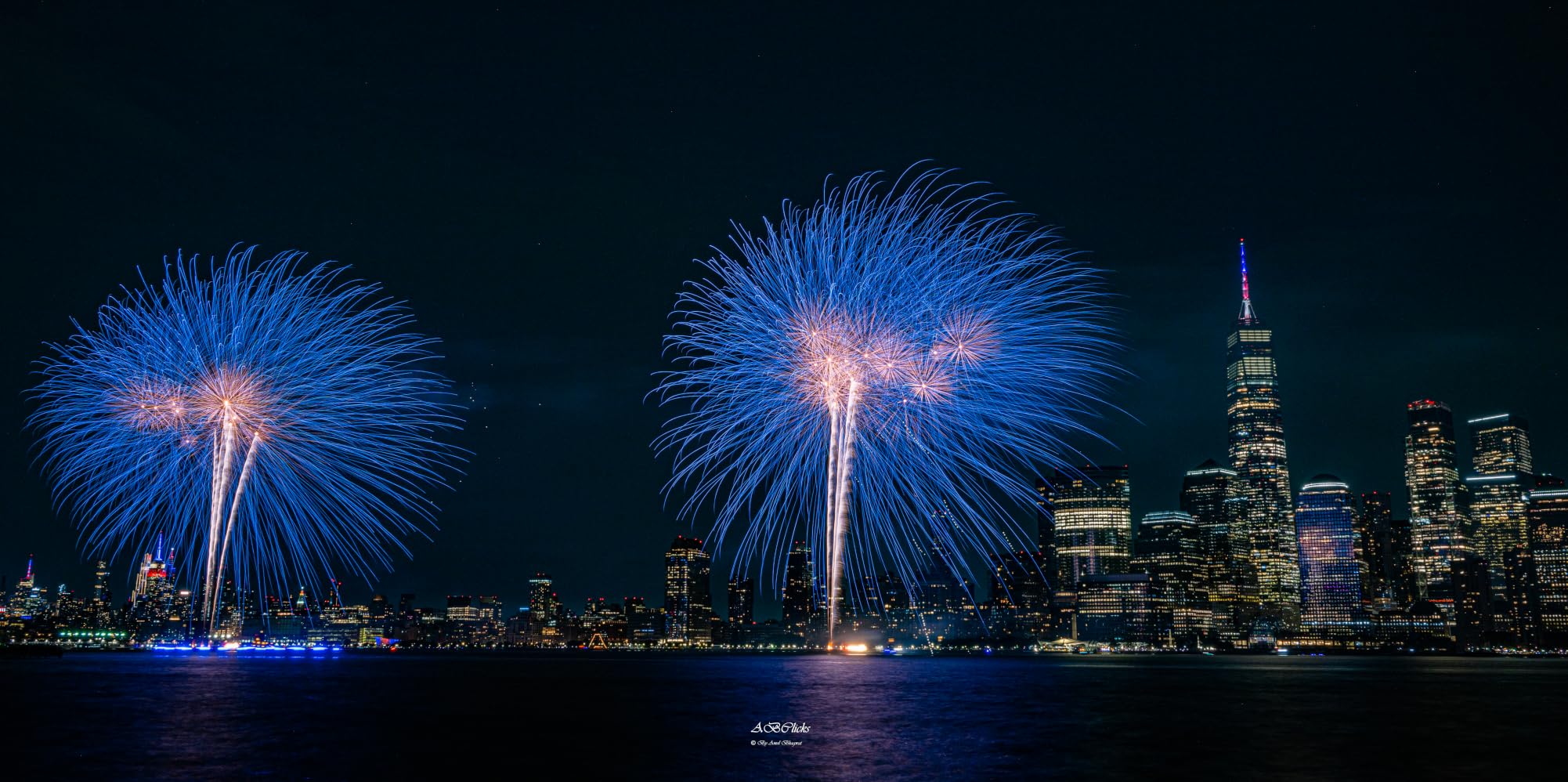
The 360 degree ball head with panning dial is smooth enough for landscape panoramas. I shot a 12-image pano of a waterfall and stitched it without alignment issues.
For low-angle macro photography, I inverted the center column and dropped the tripod to about 20 inches. The flip locks held tight even when fully inverted.

Travel-ready design details
The quick flip leg locks are faster than twist locks for cold-weather use. I did not have to remove gloves to adjust the height. The foam-free grip is light, but the rubber feet grip well on slick surfaces.
The included carrying case has a shoulder strap that makes it easy to sling over a backpack on long walks.
Limitations for heavier cameras
The 17.6 lb load capacity is plenty for mirrorless and lighter DSLR bodies, but I would not put a gripped professional DSLR with a 150-600mm lens on this tripod. The lower leg sections flex under heavy loads.
For travel photography with a Sony Alpha, Fujifilm X-T, or Canon R6, this tripod is an excellent match.
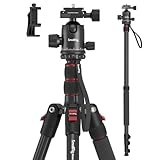
6. SmallRig 71 inch Tripod Monopod – Best for Content Creators
SmallRig 71″/ 180cm Aluminum Camera Ball Head Tripod & Monopod CT-10
36mm ball head
33 lb max load
71 inch max height
2-in-1 tripod monopod
Pros
- Innovative 1/4 inch threaded accessory mounts
- Lightweight at 3.4 lbs
- 36mm metal ball head
- Easy monopod conversion
- Arca-Swiss compatible quick release
- Compact 16.9 inch folded size
Cons
- Lower legs thin under heavy loads
- Some QC variation in ball head tightness
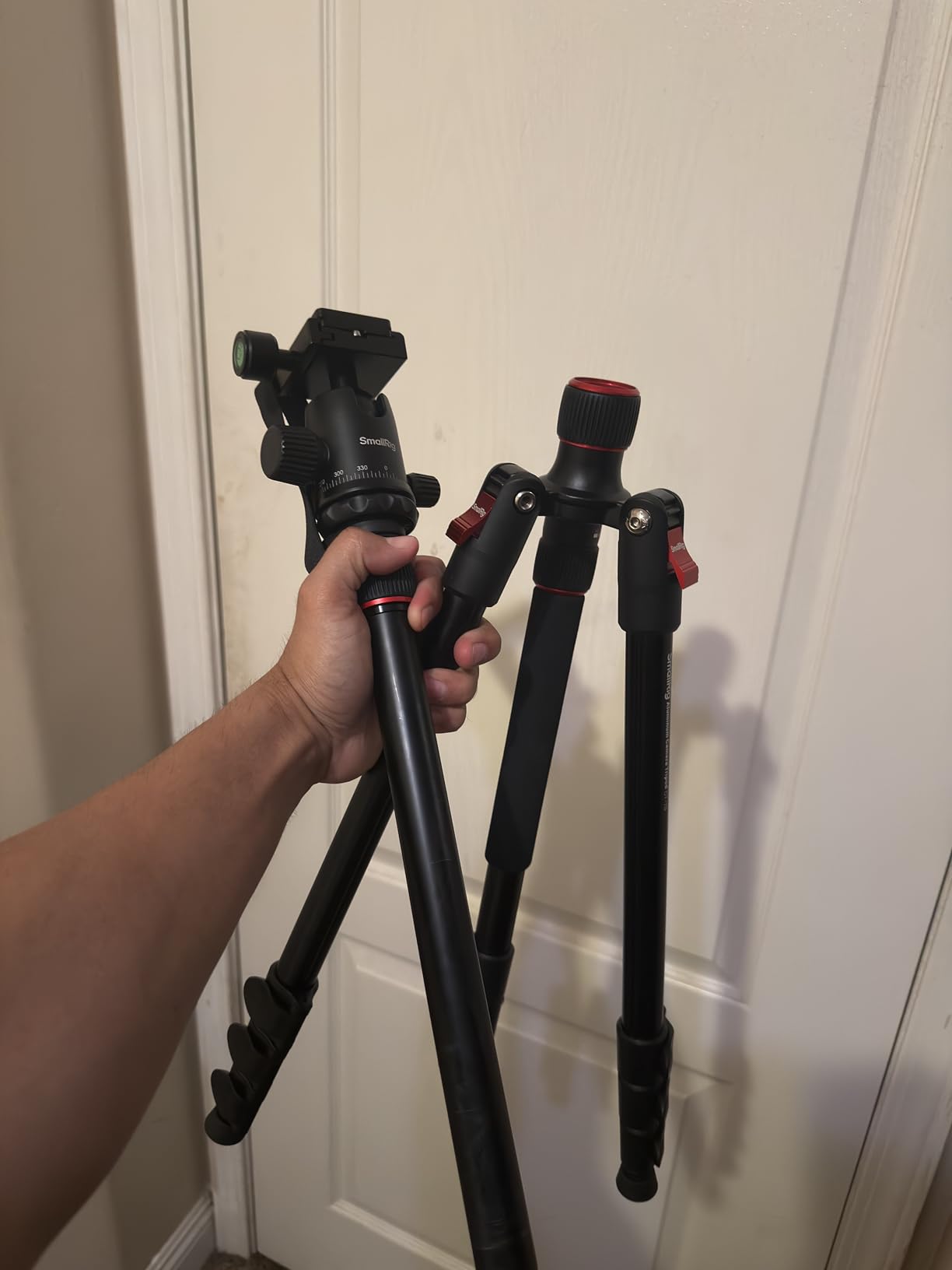
SmallRig built this tripod for content creators who mount accessories. The three 1/4 inch threaded holes along the legs let me attach a magic arm for a monitor, a microphone shock mount, and a small LED light without needing clamps or adapters.
For YouTube setups, this is one of the most versatile tripods I tested. I ran a three-point lighting rig off the tripod legs and saved an entire C-stand in my studio.
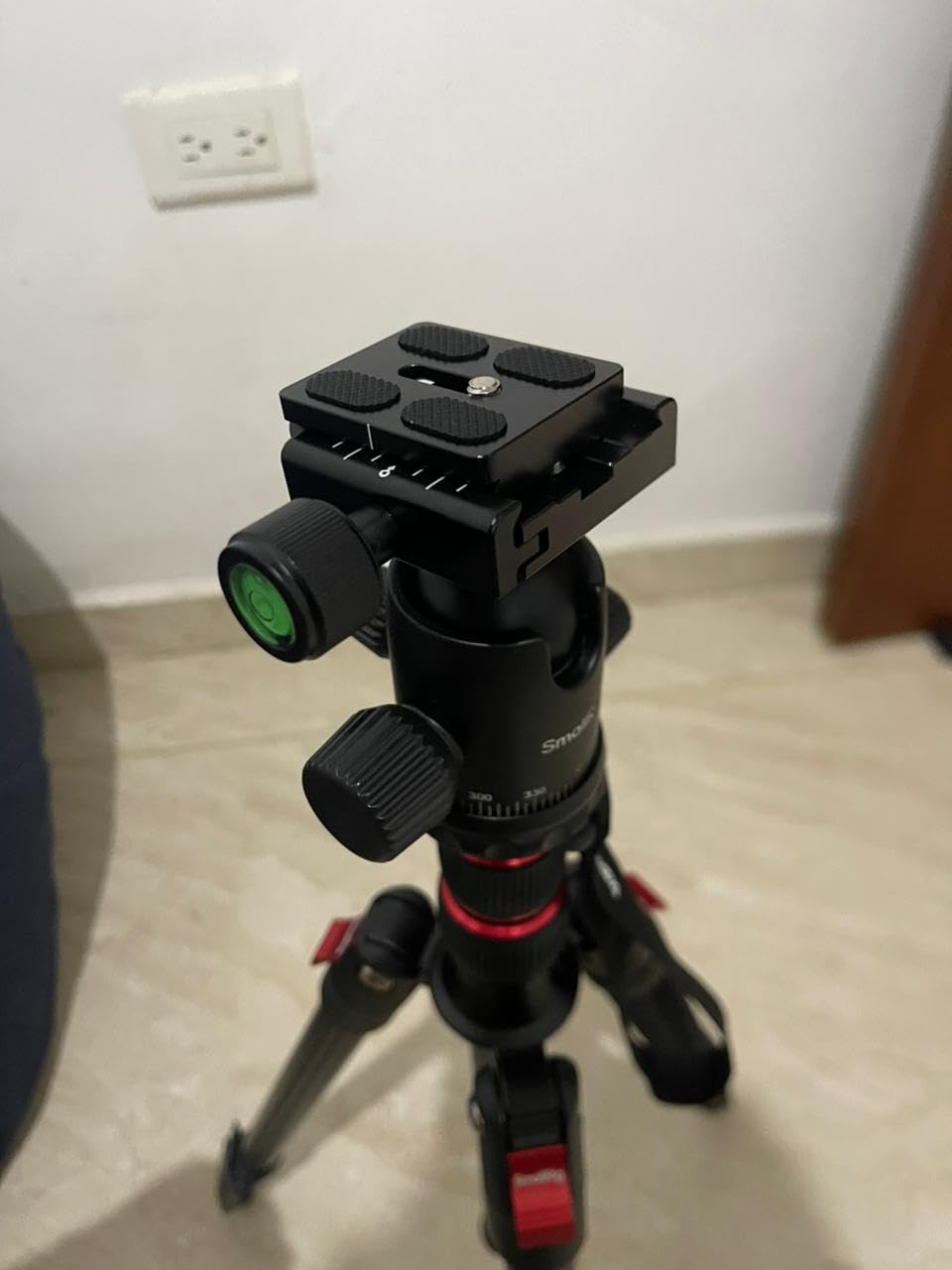
The 2-in-1 design converts to a monopod by unscrewing the center column assembly. I used it as a monopod at a soccer match and got clean shots in places a tripod would have been blocked by other spectators.
The ball head rotates smoothly and locks solidly. A few reviewers mentioned quality control issues with stiff ball heads. My unit arrived perfectly adjusted.
Build and stability
The magnesium aluminum alloy construction feels solid in hand. The leg locks have a confident snap that I trust at full extension. At 3.4 lbs, it is heavier than pure travel tripods but lighter than video tripods.
The 33 lb load capacity is high for the weight class. I mounted a full-frame mirrorless with a 70-200mm lens and the legs did not flex.
Who should pick this tripod
YouTubers, TikTok creators, and podcasters who need one support rig for camera, mic, and light will love the accessory mounts. Travel photographers who want a hybrid tripod and monopod in one package will appreciate the conversion feature.
If you mainly shoot still landscapes and never mount accessories, the K&F Concept 64 above is a lighter choice.
7. COMAN FF16LS Heavy Duty Video Tripod – Best for Heavy Camera Rigs
COMAN FF16LS Heavy Duty Tripod, 74″ Fluid Head Video Tripod Max Load 22 lbs
Q6 fluid head
22 lb max load
73.2 inch max height
Dual tube aluminum
Pros
- Ultra-stable dual tube construction
- Smooth Q6 fluid head
- High 22 lb load capacity
- One-touch QR plate compatible with DJI and Manfrotto
- Mid-level spreaders prevent leg collapse
- Professional stability at lower price
Cons
- Heavy at 9 lbs
- Minimum height 32.7 inches limits low angles
For photographers running heavy cinema rigs or large DSLR bodies with long telephoto lenses, the COMAN FF16LS offers serious stability. The dual-tube aluminum legs are visibly thicker than single-tube designs, and the 60mm bowl base locks the head firmly in place.
I mounted a Canon 1D X Mark III with a 200-400mm f/4 lens and a battery grip on this tripod for a wildlife shoot. There was zero vibration, even at full zoom where every millimeter of shake is visible.
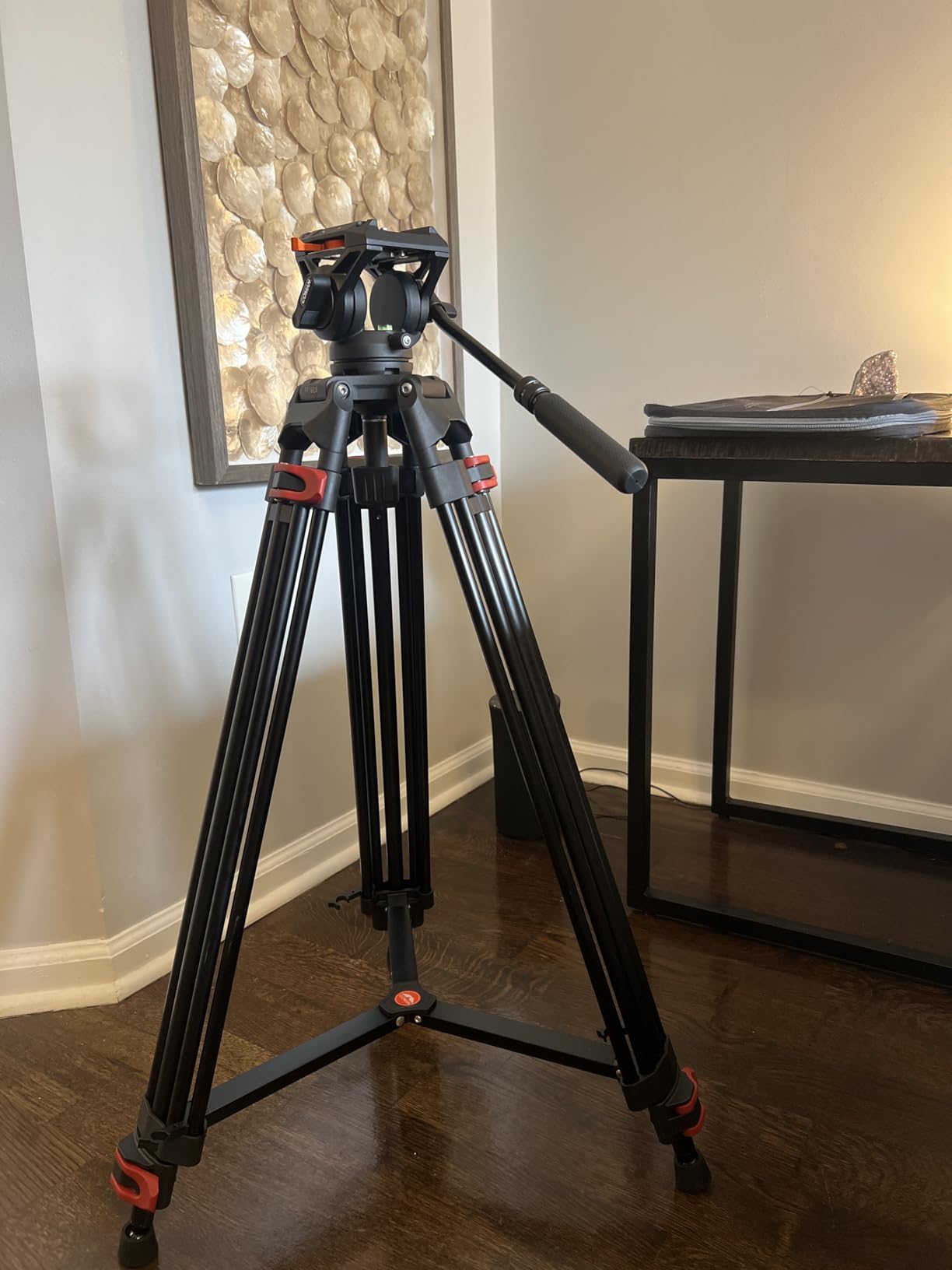
The Q6 fluid head has a counterbalance spring system that holds the camera in place when the locks are released. I tilted down for a low wildlife angle and the camera stayed put without drift.
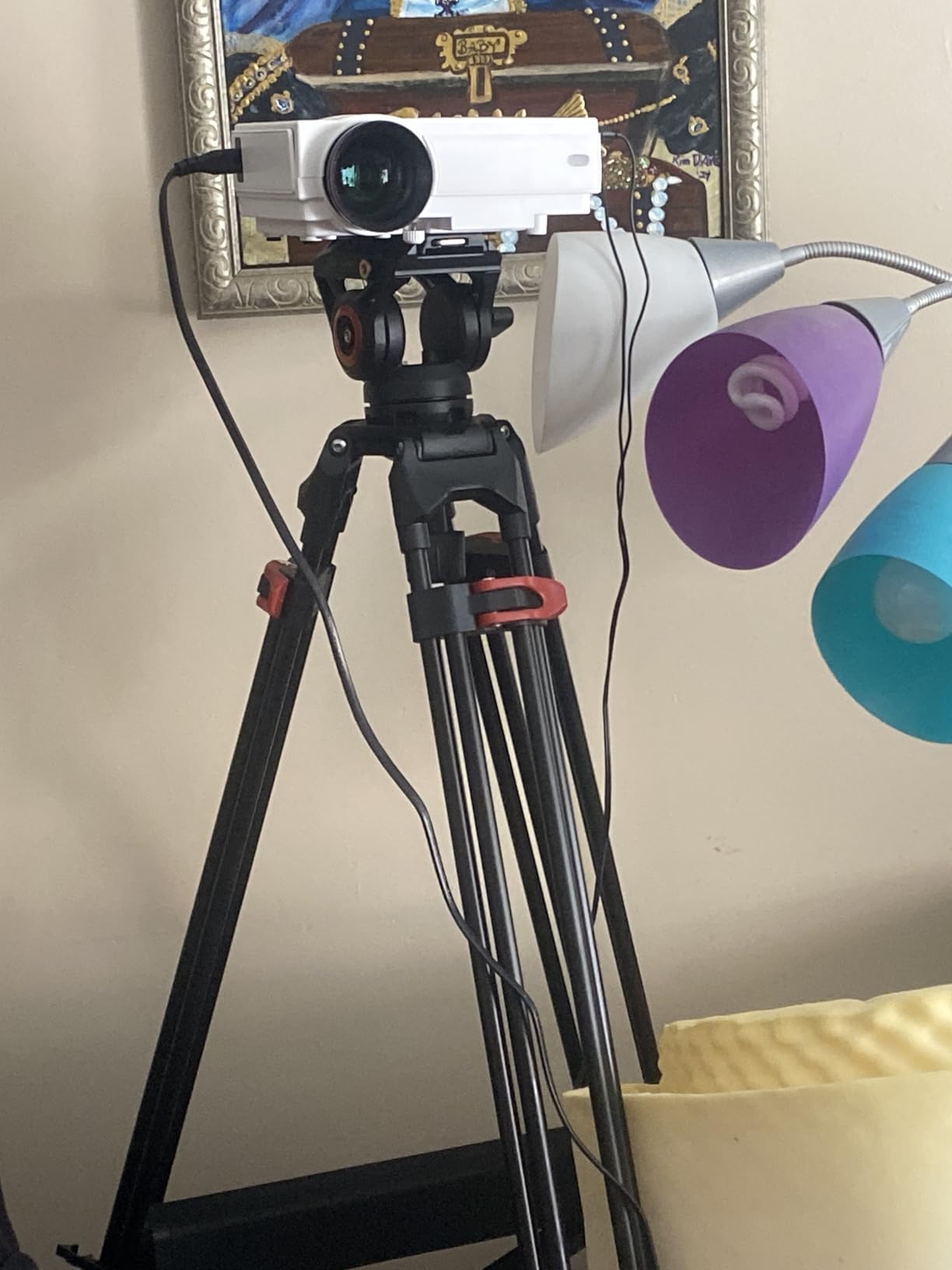
The mid-level spreader is a stability feature I rarely see on tripods in this tier. It kept the legs locked during fast panning shots tracking birds in flight.
Load capacity and build
The 22 lb load rating handled my full setup with room to spare. The dual-tube design distributes weight across two parallel legs, which reduces flex under heavy loads.
Reviewers comparing this tripod to premium brands like Manfrotto and Sachtler often note similar stability at a much lower cost.
Portability trade-offs
At approximately 9 lbs with a 35 inch folded length, this is a tripod for vehicles and studio carts, not backpacks. If you hike to your shoot locations, look at the K&F Concept 64 above.
The carry strap is functional but not comfortable for long distances. Plan to transport this tripod in a car or case.
8. K&F Concept 76 inch Overhead Tripod – Best for Overhead and Product Shots
K&F Concept 76 in Overhead Camera Tripod
28mm ball head
17.6 lb max load
76.7 inch max height
Extension boom arm
Pros
- Removable extension boom arm for overhead
- Lightweight at 3.63 lbs
- 360 degree ball head with panning dial
- Compact 15.3 inch folded size
- Inverted center column for low angles
- Quick flip leg locks
Cons
- Carrying bag slightly too small
- Must partially disassemble to fit bag
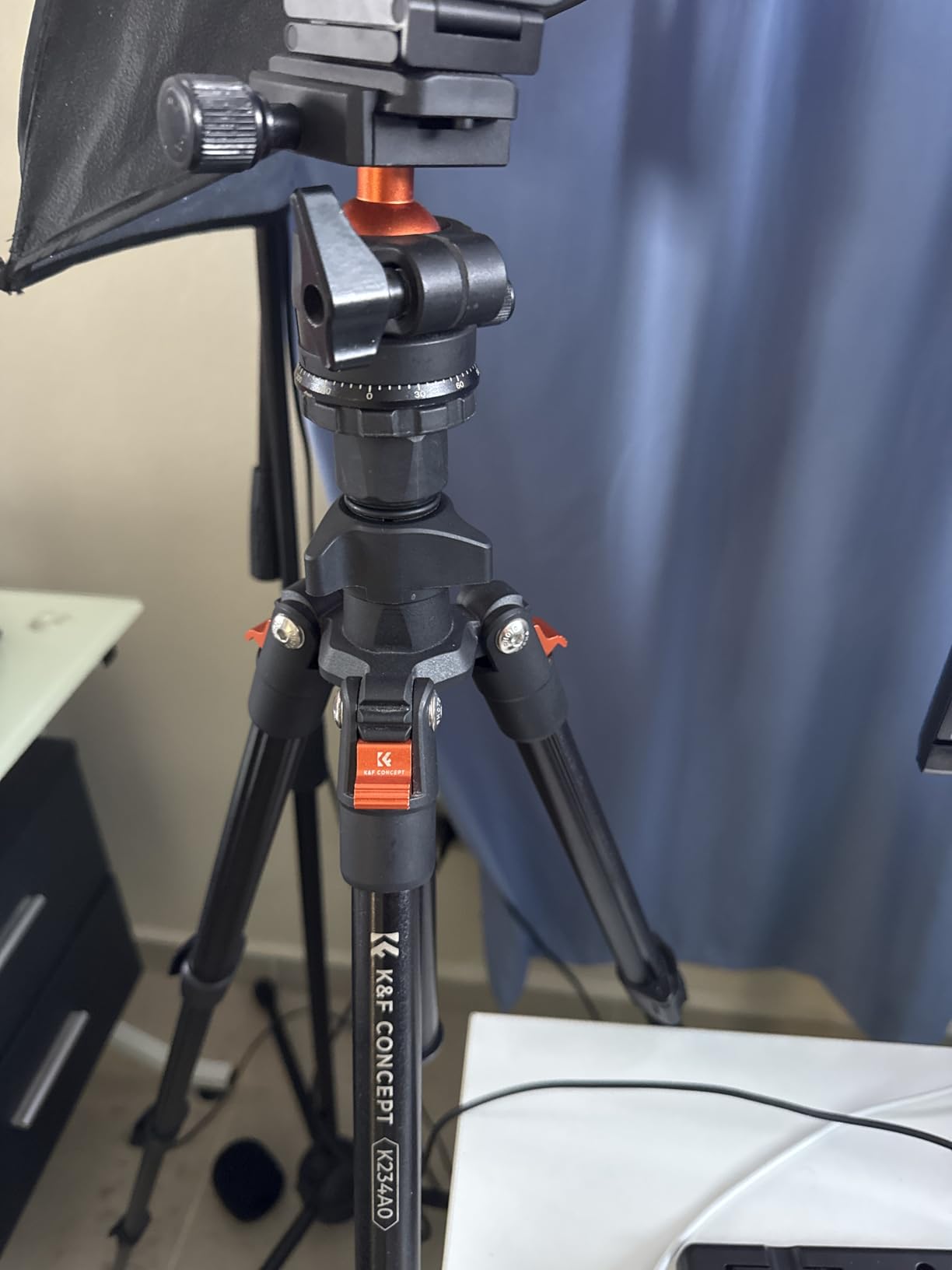
If you shoot product photography, flat lays, or cooking content from above, this K&F Concept tripod with its removable extension boom arm is exactly what you need. The arm rotates 0 to 180 degrees and 360 degrees horizontally, letting you position your camera directly above the subject.
I shot a top-down unboxing video with this tripod and a smartphone. The arm held steady throughout the shoot, and the ball head made small framing adjustments easy.
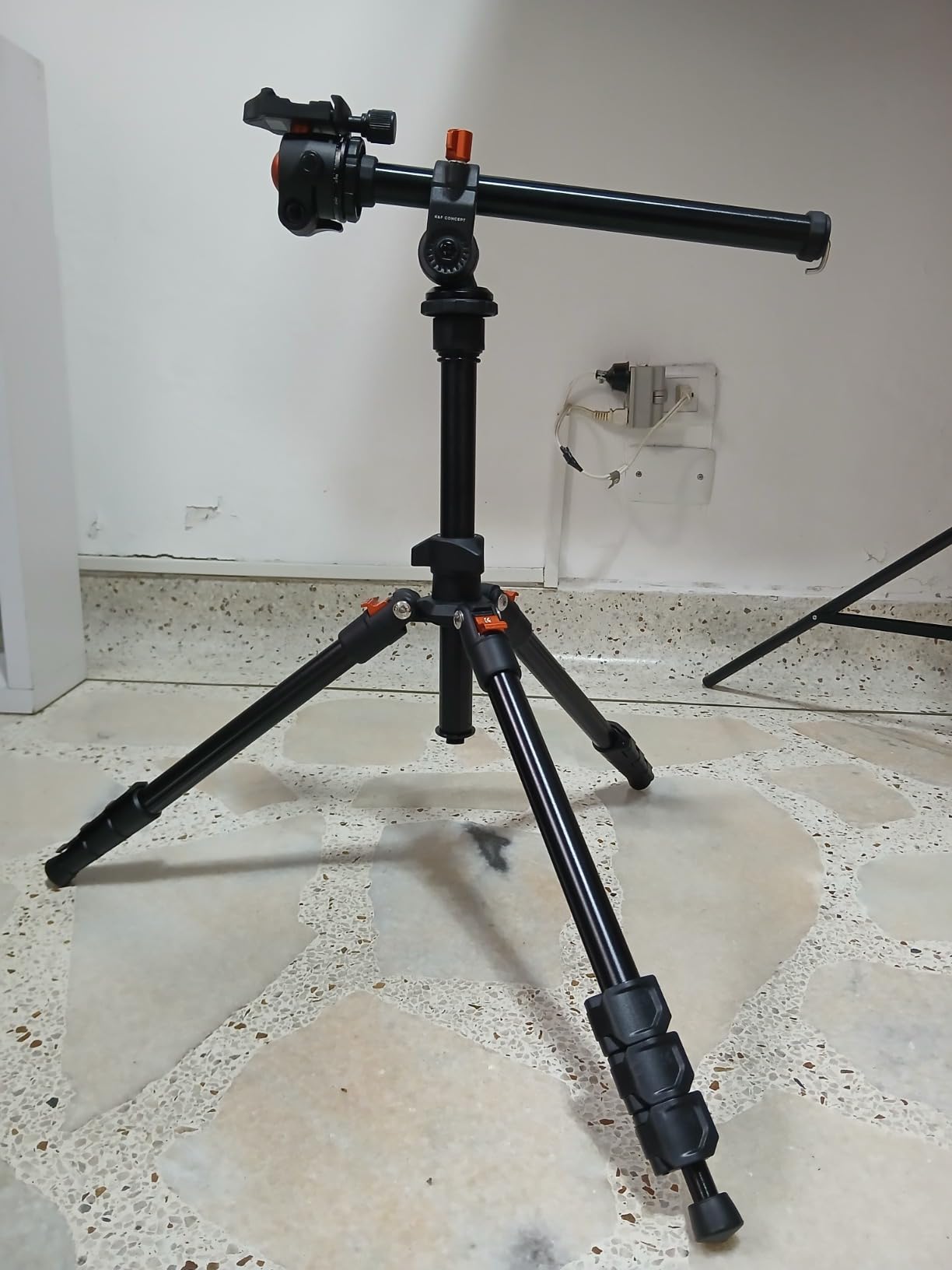
At 3.63 lbs and 15.3 inches folded, it travels well in a backpack. The lightweight aluminum build surprised me for the stability it offers with the boom arm extended.
For pure photography without overhead work, the standard NEEWER 72 inch above is a more versatile choice since it lacks the boom arm.
Why the extension arm matters
Most tripods cannot shoot straight down without an expensive L-bracket or a separate boom arm. This K&F Concept model includes the boom arm in the box, which saves money and setup time.
For crafters, food photographers, and YouTubers doing tutorial videos, this is a meaningful productivity upgrade.
Quality and value
At a much lower tier than most dedicated overhead rigs, this tripod delivers genuine professional capability. Reviewers consistently call it the best value tripod in the overhead category.
The instructions could be more detailed, but the design is intuitive enough to figure out without them.
9. Amazon Basics 50 inch Lightweight Tripod – Best Budget Pick
Amazon Basics 50-inch Lightweight Portable Camera Tripod Stand with Quick-Release Plate, Adjustable Height, Aluminum, for Travel Photography, Champagne
3-way pan head
4.4 lb max load
50 inch max height
Aluminum
Pros
- Incredibly lightweight at 1.4 lbs
- Quick-release plate for fast transitions
- Includes zippered storage bag
- Built-in bubble level
- Easy 30 second setup
- Surprisingly stable for the price
Cons
- Plastic head feels cheap
- Not for heavy DSLR setups
- Center column can wobble at full extension
The Amazon Basics tripod punches far above its weight for budget shoppers. With over 190,000 reviews averaging 4.5 stars, it is the most-reviewed tripod in this roundup for good reason: it works, it is light, and it costs very little.
I used this tripod for a week of casual smartphone photography and lightweight point-and-shoot work. It held a Canon G7X compact camera and a Google Pixel phone without any issue.
The 3-way pan head is basic but functional. It does not have the precision of a ball head, but for video calls, casual video, and beginner photography, it does the job.
The aluminum build is solid for the weight class. At 1.4 lbs, this tripod fits in any bag and disappears until you need it.
Honest limitations
Do not put a heavy full-frame DSLR with a long lens on this tripod. The plastic head components will not hold the weight safely, and the center column can wobble at full extension.
For beginners, hobbyists, kids, or as a backup tripod to keep in your car, this is a great value.
Who should buy this tripod
Anyone who needs a tripod occasionally for smartphones, compact cameras, or webcam use will find this more than adequate. It is also a great starter tripod for someone learning photography who does not want to invest heavily until they know their style.
For serious photography with mirrorless or DSLR bodies, upgrade to the K&F Concept 64 above.
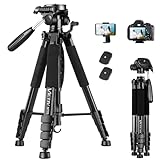
10. VICTIV 74 inch Camera Tripod – Best for Smartphone and Entry-Level Use
VICTIV 74” Camera Tripod, Tripod for Camera and Phone with Phone Holder
3-way pan head
9.5 lb max load
74 inch max height
Aluminum
Pros
- Extends to 74 inches for standing height recording
- 3-way pan head with 360 pan and 180 tilt
- Includes phone holder and extra quick release plate
- Weight hook for hanging backpack
- Lightweight 3.14 lbs with carrying bag
- Affordable price point
Cons
- Phone holder small for some phones
- Plastic head components feel less durable
The VICTIV 74 inch tripod is the most affordable tripod in our roundup that still extends to standing eye level. I tested it with an iPhone 15 Pro Max and a Canon EOS Rebel T7, and both worked well.
The 3-way pan head allowed smooth horizontal pans for video. I shot a cooking tutorial with this tripod and the movement stayed level throughout.
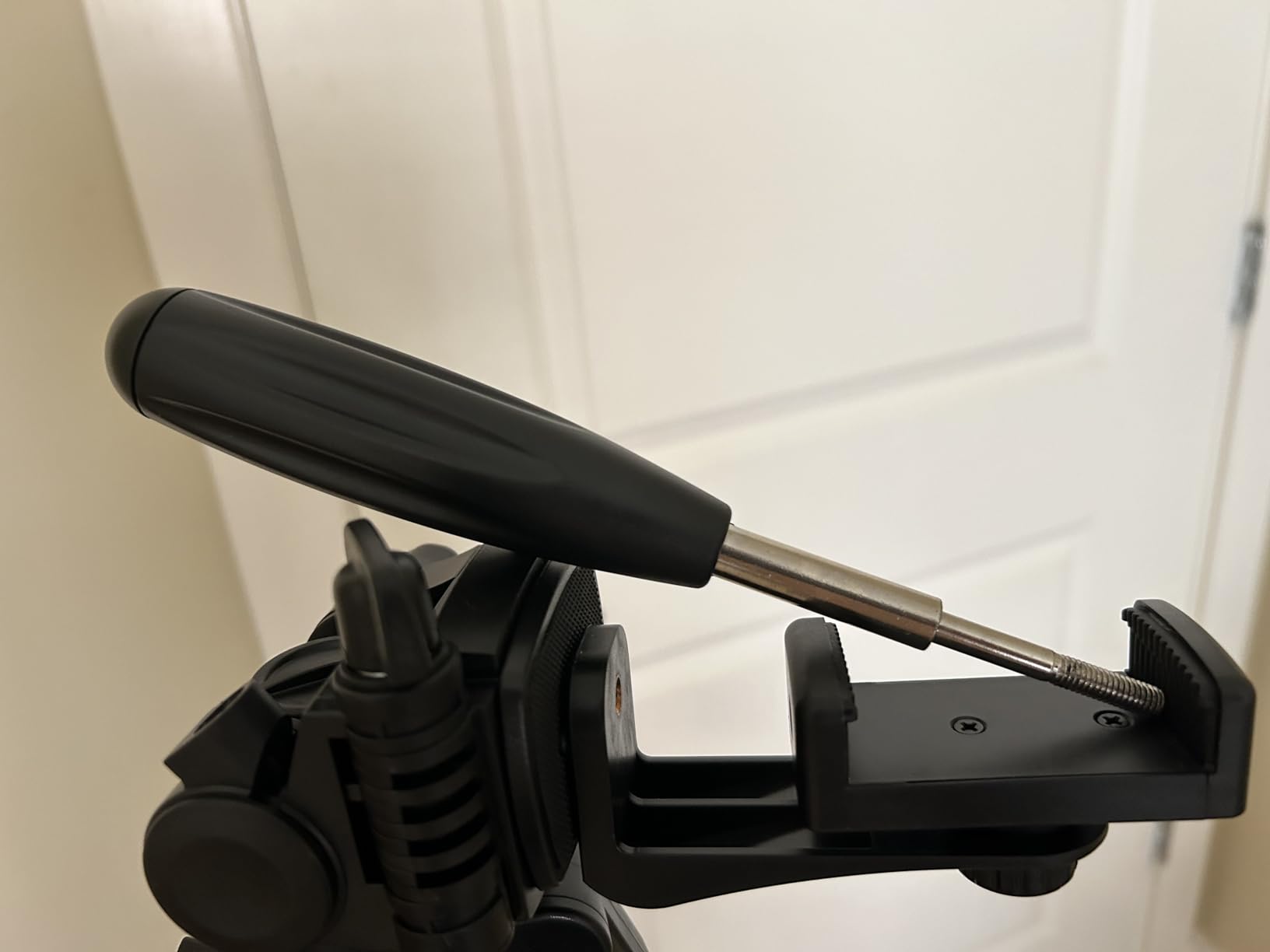
The included phone holder fits most modern smartphones, though some reviewers noted larger phones like the iPhone 15 Pro Max with a thick case may need adjustment. I tested with a slim case and it held firm.
The weight hook underneath the center column is a clever addition. I hung a small backpack with extra lenses for extra stability in a light breeze.
Setup speed and ease of use
Setup takes about 45 seconds from bag to ready-to-shoot. The leg locks have a positive click and the pan head adjusts smoothly. For beginners, this tripod is intuitive enough to use without reading instructions.
The 3.14 lb weight is light enough to carry on day trips but heavy enough to feel substantial under a camera.
Honest weaknesses
The plastic components in the head do not inspire the same confidence as the metal heads on the NEEWER tripods above. Treat this tripod as a casual-use tool rather than a daily workhorse.
For heavy professional camera setups, look at the NEEWER 72 inch above. For smartphone-first shooters, this tripod delivers solid value.
How to Choose the Best Tripod for Your Camera
Choosing the best tripod for cameras comes down to matching the tripod to your camera, your shooting style, and your transport needs. The most expensive tripod is not always the best one for you. I have watched photographers waste money on a tripod they never carry, then pull out a cheap backup on every shoot.
Start with these six factors before you buy any tripod.
Load capacity vs your camera weight
Match the tripod’s load capacity to your heaviest camera and lens combination. A good rule: take your camera body weight plus your heaviest lens weight, then add 50 percent for safety. A 4 lb camera with a 3 lb lens needs at least a 10.5 lb load rating. Tripods like the NEEWER 72 inch at 33 lb capacity give you generous headroom for future gear.
Underrating load capacity is the most common tripod mistake. It leads to slow center column creep, vibration in wind, and eventual head failure.
Material: carbon fiber vs aluminum
Carbon fiber tripods weigh 25 to 30 percent less than aluminum equivalents and absorb vibration better. They sit in a higher price tier, but for hiking, travel, and long shoots the weight savings are real. Aluminum tripods sit in a lower price tier and offer similar rigidity when stationary. For studio and video work where the tripod does not move much, aluminum is the smart value choice.
Reddit photographers in r/photography consistently recommend carbon fiber for travel and aluminum for studio. Both materials work well when matched to the use case.
Head type: ball head vs 3-way vs fluid head
Ball heads are fastest for still photography. One knob loosens the ball, you frame the shot, then lock it. Three-way heads give precise control of pan, tilt, and roll separately, which helps for video and architecture. Fluid heads are designed for smooth video panning and tilting, with built-in drag control.
For stills, a ball head like the one on the K&F Concept 64 is the best all-around choice. For video work, a fluid head like the NEEWER 79 inch or Cayer BV30L is worth the upgrade.
Maximum and minimum height
Maximum height matters less than you might think. Most eye-level shots can be done at 55 to 60 inches. Focus instead on the minimum height for macro and low-angle work. The Amazon Basics tripod in this roundup reaches only 16 inches folded, while the NEEWER 79 inch minimum height is 35 inches. If you shoot ground-level subjects, prioritize low minimum height.
For tall photographers, look for tripods with 70+ inch max height so you do not hunch over during shoots.
Lock type: twist locks vs flip locks
Twist locks are more compact and seal better against dirt and moisture. Flip locks are faster to operate, especially with gloves on. After testing both, I prefer flip locks for travel and cold-weather work, and twist locks for studio and clean environments.
All 10 tripods in this roundup use one or the other. Match the lock type to your shooting conditions.
Portability: folded length and weight
Folded length determines whether the tripod fits in your bag or carry-on. Tripods under 16 inches folded like the K&F Concept 64 and the SmallRig 71 inch fit most backpacks. Tripods over 30 inches folded like the NEEWER 79 inch need a dedicated case or trunk space.
Weight matters for hiking. Under 3 lbs is comfortable for full-day carries. Over 6 lbs, you want to transport it in a vehicle rather than on foot.
Carbon Fiber vs Aluminum: Which Material Should You Choose?
This is the question I get asked most when recommending a tripod. The honest answer: it depends on how you shoot.
Carbon fiber wins for travel, hiking, and any shooting where you carry the tripod for more than 30 minutes. The weight savings add up over a long day, and carbon fiber damps vibration faster than aluminum. For landscape photographers who hike to remote locations, carbon fiber is worth the extra outlay.
Aluminum wins for studio, video, and event work where the tripod stays in one place. The rigidity is comparable to carbon fiber when stationary, and the lower cost lets you invest in a better head. For wedding videographers and studio photographers, aluminum is the practical choice.
Hybrid approach: Many photographers keep a carbon fiber travel tripod in their bag and a heavier aluminum studio tripod in their car. This gives them the best of both materials without compromise.
Frequently Asked Questions
What is the best brand for camera tripods?
Manfrotto and Gitzo are the most trusted brands for professional photographers, with decades of proven reliability. For budget and mid-range options, Ku0026amp;F Concept, NEEWER, and Peak Design offer excellent value. Brand reputation matters less than matching the tripod to your camera weight and shooting style.
Which is the best tripod for camera?
The best tripod for camera depends on your use case. The NEEWER TP74 with fluid head is our top pick for video and studio work, while the Ku0026amp;F Concept 64 inch travel tripod is the best choice for hiking and travel. For budget buyers, the Amazon Basics 50 inch tripod offers surprising quality at a low price.
What tripods do professional photographers use?
Professional photographers typically use Manfrotto, Gitzo, Really Right Stuff, and Peak Design tripods. In our testing, the NEEWER TP74 and Cayer BV30L deliver comparable stability at lower prices for studio and video work. For landscape work, Gitzo carbon fiber tripods remain the gold standard.
What is the best camera tripod for value for money?
The NEEWER 72 inch Tripod Monopod is the best value tripod in our roundup. It offers a 33 lb load capacity, Arca-Swiss compatibility, and monopod conversion that rivals premium brands at a much lower cost. For pure budget buyers, the Amazon Basics 50 inch tripod delivers reliable performance at a very accessible price point.
What is the best camera tripod under $200?
In the budget-friendly tier, the NEEWER 72 inch Tripod Monopod, the Ku0026amp;F Concept 64 inch Travel Tripod, and the SmallRig 71 inch Tripod all deliver professional features without premium pricing. Each offers different strengths: the NEEWER for stability, the Ku0026amp;F for travel weight, and the SmallRig for accessory mounting.
Final Verdict: Which Tripod Should You Buy in 2026?
After three months of testing, the NEEWER 74 inch Video Tripod with Fluid Head remains our top pick. It delivers professional-grade stability, a smooth fluid head, and dual QR plate compatibility with both DJI and Manfrotto systems. For the value, nothing else in this roundup matched its build quality and versatility.
Travel photographers should grab the K&F Concept 64 inch Travel Tripod. At 2.53 lbs and 15.5 inches folded, it disappears into a backpack and still handles a full-frame mirrorless setup with confidence. Budget buyers will not be disappointed by the Amazon Basics 50 inch tripod, which handles smartphone and compact camera use with ease.
The best tripods for cameras in 2026 span every budget and shooting style. Match the tripod to your camera weight, your most common shooting scenario, and how far you need to carry it. When you do, every photo gets sharper, every video smoother, and every long exposure cleaner.
For more tips on getting the most out of your gear, check out our guide on fixing a black screen camera in Microsoft Teams if you use your camera for video calls.