
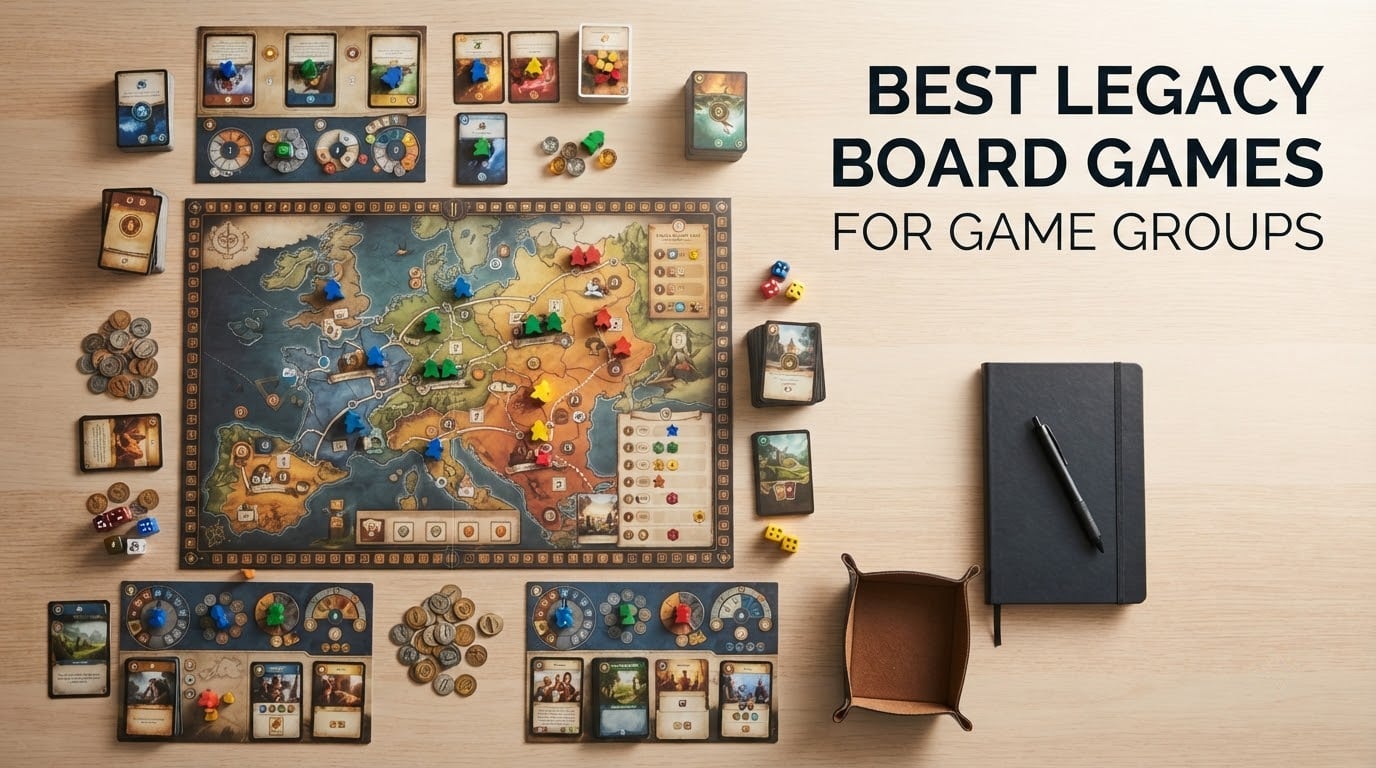
Most board games get played once, maybe twice, and then they go on a shelf and never come out again. A legacy board game is built on the opposite assumption: the game is supposed to be a series of game nights that add up to one long story, with permanent changes carried from week to week. That makes the choice of game a group decision rather than a shelf decision, and it is why picking the right one matters more than any other purchase most game groups make.
We spent the last few months reading through customer reviews, community threads on BoardGameGeek and r/boardgames, and campaign reports from groups who finished or abandoned their runs, to put together this list of the best legacy board games for game groups. Fifteen entries, each with player counts, campaign length, game weight, and an honest note on where it can go wrong.
One warning before we start. Community consensus across every thread we read is that legacy games work best when the same people play from the first session to the last. If your group rotates, skip ahead to the group-stability section in the buying guide; a few of the games here handle that far better than the rest.
Table of Contents
What Is a Legacy Board Game?
A legacy board game permanently changes between sessions. Cards are torn up, stickers go on the board, new rulebook pages appear, and the next setup reflects every decision the group made, including the ones that went badly. The campaign cannot be restarted from scratch, which is exactly the point.
That permanence is what separates a true legacy game from a campaign game. A campaign game replays normally after the story ends, so one person buys the box and everyone else just visits. A legacy game is closer to being consumable: once your run is over, the box holds a unique record of your group rather than a shelf-ready repeat play.
A third category, the scenario game, offers a different scenario every time with no permanent record at all. Both styles are good. They answer different needs, and the entries below make clear which games leave you something to keep and which do not.
Top 3 Best Legacy Board Games For Game Groups (October 2026)

Gloomhaven: Jaws of the Lion
- Fully cooperative campaign
- 2-4 players
- 5-scenario tutorial
- Tactical card combat

Pandemic Legacy Season 1
- 12-session campaign
- 2-4 players
- Permanent component destruction
- Hidden component boxes
Gloomhaven: Jaws of the Lion takes the top slot because its built-in tutorial removes the teaching problem and its cooperative design keeps less experienced players in the story. Pandemic Legacy Season 1 is the benchmark for permanent change, and Mice and Mystics is the easiest way to get a family into the genre.
All 15 Legacy Picks at a Glance in 2026
Every game below appears once in the table, with the facts most groups actually argue about: how many people it needs, what it asks of you over the long run, and whether anything is left worth playing afterwards. Full detail on each one follows.
| Product | Specifications | Action |
|---|---|---|
| Gloomhaven: Jaws of the Lion |
|
Check Latest Price |
| Pandemic Legacy Season 1 |
|
Check Latest Price |
| Mice and Mystics |
|
Check Latest Price |
 Betrayal Legacy Betrayal Legacy |
|
Check Latest Price |
 Pandemic Legacy Season 0 Pandemic Legacy Season 0 |
|
Check Latest Price |
 Clank! Legacy: Acquisitions Inc. Clank! Legacy: Acquisitions Inc. |
|
Check Latest Price |
 Charterstone Charterstone |
|
Check Latest Price |
 Risk Legacy Risk Legacy |
|
Check Latest Price |
 My City My City |
|
Check Latest Price |
 Sleeping Gods Sleeping Gods |
|
Check Latest Price |
 SeaFall SeaFall |
|
Check Latest Price |
 Aeon’s End: Legacy Aeon’s End: Legacy |
|
Check Latest Price |
 Ticket to Ride Legacy Ticket to Ride Legacy |
|
Check Latest Price |
 Slay the Spire: The Board Game Slay the Spire: The Board Game |
|
Check Latest Price |
 Mass Effect: Priority Hagalaz Mass Effect: Priority Hagalaz |
|
Check Latest Price |
1. Gloomhaven: Jaws of the Lion: The Best Legacy Board Game for Groups With Mixed Experience
Gloomhaven Cephalofair Games: Jaws of The Lion Strategy Boxed Board Game for Ages 14 and up, 1-4 players
Cooperative
2-4 players
Ages 14+
Tactical card combat
1 kg
Pros
- Fully cooperative for up to 4
- Standalone entry to the Gloomhaven world
- 4 mercenaries to choose from
- 5-scenario tutorial plus video series
- No dice deciding outcomes
Cons
- A long-term commitment
- tutorial needed before systems click
Gloomhaven: Jaws of the Lion is a fully cooperative dungeon crawl for up to four players, and it is the strongest all-round pick in this list for a group that has never committed to a campaign before. The entire experience is in one box, so nobody has to own the base game to join in.
What separates it from a standard campaign is the onboarding. A dedicated five-scenario tutorial introduces the rules step by step as you play, and the reviews repeatedly single out the official video series as the reason the deeper tactical systems eventually clicked for their group. That matters more than it sounds, because the campaign depth and scenario count mean this is a long project, not a single evening.
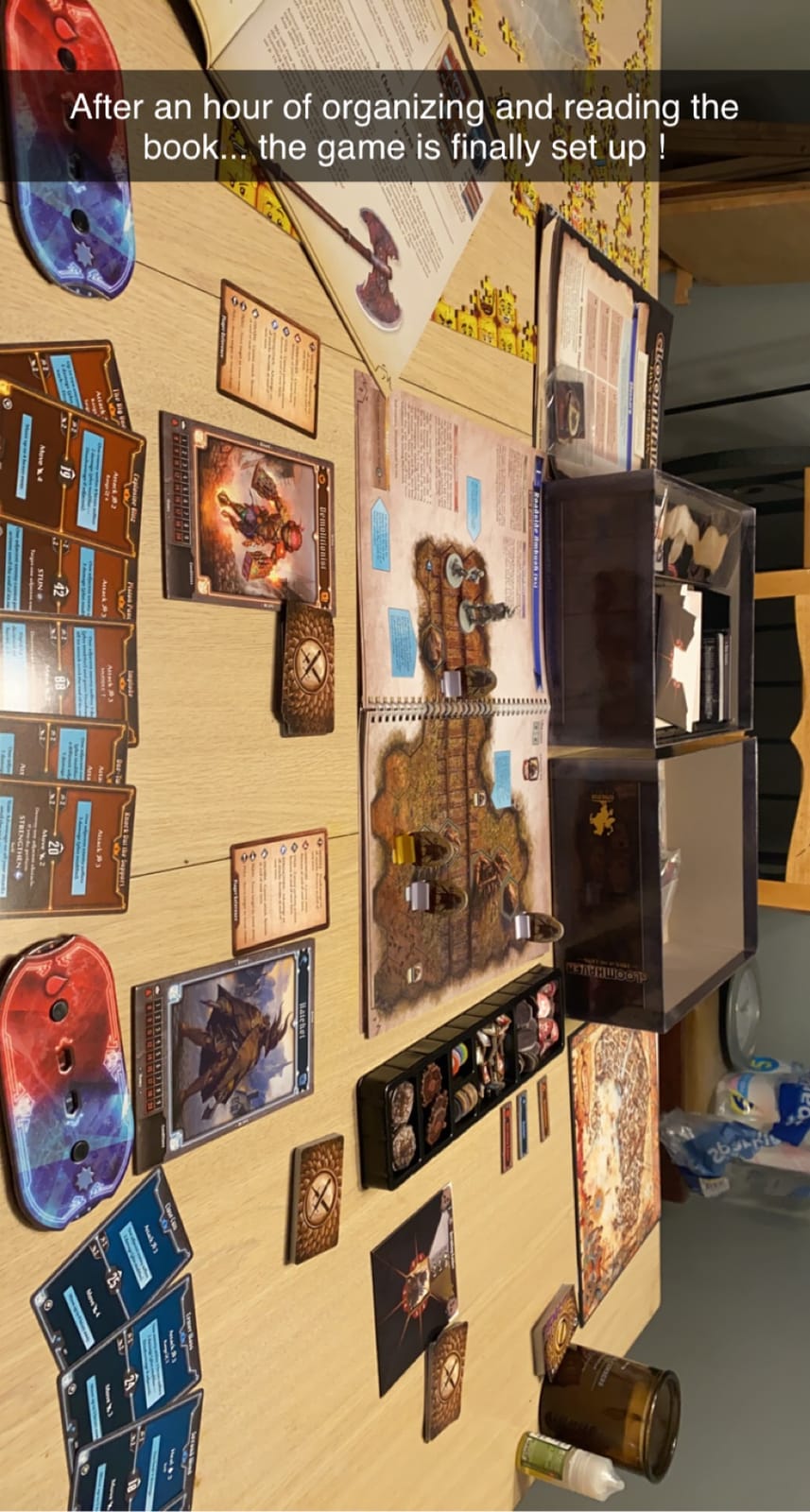
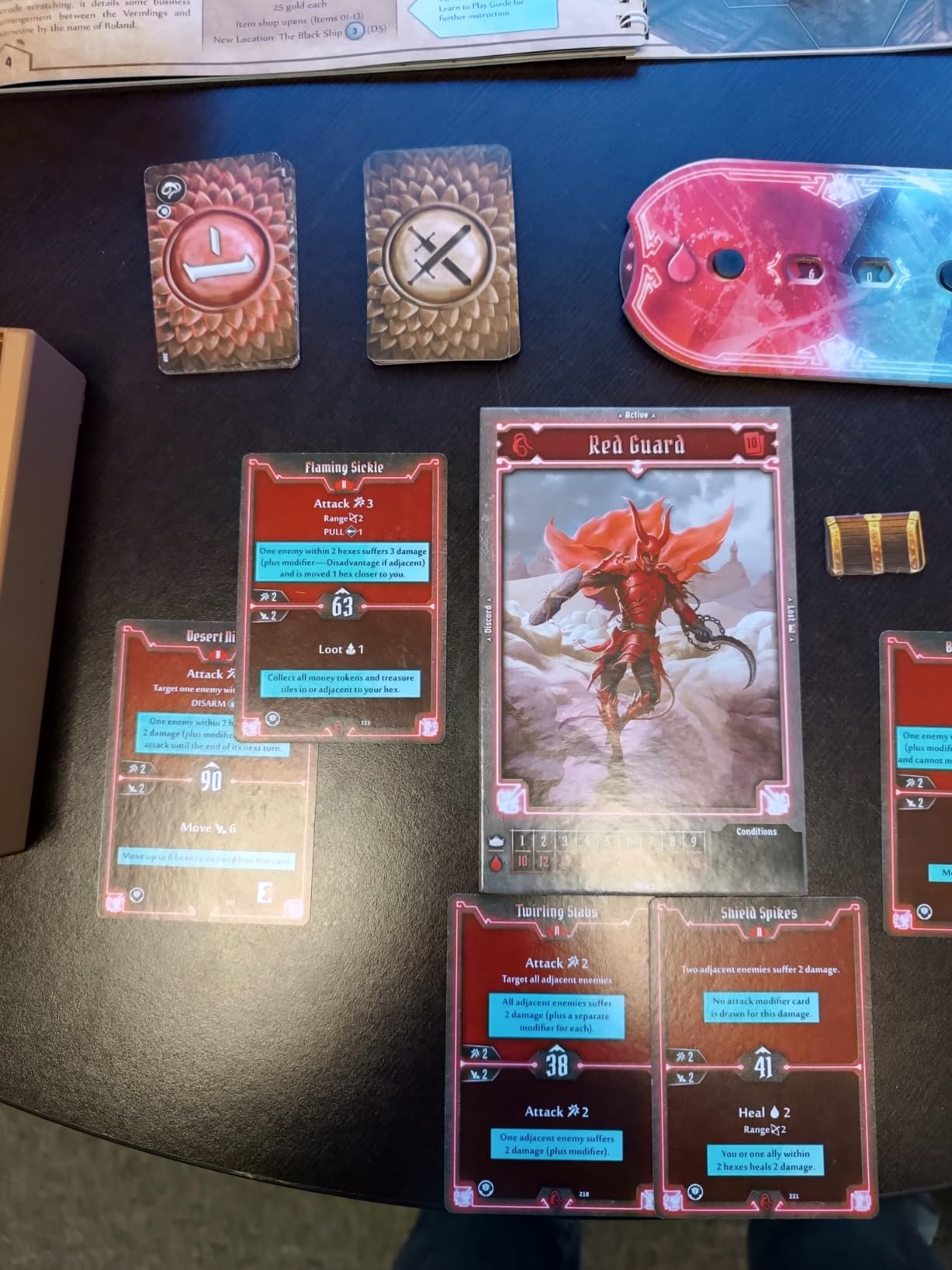
Combat is driven by playing cards rather than rolling dice, so when a plan fails the group usually knows why. Four mercenaries give a group of four each a distinct role, and the whole party shares victory and defeat, which removes the table tension that makes some game nights uncomfortable.
The trade-off is time. This is one of the heaviest commitments in the roundup, and the box itself is listed at 1 kg and 10 x 7 x 0.1 inches before you count the table footprint during play, which grows once character boards, decks, and the scenario map are out. Plan realistic sessions and treat the run as a term-long project.
Who this campaign suits?
Groups of two to four who want a shared story they can pause and return to, and who will accept that a session can end without resolution. The tutorial structure means your most experienced member does not have to teach from scratch, which is the usual reason veteran players dread bringing a new person into a campaign.
It is also the pick for a group that wants the campaign to be the main event for a season. The instruction material is unusually good, and 89% of reviews are five-star, so the learning curve is real but navigable.
Where it falls short?
The sheer scope is the issue. A campaign of this size is not something you start to try a format, and if your group might disperse in a few months the sunk cost is painful. Reviews also note that the tactical systems only make sense after the tutorial, so an impatient first session can feel like rulebook drudgery.
Finally, this is listed for ages 14 and up, so families with young children will want something else.
2. Pandemic Legacy Season 1: The Benchmark Every Legacy Campaign Is Measured Against
Pandemic Legacy Season 1 Board Game (Blue) – Epic Year-Long Battle Against Deadly Diseases! Cooperative Strategy Game for Family Game Night, Ages 13+, 2-4 Players, 1 Hr Playtime, Made by Z-Man Games
Cooperative
2-4 players
60 minutes
Ages 13+
4.6 lb
Pros
- 12 monthly sessions that change the board
- Characters permanently gain abilities
- Sealed hidden component boxes
- Reliable for a consistent group of 2-4
Cons
- Intentionally one-time use
- Must commit to the full 12-session arc
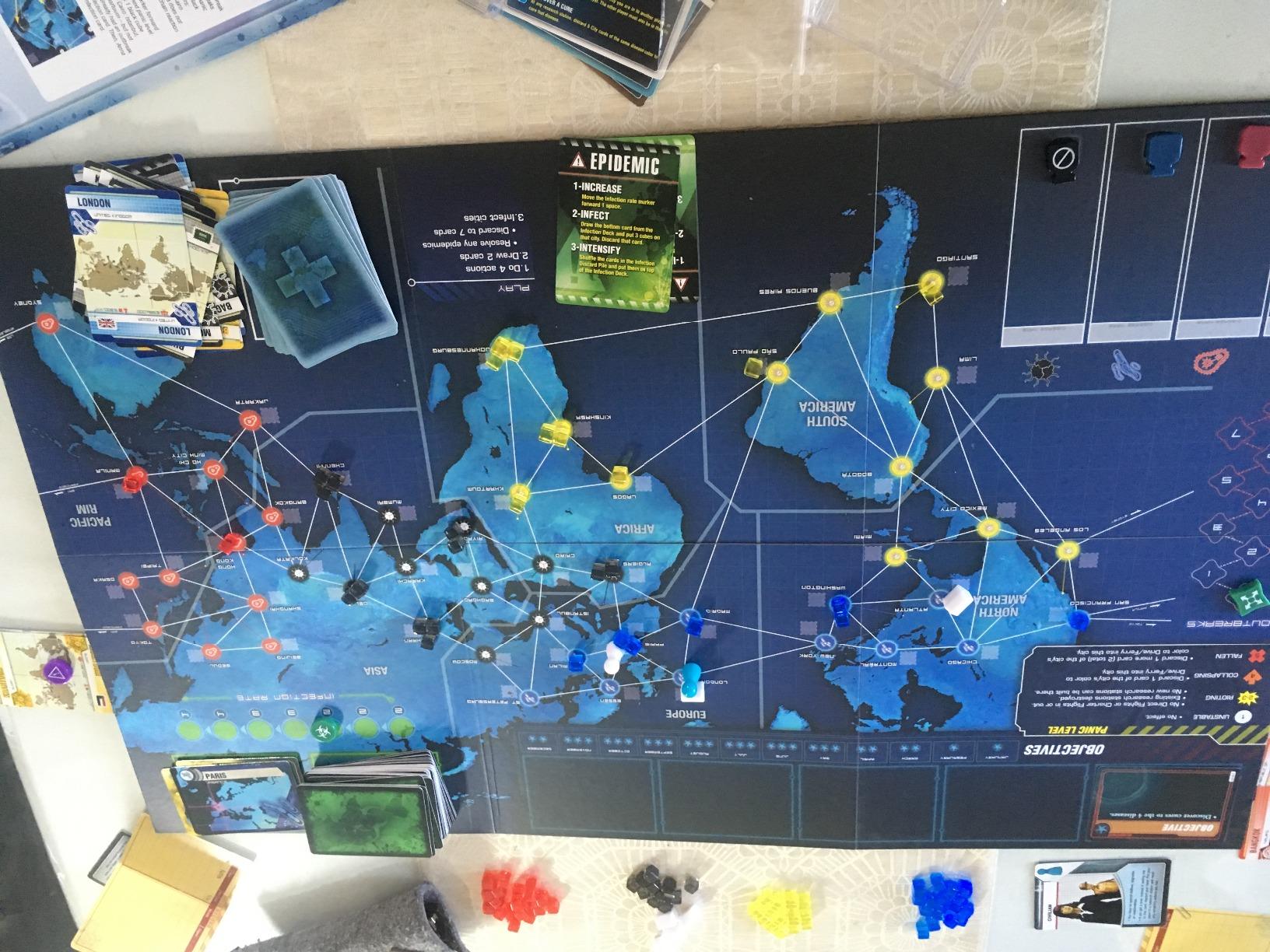
Pandemic Legacy Season 1 is a 12-session cooperative campaign for two to four players, and it remains the reference point for what a legacy game should feel like. Roughly one hour per session is the design target, which makes it unusually easy to schedule month after month.
The permanent changes are literal. Stickers go on the board, characters are written on, and cards get torn up as the story advances, so by the end your copy does not look like anyone else’s. Characters also grow through the run, unlocking new abilities and altering old ones based on what happened to them.
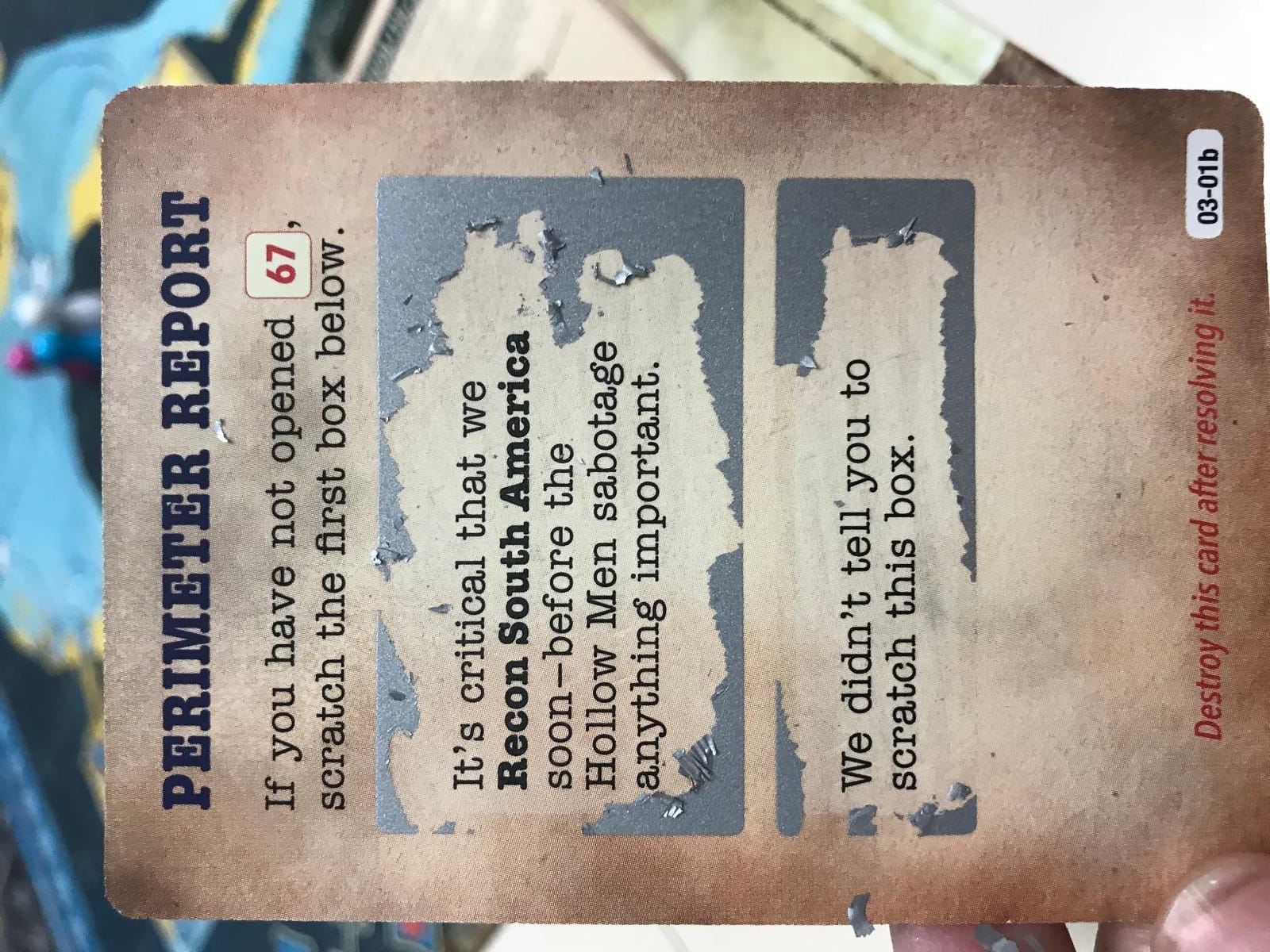
Sealed component boxes are the detail people remember. Hidden items that transform the experience are packaged off and unreachable until the group earns them, and reviews call this the single best surprise mechanic in the format. About 90% of reviews are five-star, and it is the most-cited legacy title in the forum threads we read.
On the practical side, the box is 10.63 x 14.57 x 0.04 inches and 4.6 pounds, one of the bulkiest items here. It travels fine but it is not a game you toss in a backpack on a whim.
Who this campaign suits?
A stable group of two to four that meets monthly and can commit to twelve sessions. Because each month is a self-contained session with a clear debrief, a group that misses one week can catch up without falling out of the story. It is also the most forgiving entry point for co-op legacy play because the core Pandemic engine is familiar to most people.
If your group wants the definitive legacy experience and has the patience for a full year-long arc, this is the one to buy first.
Where it falls short?
The campaign is intentionally one-time use. Components are torn up and written on, so at the end you own a memory rather than a game. That is a fair trade for many groups and a bad one for anyone who expects to bring the box out again in two years.
The other honest drawback is the commitment curve. The narrative only pays off if the group reaches the final sessions, and groups that lose a player around month seven often stall. A BoardGameGeek poster put it plainly: play with the same people from beginning to end or pick something else.
3. Mice and Mystics: The Best Legacy Board Game for Families and Mixed Ages
Mice & Mystics Board Game | Cooperative Adventure | Strategy | Fun Family Game for Adults and Kids | Ages 7+ | 1-4 Players | Average Playtime 90 Minutes | Made by Plaid Hat Games
Cooperative storybook
1-4 players
Ages 7+
90 minutes listed
Pros
- Streamlined RPG feel without stat sheets
- Read-aloud storybook passages
- Paintable miniatures included
- No player elimination
Cons
- Chapters run well past the listed time
- Large component count and table footprint
Mice and Mystics is a cooperative storybook adventure for one to four players, recommended from age seven, and it is the friendliest way into the genre for a family group. Players take the roles of mouse adventurers working together to rescue an imperiled kingdom.
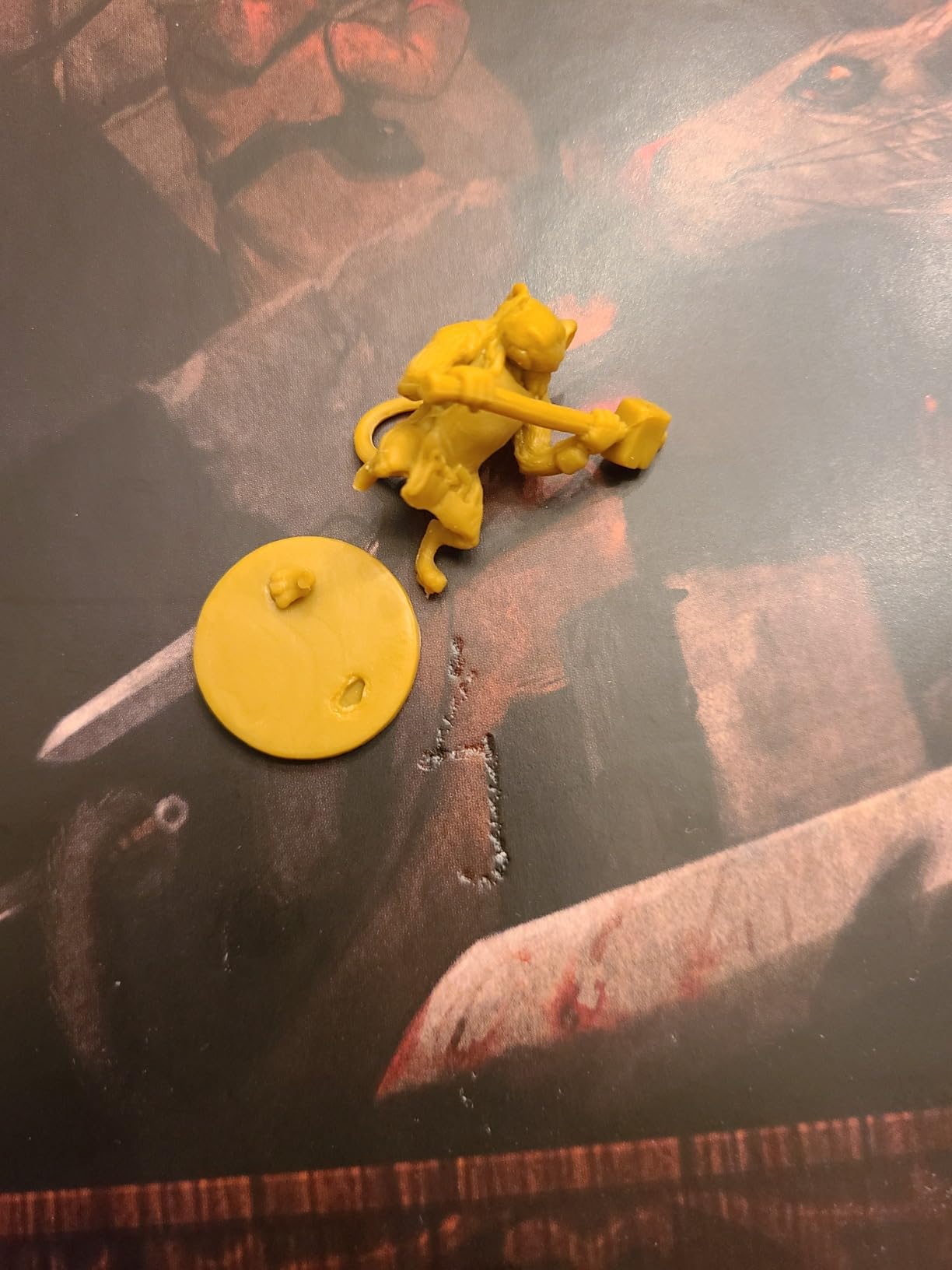
What makes it work across ages is that characters are captured rather than killed. Nobody gets knocked out of the adventure, so a hesitant child or a casual partner stays in the story the entire time. The box also includes highly detailed paintable miniatures, which gives the group something to do between chapters.
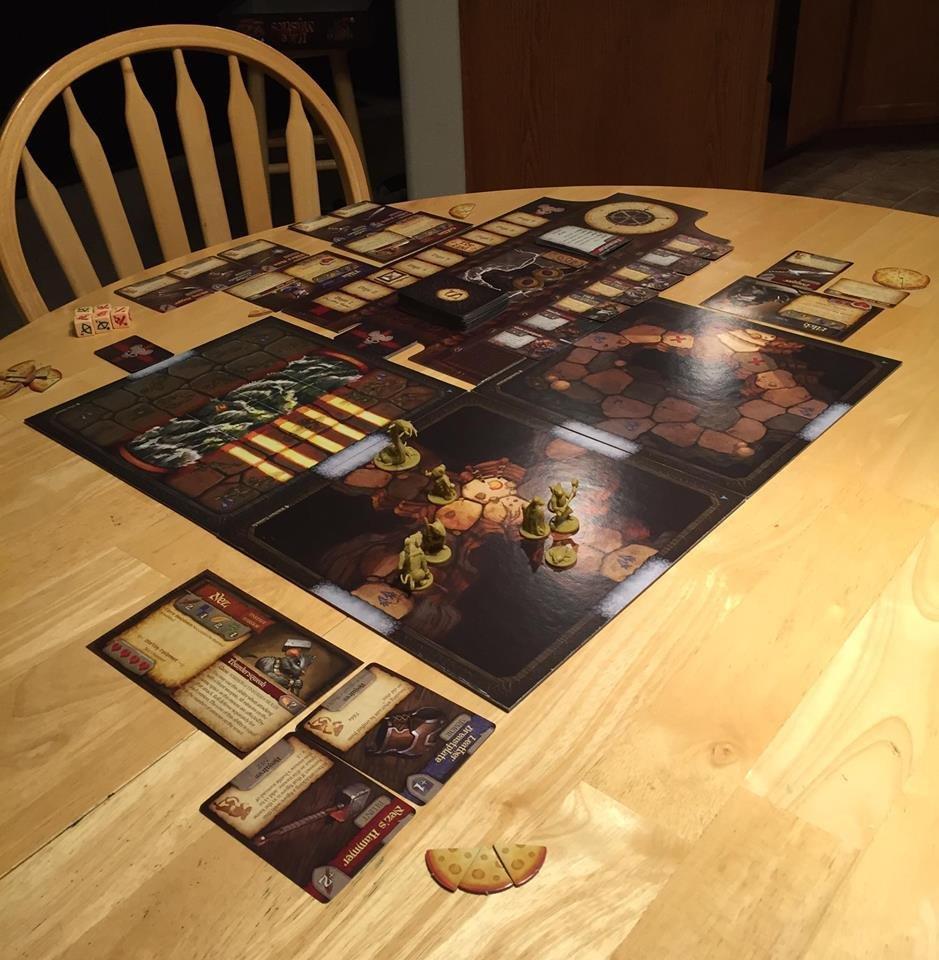
Reviews describe it as an ideal family and beginner-to-RPG gateway, with 82% five-star ratings, and the storybook format with read-aloud passages pulls players in faster than most legacy games manage. An official instructional video and active community forums handle most of the rules learning, which matters when the youngest player cannot read a rulebook alone.
It holds up with two players without the campaign breaking, and it works with a single player during weeks when nobody else can make it.
Who this campaign suits?
Families with children from about seven upward, mixed-age groups, and anyone who wants an RPG feel without a stat sheet. Ages 10 and up is the listed recommendation, and the read-aloud passages mean a player who cannot yet read a rulebook can still take a full turn.
Groups who like painting and storytelling as much as tactics tend to enjoy it most. It rewards the narrative moments more than the optimisation.
Where it falls short?
The time estimate is wrong in the direction groups care about most. Chapters routinely run well past the printed 90 minutes, often two to three hours, and with 13 chapters in the campaign that turns into a multi-month undertaking. Budget the evening, not the hour.
Some chapters are thin for a fourth player because a character can be trapped for a whole scenario, and character progression between chapters is limited with restrictive item transfers. It also needs a lot of table space for the component count, at 11.63 x 2.75 x 11.63 inches packed and 2.16 kg.
4. Betrayal Legacy: The Best Legacy Board Game for Groups That Want Horror and Branching Stories
Betrayal Legacy (Board Game, Betrayal at House on The Hill)
Cooperative and competitive
13 chapters
Studio: Wizards of the Coast
Released November 2018
Pros
- 13-chapter horror campaign with real twists
- House grows across the campaign
- Rules hidden behind stickers
- Finished estate stays playable
Cons
- Three rulebooks with vague wording
- Components must be modified and partly destroyed
Betrayal Legacy is a 13-chapter horror campaign where the group plays as explorers in a house that is revealed to be more than it seems. It mixes cooperative and competitive play, and each session adds choose-your-own-adventure branching with genuine plot twists.
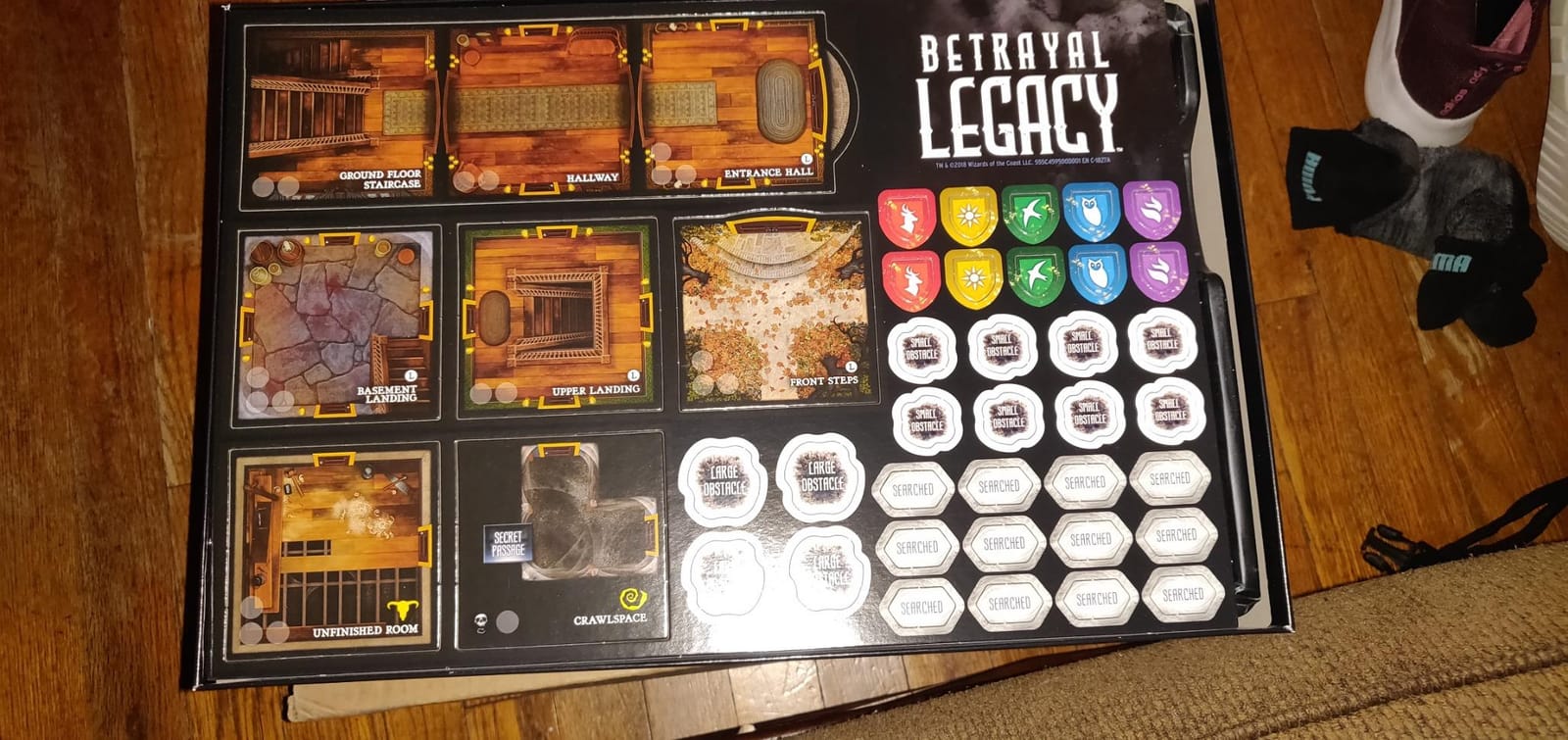
The house is the star of the legacy treatment. It starts as a small home and grows into a sprawling estate over the campaign, adding outdoor areas and new rooms, so the physical board is a record of how far the group has travelled. Killed characters are replaced by heirs who carry items forward as heirlooms.
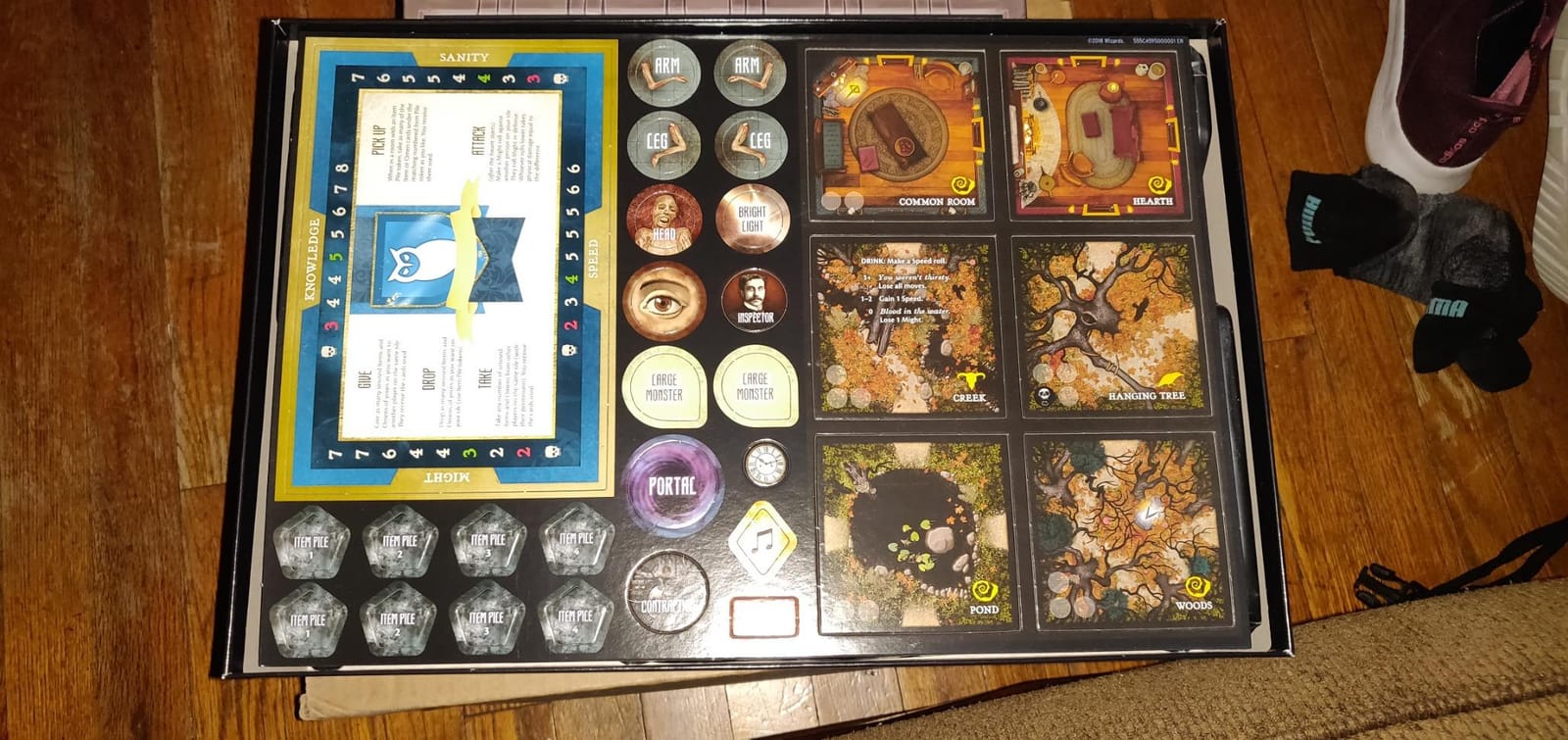
Rules are hidden behind stickers so the campaign cannot spoil itself, and the haunt balance is noticeably better than in the original Betrayal at House on the Hill, with each side reading from a secret haunt box. 87% of reviews are five-star, and reviewers credit it with using the legacy format more actively than Risk or Pandemic, since the haunting content keeps injecting new situations.
It is also one of the few games here that keeps working after the story finishes. The completed estate remains playable in a repeatable free-play mode, and no two copies of the house end up the same.
Who this campaign suits?
Groups who want the tension of a haunted house game and do not mind a few sleepless nights, plus anyone who wants a legacy game that is still playable afterwards. The free-play mode makes it the safest buy in this list for a group that might want to revisit it with a new cast.
It is a good second legacy game for a group that has already finished a co-op campaign and wants something messier and more social.
Where it falls short?
The rules are the complaint that shows up most often. Three separate rulebooks with vague wording lead to frequent debates and online clarification hunting, and that friction compounds across 13 sessions. One regular group reported dropping it early because the experience felt disorganized, which is worth taking seriously.
Reviews also flag that the game must be modified and partly destroyed, which unsettles new players the first time, and that haunt markers stick poorly after tiles are shuffled. The miniatures feel lighter than the original edition and the box insert is fragile at 16 x 10.63 x 4 inches.
5. Pandemic Legacy Season 0: The Best Legacy Board Game for a Group Starting Cold
Pandemic Legacy Season 0 Board Game – Uncover Cold War Secrets and Save Humanity! Cooperative Strategy Game for Family Game Night, Ages 14+, 2-4 Players, 60 Minute Playtime, Made by Z-Man Games
Cooperative espionage
2-4 players
60 minutes
Ages 14+
Pros
- 12+ hours of narrative in one box
- Identity mechanics add character depth
- Self-contained entry to the series
- Thematic components
Cons
- Not replayable after the campaign
- High rule count for co-op newcomers
Pandemic Legacy Season 0 is a 12-plus session cooperative campaign set in the Cold War, where medical specialists are turned into CIA agents trying to stop a Soviet bioweapon. For a group that has never played a legacy game, it is a clean on-ramp because you need nothing else to start.
The tone is deliberately different from Seasons 1 and 2, more espionage thriller than disease outbreak, and the identity mechanics give agents real personality rather than generic roles. Passports come with three customisable aliases each, and the box includes sculpted plastic agents, vans, and safehouses, with 89% of reviews at five stars.
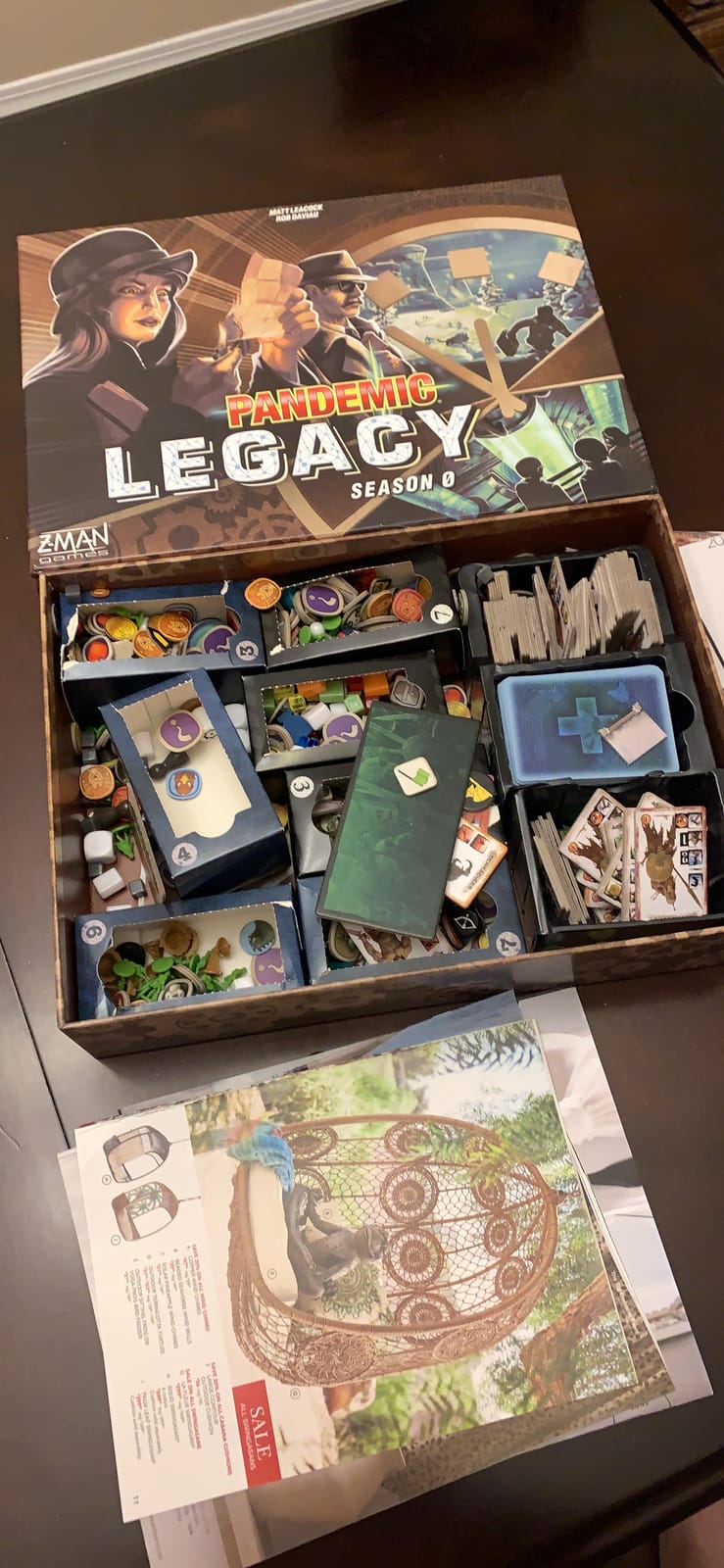
Several reviewers rank it as the strongest entry in the trilogy, and the component list is generous: 134 legacy cards, 151 other cards, nine team figures, 36 agent figures, 35 markers, sticker sheets, and eight safe deposit boxes at 14.5 x 10.6 x 3 inches.
The debrief book is a nice touch. Each objective gets a written narrative entry, which is what makes a 60-minute session feel like a chapter rather than a puzzle.
Who this campaign suits?
New groups who want the legacy format without the baggage of owning earlier seasons, and fans of the series who started with Season 0 and went back for the others. It reads well with a consistent four and holds together with two.
It also suits groups that enjoy a heavier narrative and do not mind a longer arc. The 12+ hours of content is a real draw for anyone planning a winter project.
Where it falls short?
The rule count is high for people new to cooperative games, and the campaign is not replayable once finished, so the same one-time trade applies as with Season 1. Some reviewers also feel it reads as less like classic Pandemic than the earlier seasons, which is a matter of taste rather than a defect.
If your group wants light rules and a fast teach, look at My City instead. This one rewards patience.
6. Clank! Legacy: Acquisitions Incorporated: The Best Legacy Board Game for Deck-Building Groups
Clank! Legacy: Acquisitions Incorporated
Deck-building
2-4 players
30-120 minutes
Ages 13+
Pros
- Push-your-luck deck-building with permanent change
- Board and deck visibly reshape
- Unique replayable post-campaign game
- Accessible first legacy
Cons
- Finite campaign
- Best with a stable group
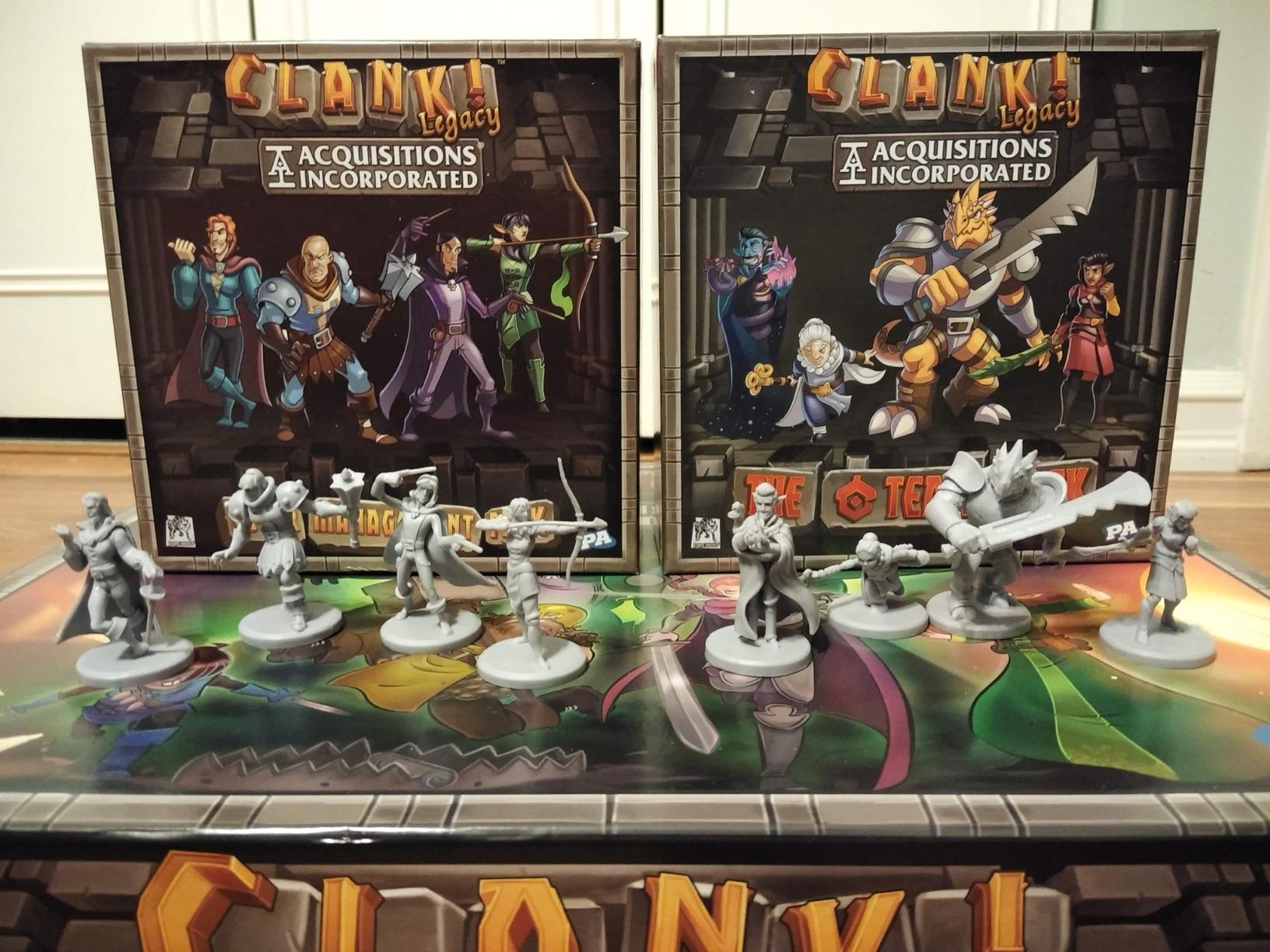
Clank! Legacy: Acquisitions Incorporated takes the fast, push-your-luck deck-building of Clank! and adds a 10-plus game campaign on top. It is the rare legacy game that is genuinely replayable afterwards, and that alone puts it near the top of this list.
Choices visibly reshape the board, your deck, and the story, so the campaign is not a wrapper around the same game played ten times. The corporate adventuring theme gives it a different voice from the fantasy and horror entries here, and the run ends in a unique post-campaign game built from your group’s own history.
Reception is exceptional, with 92% five-star ratings, the highest distribution in this set. Reviewers point to that post-campaign replayability as the feature that separates it from single-use legacy games, and it is the most commonly recommended starting point for groups who find heavy campaigns intimidating.
Session length is flexible by design, listed anywhere from 30 to 120 minutes, which makes it one of the easier entries to slot into an existing game night. It is a large box at 13.3 x 17.7 x 0.04 inches and 2.2 pounds, with wood components mixed in with cardstock.
Who this campaign suits?
Groups of two to four who like fast, risky card play and want a first legacy experience that does not feel like a commitment to a dead box. It is also the strongest choice here for a group that splits up sometimes, since the post-campaign game can be handed to new players as an entry point.
Anyone who enjoys push-your-luck tension will feel at home. The 10-plus game campaign is long enough to feel like a story but short enough to finish in a season.
Where it falls short?
The campaign is finite and components change permanently as you play, so the payoff is front-loaded on the final game rather than spread out forever. Reviews are also candid that it is best experienced with a stable group across sessions, since the deck-building carries consequences forward.
It is not a heavy game, and groups looking for deep strategy may find the campaign more eventful than demanding. The box lists an age range from 13 upward.
7. Charterstone: The Best Legacy Board Game for Groups of Five or Six
Stonemaier Games: Charterstone, Competitive Legacy Game by Jamey Stegmaier
Competitive worker placement
1-6 players
75 minutes
Twelve-game campaign
Pros
- Builds a unique replayable board
- Solo Automa included
- Very gentle learning curve
- High production quality
Cons
- Victory conditions poorly explained
- Plays better with more players
- Session length climbs toward two hours
Charterstone is a competitive legacy game for one to six players in which the group builds a village over a twelve-game campaign. It is the widest player-count entry in this roundup, and the permanent payoff is unusually tangible: the board you assemble becomes a one-of-a-kind variable worker-placement game afterwards.
Learning is the easy part. The campaign teaches its own rules by adding new goals and constraints as you go, and reviewers consistently recommend it as the gentlest gateway into the genre. It also scales to solo with an Automa, which few of the other entries here do.
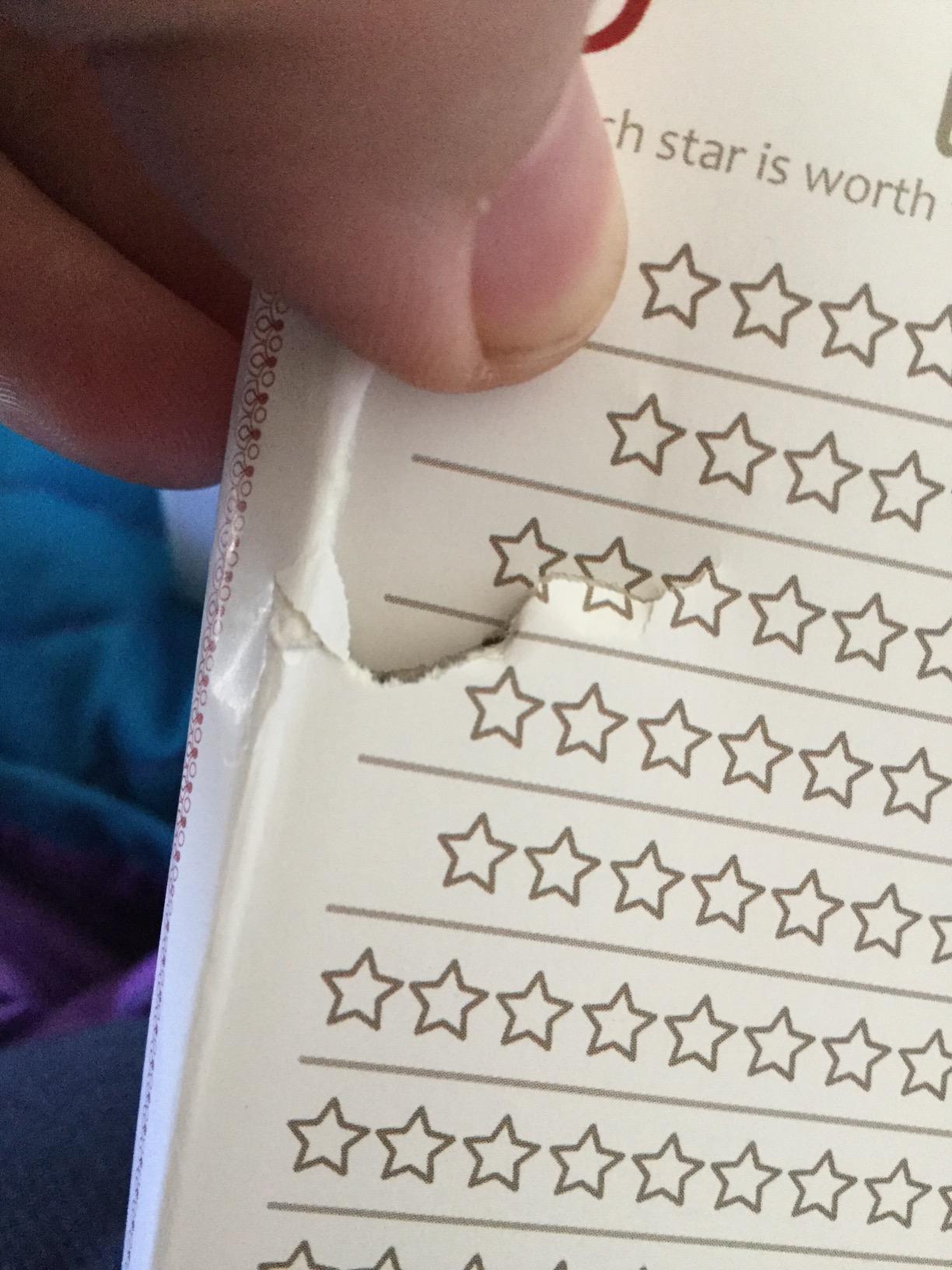
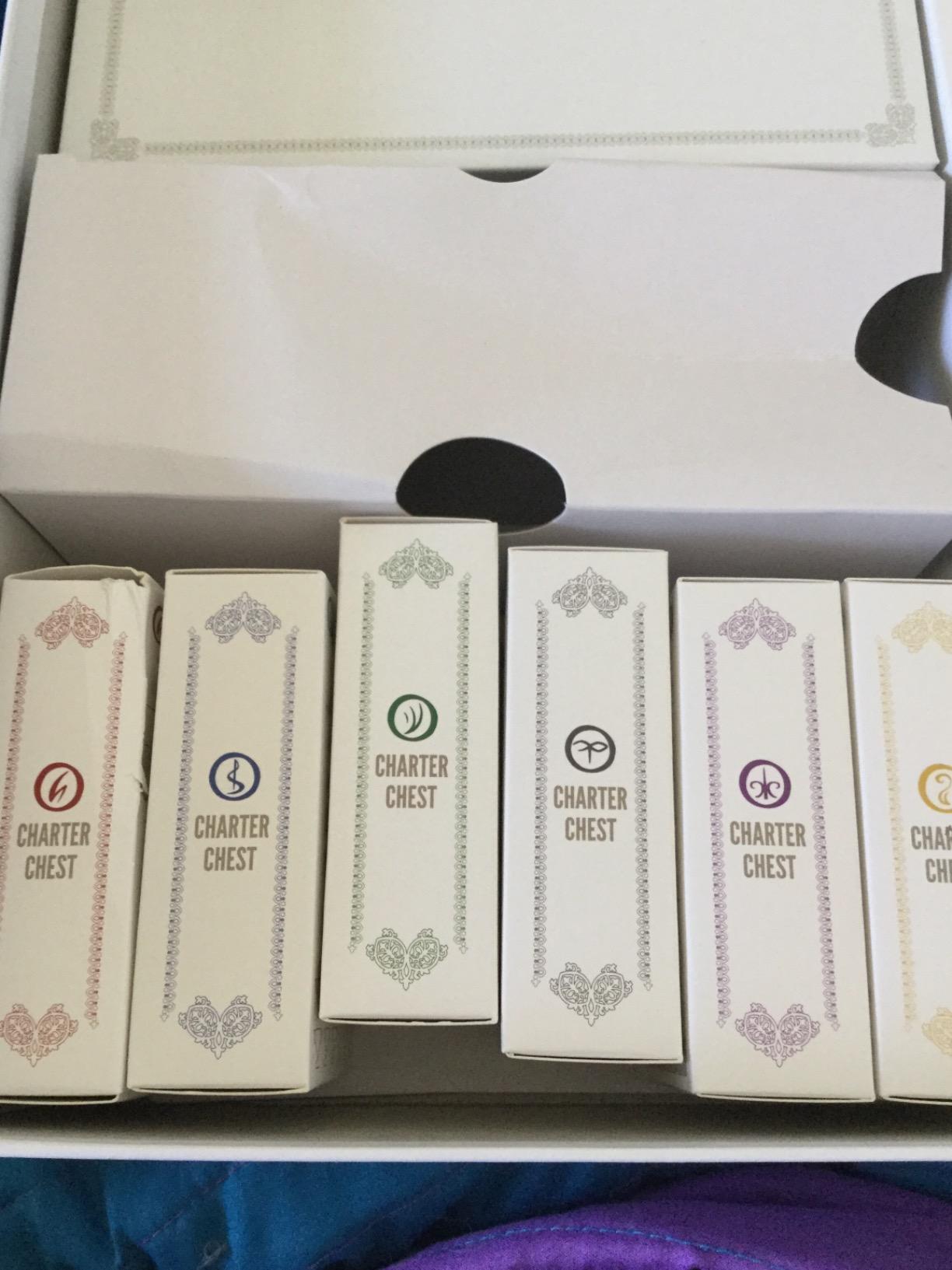
Production is a step above most entries, with 230-plus wooden tokens, 36 metal coins, 350-plus unique cards, and 75 crates to unlock, at 2.8 kg and 11.7 x 3.7 x 11.7 inches. That is the second-heaviest box on this list. The board can be flipped to run a second campaign on the reverse, so one box gives your group two distinct runs.
Its 4.6 average is the lowest of the group the community recommends most warmly, still with 81% five-star reviews, and the criticism is consistent rather than scattered: small-player-count play and unclear scoring.
Who this campaign suits?
Large groups. If five or six people show up on a regular night, this is the widest entry here, and the built board keeps the game interesting for the rest of your group’s history. Solo players and families get a real solo option too, and the theme works for ages from about ten upward.
It is also a good second legacy game for players who want competition rather than a shared co-op story, since everyone is building their own village rather than surviving together.
Where it falls short?
Two and three players is where it struggles. The board does not fill, story content is missed, and reviewers warn that players can optimise the wrong thing because scoring and campaign victory conditions are poorly explained. If your group is two people, pick something else.
Once the board fills, there is a lot of state to track and session length climbs toward two hours from the listed 75 minutes. The 350-plus cards also mean a bigger shelf commitment than the size suggests.
8. Risk Legacy: The Best Legacy Board Game for a Fixed Group of Five
Hasbro Gaming Avalon Hill Risk Legacy Strategy Tabletop Game, Immersive Narrative Game, Miniature Board Game for Ages 13 and Up, for 3-5 Players
Competitive area control
3-5 players
60 minutes
Ages 13+
Pros
- Finishes in about an hour per session
- 275+ military miniatures included
- Objective-based victory conditions
- Sealed components and new factions
- Briefcase-sized box
Cons
- Swapping players mid-campaign unbalances it
- Conflict-heavy play can strain relationships
Risk Legacy is a competitive area-control campaign for three to five players, and it fixes the flaw that made classic Risk a hard sell: sessions finish in about an hour. Reviewers treat it as the game that defined the modern legacy format, and the design still holds up.
Objective-based victory conditions make alliances and negotiation genuinely viable rather than decorative, which is the change that makes a five-player Risk tolerable. Locked-off components are revealed as players accumulate wins, and a sticker sheet permanently alters the board between games.
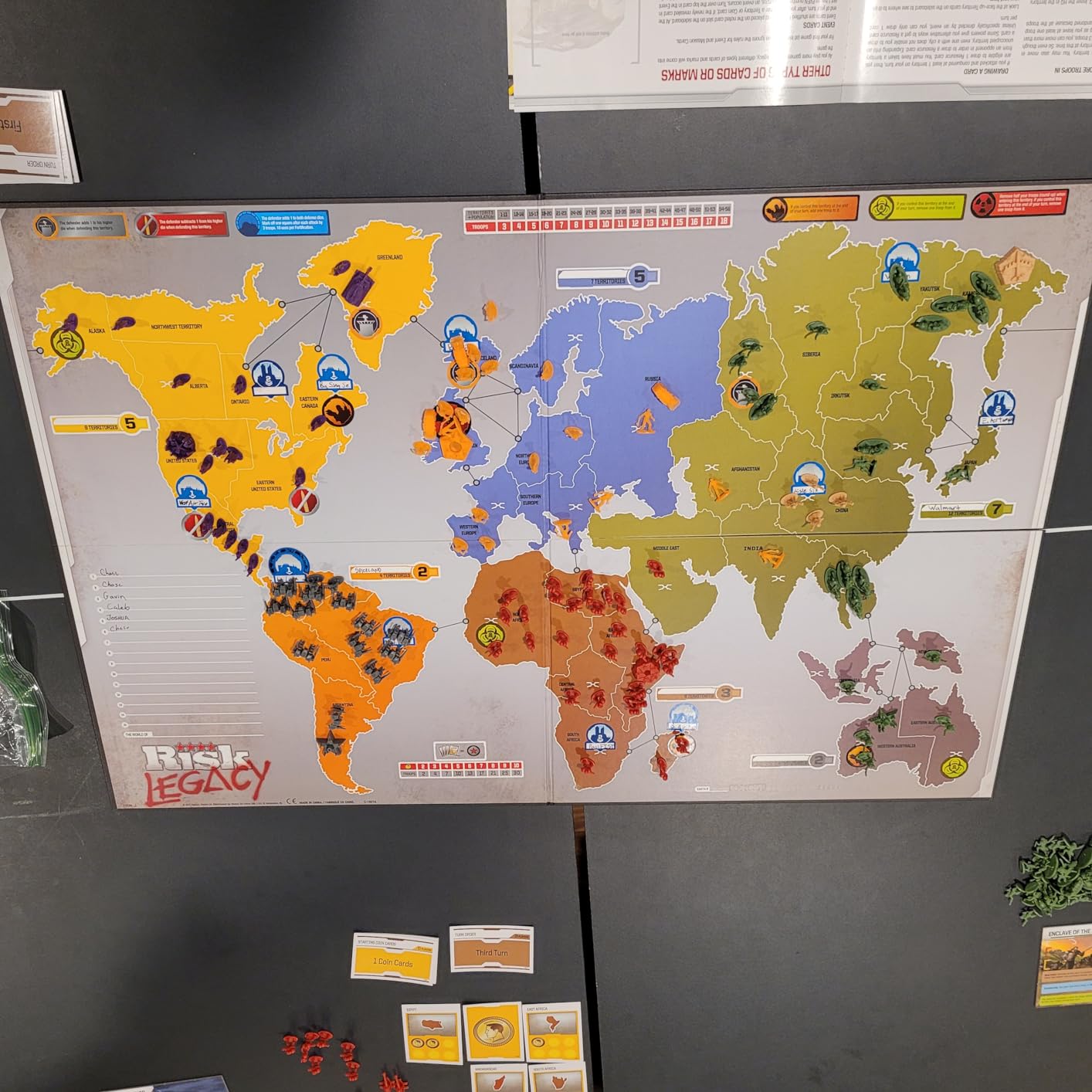
There are over 275 military miniatures in the box, which is the draw for groups who like a table that looks impressive mid-game. The briefcase-sized box has a built-in handle, so it is one of the few legacy games here you can genuinely carry to game night at someone else’s house without a car.
83% of reviews are five-star. The recurring advice in the community threads is the same: choose your players carefully and see it through rather than dropping in newcomers.
Who this campaign suits?
A fixed group of five who already enjoy competitive area control and want a modern warfare theme. The one-hour session length is the real feature here, because it fits into a normal weeknight and makes a long campaign possible without losing evenings to it.
It is also one of the more accessible legacy games in terms of teach time, since the Risk skeleton is familiar to most adults. Ages 13 and up is the listed recommendation.
Where it falls short?
Group stability is not a suggestion, it is a requirement. Swapping players mid-campaign changes the balance of the legacy state, and the game does not absorb a newcomer gracefully. It also keeps Risk’s capacity for conflict-heavy play, which reviewers note can strain relationships even in a friendly group.
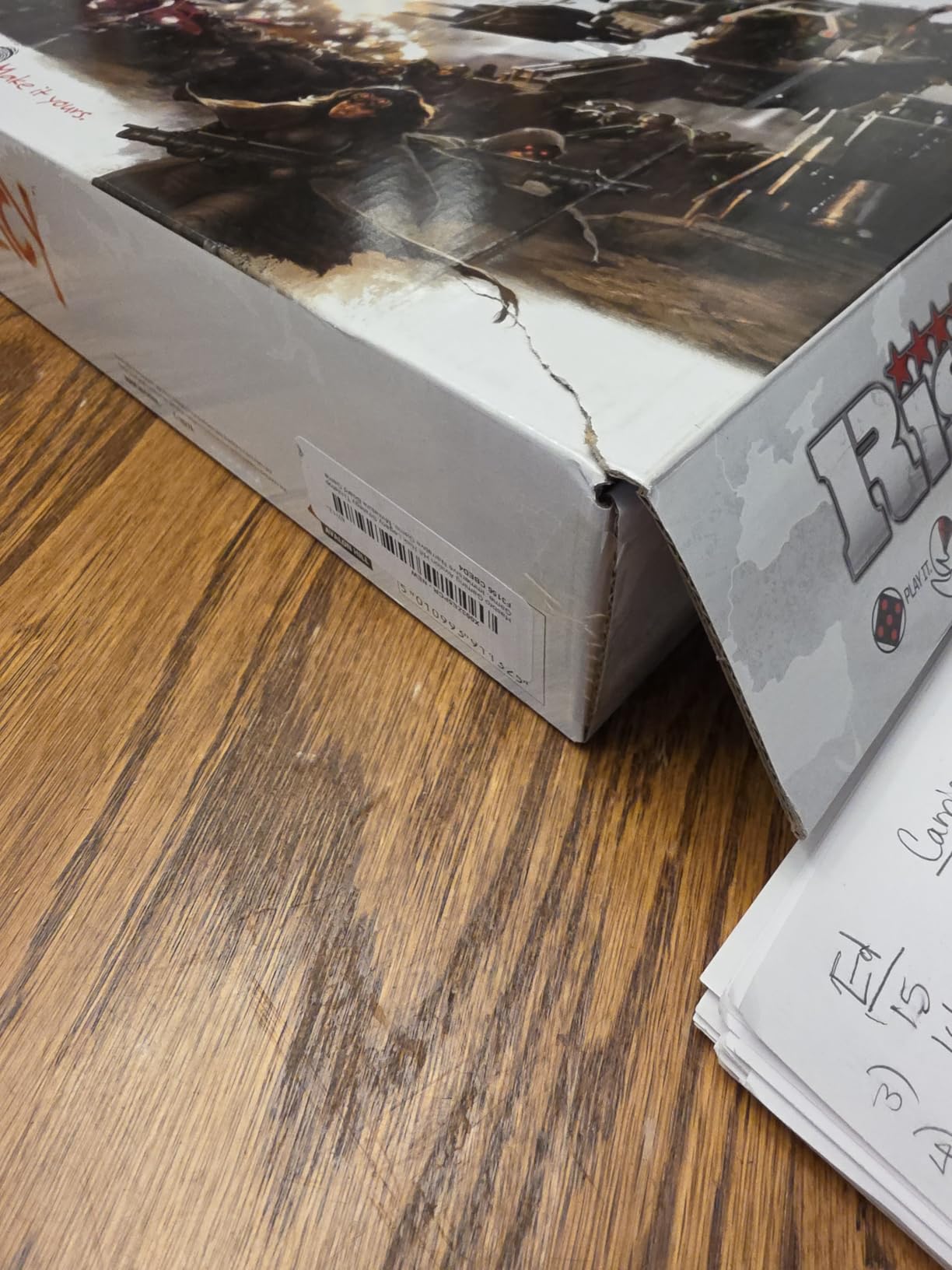
A practical warning: sealed component packaging can arrive already opened, which spoils a reveal before the group earns it. Check the box on arrival.
9. My City: The Best Legacy Board Game for Families and Short Weekly Sessions
Thames & Kosmos My City | Family – Friendly | Legacy Board Game | Kosmos Games | 2 to 4 Players | Ages 10 and Up | Award Winning Designer Reiner Knizia , Blue
Legacy tile laying
2-4 players
30 minutes
Ages 10+
Pros
- 15-20 minute episodes across 24 chapters
- Changes without destroying components
- Board flips to a replayable Eternal mode
- Catch-up handicaps for beginners
Cons
- Not deep enough for hardcore eurogamers
- Very little direct player interaction
My City is a legacy tile-laying game for two to four players in which a settlement grows into an industrial city across 24 chapters. It is the lightest lift on this list and the easiest to slot into a family routine, with episodes that run 15 to 20 minutes.
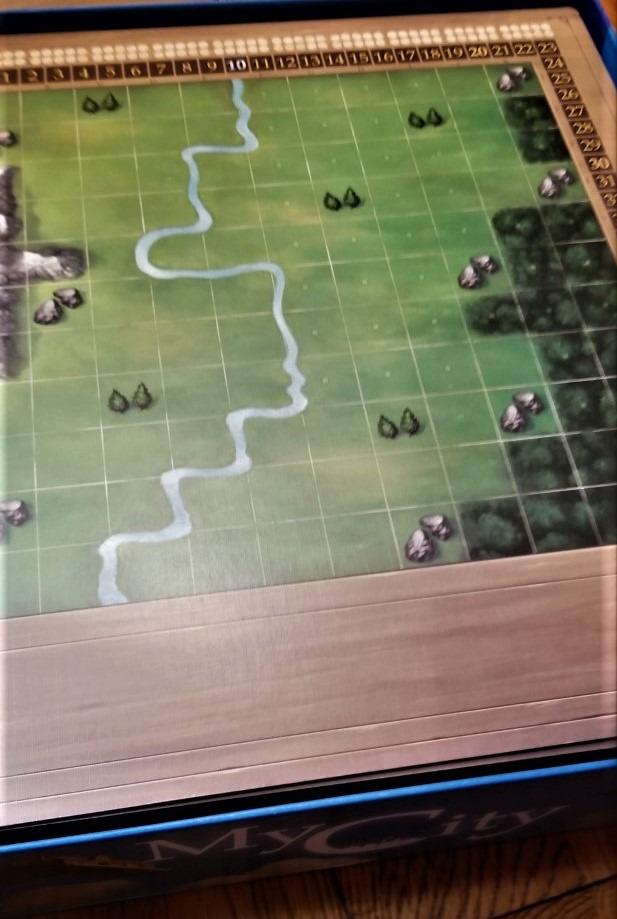
Unlike most entries here, nothing gets destroyed. Legacy changes happen without tearing up components, so the box stays whole and the campaign does not unsettle anyone who is squeamish about writing on cards. When the campaign ends you flip the board over for an Eternal mode that stays fully replayable.
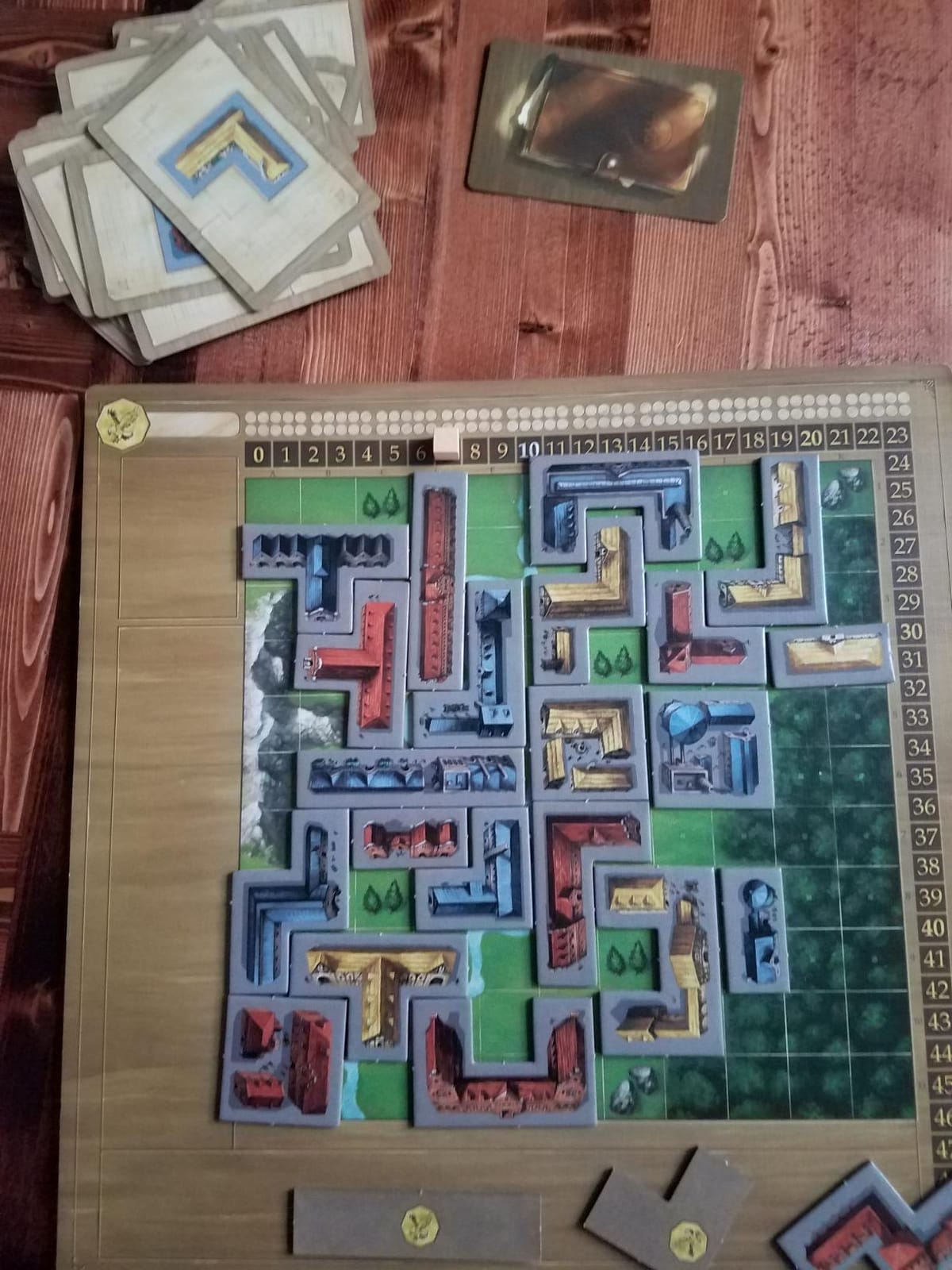
The catch-up system is quietly the most useful mechanic for mixed groups. Chapter winners take handicaps, so a newcomer or a weaker player stays competitive without the group having to play a different game. Rules arrive one or two new elements at a time, which reviewers cite as the reason it works with children.
It comes with four player boards, 96 tiles, four scoring markers, 24 cards, and eight envelopes of pieces to unlock, at 11.6 x 2.8 x 11.6 inches. Reiner Knizia designed it, and the box carries a one-year warranty against manufacturer defects.
Who this campaign suits?
Families, couples, and any group that only has half an hour. It is the rare legacy game that fits in a gap between other games, and the 24 short chapters mean a group can play for a month, stop, and resume without losing the thread.
It is also the best entry here for a group with two players, since two and three work fine and the catch-up mechanic keeps things close. Ages 10 and up is the listed recommendation.
Where it falls short?
It is not a deep game. Reviewers note it is not sufficiently deep for hardcore eurogamers, and interaction is minimal, so the appeal is the shared construction rather than the negotiation. The catch-up system can also read as a concession to stronger players rather than a feature.
Playable with children, but the abstract puzzle nature is not for every family. If your group wants conversation and negotiation, look at Betrayal Legacy instead.
10. Sleeping Gods: The Best Legacy Board Game When Your Group Changes Between Sessions
Red Raven Games Sleeping Gods Adventure Board Game
Cooperative narrative
Solo to 4 captains
Ages 12+
1200 minutes listed
Pros
- Journey log saves at any point
- Branching narrative with multiple endings
- Atlas reveals new regions
- Scales solo to four captains
Cons
- Very long campaign
- Full evening needed to learn rules
- Large table footprint
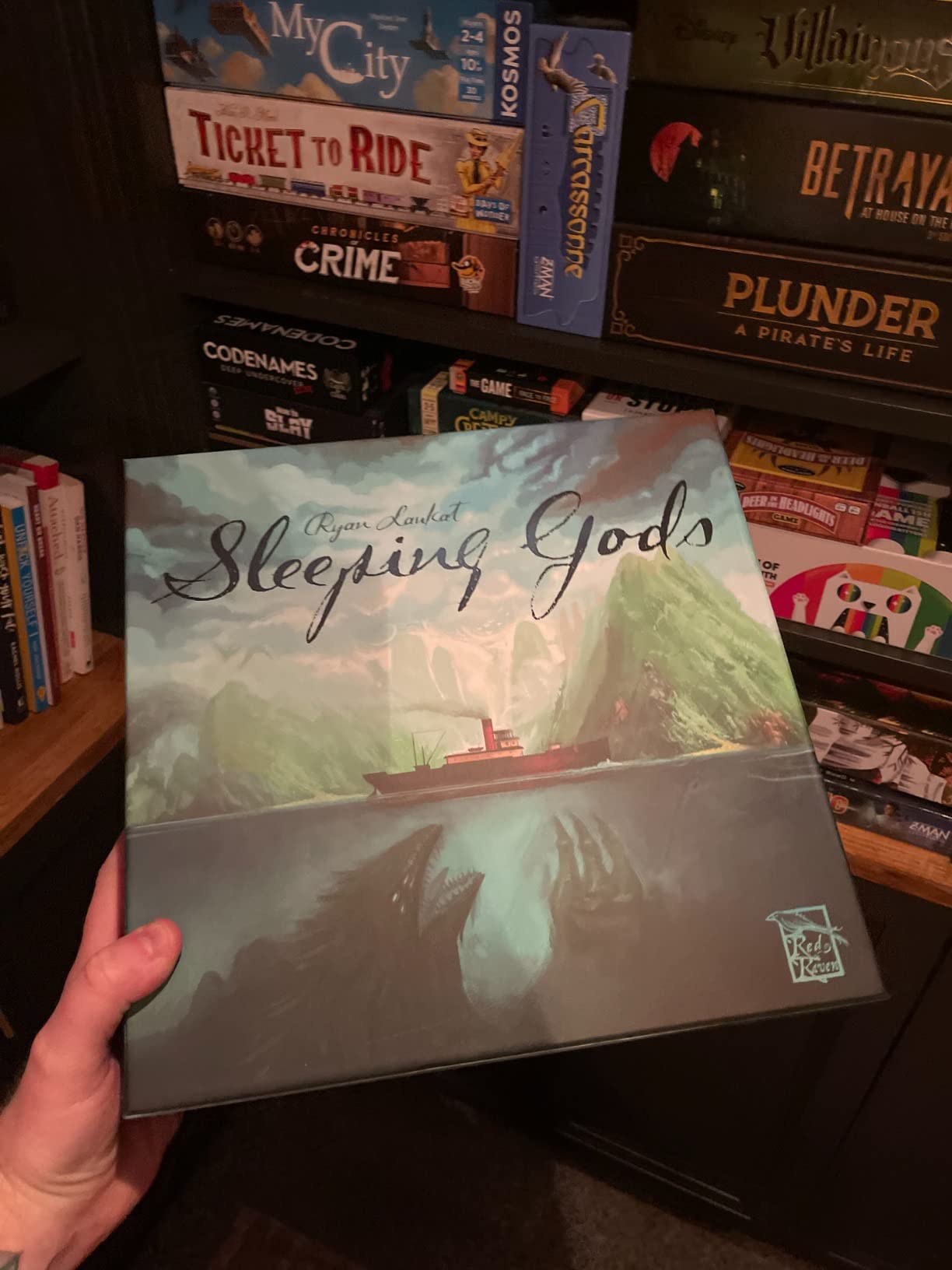
Sleeping Gods is a cooperative narrative campaign in which you lead Captain Sofi Odessa across the Wandering Sea in 1929. For groups that cannot commit to a fixed schedule, it is the most flexible option in this roundup, because the journey log lets you save at any point and come back later.
The writing is the reason reviewers call it the best board game they have played, with 86% five-star ratings. Characters are memorable, choices genuinely branch, and there are multiple endings, so two groups playing the same campaign can end up in completely different places.
Exploration is physical. You turn pages of a multi-page atlas to reveal new regions, dangers, and treasures, which gives the campaign a tactile quality most narrative games lack. Combat is fast and reads cleanly once the tutorial scenario is done, and the whole thing scales from one player to four captains without losing narrative quality.
One r/boardgames thread about legacy games with different groups named this as the game for them, and that is exactly its position here. It is a campaign game rather than a strict legacy game, since nothing is permanently destroyed, which is a trade you accept for the flexibility.
Who this campaign suits?
Groups with unstable schedules, and solo players who want a story-heavy campaign. It is the one game here that explicitly works when a new player joins for a session or two and then drops out, because the save-anywhere log absorbs the gap.
It also suits groups that care more about narrative than optimisation. The read-aloud narration carries the experience, and it works best when people are willing to listen rather than talk over each other.
Where it falls short?
The length is the main warning. Solo players estimate 50 to 60 hours to finish, and it takes a full evening of group time to work through the rules before the first real session. That is a big ask for a group that has never committed to anything.
It also demands a lot of table space for character boards, decks, the ship board, and the atlas, at 3.7 kg in a box. Finally, the English-language read-aloud narration is a barrier for non-English groups, which is worth checking before you buy for a mixed-language table.
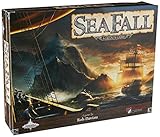
11. SeaFall: The Best Legacy Board Game for Groups Who Want a 4X Campaign
SeaFall Board Game – Legacy Game of Exploration and Adventure! Strategy Game for Kids & Adults, Ages 14+, 3-5 Players, 90-120 Min Playtime, Made by Plaid Hat Games
Non-elimination 4X
3-5 players
90-120 minutes
Ages 14+
Pros
- Choose-your-own-adventure reading
- No player elimination with catch-up boons
- 15-20 game campaign
- New islands permanently reshape the board
Cons
- Heavy and slow with significant downtime
- Complex rules need study
- Components are consumed as you play
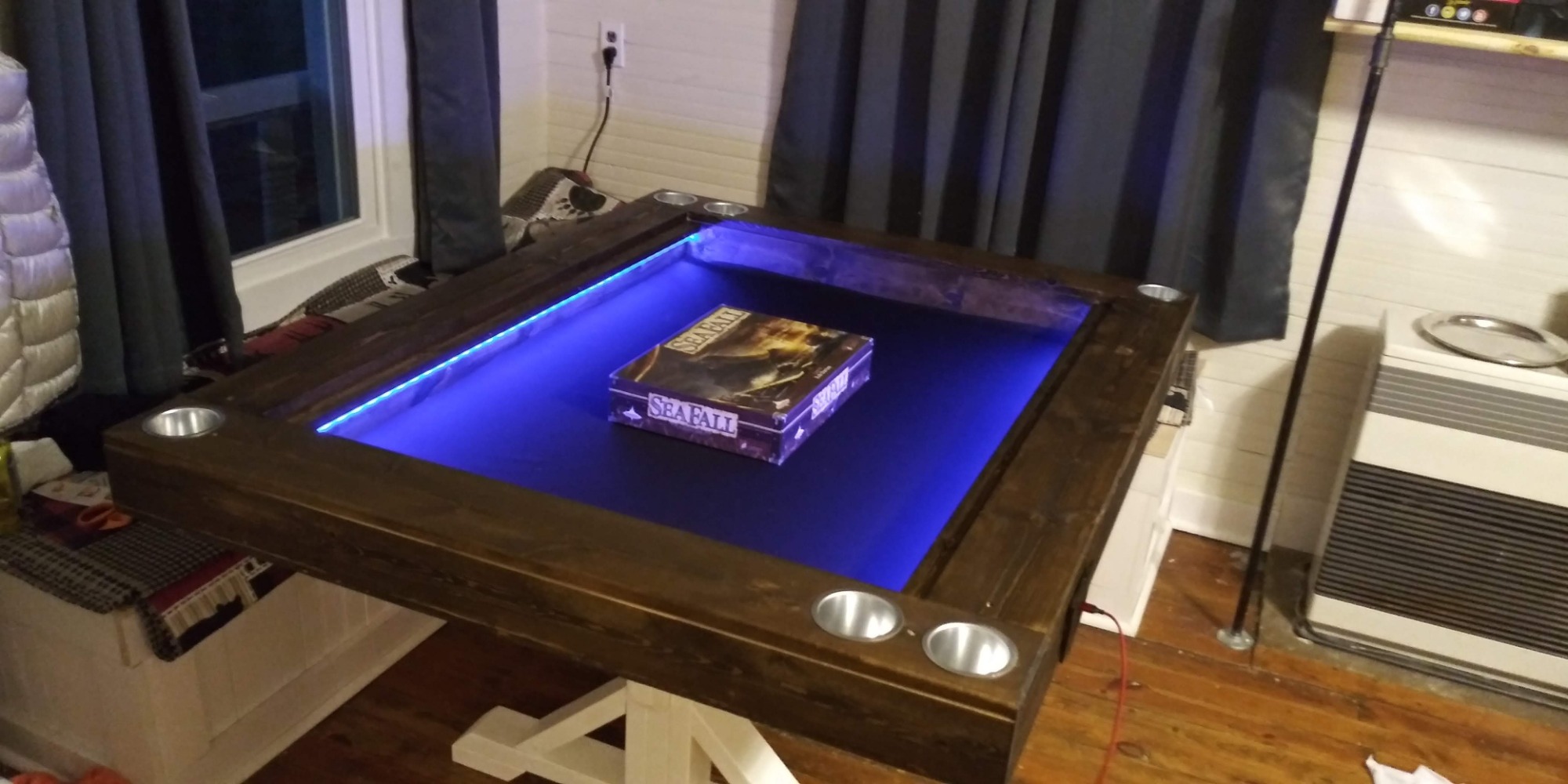
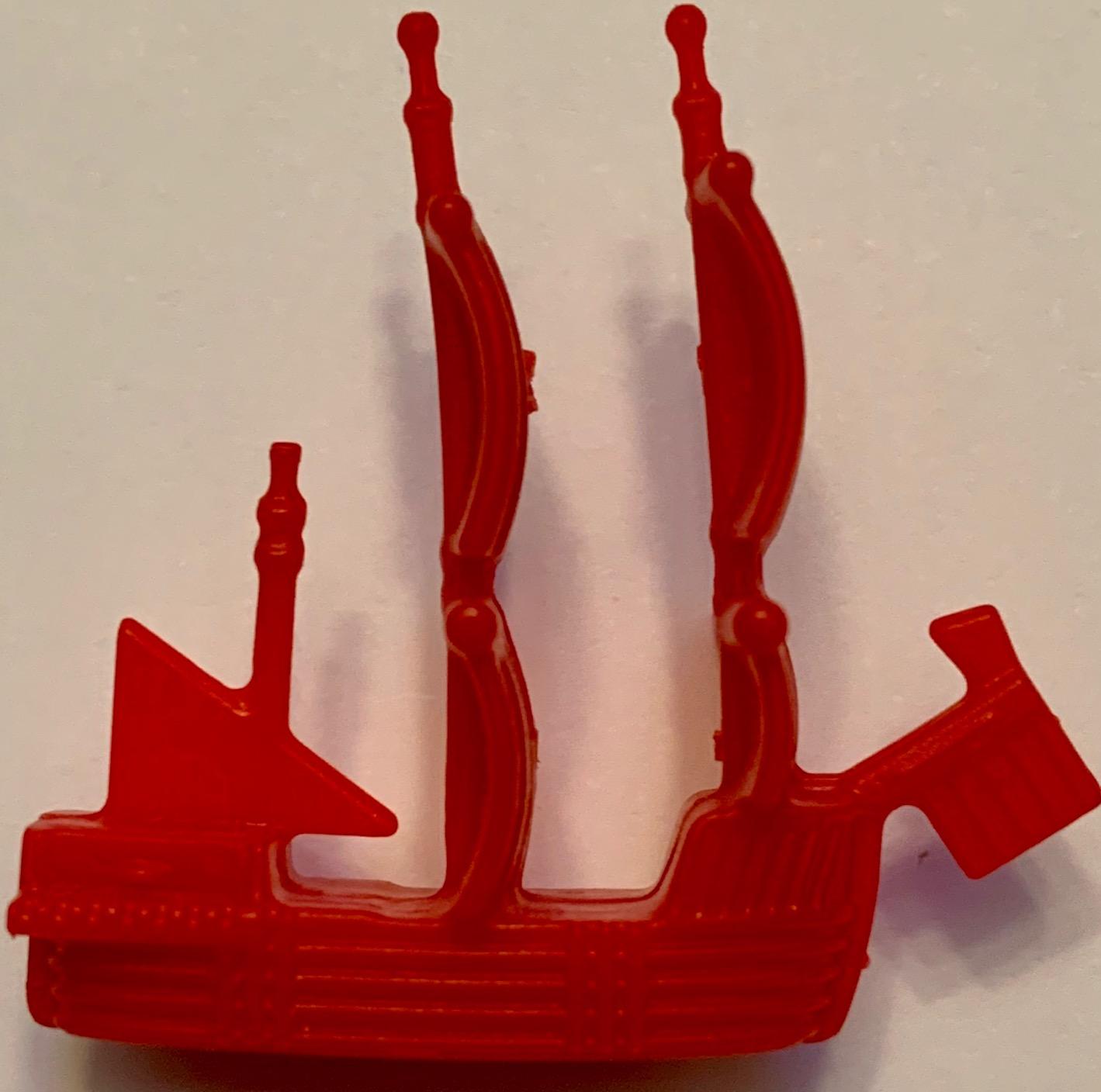
SeaFall is a 4X legacy game about exploration, trade, and sea battles for three to five players, and it is the most polarising entry here. Supporters who commit to 15 or more sessions with a fixed group rate it as one of the best campaigns they have played. Everyone else tends to find it slow.
The design choices are unusual and mostly good. It is 4X-inspired without player elimination, and trailing players get catch-up boons, so a group of five does not spend the campaign with one person building a city while four watch. Genuine choose-your-own-adventure reading in the Captain’s Book advances the story as the campaign moves.
New islands are discovered and permanently reshape the board, so each copy plays differently, and new rules and modules change the strategic picture over 15 to 20 games. A community-run Captain’s Log FAQ and BoardGameGeek cheat sheets are genuinely helpful with the rules, which is a real quality-of-life difference.
It carries the lowest average rating in this set at 4.2, and the distribution shows the split clearly: 58% five-star alongside a visible 15% three-star share. That is not a defect so much as a warning about who this is for.
Who this campaign suits?
Experienced 4X players who like a long project and already understand the genre. If your group has finished a shorter campaign and wants something with real strategic depth, this is the one. It scales up to five players and rewards groups that can sit through downtime together.
A BoardGameGeek thread about five-player legacy games surfaced SeaFall as a candidate, and for a settled group of five it does deliver on the promise of a proper 4X campaign with no elimination.
Where it falls short?
It is heavy, long, and has significant downtime between turns, which gets worse at full player count. The rulebook and dice-resolution system are genuinely complex and need study before the first game, and the listed 90 to 120 minutes is optimistic for a full table.
Components are consumed as you play, so restarting means buying another copy. The resource economy is tight and the enmity tokens make raiding other players punishing, which is worth knowing before a group commits twenty sessions to it.
12. Aeon’s End: Legacy: The Best Legacy Board Game for Cooperative Deck-Builders
Aeon’s End: Legacy, The First Legacy Deck-Building Game
Cooperative deck-building
1-4 players
90 minutes
Teen and adult
Pros
- First legacy deck-builder
- 80 percent of content works with the base game
- Choices permanently alter future plays
- Rich unfolding narrative
Cons
- Finite campaign with permanent component change
- Needs a consistent regular group
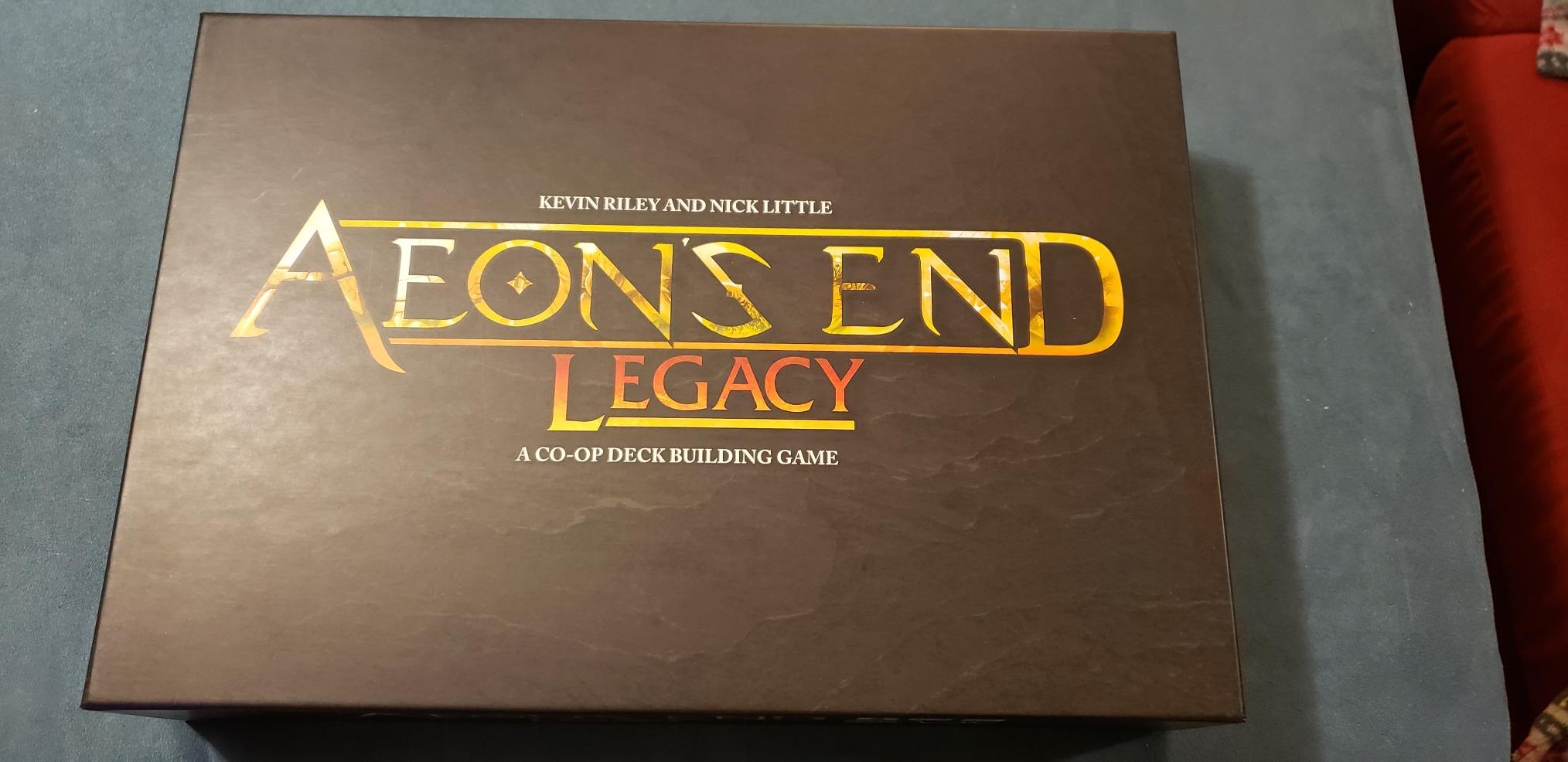
Aeon’s End: Legacy is the game that invented the legacy deck-builder, pairing permanent campaign change with the Aeon’s End engine in which your deck is built during play rather than bought. It supports one to four players at around 90 minutes a session, which fits a monthly schedule well.
The strongest practical feature is compatibility. About 80% of the content works with the base Aeon’s End and its expansions, so if your group owns the originals you are not starting from nothing. Reviews single this out as unusually high for a legacy box.
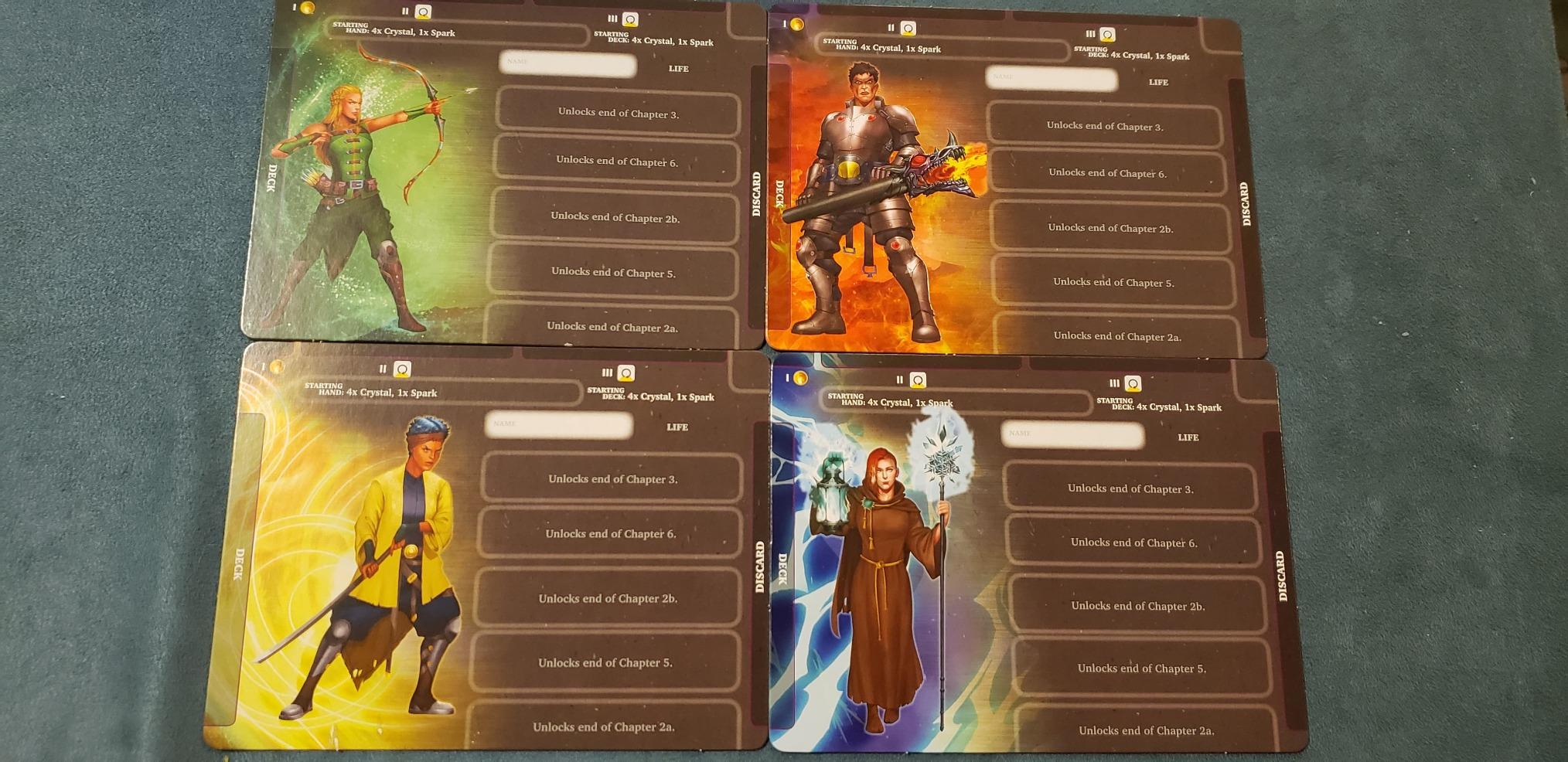
Narratively it works too. The mystery setting gains a real arc across sessions, and choices permanently alter future plays, so the deck you build on week three still matters in week nine. That long memory is what makes it feel like a legacy game rather than a series of unrelated deck-builders.
80% of reviews are five-star, and the box is 16.54 x 11.3 x 0.04 inches and 3.28 kg, one of the larger items here.
Who this campaign suits?
Groups who already enjoy cooperative deck-builders and want a campaign arc without a heavy dungeon-crawl commitment. Solo play is supported, and the shorter session length compared with Gloomhaven or Sleeping Gods makes it easier to schedule around a changing calendar.
It is also a good pick for a group of two, since the deck-building engine holds up with fewer players and the decisions per session stay meaningful.
Where it falls short?
The campaign is finite and the components change permanently across sessions, so it ends the same way Pandemic Legacy does. Reviews are also clear that it works best with a regular group that plays consistently for the full run, and a campaign interrupted repeatedly is hard to keep warm.
It is not the pick for a group that wants narrative at the centre. The story is present but the deck is the point, so if your group would rather listen to a storybook, go to Mice and Mystics or Sleeping Gods.
13. Ticket to Ride Legacy: Legends of the West: The Best Legacy Board Game for an Accessible First Campaign
Asmodee Ticket to Ride Legacy: Legends of the West Board Game – The Ultimate Train Adventure! Strategy Game, Family Game for Kids & Adults, Ages 10+, 2-5 Players, 20-90 Min Playtime
Legacy route building
2-5 players
20-90 minutes
Ages 10+
Pros
- Quick learning curve for families
- Twelve-game campaign with unlocked boxes
- 13 boards and 280 train cars
- Post-campaign maps add replay value
Cons
- Fixed 12-game arc so variety is finite
- Session length varies with group pace
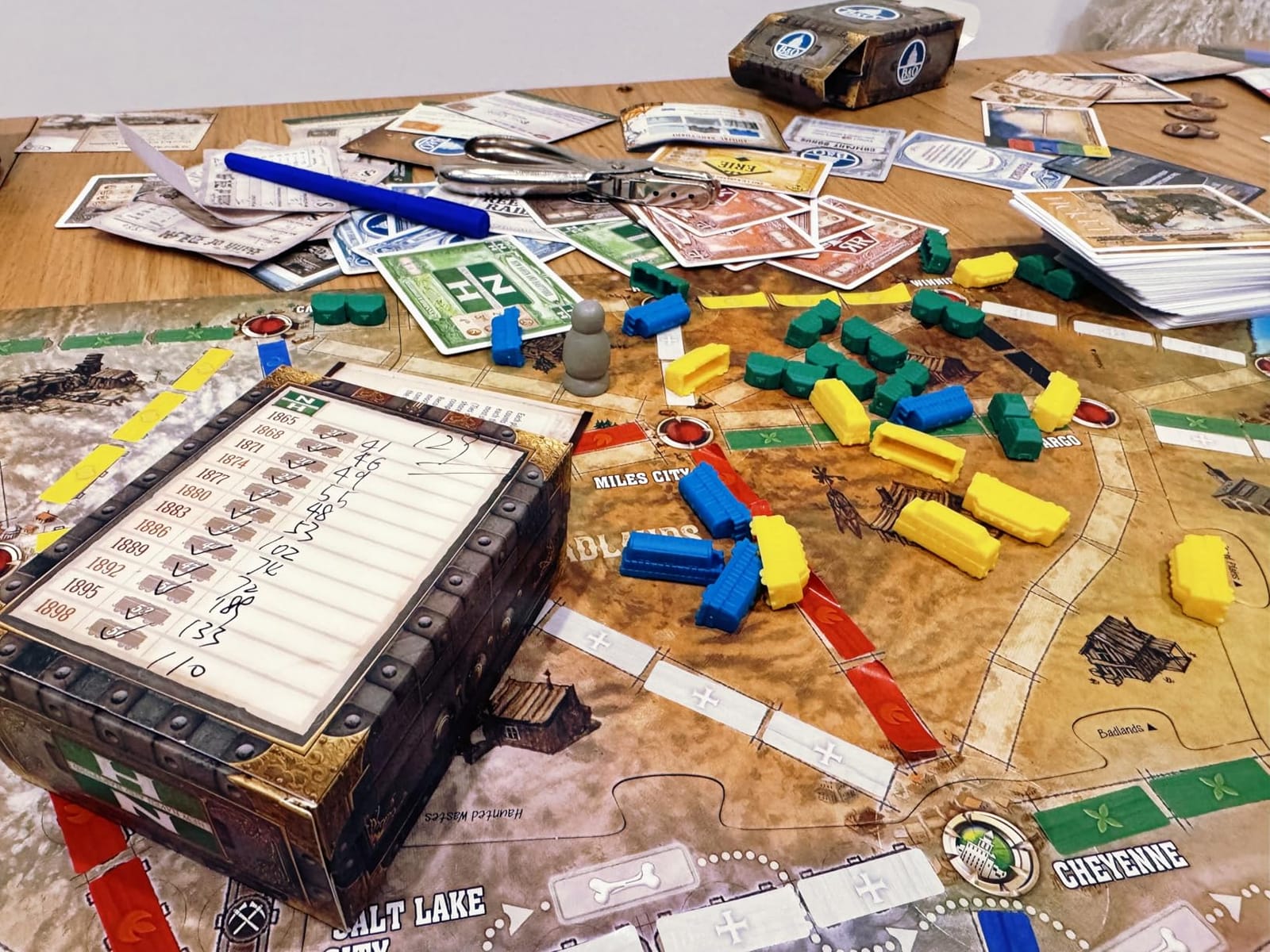
Ticket to Ride Legacy: Legends of the West is a twelve-game campaign for two to five players where you manage a North American railway company. It sits at the accessible end of this list, and it is the one we most often see recommended as a first campaign purchase.
Route building is a system a lot of people already know, which removes the usual barrier. The learning curve is quick, so a group can be running the campaign in a single session, and it still has real strategic depth once the event cards and rivals start interacting.
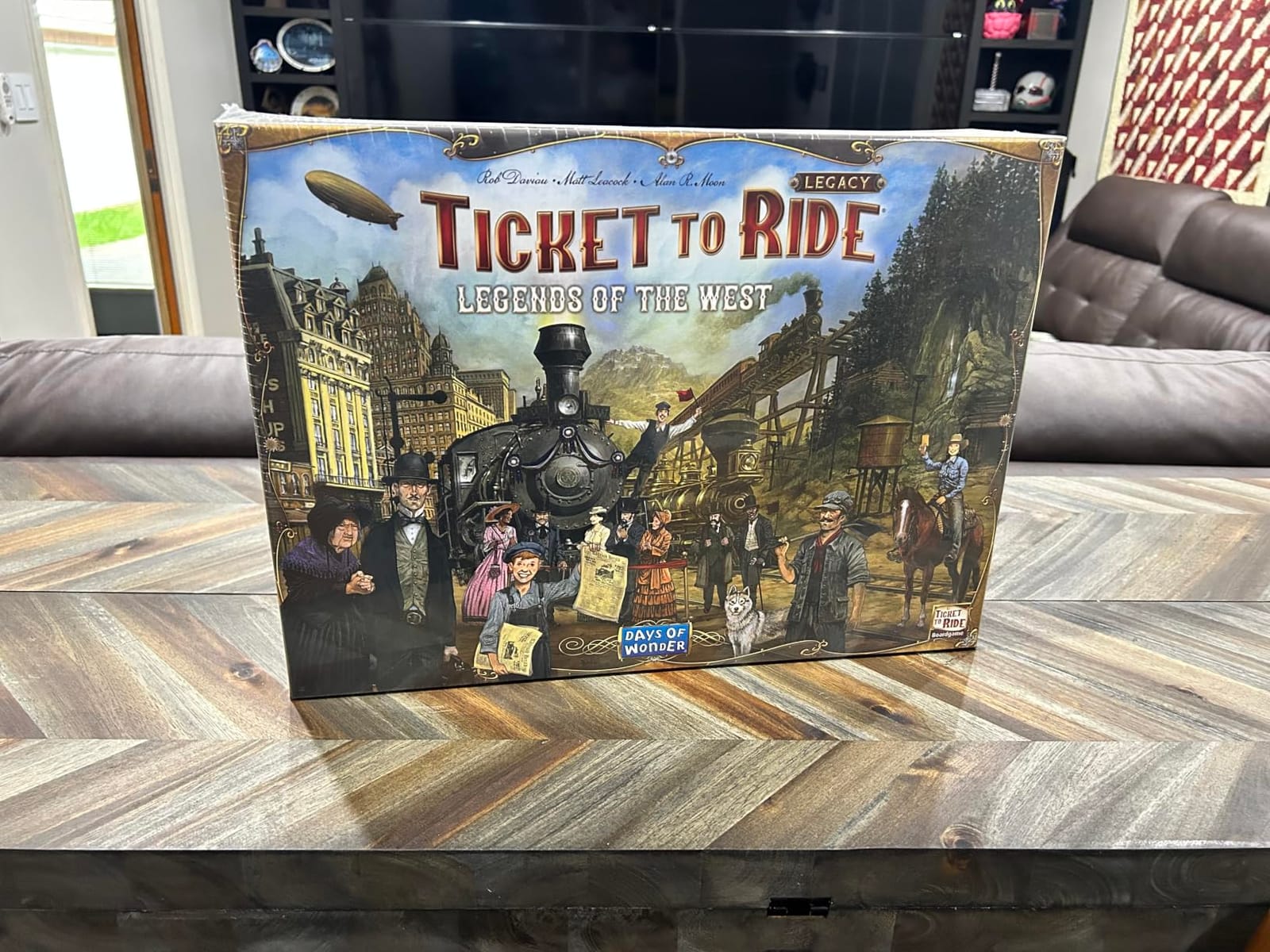
The component count is the real draw: 13 frontier boards, 280 plastic train cars, 84 train cards, 33 tickets, 7 event cards, 6 newspaper cards, 77 postcards, a story deck, and five company boxes that unlock over the campaign. 89% of reviews are five-star, and reviewers highlight the accessibility of the entry point alongside the payoff of the new post-campaign board maps.
Designed by Rob Daviau, Matt Leacock, and Alan R. Moon, it is listed for ages 10 and up, which makes it one of the most family-friendly campaigns here alongside Mice and Mystics.
Who this campaign suits?
Families, mixed-experience groups, and anyone buying their first legacy game who wants a gentle on-ramp. Two to five players is a wide range, and it works for a couple as well as for a full table.
The post-campaign experience is the reason it earns its place. Once the twelve games are done you get a one-of-a-kind Ticket to Ride with new board maps, so the box is not dead weight, which is the usual complaint about first legacy purchases.
Where it falls short?
The arc is fixed at twelve games, so component variety is finite even with that much content, and there is no branching to speak of. Session length also swings widely, from a listed 20 minutes up to 90, depending on how quickly your group decides tickets. Build that into your schedule.
For a group that wants permanent destruction and real stakes, this is too polite. The stakes never hurt, which is the point for a first campaign and the limitation for everyone after.
14. Slay the Spire: The Board Game: The Best Legacy Board Game for Solo Play and Pausing Mid-Campaign
Slay The Spire: The Board Game – Cooperative Fantasy Board Game
Cooperative deck-building
1-4 players
45-minute learning
Ages 12+
Pros
- Highest average rating in the set at 4.9
- Box doubles as a save point between acts
- Over 650 cards with 112 small and 26 large
- Ten-minute setup with a designed insert
Cons
- Several hours once groups reach the harder acts
- Setup and teardown are time-consuming
Slay the Spire: The Board Game is a cooperative deck-building adventure for one to four players that carries the highest average rating in this roundup at 4.9, with 95% five-star ratings. It is a campaign game rather than a strict legacy game, since nothing is permanently destroyed, and it is the most polished box here.
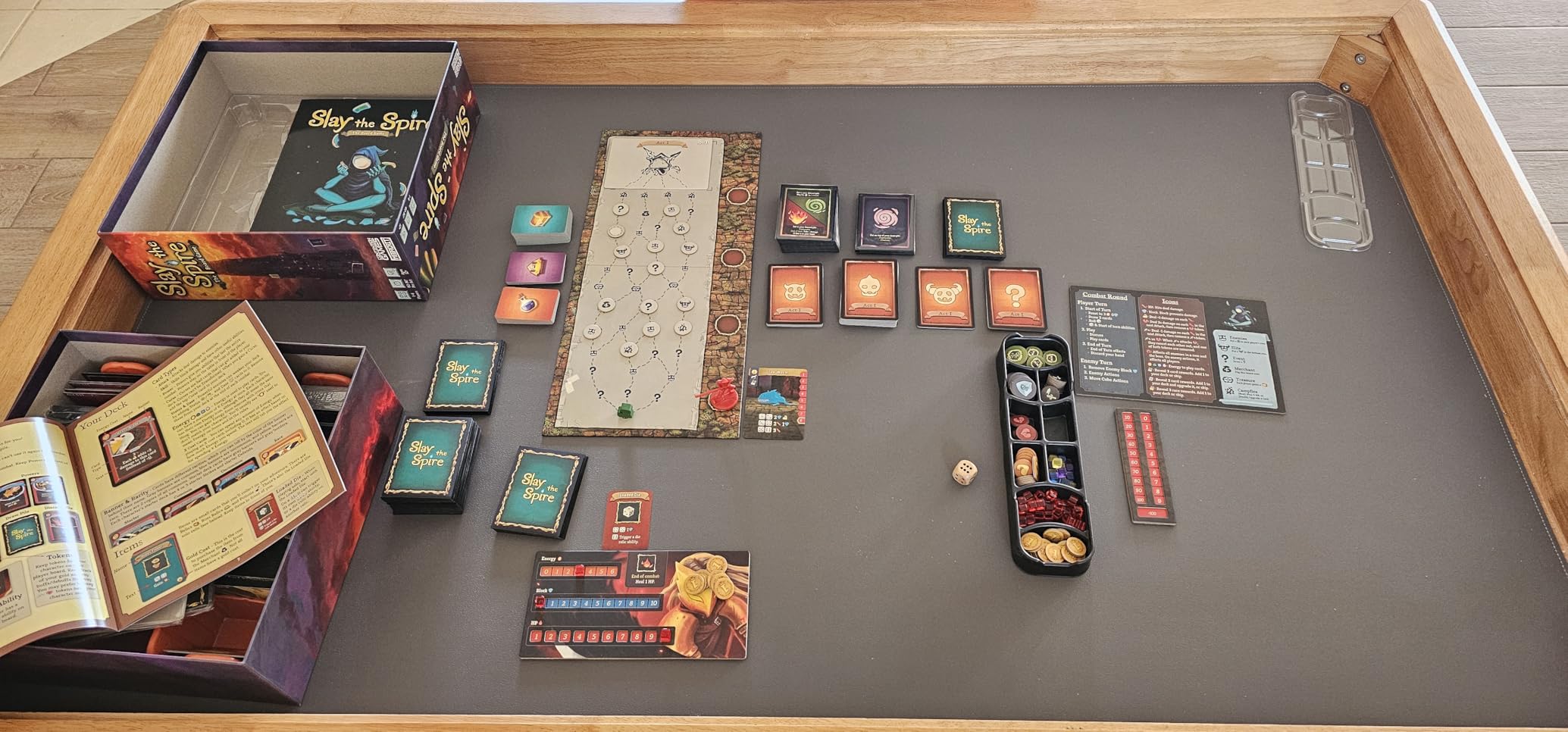
What stands out for groups is the physical design. The insert is exceptionally well made, so a component count that should take half an hour to sort sets up in about ten minutes, and the box itself doubles as a save point so a campaign can be paused between acts and picked up weeks later.
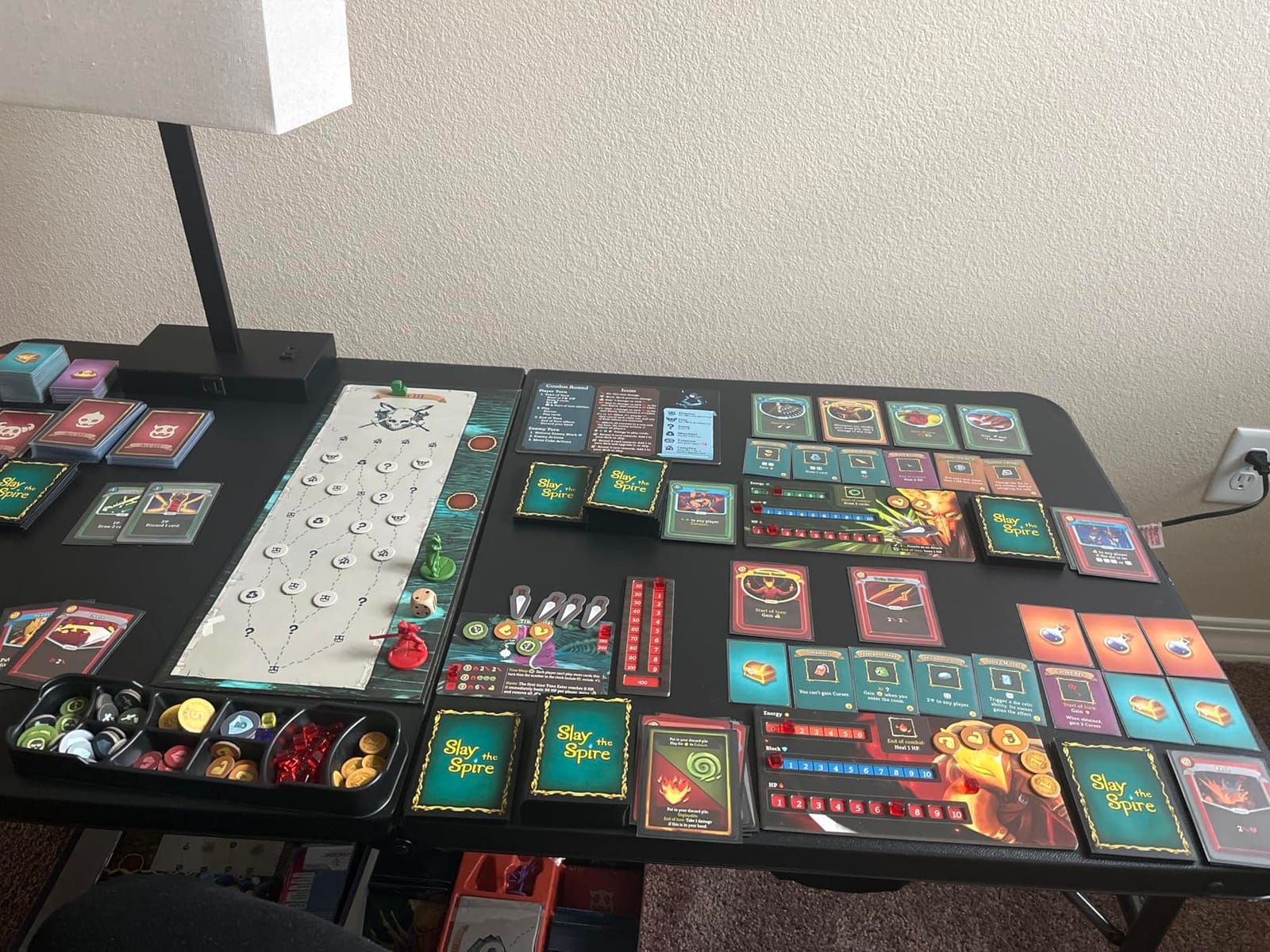
The card count is the spectacle: over 650 cards including 112 small and 26 large cards, plus four miniatures, four player boards, and two main boards in high production quality. Fans of the video game rate the adaptation as faithful yet streamlined, which is a hard balance to strike.
It is listed for ages 12 and up, and the 45-minute figure refers to learning time rather than a full session, which is worth knowing before you schedule your first night.
Who this campaign suits?
Solo players first and foremost. It is the entry here with the best combination of rating, component quality, and pauseability, and the save-point box makes it realistic for someone playing alone across many short windows rather than long uninterrupted evenings.
It also suits groups with an uneven calendar, since pausing between acts is designed rather than improvised. Video game players will get the most out of the branching structure.
Where it falls short?
Session length grows sharply. Once a group reaches the harder acts, play often runs several hours, and the listed 45 minutes is a learning-time figure rather than a session estimate. Setup and teardown are the other hidden cost, with a lot of decks and tokens to manage even with the insert.
One practical note from reviews: relics, blessings, and similar components do not come pre-sleeved like the playing cards, so budget a sleeve pack before the first session or the campaign will look shabby by act three.
15. Mass Effect: Priority Hagalaz: The Best Legacy Board Game for a Short, Branching Campaign
Mass Effect: Priority Hagalaz The Board Game
Branching narrative
1-4 players
45 minutes
3-5 episodes
Pros
- Quick skirmish setup
- Early choices visibly change the campaign
- XP unlocks abilities between sessions
- Erasable map book saves table space
Cons
- Steep learning curve
- Plays differently from the video game
- Campaign is short at 3-5 episodes
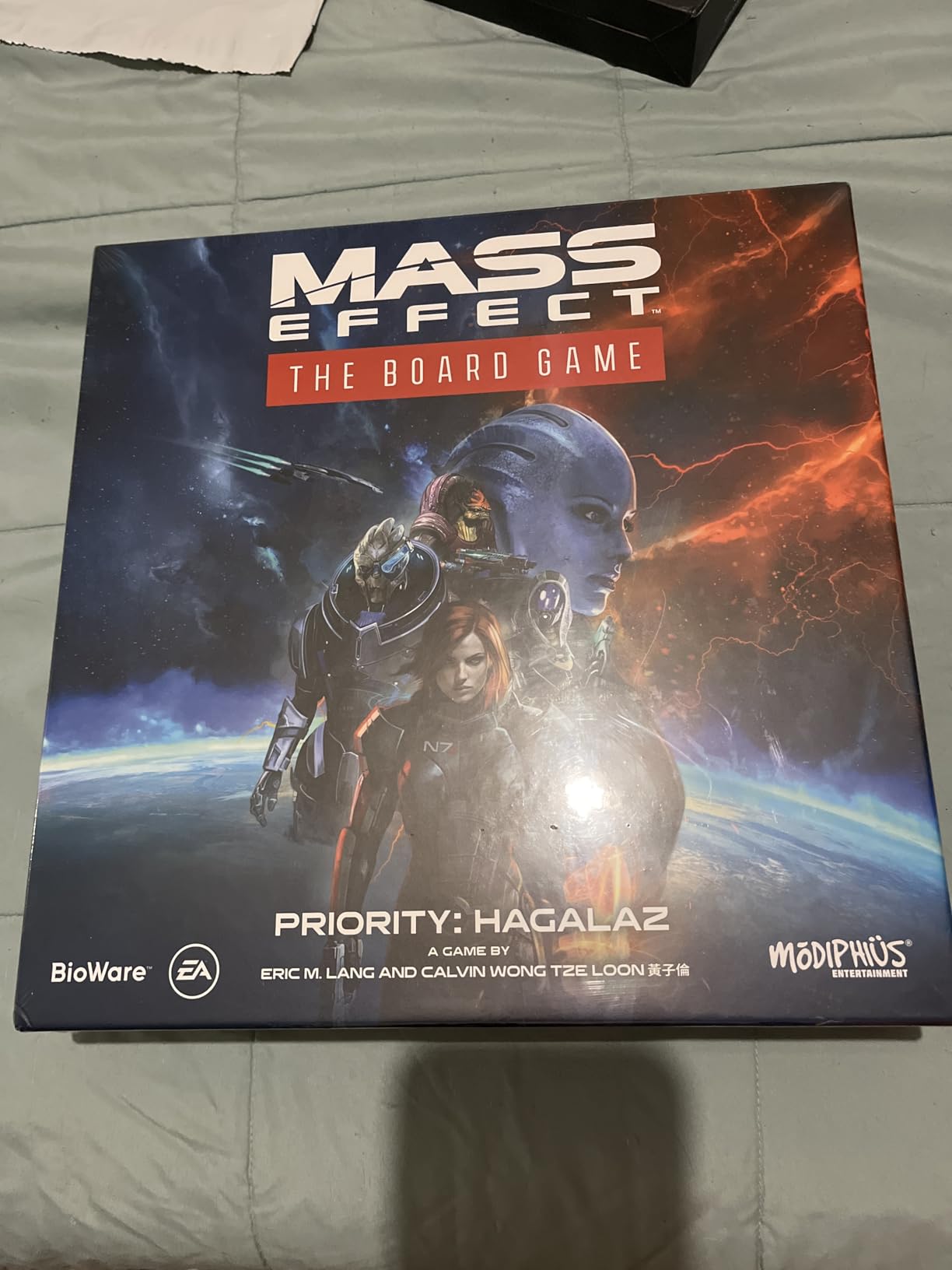
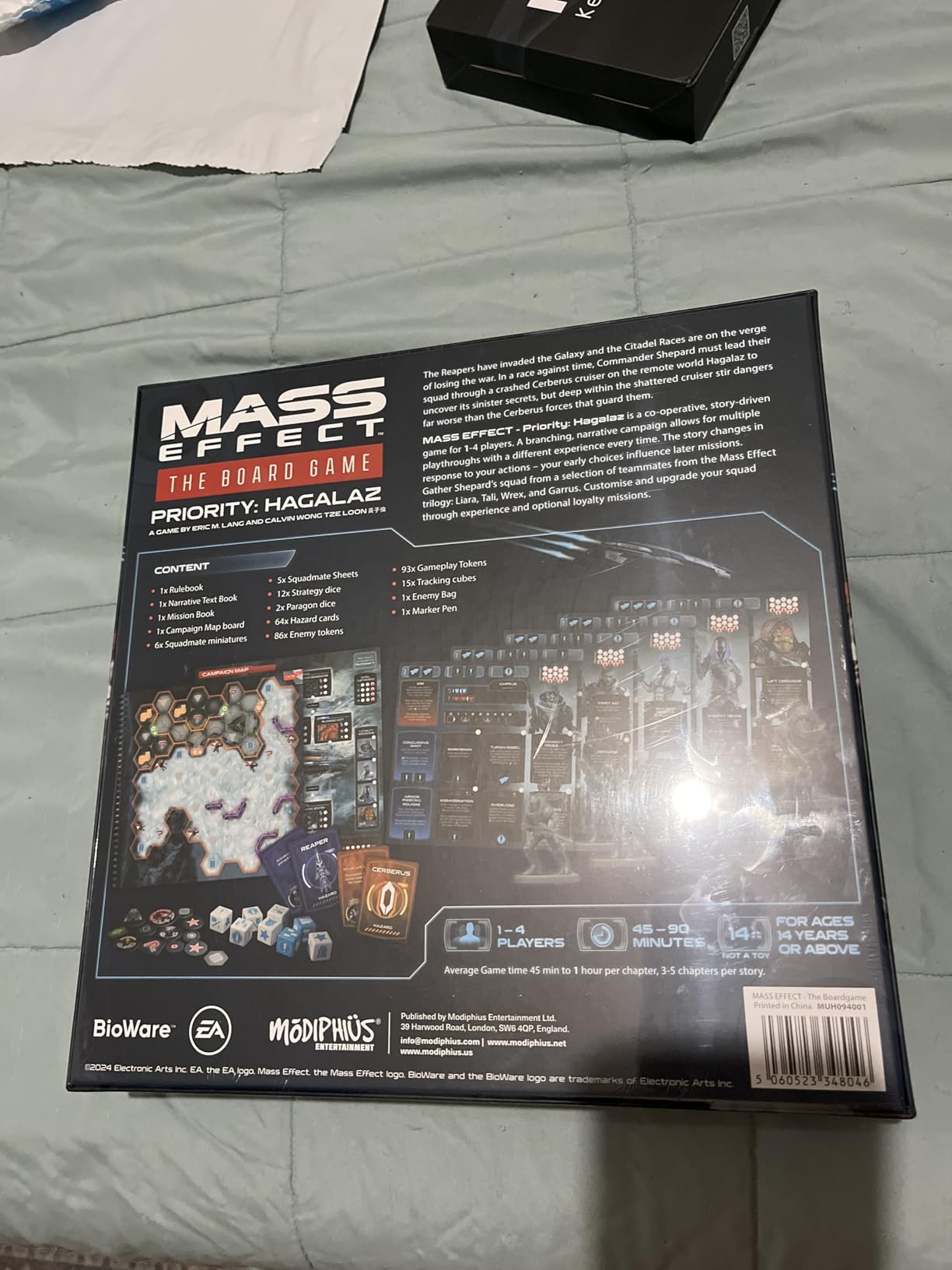
Mass Effect: Priority Hagalaz is a cooperative, card-driven campaign for one to four players in which you lead a squad as Commander Shepard through a Cerberus cruiser. The campaign runs three to five episodes, which makes it the shortest project in this roundup and the easiest to finish before a group changes.
The branching is the point. Early choices visibly change maps, objectives, and later missions, and characters unlock new abilities through XP progression between sessions. Six hardened PVC miniatures and 16 bespoke dice give it real production value for a sci-fi campaign.
The laminated erasable map book is a smart choice for small spaces, since no large board takes up table area. An 81% five-star distribution reflects a small but genuinely enthusiastic audience, and the recurring note is that the game rewards Mass Effect fans and punishes newcomers.
It is also the lightest campaign here at under four pounds, so it moves easily between houses, which is useful for a group that meets in different places.
Who this campaign suits?
Groups of one to four who are already Mass Effect fans and want a story campaign that finishes in a handful of sessions. It is the right pick when you are not sure your group will still be together in six months, because the campaign resolves quickly and different branches make a second run worth it.
Solo play is supported and the 45-minute session length suits a weeknight. Ages are listed from 14 upward, so it is not a family entry.
Where it falls short?
The learning curve is steep. Reviews recommend a tutorial video or a full rules read before the first session, and the 3mm enemy tokens and bespoke dice add a fiddly setup. It also plays quite differently from the video game, which disappoints players expecting a direct translation.
Two further limits: the campaign is short at three to five episodes so content runs out quickly, and the table footprint is large because each of the four squad members has a 12×12 character mat. It has the smallest review base of these fifteen, which tells you to expect less community support than a Pandemic box gets.
How to Choose a Legacy Board Game for Your Group?
Choosing well comes down to four questions, and only one of them is about the game itself. Get the group answers first, then pick from the table above.
How stable is your group?
This is the question every forum thread asks, and it is the one most roundups skip. The consensus across r/boardgames and BoardGameGeek is consistent: legacy games are best played with the same people, because the shared experience and the running narrative are the product, not the mechanics.
If your group rotates, you have three honest options. Start with a campaign game that saves anywhere, which is why Sleeping Gods and Slay the Spire: The Board Game appear on this list. Play a legacy game in a closed session format, with a fixed start and finish and no expectation of continuing. Or accept that you will pass the box on, and pick something whose post-campaign state is worth owning rather than something that has been torn up.
One r/boardgames user runs a standing legacy night with the same four people, weekly or monthly, and describes the appeal as routine plus small rule tweaks that keep it fresh. That is the pattern that works. A campaign that restarts from zero every three months never gets there.
How much commitment can you actually honour?
Count sessions, not evenings. Pandemic Legacy Season 0 runs 12-plus sessions at about an hour. Sleeping Gods runs 50 to 60 hours for a solo player, and a group of four can spread that over months. Mice and Mystics has 13 chapters that routinely run two to three hours each. Mass Effect: Priority Hagalaz is three to five episodes.
Ask whether your group can pause. Almost every campaign on this list can be stopped between sessions since the state is physical, but a few are more forgiving than others. Sleeping Gods saves at any point through the journey log, and Slay the Spire uses its box as a save point between acts. SeaFall and Charterstone want regular cadence because the board state gets complicated fast.
Do you want a game you can play again afterwards?
About half of these titles are consumable and half are not, and this is the single biggest difference in value. Charterstone leaves you a one-of-a-kind worker-placement board. Betrayal Legacy keeps a finished estate in free-play mode. My City flips to a replayable Eternal mode. Clank! Legacy, Ticket to Ride Legacy, and Aeon’s End: Legacy all lead into a distinct post-campaign experience built from your run.
The other half are honestly one-time. Pandemic Legacy Season 1 tears up cards and writes on characters by design, Betrayal Legacy modifies its own components, and SeaFall consumes pieces as it goes. For many groups that is the appeal, since nobody objects to a game designed to be thrown away. The complaint we hear in the threads is about campaign games, where one person buys the box and then sits on an unbeatable replay box. Buying a consumable legacy game shares that problem rather than creating it.
How much teaching can your group absorb?
Game weight matters more in a campaign than in a one-off because you pay the teach cost every time someone new arrives. Gloomhaven: Jaws of the Lion is the friendliest heavy game here, with a five-scenario tutorial that teaches the rules as you play. Charterstone and My City also teach themselves through the campaign.
At the other end, Betrayal Legacy has three rulebooks with vague wording that spark debates in most sessions, and SeaFall has a genuinely complex dice-resolution system. Veteran players who enjoy a campaign but dread re-teaching new members should lean toward the self-teaching entries.
How do groups handle the cost?
The convention worth copying comes from the same standing legacy night. The group splits the purchase between the people playing, and whoever wants the leftover components at the end takes them. That turns an expensive one-time box into a shareable cost across a dozen sessions, which changes the arithmetic completely for a group of four.
Decide this before the first session. Arguments about a box that is being deliberately destroyed are much easier to avoid when the ownership arrangement was agreed up front. If your group plays at home on a phone or tablet for the between-session components, our iPhone game controller picks cover the hardware side of that setup.
Frequently Asked Questions
Can you play a legacy game with a different group each time?
You can, but you trade away most of what makes the format work. Legacy games are best played with the same people because the shared story and the running consequences are the experience. If your group rotates, pick a campaign game that saves anywhere instead, such as Sleeping Gods with its journey log or Slay the Spire: The Board Game, which uses its box as a save point between acts.
What are the top legacy board games?
Our top three are Gloomhaven: Jaws of the Lion for cooperative play with a built-in tutorial, Pandemic Legacy Season 1 as the benchmark for permanent component change, and Mice and Mystics for families. Clank! Legacy: Acquisitions Incorporated is the strongest pick if you want a legacy game that stays replayable after the campaign finishes.
How long does a legacy board game campaign last?
It depends entirely on the title. Mass Effect: Priority Hagalaz runs three to five episodes at about 45 minutes, Pandemic Legacy Season 1 spreads 12 monthly sessions at around an hour each, and Sleeping Gods is a long project that solo players estimate at 50 to 60 hours. Mice and Mystics has 13 chapters that regularly run past the listed 90 minutes.
Are legacy board games replayable after the campaign ends?
About half are and half are not. Charterstone leaves a unique worker-placement board, Betrayal Legacy keeps its estate in free-play mode, and Clank! Legacy, Ticket to Ride Legacy, and My City all lead into a post-campaign mode. Pandemic Legacy Season 1, Betrayal Legacy, and SeaFall are consumable by design, so their end state is a record of your run rather than a game.
What are good legacy board games for two players?
My City works well for two with its catch-up handicaps, Ticket to Ride Legacy supports two to five players with a gentle rules curve, and Aeon’s End: Legacy scales down without losing deck-building depth. Charterstone is the one to avoid at two players, because the board does not fill and story content is missed.
What are good legacy board games for five players?
Charterstone is built for one to six players and is the widest entry in this roundup. Risk Legacy is designed around three to five players with an hour per session, and SeaFall scales to five with a non-elimination design and catch-up boons. Charterstone also includes an Automa so the campaign works solo if only one person turns up.
What is the best legacy board game for a beginner?
Clank! Legacy: Acquisitions Incorporated and Ticket to Ride Legacy: Legends of the West are the gentlest on-ramps, both with quick learning curves and post-campaign modes so the box is not wasted. Charterstone teaches its own rules through the campaign. Gloomhaven: Jaws of the Lion is the best heavier pick because its five-scenario tutorial walks a new group in step by step.
What happens if my game group breaks up mid-campaign?
The campaign usually stalls, because the state is physical and the people who remember it have moved on. The community answer is to pick your players carefully and see it through. If you expect churn, choose a campaign with a save-anywhere system, pass the box on to the remaining players as a one-time story, or split the cost so no single person owns the destroyed components.
Final Verdict: Where to Start Your First Campaign in 2026?
For most groups, Gloomhaven: Jaws of the Lion is the right first buy, because the tutorial removes the teaching problem and the cooperative design keeps less experienced players in the story. If your group wants the authentic legacy experience with the most permanent change, Pandemic Legacy Season 1 is still the benchmark nothing else matches.
Pick a smaller or more flexible title when the group is unstable: My City for fifteen-minute episodes, Clank! Legacy or Ticket to Ride Legacy if you want a box that is still playable at the end, and Sleeping Gods if the story matters more than the permanence. Whatever you choose, split the cost and agree who owns the leftovers before session one.
That is the complete list of the best legacy board games for game groups in 2026. Pick the one your calendar can actually honour, then leave the box on the table between sessions so the story has somewhere to live.