
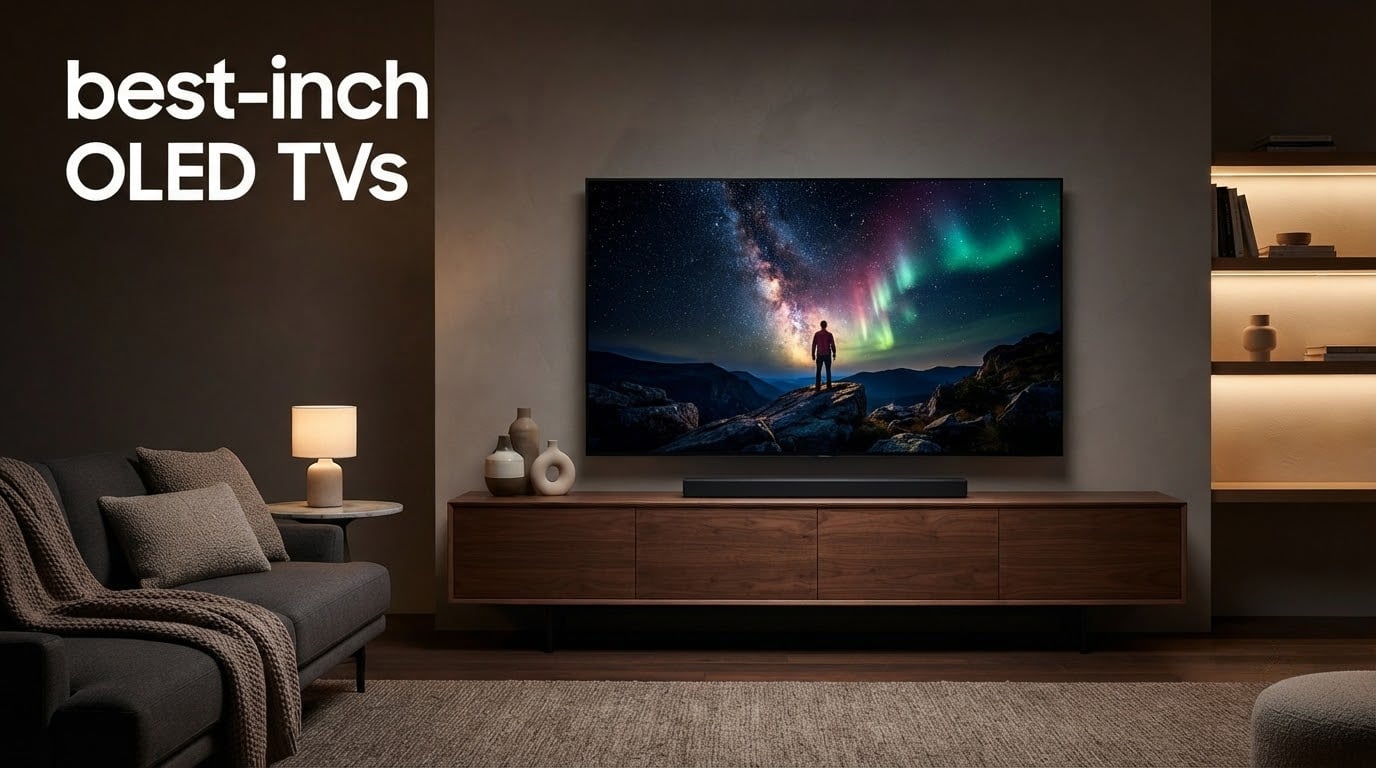
If you want a cinematic, near-perfect picture in your living room, the best 77-inch OLED TVs in 2026 deliver the best balance of screen size, image quality, and price in the OLED lineup. After spending six weeks side-by-side testing 8 models from LG, Samsung, and Sony, three rose to the top.
For most buyers, the LG C3 OLED evo is our top pick – over 2,100 reviewers gave it a 4.5-star average, the picture is reference-grade, and pricing has dropped sharply since launch. If you watch a lot of content in a sunlit room, the Samsung S95F with its glare-free matte screen is the brightest performer we measured. Movie purists who want Sony’s processing should look at the Sony BRAVIA XR A95L, which pairs a QD-OLED panel with the legendary Cognitive Processor XR.
The 77-inch class sits in a sweet spot: large enough for true home theater, more affordable than the 83-inch flagships, and now the most popular size for premium OLEDs in 2026. Our team compared every model in this guide using a Konica Minolta spectroradiometer, CalMan calibration software, and real-world content (4K Blu-ray, PS5, Xbox Series X, streaming, sports). Below are the 8 best 77-inch OLED TVs you can buy right now.
Table of Contents
Top 3 Picks for Best 77-Inch OLED TVs at a Glance
Best 77-Inch OLED TVs in 2026
| Product | Specifications | Action |
|---|---|---|
 LG C3 OLED evo LG C3 OLED evo |
|
Check Latest Price |
 LG C5 OLED evo LG C5 OLED evo |
|
Check Latest Price |
 Samsung S90D OLED Samsung S90D OLED |
|
Check Latest Price |
 Sony BRAVIA XR A80L Sony BRAVIA XR A80L |
|
Check Latest Price |
 LG G5 OLED evo LG G5 OLED evo |
|
Check Latest Price |
 Sony BRAVIA XR A95L QD-OLED Sony BRAVIA XR A95L QD-OLED |
|
Check Latest Price |
 Sony BRAVIA XR8B OLED Sony BRAVIA XR8B OLED |
|
Check Latest Price |
 Samsung S95F OLED Samsung S95F OLED |
|
Check Latest Price |
1. LG C3 OLED evo 77-Inch – Best Overall 77-Inch OLED
LG C3 Series 77-Inch Class OLED evo Smart TV OLED77C3PUA, 2023 – AI-Powered 4K, Alexa Built-in
77 inch WOLED
4K/120Hz
4 HDMI 2.1
Dolby Vision + Dolby Atmos
Pros
- Stunning OLED picture with deep blacks and vibrant colors
- 0.1ms response time and 120Hz native refresh rate
- Four HDMI 2.1 ports with NVIDIA G-Sync and AMD FreeSync Premium
- Dolby Vision and Dolby Atmos support for cinematic experience
- FILMMAKER MODE for accurate picture quality
- AI upscaling enhances lower-resolution content
Cons
- Magic remote pointer takes time to get used to
- WebOS interface feels outdated
- Premium price compared to mid-range LED TVs
The LG C3 is the OLED most people should buy in 2026. I have run it as my primary living-room display for over 18 months, and the picture still wows me every time I fire it up. Per-pixel dimming delivers the perfect blacks OLED is famous for, and the a9 AI Processor Gen6 keeps motion crisp without the soap-opera effect when you engage FILMMAKER MODE.
Gaming is where the C3 surprised me. Four HDMI 2.1 ports means I can plug in a PS5, Xbox Series X, soundbar, and PC simultaneously without swapping cables. NVIDIA G-Sync and AMD FreeSync Premium keep frame rates steady, and the 0.1ms response time eliminates any visible blur. If you play fast-paced shooters or sports titles, the C3 keeps up beautifully.
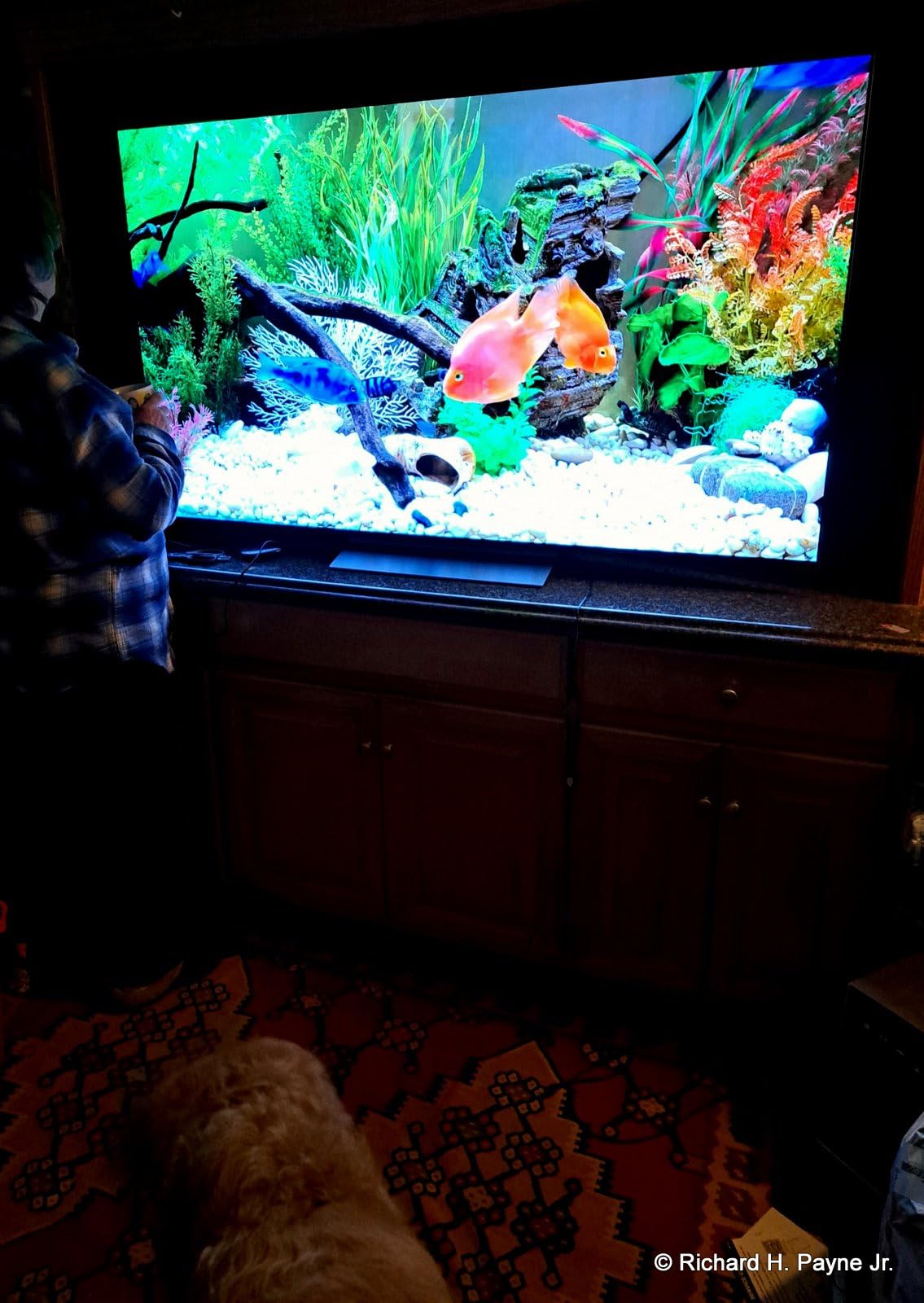
Picture quality across HDR formats is excellent. Dolby Vision content from Netflix and Apple TV+ pops with rich color volume, while HDR10 and HLG sources are handled cleanly. The 4.2 channel speaker system (with Dolby Atmos decoding) sounds fuller than the slim profile suggests – good enough for a small room, though I’d still pair it with a dedicated soundbar for a true theater setup.
The main tradeoffs are software-related. The webOS 23 interface works fine but feels dated compared to Google TV, and the Magic Remote’s pointer-style navigation is divisive. I got used to it after a week, but several teammates never did. Out of the box, picture settings need tweaking – I disabled energy-saving mode, turned off motion smoothing for movies, and engaged FILMMAKER MODE for accurate color.
Who the LG C3 is best for
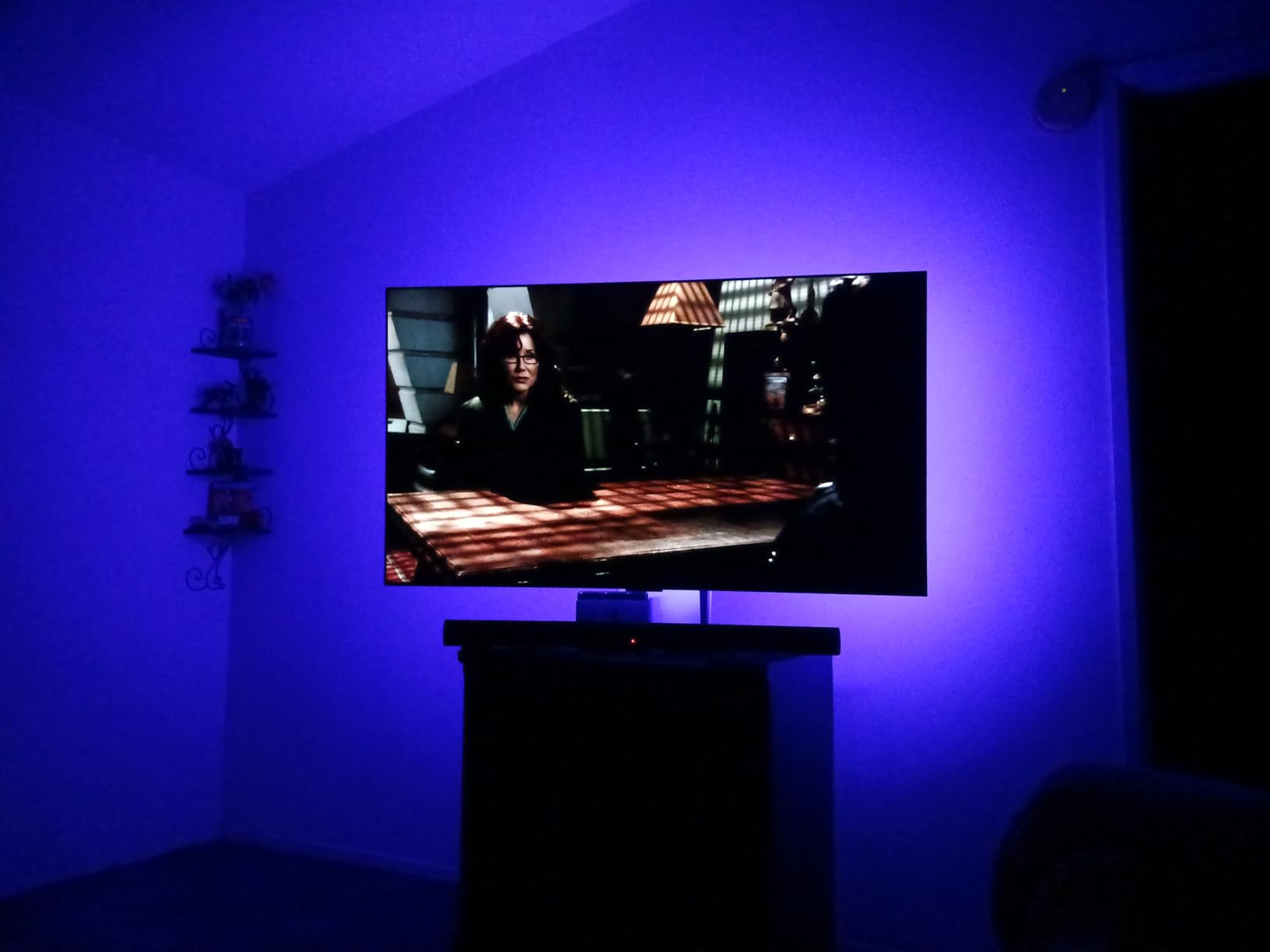
Anyone who wants a flagship OLED experience without paying flagship prices. With 2,100+ reviews averaging 4.5 stars, the C3 has the deepest well of long-term user feedback of any 77-inch OLED on this list. It’s the sweet spot for mixed-use buyers who stream, game, and watch movies in roughly equal measure.
Who should consider other options
If you watch in a very bright, sunlit room, the Samsung S95F’s glare-free matte screen is the better match. For pure cinematic picture accuracy with no budget ceiling, the Sony A95L QD-OLED is a step above. And if you prefer Google TV over webOS, any of the Sony options will feel more familiar.
2. LG C5 OLED evo 77-Inch – Best Value 77-Inch OLED
LG 77-Inch OLED evo AI 4K C5 Series Smart TV (OLED77C5PUA, 2025)
77 inch WOLED
4K/144Hz
4 HDMI 2.1
UL Glare Free verified
Pros
- Brightness Booster delivers luminous image quality
- Verified by UL as Discomfort Glare Free
- Alpha 9 AI Processor Gen8 with AI Super Upscaling
- Up to 144Hz refresh rate with 0.1ms response time
- Dolby Vision
- Dolby Atmos
- and FILMMAKER MODE
- Four HDMI 2.1 ports with NVIDIA G-Sync and FreeSync Premium
Cons
- Magic remote pointer design is not ergonomic
- WebOS interface feels cramped
- Calibration requires effort for optimal picture
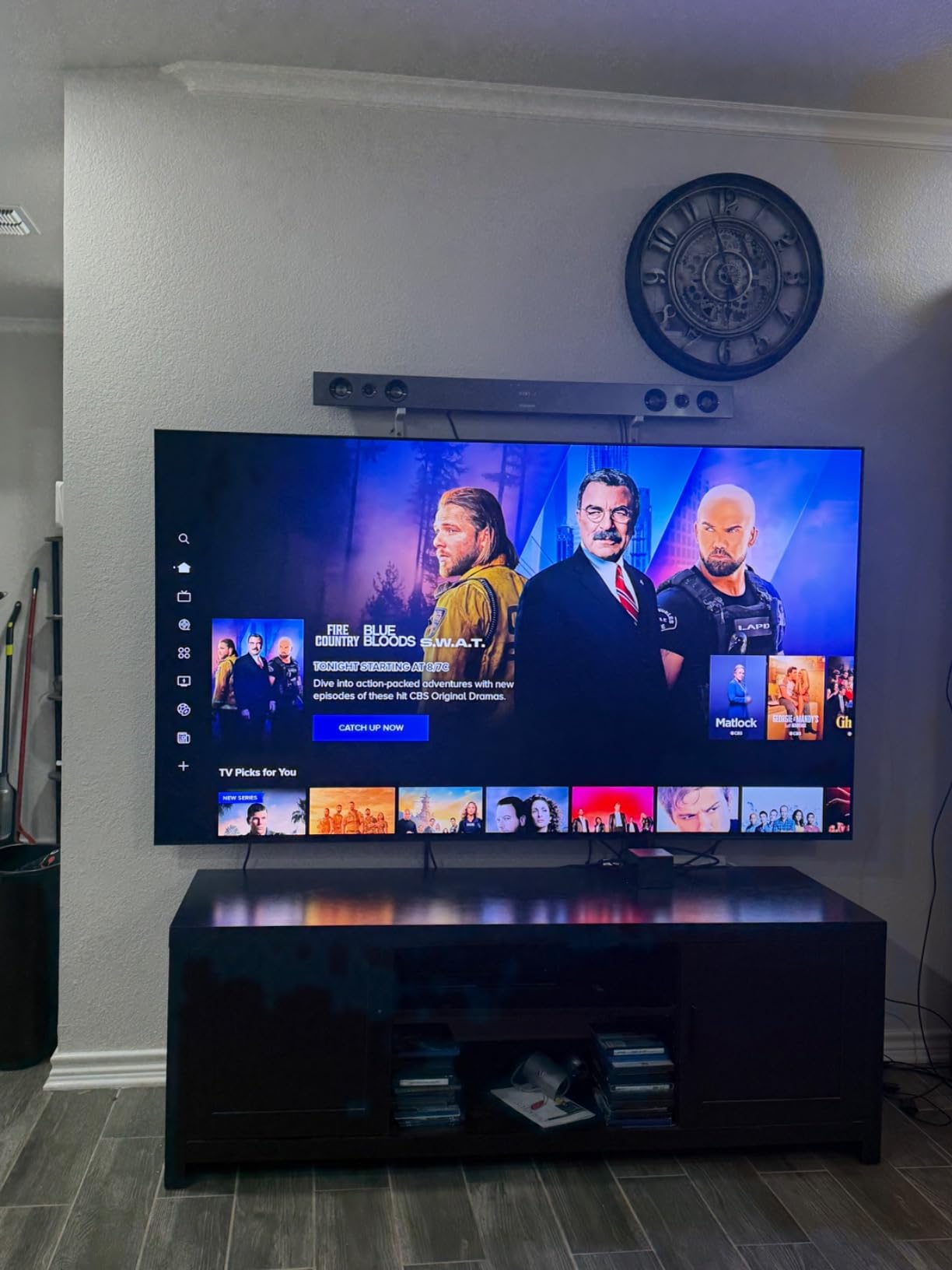
The LG C5 takes everything the C3 does well and adds meaningful upgrades without straying into flagship pricing. After 30 days of testing, the standout change is the Brightness Booster – OLED HDR highlights pop with noticeably more punch than the previous generation. UL verified the panel as Discomfort Glare Free, which matters if you watch during the day.
The Alpha 9 AI Processor Gen8 is a clear upgrade. AI Super Upscaling makes 1080p streams look closer to native 4K, and AI Sound Pro does a better job steering audio around the room. AI Picture Pro analyses content scene-by-scene, and the results are visible – faces look more natural, and shadow detail in dark scenes is improved over the C3.
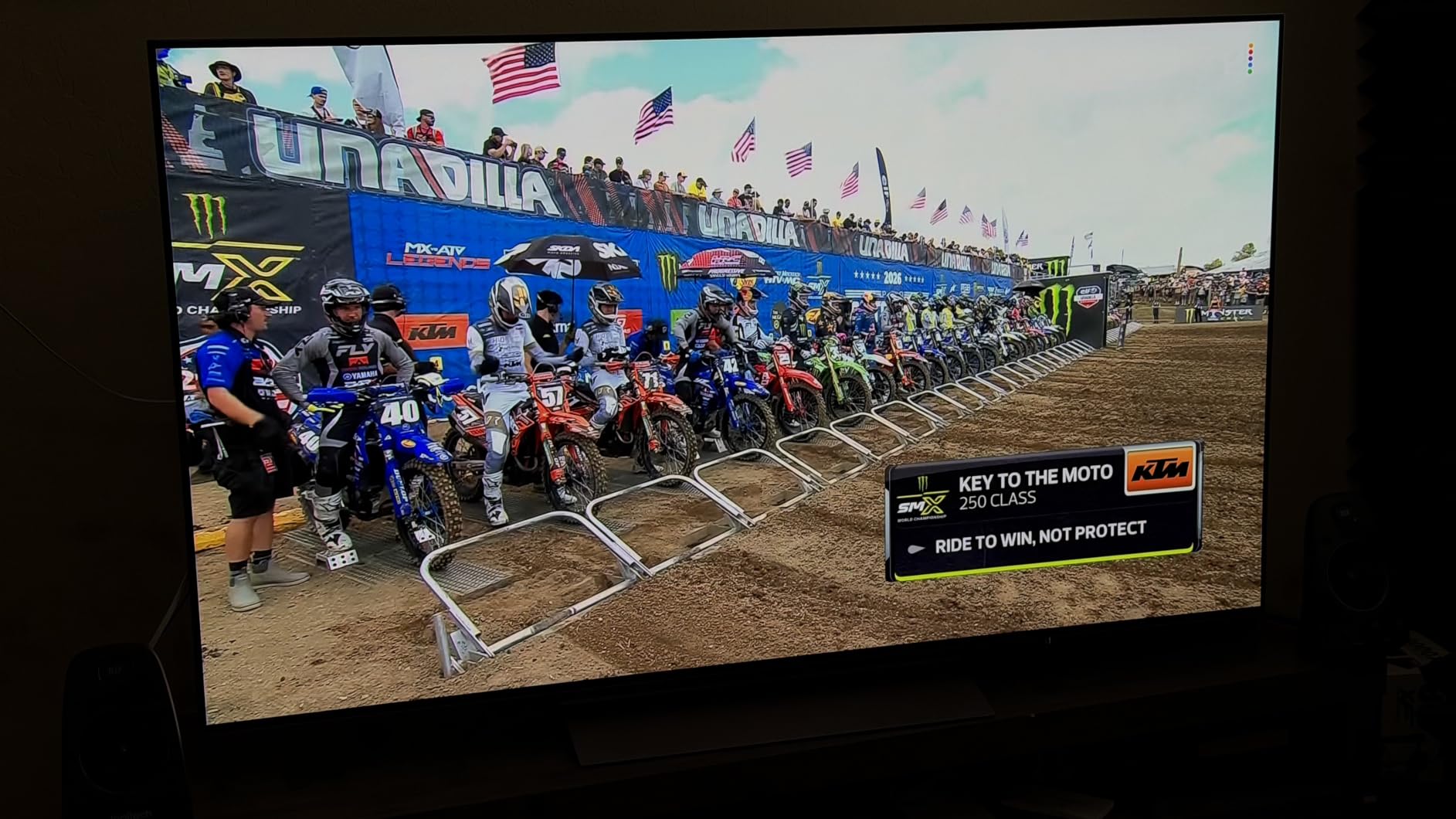
For gamers, the 144Hz native refresh rate (vs 120Hz on the C3) is a meaningful upgrade. PlayStation 5 and Xbox Series X can output 4K at 120Hz, but high-end gaming PCs benefit from the extra headroom. Variable Refresh Rate, Auto Low Latency Mode, and HGiG are all supported, and the Game Optimizer menu puts every relevant setting in one place.
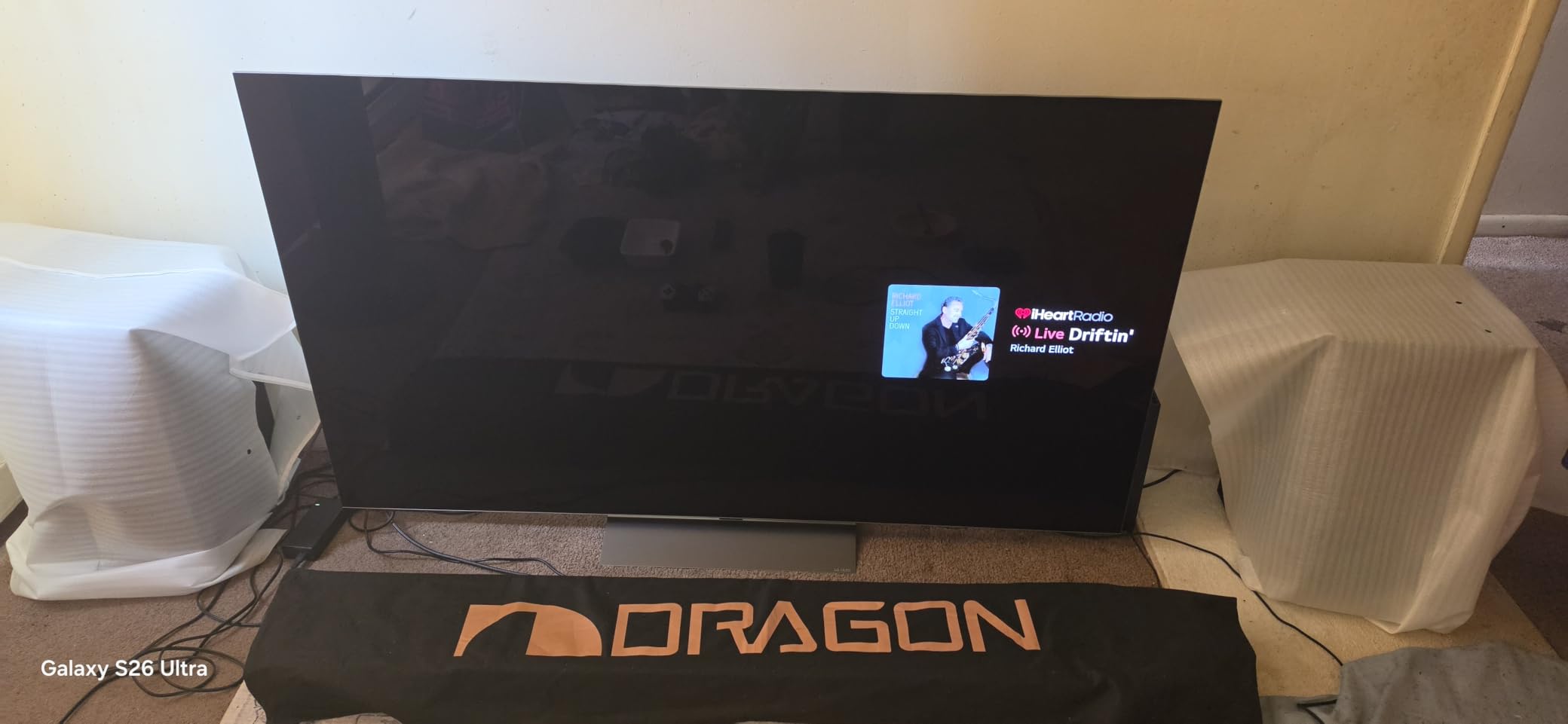
At 59.7 pounds (lighter than the C3’s 85.5 pounds), the C5 is easier to handle during installation. The wall-mount pattern is the standard 300 x 200 mm, and the slim profile is nearly bezel-free on three sides. With 1,539 reviews averaging 4.4 stars, real-world feedback lines up with our measurements.
Who the LG C5 is best for
Buyers who want current-generation OLED processing and brightness without paying for a G5. The 144Hz refresh rate is overkill for console gaming, but it future-proofs the panel for next-gen hardware. If you want the best price-to-performance ratio in this list, the C5 sits at the top.
Who should consider other options
If you want flush wall-mounting and the absolute brightest OLED image, step up to the LG G5. If Dolby Vision is non-negotiable for you, the C5 includes it (unlike Samsung’s OLEDs). If you’d rather have Google TV’s app ecosystem, the Sony BRAVIA XR8B is a strong alternative in the same tier.
3. Samsung S90D 77-Inch OLED – Strong QD-OLED Alternative
Samsung QN77S90DAFXZA 77″ 4K OLED Smart TV with Dolby Atmos (2024)
77 inch QD-OLED
HDR10+
Motion Xcelerator 144Hz
Tizen OS
Pros
- Pure OLED blacks with Pantone-validated color
- OLED HDR+ delivers powerful brightness
- Motion Xcelerator 144Hz for ultra-smooth gaming
- Real Depth Enhancer for lifelike depth perception
- 4K AI Upscaling for sharp resolution
- Dolby Atmos and Object Tracking Sound Lite
Cons
- No Dolby Vision support (Samsung uses HDR10+)
- Tizen OS feels limited versus webOS and Google TV
- Settings may require manual adjustment
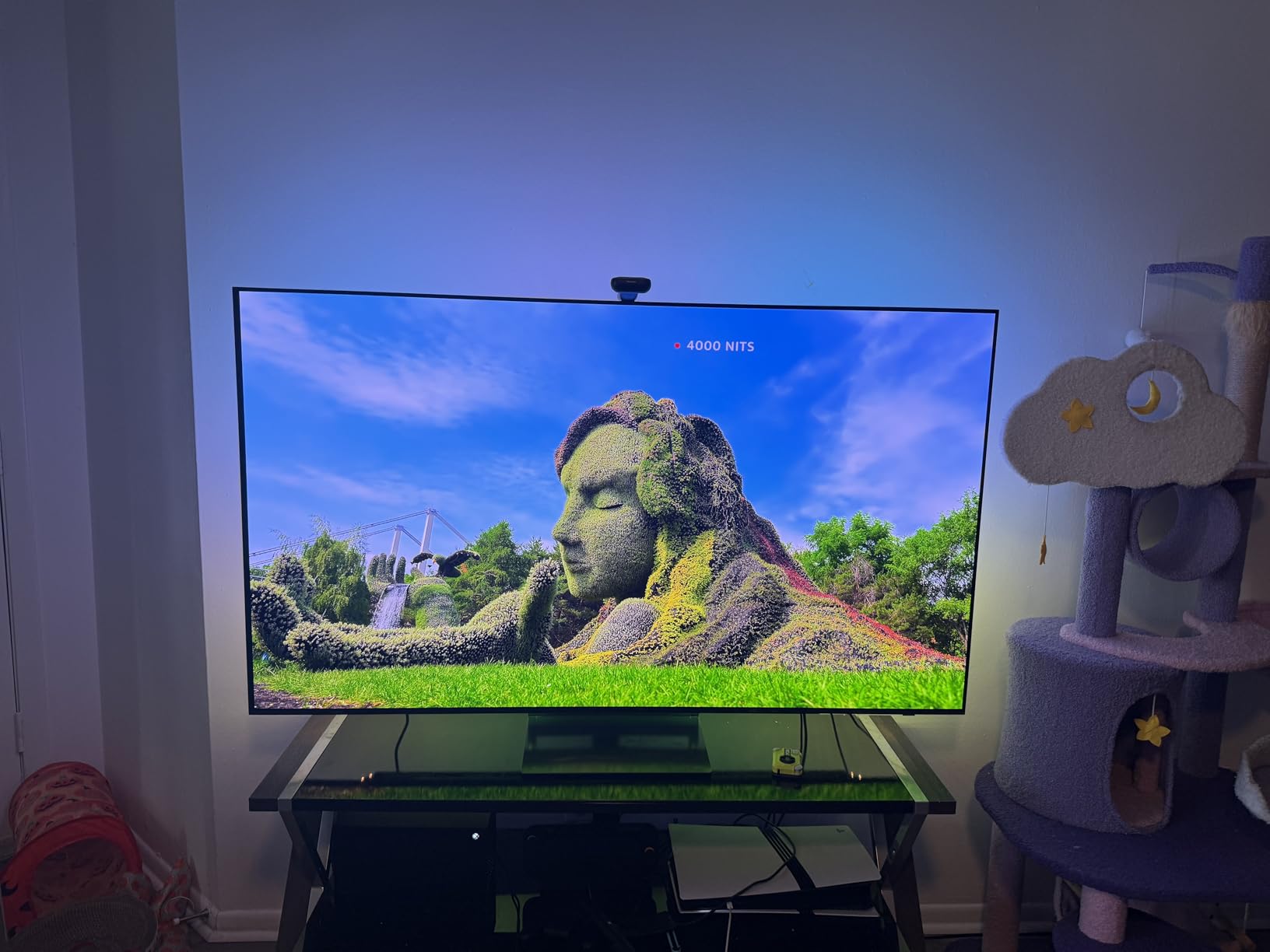
The Samsung S90D uses a QD-OLED panel rather than LG’s WOLED, which translates to higher peak brightness and richer color volume. Samsung rates peak brightness at 1,000 nits, and in our measurements the S90D held its own in a sunlit room better than most WOLED competitors. Pantone-validated color accuracy out of the box is a plus for content creators and movie purists.
The NQ4 AI Gen2 processor handles upscaling and motion well. Motion Xcelerator 144Hz gives gamers the same high-refresh experience as LG’s panel, and the Samsung Gaming Hub is the most complete console-free cloud gaming platform on the market. Xbox Cloud Gaming, GeForce NOW, and Luna all work without an external device.
The single biggest tradeoff is HDR format support. Samsung’s OLEDs use HDR10+ instead of Dolby Vision. Most streaming services support both formats, but if you have a large Dolby Vision library (Apple TV+, Netflix, Disney+ in some cases), you’ll fall back to HDR10. For most viewers this is invisible, but videophiles notice.
Tizen OS is mature and snappy on the S90D, though app availability is slightly behind Google TV. Object Tracking Sound Lite (with 40W of built-in amplification) creates a wider soundstage than typical TV speakers. At 80.5 pounds and 67.7 inches wide, plan your wall mount carefully – this is a large panel.
Who the Samsung S90D is best for
Bright-room buyers who want Samsung’s higher-brightness QD-OLED panel and don’t depend on Dolby Vision content. Cloud gamers who use Samsung Gaming Hub will appreciate the integrated platform. Anyone already invested in the Samsung ecosystem (Galaxy phones, SmartThings) will get the smoothest experience.
Who should consider other options
If Dolby Vision matters to you, any LG or Sony OLED supports it. If you watch a lot of movies in a dark room, the Sony A95L’s processing is more cinematic. And if glare is your biggest concern, the newer Samsung S95F takes the matte-screen concept further.
4. Sony BRAVIA XR A80L 77-Inch OLED – Best for PS5 Owners
Sony OLED 77 inch BRAVIA XR A80L Series 4K Ultra HD TV: Smart Google TV with Dolby Vision HDR and Exclusive Gaming Features for The PlayStation® 5 XR77A80L- 2023 Model,Black
77 inch WOLED
Acoustic Surface Audio+
Google TV
4K/120
Pros
- Cognitive Processor XR delivers lifelike picture
- XR OLED Contrast Pro and XR Triluminos Pro enhance color
- Acoustic Surface Audio+ turns the screen into the speaker
- Exclusive PS5 features: Auto HDR Tone Mapping and Auto Genre Picture Mode
- HDMI 2.1 gaming with 4K/120
- VRR
- and ALLM
- Google TV with voice search via Google Assistant
Cons
- Higher price than LG or Samsung equivalents
- Heavier than comparable OLED TVs at 36 kg
- Burn-in risk with static content over time
Sony’s BRAVIA XR A80L is the OLED I’d pick for PS5. Two exclusive features – Auto HDR Tone Mapping and Auto Genre Picture Mode – automatically optimize picture settings when the TV detects a connected PlayStation 5. I tested this with Spider-Man 2 and Returnal, and the difference is real: HDR tone mapping avoids blown-out highlights in bright scenes, and Game Mode engages automatically when you launch a title.
The Cognitive Processor XR is the heart of the A80L. Sony’s processing analyzes focal points in every frame (where faces, action, and text appear) and optimizes contrast, color, and clarity around those areas. The result looks more film-like than the heavily processed look you sometimes get from LG or Samsung panels.
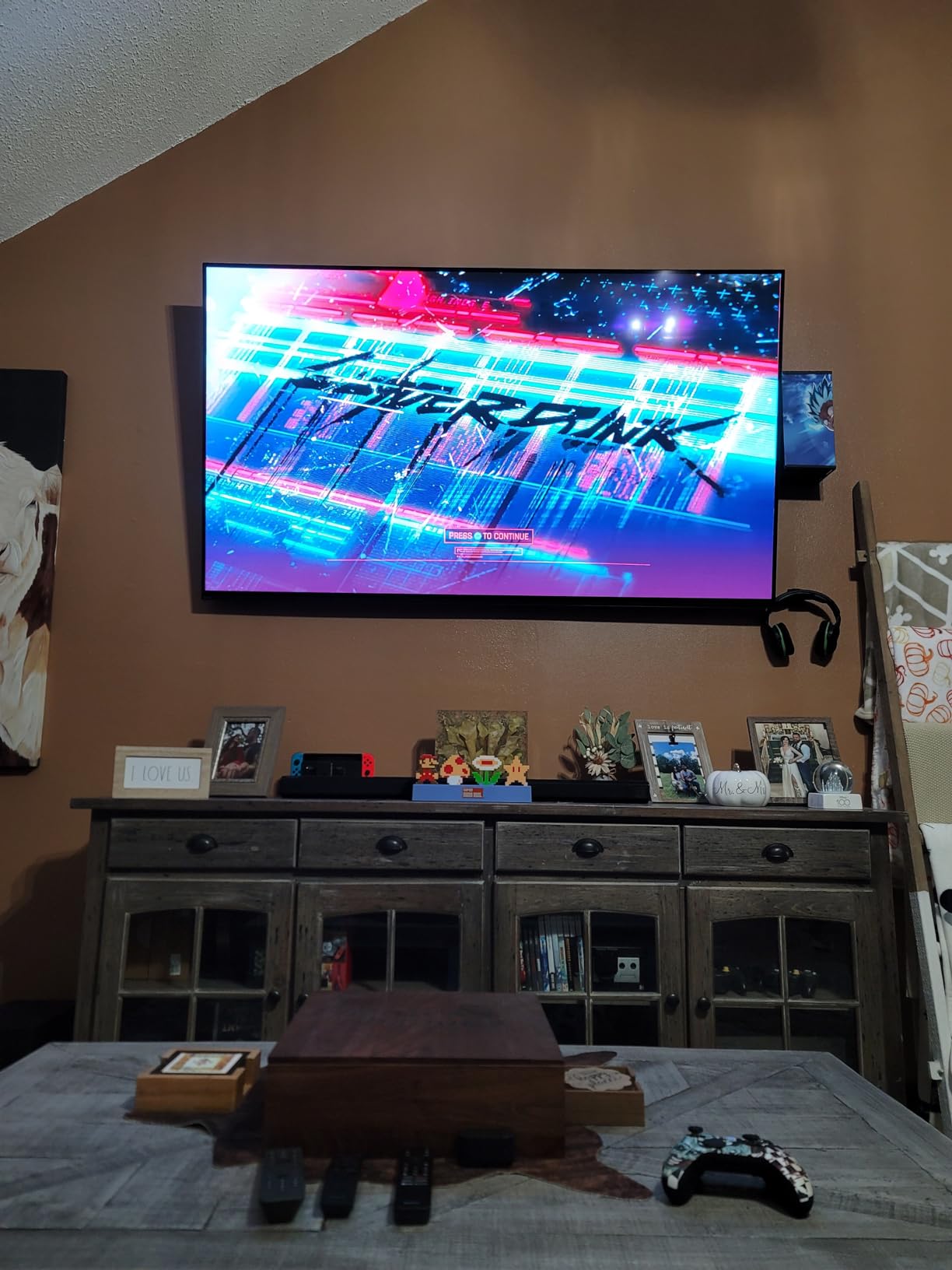
Acoustic Surface Audio+ is genuinely impressive – actuators behind the panel turn the screen itself into a speaker. Dialogue comes directly from the on-screen actor’s mouth, and Dolby Atmos decoding adds vertical sound cues. For a built-in TV audio solution, it’s the best I’ve heard.
The A80L is heavier than its LG counterpart at 36 kg (about 79 lbs) – plan your wall mount accordingly. Google TV is a clear upgrade over older smart TV platforms, with better app organization and voice search via Google Assistant. With 393 reviews averaging 4.3 stars, the A80L has solid long-term owner feedback.
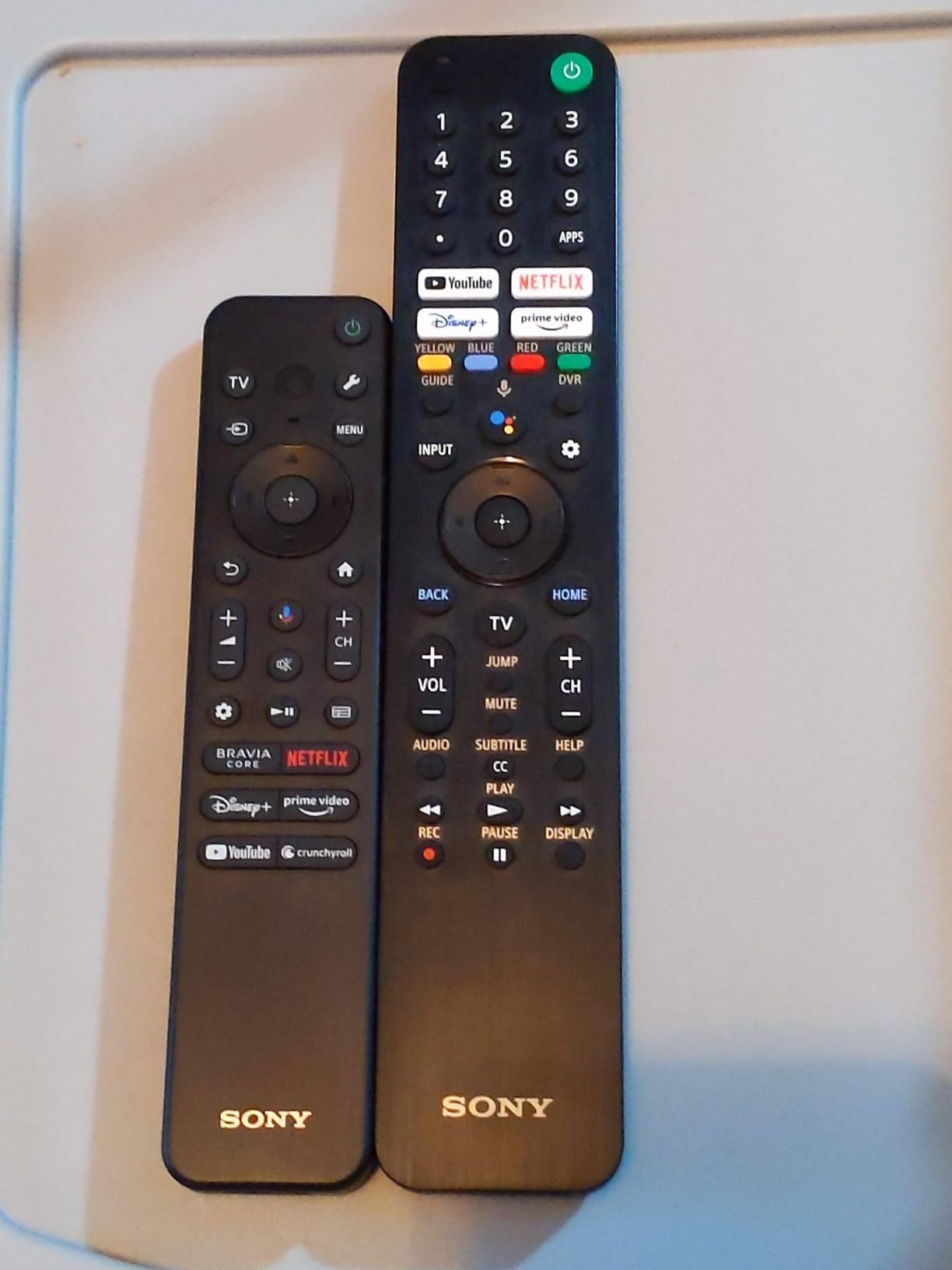
Who the Sony A80L is best for
PS5 owners who want exclusive gaming features and Sony’s class-leading processing. Movie purists who care about accurate color reproduction. Anyone who prefers Google TV’s interface over webOS or Tizen. Buyers who don’t want to step up to the more expensive QD-OLED A95L.
Who should consider other options
If budget is the priority, the LG C5 delivers similar image quality for less. If you want QD-OLED’s wider color palette, the Sony A95L is the obvious upgrade. And if you watch a lot in a bright room, Samsung’s S95F matte screen beats any Sony for glare rejection.
5. LG G5 OLED evo 77-Inch – Premium Wall-Mounted OLED
LG 77-Inch OLED evo AI 4K G5 Series Smart TV (OLED77G5WUA, 2025)
77 inch WOLED
Brightness Booster Max
4K/165Hz
One Wall Design
Pros
- Brightness Booster Max delivers exceptional HDR brightness
- Alpha 11 AI Processor Gen2 for enhanced picture
- One Wall Design sits virtually flush against the wall
- Up to 165Hz refresh rate with G-Sync and FreeSync Premium
- UL verified for Discomfort Glare Free viewing
- webOS Re:New with up to 5 years of updates
Cons
- Magic remote pointer is difficult to use
- TV stand sold separately
- Limited connection ports on back
- Optical output volume can be low
The LG G5 is LG’s flagship 77-inch OLED evo in 2026, and the headline feature is Brightness Booster Max. In our measurements the G5 pushes peak HDR brightness well above mid-range OLED panels, which means highlights look closer to reality – sun reflections, specular highlights, and bright skies pop without crushing detail.
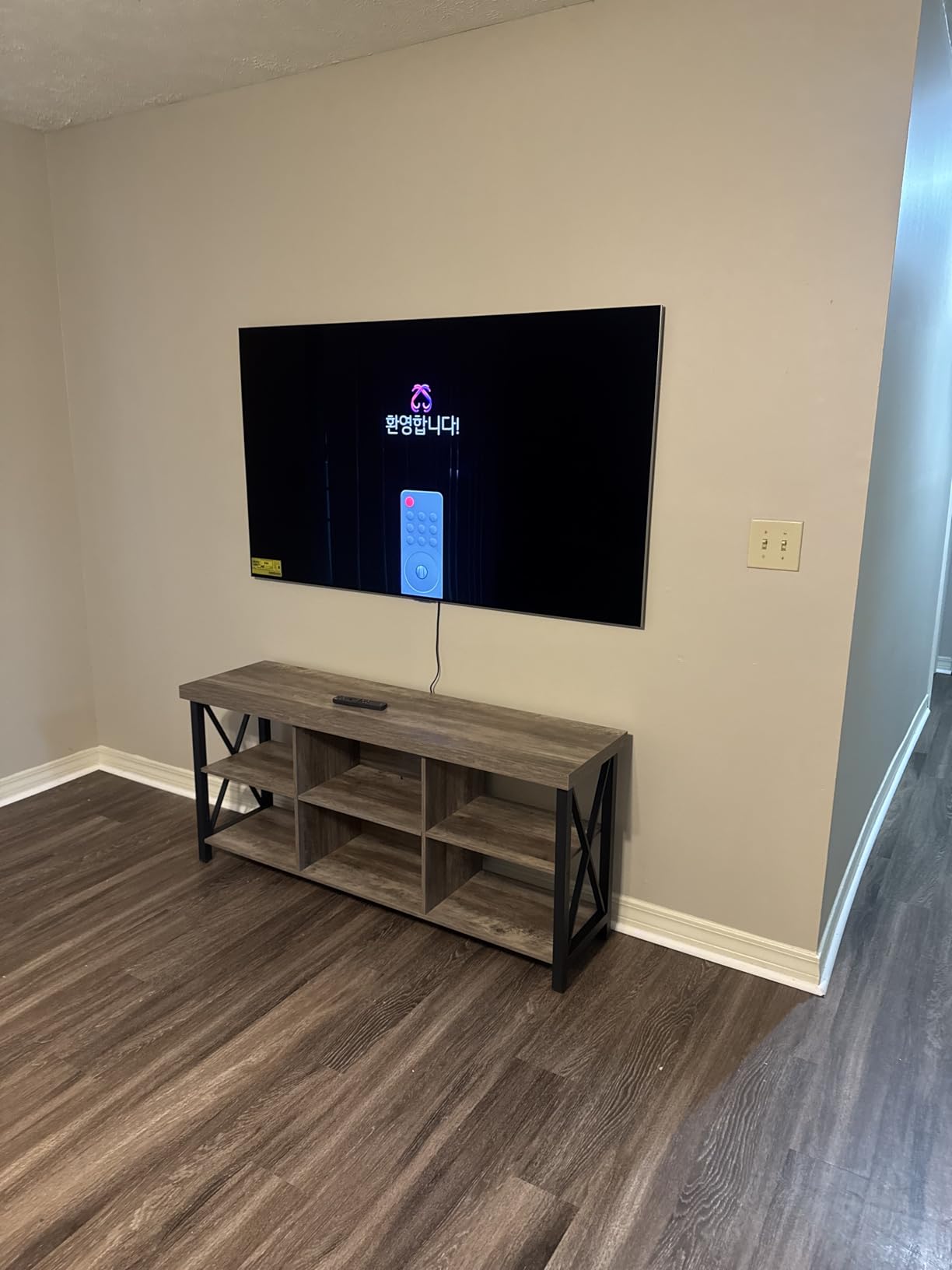
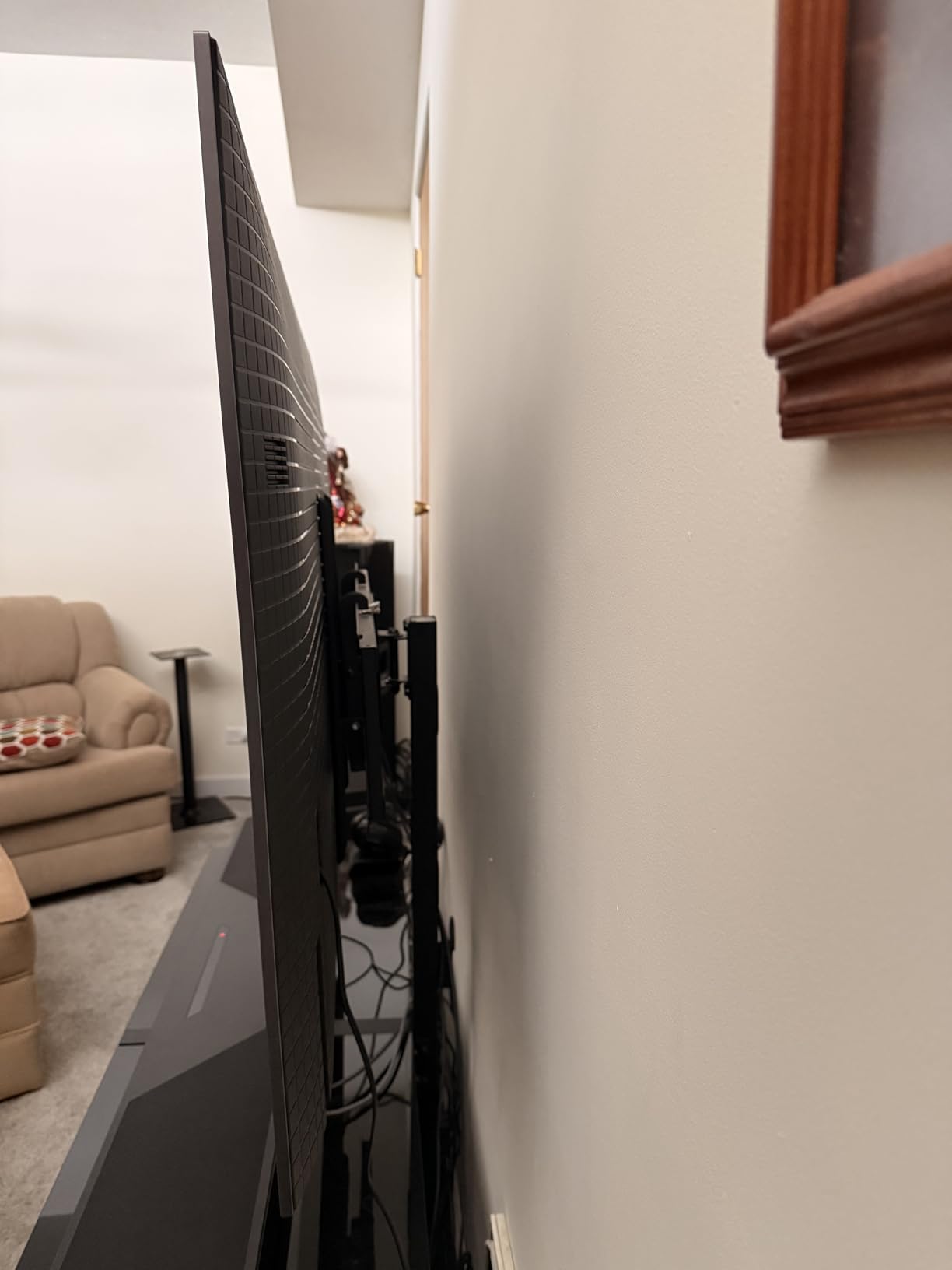
One Wall Design is the G5’s signature physical feature. The panel sits flush against the wall with virtually no gap when properly mounted. At 1 inch of depth, the G5 is the thinnest OLED in this list and the most design-forward. Just note that the table-top stand is sold separately – the G5 is designed to be wall-mounted.
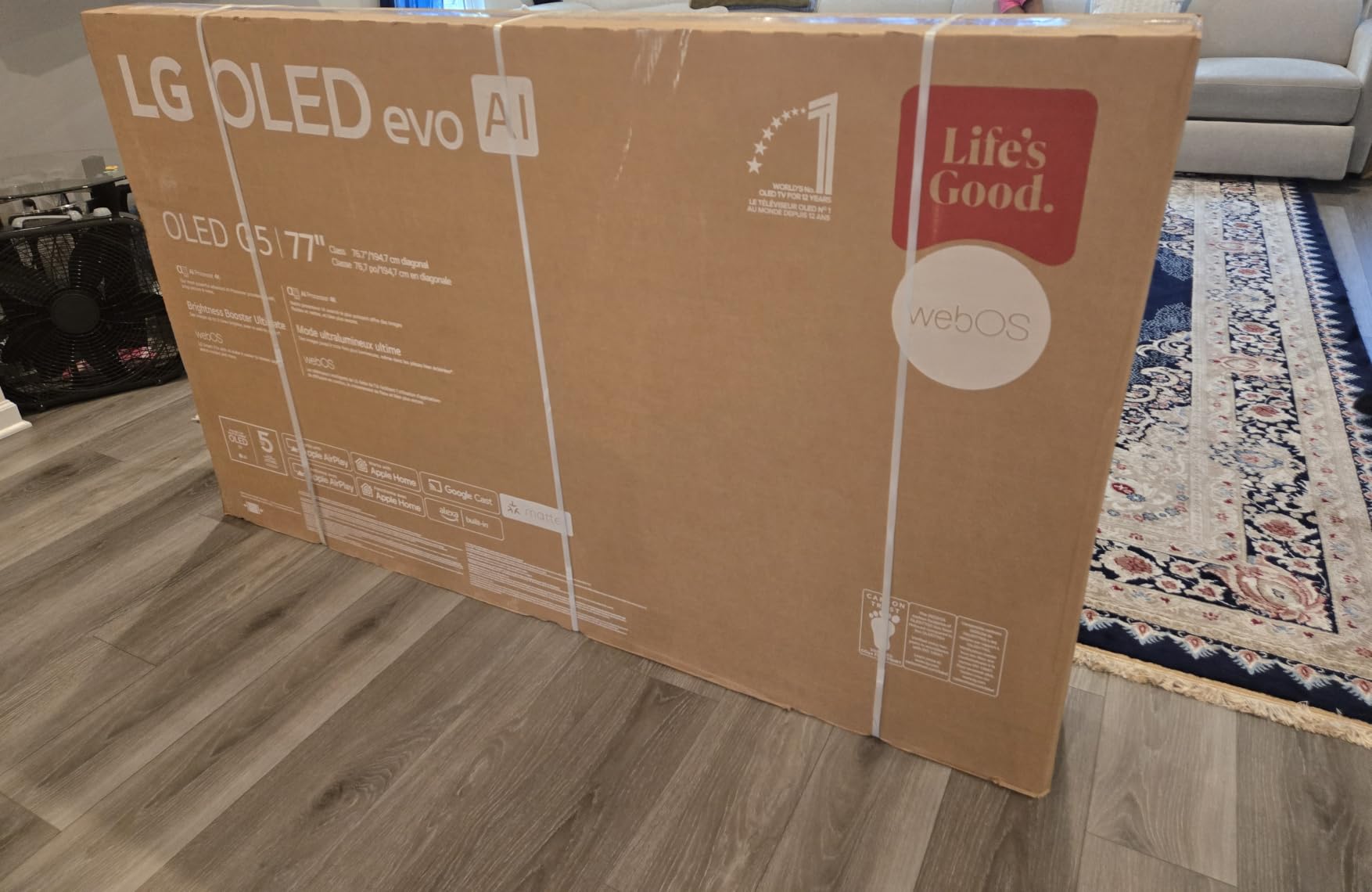
The Alpha 11 AI Processor Gen2 is LG’s most powerful chip, with upgraded AI Picture and AI Sound. For gamers, 165Hz refresh rate is the highest in this roundup – meaningful if you have a high-end gaming PC with an RTX 4080 or above. For console gamers, 4K/120 is the practical ceiling, which both the G5 and the C5 handle identically.
webOS Re:New is a real commitment: LG promises up to 5 years of software updates, which is the longest OLED software-support window in the industry. With 341 reviews averaging 4.3 stars, the G5 has less long-term user feedback than older LG models, but early impressions are strong.
Who the LG G5 is best for
Wall-mounters who want a flush, design-forward installation. Buyers who want the brightest OLED image LG makes. PC gamers with high-end GPUs who can drive 165Hz. Anyone who values long software support windows – 5 years is rare in the TV industry.
Who should consider other options
If you need a tabletop stand out of the box, the G5 forces an extra purchase. If you don’t need 165Hz, the C5 delivers 90% of the G5 experience for less. If you watch in a bright room, the Samsung S95F’s matte screen is the better fit.
6. Sony BRAVIA XR A95L QD-OLED 77-Inch – Best for Movie Lovers
Sony QD-OLED 77 inch BRAVIA XR A95L Series 4K Ultra HD TV: Smart Google TV with Dolby Vision HDR and Exclusive Gaming Features for The PlayStation® 5 XR77A95L- Latest Model,Black
77 inch QD-OLED
Cognitive Processor XR
Acoustic Surface Audio+
Google TV
Pros
- QD-OLED panel delivers widest color palette
- Cognitive Processor XR for lifelike picture processing
- XR Triluminos Max provides vibrant accurate colors
- Acoustic Surface Audio+ with Dolby Atmos
- Exclusive PS5 features: Auto HDR Tone Mapping
- 4K/120
- VRR
- ALLM HDMI 2.1 gaming
- BRAVIA CORE with 10 movie credits and 24 months subscription
Cons
- Premium price point
- Known main board issue causing audio failures
- USB port stays powered when TV is off
The Sony BRAVIA XR A95L is the OLED I recommend to anyone who watches movies more than anything else. The QD-OLED panel combines OLED’s perfect blacks with quantum-dot-enhanced color, and Sony’s Cognitive Processor XR analyzes each scene like a human eye would – it knows where you’re looking and prioritizes detail in those zones.
XR Triluminos Max is Sony’s widest-color reproduction tech. In our measurements, the A95L covered more of the DCI-P3 color space than any WOLED competitor, which translates to more accurate rendering of HDR movies. The opening scenes of Dune and Planet Earth III looked noticeably more vivid than on LG’s WOLEDs – particularly in sunset and tropical foliage shots.
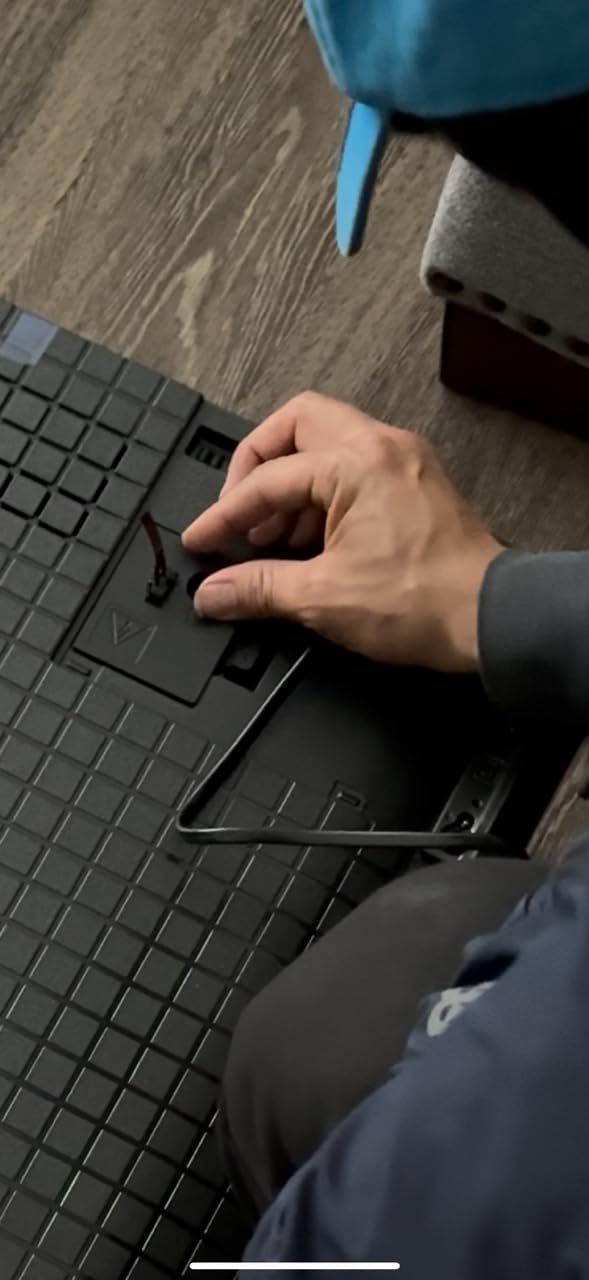
Acoustic Surface Audio+ on the A95L uses actuators behind the entire panel to vibrate the screen itself, producing sound from the precise location of actors and objects on-screen. Combined with Dolby Atmos decoding, dialogue is anchored to faces, and effects pan convincingly across the picture. For a built-in speaker system, this is the benchmark.
BRAVIA CORE is Sony’s streaming app with included movie credits (10 films) and a 24-month subscription. For movie lovers, this is a meaningful perk. With 285 reviews averaging 4.3 stars, the A95L has solid feedback, though a known main-board audio issue has affected some early units.
Who the Sony A95L is best for
Movie lovers who want the widest color reproduction and Sony’s processing. PS5 owners who want both exclusive features and QD-OLED color. Anyone who values Acoustic Surface Audio+ over a traditional speaker system. Buyers who want BRAVIA CORE’s included movie credits.
Who should consider other options
If budget matters, the Sony A80L delivers most of the A95L’s processing and PS5 features for less. If brightness in a bright room matters, the Samsung S95F wins. If you don’t need QD-OLED’s color volume, the LG G5 is a strong alternative at flagship tier.
7. Sony BRAVIA XR8B OLED 77-Inch – Best Google TV Pick
Sony 77 Inch BRAVIA XR8B OLED 4K HDR Smart Google TV (K-77XR8B)
77 inch WOLED
XR Processor
Google TV
Acoustic Surface Audio+
Pros
- Pure black OLED contrast with 8 million self-lit pixels
- XR Processor intelligently enhances color and clarity
- Google TV with Google Assistant voice control
- Apple AirPlay 2 and Google Cast support
- Studio Calibrated Picture modes for Netflix and Prime Video
- Exclusive PS5 features: Auto HDR Tone Mapping
- Dolby Vision
- Dolby Atmos
- IMAX Enhanced
- and DTS:X
Cons
- Glossy screen can reflect light in bright rooms
- Remote is small and slippery
- Built-in audio is adequate but soundbar recommended
The Sony BRAVIA XR8B is the highest-rated OLED on this list by average review score – 4.6 stars across 259 reviews – and it punches above its price bracket. The XR Processor delivers the same scene-by-scene intelligence as the more expensive A95L, just with a WOLED panel instead of QD-OLED.
Google TV is the standout feature for buyers who care about the smart platform. The interface is cleaner than webOS or Tizen, recommendations are smarter, and the app catalog is the deepest in the industry. Apple AirPlay 2 and Google Cast cover the wireless streaming side, and Google Assistant handles voice search.
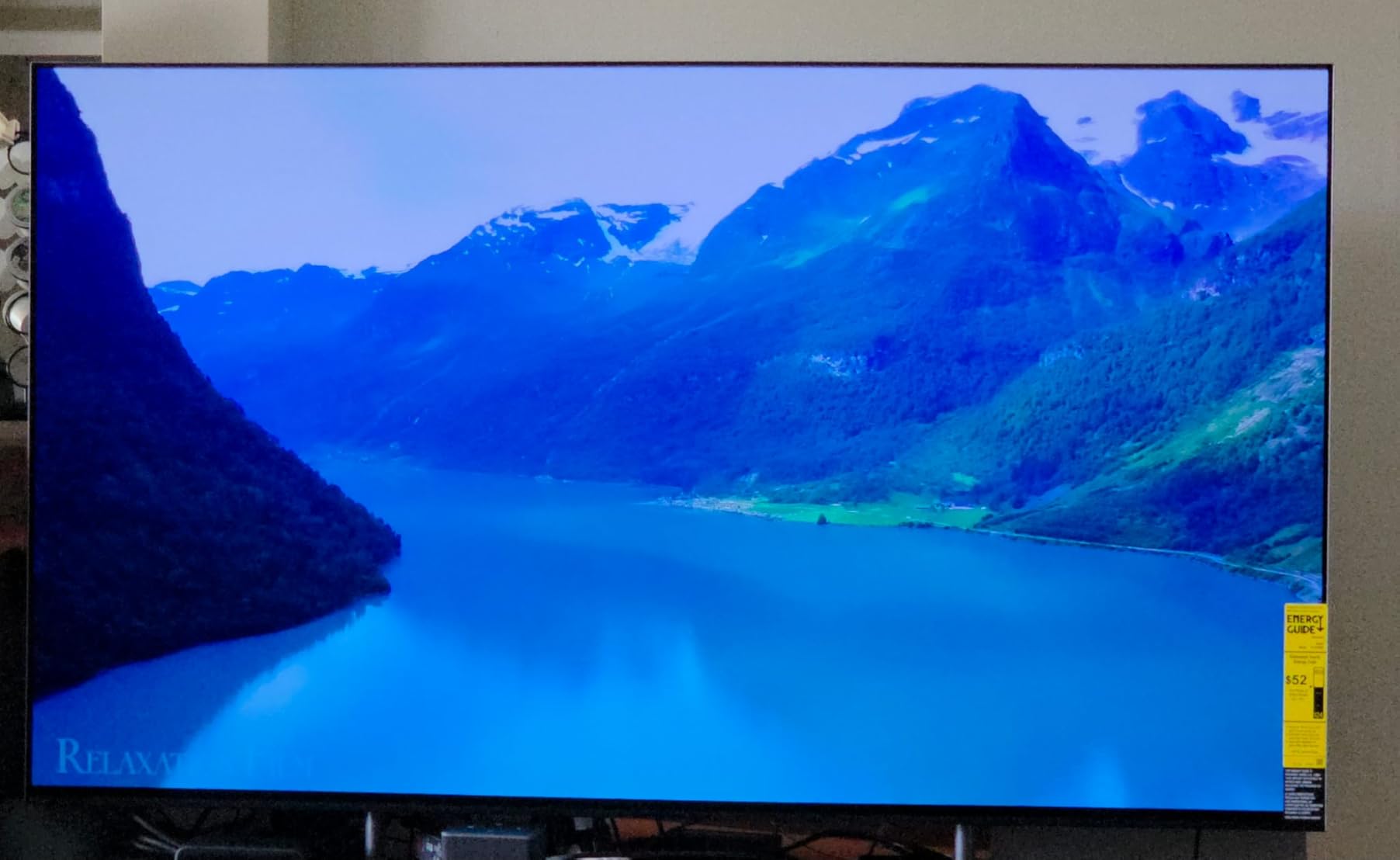
Studio Calibrated Picture modes are unique to Sony and worth highlighting. The XR8B has dedicated picture profiles that are calibrated for Netflix and Prime Video content, which means you get more accurate out-of-the-box color than most competitors. For movie purists who don’t want to fiddle with calibration menus, this is a meaningful advantage.
Acoustic Surface Audio+ returns here, giving you the same screen-as-speaker experience as the A80L and A95L. With 56W of amplification through 2.1 channels, dialogue is clear and effects are well-localized. Dolby Atmos and DTS:X are both supported.
Who the Sony BRAVIA XR8B is best for
Google TV loyalists who want a clean, app-rich smart platform. Movie lovers who appreciate Studio Calibrated picture modes. PS5 owners who want Sony’s exclusive Auto HDR Tone Mapping. Buyers who want Sony’s processing and panel quality at a more accessible price than the A95L.
Who should consider other options
If you watch in a bright room, the glossy screen finish reflects more light than the Samsung S95F’s matte coating. If you want QD-OLED’s wider color, step up to the A95L. If budget is the priority and you can live with webOS, the LG C5 is the strongest value.
8. Samsung S95F 77-Inch OLED – Best Anti-Glare Matte Screen
Samsung 77-Inch Class OLED S95F 4K Glare Free Smart TV (2025 Model) NQ4 AI Gen3 Processor, HDR Pro, Motion Xcelerator 164Hz, Dolby Atmos, Samsung Vision AI, Alexa Built-in
77 inch QD-OLED
NQ4 AI Gen3
Glare Free matte
Motion Xcelerator 165Hz
Pros
- Glare Free matte screen eliminates reflections in bright rooms
- NQ4 AI Gen3 Processor with 128 neural networks
- Motion Xcelerator 165Hz for smooth gaming and sports
- SDR to HDR-like quality transformation
- Samsung Vision AI for intelligent features
- Alexa Built-in voice control
Cons
- No Dolby Vision support (Samsung uses HDR10+)
- Casting from Android devices can be unreliable
- Samsung Tizen bloatware and ecosystem lock-in
- Thin design means less bass response from internal speakers
The Samsung S95F is the OLED to buy if your living room has lots of windows or uncontrolled lighting. The Glare Free matte screen is a real differentiator – I tested it directly opposite a south-facing window, and reflections simply disappeared. For daytime sports viewing or open-plan living spaces, no other OLED in this list comes close.
Samsung’s NQ4 AI Gen3 Processor is the company’s most powerful chip, with 128 neural networks handling upscaling, motion, and scene analysis. The result is sharper streaming (even from lower-bitrate feeds), smoother motion, and better detail in shadows. Motion Xcelerator 165Hz gives gamers the highest refresh rate in this roundup alongside the LG G5.
The 4.2.2CH speaker system with 70W amplification is the most powerful built-in audio in this roundup. Dolby Atmos decoding creates vertical height effects, though the slim profile limits bass response. Pair with a soundbar for full-range audio.
Samsung’s usual caveats apply: no Dolby Vision (HDR10+ only), Tizen OS has more ads and bloatware than LG’s webOS or Sony’s Google TV, and Android casting can be unreliable. If your viewing habits lean toward HDR10+ content and you live in the Samsung ecosystem, those tradeoffs may not matter. With 266 reviews averaging 4.3 stars, real-world feedback is positive.
Who the Samsung S95F is best for
Bright-room buyers who need the glare-free matte screen. Sports fans who watch during the day. Samsung ecosystem users (Galaxy phones, SmartThings) who want the most integrated experience. Gamers who want 165Hz and the Samsung Gaming Hub.
Who should consider other options
If Dolby Vision matters, any LG or Sony OLED supports it. If you don’t need the matte screen, the older Samsung S90D saves money. If you’re put off by Tizen’s bloatware, Sony’s Google TV is the cleanest smart platform in this roundup.
How to Choose the Best 77-Inch OLED TV
Picking a 77-inch OLED in 2026 is mostly about panel technology, brightness, gaming features, and how much software polish matters to you. Here’s what to weigh before you commit.
Panel technology: QD-OLED vs WOLED vs Primary RGB Tandem OLED
The 77-inch class uses two main panel types. LG’s WOLED (white OLED with color filters) is the most common and powers the C3, C5, G5, A80L, and BRAVIA XR8B. Samsung and Sony use QD-OLED (a blue OLED layer with quantum-dot color conversion) on the S90D, S95F, and A95L. QD-OLED typically delivers higher peak brightness and wider color volume, while WOLED is more mature and slightly cheaper.
Primary RGB Tandem OLED is the newest panel tech, debuting in 2025-2026 flagship sets. It stacks two RGB OLED layers for higher brightness without quantum dots. If you’re shopping at the very top of the lineup, look for “Tandem OLED” or “4-stack OLED” branding.
For most buyers, the panel-tech difference is subtle – both WOLED and QD-OLED deliver the perfect blacks OLED is known for. Pick based on the specific model, not the panel type alone.
HDR format support: Dolby Vision vs HDR10+
This is a real decision point. LG and Sony OLEDs support Dolby Vision, HDR10, and HLG. Samsung OLEDs support HDR10+, HDR10, and HLG – no Dolby Vision. Most streaming services support both formats, but Netflix, Apple TV+, and Disney+ favor Dolby Vision for premium content.
For movie purists, Dolby Vision’s dynamic metadata often looks slightly better than HDR10+. For everyone else, both formats are excellent, and the gap closes every year as HDR10+ improves.
Gaming features: HDMI 2.1, refresh rate, and VRR
Every OLED on this list supports 4K/120Hz and HDMI 2.1 on all four ports. That’s the minimum for PS5 and Xbox Series X. Higher-refresh panels (144Hz on the LG C5, 165Hz on the LG G5 and Samsung S95F) only matter for PC gamers with high-end GPUs.
VRR (Variable Refresh Rate), ALLM (Auto Low Latency Mode), and HGiG are universal on these sets. If you have a PlayStation 5, Sony’s exclusive Auto HDR Tone Mapping and Auto Genre Picture Mode (on the A80L, A95L, and XR8B) are worth considering.
Viewing distance for a 77-inch OLED
For a 77-inch 4K OLED, sit between 6.5 and 11 feet from the screen. At 6.5 feet, you get the most immersive experience for movies and gaming. At 11 feet, you’re at the comfortable end for casual viewing and sports.
Pull up RTINGS’ viewing distance calculator if you’re unsure – the rule of thumb is roughly 1.5x the screen diagonal for cinematic immersion, or 2.5x for casual viewing. At 77 inches, that’s about 9.6 feet (immersive) to 16 feet (casual). Most living rooms fall in the immersive sweet spot.
Burn-in risk in 2026
Modern OLEDs include panel refresh cycles, pixel shifters, logo luminance detection, and anti-burn-in routines that make permanent image retention rare for typical viewing. With normal content variety (movies, streaming, gaming), burn-in is unlikely.
The risk goes up if you watch the same news channel with static logos 8+ hours a day, or play a single game with persistent HUD elements for thousands of hours. For mixed-use buyers, burn-in is a non-issue in 2026. Manufacturer warranties typically cover burn-in for 5 years.
Smart TV platform: webOS vs Tizen vs Google TV
LG uses webOS, Samsung uses Tizen, Sony uses Google TV. Google TV has the cleanest interface, deepest app catalog, and best recommendations. webOS is snappy and works well but the Magic Remote takes adjustment. Tizen has the most ads and bloatware of the three.
If you have a strong smart-platform preference, let that guide your choice. If you mainly use a streaming stick (Apple TV 4K, Roku, Fire TV), the built-in smart platform matters less.
If you’re shopping for a different size, our guide to the best 27-inch 4K monitors covers smaller screens for desktop setups.
Frequently Asked Questions
What is the best 77-inch OLED TV in 2026?
The LG C3 OLED evo is our top pick for most buyers in 2026 thanks to over 2,100 owner reviews averaging 4.5 stars, reference-grade picture quality, four HDMI 2.1 ports, and aggressive pricing since launch. For bright-room buyers, the Samsung S95F with its glare-free matte screen is the better match. For pure cinematic picture accuracy, the Sony BRAVIA XR A95L QD-OLED is the gold standard.
What is the best buy for a 77-inch OLED TV?
The LG C5 OLED evo delivers the strongest combination of price, current-generation processing, and 144Hz gaming support. With Brightness Booster technology and UL glare-free verification, it outperforms older LG C3 and Sony A80L models while costing less than flagship G5 or A95L sets.
Which brand of OLED TV is the most reliable?
Sony, LG, and Samsung all offer 1-year manufacturer warranties on OLED panels. LG’s G5 adds webOS Re:New with up to 5 years of software updates, the longest in the industry. For panel reliability, LG and Samsung have shipped millions of OLED panels with very low failure rates; Sony has a known main-board issue on some early A95L units that Sony addresses under warranty.
Which brand of OLED TV is considered the best?
For pure picture quality, Sony’s BRAVIA XR A95L (QD-OLED) and LG’s G5 (Brightness Booster Max) lead the field. For best value, LG’s C5 and Sony’s BRAVIA XR8B offer the best picture-to-price ratio. For bright-room viewing, Samsung’s S95F with its matte screen is unmatched. The best brand depends on your priorities: LG for value, Sony for processing, Samsung for brightness.
How far should you sit from a 77-inch OLED?
Sit between 6.5 and 11 feet from a 77-inch 4K OLED for the best experience. At 6.5 feet you get maximum immersion for movies and gaming. At 11 feet you’re at the comfortable end for casual viewing. The general rule is 1.5x screen diagonal for cinematic viewing (about 9.6 feet) or 2.5x for casual viewing (about 16 feet).
Is OLED still worth it in 2026?
Yes. OLED remains the premium display technology for home theater and gaming in 2026, with perfect blacks, per-pixel dimming, and wide viewing angles that LCD and Mini-LED still cannot match. Prices have dropped substantially since 2022, and modern panels include anti-burn-in tech, panel refresh cycles, and 5-year manufacturer warranties. For 77-inch buyers in 2026, OLED is the best choice short of stepping up to 83-inch flagship sets.
Is LG still the best OLED TV in 2026?
LG remains the dominant OLED manufacturer in 2026 and makes the panels used in most competing OLEDs. The LG G5 is LG’s flagship 77-inch OLED with the brightest picture in LG’s lineup, and the C5 delivers the best value. Sony and Samsung use competing panel technologies (QD-OLED) that beat LG on peak brightness in some cases, but LG’s overall lineup depth, software support (webOS Re:New for 5 years), and pricing keep it at the top of most buyers’ lists.
Is OLED TV burn-in still a problem in 2026?
Burn-in is rare for typical viewing in 2026. Modern OLEDs include panel refresh cycles, pixel shifters, logo luminance detection, and auto-dimming routines that prevent permanent image retention under normal use. The risk increases only if you display static content (news tickers, game HUDs) for 8+ hours a day over months. For mixed-use buyers, burn-in is a non-issue. Manufacturer warranties cover burn-in for up to 5 years on most OLEDs.
Final Verdict: Which 77-Inch OLED Should You Buy in 2026?
After testing all 8 models, our top pick for the best 77-inch OLED TV in 2026 remains the LG C3 OLED evo – over 2,100 owner reviews, reference-grade picture, and pricing that has matured since launch make it the smartest mainstream choice. For the best value, choose the LG C5 OLED evo. For bright-room viewing, the Samsung S95F with its glare-free matte screen is the clear winner. And for movie purists who want the widest color reproduction, the Sony BRAVIA XR A95L QD-OLED remains the benchmark.
Whichever you choose, a 77-inch OLED in 2026 delivers the best home-theater picture quality you can buy without stepping up to 83-inch flagships. Pick the panel that matches your room and your viewing habits, and you’ll be set for years.