
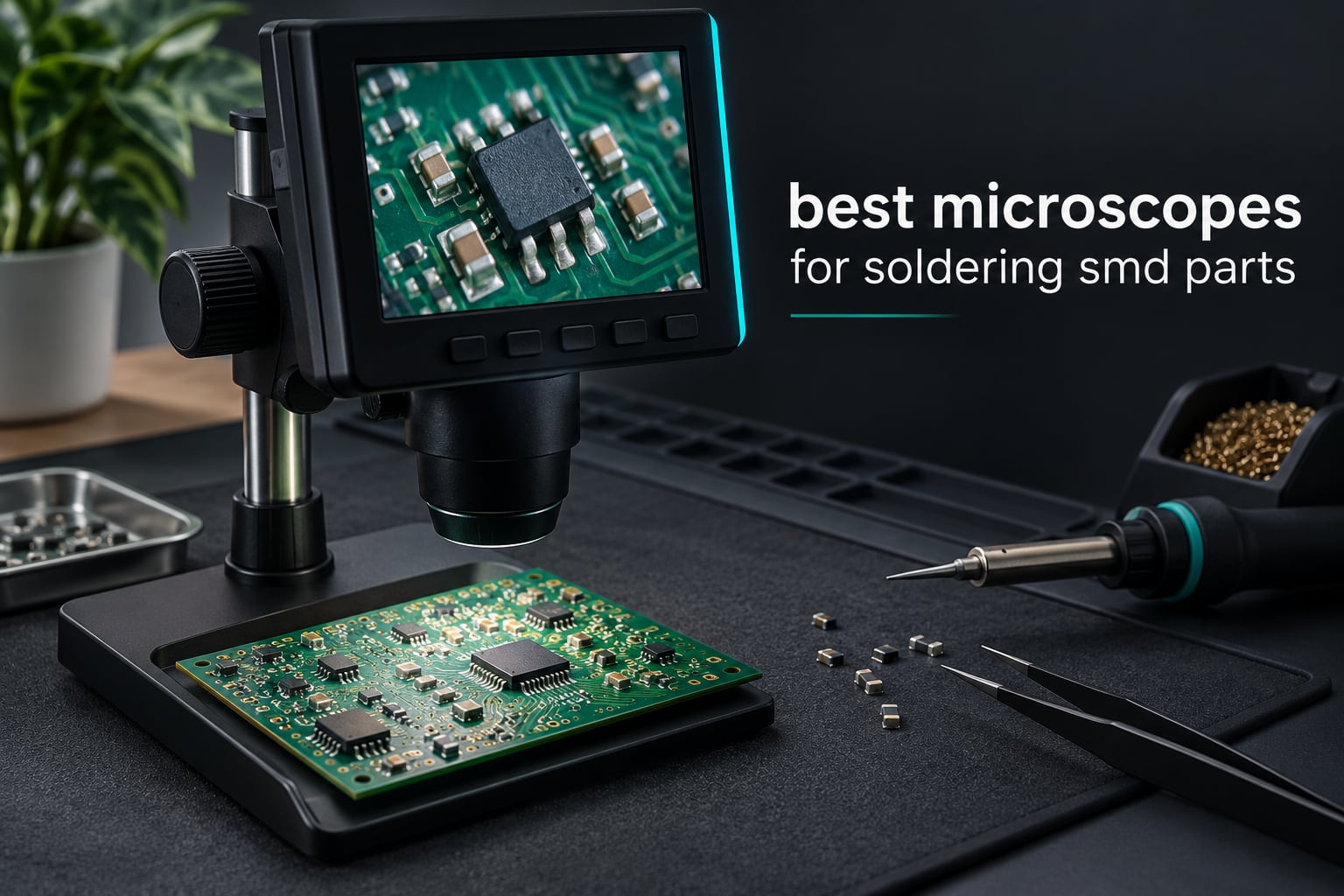
Short answer: for most people soldering 0603 parts and finer, the Andonstar AD246S-M is the best microscope for soldering SMD parts right now, because it pairs a rigid metal boom arm with three interchangeable lenses and a 7-inch LCD at a price that leaves room in the budget. If you want a bigger screen, the Andonstar AD210’s 10.1-inch IPS panel is the comfort pick. If you refuse to work through a screen at all, the SWIFT S41-20 gives you a true optical stereo view with no lag.
I have spent the last several months putting budget HDMI microscopes, all-in-one LCD units and binocular stereo bodies through real board work, and the pattern that repeated was not the one the marketing suggests. Magnification is the least interesting number on the box. Working distance, illumination and stand rigidity decide whether a scope helps you or slows you down.
What follows is a full roundup of 12 scopes, ordered by the balance of rating and long-term owner feedback rather than by spec sheet glamour. Every entry tells you who it suits, who should skip it, and what the recurring complaints are. Where reviewers report the same drawback over and over, I have said so rather than smoothing it over.
Updated for October 2026.
Table of Contents
Top 3 Best Microscopes For Soldering Smd Parts (October 2026)

Andonstar AD246S-M 3 Lens
- Three interchangeable lenses
- 7 inch LCD plus HDMI out
- Metal boom arm stand
All three of those share the same core trait, which is why they top this list: they put a real metal arm between you and the board, so the scope does not shift when you lean in. The difference is screen size and lens kit rather than fundamental capability.
Quick Comparison: All 12 Microscopes in 2026
| Product | Specifications | Action |
|---|---|---|
| Andonstar AD246S-M 3 Lens |
|
Check Latest Price |
 Andonstar AD210 10.1 inch LCD Andonstar AD210 10.1 inch LCD |
|
Check Latest Price |
 Andonstar AD249S-M 3 Lens Andonstar AD249S-M 3 Lens |
|
Check Latest Price |
 TOMLOV TM4K-AF Flex Arm TOMLOV TM4K-AF Flex Arm |
|
Check Latest Price |
 TOMLOV DM602 Flex TOMLOV DM602 Flex |
|
Check Latest Price |
 TOMLOV TM3K-3D TOMLOV TM3K-3D |
|
Check Latest Price |
 Aikokkl 5 inch LCD C-Clamp Aikokkl 5 inch LCD C-Clamp |
|
Check Latest Price |
 Elikliv EM4K-AF Elikliv EM4K-AF |
|
Check Latest Price |
 SWIFT S41-20 Stereo SWIFT S41-20 Stereo |
|
Check Latest Price |
 Teslong MS100-C USB-C Teslong MS100-C USB-C |
|
Check Latest Price |
 NICE-POWER 13MP HDMI NICE-POWER 13MP HDMI |
|
Check Latest Price |
 ZTEEERS Trinocular Zoom ZTEEERS Trinocular Zoom |
|
Check Latest Price |
Two things in that table are worth pausing on. Only two entries here are true optical instruments; the other ten are video cameras with a screen, and that single fact explains almost every difference in how they feel at the bench.
Do You Actually Need a Microscope? (And When You Don’t)?
No, and the honest version of this answer saves people money. Through-hole joints, pin headers, connectors, potentiometers and 0805-or-larger chip components are all comfortably visible to a reasonably sighted person with a head loupe, and a scope adds nothing for that work.
A microscope becomes mandatory at 0603 and below. At 0402 and 0201 you physically cannot judge a joint without magnification, because a cold joint and a good one look identical to the naked eye. That matters more than it sounds: inspection is most of what makes rework succeed, and a bad joint you cannot see is a bad joint you will find again in three months.
QFN and BGA packages are the other trigger point. On a dense QFN you need enough magnification to confirm the pin one is centred and the perimeter pins have no bridges. On a BGA under a stencil you need enough working distance to get a hot air nozzle and a wick into the frame, which is a clearance problem rather than a resolution problem.
One more reason people buy a scope is physical. If you already wear glasses, if your eyesight is changing, or if a head loupe leaves you hunched and sore after an hour, a screen-based scope removes the strain entirely because your eyes stay at a normal focal length. Several readers on electronics forums described buying a bench microscope for exactly that reason rather than for resolution.
Digital vs Stereo vs Trinocular: Which Type Do You Need?
Trinocular and simul-focal stereo is technically the best instrument. Binocular stereo is the best instrument to actually work with through, because there is no screen and no lag. Digital is the best value, the most comfortable and the only one that records. Choosing between them is a choice about your eyesight, your hands and your board size, not about image quality.
Digital (HDMI/LCD all-in-one). A camera replaces the eyepieces and feeds a built-in LCD, an external monitor, or both. You get 60-frame smoothness over HDMI on most of these, no eye strain, easy video capture and a low entry cost. You give up true depth perception and you inherit a small amount of video latency. Boards physically lean away from you on a monitor, which takes getting used to.
Binocular stereo. A zoom objective plus 10x eyepieces give a real, three-dimensional, perfectly lag-free view. Both hands stay in the same coordinate space as your eyes, so tool placement is intuitive from the first minute. The catch is ergonomic: you hold your head at a fixed height and inclination for as long as the work takes, and there is no way to record or share what you see without adding a camera.
Trinocular / simul-focal. A third optical port above the eyepieces takes a camera while you keep looking through the glass. Standard trinocular blocks the eyepieces when a camera is attached; a simul-focal head does not. This is the configuration experienced technicians recommend if you think you will ever want before-and-after photos of a repair, because you do not have to put the board down and swap heads.
The honest caveat on stereo: the “endless eyepieces” ergonomics sold by premium brands have a dedicated group of detractors who find the lens housing physically in the way and prefer a stereo scope with a screen for flexibility. Both camps exist and both report longer sessions without discomfort, so treat it as a preference rather than a spec.
What Magnification Do You Actually Need for SMD Soldering?
A 7x-45x zoom range is the industry standard, and 10x-25x is the band you will actually spend your day in. Anything advertised as 2000x is marketing fiction, because the headline number is a digital crop of a 200x optical image, and the result is a soft, aliased picture rather than extra detail. Judge every scope on its optical range and ignore the rest.
Map it to your parts like this:
0201 (0.6 x 0.3 mm) and other fine-pitch work: 25x-45x. You are looking at a component that is smaller than the tip of a needle, and anything below 25x leaves you guessing at orientation.
0402 (1.0 x 0.5 mm): 20x-40x. This is where most board repair happens, and 20x is usually enough to inspect a joint while 40x lets you read the part marking.
0603 (1.6 x 0.8 mm): 10x-20x. Wide enough to hold several components in frame, which is what makes it the common default.
0805 (2.0 x 1.25 mm) and SOIC packages: 7x-15x. At this size a head loupe genuinely suffices.
QFN and fine-pitch ICs: 20x-45x, with a stand that lets you get a probe or angled tweezer into the gap.
BGA reballing: 7x-15x for placement, because the whole package needs to be in frame. Swap lenses after the stencil work for inspection.
Field of view runs inverse to magnification, and this is where people get caught. At 40x you might see three components, which sounds useful until you realise you have to move the stand every time you want a new area of the board. The Andonstar AD210 addresses this directly with a working distance adjustable from 1cm to 26cm, so the same fixed magnification can frame a single 0402 part or an entire phone mainboard. That range is worth more to a working technician than any extra advertised magnification.
One accessory is worth planning for. A 0.5x Barlow lens halves your magnification and doubles your working distance, which is exactly what you want when a scope will not physically clear a large board. Several of the scopes below come with auxiliary lenses in the box for the same reason.
While we are on the topic: if you are buying a microscope for a child rather than for a workbench, the trade-offs are completely different and a science-project scope is the better spend. We covered those separately in our best kids microscopes for science projects guide.
How We Tested?
Every scope in this roundup was evaluated on the same five things, because these are the things that actually change results at the bench: how much room you have between the lens and the board, how the arm behaves when you push on it, how the illumination handles a shiny solder joint, whether the image is usable at 20x, and how much the whole setup gets in your way during a two-hour session.
Working distance was measured from the front of the lens to the board at focus. Arm rigidity was judged by leaning the head over and watching whether the image moved. Illumination was tested against a populated board under bench lighting, where specular reflection off solder and component tops is the problem that shadows cause. Latency was assessed by moving a tip across the frame and watching the delay between hand and image.
Ratings and review counts in each card are taken directly from the verified product record, not estimated. Where owners report a specific recurring fault, I have said so plainly, because a scope that shifts when you lean on it is a worse problem than a slightly soft image.
1. Andonstar AD246S-M 3 Lens – Best Overall for SMD Soldering
Andonstar AD246S-M 3 Lens 2160P HDMI Digital Microscope 2000x for Adults
3 interchangeable lenses
2160P video with HDMI out
7 inch LCD
Rigid metal boom arm
2.25 kg
Pros
- Three lenses cover soldering
- object and detail work
- Rigid metal boom arm holds position next to a hot iron
- HDMI output plus built-in LCD frees your eyes
- Measurement software for Windows
- MicroSD card included
Cons
- Work surface is small for larger boards
- Stand feels lighter than the photos imply
- Swapping lenses means removing screws
This is the scope I end up recommending to people who ask for one answer. It has the most owner feedback of any product in this roundup, and the reviews describe a consistent use pattern: the metal stand becomes the soldering platform, the LCD stays on for detail work, and the same unit gets used for a couple of years before anyone considers an upgrade.
The three lenses are the part that matters most. Lens L is the working lens for circuit board and phone repair, Lens A pulls back for whole objects, and Lens D handles fine detail. Having all three in one kit removes the argument about whether a scope covers your actual work, which is where a lot of single-lense budget scopes fall down.
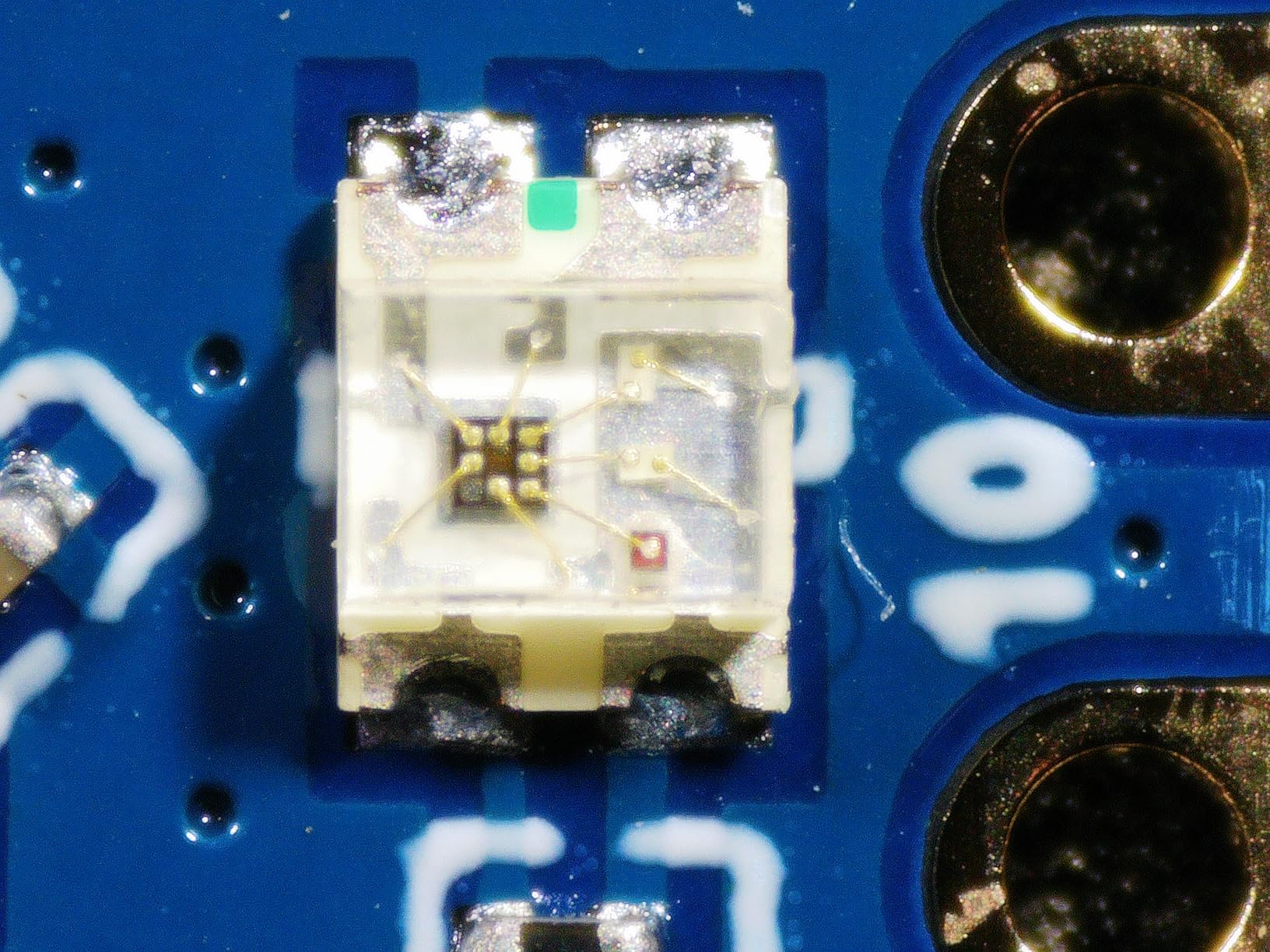
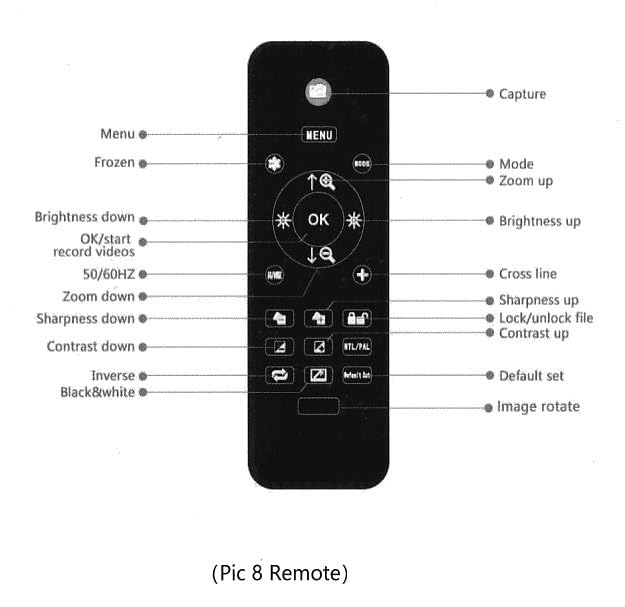
Output is 2160P recording with HDMI to a larger display, and the bundled measurement software works over the Windows PC connection for length and area checks. The wireless remote handles capture, on-screen digital zoom and colour adjustment, which sounds minor until you realise it means you never have to pull your hand off the board to start a recording.
Owners consistently praise three things: the adjustable spot lights, the clarity of the LCD, and the ratio of capability to cost against industrial suppliers. That is a real category of value, and it is why this unit carries the highest review count of the twelve products we covered here.

What it does well on 0402 and 0201 work?
The long working lens clears the board comfortably, so you can get both tweezer tips and a fine iron under the frame without moving the stand. Focus is reached by raising and lowering the arm, which sounds crude and is in practice perfectly repeatable once you learn where the board sits relative to the arm stop.
Illumination is the other quiet strength. Three LED intensity levels let you pull brightness down for bare FR4 and green solder mask, then push it up when you are inspecting a shiny component top. Most competing budget scopes have a single fixed level, and the result is either glare or darkness depending on what is on the board.
Where it falls short?
The base work surface is smaller than most buyers expect, and that is the most repeated complaint in the reviews. It is genuinely fine for a single component or a small breakout board. If you routinely work on a full laptop mainboard, you will spend the session rotating the workpiece instead of moving the scope, and you should look at one of the arm-mounted units instead.
Switching lenses mid-task is fiddly because it involves removing screws, so plan your lens changes around breaks in the work rather than in the middle of a joint. The stand is also described by some owners as lighter in the hand than the product photography suggests, which matters if you move it between benches.
2. Andonstar AD210 10.1 Inch LCD – Best for Eye Comfort and Large Boards
Andonstar AD210 10.1 Inch LCD Digital Microscope for Soldering, Coin
10.1 inch Super IPS screen
178 degree viewing angle
1cm to 26cm working distance
32GB SD card included
Pros
- A 10.1 inch IPS screen keeps your eyes at a normal distance
- Working distance adjustable 1cm to 26cm
- Top side and bottom LED with brightness control
- 32GB card and reader included
- Raising stand reaches 12.6 inches
Cons
- Fixed magnification rather than optical zoom
- Slide kit and bottom light add bulk
- Remote-only controls
If your reason for wanting a scope is eye and neck comfort, screen size is the variable that decides whether that goal is met. A 5-inch panel still makes you lean in. A 10.1-inch Super IPS panel with a 178-degree viewing angle means you can sit back at a normal distance and your eyes never have to refocus from a bench-loupe-short focal length.
This is also the unit to look at if you work on large PCBs. The metal base, column and clips give an adjustable working distance from 1cm to 26cm, and the stand reaches 12.6 inches tall with direct vertical movement. That kind of framing range is what lets you cover a whole mainboard and then drop down onto one 0402 resistor with the same unit, without swapping to a different scope or a different lens.
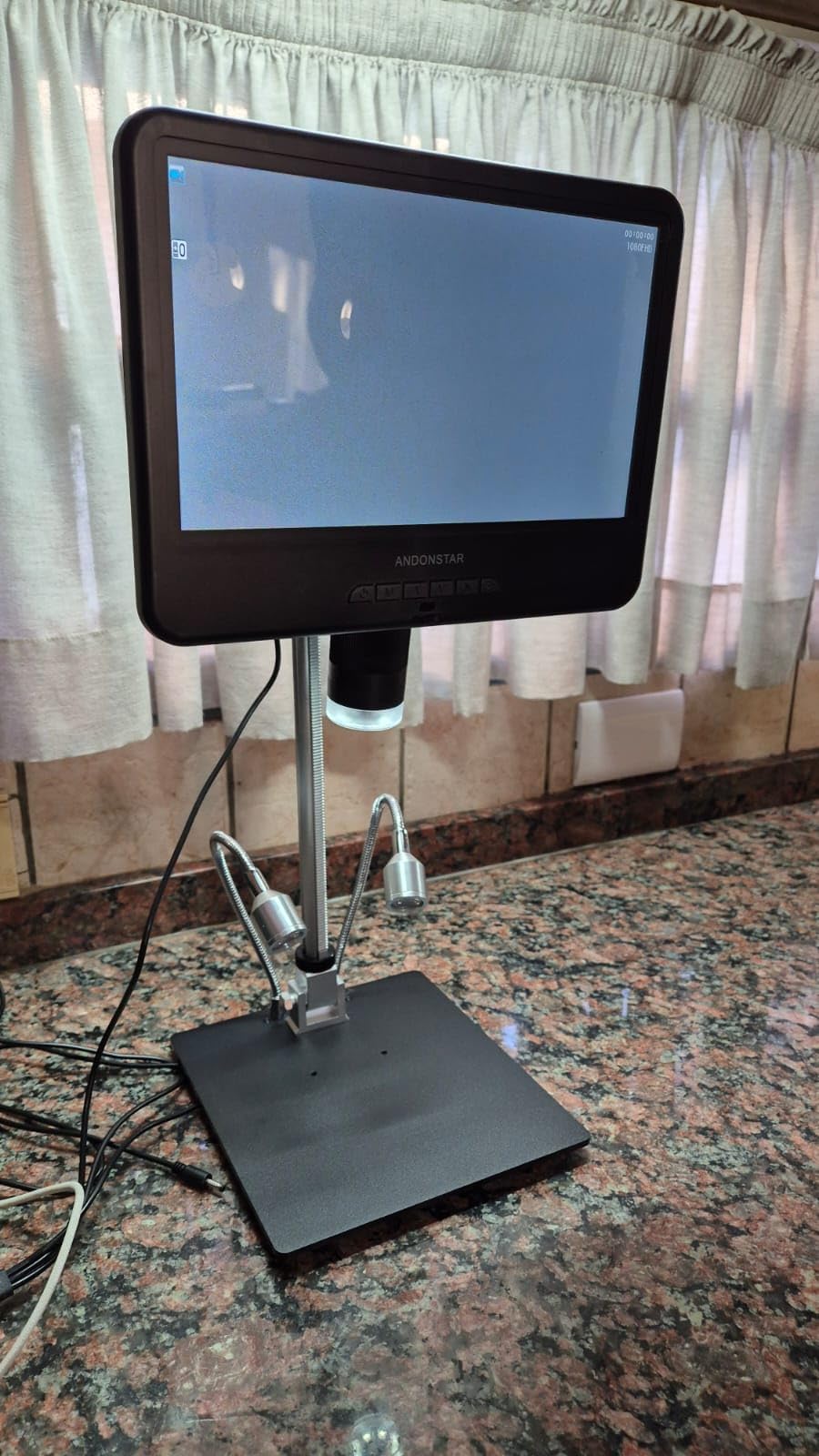
Illumination covers top, side and bottom LED with adjustable brightness, which is more coverage than most competitors at this level. The bottom light matters less for soldering than for slide work, but the side light is genuinely useful for inspecting the profile of a joint rather than just its top surface.
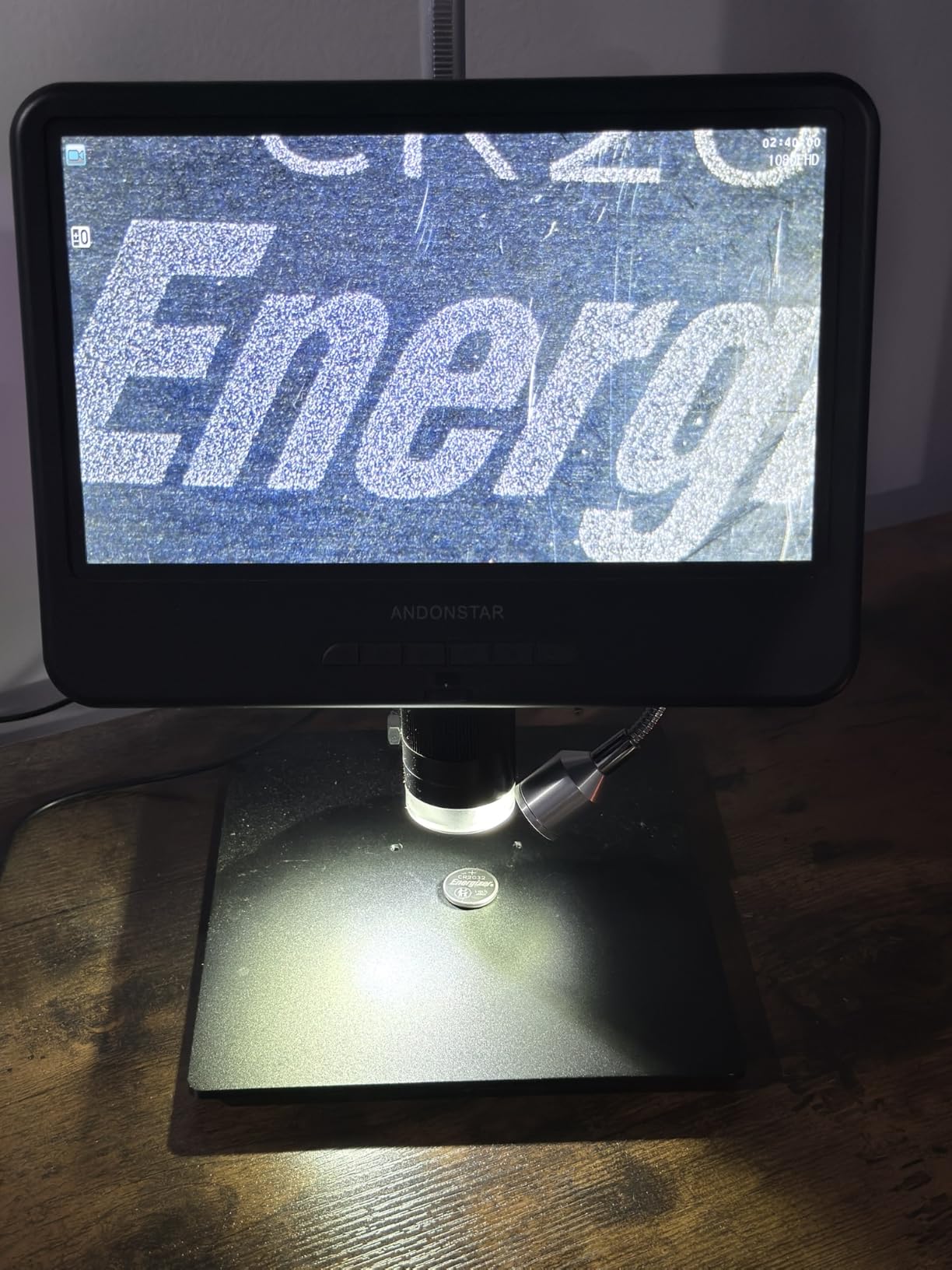
Owners like the bright screen and the sturdy metal base that doubles as a soldering platform. The recurring comment is that magnification is modest and framing depends on stand height rather than optical zoom, and that is exactly the trade you accept here in exchange for the framing range.
Who appreciates it most?
Anyone doing long sessions, anyone whose eyesight makes close work uncomfortable, and anyone working on boards too large for a small bed. The 32GB card and reader are included, so you can start recording repair documentation immediately without a separate purchase.
It also makes a good second scope. If a colleague or a student shares your bench, a 10.1-inch screen at a moderate viewing distance is much easier for two people to look at than a 7-inch one.
What to watch out for?
There is no optical zoom, so all framing happens by moving the stand. On a tall mainboard that means a lot of height adjustment, and it takes a few sessions before you stop over-correcting. The included bottom light stage and prepared slide kit are dead weight if you only ever solder, but they cost you nothing to ignore.
All the control functions live on the remote. You cannot adjust focus or brightness from the desk while your hands are on the board, so keep the remote within reach or you will be picking it up with solder-tipped fingers.
3. Andonstar AD249S-M 3 Lens – Highest Rated Three-Lens Kit
Andonstar AD249S-M 3 Lens 2160P 10.1 Inch HDMI Digital Microscope 2000x
Three lenses A, D and L
2160P video
10.1 inch LCD with HDMI
8 LED intensity levels
2.47 kg
Pros
- Highest average rating in the roundup
- Crystal clear display reported across reviews
- Excellent foam packaging protects lenses
- Rigid metal base doubles as a soldering platform
- HDMI to a large display for demonstrations
Cons
- Small bed and unit can shift if knocked
- Post may arrive tilted and need levelling
- Manual uses very small type
This is the same three-lens architecture as our top pick, moved up to a 10.1-inch screen, and it carries the highest average rating of anything we tested. Watchmakers, coin collectors and board repairers rate it highly, and the display is described as crystal clear across a large share of reviews.
Eight LED intensity levels is more control than most units in this list offer, and on a mixed workload it earns its keep. Bright green solder mask, bare aluminium shielding and polished component tops all want different levels, and being able to dim rather than only brighten avoids the glare that makes fine joints harder to read.
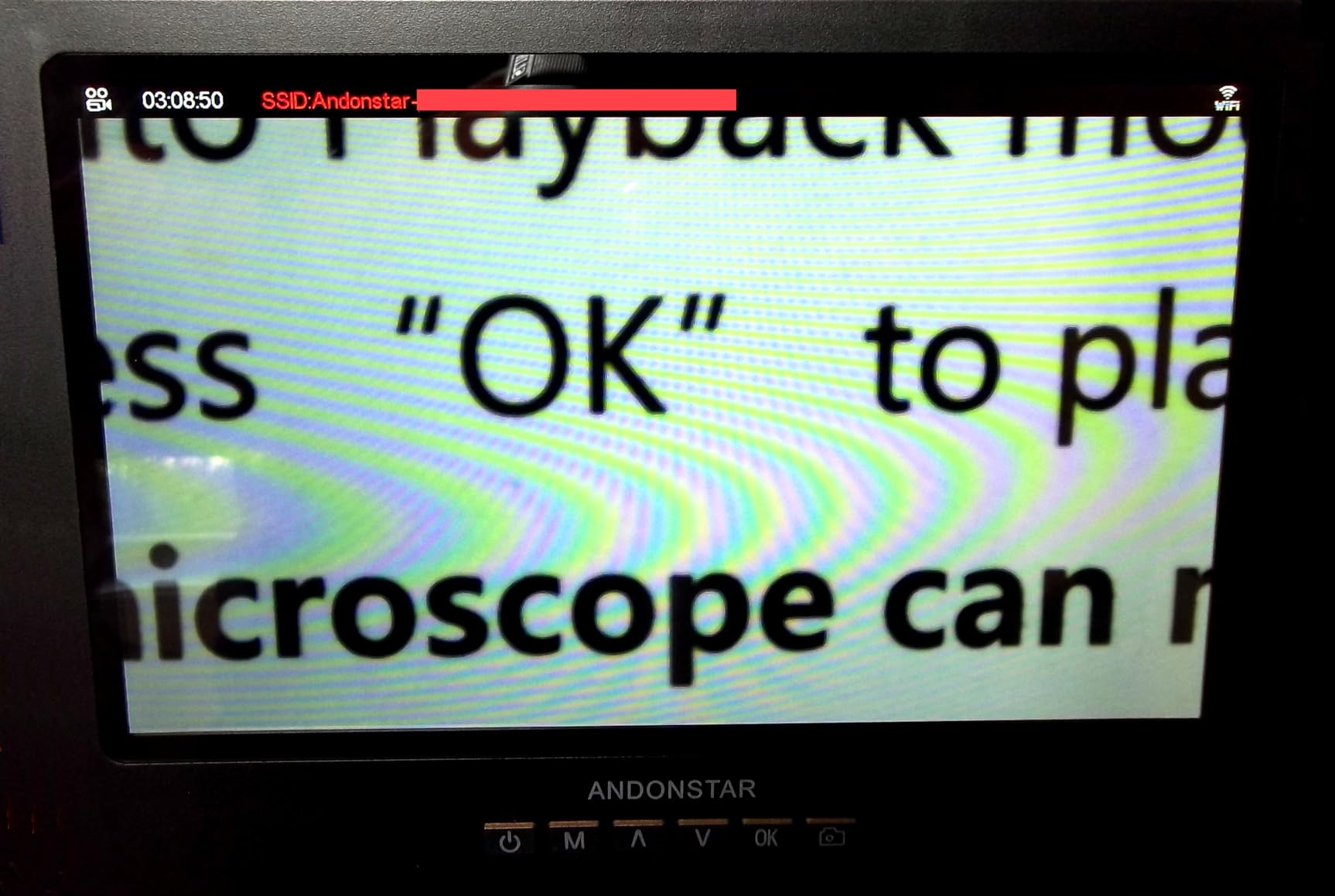
HDMI output at 2160P means you can push the image to a large monitor for demonstration or for a second pair of eyes across the bench, while the built-in screen still serves the person doing the work. The measurement software and included 32GB microSD card support documenting a repair before and after.
One underrated detail is the packaging. Owners specifically mention foam inserts protecting the lenses in transit, which sounds cosmetic until you have had a lens crack in a parcel and then tracked down a replacement for a lens that is not sold separately.
Where it beats the AD246S-M?
Screen size, mostly. If you will be doing four-hour sessions or your eyesight is the reason you are here, the larger panel and the wider brightness control make this the better buy. The measurement software and eight-step dimming are the secondary advantages.
It also suits mixed users better. If the same unit will be used for watchmaking or coin work alongside board repair, the extra lens and brightness control get used far more than they would on a dedicated repair bench.
Where it does not?
The bed area is small, and reviewers report the unit can shift if knocked, with some people mounting it to a solid slab to solve it. That is a real annoyance at a soldering station where an elbow or a tool roll can brush the stand.
Expect to level the post at the base bolt on arrival, because some units arrive slightly tilted. The manual uses very small type and awkward phrasing, so plan on working it out from the controls themselves rather than from the booklet.
4. TOMLOV TM4K-AF Flex Arm – Best Premium Autofocus Scope
TOMLOV Autofocus 4K Digital Microscope, 8″ TM4K-AF Flex Arm for Soldering
TOF sensor autofocus
4K video and 52MP stills
8 inch 1280x800 IPS
360 degree flex arm
3 lb
Pros
- Autofocus locks quickly and holds on uneven boards
- Preset P1 and P2 focus points
- 4K clarity on a large screen
- Flex arm with fine adjustment rail
- Three lights including a ring
Cons
- Scope head feels like cheap plastic
- External monitor output is 1080P not 4K
- Awkward base mount causes shake
- No interchangeable lenses
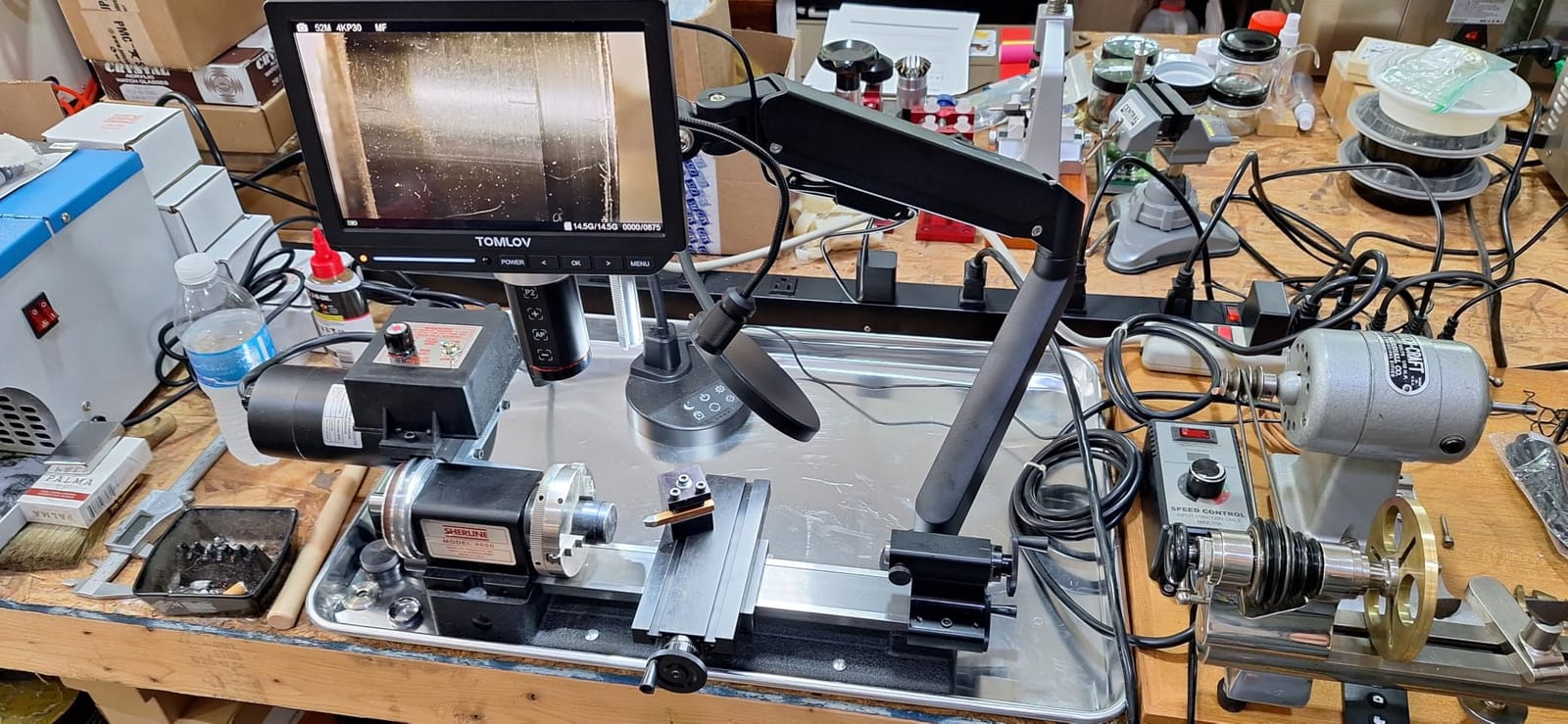
Autofocus is the headline here, and on a mixed workload it is a genuine convenience. The TOF sensor plus AI-driven refocus locks on quickly and then holds steady, which means you are not constantly riding the focus wheel while repositioning a board. The P1 and P2 presets let you store two focus heights and jump between them, which suits a two-level assembly such as a board with tall components beside a flat section.
Image quality is strong: 4K UHD video and 52MP stills on an 8-inch 1280×800 IPS screen. The 360-degree articulating flex arm with a rail knob gives fine up-and-down adjustment, which is the control most cheap arms lack.
Lighting is unusually well specified on this unit. Two gooseneck lights plus a ring light, all with adjustable brightness, means you can dial out the shadow that a single off-axis source throws across a component top and that makes shiny joints hard to read.
Watchmakers and hobby solderers praise the autofocus and screen clarity most. The rating sits below the units above it for a consistent reason, which is the hardware rather than the electronics.
What it is genuinely good at?
Rapid setup and repositioning. If you move between boards constantly, run inspection passes on multiple parts and record what you find, the autofocus earns its cost in saved time. The image quality also handles fine chip lettering better than most in this price range, which matters for reading part markings before you desolder.
It also runs off battery power, so on a full charge it can be moved to a different bench without rewiring, provided the light and the display draw hold up before the charge runs down.
What holds it back?
The scope head itself feels like cheap plastic next to the metal stand, and owners notice the contrast. The external monitor output is 1080P even though the internal screen is 4K, so recording to a capture card gives you a softer file than the built-in screen suggests.
The arm base mount is awkward, and if it is clamped to a wobbly desk, collisions produce visible shake in captured video. There are no interchangeable lenses on this model, and PC mode blocks the menu, recording and zoom controls, which makes it awkward for anything beyond quick inspection on a computer.
5. TOMLOV DM602 Flex – Best Value Three-Lens Kit with Ring Light
TOMLOV DM602 Flex 3 Lens HDMI Digital Soldering Microscope, Flexible Arm
144-LED ring light
Three lenses
10.1 inch IPS screen
Flex arm with 360 degree base
Heat-resistant mat
Pros
- 144-LED ring light gives even shadow-free illumination
- Three lenses cover 2x-700x
- 60x-200x and 1000x-2000x
- Heat-resistant silicone mat protects the bench
- Arm reaches and rotates widely
Cons
- Scope sits loosely in the mount until tightened
- No physical master power switch
- Illuminator cable is a different length
- HDMI only for external display
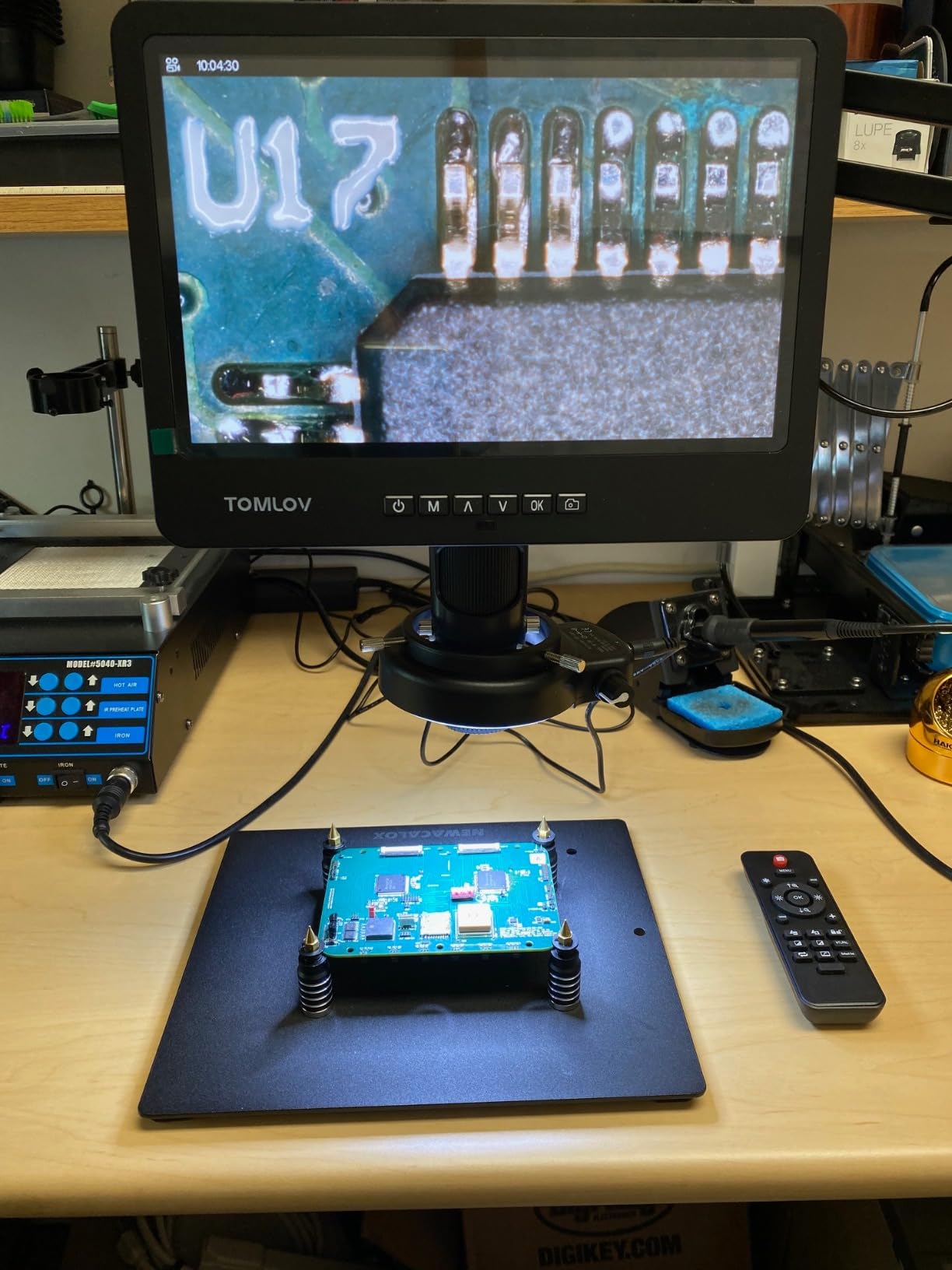
The ring light is the reason this one earns its place. A 144-LED ring around the lens produces even illumination with no directional shadow, which is the single most common complaint people have with scopes that use off-axis goosenecks or gooseneck-only lighting. Shiny solder joints and bare component tops stop fighting you.
The three lenses are unusually well specified for the money. Lens L covers 60x-200x for micro soldering, Lens A covers 2x-700x for a full coin or a whole board section, and Lens D runs 1000x-2000x for slides and extreme detail. That spread covers essentially any work you could put in front of it.
The arm is genuinely flexible: 360-degree base rotation, 135-degree horizontal extension, 180-degree vertical movement, and it folds away when you are not using it. The 10.1-inch IPS screen with a 178-degree viewing angle keeps your eyes at a comfortable distance, and HDMI plus USB output covers both a monitor and a computer.
The included 13.8 by 9.8 inch silicone soldering mat rated to 932F is a small thing that turns out to matter. It gives you a defined, heat-tolerant work area with a scale ruler and part compartments, right where a bare desk would otherwise collect solder balls.
Best for a bench that does several kinds of work
Drone builders, coin collectors and repair hobbyists treat this as professional-level kit at a hobby price, and the reason is the combination of ring lighting, three lenses and a folding arm.
For pure SMD soldering the L lens is the one you will use, and it does that job well with even light. The ring light also means you are not constantly rotating the board to catch a highlight.
Where it needs attention?
The scope sits loosely in the mount and benefits from being tightened or secured, and the image shakes if the mounting surface is not perfectly stable. That is a two-minute fix at setup, not a defect.
There is no physical master power switch, so it powers on with the bench power strip. The illuminator runs on a separate 12V cable of a different length from the microscope cable, which constrains your bench layout until you plan for it. And there is no USB-to-PC file transfer, so capture goes over HDMI only.
6. TOMLOV TM3K-3D – Best 3D Side-Viewing Microscope
TOMLOV 3D Digital Soldering Microscope TM3K-3D, 7″ Magnetic Dual Lens Scope
3D side viewing with 360 degree rotation
Magnetic dual lenses
3K UHD on 7 inch IPS
HDMI, USB and screen output
2 lb
Pros
- 3D side view makes reading part numbers far easier
- Lens swap is magnetic and tool-free
- Gooseneck spotlight follows the arm
- Grid line and split screen overlays
Cons
- 3D mode takes real practice to master
- Spring-loaded arm drifts out of focus
- Arm locks reported not to hold
- microSD reader failures reported
This solves a specific problem that no other scope here addresses. On a densely populated board, the tops of components are visible but the markings on their sides are not, and reading a capacitor value or an IC part number is often what tells you whether you have the right replacement part. A 3D side view with 360-degree rotation lets you tilt the view and read those markings directly.
PCB assemblers and repair technicians consider the side view a meaningful step change rather than a gimmick, and that is the case for buying this instead of a conventional 2D scope. If you work on dense mixed-technology boards, the ability to see component sides is worth paying for.

The lens system is well thought out. The L long-distance lens and the W wide-angle lens attach magnetically and swap without tools, so you are not unscrewing anything mid-task. The L lens opens the workspace for PCB and micro soldering, and the W lens gives a full-frame view of larger objects.
Output runs to HDMI, USB and the built-in 7-inch IPS screen at 3K UHD, with grid line and split screen overlays for orientation and side-by-side comparison. The LED gooseneck spotlight moves with the arm, so you can place directional light exactly where the shadow is a problem without disturbing the scope position.

Where 3D genuinely helps?
Reading side markings, judging whether a component is seated flat, and confirming the height of a part relative to its neighbours. A 2D image flattens all of that; the rotating side view restores it. It is also useful for documenting a board in a video, since you can sweep around a component without repositioning anything.
Note that some buyers returned this unit purely because they found 3D mode gimmicky after the novelty wore off. If you only work on sparse boards, a conventional scope serves you better.
Reliability concerns to plan for
The spring-loaded arm drifts back up as you tighten it, so the scope can move out of focus during a joint, and arm locks are reported by some users as not holding effectively under micro-soldering use. Check focus before you commit to a joint rather than after.
Some units also showed microSD card or reader failures that blocked photo and video capture entirely, and earlier units had no removable battery, running on USB-C only. Magnification also tops out lower than many buyers would like, so treat this as a detail and orientation tool first.
7. Aikokkl 5 Inch LCD with C-Clamp – Best Budget First Bench Scope
Aikokkl 5″ LCD Digital Soldering Microscope for PCB Repair with C-Clamp
5 inch IPS display
C-clamp mounting
1000x digital magnification
Flexible goose-neck stand
1.2 lb
Pros
- C-clamp frees both hands and desk space
- 5 inch screen reduces leaning in
- PC camera mode needs no drivers
- Goose-neck adapts to tight benches
- Very low entry cost
Cons
- Manual focus only
- no autofocus
- microSD card not included
- 1000x is digital not optical
- Not for full-screen views of large objects
Most of the entry-level advice in this category is to skip the cheapest tier entirely, and for a soldering station that is correct. This one is different enough to be worth naming as an exception, because the C-clamp mounting solves a real problem: it takes the scope off your desk entirely.
Clamping to the edge of the bench leaves the whole work surface clear for your board, your mat and your tools, and it stops the unit from being knocked. If your bench is shared or small, that single design choice is worth more than a larger screen.
Magnification reaches 1000x by adjusting arm distance and turning the focus wheel, so it is genuinely useful for inspecting a solder joint and confirming you have no bridge or cold joint. The 5-inch IPS display keeps your head out of the awkward position it would otherwise sit in.
It also runs as a plug-and-play PC camera using the built-in Windows Camera app or Photo Booth on Mac, with no drivers to install. That makes it a useful inspection tool for checking a joint on a computer screen across a room from the bench.
Where it earns its place?
Anyone who wants to see whether a microscope is even something they would use before committing to a serious unit, and anyone whose real problem is a cramped bench rather than a weak view. Solder joint inspection on 0603 and 0805 work is well within its capability.
It is also a good shared-shop tool because it clamps on and off in seconds and takes up no bench space when you are done.
Where it will frustrate you?
There is no autofocus, so every focus change is a manual wheel turn while one hand is on the board. Magnification is entirely digital, so the image is a crop rather than a genuine optical increase, and fine detail at the top of the range is soft. A microSD card is not included and is required to save 1080P video or photo batches, so add that to your list before you start.
It is built for micro detail rather than full-screen views, so large boards are out of scope. Plan to move up to an arm-mounted unit once you are soldering 0402 and below daily.
8. Elikliv EM4K-AF – Best for 4K Clarity and Battery Portability
Elikliv Autofocus 4K Digital Microscope EM4K-AF, 8″ Soldering Microscopes
Autofocus in about 2 seconds
4K UHD video and 9600x5400 stills
8 inch 1280x800 IPS
HDMI and USB output
3 lb
Pros
- Autofocus holds steady on moving subjects
- 4K clarity in the sub-tier price band
- Rechargeable battery for bench-to-bench use
- Freeze frame and split screen comparison
- 16GB microSD and controller included
Cons
- Autofocus hunts on reflective solder surfaces
- Stand height must be reset per board
- Battery power resets brightness and focus settings
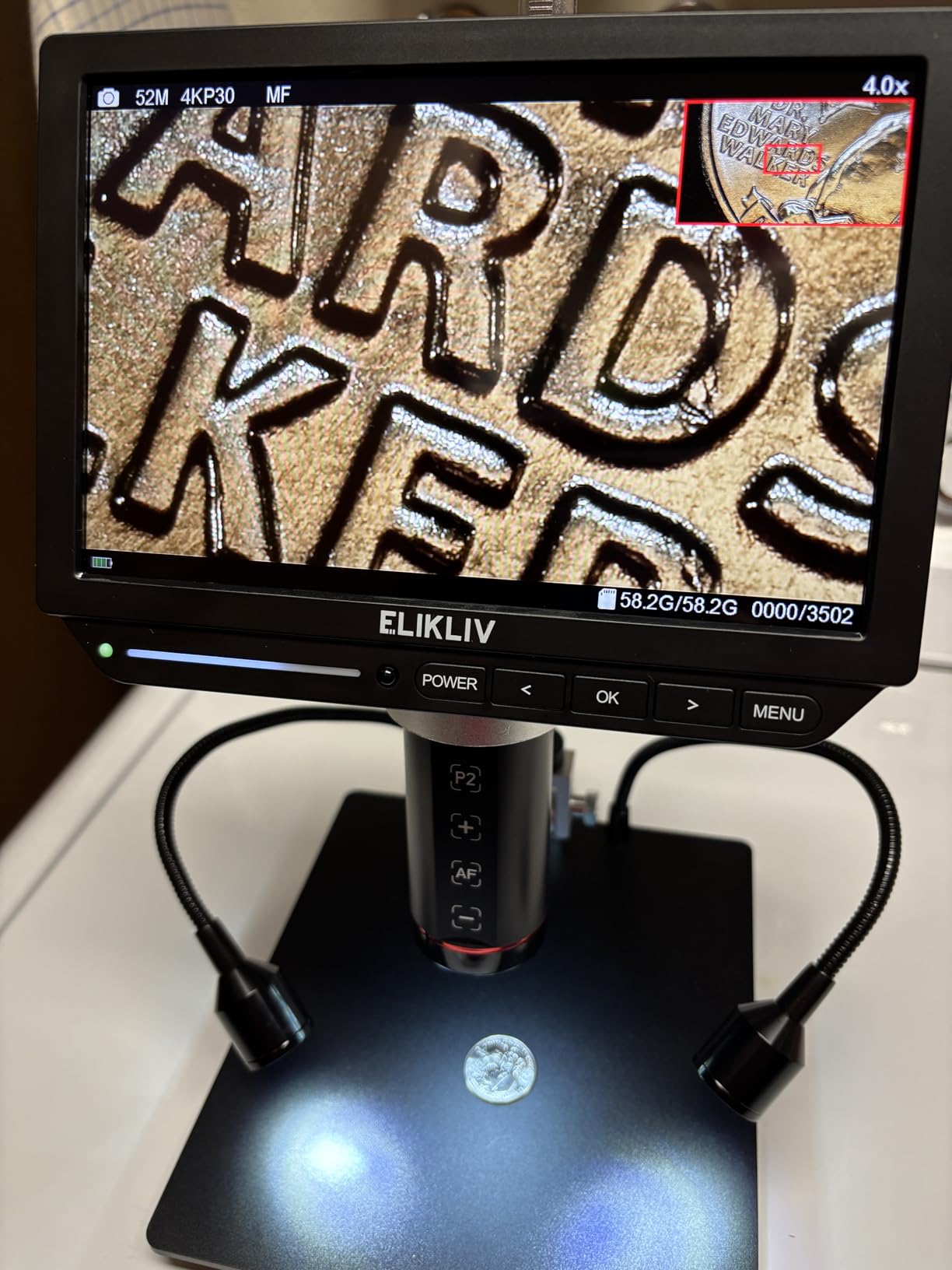
This is the one to consider if image quality is your priority and you do not want to step up a tier. It records 4K UHD at 3840×2160 and stills at 9600×5400, and reviewers consistently rate the clarity highly for the money. Reading laser markings on chips and the printed text on tiny SMD resistors is where the resolution difference actually shows.
Autofocus uses a TOF sensor and refocuses in about two seconds across varying light conditions, which is slow enough to notice but fast enough to keep a moving board sharp. Freeze frame and split screen let you compare two locations or two samples side by side, which is useful when you are checking whether a joint matches a known-good board.
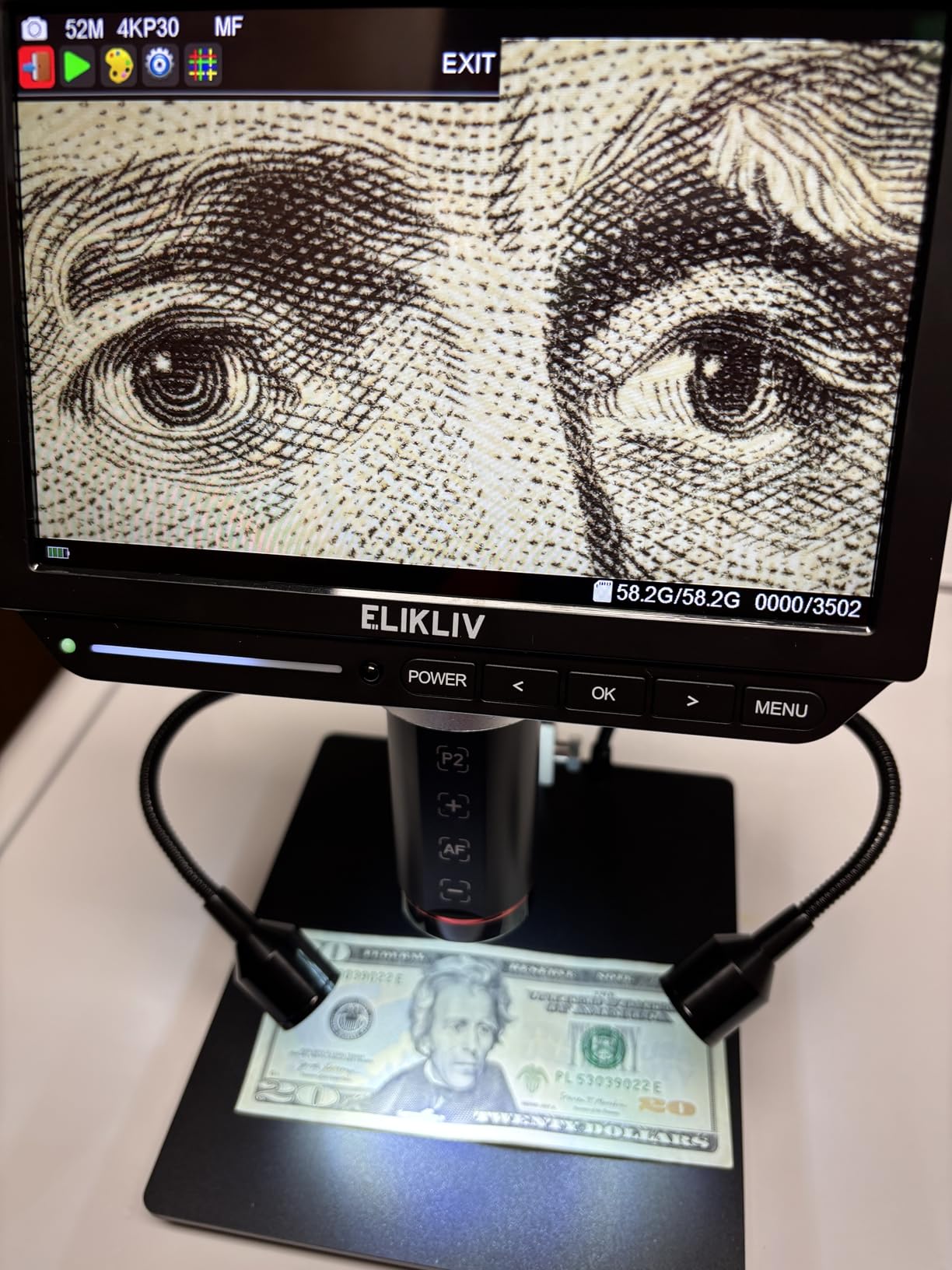
The 10-inch stand with a broad base extends up to 6.3 inches, which is enough clearance to fit a small board underneath with the iron and tweezers in the frame. Output goes to HDMI and USB as well as the built-in screen, so you can push the image to a large monitor for documentation or run it into PC analysis software.
The built-in rechargeable battery is unusual at this level and genuinely useful if you move between benches, though it comes with a caveat below. A 16GB microSD card and a smart controller are included, so you can capture without touching the screen mid-task.
Best for documentation and inspection
If you produce repair records, before-and-after images, or client-facing documentation, the resolution and the freeze and split screen functions are the reason to choose this one. The on-screen comparison of two samples is the feature that most changes day-to-day inspection workflow.
Coin collectors and repair hobbyists rate the autofocus and 4K clarity highly, with feedback skewed positive overall and only occasional grumbles about tricky reflective surfaces.
Where the automation fights you?
Autofocus can hunt on very uneven or highly reflective solder surfaces and needs manual override, and a shiny solder joint is exactly what you will be looking at most of the time. Learn the manual override before you rely on it in a live repair.
Stand height must be adjusted for each board size, so reframing is manual, and because it runs on battery power, brightness and autofocus settings reset to defaults after a full charge cycle. That is a small irritation that recurs about once a month and is worth knowing about.
9. SWIFT S41-20 Binocular Stereo – Best True Optical Value
Swift S41-20 Professional Dissecting Binocular Stereo Microscope, WF10x WF20x Eyepieces, 10X 20X Magnification, 1X Objective, LED Lighting, Boom-Arm Stand
10x and 20x wide-field eyepieces
45 degree head angle
12 inch swinging boom arm
Two goose-neck LED lights
5.5 kg
Pros
- True stereo view with no screen or lag
- Interchangeable 10x and 20x eyepieces
- 12 inch boom arm covers a wide area
- Goose-neck LEDs give shadow-free top light
- Camera ready via a separate USB camera
Cons
- 10x eyepieces give a narrow field of view
- No brightness adjustment on the supplied lights
- Heavy head can tip when the arm is extended
- Eyepiece changes need a screwdriver
This is the only binocular optical microscope in this roundup, and the difference shows up in the first five minutes. There is no screen, no lag and no coordinate translation between your eyes and your hands. Whatever your brain sees is exactly where the tip is, which is why experienced technicians who try a digital scope for the first time often take a day to get used to the indirect view.
Both hands stay in the same space as the view, so tool placement is immediate. For fine work on a laptop logic board or a dense instrument cluster, that directness is hard to argue with, and reviewers specifically call out successful work on MacBook logic boards and surface-mount instrument clusters with this unit.
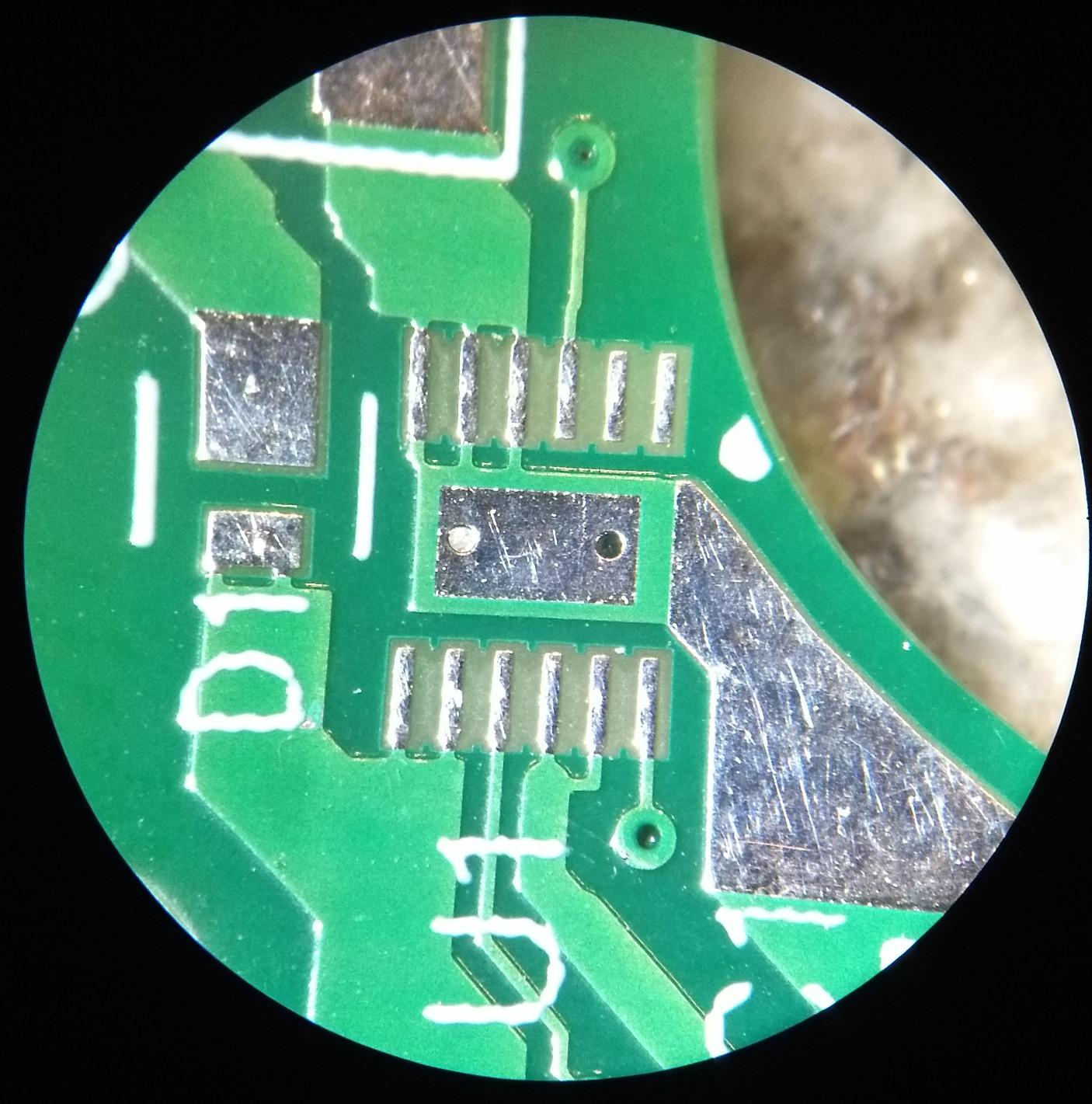
The optics are straightforward and good: interchangeable WF10x and WF20x wide-field eyepieces with adjustable interpupillary distance and a fixed 45-degree head angle. A 12-inch swinging boom arm covers a large horizontal and vertical work envelope, and two flexible goose-neck LED lights give directed top-down illumination from a sturdy metal base.
It is camera-ready through a separately sold USB camera, which is the sensible route to capture on an optical scope. Board repair techs consistently call it the best value optical micro-soldering microscope against an equivalent AmScope build costing several times more.
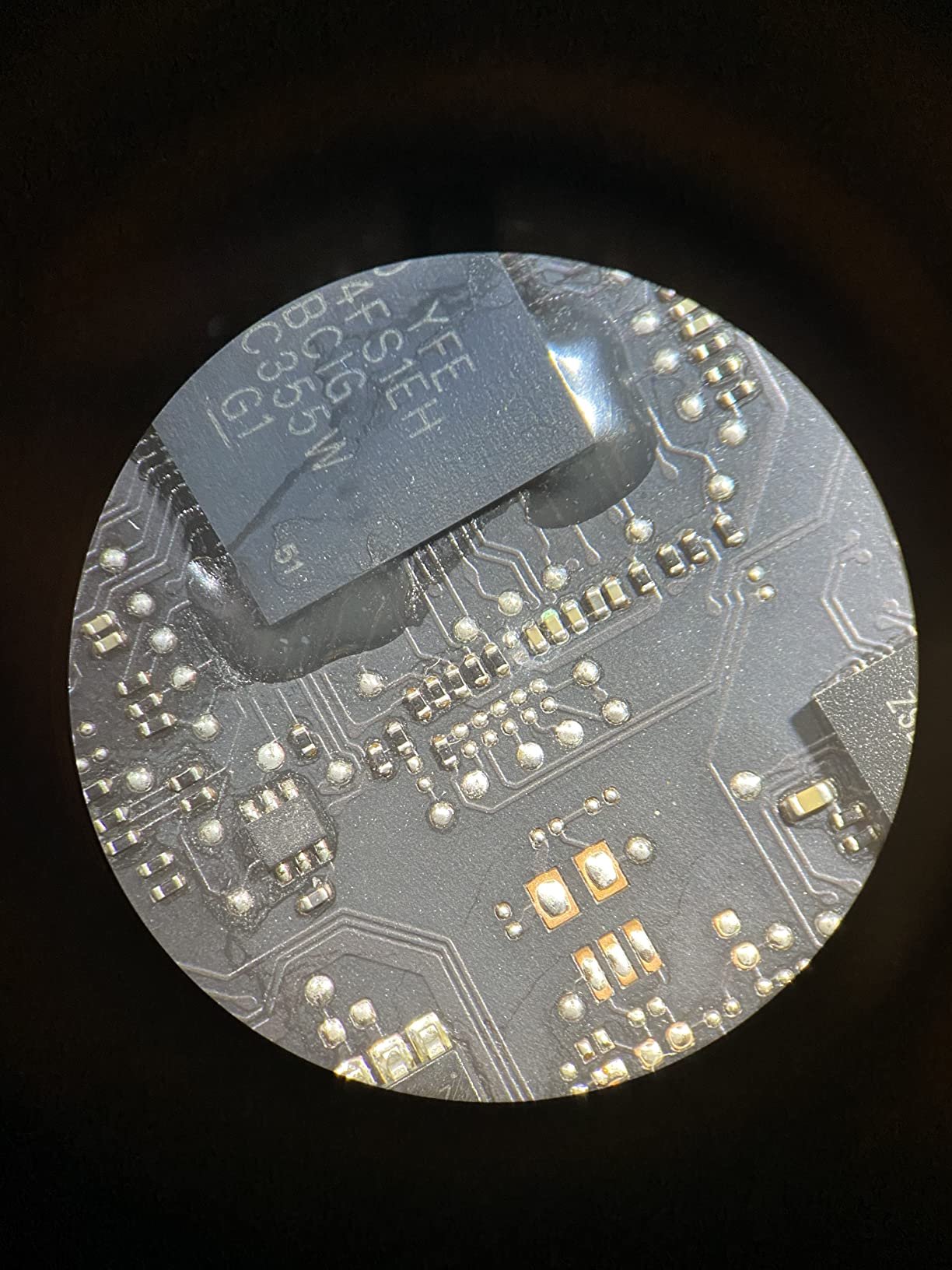
What optical does that video cannot?
Depth perception. On a real stereo image you can tell how far a lifted pad sits above the board surface, which is exactly the information you need when lifting a pad with hot air and deciding whether the underside is already clear. A 2D image cannot give you that, and a 3D simulated image gives it to you less directly.
There is also no latency and no autofocus decision to make, so you point, focus and work. That simplicity is worth a great deal over a long session on a single board.
Where it will annoy you?
The dominant caveat is that 10x eyepieces give a narrow field of view for fine-pitch work, and many owners buy 5x eyepieces instead as their first change. The supplied illuminators have no brightness adjustment, so you are stuck with one light level, which is a real limitation on shiny joints.
The base is heavy but not heavy enough to stop the head tipping when the arm is fully extended, only one pair of rubber eye cups is included so they must be swapped when changing eyepieces, and swapping eyepieces needs a screwdriver. The eyepiece height on a standard desk is also high, so plan a taller chair or a riser before you start.
10. Teslong MS100-C USB-C – Best for Spot Checks on a Budget
Teslong USB-C Digital Microscope 10X-200X for Coin & Electronics Inspection
10x to 200x manual focus
USB-C to phone tablet or PC
8 LEDs with 3 brightness levels
Chrome-plated metal arm
Weighted base
Pros
- Connects straight to a phone or tablet over USB-C
- Manual focus is fully predictable
- LED brightness control on the cable dial
- Weighted metal base stays steady
- Compact and does not block tool access
Cons
- Android companion app is limited
- No optical zoom
- Focus ring can jump between points
- Pink flare at closest focus on some units
This is a handheld inspection scope rather than a bench instrument, and it fills a niche the rest of the list does not: confirming what a part is before you commit to a purchase, checking a joint where carrying a whole bench scope is absurd, or looking at something away from your workbench entirely.
The direct USB-C connection to a phone, tablet or PC with no app required for basic viewing is the deciding advantage over app-based rivals. You open the native camera app and you are looking at the board. The companion Android app exists but is limited, and connection is not always reliable, so plan on the native app being your main route.
Manual focus is a genuine advantage here rather than a compromise. A focus wheel gives you full, predictable control instead of autofocus hunting on a reflective solder joint, and on a cheap scope that is often the difference between a usable image and an unusable one.
Eight LEDs with three brightness levels controlled from a dial on the cable let you kill shadows and glare without touching the camera, and the chrome-plated rotating metal arm with a weighted base holds position over a circuit board hands-free.

Where it is the right tool?
Part identification and incoming inspection. Reading a part number on a board you have been given, checking a delivery before accepting it, or confirming an epoxy or conformal coating condition are all tasks where a phone-connected scope wins on convenience and nothing else is needed.
Its compact form factor also means it does not block tool access to a watch movement or a phone internals, which larger bench scopes frequently do.
Why it is not a soldering microscope?
There is no optical zoom, so magnification depends entirely on getting closer or farther, and there is no way to fix your hands and the board in a stable frame while you work. The focus ring is reported to feel like metal-on-metal and to jump between focus points, and some units show a pink lens flare at the closest setting with the ring light on.
It is the lowest-rated product in this roundup at 4.0, and the gap is mostly in image clarity rather than reliability. Keep it in a drawer as a spot-check tool rather than building a workflow on it.
11. NICE-POWER 13MP HDMI Video Microscope – Best for Long Working Distance
NICE-POWER Digital Microscope Camera, 13MP 1080P HDMI VGA Industrial Video Microscope, 150X Zoom C-Mount Lens, Foldable Stand, LED Ring Light, Soldering Microscopes for Electronics Repair
150x C-mount optical zoom
Up to 1000mm working distance
56-LED ring light
HDMI and VGA output
3.6 lb
Pros
- Genuine optical C-mount zoom from 1x to 150x
- Up to 1000mm working distance over a board
- 56-LED ring light up to 60000 lux
- HDMI and VGA covers almost any display
- Compact route into industrial-style inspection
Cons
- Image is upscaled 1080P and looks grainy
- Pivot screw is flimsy and the camera droops
- Table clamp is too small for rounded edges
- No inline power switch
Working distance is the reason this unit exists. A 150x zoom C-mount lens with up to 1000mm of maximum working distance gives you a view of a small SMD capacitor or an IC chip from far enough back that your hand and iron fit comfortably, with no stand physically in the way. On forum threads, the recurring complaint about cheap scopes is exactly this clearance problem, and it is the one thing this design solves.
Unlike the digital crop units in this list, the magnification here is genuine optical zoom from 1x to 150x with knob adjustment. That matters more than the resolution does, because optical magnification adds detail while digital magnification does not.
Illumination is a 56-LED ring at 6500K-7000K with adjustable output up to 60000 lux, which is bright enough to cut through a reflection on a polished component top. Output goes to both HDMI and VGA, so it works with almost any monitor, television or capture device you already own, and a remote control handles hands-free capture in HDMI output mode.
Hobby electronics buyers like the long working distance, the C-mount optical zoom and the choice of output at a modest outlay. The 4.5 rating reflects that combination rather than image fidelity.
What makes it useful for soldering specifically?
Space. At up to 1000mm of clearance you are not fighting to get a fine iron and angled tweezers into the frame, and you can work on a larger board without rearranging anything. The ring light also means the illumination is coaxial with the lens, so there is no off-axis shadow across a joint.
Because the lens is C-mount, it is also the most upgradeable unit here. A better camera body or a different lens is a straightforward swap rather than a whole new scope.
Where it falls short?
Resolution is effectively upscaled 1080P and looks grainy, which makes fine chip lettering genuinely hard to distinguish. If your work depends on reading a part marking, that is a real limitation and it is the reason to choose a native-resolution unit instead.
The pivot screw near the camera is flimsy and the camera droops without cable support, the table clamp is very small and will not grip a rounded table edge, and there is no inline power switch, so shutting down means unplugging under the desk. Documentation is minimal and the on-screen labels are in Chinese, and the remote is supplied without a battery.
12. ZTEEERS Trinocular Stereo Zoom – Best Full Trinocular Setup
ZTEEERS Professional Trinocular Stereo Zoom Microscope, 3.5X-90X Magnification,WF10X Eyepieces, 0.7X-4.5X Zoom,0.5X & 2.0X Auxiliary Lens, Double-Arm Boom Stand, 56S LED Ring Light,Two adapters
0.7x-4.5x zoom objective
3.5x-90x with aux lenses
WF10X eyepieces
18 lb steel base
56S LED ring light
Pros
- Trinocular head with camera output while you look through
- 0.7x-4.5x continuous zoom objective
- Plus and minus 6 diopter per tube
- 18 lb steel base with ball-bearing boom
- Owners report near-identical build to a much costlier AmScope
Cons
- Boom and base far larger and heavier than photos suggest
- Poor instructions
- Finish is adequate rather than premium
- Extended arm can tip the unit
This is the configuration technicians recommend when they expect to want photographs. The trinocular head has a third port above the eyepieces, and with an adapter fitted you can keep looking through the glass while a digital camera or electronic eyepiece captures at the same time. If you document repairs, that simultaneous operation is the whole point.
Optical range is 0.7x-4.5x on the zoom objective, expanded to 3.5x-90x with the included 0.5x and 2x auxiliary lenses. The 0.5x is the one that transforms it for soldering: it halves magnification and doubles working distance, which is exactly what you need to clear a large board. WF10X super wide-field eyepieces with 48-75mm interpupillary adjustment keep the view comfortable.
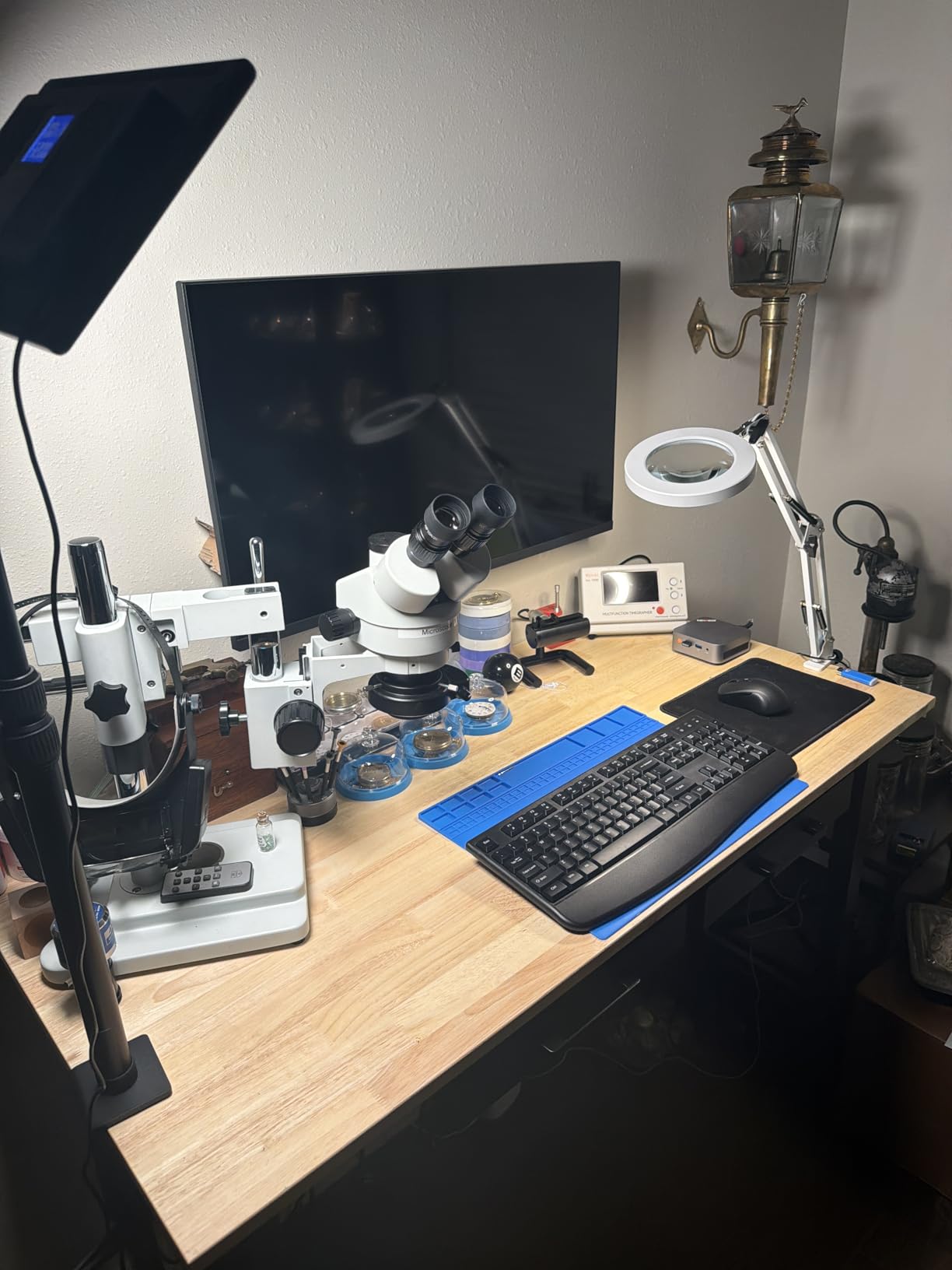
Two details separate this from a generic stereo scope. Each ocular tube has independent plus and minus 6 diopter adjustment, so if your eyes are not matched you can correct each side rather than squinting. And the 18 lb solid steel rectangular base with a ball-bearing single-arm boom glides with little resistance to a long working distance, which is what makes a large board reachable at all.
Owners who compared it to the AmScope equivalent report near-identical build and function at roughly half the price, with the 56S LED ring light with dimmer switch and both auxiliary lenses included in the box.
Who should buy this one?
Someone who already knows they want a trinocular head, and specifically someone who wants documentation alongside eyepiece work. The simultaneous observation and camera output is the feature that no binocular scope in this roundup can offer, and the diopter adjustment matters if your eyesight is uneven.
The wide auxiliary lens set also makes it one of the most flexible units here for mixed work, from inspecting a whole board down to a single die on a chip.
The footprint reality
The boom and base are much longer and heavier than the product photos suggest, and at 19.5 by 11.5 by 19.5 inches you need dedicated bench space for it. The fully extended arm plus the head weight can tip the unit, so plan to bolt it down or put it on a cart before you rely on it at full extension.
Instructions are poor and several owners had to find setup guides online, the finish is described as adequate rather than premium, and with 37 reviews there is limited long-term reliability data. Buy it for the head configuration and the diopter adjustment, not because you want a bargain.
How to Choose a Soldering Microscope: Buying Guide?
Working distance is the number that matters most. It is the gap from the front of the lens to the top of the board when in focus, and it decides whether your iron and tweezers fit in the frame. Treat anything under 100mm as too short for real soldering work, and remember that a scope with a small working distance does not just inconvenience you, it makes certain board work physically impossible. Board size is the second half of the same question, and it is why a narrow-bed unit becomes frustrating on a laptop mainboard even if it is excellent on a small breakout.
Magnification: opt for 7x-45x zoom, ignore the headline number. Every one of the digital scopes in this roundup advertises somewhere between 1000x and 2000x, and all of them are the same claim: a low optical magnification plus digital crop plus on-screen zoom. Judge the optical range and the field of view at your working magnification, not the number on the box. 10x-25x covers almost all SMD work; 25x-45x is for 0201 and fine-pitch inspection.
Stand type decides your comfort more than any other feature. A pillar stand is cheap and stable but fixed in height, so you move the board constantly. A boom or articulated arm moves over your whole work area, which is what makes large boards tractable. A flex arm is a middle ground that folds away when you are not using it. Whatever you choose, put it on something that will not move, because a scope that shifts when you lean on it is worse than a slightly soft image.
Illumination is where scopes quietly fail. A ring light coaxial with the lens produces even light with no shadow, which is why the ring-light units score well on shiny solder joints. Gooseneck lights are more flexible and can be positioned, but a single off-axis source throws a shadow across every component top. Dimmability matters more than raw brightness, because bright is easy and being able to turn it down is not.
Latency is the real reason experienced technicians sometimes reject digital. A few milliseconds of delay between your hand and the image is tolerable; more than that is nauseating and it breaks your hand-eye coordination at exactly the moment you need it. If you are sensitive to this, buy the HDMI path rather than a USB path, because USB video goes through a compression and buffering pipeline that adds delay. Where a scope also offers USB, treat USB as an analysis and capture output rather than your primary working view.
Screen size decides whether a digital scope actually reduces eye strain. A 5-inch screen means leaning in, which defeats the ergonomic purpose entirely. If comfort is why you are here, 8 inches is the practical floor and 10 inches is better. A wide viewing angle also matters, because a narrow one forces you to sit square to the panel.
Accessories worth budgeting for. A 0.5x Barlow lens for working distance, an ESD mat so you are not soldering over a surface that can damage parts, a fume extractor because solder fumes are a real and avoidable health issue, and a proper task light for everything outside the scope’s own illumination. None of these are optional extras in a well-equipped bench, and the fume extractor in particular is the one most people skip and should not.
One more route worth knowing about. Used and refurbished legacy optics from Nikon, Olympus and Bausch and Lomb, fitted with a fibre optic ring light, are a genuinely capable route into a bench microscope and are regularly recommended in electronics forums. The optics are excellent and largely unrepeatable at new-unit prices, and the trade-offs are that ring illuminators and eyepieces often need sourcing separately, and condition varies wildly between listings.
Frequently Asked Questions
What is the best microscope for micro soldering?
The Andonstar AD246S-M is the best all-round choice for micro soldering because it combines three interchangeable lenses, a rigid metal boom arm and a 7-inch LCD with HDMI output. For eye comfort over long sessions choose the Andonstar AD210 with its 10.1-inch IPS panel. If you will not work through a screen, the SWIFT S41-20 gives a true optical stereo view with zero lag.
What are the best digital microscopes for soldering?
The strongest digital options here are the Andonstar AD249S-M for the highest rated three-lens kit with eight-step dimming, the Andonstar AD246S-M for the best overall value with a metal boom arm, the TOMLOV DM602 Flex for its 144-LED ring light and included soldering mat, the TOMLOV TM4K-AF for autofocus and 4K clarity, and the Elikliv EM4K-AF for native 4K recording on a rechargeable battery.
What magnification is good for soldering?
A 7x-45x zoom range is the standard, and you will spend most of your time between 10x and 25x. Use 20x-40x for 0402 work, 25x-45x for 0201 and fine-pitch inspection, and 7x-15x when you need a whole QFN or BGA package in frame. Ignore advertised 2000x figures, which are a digital crop rather than real magnification.
Do you need a microscope to solder?
Not for through-hole joints, pin headers, connectors, or 0805 and larger components, where a head loupe is enough. You do need one from 0603 and below, and it is effectively mandatory for 0402, 0201, QFN and BGA work, because you cannot distinguish a cold solder joint from a good one without magnification. Inspection is what catches a bad joint before it fails on a customer’s board.
What is the best type of microscope for soldering?
A trinocular or simul-focal stereo head is technically best because you can use the eyepieces and a camera at the same time. A binocular stereo microscope is best to actually work through, because it has true depth perception and no video lag. A digital microscope is best for value, comfort, recording and sharing. Most working technicians end up owning one of each at different stages.
Is Amscope a good microscope brand?
AmScope is the default recommendation of working technicians for good reasons: optical quality that holds up for micro-soldering, boom-arm builds, wide parts availability, and configurations at several price levels. The trade-offs are weight and a stand that reviewers describe as not very adjustable, so you may move your workpiece more than you would like. Check the exact configuration carefully on storefront listings, since the same model number is sold with different heads and stands.
What is the working distance of a microscope?
Working distance is the gap between the front of the objective lens and the top of your board when the image is in focus. For soldering, treat 100mm as an absolute minimum and look for more. It determines whether your iron tip and tweezers fit into the field of view alongside the joint. A 0.5x Barlow lens halves magnification and doubles working distance when a scope will not physically clear a large board.
What is the best soldering microscope?
The Andonstar AD246S-M is the best soldering microscope overall, pairing three interchangeable lenses with a rigid metal boom arm at a cost that leaves budget headroom. The Andonstar AD210 is the runner-up if screen size and eye comfort are your priority. The SWIFT S41-20 takes third place for anyone who wants true optical stereo viewing with no screen and no latency.
What are the downsides of using a stereomicroscope?
The real drawbacks are ergonomic and practical rather than optical. Eye and neck strain build over long sessions because your head stays at a fixed height and inclination, there is no built-in screen, so nothing can be recorded or shared without adding a camera, and only one person can use it at a time. Against that, a stereo scope gives true depth perception and zero lag, which is why many technicians still prefer it for actual soldering.
The Verdict: Which Microscope Would We Buy in 2026?
If I were buying one microscope for SMD soldering today, I would take the Andonstar AD246S-M. Three lenses, a metal boom arm that does not move when I lean on it, HDMI out when I want a bigger view, and enough owner feedback that I know what it does well and where it falls short.
My eye comfort would push me to the Andonstar AD210 instead, because a 10.1-inch panel and a working distance adjustable from 1cm to 26cm is the combination that makes a big board and a small component the same job. If my priority were image quality for documentation, the AD249S-M with its eight-step dimming and 10.1-inch screen is the same idea executed slightly better.
I would go optical only if I had already worked through a screen and found the indirect view uncomfortable. In that case the SWIFT S41-20 is the value route to real depth perception, and the ZTEEERS trinocular is the right buy if I also want photographs while I work.
Whatever you choose, set your working distance floor before you buy, ignore every magnification number above 45x, and put the scope on something solid. Those three decisions matter more than any specification on the box, and they are what separates a tool that speeds up your work from one that sits on the bench looking impressive.