
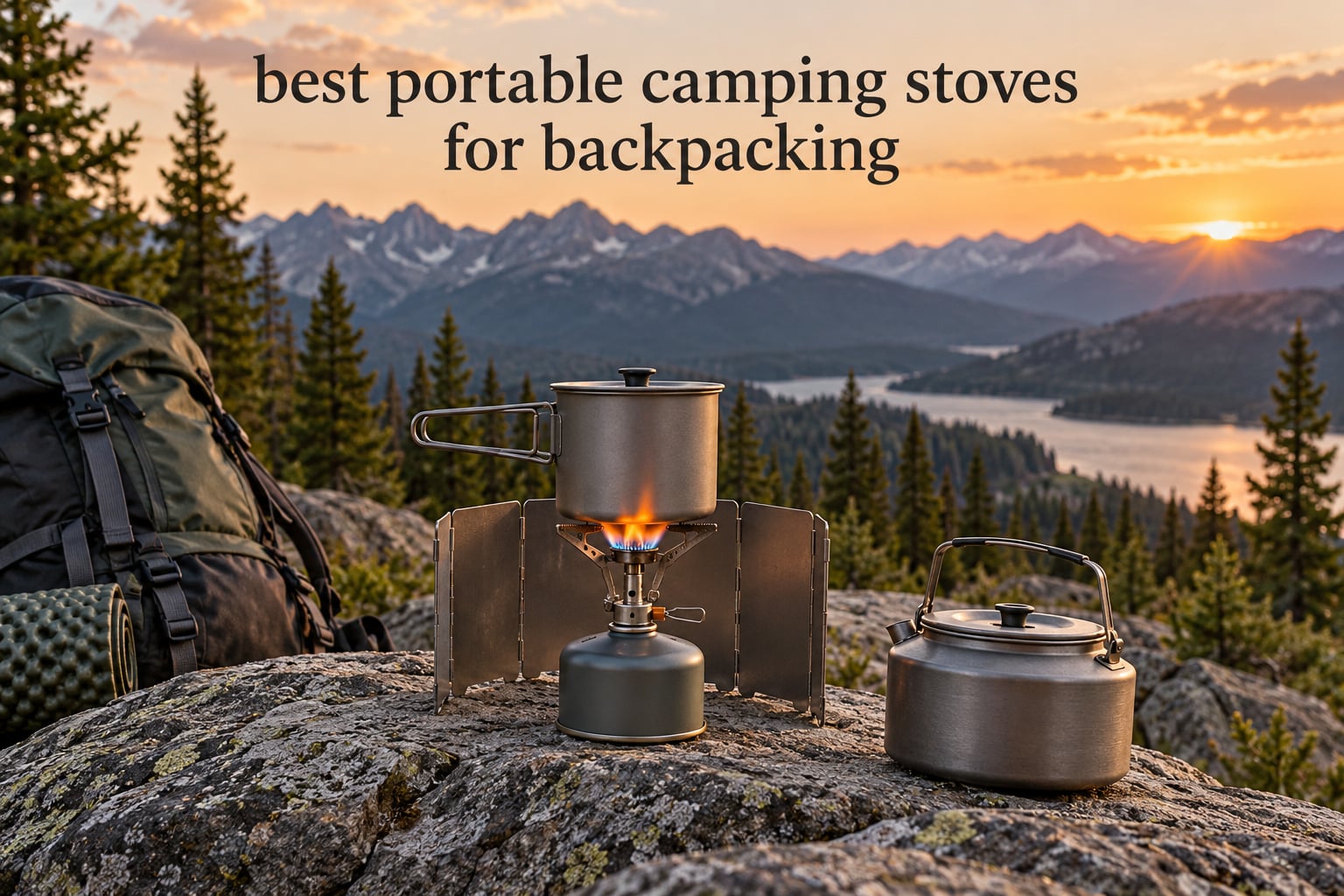
A portable camping stove looks like a small decision until you add up what it drags along. The stove is 2 ounces. The pot is 6. The windscreen is 1. The fuel canister is 7, and after two days on the trail it is empty and the next one weighs exactly the same. Fuel, not hardware, is where the weight lives, and choosing the best portable camping stoves for backpacking is really a question of how much fuel your cooking style burns.
We spent 2026 season working through twelve of the most widely used portable camping stoves, from titanium pocket burners weighing under an ounce to a liquid-fuel unit that takes up a third of a pack. The list runs from the cheapest stove you can buy to the fastest boil on the trail, and every one of them has at least one scenario where it beats the other eleven.
This is also the distinction the big gear sites keep blurring. A “portable camp stove” sold next to two-burner units and grills usually means something you lift out of a car trunk. A backpacking stove has to live in your pack. Those are different categories, and readers who want one stove that handles the drive-in campground and a four-day backcountry loop need a third thing: something packable, repairable, and quick to set up in the dark. That is what we looked for.
Table of Contents
Our Top 3 Best Portable Camping Stoves for Backpacking in 2026

MSR PocketRocket 2
- 2.6 oz canister stove
- Boils 1 liter in 3.5 min
- Collapses to 2x2x3 inches

SOTO WindMaster
- Built-in pressure regulator
- 11000 BTU burner output
- 2.3 oz with 4Flex stand

Jetboil Flash 1.0L
- Boils 16 oz in 2 minutes
- Turn-and-click auto ignition
- Everything nests in the 1L pot
Those three answer three different questions. The PocketRocket 2 is the one you should buy if you want a single stove that does almost everything right. The WindMaster is the one for exposed ridgelines where the wind never stops. The Jetboil Flash is the one for anyone who does not want to think about cookware compatibility at 11pm in the rain.
Quick Picks: Every Stove in This Roundup, Award by Award (October 2026)
Best overall: MSR PocketRocket 2, the most complete portable camping stove balance of weight, boil speed and repairability.
Best for groups: AOTU 3000W canister stove, a wide aluminum base rated for a 20 cm pan.
Budget pick: BRS-3000T, 25 grams of titanium and a nested cookset at a weight you barely notice.
Best for wind: SOTO WindMaster, with a built-in regulator and a burner head that acts as its own windscreen.
Best car-to-trail: Coleman Classic 1-Burner, a durable folding stove that fits a 6-inch pan.
Best all-in-one: Jetboil Flash 1.0L, the fastest boil here with auto ignition and a pot lock.
Best for simmering: Jetboil MightyMo, four-turn regulator with fine incremental control.
Best ultralight titanium: Evernew Titanium Alcohol Stove, 35 g of titanium that runs on three fuel types.
Best budget alcohol burner: REDCAMP Mini, a sealed 5 oz burner with an integrated windscreen base.
Best for winter and altitude: MSR Dragonfly, liquid fuel and the widest pot support in the group.
Best off-canister design: Odoland 3500W, the canister stays on the ground where it belongs.
Best fuel-finding stove: Kuvik Titanium Wood Stove, burns twigs instead of carrying fuel weight.
So, what is the best camp stove for backpacking? For most hikers the MSR PocketRocket 2 is the answer: 2.6 ounces, a 3.5 minute boil, and a flame that runs from a simmer to a rolling boil without drama. If your trips are windy and exposed, the SOTO WindMaster is the better pick, and if you want zero fuss with cookware, the Jetboil Flash does the most with the least thinking.
| Product | Specifications | Action |
|---|---|---|
| MSR PocketRocket 2 |
|
Check Latest Price |
 AOTU 3000W Canister Stove AOTU 3000W Canister Stove |
|
Check Latest Price |
 BRS-3000T Titanium Stove BRS-3000T Titanium Stove |
|
Check Latest Price |
| SOTO WindMaster |
|
Check Latest Price |
 Coleman Classic 1-Burner Coleman Classic 1-Burner |
|
Check Latest Price |
| Jetboil Flash 1.0L |
|
Check Latest Price |
 Jetboil MightyMo Jetboil MightyMo |
|
Check Latest Price |
 Evernew Titanium Alcohol Stove Evernew Titanium Alcohol Stove |
|
Check Latest Price |
 REDCAMP Mini Alcohol Stove REDCAMP Mini Alcohol Stove |
|
Check Latest Price |
 MSR Dragonfly MSR Dragonfly |
|
Check Latest Price |
 Odoland 3500W Off-Canister Stove Odoland 3500W Off-Canister Stove |
|
Check Latest Price |
 Kuvik Titanium Wood Stove Kuvik Titanium Wood Stove |
|
Check Latest Price |
One thing this table cannot show you is system weight. Stove weight is the number brands print, but what you actually carry is the stove plus the pot plus the windscreen plus the fuel. On a three-day trip that total ranges from about 15 ounces for a BRS-3000T setup to more than 30 ounces for a Jetboil Flash kit with a full canister, and that gap matters far more to a base weight than any single spec.
How We Picked and Tested 12 Portable Camping Stoves
Every stove in this roundup was evaluated on the same six things, and we only kept a stove if it did something well rather than simply existing.
Boil performance. Time from a cold start with one liter of room-temperature water, fuel at the start of its life, in a stable flame and a sheltered spot.
Flame control. Whether the valve moves in usable increments from a bare simmer to a rolling boil, or whether it jumps straight from off to maximum.
Wind behavior. How the burner and pot geometry hold up with airflow across the flame, not just a light breeze.
Pack weight and volume. The listed weight, plus whether the stove nests inside the pot you already own.
Fuel flexibility. Canister thread compatibility, liquid fuel options, or non-canister fuels for international travel and fire-ban country.
Serviceability. Whether a worn O-ring or a dead igniter can be replaced in the field with parts you can actually find.
We also weighed published specifications against owner reports, because the gap between a manufacturer’s boil time and a real one is often a pot choice or a wind. Forum threads on r/Ultralight and r/Backpackingstoves shaped two decisions in particular: the pot-support durability concern that keeps coming up on the lightest titanium stoves, and the fact that most hikers carry a lighter regardless of what igniter their stove ships with.
12 Portable Camping Stoves, Ranked
1. MSR PocketRocket 2 – The Best All-Round Portable Camping Stove
MSR PocketRocket 2 Ultralight Camping and Backpacking Stove
Weight: 2.6 oz
Boils 1 liter in 3.5 min
Fuel: isobutane propane
Fuel not included
Pros
- Class-leading 2.6 oz weight and a case that adds only 1.6 oz
- Fast 3.5 minute boil for a liter
- No priming preheating or pressurizing
- Flame adjusts from simmer to rolling boil
- Hard shell carry case included
Cons
- Fuel canister sold separately
- No built-in windscreen for exposed sites
- Burner and case run hot after use
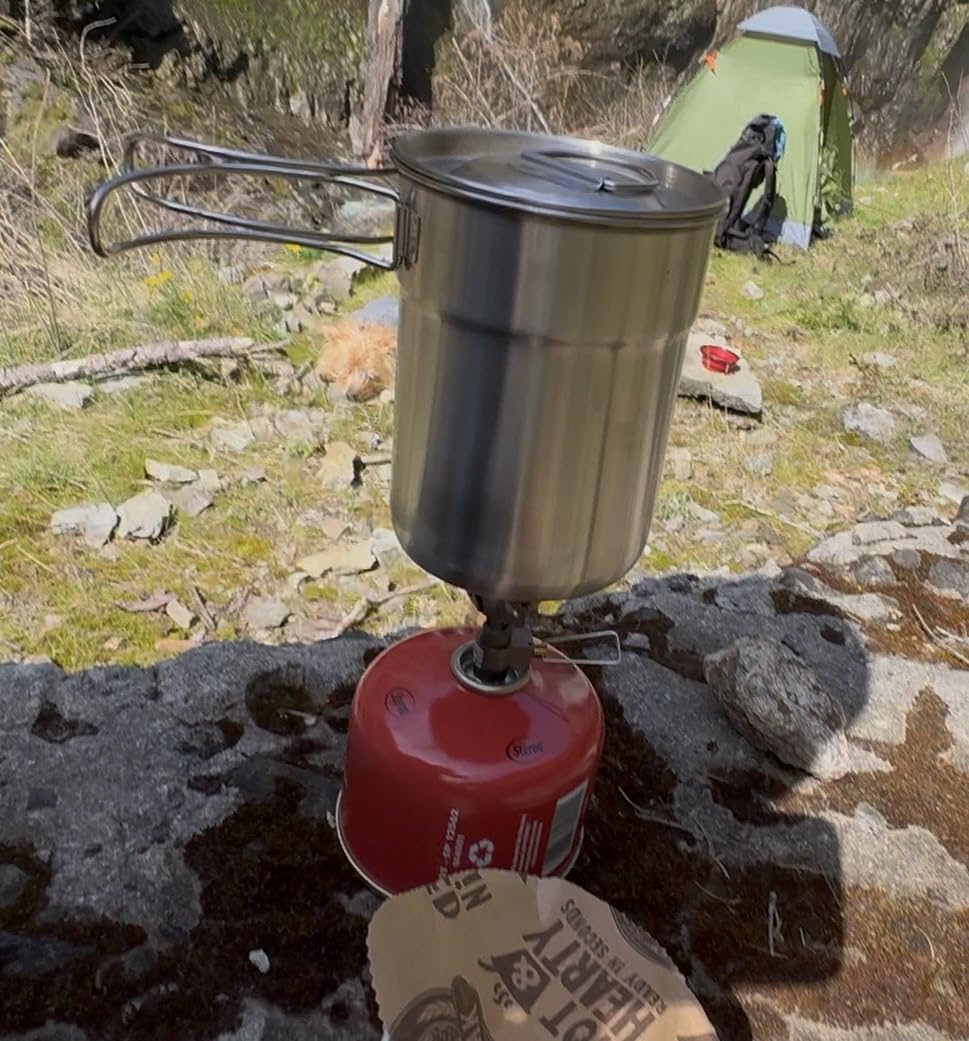
The PocketRocket 2 is the stove most hikers end up with, and after working through this list it is still the one we would hand a friend. It weighs 2.6 ounces, folds to 2 by 2 by 3 inches, and boils a liter of water in about 3.5 minutes on a standard isobutane propane canister.
Setup is where it beats almost everything here. There is no priming, no preheating, no pressurizing, no pump. You twist it onto the canister, push the wire stand out, and light it. On a cold morning in the dark after a 4am start, those three absent steps are worth more than any boil-time difference in this roundup.
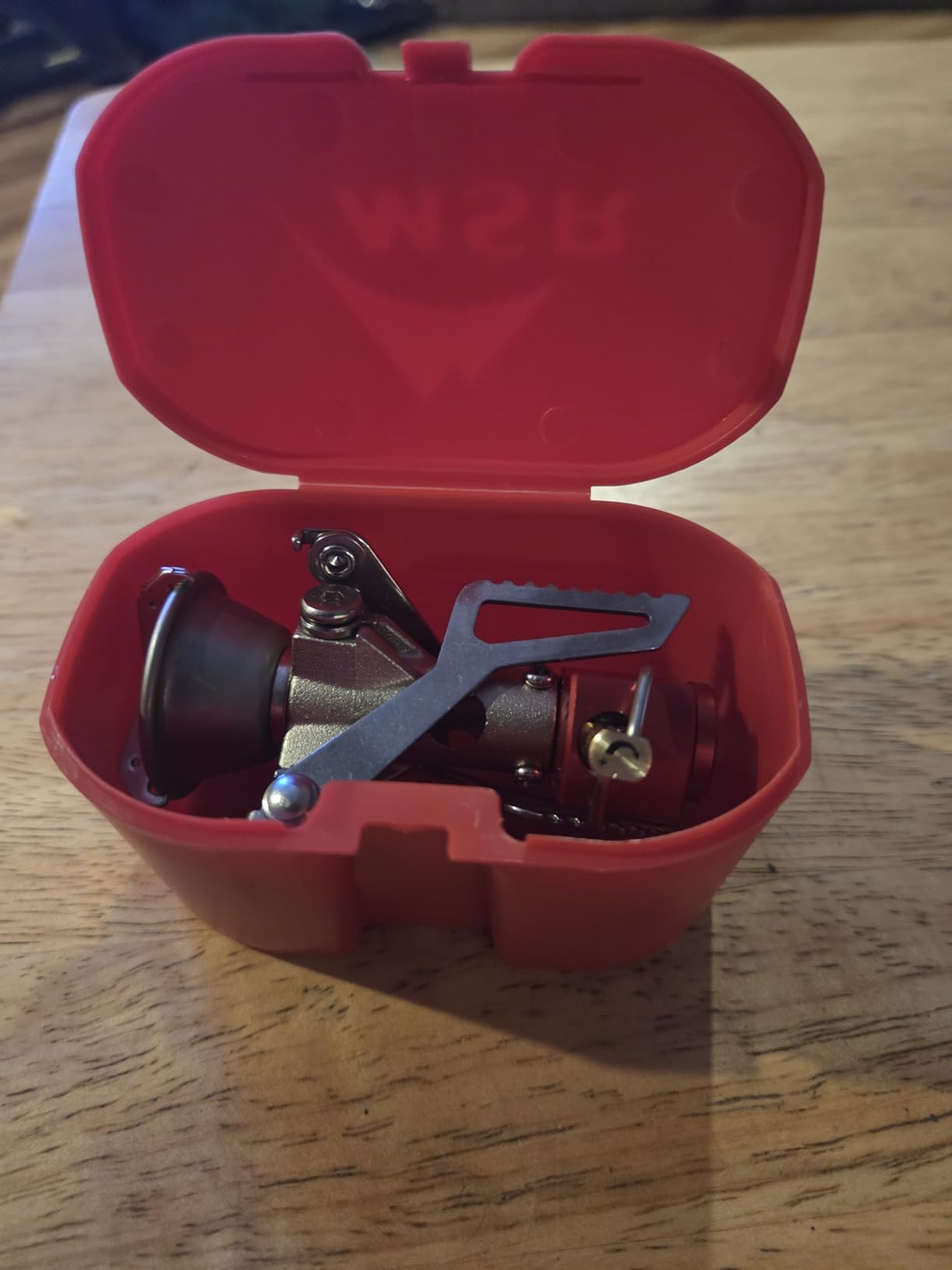
The flame range surprised us most. The valve moves from a low simmer up to a rolling boil in increments fine enough to actually cook in, which is more than most stoves at 25 grams manage. The serrated pot supports accept a wide range of pot diameters and styles, so you are not forced into one cookware size.
Weight is where it wins outright. The case brings the total to 4.2 ounces, still the lightest complete setup in the group once you add any pot, and the whole thing fits inside a small titanium pot. Nothing else here gets close to that number while also offering a case in the box.
What you give up compared with the SOTO and Jetboil
There is no built-in windscreen. Owner reports on r/Backpackingstoves frequently describe the PocketRocket 2 holding a flame better than expected on its own, but a foil windscreen is still the difference between cooking and watching in a real crosswind. Budget three quarters of an ounce and a few seconds of setup for one.
There is also no pressure regulator, which is the specific feature that makes the SOTO WindMaster so good in cold and gusty weather. The burner body and case stay hot after use, so a bare-handed grab in the dark is a real burn risk, and the igniter is a long-term wear item that most owners treat as replace-it-when-it-fails.
Who the MSR PocketRocket 2 fits
Buy this one if you boil water, rehydrate meals, and want the lowest number in your pack audit. It suits three-season solo trips, first-time thru-hikers who want the default reliable choice, and anyone splitting gear between a drive-in site and a backcountry loop.
Skip it if your trips are above treeline in winter, or if you want a real pan of food rather than a pot of boiling water. In those cases the WindMaster buys you wind tolerance, and a liquid fuel or larger-burner design buys you cooking power. Fuel is not included, so plan for a separate canister purchase.
2. AOTU 3000W Canister Stove – Best Portable Camping Stove for Groups
AOTU Portable Camping Stoves Backpacking Stove with Piezo Ignition Stable Support Wind-Resistance Camp Stove for Outdoor Camping Hiking Cooking
Weight: 3.84 oz
Output: 3000W
Fuel: butane and EN 417
Packs to 4x5x8 cm
Pros
- 3000W output handles group pot sizes
- All-aluminum construction resists rust and weather
- Honeycomb windproof net around the burner
- Adjustable valve down to a real simmer
- Piezo ignition removes the lighter
Cons
- Will not fit propane canisters
- Bulkier footprint than trekking stoves
- Piezo can need several attempts in cold
The AOTU is the odd one out in this list, and that is exactly why it is here. It is a three-person backpacking stove, not a one-person one, with a rated output of 3000 watts and a 9.5 by 9.5 cm fire board that the manufacturer sizes for a 20 cm pan.
For two people cooking a real dinner rather than pouring boiling water over noodles, that footprint matters. A narrow titanium burner concentrates heat under a small area and struggles to hold temperature across a wide skillet, and the AOTU solves that with a wider aluminum base and a honeycomb windproof net around the burner head.
The valve is adjustable from maximum heat down to a simmer, which the 4.5 average rating across more than 6,500 reviews suggests buyers appreciate. Piezo ignition means you are not carrying matches, and the aluminum alloy body is rust and weather resistant, which matters on a trip where condensation is constant.
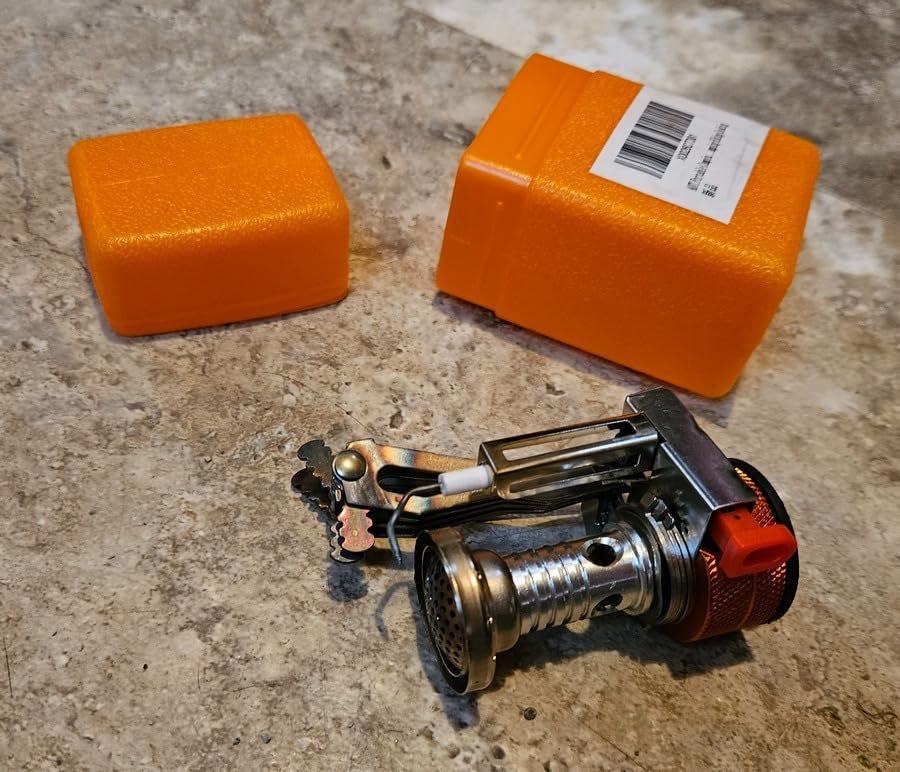
At 3.84 ounces and packing down to 4 by 5 by 8 cm with an included storage box, it is not an ultralight choice. It is a wider, heavier, more capable burner, and it is the only one here rated by its maker for one to three people.
What you give up compared with the lighter titanium stoves
The thread matters more than anything else with this stove. It fits 7/16 thread EN 417 butane and butane-propane mixed fuel canisters and will not accept propane canisters at all. If you already own propane gear or plan to travel where only screw-on propane is sold, this is a non-starter, and no adapter fixes it.
Its wide base also makes it the bulkiest canister stove here, and piezo ignition on a cold or windy morning can take several attempts. With a 4.5 average and a rating spread showing real quality-control variance, the value is good but not flawless.
Who the AOTU stove fits
This is the two-to-three person stove, or the one-person cook who refuses to eat out of a pot. It works for weekend trips, a first backcountry cooking setup, and anyone whose pot is wider than a standard 750 ml titanium pot.
It is the wrong pick for a solo base-weight hiker, for international travel where propane is the common thread, and for anyone who has to carry it every single day for a month. For that last case, the PocketRocket 2 or the BRS-3000T costs you nothing in weight and gains a lot in compatibility.
3. BRS-3000T – Most Versatile and Lightest Stove in the Roundup
BRS Outdoor BRS-3000T Ultra-Light Titanium Alloy Miniature Portable Picnic Camping Gas Cooking Stove Portable Ultralight Burner 25gram
Stove body: 25 g
Output: 2700W
1 liter in about 3 min
Fuel sold separately
Pros
- 25 g stove body
- the lightest here
- 2700W output with a near 3 minute boil
- Titanium alloy resists corrosion and damage
- Nests with a 110 g canister in a 750 ml pot
- Carry pouch and spare O-ring included
Cons
- Small burner head concentrates heat into a hot spot
- Close-set pot supports can warp over time
- No wind protection at all
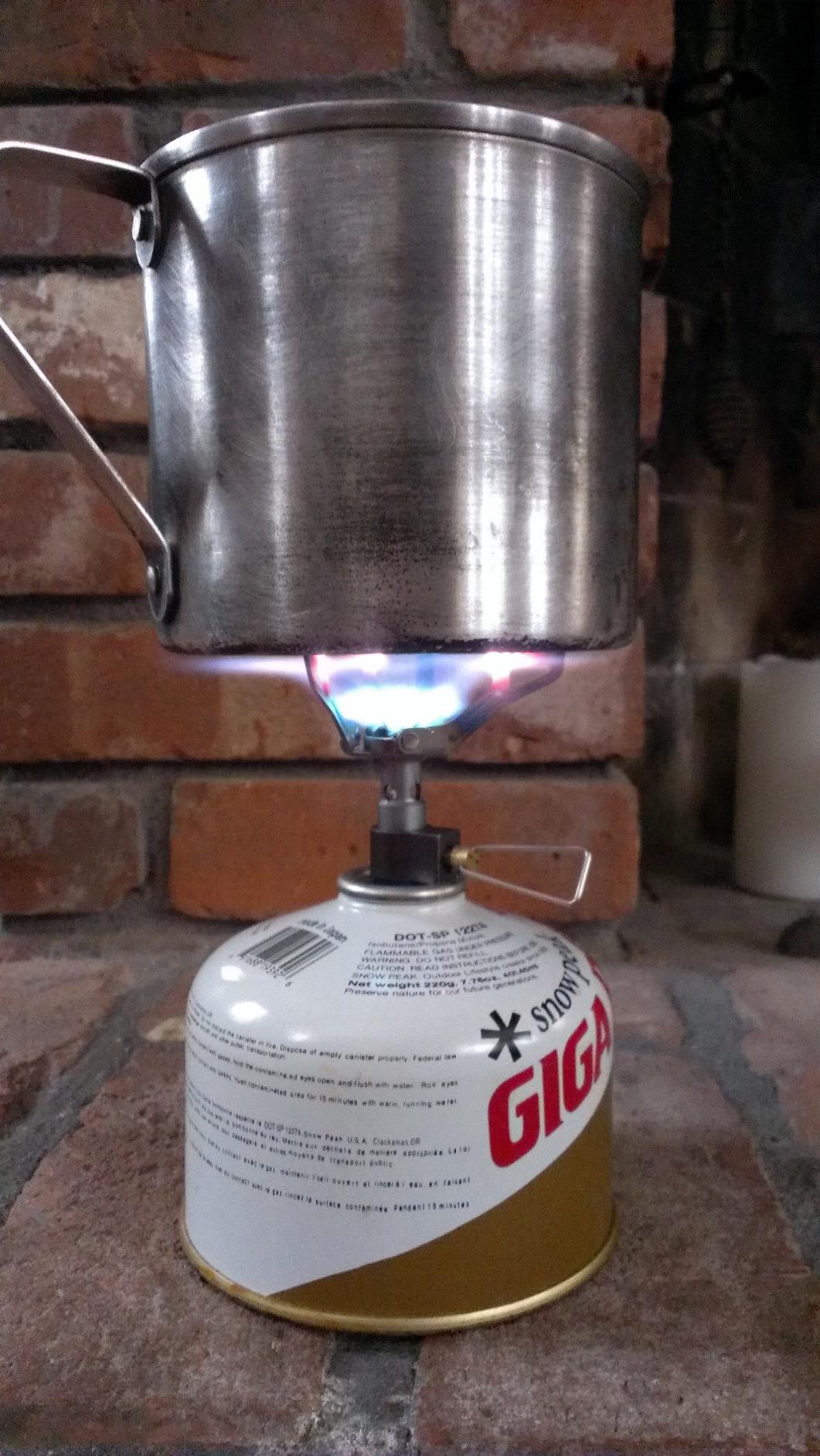
The BRS-3000T is the stove that shows up in a beginner’s first kit, and forum threads on r/backpacking treat it as a legitimate choice rather than a placeholder. At 25 grams for the stove body, there is nothing lighter in this roundup, and at 2700 watts it does not feel like a toy.
Boil time is the surprise. A liter of water takes about 2 minutes 58 seconds, which lands right next to the Jetboil Flash’s 2 minute figure for a smaller volume and ahead of most of the non-integrated stoves here. Rated gas consumption is around 140 g per hour, so the efficiency story holds up.
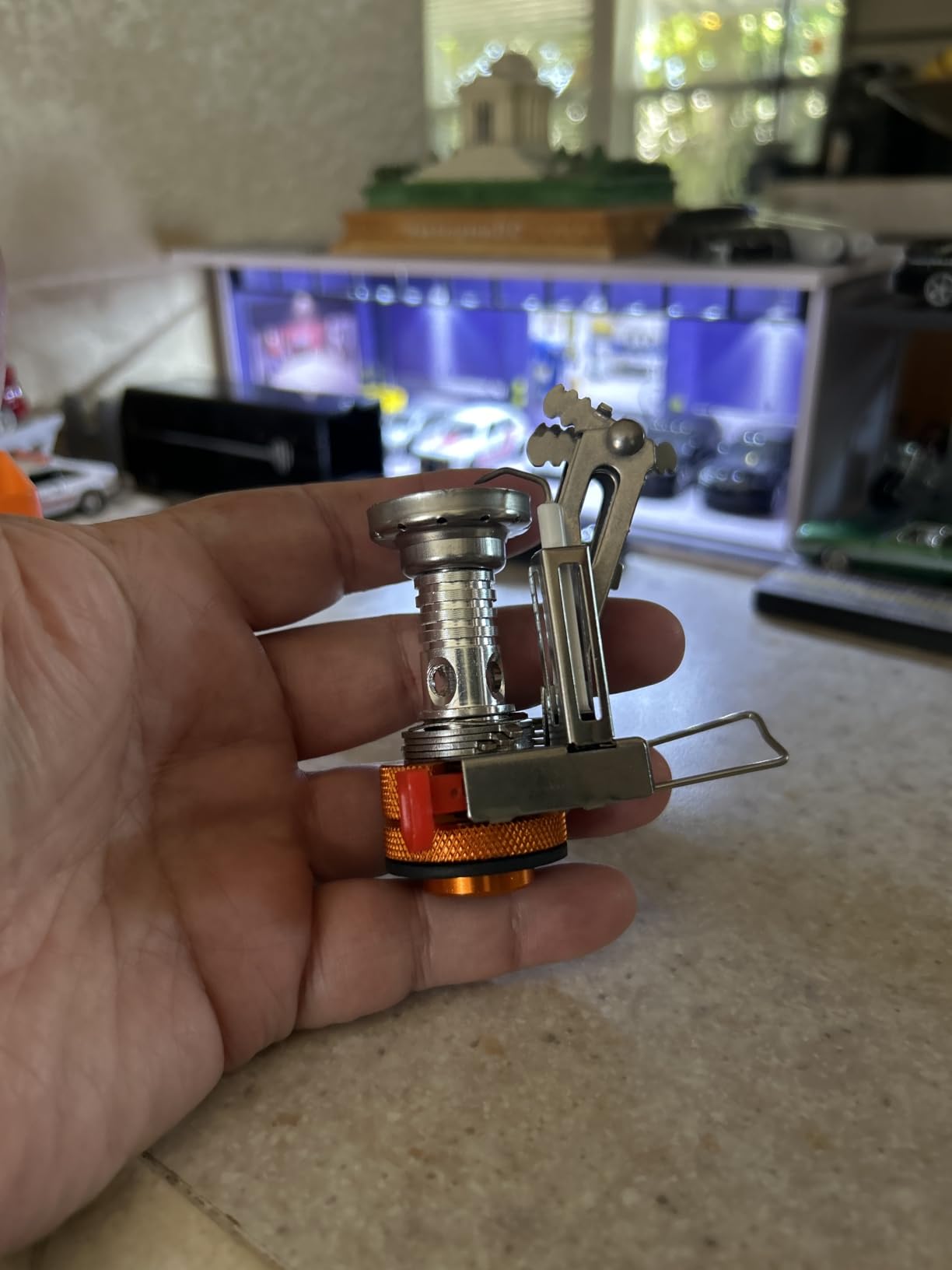
The nesting design is what makes it genuinely ultralight rather than just light. The stove and a 110 g canister fit inside a 750 ml pot, so your entire kitchen becomes one nesting object with no loose pieces to lose in a pack liner. The box includes a carry pouch and a spare O-ring, which is generous at this level.
Construction is titanium alloy with copper and stainless steel components, which is why it holds up across seasons where aluminum clones warp. On r/backpacking, owners regularly start here and only move up when wind or pot size forces them to.
What you give up compared with the PocketRocket 2
The burner head is very small, and that concentrates heat into a hot spot under the center of the pot. It is at its best with small cookware and gets uncomfortable with a wide pan, and the pot supports are close-set enough that owners report warping under sustained heat after heavy use.
There is no wind protection whatsoever, so a windscreen is not optional on exposed terrain. The piezo igniter is also a common long-term failure point on ultralight stoves of this class, which is why carrying a lighter remains a habit worth keeping even when the stove has an igniter.
Who the BRS-3000T fits
Buy it if this is your first backpacking stove, if your trips are warm and sheltered, and if counting ounces is a hobby rather than an obsession. It also makes a cheap second stove, a car-camping backup, or a dedicated boil-water unit alongside a heavier setup.
Upgrade when you hit wind, cold, or real cooking. The SOTO WindMaster is the natural next step for weather, and the AOTU or the Coleman Classic for pans. The jump is a small cost in grams and a large jump in capability.
4. SOTO WindMaster – Best Portable Camping Stove for Wind
SOTO WindMaster Backpacking Stove with 4Flex, Canister Not Included
Weight: 67 g stove
Output: 11000 BTU
2 cups in under 2.5 min
Burns about 1.5 h per 250 g
Pros
- Built-in pressure regulator holds output as fuel drops
- Concave burner head acts as an integrated windscreen
- 2.3 oz with the 4Flex stand included
- Burns about 1.5 hours from a 250 g canister
- Replaceable igniter post and O-rings
Cons
- Fuel canister not included
- 4Flex arms are not rigid when open
- Slightly bulkier than miniature stoves
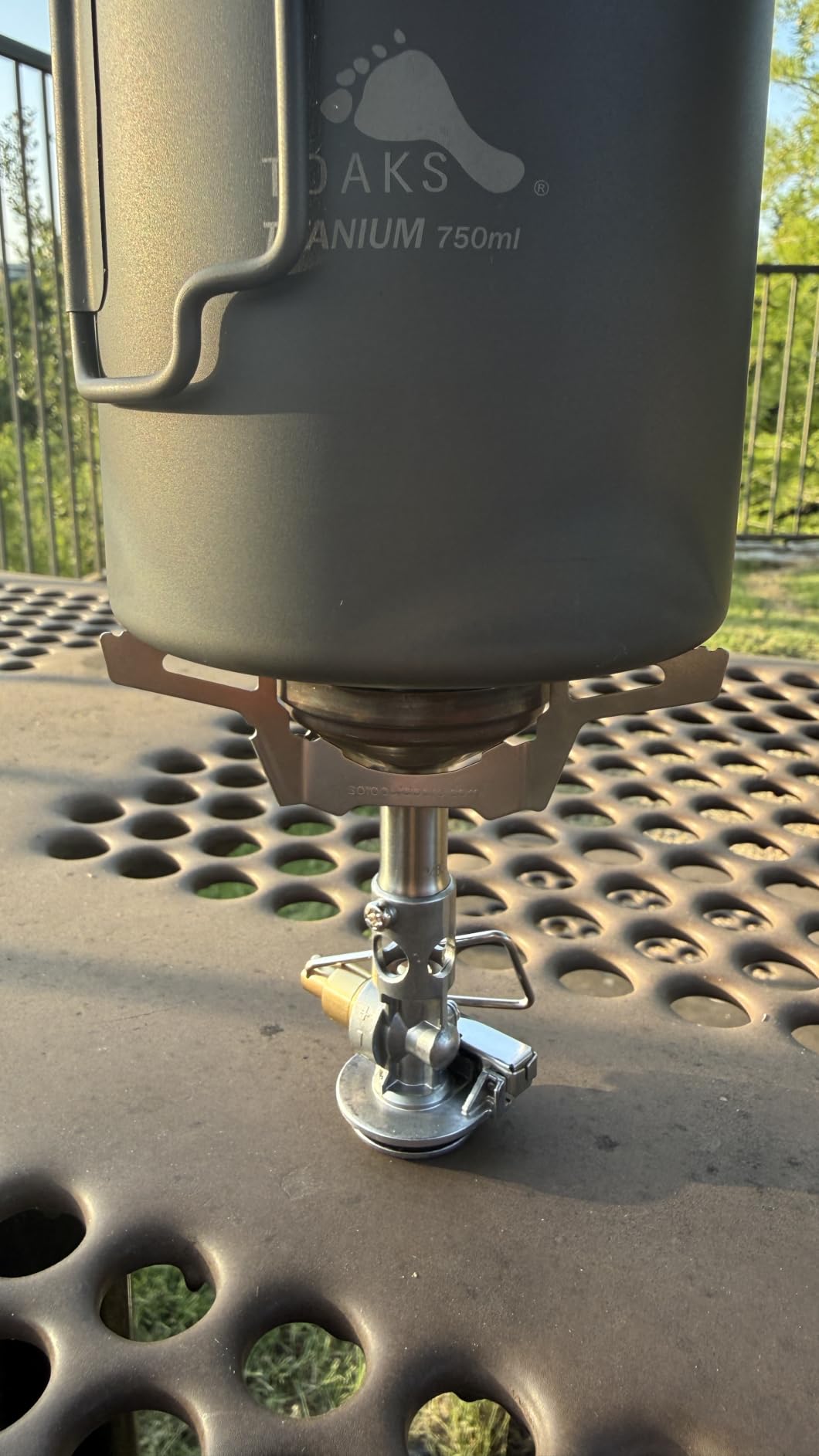
Wind is the number one complaint on every backpacking stove forum, and the SOTO WindMaster is the direct answer to it. The concave burner head pulls the pot close to the flame so the pot itself acts as a windscreen, and the geometry keeps the flame lit in conditions that kill most pocket stoves.
Underneath sits a built-in pressure regulator, and this is the feature most owners never stop praising. Most canister stoves lose output as the canister empties and lose more as the temperature drops; the regulator holds a consistent 3260 watts, 2800 kcal per hour, 11000 BTU, from a full canister to a nearly empty one.
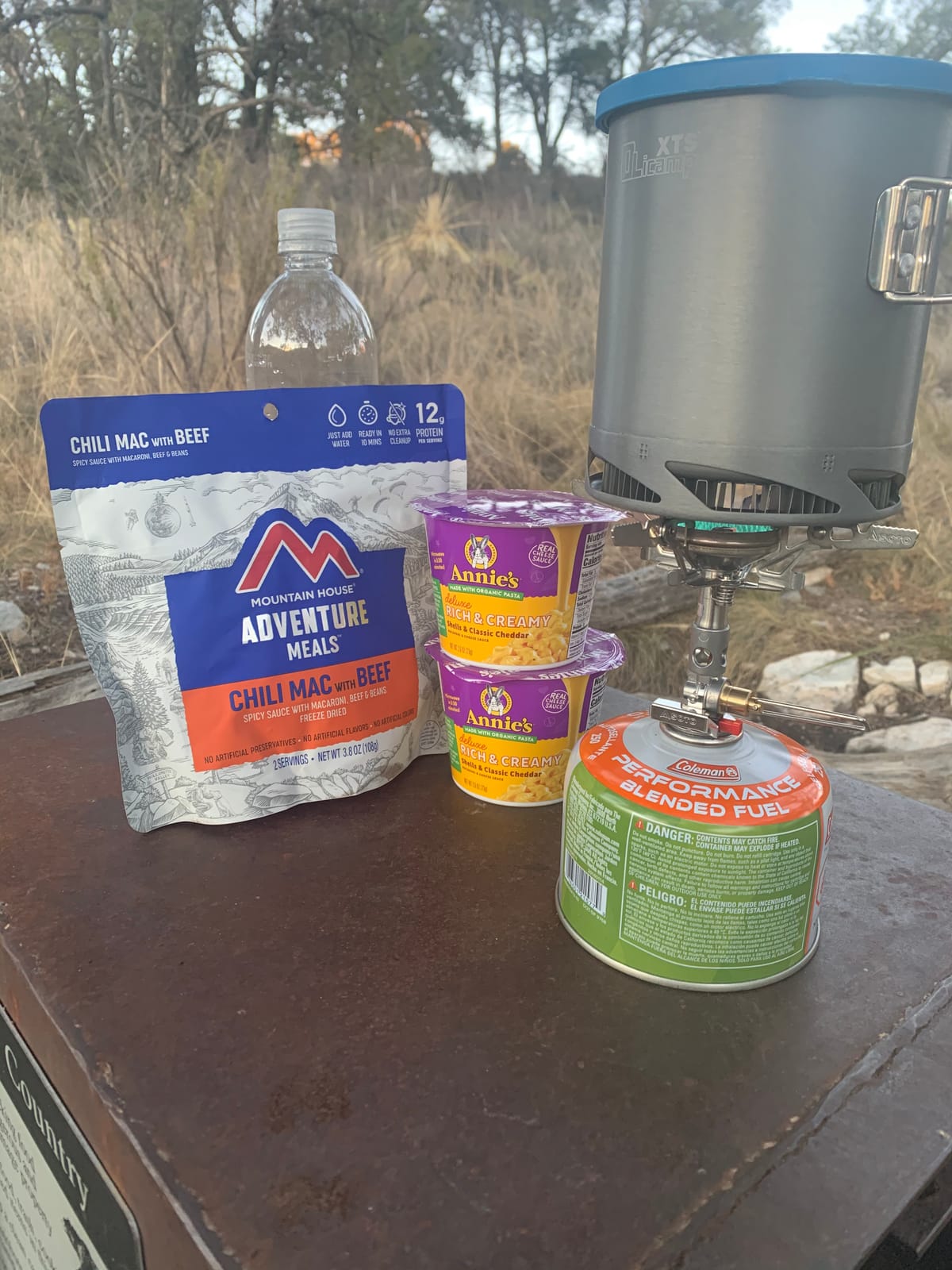
Speed and efficiency follow. Two cups of water boil in under 2.5 minutes, and a 250 g canister burns for roughly 1.5 hours. The 4Flex pot stand holds larger cookware and pans securely, which fixes the small-pot limitation that holds the BRS-3000T back.
It is also serviceable in a way most ultralight stoves are not. The igniter post is shock resistant and replaceable, the double O-ring canister seal has a known replacement part, and on r/Ultralight the WindMaster with 4Flex support is the enthusiast pick at roughly 67 to 77 g. The regulator also accepts butane, isobutane and propane mixtures, though 100 percent propane is prohibited.
What you give up compared with the PocketRocket 2
It is heavier and bulkier than the 2.6 ounce MSR, and the price of that weight and size is the integrated regulator and the better burner head. The 4Flex arms are not held rigidly in the open position, so you check them before you light, a small habit that trips up people new to the stove.
The piezo igniter post can feel flimsy, and it should be pressed straight in rather than fiddled with. Replacement O-rings and igniter posts cost extra, and the fuel canister is not included. If you need a stock burner to work on a very small pot, the optional TriFlex support is a separate purchase.
Who the SOTO WindMaster fits
This is the stove for ridgelines, open tundra, alpine routes above treeline, and any trip where wind is a constant rather than an occasional annoyance. On r/Backpackingstoves, the Soto versus PocketRocket debate lands close, with owners usually leaning Soto specifically because of the wind behavior.
It is also the right default for anyone who wants a wider range of pot support than the 2.6 ounce class allows. What it does not do is stop canister pressure dropping in deep cold, because a regulator stabilizes the burner but cannot create vapor when the canister is too cold to produce it. For that, read the cold-weather section in the buying guide below.
5. Coleman Classic 1-Burner – Best Portable Camping Stove from Car to Trail
Coleman Classic 1-Burner Backpacking Stove, 10000 BTU
Weight: 6.7 oz
Output: 10000 BTU
1 liter in 3.25 min
Fuel: propane
Pros
- Durable folding design with a 3-year limited warranty
- 10000 BTU and a 3.25 minute boil
- Adjustable burner for real temperature control
- Fits a 6-inch pan
- which most pocket stoves do not
Cons
- Heaviest of the ultralight canisters at 6.7 oz
- Slower boil than the leading pocket stoves
- Less wind resistant than dedicated backpacking units
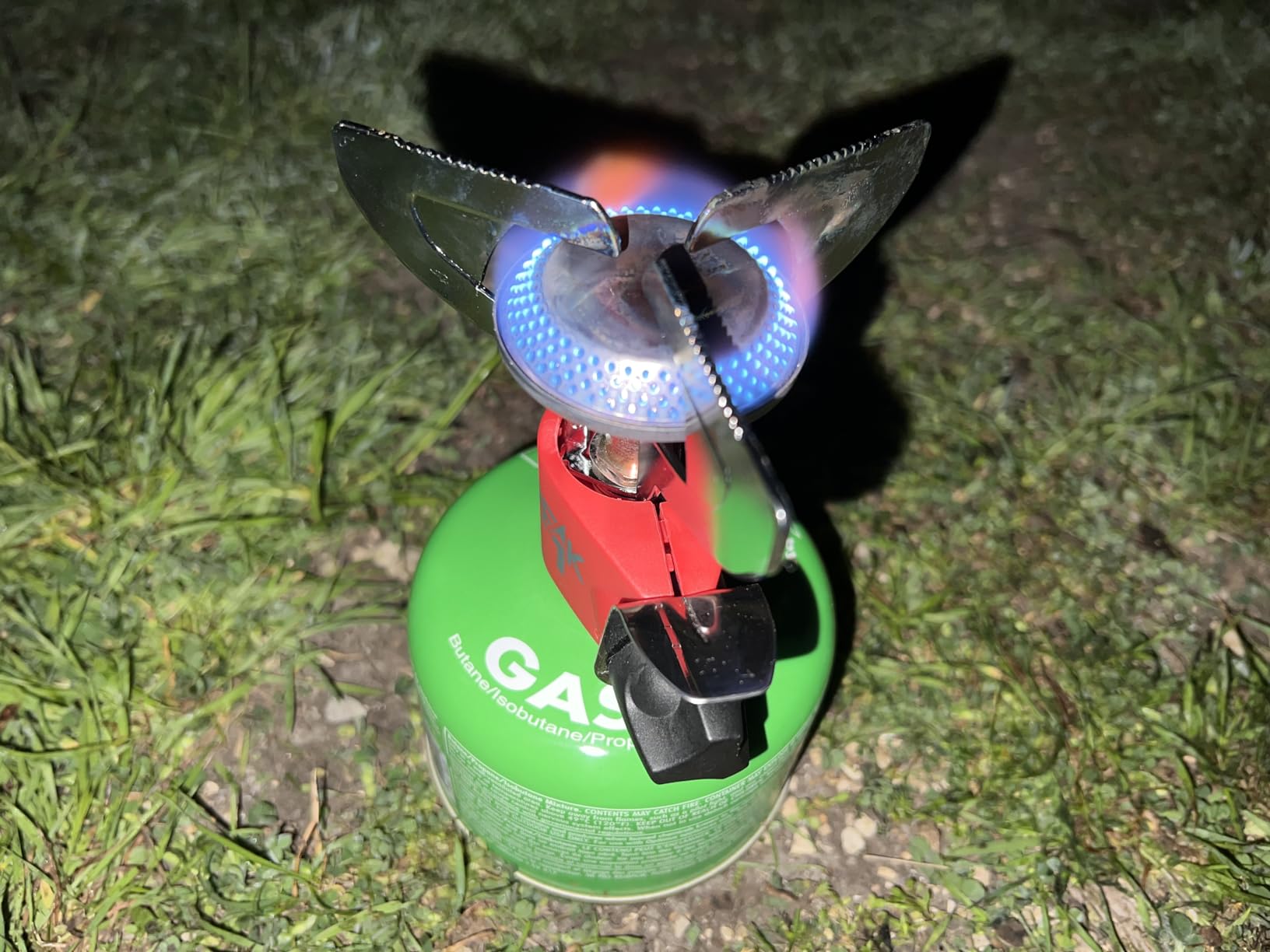
The Coleman Classic exists in the exact gap this roundup is about. It is light enough to carry for a short walk-in camping or a two-night trip, sturdy enough to leave in a van, and powerful enough to actually cook on instead of only boiling.
Two things separate it from every titanium stove in the list. It offers up to 10000 BTUs of cooking power, and it fits a 6-inch pan. That pot size is the difference between heating a skillet and heating a cup, and it is why this stove keeps showing up on family and beginner trip lists.
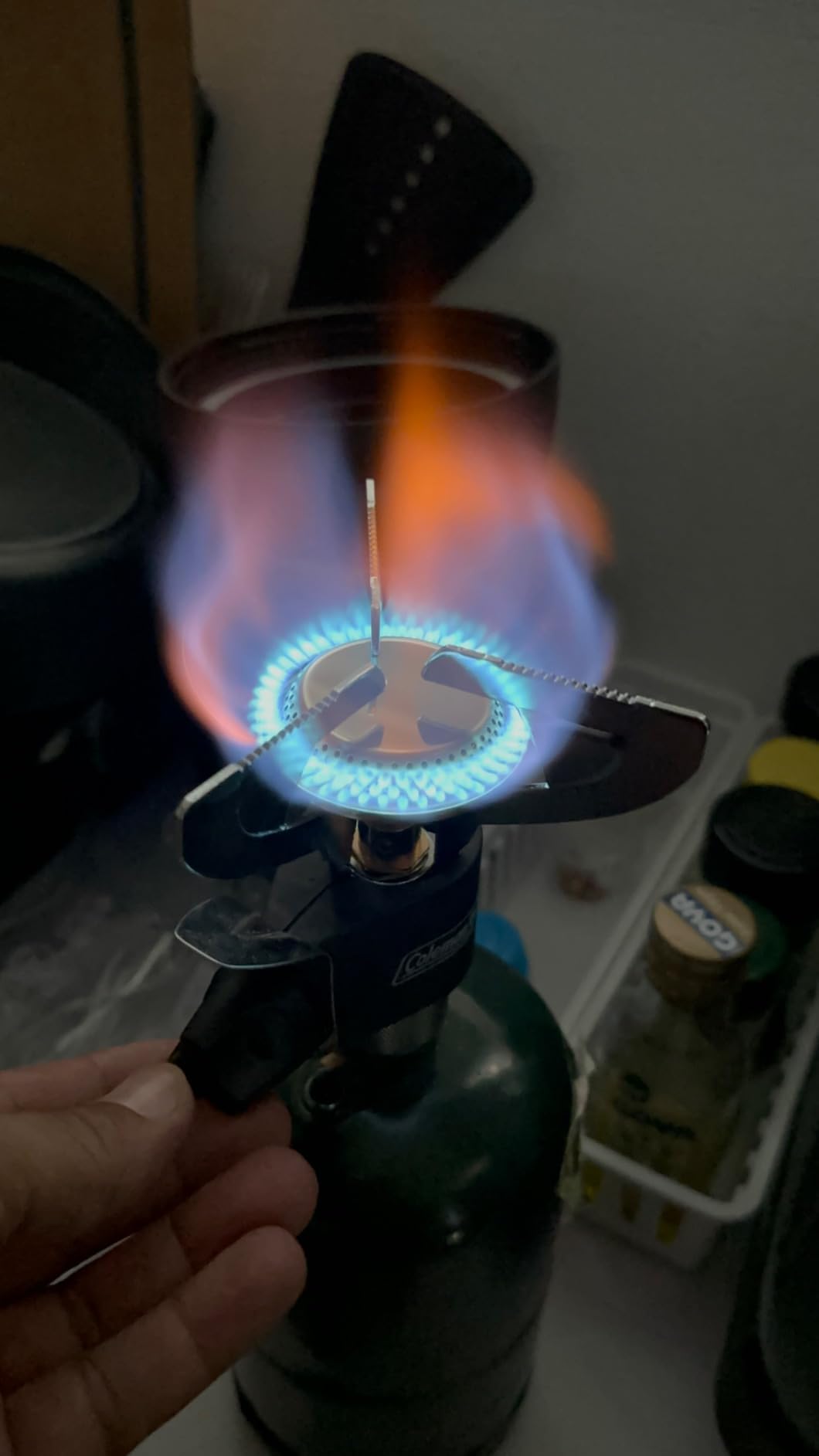
Flame control is genuinely adjustable rather than on and off, and serrated pan supports let you stir without the pot sliding. PerfectFlow technology is designed to hold performance in changing conditions and PerfectHeat is intended to get more cooking out of the same fuel.
It is also a brand with a service network and a 3-year limited warranty, which matters if your stove is the one thing you do not want to fail. At 6.7 ounces it folds down reasonably well, and a 3.25 minute boil for a liter is respectable rather than class-leading.
What you give up compared with the canister ultralights
Weight is the honest drawback. At 6.7 ounces the bare stove is heavier than an entire nested BRS-3000T cook system, and a long-distance hiker carrying it daily pays that difference every single morning.
Boil time is slower than the MSR PocketRocket 2 and the SOTO WindMaster, and the flame is less wind resistant than a purpose-built backpacking burner with a close-set burner head. It runs on propane, which is less commonly carried than the isobutane propane canisters most backpacking stoves use.
Who the Coleman Classic fits
It suits weekend backpackers, family camping where someone is cooking for everyone, van life, and anyone who wants one stove for the drive-in site and the short walk-in site. It is also a reasonable gift stove for a new camper who will not baby it.
It is the wrong pick for a thru-hiker counting base weight, for exposed alpine terrain, and for anyone whose cooking is limited to boiling water for a coffee. For those, the PocketRocket 2 or the WindMaster is lighter and tougher in weather.
6. Jetboil Flash 1.0L – Best All-in-One Portable Camping Stove
Jetboil Flash 1.0L Portable Fast Boil Stove for Camping and Backpacking with 1-Step Auto Ignition, Propane/Isobutane Burner with Cooking Cup, Mountainscape
System weight: 13.12 oz
16 oz of water in 2 min
Fuel: isobutane propane mix
1L pot included
Pros
- Fastest boil in the roundup at 2 minutes
- Turn-and-click auto ignition with no lighter
- Three-point pot lock with visual indicators
- Insulated cozy keeps water hot longer
- Everything nests inside the 1L cup
Cons
- Heaviest canister system here
- Locked to the FluxRing cook platform
- Fuel sold separately
The Flash is the fastest stove in the roundup and the one with the least to think about. Sixteen ounces of water boils in about 2 minutes, the pot is included, and the whole system packs back into the cup it cooks in. There is no separate pot to lose.
The turn-and-click knob igniter works like a kitchen stove. You push the knob, turn it, and the burner lights. No piezo to fail in the cold, no lighter to remember. For hikers who have been caught out by a dead igniter, that single feature is worth more than the boil time.
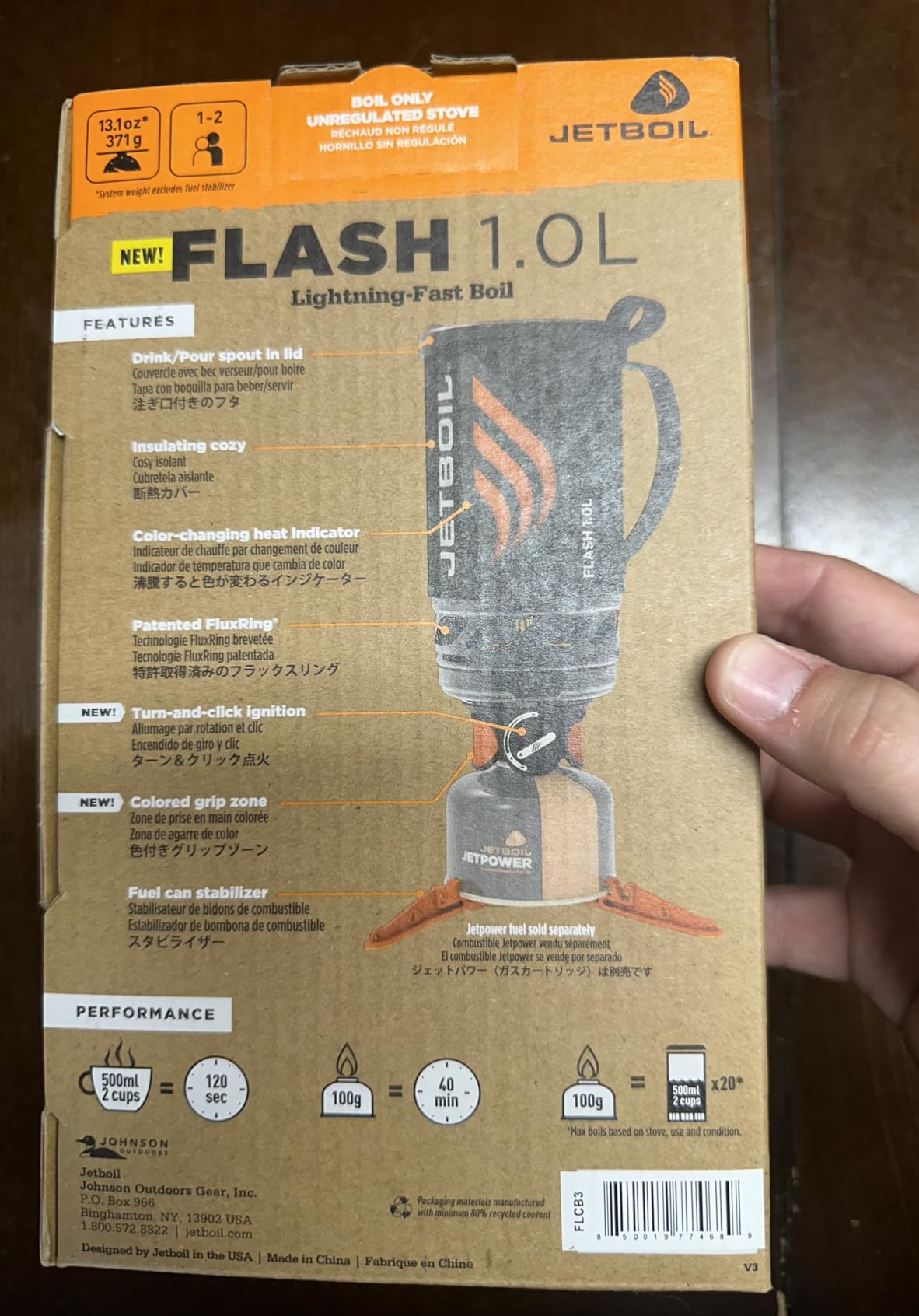
Safety details are unusually well handled. Color-coded Safe-Touch zones on the stainless steel burner stay cool and give you a secure grip while cooking, and a three-point locking system with visual indicators tells you the pot is properly seated. Neither is a gimmick once you have tipped a full pot of boiling water.
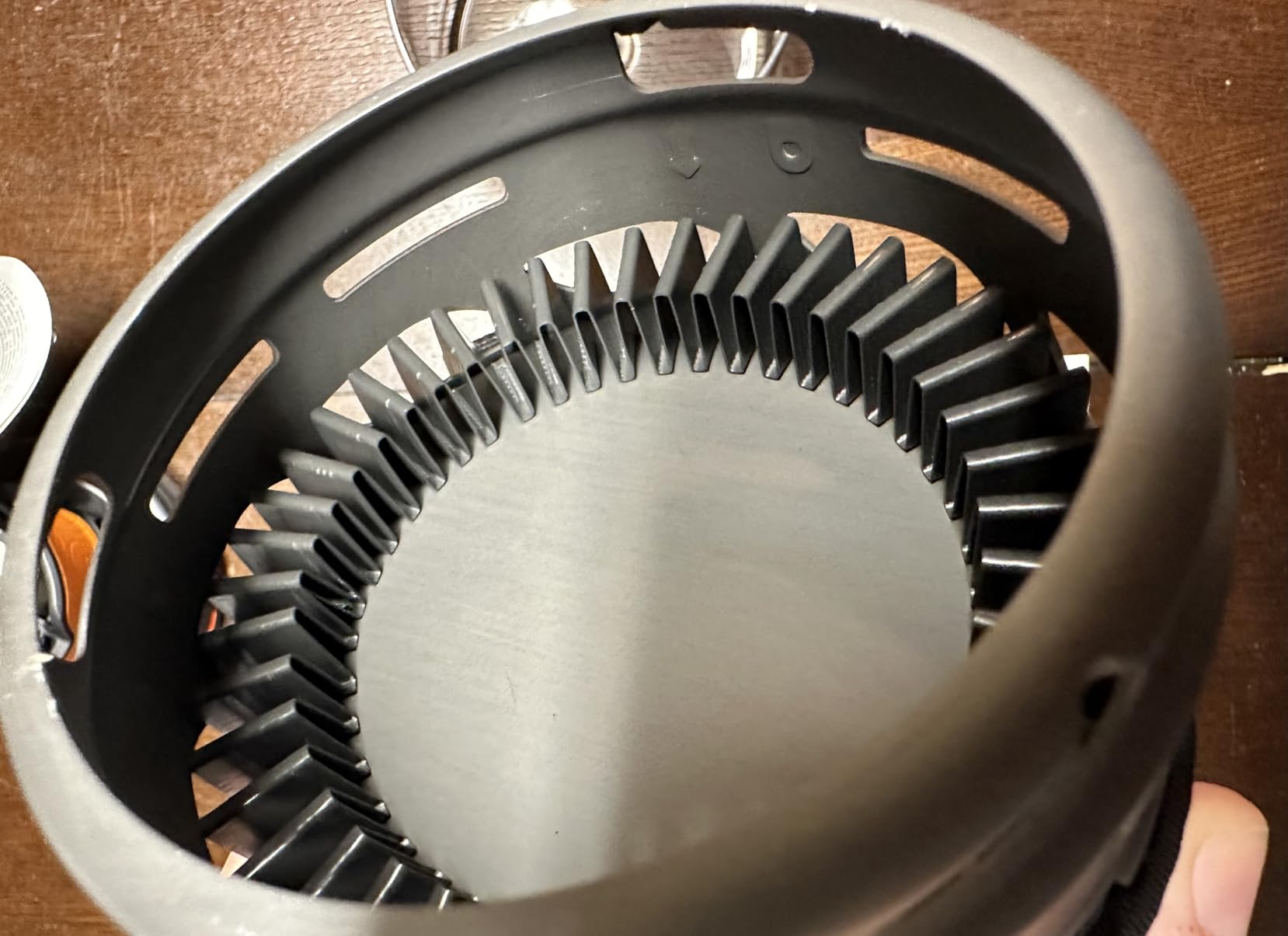
The insulated cozy keeps water hot longer after the burn, which means less reheating and less fuel. The bottom cup doubles as a measuring cup or a bowl, and burner, pot, cozy and a 100 g canister all nest in the 1 liter cook cup.
What you give up compared with the bare-burner stoves
System weight is the real cost. The listed 13.12 ounces is the heaviest canister setup here, and that is before fuel. Compare it to a nested BRS-3000T cook system and the gap is close to a full pound across a full kit.
The second cost is the platform. The three-point lock fits the FluxRing pot and nothing else, and the fuel is JetPower branded, so you are buying into a system rather than a burner. For group cooking across two people, a single locked pot is also the wrong shape.
Who the Jetboil Flash fits
It suits first-time campers, solo hikers who boil and rehydrate rather than fry, cold and wet trips where a piezo failure would end dinner, and anyone who values a 2 minute boil over a 3.5 minute one. Several owners use it as a car-camping stove for exactly that reason.
It is a poor choice for a base-weight hiker, for anyone who wants to cook in their own cookware, for a group of two or more, and for a thru-hiker carrying one system for three months. A dedicated burner plus a pot you already own is lighter and far more flexible by the third week.
7. Jetboil MightyMo – Best Portable Camping Stove for Simmer Control
Jetboil MightyMo Ultralight and Compact Camping and Backpacking Stove
Weight: 3.36 oz
Output: 2900W
Rolling boil in about 3 min
Igniter rated to -6 degrees C
Pros
- Four-turn regulator gives fine simmer-to-boil increments
- Uses about half the fuel of traditional systems
- 3.36 oz with a genuinely compact footprint
- Pushbutton igniter regulated for -6 degrees C
- Fuel can stabilizer and pouch included
Cons
- Needs Jetboil FluxRing cookware for full function
- Fuel sold separately
- Boil time slower than the integrated Flash
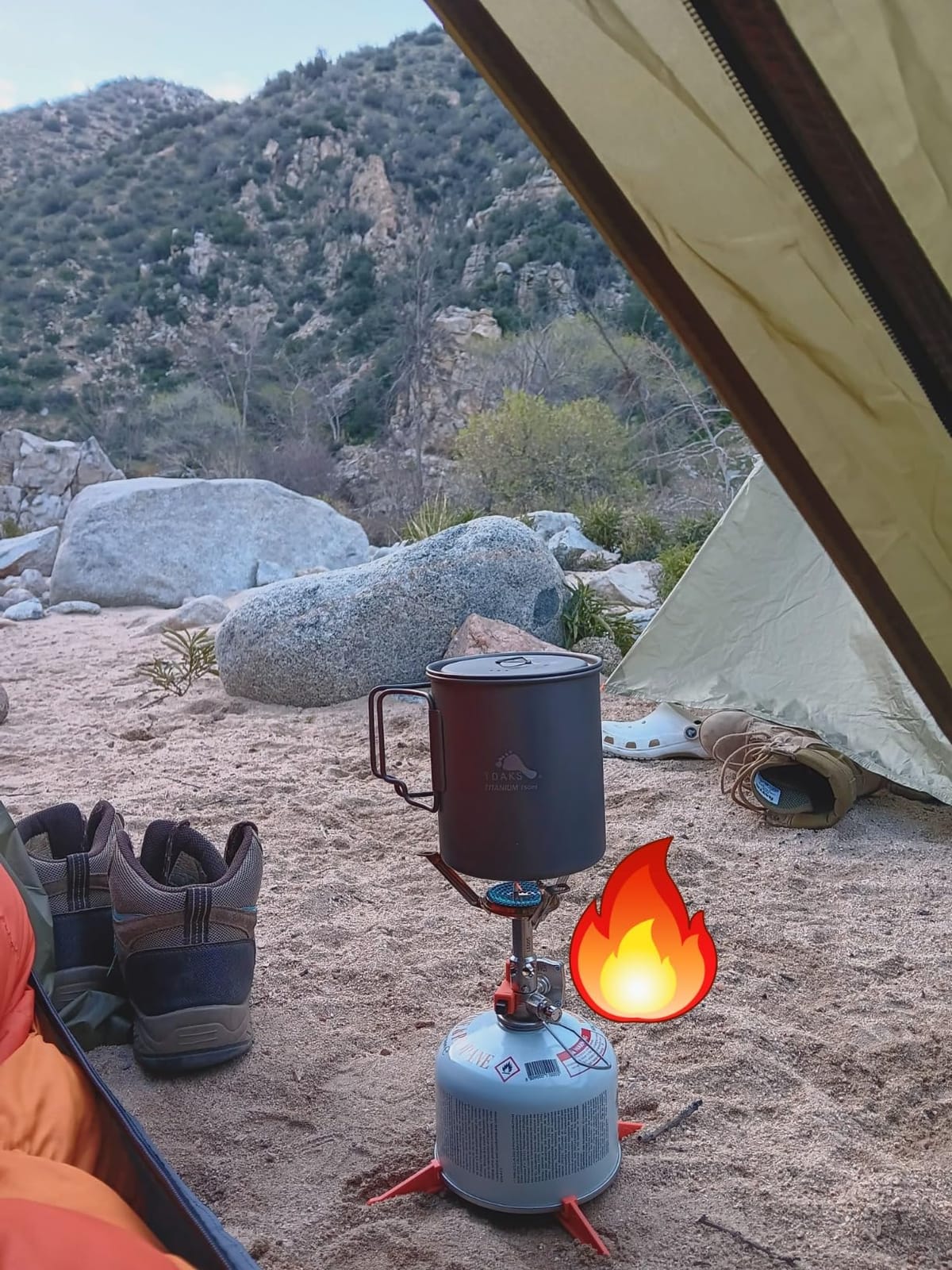
The MightyMo is the Jetboil answer for people who cook, and its four-turn regulator is the best flame control on a non-integrated burner in this roundup. Four turns from off to full means you can hold a sauce at a simmer rather than alternating between cold and boiling.
Fuel efficiency is the second argument. Jetboil rates it at roughly half the fuel consumption of traditional systems, and a rolling boil arrives in about three minutes at 2900 watts. That combination of control and efficiency is what you want when dinner is a real meal rather than a hydration packet.
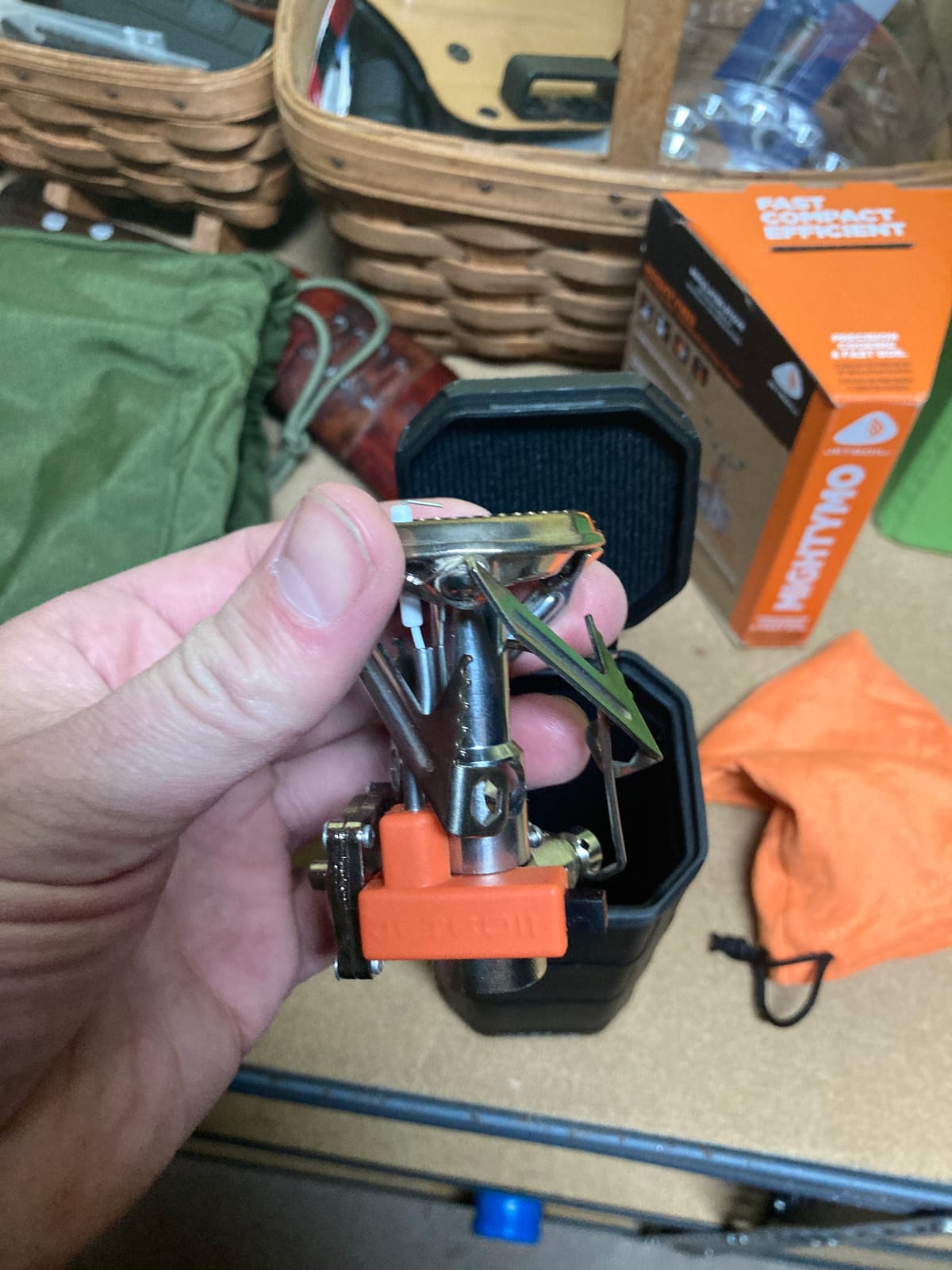
Cold performance is unusually well specified. The pushbutton igniter is regulated for consistent operation down to 20 degrees F, minus 6 degrees C, which is a meaningful claim when a piezo stove would be refusing to spark in the same air.
At 3.36 ounces it is one of the lighter burners here, and the open platform design takes a Jetboil skillet or FluxRing pot without needing a separate pot support. A fuel can stabilizer and a storage pouch are included, which is a nice touch for a stove that relies on a small canister for balance.
What you give up compared with the integrated Flash
Three minutes for a rolling boil is slower than the Flash’s two minutes, because the Flash moves heat through a purpose-built pot. On a boil-only trip that difference is real, and it compounds across a week of mornings.
You still need Jetboil FluxRing cookware for full function, and JetPower fuel is sold separately. The cooking platform is limited to small pots, so the wide skillet situation that the Coleman and AOTU solve is not solved here.
Who the MightyMo fits
It suits hikers who cook, small two-person trips where one person handles the stove, and anyone who wants integrated-system efficiency without carrying an integrated pot. The fine regulator is a genuine asset for anything involving grains, sauces, or a skillet.
It is the wrong pick for pure boil-only efficiency, for anyone who already owns good non-Jetboil cookware, and for a solo hiker counting every gram. In that last group, the SOTO WindMaster gives comparable control at a similar weight with far fewer platform constraints.
8. Evernew Titanium Alcohol Stove – Best Ultralight Multi-Fuel Burner
Evernew Titanium Alcohol Stove
Weight: about 1.23 oz
Made in Japan
Bloom in 15 to 30 seconds
Fuel: alcohol solid fuel white gas
Pros
- Titanium body resists crushing denting and cracking
- About 1.23 oz and pairs with the 0.5 oz Cross Stand
- Full flame bloom in 15 to 30 seconds
- Direct pot contact once primed for real simmering
- Cheap widely available denatured alcohol
Cons
- Roughly half the output of gas so fuel use climbs
- No lid so unused fuel cannot be stored
- Needs a windscreen outdoors
The Evernew is the stove to consider when canisters are not an option, which covers more ground than people think. International travel, fire-ban country where alcohol and solid fuel burners are restricted but canisters are fine, or simply a preference for a fuel you can buy almost anywhere.
It weighs about 1.23 ounces, 35 g, and it is titanium, made in Japan. That construction is the reason it has survived years of forum use where aluminum clones crack. Titanium resists denting, corrosion and the crush damage that a flat-packed pack liner can inflict.
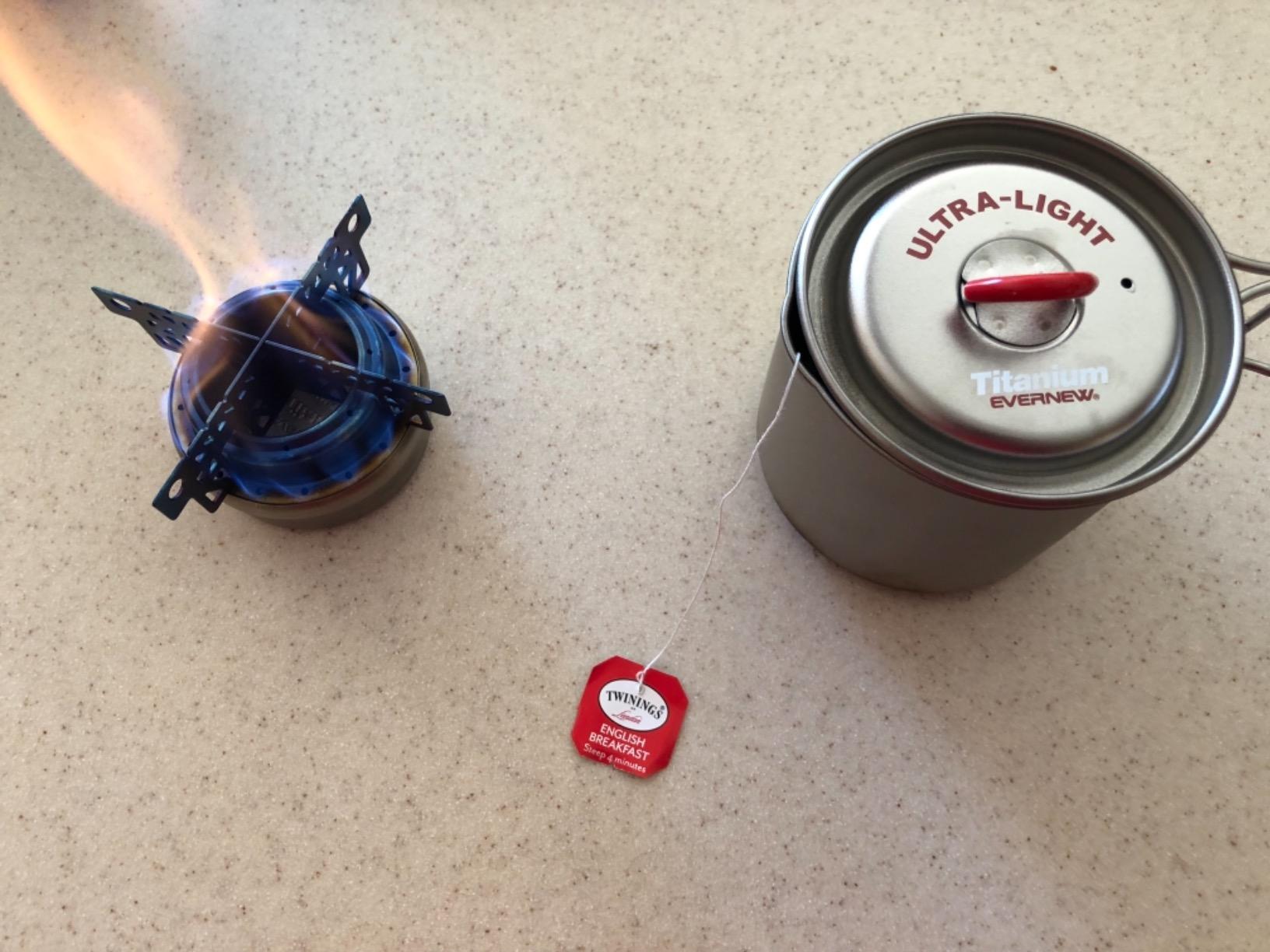
The inner wick blooms to a full flame in 15 to 30 seconds, far quicker than most alcohol stoves, and there are two rings of flame jets. The outer ring boils water, and once primed you can set a pot directly on the burner with the lower jet ring, which is what gives it real simmer control that most alcohol stoves lack.
It runs on alcohol, solid fuel tablets or white gas, and the optional DX stand adds wood capability. The Cross Stand at 0.5 oz keeps the whole system tiny. What it does not do is sip fuel; alcohol burns at roughly half the output of white gas or isobutane, so consumption is genuinely higher.
What you give up compared with a canister stove
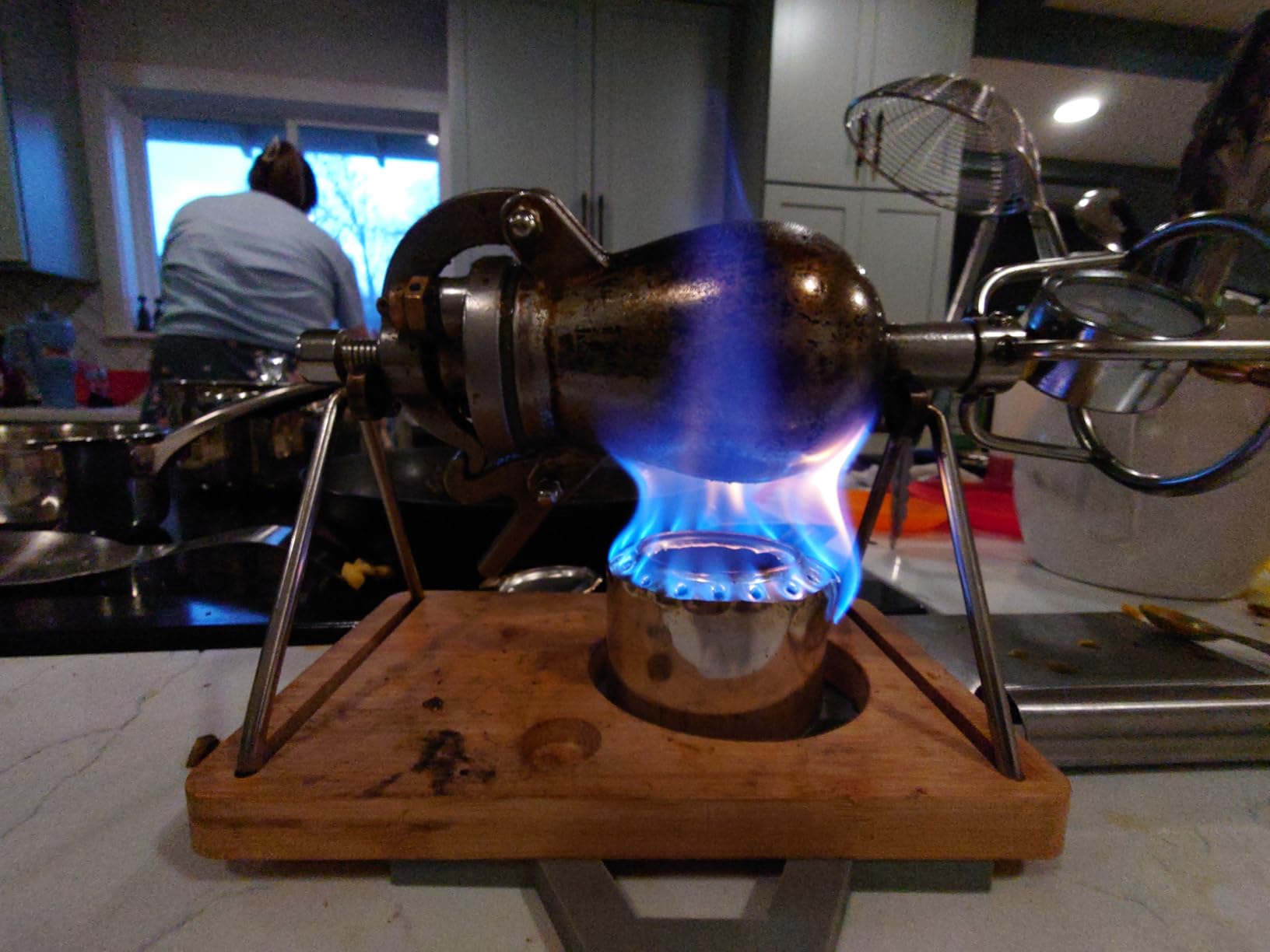
There is no lid or cap. You cannot snuff the flame cleanly and you cannot store unused fuel in the stove, which is a real inconvenience on multi-day trips and a genuine annoyance for anyone who has carried a warm cup of denatured alcohol in a pack.
It also needs a wind screen to run reliably outdoors, and you must let it prime for 10 to 30 seconds before a pot goes on. It is not the cheapest alcohol stove, either, and it is one of the priciest titanium options in its class.
Who the Evernew fits
It suits international travelers, base-weight traditionalists, thru-hikers on multi-week itineraries where a damaged pack liner is a real risk, and anyone who wants one stove that can pivot between alcohol, a solid fuel tablet, and wood.
It is the wrong pick for anyone who boils a lot of water, since fuel weight adds up quickly at half the efficiency of gas, and for windy exposed camps without a screen. If your trips are sheltered and your fuel is the problem rather than your weight, this solves the problem nothing else here does.
9. REDCAMP Mini Alcohol Stove – Best Budget Alcohol Burner
REDCAMP Mini Alcohol Stove Camping for Backpacking, Silver
Weight: 5 oz
About 50 min per 100ml
Fuel: alcohol
Burner and stand included
Pros
- Integrated windscreen base adds stability and flame protection
- 5 oz weight in a compact footprint
- Foldable handle controls and extinguishes the flame
- Rubber seal reduces leaks and evaporation
- Velvet bag and 365-day warranty included
Cons
- Brass and aluminum is less durable than titanium
- About 50 minutes per 100ml burns fast
- Low output limited to one small pot
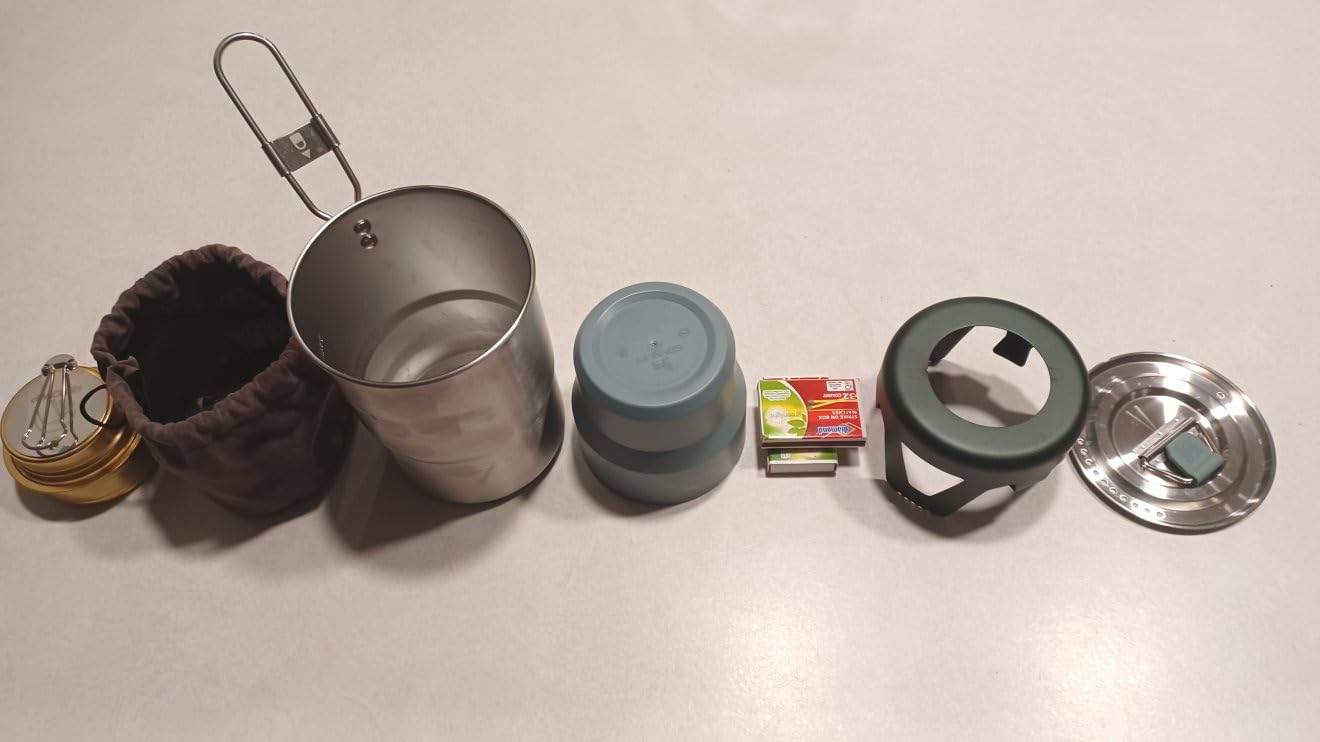
The REDCAMP Mini does one useful thing that most alcohol stoves skip: it has a windscreen. The base incorporates a three-sided screen that keeps the stove stable and supports pots and pans while protecting the flame, which is usually the reason an alcohol burner gets abandoned in the field.
It weighs 5 ounces, 145 g, and packs to 3 by 3 by 1.8 inches. The construction is an aluminum alloy stand with a brass stove, and combustion holes around the burner increase air movement for better efficiency.
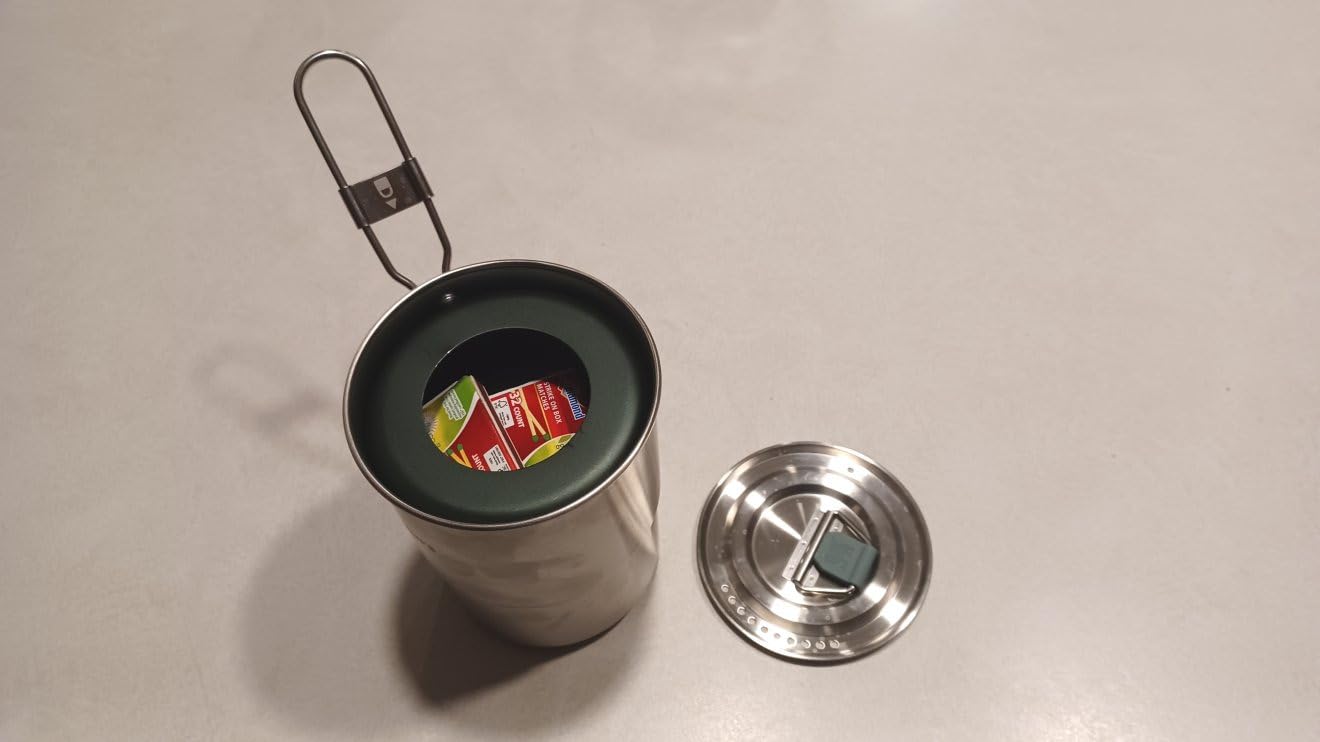
Two details show this was designed by people who cook. The foldable handle on the flame regulator both controls and extinguishes the flame, which is how you avoid a hot cup of fuel in your pack. And the rubber seal prevents alcohol leaks and evaporation during storage, a small part that protects a bottle of fuel for a month.
Burn time is about 50 minutes per 100 ml, and a velvet storage bag and a 365-day limited manufacturer warranty are included. Across more than 2,700 reviews the 4.6 average reflects a consistent picture: low cost, stable base, modest output.
What you give up compared with the Evernew
Brass and aluminum will not match titanium for durability over multiple seasons, and if your stove takes a hard hit in a pack, titanium bends back and aluminum cracks. The 5 ounce weight is also three times the Evernew’s stove body.
Output is low, and reviewers are consistent about that. It is geared toward boiling a single small pot rather than group cooking, and it is less stable with larger cookware than a wide-based titanium stand. Fuel is not included.
Who the REDCAMP Mini fits
It suits weekend backpackers, anyone starting out who wants an alcohol option without titanium pricing, and campers who cook outdoors in breezy spots and need the integrated screen. It is also a good beginner burner for trips in areas where canisters are awkward to buy.
It is not the choice for a hiker who boils multiple liters a day, for long itineraries where a lighter body matters, or for anyone carrying larger pots. If you are weighing between the two alcohol stoves here, buy titanium if you expect to keep it for years and brass-and-aluminum if you want a spare burner for occasional trips.
10. MSR Dragonfly – Best Portable Camping Stove for Winter and Altitude
MSR Dragonfly Compact Liquid Fuel Camping and Backpacking Stove
Weight: 14.1 oz
Runs on most liquid fuels
Pot support to 10 inches
3-year limited warranty
Pros
- Runs on virtually any liquid fuel so fuel is never the constraint
- Dual valves give the best flame control in this roundup
- Extra wide pot supports stabilize pans to 10 inches
- Suspended burner cup reduces heat lost to the ground
- Shaker Jet allows full field cleaning
Cons
- Heaviest stove here at 14.1 oz
- Highest cost of the group
- Fuel must be pumped separately
The Dragonfly is the stove for when a canister is not good enough, and cold weather plus high altitude is exactly that situation. It runs on white gas, and also on auto fuel, diesel, jet fuel and kerosene, so whatever liquid fuel you can legally find becomes stove food.
That flexibility is the whole point. Isobutane propane canisters lose vapor pressure in deep cold, and no regulator fixes a canister that will not vaporize. A pumped liquid fuel system keeps working when the temperature does not, which is why expedition and winter stoves have looked like this for decades.
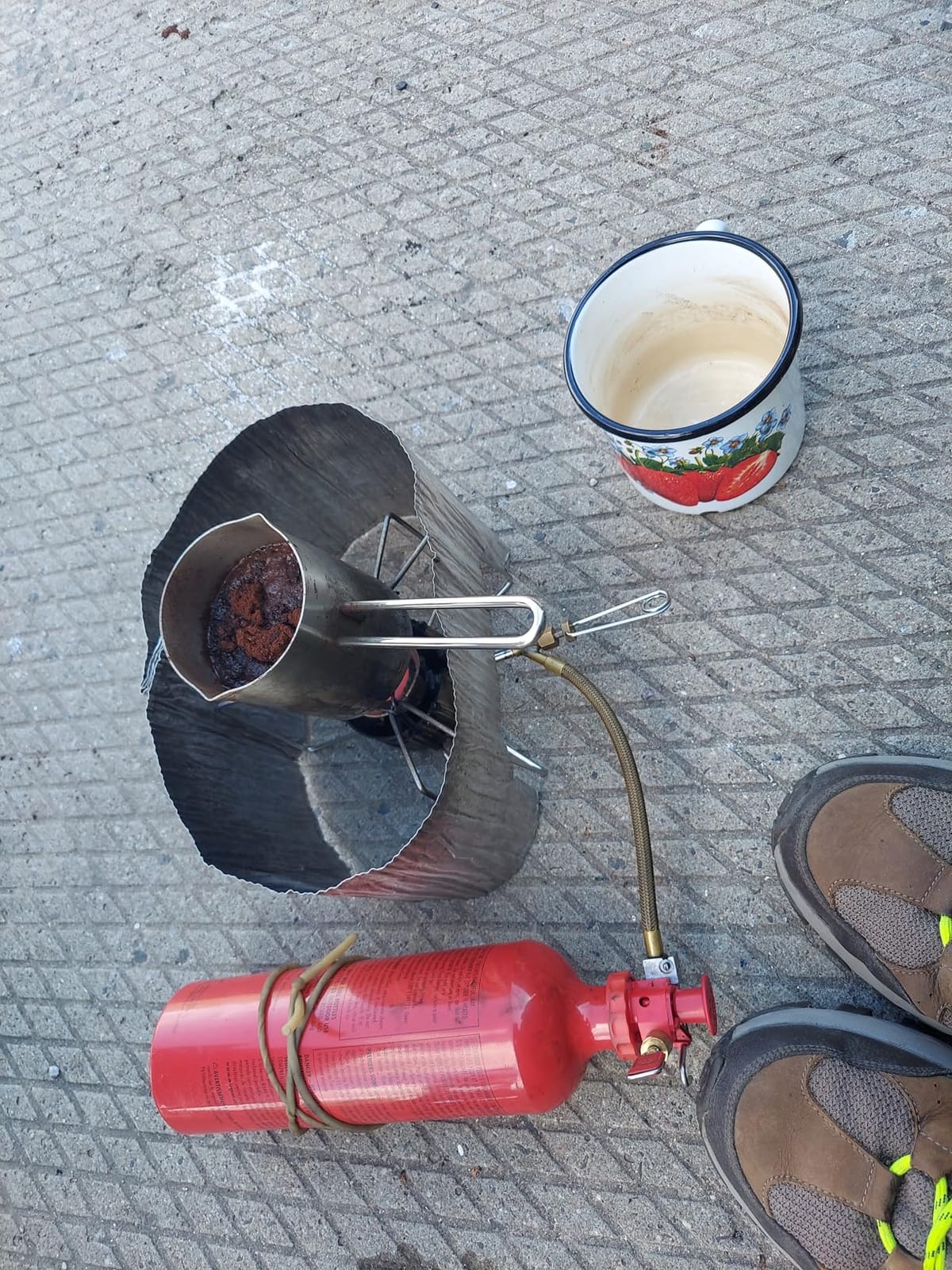
Flame control is the best in this roundup. A dual-valve design moves from simmer to rolling boil in fine increments, so you can braise as easily as boil. The suspended burner cup design burns hot while reducing heat lost to the ground, which matters when you are melting snow and every wasted calorie shows up in your water.
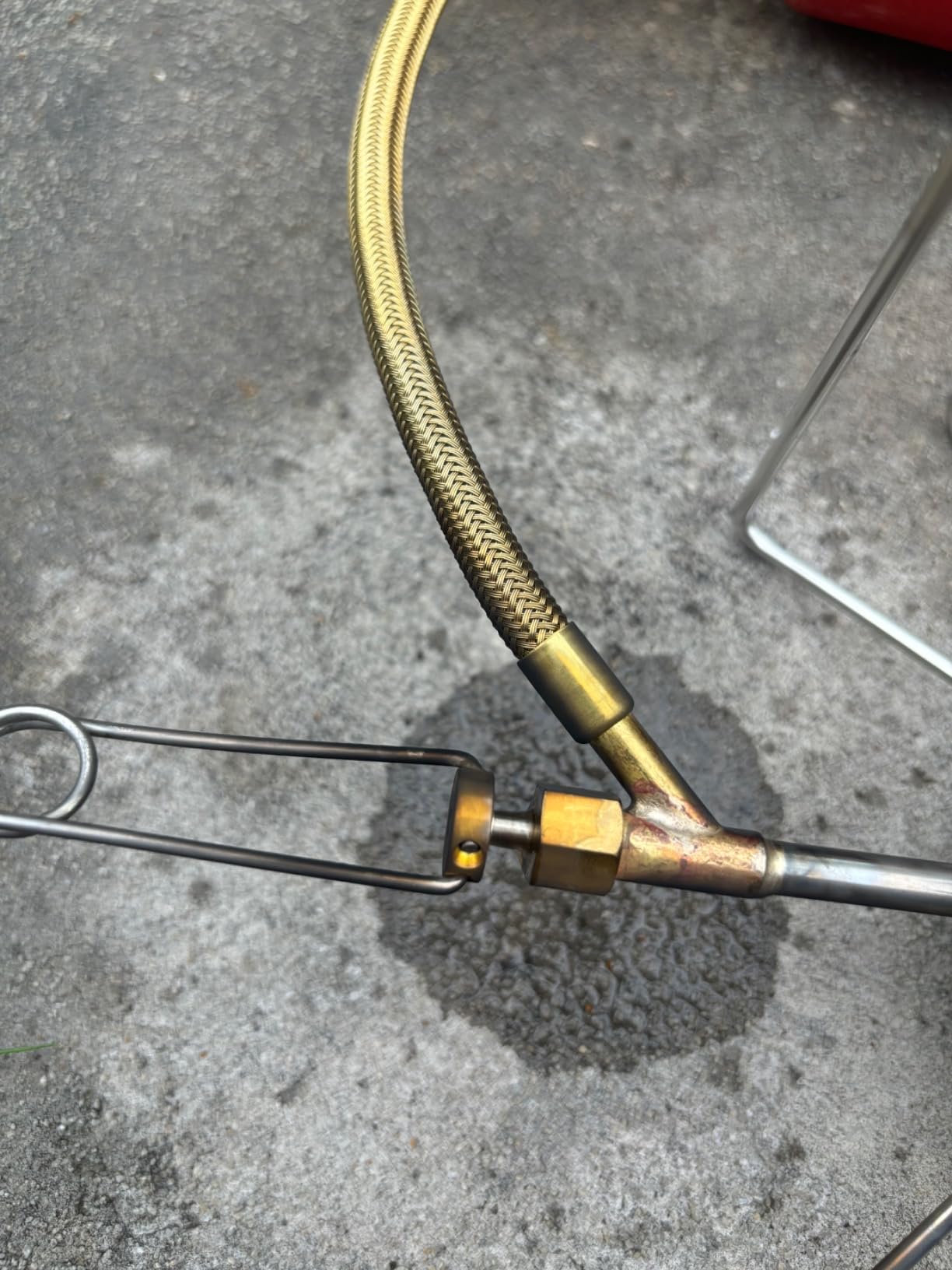
Pot support is the other headline. Extra wide arms stabilize pots and pans up to 10 inches in diameter, the widest range here, and the Shaker Jet design allows complete field cleaning and maintenance. A fuel pump, windscreen, heat reflector, small parts kit and stuff sack are all in the box, with a 3-year manufacturer limited warranty.
What you give up compared with a canister stove
It weighs 14.1 ounces, 0.40 kg, and it is the heaviest stove in the roundup by a wide margin. Folded it goes down to one third of its working size and fits inside a two-liter pot, which helps, but a two-liter pot plus a liquid fuel bottle is a real chunk of a pack.
It is also the most expensive unit here, fuel has to be pumped rather than twisted on, and it carries more parts and needs more regular field maintenance than a canister stove. Making in the USA, it is a purchase rather than a casual gear choice.
Who the Dragonfly fits
It suits winter and shoulder-season trips, high altitude trekking and mountaineering, multi-day group cooking where a 10 inch pan matters, and international travel where liquid fuel is available and canisters are not. The included windscreen makes it useful above treeline.
It is the wrong pick for a summer solo hiker, for anyone who has never pumped a fuel bottle before, and for a backcountry kitchen that needs to stay under a pound. For three-season trips in the lower 48, the SOTO WindMaster delivers most of the cooking capability at a quarter of the weight.
11. Odoland 3500W – Best Off-Canister Portable Camping Stove Design
Odoland 3500W Windproof Camp Stove Camping Gas Stove with Fuel Canister Adapter, Piezo Ignition, Carry Case, Portable Collapsible Stove Burner for Outdoor Backpacking Hiking and Picnic
Weight: 14.5 oz
Output: 3500W
1 liter in about 3 min
Canister runs on the ground
Pros
- Canister on the ground makes it far more stable than top burners
- Holds up well in wind with the integrated screen
- Works with EN 417 canisters and propane bottles via adapter
- Folds flat into an included carrying case
Cons
- Piezo often needs three or four presses to light
- Touchy needle valve with a narrow safe window
- Shallow threads puff propane and can leak
The Odoland uses an arrangement most people never try: the fuel canister stays on the ground and the burner runs off it through a hose. That changes everything about stability. A 3500 watt flame on a canister mounted on top will tip; the same flame on a remote burner with a weighted canister behind it will not.
Power is the other argument. Two variants are offered at 3500W and 6800W, and the 3500W model boils a liter in about 3 minutes depending on weather, fuel and cookware, which puts it level with the best pocket stoves despite the off-canister layout. The windscreen design keeps the flame lit in wind and improves burning efficiency.
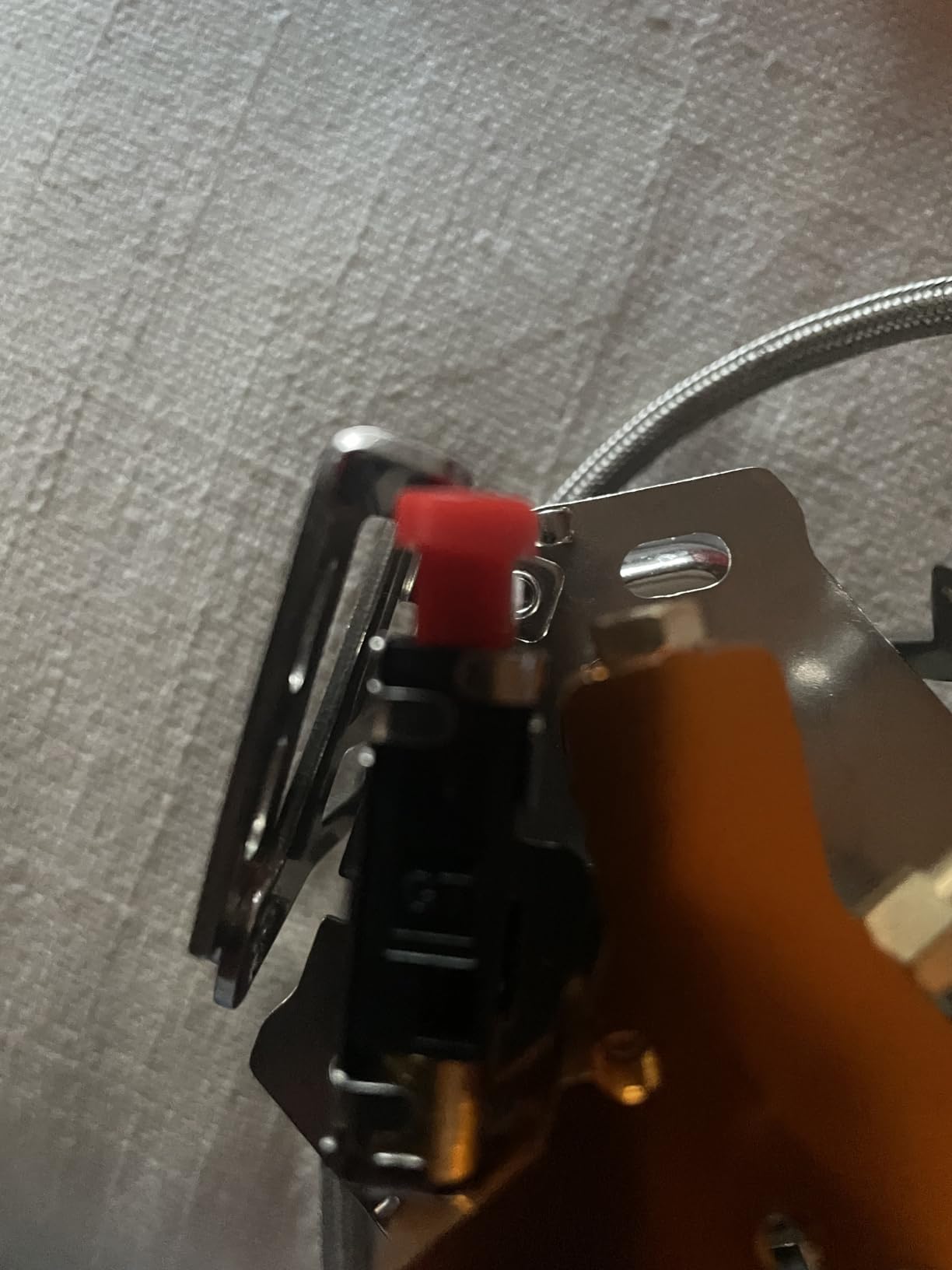
Fuel compatibility is unusually broad. Two connector types are included, so it takes any 7/16 thread EN 417 propane or butane-propane canister and, with the adapter, a 1 lb propane bottle. That makes it a natural fit for a van or a mixed kit where you already carry propane.
Construction is aluminum alloy and stainless steel with piezo ignition and a flame controller, and it folds into an included carrying case. Across more than 2,200 reviews the 4.4 average is the second lowest here, and the reasons are specific rather than vague.
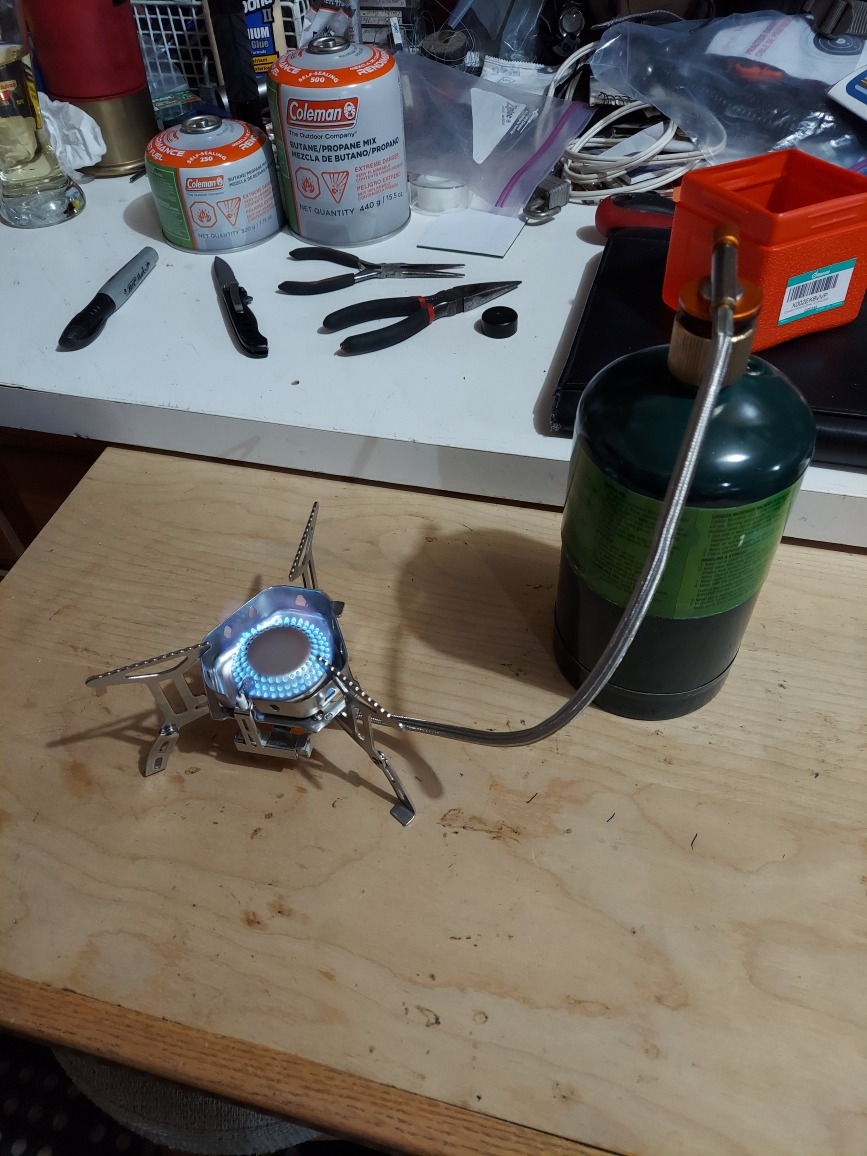
What you give up compared with a top-mounted burner
The short hose is the central compromise. It limits how far the canister can sit from the burner, which pulls the gas line close to the flame, and it means you need level ground for the canister as much as for the stove.
The reliability notes are concrete: piezo igniters that need three or four presses or stop working, a needle valve so touchy that roughly a quarter turn separates off from dangerously high flame, and shallow canister threads that puff propane on attachment and can leak when the valve is closed. The legs are also unevenly tensioned and can fold while you are cooking.
Who the Odoland fits
It suits van life and car camping with a short walk-in, group meals where tipping is the real problem, and anyone who already carries propane and wants to use it. Higher wind tolerance than most top burners is a genuine plus on an open site.
It is the wrong pick for a hiker who needs a small, light, dependable unit, and for anyone who would be annoyed by a valve that requires careful attention every time they cook. Check it thoroughly before a trip rather than discovering a leak on the trail. If you want stability without the valve drama, the Coleman Classic is the simpler version of the same idea.
12. Kuvik Titanium Wood Stove – Best Portable Camping Stove for Gathering Fuel
Kuvik Titanium Wood Stove – Ultralight and Compact Stove for Backpacking
Weight: 6.8 oz
Grade-1 titanium
Collapses to 0.2 inch thick
Fuel: wood
Pros
- Burns twigs and sticks so no fuel weight is carried
- Collapses to 0.2 inch for gapless packing
- Tab-and-slot setup with no tools
- Large stoking opening and adjustable pot rack
- Carry case keeps soot out of your gear
Cons
- No flame control so simmering is not possible
- Needs dry wood to be available at camp
- Heavier than a titanium alcohol stove
The Kuvik removes fuel weight from your pack entirely, and on a two-week trip that is the single biggest pack-weight reduction available in this roundup. It burns dry twigs, sticks, grass, roots or bark gathered at camp, which means you carry a stove and nothing else.
It is grade-1 titanium, corrosion resistant and roughly steel-strong at half the weight, and it weighs 6.8 ounces. It collapses to 0.2 inches thick, which means it slots into a pack without adding the lump that a folded metal box creates.
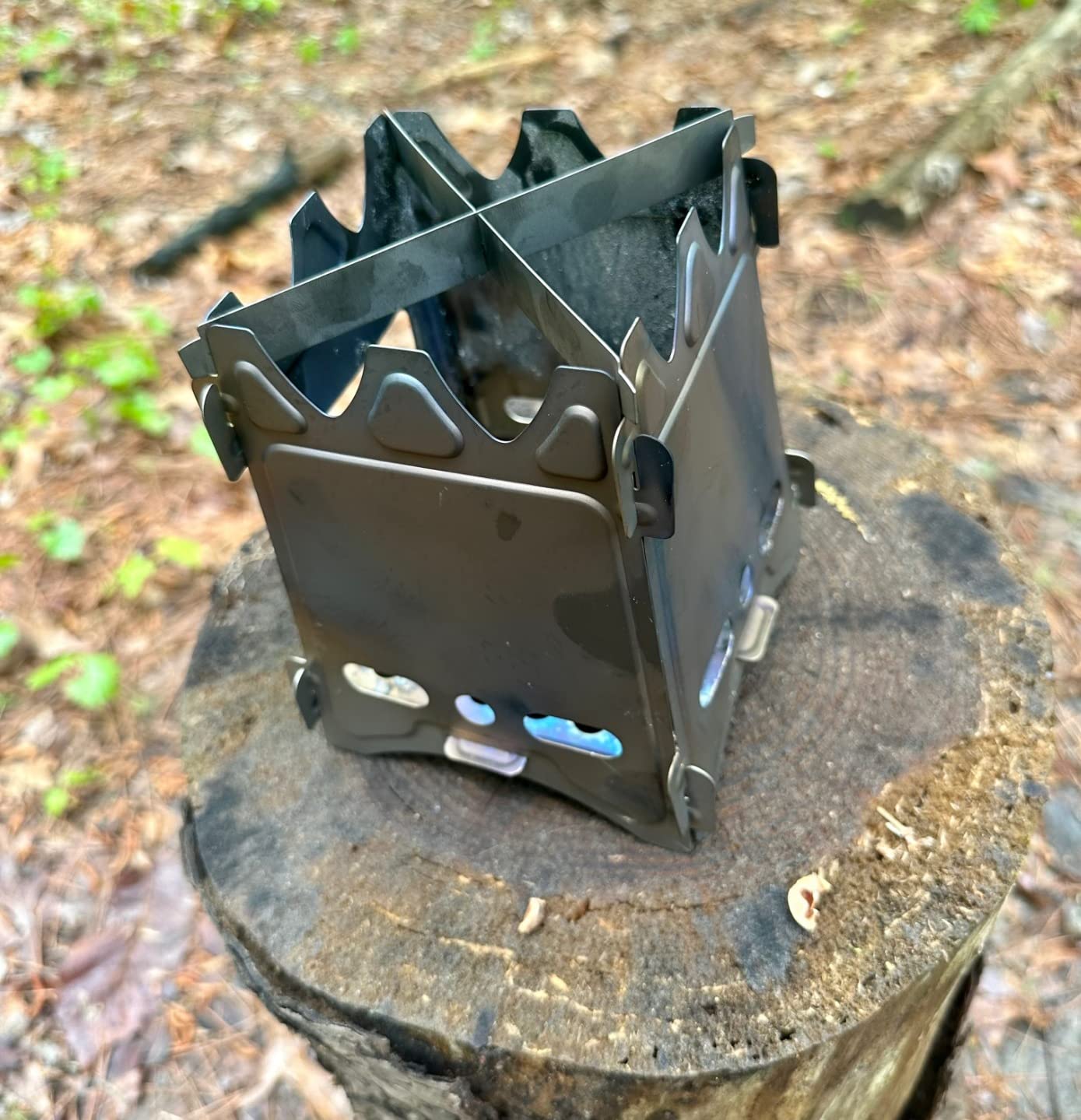
Assembly is a flat titanium panel with tabs and slots that turns into a freestanding fire pit in seconds, with no tools and no instructions to reread in the dark. A large opening makes stoking easy, and the pot rack adjusts to fit a range of pot and pan sizes.
The included carrying case prevents soot transfer to the rest of your gear, which sounds minor until the first time an unprotected wood stove marks a shirt. Reviewers rate it highly for exactly the reasons that matter: gathered fuel, flat packing, and titanium durability.
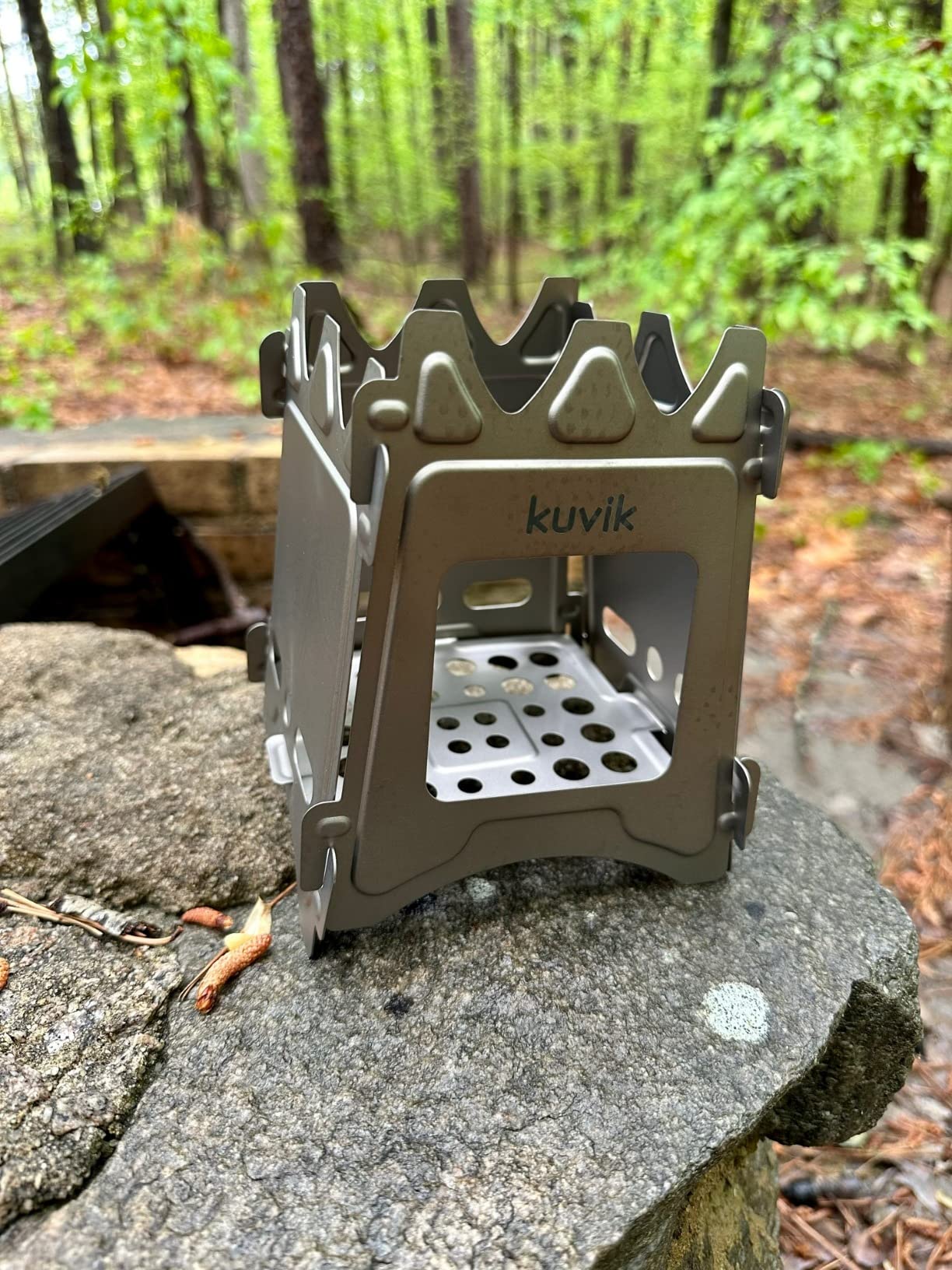
What you give up compared with a gas stove
There is no flame control. You can boil, heat, or warm, but you cannot simmer, and precision cooking is simply not on the table. That is the clearest reason a wood stove lives beside a canister stove in most kits rather than replacing it.
It is also entirely dependent on dry wood being available, which rules it out above alpine treeline, in desert terrain, and in the wet coastal forests where a week of rain means wet kindling. You still have to collect and prepare the fuel before you can cook, and soot and ash tarnish the titanium over time.
Who the Kuvik fits
It suits long trips in wooded terrain, winter camping in the boreal forest, bug-out and emergency kits, and anyone who would rather not carry a canister. As a secondary stove alongside a gas burner, it is close to ideal.
It is the wrong pick for alpine routes, deserts, and anyone who wants to cook real food. And it must never be used indoors, in a tent, or anywhere burn restrictions apply. Treat it as a specialist tool: superb in its lane, useless outside it.
Portable Camping Stove Buying Guide for 2026
Choose your fuel before you choose the stove
Fuel type is the first filter, and it eliminates more options than weight or price. Canister stoves twist onto a threaded isobutane propane canister, light with a piezo, and are the default for three-season trips. They are cheap to refuel and widely available, but they stop working when the canister gets too cold to produce vapor.
Liquid fuel stoves pump fuel from a bottle, run on white gas or in many cases other fuels, and keep working in cold and at altitude. The cost is weight, pumping, and more parts to maintain. Alcohol burners use cheap denatured alcohol, carry no canister thread to worry about, and run on a range of fuels when paired with the right stand, but they drink fuel and need a windscreen.
Wood stoves take no carried fuel at all and cannot simmer. Remote or off-canister setups keep the canister on the ground, which is far more stable and lets you run a bigger burner, at the cost of a hose and a fussy valve.
What actually matters in a BTU number
One BTU is the energy needed to raise one pound of water by one degree F, and stove output is measured in BTUs. It tells you how much heat is available, not how efficiently it reaches your pot, which is why a 3500 watt off-canister burner and a 2800 watt pocket stove can boil at similar speeds.
Distance between flame and pot matters more than raw output. A stove that pulls the pot close converts more of the burn into the water, which is the entire engineering argument for integrated systems and for close-set burner heads. Ignore the number when a manufacturer has not told you the geometry.
Weight: judge the whole system, not the stove
Stove weight is marketing. The honest number is stove plus pot plus windscreen plus igniter, plus the fuel you will actually carry. A nested titanium setup with a BRS-3000T can sit near 15 ounces total, while an integrated system with a full canister can exceed 30 ounces before you add anything else.
For most hikers the useful tiers are simple. Under 2 ounces of stove body means ultralight and forgiving of small pots. Two to four ounces is the standard pocket range and the sweet spot. Above eight ounces, you are buying capability rather than saving weight, and that trade is only worth it for wind, cold, or real cooking.
Two accessories earn their weight more than any stove upgrade. A windscreen, whether a folding one or a square of heavy foil with a seam, is under an ounce and changes performance in wind more than any other purchase. A windscreen that also reflects heat back into the pot speeds boiling noticeably.
Wind resistance and windscreens
Wind is the most common complaint on every stove forum, and the reason is physical. A flame needs oxygen, and air moving across a small burner head steals it. The defenses are a close-set pot that shields the flame, a windscreen around the burner, and a burner head that keeps hot gas in contact with the pot.
This roundup’s most wind-capable designs solve it differently. The SOTO WindMaster uses a concave burner head and close pot placement to act as its own windscreen. The AOTU uses a honeycomb aluminum net. The Odoland uses an integrated screen. The Kuvik and Evernew are the extremes: fire and liquid flame, both needing your windscreen.
Simmer control, boil time, and what you cook
Boil-only hikers should optimize for speed and fuel efficiency, and integrated systems win because the pot pulls heat back down into the water. Real cooks should optimize for flame control, and that means fine valve increments and pot support wide enough for a skillet.
A stove that adjusts in one jump from off to full is fine for coffee and painful for anything else. Look for a valve that moves through a usable low range, and for pot supports that let you stir without the pot sliding off. Serrated supports and wider arms are the details that show up on the stoves built for real food.
Altitude, cold, and what to do when a canister quits
Two things happen at altitude. Water boils at a lower temperature, so food takes longer to cook, and the thinner air gives a flame less oxygen, which slows it further. Compounding this, an isobutane propane canister loses pressure as it cools, and a cold canister in cold air can stop producing vapor entirely.
If that happens in the field, there is a sequence worth memorizing. Put the canister in your jacket or sleep with it so your body heat warms the liquid back up, then relight. Set the stove on a dry rock or bare ground rather than cold wet ground, since the ground is pulling heat out of the system. Use a windscreen to raise the air temperature around the burner. If none of that works, switch to a second fuel type.
The durable fix is not a bigger regulator. It is carrying a stove that can invert a canister or run liquid fuel, so fuel choice is never blocked by temperature. That is a real weight cost, and it is why we recommend the WindMaster for most people and the Dragonfly for genuine winter and altitude work.
Canister threads, windscreen safety, and burn bans
Most canister stoves take 7/16 thread EN 417 canisters, which is the common isobutane propane standard in the US. Screw-on propane canisters and some regional formats are different, and the AOTU in this roundup is a butane-only fit, so check the thread before you leave home. Outside the US, EN 417 is common in Europe and Japan but availability is patchy in parts of Asia, Africa and South America, which is where liquid and alcohol fuels earn their place.
Two safety rules are non-negotiable. Never cook inside a tent or enclosed shelter, because stove heat and carbon monoxide have no outlet and the practice has ended lives. And never heat a fuel canister directly, warm it over a fire, or put a hot canister in water, since pressurized isobutane has no safe way to absorb that energy.
Fire restrictions are the third. Many national parks and forest areas ban open flames and wood stoves outright, and some ban alcohol and solid fuel tablets above treeline while still allowing canister stoves. Check the rules for every specific area you enter rather than assuming, and know that a stove is not exempt because it is small.
Maintenance, O-rings, and why a lighter still goes in the pack
Every canister stove in this roundup depends on a seal, and that seal is the part that fails. Check the O-ring before every trip, replace it if it is hard, cracked or flattened, and carry a spare. A canister that leaks gas into your pack liner is a bad afternoon, and a failed O-ring is the most common reason a working stove will not light.
Igniters deserve the same suspicion. Piezo igniters are the first thing to break on ultralight stoves, and owners on r/Ultralight and r/CampingGear consistently carry a lighter even with an igniter-equipped stove. It weighs nothing and it has ended more bad camps than any stove choice on this list.
Serviceability separates the stoves that survive years from those that get replaced. The SOTO WindMaster has a replaceable igniter post and documented replacement O-rings. The MSR Dragonfly has a field-serviceable jet and a small parts kit. The Evernew and Kuvik are titanium, which shrugs off the crush damage that ends clones. A piezo-only, no-spare-parts design is fine until the day it is not.
For gear that pairs with any of these stoves on a car-camping trip, our picks for kids walkie talkies for camping cover the coordination side of a site, and our portable monitors and portable projectors picks handle downtime once the stove is off. For a van setup where the stove is part of a longer build, the same weight logic applies to everything else you carry.
Frequently Asked Questions
What is the best camp stove for backpacking?
For most hikers the MSR PocketRocket 2 is the best camp stove for backpacking. It weighs 2.6 ounces, boils a liter of water in about 3.5 minutes, and its flame runs from a simmer to a rolling boil without extra steps. If your trips are windy and exposed, the SOTO WindMaster is the better pick because its built-in pressure regulator and concave burner head hold output steady and protect the flame.
Is MSR or Jetboil better?
It depends on whether you value weight or speed. MSR builds bare burners that weigh as little as 2.6 ounces and work with any pot you own. Jetboil builds integrated systems that boil faster and use less fuel because the pot pulls heat back down into the water, but they cost more and lock you to branded cookware and fuel. Light hikers pick MSR. Speed-first and boil-only hikers pick Jetboil.
Is Jetboil the best backpacking stove?
The Jetboil Flash 1.0L is the fastest stove in our roundup, boiling 16 ounces of water in about 2 minutes with turn-and-click auto ignition and everything nesting in the cook cup. It is the best choice for first-time campers and cold trips where a dead piezo would end dinner. It is not the best choice for a thru-hiker, because the full system is the heaviest here and it only works with branded pot and fuel.
What is the best backpacking stove for cold weather?
For genuine cold and altitude, the MSR Dragonfly is the safest answer because it runs on liquid fuel that keeps flowing when isobutane canisters lose vapor pressure. Its dual valves give the best flame control in our roundup and pot supports reach 10 inches. If your cold trips stay mild, the SOTO WindMaster is the lighter compromise, though no regulator can fix a canister too cold to produce fuel.
Which backpacking stove lasts the longest?
Serviceable construction predicts longevity better than price or brand. The MSR Dragonfly is built for field maintenance with a serviceable jet and a small parts kit, the SOTO WindMaster has a replaceable igniter post and documented replacement O-rings, and the Evernew and Kuvik use titanium that resists crushing and corrosion. Ultra-light stoves with no spare parts and a sealed piezo are the ones that get replaced.
Are gas canister stoves safe?
They are safe when you follow three rules. Never cook inside a tent or enclosed shelter, because stove heat and carbon monoxide have no outlet. Never heat, boil or submerge a fuel canister, since pressurized isobutane has no safe way to release that energy. And check fire restrictions for every area you enter, because many parks and forests ban open flames and wood stoves while still allowing canister stoves.
Conclusion
Twelve stoves, one clear answer. The MSR PocketRocket 2 is the best portable camping stove for backpacking in 2026 because it does nearly everything right at 2.6 ounces, lights with no procedure, and takes any pot you own. The SOTO WindMaster is the buy if wind is a constant on your routes, and the Jetboil Flash is the buy if you would rather not think about cookware at all.
Everything else in the list is a specialist worth knowing. The AOTU and Coleman Classic handle pans, the BRS-3000T is the lightest stove here, the Evernew and REDCAMP cover non-canister fuel, the Dragonfly covers cold and altitude, the Odoland fixes stability, and the Kuvik removes fuel weight entirely.
Whichever you pick, add a windscreen and a spare O-ring before your first trip, and check the fire rules for every area you enter. Both take five minutes and both have saved more camps than any stove on this list.